
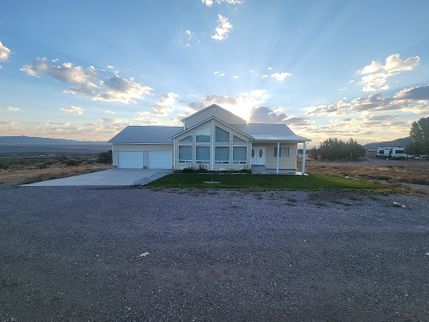
The Scope and Purpose of a Home Inspection
Purchasing property involves risk
The goal of a home inspection is to minimize the risks involved in purchasing a property by offering a professional assessment of its overall condition. However, a home inspection is a limited visual assessment and cannot completely eliminate risk. Some properties may have more inherent risks than others, which we cannot control. We strive to educate you about potential unknowns that may arise during the inspection, but conveying this through a report alone can be challenging. Therefore, we highly recommend attending the inspection in person to gain a better understanding of the property’s condition.
A home inspection is not an insurance policy
This report does not substitute for or serve as a warranty or guarantee of any kind. Home warranties can be purchased separately from insuring firms that provide this service.
A home inspection is visual and not destructive
The descriptions and observations in this report are based on a visual inspection of the property. We examine visible parts of the structure without dismantling, damaging, or altering any components, and without moving furniture or interior furnishings. Areas that are concealed, hidden, or otherwise inaccessible are excluded from this inspection. Additionally, certain systems may not be tested to avoid potential damage—for example, overflow drains on bathtubs are not tested to prevent possible water damage to finishes, and air conditioners are not operated when ambient temperatures fall below 65ºF.
Our inspection approach is non-invasive and non-destructive, which naturally limits its scope. We follow NAC 645D.060 guidelines, and we are not required to access areas that are not readily accessible. "Readily accessible" means that the inspected item can be reached without moving furniture or stored items, causing damage to finishes, entering spaces smaller than 18 x 24 inches, or using a ladder taller than 12 feet. We also do not operate any system or component that is shut down, inoperable, or requires controls beyond normal, standard operation.
This is not an inspection for code compliance
This inspection and report are not intended to evaluate city or local code compliance. During the construction phase, municipal inspectors assess structures for code adherence when the framing is fully exposed and visible. However, inspections of finished homes are more limited due to the enclosed nature of the framing. Building codes are updated approximately every three years across various disciplines, but municipalities adopt and enforce these updates at different times. Generally, there is no requirement to bring older homes up to current code standards unless major renovations are performed.
We do not use terms like "code" in our reports to avoid implying that we are conducting a code compliance inspection. Instead, we use terms such as "building standards" or "building practices." Any systems or components that did not meet building standards at the time of their installation will typically be noted with a repair recommendation. Likewise, any system or component that met the standards at the time of construction but no longer aligns with current standards will receive an upgrade recommendation.
This is just our opinion
Construction techniques and standards can vary widely, and there is no one "correct" way to build a house or install systems. The observations in this report reflect the professional opinion of the home inspector, but other inspectors or contractors may have different viewpoints. Our evaluation is based on the information available and what can be visually observed at the time of the inspection. It's important to note that we are not troubleshooting, diagnosing, or determining the root cause of any condition. If you have concerns or need further clarification, we recommend seeking additional opinions from other qualified professionals, which is often times recommended for many of the findings.
The scope of this inspection
This inspection will include the following systems noted in NAC 645D.480, The evaluation will be based on limited observations that are primarily visual and non-invasive. This inspection and report are not intended to be technically exhaustive, and we will not be troubleshooting or making repairs during the inspection. If a system or component fails to operate or function properly, determining the cause is beyond the scope of this inspection. While we may occasionally provide our opinion on the possible cause of an issue, this is not a substitute for having the system professionally evaluated by a licensed contractor.
Your expectations
The primary goal of a home inspection is to help align your expectations with the condition of the house you are considering purchasing. To achieve this, we assist in the discovery process by highlighting and documenting our observations during the inspection. However, this should not be confused with a technically exhaustive inspection meant to identify every possible defect in the building. While such inspections are available, they are typically cost-prohibitive for most homebuyers. Please note that our role is not to troubleshoot or resolve any issues that may exist but rather to observe and report on conditions that may require further evaluation by specialists in the appropriate field. We do not provide
How to Read This Report
Getting the Information to You
This report is designed to deliver important and technical information in a way that is easy for anyone to access and understand. If you are in a hurry, you can take a quick look at our "Summary Page” and quickly get critical information for important decision making. However, we strongly recommend that you take the time to read the full Report, which includes digital photographs, captions, diagrams, descriptions, videos and hot links to additional information.
The best way to get the layers of information that are presented in this report is to read your report online (the HTML version), which will allow you to expand your learning about your house. You will notice some words or series of words highlighted in blue and underlined – clicking on these will provide you with a link to additional information. The HTML version of this report also contains streaming videos. Short video clips often contain important information and critical context and sounds that can be difficult to capture in words and still pictures.
For the most reliable viewing experience, I recommend viewing the report on as large a screen as practical, as much detail can be lost on small devices like smart phones. For similar reasons, reports should only be printed in color to retain as much detail as possible and minimize misinterpretation of photographs.
This report can also be printed on paper or to a PDF document.
Chapters and Sections
This report is divided into chapters that parcel the home into logical inspection components. Each chapter is broken into sections that relate to a specific system or component of the home. You can navigate between chapters with the click of a button on the left side margin.
Most sections will contain some descriptive information done in black font. Observation narrative, done in colored boxes, will be included if a system or component is found to be significantly deficient in some way or if we wish to provide helpful additional information about the system or the scope of our inspection. If a system or component of the home was deemed to be in satisfactory or serviceable condition, there may be no narrative observation comments in that section and it may simply say “tested,” or “inspected.”
Observation Labels
All narrative observations are colored, numbered and labeled to help you find, refer to, and understand the severity of the observation. Observation colors and labels used in this report are:
- Major Defect:Repair items that may cost significant money to correct now or in the near future, or items that require immediate attention to prevent additional damage or eliminate safety hazards.
- Repair:Repair and maintenance items noted during inspection. Please note that some repair items can be expensive to correct such as re-finishing hardwood floors, but are considered simply repair items due to their cosmetic nature.
- Due Diligence:Observation such as a buried oil tank that may require further investigation to determine the severity and / or urgency of repair.
- Maintenance:These are repair items that should be considered "routine home ownership items," such as servicing the furnace, cleaning the gutters or changing the air filters in the furnace.
- Monitor:Items that should be watched to see if correction may be needed in the future.
- Positive Finding:Items that appeared to be complete at the time of reinspection
- Informational:Informational
- Efficiency:Denotes observations that are needed to make the home more energy efficient as well as to bring the home up to modern insulation standards. This category typically includes windows and insulation. Other items, such as lighting and appliances, are not inspected for their energy status.
- Upgrade:Observations that are not necessarily defects, but which could be improved for safety, efficiency, or reliability reasons. These are often items which reflect changes in building codes or standards.
Summary Page
The Summary Page is designed as a bulleted overview of all the observations noted during inspection. This helpful overview is not a substitution for reading the entire inspection report. The entire report must be read to get a complete understanding of this inspection report as the Summary Page does not include photographs or photo captions.
The Complete Report
⛈️Roof, Chimney and Gutters
Roof Materials
Eaves, Soffits, and Fascia
Chimneys
Skylights
Gutters, Downspouts & Roof Drains
🌵Grounds
Irrigation
Site Elements, Grading & Drainage
Fences & Gates
Grounds, Trees and Vegetation
Grounds / Parking Lighting
Driveways/Walkways/Flatwork
Exterior Stairs
Outbuildings, Trellises, Storage Sheds, Barns
⚡Electric Service
Electric Service
Electric Service Equipment
Sub Panel
Appliance Disconnects
Electrical Grounding System
Electrical Bonding System
🔌Electric Distribution and Finish
Branch Wiring
Receptacles and Fixtures
Smoke and Carbon Monoxide Alarm Systems
Ceiling Fans
🔥❄️Heating, Cooling, Fireplaces, & Ventilation
Heating System 1
AC System 1
Air Filters
Heating and Cooling Distribution Systems
Vents and Flues
Mechanical Ventilation Systems
Solid Fuel Fireplaces
🪠Plumbing
Water Meter
Exterior Hose Bibs
Water Service Supply
Distribution Pipe
Waste Pipe and Discharge
Private Septic System
🛋️Interior
Floors and Floor Materials
Walls, Ceilings, Trim, Hallways and Closets
Wall Insulation and Air Bypass
Stairs and Railings
Interior Doors
Windows
🍽️Kitchen
Sinks and Faucets
Cabinets and Countertops
Garbage Disposal
Dishwasher
Ventilation Method
Ranges, Ovens and Cooktops
Microwave
Refrigerators
General Kitchen Condition
🕸️Attic
Attic Access
Roof Framing and Sheathing
Fire Separation and Fire Blocking
Attic Insulation
Attic and Roof Cavity Ventilation
💬General Comments
Building Characteristics, Conditions and Limitations
Approximate Year of Original Construction: 2020
Type of Building : Single Family (1 story)
Approximate Square Footage: 3125
Attendance: Inspector(s), Buying Agent (100%)
Occupancy: Unoccupied
This house was vacant at the time of inspection. Vacant and unoccupied homes present unique challenges for home inspection, particularly with the piping and wiring systems that haven't been regularly used. While these systems can be tested during an inspection, a one-time test differs from regular use, making it difficult to predict how they will perform afterward. For instance, septic systems might function initially but fail under regular daily use. Plumbing traps might show no signs of leaks during inspection but could fail after a few days of regular use. Shower pans may only leak when someone is standing in the shower. Seals for plumbing fixtures can dry out and leak when not in use. Sewer lines with roots may allow water flow but then fail when waste and tissue are flushed, potentially causing a backup after a few days. Please understand that we are doing our best to identify signs of past or existing problems to provide a realistic estimate of these systems' reliability during the inspection.
Animals Present: No
Weather Conditions: Clear, Partly Cloudy
Approximate Temperature: 60º
Ground/Soil surface conditions: Dry
Front Door Faces: West
Sub Area: Yes
Attic: Yes
Outbuildings: Yes
Pool/Spa: No
Utilities Present: All Electric, Water
Renovations: Original/mostly original
New Construction: No
RESALE HOME ASSESSED
The client is advised that this inspection aims to identify structural and mechanical deficiencies that require further evaluation by a qualified and licensed contractor. This inspection is not intended to serve as a "punch list" and may not address common cosmetic, appearance, or deferred maintenance issues. While the inspector may note these types of findings, any photos provided will be representative examples only and may not capture every occurrence.
⛈️Roof, Chimney and Gutters
Roof Materials
Roof Inspection Method: Viewed with a drone, Viewed from ground
ROBOTIC DRONE NOTE
The roof was inspected using a robotic drone, a method that often surpasses traditional roof-walking inspections. By viewing the roof from above, nearly every inch can be thoroughly examined, providing a more comprehensive assessment of the tiles, flashing, and penetrations. This aerial perspective offers a broader view, potentially identifying deficiencies that might be missed when observing the roof from the roof deck level. Additionally, the use of a drone enhances safety and minimizes the risk of causing damage by walking on the roof.

Roof Style: Gable, Shed
Approximate Roof Pitch: 4/12 to 6/12
Roof Penetrations: Roof fully viewed
Roof Covering Materials: Metal with exposed fasteners
Metal roofing: The life expectancy of metal roofing materials can vary from 20–50 years, depending on the method of manufacture, thickness, of the roofing material, the quality of the installation, and the roof design and exposure. Maintenance for metal roofs is often dictated by the manufacturer and recommended maintenance procedures can vary depending on whether the roof material is painted, has zinc all the way through, or whether it is thinner sheet metal with painted-on weather protection. Some roofs only require debris to be cleaned off to prevent water damming. Others have proprietary cleaning methods to prevent damage to coatings and may require touch-up of corrosion to prevent corrosion from causing leaks.
Flashings, Valleys and Penetrations: Present and Visually Standard
ROOF FLASHING NOTE
Roof flashings are used to keep a roofing system waterproof where the roofing material starts, stops, changes direction, or is penetrated. During the inspection, we look for standard flashing techniques that could be considered normal or standard in our region. Damaged, incomplete or non-standard flashings can be a sign of an older or less reliable roofing system and may require repair. Any non-standard flashings noted during the inspection will be reported below if found.
Underlayment: Not visible
METAL ROOF BENT ALONG RAKE
The metal roofing material was bent along the rake at the depicted location. The bent metal should be corrected to prevent any possible moisture intrusion or improper water flow from the roof.

Eaves, Soffits, and Fascia
Fascia and Barge Boards: None noted
Soffits: Covered soffit, Vinyl
Soffit Staining: No
LOOSE SOFFIT
The soffit is loose at the front porch. This condition can allow pest intrusion. Corrections are recommended.

Chimneys
Present, Not Reviewed
Chimney Material: Metal
CHIMNEY CLEANING AND INSPECTION IS RECOMMENDED
The NFPA (National Fire Protection Association) recommends an annual inspection of all chimneys, fireplaces, solid fuel-burning appliances, and vents. They also recommend an NFPA 211 Standard, Level II inspection upon sale or transfer of the property. A Level II inspection includes, not only cleaning the interior of the chimney pipe, but also the use of specialized tools and testing procedures such as video cameras, etc. to thoroughly evaluate the serviceability of the entire flue lining and fireplace/chimney system. Level II inspections are not always needed, especially for short simple flues that can be inspected visually after a cleaning. If a chimney cleaning has not been performed over the past 12 months, such an inspection is recommended before the home changes ownership---for fire safety reasons. Implement any repairs as recommended.
Skylights
None noted
Gutters, Downspouts & Roof Drains
Materials: Metal (Aluminum)
🌵Grounds
Irrigation
Irrigation System: Not inspected
Type of System: Automatic irrigation system
Pressure Vacuum Breaker (PVB): Not present
NO PVB OBSERVED ON SITE
A Pressure Vacuum Breaker (PVB) is a type of backflow prevention device used to protect potable water supplies from contamination or pollution. It's commonly installed in irrigation systems, especially those that are connected to a municipal water supply. The primary function of a PVB is to prevent back-siphonage, where contaminated water could be drawn back into the clean water supply. This can happen when there's a sudden drop in water pressure. It is recommended that a PVB be installed.

IRRIGATION SYSTEM NOTED
The property includes one or more irrigation systems, which are not reviewed or included in this inspection. Regular maintenance is crucial for their proper operation. Please obtain any relevant information about these systems from the seller. Additionally, ensure that sprinklers are properly directed to prevent damage to the structure and surrounding concrete. I cold environments winterizing the system is recommended to prevent freezing during the cold months.
Site Elements, Grading & Drainage
Above grade (with respect to the road), Moderate slope
Soil: Rocky
Planters: None Noted
Clearance to Grade: Standard
Downspout / Drainage: Above grade
Site Description: Moderate slope
Fences & Gates
Exterior Fencing: None noted
Grounds, Trees and Vegetation
Trees/Vegetation: Yes - Prune Vegetation off House
TREE AND VEGETATION PRUNING
It's recommended to prune trees, branches, and vegetation away from the building. To prevent rodents from accessing the roof, ensure a minimum clearance of 6 feet, as many rodents can jump that distance. Additionally, all vegetation, including smaller landscaping like grasses, flowers, and shrubs, should be kept at least 1 foot away from the house to prevent moisture from being trapped against the building.

Grounds / Parking Lighting
Grounds Lighting: Line voltage
Driveways/Walkways/Flatwork
Driveway: Concrete
Walkways: Concrete
Patios: None noted
CRACKS NOTED IN FLATWORK
Cracks were noted in the driveway flatwork. This is common in flatwork, especially as it ages. Regular sealing of small to moderate cracks with a quality exterior flexible sealant can minimize water penetration and prolong the life of the flatwork. Large cracks can present a more urgent need for repair, especially if the cracks lead to displacement and trip hazards.
✒
- No immediate repair appears necessary, though water will continue to deteriorate the surface until the flatwork is repaired or replaced.

Exterior Stairs
Exterior Stairs: None noted, Graspable Handrail - Missing, Incomplete, Rotting, No Returns
Stair Material: Wood
GRASPABLE HANDRAIL RECOMMENDATIONS
The graspable handrail for the back deck stairs is missing. Handrails should be provided on not less than one side of each flight of stairs with four or more risers. This is required for stairs to and in the building, but maybe simply recommended for yard stairs depending on the situation or jurisdiction.
- ✒Graspable handrails have specific recommended profiles - shown in the illustrations below. They should be a round railing 1 and 1/4 inches - 2 inches in diameter. If the railing is not round it must have a finger groove that is 3/4 of an inch down from the tallest point of the rail. The graspable handrail should also be 1.5 inches from the wall. 2x material is not considered a graspable handrail. Have a qualified contractor build suitable railings to reduce the potential for falls.
 | -700x500.jpg) | 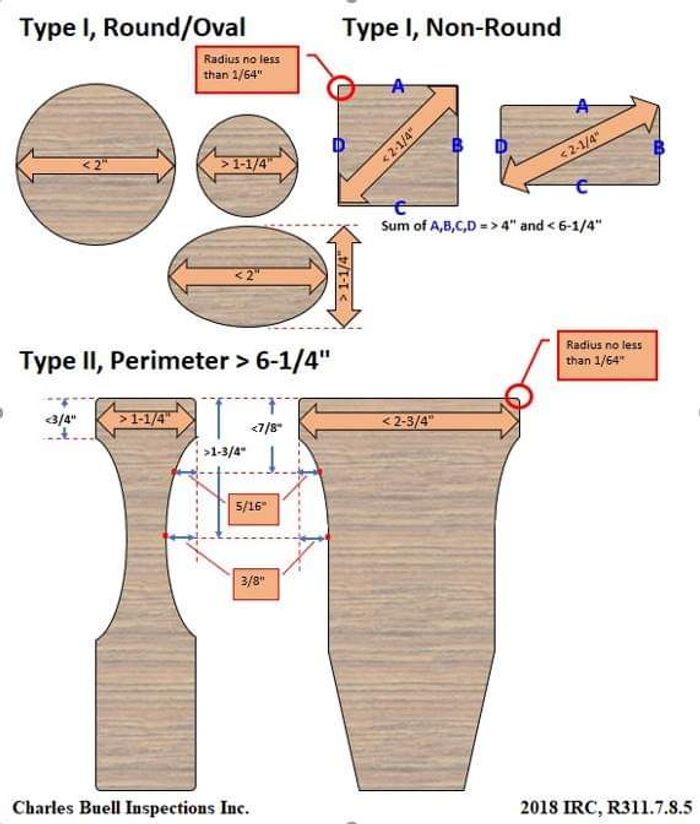 |
Outbuildings, Trellises, Storage Sheds, Barns
Not inspected
⛽Fuel Storage and Distribution
General Comments
NO FUEL SOURCES NOTED
No fuel sources, fuel storage devices or fuel burning appliances were found on site during our visual inspection.
🏠Exterior
Siding and Trim
Trim Material: Metal, Vinyl
Siding Material: Vinyl
Exterior Vent and Exhaust Terminations
Exterior Siding and Vent Terminations: Present, Direct vents noted
Exterior Doors
Exterior Door Styles: French doors, Glass panel doors, Hollow core
Security Doors / Gates: No
Exterior Window Frames
Frame Material: Vinyl
🛠️Decks, Porches and Balconies
Wood Decks Porches and Balconies
Present
To see a prescriptive guide for residential wood deck construction click this link:
Structure: Ground contact treated lumber
Ledger Board: Non-standard
Guardrail: Standard
Decking Material: Treated wood
Posts, Beams and Footings: Inspected
LEDGER BOARD FASTENERS POSSIBLY IMPROPER
Deck ledger boards are required to be secured with 1/2-inch lag bolts or through bolts, spaced 16 inches apart for joist spans up to 12 feet. During the inspection I was unable to verify if the bolts were the correct size, but they appeared to be smaller than required. It's possible a bolt of the proper size and requirements that I'm not familiar with was used. Additionally, fastener spacing exceeded the 16-inch requirement in several areas. It is recommended to remove a bolt to confirm its size and install additional fasteners where necessary to meet proper spacing and safety standards. Improperly secured ledger boards can pose a significant safety risk if the ledger fails.
 |  |  |
.jpg) |
NO FLASHING OBSERVED
No flashings were noted between the deck ledger board and the home. This could allow water to get trapped between the deck and the house, causing rot and a conducive pest condition. This can be a difficult retrofit once the deck is constructed. No damage was noted, but staining was present.

 |
🚗Garage
Garage General
Garage Type: Attached, Detached
Garage Doors and Automatic Openers
Overhead Garage Door Type: Sectional
Overhead Garage Door Material: Metal
Automatic Garage Opener: Tested, Laser Eyes (Too High), Sensitivity (Inadequate - 1 Door)
Garage Occupant Door: Solid Wood
GARAGE DOOR LASER EYES SET TOO HIGH
Typically, the sensors are installed about 4 to 6 inches off the ground. This placement ensures that they are close enough to the ground to detect obstructions but high enough to avoid interference from debris or low obstacles.

OVERHEAD DOOR SENSITIVITY
The overhead garage door opener does not reverse under resistance to closing. Adjustment of the sensitivity is recommended for improved safety. This typically involves adjusting a small plastic screw on the opener.


Garage Floor
Garage Slab: Concrete
Garage Stairs
Garage Stairs: Non-standard, Guardrail - Non-standard, missing, loose, incomplete, Graspable Handrail - Missing, Incomplete, Rotting, No Returns
INCOMPLETE GUARDRAIL
The guardrail system for the garage stairs is inadequate and not done to modern safety standards. All stairs more than 30-inches above grade should have a guardrail system for safety. Guardrails should have openings no larger than 4 inches and railing should be 36 inches high and strong enough to hold a falling adult. Hire a licensed general contractor to further evaluate and repair.
- The client is advised that building standards and practices change over time and the requirements mentioned above may not have been required at the time of construction or installation of this structure.
 | .jpg) |
GRASPABLE HANDRAIL RECOMMENDATIONS
The graspable handrail for the garage stairs is missing proper returns into the wall. Handrails should be provided on not less than one side of each flight of stairs with four or more risers. This is required for stairs to and in the building, but maybe simply recommended for yard stairs depending on the situation or jurisdiction.
 | | |
🩸Water Heaters
Water Heater
System Type: Tank
Manufacturer: A.O.Smith
Data Plate: Shown Here
WATER HEATER DATA PLATE NOTE
This shows the data plate for this water heater. Keeping a record of appliance data plates is an important part of home maintenance and management. Data plates provide essential information about the appliance, including the model number, serial number, energy ratings, and manufacturing date, which are crucial for repairs, warranty claims, and replacements.

Size: 50 gal
Age: 2020
Energy Source: Electricity
Straps : Present
Drain Pan: Present with drain
Relief Valve: Present - Not Tested
TPRV NOTE
A temperature and pressure relief valve (TPRV) is required on all water heaters to discharge any excessive pressure within the tank. A discharge pipe should be attached to the valve and directed to a safe location away from body contact. Newer installations must be directed to the building exterior or to an approved indoor drain receptor. Most manufacturers suggest that homeowners test these valves at least once a year by lifting the lever to ensure the valve discharges properly and also recommend inspection of these safety devices every three years. The picture here shows a typical TPRV. They may also be found on the side of the heater on some models. I do not test these valves due to the possibility that they may leak after testing. A leaking or inoperative TPRV should be replaced immediately by a licensed plumber.
 (1) (1).jpg)
Expansion Tank: Inadequate Support
Bollard: Missing and Recommended
EXPANSION TANK NOT SUPPORTED
The expansion tank above the water heater is not well supported and could stress the piping system. Install support straps for this tank to prevent accidental damage to the supply piping system.

WATER HEATER PROTECTION RECOMMENDED IN THE GARAGE
A bollard is recommended to protect the water heater in the garage from physical damage. When the water heater is located where it could be damaged by vehicles, "approved" protective bollards (or other means of protection) are required for safety. I recommend that bollards be installed by a qualified plumber or other qualified party. Because current building standards do not specify what "approved" means, it is left up to jurisdictional interpretation. The commercial building codes do define what a bollard installation must look like and some jurisdictions use those guidelines. I would consider this best practice. Most jurisdictions accept bollards that are bolted to the floor--and expectations of them stopping a moving vehicle should be lowered. How they will perform is beyond the scope of this inspection. Appliances at the exterior of the home are required to meet the commercial installation standards listed below

⚡Electric Service
Electric Service
Service Entrance: Below Ground
Electric Service Equipment
Main Electric Panel Location: Garage
Panel Manufacturer: Square D
Panel Interior: Reviewed
Service Entrance (SE) conductor Size: Aluminum, 4/0, 200 amps
Main Panel Amperage: 200 amps
Electric Service Amperage: 200 amps
Overcurrent Protection Devices: Breakers
AFCI Breakers Present: Yes
GFCI Breakers Present: Yes
DOUBLE LUGGED NEUTRALS
If multiple neutral wires are connected to one lug, it can lead to overloading of the neutral terminal, especially if the combined current of the connected circuits exceeds the terminal's rating. This can cause overheating and potentially lead to electrical fires. Additionally, when multiple neutrals are connected to a single lug, it becomes challenging to isolate and troubleshoot problems. If a circuit fails or malfunctions, identifying the source of the issue can be more complicated.

AFCI BREAKERS TESTED
AFCI (Arc-Fault Circuit Interrupter) breakers are designed to detect arcing conditions in electrical circuits. Arcing can occur when there are loose connections, damaged wires, or other faults in the wiring system. These arcs can generate heat and potentially lead to electrical fires. The AFCI breaker monitors the circuit for signs of arcing and will trip to cut off the power if an arc is detected, preventing a fire. All breakers successfully responded to testing and reset without any problems.

GFCI BREAKERS TESTED
GFCI (Ground-Fault Circuit Interrupter) breakers monitor the current flowing through the circuit. If they detect an imbalance between the hot and neutral wires, typically caused by current leaking to the ground, they quickly cut off the power. This helps to prevent electric shock by ensuring that any stray current is interrupted before it can cause harm. All breakers successfully responded to testing and reset without any problems.

PANEL INTERIOR REVIEWED
The panel interior was reviewed in accordance with NAC 645D. Any observations or defects will be noted in this report.

ANTI-OXIDANT RECOMMENDED
It is recommended to apply anti-oxidant compound to aluminum wire connections to prevent oxidation, which can lead to poor electrical conductivity, increased resistance, and potential overheating. This is particularly important at termination points like outlets, switches, and breaker connections to ensure safe and reliable performance of the electrical system.

IMPROVED CONDUCTOR IDENTIFICATION RECOMMENDED
In standard wiring, white wires are typically used as neutral conductors. Re-identifying a white wire as a hot conductor (using a different color of tape or marker) helps prevent confusion. This is crucial for safety, as it ensures that anyone working on the electrical system knows the wire's actual function, reducing the risk of accidental shocks or incorrect connections. The client is advised that this condition does not impact the functionality of the electrical circuit, and it will operate correctly. However, for safety reasons, upgrades are recommended.
 |  |  |
Sub Panel
Sub Panel Location: Detached garage
Panel Interior: Reviewed
Service Conductor Size: Copper, #8, 40 amps
Wired as Main Panel: No
3 or 4 Wire Feed: 4 - Wire Feed
Sub Panel Amperage: Listing not visible
Sub Panel Voltage: 240 volt
Sub Panel Manufacturer: Square D
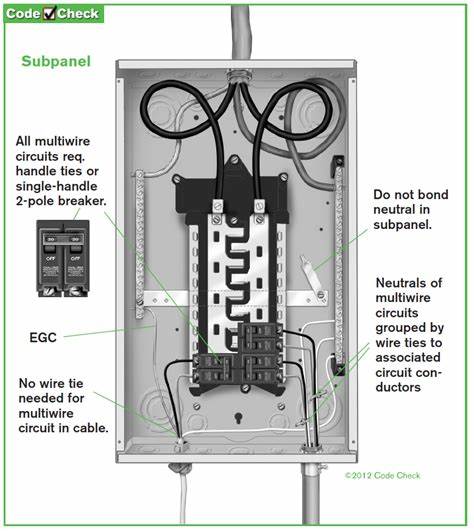
NEUTRALS AND GROUNDS NOT ISOLATED IN 4-WIRE SUB-PANEL
In a subpanel, the neutral and ground should be separated to prevent electrical faults and reduce the risk of electric shock. When neutrals and grounds are not isolated, it can lead to dangerous conditions such as ground loops, where current flows through unintended paths, potentially energizing metal parts and creating a shock hazard. The subpanel should have separate buses for neutral and ground wires. The neutral bus bar should not be bonded to the subpanel's metal enclosure, while the ground bus bar should be bonded to the enclosure. This separation ensures that any fault current is directed safely back to the main panel through the ground wire, while the neutral wire only carries the return current from the circuits. Proper isolation helps maintain the effectiveness of the grounding system, reducing the risk of stray voltage and ensuring that the subpanel functions correctly. It also prevents potential interference with sensitive electronic equipment, which can occur if the neutral and ground are improperly connected.
 |  |
DOUBLE LUGGED NEUTRALS
If multiple neutral wires are connected to one lug, it can lead to overloading of the neutral terminal, especially if the combined current of the connected circuits exceeds the terminal's rating. This can cause overheating and potentially lead to electrical fires. Additionally, when multiple neutrals are connected to a single lug, it becomes challenging to isolate and troubleshoot problems. If a circuit fails or malfunctions, identifying the source of the issue can be more complicated.

PANEL INTERIOR REVIEWED
The panel interior was reviewed in accordance with NAC 645D. Any observations or defects will be noted in this report.
Appliance Disconnects
Disconnects Noted: Air Conditioner
Electrical Grounding System
Present - Could Not Confirm
During a home or property inspection, every effort is made to inspect the visible components of the electrical system grounding. The grounding system is critical for safely discharging electrical surges, especially in the case of lightning strikes. There is no way in the context of a home inspection to verify the "effectiveness" of the grounding system as much of the system is not visible, and there are no practical tests one can perform in the way we can test a furnace or a plumbing fixture. However, many things can lead me to recommend further evaluation of the grounding system by a licensed electrical contractor, and they will be documented in the observations below if discovered.
Electrical Bonding System
Present - Could Not Confirm
During the inspection, I attempt to visually document electrical system bonding. There is no way in the context of a home inspection to verify the "effectiveness" of system bonding. All metallic systems in the building are required to be "bonded" (connected) to the the building's electrical grounding system. Bonding creates a pathway to shunt static charges (that would otherwise build up on the system) to earth, and to provide a pathway to trip a breaker in the event that these bonded metallic components became energized. There are many things that can lead me to recommend further evaluation of this system by a licensed electrical contractor and they will be documented as repair items in the observations below if discovered.
🔌Electric Distribution and Finish
Branch Wiring
Wire Material: Copper, Multi-strand Copper
Wiring Method: Non-metallic sheathed cable, Armored flexible cable, Liquid tight cable
SURFACE RUN NM CABLE
Surface-run cable wiring was noted during inspection. The exposed non-metallic sheathed cable needs to be properly protected inside a conduit or raceway so that the cable is not subject to physical damage. This is a potential safety issue. Hire a licensed electrician to further evaluate and repair.

Receptacles and Fixtures
Inspection Method: Tested All Accessible
During an inspection, I make every effort to test and inspect all accessible electrical receptacles and switches. However, the extent of testing is largely dependent on accessibility. When personal belongings or furniture obstruct access to receptacles and fixtures, fewer of them can be reasonably tested during the inspection. All defects identified today will be detailed in this report. Inspecting and testing the electrical system can be challenging. It’s important to understand that not all defects may be discovered during the inspection, and some issues found may not actually be defects. The reliability and consistency of tools used to verify proper wiring and function can vary significantly. The types of tools required for a comprehensive analysis of the system typically go beyond the scope of a Standard Home Inspection. I look for signs of potential issues, considering factors such as the age of the home, the types of wiring systems in use, and my personal experience, while testing with various common tools. Any identified issues will be further discussed, with recommendations provided in the electrical section below.
Electric Receptacles: Three wire receptacles, Open Grounds - Three Wire System
OPEN GROUND NOTED
An open ground receptacle occurs when the grounding wire in an electrical outlet is either not connected or not present at all. This means that the outlet does not have a proper path to the ground, which is a critical safety feature in modern electrical systems. The grounding wire provides a path for electrical current to safely dissipate in the event of a fault. Without grounding, the risk of electric shock increases, especially if there is a short circuit or if an appliance malfunctions. Many devices rely on the ground to protect against surges or other electrical anomalies. Without it, these devices are more susceptible to damage. It is recommended that a licensed electrical contractor evaluate and repair as needed.


GFCI PROTECTION NOT INSTALLED WHERE REQUIRED
GFCI (Ground Fault Circuit Interrupter) protection is a safety feature designed to protect people from electrical shock. It works by quickly cutting off power when it detects a difference in the electrical current between the hot and neutral wires, indicating that some of the current is flowing through an unintended path, such as water or a person. These devices are required in areas such as bathrooms, kitchens, garages, basements, outdoor areas and near swimming pools or hot tubs. The areas depicted in this report were required to be GFCI protected at the time of construction. Corrections are recommended for safety.
- The client is advised that none of the detached garage receptacle were GFCI protected.
 | .png) |
Smoke and Carbon Monoxide Alarm Systems
CO Alarms: None Noted
The installation of carbon monoxide alarms is recommended for all homes that have fuel burning appliances such as gas or oil furnaces, gas water heaters, gas ovens and cooktops, gas fireplaces and wood stoves. The location should be: at least one alarm outside of all sleeping areas and one on each floor of the house. Best practices are to have these alarms hardwired with a battery back-up - though requirements are for the installation to meet manufacturer's specifications. Carbon monoxide is a colorless, odorless gas that can cause sickness, nausea and even death. Alarms have a useful service life of roughly 6 years, so changing them more frequently than smoke alarms is recommended.
Smoke Alarms Noted: In All Bedrooms
Smoke Alarms: One Missing
MISSING SMOKE ALARMS NOTED
Several smoke alarms were noted to be missing. Repair / replace the missing smoke alarms in the house so that there is an operating smoke alarm in every bedroom and on every floor and one outside of all sleeping areas. Missing alarms were noted in the following locations:
 |  |
NO CARBON MONOXIDE ALARMS FOUND
The installation of carbon monoxide alarms is recommended for all homes that have fuel-burning appliances such as gas or oil furnaces, gas water heaters, gas ovens and cook-tops, gas fireplaces, and wood stoves. Carbon monoxide is a colorless, odorless gas that can cause sickness, nausea, and even death. For more information, consult the Consumer Product Safety Commission at 1-800-638-2772 (C.P.S.C.) Modern standards in many states now recommend one CO alarm outside of all bedrooms and at least 1 per floor of the house.
Ceiling Fans
Ceiling Fans: Present and Tested
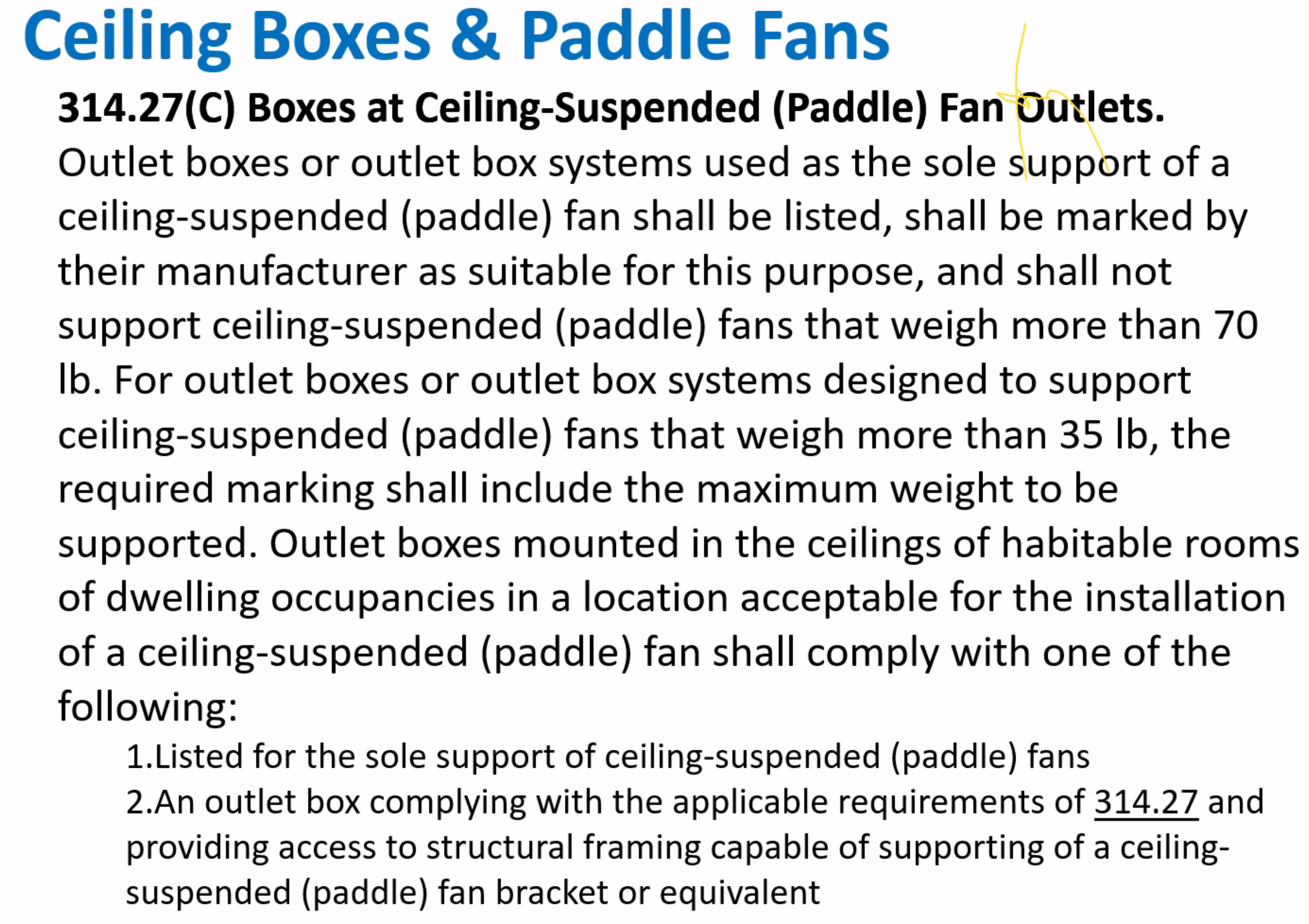
The ceiling fans were tested and operating during the inspection. I do not inspect the ceiling fan mounting as this is inaccessible to inspection. It is important the ceiling fans get well-mounted to the ceiling with proper fan fixture boxes.
🔥❄️Heating, Cooling, Fireplaces, & Ventilation
Heating System 1
Location: Crawlspace
Energy Source: Electric
Heating Method: Electric forced air furnace
Operation Verified: Operational
HEAT SYSTEM OPERATION VERIFIED
The primary heat source for the structure was tested using normal operating controls to verify its functionality. However, this inspection does not evaluate the system's overall adequacy, energy efficiency, or the even distribution of heat throughout the home. Additionally, infrared thermography was utilized to capture and visualize airflow at all supply registers. This method helps identify temperature variations and airflow patterns, but it is important to note that this test does not substitute for a full assessment of the HVAC system’s performance, which would require more detailed diagnostics and professional evaluation.

AC System 1
Electric cooling
Data Plate: 📸
This shows the data plate for the air conditioner.

Manufacturer: Goodman
Type: Split system
A split system HVAC (Heating, Ventilation, and Air Conditioning) is a type of heating and cooling system that consists of two main components: an indoor unit and an outdoor unit. This design is common in residential and commercial settings due to its efficiency and flexibility. The indoor unit, often referred to as the air handler or furnace, is located inside the building. It contains the evaporator coil and the blower, which circulates the conditioned air throughout the space. In heating mode, the indoor unit may include a furnace or heat pump. The outdoor unit houses the compressor and the condenser coil. The compressor pumps refrigerant through the system, while the condenser coil releases heat to the outside air. In cooling mode, the outdoor unit expels heat absorbed from inside the building.
System: Air conditioning
Source: Air
Age: 2020
Nominal Capacity: 4 Tons
Refrigerant Type: R-410A
R-410A is a refrigerant used in modern air conditioning and refrigeration systems. It’s a type of chemical mixture that helps cool your home or business. Unlike R-22, which was used before, R-410A doesn’t harm the ozone layer, making it better for the environment. However, it does have a higher impact on global warming compared to some newer refrigerants.
Overcurrent Protection: Compliant
Disconnecting Means: Blade Disconnect
Condensate Lines: Primary
▲T (Delta T): 16º - 22º
OVERCURRENT PROTECTION PROPERLY SIZED
The AC condenser was observed to have properly sized overcurrent protection, which is in line with the manufacturer's specifications. This ensures the system is adequately protected from electrical overloads and operates safely. It is common, particularly with systems that have been updated or replaced, to find breakers or fuses that exceed the manufacturer's overcurrent protection requirements. Oversized breakers or fuses can pose a risk by allowing more current than the system is designed to handle, potentially leading to equipment damage or safety hazards. In this case, the correctly sized protection ensures safe and efficient operation of the condenser.
 |  |
COOLING SYSYTEM OPERATION VERIFIED
The cooling system responded to normal operating controls and displayed a ▲T (Delta T) reading within normal operating range. For a well-functioning AC system, delta T typically ranges from 16°F to 22°F.


Air Filters
Filtration Systems: Disposable
The heating and cooling system has disposable air filters installed. These should be changed quarterly or more to ensure proper airflow at the furnace. Be sure to install the filters with the arrows pointing in the same direction as the airflow in the furnace.
Heating and Cooling Distribution Systems
Heat Source in Each Room: Present
Distribution Method: Forced Air / Ducts
Supply Register Airflow Verified: All
Accelerated Particulate Dispersion: No
Zoned System: No
THERMOGRAPHY OF SUPPLY REGISTERS
Thermography was used to measure and display the approximate temperatures of the supply registers. This imaging shows that one or more of the HVAC systems were effectively providing airflow to all supply registers throughout the home. The use of thermography helps ensure that the system is distributing air properly and can highlight any potential issues with airflow consistency. The results indicate that the HVAC system is functioning as intended, delivering air to all designated areas of the home.
 |  |  |
 |  |  |
 |  |  |
 |
Vents and Flues
None noted
Mechanical Ventilation Systems
Whole House Fans, Ventilation and HRVs: No Mechanical Ventilation Found
Bath Fan Ducting: Ductwork not visible
Determining proper ventilation to the exterior from kitchen, bath, and laundry fans can be tricky as exhaust fan ductwork is often concealed behind finishes and fan terminations can be all over the house from the roof to the foundation, presenting difficulties for systematically checking every fan termination. During inspection, every effort is made to verify proper terminations of fan vents to the exterior, but it is possible to miss something here that is latent or concealed.
Kitchen Fan Ducting: Not applicable
MECHANICAL VENTILATION
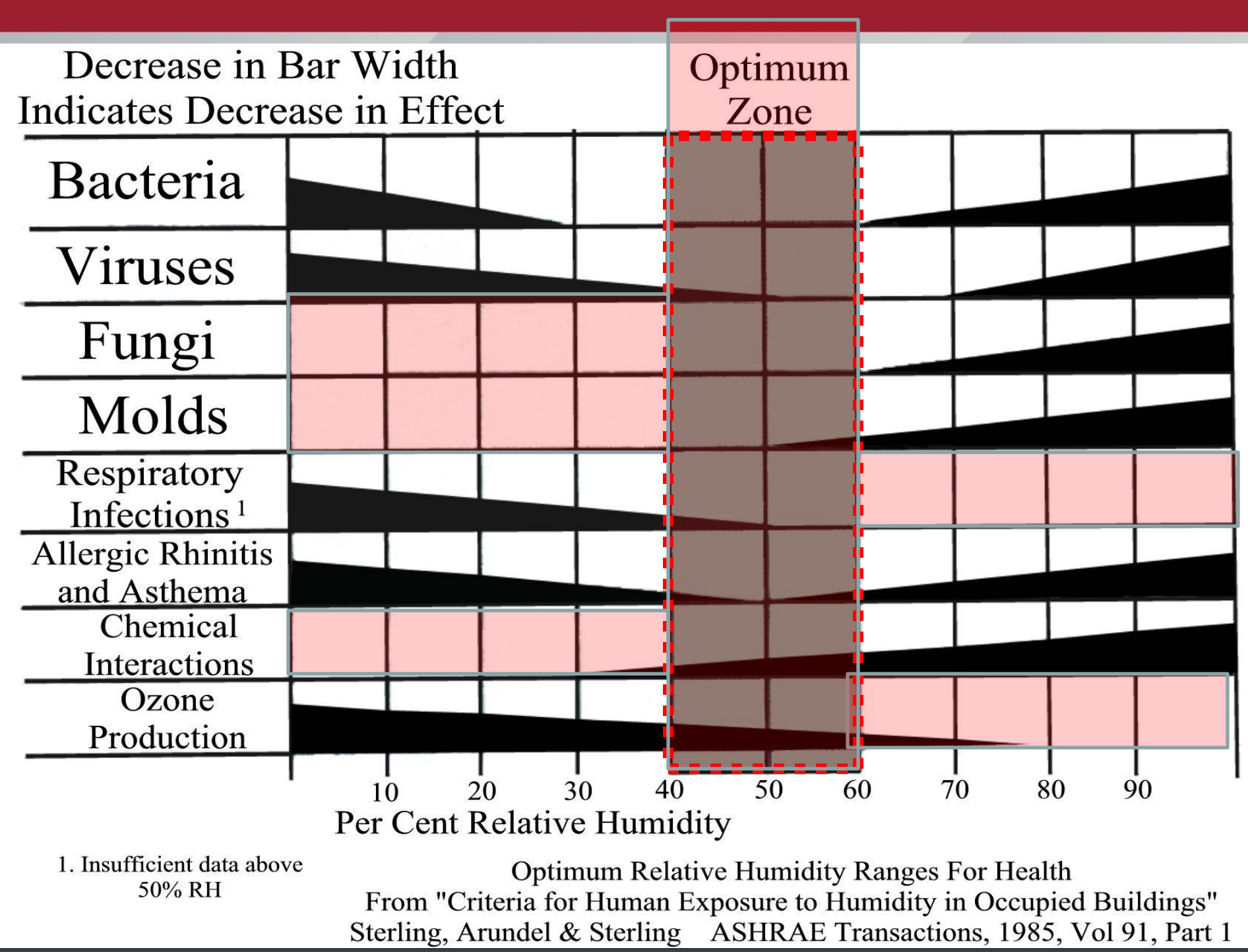
This building has no provisions for mechanical ventilation - I did not find a 24 hour timer for a fan anywhere - perhaps I missed one? Installing a bath or laundry fan on a 24 hour timer is recommended to ensure mechanical air changes. This can help keep relative humidity in check. As a general rule, keep relative humidity below 50% in cold weather to reduce chances for condensation. You can monitor relative humidity with inexpensive temperature and relative humidity gauges. For a nice fan system I recommend looking at Panasonic Whisper Green fans - these do not rely on a timer and run continuously to facilitate air changes. http://www.panasonic.com/business/building-products/ventilation-systems/products/whisper-green.asp
Solid Fuel Fireplaces
Fireplace Types: Wood stove
🪠Plumbing
Water Meter
Water Meter Review:Meter Not Found
WATER METER NOT LOCATED
I was unable to locate the water meter for the property. It may be obscured by vegetation, soil, or hardscape. It is recommended that the client ask the seller about the meter's location and condition. Further investigation is advised.
- I was informed the water meter is located on the back side of detached garage. Verifying the location is recommended.
Exterior Hose Bibs
Functional
ANTI-SIPHON NOT INSTALLED
An anti-siphon device for a hose bib is a crucial component designed to prevent backflow, which is when water from the hose or any attached device is siphoned back into the potable water supply. This is especially important when hoses are left connected to the bib, as they could potentially carry contaminants back into your clean water supply. These inexpensive devices are available at most home improvement stores.

Water Service Supply
Water Supply: Public water
Water Isolation Valve Location: Not Found - House
Pipe Material: Plastic
Pressure Reducing Valve: None noted
NO MAIN WATER SHUTOFF FOUND
No main water shut-off was found inside the house. There is typically a shut-off at the meter in the street, but this can be a time-consuming and difficult shut-off to access in an emergency. Inquire with the seller about the location of the main water shut-off, as it may be concealed behind finishes or stored items. If no readily accessible shut-off exists, hire a licensed plumber to further evaluate and install.
Distribution Pipe
Supply Pipe Materials: PEX
This building has PEX tubing used for supply piping. Crimp ring connections on PEX pipe have very specific installation guidelines and most of these connections will not be visible at the time of inspection (just like any other type of pipe fitting). It is beyond the scope of this inspection to evaluate a significant number of these connections.. Any leaking noted at fittings should result in more careful inspection of all of the plumbing system by a licensed plumber that is experienced in the installation of these types of connections
Functional Flow: Average
Pipe Insulation: Missing in Garage
Circulation Pump: Present
INCOMPLETE PIPE INSULATION
The supply pipe insulation is incomplete in the garage. Be sure all supply lines in unheated spaces have been adequately insulated to protect from freezing conditions that could damage the pipes and to prevent heat loss.

Waste Pipe and Discharge
Discharge Type: Septic System - Buyer
Waste and Vent Pipe Materials: PVC
Location of Sewer Cleanout: Not Found
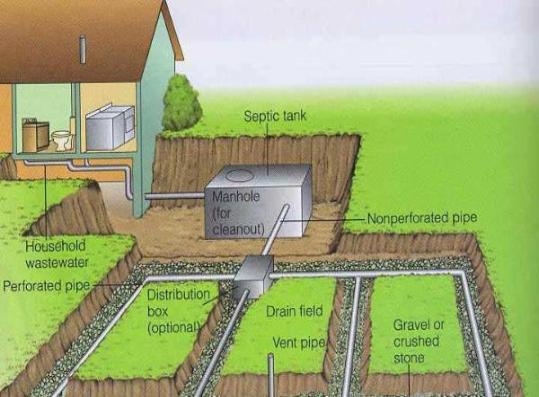
ONSITE SEPTIC SYSTEM
Based on visible components, this property appears to have a private on-site septic system. These are specialty systems and are excluded from this inspection. Comments in this report related to this system are made as a courtesy only and are not meant to be a substitute for a full evaluation by a qualified specialist. Generally, septic tanks should be pumped and inspected every 3 years. Depending on the type of system and municipal regulations, inspection and maintenance may be required more frequently, often annually. I recommend:
- Investigating any information about this system's maintenance and repair history
- Reviewing any documentation available for this system
- Learning inspection and maintenance requirements for this system
- Hire a qualified specialist to evaluate, perform maintenance and make repairs as needed
NO SEWEAR CLEANOUT FOUND
No cleanout was noted for the sewer line. It is possible there is an accessible cleanout for the sewer line that is concealed behind finishes or belongings. Sewer line cleanouts are necessary for clearing drain obstructions and for inspecting the building sewer with a sewer camera. While code allows cleanouts to be in crawl spaces, a preferred method is to extend them to an area that is more readily accessible. The UPC requires that underfloor cleanouts be no farther than 20 ft. from the access opening, with a 30 in. wide, 18 in. high path from the access to the cleanout. When those conditions cannot be met, the cleanout must be extended to the exterior. Inquire with the seller for additional information and install an adequate accessible cleanout as recommended by a qualified plumbing contractor. Please note that many older buildings do not have sewer line cleanouts; these are often added when sewer line work becomes necessary.
Private Septic System
Sludge Level: Sludge1 inch2 inches3 inches4 inches5 inches6 inches7 inches8 inches9 inches10 inches11 inches12+ inches
Scum Level:Scum1 inch2 inches3 inches4 inches5 inches6+ inches
💦Additional Plumbing
Water Softeners
Water Softener: Loop Only
🧼Laundry Facilities
Washer
Not tested
Dryer
Not tested
Power Source: Electric
Exhaust Duct: Ducted to Exterior
Laundry Ventilation
Type: None noted - older building
LAUNDRY FAN RECOMMENDED
No ventilation fan was found for the laundry facilities. This is common in older buildings and required in newer buildings. Installing a ventilation fan is recommended to help control indoor relative humidity. This fan can be run during operation of the laundry and/or placed on a timer to come on automatically throughout the day.

🛋️Interior
Floors and Floor Materials
Floor Materials: Carpet, Wood, Tile
Floor Settlement: None noted
Walls, Ceilings, Trim, Hallways and Closets
Wall and Ceiling Materials: Drywall
MOISTURE INTRUSION NOTED
Active moisture intrusion was observed and detected using thermography and/or a moisture meter, indicating that water is currently entering the area. This can lead to significant damage, including mold growth and structural issues. It is recommended to identify and address the source of the moisture immediately and make the necessary repairs. Additionally, having the area reviewed by a mold specialist is advisable to assess any potential mold problems and ensure proper remediation.
- The moisture was noted to be directly below the 2nd floor bathroom and located above the shower in the 1st floor bathroom.


THERMAL IMAGING
During this inspection, we utilized a thermal imaging camera to examine walls, ceilings, and appliances for thermal anomalies. This technology uses infrared light to produce images based on temperature differences. Our experienced thermographers analyze these images to identify potential hidden moisture issues or gaps in air and thermal barriers, and to verify appliance performance. In older homes, incomplete air and thermal barriers are common, so our report will focus on areas that show significant deficiencies and may need correction. This thermal imaging service is included with our home inspection, though it is not a comprehensive thermal mapping of the entire house. While it exceeds the minimum standards for a typical home inspection, it provides valuable insights and enhances our inspection capabilities. Please note that this tool has limitations when used alongside a standard home inspection. Factors such as occupant behavior, time of day, season, and weather conditions can affect the quality and relevance of the data collected. Relevant thermal images will be included in the report.
 |  |
Wall Insulation and Air Bypass
Wall Insulation: Not Visible
Stairs and Railings
Non-standard, Handrail (No Wall Returns)
GRASPABLE HANDRAIL SHOULD RETURN TO WALL
The ends of the handrail should return to the wall to prevent clothing or accessories from catching on the end of the railing and creating a trip hazard.

Interior Doors
Interior Doors: Hollow Core
Windows
Window Glazing: Insulated Glass Unit (IGU)
INSULATED GLASS NOTE
An Insulated Glass Unit (IGU) is a type of window or glazing system designed to improve energy efficiency. It typically consists of two or more glass panes separated by a spacer and sealed to create an air or gas-filled space between them. Regular inspection of IGUs is important. If you notice fogging or condensation between the panes, it might indicate a problem with the seal, which could require repair or replacement.
Interior Window Frame: Vinyl
Window Styles: Sliding
Low-E Window Orientation: Correct
LOW-E ORIENTATION CORRECT
Low-E (low emissivity) windows are designed to improve energy efficiency by reducing heat transfer through the glass. The orientation of Low-E windows can impact their performance, depending on your climate and the specific Low-E coating used. All accessible windows were reviewed and found to be correct.

🛁Main Bathroom
Sinks and Cabinets
Tested
SINK STOPPER REPAIRS
Repairs are needed for the sink stopper, as it is not functioning properly. This may prevent the sink from holding water or draining effectively.
- The sink stopper is missing

Toilet
Tested
TOILET NOT CAULKED TO THE FLOOR
The toilet in the main bath has not been caulked to the floor. Caulking the toilet to the floor is recommended and even required though opinions on this can vary. I prefer caulking the toilet to the floor, but leaving a gap on the back of the toilet that remains un-caulked so if the toilet leaks, water has an escape route. The biggest risk of not caulking the toilet to the floor is that the toilet can become loose which is the biggest problem here. Repair as recommended by a licensed plumber.

Bathtub / Shower
Tested
Shower Type: Acrylic/Fiberglass
SHOWER DEFLECTION NOTED
The shower is not set correctly - the shower pan deflects significantly when walking in the tub. Acrylic tubs and pans like this should be mounted in a bed of mortar to prevent such deflection which could crack the tub or pan or cause the plumbing to loosen and fail. Hire a licensed plumber to further investigate and repair as recommended to ensure reliable performance.

Bathroom Ventilation
Type: Fan and window
CLEAN THE BATH FAN
The main bath fan is dirty. Cleaning is recommended to ensure reliable performance.

General Bath
Standard
🛁Hall Bathroom
Sinks and Cabinets
Tested
Toilet
Tested
LOOSE TOILET SEAT
The toilet seat in the hall bathroom is loose and requires adjustment or replacement for reliable performance.

Bathtub / Shower
Tested
Shower Type: Acrylic/Fiberglass
Tub Type: Acrylic/Fiberglass
FILL SPIGOT LOOSE
Secure the loose tub fill spigot and ensure this is well mounted - this is important to ensure that plumbing is protected from physical damage.

MISSING TUB STOPPER
The stopper in the hall bathtub is missing and requires repair or replacement - or a rubber stopper can be used.

Bathroom Ventilation
Type: Fan and window
General Bath
Standard
CAULKING OR GROUT NEEDED
General caulking or grout in bathrooms serves to seal joints and gaps around fixtures like sinks, bathtubs, showers, toilets and tile edges. It prevents water from seeping into unwanted areas, which can lead to mold, mildew, and structural damage. Over time, caulking or grout can deteriorate, crack, or mold, requiring replacement.

🍽️Kitchen
Sinks and Faucets
Tested
Cabinets and Countertops
Countertop Material: Granite
This is a great document From the Natural Stone Institute that covers maintenance and installation recommendations for slab surface stone countertops.
Cabinet Material: Wood
Garbage Disposal
Functional
Dishwasher
Dishwasher: Operated (Tested)
Dishwasher Air Gap: None noted
AIR GAP RECOMMENDED
The primary function of the air gap is to create a physical barrier between the dishwasher's drain hose and the household plumbing. This ensures that in the event of a drain clog or backup, dirty water cannot flow back into the dishwasher. By preventing backflow, the air gap helps maintain the integrity of the dishwasher's water supply, ensuring that only clean water is used for washing dishes.
 | .jpg) |
DISHWASHER OPERATED
The dishwasher was operated through a complete cycle, and no adverse mechanical or electrical issues were observed. It appears to be functioning properly at the time of inspection.

Ventilation Method
Ductless Fan - Electric
DUCTLESS KITCHEN COOKTOP EXHAUST FAN NOTED
A ductless exhaust fan was noted for the cooktop. Installation of a fan that ducts to the exterior is recommended to remove moist air and odors to the exterior. Please note that if you switch to a gas range or cooktop in the future, a fan that vents to the exterior is still not required, as long as there is some ventilation in the kitchen, but it is more strongly recommended. Gas ovens produce carbon monoxide while running and should have an exhaust vent to the exterior.
✒
- In modern construction, all kitchens require some form of mechanical ventilation, but modern buildings are generally much tighter and have more precise requirements for mechanical ventilation. It was common for older kitchens to have fans that do not vent to the exterior.

Ranges, Ovens and Cooktops
Hook-ups: Electric
Free Standing Range: Present, Anti-Tip Installed (No)
Built In Cooktop: None Noted
Built In Oven: None Noted
✅: Burners operated, Oven(s) operated
NO ANTI-TIP FOR THE RANGE
An anti-tip bracket is a safety device installed on kitchen ranges (stoves) to prevent the appliance from tipping forward. This bracket is particularly important because if someone were to apply too much weight to an open oven door, by leaning on it or placing heavy items on it, the range could tip over, potentially causing serious injury or damage. These devices are available at most home improvement stores.
 |  (2).PNG) |
COOKTOP OPERATION VERIFIED
The cooktop was operated during the inspection, and all burners were found to be functional. However, the adequacy of the burners was not verified. This means that while the burners operated, the performance of the burners were not assessed.


OVEN OPERATION VERIFIED
The oven(s) were operated during the inspection and verified to be within an acceptable temperature range. A variance of ±25ºF from the set temperature is considered acceptable. This means the oven maintained a temperature within this range, ensuring it operates within standard parameters for effective cooking.

Microwave
Operation: Operational
MICROWAVE OPERATIONAL
The microwave was tested using a microwave tester. The tester illuminated, indicating the microwave is operating as designed.

Refrigerators
Refrigerator: Not Reviewed
General Kitchen Condition
Standard
🕸️Attic
Attic Access
Attic Review Method: From the access hatch
ATTIC REVIEW NOTE
There is no ramp or safe method to access the attic space. Crawling through insulation and on top of framing poses a risk of damaging thermal barriers and ceiling finishes, making it an unsafe way to access the attic. Consequently, the attic was only inspected from the access hatch, which limited the extent of the inspection in this area.
Attic Temp: 📷
ATTIC TEMPERATURE NOTE
This photo shows the attic temperature at the time of inspection. Ideally, attic temperatures should be kept within 10 to 15 degrees Fahrenheit of the outside air temperature. Maintaining this range is essential for preventing heat buildup, which can strain cooling systems and damage roofing materials. If attic temperatures exceed this range, it may indicate inadequate ventilation or insulation. Poor ventilation can trap hot air, while insufficient insulation allows heat to transfer from the living spaces below. Both issues can lead to higher energy costs and potentially shorten the lifespan of roofing materials. Regular monitoring of attic temperatures is important to ensure optimal performance and energy efficiency in the home.

Roof Framing and Sheathing
Rafters: Truss
Sheathing: OSB
✅: Framing Ok
ROOF FRAMING REVIEWED
The framing in the attic appeared to be in acceptable condition from my vantage point. However, the client is reminded that I was unable to access the entire attic space, which may limit a comprehensive assessment of the framing's condition.

Fire Separation and Fire Blocking
Fire Blocking and Fire Separation in Attic: Standard
Attic Insulation
Insulation Type: Fiberglass
ATTIC INSULATION REVIEWED
All accessible areas of the attic insulation were reviewed and found to have proper depths, ensuring adequate thermal performance.

Attic and Roof Cavity Ventilation
Attic Ventilation Method: Gable vents
🦂Crawl Space
General Crawl Space
Crawl Space: Present
REPRESENTATIVE PHOTOS AND/OR VIDEO OF CRAWLSPACE
The photos provided here show representative images of this crawl space at the time of inspection.
 |  |  |
 |  |  |
Crawl Space Access
Method of Inspection: Robotic crawler
ROBOTIC INSPECTION CRAWLER NOTE
The crawlspace was inspected using a robotic crawler equipped with video and photographic capabilities. This method provides enhanced access to areas that may be difficult or unsafe for a human inspector to reach, allowing for thorough observation of otherwise inaccessible spots.
Crawl Space Access Hatch Location: 📸, Exterior access hatch
PHOTOS OF ACCESS POINTS
Attached photos show crawl space access points.

Vapor Barrier
Vapor Barrier Material: None Present
NO VAPOR BARRIER
No vapor barrier has been installed on the soils of this crawl space to contain the moisture in the ground. This is a conducive pest condition and can lead to high moisture conditions. A crawlspace vapor barrier is a material, typically made of heavy-duty plastic or foil, installed on the ground in a crawlspace to prevent moisture from the soil from entering the space. This helps to reduce humidity, prevent mold growth, and protect the structural elements of the home from moisture-related damage. Install a 6 mil. black plastic vapor barrier to cover all exposed earth.
Crawl Space Ventilation
Ventilation Method: Exterior wall vents
Posts and Footings
Standard
Insulation
Insulation Type: Fiberglass
Approximate R-Value: 1-5 inches
SAGGING SUBFLOOR INSULATION NOTED
The under-floor insulation in the crawl space is sagging and not touching the sub-floor, as such, it is not performing as intended. Use inset string to support the sub-floor insulation up against the sub-floor. The insulation must be in substantial contact with the surface it is insulating to perform as intended.
 | .jpg) |
Moisture Conditions
No water was visible or present at the time of inspection
🧱Structure and Basement
Foundation
% of Foundation Not Visible: 20%
Evidence of Seismic Protection: None visible
Building Configuration: Crawl space
Foundation Description: Masonry block
Floor, Wall and Ceiling Framing
Wall Framing: Not visible
Wall Sheathing: Not visible
Floor Framing: Partly visible
Sub-Floor Material: Not visible
Ceiling Framing: Partly visible, 2x4, Bottom cord of truss
Summary
Major Concerns
No major concerns were noted during this visual inspection.Repairs
- RCG-1 ⛈️Roof, Chimney and Gutters - Roof Materials:
METAL ROOF BENT ALONG RAKE
The metal roofing material was bent along the rake at the depicted location. The bent metal should be corrected to prevent any possible moisture intrusion or improper water flow from the roof.
- RCG-2 ⛈️Roof, Chimney and Gutters - Eaves, Soffits, and Fascia:
LOOSE SOFFIT
The soffit is loose at the front porch. This condition can allow pest intrusion. Corrections are recommended.
- G1-2 🌵Grounds - Irrigation:
NO PVB OBSERVED ON SITE
A Pressure Vacuum Breaker (PVB) is a type of backflow prevention device used to protect potable water supplies from contamination or pollution. It's commonly installed in irrigation systems, especially those that are connected to a municipal water supply. The primary function of a PVB is to prevent back-siphonage, where contaminated water could be drawn back into the clean water supply. This can happen when there's a sudden drop in water pressure. It is recommended that a PVB be installed.
- G1-5 🌵Grounds - Exterior Stairs:
GRASPABLE HANDRAIL RECOMMENDATIONS
The graspable handrail for the back deck stairs is missing. Handrails should be provided on not less than one side of each flight of stairs with four or more risers. This is required for stairs to and in the building, but maybe simply recommended for yard stairs depending on the situation or jurisdiction.
- ✒Graspable handrails have specific recommended profiles - shown in the illustrations below. They should be a round railing 1 and 1/4 inches - 2 inches in diameter. If the railing is not round it must have a finger groove that is 3/4 of an inch down from the tallest point of the rail. The graspable handrail should also be 1.5 inches from the wall. 2x material is not considered a graspable handrail. Have a qualified contractor build suitable railings to reduce the potential for falls.
- DPB-1 🛠️Decks, Porches and Balconies - Wood Decks Porches and Balconies:
LEDGER BOARD FASTENERS POSSIBLY IMPROPER
Deck ledger boards are required to be secured with 1/2-inch lag bolts or through bolts, spaced 16 inches apart for joist spans up to 12 feet. During the inspection I was unable to verify if the bolts were the correct size, but they appeared to be smaller than required. It's possible a bolt of the proper size and requirements that I'm not familiar with was used. Additionally, fastener spacing exceeded the 16-inch requirement in several areas. It is recommended to remove a bolt to confirm its size and install additional fasteners where necessary to meet proper spacing and safety standards. Improperly secured ledger boards can pose a significant safety risk if the ledger fails.
- G-1 🚗Garage - Garage Doors and Automatic Openers:
GARAGE DOOR LASER EYES SET TOO HIGH
Typically, the sensors are installed about 4 to 6 inches off the ground. This placement ensures that they are close enough to the ground to detect obstructions but high enough to avoid interference from debris or low obstacles.
- G-2 🚗Garage - Garage Doors and Automatic Openers:
OVERHEAD DOOR SENSITIVITY
The overhead garage door opener does not reverse under resistance to closing. Adjustment of the sensitivity is recommended for improved safety. This typically involves adjusting a small plastic screw on the opener.
- G-3 🚗Garage - Garage Stairs:
INCOMPLETE GUARDRAIL
The guardrail system for the garage stairs is inadequate and not done to modern safety standards. All stairs more than 30-inches above grade should have a guardrail system for safety. Guardrails should have openings no larger than 4 inches and railing should be 36 inches high and strong enough to hold a falling adult. Hire a licensed general contractor to further evaluate and repair.
- The client is advised that building standards and practices change over time and the requirements mentioned above may not have been required at the time of construction or installation of this structure.
- G-4 🚗Garage - Garage Stairs:
GRASPABLE HANDRAIL RECOMMENDATIONS
The graspable handrail for the garage stairs is missing proper returns into the wall. Handrails should be provided on not less than one side of each flight of stairs with four or more risers. This is required for stairs to and in the building, but maybe simply recommended for yard stairs depending on the situation or jurisdiction.
- WH-1 🩸Water Heaters - Water Heater:
EXPANSION TANK NOT SUPPORTED
The expansion tank above the water heater is not well supported and could stress the piping system. Install support straps for this tank to prevent accidental damage to the supply piping system.
- WH-2 🩸Water Heaters - Water Heater:
WATER HEATER PROTECTION RECOMMENDED IN THE GARAGE
A bollard is recommended to protect the water heater in the garage from physical damage. When the water heater is located where it could be damaged by vehicles, "approved" protective bollards (or other means of protection) are required for safety. I recommend that bollards be installed by a qualified plumber or other qualified party. Because current building standards do not specify what "approved" means, it is left up to jurisdictional interpretation. The commercial building codes do define what a bollard installation must look like and some jurisdictions use those guidelines. I would consider this best practice. Most jurisdictions accept bollards that are bolted to the floor--and expectations of them stopping a moving vehicle should be lowered. How they will perform is beyond the scope of this inspection. Appliances at the exterior of the home are required to meet the commercial installation standards listed below
- ES-2 ⚡Electric Service - Electric Service Equipment:
DOUBLE LUGGED NEUTRALS
If multiple neutral wires are connected to one lug, it can lead to overloading of the neutral terminal, especially if the combined current of the connected circuits exceeds the terminal's rating. This can cause overheating and potentially lead to electrical fires. Additionally, when multiple neutrals are connected to a single lug, it becomes challenging to isolate and troubleshoot problems. If a circuit fails or malfunctions, identifying the source of the issue can be more complicated.
- ES-8 ⚡Electric Service - Sub Panel:
NEUTRALS AND GROUNDS NOT ISOLATED IN 4-WIRE SUB-PANEL
In a subpanel, the neutral and ground should be separated to prevent electrical faults and reduce the risk of electric shock. When neutrals and grounds are not isolated, it can lead to dangerous conditions such as ground loops, where current flows through unintended paths, potentially energizing metal parts and creating a shock hazard. The subpanel should have separate buses for neutral and ground wires. The neutral bus bar should not be bonded to the subpanel's metal enclosure, while the ground bus bar should be bonded to the enclosure. This separation ensures that any fault current is directed safely back to the main panel through the ground wire, while the neutral wire only carries the return current from the circuits. Proper isolation helps maintain the effectiveness of the grounding system, reducing the risk of stray voltage and ensuring that the subpanel functions correctly. It also prevents potential interference with sensitive electronic equipment, which can occur if the neutral and ground are improperly connected.
- ES-9 ⚡Electric Service - Sub Panel:
DOUBLE LUGGED NEUTRALS
If multiple neutral wires are connected to one lug, it can lead to overloading of the neutral terminal, especially if the combined current of the connected circuits exceeds the terminal's rating. This can cause overheating and potentially lead to electrical fires. Additionally, when multiple neutrals are connected to a single lug, it becomes challenging to isolate and troubleshoot problems. If a circuit fails or malfunctions, identifying the source of the issue can be more complicated.
- EDF-1 🔌Electric Distribution and Finish - Branch Wiring:
SURFACE RUN NM CABLE
Surface-run cable wiring was noted during inspection. The exposed non-metallic sheathed cable needs to be properly protected inside a conduit or raceway so that the cable is not subject to physical damage. This is a potential safety issue. Hire a licensed electrician to further evaluate and repair.
- EDF-2 🔌Electric Distribution and Finish - Receptacles and Fixtures:
OPEN GROUND NOTED
An open ground receptacle occurs when the grounding wire in an electrical outlet is either not connected or not present at all. This means that the outlet does not have a proper path to the ground, which is a critical safety feature in modern electrical systems. The grounding wire provides a path for electrical current to safely dissipate in the event of a fault. Without grounding, the risk of electric shock increases, especially if there is a short circuit or if an appliance malfunctions. Many devices rely on the ground to protect against surges or other electrical anomalies. Without it, these devices are more susceptible to damage. It is recommended that a licensed electrical contractor evaluate and repair as needed.
- EDF-3 🔌Electric Distribution and Finish - Receptacles and Fixtures:
GFCI PROTECTION NOT INSTALLED WHERE REQUIRED
GFCI (Ground Fault Circuit Interrupter) protection is a safety feature designed to protect people from electrical shock. It works by quickly cutting off power when it detects a difference in the electrical current between the hot and neutral wires, indicating that some of the current is flowing through an unintended path, such as water or a person. These devices are required in areas such as bathrooms, kitchens, garages, basements, outdoor areas and near swimming pools or hot tubs. The areas depicted in this report were required to be GFCI protected at the time of construction. Corrections are recommended for safety.
- The client is advised that none of the detached garage receptacle were GFCI protected.
- EDF-4 🔌Electric Distribution and Finish - Smoke and Carbon Monoxide Alarm Systems:
MISSING SMOKE ALARMS NOTED
Several smoke alarms were noted to be missing. Repair / replace the missing smoke alarms in the house so that there is an operating smoke alarm in every bedroom and on every floor and one outside of all sleeping areas. Missing alarms were noted in the following locations:
- I-2 🛋️Interior - Walls, Ceilings, Trim, Hallways and Closets:
MOISTURE INTRUSION NOTED
Active moisture intrusion was observed and detected using thermography and/or a moisture meter, indicating that water is currently entering the area. This can lead to significant damage, including mold growth and structural issues. It is recommended to identify and address the source of the moisture immediately and make the necessary repairs. Additionally, having the area reviewed by a mold specialist is advisable to assess any potential mold problems and ensure proper remediation.
- The moisture was noted to be directly below the 2nd floor bathroom and located above the shower in the 1st floor bathroom.
- I-3 🛋️Interior - Stairs and Railings:
GRASPABLE HANDRAIL SHOULD RETURN TO WALL
The ends of the handrail should return to the wall to prevent clothing or accessories from catching on the end of the railing and creating a trip hazard.
- MB-3 🛁Main Bathroom - Bathtub / Shower:
SHOWER DEFLECTION NOTED
The shower is not set correctly - the shower pan deflects significantly when walking in the tub. Acrylic tubs and pans like this should be mounted in a bed of mortar to prevent such deflection which could crack the tub or pan or cause the plumbing to loosen and fail. Hire a licensed plumber to further investigate and repair as recommended to ensure reliable performance.
- HB-2 🛁Hall Bathroom - Bathtub / Shower:
FILL SPIGOT LOOSE
Secure the loose tub fill spigot and ensure this is well mounted - this is important to ensure that plumbing is protected from physical damage.
- K-1 🍽️Kitchen - Dishwasher:
AIR GAP RECOMMENDED
The primary function of the air gap is to create a physical barrier between the dishwasher's drain hose and the household plumbing. This ensures that in the event of a drain clog or backup, dirty water cannot flow back into the dishwasher. By preventing backflow, the air gap helps maintain the integrity of the dishwasher's water supply, ensuring that only clean water is used for washing dishes.
Due Diligence Items
- G1-1 🌵Grounds - Irrigation:
IRRIGATION SYSTEM NOTED
The property includes one or more irrigation systems, which are not reviewed or included in this inspection. Regular maintenance is crucial for their proper operation. Please obtain any relevant information about these systems from the seller. Additionally, ensure that sprinklers are properly directed to prevent damage to the structure and surrounding concrete. I cold environments winterizing the system is recommended to prevent freezing during the cold months.
- DPB-2 🛠️Decks, Porches and Balconies - Wood Decks Porches and Balconies:
NO FLASHING OBSERVED
No flashings were noted between the deck ledger board and the home. This could allow water to get trapped between the deck and the house, causing rot and a conducive pest condition. This can be a difficult retrofit once the deck is constructed. No damage was noted, but staining was present.
- P-1 🪠Plumbing - Water Meter:
WATER METER NOT LOCATED
I was unable to locate the water meter for the property. It may be obscured by vegetation, soil, or hardscape. It is recommended that the client ask the seller about the meter's location and condition. Further investigation is advised.
- I was informed the water meter is located on the back side of detached garage. Verifying the location is recommended.
- P-3 🪠Plumbing - Water Service Supply:
NO MAIN WATER SHUTOFF FOUND
No main water shut-off was found inside the house. There is typically a shut-off at the meter in the street, but this can be a time-consuming and difficult shut-off to access in an emergency. Inquire with the seller about the location of the main water shut-off, as it may be concealed behind finishes or stored items. If no readily accessible shut-off exists, hire a licensed plumber to further evaluate and install.
- P-5 🪠Plumbing - Waste Pipe and Discharge:
ONSITE SEPTIC SYSTEM
Based on visible components, this property appears to have a private on-site septic system. These are specialty systems and are excluded from this inspection. Comments in this report related to this system are made as a courtesy only and are not meant to be a substitute for a full evaluation by a qualified specialist. Generally, septic tanks should be pumped and inspected every 3 years. Depending on the type of system and municipal regulations, inspection and maintenance may be required more frequently, often annually. I recommend:
- Investigating any information about this system's maintenance and repair history
- Reviewing any documentation available for this system
- Learning inspection and maintenance requirements for this system
- Hire a qualified specialist to evaluate, perform maintenance and make repairs as needed
- P-6 🪠Plumbing - Waste Pipe and Discharge:
NO SEWEAR CLEANOUT FOUND
No cleanout was noted for the sewer line. It is possible there is an accessible cleanout for the sewer line that is concealed behind finishes or belongings. Sewer line cleanouts are necessary for clearing drain obstructions and for inspecting the building sewer with a sewer camera. While code allows cleanouts to be in crawl spaces, a preferred method is to extend them to an area that is more readily accessible. The UPC requires that underfloor cleanouts be no farther than 20 ft. from the access opening, with a 30 in. wide, 18 in. high path from the access to the cleanout. When those conditions cannot be met, the cleanout must be extended to the exterior. Inquire with the seller for additional information and install an adequate accessible cleanout as recommended by a qualified plumbing contractor. Please note that many older buildings do not have sewer line cleanouts; these are often added when sewer line work becomes necessary.
Maintenance
- RCG-3 ⛈️Roof, Chimney and Gutters - Chimneys:
CHIMNEY CLEANING AND INSPECTION IS RECOMMENDED
The NFPA (National Fire Protection Association) recommends an annual inspection of all chimneys, fireplaces, solid fuel-burning appliances, and vents. They also recommend an NFPA 211 Standard, Level II inspection upon sale or transfer of the property. A Level II inspection includes, not only cleaning the interior of the chimney pipe, but also the use of specialized tools and testing procedures such as video cameras, etc. to thoroughly evaluate the serviceability of the entire flue lining and fireplace/chimney system. Level II inspections are not always needed, especially for short simple flues that can be inspected visually after a cleaning. If a chimney cleaning has not been performed over the past 12 months, such an inspection is recommended before the home changes ownership---for fire safety reasons. Implement any repairs as recommended.
- G1-3 🌵Grounds - Grounds, Trees and Vegetation:
TREE AND VEGETATION PRUNING
It's recommended to prune trees, branches, and vegetation away from the building. To prevent rodents from accessing the roof, ensure a minimum clearance of 6 feet, as many rodents can jump that distance. Additionally, all vegetation, including smaller landscaping like grasses, flowers, and shrubs, should be kept at least 1 foot away from the house to prevent moisture from being trapped against the building.
- P-4 🪠Plumbing - Distribution Pipe:
INCOMPLETE PIPE INSULATION
The supply pipe insulation is incomplete in the garage. Be sure all supply lines in unheated spaces have been adequately insulated to protect from freezing conditions that could damage the pipes and to prevent heat loss.
- MB-1 🛁Main Bathroom - Sinks and Cabinets:
SINK STOPPER REPAIRS
Repairs are needed for the sink stopper, as it is not functioning properly. This may prevent the sink from holding water or draining effectively.
- The sink stopper is missing
- MB-2 🛁Main Bathroom - Toilet:
TOILET NOT CAULKED TO THE FLOOR
The toilet in the main bath has not been caulked to the floor. Caulking the toilet to the floor is recommended and even required though opinions on this can vary. I prefer caulking the toilet to the floor, but leaving a gap on the back of the toilet that remains un-caulked so if the toilet leaks, water has an escape route. The biggest risk of not caulking the toilet to the floor is that the toilet can become loose which is the biggest problem here. Repair as recommended by a licensed plumber.
- MB-4 🛁Main Bathroom - Bathroom Ventilation:
CLEAN THE BATH FAN
The main bath fan is dirty. Cleaning is recommended to ensure reliable performance.
- HB-1 🛁Hall Bathroom - Toilet:
LOOSE TOILET SEAT
The toilet seat in the hall bathroom is loose and requires adjustment or replacement for reliable performance.
- HB-3 🛁Hall Bathroom - Bathtub / Shower:
MISSING TUB STOPPER
The stopper in the hall bathtub is missing and requires repair or replacement - or a rubber stopper can be used.
- HB-4 🛁Hall Bathroom - General Bath:
CAULKING OR GROUT NEEDED
General caulking or grout in bathrooms serves to seal joints and gaps around fixtures like sinks, bathtubs, showers, toilets and tile edges. It prevents water from seeping into unwanted areas, which can lead to mold, mildew, and structural damage. Over time, caulking or grout can deteriorate, crack, or mold, requiring replacement.
- K-4 🍽️Kitchen - Ranges, Ovens and Cooktops:
NO ANTI-TIP FOR THE RANGE
An anti-tip bracket is a safety device installed on kitchen ranges (stoves) to prevent the appliance from tipping forward. This bracket is particularly important because if someone were to apply too much weight to an open oven door, by leaning on it or placing heavy items on it, the range could tip over, potentially causing serious injury or damage. These devices are available at most home improvement stores.
Items for Monitoring
- G1-4 🌵Grounds - Driveways/Walkways/Flatwork:
CRACKS NOTED IN FLATWORK
Cracks were noted in the driveway flatwork. This is common in flatwork, especially as it ages. Regular sealing of small to moderate cracks with a quality exterior flexible sealant can minimize water penetration and prolong the life of the flatwork. Large cracks can present a more urgent need for repair, especially if the cracks lead to displacement and trip hazards.
✒
- No immediate repair appears necessary, though water will continue to deteriorate the surface until the flatwork is repaired or replaced.
Positive Findings
- ES-5 ⚡Electric Service - Electric Service Equipment:
AFCI BREAKERS TESTED
AFCI (Arc-Fault Circuit Interrupter) breakers are designed to detect arcing conditions in electrical circuits. Arcing can occur when there are loose connections, damaged wires, or other faults in the wiring system. These arcs can generate heat and potentially lead to electrical fires. The AFCI breaker monitors the circuit for signs of arcing and will trip to cut off the power if an arc is detected, preventing a fire. All breakers successfully responded to testing and reset without any problems.
- ES-6 ⚡Electric Service - Electric Service Equipment:
GFCI BREAKERS TESTED
GFCI (Ground-Fault Circuit Interrupter) breakers monitor the current flowing through the circuit. If they detect an imbalance between the hot and neutral wires, typically caused by current leaking to the ground, they quickly cut off the power. This helps to prevent electric shock by ensuring that any stray current is interrupted before it can cause harm. All breakers successfully responded to testing and reset without any problems.
- HCFV-1 🔥❄️Heating, Cooling, Fireplaces, & Ventilation - Heating System 1:
HEAT SYSTEM OPERATION VERIFIED
The primary heat source for the structure was tested using normal operating controls to verify its functionality. However, this inspection does not evaluate the system's overall adequacy, energy efficiency, or the even distribution of heat throughout the home. Additionally, infrared thermography was utilized to capture and visualize airflow at all supply registers. This method helps identify temperature variations and airflow patterns, but it is important to note that this test does not substitute for a full assessment of the HVAC system’s performance, which would require more detailed diagnostics and professional evaluation.
- HCFV-2 🔥❄️Heating, Cooling, Fireplaces, & Ventilation - AC System 1:
OVERCURRENT PROTECTION PROPERLY SIZED
The AC condenser was observed to have properly sized overcurrent protection, which is in line with the manufacturer's specifications. This ensures the system is adequately protected from electrical overloads and operates safely. It is common, particularly with systems that have been updated or replaced, to find breakers or fuses that exceed the manufacturer's overcurrent protection requirements. Oversized breakers or fuses can pose a risk by allowing more current than the system is designed to handle, potentially leading to equipment damage or safety hazards. In this case, the correctly sized protection ensures safe and efficient operation of the condenser.
- HCFV-3 🔥❄️Heating, Cooling, Fireplaces, & Ventilation - AC System 1:
COOLING SYSYTEM OPERATION VERIFIED
The cooling system responded to normal operating controls and displayed a ▲T (Delta T) reading within normal operating range. For a well-functioning AC system, delta T typically ranges from 16°F to 22°F.
- I-4 🛋️Interior - Windows:
LOW-E ORIENTATION CORRECT
Low-E (low emissivity) windows are designed to improve energy efficiency by reducing heat transfer through the glass. The orientation of Low-E windows can impact their performance, depending on your climate and the specific Low-E coating used. All accessible windows were reviewed and found to be correct.
- K-2 🍽️Kitchen - Dishwasher:
DISHWASHER OPERATED
The dishwasher was operated through a complete cycle, and no adverse mechanical or electrical issues were observed. It appears to be functioning properly at the time of inspection.
- K-5 🍽️Kitchen - Ranges, Ovens and Cooktops:
COOKTOP OPERATION VERIFIED
The cooktop was operated during the inspection, and all burners were found to be functional. However, the adequacy of the burners was not verified. This means that while the burners operated, the performance of the burners were not assessed.
- K-6 🍽️Kitchen - Ranges, Ovens and Cooktops:
OVEN OPERATION VERIFIED
The oven(s) were operated during the inspection and verified to be within an acceptable temperature range. A variance of ±25ºF from the set temperature is considered acceptable. This means the oven maintained a temperature within this range, ensuring it operates within standard parameters for effective cooking.
- K-7 🍽️Kitchen - Microwave:
MICROWAVE OPERATIONAL
The microwave was tested using a microwave tester. The tester illuminated, indicating the microwave is operating as designed.
- A-1 🕸️Attic - Roof Framing and Sheathing:
ROOF FRAMING REVIEWED
The framing in the attic appeared to be in acceptable condition from my vantage point. However, the client is reminded that I was unable to access the entire attic space, which may limit a comprehensive assessment of the framing's condition.
- A-2 🕸️Attic - Attic Insulation:
ATTIC INSULATION REVIEWED
All accessible areas of the attic insulation were reviewed and found to have proper depths, ensuring adequate thermal performance.
Informational
- GC-1 💬General Comments - Building Characteristics, Conditions and Limitations:
RESALE HOME ASSESSED
The client is advised that this inspection aims to identify structural and mechanical deficiencies that require further evaluation by a qualified and licensed contractor. This inspection is not intended to serve as a "punch list" and may not address common cosmetic, appearance, or deferred maintenance issues. While the inspector may note these types of findings, any photos provided will be representative examples only and may not capture every occurrence.
- FSD-1 ⛽Fuel Storage and Distribution - General Comments:
NO FUEL SOURCES NOTED
No fuel sources, fuel storage devices or fuel burning appliances were found on site during our visual inspection.
- ES-1 ⚡Electric Service - Electric Service Equipment:
PANEL INTERIOR REVIEWED
The panel interior was reviewed in accordance with NAC 645D. Any observations or defects will be noted in this report.
- ES-7 ⚡Electric Service - Sub Panel:
PANEL INTERIOR REVIEWED
The panel interior was reviewed in accordance with NAC 645D. Any observations or defects will be noted in this report.
- HCFV-4 🔥❄️Heating, Cooling, Fireplaces, & Ventilation - Heating and Cooling Distribution Systems:
THERMOGRAPHY OF SUPPLY REGISTERS
Thermography was used to measure and display the approximate temperatures of the supply registers. This imaging shows that one or more of the HVAC systems were effectively providing airflow to all supply registers throughout the home. The use of thermography helps ensure that the system is distributing air properly and can highlight any potential issues with airflow consistency. The results indicate that the HVAC system is functioning as intended, delivering air to all designated areas of the home.
- I-1 🛋️Interior - Walls, Ceilings, Trim, Hallways and Closets:
THERMAL IMAGING
During this inspection, we utilized a thermal imaging camera to examine walls, ceilings, and appliances for thermal anomalies. This technology uses infrared light to produce images based on temperature differences. Our experienced thermographers analyze these images to identify potential hidden moisture issues or gaps in air and thermal barriers, and to verify appliance performance. In older homes, incomplete air and thermal barriers are common, so our report will focus on areas that show significant deficiencies and may need correction. This thermal imaging service is included with our home inspection, though it is not a comprehensive thermal mapping of the entire house. While it exceeds the minimum standards for a typical home inspection, it provides valuable insights and enhances our inspection capabilities. Please note that this tool has limitations when used alongside a standard home inspection. Factors such as occupant behavior, time of day, season, and weather conditions can affect the quality and relevance of the data collected. Relevant thermal images will be included in the report.
- CS-1 🦂Crawl Space - General Crawl Space:
REPRESENTATIVE PHOTOS AND/OR VIDEO OF CRAWLSPACE
The photos provided here show representative images of this crawl space at the time of inspection.
Efficiency Items
- CS-3 🦂Crawl Space - Insulation:
SAGGING SUBFLOOR INSULATION NOTED
The under-floor insulation in the crawl space is sagging and not touching the sub-floor, as such, it is not performing as intended. Use inset string to support the sub-floor insulation up against the sub-floor. The insulation must be in substantial contact with the surface it is insulating to perform as intended.
Upgrade Items
- ES-3 ⚡Electric Service - Electric Service Equipment:
ANTI-OXIDANT RECOMMENDED
It is recommended to apply anti-oxidant compound to aluminum wire connections to prevent oxidation, which can lead to poor electrical conductivity, increased resistance, and potential overheating. This is particularly important at termination points like outlets, switches, and breaker connections to ensure safe and reliable performance of the electrical system.
- ES-4 ⚡Electric Service - Electric Service Equipment:
IMPROVED CONDUCTOR IDENTIFICATION RECOMMENDED
In standard wiring, white wires are typically used as neutral conductors. Re-identifying a white wire as a hot conductor (using a different color of tape or marker) helps prevent confusion. This is crucial for safety, as it ensures that anyone working on the electrical system knows the wire's actual function, reducing the risk of accidental shocks or incorrect connections. The client is advised that this condition does not impact the functionality of the electrical circuit, and it will operate correctly. However, for safety reasons, upgrades are recommended.
- EDF-5 🔌Electric Distribution and Finish - Smoke and Carbon Monoxide Alarm Systems:
NO CARBON MONOXIDE ALARMS FOUND
The installation of carbon monoxide alarms is recommended for all homes that have fuel-burning appliances such as gas or oil furnaces, gas water heaters, gas ovens and cook-tops, gas fireplaces, and wood stoves. Carbon monoxide is a colorless, odorless gas that can cause sickness, nausea, and even death. For more information, consult the Consumer Product Safety Commission at 1-800-638-2772 (C.P.S.C.) Modern standards in many states now recommend one CO alarm outside of all bedrooms and at least 1 per floor of the house.
- HCFV-5 🔥❄️Heating, Cooling, Fireplaces, & Ventilation - Mechanical Ventilation Systems:
MECHANICAL VENTILATION
This building has no provisions for mechanical ventilation - I did not find a 24 hour timer for a fan anywhere - perhaps I missed one? Installing a bath or laundry fan on a 24 hour timer is recommended to ensure mechanical air changes. This can help keep relative humidity in check. As a general rule, keep relative humidity below 50% in cold weather to reduce chances for condensation. You can monitor relative humidity with inexpensive temperature and relative humidity gauges. For a nice fan system I recommend looking at Panasonic Whisper Green fans - these do not rely on a timer and run continuously to facilitate air changes. http://www.panasonic.com/business/building-products/ventilation-systems/products/whisper-green.asp
- P-2 🪠Plumbing - Exterior Hose Bibs:
ANTI-SIPHON NOT INSTALLED
An anti-siphon device for a hose bib is a crucial component designed to prevent backflow, which is when water from the hose or any attached device is siphoned back into the potable water supply. This is especially important when hoses are left connected to the bib, as they could potentially carry contaminants back into your clean water supply. These inexpensive devices are available at most home improvement stores.
- LF-1 🧼Laundry Facilities - Laundry Ventilation:
LAUNDRY FAN RECOMMENDED
No ventilation fan was found for the laundry facilities. This is common in older buildings and required in newer buildings. Installing a ventilation fan is recommended to help control indoor relative humidity. This fan can be run during operation of the laundry and/or placed on a timer to come on automatically throughout the day.
- K-3 🍽️Kitchen - Ventilation Method:
DUCTLESS KITCHEN COOKTOP EXHAUST FAN NOTED
A ductless exhaust fan was noted for the cooktop. Installation of a fan that ducts to the exterior is recommended to remove moist air and odors to the exterior. Please note that if you switch to a gas range or cooktop in the future, a fan that vents to the exterior is still not required, as long as there is some ventilation in the kitchen, but it is more strongly recommended. Gas ovens produce carbon monoxide while running and should have an exhaust vent to the exterior.
✒
- In modern construction, all kitchens require some form of mechanical ventilation, but modern buildings are generally much tighter and have more precise requirements for mechanical ventilation. It was common for older kitchens to have fans that do not vent to the exterior.
- CS-2 🦂Crawl Space - Vapor Barrier:
NO VAPOR BARRIER
No vapor barrier has been installed on the soils of this crawl space to contain the moisture in the ground. This is a conducive pest condition and can lead to high moisture conditions. A crawlspace vapor barrier is a material, typically made of heavy-duty plastic or foil, installed on the ground in a crawlspace to prevent moisture from the soil from entering the space. This helps to reduce humidity, prevent mold growth, and protect the structural elements of the home from moisture-related damage. Install a 6 mil. black plastic vapor barrier to cover all exposed earth.
Receipt -- The Complete Report
1111 Test Drive Lane
| Inspection Fee | $375.00 |
| Travel Fee | $175.00 |
| $550.00 | |
| PAID |
Colliers Property Inspections
5401 Raincreek Ave
Las Vegas, Nevada 89131

Signed Contracts
Colliers Property Inspections
Nevada State Inspector License No. IOS.3227-RES