Commercial Inspection
Objective
The objective of an inspection is to provide written communication describing the issues discovered from observations made and research conducted by the inspector and that, in the inspector's opinion, are likely to be of interest to his/her client and to enhance the client's information and knowledge about the commercial property to improve decision-making for buying, selling, maintaining or improving the property.
Who May Perform the Inspection
Any portion of the inspection, including the walk-through survey, research and report-generation, may be performed by the inspector, his/her staff, or any consultant hired by the inspector. This Standard recognizes that, for the majority of commercial inspections, the inspector is likely an individual with a general, well-rounded knowledge of commercial properties, and that the inspector or client may want to augment the inspector's skills with specialty consultants who have particular expertise in certain areas. The decision to hire specialty consultants will, of course, rely on budget and time constraints, as well as the risk-tolerance of the client.
Varying Levels of Due Diligence
This Standard is designed as a baseline from which the inspector and client can develop and agree to a scope of work that may deviate from this Standard, depending on budget, time constraints, purpose of the inspection, age of the subject property, and risk-tolerance of the client. The level of due diligence should be set where the cost, in time and money, of acquiring information about the subject property will not likely exceed the value of that information. Therefore, an inspection performed in accordance with this Standard will not be technically exhaustive.
Sample Language for Use When Defining the Scope of Work
"The inspection will be performed in accordance with the InterNACHI®-CCPIA ComSOP, except that... "
Representative Observations
In recognizing that the client likely has the goal of acquiring information about the subject property at a cost, in time and money, that does not exceed the value of that information, representative observations are not just permitted by this Standard, but recommended, as well.
Uncertainty
The client should understand that no inspection report is completely accurate. A report is only the written communication of the observations made and research conducted by the inspector. The report contains those items which, in the inspector's opinion, are likely to be of interest to his/her client.
Subjectivity
The client should understand that the inspection report is, to a large degree, the subjective opinions of the inspector based on his/her observations and research within the limits of access, time and budget, and without the aid of special equipment or meters, and without dismantling, probing, testing or troubleshooting, and without detailed knowledge of the commercial property, its components or its systems. The inspection report is not much more than a subjective professional opinion.
Not an Architectural or Engineering Service
An inspector performing a commercial inspection in accordance with this Standard is not practicing architecture or engineering.
Not a Warranty, Guarantee or Insurance Policy
The inspection is not a warranty, and the inspection report is merely the written communication of the inspector's subjective opinion on the condition of the subject property
Summary
Summary Items
- EE-1 Exterior Envelope - Exterior Envelope:
EXTERIOR CLADDING SYSTEMS OVERVIEW
Overall, the exterior of the building is in excellent shape. There is wood, horizontal lap siding as well as hardcoat stucco. The paint job is in satisfactory condition, and no rot or cracking was noted.
- RS-1 Roofing Systems - Roofing System:
ROOFING SYSTEMS OVERVIEW
Overall, the roofing systems here are in excellent shape. Sloped roofs are clad with a standing seam metal roof, and the flat portion is covered with TPO.
- CSBS-1 Crawl Space, Basements and Structure - Structure Overview:
STRUCTURAL OVERVIEW
Overall, the structure is in excellent shape. No indications of structural concerns were noted during the inspection.
- A-1 Attics - Attic Ventilation, Insulation and Roof Framing:
ATTIC OVERVIEW
Overall, the accessible attic spaces in this building are in excellent shape and show no signs of moisture accumulation, condensation issues, or structural concerns. The inspector only accessed a small representative sample of ceiling tiles, in order to avoid damage.
- CE-1 Common Electrical - Common Electrical Systems:
ELECTRICAL SYSTEM OVERVIEW
Overall, the electrical system in this building is professionally installed and maintained. No safety issues were noted during this inspection.
- CHS-1 Common HVAC Systems - Heating, Cooling and Ventilation:
HEATING AND COOLING SYSTEMS OVERVIEW
Overall, the occupied spaces of the building are being properly controlled. There appear to be too many units on the rooftop, and in the attic spaces there appears to be an abandoned air handler. It appears that some upgrades have been made over time (there were two newer rooftop compressors) and it appears that the systems that were replaced have just been left in place. This building has had (at least) two major tenants over its lifetime, the newer units may be part of tenant improvements when the current occupant took possession.
- CP-1 Common Plumbing - Plumbing:
A sewer scope was provided, and everything looks great




Major Concerns
- CHS-2 Common HVAC Systems - Heating, Cooling and Ventilation:
HVAC SYSTEM UPDATING IS NEEDED
The HVAC systems for this building need updating. The following observations were noted during the inspection:
- The main RTU appears to be original to the building (data plate is illegible, and the compressor fin damage reflects substantial age), this would put it close to projected end of service life.
- Many of the smaller units are definitely original, and should be considered for replacement as well.
Recommendation
If you cannot get the maintenance and expected lifespan records from PSR Mechanical (206-367-2500), then hire an independent qualified heating contractor to further evaluate and provide a plan and budget for updating the HVAC systems here as needed.
Repair Items2
- G-1 Grounds - Grounds:
FLATWORK REPAIRS NEEDED
The exterior flatwork is in need of repair. The following observations were noted:
- "alligatoring" noted in the traffic zone
- Tree roots have created trip hazards
- Opening allows water penetration, leading to a future sinkhole
- Broken surface will deteriorate further with traffic
- Painting/striping is worn and should be updated
Recommendation
Hire a qualified party to further evaluate and repair the flatwork as needed.
- EE-2 Exterior Envelope - Exterior Envelope:
EXTERIOR ELECTRICAL REPAIRS
The following observations were noted :
abandoned low-voltage wiring should be removed and the pipe capped off to prevent water intrusion.
- abandoned low-voltage wiring should be removed and the pipe capped off to prevent water intrusion.
- no power to the GFCI receptacle located at the exterior walkway entrance
Recommendation
Hire a licensed electrical contractor to further evaluate and repair the exterior electrical system.
- EE-3 Exterior Envelope - Exterior Envelope:
WINDOW REPAIRS NEEDED
Repairs are needed to the windows. The following observations were noted during inspection:
- Compromised glazing unit should be replaced.
Recommendation
Hire a qualified contractor to implement window repairs as needed.
- RS-2 Roofing Systems - Roofing System:
The current tenant has a chain attached to the roof access hatch for some unknown reason. The chain interfered with closing the hatch so I had to remove it and reattach it. The inspector suggests that it should not be there.
- CE-2 Common Electrical - Common Electrical Systems:
firewall in the transformer room needs to be repaired to restore the firebarrier.
- CHS-3 Common HVAC Systems - Heating, Cooling and Ventilation:
HVAC SYSTEM REPAIRS ARE NEEDED
The following observations were noted during the inspection:
- The compression line set for the Mitsubishi split system is missing all of its insulation above the roof.
- This Mitsubishi split system is for the IT computer room only. It appears to have problems, since they have a secondary portable AC unit set up in the server room currently.
Recommendation
Have the Mitsubishi HVAC system further evaluated and repaired as recommended by a licensed heating contractor.
- CWH-2 Common Water Heaters - Water Heating (Point of use for exam rooms):
WATER HEATER (Located in attic above transformer room)
Observations
- Signs of past leaks
- Seismic restraints are missing/incomplete
- Corrosion noted on the water heater jacket
Recommendations
- Water heater replacement is needed.
- CR-2 Common Restrooms - Women's Rooms:
COMMON RESTROOM
The following observations were noted:
- Exhaust Fan
- Non-operational or noisy exhaust fan
Recommended Maintenance Items
- G-2 Grounds - Grounds:
RODENT TRAPS NOTED
Rodent traps found in the attic indicate issues that require ongoing treatment.
Recommendation
Consult with a pest control company about treatment options.
- EE-4 Exterior Envelope - Exterior Envelope:
REPAIRS ARE NEEDED TO THE EXTERIOR EXHAUST VENT TERMINATIONS
The following observations were noted:
- The air intake vents should be cleaned
Recommendation
Repair exhaust fans/terminations as needed.
- A-2 Attics - Attic Ventilation, Insulation and Roof Framing:
ATTIC ACCESS REPAIRS
The following observations were noted:
Excessive storage noted in attic space off of the IT room. Interferes with maintenance and repir access to HVAC equipment.
Recommendation
A lot of the items stored here are obsolete and should be removed.
- CHS-4 Common HVAC Systems - Heating, Cooling and Ventilation:
SERVICE THE HVAC SYSTEM
No recent service records were noted on the HVAC system.
- Many of the compressors on the rooftop appear to be original to the buildings construction, the data plates are so worn that you cannot get an idea of model or serial number.
- It does appear that the systems have had prior maintenance and tracking through a service agreement, there should be records of which units are still functional
Recommendation
Have the HVAC systems serviced by a qualified contractor.
- CP-2 Common Plumbing - Plumbing:
The water filter on the drinking fountain supply needs to be replaced.
Due Diligence Items
- G-3 Grounds - Grounds:
RODENT BAIT STATIONS NOTED
This is a sign of rodent control work.
Recommendation
Inquire with the seller for additional information, as ongoing treatment may be needed.
- CWH-1 Common Water Heaters - Water Heating (Main ):
This shows the data plate for this water heater. It appears that this water heater is 5 years old. However, this brand of water heater recycles the year code every 20 years, so it might actually be 25 years old. If it is 25 years old, you can expect a need for replacement in the near future. It would be terribly surprising for it to be that old, since the building is only 23 years old.
Medical Commercial Building Report
General Comments
Building Characteristics, Conditions and Limitations
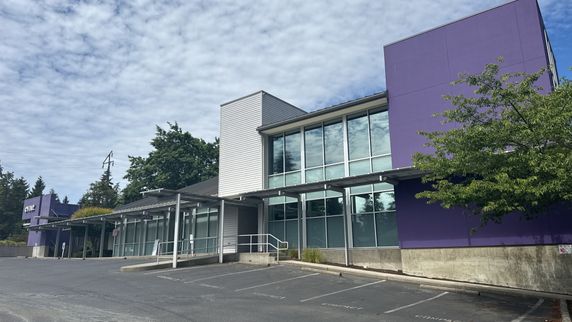
Style of Building: Office Building, Professional Office
Approximate Square Footage: 15265
Approximate Year of Original Construction: 2003
Attending the Inspection: Buyer's Broker
Occupancy: Occupied
This building was occupied at the time of the inspection. Inspection of occupied buildings presents challenges as occupant belongings can obstruct visual inspection of and access to parts of the building. We do our best during inspection to work around belongings to discover as much as possible about the building without moving or damaging personal property; however, the presence of personal items does limit the inspection.
Weather during the inspection: Partly cloudy
Approximate temperature during the inspection: Over 70[F]
Ground/Soil surface conditions: Dry
For the Purposes of This Report, the Front Door Faces: East
Statement of ADA compliance: ADA Not Included
Accessibility / ADA Evaluation NOT INCLUDED
This inspection does not include an evaluation of compliance with the Americans with Disabilities Act (ADA) or other accessibility standards. Assessing ADA requirements involves specialized knowledge of accessibility codes, measurements, and design criteria that are outside the scope of a standard property condition assessment. If ADA compliance is a concern, we recommend consultation with a qualified accessibility specialist or code consultant.
Project Overview and Background
Preliminary Walkthrough Survey
This is a building envelope and systems inspection only. Tenant specific systems and equipment is excluded. Certain areas are designated as "clean areas" and are also excluded (Pre-op, Post-op, Operating Rooms). These systems and areas are subject to oversight and regulation by other authorities, and you should request the records for their current condition and whether or not they have been maintained as needed.

 |  |  |

Equipment Inventory
[[ Table Placeholder: Roofing Systems ]]
[[ Table Placeholder: HVAC ]]
[[ Table Placeholder: Water Heaters ]]
[[ Table Placeholder: Electric Service Equipment ]]
Grounds
Grounds
Flatwork: Asphalt, Flatwork Action Items
FLATWORK REPAIRS NEEDED
The exterior flatwork is in need of repair. The following observations were noted:
- "alligatoring" noted in the traffic zone
- Tree roots have created trip hazards
- Opening allows water penetration, leading to a future sinkhole
- Broken surface will deteriorate further with traffic
- Painting/striping is worn and should be updated
Recommendation
Hire a qualified party to further evaluate and repair the flatwork as needed.


Parking Areas: Present
Accessibility Barriers: No Barriers Noted
Site Topography: Low Slope
Storm Water Drainage: Satisfactory
Landscaping: Incomplete, Action Items
LANDSCAPING REPAIRS NEEDED
Repairs are needed to the landscaping around the site. The following observations were noted:
- Prune trees and vegetation off the building
- Add mulch to bare spots.
Recommendation
Hire a qualified party to repair and complete landscaping projects as needed.
 |  |
Exterior Signage: Present
Garbage Corral: Present
Rodent/Pest Control: Bait Stations, Traps
RODENT TRAPS NOTED
Rodent traps found in the attic indicate issues that require ongoing treatment.
Recommendation
Consult with a pest control company about treatment options.

RODENT BAIT STATIONS NOTED
This is a sign of rodent control work.
Recommendation
Inquire with the seller for additional information, as ongoing treatment may be needed.
Fire Hydrants: Present, Note
FIRE HYDRANT NOTE
Fire hydrant requirements for commercial buildings vary by local jurisdiction but generally depend on the building's required fire flow. Key factors include hydrant spacing, distance from the structure, accessibility for fire apparatus, water supply requirements, and compliance with standards like the American Water Works Association (AWWA). Owners must work with the local fire chief and water authority to determine precise hydrant placement and specifications, as determined by local codes and the International Fire Code (IFC).
 |  |
Fire Access: Present
Exterior Envelope
Exterior Envelope
Exterior Cladding and Trim Materials: Stucco, Wood
This building has a hardcoat stucco siding system. When installed over a wood building, stucco should be installed with two layers of underlayment below the plaster and a weep screed system which allows air to dry any accumulated moisture behind the plaster. Stucco is one of the nicest and lowest-maintenance siding systems but it is installation-sensitive. Poor installation can lead to expensive moisture control problems. The critical weather barrier, which is installed beneath the plaster is not visible to inspection, limiting the inspectors' ability to see how the system is performing. During our visual inspection, we look for clues to help make an educated guess about the future reliability of this system. More detailed information can be gained through destructive testing. This involves drilling holes in the plaster and using a moisture probe to determine if any sections of the building have moisture control problems. Destructive testing such as this is the only way to get reliable information on how the system is performing and it is beyond the scope of this inspection. Please also note that destructive testing is also limited and should be scheduled for times of year with the most precipitation: if it has been dry for an extended period, moisture probe testing may be worthless as building materials would be dry.
Exterior Windows and Glazing: Satisfactory, Window Repairs Needed
WINDOW REPAIRS NEEDED
Repairs are needed to the windows. The following observations were noted during inspection:
- Compromised glazing unit should be replaced.
Recommendation
Hire a qualified contractor to implement window repairs as needed.

Exterior Doors: Glass Panel
Exterior Stairs and Railings: Present and Standard
Exterior Electrical: Receptacles tested, Exterior Electrical Repairs
EXTERIOR ELECTRICAL REPAIRS
The following observations were noted :
abandoned low-voltage wiring should be removed and the pipe capped off to prevent water intrusion.
- abandoned low-voltage wiring should be removed and the pipe capped off to prevent water intrusion.
- no power to the GFCI receptacle located at the exterior walkway entrance
Recommendation
Hire a licensed electrical contractor to further evaluate and repair the exterior electrical system.


Exterior Plumbing: Not Tested (handles removed)
Exterior Fan and Vent Terminations: Fans, Action Items
REPAIRS ARE NEEDED TO THE EXTERIOR EXHAUST VENT TERMINATIONS
The following observations were noted:
- The air intake vents should be cleaned
Recommendation
Repair exhaust fans/terminations as needed.

Exterior Observations: Hardcoat Stucco
HARDCOAT STUCCO
This building has a hardcoat stucco siding system. Stucco is a reservoir style siding meaning it holds water and then needs to dry to both the inside and the outside. This makes proper performance of the weather barrier below the stucco critical for reliable performance, especially in wood frame construction. This barrier is not visible to inspection so it is difficult to determine how well a stucco siding is performing during a visual inspection. Visual inspection of stucco siding involves searching for red flags that could indicate a concealed problem.
Examples of observations noted during the inspection include:
- Positive Notes
- No cracking was observed in the stucco finish
- Flashing looked standard
- Finish coat is in excellent condition
 |  |
EXTERIOR CLADDING SYSTEMS OVERVIEW
Overall, the exterior of the building is in excellent shape. There is wood, horizontal lap siding as well as hardcoat stucco. The paint job is in satisfactory condition, and no rot or cracking was noted.
|  |
Roofing Systems
Roofing System
Means of Access: Walked roof, Drone
Roof Access Door: Just a hatch
Fixed Ladders: Present
Roof Covering: Metal standing seam, TPO membrane
Slope: Pitched, Low Slope
Roof Drainage: Internal drains, External gutters
Canopies and Awnings: Present
General Roof Structure: Truss, Wood I-joists
ROOFING SYSTEMS OVERVIEW
Overall, the roofing systems here are in excellent shape. Sloped roofs are clad with a standing seam metal roof, and the flat portion is covered with TPO.
 |  |  |
 |  |  |
 |  |  |
 |
The current tenant has a chain attached to the roof access hatch for some unknown reason. The chain interfered with closing the hatch so I had to remove it and reattach it. The inspector suggests that it should not be there.

Crawl Space, Basements and Structure
Structure Overview
STRUCTURAL OVERVIEW
Overall, the structure is in excellent shape. No indications of structural concerns were noted during the inspection.
Basement, Foundation and Crawlspace
Basement: Present, Sprinkler riser room
Foundation Type: Poured Concrete
Structural Components: Wood framed, Steel framed, Wood trusses
Structural Condition: No Indications of Structural Movement Found
Below Floor Crawl Space: None
Sump Pumps: None
Floor Drains: None noted
Attics
Attic Ventilation, Insulation and Roof Framing
Attic Access: Present, Action Items
ATTIC ACCESS REPAIRS
The following observations were noted:
Excessive storage noted in attic space off of the IT room. Interferes with maintenance and repir access to HVAC equipment.
Recommendation
A lot of the items stored here are obsolete and should be removed.
 |  |  |
Attic Framing: Trusses, Rafters, Plywood sheathing
Insulation: Fiberglass
Ventilation: Ridge vent, Power vents
ATTIC OVERVIEW
Overall, the accessible attic spaces in this building are in excellent shape and show no signs of moisture accumulation, condensation issues, or structural concerns. The inspector only accessed a small representative sample of ceiling tiles, in order to avoid damage.
ATTIC PHOTOS
 |  |  |
 |  |  |
 |  |  |
 |
Common Electrical
Common Electrical Systems
Main Electric Service: Three Phase
Service Drop / Lateral: Underground electric service
Electric Meters: West side of the building
Electric Service Transformers: Present
Generators: Present - Limitation
GENERATORS ARE BEYOND THE SCOPE OF THIS INSPECTION
This building has a backup power system provided by a generator. Evaluation of these systems is beyond the scope of this inspection. Generator systems should be kept on a regular service schedule to ensure reliable performance.

Distribution Wiring: Rigid conduit, Armored Flexible Cable
Electrical Branch and Finish Wiring: Receptacles tested, Lights Tested, Ground/Bond Connections Noted 📸
GROUNDING/BONDING CONNECTIONS NOTED
 |  |
ELECTRICAL SYSTEM OVERVIEW
Overall, the electrical system in this building is professionally installed and maintained. No safety issues were noted during this inspection.
 |  |  |
 |  |  |
 |  |
firewall in the transformer room needs to be repaired to restore the firebarrier.

The ventilation in the transformer room doesn't appear adequate, the temperature is quite high in this room.
Also, the room should be labeled with a placard (for first responders).
Lastly, there should be an attic light switch above the access hatch from the transformer room. There used to be one, but it has been removed. It is true that the easier access is from the IT room, however, a light switch should be positioned at all access locations. Especially since there are appliances requiriing maintenance at this area.


GROUNDING AND BONDING
Observations
- Grounding / bonding connections found
ELECTRIC SERVICE EQUIPMENT
Observations
- Permit stickers were noted throughout
- Clearances
- Inadequate working clearances - this is a potential safety hazard.


 |  |  |
 |  |  |
 |  |  |
 |
Common HVAC Systems
Heating, Cooling and Ventilation
Heating and Cooling Systems: Gas forced air RTU, Mini-split heat pump, Air conditioner
System Types: Packaged rooftop unit (RTU)
PACKAGED HVAC UNITS
A packaged HVAC unit tends to be larger than a standalone air conditioner or heating system. That's because the packaged system has both systems in one unit. These systems can run in heating or cooling mode, delivering comforting air throughout your property from a single installation. These are often installed on the roof.

HVAC Testing Methods: Operated the systems from thermostat controls
Heating and Cooling System Access: Accessible
Distribution Systems: Ductwork, Ductless heat pump heads
Service The HVAC Systems, HVAC System Repairs Needed, HVAC System Updating Needed
HVAC SYSTEM UPDATING IS NEEDED
The HVAC systems for this building need updating. The following observations were noted during the inspection:
- The main RTU appears to be original to the building (data plate is illegible, and the compressor fin damage reflects substantial age), this would put it close to projected end of service life.
- Many of the smaller units are definitely original, and should be considered for replacement as well.
Recommendation
If you cannot get the maintenance and expected lifespan records from PSR Mechanical (206-367-2500), then hire an independent qualified heating contractor to further evaluate and provide a plan and budget for updating the HVAC systems here as needed.

|  |  |
 |  |

HVAC SYSTEM REPAIRS ARE NEEDED
The following observations were noted during the inspection:
- The compression line set for the Mitsubishi split system is missing all of its insulation above the roof.
- This Mitsubishi split system is for the IT computer room only. It appears to have problems, since they have a secondary portable AC unit set up in the server room currently.
Recommendation
Have the Mitsubishi HVAC system further evaluated and repaired as recommended by a licensed heating contractor.
 |  |  |
SERVICE THE HVAC SYSTEM
No recent service records were noted on the HVAC system.
- Many of the compressors on the rooftop appear to be original to the buildings construction, the data plates are so worn that you cannot get an idea of model or serial number.
- It does appear that the systems have had prior maintenance and tracking through a service agreement, there should be records of which units are still functional
Recommendation
Have the HVAC systems serviced by a qualified contractor.
 |  |  |
 |  |
HEATING AND COOLING SYSTEMS OVERVIEW
Overall, the occupied spaces of the building are being properly controlled. There appear to be too many units on the rooftop, and in the attic spaces there appears to be an abandoned air handler. It appears that some upgrades have been made over time (there were two newer rooftop compressors) and it appears that the systems that were replaced have just been left in place. This building has had (at least) two major tenants over its lifetime, the newer units may be part of tenant improvements when the current occupant took possession.
Legible HVAC EQUIPMENT DOCUMENTATION
 |  |  |
 |  |  |
 |
Common Water Heaters
Water Heating (Main )
System Type: Tank
Manufacturer: Bradford-White
Data Plate: Shown Here
This shows the data plate for this water heater. It appears that this water heater is 5 years old. However, this brand of water heater recycles the year code every 20 years, so it might actually be 25 years old. If it is 25 years old, you can expect a need for replacement in the near future. It would be terribly surprising for it to be that old, since the building is only 23 years old.
 |  |
Size: 50 gal
Age: X = 2001/21
Water Heating (Point of use for exam rooms)
System Type: Tank
Manufacturer: State Select
Data Plate: Not Visible
Size: 25 gal
Age: Old
Energy Source: Electricity
WATER HEATER (Located in attic above transformer room)
Observations
- Signs of past leaks
- Seismic restraints are missing/incomplete
- Corrosion noted on the water heater jacket
Recommendations
- Water heater replacement is needed.
 |  | |
Common Plumbing
Plumbing
Water Service: Public
Main Water Shut Off Location: Basement
Water Pressure: Hose Bibs Winterized - Could Not Test
Pressure Reducing Valve: Present
Water Distribution: Copper pipes, Cast-iron for fire sprinkler system
Drain, Waste and Vent: Cast iron
Irrigation Systems: Present
A sewer scope was provided, and everything looks great
The water filter on the drinking fountain supply needs to be replaced.

BACKFLOW PREVENTION
- Recent service records were noted.

Building Safety
Fire Suppression Systems: Present, Action Items / Documentation
FIRE SUPRESSION SYSTEM
Observations
- Recent service records were found.
 |  |
Fire Alarms: Present
Fuel Storage and Distribution
Fuel Storage and Distribution
Gas Meters: Present
Common Restrooms
Men's Rooms
COMMON RESTROOM
The following observations were noted:
- No Repairs Needed
- Systems were tested and inspected and no repairs items were found.
 |  |
Women's Rooms
COMMON RESTROOM
The following observations were noted:
- Exhaust Fan
- Non-operational or noisy exhaust fan


 |  | |

Life Safety
Life Safety
Fire Protection: Fire Suppression Sprinklers 📸
Photos shows the fire suppression system installed here.
 | | |
Means of Egress: Present and satisfactory
Address Numbers Visible: Yes
Fire Hydrants Blocked < 3': No
Flammable Material Storage: Safe
Environmental
Fuel Storage
Fuel Storage: None
Accessibility Report
ADA Inspection Checklist for Commercial Buildings
1. ACCESSIBLE ROUTE AND SITE ACCESS: Satisfactory
Required accessible spaces: 2
Accessible parking spaces provided. Total #: 2
Proper signage posted (≥ 60" above ground): Satisfactory
Access aisles adjacent & properly marked: Satisfactory
Curb ramps provided: Satisfactory
Accessible route clear (≥ 36" wide, slope ≤ 1:20): Satisfactory
Exterior stairs supplemented by accessible ramps or lifts: Not applicable
At least one accessible public entrance is provided: Satisfactory
Accessible door hardware (lever-style, U-shaped, or push-pull bars): Satisfactory
Clear door width (minimum 32" when open at 90°): Satisfactory
Thresholds ≤ 1/2" beveled: Satisfactory
Maneuvering clearance at doors (adequate space on both push and pull sides): Satisfactory
Continuous accessible path to all public/common areas (corridors at least 36" wide): Satisfactory
Doorways along accessible routes meet width and clearance requirements: Satisfactory
Elevators provided if more than one level is open to the public (controls within reach range, audible and visual signals): Satisfactory
Clear floor space at major intersections and doorways: Satisfactory
At least one accessible restroom (for each gender or a unisex accessible restroom): Satisfactory
Doorway and stall entry ≥ 32" clear: Satisfactory
Turning radius (60" diameter or T-shaped space): Satisfactory
Grab bars at appropriate heights and locations: Satisfactory
Accessible lavatory (clear knee space, pipes insulated, faucet operable without tight grasping/twisting): Satisfactory
Toilet centered 16–18" from side wall: Satisfactory
Accessible dispensers (soap, towels, dryers) within reach ranges (typically 48" max height): Satisfactory
Mirrors with bottom edge ≤ 40" above floor: Satisfactory
Counters, reception desks, and transaction surfaces have accessible sections (no higher than 36"): Satisfactory
Seating areas include companion seating and wheelchair spaces integrated into layout: Satisfactory
Drinking fountains at accessible heights (with knee clearance, forward approach, and spout ≤ 36" above floor): Satisfactory
Visual and audible fire alarms: Satisfactory
Accessible means of egress routes identified and unobstructed: Satisfactory
Signed Contracts
Optimized Inspection Services, LLC.
206-349-0733
OptimizedInspections.com
bryanm@optimizedinspections.com
750