⚡Electrical Items
The following items have been taken from the complete inspection report to provide a concise list of electrical items found during the inspection. It is recommended that a licensed electrical contractor perform all electrical repairs.
⚡Electrical Items
Repairs
- EDAF-1 ELECTRIC DISTRIBUTION AND FIXTURES - Branch Wiring:
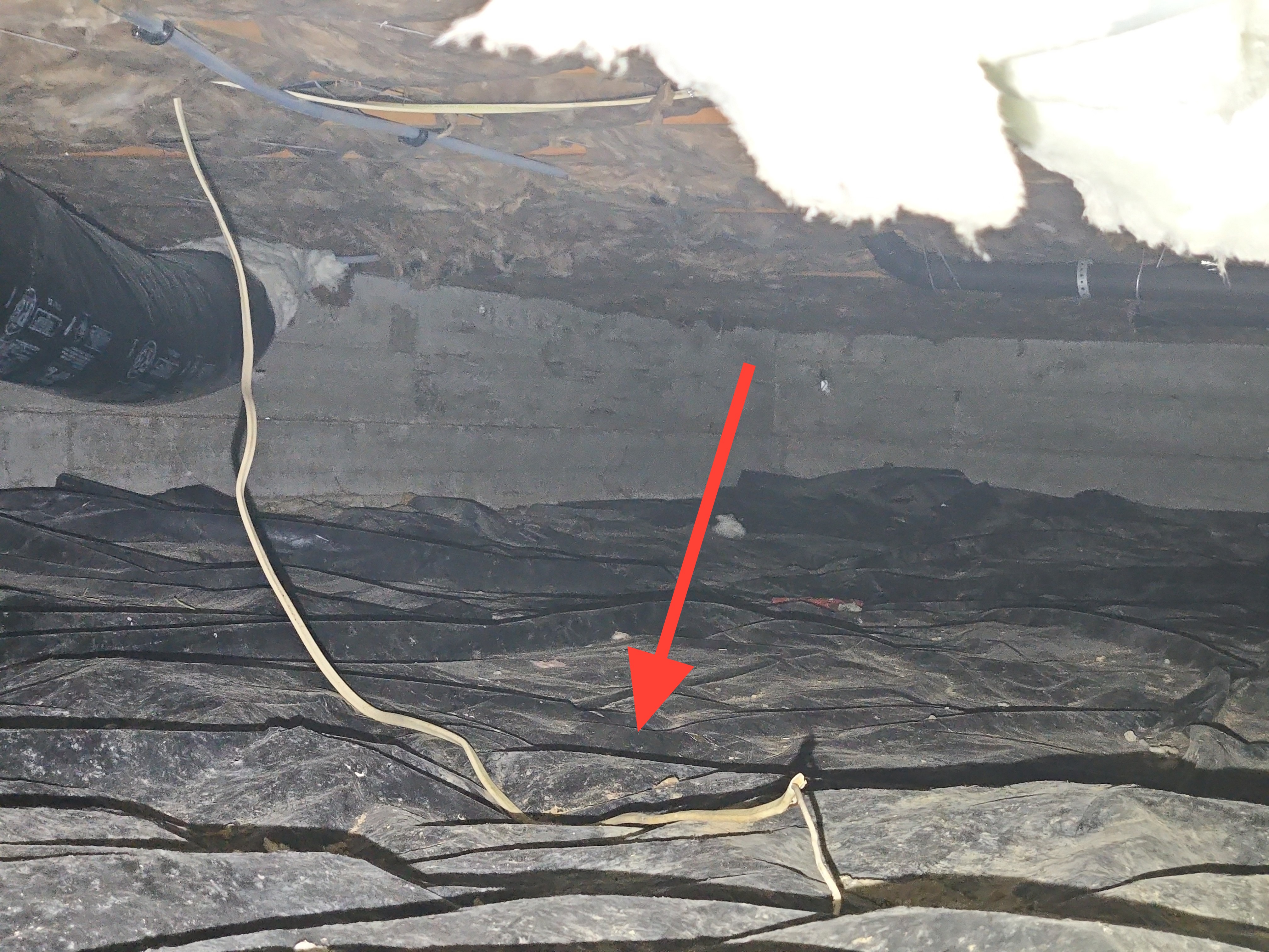
ABANDONED WIRING NOTED
Abandoned wiring was noted in the crawl space This should be eliminated or properly terminated inside a listed junction box. It is often not feasible to determine if wire is still connected to a power source. I can test these with a voltage sensor, but they could be shut off by a switch or temporarily disconnected. For optimal safety, all abandoned wires should be eliminated or properly terminated inside a junction box.
- EDAF-2 ELECTRIC DISTRIBUTION AND FIXTURES - Branch Wiring:
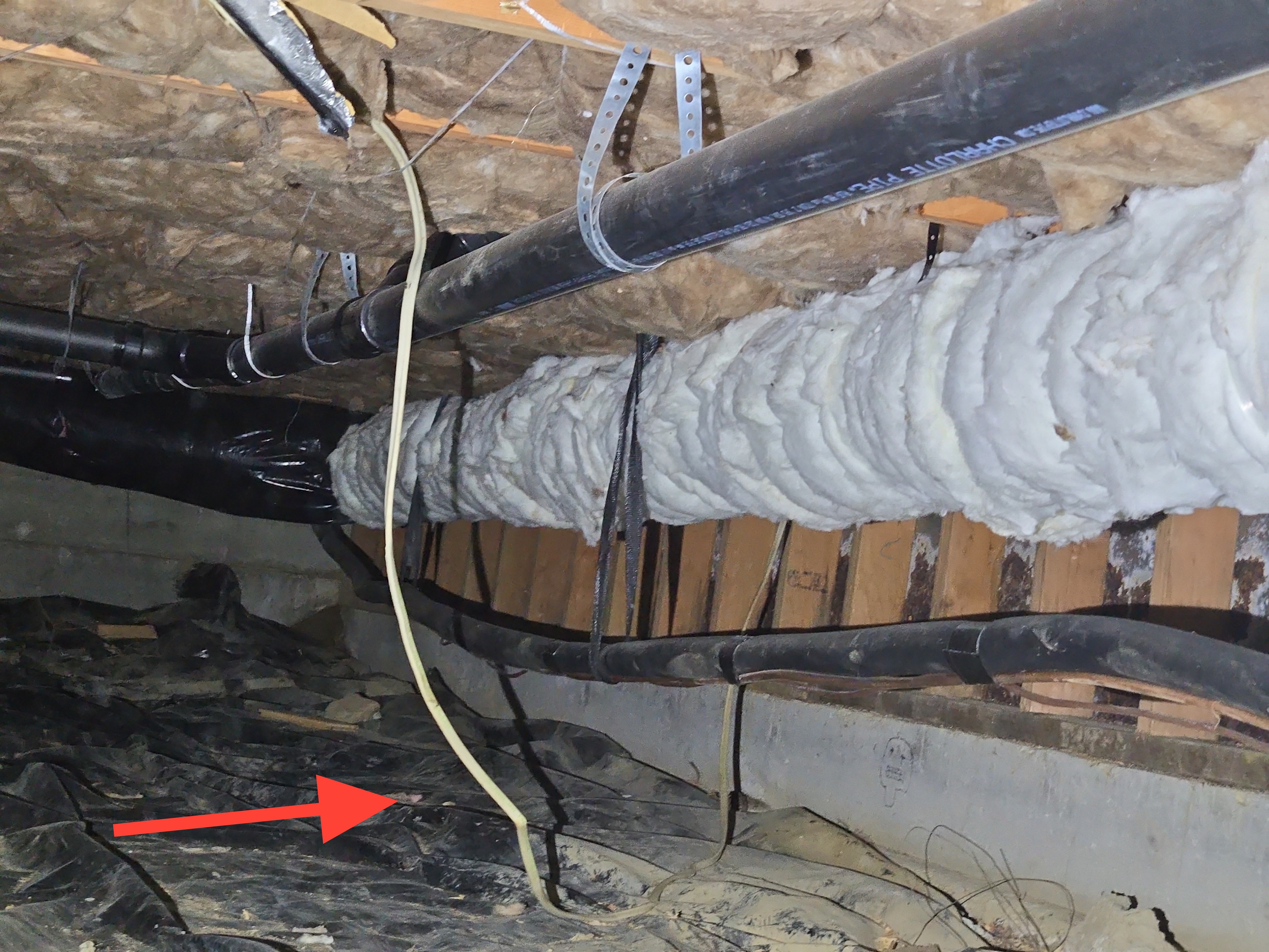
WIRING SUPPORT AND RESTRAINT NEEDED
The non-metallic sheathed cable is poorly supported and requires staples or hangers for additional support and strain relief - see crawl space. This type of wiring should be supported every 4 feet and within 2 feet of junction boxes.
✒️
- Smaller cables in crawl spaces and unfinished basements shall be run either through bored holes in joists or on running boards.
Due Diligence Items
- EDAF-8 ELECTRIC DISTRIBUTION AND FIXTURES - Low Voltage Wiring:
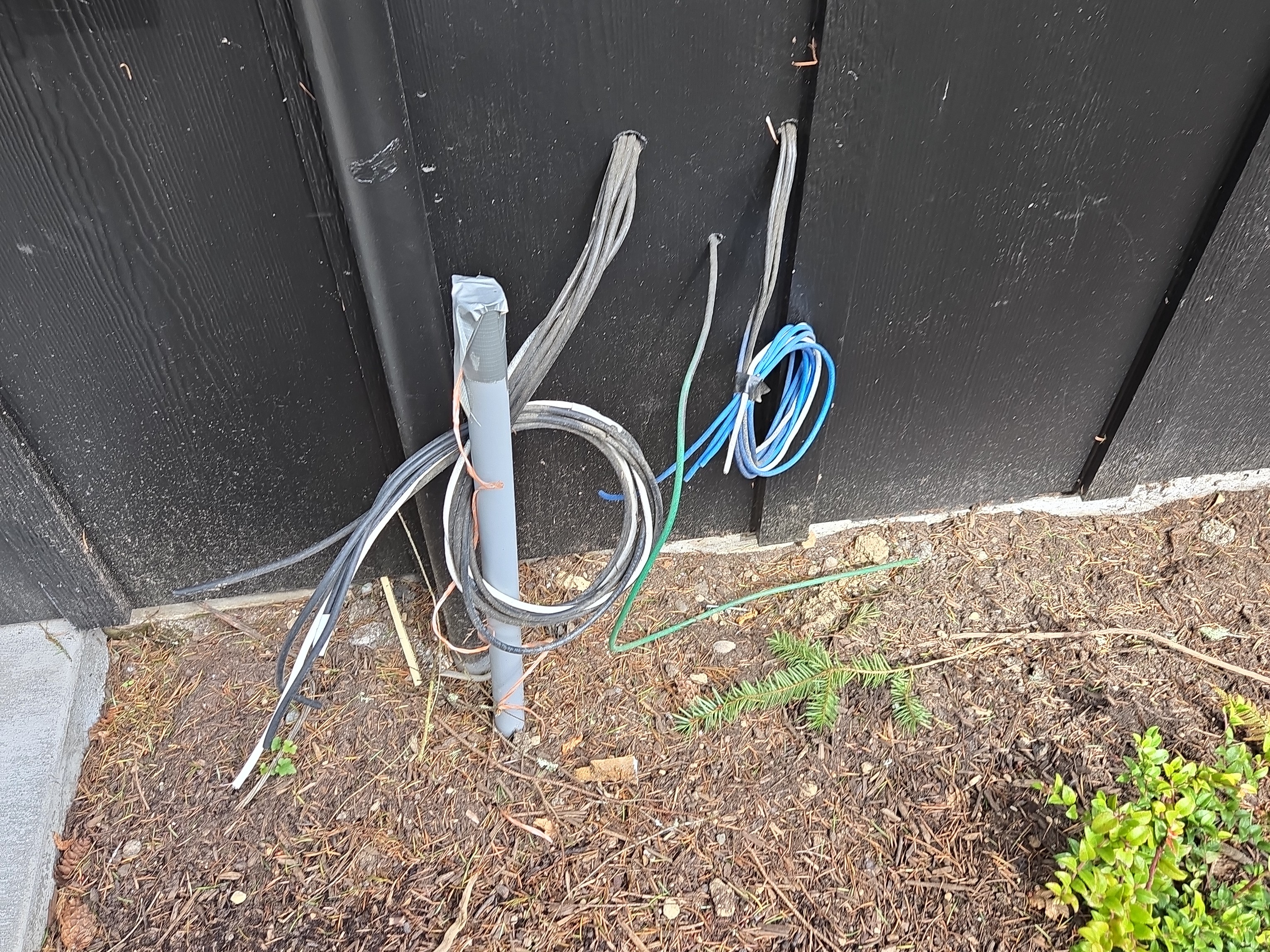
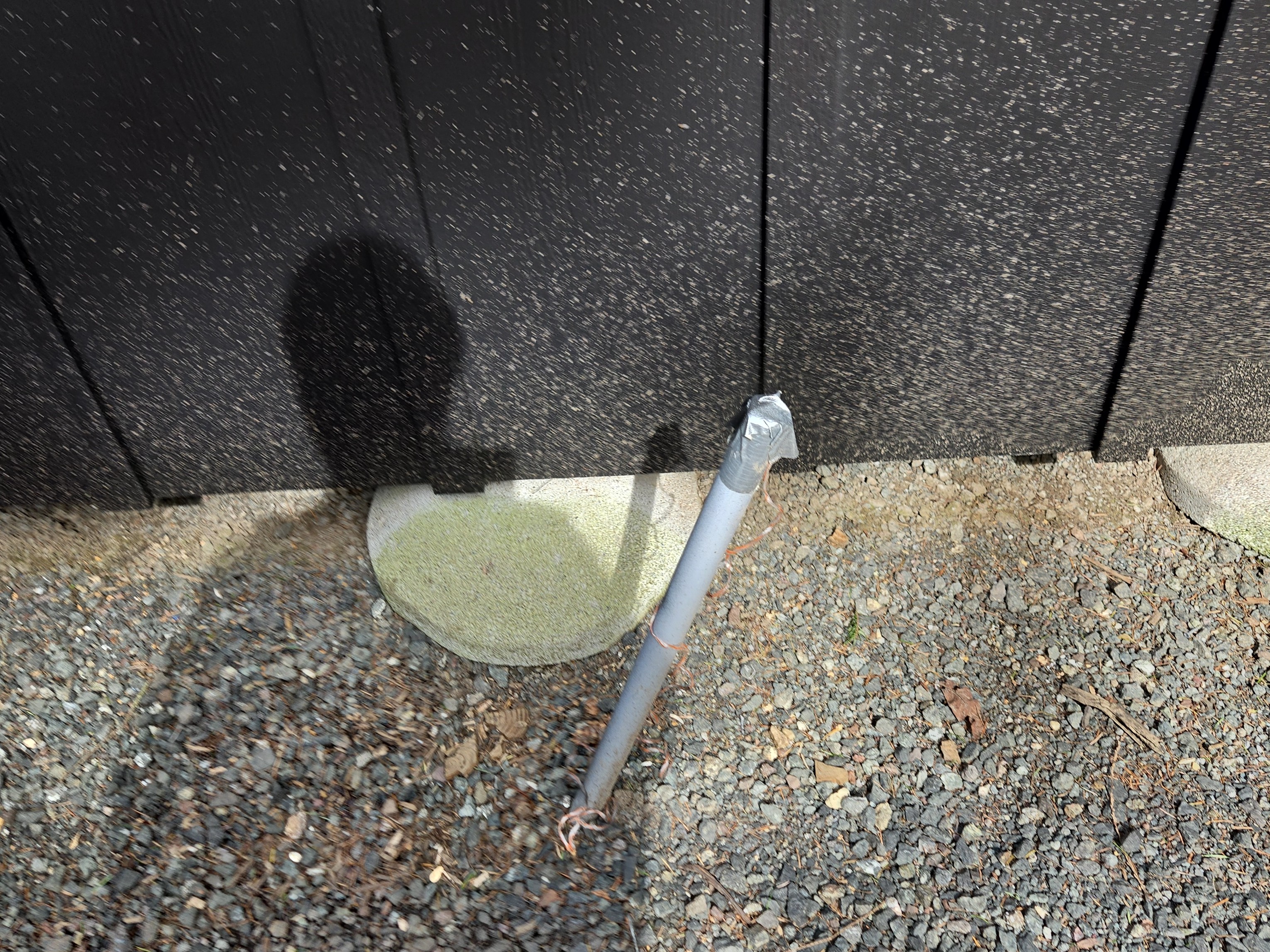
INQUIRE WITH THE BUILDER ABOUT LOW VOLTAGE WIRING CONNECTIONS SUCH AS CATV AND PHONE
It is normal for the builder to run all of there wires to the exterior and leave them in a bundle. When services are ordered such as CATV, the utility will often provide the box and make the connection to the house wiring.
✒️
- Verify from the builder that the utility side of the service has been run to the building.
- Please note that inspection of low voltage wiring is beyond the scope of this inspection.
- It looks as though they ran low voltage wiring to the storage shed? Is this for power too?
Inspection Notes
- ES-4 ELECTRIC SERVICE - Sub Panel:
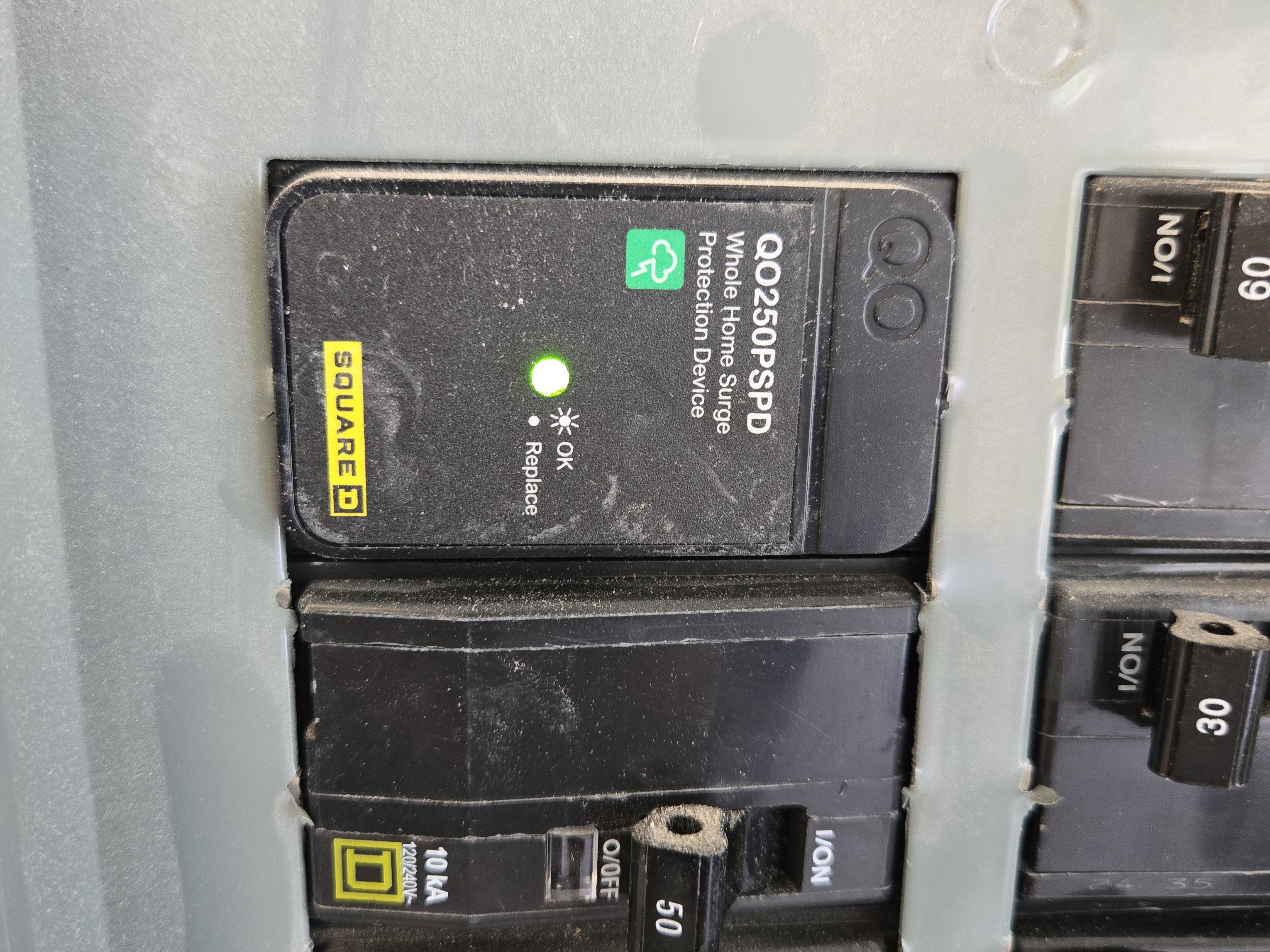
SURGE PROTECTION INSTALLED
This building has a surge protector installed to protect the electrical system. Please note that the 2020 edition of the National Electrical Code requires type 1 or type 2 surge protection on new or renovated houses. This code change reflects the growing complexity of our electrical appliances and the risk of damage to these appliances from electrical surges.
Orca Inspection Services LLC
206-713-5715
www.orcainspect.com
orcainspect@gmail.com
.gif)
.gif)
.jpg)