Joe Young, IL State License #450.013323 WI State License #3322-106
Introduction
GENERAL INFORMATION
This confidential report was prepared exclusively for the client. The inspection and report are in no way a guarantee or warranty, express or implied, regarding the future use, operability, habitability or suitability of the home/building or its components. Kettle Moraine Home Inspections, LLC is not responsible for its use or misinterpretation by third parties, and third parties who rely on it in any way do so at their own risk and release Kettle Moraine Home Inspections, LLC (including employees and business entities) from any liability whatsoever.
IMPORTANT NOTE- PLEASE READ : There is a Summary available and is only provided to allow the reader a brief overview of the report. The Summary is not encompassing. Reading the summary alone is not a substitute for reading the report in entirety. The entire Inspection Report, including the Standards of Practice, Limitations, Exceptions, Exclusions, Scope of Inspection and Inspection Agreement must be carefully read to fully assess the findings of the inspection.
It is recommended that any deficiencies and the components/systems related to these deficiencies noted in the report be evaluated/inspected and repaired as needed by licensed contractors/professionals PRIOR TO THE CLOSING OF THE REAL ESTATE TRANSACTION. Further evaluation PRIOR to the closing of the real estate transaction is recommended so a properly licensed professional can evaluate our concerns further and inspect the remainder of the system or component for additional concerns that may be outside our area of expertise or the scope of our inspection. Please call the office for any clarifications or further questions.
SCOPE OF WORK:
Definitions and Scope
1.1. A home inspection is a non-invasive, visual examination of the accessible areas of a residential property (as delineated below), performed for a fee, which is designed to identify defects within specific systems and components defined by these Standards that are both observed and deemed material by the inspector. The scope of work may be modified by the Client and Inspector prior to the inspection process.
I. The home inspection is based on the observations made on the date of the inspection, and not a prediction of future conditions.
II. The home inspection will not reveal every issue that exists or ever could exist, but only those material defects observed on the date of the inspection.
1.2. A material defect is a specific issue with a system or component of a residential property that may have a significant, adverse impact on the value of the property, or that poses an unreasonable risk to people. The fact that a system or component is near, at, or beyond the end of its normal, useful life is not, in itself, a material defect.
1.3. A home inspection report shall identify, in written format, defects within specific systems and components defined by these Standards that are both observed and deemed material by the inspector. Inspection reports may include additional comments and recommendations.
Limitations, Exceptions & Exclusions
A home inspector shall perform a reasonably competent and diligent home inspection of the readily accessible installed systems and components required to be inspected under s. SPS 131.32 to detect observable conditions of an improvement to residential real property. A reasonably competent and diligent home inspection is not required to be technically exhaustive. Home inspectors are not required to: (a) offer a warranty or guarantee of any kind (b) calculate the strength, adequacy or efficiency of any component of an improvement to residential real property (c) enter any area or perform any procedure that may damage an improvement to residential real property or a component of an improvement to residential real property, or enter any area or perform any procedure that may be dangerous to the home inspector or to other persons (d) operate any component of an improvement to residential real property that is inoperable (e) operate any component of an improvement to residential real property that does not respond to normal operating controls (f) disturb insulation or move personal items, furniture, equipment, vegetation, soil, snow, ice or debris that obstructs access to or visibility of an improvement to residential real property or a component of an improvement to residential real property (g) determine the effectiveness of a component of an improvement to residential real property that was installed to control or remove suspected hazardous substances (h) evaluate acoustic characteristics of a component of an improvement to residential real property (i) project or estimate the operating costs of a component of an improvement to residential real property (j) predict future conditions, including the failure of component of an improvement to residential real property (k) inspect for the presence or absence of pests, including rodents, insects and wood-damaging organisms (l) inspect cosmetic items, underground items or items not permanently installed (m) inspect for the presence of any hazardous substances (n) disassemble any component of an improvement to residential real property, except for removing an access panel that is normally removed by an occupant of residential real property
A home inspector is not required to report on any of the following aspects of items identified in s. SPS 131.32:
(a) Their life expectancy.
(b) The reason for the necessity of a major repair.
(c) The method of making any repair or correction, the materials needed for any repair or correction, or the
cost of any repair or correction.
(d) The suitability for any specialized use of an improvement to residential real property.
(e) Whether they comply with applicable regulatory requirements.
In the report, there may be specific references to areas and items that were inaccessible. Kettle Moraine Home Inspections, LLC can make no representations regarding conditions that may be present but were concealed or inaccessible for review. With access and an opportunity for inspection, reportable conditions may be discovered.
Complimentary Package Included
Your Home Inspection Includes A FREE Warranty Package
RecallChek - Alerts the homebuyer/owner of any manufacturer recalls on the major appliances. This service is valid for life!
90 Day Warranty - Your home inspection is backed by a 90 day limited Structural and Mechanical Warranty
Platinum Roof Protection Plan - 5 Year Roof Leak Warranty Covers the repair of roof leaks for 5 years from the home inspection date.
MoldSafe - 90 Day Mold Growth Coverage covers remediation of visible mold growth that may occur after the home inspection.
SewerGard - 90 Day SewerGard covers your water line and sewer line against failure due to normal wear and tear, giving you peace of mind!


How to Read This Report
Getting the Information to You
This report is designed to deliver important and technical information in a way that is easy for anyone to access and understand. It is recommend that you take the time to read the full Report, which includes digital photographs, captions, diagrams, descriptions, videos and hot links to additional information.
The best way to get the layers of information that are presented in this report is to read your report online (the HTML version), which will allow you to expand your learning about your house. You will notice some words or series of words highlighted in blue and underlined – clicking on these will provide you with a link to additional information. The HTML version of this report also contains streaming videos. Short video clips often contain important information and critical context and sounds that can be difficult to capture in words and still pictures.
For the most reliable viewing experience, I recommend viewing the report on as large a screen as practical, as much detail can be lost on small devices like smart phones. For similar reasons, reports should only be printed in color to retain as much detail as possible and minimize misinterpretation of photographs.
This report can also be printed on paper or to a PDF document.
Chapters and Sections
This report is divided into chapters that parcel the home into logical inspection components. Each chapter is broken into sections that relate to a specific system or component of the home. You can navigate between chapters with the click of a button on the left side margin.
Most sections will contain some descriptive information done in black font. Observation narrative, done in colored boxes, will be included if a system or component is found to be significantly deficient in some way or if we wish to provide helpful additional information about the system or the scope of our inspection. If a system or component of the home was deemed to be in satisfactory or serviceable condition, there may be no narrative observation comments in that section and it may simply say “tested,” or “inspected.”
Observation Labels
All narrative observations are colored, numbered and labeled to help you find, refer to, and understand the severity of the observation. Observation colors and labels used in this report are:
- Limitation:In the report, there may be specific references to areas and items that were inaccessible. Kettle Moraine Home Inspections, LLC can make no representations regarding conditions that may be present but were concealed or inaccessible for review. With access and an opportunity for inspection, reportable conditions may be discovered.
- Needs Repair:Observations needing repair noted during the inspection. Please note that some repair items can be expensive to correct such as re-finishing hardwood floors, but are considered simply repair items due to their cosmetic nature.
- Recommended Maintenance:These are repair items that should be considered "routine home ownership items," such as servicing the furnace, cleaning the gutters or changing the air filters in the furnace.
- Needs Further Evaluation:Further evaluation is recommended so a properly licensed professional can evaluate our concerns further and inspect the remainder of the system or component for additional concerns that may be outside our area of expertise or the scope of our inspection.
- Defect:For the purposes of the report, “defect,” as defined in section 440.97 (2m), Wis. Stats., means a condition of any component of an improvement that a home inspector determines, on the basis of the home inspector’s judgment on the day of an inspection, would significantly impair the health or safety of occupants of a property or that, if not repaired, removed, or replaced, would significantly shorten or adversely affect the expected normal life of the component of the improvement. The contract of sale may define “defect” to also include a condition that would have a significant adverse effect on the value of the property, but such a condition may not be labeled a defect in the report unless it meets the definition in section 440.97 (2m), Wis. Stats
- Note:Refers to aside information and /or any comments elaborating on descriptions of systems in the home or limitations to the home inspection.
- Description:Detailed description of various aspects of the property noted during the inspection.
Summary Page
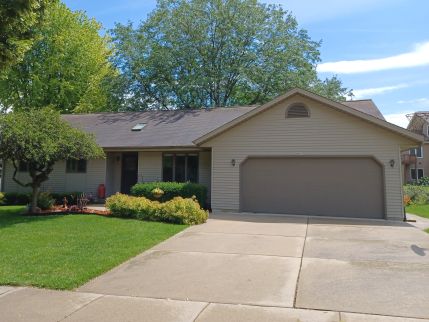
Property Address: Single Family Sample Report
Inspected by: Joe Young 3322-106 Kettle Moraine Home Inspections, LLC
Inspected on: 2024-07-18
Prepared by: Joe Young 3322-106 Kettle Moraine Home Inspections, LLC
NOTE: This summary page is provided for convenience and is not a substitute for reading the entire report and should not be relied upon as the complete list for the client’s reference.
For the purposes of the report, “defect,” as defined in section 440.97 (2m), Wis. Stats., means a condition of any component of an improvement that a home inspector determines, on the basis of the home inspector’s judgment on the day of an inspection, would significantly impair the health or safety of occupants of a property or that, if not repaired, removed, or replaced, would significantly shorten or adversely affect the expected normal life of the component of the improvement. The contract of sale may define “defect” to also include a condition that would have a significant adverse effect on the value of the property, but such a condition may not be labeled a defect in the report unless it meets the definition in section 440.97 (2m), Wis. Stats.
NOTE: A home inspector may not report on the market value or marketability of a property or whether a property should or should not be purchased.
Summary
Limitations
- ID-1 Inspection Details:
Kettle Moraine Home Inspections, LLC makes no representations as to the extent or presence of code violations, nor does Kettle Moraine Home Inspections, LLC warrant the legal use of this building. This information would have to be obtained from the local building and/or zoning department.
- ID-2 Inspection Details:
The inspector may choose to include photos in your inspection report. There are times when only a picture can fully explain the condition or if the client is unable to attend the inspection. Photo inclusion is at the discretion of the inspector and in no way is meant to emphasize or highlight the only conditions that were seen. It is always recommended that the client review the entire inspection report.
- ID-3 Inspection Details:
The inspector is not a soil, geotechnical, civil, or structural engineer and cannot render an opinion regarding soil stability, potential soil movement and/or structural integrity. If desired, qualified specialists should be consulted on these matters.
- ID-4 Inspection Details:
There may be information pertinent to this property which is a matter of public record. A search of public records is not within the scope of this inspection. Kettle Moraine Home Inspections, LLC recommends that client or their representative review all appropriate public records.
- ID-5 Inspection Details:
Sections of this building may have been remodeled. It is recommended that the client consult with the current owner to determine if all necessary permits were obtained, inspections performed and final signatures of the authority having jurisdiction were obtained.
- BFCS-5 Basement, Foundation, Crawlspace & Structure:
The basement was mostly finished and the foundation walls were not visible from the interior.
- G-3 Garage:
The overhead garage door was not tested to determine if it automatically reverses or stops when meeting reasonable resistance. The pressure is normally set during installation and these settings may have changed since then. The testing of the resistance for the door was not done since this type of door is easily damaged if pressure set too high. It is recommended that the client have this safety feature setting checked during routine maintenance by a qualified professional.
- P-1 Plumbing:
A water softener was present at the time of the inspection. The softener was not inspected.
- E1-3 Electrical:
The circuits in the panel were labeled. The inspector did not verify the accuracy of the labeling.
- E1-9 Electrical:
The smoke detectors were tested with their test buttons. This method only verifies battery and horn function, but does not test the sensor in the unit. After occupancy, and regularly thereafter, it is advised that they be tested with real or simulated smoke.
- AIV-1 Attic, Insulation & Ventilation:
There was no flooring present in the attic and the insulation covered the ceiling joists. The inspector was unable to fully access the attic for a complete inspection. Due to this limitation, only a partial inspection of the attic space was performed. Defects may exist in inaccessible areas.
- BA-1 Built-in Appliances:
Built in appliances are only tested for operation, working or not. Quality or extent of operation is not part of the home inspection.
Needs Repair
- R-1 Roof:
Multiple areas of the roof were observed to have visible nail heads that were not sealed properly. This condition could lead to moisture intrusion and may void any warranty on the roof. Repair is recommended by a qualified roofing contractor.
- R-3 Roof:
Lichen was observed growing on the roof. Lichen growth can trap moisture against the roof Allowing the lichen to grow can lead to premature shingle failure. Repair by a qualified roofing contractor is recommended.
- R-7 Roof:
One or more downspouts discharged too close to the home's foundation. This can result in excessive moisture in the soil at the foundation, which can lead to foundation/structural movement. It is recommended that downspouts and any extensions drain at least 6 feet from the foundation.
- E-4 Exterior:
Settling of the concrete walkway was observed. Repair by a qualified contractor is recommended.
- BFCS-1 Basement, Foundation, Crawlspace & Structure:
Cracking was observed at the exterior of the foundation near the garage. The cracks were observed at the exterior and there was no visible cracking at the interior at the time of the inspection. The cracking observed indicates movement of the foundation and it is recommended that a licensed and qualified contractor repair the cracks and correct any site conditions that are contributing to the movement of the foundation.
- G-2 Garage:
The weather stripping for the garage door was damaged. Repair by a qualified contractor is recommended.
- P-3 Plumbing:
A sink aerator did not operate properly at the time of the inspection. Repair is recommended to restore proper operation.
- P-8 Plumbing:
A sump crock was observed in the basement. At the time of the inspection, there was no sump pump installed. It is recommended that a licensed and qualified contractor install a sump pump to manage the water coming into the crock.
- E1-5 Electrical:
A light was not working at the time of the inspection. The bulb may have burned out. Where bulbs are not the problem, the condition of this fixture and/or wiring should be verified.
- DWI-1 Doors, Windows & Interior:
The handles to the windows were not installed at the time of the inspection. It is recommended that the handles be installed for proper operation.
- DWI-3 Doors, Windows & Interior:
Windows were observed to have moisture damage at the interior. This is typically caused by high levels of condensation. Repair by qualified contractor is recommended.
Recommended Maintenance Items
- R-4 Roof:
Trees were overhanging the roof. It is recommended that they be trimmed to prevent debris from accumulating on the roof and to prevent damage by abrasion.
- R-6 Roof:
Debris was present in the gutters. It is recommended that all debris be removed to ensure proper drainage.
- E-1 Exterior:
Caulk around windows, doors, where dissimilar materials meet and other penetrations should be maintained. It is recommended that areas where openings exist or where existing caulk has failed be re-caulked.
- E-2 Exterior:
Sections of the siding and trim were observed to have chipped and peeling paint. Repair is recommended to prevent the deterioration of the underlying material.
- E-3 Exterior:
The sliding door was difficult to operate. Repair is recommended to restore proper operation.
- P-6 Plumbing:
It is recommended that the water temperature not exceed 120° F.
Needs Further Evaluation
- R-5 Roof:
Taking into consideration the observations of the the roof covering at the time of the inspection, the shingles are likely approaching or are at the end of their serviceable life. There is an increased risk of random failure at any time. When this occurs, the potential for damage to interior surfaces and structures is great. It is recommended that the client anticipate and budget for the replacement of the roof covering in the near future. It is further recommended that a qualified roofing contractor further evaluate the roof covering and repair or replace as needed.
- R-8 Roof:
One or more downspouts discharged into sub-surface drains. Termination locations for these sub-surface drains were not observed at the time of the inspection. The condition of underground pipes or locations of their termination points (if any) is not determined as part of this inspection. It is recommended that the client verify the termination points of all subsurface drains prior to closing.
- E-14 Exterior:
Retaining wall timbers were present at the northeast corner of the home. Some pieces were newer, indicating replacement. It is recommended that a qualified landscaping contractor further evaluate the area to ensure proper drainage away from the home.
- BFCS-2 Basement, Foundation, Crawlspace & Structure:
Moisture stains were observed at the time of the inspection. It is recommended that the source of moisture be located and repaired by a qualified contractor.
- BFCS-3 Basement, Foundation, Crawlspace & Structure:
Concrete slab was found to be shifting/cracking at the floor structure. This can be caused by moisture intrusion and/or soil movement. Further evaluation by a qualified foundation contractor is recommended.
- BFCS-4 Basement, Foundation, Crawlspace & Structure:
An apparent organic growth was observed on the basement wall. Testing is the only way to verify if the substance is or is not mold and if so, what type. Further testing of the substance is recommended as well as proper mitigation by a qualified professional if needed.
- BFCS-6 Basement, Foundation, Crawlspace & Structure:
Moisture staining was observed on the basement wall. The area was not damp at the time of the inspection. It is recommended that the area be further evaluated to determine if this is simply efflorescence (mineral deposit from moisture intrusion) or an organic growth.
- H-2 Heating:
Corrosion was observed in the furnace cabinet. Further evaluation by a licensed and qualified HVAC contractor is recommended.
- DWI-4 Doors, Windows & Interior:
An area of the ceiling was observed to be discolored and may be the location of a past repair. It is recommended that the client obtain further information from the homeowner regarding any previous damage in this location.
Defects
- R-2 Roof:
Surface granulation failure/loss was observed. Many of the shingles were missing a significant amount of granules and the underlying layer of tar was exposed. The purpose of the granule layer is to protect the shingles from the ultraviolet rays of the sun. As granules are lost, the shingle will dry out and become brittle. These conditions indicate that the shingle may be nearing the end of its useful service life. Repair by a qualified roofing contractor is recommended.
- R-9 Roof:
Unprofessional installation of roofing tar was observed. Properly installed flashing does not require the use of tar or other sealants and roofing tar is a temporary product that will degrade over time. Repair by a qualified roofer is recommended to prevent moisture intrusion.
- R-10 Roof:
The boots around the plumbing vents were deteriorated. This condition will allow water to penetrate the roofing surface. Repair by a qualified roofing contractor is recommended.
- R-11 Roof:
The drip edge was observed to be improperly installed. On the home and the garage, at the eave, the drip edge flashing was observed to be installed over the roofing felt. This condition may allow moisture to penetrate behind the drip edge. Repair by a qualified roofer is recommended.
- R-12 Roof:
Moisture damage was observed at the skylight. Skylights, if not properly installed, are prone to leaking and proper flashing around the skylight is critical. Repair by a licensed and qualified contractor is recommended.
- E-6 Exterior:
The handrail at the rear deck was not graspable. Replacement with a graspable handrail is recommended for safety.
- E-7 Exterior:
The stringers for the stairs were improperly attached. Repair by a qualified decking contractor is recommended.
- E-8 Exterior:
The ledger board was not properly attached to the building. This can cause the deck to pull away from the building and possibly collapse. It is recommended that the deck and/or ledger board be properly attached to the building by a qualified contractor.
- E-9 Exterior:
The handrails at the deck were observed to be loose. Repair by a qualified contractor is recommended.
- E-10 Exterior:
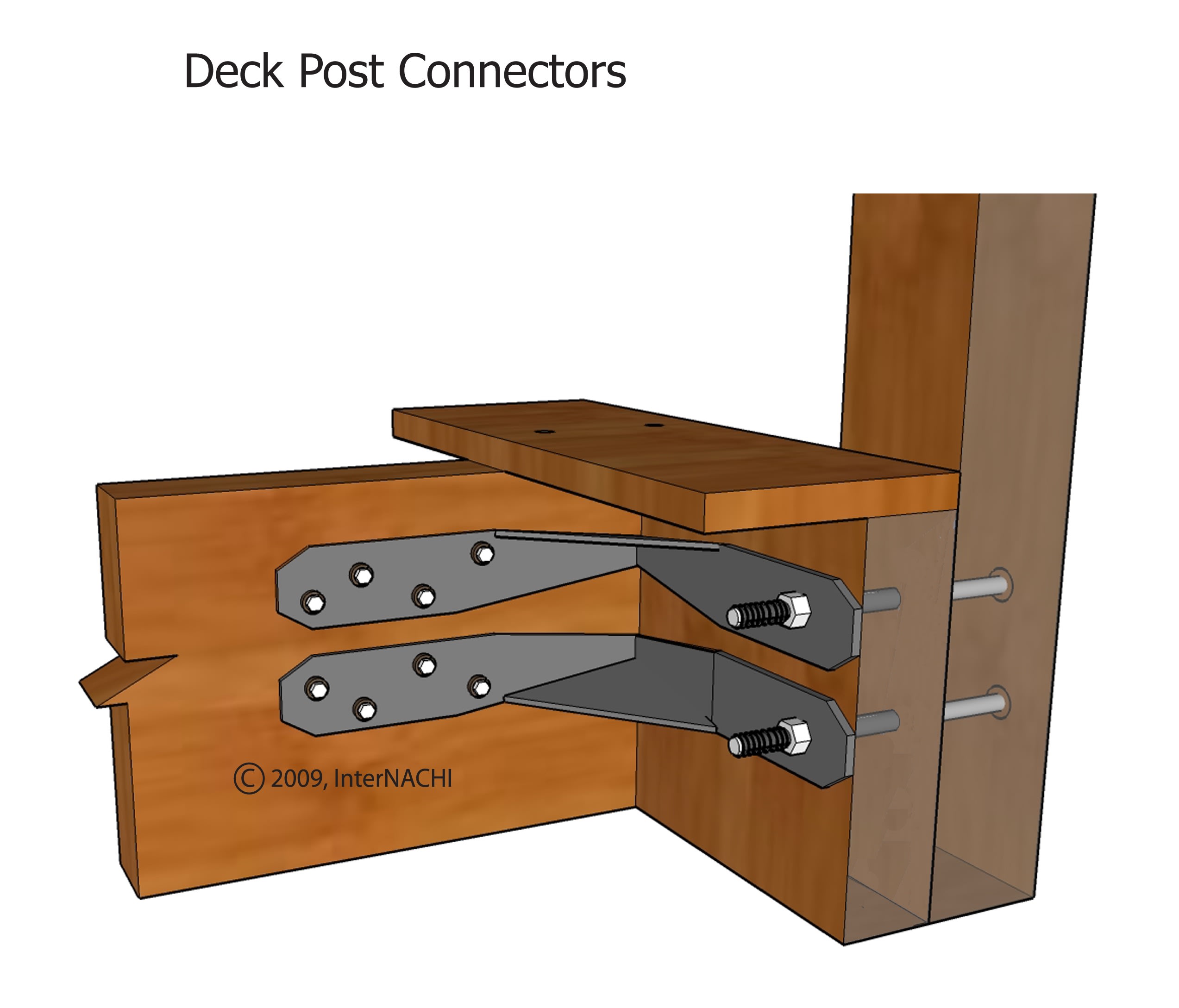
The connection of the deck posts was observed to be improper. Proper attachment of the posts supporting the railing is necessary for safety. Repair by a qualified deck contractor is recommended.
- E-11 Exterior:
The railings at the rear deck were not sturdy enough to resist a person's weight and are not properly secured. It is recommended that the railings be reinforced or replaced by a qualified contractor for safety.
- E-12 Exterior:
The deck joists were observed to not be mechanically attached to the beams/girders. Repair by a qualified contractor is recommended.
- E-13 Exterior:
Handrails were missing at exterior stairs. It is recommended that handrails be installed by a qualified contractor for safety.
- G-1 Garage:
The fire separation barrier separating the home and garage was not compliant with modern building standards. The wall covering on garage wall adjacent to the living area should be a full height wall. This is needed in order to prevent the spreading of a fire into the home living space. It is recommended that a qualified contractor repair the fire separation wall per present standards.
- G-4 Garage:
Auto reverse sensors were not installed at time of inspection. This is a safety hazard to children and pets. Repair by a qualified contractor is recommended.
- G-5 Garage:
The door from the garage to the home should have self-closing hinges to help prevent spread of a fire to the living space. Repair by a qualified contractor is recommended.
- G-6 Garage:
The occupant door from the garage to the home interior was missing the fire rating label.
- P-4 Plumbing:
A cross-connection was observed. A cross connection is where water from the drain and waste system can be siphoned back into the distribution system and is a safety hazard. Repair by a licensed and qualified plumber is recommended.
- E1-1 Electrical:
Ground and neutral wires were located under the same lug in the panel. While the ground and neutral wires may be located on the same bar of the main distribution panel, they can not be secured together under the same lug. Repair by a licensed and qualified electrician is recommended.
- E1-2 Electrical:
Multiple neutral conductors were observed under one lug on the grounding bus. Neutral conductors should terminate one wire under one lug. Repair by a licensed and qualified electrician is recommended.
- E1-4 Electrical:
Two wires were connected to a breaker designed for only one wire. This is known as a “double-tap”. Repair by a licensed and qualified electrician is recommended.
- E1-6 Electrical:
A receptacle was observed to have an open neutral at the time of the inspection. Repair by a licensed and qualified electrician is recommended.
- E1-7 Electrical:
Kitchen receptacles were missing GFCI protection. All receptacles serving countertop surfaces should have GFCI protection. It is recommended that the receptacles be replaced with receptacles providing GFCI protection by a licensed and qualified electrician.
- E1-8 Electrical:
Laundry room receptacles were missing GFCI protection. GFCI receptacles are recommended in all wet/damp locations for safety. It is recommended that the receptacles be replaced with receptacles providing GFCI protection by a licensed and qualified electrician.
- AIV-2 Attic, Insulation & Ventilation:
Moisture staining was observed in the attic at the time of the inspection. The moisture stains were observed on the insulation directly below the plumbing vent. As noted in the roofing section of the report, the boots around the vents were damaged. Repair by a qualified contractor is recommended.
- DWI-2 Doors, Windows & Interior:
Multiple casement windows opened using the available hardware but would not close properly. Repair by a qualified contractor is recommended.
Notes
- E-5 Exterior:
Like fences and other exposed wood construction, decks have a finite service life. Even the best maintained deck will need repair and eventual replacement. Regular care and sealing of the deck is recommended.
- H-3 Heating:
The thermostat responded to the basic controls. This was a programmable device with many options for setback settings, timed events, etc. No attempt was made to test all functions of the thermostat.
Descriptions
- H-1 Heating:
Based on the data tag, the unit was manufactured in 2019 and was approximately 5 years old.
- C-1 Cooling:
Based on the data tag, the unit was manufactured in 2019 and was approximately 5 years old.
- P-2 Plumbing:
Main water shut-off location
- P-5 Plumbing:
Based on the data tag, the unit was manufactured in 2021 and was approximately 3 years old.
- P-7 Plumbing:
Gas Shutoff Location
The Full Report
Exterior
General
Siding, Flashing & Trim
Exterior Doors
Walkways, Patios & Driveways
Decks, Balconies, Porches & Steps
Vegetation, Grading, Drainage & Retaining Walls
Basement, Foundation, Crawlspace & Structure
General
Foundation
Floor Structure
Wall Structure
Roof Structure & Attic
Garage
General
Floor
Walls & Firewalls
Garage Door
Garage Door Opener
Occupant Door (From garage to inside of home)
Heating
Equipment
Normal Operating Controls
Distribution Systems
Presence of Installed Heat Source in Each Room
Plumbing
General
Main Water Shut-off Device
Water Supply, Distribution Systems & Fixtures
Drain, Waste, & Vent Systems
Hot Water Systems, Controls, Flues & Vents
Fuel Storage & Distribution Systems
Sump Pump
Inspection Details
General
In Attendance: ClientClient's Agent
Occupancy:VacantUtilities On
Style:Ranch
Type of Building:Single FamilyDetached
Weather Conditions:Partly Cloudy
Temperature (approximate in degrees Fahrenheit): 78
Limitations
Kettle Moraine Home Inspections, LLC makes no representations as to the extent or presence of code violations, nor does Kettle Moraine Home Inspections, LLC warrant the legal use of this building. This information would have to be obtained from the local building and/or zoning department.
The inspector may choose to include photos in your inspection report. There are times when only a picture can fully explain the condition or if the client is unable to attend the inspection. Photo inclusion is at the discretion of the inspector and in no way is meant to emphasize or highlight the only conditions that were seen. It is always recommended that the client review the entire inspection report.
The inspector is not a soil, geotechnical, civil, or structural engineer and cannot render an opinion regarding soil stability, potential soil movement and/or structural integrity. If desired, qualified specialists should be consulted on these matters.
There may be information pertinent to this property which is a matter of public record. A search of public records is not within the scope of this inspection. Kettle Moraine Home Inspections, LLC recommends that client or their representative review all appropriate public records.
Sections of this building may have been remodeled. It is recommended that the client consult with the current owner to determine if all necessary permits were obtained, inspections performed and final signatures of the authority having jurisdiction were obtained.
Roof
General
Inspection Method:Roof
Roof Type/Style:Gable
Signs Of Leaks Or Abnormal Condensation:Yes No
No
Coverings
Layers:OneTwoThreeUnknown
Material:Asphalt3-tab
Multiple areas of the roof were observed to have visible nail heads that were not sealed properly. This condition could lead to moisture intrusion and may void any warranty on the roof. Repair is recommended by a qualified roofing contractor.

Surface granulation failure/loss was observed. Many of the shingles were missing a significant amount of granules and the underlying layer of tar was exposed. The purpose of the granule layer is to protect the shingles from the ultraviolet rays of the sun. As granules are lost, the shingle will dry out and become brittle. These conditions indicate that the shingle may be nearing the end of its useful service life. Repair by a qualified roofing contractor is recommended.
 |  |  |
 |
Lichen was observed growing on the roof. Lichen growth can trap moisture against the roof Allowing the lichen to grow can lead to premature shingle failure. Repair by a qualified roofing contractor is recommended.

Trees were overhanging the roof. It is recommended that they be trimmed to prevent debris from accumulating on the roof and to prevent damage by abrasion.

Taking into consideration the observations of the the roof covering at the time of the inspection, the shingles are likely approaching or are at the end of their serviceable life. There is an increased risk of random failure at any time. When this occurs, the potential for damage to interior surfaces and structures is great. It is recommended that the client anticipate and budget for the replacement of the roof covering in the near future. It is further recommended that a qualified roofing contractor further evaluate the roof covering and repair or replace as needed.
Roof Drainage Systems
Gutter Material:AluminumSteelVinylCopperSeamless AluminumRoof Drainage System Not Present
Debris was present in the gutters. It is recommended that all debris be removed to ensure proper drainage.

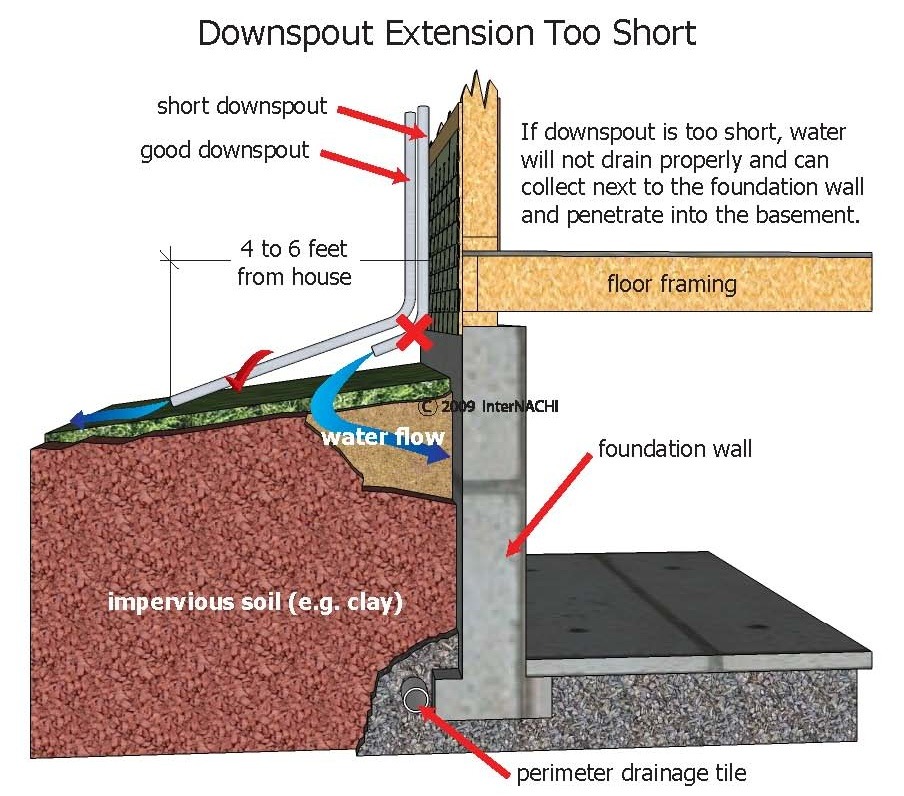
One or more downspouts discharged too close to the home's foundation. This can result in excessive moisture in the soil at the foundation, which can lead to foundation/structural movement. It is recommended that downspouts and any extensions drain at least 6 feet from the foundation.
 |  |  |
One or more downspouts discharged into sub-surface drains. Termination locations for these sub-surface drains were not observed at the time of the inspection. The condition of underground pipes or locations of their termination points (if any) is not determined as part of this inspection. It is recommended that the client verify the termination points of all subsurface drains prior to closing.
 |  |
Flashings
Material:AluminumAsphaltLeadCopperFoamRubberPlasticMetalNot visible
Drip Edge Present:YesNo
Unprofessional installation of roofing tar was observed. Properly installed flashing does not require the use of tar or other sealants and roofing tar is a temporary product that will degrade over time. Repair by a qualified roofer is recommended to prevent moisture intrusion.
 |  |
The boots around the plumbing vents were deteriorated. This condition will allow water to penetrate the roofing surface. Repair by a qualified roofing contractor is recommended.
 |  |  |
The drip edge was observed to be improperly installed. On the home and the garage, at the eave, the drip edge flashing was observed to be installed over the roofing felt. This condition may allow moisture to penetrate behind the drip edge. Repair by a qualified roofer is recommended.

Skylights, Chimneys & Other Roof Penetrations
Roof Penetrations Present:ChimneySkylightPlumbing VentVentilation JacksExhaust TerminationsRadon mitigation systemAntenna
Moisture damage was observed at the skylight. Skylights, if not properly installed, are prone to leaking and proper flashing around the skylight is critical. Repair by a licensed and qualified contractor is recommended.


 |  |  |
 |
Exterior
General
Inspection Method: Visual
Siding, Flashing & Trim
Flashing and Trim Type: Aluminum, Wood
Siding Material: Aluminum
Siding Style: Clapboard
Caulk around windows, doors, where dissimilar materials meet and other penetrations should be maintained. It is recommended that areas where openings exist or where existing caulk has failed be re-caulked.
 |  |  |
Sections of the siding and trim were observed to have chipped and peeling paint. Repair is recommended to prevent the deterioration of the underlying material.
 |  |  |
Exterior Doors
Exterior Entry Door: Steel, Hollow Core
The sliding door was difficult to operate. Repair is recommended to restore proper operation.

Walkways, Patios & Driveways
Driveway Material: Concrete
Walkway Material: Concrete
Settling of the concrete walkway was observed. Repair by a qualified contractor is recommended.

Decks, Balconies, Porches & Steps
Appurtenance: Concrete Stoop, Deck with Steps
Material: Wood
Like fences and other exposed wood construction, decks have a finite service life. Even the best maintained deck will need repair and eventual replacement. Regular care and sealing of the deck is recommended.
The handrail at the rear deck was not graspable. Replacement with a graspable handrail is recommended for safety.
 |  |
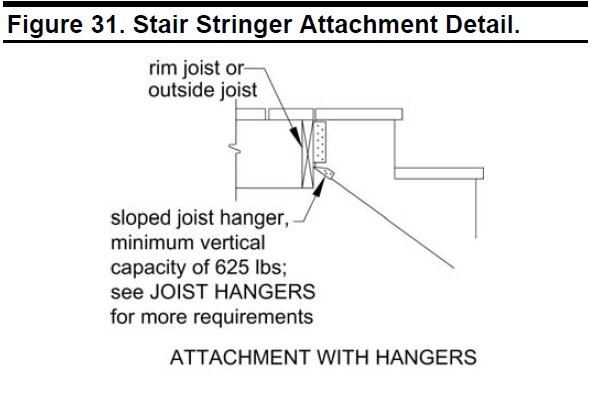
The stringers for the stairs were improperly attached. Repair by a qualified decking contractor is recommended.
 |  |
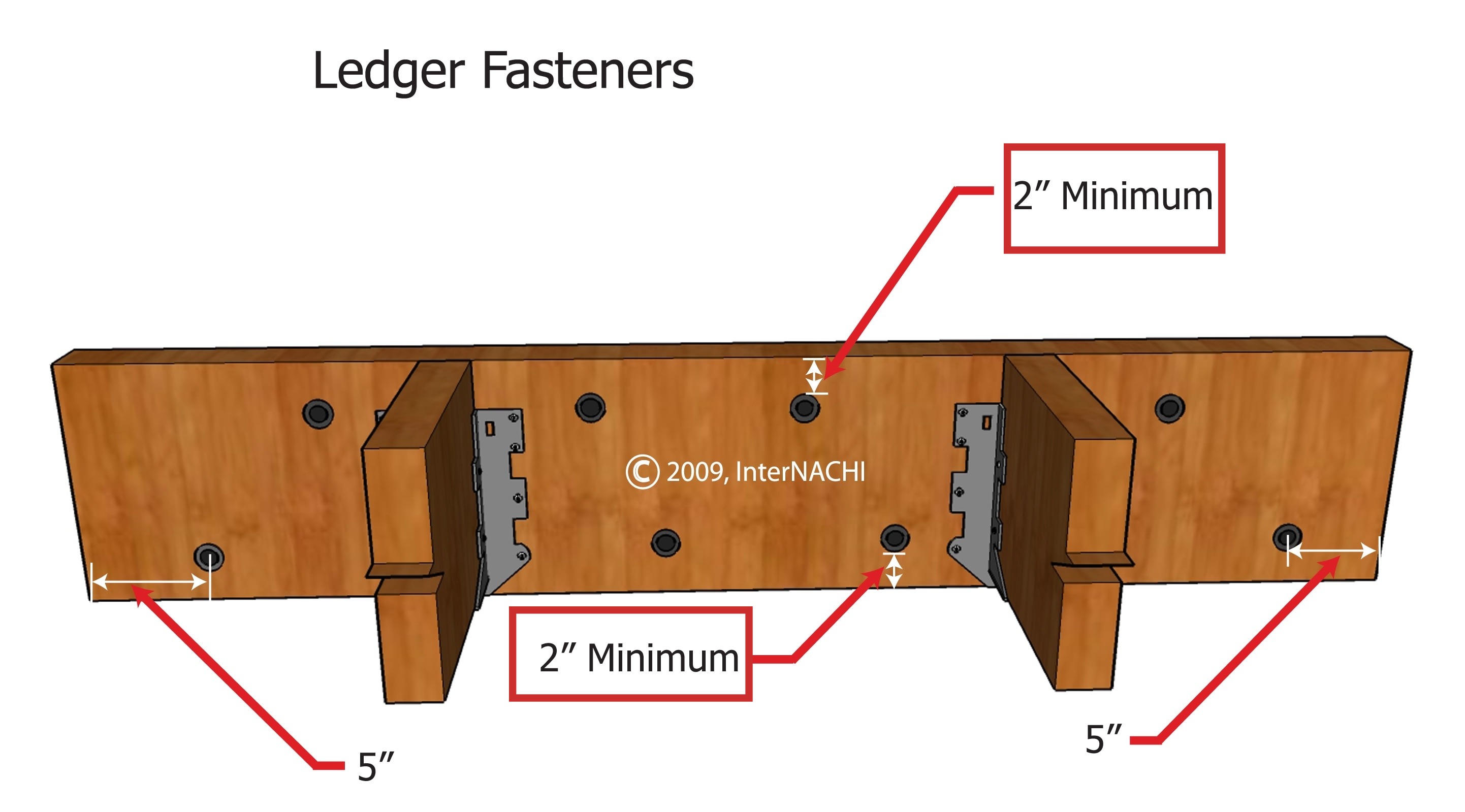
The ledger board was not properly attached to the building. This can cause the deck to pull away from the building and possibly collapse. It is recommended that the deck and/or ledger board be properly attached to the building by a qualified contractor.


 | ||
The handrails at the deck were observed to be loose. Repair by a qualified contractor is recommended.

The connection of the deck posts was observed to be improper. Proper attachment of the posts supporting the railing is necessary for safety. Repair by a qualified deck contractor is recommended.
 |  |  |
 |  |
The railings at the rear deck were not sturdy enough to resist a person's weight and are not properly secured. It is recommended that the railings be reinforced or replaced by a qualified contractor for safety.
 |  |
The deck joists were observed to not be mechanically attached to the beams/girders. Repair by a qualified contractor is recommended.
 |  |  |
Handrails were missing at exterior stairs. It is recommended that handrails be installed by a qualified contractor for safety.

Vegetation, Grading, Drainage & Retaining Walls
Retaining wall timbers were present at the northeast corner of the home. Some pieces were newer, indicating replacement. It is recommended that a qualified landscaping contractor further evaluate the area to ensure proper drainage away from the home.
 |  |
Basement, Foundation, Crawlspace & Structure
General
Inspection Method: Interior stairs
Foundation
Columns: Not Visible
Material: Concrete
Cracking was observed at the exterior of the foundation near the garage. The cracks were observed at the exterior and there was no visible cracking at the interior at the time of the inspection. The cracking observed indicates movement of the foundation and it is recommended that a licensed and qualified contractor repair the cracks and correct any site conditions that are contributing to the movement of the foundation.

Floor Structure
Basement/Crawlspace Floor: Concrete
Material: Wood joists
Sub-floor: OSB
Moisture stains were observed at the time of the inspection. It is recommended that the source of moisture be located and repaired by a qualified contractor.
 |  |  |
Concrete slab was found to be shifting/cracking at the floor structure. This can be caused by moisture intrusion and/or soil movement. Further evaluation by a qualified foundation contractor is recommended.

An apparent organic growth was observed on the basement wall. Testing is the only way to verify if the substance is or is not mold and if so, what type. Further testing of the substance is recommended as well as proper mitigation by a qualified professional if needed.

Wall Structure
The basement was mostly finished and the foundation walls were not visible from the interior.
Moisture staining was observed on the basement wall. The area was not damp at the time of the inspection. It is recommended that the area be further evaluated to determine if this is simply efflorescence (mineral deposit from moisture intrusion) or an organic growth.
 |  |  |
Roof Structure & Attic
Material: OSB
Type: Gable
Garage
General
Type: Attached
Floor
Floor Type: Concrete
Walls & Firewalls
The fire separation barrier separating the home and garage was not compliant with modern building standards. The wall covering on garage wall adjacent to the living area should be a full height wall. This is needed in order to prevent the spreading of a fire into the home living space. It is recommended that a qualified contractor repair the fire separation wall per present standards.

Garage Door
Material: Metal
Type: Roll-Up
The weather stripping for the garage door was damaged. Repair by a qualified contractor is recommended.

Garage Door Opener
Garage Door Opener: Present
The overhead garage door was not tested to determine if it automatically reverses or stops when meeting reasonable resistance. The pressure is normally set during installation and these settings may have changed since then. The testing of the resistance for the door was not done since this type of door is easily damaged if pressure set too high. It is recommended that the client have this safety feature setting checked during routine maintenance by a qualified professional.
Auto reverse sensors were not installed at time of inspection. This is a safety hazard to children and pets. Repair by a qualified contractor is recommended.
 |  |
Occupant Door (From garage to inside of home)
Fire rated door present: No
The door from the garage to the home should have self-closing hinges to help prevent spread of a fire to the living space. Repair by a qualified contractor is recommended.
The occupant door from the garage to the home interior was missing the fire rating label.

Heating
Equipment
Brand: Bryant
Energy Source: Natural Gas
Heat Type: Gas-Fired Heat, Forced Air
Based on the data tag, the unit was manufactured in 2019 and was approximately 5 years old.

Corrosion was observed in the furnace cabinet. Further evaluation by a licensed and qualified HVAC contractor is recommended.

Normal Operating Controls
The thermostat responded to the basic controls. This was a programmable device with many options for setback settings, timed events, etc. No attempt was made to test all functions of the thermostat.

Distribution Systems
Ductwork: Non-insulated
Presence of Installed Heat Source in Each Room
Heat Source Present In Each Room: Yes
Cooling
Cooling Equipment
Brand: Bryant
Energy Source/Type: Electric
Location: Exterior South
Based on the data tag, the unit was manufactured in 2019 and was approximately 5 years old.

Distribution System
Configuration: Central
Presence of Installed Cooling Source in Each Room
Presence Of Installed Cooling In Each Room: Yes
Plumbing
General
Filters: None
Water Source: Public
A water softener was present at the time of the inspection. The softener was not inspected.

Main Water Shut-off Device
Location: Basement
Main water shut-off location
 |  |
Water Supply, Distribution Systems & Fixtures
Cross Connections: Yes
Distribution Material: Copper
Functional Flow: Yes
Main Water Supply Material: Copper
Water Shutoff Location: Basement, At meter
A sink aerator did not operate properly at the time of the inspection. Repair is recommended to restore proper operation.

A cross-connection was observed. A cross connection is where water from the drain and waste system can be siphoned back into the distribution system and is a safety hazard. Repair by a licensed and qualified plumber is recommended.

Drain, Waste, & Vent Systems
Drain Size: Unknown
Functional Drainage: Yes
Material: PVC
Hot Water Systems, Controls, Flues & Vents
Location: Basement
Manufacturer: Bradford & White
Power Source/Type: Gas
Based on the data tag, the unit was manufactured in 2021 and was approximately 3 years old.

It is recommended that the water temperature not exceed 120° F.
.jpg)
Fuel Storage & Distribution Systems
Main Gas Shut-off Location: Gas Meter
Supply Piping Material: Black Iron
Fuel Type: Natural Gas
Gas Shutoff Location

Sump Pump
Location: None present
A sump crock was observed in the basement. At the time of the inspection, there was no sump pump installed. It is recommended that a licensed and qualified contractor install a sump pump to manage the water coming into the crock.

Electrical
General
Meter Location: Exterior South
Service Entrance Conductors
Drip Loop Present: N/A
Electrical Service Conductors: Below Ground
Main & Subpanels, Service & Grounding, Main Overcurrent Device
Grounding Electrode Conductor: Located at driven rod
Main Panel Location: Basement
Over Current Protection Type: Circuit Breaker
Panel Manufacturer: Cutler Hammer
Remote Distribution Panel Location: None present
Service Capacity: 200 AMP, Determined By Service Entrance Conductor Size, Main Breaker Size and Meter
Ground and neutral wires were located under the same lug in the panel. While the ground and neutral wires may be located on the same bar of the main distribution panel, they can not be secured together under the same lug. Repair by a licensed and qualified electrician is recommended.
 |  |
Multiple neutral conductors were observed under one lug on the grounding bus. Neutral conductors should terminate one wire under one lug. Repair by a licensed and qualified electrician is recommended.
 |  |
Branch Wiring Circuits, Breakers & Fuses
Branch Wire 15 and 20 AMP: Copper where visible
Circuits Labelled: Yes
Wiring Method: Non-metallic Sheathed Cable
The circuits in the panel were labeled. The inspector did not verify the accuracy of the labeling.

Two wires were connected to a breaker designed for only one wire. This is known as a “double-tap”. Repair by a licensed and qualified electrician is recommended.
 |  |
Lighting Fixtures, Switches & Receptacles
A light was not working at the time of the inspection. The bulb may have burned out. Where bulbs are not the problem, the condition of this fixture and/or wiring should be verified.

A receptacle was observed to have an open neutral at the time of the inspection. Repair by a licensed and qualified electrician is recommended.

GFCI & AFCI
Kitchen receptacles were missing GFCI protection. All receptacles serving countertop surfaces should have GFCI protection. It is recommended that the receptacles be replaced with receptacles providing GFCI protection by a licensed and qualified electrician.
 |  |
Laundry room receptacles were missing GFCI protection. GFCI receptacles are recommended in all wet/damp locations for safety. It is recommended that the receptacles be replaced with receptacles providing GFCI protection by a licensed and qualified electrician.

Smoke Detectors
Smoke Detectors: Operational
The smoke detectors were tested with their test buttons. This method only verifies battery and horn function, but does not test the sensor in the unit. After occupancy, and regularly thereafter, it is advised that they be tested with real or simulated smoke.
Attic, Insulation & Ventilation
General
Attic Access:HallClosetBedroomGarageMultipleNoneAccess panel in finished attic spaceLaundry roomLiving Room
Dryer Power Source: Gas
Dryer Vent: Vinyl (Flex)
Flooring Insulation: Fiberglass
Presence of Insulation in Unfinished Spaces: Yes
There was no flooring present in the attic and the insulation covered the ceiling joists. The inspector was unable to fully access the attic for a complete inspection. Due to this limitation, only a partial inspection of the attic space was performed. Defects may exist in inaccessible areas.
 |  |  |
 |
Attic Insulation
Insulation Type:BattBlownCelluloseFiberglassFoam-boardFoiled-facedLoose-fillMineral WoolNoneSpray FoamVermiculiteNo accessRockwoolNot visible
Ventilation
Attic Ventilation Type: Ridge Vents, Gable Vents, Soffit Vents
Exhaust Systems
Exhaust Fans: Fan with Light
Roof Structure
Moisture staining was observed in the attic at the time of the inspection. The moisture stains were observed on the insulation directly below the plumbing vent. As noted in the roofing section of the report, the boots around the vents were damaged. Repair by a qualified contractor is recommended.


Doors, Windows & Interior
Windows
Window Manufacturer: Andersen
Window Type: Casement
The handles to the windows were not installed at the time of the inspection. It is recommended that the handles be installed for proper operation.
 |  |
Multiple casement windows opened using the available hardware but would not close properly. Repair by a qualified contractor is recommended.
 |  |  |
 |
Windows were observed to have moisture damage at the interior. This is typically caused by high levels of condensation. Repair by qualified contractor is recommended.
 |  |  |
Floors
Floor Coverings: Linoleum, Carpet
Walls
Wall Material: Drywall
Ceilings
Ceiling Material: Drywall
An area of the ceiling was observed to be discolored and may be the location of a past repair. It is recommended that the client obtain further information from the homeowner regarding any previous damage in this location.

Countertops & Cabinets
Cabinetry: Wood
Countertop Material: Laminate
Kitchen
General
Energy: Electric Only
Kitchen Ventilation: Yes to exterior
Appliances
Built In Appliances Present: Oven /Range combination, Refrigerator, Disposal, Dishwasher
Built-in Appliances
General
Built in appliances are only tested for operation, working or not. Quality or extent of operation is not part of the home inspection.
Range OR Oven OR Cooktop
Exhaust Hood Type: Vented
Range/Oven Energy Source: Electric
Signed Contracts
Kettle Moraine Home Inspections, LLC
262-729-7076
www.kmhillc.com
joe@kettlemorainehomeinspections.com