THIS REPORT IS INTENDED ONLY FOR THE USE OF THE PERSON PURCHASING THE HOME INSPECTION SERVICES. NO OTHER PERSON, INCLUDING A PURCHASER OF THE INSPECTED PROPERTY WHO DID NOT PURCHASE THE HOME INSPECTION SERVICES, MAY RELY UPON ANY REPRESENTATION MADE IN THE REPORT.
Thank you for choosing Guide Home Inspection. We take pride in helping Central Oregon homeowners better understand their homes. This report is designed to give you a clear picture of your home’s condition and highlight areas that may need attention. If you have any questions, we’re always happy to help.

Guide Home Inspection, LLC strives to perform all inspections in substantial compliance with the Oregon Certified Home Inspector(OCHI) Standards of Practice. Please refer to these standards as well as the Inspection Agreement for detailed scope and limitations. There may be comments made in this report that exceed the required reporting standards; these comments (if present) were made as a courtesy to give you as much information as possible about the structure. There should be no expectation that the Standards of Practice will be exceeded throughout the inspection. Photos in the report are for reference only and are not required by the Standards of Practice. Systems and components required by the Oregon Standards of Practice were inspected to the extent they were visible and accessible. The inspection identified various conditions and observations, which are described in this report. Items not specifically noted were either not observed, not accessible, or did not exhibit visible deficiencies at the time of inspection. The inspection does not include areas, systems, or conditions that were concealed, inaccessible, unsafe to inspect, or outside the scope of a standard home inspection. The report reflects conditions observed on the date of inspection only.
Observation Categories
To help explain the home and prioritize next steps, observations in this report are organized into color-coded categories. These categories are subjective and intended as a general guide, not a pass/fail determination. All information in this report is important and should be reviewed carefully. Observations should be addressed in a manner appropriate to their category at the time of inspection, recognizing that further evaluation or corrective work may reveal conditions requiring a different scope or level of response.
- Significant Items:Significant observations are the most concerning findings noted during the inspection. These conditions may pose immediate risks to safety, health, or the integrity of the home. Prompt correction by a qualified individual is recommended to help reduce potential hazards and prevent further damage.
- Moderate Items:Moderate observations, where noted, were more significant than routine maintenance or minor items. These conditions may affect safety, contribute to moisture intrusion, result in system damage, reduce reliability, or cause accelerated wear if not addressed. While not always urgent, these items should be scheduled for correction to limit further deterioration, increased repair costs, or potential safety concerns. Planning and budgeting for these repairs is recommended.
- Recommended Updates:Recommended updates were noted where observed. Codes, safety standards, and accepted building practices change over time to improve safety and performance. Although certain items may not have been required when the home was constructed, updating them to reflect current standards or best practices is recommended to reduce risk, improve system performance, and support long-term safety and durability.
- Minor Items:Items in this category represent minor defects or conditions observed during the inspection. While not considered urgent, these items may impact function or reliability and, if deferred, could contribute to accelerated wear or the development of more significant conditions. Addressing these items as part of ongoing maintenance is recommended.
- Routine Maintenance:Items in this category represent normal upkeep expected with home ownership. These conditions do not, by themselves, indicate system failure, but addressing them supports performance, safety, and long-term durability. Deferred maintenance may contribute to accelerated wear, system deterioration, or eventual failure. Routine maintenance may also reveal additional conditions requiring further evaluation. Photo documentation may not be included for general or ongoing maintenance items.
- Aged Components:Aged components, systems, or equipment were noted. While these items were functional at the time of inspection, they were near or beyond their typical service life based on visible condition and general expectations. Aging components may become less reliable, less efficient, and more costly to maintain, and failure can occur without warning. Replacement should be anticipated, and budgeting for future upgrades is recommended to reduce the risk of unexpected failure and to plan for long-term ownership costs.
- Efficiency Items:Efficiency items, where noted, relate to features or conditions that may affect energy use, comfort, or overall building performance. These may include missing or displaced insulation, gaps in the thermal envelope, or less efficient building components such as older windows. These items are generally informational and are intended to help guide decisions related to energy efficiency, comfort, and utility costs. In some cases, however, efficiency-related conditions may also contribute to moisture issues, condensation, freezing of plumbing components, or other forms of building damage if left unaddressed.
Observation categories reflect conditions at the time of inspection, based solely on visible evidence. Category placement does not predict future performance, progression, or concealed conditions.
Items designated for monitoring, repair, replacement, maintenance, or further evaluation should be assessed by qualified tradespeople to determine repair scope, cost, and whether additional conditions exist that were not visible during this visual-only inspection. Recommendations are based on generally accepted modern safety practices, which may differ from standards in place at the time of construction.
Summary
Create Repair Lists
- D-1 Details:
Significant Items
- H-2 HVAC:
THE NATURAL GAS STOVE VENTED DIRECTLY BELOW A SOFFIT VENT: This reduced clearance does not meet the manufacturer's specifications or modern building standards, which can lead to heat damage to the soffit materials or recirculation of exhaust gases into the attic ventilation system.
Modify the vent termination or soffit configuration to ensure clearance is maintained to meet safety standards.
- H-9 HVAC:
BATHROOM EXHAUST FANS VENTED INTO THE ATTIC AND BLACK STAINING WAS PRESENT: The discharge of warm, moist air directly into the attic space rather than to the exterior has likely contributed to the observed black staining, which may indicate microbial growth. This condition can compromise indoor air quality and lead to deterioration of structural components.
Modify the exhaust ducts to terminate directly at the exterior of the home via approved wall or roof vents, and have a professional assess the black staining to identify the extent of microbial growth and perform proper remediation to ensure a safe living environment.
- WH-2 Water Heater:
A TEMPERATURE AND PRESSURE RELIEF (TPR) DISCHARGE PIPE WAS NOT INSTALLED AT THE WATER HEATER: Without this safety component, any high-temperature water or steam released by the valve will not be safely diverted, creating a significant scalding hazard and the potential for property damage.
Install a proper TPR valve discharge pipe that terminates at an approved location per modern building standards and safety practices.
- A-2 Attic:
VERMICULITE INSULATION WAS PRESENT IN THE ATTIC (MAIN SECTION OF HOME): Vermiculite insulation, particularly if installed between the 1920s and 1990s, may contain asbestos, which poses a health risk if the material is disturbed or becomes airborne.
Do not disturb the vermiculite insulation. Consult with a licensed asbestos abatement professional to have the material tested and, if necessary, safely removed or encapsulated to ensure the health and safety of the home's occupants.
- A-3 Attic:
SIGNS OF A PRIOR FIRE WERE OBSERVED IN THE ATTIC(ADEQUACY OF REPAIRS WAS NOT DETERMINED): New rafters were sistered to the burnt rafters but were not continuous. If the burnt rafters are structurally compromised, these sistered members may not provide adequate long-term structural support for the roof assembly.
Obtain full disclosure from the seller regarding the scope of work performed for these repairs, including all permits, engineering documents, and inspection records. Consult with a licensed structural engineer to evaluate the adequacy of the repairs and ensure the roof framing meets current safety and structural standards.
Moderate Items
- U1-4 Utilities:
THE GAS METER AND FUEL LINES WERE LOOSE: This instability can compromise the integrity of the gas connections and may lead to leaks or unsafe operating conditions for the gas supply system.
Have a licensed gas technician or utility representative secure the gas meter and fuel lines to ensure a stable and safe installation, and perform a leak test to verify the integrity of all connections.
- E2-18 Exterior:
THERE WAS A SIGNIFICANT DROP-OFF FROM THE LANDING AT THE DETACHED SHED TO THE WALKWAY: This elevation change creates a potential trip or fall hazard for anyone entering or exiting the structure, particularly in low-light conditions.
Install a step, ramp, or other transitional surface to safely bridge the elevation difference and reduce the risk of injury.
- R-2 Roof:
ROOF ASSEMBLY OBSERVATIONS The roof assembly had flashing and vent deficiencies that can allow water intrusion.
- Back porch roof - sidewall flashing was installed over the siding rather than behind it
- Back porch roof - sidewall flashing was missing and sealed with caulking only
- Kick-out flashing was missing at the roof-to-wall intersections
- Plumbing vent boots were damaged
Have a qualified roofer reinstall the sidewall flashing behind the siding, add kick-out flashing, and replace the damaged plumbing boots.
- P-2 Plumbing:
THE HOSE BIB WAS LEAKING FROM THE ANTI-SIPHON CAP (LEFT SIDE OF THE HOME): This condition typically indicates a failure of the internal seal or the vacuum breaker component, which can result in water waste and potential moisture accumulation near the foundation.
Replace the anti-siphon cap or repair the hose bib as necessary to ensure proper function and prevent water waste.
- P-7 Plumbing:
AN S-TRAP WAS OBSERVED IN THE PLUMBING DRAIN LINE WITHIN THE CRAWLSPACE: The vent connection was positioned lower than the weir of the trap, which can lead to siphoning of the trap seal and allow sewer gases to enter the home, as well as create improper venting and drainage issues.
Reconfigure the drain and vent piping to eliminate the S-trap and install a properly vented P-trap per modern plumbing standards to ensure reliable drainage and prevent sewer gas infiltration.
- WH-3 Water Heater:
THE WATER TEMPERATURE WAS HIGH: The hot water temperature measured over 140°F at the time of inspection, which is above the recommended safe range. Water at this temperature poses a significant scalding risk, especially to children and the elderly.
Adjustment of the water heater thermostat is recommended to reduce the temperature to the generally accepted range of 120–125°F for comfort and sanitation.
- WH-4 Water Heater:
ELECTRICAL WIRING FOR THE WATER HEATER WAS NOT INSTALLED IN CONDUIT: The absence of protective conduit exposes the wiring to potential physical damage and does not meet modern electrical safety standards for exposed installations.
Install all exposed electrical wiring within an approved protective conduit to meet safety standards and prevent potential damage or shock hazards.
- E-2 Electrical:
THE SUB-PANEL AT THE DETACHED SHOP UTILIZED A 3-WIRE FEED (NOT COMPLIANT WITH MODERN ELECTRICAL STANDARDS): The wiring indicated a manufacture date of 2021, at which time a 4-wire feed with separate neutral and grounding conductors would have been required to meet modern electrical code standards.
Upgrade the feeder cable to a 4-wire configuration with separate neutral and ground conductors to ensure compliance with current electrical standards and improve the safety of the electrical installation.
- E-5 Electrical:
THE WIRING FOR UNDERCABINET LIGHTS IN THE KITCHEN WAS NOT INSTALLED IN CONDUIT: The absence of protective conduit exposes the wiring to potential physical damage and does not meet modern electrical safety standards for exposed installations.
Install all exposed electrical wiring within an approved protective conduit to meet safety standards and prevent potential damage or shock hazards.
- E-7 Electrical:
ELECTRICAL RECEPTACLE OBSERVATIONS Several receptacles and switches had deficiencies affecting safety and function.
- Back of home - a receptacle was missing its weatherproof cover
- Back entrance - a receptacle was loose and had an open neutral
- Left side - the exterior receptacle had no power
- Detached shop - a switch was missing its cover plate
- Primary bedroom - a receptacle had an open ground
Have a qualified electrician correct the open neutral and open ground, restore power to the exterior receptacle, and install the missing covers.
- U-2 Underfloor:
WOOD STRUCTURAL COMPONENTS WERE IN DIRECT CONTACT WITH THE GROUND (CRAWLSPACE): This condition creates a significant risk of moisture-related decay and infestation by wood-destroying organisms, which can compromise the structural integrity of the framing over time.
Modify the framing or grade the soil to provide adequate clearance between wood components and the ground to prevent moisture decay and infestation by wood-destroying organisms.
- U-3 Underfloor:
SHIMS WERE USED TO ADJUST THE FRAMING (CRAWLSPACE): This condition may indicate improper initial construction or attempts to level the structure over time, which is relatively common in older homes. While functional at present, shimmed framing can shift or settle with changes in load or moisture conditions.
Monitor the floor framing for movement or signs of settlement. Further evaluation of the stability and long-term effectiveness of the shimmed framing may be necessary if movement occurs.
- I-2 Interior:
DRYWALL CRACKING WAS OBSERVED IN THE PRIMARY BEDROOM CEILING: The extent and pattern of the cracking may indicate settling, or stress in the ceiling framing, which warrants close observation to determine if the condition is active or stable.
Monitor the cracks closely for any changes in size or pattern. If movement or expansion is observed, consult with a licensed structural engineer to evaluate the underlying cause and determine if repairs or structural reinforcement are necessary.
Recommended Updates
- E-3 Electrical:
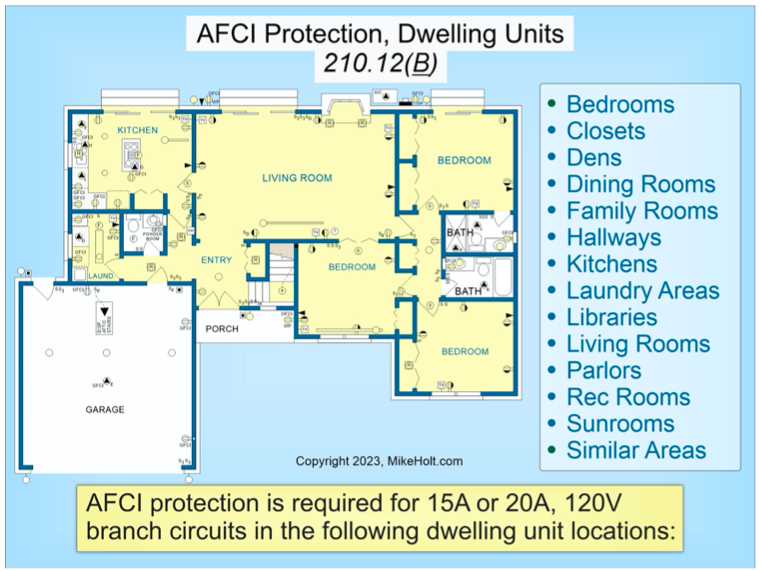
AFCI BREAKERS WERE NOT PRESENT Arc-fault circuit interrupter (AFCI) breakers were not present in the electrical panel. AFCIs are a modern safety feature designed to reduce the risk of electrical fires by detecting dangerous arcing conditions. While not always required in older homes, they are now standard in many areas of new construction. Upgrading to AFCI protection may be considered to enhance electrical safety.
Upgrading additional circuits to AFCI protection may further enhance electrical safety.
- E-8 Electrical:
GFCI PROTECTION WAS NOT PRESENT AT RECOMMENDED LOCATIONS(KITCHEN, GUEST BATHROOM) GFCI protection was not present at some areas where it is currently recommended, such as the kitchen, bathrooms, garage, or exterior outlets. Installation of GFCI protection is advised to reduce the risk of electrical shock in these moisture-prone locations.
Minor Items
- E2-2 Exterior:
THE SIDING CLEARANCE TO GRADE WAS INADEQUATE(MULTIPLE LOCATIONS): Siding clearance to grade was inadequate in some locations, increasing the risk of moisture absorption and deterioration.
Increase the clearance between the siding and the grade to prevent moisture intrusion and to meet modern building standards.
- E2-3 Exterior:
THERE WERE OPEN GAPS IN THE SOFFIT: These openings provide a potential entry point for pests into the attic structure.
- There was an opening at the soffit where the electrical service lines enter.
Seal all gaps as necessary to improve ventilation control and prevent pest intrusion.
- E2-4 Exterior:
SIDING SHINGLES WERE MISSING (BACK OF THE HOME): This condition leaves the underlying sheathing or wall assembly exposed to the elements, increasing the risk of moisture intrusion and material deterioration.
Replace the missing siding shingles to restore weather protection and maintain the integrity of the exterior wall assembly.
- E2-5 Exterior:
THE ACCESS HATCHES FOR THE ATTIC, WATER HEATER, AND FURNACE WERE NOT VERY SECURE (EXTERIOR OF THE HOME): This lack of proper fastening or latching can allow unauthorized access, pest entry, or exposure of critical components to weather and debris.
Secure all access hatches with approved latches or fasteners to ensure they remain closed and protect the interior components from the elements and unauthorized entry.
- E2-8 Exterior:
THE PRIMARY BEDROOM WINDOW WAS DIFFICULT TO OPERATE AND HAD MINOR DAMAGE AT THE VINYL FRAME: The resistance observed during testing indicates that the hardware, tracks, or sashes require cleaning and adjustment, while the frame damage may compromise the structural integrity or weather-tightness of the unit.
Lubricate tracks, clean sashes, and adjust hardware to improve operation, and repair or replace the damaged vinyl frame components to restore proper function and appearance.
- E2-9 Exterior:
THE WEATHERSTRIPPING WAS DISLOCATED AT THE CASEMENT WINDOWS (LIVING ROOM): This condition prevents the windows from sealing properly when closed, which can allow drafts, moisture, and pests to enter the interior and reduce energy efficiency.
Reinstall or replace the weatherstripping to ensure a proper seal and restore the windows' thermal performance and weather protection.
- E2-10 Exterior:
THE LOWER DOOR LOCK FOR THE PATIO DOORS WAS DIFFICULT TO OPERATE (DINING ROOM): The resistance observed during testing suggests internal mechanical wear or a need for lubrication, which can prevent the lock from securing the door reliably and may compromise the home's security.
Lubricate or adjust the lock mechanism as necessary, or replace the lock if the internal components are worn, to ensure smooth operation and reliable security.
- E2-14 Exterior:
GUTTERS DRAINED NEAR THE FOUNDATION IN SEVERAL LOCATIONS: This condition can lead to soil erosion and moisture accumulation against the structure, increasing the risk of foundation settlement or water intrusion into the crawlspace or basement.
Install downspout extensions or splash blocks at all affected locations to divert roof runoff away from the foundation and protect the building's structural integrity.
- P-3 Plumbing:
THE SHOWERHEAD WAS LEAKING (GUEST BATHROOM): This condition was observed during operation.
Repair or replace the showerhead as necessary to restore proper function.
- P-4 Plumbing:
THE KITCHEN FAUCET WAS DAMAGED: While this condition did not prevent the faucet from functioning at the time of inspection, the damage may worsen with continued use and could eventually lead to leaks or operational issues.
Repair or replace the damaged faucet components to restore the fixture's appearance and ensure long-term reliability.
- P-8 Plumbing:
FLEXIBLE PIPE WAS USED AT THE BATHROOM DRAIN LINE: This type of piping is prone to sagging, trapping debris, and creating improper drainage slopes, which can lead to slow drains or clogs over time and does not meet modern plumbing standards for permanent installations.
Replace the flexible piping with approved rigid drainage components to ensure proper slope, reliable drainage, and compliance with modern plumbing standards.
- E-9 Electrical:
THE LIGHT BULB AT THE GUEST BATHROOM VANITY DID NOT FUNCTION: This failure reduces the available light in the vanity area and prevents a full evaluation of the fixture's operation.
Replace the non-functional light bulb to restore full illumination and verify proper fixture function.
- KA-7 Kitchen Appliances:
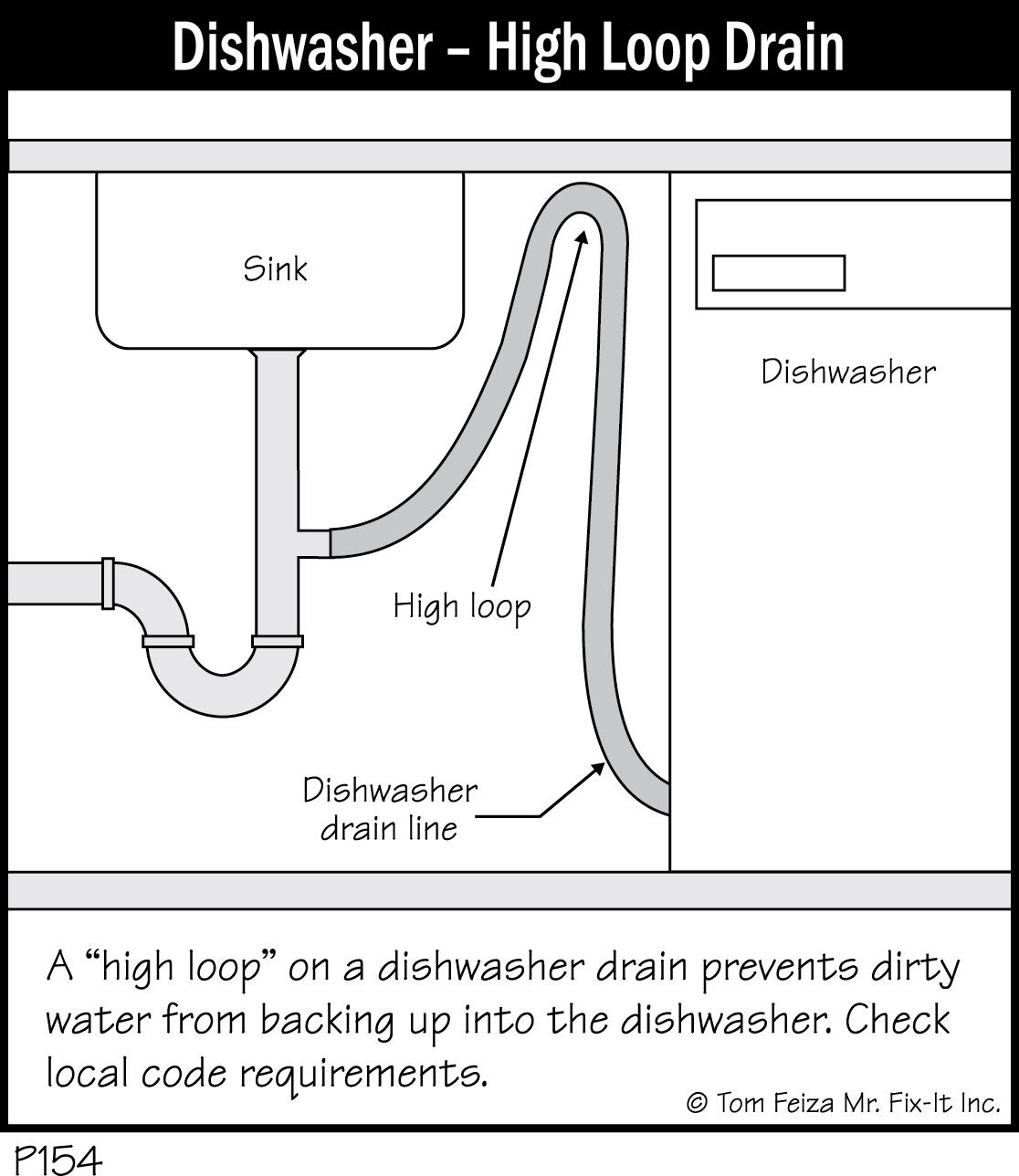
THE DISHWASHER DRAIN LINE LACKED A PROPER HIGH LOOP: This omission can allow dirty water to backflow into the dishwasher, potentially contaminating clean dishes and compromising sanitation.
Install a high loop in the dishwasher drain line or connect it to an air gap to prevent backflow and ensure sanitary operation.
- U-4 Underfloor:
GAPS WERE PRESENT IN THE VAPOR BARRIER (CRAWLSPACE): These openings allow moisture migration from the ground into the crawlspace, reducing the effectiveness of the barrier and potentially leading to increased humidity, condensation, and deterioration of structural components.
Seal all gaps in the vapor barrier using approved tape or patching material to prevent moisture intrusion and restore the barrier's effectiveness.
- I-3 Interior:
INTERIOR MAINTENANCE ITEMS Routine maintenance items were noted at the interior finishes.
- Kitchen and bathrooms - caulking maintenance was needed at the fixtures and transitions
- Ceiling - drywall cracking consistent with normal settlement
- Ceiling - drywall tape was exposed at a joint
- Interior doors - surface damage was noted
Re-caulk the affected areas, patch and refinish the drywall and exposed tape, and repair the damaged door surfaces.
Routine Maintenance
- E2-6 Exterior:
PAINT AND CAULKING MAINTENANCE WAS NEEDED AT THE EXTERIOR SIDING AND TRIM: Paint and caulking maintenance were needed to protect exterior surfaces from weathering and moisture intrusion.
- Window trim had flaking paint.
Perform regular maintenance on siding and trim to extend their lifespans and protect against moisture intrusion.
- E2-11 Exterior:
THE WINDOW GLASS WAS DIRTY: The accumulation of debris on these surfaces obscures visibility and prevents a thorough diagnosis of potential seal failures or glass damage.
Clean all window glass to improve clarity and allow for a more detailed assessment.
- E2-15 Exterior:
GUTTER MAINTENANCE WAS NEEDED The gutters had accumulated debris, which can prevent proper function and lead to damage to building materials.
Cleaning is recommended to ensure proper drainage and prevent overflow or water damage to adjacent materials.
- E2-16 Exterior:
VEGETATION WAS LOCATED TOO CLOSE TO THE BUILDING: Many communities, including Bend, have adopted flammable vegetation standards to reduce fire risk due to increased wildfire activity. This proximity can also facilitate pest entry and trap moisture against exterior surfaces.
Best practices include removing tree limbs over structures or within 10 feet of eaves, limbing trees at least 5–6 feet, and clearing ladder fuels in tree canopies. Vegetation within 0–5 feet of structures, dead or dry plants, dense grass, and weeds should be removed. Pine needles and cones should not build up, and perimeter fuel breaks are recommended for larger lots. These actions lower fire risk and strengthen home and community resilience.
- H-3 HVAC:
SERVICE RECORDS WERE NOT AVAILABLE FOR THE HEATING EQUIPMENT: Without documentation, it is not possible to confirm the history of maintenance or recent professional servicing performed on the system.
Schedule routine service with a licensed HVAC technician to establish a maintenance record and ensure reliable operation.
- H-6 HVAC:
THE HVAC AIR FILTER WAS DAMAGED: This compromised condition can allow dust and debris to bypass the filter, reducing indoor air quality and potentially causing buildup within the HVAC equipment and ductwork.
Replace the damaged air filter with a new, correctly sized unit and establish a regular schedule for replacement to maintain system efficiency and protect the equipment.
- H-7 HVAC:
THE HVAC REGISTERS WERE DIRTY: The accumulation of dust and debris on the supply and return registers can restrict airflow and negatively impact indoor air quality.
Clean all HVAC registers to ensure proper airflow and maintain a clean indoor environment.
Aged Components
- P-5 Plumbing:
GALVANIZED STEEL WATER SUPPLY WAS USED IN THE HOME: The home was equipped with galvanized steel water supply piping. This material was commonly used in older homes but is prone to internal corrosion and mineral buildup, which can restrict water flow and eventually lead to leaks. The remaining service life is often limited in homes with galvanized piping; still, copper or PEX is usually advised as piping ages in place.
Replacing with a modern material like copper or PEX is usually advised as the piping gets older.
- P-9 Plumbing:
CAST IRON DRAIN PIPING The home was equipped with cast iron drain piping. Cast iron is durable and was commonly used in older homes, but over time, it is prone to internal corrosion, scaling, and eventual leakage. Deterioration can restrict flow and reduce the remaining service life of the system.
Replacement with modern piping materials may be needed. The interior condition of the drain lines is generally not observable during the inspection.
Efficiency Items
- E2-12 Exterior:
THE EXTERIOR DOOR WEATHERSTRIPPING HAD GAPS (BACK ENTRY DOOR): These openings prevent the door from sealing properly when closed, which can allow drafts, moisture, and pests to enter the interior and reduce energy efficiency.
Replace or adjust the weatherstripping to ensure a continuous seal and restore the door's thermal performance and weather protection.
- U-6 Underfloor:
NO INSULATION WAS PRESENT IN THE CRAWLSPACE Insulation was not present in the underfloor area. A lack of insulation can reduce energy efficiency, increase heating and cooling costs, and affect comfort. A lack of insulation can also cause water supply lines to freeze and be damaged.
Installation is recommended to improve thermal performance and efficiency.
Inspection Report
Details
In Attendance: Client Representative
Type of Building: Single-Family
Construction Year(From Online Sources): 1965
Occupancy: Occupied
Direction Faced By Front of House: North
Weather Conditions: Snow, Overcast, Cold(under 40)
Ground Condition: Snow Cover
Precipitation in the Last 48 Hours?: Yes
DETAILS CONDITION
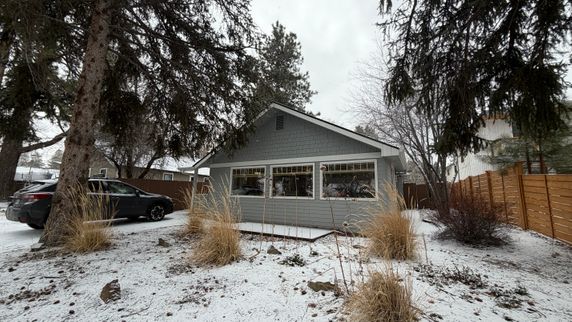
The home is a single-family residence built in 1965, occupied at the inspection with the client's representative in attendance. The front of the home faces north; left and right are described facing the home from the front. The weather was cold and overcast with snow, and snow covered the ground. Because the home predates the mid-1980s, lead paint and asbestos containing materials may be present; neither was tested, as that is beyond the scope of the inspection. Because the home was occupied, personal belongings limited visibility in some areas. Snow cover limited visibility of the roof surface, decks, walkways, grading, and other ground-level features, which should be re-evaluated once the snow has melted.


 | ||
Utilities
ELECTRICAL SERVICE
Provider: Pacific Power
Entrance Type: Overhead
Conductor Type: Aluminum
Amperage/Voltage: 120/240 Volts, 200 Amps
Condition: Satisfactory
ELECTRICAL SERVICE CONDITION
The home is served by Pacific Power through an overhead service entrance, with aluminum service conductors rated 200 amps at 120 and 240 volts. The service disconnect is shown in the photos, and occupants should be familiar with its location for emergencies. The grounding system was inspected to the extent visible; the grounding electrode and its connections are often concealed by landscaping or tied into the concrete slab, so proper grounding cannot always be fully confirmed. The electrical service was in satisfactory condition.

 |
WATER SERVICE
Source: Public
Condition: Undetermined - Meter Cover Frozen Shut
WATER SERVICE CONDITION
The home is served by a public water supply. A water meter and main shutoff control the service; the main shutoff valve was not located during the inspection, and water can be shut off at the meter. The meter cover was frozen shut, so the meter could not be fully evaluated. Water quality, treatment, and testing are outside the scope of the inspection. Confirm the shutoff location with the owner or utility provider for emergency access.
FUEL SERVICE
Fuel Type: Natural Gas
Condition: Observations Noted
FUEL SERVICE CONDITION
The home is served by natural gas, with the meter and shutoff located at the exterior. Buried gas lines, pressure regulation, and gas quality are outside the scope of the inspection. Electrical bonding of the gas piping could not be confirmed, as the connections are often concealed behind finishes or at equipment; proper bonding provides a safe path to ground in the event of a fault. Observations affecting the fuel service were noted and are described below.

THE GAS METER AND FUEL LINES WERE LOOSE: This instability can compromise the integrity of the gas connections and may lead to leaks or unsafe operating conditions for the gas supply system.
Have a licensed gas technician or utility representative secure the gas meter and fuel lines to ensure a stable and safe installation, and perform a leak test to verify the integrity of all connections.

 |


Exterior
WALL ASSEMBLY
Siding Type: Fiber Cement
Siding Condition: Observations Noted
Wall Framing Condition: Framing/Structure Not Visible
Overhang Type: Closed Soffit(Framing Not Visible)
Overhang Condition: Observations Noted
Flashing Type/Condition: Not Fully Visible
WALL ASSEMBLY CONDITION
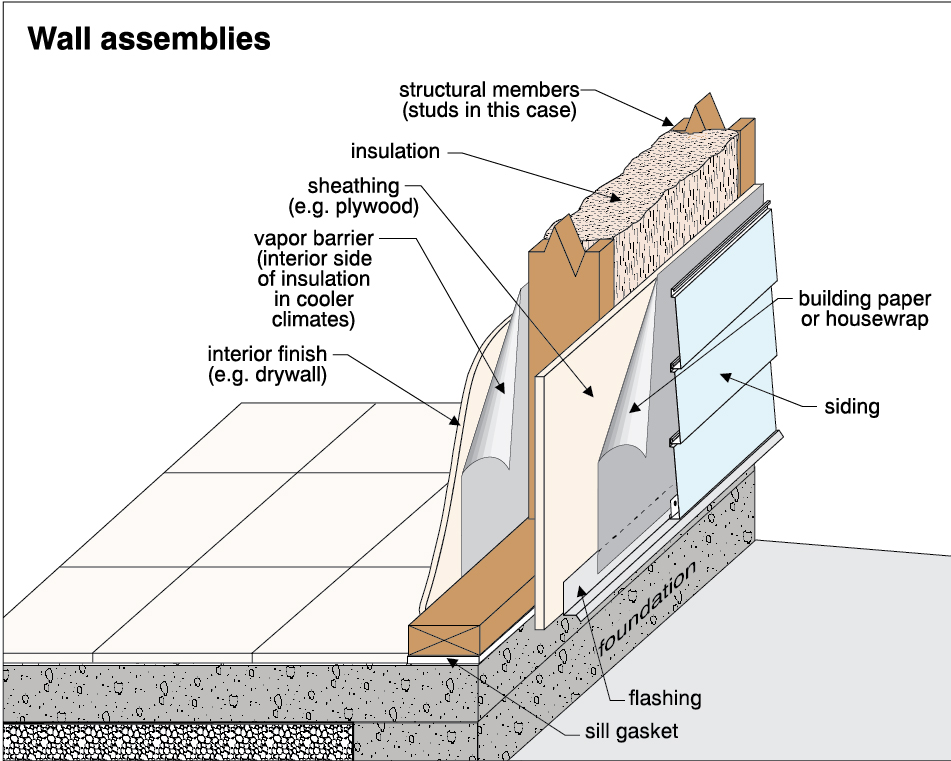
The home is clad with fiber cement siding. The overhangs are closed soffits and the flashing was not fully visible, so the overhang framing and flashing details could not be fully evaluated. The wall framing, insulation, and flashing are concealed by the interior and exterior finishes and could not be assessed, so hidden damage or deficiencies within the wall cavities could not be determined. Observations affecting the siding and overhangs were noted and are described below.
 |  |
THE SIDING CLEARANCE TO GRADE WAS INADEQUATE(MULTIPLE LOCATIONS): Siding clearance to grade was inadequate in some locations, increasing the risk of moisture absorption and deterioration.
Increase the clearance between the siding and the grade to prevent moisture intrusion and to meet modern building standards.

THERE WERE OPEN GAPS IN THE SOFFIT: These openings provide a potential entry point for pests into the attic structure.
- There was an opening at the soffit where the electrical service lines enter.
Seal all gaps as necessary to improve ventilation control and prevent pest intrusion.

SIDING SHINGLES WERE MISSING (BACK OF THE HOME): This condition leaves the underlying sheathing or wall assembly exposed to the elements, increasing the risk of moisture intrusion and material deterioration.
Replace the missing siding shingles to restore weather protection and maintain the integrity of the exterior wall assembly.

THE ACCESS HATCHES FOR THE ATTIC, WATER HEATER, AND FURNACE WERE NOT VERY SECURE (EXTERIOR OF THE HOME): This lack of proper fastening or latching can allow unauthorized access, pest entry, or exposure of critical components to weather and debris.
Secure all access hatches with approved latches or fasteners to ensure they remain closed and protect the interior components from the elements and unauthorized entry.
 |  |
PAINT AND CAULKING MAINTENANCE WAS NEEDED AT THE EXTERIOR SIDING AND TRIM: Paint and caulking maintenance were needed to protect exterior surfaces from weathering and moisture intrusion.
- Window trim had flaking paint.
Perform regular maintenance on siding and trim to extend their lifespans and protect against moisture intrusion.

DOORS AND WINDOWS
Window Types: Insulated Glass, Vinyl, Picture, Slider
Window Condition: Observations Noted
Door Types: Hung, Wood, Glass
Door Condition: Observations Noted
DOORS & WINDOWS CONDITION
The home has insulated vinyl windows in picture and slider styles, and hung wood and glass doors. Interior doors and windows are inspected on a representative-sample basis. Observations affecting the windows and doors were noted and are described below.
THE PRIMARY BEDROOM WINDOW WAS DIFFICULT TO OPERATE AND HAD MINOR DAMAGE AT THE VINYL FRAME: The resistance observed during testing indicates that the hardware, tracks, or sashes require cleaning and adjustment, while the frame damage may compromise the structural integrity or weather-tightness of the unit.
Lubricate tracks, clean sashes, and adjust hardware to improve operation, and repair or replace the damaged vinyl frame components to restore proper function and appearance.

 |
THE WEATHERSTRIPPING WAS DISLOCATED AT THE CASEMENT WINDOWS (LIVING ROOM): This condition prevents the windows from sealing properly when closed, which can allow drafts, moisture, and pests to enter the interior and reduce energy efficiency.
Reinstall or replace the weatherstripping to ensure a proper seal and restore the windows' thermal performance and weather protection.

THE LOWER DOOR LOCK FOR THE PATIO DOORS WAS DIFFICULT TO OPERATE (DINING ROOM): The resistance observed during testing suggests internal mechanical wear or a need for lubrication, which can prevent the lock from securing the door reliably and may compromise the home's security.
Lubricate or adjust the lock mechanism as necessary, or replace the lock if the internal components are worn, to ensure smooth operation and reliable security.

THE WINDOW GLASS WAS DIRTY: The accumulation of debris on these surfaces obscures visibility and prevents a thorough diagnosis of potential seal failures or glass damage.
Clean all window glass to improve clarity and allow for a more detailed assessment.

THE EXTERIOR DOOR WEATHERSTRIPPING HAD GAPS (BACK ENTRY DOOR): These openings prevent the door from sealing properly when closed, which can allow drafts, moisture, and pests to enter the interior and reduce energy efficiency.
Replace or adjust the weatherstripping to ensure a continuous seal and restore the door's thermal performance and weather protection.

DRAINAGE AND SITE
Gutters Condition: Maintenance Needed
Site Drainage Condition: Flat Grade at Foundation
Vegetation Within 5 Feet of Building: Yes
Retaining Walls Present: No
Driveway Type: Pavers
Walkway/Patio Material: Pavers
Hardscape Condition: Undeterimined - Snow Cover
DRAINAGE & SITE CONDITION
The driveway, walkways, and patio are paver surfaces, which were snow-covered and could not be fully evaluated. The site had a flat grade at the foundation, common in Central Oregon's dry climate, where perimeter drainage tile is often used to redirect surface water, and homes in this area are typically built over well-drained volcanic soils over basalt. Vegetation was within five feet of the structure. Detached structures are present and are outside the scope of this inspection unless separately arranged, and a gutter downspout terminated under the deck where its outlet was not visible. No retaining wall was installed. Observations affecting the site drainage and gutters were noted and are described below.
 |  |
GUTTERS DRAINED NEAR THE FOUNDATION IN SEVERAL LOCATIONS: This condition can lead to soil erosion and moisture accumulation against the structure, increasing the risk of foundation settlement or water intrusion into the crawlspace or basement.
Install downspout extensions or splash blocks at all affected locations to divert roof runoff away from the foundation and protect the building's structural integrity.
 |  |  |
GUTTER MAINTENANCE WAS NEEDED The gutters had accumulated debris, which can prevent proper function and lead to damage to building materials.
Cleaning is recommended to ensure proper drainage and prevent overflow or water damage to adjacent materials.
VEGETATION WAS LOCATED TOO CLOSE TO THE BUILDING: Many communities, including Bend, have adopted flammable vegetation standards to reduce fire risk due to increased wildfire activity. This proximity can also facilitate pest entry and trap moisture against exterior surfaces.
Best practices include removing tree limbs over structures or within 10 feet of eaves, limbing trees at least 5–6 feet, and clearing ladder fuels in tree canopies. Vegetation within 0–5 feet of structures, dead or dry plants, dense grass, and weeds should be removed. Pine needles and cones should not build up, and perimeter fuel breaks are recommended for larger lots. These actions lower fire risk and strengthen home and community resilience.
 |  |
ATTACHED STRUCTURES
Types Present: Deck
Deck Condition: Limited Inspection
Porch Cover: Satisfactory
ATTACHED STRUCTURES CONDITION
The home has a wood deck and a porch cover; the porch cover was in satisfactory condition. The deck framing and boards were not fully visible due to limited clearance to grade and snow cover, so the structural components could not be fully evaluated and no determination was made regarding the hidden framing. Observations affecting the attached structures were noted and are described below.
THERE WAS A SIGNIFICANT DROP-OFF FROM THE LANDING AT THE DETACHED SHED TO THE WALKWAY: This elevation change creates a potential trip or fall hazard for anyone entering or exiting the structure, particularly in low-light conditions.
Install a step, ramp, or other transitional surface to safely bridge the elevation difference and reduce the risk of injury.

Roof
Inspection Method: From Ladder, Limited Inspection
Style: Gable, Shed
Pitch: Medium(4:12-8-12)
Cover Material: Architectural Composition Shingles
Cover Material Stage of Life: Undetermined - Snow Cover
Flashing Type: Metal
Roof Penetration Types: Plumbing Vents, Passive Attic Vents, Skylights, Flue Vents
Roof Assembly Condition: Observations Noted
ROOF CONDITION
The roof is a gable and shed design with a medium pitch, covered with architectural composition shingles. Metal flashing was installed, and the roof penetrations are plumbing vents, flue vents, passive attic vents, and skylights. The roof was inspected from a ladder, and snow cover limited the evaluation, so the stage of life of the covering could not be determined and portions should be re-evaluated once the snow has melted. Visible flashings were inspected; most flashings are concealed beneath the roof covering or wall cladding, and their performance is evaluated by looking for signs of moisture intrusion. Observations affecting the roof were noted and are described below.
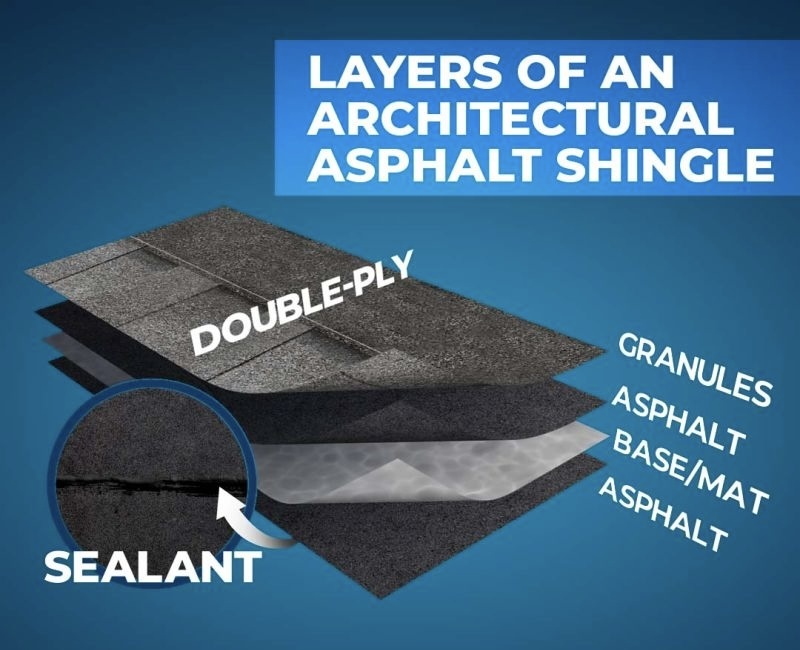
ROOF ASSEMBLY OBSERVATIONS The roof assembly had flashing and vent deficiencies that can allow water intrusion.
- Back porch roof - sidewall flashing was installed over the siding rather than behind it
- Back porch roof - sidewall flashing was missing and sealed with caulking only
- Kick-out flashing was missing at the roof-to-wall intersections
- Plumbing vent boots were damaged
Have a qualified roofer reinstall the sidewall flashing behind the siding, add kick-out flashing, and replace the damaged plumbing boots.


 |
HVAC
INDOOR EQUIPMENT
Indoor Equipment Type: Forced Air Furnace, Vented Gas Fireplace/Stove
Furnace Brand: Carrier
Furnace Manufacture Year: 2022
Heating System Condition: Satisfactory
Installed Heat Source in Each Habitable Room?: Yes
Last Recorded HVAC Service: No Service Records
Thermostat Location/Condition: On Wall
HEATING SYSTEM CONDITION
The home is heated by a 2022 Carrier forced air furnace that distributes heated air through the ductwork, with a heat source in each habitable room, and a vented gas fireplace provides supplemental heat. A wall-mounted thermostat controlled the system. The furnace was in satisfactory condition, and no service records were available to confirm its maintenance history. Observations affecting the heating system were noted and are described below.
 |  |  |
 |  |  |
THE NATURAL GAS STOVE VENTED DIRECTLY BELOW A SOFFIT VENT: This reduced clearance does not meet the manufacturer's specifications or modern building standards, which can lead to heat damage to the soffit materials or recirculation of exhaust gases into the attic ventilation system.
Modify the vent termination or soffit configuration to ensure clearance is maintained to meet safety standards.

SERVICE RECORDS WERE NOT AVAILABLE FOR THE HEATING EQUIPMENT: Without documentation, it is not possible to confirm the history of maintenance or recent professional servicing performed on the system.
Schedule routine service with a licensed HVAC technician to establish a maintenance record and ensure reliable operation.
OUTDOOR EQUIPMENT
Outdoor Equipment Type: Central Air Conditioning
Outdoor Equipment Manufacturer: Carrier
Outdoor Equipment Manufacture Year: 2022
Refrigerant Type: R-410A
Cooling System Condition: AC Unit Not Tested(Temperature)
OUTDOOR EQUIPMENT CONDITION
The outdoor equipment is a 2022 Carrier central air conditioner charged with R-410A refrigerant, with a correctly sized breaker at the panel. R-410A is being phased out in favor of refrigerants with lower global warming potential, so its future availability and cost may be affected. The air conditioning was not tested because outdoor temperatures were below 60 degrees; operating the compressor in cold weather can cause damage, so the system should be tested once temperatures remain above 60 degrees for several days.
 |  |
DISTRIBUTION SYSTEM
Filter Location: At equipment
Filter Condition: Dirty
Condition of HVAC Ducts: Satisfactory(where visible)
DISTRIBUTION SYSTEM CONDITION
Conditioned air is delivered through a forced air system, and the visible ductwork and registers were in satisfactory condition where visible. The air filter is located at the equipment. Thermal imaging was used to show representative supply registers as weather permitted; some ductwork is concealed and could not be evaluated. Observations affecting the distribution system were noted and are described below.

THE HVAC AIR FILTER WAS DAMAGED: This compromised condition can allow dust and debris to bypass the filter, reducing indoor air quality and potentially causing buildup within the HVAC equipment and ductwork.
Replace the damaged air filter with a new, correctly sized unit and establish a regular schedule for replacement to maintain system efficiency and protect the equipment.

 |
THE HVAC REGISTERS WERE DIRTY: The accumulation of dust and debris on the supply and return registers can restrict airflow and negatively impact indoor air quality.
Clean all HVAC registers to ensure proper airflow and maintain a clean indoor environment.

MECHANICAL VENTILATION
Types: Bathroom Exhaust Fans
Termination Points: Attic
Condition: Observations Noted
MECHANICAL VENTILATION CONDITION
The home's mechanical ventilation consists of bathroom exhaust fans, which terminated in the attic rather than at the exterior. Observations affecting the ventilation were noted and are described below.
BATHROOM EXHAUST FANS VENTED INTO THE ATTIC AND BLACK STAINING WAS PRESENT: The discharge of warm, moist air directly into the attic space rather than to the exterior has likely contributed to the observed black staining, which may indicate microbial growth. This condition can compromise indoor air quality and lead to deterioration of structural components.
Modify the exhaust ducts to terminate directly at the exterior of the home via approved wall or roof vents, and have a professional assess the black staining to identify the extent of microbial growth and perform proper remediation to ensure a safe living environment.
 |  |  |
 |
Plumbing
Water Supply and Fixtures
Pipe Material(Visible Portions): Galvanized Steel, Pex
Irrigation System Present?: Undetermined
Water Supply/Fixture Condition: Observations Noted
WATER SUPPLY & FIXTURES CONDITION
The visible water supply piping is a mix of galvanized steel and PEX. Functional flow was satisfactory; water pressure was tested at an exterior hose bib, where ideal residential pressure is generally between 40 and 80 psi. Whether an irrigation system serves the property could not be determined. Observations affecting the water supply and fixtures were noted and are described below.

THE HOSE BIB WAS LEAKING FROM THE ANTI-SIPHON CAP (LEFT SIDE OF THE HOME): This condition typically indicates a failure of the internal seal or the vacuum breaker component, which can result in water waste and potential moisture accumulation near the foundation.
Replace the anti-siphon cap or repair the hose bib as necessary to ensure proper function and prevent water waste.

THE SHOWERHEAD WAS LEAKING (GUEST BATHROOM): This condition was observed during operation.
Repair or replace the showerhead as necessary to restore proper function.

THE KITCHEN FAUCET WAS DAMAGED: While this condition did not prevent the faucet from functioning at the time of inspection, the damage may worsen with continued use and could eventually lead to leaks or operational issues.
Repair or replace the damaged faucet components to restore the fixture's appearance and ensure long-term reliability.

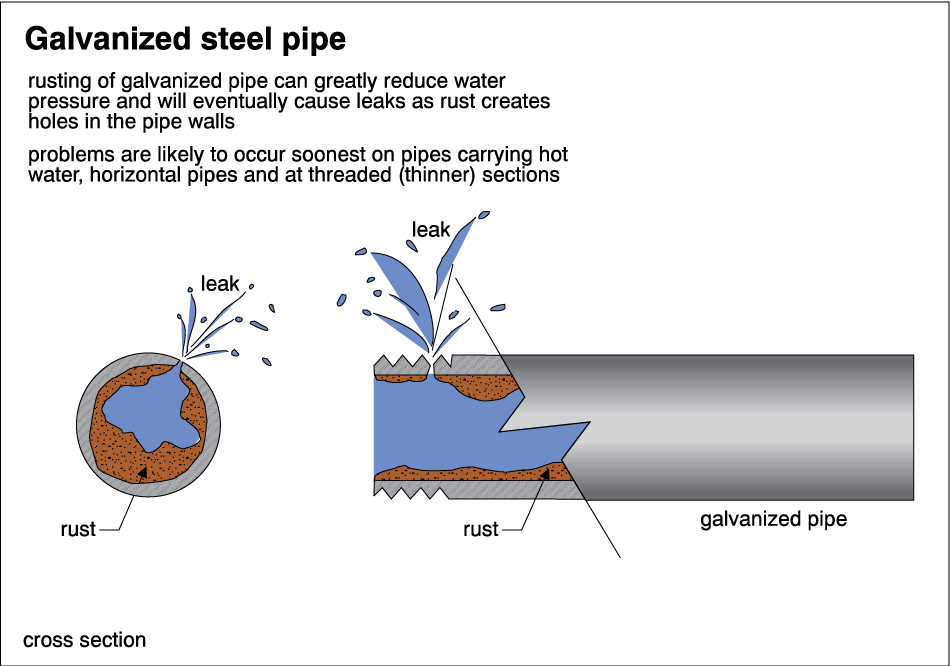
GALVANIZED STEEL WATER SUPPLY WAS USED IN THE HOME: The home was equipped with galvanized steel water supply piping. This material was commonly used in older homes but is prone to internal corrosion and mineral buildup, which can restrict water flow and eventually lead to leaks. The remaining service life is often limited in homes with galvanized piping; still, copper or PEX is usually advised as piping ages in place.
Replacing with a modern material like copper or PEX is usually advised as the piping gets older.
 |  |
Building Drain and Sewer and Venting
Waste Disposal Type: City Sewer
Was a sewer scope inspection performed?: No
Building Sewer Clean-Out Location: Right side of the home
Building Sewer/Drain Materials: ABS, Cast Iron
Drain Line Condition: Observations Noted
DRAIN, SEWER & VENTING CONDITION
Waste from the home discharges to the city sewer. The visible building drain and sewer piping is a mix of ABS and cast iron, and the building sewer cleanout is on the right side of the home. A sewer scope was not performed; evaluation of the buried sewer line is outside the scope of the inspection, and a sewer scope is recommended, as it can reveal hidden issues such as root intrusion, blockages, or pipe deterioration. Observations affecting the drain, sewer, and venting were noted and are described below.

AN S-TRAP WAS OBSERVED IN THE PLUMBING DRAIN LINE WITHIN THE CRAWLSPACE: The vent connection was positioned lower than the weir of the trap, which can lead to siphoning of the trap seal and allow sewer gases to enter the home, as well as create improper venting and drainage issues.
Reconfigure the drain and vent piping to eliminate the S-trap and install a properly vented P-trap per modern plumbing standards to ensure reliable drainage and prevent sewer gas infiltration.

FLEXIBLE PIPE WAS USED AT THE BATHROOM DRAIN LINE: This type of piping is prone to sagging, trapping debris, and creating improper drainage slopes, which can lead to slow drains or clogs over time and does not meet modern plumbing standards for permanent installations.
Replace the flexible piping with approved rigid drainage components to ensure proper slope, reliable drainage, and compliance with modern plumbing standards.

CAST IRON DRAIN PIPING The home was equipped with cast iron drain piping. Cast iron is durable and was commonly used in older homes, but over time, it is prone to internal corrosion, scaling, and eventual leakage. Deterioration can restrict flow and reduce the remaining service life of the system.
Replacement with modern piping materials may be needed. The interior condition of the drain lines is generally not observable during the inspection.

Fuel Supply and Venting
Fuel Pipe Material: Black Iron
Fuel Pipe Condition: Observations Noted
FUEL SUPPLY & VENTING CONDITION
The visible fuel supply piping is black iron. The gas piping was inspected for visible deficiencies; concealed portions and buried lines could not be evaluated.
Water Heater
Manufacturer: A.O. Smith
Manufacturer Date: 2021
Type: Electric Resistance Storage
Condition: Observations Noted
Venting Type: N/A
Venting Condition: Satisfactory
WATER HEATER CONDITION
The water heater is a 2021 A.O. Smith electric resistance storage unit, protected from damage. Because it is electric, it has no combustion venting, and no drain pan was required. A thermal expansion tank was installed, and no recirculation pump was present. The TPR valve had no discharge pipe installed, and the hot water temperature measured over 140 degrees. Observations affecting the water heater were noted and are described below.
 | 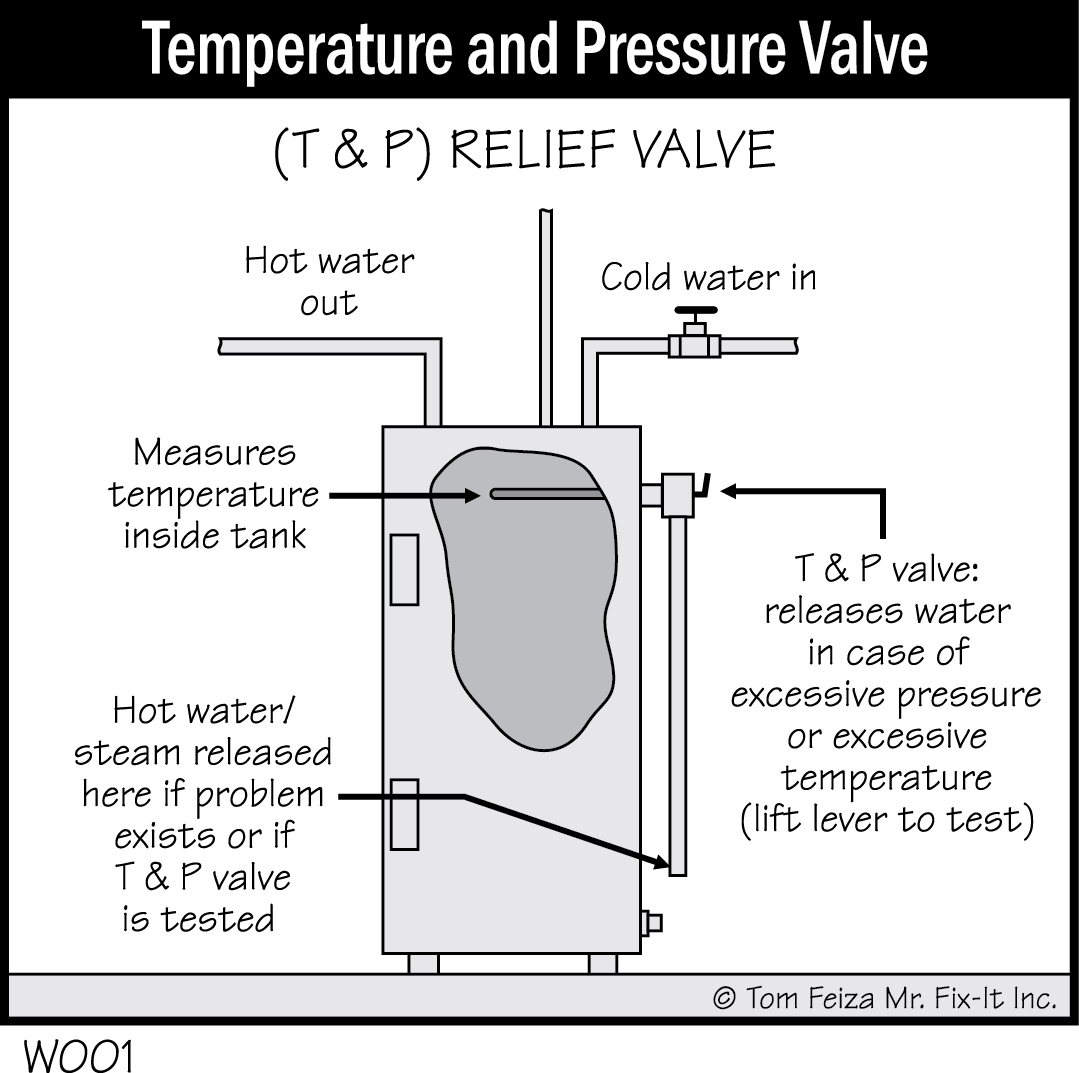 |  |
A TEMPERATURE AND PRESSURE RELIEF (TPR) DISCHARGE PIPE WAS NOT INSTALLED AT THE WATER HEATER: Without this safety component, any high-temperature water or steam released by the valve will not be safely diverted, creating a significant scalding hazard and the potential for property damage.
Install a proper TPR valve discharge pipe that terminates at an approved location per modern building standards and safety practices.

THE WATER TEMPERATURE WAS HIGH: The hot water temperature measured over 140°F at the time of inspection, which is above the recommended safe range. Water at this temperature poses a significant scalding risk, especially to children and the elderly.
Adjustment of the water heater thermostat is recommended to reduce the temperature to the generally accepted range of 120–125°F for comfort and sanitation.

ELECTRICAL WIRING FOR THE WATER HEATER WAS NOT INSTALLED IN CONDUIT: The absence of protective conduit exposes the wiring to potential physical damage and does not meet modern electrical safety standards for exposed installations.
Install all exposed electrical wiring within an approved protective conduit to meet safety standards and prevent potential damage or shock hazards.

Electrical
PANELS
Electrical Panels: Inspected
Electrical Panel Brand: Square D (QO, Homeline)
Overcurrent Protection Devices: Breakers, AFCI - Not Installed
Electrical Panel Condition: Observations Noted
PANELS CONDITION
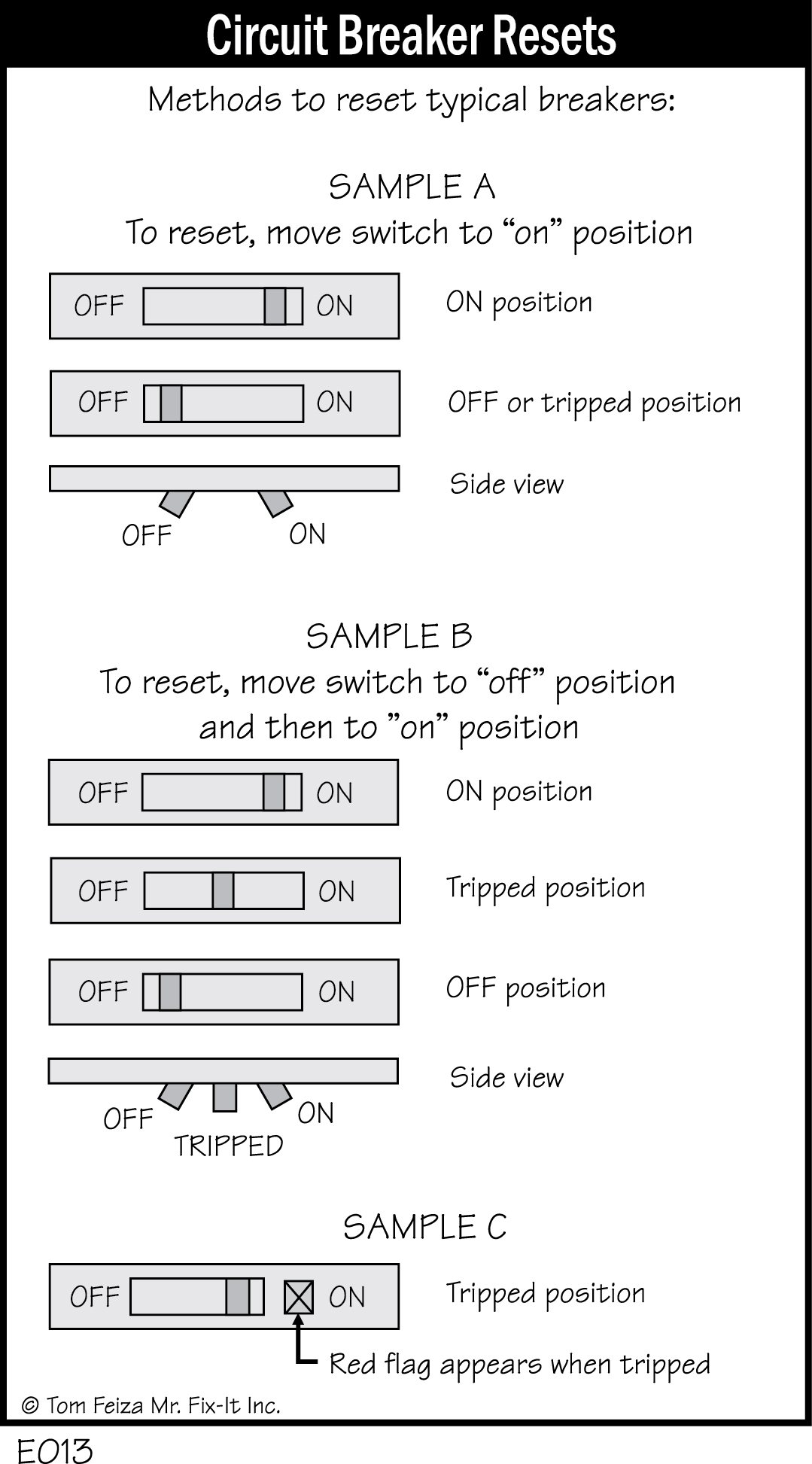
The service panel was inspected and was a Square D (QO/Homeline) panel protected by breakers. AFCI protection was not installed, which was not required when the home was built. Observations affecting the panel were noted and are described below.
 |  |  |
THE SUB-PANEL AT THE DETACHED SHOP UTILIZED A 3-WIRE FEED (NOT COMPLIANT WITH MODERN ELECTRICAL STANDARDS): The wiring indicated a manufacture date of 2021, at which time a 4-wire feed with separate neutral and grounding conductors would have been required to meet modern electrical code standards.
Upgrade the feeder cable to a 4-wire configuration with separate neutral and ground conductors to ensure compliance with current electrical standards and improve the safety of the electrical installation.
 |  |  |
 |
AFCI BREAKERS WERE NOT PRESENT Arc-fault circuit interrupter (AFCI) breakers were not present in the electrical panel. AFCIs are a modern safety feature designed to reduce the risk of electrical fires by detecting dangerous arcing conditions. While not always required in older homes, they are now standard in many areas of new construction. Upgrading to AFCI protection may be considered to enhance electrical safety.
Upgrading additional circuits to AFCI protection may further enhance electrical safety.
WIRING
Wiring Type: Nonmetallic Sheathed Cable (NM / Romex)
Wiring Condition: Observations Noted
WIRING CONDITION
The visible branch wiring is nonmetallic sheathed cable (NM/Romex). Low-voltage systems such as doorbells, security, data, and audio wiring are outside the scope of the inspection. Observations affecting the wiring were noted and are described below.
THE WIRING FOR UNDERCABINET LIGHTS IN THE KITCHEN WAS NOT INSTALLED IN CONDUIT: The absence of protective conduit exposes the wiring to potential physical damage and does not meet modern electrical safety standards for exposed installations.
Install all exposed electrical wiring within an approved protective conduit to meet safety standards and prevent potential damage or shock hazards.
 |  |
RECEPTACLES AND FIXTURES
Receptacle Types: Grounded Outlets
Receptacle Condition: Observations Noted
Electrical Fixtures Condition: Observations Noted
RECEPTACLES & FIXTURES CONDITION
The home has grounded receptacles. Observations affecting the receptacles and fixtures were noted and are described below.
ELECTRICAL RECEPTACLE OBSERVATIONS Several receptacles and switches had deficiencies affecting safety and function.
- Back of home - a receptacle was missing its weatherproof cover
- Back entrance - a receptacle was loose and had an open neutral
- Left side - the exterior receptacle had no power
- Detached shop - a switch was missing its cover plate
- Primary bedroom - a receptacle had an open ground
Have a qualified electrician correct the open neutral and open ground, restore power to the exterior receptacle, and install the missing covers.


 | ||
GFCI PROTECTION WAS NOT PRESENT AT RECOMMENDED LOCATIONS(KITCHEN, GUEST BATHROOM) GFCI protection was not present at some areas where it is currently recommended, such as the kitchen, bathrooms, garage, or exterior outlets. Installation of GFCI protection is advised to reduce the risk of electrical shock in these moisture-prone locations.
 |  |
THE LIGHT BULB AT THE GUEST BATHROOM VANITY DID NOT FUNCTION: This failure reduces the available light in the vanity area and prevents a full evaluation of the fixture's operation.
Replace the non-functional light bulb to restore full illumination and verify proper fixture function.

CARBON MONOXIDE AND SMOKE ALARMS
Smoke Alarms: Present
Carbon Monoxide Alarms: Present
SMOKE & CO ALARMS CONDITION
Smoke alarms and carbon monoxide alarms were present in the home. Per the Oregon Standards of Practice, the test function was operated where accessible, which confirms the circuitry but does not evaluate the smoke- or CO-sensing element, so full functionality cannot be verified during a home inspection. Replace the batteries regularly, test the alarms monthly, and replace the units per the manufacturer's instructions.
 |  |  |
 |
Kitchen Appliances
GARBAGE DISPOSAL INFORMATION: A garbage disposal was present at the kitchen sink. These units grind food waste for drainage. Proper use involves running cold water during operation and avoiding fibrous or hard materials. Typical service life is 10-12 years.
Regular cleaning and cautious use are recommended.

DISHWASHER INFORMATION: A dishwasher was present. Its typical service life is 8-12 years. Proper maintenance includes scraping food, using a suitable detergent, and cleaning the filter. Dishwashers are not leak-proof, and leaks can develop over time.
Inspection is limited to visible conditions; hidden leaks or future issues cannot be determined.
 |  |  |
RANGE INFORMATION: The typical service life of these appliances is about 10–15 years, depending on use and maintenance. Inspection is limited to operating basic functions (if tested) and observing visible conditions. Performance of thermostats, timers, self-cleaning features, and other advanced functions is beyond the scope of a home inspection.
Regular cleaning and maintenance are recommended to help ensure safe and efficient operation.
 |  |  |
MICROWAVE INFORMATION: A permanently installed microwave was present in the kitchen. Typical service life is 8-10 years. Inspection is limited to testing the basic cooking function using a microwave LED tester to confirm electromagnetic energy generation. Efficiency, sensor settings, timers, and advanced features are not tested. Regular cleaning of the interior and ventilation is recommended for safe operation.
 |  |  |
REFRIGERATOR PRESENT A refrigerator was present. Inspection was limited to physical condition and interior temperature. The unit was not moved, so conditions behind or beneath it were not determined. Efficiency, long-term cooling, ice maker, and other advanced features were not evaluated.
 |  |
EXTERIOR VENTED KITCHEN EXHAUST FAN A kitchen exhaust fan was present at the time of inspection. Exhaust fans help remove heat, moisture, and cooking odors from the kitchen. The inspection was limited to observing basic operation of the light(if present) and exhaust fan as well as the exhaust vent outlet.
THE DISHWASHER DRAIN LINE LACKED A PROPER HIGH LOOP: This omission can allow dirty water to backflow into the dishwasher, potentially contaminating clean dishes and compromising sanitation.
Install a high loop in the dishwasher drain line or connect it to an air gap to prevent backflow and ensure sanitary operation.
 |  |
Underfloor
Foundation Type: Vented Crawlspace
Inspection Method: Limited Inspection, Crawled
Framing Type: Concrete stem wall, Concrete footings, Wood posts, Wood beams, Wood joists, Plywood sub floor, Wood shims, Pier blocks
Insulation Type: Not installed
Vapor Barrier: Gaps Present
Ventilation Type: Foundation Vents
Underfloor Condition: Observations Noted
UNDERFLOOR CONDITION
The home is built over a vented crawlspace, inspected by crawling where accessible. The foundation is a concrete stem wall with concrete footings and pier blocks supporting wood posts, beams, and joists under a plywood subfloor, with wood shims noted at the framing. No underfloor insulation was installed, and the soil vapor barrier had gaps. Foundation vents provide ventilation. Some areas of the crawlspace were inaccessible due to clearance, so hidden conditions could not be evaluated. Observations affecting the framing, vapor barrier, and insulation were noted and are described below.
 |  |
WOOD STRUCTURAL COMPONENTS WERE IN DIRECT CONTACT WITH THE GROUND (CRAWLSPACE): This condition creates a significant risk of moisture-related decay and infestation by wood-destroying organisms, which can compromise the structural integrity of the framing over time.
Modify the framing or grade the soil to provide adequate clearance between wood components and the ground to prevent moisture decay and infestation by wood-destroying organisms.

SHIMS WERE USED TO ADJUST THE FRAMING (CRAWLSPACE): This condition may indicate improper initial construction or attempts to level the structure over time, which is relatively common in older homes. While functional at present, shimmed framing can shift or settle with changes in load or moisture conditions.
Monitor the floor framing for movement or signs of settlement. Further evaluation of the stability and long-term effectiveness of the shimmed framing may be necessary if movement occurs.
 |  |
GAPS WERE PRESENT IN THE VAPOR BARRIER (CRAWLSPACE): These openings allow moisture migration from the ground into the crawlspace, reducing the effectiveness of the barrier and potentially leading to increased humidity, condensation, and deterioration of structural components.
Seal all gaps in the vapor barrier using approved tape or patching material to prevent moisture intrusion and restore the barrier's effectiveness.
 |  |

NO INSULATION WAS PRESENT IN THE CRAWLSPACE Insulation was not present in the underfloor area. A lack of insulation can reduce energy efficiency, increase heating and cooling costs, and affect comfort. A lack of insulation can also cause water supply lines to freeze and be damaged.
Installation is recommended to improve thermal performance and efficiency.

Attic
Access Location: Exterior Wall
Inspection Method: Crawled
Condition: Observations Noted, Satisfactory(Where Inspected)
Roof Framing Composition: Plywood Sheathing, Rafters
Insulation Type: Vermiculite, Blown Cellulose
Ventilation Type: Soffit Vents, Fixed Roof Deck Vents
ATTIC CONDITION
The attic was entered through an exterior wall access and inspected by crawling where accessible, without disturbing the insulation. The roof is framed with rafters and plywood sheathing. The insulation is a mix of vermiculite and blown cellulose, and ventilation is provided by soffit vents and fixed roof-deck vents. Where inspected, the attic was satisfactory. Observations affecting the attic were noted and are described below.
 |  |  |
 |  |  |
 |  |
VERMICULITE INSULATION WAS PRESENT IN THE ATTIC (MAIN SECTION OF HOME): Vermiculite insulation, particularly if installed between the 1920s and 1990s, may contain asbestos, which poses a health risk if the material is disturbed or becomes airborne.
Do not disturb the vermiculite insulation. Consult with a licensed asbestos abatement professional to have the material tested and, if necessary, safely removed or encapsulated to ensure the health and safety of the home's occupants.
 |  |
SIGNS OF A PRIOR FIRE WERE OBSERVED IN THE ATTIC(ADEQUACY OF REPAIRS WAS NOT DETERMINED): New rafters were sistered to the burnt rafters but were not continuous. If the burnt rafters are structurally compromised, these sistered members may not provide adequate long-term structural support for the roof assembly.
Obtain full disclosure from the seller regarding the scope of work performed for these repairs, including all permits, engineering documents, and inspection records. Consult with a licensed structural engineer to evaluate the adequacy of the repairs and ensure the roof framing meets current safety and structural standards.

 |  | |
 |
Interior
Walls/Ceilings Material: Drywall
Floor Covering: Laminate, Tile, Carpet
Cabinet Types: Wood
Counter Types: Undetermined
Door Types: Wood, Hung
INTERIOR CONDITION
The interior walls and ceilings are drywall. Floor coverings are laminate, tile, and carpet. The cabinets are wood, and the counter material could not be determined. The interior doors are wood, hung types. Observations affecting the interior were noted and are described below.
DRYWALL CRACKING WAS OBSERVED IN THE PRIMARY BEDROOM CEILING: The extent and pattern of the cracking may indicate settling, or stress in the ceiling framing, which warrants close observation to determine if the condition is active or stable.
Monitor the cracks closely for any changes in size or pattern. If movement or expansion is observed, consult with a licensed structural engineer to evaluate the underlying cause and determine if repairs or structural reinforcement are necessary.

INTERIOR MAINTENANCE ITEMS Routine maintenance items were noted at the interior finishes.
- Kitchen and bathrooms - caulking maintenance was needed at the fixtures and transitions
- Ceiling - drywall cracking consistent with normal settlement
- Ceiling - drywall tape was exposed at a joint
- Interior doors - surface damage was noted
Re-caulk the affected areas, patch and refinish the drywall and exposed tape, and repair the damaged door surfaces.


 |
Signed Contracts
Guide Home Inspection, LLC CCB#252001
541-241-2106
www.guidehomeinspection.com
daniel@guidehomeinspection.com