

How to Read This Report
This report, whether viewed digitally or in printed form, should be reviewed in full color so that photographs are clearly discernible and on a device or page width of no less than 8.5 inches. References to the right and left sides of the building are based on facing the front of the structure as shown on the report cover. The client has a duty and obligation to read the entire report. Please contact the inspector with any questions or concerns.
This inspection report is intended to identify readily observable major structural deficiencies, inoperative conditions, and noticeable moisture-related concerns in the areas inspected. The report may also note safety concerns and recommended upgrades that should be considered. Conditions may exist that were not observed or reported due to concealed, inaccessible, or obstructed areas.
Photos
Photographs included in this report are provided to help illustrate reported conditions or areas of concern. Photos are representative only and may not show the full scope of repairs required. Repairs should be based on the actual conditions observed at the property, not solely on photographs. When viewing the online report, clicking a photo will enlarge it for closer inspection.
Repairs
Any repairs or corrections should be performed by qualified and competent professionals familiar with the type of work being completed. Obtain competitive bids as appropriate and further evaluation when recommended.
Getting the Information to You
This report is designed to present technical information in an accessible format. The online HTML version allows expanded access to additional information. Some words or phrases may appear blue and underlined; clicking these provides links to supplemental resources. Other text colors, if present, have no specific meaning. Please read all written text.
This report may also be printed or saved as a PDF.
Chapters and Sections
The report is organized into chapters that represent major home systems. Each chapter contains sections addressing specific components. When viewing online, chapters can be accessed using the navigation menu on the left side of the screen.
Observation Labels
Observation labels are used to categorize findings. Not all labels appear in every report. Hazardous, Key Concerns, and Further Evaluation Needed items, when used, will appear in both the report and the summary. Other observation types appear only in the report body. Labels are numbered for reference. Colors and icons, when used, do not indicate severity.
Summary Page
For convenience, this report includes a summary listing non-routine maintenance items that the inspector believes should be addressed prior to marketing the home for sale. The summary contains limited information and does not include photos or detailed explanations. Only items classified as Key Concerns, Further Evaluation Needed, Hazardous, and when applicable New Construction Builder Punch List Items, are included.
The report body contains the most complete information, including descriptions, photographs, captions, and when applicable, diagrams, videos, and links. Refer to the full report body when planning repairs or upgrades. The client is responsible for reading the entire report.
Summary
Key Concerns
- K-1 KITCHEN:
Cooktop
Cooktop left eyes did not come on when turned on at selector switch.
The cooking surface was inspected and found inoperative when using the normal operating controls. Properly put the cooktop back in service correcting as needed for function and safety.
- K-2 KITCHEN:
Cooktop
The cooktop was damaged and proper correction is recommended.
Properly repair or replace to meet your needs.
- B-1 BATHROOM:
Location Full Bathroom: Upstairs
Area: Bathing Faucet
The shower head piping was loose.
Properly secure the shower head piping as needed to help prevent leaks. If affected areas are present, correct them properly.
- B-2 BATHROOM:
Location Full Bathroom: Main Level attached to a bedroom
Area: Bathing Faucet
The shower head piping was loose.
Properly secure the shower head piping as needed to help prevent leaks. If affected areas are present, correct them properly.
- B-3 BATHROOM:
Location 1/2 Bathroom: Main Level
Sink Faucet
Faucet was loose. Properly secure faucet as needed.
- L-1 LAUNDRY:
Location Laundry Area Garage
Sink
Sink was loose.
Properly secure sink as needed to help prevent leaks
- P-2 PLUMBING:
Multiple exterior hose faucets need correction.
Check all exterior hose faucets properly correcting where needed.
- Both hose faucets leaked at handle.
- Front hose faucet was loose.
- E-1 ELECTRICAL:
Main Breaker Panel Garage
Corrections were needed at electrical distribution panel.
Refer to the full report for additional information and photos regarding obvious corrections recommended for this electrical panel. Make proper corrections as needed for safety and function now.
- E-2 ELECTRICAL:
Branch Wiring - Protect wiring at the knockout where wiring terminates at the kitchen garbage disposal.
A clamp connector or similar fitting was missing to protect electrical wiring where it passes through an open knockout in an electrical enclosure. Install a fitting to help prevent damage to the conductor and resulting electrical problems or safety concerns. Make other electrical corrections in this area if needed.
- E-3 ELECTRICAL:
Branch Wiring
Improper wiring was observed at left exterior beneath deck.
Properly correct any improper wiring where needed for function and safety.
- E-4 ELECTRICAL:
Electrical Receptacle Outlet
Electrical receptacle was found inoperative during inspection.
Check all areas. Properly correct as needed for function and safety.
- Top half of duplex receptacle at kitchen right of the range was inoperative when tested.
- E-5 ELECTRICAL:
Lighting
Some lighting was inoperative when inspected. Some light fixtures were damaged. Check all lighting/fans making functional and safe where needed.
Representative photos provided
- E-6 ELECTRICAL:
Lighting
Service lighting was missing for Furnace at Crawl Space.
- Existing lighting at area did not properly illuminate service area for appliance and additional lighting should be installed.
Equipment requiring periodic servicing should have permanent lighting installed near it that illuminates the control side. This service lighting should be controlled by a switch installed at the entry point to the area where the equipment is installed. Consider properly adding additional lighting where needed near such equipment for improved safety and to facilitate servicing when needed.
- M-1 MOISTURE:
Crawl Space
Plastic sheeting, vapor retarder, was not observed properly covering some soil areas inside the underfloor crawl space.
A vapor retarder is an important measure to reduce moisture inside underfloor crawl spaces and should be properly added to cover soil areas where omitted or missing.
- D-1 DECK:
Deck areas were observed ready for corrections now and before use to improve the structure of the deck and to improve the safety aspects for the fall prevention measures installed at deck areas. Refer to the full report for additional information and photos regarding obvious corrections recommended now for any deck areas. A competent deck contractor should check all deck areas. Make deck areas functional, safe and structurally sound where needed.
- Representative Photos Provided
Further Evaluations
- P-1 PLUMBING:
Waste Piping
Improper use of a sanitary tee fitting was observed at garage.
Waste drain piping was irregular. Further evaluation and proper correction of irregular waste drain piping is recommended.
- Improper use of sanitary T fitting observed at garage.
- P-3 PLUMBING:
Multiple plumbing corrections were needed.
A licensed, competent plumbing contractor should further evaluate the entire plumbing system and properly repair or replace it as needed to make it fully functional and safe.
- CS-1 CENTRAL SYSTEM:
The inspector recommends further evaluation of the heat pump system installation and function by a licensed, competent heating and cooling contractor.
- Heat pump system installation was irregular.
- Refrigerant piping was observed on the crawl space floor, where it was subject to damage, rather than hung from the floor joists above the crawl space dirt floor.
- Wiring was improperly attached to the furnace in the crawl space.
- Likely abandoned equipment was observed inside the crawl space. Verify equipment is no longer needed. Properly remove any abandoned equipment that has been left in place.
- Older ductwork, particularly the foam panel ductwork, should be considered for upgrade replacement.
- Zone-controlled ductwork did not appear to be functioning properly. Service zone controlled duct system properly correcting as needed for function and safety.
- SH-1 Space Heating:
Instructions for wood burning stoves must be closely adhered to and these instructions often vary by manufacturer.
Wood burning stoves are not fully evaluated when inspected. The inspector recommends further evaluation by a chimney specialist and a review of installation and maintenance instructions before use. Properly correct if needed for function or safety.
- SH-2 Space Heating:
Wood stove chimneys should be evaluated when having the wood stove evaluated.
Properly correct if needed for function and safety before use.
- S-1 STRUCTURE:
Attic area above garage did not have reasonable tool-free access. Install reasonable and appropriate access to the attic area above the garage.
Dismantling a ceiling or wall area should not be necessary to access an attic area. The inspector did not observe or enter the attic area. Areas that are not readily accessible are excluded from the inspection performed. Concealed undesirable conditions may be present and unreported.
The inspector recommends that this condition be corrected. Create proper, reasonable tool-free access to the attic area now, such as installing a scuttle hole with cover, an attic ladder, or a hinged panel. When installing attic access now, the minimum tool-free access opening should be no less than 22" x 30" unobstructed. Once reasonable access is installed for the attic area, it should be evaluated, making any necessary corrections.
- S-2 STRUCTURE:
Floor Framing and Supports
Conditions observed at the floor system warrant further evaluation by a specialist.
A competent, qualified contractor should further evaluate the entire floor system and all supports, determining corrective measures needed, taking action to prevent recurrence, and properly repairing affected areas where needed. Making corrections for areas where needed now would help reduce predictable, unnecessary settlement of the structure.
- Representative Photos Provided
- Floor framing was outdated or irregular.
- Block columns were irregular.
- Obvious preventable load path settlement had occurred and proper correction is recommended.
- Flooring was noticeably out of level at multiple areas.
- Further evaluation should include a load path analysis for the structure.
- Properly correct floor framing, foundation and supports to make area structurally sound.
- Properly attach wooden floor system to foundation wall at crawl space where needed. Plate fastener installation appeared incomplete.
The Full Report
INTERIOR
Interior Access / Ceilings / Walls / Floor Coverings
Doors
Glazing/Glass
Windows
Stairs/Railings Interior
PLUMBING
Supply Piping
Waste Piping
Apparent Vent Piping
Exterior Hose Faucets
Water Heater
Equipment Observed
Plumbing Other
ELECTRICAL
Electrical Inspection
Electrical Service
MAIN PANEL
Branch Wiring
AFCI
GFCI
Receptacle Outlets
Three Wire Receptacles
Lighting/Ceiling Fans
Switches
Smoke Alarms
Bond
Not Evaluated
STRUCTURE
Attic Access
Roof Framing
Ceiling Framing
Wall Framing
Underfloor Access
Underfloor Description
Floor System
Other Concerns
About the Inspection Process
Home Inspection: Scope and Purpose of a Home Inspection
The Scope and Purpose of a Home Inspection
Purchasing property involves risk
The purpose of a home inspection is to help reduce the risk associated with the purchase of a structure by providing a professional opinion about the overall condition of the structure. A home inspection is a limited visual inspection and it cannot eliminate this risk. Some homes present more risks than others. We cannot control this, but we try to help educate you about what we don’t know during the inspection process. This is more difficult to convey in a report and one of many reasons why we recommend that you attend the inspection.
A home inspection is not an insurance policy
This report does not substitute for or serve as a warranty or guarantee of any kind. Home warranties can be purchased separately from insuring firms that provide this service.
A home inspection is visual and not destructive.
The descriptions and observations in this report are based on a visual inspection of the structure. We inspect the aspects of the structure that can be viewed without dismantling, damaging or disfiguring the structure and without moving furniture and interior furnishings. Areas that are concealed, hidden or inaccessible to view are not covered by this inspection. Some systems cannot be tested during this inspection as testing risks damaging the building. For example, overflow drains on bathtubs are generally not tested because if they were found to be leaking they could damage the finishes below. Our procedures involve non-invasive investigation and non-destructive testing which will limit the scope of the inspection.
This is not an inspection for code compliance
This inspection and report are not intended for city / local code compliance. During the construction process structures are inspected for code compliance by municipal inspectors. Framing is open at this time and conditions can be fully viewed. Framing is not open during inspections of finished homes, and this limits the inspection. All houses fall out of code compliance shortly after they are built, as the codes continually change. National codes are augmented at least every three years for all of the varying disciplines. Municipalities can choose to adopt and phase in sections of the codes on their own timetables. There are generally no requirements to bring older homes into compliance unless substantial renovation is being done.
This is just our opinion
Construction techniques and standards vary. There is no one way to build a house or install a system in a house. The observations in this report are the opinions of the home inspector. Other inspectors and contractors are likely to have some differing opinions. You are welcome to seek opinions from other professionals.
The scope of this inspection
This inspection will include the following systems: exterior, roof, structure, drainage, foundation, attic, interior, plumbing, electrical and heating. The evaluation will be based on limited observations that are primarily visual and non-invasive. This inspection and report are not intended to be technically exhaustive.
Your expectations
The overall goal of a home inspection is to help ensure that your expectations are appropriate with the house you are proposing to buy. To this end we assist with discovery by showing and documenting observations during the home inspection. This should not be mistaken for a technically exhaustive inspection designed to uncover every defect with a building. Such inspections are available but they are generally cost-prohibitive to most home buyers.
Be Proactive Regarding Maintenance:
How much should you budget to maintain a home in the Chattanooga area?
As a general rule, a proper home maintenance budget should be about 2-5% of the value of the home annually. This maintenance budget would include periodic maintenance, general repairs, lawn care, housekeeping and saving any excess funds to budget for predictable replacement of the water heater, central heating/cooling and the roof covering. Should you choose to perform any of these tasks yourself, you should have fewer out of pocket expenditures to properly maintain your home.
General Comments
Building Characteristics, Conditions and Limitations
Type of Building : Single Family Home
Site Built
Approximate Square Footage: 1782
Approximate Year of Original Construction: 1997
Weather during the inspection: Cloudy
Ground/Soil surface conditions: Dry
Approximate Low Temperature During Inspection: 80[F]
Approximate High Temperature During Inspection: Above 90[F]
INTERIOR
Interior Access / Ceilings / Walls / Floor Coverings
Interior Access: Furniture, Property, Rugs
Access and visibility was limited at interior areas as furnishings, personal property and area rugs were present.
________________________________________________________________________________________________________________________________________________________________
Ceilings
Interior Ceiling Materials: Drywall
Interior Ceiling Condition:
- Wear noted, properly recondition to meet your needs
 |  |
________________________________________________________________________________________________________________________________________________________________
Walls
Interior Wall Materials: Drywall
Interior Wall Condition:
- Some settlement type cracking observed.
- Wear noted, properly recondition to meet your needs

________________________________________________________________________________________________________________________________________________________________
Flooring
Interior Flooring Materials: Engineered Flooring
- Some wear noted, recondition to your standard
Not Level Older
Flooring
Some flooring appeared out of level. This is not uncommon for older structures. Monitor area correcting to meet your standards.



Doors
Doors at Interior: Serviceable, fulfilling its function
________________________________________________________________________________________________________________________________________________________________
Doors to Exterior: Blocked
Blocked entry door was not operated. Properly correct door operation to meet your needs.

Glazing/Glass
Insulated glass was present.
Windows
Vinyl framed windows were present.
Serviceable
A representative number of accessible windows were operated and were found generally serviceable within the parameters of their given service life.
Some Blocked
Furniture or stored items blocked some windows. Blocked windows were not operated.

Stairs/Railings Interior
Diagram: Older Railing & Stairs
Railings and Stairs at older home as expected, did not meet current safety standards. Railings and stairs were ready for modernization for improved safety. Evaluate your risk exposure. Consider proper repair or replacement of stairs and railings where needed now for safety and function.
.jpg) | .jpg) |  |
 |  |
GARAGE
GARAGE
GARAGE TYPE: Attached
Garage Floor Location: At Ground, Above Ground
Photos
Garage - Representative Photos
 |  |  |
 |  |
Garage Restrictions: Excess Stored Items
Excess stored items were present at garage when it was inspected limiting view and access to most areas of garage. Obtain reasonable access and reinspect area prior to settlement. Make corrections if needed.
Garage Separation from Living Space: Drywall Missing Wall
Wall area separating the garage area from the living space area was exposed or not completely covered with drywall. Should a fire occur at an attached garage area, properly installed drywall on framing, where needed, can offer some assistance to slow the spread of fire and smoke from the garage area to living areas. Consider this area for an appropriate improvement or upgrade.
Garage Separation from Living Space: Recondition Ceiling
Garage ceiling area was ready for reconditioning. Properly repair garage ceiling to meet your needs. A properly installed garage ceiling that separates garage area from living space will help slow the spread of fire should one occur.

Garage Floor: Floor Settled Monitor
Garage floor settlement observed where concrete floor appeared to have dropped and slab had obvious cracking. The garage floor should provide lateral support for the elevated foundation walls. The slightly sunken garage floor observed when the garage was inspected suggests that the elevated foundation walls may not have been properly laterally supported (connected to the concrete floor) when the garage floor was poured. Monitor this area budgeting corrective measures if desired now or if condition worsens.
 |  |  |
 |
Garage Overall Condition: Deferred Maintenance
Attached Garage
Garage suffered from deferred maintenance and was ready for reconditioning.
________________________________________________________________________________________________________________________________________________________________
GARAGE OVERHEAD DOOR: One Installed
Overhead Door Material: Metal
Overhead Door Insulation: Not Insulated
Overhead Door Operation: Tested Using Operator
Overhead Door Condition: Cosmetic Damage
Attached Garage Overhead Door
Overhead door observed with cosmetic damage. Properly maintain any overhead door to your standard.
 |  |
________________________________________________________________________________________________________________________________________________________________
GARAGE OVERHEAD DOOR OPERATOR: Testing Garage Overhead Door Operators
Testing Electric Operators for Garage Overhead Doors
Garage overhead door operators require periodic maintenance to maintain safe operation. Electric overhead door operators are checked for function and safety when inspected.
Modern garage overhead door operators have two safety reversal means; contact reversal and non-contact reversal.
Contact reversal is when the garage overhead door hits an obstruction that should cause the operator to reverse for safety.
Non-contact reversal is when the electronic eyes detect an obstruction, without the garage overhead door hitting an object, that should cause the operator to reverse for safety.
The contact reversal of the garage door operator is tested using a 1.5 inch obstruction on the floor at the center point of the overhead door. If the contact reversal requires correction, this is typically accomplished by a simple adjustment on the operator but other corrections could also be necessary. See overhead door operator owners manual for additional details.
If the electronic eyes area installed properly, the non-contact reversal is tested by obstructing the path between the electronic eyes while the operator is closing the garage overhead door. The installation height of the electronic eyes varies slightly by manufacture. Most manufacturers typically advise installing the electronic eyes no more than six inches above the floor at the overhead door track. If the electronic eyes are out of alignment, the operator will not close the garage overhead door without pushing and holding the wired, wall mounted, push-button until the garage overhead door is fully closed. If the electronic eyes require adjustment, this is typically accomplished by remounting or correcting the aim of the electronic eyes but other corrections could also be needed. See overhead door operator owners manual for additional details.
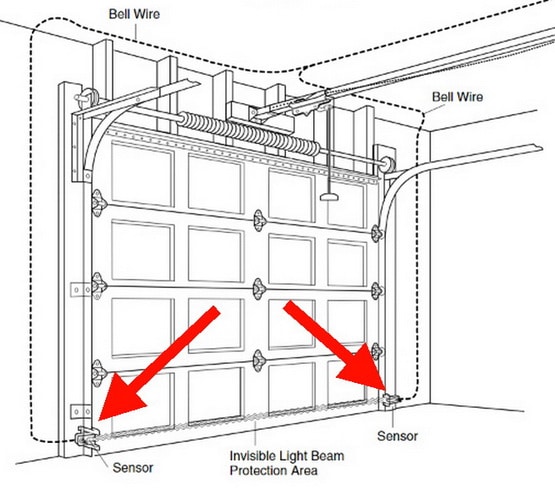

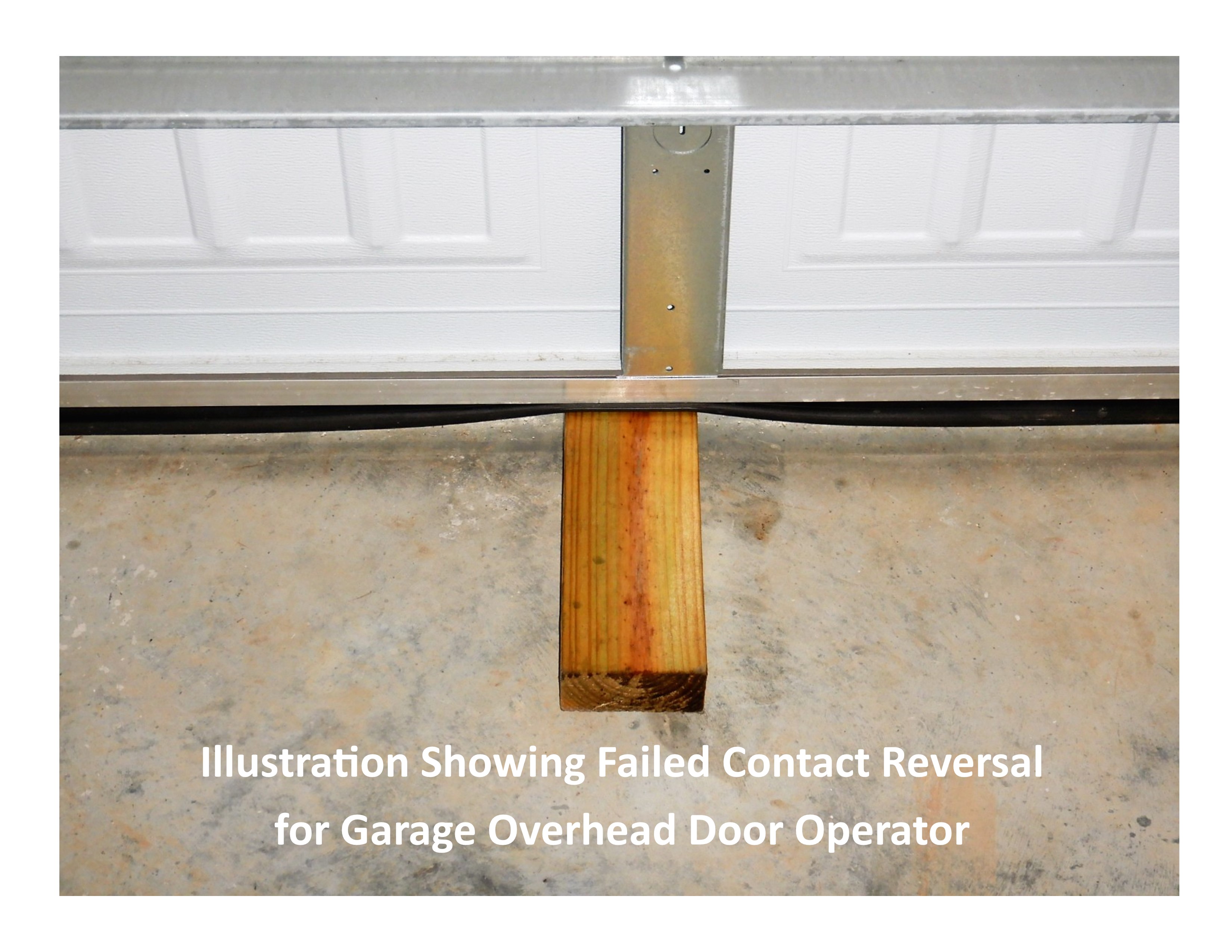

Overhead Door Operator: One Installed
Garage Overhead Door Operator Function: Operator Functional
Attached Garage Overhead Door Operator
Contact Reversal Means for overhead door operator tested functional.
Non Contact Reversal Means for overhead door operator tested functional.
Test overhead door operator reversal means as needed to maintain safe operation.


KITCHEN
Inspection Process
Kitchen Inspection Process
Kitchen Inspection Process
Kitchen inspection was of the readily accessible and visible portions of the kitchen. The kitchen inspection includes the countertops and a representative number of cabinets. Kitchen faucets, when functional, are run for longer than one minute checking for observable leaks and hot/cold orientation.
The following built-in kitchen appliances, where installed, were inspected and on/off operated testing the main function of each appliance using the normal operating controls:
- Cooktop / Oven / Range (cook surface with integral oven)
- Microwave
- Garbage Disposal
- Trash Compactor
Installed dishwashers are run through a normal cycle. Obvious functional issues and leaks observed around the dishwasher are reported, if present.
Ventilation equipment, such as range hoods, are inspected, on/off operated and are reported as ductless, ducted or recirculating. It is beyond the scope of this inspection to determine the effectiveness of the kitchen exhaust fan, such as to verify air flow quantity or discharge location.
Appliance inspection does not cover clocks, timers, self cleaning function, calibration, automatic functions or optional equipment on appliances.
Refrigerators are considered personal property and are not evaluated. Refrigerator presence or absence is noted. Faucets for refrigerator ice makers are not tested whether the refrigerator is present or not as there is no basin to catch the water from the ice maker faucet.
Equipment that appears to be shut down, inoperable or intentionally taken out of service is noted but will not be operated by the inspector. Shut down equipment may be unplugged, breaker off, water off, gas off or otherwise taken out of service.
Installation conditions and functional issues for this area requiring correction should be performed by a competent qualified contractor.
Kitchen
Kitchen Area: Main Level
Kitchen
Countertop: Laminate
- Some wear noted, recondition to your standard
Cabinets: Wood and wood composition
- Wear noted, properly recondition to meet your needs
Floor Covering: Engineered Flooring
- Some wear noted, recondition to your standard
Sink: Single Bowl Stainless Steel
- No leaks were observed at the faucet, the visible supply lines, or the waste drain beneath the sink.
- Excess personal property beneath the sink greatly restricted the view of the area.
Disposal: Present and appeared functional
Dishwasher: Present and ran through a normal cycle without incident
Range: Range (Electric Top/Oven)
Oven On/Off Tested Functional
Microwave: Not Present
Kitchen Exhaust: Recirculating Type, maintain charcoal filters regularly.
Refrigerator: Present but not evaluated
Trash Compactor: Not Present

 |  |  |
 |
Cooktop
Cooktop left eyes did not come on when turned on at selector switch.
The cooking surface was inspected and found inoperative when using the normal operating controls. Properly put the cooktop back in service correcting as needed for function and safety.

Cooktop
The cooktop was damaged and proper correction is recommended.
Properly repair or replace to meet your needs.

BATHROOM
Inspection Process
Testing Limitations
Bathroom Inspection Process
The following opinion was based on an inspection of the readily accessible and visible portions of bathroom areas.
Hand washing faucets, when functional, are run for approximately one minute checking for observable leaks at the faucet and beneath the sink as well as checking Hot/Cold orientation.
Bathing area faucets, when functional, are run for approximately five minutes checking for observable leaks and Hot/Cold orientation.
Toilets, when functional, are flushed twice. Inspector checks for leaks around toilet, checks that toilet fills and shuts off, and checks to see if toilet appears securely mounted.
Effectiveness and discharge locations for mechanical bathroom exhaust vents are not confirmed during inspection.
Installation conditions and functional issues for this area requiring correction should be performed by a competent, qualified contractor.
Bathroom
Full Bathroom
Location Full Bathroom: Upstairs
Bathing Area: Combination tub and shower
Hand Washing: Vanity with basin
- No leaks were observed at the faucet, the visible supply lines, or the waste drain beneath the sink.
- Excess personal property beneath the sink greatly restricted the view of the area.
Toilet: Water tank type
- No leaks were observed around the toilet, and it appeared secured in place.
Ventilation:
- Fan on/off tested operative. Consider exhausting to exterior if needed.
Floor Covering: Tile
- The flooring was not level. Consider for correction.

 |  |  |
 |  |  |

Location Full Bathroom: Upstairs
Area: Bathing Faucet
The shower head piping was loose.
Properly secure the shower head piping as needed to help prevent leaks. If affected areas are present, correct them properly.


Bathroom
Full Bathroom
Location Full Bathroom: Main Level attached to a bedroom
Bathing Area: Combination tub and shower
Hand Washing: Two basins in vanity
- No leaks were observed at the faucet, the visible supply lines, or the waste drain beneath the sink.
- Excess personal property beneath the sink greatly restricted the view of the area.
Toilet: Water tank type
- No leaks were observed around the toilet, and it appeared secured in place.
Ventilation:
- Fan on/off tested operative. Consider exhausting to exterior if needed.
Floor Covering: Tile
- The flooring was not level. Consider for correction.

 |  |  |
 |  |  |
 |  |

Sink/Faucet: Waste (Waste Drain Sluggish)
Location Full Bathroom: Main Level attached to a bedroom
Area: Right Sink
Waste drain was sluggish.
This may indicate a blockage in the drainage system or other problem may exist. Properly correct as needed.

Location Full Bathroom: Main Level attached to a bedroom
Area: Bathing Faucet
The shower head piping was loose.
Properly secure the shower head piping as needed to help prevent leaks. If affected areas are present, correct them properly.


Bathroom
Half Bathroom
Location 1/2 Bathroom: Main Level
Hand Washing: Vanity with basin
- Excess personal property beneath the sink greatly restricted the view of the area.
Toilet: Water tank type
- No leaks were observed around the toilet, and it appeared secured in place.
Ventilation:
- Fan on/off tested operative. Consider exhausting to exterior if needed.
Floor Covering: Engineered Flooring
- Serviceable, fulfilling its function
 |  |  |
 |
Location 1/2 Bathroom: Main Level
Sink Faucet
Faucet was loose. Properly secure faucet as needed.


LAUNDRY
Laundry Connections
Laundry: Appliances Present
Laundry appliances were present during inspection.
Laundry appliances restricted view of laundry connections. Laundry appliances typically do not convey with property. Laundry appliances are not evaluated during inspection. Laundry faucets are not operated when appliances are connected to faucets. Verify your clothes dryer exhaust is functional, safe and properly installed to meet the requirements of clothes dryer manufacturer in use.

Clothes Dryer: Remove Cage
Clothes Dryer
Remove restrictive cage from clothes dryer exhaust for safety.

Laundry Sink
Sink/Faucet: Sink Loose
Location Laundry Area Garage
Sink
Sink was loose.
Properly secure sink as needed to help prevent leaks

 |
PLUMBING
Supply Piping
Supply Piping: Copper
Some PEX
Water Flow at Supply Piping: Adequate
Adequate functional supply water flow was observed during inspection for water outlets operated.
Waste Piping
Waste Piping: Plastic
Waste Piping
Improper use of a sanitary tee fitting was observed at garage.
Waste drain piping was irregular. Further evaluation and proper correction of irregular waste drain piping is recommended.
- Improper use of sanitary T fitting observed at garage.
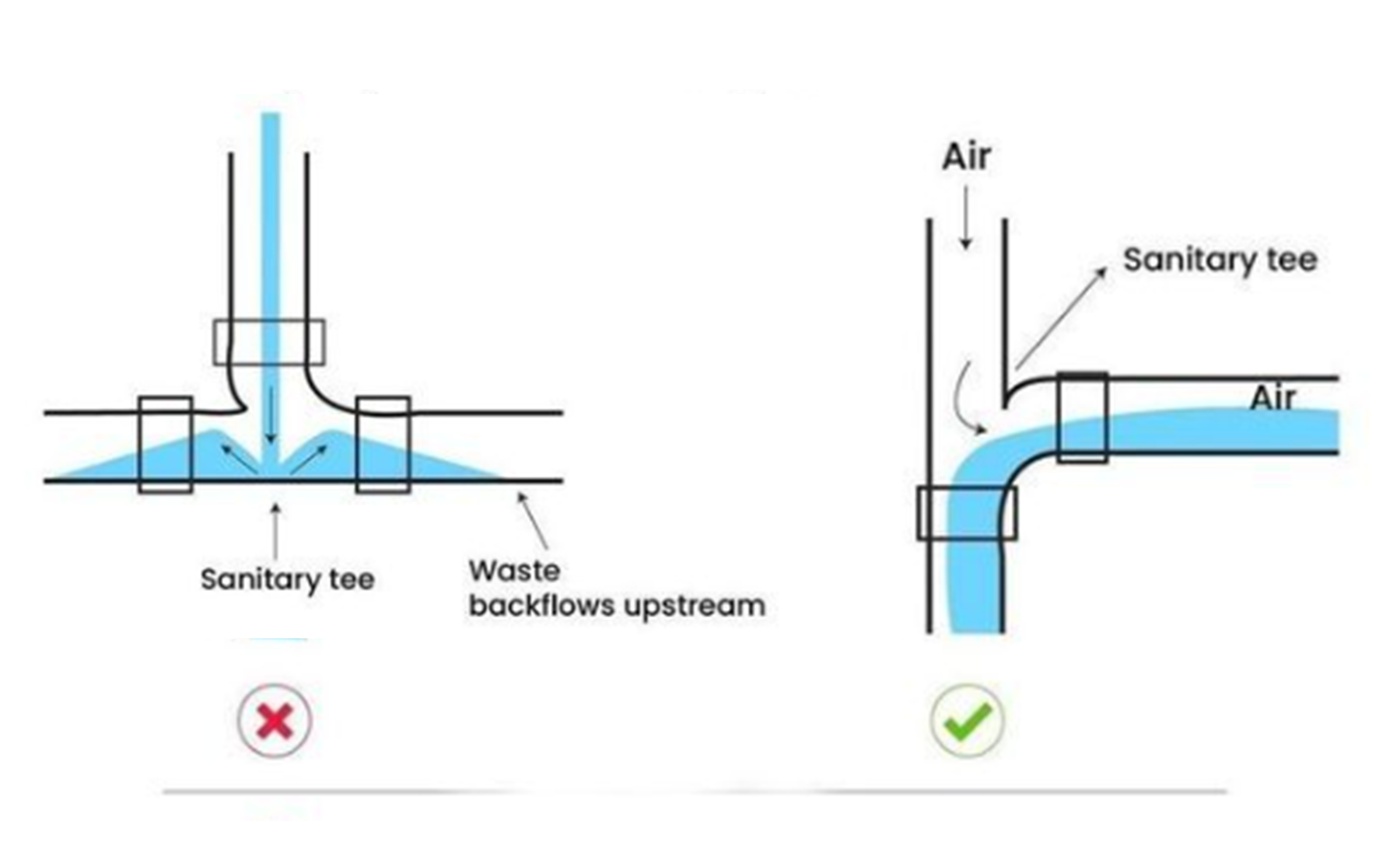 |  |  |
Apparent Vent Piping
Plastic
Exterior Hose Faucets
Multiple exterior hose faucets need correction.
Check all exterior hose faucets properly correcting where needed.
- Both hose faucets leaked at handle.
- Front hose faucet was loose.


Water Heater
Water Heater
Water Heater
Size: 50 gallon / Year of Manufacture: 2024
Fuel: Electric / Location: Garage
Water Heater was observed functional during inspection.
Typical service life of a water heater is 8-12 years.
 |  |  |
 |
Equipment Observed
Plumbing Equipment Observed Present But Not Tested or Evaluated: ________________________________________________________________________________________________________________________________________________________________
Thermal Expansion: About Thermal Expansion
Regarding Plumbing System Thermal Expansion:
Thermal expansion occurs when a tanked water heater operates without any plumbing valves open for a period of time. If the property water meter has a check or backflow preventer valve installed it will prevent the expanding contained water from flowing backwards through the water meter. This expansion causes the water heater pressure relief valve to open briefly releasing a small amount of water if an expansion control device is not present or not working properly. If the pressure relief valve on the water heater opens and does not seal closed properly then active leaks and subsequent damage may occur.

Tank Present
A plumbing thermal expansion tank was observed near the water heater. Maintain this area as you would any other portion of the plumbing system correcting when needed.

________________________________________________________________________________________________________________________________________________________________
Pressure Reducer: About Pressure Reducing Valves
Regarding Plumbing System Pressure Reducing Valves:
The pressure reducer or pressure regulator in a plumbing system is designed to reduce the water pressure to a reasonable level in an effort to help prevent damage to the plumbing system. For most areas if the utility water pressure is greater than 80 PSI (pounds per square inch) a pressure reducer is needed. For some areas with extremely high utility pressure multiple pressure reducers may be needed installed in series. Pressure reducers are typically factory set for 50 PSI and property water pressure is expected to be between 30 PSI and 80 PSI. Inspector notes presence of pressure reducer when observed. Pressure readings for plumbing system are not part of the inspection performed.
Pressure Reducer Location: Unknown
Plumbing Supply Piping
A plumbing system pressure reducer was not located.
Verify location of installed pressure reducer or add as needed, if needed.
________________________________________________________________________________________________________________________________________________________________
Property Owner - Plumbing Supply Piping - MAIN WATER SHUT OFF VALVE - Apparent Location - Note Such Valves are Not Operated : Garage
Plumbing Supply Piping
Main Water Shut Off Valve
Apparent Location at Garage

Plumbing Other
Multiple plumbing corrections were needed.
A licensed, competent plumbing contractor should further evaluate the entire plumbing system and properly repair or replace it as needed to make it fully functional and safe.
CENTRAL SYSTEM
Central Heat/Cool
Split System - Heat Pump
Central Heating/Cooling
Split, Forced Air Heat Pump System served: System served the entire home
Brand Furnace: Carrier / Location: Crawl Space
Size: 3 ton / Year of Manufacture: 2021 / Fuel: Electric Heat Pump
Heat pumps typically have a service life of 12-18 years when properly maintained
Filter Type: Disposable / Thermostat Type: Digital - Thermostat was located within area served.
Cooling Brand: Bryant / Location: Exterior
Year of Manufacture: 2021 / Fuel: Electric
Heat pumps typically have a service life of 12-18 years when properly maintained
Condensate disposal method: Gravity drain for condensate

 |  | |
 |
The inspector recommends further evaluation of the heat pump system installation and function by a licensed, competent heating and cooling contractor.
- Heat pump system installation was irregular.
- Refrigerant piping was observed on the crawl space floor, where it was subject to damage, rather than hung from the floor joists above the crawl space dirt floor.
- Wiring was improperly attached to the furnace in the crawl space.
- Likely abandoned equipment was observed inside the crawl space. Verify equipment is no longer needed. Properly remove any abandoned equipment that has been left in place.
- Older ductwork, particularly the foam panel ductwork, should be considered for upgrade replacement.
- Zone-controlled ductwork did not appear to be functioning properly. Service zone controlled duct system properly correcting as needed for function and safety.


 | ||
Central Ductwork
Distribution Ductwork
Ductwork Information: About your central heating and cooling ductwork
Regarding calculating the load of a central system:
Several factors are considered when performing a load evaluation for central heating and cooling systems to determine the appropriate size system for the area served. Factors such as installed ductwork, insulation, ceiling height, basement area served (if present), shade, climate zone, as well as the size, number, and placement of windows, must be taken into account before sizing a system. The inspector does not calculate the load of a central heating and cooling system during the performed inspection. The inspector also does not confirm that the installed ductwork is appropriately sized to serve the installed central heating and cooling equipment.
Properly maintain the ductwork system to meet your comfort needs and ensure the system operates efficiently.
Ductwork: Single Unit Serving Multiple Floors
Ductwork
A single central heat/cool system was installed serving multiple floor levels. When one central system serves multiple floor levels, expect some temperature disparity between floor levels. Seasonal adjustment of vent diffusers may help. A heating contractor may also be hired to modify the system. Monitor your comfort level and correct as desired to meet your needs.
Zone Control: Observed
Ductwork
Zone controlled ductwork was observed.
Typically, this is where electronic dampers installed in the ductwork open and close to heat or cool two or more separate areas using only one heating and cooling system. Obtain installation details, operating instructions and maintenance information prior to settlement. If such information is not available then the inspector recommends having a competent heating contractor fully evaluate system and provide written details for installed equipment, properly repairing if needed. This auxiliary type equipment is outside the scope of the home inspection and is not fully evaluated by the home inspector.
 |  |  |
Gas
Gas Fuel Piping
Representative Photo
Representative Photo
 |  |
Propane gas piping observed at inspected property. Properly maintain gas piping as needed for function and safety.
Some of the installed gas piping appeared buried at the inspected property.
Gas Off: Gas Confirmed Off No Installed Gas Appliances
Gas Service Confirmed Off
The gas service was not on when inspected.
- Gas valve at meter was observed closed when inspected.
- No gas appliances were observed installed at inspected property.
Space Heating
Solid Fuel Stove
Wood Stove Observed but not evaluated
Wood Stove Chimney
Instructions for wood burning stoves must be closely adhered to and these instructions often vary by manufacturer.
Wood burning stoves are not fully evaluated when inspected. The inspector recommends further evaluation by a chimney specialist and a review of installation and maintenance instructions before use. Properly correct if needed for function or safety.
 |  |  |
 |
Wood stove chimneys should be evaluated when having the wood stove evaluated.
Properly correct if needed for function and safety before use.
 |  |
ELECTRICAL
Electrical Inspection
Electrical System Inspection
What is an electrical system?
The electrical system consists of an electrical service, distribution equipment, and branch wiring. The electric metering equipment is usually at the electrical service. Distribution equipment typically consists of one or more installed breaker panels, with branch wiring extending to all equipment, receptacles, lighting outlets, and devices, such as light switches. The inspection report focuses on wiring operating between 100-250 Volts. While the system's Amperage and Voltage are recorded, it is not measured during the inspection. Most low-voltage wiring is excluded from the performed inspection. Low-voltage items, such as heating and cooling thermostats, are used to determine the function of such equipment.
There are now a wide variety of lighting bulbs or lamps that will fit into lighting fixtures. Some choices may not be appropriate for some lighting fixtures. It is beyond the scope of this inspection to verify that each lamp or bulb is suitable for the installed lighting fixture. The inspector recommends reviewing the bulb or lamp installations for each fixture, making corrections as needed for safety and proper function. Common errors include installing 100-watt bulbs in fixtures rated for 60-watt maximum bulbs, and using interior-rated bulbs in exterior or damp locations. Other types of errors also exist.
The following opinion was based on an inspection of the readily accessible and visible portions of the electrical system. The Inspector is responsible for checking a representative number of installed lighting fixtures, switches, and receptacles. A competent, licensed electrical contractor should correct electrical installation issues and address any functional issues that require correction. Most, if not all, electrical corrections should be considered a safety concern.
Electrical Service
System Amperage and Voltage, identified but not measured: 200 Amps - 120/240 Volts
Electrical Service Type: Underground, Representative Photo
Electrical Service Representative Photo

Routine Correction: Service Conduit Strap Routine
Electrical Service
The electrical service conduit at the electric meter was not properly secured to the building. The electrical service conduit should be properly secured in place where needed.

Access: Area Not For Storage Electrical Service
Dedicated service access area to electrical service is not designed for storage. Do not store items blocking safe access to electrical service meter.

Ground Rod: Ground Rod Not Observed
Electrical Service
Ground rods were not observed for use as a supplemental earthing of stray electrical current. Electrical system did not appear to have ground rods near the electric meter for the electrical service. This is an important safety item to help prevent shocks, fire or equipment damage. The inspector recommends an upgrade and properly adding ground rods for safety where needed.

MAIN PANEL
Main Electrical Panel
Main Breaker Panel Garage
- Breaker panel shown with cover removed by inspector.
 |  |
Service Entrance Conductors: Aluminum, Stranded
Index: Vague
Electrical circuit directory appeared vague. Proper correction is recommended.
Access: Area Not For Storage, Working Access
The dedicated service access area to the electrical panel is not designed for storage. Do not store items blocking safe access to the electrical panel.

Observed electrical equipment panel should have unobstructed dedicated safe service access area of no less than 30" in width and 36" depth as measured out from the inspected electrical panel. This clear area is needed for safe access to this type of equipment. Consider relocating equipment or obstruction as needed to provide minimum safe working access to the electrical panel.
Location Issue: Main Disconnect Not Near Service
The main electrical disconnect was not located near the electrical service. This modern requirement is to assist firefighters and other personnel to more quickly disconnect the electrical power to the building when needed. Evaluate your risk exposure considering an upgrade for this issue.
Enclosure: KO Open
Fill open knockouts where present.

Wiring: Remark White 240V Breaker, Neutral Multiple Lugged
White wires observed attached to 240V breakers. Remark or correct improperly colored wiring inside panel where needed for service personnel safety.
 |  |  |
Multiple neutral wiring was observed under a single lug inside panel. Separate each neutral wire to individual lugs where needed.

Wiring: Neutral Not Insulated
Main neutral wire serving electrical panel was not insulated. Proper correction or upgrade is recommended.

Main Breaker Panel Garage
Corrections were needed at electrical distribution panel.
Refer to the full report for additional information and photos regarding obvious corrections recommended for this electrical panel. Make proper corrections as needed for safety and function now.
Branch Wiring
Material: Copper
Wiring Method: Non Metallic Sheathed Cable
Wiring Issues: Wiring Corrections Routine
Branch Wiring
Routine corrections were needed to improve the safety of the electrical branch wiring. These corrections are usually non-recurring once properly completed. A competent electrical contractor should check all areas. Where applicable, terminate all exposed wire ends, enclose all open wire splices, secure loose wiring as needed and remove visible abandoned wiring and/or otherwise make wiring safe as needed.


Protect KO, Improper Wiring
Branch Wiring - Protect wiring at the knockout where wiring terminates at the kitchen garbage disposal.
A clamp connector or similar fitting was missing to protect electrical wiring where it passes through an open knockout in an electrical enclosure. Install a fitting to help prevent damage to the conductor and resulting electrical problems or safety concerns. Make other electrical corrections in this area if needed.

Branch Wiring
Improper wiring was observed at left exterior beneath deck.
Properly correct any improper wiring where needed for function and safety.

AFCI
AFCI Residential
What is Arc Fault Circuit Interrupter (AFCI) Protection?
AFCI protection is designed to break the electrical circuit when it detects electric arcs that are a signature of loose connections in home wiring. Loose connections, which can develop over time, can sometimes become hot enough to ignite house fires.
Most, but not all, homes will have a need for additional AFCI protection based on varied municipal enforcement and the numerous changes for which areas require AFCI protection. Evaluate your risk exposure. Consider adding AFCI protection where needed for improved safety, particularly where construction was completed 2002 or later.
Modern Locations Where AFCI Protection is Known to Improve Safety:
Dwelling Units. All 120-volt, single-phase, 10-, 15-, and 20-ampere branch circuits supplying outlets or devices installed in the following locations:
Kitchens,
Family Rooms,
Dining Rooms,
Living Rooms,
Parlors, Libraries,
Dens,
Bedrooms,
Sunrooms,
Recreation Rooms,
Closets,
Hallways,
Laundry Areas,
or similar areas.
Testing AFCI Function
The inspector uses push button at AFCI breakers, where installed, to confirm AFCI protection trips. Once tripped, the inspector checks indexed electrical circuits to determine where AFCI protection is present or missing.
Obvious locations lacking AFCI protection are listed in the body of the report.
Obvious broken, non working and improperly wired AFCI receptacles or breakers are listed in the summary of the report. Evaluate your risk exposure.
-2.jpg) | 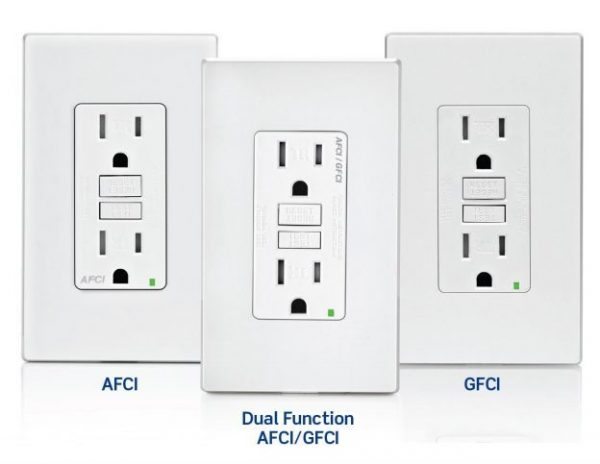 |
No AFCI Built Before 2002
Areas That Did Not Appear AFCI Protected
No AFCI protection was observed at inspected property. AFCI protection is not expected for homes built before 2002. If installation of AFCI protection is desired, consult a knowledgeable, competent, qualified electrical contractor for specific requirements in your area.
GFCI
GFCI Residential
What is Ground Fault Circuit Interrupter (GFCI) Protection?
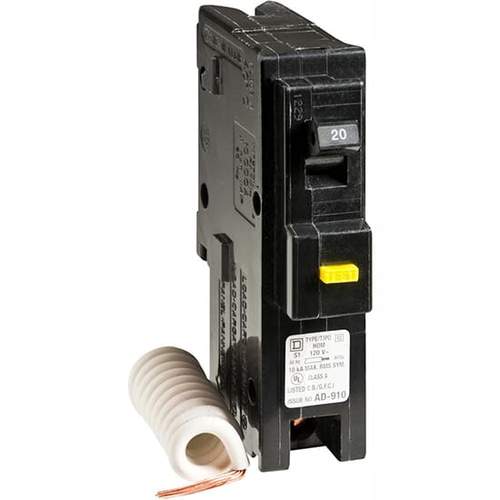
GFCI protection is an electrical safety device that interrupts an electrical circuit when the current passing through a conductor is not equal and opposite in both directions, therefore indicating an improper flow of current such as leakage of current to ground or current flowing to another powered conductor. The device's purpose is to reduce the severity of injury caused by an electric shock.
Most, but not all, buildings will have a need for additional GFCI protection based on varied municipal enforcement and the numerous changes for which areas require this type of protection. The list below is based off the 2023 standard that may or may not have been adopted by the local municipality. Evaluate your risk exposure. Consider additional GFCI protection where needed for improved safety.
Modern Locations Where GFCI Protection is Known to Improve Safety in Dwelling Units.
(A) Dwelling Units
All 125-volt through 250-volt receptacles installed in the following locations and supplied by single phase branch circuits rated 150 volts or less to ground shall have ground-fault circuit-interrupter protection for personnel:
(1) Bathrooms
(2) Garages and also accessory buildings that have a floor located at or below grade level not intended as habitable rooms and limited to storage areas, work areas, and areas of similar use.
(3) Outdoors
(4) Crawl spaces - at or below grade level
(4) Basements
(5) Kitchens
(6) Areas with sinks and permanent provisions for food preparation, beverage preparation, or cooking
(7) Sinks - where receptacles are installed within 1.8 m (6 ft) from the top inside edge of the bowl of the sink
(8) Boathouses
(9) Bathtubs or shower stalls - where receptacles are installed within 1.8 m (6 ft) of the outside edge of the bathtub or shower stall
(10) Laundry areas
(12) Indoor damp and wet locations
Some exceptions apply, see current standard for a list of exceptions.
(B) Pertains to Other Than Dwelling Units
(C) Crawl Space Lighting Outlets. GFCI protection shall be provided for lighting outlets not exceeding 120 volts installed in crawl spaces.
(D) Specific Appliances. GFCI protection shall be provided for the branch circuit or outlet supplying the following appliances rated 150 volts or less to ground and 60 amperes or less, single- or 3-phase:
(1) Automotive vacuum machines
(2) Drinking water coolers and bottle fill stations
(3) High-pressure spray washing machines
(4) Tire inflation machines V
(5) Vending machines
(6) Sump pumps
(7) Dishwashers
(8) Electric ranges
(9) Wall-mounted ovens
(10) Counter-mounted cooking units
(11) Clothes dryers
(13) Microwave ovens
(E) Equipment Requiring Servicing. GFCI protection shall be provided for the receptacles required near Equipment Requiring Servicing.
(F) Outdoor Outlets. For dwellings, all outdoor outlets, including outlets installed in the following locations, and supplied-by single-phase branch circuits rated 150 volts or less to ground, 50 amperes or less, shall be provided with GFCI protection:
(1) Garages that have floors located at or below grade level.
(2) Accessory buildings
(3) Boathouses
Note: Some exceptions apply, see current standard for a list of all exceptions.
Testing GFCI Function
The inspector uses an electrical tester at accessible 120V electrical receptacles that simulates a remote ground fault current to confirm which areas lack proper GFCI protection at tested 120V electrical receptacles.
Obvious locations lacking GFCI protection are listed in the body of the report.
Obvious broken, non working and improperly wired GFCI receptacles or breakers are listed in the summary of the report.
 | -1.jpg) |
GFCI Older Home
GFCI protection was ready for upgrade at older inspected property. Consider modernizing electrical installation adding this shock protection for all electrical areas where GFCI protection is known to improve safety. If installation of additional GFCI protection is desired, consult a knowledgeable, competent, qualified electrical contractor for specific requirements in your area.
GFCI: Redundant Protection
GFCI electrical receptacle at master bathroom left of sink was redundant to GFCI electrical receptacle at master bathroom right of sink. Redundant GFCI protection was observed during inspection. While this is not a defect in itself, the occupant should know that redundant protection is present and where redundant devices are to avoid extended loss of use of electrical receptacle or needless electrical service calls.
Receptacle Outlets
Receptacle Appeared Missing: Cooling Unit, Heating Unit
Electrical Receptacle Outlet
An electrical receptacle was not observed near the cooling condensing unit at the exterior.
Equipment requiring periodic servicing should have a permanent electrical receptacle installed close by. Consider properly adding an electrical receptacle at exterior ground level within 25 feet of the cooling condensing unit to service this equipment.
Electrical Receptacle Outlet
An electrical receptacle was not observed near the heating unit in the crawl space.
Equipment requiring periodic servicing should have a permanent electrical receptacle installed close by. Consider properly adding an electrical receptacle within 25 feet of heating unit to service this equipment.
Cover Plates: Continuous Use
Electrical Receptacle Outlet
For safety, properly install continuous-use exterior receptacle covers for any electrical receptacle installed at an exterior area that has a cord left plugged in overnight or during inclement weather for safety.

Electrical Receptacle Outlet
Electrical receptacle was found inoperative during inspection.
Check all areas. Properly correct as needed for function and safety.
- Top half of duplex receptacle at kitchen right of the range was inoperative when tested.

 |
Three Wire Receptacles
Three Wire 240V Receptacles Observed
Some older 240V 3 wire electrical receptacle circuits were observed. Typically, these circuits would serve electric clothes dryers or electric kitchen ranges but may also serve other areas. Evaluate your risk exposure and consider upgrade replacement of any 240V 3 wire receptacle circuits where present with a modern 240V 4 wire receptacle circuits for improved safety. Properly maintain older 240V 3 wire receptacle circuits to meet your needs and for safety, if not upgrading older circuits now.

Lighting/Ceiling Fans
Cord and Plug Connected Lighting, Photo Cell
Cord and plug connected lighting is considered personal property and is not evaluated.
 |  |  |
Photo cell was installed at some exterior light fixtures. Fixtures with photo cells are designed to operate after dark. Verify such lighting fixtures operate properly or correct as needed for function and safety.

Inoperative/Damaged
Lighting
Some lighting was inoperative when inspected. Some light fixtures were damaged. Check all lighting/fans making functional and safe where needed.
Representative photos provided

Lighting
Service lighting was missing for Furnace at Crawl Space.
- Existing lighting at area did not properly illuminate service area for appliance and additional lighting should be installed.
Equipment requiring periodic servicing should have permanent lighting installed near it that illuminates the control side. This service lighting should be controlled by a switch installed at the entry point to the area where the equipment is installed. Consider properly adding additional lighting where needed near such equipment for improved safety and to facilitate servicing when needed.
Switches
Switch Location Informational Note
Regarding Lighting Switch Locations:
While exact placement of lighting switches is considered a design issue, installing lighting switches at appropriate locations is useful to improve safety. Generally, a light switch would be located within arms length of the entry point of a room so that the lighting for the room you are entering may be switched on from an area near the doorway. Installing a switch at an inconvenient location, such as on the hinge side of a door, would not be desirable. Where the stairway between floor levels has six risers or more, a wall switch would be located at each floor level and at each landing level that includes an entryway to control the lighting for the stairway. Evaluate your need in regard to lighting switch locations. Consider updating switch locations for improved safety if desired.
Smoke Alarms
Smoke Alarm Installation: Where Should Smoke Alarms be Installed?
Depending on the age and location of the home, installation of smoke alarms are either recommended or required for improved safety.
Modern smoke alarm systems typically are hardwired to the electrical system and will have battery backup so that they will function when the power is off to the building. Modern smoke alarm systems typically have all smoke alarms interconnected so that when one alarm sounds then all smoke alarms will sound simultaneously. This is useful for heavy sleepers and in larger homes.
Modern smoke alarm systems typically have smoke alarms installed at the following locations:
- In the immediate vicinity outside sleeping areas
- Inside sleeping areas
- At least one per floor level including basements
- Near stairs
- In unfinished basements
- (some installations will require additional smoke alarms)
It is important to note that a single smoke alarm can satisfy multiple areas if carefully placed.
It is common to have a single smoke alarm near the top of the stairs and just outside multiple sleeping areas.
Properly maintain smoke alarm system as needed for life safety.
Regarding Testing Smoke Alarms:
Test smoke alarms weekly to ensure proper function for life safety. Replace batteries when needed. Properly replace smoke alarms when not functioning correctly and at least once every ten years. Smoke alarms should be at least the photoelectric type and dual sensor photoelectric and ionization smoke alarms are available, and preferred. Refer to installation and care instructions for proper locations and periodic maintenance.
The inspector does not test smoke alarms. For safety, the inspector only accesses smoke alarms from the installed flooring. To prevent damage, the inspector does not remove smoke alarms or open smoke alarm covers.
Bond
Metal and Plastic Piping
Electrical Bonding
An electrical bonding jumper was needed to connect metal plumbing supply piping to the electrical system in order to prevent the metal plumbing supply piping from accidentally becoming energized should an electrical malfunction occur. Plastic plumbing supply piping introduced into metal plumbing supply piping system has interrupted the continuity of the electrical bond for the metal plumbing supply piping that should earth any stray electrical current that may be encountered during a malfunction. The correction for this issue will typically only take a few minutes for a competent electrical contractor to complete where needed.
 |  |
Not Evaluated
Cord and plug connected lighting is considered personal property and is not evaluated.
Extension cords are not evaluated as they are considered personal property. Extension cords are for temporary usage and should not be used as permanent wiring.

STRUCTURE
Attic Access
Attic Access: Scuttle Hole
Attic Access: Not Floored, Cathedral
Attic area above second floor viewed from access point only due to lack of walk boards. Some areas of attic may not have been viewed.
There was no readily accessible overhead attic space where the ceiling was cathedral.

Attic Access Inadequate:
Attic area above garage did not have reasonable tool-free access. Install reasonable and appropriate access to the attic area above the garage.
Dismantling a ceiling or wall area should not be necessary to access an attic area. The inspector did not observe or enter the attic area. Areas that are not readily accessible are excluded from the inspection performed. Concealed undesirable conditions may be present and unreported.
The inspector recommends that this condition be corrected. Create proper, reasonable tool-free access to the attic area now, such as installing a scuttle hole with cover, an attic ladder, or a hinged panel. When installing attic access now, the minimum tool-free access opening should be no less than 22" x 30" unobstructed. Once reasonable access is installed for the attic area, it should be evaluated, making any necessary corrections.

Roof Framing
Roof Framing: Representative Photos
Representative Photos Roof Framing
 |  |
Framing: Trusses, Wooden
Sheathing: OSB
Truss Framing: Trusses Are Engineered, Lateral Bracing Not Observed, Older Trusses
Older roof truss installation observed. Framing observed was typical for age of home and may not meet installation instructions. Trusses are engineered products and come with specific installation instructions that should be followed. Engineering or review of truss installation instructions is outside the scope of the inspection performed. Monitor area periodically and make corrections if condition changes.
Lateral bracing was not observed at attic trusses. Consider adding proper lateral bracing where missing to improve performance during high wind conditions. Refer to truss installation instructions for proper correction. Monitor area if not adding lateral bracing now.

Truss systems are designed, engineered framing systems that are comprised of multiple components. Truss systems are accompanied by specific installation instructions that should be closely followed. Installation instructions are rarely available during a property inspection. Review of instructions, if available, is not part of the inspection performed. Obvious, visible defects are listed in the report, when encountered. Properly maintain truss system to meet your needs.
Ceiling Framing
Truss Framing: Ceiling framing was integral with roof framing trusses where installed.
Wall Framing
Framing Access: Finished Prevented
Finished areas prevented the view of structural components, so the inspector did not observe structural areas. Concealed areas were not part of the inspection performed.
Underfloor Access
Crawl Space: Ductwork
Visibility or access limited at crawl space due to installed ductwork.
Underfloor Description
Attributes: Crawl Space Throughout
Underfloor Area
Access:
- Crawl space entered through hinged door
Construction Type:
- Crawl Space
Foundation:
- Concrete Block
Columns or Piers:
- Concrete Block
Floor Structure:
- Floor Joists - Solid Wood
- Beam - Built Up Wood
- Subfloor - Plywood
Floor System
Floor Framing: Representative Photos
Representative Photo Floor Framing
 |  |  |
 |  |  |
Floor Framing: Load Path Settlement
Some settlement was observed that may or may not be related to the structural load path of the building.
It is beyond the scope of this inspection to determine the structural load path or calculate structural integrity. Monitor framing budgeting corrective measures if condition worsens.
Floor Framing and Supports
Conditions observed at the floor system warrant further evaluation by a specialist.
A competent, qualified contractor should further evaluate the entire floor system and all supports, determining corrective measures needed, taking action to prevent recurrence, and properly repairing affected areas where needed. Making corrections for areas where needed now would help reduce predictable, unnecessary settlement of the structure.
- Representative Photos Provided
- Floor framing was outdated or irregular.
- Block columns were irregular.
- Obvious preventable load path settlement had occurred and proper correction is recommended.
- Flooring was noticeably out of level at multiple areas.
- Further evaluation should include a load path analysis for the structure.
- Properly correct floor framing, foundation and supports to make area structurally sound.
- Properly attach wooden floor system to foundation wall at crawl space where needed. Plate fastener installation appeared incomplete.


Other Concerns
Construction Debris
Construction debris, undesirable debris or excess debris was observed at crawl space area. Remove unnecessary debris and any wood scraps from crawl space area. Do not forget to check beneath plastic sheeting on the ground too, if installed.

INSULATION
Above Ceiling Insulation
Recommended Insulation, Insulation Photo
Recommended attic insulation depth above living spaces for this area of the country is R-38 to R-60 to help lower utility costs. This recommendation comes from the US Department of Energy. Evaluate your comfort level and utility costs correcting insulation depth if needed.
Insulation Photo

Above Ceiling Insulation Not Observed, Undetermined
Insulation Type: Blown In
Observed Insulation Approximate Depth: R - 30, R - 13
Consider Improving Insulation: Attic Access was not Insulated.
Attic access was not insulated
Consider properly installing appropriate attic access insulation to reduce utilities and improve comfort that meets your needs.

MOISTURE
Crawl Space Underfloor
Crawl Space: Practical Steps Crawl Space Moisture
Practical steps to better moisture condition at a typical crawl space after ensuring no possible plumbing leaks into crawl space are present.
- Properly divert any storm water and all gutter down spouts a minimum 10 feet away from foundation.
- Correct any exterior grading issues that prevent storm water from flowing away from foundation.
- Improve air flow through crawl space to provide proper cross ventilation.
- Improve crawl space dirt floor vapor retarder to help keep moisture at soil.
- Properly drain any excess bulk moisture from crawl space, if present, to prevent accumulation.
- Take more aggressive steps if necessary such as installing a dewatering system and proper encapsulation of crawl space with conditioned air space.
Crawl Space: Moisture Stains Crawl Space Monitor
Moisture indications were observed in the crawl space area. Monitor the area to verify that the moisture in the crawl space is not excessive—properly correct the cause of the moisture if it is excessive. Properly correct any affected areas as needed.

 |  |
Vapor Retarder
Crawl Space
Plastic sheeting, vapor retarder, was not observed properly covering some soil areas inside the underfloor crawl space.
A vapor retarder is an important measure to reduce moisture inside underfloor crawl spaces and should be properly added to cover soil areas where omitted or missing.

VENTILATION
Attic Ventilation
Attic Exhaust Vents: Ridge Roof Vent, Gable End Vent
Attic Intake Vents: Soffit Vents Where Installed
Foundation Ventilation at Underfloor Crawl Space
Info Crawl Space Ventilation
Regarding underfloor crawl space ventilation.
Crawl spaces either should be properly ventilated or properly encapsulated. Encapsulated crawl spaces must have a conditioned air space. When ventilating a crawlspace it is important to have proper intake and exhaust venting to provide adequate cross ventilation. Monitor crawl space air for excess moisture and condensation properly correcting if necessary to meet your needs.
Foundation Vents Should Be Open
Regarding closing foundation vents at ventilated crawl spaces in the Greater Chattanooga Metropolitan Area.
- Foundation vents at ventilated crawl spaces should NEVER be closed seasonally such as leaving crawl space vents closed ALL WINTER.
- Foundation vents at ventilated crawl spaces should be CLOSED if outdoor temperature is BELOW 25 degrees f.
- Foundation vents at ventilated crawl spaces should be OPEN if outdoor temperature is ABOVE 32 degrees f.
Foundation vents at ventilated crawl spaces should be open when the outdoor temperature is above freezing. If you feel you must close the foundation vents, they should only be closed for very low temperatures and then promptly reopened when the outdoor temperature rises above freezing. Our moderate climate for this area is known for outdoor temperatures typically being in the 40s to 60s f during the day in the winter. Leaving the foundation vents closed for weeks or months, in some instances, may damage the floor framing due to excess humidity and fungal growth.
Foundation Vents Closed Outdoor Temperature Above Freezing
Upon inspection, one or more foundation vents were found to be closed or obstructed. The outdoor temperature was above 32 degrees F, and foundation vents were expected to be fully open.

 |  |
Minimal
Ventilation appeared to be minimal at crawl space. It is important to have proper intake and exhaust venting. Additional ventilation may need to be installed to help prevent moisture and condensation problems as well as lower utility costs. Monitor and correct as needed.
ROOF
Roof Covering
Observation: Representative Roof Covering Photos
Representative Roof Covering Photos
 |  |  |
 |  |  |
Method of Roof Inspection: Walked on portions of roof, Viewed from ladder at eave
Roof Style: Multi Plane
Approximate Age of Roof Covering: 4-8 Years
Roofing Material: Composition Dimensional Shingle
Observation: Serviceable, Fulfilling Its Function
The roof covering overall was found generally serviceable within the parameters of its given service life. All roofing requires periodic maintenance. Properly maintain and correct roof covering as needed, when needed.
Gutters and Downspouts
Gutter and Downspout Materials: Metal
Observation: Screens
While gutter screens help keep gutters clean they do not completely eliminate the need for periodic cleaning and maintenance of gutters.

SIDING and TRIM
Exterior Elevations
Photos: Exterior Photos
Photos of Exterior elevations
 |  |  |
 |  |
Siding - Stucco
Stucco Over Concrete Block where installed
Siding: Requires Maintenance
Stucco
Stucco requires periodic maintenance and appeared ready for corrections when inspected. Check all areas properly reconditioning siding to meet your needs and to help reduce moisture transfer.
 |  |
Siding - Vinyl
Vinyl Siding
Siding: Corrections Needed
Exterior siding/trim was ready for proper corrections when inspected.
Inspector Observations - Representative Photos Provided
- Deferred Maintenance Observed
- Physical Damage Observed
What you should do.
- Properly replace or repair exterior siding and trim as needed. Properly correct any adjacent affected areas damaged by deferred maintenance. Affected adjacent areas that are concealed or not readily accessible are not part of the inspection performed.

Siding: Melted High Temperature Heat Source
Vinyl Siding -
Some vinyl siding was observed to have melted due to a high-temperature heat source. Properly replace melted siding where needed. Determine the cause of the high temperature of the heat source. Take proper steps to prevent recurrence.
 |  |
Trim
Eaves Material: Painted, Trim Material: Wood where installed
Refurbish
Trim
Refurbish area before painting. A quality paint or stain job will include washing/cleaning all areas to be painted, repair/replacement of damaged siding and trim, seal all gaps, prime all unpainted areas and sufficient paint coverage to achieve desired color without bleed through.
 |  |  |
DECK
Deck or Wooden Porch Areas Overall Condition Statement
Correct Deck and Fall Areas Before Use
Inspecting decks which are also known as wooden porches.
Decks and their attached steps are inspected for structural integrity, fall prevention and possible entrapment openings. Concealed areas such as deck footers are not included in the inspection. Most inspected decks will be ready for some correction or upgrade due to age, wear or improper construction. For any areas ready for upgrade, you should evaluate your risk exposure properly correcting as needed for improved structural integrity and improved safety.
Any deck needing correction should be further reviewed and corrections performed by a Competent Qualified Deck Contractor as the deck inspection performed in this report is not meant to discover every possible correction that a deck might need.
Each deck should be properly stained to prolong deck life. A solid deck stain is preferred as it will also protect the deck from sun light damage.
Two useful sources for deck information may be found at the following websites:
https://knoxcounty.org/codes/pdfs/construction_info/DeckInformation.pdf
Deck areas were observed ready for corrections now and before use to improve the structure of the deck and to improve the safety aspects for the fall prevention measures installed at deck areas. Refer to the full report for additional information and photos regarding obvious corrections recommended now for any deck areas. A competent deck contractor should check all deck areas. Make deck areas functional, safe and structurally sound where needed.
- Representative Photos Provided
 |  |
Deck or Wooden Porch Location, Attributes and Restrictions
Deck Location: Left, Front
Deck Roof Area: Partial Roof Area Was Present
Deck Stairs: Stairs Were Present
Restrictions: Finished Areas
Finished areas restricted view of structural components. Concealed areas are not part of the inspection performed.
 |  |
Restrictions: Carpet
Personal property was present at deck limiting view of some deck areas.

Carpet was observed in this area and the surface beneath was not viewed.

Deck or Wooden Porch Structure
Bolts: Undetermined
Deck bolts were undetermined. Decks should be properly bolted to the structure every 12", 16" or 24" depending on the span of the floor joists. Deck bolts should be ½” diameter lag bolts with washers. The installed bolts should be staggered top to bottom to prevent splitting of the ledger board. Proper correction, if needed, should be completed to strengthen the deck connection to the structure.
Flashing: Visible
Flashing was visible at some areas. Proper flashing installation after construction completion cannot be fully confirmed as most areas will be concealed. Flashing separating the deck from the building helps prevent water penetrations, rot and wood boring insects from entering the building. Monitor area correcting if needed as adding flashing after construction completion may not be cost effective.
Footings: Questionable Footing
Column footings were questionable. Have area further evaluated and correct where needed.
Girder or Beam: Not Properly Supported
Girder or beam was not properly supported. Properly support girders or beams where needed.

Floor Joist: Over Spanned
Some floor joists appeared over spanned and correction was needed to improve strength of deck and for safety.

Ledger Strip: Present, Not Installed Correctly
Joist framing at deck into the side of a ledger board or beam should be properly supported by approved joist hangers. Consider upgrade for outdated ledger strip installation for improved structural integrity and safety at deck by replacing any ledger strip with properly installed joist hangers.
 (1).png) |  (1).png) |
Ledger strip beneath floor joist appeared improperly nailed. Properly add nails where missing at ledger strip if not performing upgrade and replacing outdated ledger strips now with properly installed joist hangers.
 |  |  |
Performance: Framing Outdated, Rot, Framing Separating
Outdated framing observed at deck. Properly upgrade framing as needed to strengthen deck and for safety.
Rotting and damage was observed. Check all exterior areas subject to decay properly correcting damage and affected adjacent areas as needed.
 |  |  |
Separation observed at structural framing. Check all connections correcting as needed for safety and for structural integrity.
 |  |
Deck or Wooden Porch Railings and Stairs
Diagram: Correction Needed Railing & Stairs
Railings and Stairs were ready for modernization for improved safety. Evaluate your risk exposure. Consider proper repair or replacement of stairs and railings where needed now for safety and function.
| |  |
 |
Guardrail: ≥4"
One or more openings at railings, such as at balusters, did not reject a 4" sphere at guardrails. Evaluate your risk exposure properly correcting as needed for improved safety and function.

Handrail: Wrong Height
Modern handrails at steps should be 34" to 38" above toe of stair tread for safety. Installed handrails were at a different height and proper correction is recommended.
Railings: Risers ≥4"
Openings at stair steps such as at risers did not reject a 4" sphere for all openings. Evaluate your risk exposure properly correcting as needed for improved safety and function.

Diagram: Correction Needed Stairs
Stairs were ready for modernization for improved safety. Evaluate your risk exposure. Consider proper repair or replacement of stairs where needed now for safety and function.
|  |
Stairs: Deferred Maintenance, Uneven, Small Step
Stairs suffered from deferred maintenance and were ready for reconditioning.
Uneven steps were observed. Differing riser heights are a common cause of falls. For safety, the height between the tallest and the shortest riser on a set of stairs should be no more than 3/8". Proper correction is recommended.

Small steps less than 4" tall pose a trip and fall risk. Consider the area for an appropriate safety upgrade.
 |  |
LOTS and GROUNDS
Driveway
Asphalt
Driveway: Serviceable
Driveway was serviceable, fulfilling its function.
Walkway
Concrete
Walkway: Serviceable
Walkway was serviceable, fulfilling its function.
Stairs and Railings at Exterior
Stairs: Yard Steps
Non conforming Yard Steps Observed. The installed steps do not conform to modern standards for safe stairs. Use extreme caution when walking on these stairs now and consider upgrade to conforming stairs for safety and to reduce liability exposure.

Vegetation
Vegetation Maintenance
Properly maintain vegetation to meet your needs. Vegetation should not touch building exterior or overhang roof. Vegetation should not interfere with access or servicing of electrical, gas or heating/cooling equipment.
Site
Site: Negative Drainage
Drainage was negative, which means water will flow toward the structure. In order to correct this condition, it may be necessary to alter the grade by lowering or raising the immediate grade to divert water away from the building a minimum of ten feet. Other corrections may also be needed. Monitor storm water runoff during and after rains. Make appropriate corrections to meet your needs.

Out Structures
Maintain
Properly maintain outbuilding to meet your needs for safety and function.
 |  |  |
 |
End of Report
Thank You Note
Thank you so much for trusting me to perform your inspection!
Please reach out if I may assist you further.
Roger Williamson
423-301-1000
HomePro Inspection.com
Signed Contracts

HomePro Inspection Inc
423-301-1000
https://HomeProInspection.com
roger@homeproinspection.com
226 TN
.jpg)
.jpg)
.png)