IL Licensing
My Illinois home inspectors license expires on 11/30/2026.
Illinois home inspection entity licenses expire on the same date.
The purpose of this inspection is to visually examine readily accessible systems and components of a building (inspection address on contract) in accordance with this Subpart (Illinois Home Inspector License Act), using normal operating controls and opening readily accessible access panels.
How to Read This Report
The report is in a format that allows you to get to specific information quickly. Your report will have defects, concerns, general information, and things you should look into further. When looking at the report you have many different ways the information can be organized. Here are some examples of ways you can look at the report:
- HTML format: The report comes up in an internet format called HTML. I (your inspector) have tried to prioritize the information for you. For example, in the report if you click on the words "Significantly Deficient" on the left side of your screen you will see only the items I have marked as significantly deficient. My prioritization is my best guess and you should read the full report to avoid missing important information. In the HTML format you can quickly jump around the report but information has been filtered out. You may also see comments in a summary that does not have any photos but does have photos if you look at the full report. Failure to read the full report may result in damages that could have been avoided.
- PDF format: From the HTML report, at the top you have an option to print the full report via PDF. You can view the full report in PDF format on your computer. You can also print the full report and read it on paper. If you want the full report, please make sure you are printing the full report and not a summary with limited information. Reading the full report is the best way to make sure you do not miss any important information. Please note, I make every effort to include information I think is relevant. If we discussed anything that did not get into the report or if any information is different than you expected please contact me as soon as possible. I may be able to direct you to the correct location on the report or make modifications to the report so it better meets your specific needs.
- Repair Request: This is a very useful tool that can be used for many purposes. You can select items from the report to make your own list. You can include photos or not include photos. You can add your own comments to the comments and photos in the report. This allows you to go through your report and make a custom list. This can be a specific list of issues or concerns you would like addressed. Because you can add your own notes you can specify how you would prefer the issues to be taken care of. For example, for some items you could request a qualified person to repair before closing and for other items you could ask for some form of compensation to allow you to conduct repairs after closing. Agents or attorneys could generate a repair request on the clients behalf as well. Just forward your report to your representative as needed and let them know about the repair request feature. Here is a video about it: https://www.youtube.com/watch?v=IpSxVo-fiqk&t=11s.
Chapters and Sections
This report is divided into chapters. Each chapter is broken into sections. You can navigate between chapters with the click of a button on the left side margin.
Sections have descriptive information and observations.
Observation Labels
Narrative observations are colored, numbered and labeled to help you find and refer to them. Observation colors and labels used in this report are:
- Significantly Deficient:"Significantly deficient" means that in my opinion the condition is unsafe, not functional, and or it is significantly different from normal standards of practice. For all issues that are significantly deficient I strongly recommend having qualified contractors specify steps and costs to remedy the conditions. Note, there are often multiple options that impact the intrusiveness, cost, and schedule for repairs.
- Repair:Repair is used to designate anything that the inspector thinks should be repaired, replaced, or mitigated in some way. In the inspectors opinion these concerns should be addressed. These may have safety and functionality impacts. Impacts may develop or worsen in the future. There are risks associated with items that need repair or maintenance. Items might be worse than they looked at time of inspection as things change and as more information becomes available. The person purchasing the property should decide what to ask the current owner for. Please note, your inspectors opinion of who should repair which items may be offered as a courtesy and should not be considered as part of the inspection or part of the purpose and scope of the inspection.
- Near End of Service Life:We can not predict the future or accurately predict when things will fail. I will mark items as being near the end of service life if, in my opinion, the device is likely to be near the end of it's service life. Factors impacting this educated guess include but are not limited to: The average for how long this type of equipment usually lasts. The current age (best guess). Apparent condition of equipment, conditions onsite, and state of maintenance. I recommend budgeting for all eventual replacements. For all home owners I recommend monitoring components regularly so you can replace items before they fail as appropriate.
- Monitor:Items marked this way should be watched or monitored regularly. The report will not be a complete list. All components should be monitored as feasible. Monitoring is recommended when your inspector is concerned that conditions may worsen or that repair or maintenance will be needed in the future. The inspection is a snapshot in time. This can distort or limit the inspection.
- Due Diligence:These are observations that may require further investigation. For example the inspection does not include identification of hazardous materials. I may point out a material or product that could be hazardous. To confirm if there is a hazard would require a specialist, samples taken, a lab, and permission from the current owner. All of those actions are outside of the scope of a standard inspection. Observations in this category are typically outside the scope of a standard inspection and should not be considered complete or material to the inspection. These observations should be considered unverified.
- Maintenance:These are items that should be considered part of normal or routine home ownership activities. Items such as servicing the furnace, cleaning the gutters, or changing filters. These items are not required to be reported as part of the standard inspection. There will be similar items that are not included, not noted, and not reported. Please read manuals and product documentation for all components of the home. Please follow all manufacturers recommendations and all local, county, and state rules. Observations in this category are typically outside the scope of a standard inspection and should not be considered complete or material to the inspection.
- Note:Refers to aside information and or any comments elaborating on descriptions of systems or limitations to the inspection. This can include general information This the information may not apply directly to the inspected property. This information is not directly part of the property inspection and should not be considered complete. Observations in this category are often outside the scope of a standard inspection and should not be considered complete or material to the inspection.
- Inspectors Notebook:These are notes and technical information that aid in the inspection process. I may leave such information in the report for reference purposes. These notes include technical information. These notes may have information from codes and other sources. Please note, this inspection is NOT a code inspection. It is NOT a compliance inspection. Please consult with the authority having jurisdiction for rules, laws, and local requirements. This report is the inspectors opinion and recommendations. Acting as a home inspector I do not represent the authority having jurisdiction. Acting as a home inspector I have no enforcement authority.
Icons Used In This Report
 Safety Concern: Safety concerns are noted throughout the report with or without this icon. This icon is just a way for me to call your attention to specific items that have safety concerns. Many items will have safety concerns that do not get this icon added.
 Possible Association Issue: When inspecting one unit of a multi-family property (condominiums and townhouses), I am not inspecting the outside or common areas as part of the inspection. I do not know for sure what issues are handled by an association and which are handled by owners. I can use this icon to point out things that may be the responsibility of an association. Common areas and areas that appear to be maintained by the association or their contractors are outside the scope of the inspection. I may report some association issues, this does not obligate me to report others. All comments marked this way should be considered incomplete.
 Report Update: This icon indicates a change was made to the report after initial publishing. Changes can happen because of a mistake, more information has been uncovered, or as a result of an additional visit.
 Repairs Noted: This icon may be used to call your attention to repairs. For all repairs it is best for the new owner to get all available information from the current owner, including contact information for the person who did the repair. It is wise to confirm the qualifications of the contractors that did the work. This is outside of the scope of the inspection but I do recommend that you follow up regarding all past repairs.
 Suspect Repairs: Suspect repairs are repairs that do not appear to have been done following normal standards of practice. Repairs that are not done well are likely to cause issues in the future. For suspect repairs it is best to have these reviewed further by qualified contractors.
 Pest Concern: Pest concerns are noted as a courtesy and are not part of the inspection. All pest concerns should be reviewed further by a qualified pest specialist. Any information provided regarding pest activity or pest damage should be considered incomplete.
 Maintenance: Maintenance considerations are noted as a courtesy and are not included as part of the inspection. Maintenance should be anticipated as part of any property ownership. The inspection is not an attempt to capture or document maintenance considerations.
 Monitor: Monitor is used to indicate that in my opinion (in the inspector's opinion) the condition or conditions should be monitored. Please note, any item that I am recommending to monitor may also need repair or may develop the need for repairs at a future time.
 Due Diligence: Due diligence indicates something that the client should consider getting more information about. Actions you can pursue include asking the current owner, consulting with qualified specialists to review further, and getting documentation and permits. For any item I mark as due diligence I am indicating that the information I have provided is incomplete. For example, if I were to find some electrical issues and mark these as due diligence it indicates that I am concerned that once a qualified electrician starts repairs they may find additional issues I did not note in the report. This is normal and should be expected when any qualified contractor is brought in to review further, repair, or replace anything.
 Note: Notes are meant to convey general information. Notes can be used for many different purposes. Conditions that are outside the scope of the inspection may be listed as notes. This does not mean these are not important considerations or that no issues were found. As an example, if something is suspected of being mold but has not been confirmed or if something is suspected to contain asbestos but has not been confirmed these items may get marked as deficiencies to call attention to them. However, I may mark these items just as notes or due diligence because the deficiency is only suspected and not confirmed. It is the clients responsibility to read the entire report and pursue all issues as needed in a timely fashion. I do not take any responsibility for prioritization. You must decide what issues are important for you and your family regardless of how I classify, organize, or prioritize.
🌲 Efficiency / IAQ: Efficiency and IAQ (Indoor Air Quality) indicates issues found that are likely to change seasonally. These issues impact fuel costs and also may cause condensation, water damaged, mold growth, or similar air quality issues.
Definitions And Limitations
Home Inspection: This definition is from the standard operating procedures as defined in the IL Home Inspector License Act. For all inspections I am following state laws. However, this does not prevent exclusions. Any item marked as not inspected has been removed from the scope of the inspection. When agreed upon with the client, entire systems can be removed from the inspection and common areas are excluded for any single unit inspections in a multi-family property.
"Home inspection" means the examination and evaluation of the exterior and interior components of residential real property, which includes the inspection of any 2 or more of the following components of residential real property in connection with or to facilitate the sale, lease, or other conveyance of, or the proposed sale, lease or other conveyance of, residential real property:
- heating, ventilation, and air conditioning system;
- plumbing system;
- electrical system;
- structural composition;
- foundation;
- roof;
- masonry structure; or
- any other residential real property component as established by rule.
Inspection does not include a code compliance inspection.
Throughout this report standard inspection, residential inspection, property inspection, residential property inspection, and similar terms are to be considered to have the same definition as home inspection (above).
Home Inspection Report: "Home inspection report" or "inspection report" means a written evaluation prepared and issued by a home inspector upon completion of a home inspection, which meets the standards of practice as established by the Department.
Limit Of Liability: The limit of liability regarding any questions, concerns, or issues of any kind arising from the usage of this report or reliance on any information provided as part of the inspection is limited to the fee paid for the inspection.
Client Or Customer: "Client" means a person who engages or seeks to engage the services of a home inspector for an inspection assignment.
Report Is Not Transferable: This report is not transferable. Other than the inspector, inspection company, and its representatives, only the specific party or parties listed as the customer / client can use this report for any reason.
Decorative Or Cosmetic: Ornamental; not required for the operation of the essential systems and components of a home. All decorative or cosmetic concerns are excluded from the inspection. Any comments about such items should be considered incomplete and provided only as a courtesy.
Dismantle: To take apart or remove any component, device or piece of equipment that would not be taken apart or removed by a homeowner in the course of normal and routine home owner maintenance. This inspection is visual. There will be limited or no dismantling. If any item is dismantled that does not obligate the inspector to dismantle any other item.
Further Evaluation: Examination and analysis by a qualified professional, tradesperson or service technician beyond that provided by the home inspection.
Household Appliances: Kitchen, laundry and similar appliances, whether installed or free-standing.
Inspect: To visually examine readily accessible systems and components of a building in accordance with this Subpart (Illinois Home Inspector License Act), using normal operating controls and opening readily accessible access panels.
Installed: Attached in such a manner that removal requires tools. Only items that are both readily accessible and installed are included in the inspection.
Normal Operating Controls: Devices such as, but not limited to, thermostats, switches or faucets intended to be operated by the homeowner. In general shutoff valves, overcurrent protection, and similar components are not operated during an inspection.
Readily Accessible: Available for visual inspection without requiring moving of personal property, dismantling, destructive measures, or any action that will likely involve risk to persons or property.
Readily Operable Access Panel: A panel provided for homeowner inspection and maintenance that is within normal reach, can be removed by one person, and is not sealed in place. *Note, the assessment regarding if any panel is readily operable is to be made at the sole discretion of the inspector at time of inspection.
Recreational Facilities: Spas, saunas, steam baths, swimming pools, and exercise, entertainment, athletic, playground or other similar equipment and associated accessories. Recreational facilities and accessories are not included in the inspection.
Report: To communicate in writing.
Representative Number: One component per room for multiple similar interior components, such as windows, doors and electric outlets, and one component on each side of the building for multiple similar exterior components.
Roof Drainage Systems: Components used to carry water off a roof and away from a building.
Significantly Deficient: Unsafe or not functioning.
Shut Down:
Shut Down: A state in which a system or component cannot be operated by normal controls.
Solid Fuel Burning Appliances: A hearth and fire chamber or similar prepared place in which a fire may be built and that is built in conjunction with a chimney; or a listed assembly of a fire chamber, its chimney and related factory-made parts designed for unit assembly without requiring field construction.
Structural Component: A component that supports non-variable forces or weights (dead loads) and variable forces or weights (live loads).
System: A combination of interacting or interdependent components, assembled to carry out one or more functions.
Technically Exhaustive Inspection: An investigation that involves dismantling or the extensive use of advance techniques, measurements, instruments, testing, calculations or other means. This inspection is NOT technically exhaustive.
Under-Floor Crawl Space: The area within the confines of the foundation and between the ground and the underside of the floor. Under-Floor spaces are included in the inspection only when readily accessible.
Unsafe: A condition in a system or component that poses a significant risk of personal injury or property damage during normal, day-to-day use. The risk may be due to damage, deterioration, improper installation or a change in accepted residential construction standards.
Wiring Methods: Wiring Methods: Includes identification of electrical conductors or wires such as, but not limited to, non-metallic sheathed cable (Romex), armored cable (BX) or knob and tube.
Purchasing property involves risk: The purpose of a home inspection is to provide a professional opinion of the condition of a property at a moment in time. The inspection and any resulting report do not mitigate any risk. The report must be read and understood by the client and the client must take further actions in order to benefit from the inspection. Neither an inspection nor a report can substitute for or serve as a warranty or guarantee of any kind. Home warranties can be purchased separately from insuring firms that provide this service.
A home inspection is visual and not destructive: The descriptions and observations in this report are based on a visual inspection of the structure. I inspect the aspects of the structure that can be viewed without dismantling, damaging or disfiguring and without moving furniture, personal items, or interior furnishings. Areas that are concealed, hidden or inaccessible to view are not covered by this inspection. Some systems cannot be tested during this inspection. Our procedures involve non-invasive investigation and non-destructive testing which limits the inspection.
This is not an inspection for code compliance: This inspection and report are not intended for code compliance. All houses fall out of code compliance shortly after they are built, as the codes continually change. Municipalities can choose to adopt and phase in sections of the codes on their own timetables. Only the authority having jurisdiction (typically the town) can dictate what is required. As a home inspection everything I say and report should be considered my opinion or my recommendation. I can not require anyone to comply with any specific building code or building standard.
This is just my opinion: Construction techniques and standards vary. Information in this report are my opinions. Other inspectors and qualified contractors are likely to have differing opinions. You are welcome and encouraged to seek opinions from other professionals.
SUMMARY
Significantly Deficient
See repair, monitor, and other categories.Repairs
- GAD-1 ◾Grounds And Drainage:
Grading Negative 🔨Repairs Noted
Grade issues near the property can cause water intrusion.
Grading:
- Negative. This often causes water intrusion depending on weather conditions.
Recommendations:
- Qualified drainage specialist.
I recommend repairing the drainage to prevent water pooling, water intrusion and damage to the property.
- GAD-3 ◾Grounds And Drainage:
Driveways 🔨Repairs Noted 🛑 Safety Concern
There were concerns noted regarding the driveway.
Conditions:
- Significant cracking noted.
- Significant movement / heaving noted.
- Trip hazards present.
- Tree roots appeared to be damaging the hardscaping.
Recommendations:
- Qualified driveway specialist.
I recommend repairing. This is recommended for normal function and for safety.
- GAD-4 ◾Grounds And Drainage:
Fence 🔍 Due Diligence 🔨Repairs Noted
Fences are generally not included in the inspection. As a courtesy, I do report safety concerns and general conditions when warranted. All fences should be maintained and inspected periodically. Maintenance and replacement is likely to involve neighbors. I make no determination as to ownership of fences or location of property lines. Conditions reported are representative not all inclusive.
Concerns Noted:
- Some damaged areas.
Gate Issues:
- Damaged.
Recommendations:
- Qualified specialist.
- Qualified fence installer.
I recommend maintenance, repairing or replacing. This is recommended for normal function and for increased safety.
- ES-1 ◾Exterior Structures:
Gutters And Downspouts 🔨Repairs Noted
Issues with drainage can damage the property.
Downspout Extensions:
- Not well extended.
- Damaged.
Recommendations:
- Qualified roofing, gutter and downspout installer.
- I recommend professional cleaning and maintenance by a qualified gutter cleaning company.
- This cleaning should include downspouts and verification of proper function.
I recommend repairing or improving. This is recommended to prevent water damage.
- ES-2 ◾Exterior Structures:
Eaves Soffits And Fascias 🔨Repairs Noted
Concerns were noted at the soffits.
Recommendations:
- Qualified roofing and siding specialist.
I recommend repairing or replacing. This is recommended for normal function.
- ES-3 ◾Exterior Structures:
Siding Conditions 🔨Repairs Noted
💡Exterior wall coverings are often referred to as siding or cladding.
Damage And Installation Issues:
- Siding was buckled or wavy.
- Not properly overlapped at joints.
Recommendations:
- Qualified siding specialist.
I recommend maintenance or repairing. This is recommended for normal function and to prevent water damage.
- ES-5 ◾Exterior Structures:
Rusting Hardware 🔨Repairs Noted
Rusting fasteners or hardware typically rust further when exposed to the elements or high humidity. Eventually the hardware will need to be replaced to function.
Recommendations:
- I recommend confirming the qualifications of contractors who have done work on the property.
- I recommend qualified contractors to replace rusty components with ones designed for wet or humid conditions (exterior grade).
- ES-6 ◾Exterior Structures:
Stairs 🔨Repairs Noted
Concerns were noted regarding the stairs.
Stair Risers:
- Missing.
Recommendations:
- Qualified carpenter.
I recommend installing risers. This is recommended for normal function and for increased safety.
- ES-7 ◾Exterior Structures:
Decks 🔨Repairs Noted 🔧 Maintenance
Deck failures are more common than most people realize. Issues with deck construction are common.
Wood Components:
- Weathering / deterioration.
- Water damage.
Posts And Fields:
- Damaged.
Recommendations:
I recommend a qualified deck specialist to maintain or repair for normal function and increased safety.
This report is no attempt to document all issues. This report is representative, not all inclusive. Other concerns should be anticipated.
- ES-8 ◾Exterior Structures:
Porches 🔨Repairs Noted
Landings:
- Damaged.
Recommendations:
- Qualified specialists.
I recommend repairing or replacing. This is recommended to prevent water damage and to prevent further water damage.
- ES-9 ◾Exterior Structures:
Storm And Screen Doors 🔨Repairs Noted
Storm doors, screen doors, storm windows, screens, shutters and similar accessories are not inspected. I recommend repairing or replacing these items as needed or desired on move in and regularly as part of normal home maintenance.
Screen / Storm Doors:
- Damaged.
Hardware:
- Not working properly.
Recommendations:
- Qualified carpenter.
I recommend repairing or replacing. This is recommended for normal function.
- G-1 ◾Garages:
Door Between Garage And Interiors 🔨Repairs Noted
Automatic Closers / Fire Separation:
- Automatic closer not installed.
- Automatic closers and fire separation is recommended between the garage and living space.
Recommendations:
- Qualified door installer.
I recommend repairing or replacing. This is recommended for normal function and for safety.
- G-2 ◾Garages:
(GFCI) Ground Fault Circuit Interrupters 🔨Repairs Noted
GFCI (Ground Fault Circuit Interrupter) protection was not working properly or missing near water sources.
💡For older properties it is common to have GFCI (Ground Fault Circuit Interrupter) issues. For an electrician it is usually not difficult to add or repair GFCI protection. GFCI protection is recommended for safety near water sources and decreases the risk of electrical safety hazards. I recommend devices that make a noise when they have detected a fault. I recommend a qualified electrician to add GFCI, AFCI, and any other life saving features where it makes sense to do so. In most situations GFCI increases safety. Situations where GFCI protection may not be desirable (due to false trips) is due to medical equipment, flood / fire prevention, alarms and sensors, and food refrigeration. For all properties it is a good idea to have an electrician confirm all exterior electrical is made to be outside, that you have receptacles (outlets) and lighting where you want and upgrades to in use weather resistant covers for all exterior electrical.
Recommendations:
- Qualified electrician.
I recommend having ground fault circuit interrupters and similar protection added and replaced where it makes sense to do so for increased safety.
- G-3 ◾Garages:
Exterior Doors 🔨Repairs Noted
Issues Noted:
- Paint covering damaged, peeling or past useful life.
- Water damage at bottom.
Jambs And Frames:
- Weather stripping damaged.
- Damaged trim.
Recommendations:
- Qualified door installer.
I recommend repairing. This is recommended for normal function.
- I1-1 ◾Interiors:
Windows 🔨Repairs Noted
Issues were noted regarding one or more windows.
General Issues Found:
- Stuck shut in bedroom across from the hallway bathroom.
When work is performed it is normal and common for additional issues to be uncovered. 💡Photos should be considered representative not all inclusive.
Recommendations:
- Qualified window specialist.
I recommend repairing. This is recommended for normal function.
- I1-3 ◾Interiors:
Exhaust Fans 🔨Repairs Noted 🔧 Maintenance
Exhaust fan issues were found.
Exhaust Ductwork:
- Ducting does not make it to the outside. This causes high humidity and other issues.
💡Ventilation exhaust and flue exhaust systems can impact each other. Please only use qualified contactors to address any issues related to air quality.
Recommendations:
- Qualified insulation, ventilation and air sealing specialist.
- Qualified electrician.
- Qualified roofer.
I recommend installing and maintenance. This is recommended to prevent water damage, to prevent condensation issues and for better air quality.
- I1-4 ◾Interiors:
(GFCI) Ground Fault Circuit Interrupters 🔨Repairs Noted
GFCI (Ground Fault Circuit Interrupter) protection was not working properly or missing near water sources in hallway bathroom.
💡For older properties it is common to have GFCI (Ground Fault Circuit Interrupter) issues. For an electrician it is usually not difficult to add or repair GFCI protection. GFCI protection is recommended for safety near water sources and decreases the risk of electrical safety hazards. I recommend devices that make a noise when they have detected a fault. I recommend a qualified electrician to add GFCI, AFCI, and any other life saving features where it makes sense to do so. In most situations GFCI increases safety. Situations where GFCI protection may not be desirable (due to false trips) is due to medical equipment, flood / fire prevention, alarms and sensors, and food refrigeration. For all properties it is a good idea to have an electrician confirm all exterior electrical is made to be outside, that you have receptacles (outlets) and lighting where you want and upgrades to in use weather resistant covers for all exterior electrical.
Recommendations:
- Qualified electrician.
I recommend having ground fault circuit interrupters and similar protection added and replaced where it makes sense to do so for increased safety.
- I1-5 ◾Interiors:
Plumbing Leak / Water Marks 🔨Repairs Noted
- Water marks present near plumbing.
- This indicates past or ongoing leaks.
- Leaking appeared to be at the waste line.
- Leaking appeared to be at the distribution plumbing.
Recommendations:
- Qualified plumber.
- Qualified carpenter to replace any water damaged building materials.
I recommend repairing or replacing. This is recommended to prevent further water damage.
- I1-6 ◾Interiors:
Cabinets And Countertops 🔨Repairs Noted
Recommendations:
- Qualified cabinet and countertop installer.
I recommend repairing. This is recommended for normal function.
- I1-7 ◾Interiors:
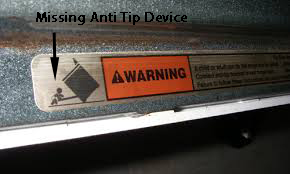
Anti-Tip Not Working 🛑 Safety Concern
💡I check the stove for anti-tip. Some device or method of installation should prevent a child (or anyone) from tipping devices onto themselves. Ovens have an increased issue with tipping over due to the door being used for leverage. This allows toddlers to tip over ovens. I do not check other devices or appliances for this feature. Please add anti tip devices to all appliances and furniture as needed per your families and guests needs.
- Anti tip feature was not working or not installed.
- This is a child safety risk.
- Typically adding an anti tip device is not difficult.
Recommendations:
- Qualified appliance specialist.
I recommend repairing or replacing. This is recommended for child safety.
- I1-8 ◾Interiors:
(GFCI) Ground Fault Circuit Interrupters 🔨Repairs Noted
GFCI (Ground Fault Circuit Interrupter) protection was not working properly or missing near water sources.
GFCI Breakers:
- Missing.
💡For older properties it is common to have GFCI (Ground Fault Circuit Interrupter) issues. For an electrician it is usually not difficult to add or repair GFCI protection. GFCI protection is recommended for safety near water sources and decreases the risk of electrical safety hazards. I recommend devices that make a noise when they have detected a fault. I recommend a qualified electrician to add GFCI, AFCI, and any other life saving features where it makes sense to do so. In most situations GFCI increases safety. Situations where GFCI protection may not be desirable (due to false trips) is due to medical equipment, flood / fire prevention, alarms and sensors, and food refrigeration. For all properties it is a good idea to have an electrician confirm all exterior electrical is made to be outside, that you have receptacles (outlets) and lighting where you want and upgrades to in use weather resistant covers for all exterior electrical.
Recommendations:
- Qualified electrician.
I recommend having ground fault circuit interrupters and similar protection added and replaced where it makes sense to do so for increased safety.
- I1-9 ◾Interiors:
Sinks And Faucets 🔨Repairs Noted
Issues were noted regarding the plumbing.
Drains / Waste:
- Plumbing under sink was not up to normal professional standards. See photos.
Recommendations:
- Qualified plumber.
I recommend repairing or replacing. This is recommended to prevent water damage.
- I1-10 ◾Interiors:
(GFCI) Ground Fault Circuit Interrupters 🔨Repairs Noted
GFCI (Ground Fault Circuit Interrupter) protection was not working properly or missing near water sources.
💡For older properties it is common to have GFCI (Ground Fault Circuit Interrupter) issues. For an electrician it is usually not difficult to add or repair GFCI protection. GFCI protection is recommended for safety near water sources and decreases the risk of electrical safety hazards. I recommend devices that make a noise when they have detected a fault. I recommend a qualified electrician to add GFCI, AFCI, and any other life saving features where it makes sense to do so. In most situations GFCI increases safety. Situations where GFCI protection may not be desirable (due to false trips) is due to medical equipment, flood / fire prevention, alarms and sensors, and food refrigeration. For all properties it is a good idea to have an electrician confirm all exterior electrical is made to be outside, that you have receptacles (outlets) and lighting where you want and upgrades to in use weather resistant covers for all exterior electrical.
Recommendations:
- Qualified electrician.
I recommend having ground fault circuit interrupters and similar protection added and replaced where it makes sense to do so for increased safety.
- S1-1 ◾Structure:
Insulation Ventilation And Air Sealing 🔨Repairs Noted
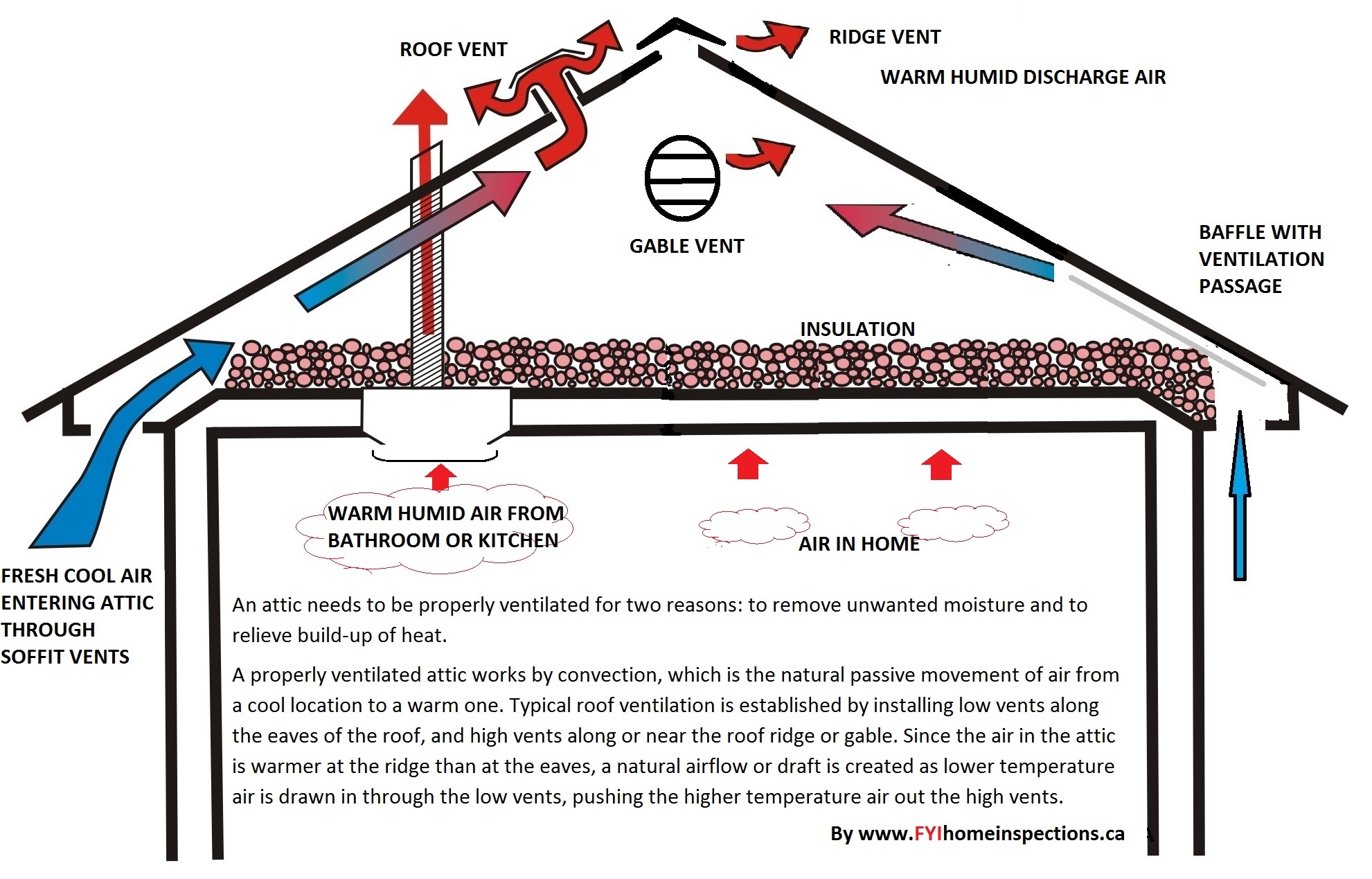
Poor quality air sealing, insulation, and ventilation are common. This impacts energy usage and fuel costs. These issues can also lead to condensation and water damage. 💡Insulation, ventilation, and air sealing should be addressed together. Repairing one without addressing the others may have unintended consequences. I recommend using qualified contractors and making sure that all three get addressed together. Pictures should be considered representative not all inclusive.
Attic:
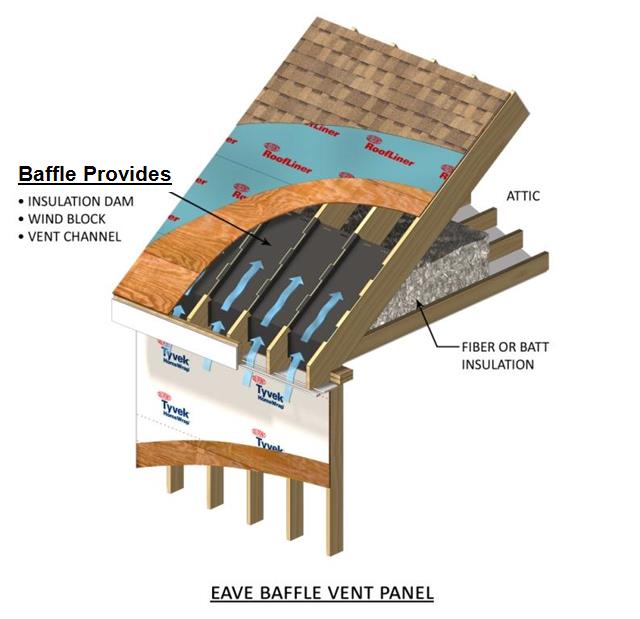
- Soffit baffles not visible. Ventilation may be blocked or not properly installed.
Ventilation:
- Vents blocked by insulation.
Recommendations:
- Qualified insulation, ventilation and air sealing specialist.
I recommend maintenance, improving or upgrading. This is recommended to prevent water damage.
- S1-2 ◾Structure:
Exposed Electrical ❓Suspect Repairs 🛑 Safety Concern 🔍 Due Diligence
- Electrical was exposed. This is a fire and shock risk.
💡Things like missing covers and exposed electrical are common. There are many common electrical safety issues that are easy to repair. Although electrical issues are common and easy to repair they also can cause fire or electrical shocks. Any missing covers or exposed electrical indicates nonqualified people making changes to the electrical system. During the inspection very little of the electrical system is visible for inspection. When electrical defects are found the full extent of the issue should be a consideration. Electrical defects are representative (not all inclusive).
Recommendations:
- Qualified electrician.
- I recommend asking the current owner for a list of all changes, repairs, modifications, or installations started or completed.
- I recommend all electrical be evaluated for similar conditions and be repaired, replaced or improved as deemed necessary by a qualified electrician.
I recommend repairing. This is recommended for safety.
- S1-3 ◾Structure:
Coverings 🔨Repairs Noted
Issues were noted regarding coverings.
Walls:
- Damaged.
Recommendations:
- Qualified carpenter.
I recommend repairing. This is recommended for normal function.
- S1-6 ◾Structure:
Insulation Ventilation And Air Sealing 🔨Repairs Noted
💡Insulation, ventilation, and air sealing should be addressed together. Repairing one without addressing the others may have unintended consequences. Poor quality air sealing, insulation, and ventilation are common. This does impact energy usage and fuel costs. These issues can also lead to condensation and water damage. Pictures should be considered representative not all inclusive. I recommend using qualified contractors for this type of work and making sure that all three get addressed together.
Attic:
- Soffit baffles not visible. Ventilation may be blocked or not properly installed.
Ventilation:
- Vents blocked by insulation.
Recommendations:
- Qualified insulation, ventilation and air sealing specialist.
I recommend maintenance, improving or upgrading. This is recommended to prevent water damage.
- S-3 ◾Systems:
Heating Equipment 🛑 Safety Concern 🔨Repairs Noted
Concerns were noted regarding heating equipment.
Ductwork:
- Strapping missing.
Venting:
- Damaged, causes products of combustion to enter the home. This is a safety risk.
Recommendations:
- Qualified heating specialist.
I recommend maintenance or repairing. This is recommended for normal function and for increased safety.
- S-5 ◾Systems:
Blower Equipment 🔨Repairs Noted
Concerns were noted regarding heating and air conditioning equipment.
Condensate:
- Condensate line was damaged.
Recommendations:
- Qualified heating and cooling specialist.
I recommend maintenance or repairing. This is recommended for normal function and for increased safety.
- S-7 ◾Systems:
Electrical Wiring 🛑 Safety Concern
💡Electrical is always an incomplete view as most of the system is not visible for inspection. When electrical issues are noted, similar / other electrical issues should be expected. Concealed or hidden issues should be expected and are not reported. Issues noted are representative, not all inclusive.
NMSC (Non Metallic Sheathed Cable / Romex):
- Improper strapping.
Recommendations:
- Qualified electrician.
I recommend repairing. This is recommended for safety.
Near End of Service Life
- S-9 ◾Systems:
Water Heating Equipment Expected Life 🌲 Efficiency / IAQ
The average expected life of equipment is an estimate based on the kind of equipment and national averages. In reality equipment life is not predictable (the deviation from the average can be greater than expected). The estimate I use for water heaters is 10 years. This is my best guess for how long this type of equipment lasts.
Recommendations:
- For any older equipment I recommend budgeting for replacement.
- Sometimes it is better to replace equipment before it fails.
- Proactive replacement or upgrade can be beneficial to avoid emergencies and also for increased efficiency and increased safety.
- I recommend replacing older equipment proactively or monitoring and preparing for replacement.
- I recommend a qualified installer to check the condition of the equipment and perform any maintenance or servicing needed.
- I recommend a qualified installer to replace the equipment or provide a written assessment regarding the current condition of the equipment.
Monitor
- I1-2 ◾Interiors:
Coverings 👁🗨 Monitor
Issues were noted regarding a wall.
Old Home Settling:
- While I can not tell for sure if the wood structure was kiln dried the settling appeared to be normal settling for a home of this age.
- Note, this can be difficult to diagnose as there can be normal settling, seasonal movement, and structural issues all at the same property.
Recommendations:
- Qualified carpenter.
I recommend monitoring. This is recommended as part of normal maintenance.
Due Diligence
- I-1 ◾Introduction:
Cooling Equipment - Too Cold To Test
Testing the cooling equipment when it is cold outside can damage the air conditioning equipment.
- The cooling system was not tested due to cold conditions at time of inspection.
Recommendations:
- I recommend asking current owners for documentation including maintenance records for all heating and cooling equipment.
- I recommend testing when conditions permit.
- I recommend a qualified heating and cooling specialist to clean and maintain the equipment.
- ES-4 ◾Exterior Structures:
Parge Coat 🔧 Maintenance 👁🗨 Monitor
- There was a "parge" coating.
Recommendations:
- I recommend monitoring and qualified foundation specialist for regular maintenance.
- I recommend asking the current owner for all maintenance records and receipts.
- S1-4 ◾Structure:
Obstructed View 🔍 Due Diligence
Conditions at time of inspection limited access.
Recommendations:
- I recommend inspecting further when conditions permit.
- I recommend monitoring and normal maintenance.
- I recommend further review by qualified contractors as needed.
- S1-5 ◾Structure:
Parge Coat 🔧 Maintenance 👁🗨 Monitor
- There was a "parge" coating.
Recommendations:
- I recommend monitoring and qualified foundation specialist for regular maintenance.
- I recommend asking the current owner for all maintenance records and receipts.
Maintenance Items
- GAD-2 ◾Grounds And Drainage:
Vegetation 🔧 Maintenance
Trees and vegetation can damage the property. Vegetation near the property prevents access for inspection. Utilities can be damaged by vegetation and trees.
Vegetation:
- There was vegetation near the property.
Recommendations:
- Qualified arborist (tree specialist).
- Qualified drainage specialist.
I recommend trimming vegetation near the property and improving drainage as needed. This is recommended to prevent damage to the property.
- EAUAE-1 ◾Equipment And Utilities At Exterior:
Gas Meter 🔧 Maintenance
Concerns were noted regarding the gas supply.
Service Conditions:
- Rusty components. I recommend a qualified plumber to check the plumbing and paint with paint made for rusty metal to prevent leaks.
Recommendations:
- Qualified plumber.
I recommend maintenance. This is recommended for increased safety.
- EAUAE-3 ◾Equipment And Utilities At Exterior:
Air Conditioning Equipment 🔧 Maintenance
Concerns were noted regarding the air conditioning.
Equipment Condition:
- Cleaning recommended, debris visible at fins.
- Vegetation blocking air flow.
Recommendations:
- Qualified cooling specialist.
I recommend maintenance. This is recommended for normal function.
- S-1 ◾Systems:
Forced Air Distinguishing Characteristics 📝 Note 🔍 Due Diligence 🌲 Efficiency / IAQ 👁🗨 Monitor
- Forced air heating systems use air flow via ducting to distribute heating.
- Forced air heating systems typically accommodate cooling systems as well with a shared distribution system.
Recommendations:
- I recommend asking the current owner for all documentation regarding the installation, maintenance, and repairs.
- I recommend cleaning per manufacturers recommendations.
- I recommend having unit cleaned if maintenance has not been done recently or can not be confirmed.
- S-6 ◾Systems:
AC Split System Distinguishing Characteristics 🔧 Maintenance
- A split system is common for air conditioning.
- A split system can have a dedicated blower or it can share a blower with a heating system.
Recommendations:
- I recommend monitoring and normal maintenance.
- I recommend cleaning per manufacturers recommendations.
- I recommend having unit cleaned if maintenance has not been done recently or can not be confirmed.
📚FULL REPORT
◾Grounds And Drainage
Surface Drainage
Walkways
Driveways
Patios
Retaining Walls
Crawlspace Vents And Wells
Window Wells
Egress / Basement Wells
Fencing
◾Introduction
Inspection Conditions
Contract Sent: Before Inspection
Contract Signed: Before Inspection
Property Type: Single Family (Detached)
Year of Construction (Estimated): Post 1986 (1995)
Temperature (Fahrenheit, Estimated): Below 30°
Weather: Mild Conditions (☀️Clear)
Cooling Equipment - Too Cold To Test
Testing the cooling equipment when it is cold outside can damage the air conditioning equipment.
- The cooling system was not tested due to cold conditions at time of inspection.
Recommendations:
- I recommend asking current owners for documentation including maintenance records for all heating and cooling equipment.
- I recommend testing when conditions permit.
- I recommend a qualified heating and cooling specialist to clean and maintain the equipment.
◾Grounds And Drainage
Surface Drainage
Grading And Surface Drainage: Positive At (Front, Both Sides), Negative (Back)
Vegetation: Concerns Noted
Grading Negative 🔨Repairs Noted
Grade issues near the property can cause water intrusion.
Grading:
- Negative. This often causes water intrusion depending on weather conditions.
Recommendations:
- Qualified drainage specialist.
I recommend repairing the drainage to prevent water pooling, water intrusion and damage to the property.
Vegetation 🔧 Maintenance
Trees and vegetation can damage the property. Vegetation near the property prevents access for inspection. Utilities can be damaged by vegetation and trees.
Vegetation:
- There was vegetation near the property.
Recommendations:
- Qualified arborist (tree specialist).
- Qualified drainage specialist.
I recommend trimming vegetation near the property and improving drainage as needed. This is recommended to prevent damage to the property.
 |  |
Walkways
Walkways: Normal Conditions
Driveways
Driveways: Issues Noted, Inspected (1)
Driveways 🔨Repairs Noted 🛑 Safety Concern
There were concerns noted regarding the driveway.
Conditions:
- Significant cracking noted.
- Significant movement / heaving noted.
- Trip hazards present.
- Tree roots appeared to be damaging the hardscaping.
Recommendations:
- Qualified driveway specialist.
I recommend repairing. This is recommended for normal function and for safety.
 |  |  |
 |  |
Patios
Patios: None
Retaining Walls
Retaining Walls: None Found
Crawlspace Vents And Wells
Crawlspace Vent Covers: None Found
Crawlspace Vent Wells: No Crawlspace Vents Found
Window Wells
Window Wells: No Windows Below Grade
Egress / Basement Wells
Egress / Basement Wells: None Found
Retaining Walls: None Found
Fencing
Fencing: Concerns Noted
Fence 🔍 Due Diligence 🔨Repairs Noted
Fences are generally not included in the inspection. As a courtesy, I do report safety concerns and general conditions when warranted. All fences should be maintained and inspected periodically. Maintenance and replacement is likely to involve neighbors. I make no determination as to ownership of fences or location of property lines. Conditions reported are representative not all inclusive.
Concerns Noted:
- Some damaged areas.
Gate Issues:
- Damaged.
Recommendations:
- Qualified specialist.
- Qualified fence installer.
I recommend maintenance, repairing or replacing. This is recommended for normal function and for increased safety.
 |  |  |
 |  |  |
 |  |  |
◾Equipment And Utilities At Exterior
Electrical
Equipment Outside: See The Systems Chapter
Service (Drop / Lateral, Entrance Conductors, Cables, And Raceways): Plastic Raceway, Normal Conditions Noted
Electrical Service Grounding: Underground Service (Obstructed View), Visible Components (GEC Going to Meter Cabinet - Not Opened)
Exterior Electrical: Outlets Found (1), Normal Conditions Noted
Plumbing
Equipment Outside: See The Systems Chapter
Main Fuel Shutoff Locations: Outside - Side, Concerns Noted
Exterior Plumbing: 2 Faucets (Not Tested Cold Weather)
Gas Meter 🔧 Maintenance
Concerns were noted regarding the gas supply.
Service Conditions:
- Rusty components. I recommend a qualified plumber to check the plumbing and paint with paint made for rusty metal to prevent leaks.
Recommendations:
- Qualified plumber.
I recommend maintenance. This is recommended for increased safety.
 |  |
Cooling
Equipment Outside: See The Systems Chapter
Cooling Equipment: Compressors Found (1), Too Cold To Test, Concerns Noted
Manufacturers: Goodman
Year Of Manufacture (Estimated): Less Than 15 Years Old (2022)
Cooling Capacity (Estimated): Thousands Of BTU's (36 = 3 Ton)
Max Breaker: Per Nameplate (30)
Air Conditioning Equipment 🔧 Maintenance
Concerns were noted regarding the air conditioning.
Equipment Condition:
- Cleaning recommended, debris visible at fins.
- Vegetation blocking air flow.
Recommendations:
- Qualified cooling specialist.
I recommend maintenance. This is recommended for normal function.

Heating
Heating Equipment Outside: See The Systems Chapter
◾Exterior Structures
🛐Roof Coverings
Methods Used To Inspect The Roof: Inspected From (Garage Roof), Walked (Both Roofs)
Roof Covering Description: Asphalt
Roof Covering Condition: Normal Conditions
Roof Drainage Systems: Gutters And Downspouts, Issues Noted
Flashings, Skylights, And Roof Penetrations: Normal Conditions Noted
Chimneys And Flues: Normal Conditions Noted (Exhaust Not In Chimney Chase, Flue - Metal At Top)
Eaves, Soffits, And Fascias: Issues Noted
Gutters And Downspouts 🔨Repairs Noted
Issues with drainage can damage the property.
Downspout Extensions:
- Not well extended.
- Damaged.
Recommendations:
- Qualified roofing, gutter and downspout installer.
- I recommend professional cleaning and maintenance by a qualified gutter cleaning company.
- This cleaning should include downspouts and verification of proper function.
I recommend repairing or improving. This is recommended to prevent water damage.
 |  |
Eaves Soffits And Fascias 🔨Repairs Noted
Concerns were noted at the soffits.
Recommendations:
- Qualified roofing and siding specialist.
I recommend repairing or replacing. This is recommended for normal function.

Wall Coverings
Description Of Exterior Wall Covering: Aluminum / Vinyl Siding
Exterior Wall Covering: Concerns Noted
Exterior Wall Flashing And Trim: Normal Conditions
Foundation Visible At Exterior: Parge Coat
Penetrations: Normal Conditions
Siding Conditions 🔨Repairs Noted
💡Exterior wall coverings are often referred to as siding or cladding.
Damage And Installation Issues:
- Siding was buckled or wavy.
- Not properly overlapped at joints.
Recommendations:
- Qualified siding specialist.
I recommend maintenance or repairing. This is recommended for normal function and to prevent water damage.
 |  |  |
Parge Coat 🔧 Maintenance 👁🗨 Monitor
- There was a "parge" coating.
Recommendations:
- I recommend monitoring and qualified foundation specialist for regular maintenance.
- I recommend asking the current owner for all maintenance records and receipts.
Lapped Siding Description .....
Lapped vinyl or aluminum siding was installed. Lapped siding is a popular, cost effective, low maintenance option. Lapped siding is not as durable as other options. In general lapped siding is low cost to install and low cost to maintain. Lapped siding typically lasts around 20 to 40 years depending on several factors.
Decks And Balconies
Attached Decks And Balconies: Decks (1), Issues Noted (Rusting Hardware, Decks)
Attached Steps And Stairs: Concerns (Stairs)
Railings: Present Where Expected
Rusting Hardware 🔨Repairs Noted
Rusting fasteners or hardware typically rust further when exposed to the elements or high humidity. Eventually the hardware will need to be replaced to function.
Recommendations:
- I recommend confirming the qualifications of contractors who have done work on the property.
- I recommend qualified contractors to replace rusty components with ones designed for wet or humid conditions (exterior grade).
 |  |  |
Stairs 🔨Repairs Noted
Concerns were noted regarding the stairs.
Stair Risers:
- Missing.
Recommendations:
- Qualified carpenter.
I recommend installing risers. This is recommended for normal function and for increased safety.

Decks 🔨Repairs Noted 🔧 Maintenance
Deck failures are more common than most people realize. Issues with deck construction are common.
Wood Components:
- Weathering / deterioration.
- Water damage.
Posts And Fields:
- Damaged.
Recommendations:
I recommend a qualified deck specialist to maintain or repair for normal function and increased safety.
This report is no attempt to document all issues. This report is representative, not all inclusive. Other concerns should be anticipated.
 |  |  |
Porches And Stoops
Attached Porches And Stoops: Inspected (2), Issues Noted (Porches)
Attached Steps And Stairs: None
Porches 🔨Repairs Noted
Landings:
- Damaged.
Recommendations:
- Qualified specialists.
I recommend repairing or replacing. This is recommended to prevent water damage and to prevent further water damage.
 |  |  |
Stairs
Attached Steps And Stairs: None
Railings: No Railings (3 Steps Or Less)
Doors And Windows
Exterior Doors: See Garage Section For Issues Noted
Windows: Normal Conditions Noted
Exterior Door Lighting: Present Near Front Door
Doorbell: Working
Screen And Storm Doors: Front door doesn't latch, Issues Noted
Storm And Screen Doors 🔨Repairs Noted
Storm doors, screen doors, storm windows, screens, shutters and similar accessories are not inspected. I recommend repairing or replacing these items as needed or desired on move in and regularly as part of normal home maintenance.
Screen / Storm Doors:
- Damaged.
Hardware:
- Not working properly.
Recommendations:
- Qualified carpenter.
I recommend repairing or replacing. This is recommended for normal function.
 |  |
Outbuildings
Outbuildings: None Found
◾Garages
Attached Garage
Attached Garages: 1 Inspected
Overhead Doors: 1 Overhead Door, Beams Working, Lock working
Overhead Door Operations: All Auto-Reverse Working
Exterior Doors: Opened Closed And Locked, Issues Noted
Electrical: Outlets Found (1), GFCI Issues, Obstructed View
Garage Doors - To Living Space: Solid, Concerns Noted (No Self Closer)
Heating And Plumbing: None Found
Windows: None Found
Coverings: Normal Conditions Noted For Garage Finish
Accessories: Not Inspected
Door Between Garage And Interiors 🔨Repairs Noted
Automatic Closers / Fire Separation:
- Automatic closer not installed.
- Automatic closers and fire separation is recommended between the garage and living space.
Recommendations:
- Qualified door installer.
I recommend repairing or replacing. This is recommended for normal function and for safety.
(GFCI) Ground Fault Circuit Interrupters 🔨Repairs Noted
GFCI (Ground Fault Circuit Interrupter) protection was not working properly or missing near water sources.
💡For older properties it is common to have GFCI (Ground Fault Circuit Interrupter) issues. For an electrician it is usually not difficult to add or repair GFCI protection. GFCI protection is recommended for safety near water sources and decreases the risk of electrical safety hazards. I recommend devices that make a noise when they have detected a fault. I recommend a qualified electrician to add GFCI, AFCI, and any other life saving features where it makes sense to do so. In most situations GFCI increases safety. Situations where GFCI protection may not be desirable (due to false trips) is due to medical equipment, flood / fire prevention, alarms and sensors, and food refrigeration. For all properties it is a good idea to have an electrician confirm all exterior electrical is made to be outside, that you have receptacles (outlets) and lighting where you want and upgrades to in use weather resistant covers for all exterior electrical.
Recommendations:
- Qualified electrician.
I recommend having ground fault circuit interrupters and similar protection added and replaced where it makes sense to do so for increased safety.
Exterior Doors 🔨Repairs Noted
Issues Noted:
- Paint covering damaged, peeling or past useful life.
- Water damage at bottom.
Jambs And Frames:
- Weather stripping damaged.
- Damaged trim.
Recommendations:
- Qualified door installer.
I recommend repairing. This is recommended for normal function.

Garage (Freestanding)
Detached Garages: None Found
◾Interiors
Rooms
Walls, Ceilings And Floors: Carpet (Normal Conditions Noted), Normal Conditions Noted, Issues With Coverings
Interior Doors: Normal Conditions Noted, Opened Closed And Latched (All Interior Doors)
Windows: Concerns Noted, Opened Closed And Locked (All)
Electrical: No Issues Found, See Electrical Section
Closets: No Lighting (Most Closets), Lighting Noted (Covers Installed)
Accessories: Not Inspected
Windows 🔨Repairs Noted
Issues were noted regarding one or more windows.
General Issues Found:
- Stuck shut in bedroom across from the hallway bathroom.
When work is performed it is normal and common for additional issues to be uncovered. 💡Photos should be considered representative not all inclusive.
Recommendations:
- Qualified window specialist.
I recommend repairing. This is recommended for normal function.
Coverings 👁🗨 Monitor
Issues were noted regarding a wall.
Old Home Settling:
- While I can not tell for sure if the wood structure was kiln dried the settling appeared to be normal settling for a home of this age.
- Note, this can be difficult to diagnose as there can be normal settling, seasonal movement, and structural issues all at the same property.
Recommendations:
- Qualified carpenter.
I recommend monitoring. This is recommended as part of normal maintenance.

Bathrooms
Bathrooms: Inspected (2)
Toilets: Flushed (All Working), Leak
Faucets / Sinks: Working, No Active Leaking (All Tested)
Showers / Bathtubs: Working, No Active Leaking (All Showers And Bathtubs)
Electrical: GFCI Issues
Bathroom Fans - Mechanical Ventilation: Working, Issues Noted
Cabinets And Countertops: Normal Conditions Noted
Walls Ceilings And Floors: Normal Conditions Noted
Doors: Opened Closed And Latched
Windows: No Bathroom Window
Exhaust Fans 🔨Repairs Noted 🔧 Maintenance
Exhaust fan issues were found.
Exhaust Ductwork:
- Ducting does not make it to the outside. This causes high humidity and other issues.
💡Ventilation exhaust and flue exhaust systems can impact each other. Please only use qualified contactors to address any issues related to air quality.
Recommendations:
- Qualified insulation, ventilation and air sealing specialist.
- Qualified electrician.
- Qualified roofer.
I recommend installing and maintenance. This is recommended to prevent water damage, to prevent condensation issues and for better air quality.
 |  |  |
 |
(GFCI) Ground Fault Circuit Interrupters 🔨Repairs Noted
GFCI (Ground Fault Circuit Interrupter) protection was not working properly or missing near water sources in hallway bathroom.
💡For older properties it is common to have GFCI (Ground Fault Circuit Interrupter) issues. For an electrician it is usually not difficult to add or repair GFCI protection. GFCI protection is recommended for safety near water sources and decreases the risk of electrical safety hazards. I recommend devices that make a noise when they have detected a fault. I recommend a qualified electrician to add GFCI, AFCI, and any other life saving features where it makes sense to do so. In most situations GFCI increases safety. Situations where GFCI protection may not be desirable (due to false trips) is due to medical equipment, flood / fire prevention, alarms and sensors, and food refrigeration. For all properties it is a good idea to have an electrician confirm all exterior electrical is made to be outside, that you have receptacles (outlets) and lighting where you want and upgrades to in use weather resistant covers for all exterior electrical.
Recommendations:
- Qualified electrician.
I recommend having ground fault circuit interrupters and similar protection added and replaced where it makes sense to do so for increased safety.

Plumbing Leak / Water Marks 🔨Repairs Noted
- Water marks present near plumbing.
- This indicates past or ongoing leaks.
- Leaking appeared to be at the waste line.
- Leaking appeared to be at the distribution plumbing.
Recommendations:
- Qualified plumber.
- Qualified carpenter to replace any water damaged building materials.
I recommend repairing or replacing. This is recommended to prevent further water damage.
 |  |
Kitchens
Kitchens: 1
Plumbing: Working - No Active Leaking, Sink Issues
Disposal: Working
Dishwasher: Present, 1 Function Tested, No Active Leaking
Cabinets And Countertops: Issues Noted, Door doesn't remain closed
Electrical: GFCI Issues
Cooktop Exhaust Fan: Working (Grease Screens Installed)
Cooktop / Oven: Cooktop And Oven, Anti-Tip (Device Tipped - Child Safety Risk), 1 Function Tested
Refrigerator: Freezer Working, Ice Maker (Ice Present, Dispenser Working), Working (Cool By Touch)
Microwave: Present (Door Working, Light Working, Display Working), Tested
Walls Ceilings And Floors: Normal Conditions Noted
Doors / Windows: Doors (Opened Closed And Latched)
Accessories: Not Inspected
Cabinets And Countertops 🔨Repairs Noted
Recommendations:
- Qualified cabinet and countertop installer.
I recommend repairing. This is recommended for normal function.

Anti-Tip Not Working 🛑 Safety Concern
💡I check the stove for anti-tip. Some device or method of installation should prevent a child (or anyone) from tipping devices onto themselves. Ovens have an increased issue with tipping over due to the door being used for leverage. This allows toddlers to tip over ovens. I do not check other devices or appliances for this feature. Please add anti tip devices to all appliances and furniture as needed per your families and guests needs.
- Anti tip feature was not working or not installed.
- This is a child safety risk.
- Typically adding an anti tip device is not difficult.
Recommendations:
- Qualified appliance specialist.
I recommend repairing or replacing. This is recommended for child safety.
 | |
(GFCI) Ground Fault Circuit Interrupters 🔨Repairs Noted
GFCI (Ground Fault Circuit Interrupter) protection was not working properly or missing near water sources.
GFCI Breakers:
- Missing.
💡For older properties it is common to have GFCI (Ground Fault Circuit Interrupter) issues. For an electrician it is usually not difficult to add or repair GFCI protection. GFCI protection is recommended for safety near water sources and decreases the risk of electrical safety hazards. I recommend devices that make a noise when they have detected a fault. I recommend a qualified electrician to add GFCI, AFCI, and any other life saving features where it makes sense to do so. In most situations GFCI increases safety. Situations where GFCI protection may not be desirable (due to false trips) is due to medical equipment, flood / fire prevention, alarms and sensors, and food refrigeration. For all properties it is a good idea to have an electrician confirm all exterior electrical is made to be outside, that you have receptacles (outlets) and lighting where you want and upgrades to in use weather resistant covers for all exterior electrical.
Recommendations:
- Qualified electrician.
I recommend having ground fault circuit interrupters and similar protection added and replaced where it makes sense to do so for increased safety.
 |  |  |
Sinks And Faucets 🔨Repairs Noted
Issues were noted regarding the plumbing.
Drains / Waste:
- Plumbing under sink was not up to normal professional standards. See photos.
Recommendations:
- Qualified plumber.
I recommend repairing or replacing. This is recommended to prevent water damage.

Stairs And Railings
Stairs And Railings: Railings Present (Where Expected, Graspable, Appeared Adequate, At Stairs)
Electrical: No Issues Found
Accessories: Not Inspected
Laundry Areas
Laundry Areas: 1
Plumbing: Sink Tested, No Active Leaking
Washer Connections: Not Tested
Dryer Connections: Metal / Rigid Vent, Gas (Not Tested)
Electrical: GFCI Issues
Exhaust Fan: None Noted
Cabinets / Countertops: None Found
Laundry Chute: None Found
Walls / Floors / Ceilings: Normal Conditions Noted
Doors: Doors Opened Closed And Latched
(GFCI) Ground Fault Circuit Interrupters 🔨Repairs Noted
GFCI (Ground Fault Circuit Interrupter) protection was not working properly or missing near water sources.
💡For older properties it is common to have GFCI (Ground Fault Circuit Interrupter) issues. For an electrician it is usually not difficult to add or repair GFCI protection. GFCI protection is recommended for safety near water sources and decreases the risk of electrical safety hazards. I recommend devices that make a noise when they have detected a fault. I recommend a qualified electrician to add GFCI, AFCI, and any other life saving features where it makes sense to do so. In most situations GFCI increases safety. Situations where GFCI protection may not be desirable (due to false trips) is due to medical equipment, flood / fire prevention, alarms and sensors, and food refrigeration. For all properties it is a good idea to have an electrician confirm all exterior electrical is made to be outside, that you have receptacles (outlets) and lighting where you want and upgrades to in use weather resistant covers for all exterior electrical.
Recommendations:
- Qualified electrician.
I recommend having ground fault circuit interrupters and similar protection added and replaced where it makes sense to do so for increased safety.
◾Structure
🦇Attic Spaces
Attic Access: 1 Attic Space Accessed, Accessed From (Closet, Garage)
Methods Used To Inspect Attic: From Entrance
Roof Structure Visible: Normal Conditions Noted, Engineered
Ceiling Structure: Engineered
Mechanical Ventilation / Fans: Attic Fans (Not Found)
Electrical: Obstructed View, Exposed Electrical
Plumbing: Obstructed View, Plumbing Vent Visible (Metal)
Insulation: Batt, Blown
Ventilation: Soffit Vents - Obstructed View, Issues Noted
Wall Structure: Engineered
Coverings: Unfinished, Issues With Coverings
Probed Structural Components: Not Probed (No Deterioration Visible)
Insulation Ventilation And Air Sealing 🔨Repairs Noted
Poor quality air sealing, insulation, and ventilation are common. This impacts energy usage and fuel costs. These issues can also lead to condensation and water damage. 💡Insulation, ventilation, and air sealing should be addressed together. Repairing one without addressing the others may have unintended consequences. I recommend using qualified contractors and making sure that all three get addressed together. Pictures should be considered representative not all inclusive.
Attic:
- Soffit baffles not visible. Ventilation may be blocked or not properly installed.
Ventilation:
- Vents blocked by insulation.
Recommendations:
- Qualified insulation, ventilation and air sealing specialist.
I recommend maintenance, improving or upgrading. This is recommended to prevent water damage.
| |
Exposed Electrical ❓Suspect Repairs 🛑 Safety Concern 🔍 Due Diligence
- Electrical was exposed. This is a fire and shock risk.
💡Things like missing covers and exposed electrical are common. There are many common electrical safety issues that are easy to repair. Although electrical issues are common and easy to repair they also can cause fire or electrical shocks. Any missing covers or exposed electrical indicates nonqualified people making changes to the electrical system. During the inspection very little of the electrical system is visible for inspection. When electrical defects are found the full extent of the issue should be a consideration. Electrical defects are representative (not all inclusive).
Recommendations:
- Qualified electrician.
- I recommend asking the current owner for a list of all changes, repairs, modifications, or installations started or completed.
- I recommend all electrical be evaluated for similar conditions and be repaired, replaced or improved as deemed necessary by a qualified electrician.
I recommend repairing. This is recommended for safety.

Coverings 🔨Repairs Noted
Issues were noted regarding coverings.
Walls:
- Damaged.
Recommendations:
- Qualified carpenter.
I recommend repairing. This is recommended for normal function.

🗼Below Grade Spaces
Foundation Description: Basement, Materials (Concrete), Parge Coat
Methods Used To Inspect Under Floor Space: Walked Basement
Structural Components, Foundations, And Framing: Inspected, Normal conditions noted
Floor Structure: Materials (Concrete)
Wall Structure: Dimensional Lumber (2x4)
Ceiling Structure: Engineered (Joist), Beams (Wood), Obstructed View (Finished Materials)
Windows In Below Grade Spaces: Type (Wood), Opened Closed And Locked (Representative Number)
Probed Structural Components: No Issues Noted (Not Probed - No Deterioration Visible)
Obstructed View 🔍 Due Diligence
Conditions at time of inspection limited access.
Recommendations:
- I recommend inspecting further when conditions permit.
- I recommend monitoring and normal maintenance.
- I recommend further review by qualified contractors as needed.
Parge Coat 🔧 Maintenance 👁🗨 Monitor
- There was a "parge" coating.
Recommendations:
- I recommend monitoring and qualified foundation specialist for regular maintenance.
- I recommend asking the current owner for all maintenance records and receipts.
❄️Insulation And Ventilation
Insulation And Vapor Retarders: Not Visible In Finished Areas, Noted In Unfinished Areas (Attic, Basement)
Ventilation: Not Visible, Issues Noted, Attic Spaces (Ventilation Noted In Accessed Areas)
Insulation Description: Batt, Blown In / Loose Fill
Vapor Retarders - Description: Not Visible In Finished Spaces, Plastic, Paper
Mechanical Ventilation: See Other Sections (Kitchens, Bathrooms)
Insulation Ventilation And Air Sealing 🔨Repairs Noted
💡Insulation, ventilation, and air sealing should be addressed together. Repairing one without addressing the others may have unintended consequences. Poor quality air sealing, insulation, and ventilation are common. This does impact energy usage and fuel costs. These issues can also lead to condensation and water damage. Pictures should be considered representative not all inclusive. I recommend using qualified contractors for this type of work and making sure that all three get addressed together.
Attic:
- Soffit baffles not visible. Ventilation may be blocked or not properly installed.
Ventilation:
- Vents blocked by insulation.
Recommendations:
- Qualified insulation, ventilation and air sealing specialist.
I recommend maintenance, improving or upgrading. This is recommended to prevent water damage.
 |  |
Additions
Additions: There did not appear to be any additions.
◾Systems
Fireplaces
Fireplaces: None
Descriptions Of Fireplaces: None
Accessed Components: No Fireplace Found
Vent Systems, Flues, And Chimneys: No Fireplace
🔥Heating
Heating Methods And Distinguishing Characteristics: Forced Air
Installed Heating Equipment: Working, Concerns Noted (Heating Systems)
Visible Heating Components Inspected: DuctsPipingRegisters
Heating Components Not Applicable Or Not Accessed: Heat Exchangers
Energy Sources: Gas
Visible Vent Systems, Flues And Chimneys: Metal, Make Up Air Sources (Large Room)
Manufacturers: Goodman
Year Of Manufacture (Estimated): Less Than 20 Years Old (2023)
Filters: Disposable
Capacity (Estimated): Thousands Of BTU's (70-80)
Humidifiers: Not Inspected
Dehumidifiers: Not Inspected
Heating Equipment 🛑 Safety Concern 🔨Repairs Noted
Concerns were noted regarding heating equipment.
Ductwork:
- Strapping missing.
Venting:
- Damaged, causes products of combustion to enter the home. This is a safety risk.
Recommendations:
- Qualified heating specialist.
I recommend maintenance or repairing. This is recommended for normal function and for increased safety.
 |  |
Forced Air Distinguishing Characteristics 📝 Note 🔍 Due Diligence 🌲 Efficiency / IAQ 👁🗨 Monitor
- Forced air heating systems use air flow via ducting to distribute heating.
- Forced air heating systems typically accommodate cooling systems as well with a shared distribution system.
Recommendations:
- I recommend asking the current owner for all documentation regarding the installation, maintenance, and repairs.
- I recommend cleaning per manufacturers recommendations.
- I recommend having unit cleaned if maintenance has not been done recently or can not be confirmed.
❄️Cooling
Cooling Equipment Distinguishing Characteristics : Split System
Installed Cooling Equipment: Too Cold To Test, Central Systems (Blowers) (1), Concerns Noted (Blower Systems)
Through-Wall Cooling: None Found
Energy Sources: Electric 240 Volt
Humidifiers: Not Inspected
Manufacturers: Goodman
Cooling Equipment Estimated Year Of Manufacture: Less Than 15 Years Old (2022)
Blower Equipment 🔨Repairs Noted
Concerns were noted regarding heating and air conditioning equipment.
Condensate:
- Condensate line was damaged.
Recommendations:
- Qualified heating and cooling specialist.
I recommend maintenance or repairing. This is recommended for normal function and for increased safety.

AC Split System Distinguishing Characteristics 🔧 Maintenance
- A split system is common for air conditioning.
- A split system can have a dedicated blower or it can share a blower with a heating system.
Recommendations:
- I recommend monitoring and normal maintenance.
- I recommend cleaning per manufacturers recommendations.
- I recommend having unit cleaned if maintenance has not been done recently or can not be confirmed.
⚡Electrical
Service (Drop / Lateral, Entrance Conductors, Cables, And Raceways): Not Visible Not Inspected (Underground Service)
Main Disconnect Locations: At Main Panel
Main Disconnects And Interior Of Service Equipment: One Main Panel Inspected
Service Grounding: Visible Components (Inside Panels, Connection To Metal Plumbing, GEC Going Into Meter Cabinet - Not Opened)
Overcurrent Protection Devices: Breakers
Conductors Visible: Copper
Wiring Methods Noted: NMSC - Called Romex, Concerns Noted
Service Amperage Rating (Not Measured): 100 Amps
Service Voltage Rating (Not Measured): 120 / 240 Split Single Phase
Subpanel Locations: None Found
Subpanel Interior Components: None Found
Smoke Detectors: Present Not Tested
Carbon Monoxide Detectors: Present Not Tested
Ground Fault Circuit Interrupters: Issues Noted In Other Sections
Installed Lighting Fixtures: Normal Conditions Noted
Switches: Normal Conditions Noted
Receptacles (Outlets): Normal Conditions Noted (Representative Number Inspected), Limited Access (Personal Items)
Low Voltage, Accessories, And Audio Video: Not Inspected
Electrical Wiring 🛑 Safety Concern
💡Electrical is always an incomplete view as most of the system is not visible for inspection. When electrical issues are noted, similar / other electrical issues should be expected. Concealed or hidden issues should be expected and are not reported. Issues noted are representative, not all inclusive.
NMSC (Non Metallic Sheathed Cable / Romex):
- Improper strapping.
Recommendations:
- Qualified electrician.
I recommend repairing. This is recommended for safety.
 |  |
🚰Plumbing
Water Main Shutoff Location: Inside - Lowest Level
Water Main Interior Supply: Working, Visible
Water Main Interior Supply Piping Materials: Copper
Check Valve At Plumbing Supply: None Found
Plumbing Distribution: Copper
Interior Fixtures And Faucets: All Tested, Issues Noted In Other Sections
Drain, Waste, And Vent Piping Materials: PVC
Drain, Waste, And Vent: Normal Conditions Noted
Drainage Sumps, Sump Pumps, And Related Piping: Pits Noted (1)
Floor Drains: Floor Drain Present
Exterior Plumbing: See exterior plumbing section.
Fuel Main Shutoff Locations: See exterior plumbing section.
Fuel Storage And Fuel Distribution Systems: Black Pipe
🚿Water Heating
Water Heating Equipment Description: 1 Tank
Water Heating Energy Sources: Gas
Water Heating Equipment: Working, Normal Conditions Noted
Vent Systems, Flues, And Chimneys: Metal, Make Up Air Sources (Large Room)
Manufacturers: State Industries
Year Of Manufacture (Estimated): 2011, Appeared To Be Past Expected Life
Water Heater Cold Shut-Off: Shutoff Present On Cold Line
Water Heating Equipment Expected Life 🌲 Efficiency / IAQ
The average expected life of equipment is an estimate based on the kind of equipment and national averages. In reality equipment life is not predictable (the deviation from the average can be greater than expected). The estimate I use for water heaters is 10 years. This is my best guess for how long this type of equipment lasts.
Recommendations:
- For any older equipment I recommend budgeting for replacement.
- Sometimes it is better to replace equipment before it fails.
- Proactive replacement or upgrade can be beneficial to avoid emergencies and also for increased efficiency and increased safety.
- I recommend replacing older equipment proactively or monitoring and preparing for replacement.
- I recommend a qualified installer to check the condition of the equipment and perform any maintenance or servicing needed.
- I recommend a qualified installer to replace the equipment or provide a written assessment regarding the current condition of the equipment.
 |  |
Tank Water Heater Description 🔧 Maintenance 👁🗨 Monitor
- For all appliances I recommend reading the manual and performing regular maintenance.
- For all water heating equipment you should be carful regarding the water temperature.
- When a water heater is set too high it can become a scald risk.
- To prevent scald risks we usually tell people to set the maximum temperature at showers to about 120 degrees Fahrenheit.
- When the temperature is too low this can impact performance and even water quality.
- Please check and adjust temperature settings for your families safety.
- Tank systems can last longer with regular maintenance such as emptying any debris from the tank regularly (see manual).
◾Additional Information
Inspection Wrap Up
Client Present: Yes
Thank You!
Thank you for coming to the inspection. It was a pleasure talking to you about the property. Please contact me if you have questions at any time.
Limitations
The Following Limitations Apply Throughout This Report
General Limitations:
- All locations and photos are provided as a courtesy.
- Locations and photos are representative not all inclusive.
- Inside of chimneys and exhausts are not inspected.
- Cosmetic issues are excluded or only provided as a courtesy.
Signed Contracts
SurePoint Inspection LLC
(847) 641-7675
brett@surepointinspection.com
Illinois State Inspector License No. 450013126