The Scope and Purpose of a Home Inspection
I appreciate the opportunity to conduct this home inspection for you. A Scope Inspection is a photo-rich, thorough, hybrid narrative and checkbox report providing you with some objective information to help you make your own evaluation of the overall condition of the home and is not intended to reflect the value of the property or to make any representation as to the advisability of purchase. The intent of the inspection is to determine the condition of the major systems and components in relation to function and safety at the time of the inspection. All components designated for inspection in the WI Standards of Practice are inspected. It is the goal of the inspection to put the buyer in a better position to make a buying decision. Not all improvements that are important to the buyer will be identified during the inspection. An inspection is a limited visual inspection and it cannot eliminate this risk. While we can reduce the risk of purchasing a home, we cannot eliminate it nor assume it. Some homes present more risks than others and we cannot control this; however, we try to help educate you about what we know during the inspection process. This is more difficult to convey solely in a report and one of many reasons why we recommend that you attend the inspection.
Even the most comprehensive visual inspection cannot be expected to comment on every condition or cosmetic defect the average person may consider significant to ownership. Inspectors have a specific list of items to inspect as outlined by our State of Wisconsin job description. Additionally, further evaluation by a qualified contractor may find additional repairs beyond the visual repairs noted - please refer to the Inspection Agreement and the WI Standards of a Practice for a full explanation of the scope of inspection and limitations. The inspection report will comment on several additional areas for improvement to prevent a future repair and increased expense - completing routine maintenance may prevent these common issues.
Understanding “Either/Or” Thinking, Value, and the Inspector’s Role
A dichotomy means dividing something into only two opposite choices — such as “good or bad,” or “perfect or a disaster.” Many buyers approach a home inspection with this kind of either–or thinking, often without realizing it. Clients frequently assume a house must be one of two things: a dream home with no meaningful issues, or a money pit that should be avoided. In reality, most homes fall somewhere in between. A house can have a 30-year-old furnace that is near the end of its service life (a concern) while still being a solid, well-built home with many desirable features (a positive). That does not make the home “bad,” nor does it make it “perfect.” Homes are complex systems with strengths, weaknesses, and ongoing maintenance needs.
It is also important to understand that the inspector does not know the buyer’s expectations or purchase strategy. A property may be intentionally purchased below market value with full awareness that it is a renovation project, or its condition may come as an unexpected surprise that requires more time, effort, and financial investment than anticipated. These distinctions matter greatly to buyers but are unknown to the inspector at the time of inspection. Because of this, home inspections are not pass/fail evaluations, and inspectors cannot determine whether a home is a “good” or “bad” purchase. Inspectors also do not participate in the buying decision or provide repair pricing to make findings feel more acceptable. The inspector’s role is limited to observing and reporting visible conditions at the time of inspection and recommending further evaluation or repair by qualified professionals when appropriate. How those findings align with a buyer’s goals, budget, and tolerance for future repairs is a personal decision that falls outside the scope of a home inspection. The purpose of an inspection is understanding, not a verdict.
A home inspection is not an insurance policy
This report does not substitute for or serve as a warranty or guarantee of any kind and is not intended to provide information as to the insurability of the home. Home and water related policies and warranties can be purchased separately from insuring firms that provide this service.
A home inspection is visual and not destructive
The descriptions and observations in this report are based on a visual inspection of the structure. We inspect the aspects of the structure that can be viewed without dismantling, damaging or disfiguring the structure and without moving furniture, interior furnishings, personal materials and heirlooms. Areas that are concealed, hidden or inaccessible to view are not covered by this inspection. Some systems cannot be tested during this inspection as testing risks damaging the building. For example, overflow drains on bathtubs are generally not tested because if they were found to be leaking they could damage the finishes below. Our procedures involve non-invasive investigation and non-destructive testing which will limit the scope of the inspection.
This is not an inspection for code compliance
This inspection and report are not intended for city/local code compliance and will not provide a pass/fail grade. During the construction process structures are inspected for code compliance by municipal inspectors. Framing is open at this time and conditions can be fully viewed. Framing is not open during inspections of finished homes, and this limits the inspection. All houses fall out of code compliance shortly after they are built, as the codes continually change. National codes are augmented at least every three years for all of the varying disciplines. Municipalities can choose to adopt and phase in sections of the codes on their own timetables. There are generally no requirements to bring older homes into compliance unless substantial renovation is being done.
This is just our opinion
Construction techniques and standards vary. There is no one way to build a house or install a system in a house. The observations in this report are the opinions of the home inspector. Other inspectors and contractors are likely to have some differing opinions. You are welcome to seek opinions from other professionals.
The scope of this inspection
As a generalist, the home inspector provides a broad overview of the property's condition through a visual, non-invasive inspection. The purpose of this inspection is to identify observable defects present at the time of the inspection. It does not include destructive testing or the use of specialized tools or equipment that may be available to licensed experts in specific trades. Some issues may be hidden behind finished surfaces or may only become apparent through further evaluation by qualified specialists. Additional defects or necessary repairs may be uncovered during such evaluations. Clients are strongly encouraged to consult appropriate licensed contractors or specialists for further investigation and accurate diagnosis of any issues noted in this report.
Your expectations
The overall goal of a home inspection is to help ensure that your expectations are appropriate with the house you are proposing to buy. To this end we assist with discovery by showing and documenting observations during the home inspection. This should not be mistaken for a technically exhaustive inspection designed to uncover every defect with a building. Such inspections are available but they are generally cost-prohibitive to most homebuyers.
As with all new homes, recommend asking seller for: samples or records of paint colors used on premises, any available warranties or documentation, copies of all construction records/permits, all available owner's manuals for appliances and obtain combinations/keys to all locks.
Your participation is requested
Your presence is requested during this inspection. A written report will not substitute for all the possible information that can be conveyed verbally by a shared visual observation of the conditions of the property.
How to Read This Report
Getting the Information to You
This report is designed to deliver important and technical information in a way that is easy for anyone to access and understand. If you are in a hurry, you can take a quick look at our "Summary Page” and quickly get critical information for important decision making. However, we strongly recommend that you take the time to read the full Report, which includes digital photographs, captions, diagrams, descriptions, videos and hot links to additional information.
The best way to get the layers of information that are presented in this report is to read your report online (the HTML version), which will allow you to expand your learning about your house. You will notice some words or series of words highlighted in blue and underlined – clicking on these will provide you with a link to additional information. The HTML version of this report also contains streaming videos. Short video clips often contain important information and critical context and sounds that can be difficult to capture in words and still pictures.
For the most reliable viewing experience, I recommend viewing the report on as large a screen as practical, as much detail can be lost on small devices like smart phones. For similar reasons, reports should only be printed in color to retain as much detail as possible and minimize misinterpretation of photographs.
This report can also be viewed and printed via a PDF document with the link at the beginning of this report.
Chapters and Sections
This report is divided into chapters that parcel the home into logical inspection components. Each chapter is broken into sections that relate to a specific system or component of the home. You can navigate between chapters with the click of a button on the left side margin.
Most sections will contain some descriptive information done in black font. Observation narrative, done in colored boxes, will be included if a system or component is found to be significantly deficient in some way or if we wish to provide helpful additional information about the system or the scope of our inspection. If a system or component of the home was deemed to be in satisfactory condition, there may be no narrative observation comments in that section.
Observation Labels
All narrative observations are colored, numbered and labeled to help you find, refer to, and understand the severity of the observation. Observation colors and labels used in this report are:
- Defect/Repair:Repair items noted during inspection that require more urgent attention than maintenance or improvement items. Items in this category may have an increased expense to remedy or may lead to a larger future repair.
- Items Needing Further Evaluation:
These items may or may not need additional repairs but seeking additional information from a qualified professional in a specific field is recommended to determine the best repairs required. - Recommended Maintenance:These are repair items that should be considered "routine home ownership items," such as servicing the furnace, cleaning the gutters or exterior painting maintenance.
- Budgeting Items:Systems or Components that are nearing or have reached the end of their statistical service life.
- Improvements:Observations of a system or component that could be improved for reliability reasons, safety, or efficiency.
- Monitor:Items that should be watched to see if correction may be needed in the future.
- Additional Notes:Refers to aside information and/or any comments elaborating on descriptions of systems in the home or limitations to the home inspection.
Summary Page
THE SUMMARY PAGE IS PROVIDED FOR CONVENIENCE AND IS NOT A SUBSTITUTE FOR READING THE ENTIRE REPORT AND SHOULD NOT BE RELIED UPON AS THE COMPLETE LIST FOR THE CLIENT'S REFERENCE. THERE MAY BE A CONDITION WITH A RECOMMENDATION BUT NO OBSERVATION OR PICTURE AND IT'S NOT LISTED ON THE SUMMARY PAGE THAT DOESN'T MEAN THE ITEM SHOULD BE OVERLOOKED AND NOT REPAIRED IF NEEDED. The entire report must be read to get a complete understanding of this inspection report as the Summary Page is an overview and does not include photographs or photo captions. The complete list of issues, concerns, deficiencies and important details pertaining to this property is found throughout the body of this inspection report. As a home inspector, I am a generalist who covers a wide variety of areas. While the report comments on routine maintenance items as a courtesy, the purpose of a generalist inspection is to identify any defects that would warrant evaluation or remedy by a specialist. 2021 update: A recent Wisconsin statute requires the inspector to use the term "defect" in describing certain conditions. The WI statute includes a specific definition of the term "defect," however, the purchase contract (accepted offer) uses the term "defect" that is materially different from the inspection statute. The inspector expresses no opinion as to whether any condition referred to in this inspection report constitutes a defect as defined in any Purchase Contract.
For the purposes of the report, “defect,” as defined in section 440.97 (2m), Wis. Stats., means a condition of any component of an improvement that a home inspector determines, on the basis of the home inspector's judgment on the day of an inspection, would significantly impair the health or safety of occupants of a property or that, if not repaired, removed, or replaced, would significantly shorten or adversely affect the expected normal life of the component of the improvement. The contract of sale may define “defect” to also include a condition that would have a significant adverse effect on the value of the property, but such a condition may not be labeled a defect in the report unless it meets the definition in section 440.97 (2m), Wis. Stats. Note: A home inspector may not report on the market value or marketability of a property or whether a property should or should not be purchased.
Summary
Defect Repairs
- E-12 Exterior:
Living Room bay window had evidence of moderate water damage. This condition will worsen over time if left unattended. Local repairs should be undertaken, followed by painting and ongoing maintenance.
- E-18 Exterior:
Exterior outlet was operable but was not GFCI protected, recommend a qualified person or contractor install GFCI outlets in all potentially wet or damp locations.
- DG-7 Detached Garage:
The automatic garage door opener did not operate when tested. The inspector attempted normal operation using the interior wall-mounted control button; however, the unit did not respond.
Recommend further evaluation and repair or replacement by a qualified garage door contractor, as needed, to restore proper function.
- DG-10 Detached Garage:
Garage outlet had reverse polarity, recommend a qualified contractor repair and install GFCI protected outlets in all potentially wet/damp locations. Additionally, an exterior outlet was not operable but may be on a switch, recommend ensuring all outlets are operable.
- A-2 Attic:
Attic Conditions – Multiple Interrelated Issues Observed:
Multiple conditions were observed in the attic that may involve overlapping repairs by different trades. Coordination of repairs is likely necessary to address the issues effectively and prevent recurrence.
Mold-like growth was observed on multiple areas of the roof decking. This condition is commonly associated with Improperly vented bathroom exhaust fan, inadequate attic ventilation and/or insufficient insulation depth, which can contribute to elevated moisture levels.
A cracked rafter was observed on the South roof plane, with visible signs of separation. Additionally, the roof framing lacked recommended collar ties that provide supplemental structural support. The presence of two layers of roofing materials, combined with seasonal snow loading, may increase structural demands on the framing and contribute to the need for additional stabilization.
On the North roof plane, several areas of roof decking showed evidence consistent with active or prior leakage. The roof covering consists of two layers of shingles, which can complicate localized repairs and limit the ability to properly address flashing and underlayment conditions. In some cases, a full re-roof may be necessary to correct concealed flashing issues, evaluate the condition of the roof decking, and implement ventilation improvements.
Recommendations
- Recommend evaluation by a qualified remediation contractor to assess the mold-like growth, determine appropriate treatment options, and provide guidance on moisture control measures to reduce the likelihood of recurrence.
- In conjunction with remediation, recommend evaluation by a qualified roofing contractor to assess roof leaks, flashing conditions, bathroom exhaust fan venting, ventilation performance, and the feasibility of repairs versus re-roofing given the two-layer roof system.
- Recommend evaluation by a qualified structural contractor or engineer to assess the cracked rafter, the absence of collar ties, and the overall roof framing to determine whether reinforcement or additional support is needed.
Repairs should be coordinated to ensure structural, moisture, and roofing concerns are addressed holistically rather than as isolated issues.
- K-3 Kitchen:
The kitchen sink faucet handle and drainage pipe were leaking when operated with a vase placed below leak and water ponding in sink base cabinet, recommend a qualified person repair, replace or upgrade.
- K-5 Kitchen:
Garbage disposal was not functional, recommend a qualified contractor repair or replace.
- K-7 Kitchen:
Dishwasher was not functional using control panel, recommend a qualified specialist evaluate and repair or replace as needed.
- K-8 Kitchen:
GFCI protection has improved and is now recommended for all outlets above countertop surfaces, recommend a qualified contractor install GFCI outlets in all potentially wet or damp locations.
- B3-3 Bedroom (3):
Bedroom outlet had reverse polarity (i.e. it is wired backwards), potentially presenting a shock hazard with certain items that are plugged into this outlet, recommend outlet and the circuit be evaluated by a licensed electrician and repair as necessary.
- FB-3 Full Bathroom:
Bathroom outlet was not GFCI protected, recommend a qualified person or contractor install GFCI protected outlets in all potentially wet or damp areas.
- BRR-3 Basement Rec Room:
Basement outlet had reverse polarity (i.e. it is wired backwards), potentially presenting a shock hazard with certain items that are plugged into this outlet, recommend outlet and the circuit be evaluated by a licensed electrician and repair as necessary.
- B-4 Basement:
Horizontal cracks were observed in all exposed foundation walls at the frost lines. Some cracks were previously sealed with new cracks indicating recent movement and some bowing was observed, however, at the time of inspection, it could not be determined whether these cracks are the result of ongoing structural movement or a past issue that has since stabilized. The precise extent of movement and the necessary repairs can only be determined through further evaluation. Additionally, roots were observed within the sump pump basin possibly indicating the buried drain tile system is partially or fully blocked. It is recommended that all foundation walls and drain tile be assessed by a qualified foundation contractor to determine the appropriate scope of repairs and related costs.
- B-7 Basement:
Sump pump was not functional, recommend a qualified person or contractor replace with urgency to help prevent possible water damage.
- P-7 Plumbing:
Water entry pipe to home from well enters South foundation wall. When viewed through wall paneling penetration, an active leak was observed within the wall cavity, recommend a qualified plumber repair as needed. Significant water damage was observed at base of this wood paneling wall.
- P-13 Plumbing:
An active leak was found at the water heater, recommend a qualified plumber replace to prevent water damage.
- ES-1 Electrical System(s):
Older style fuses were in use that have become obsolete in the electrical industry. While this style is still available, they do not have modern safety features and some home insurance agencies have safety concerns about this style. Additionally, several double taps were evident creating a safety concern, recommend a licensed electrician evaluate to determine the best upgrading options.
Items Needing Further Evaluations
- P-9 Plumbing:
Sump Pump Discharge – Unclear Termination
The sump pump discharge pipe was observed connected to an unidentified underground cast iron pipe penetrating the west foundation wall and extending toward the rear yard. The termination point of this pipe could not be determined at the time of inspection.
A towel was present at the pipe entry point, which may indicate an attempt to limit air or odor movement. No visible trap or venting arrangement was observed at this location.
Because the discharge location and configuration of this piping are unknown, its compliance with current installation standards could not be confirmed. Recommend further evaluation by a qualified plumbing contractor to determine the discharge path and to make any necessary repairs or modifications to align with modern installation guidelines and best practices.
Recommended Maintenance Items
- G-9 Grounds:
Deck appeared to be showing signs of natural weathering and possible hidden water damage, a professional cleaning and sealing against weather is recommended to help prolong the life of the materials.
- G-17 Grounds:
To protect your home during cold weather, it’s important to winterize your outdoor hose bibs (spigots). The best type to install is a frost-proof hose bib, which helps prevent freezing—but keep in mind, frost-proof doesn’t mean freeze-proof. In extreme temperatures, even these can fail and cause pipes to burst if hoses are left attached or if water remains in the line. Proper seasonal winterization is key to avoiding costly damage. How to Winterize Your Hose Bib
- E-5 Exterior:
Hairline cracks were noted in the chimney crown, recommend sealing maintenance to help prevent seasonal freeze/thaw deterioration.
- E-20 Exterior:
Dust and debris buildup was evident on exterior air conditioning unit. To keep your air conditioner running efficiently and reliably, it’s important to clean it at least once a year. Use a garden hose with a gentle sprayer to rinse off dirt, leaves, and debris from the fins—this helps improve airflow, reduces strain on the system, and can extend its lifespan, recommend a qualified person or HVAC specialist complete routine cleaning maintenance for optimal performance. How to clean an air conditioner
- R-5 Roof:
Roof valleys are prone to retaining debris, leaves and branches - this can be problematic. Recommend routinely cleaning these areas to prevent premature shingle wear, potential damage to the roof decking and subsequent interior leaking/damage. When viewed from Bedroom (3), previous water damage was evident on ceiling and is related to overdue or neglected maintenance.
- DG-9 Detached Garage:
Preventative maintenance: Overhead garage door springs have a life expectancy of approx. 5000 cycles or 3-5 years. We recommend using a garage door lubricant to spray on springs and rollers annually to help prolong their useful life.
- LR-3 Laundry Room:
Dryer vent will require routine cleaning maintenance to reduce dryer times, increase equipment service life and reduce the risk of a dryer fire. Here is a link to help with cleaning maintenance.
- HSF-1 Heating System - Furnace:
Annual professional maintenance of HVAC equipment—particularly furnaces—is a vital practice that helps extend system life, improve energy efficiency, and reduce the likelihood of unexpected breakdowns or costly repairs. While a furnace may have a service life of 15–25 years, several internal components such as igniters, flame sensors, blower motors, capacitors, and control boards typically have shorter life spans and can fail without warning if not routinely inspected and serviced.
Routine maintenance allows a qualified technician to clean essential parts, verify safe operation, check for carbon monoxide leaks, calibrate controls, and ensure proper airflow and combustion. Dirty filters, clogged condensate drains, worn belts, and dust buildup on the heat exchanger or blower wheel can all reduce performance, strain the system, and increase the risk of failure. Preventative servicing can also catch minor issues before they escalate into major problems, especially during peak heating or cooling seasons when repair delays are more likely.
- HSF-4 Heating System - Furnace:
The furnace air filter has dust/dirt buildup and requires replacement. This media style often requires replacement every 6 months.
Budgeting Items
- B-3 Basement:
Older wood windows in basement will have diminishing performance, risk of ongoing deterioration and eventual air and water leakage. Windows should be budgeted for replacement.
Improvements
- G-1 Grounds:
Minor cracks were observed in driveway which may indicate soil settlement - typical for age of home, recommend routinely sealing/patching all cracks and sealcoating every 2-4 years to prevent seasonal freeze/thaw deterioration, the potential for future movement and to help prolong the driveway's useful life.
- G-2 Grounds:
The gap between the home and sidewalk is recommended to be sealed to help prevent soil saturation - increasing the risk for water intrusion and related damages, recommend prep and occasionally sealing and maintaining this gap.
- G-3 Grounds:
A portion of the driveway is sloped toward the home - increasing the risk for water intrusion and related damages, recommend improving as needed for proper water runoff.
- G-7 Grounds:
Deck stairway safety has improved and now includes a graspable handrail, recommend a qualified person install for increased safety.
- G-8 Grounds:
The openings for the deck guardrail are larger than modern standard of 4-inches. Caution should be used, especially for children and pets, recommend improving for maximum safety.
- G-10 Grounds:
Deck support posts were observed in direct contact with soil. Prolonged soil contact can contribute to moisture exposure and material deterioration over time. While the deck appeared stable at the time of inspection, recommend evaluation by a qualified contractor to review options that improve long-term performance and durability.
- G-11 Grounds:
Guardrail was a bench and non-standard for a deck elevated more than 24" from grading, recommend caution and improving as needed for maximum safety.
- G-12 Grounds:
Due to the high cost of potential foundation repairs, proper slope of surfaces directly adjacent the exterior foundation wall must be maintained. 1" per foot for the first 5' or 6' is recommended. Neglect of proper roof and storm water drainage can contribute to water infiltration, foundation movement and related damages. Over time, it is common for some areas around the house to develop a flat or negative slope toward the home due to natural settlement and erosion, recommend adding additional soil as needed during your home ownership to maintain a positive slope for proper water runoff and decrease the risk for future issues.
- G-13 Grounds:
Basement windows in older homes commonly do not have sufficient clearance to grade/soil which increases the risk for water damage and/or intrusion, recommend monitoring conditions and consider installing a window well as needed.
- G-15 Grounds:
Recommend trimming trees/shrubs/vegetation around the home so it does not come into contact with the siding and create potential damage.
- G-18 Grounds:
Older hose bibs (spigots) were noted on the home. Modern hose bibs are typically "frost-free," which are (arguably) more resistant to bursting in cold weather but are not "freeze-proof" and have failed during extreme cold temperatures. Newer hose bibs also have important vacuum breakers installed which can prevent water from your hoses backing into your drinkable water supply system. Be sure to continue winterizing all exterior hose bibs seasonally and consider upgrading to a newer style when other plumbing repairs are being completed.
- E-2 Exterior:
Chimney flues are recommended to be covered with a flue cover to prevent water from entering the chimney, potentially causing damage to brickwork and possibly entering the home interior. When a mesh or screen is integrated with the flue cover, it becomes a deterrent for animals (birds, squirrels, raccoons, etc.) from nesting within the warmth of the chimney.
- E-3 Exterior:
The chimney contains an original clay flue liner and has been exposed to weather, rain, ice, and snow for an extended period of time. Significant scaling, surface deterioration, and material breakdown were observed, which is common with aging clay liners that lack a protective chimney cap or crown.
Clay flue deterioration can negatively impact proper draft performance and increases the risk of flue gases cooling too quickly, which may contribute to backdrafting, reduced efficiency, and moisture-related damage within the chimney. Because this flue services the water heater, reliable drafting is especially important for safe operation.
Based on the age and observed condition, installation of a stainless steel chimney liner is recommended. A stainless liner would become the primary flue, providing a smooth, continuous, and properly sized vent path that improves draft performance, enhances safety, and extends the service life of the chimney. Recommend evaluation and installation by a qualified chimney professional, along with addressing any exterior chimney protection (cap, crown, flashing) as needed. Water heater was older and leaking and upgrading to a power vented style would eliminate the need for a chimney and its required repairs and future maintenance. If a power vent style water heater is installed, consideration should be given to remove the chimney below the roof line at the next re-roof.
- E-4 Exterior:
Sealants at metal flashing transition on chimney have dried and cracked, potentially allowing a path for water intrusion, recommend a qualified person complete a thorough prep and re-sealing maintenance.
- E-6 Exterior:
The downspout located next to the main entrance sidewalk discharges directly onto the concrete, which can lead to seasonal icing and may cause premature surface wear at the discharge point. Ideally, this extension would have been routed underground before the sidewalk was installed and directed to a well-draining grassy area. When weather permits, recommend consulting with a qualified landscaping contractor for options to improve drainage and reduce possible safety concerns and future maintenance.
- E-7 Exterior:
Gutters have signs of leaking at joints/seams/ends and in need of interior sealing maintenance.
- E-8 Exterior:
Southeast downspout extension had taping repairs, recommend improving as needed for long-term reliability.
- E-9 Exterior:
Some downspouts are not well secured at connections, recommend securing with a fastener.
- E-11 Exterior:
Recommend caulking around all exterior utility penetrations.
- E-15 Exterior:
Some of the doors have older single pane glass that is larger than a 3" opening and do not have modern safety tempered glass, recommend upgrading as needed for increased safety and for improved energy efficiency.
- E-17 Exterior:
Main electrical wires to home are in contact with tree branches increasing the risk for a disruption in service, recommend consulting with local utility company and/or qualified contractor for pruning options.
- R-6 Roof:
Given the size and proximity of the mature trees, large amounts of leaves and branches may impact proper roof water drainage or damage the roofing surface. Consideration should be given for pruning/best care maintenance by a qualified arborist.
- DG-2 Detached Garage:
Several areas of the siding and trim were in need of normal repairs, wood replacement and/or prep and painting maintenance repairs to help prolong its useful life.
- DG-3 Detached Garage:
While common many years ago, the siding on garages were built with minimal exterior clearance to the adjacent soil/grading. The siding and interior framing is susceptible to water damage, recommend replacing all damaged areas and improve grading for proper storm water runoff as needed.
- DG-4 Detached Garage:
Recommend all damaged gutters/downspouts be repaired or replaced as necessary to avoid roof water runoff adjacent garage - a potential source of water entry or water damage.
- DG-6 Detached Garage:
Noticeable deflection/bowing was observed along the garage roof ridge line. While the structure appeared stable at the time of inspection, visible ridge deflection can indicate long-term loading, framing movement, or prior structural stress.
Storage materials were observed resting on or supported by the garage rafters. Additional weight from stored items, combined with roofing materials and seasonal snow loads, can increase structural demands and contribute to deflection over time.
Recommend removing stored materials from the rafters to reduce unnecessary loading and monitoring the ridge line for any progression or visible changes. Further evaluation by a qualified contractor may be considered if movement appears to increase.
Structural improvements, if desired, may be addressed in conjunction with the next roof replacement, when framing components are more accessible and reinforcement options can be evaluated more effectively.
- IC-3 Interior Components:
Smoke and carbon monoxide detectors expire every ten years, are relatively inexpensive considering their function and it is recommended that they be replaced upon taking ownership and tested monthly to ensure proper function. Ensuring smoke and carbon monoxide detectors are functional will require ongoing maintenance and often require battery replacement.
- IC-4 Interior Components:
Recommend additional carbon monoxide (CO) detectors. The Consumer Product Safety Commission recommends that every residence with fuel burning (gas) appliances be equipped with a UL listed CO alarm. At a minimum, install a CO detector within hearing range of each sleeping room and on each level in your home, including the basement.
- K-6 Kitchen:
Dishwasher drain hose had a high loop but did not have a recommended air gap. This configuration is common in older homes and newer building methods recommend this added feature. Under certain circumstances, a dishwasher drain and/or adjacent components may become blocked, increasing the risk for back flow contamination and possible leakage, recommend improving as needed.
- K-9 Kitchen:
Blower in hood was functional but the light was inoperable, recommend replacing all older bulbs to help differentiate other electrical issues.
- LR1-2 Living Room:
Older two prong outlets are now considered outdated by modern safety standards. These outlets were not verified for proper grounding - the electrical grounding system may be hidden or encased within the wall and most modern electrical components require a standard three prong outlet, there are a few options to upgrade, recommend consulting with a qualified contractor.
- FB-4 Full Bathroom:
Sink drainage pipe had temporary tape in use and a flexible drain which is generally not recommended. These pipes retain debris within the grooves and are prone to chronic blockage and slow drainage, recommend installing a smooth walled, self-scouring drain as needed.
- FB-5 Full Bathroom:
Shower head was leaking at stem connection, recommend adjusting/repairing as needed.
- FB-6 Full Bathroom:
Drainage in bathtub was marginal/slow, recommend a qualified person or contractor improve as needed.
- BRR-2 Basement Rec Room:
Staining in Southeast basement corner was moisture meter tested and showed signs of an active leak, recommend a qualified person or contractor further evaluate and repair leaking issue and all damaged materials. An actove plumbing leak was evident in this wall from well water entry pipe and when viewed form exterior, downspout extension had taping repairs, driveway was sloped toward home and the gap between home and driveway was not properly sealed.
- LR-2 Laundry Room:
We recommend the existing rubber water supply hoses at the clothes washer be replaced upon ownership with braided stainless steel for increased insurance against leaks and water damage.
- B-6 Basement:
There is evidence of pest activity, recommend consulting with a qualified pest control specialist for treatment options.
- B-9 Basement:
Consider installing insulation in all the band/rim joist cavities to help reduce energy loss.
- P-8 Plumbing:
Water in home had a disagreeable odor similar to elevated sulfur levels. The source for the odor was not verified and may be related to minerals within the well water or plumbing components, consideration should be given to consult with a qualified water technician/specialist for treatment options.
- P-10 Plumbing:
A pipe was located adjacent main drainage cleanout in basement floor and purpose was not verified, recommend consulting with a qualified plumber for improvement options.
- HSF-6 Heating System - Furnace:
Condensate drain hose was improperly discharging water onto basement floor with significant ponding, recommend replacing hose with a longer style that can reach the floor drain in laundry area.
- ES-2 Electrical System(s):
Recommend installing cover plates on all open junction boxes.
- ES-3 Electrical System(s):
The visual inspection of the electrical system in basement turned up evidence of unprofessional wiring methods, recommend a qualified contractor evaluate and correct all deficiencies.
Monitors
- DG-13 Detached Garage:
Previous water stains on garage walls was moisture meter tested and showed no signs of an active leak, recommend improving exterior for proper roof and storm water runoff and monitoring all previous stains.
- LR1-3 Living Room:
Previous water stains in closet ceiling were moisture meter tested and showed no signs of an active leak or water retention at the time of inspection, monitoring after taking ownership. This is below a roof valley that may have had debris/ leaf buildup preventing proper roof water runoff. Adjacent Bedroom (3) had similar stains in this location.
- B3-2 Bedroom (3):
Previous water staining was observed on the ceiling below a snow-covered roof valley. Moisture meter testing in this area indicated slightly elevated readings at the time of inspection. However, an active leak could not be confirmed, as the corresponding attic area was not accessible/visible and the exterior roof surface was covered with snow.
Because roof valleys are high-volume water channels, debris accumulation or restricted drainage can increase the potential for leakage. Recommend evaluation of the exterior valley area once snow and ice have cleared to verify proper drainage and confirm that water flow is not obstructed by debris.
It should also be noted that active roof leakage was observed in multiple areas along the north roof plane. As part of any future roof replacement, improving valley flashing details with proper underlayment and flashing installation is advised to enhance long-term reliability and water management.
- BRR-4 Basement Rec Room:
Previous water stains were moisture meter tested and showed no signs of an active leak or water retention at the time of inspection. Many water leaks are intermittent, related to specific weather conditions or occupant behavior - making it difficult for inspectors to distinguish these conditions during a one-time inspection, recommend repairing all damaged areas and closely monitoring after taking ownership.
- B-5 Basement:
Water stains were noted in the basement. Conditions could change seasonally or after heavy rains. Correct all exterior drainage problems (See Grounds and Exterior Chapters in this report) and monitor. If future moisture is noted, consult with a basement water proofing specialist to further evaluate and correct this condition. Best practices are to start with improving exterior conditions, commonly the least expensive and most obvious solutions, and consulting with a qualified foundation contractor for more permanent options is recommended when other inexpensive options have been exhausted.
- P-4 Plumbing:
Drain pipe in basement from kitchen sink was non-standard with signs of a previous leak, recommend monitoring.
- P-5 Plumbing:
Older cast iron drainage pipes have previous pin hole leaks that have corroded and sealed themselves. These older drainage pipes have an average service life between 70-100 years before needed servicing or replacement with a newer PVC material, recommend monitoring and upgrading as needed.
- P-6 Plumbing:
Old white insulation tape was observed on a section of the galvanized water-entry piping in the basement. This type of pipe wrap may contain asbestos, although it appeared to have been properly encapsulated with mastic and showed no visible signs of deterioration, friability, or loose fibers at the time of inspection.
Recommend periodically monitoring the material to ensure it remains intact and undisturbed. If future renovation work or damage exposes the insulation, a licensed asbestos professional should evaluate and repair or remove it as needed to prevent the release of airborne fibers.
Additional Notes
- ER-1 End of Report:
This "Safe Home Book" is included as part of your inspection to help you maintain your home, protect its value, and prevent potential future issues.
The Full Report
Grounds
Service Walks
Driveway/Parking
Stoops/Steps
Patio
Deck/Balcony
Landscaping impacting foundation
Hose bibs
Exterior
Chimney(s)
Gutters/Downspouts/Exterior Drainage
Siding
Trim/Soffit/Fascia/Flashings
Caulking
Windows/Storm Windows and Screens
Exterior Foundation
Exterior Doors
Electrical Service Entrance and Outlets
Exterior Air Conditioning Unit
Interior Evaporator Coil for Air Conditioning Unit
Roof
Roof Overview
Roof Information
Ventilation System
Flashing(s) and Plumbing Vent
Valleys
Overall Condition of Roof Coverings
Detached Garage
Garage Overview Photos
Siding and Trim
Gutters/Downspouts/Exterior Drainage
Garage Roof
Overall Condition of Garage Roof
Automatic Opener and Safety Reverse
Overhead Door(s)
Garage Floor
Sill Plates
Garage Service Doors
Electrical Receptacles and Wiring
Walls & Ceiling
Interior Components
Hallways, stairways, balcony, closets and interior systems
Smoke/Carbon Monoxide detectors
Inspection and Home Information
Inspection Information
Inspection Overview: All components designated for inspection under the Wisconsin Standards of Practice (SPS 131) have been inspected to the extent they were readily accessible and observable at the time of the inspection. However, not all improvements or conditions that may be important to the buyer can be identified during a visual inspection. While a professional inspection can significantly reduce the risk of unexpected issues, it cannot eliminate that risk, nor does it assume it. Even the most thorough inspection cannot reveal every condition you may consider significant to ownership. Some issues—particularly those hidden, latent, or developing—may only become evident over time or under different conditions. In some cases, further evaluation by a qualified contractor may reveal additional defects or repairs not visible during the inspection. Please refer to the Inspection Agreement and the Wisconsin Standards of Practice for a full explanation of the inspection's scope and its limitations. This report may include recommendations for preventive maintenance or suggested improvements to help avoid future repairs or expenses. Completing such routine maintenance—like cleaning HVAC filters, clearing gutters, and addressing general housekeeping—can reduce system wear and minimize secondary damage. Neglected maintenance can conceal defects or accelerate deterioration in major systems such as HVAC, roofing, and drainage, even when no immediate issue is apparent.
Main Entrance Faces: East
Approximate Age: 67 years old
State of Occupancy: Vacant
Weather Conditions: Sunny, 42°
Soil Surface Conditions: DampPartial Ice CoverSeveral days significant rainfallThawing conditions
Limited Evaluation Due to Snow and Ice:
At the time of inspection, snow and/or ice covered significant portions of the roof, decks, patios, walkways, grading, and portions of the property. This limited visibility and prevented a complete evaluation of these components. Snow and ice can conceal potential issues such as roof deterioration, chimney damage, missing shingles, improper roof flashing, unsafe deck conditions, or poor grading that may lead to drainage problems.
The roof’s age and condition, as well as the chimney’s integrity (if installed), could not be fully confirmed. Both can be costly to repair or replace if deficiencies exist beneath the snow cover. Additionally, for inspector safety reasons, ladders are not used on snow or ice covered surfaces.
If a full evaluation of these concealed or inaccessible areas is desired after snow and ice have melted, a return visit can be scheduled for an additional fee of $100–$200, depending on the extent of the reinspection. It is advised to consult the seller for additional information on roof age, maintenance history, and any known exterior repairs, or to obtain a separate evaluation from a qualified contractor once conditions allow if a reinspection is not pursued.
Grounds
Service Walks
Private Sidewalk
Material:Concrete
Condition:Satisfactory
Driveway/Parking
Material:Asphalt
Condition:Satisfactory
Minor cracks were observed in driveway which may indicate soil settlement - typical for age of home, recommend routinely sealing/patching all cracks and sealcoating every 2-4 years to prevent seasonal freeze/thaw deterioration, the potential for future movement and to help prolong the driveway's useful life.

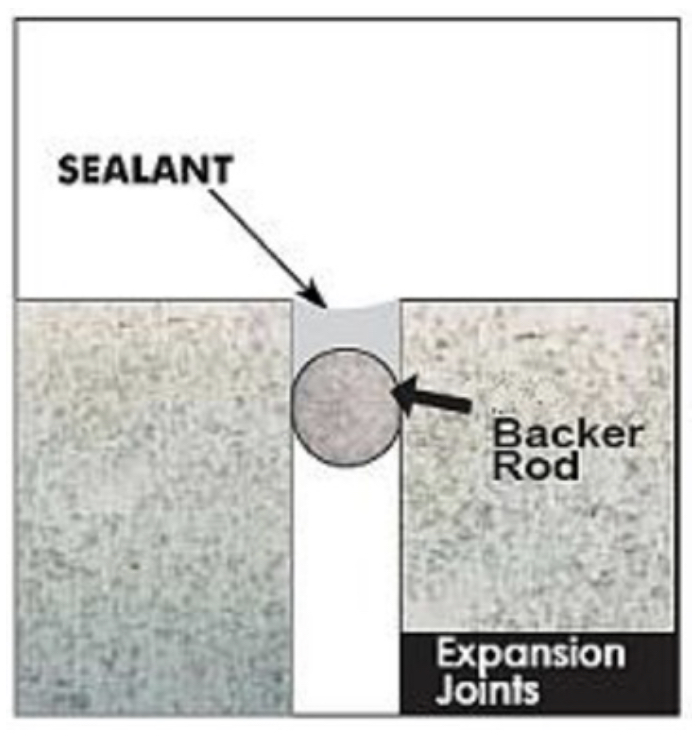
The gap between the home and sidewalk is recommended to be sealed to help prevent soil saturation - increasing the risk for water intrusion and related damages, recommend prep and occasionally sealing and maintaining this gap.
 |  |
A portion of the driveway is sloped toward the home - increasing the risk for water intrusion and related damages, recommend improving as needed for proper water runoff.

Stoops/Steps
Material:Concrete
Condition:Satisfactory
Patio
Condition:Snow Covered
Patio was snow covered and not visible.
Deck/Balcony
Materials:Wood
Condition:Marginal, recommend repairSnow Covered
Deck was snow covered and not visible.

Deck Overview
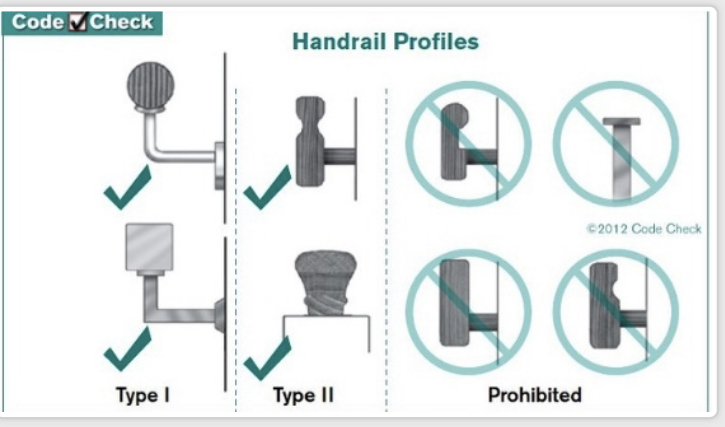
Deck stairway safety has improved and now includes a graspable handrail, recommend a qualified person install for increased safety.
 |  |
The openings for the deck guardrail are larger than modern standard of 4-inches. Caution should be used, especially for children and pets, recommend improving for maximum safety.
 |  |  |
Deck appeared to be showing signs of natural weathering and possible hidden water damage, a professional cleaning and sealing against weather is recommended to help prolong the life of the materials.

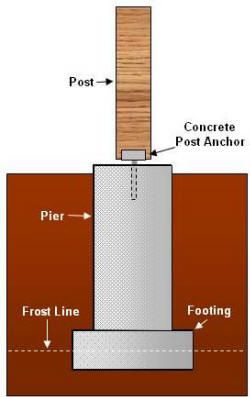
Deck support posts were observed in direct contact with soil. Prolonged soil contact can contribute to moisture exposure and material deterioration over time. While the deck appeared stable at the time of inspection, recommend evaluation by a qualified contractor to review options that improve long-term performance and durability.
 |  |
Guardrail was a bench and non-standard for a deck elevated more than 24" from grading, recommend caution and improving as needed for maximum safety.
 | .png) |
Landscaping impacting foundation
Exterior Grading - Ongoing Maintenance :Recommend additional backfill around home as neededSnow Covered -Several Inches
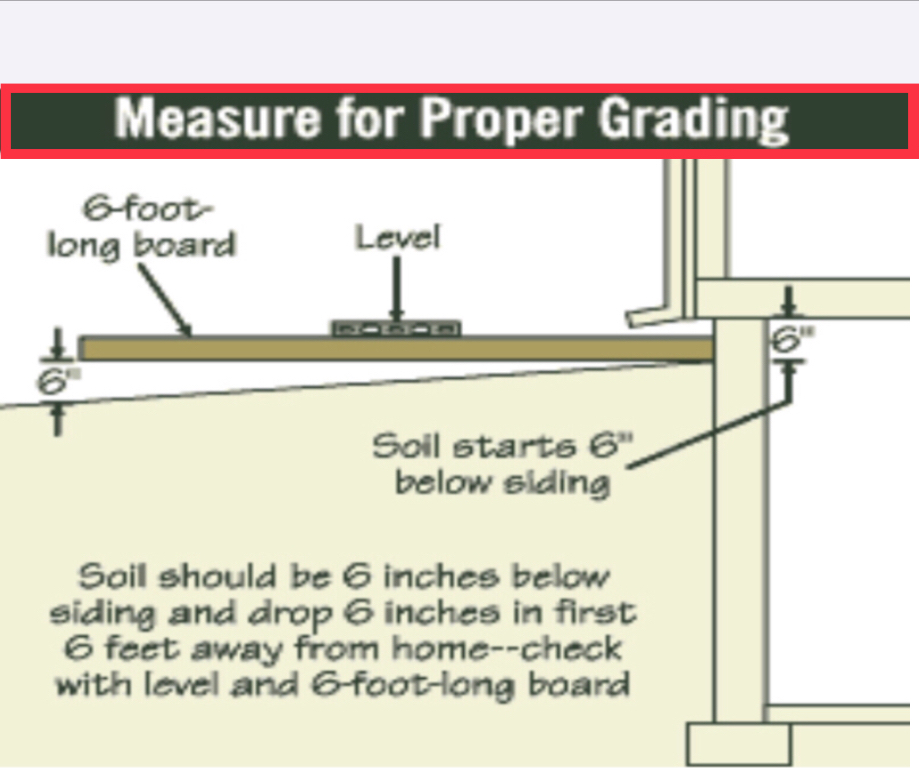
Due to the high cost of potential foundation repairs, proper slope of surfaces directly adjacent the exterior foundation wall must be maintained. 1" per foot for the first 5' or 6' is recommended. Neglect of proper roof and storm water drainage can contribute to water infiltration, foundation movement and related damages. Over time, it is common for some areas around the house to develop a flat or negative slope toward the home due to natural settlement and erosion, recommend adding additional soil as needed during your home ownership to maintain a positive slope for proper water runoff and decrease the risk for future issues.
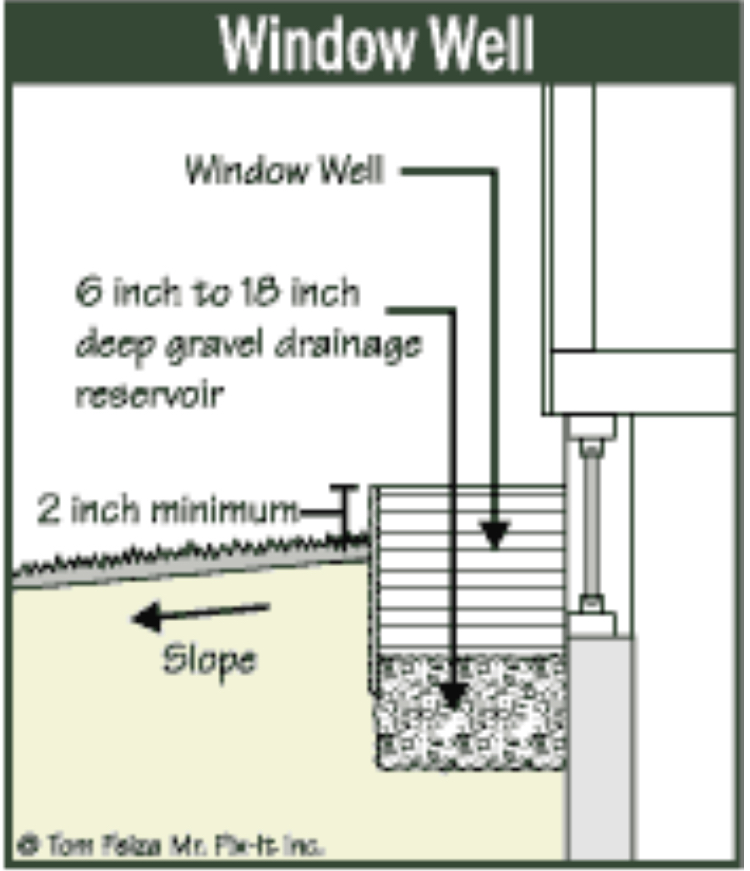
Basement windows in older homes commonly do not have sufficient clearance to grade/soil which increases the risk for water damage and/or intrusion, recommend monitoring conditions and consider installing a window well as needed.
 |  |
Several inches of snow were present at the time of inspection, which prevented a full evaluation of the exterior grading adjacent to the home. Proper grading is important to direct surface water away from the foundation and reduce the risk of water intrusion, foundation movement, and moisture-related damage.
In homes without a sump pump, improper grading can increase the likelihood of basement seepage or water intrusion, particularly during snowmelt and heavy rainfall. In homes with a sump pump, poor grading can place added demand on the drainage system and pump, potentially leading to more frequent operation, premature wear, or water management issues if the system becomes overwhelmed or fails.
It is recommended that the grading around the home be evaluated when weather conditions permit and any necessary improvements be made to promote positive drainage away from the foundation.
Recommend trimming trees/shrubs/vegetation around the home so it does not come into contact with the siding and create potential damage.

Hose bibs
Condition:Satisfactory - Older Style
Water pressure was within the recommended range.

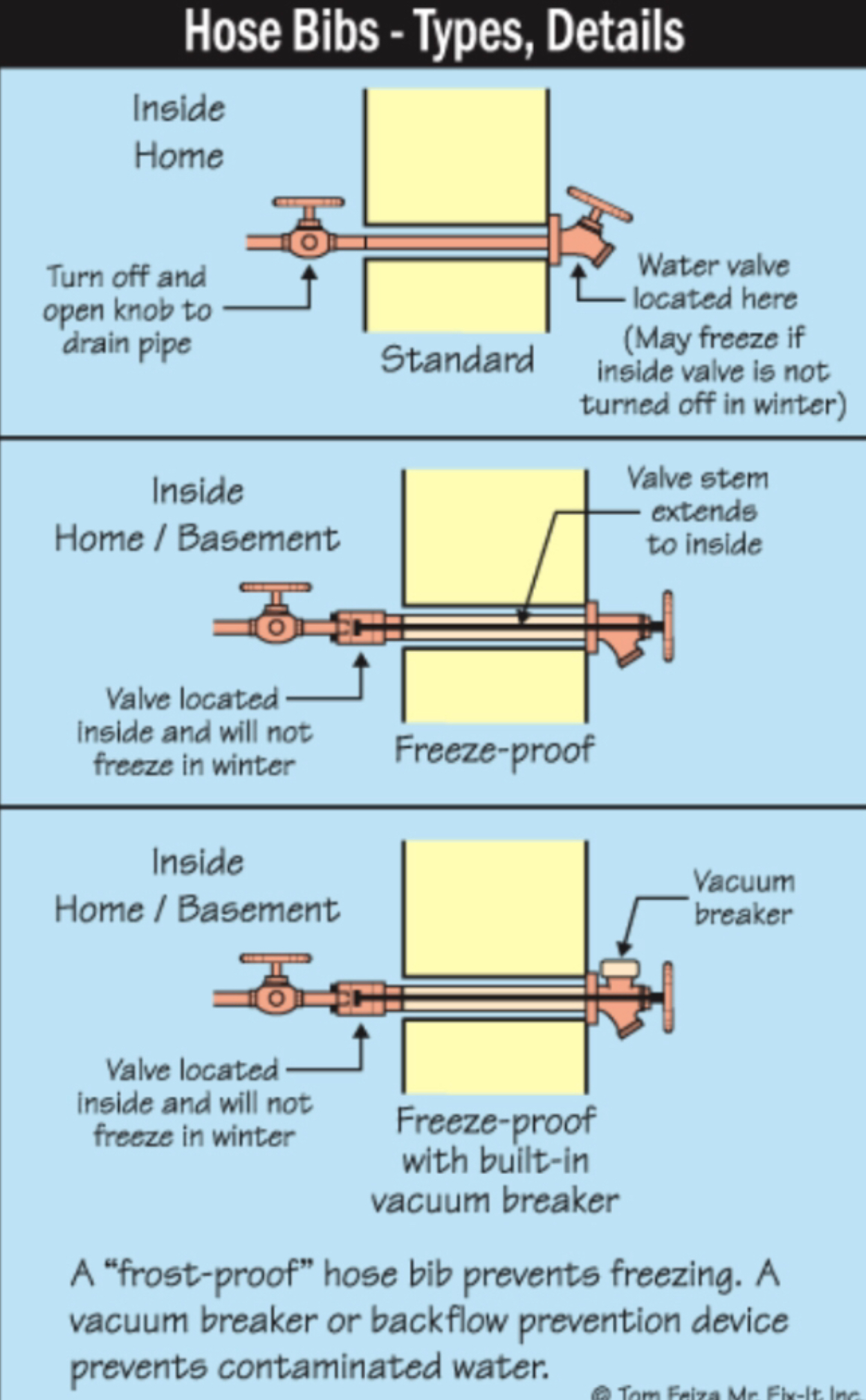
To protect your home during cold weather, it’s important to winterize your outdoor hose bibs (spigots). The best type to install is a frost-proof hose bib, which helps prevent freezing—but keep in mind, frost-proof doesn’t mean freeze-proof. In extreme temperatures, even these can fail and cause pipes to burst if hoses are left attached or if water remains in the line. Proper seasonal winterization is key to avoiding costly damage. How to Winterize Your Hose Bib
Older hose bibs (spigots) were noted on the home. Modern hose bibs are typically "frost-free," which are (arguably) more resistant to bursting in cold weather but are not "freeze-proof" and have failed during extreme cold temperatures. Newer hose bibs also have important vacuum breakers installed which can prevent water from your hoses backing into your drinkable water supply system. Be sure to continue winterizing all exterior hose bibs seasonally and consider upgrading to a newer style when other plumbing repairs are being completed.
Exterior
Chimney(s)
Location(s):Middle Of Roof(s)
Viewed From:Roof
Chase:Brick
Rain Cap/Spark Arrestor:No, recommended
Flue:Tile
Condition of Flue:Not Visible/Not EvaluatedScaling
Overall Condition: Marginal, repairs recommended
Comment: While inspectors make every attempt to evaluate the condition of the flue, it is not readily visible due to several factors including flue covers, soot and creosote buildup or other visual limitations. Natural combustion deposits acidic material that weaken masonry and metal chimneys, causing deterioration. An annual level (2) evaluation is recommended by the National Fire Protection Agency and your inspector when there is a change in ownership to ensure your chimney is safely functioning as intended.
Chimney Overview

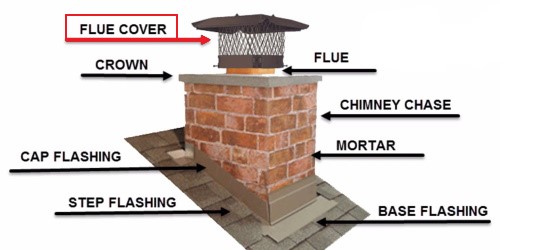
Chimney flues are recommended to be covered with a flue cover to prevent water from entering the chimney, potentially causing damage to brickwork and possibly entering the home interior. When a mesh or screen is integrated with the flue cover, it becomes a deterrent for animals (birds, squirrels, raccoons, etc.) from nesting within the warmth of the chimney.
 |  |
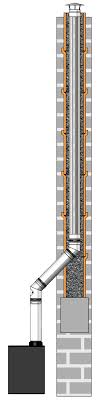
The chimney contains an original clay flue liner and has been exposed to weather, rain, ice, and snow for an extended period of time. Significant scaling, surface deterioration, and material breakdown were observed, which is common with aging clay liners that lack a protective chimney cap or crown.
Clay flue deterioration can negatively impact proper draft performance and increases the risk of flue gases cooling too quickly, which may contribute to backdrafting, reduced efficiency, and moisture-related damage within the chimney. Because this flue services the water heater, reliable drafting is especially important for safe operation.
Based on the age and observed condition, installation of a stainless steel chimney liner is recommended. A stainless liner would become the primary flue, providing a smooth, continuous, and properly sized vent path that improves draft performance, enhances safety, and extends the service life of the chimney. Recommend evaluation and installation by a qualified chimney professional, along with addressing any exterior chimney protection (cap, crown, flashing) as needed. Water heater was older and leaking and upgrading to a power vented style would eliminate the need for a chimney and its required repairs and future maintenance. If a power vent style water heater is installed, consideration should be given to remove the chimney below the roof line at the next re-roof.
 |
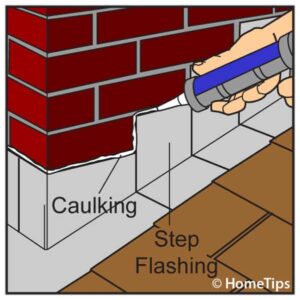
Sealants at metal flashing transition on chimney have dried and cracked, potentially allowing a path for water intrusion, recommend a qualified person complete a thorough prep and re-sealing maintenance.
 |  |  |
Hairline cracks were noted in the chimney crown, recommend sealing maintenance to help prevent seasonal freeze/thaw deterioration.

Gutters/Downspouts/Exterior Drainage
Type/Material:Galvanized/Aluminum
Overall Condition:Marginal
Extension needed: N/A
Attachment:Marginal, recommend securingLoose
Leaking:Gutter joints/seams/connections/corners
Comments: Properly managing roof and storm water runoff significantly reduces the risk for water intrusion and related issues.
The downspout located next to the main entrance sidewalk discharges directly onto the concrete, which can lead to seasonal icing and may cause premature surface wear at the discharge point. Ideally, this extension would have been routed underground before the sidewalk was installed and directed to a well-draining grassy area. When weather permits, recommend consulting with a qualified landscaping contractor for options to improve drainage and reduce possible safety concerns and future maintenance.

Gutters have signs of leaking at joints/seams/ends and in need of interior sealing maintenance.
 |  |  |
Southeast downspout extension had taping repairs, recommend improving as needed for long-term reliability.

Some downspouts are not well secured at connections, recommend securing with a fastener.

Screened style gutter guards were installed to help prevent blockage and roof water overflowing adjacent home; however, this style may still require occasional cleaning maintenance.

Siding
Material:Vinyl
Condition:SatisfactoryNormal Wear and Tear
Maintenance: : All types of siding materials are exposed to several exterior conditions and should be evaluated annually for normal painting/staining maintenance and repairs/replacement to prevent interior issues from surfacing and subsequent damage.
Trim/Soffit/Fascia/Flashings
Material:Aluminum/MetalVinyl
Condition:Satisfactory
Caulking
Condition:Recommend caulking maintenance around trim/windows/doors/masonry ledges/corners/penetrationsMarginal
Ongoing Maintenance: Caulk/sealant is a temporary building material and will require relatively frequent repairs or replacement, especially in wet environments. The highest quality sealant affordable is recommended for improved service life.
Recommend caulking around all exterior utility penetrations.
Windows/Storm Windows and Screens
Material:VinylWoodMetal Storm Windows
Condition:Satisfactory
Information and Maintenance: Windows and doors typically exhibit optimal performance for an average lifespan ranging from 15 to 25 years before clarity or mechanical issues may become noticeable. Windows, doors and labor costs have become increasingly more expensive; however, there are tips to help prolong their useful life. It is advisable to proactively maintain all doors and windows as necessary to ensure their longevity and continued functionality. Regular upkeep can include tasks such as cleaning, lubricating mechanical components, and addressing any visible wear or damage. By staying attentive to the condition of your windows and addressing maintenance needs promptly, you can extend their service life and preserve their clarity and functionality.
Evaluation: Determining the condition of the insulated glass and seals is not always possible due to temperature, weather, dust/dirt accumulation, and lighting conditions.
Living Room bay window had evidence of moderate water damage. This condition will worsen over time if left unattended. Local repairs should be undertaken, followed by painting and ongoing maintenance.
 |  |  |
Frost was observed on some singe pane windows, indicating heat loss and resulting condensation. This condition is common with older window designs and does not necessarily indicate a defect. Continued monitoring is advised, as excessive condensation can contribute to moisture-related concerns over time. If significant air leakage, comfort issues, or window deterioration become evident, budgeting for repair or replacement is recommended as part of normal long-term maintenance.

Exterior Foundation
Foundation Wall:Partially VisibleConcrete block
Condition: Cracks - See Foundation for Additional Information
Concrete Slab:N/A
Maintenance: If exterior cracks are evident in the exposed foundation they have the potential for water infiltration. Preventative and best practices suggest that crack repairs be preemptive rather than responsive to basement moisture intrusion, properly sealing/repairing by a qualified person or contractor is advised.
Exposed portion of the foundation wall had several cracks, some with displacement, requiring further evaluation. See Basement - Foundation section for additional information.
 |  |  |
 |  |
Exterior Doors
Main Entrance Door Condition:Satisfactory
Rear Door(s) Condition:Satisfactory
Weather-stripping Around Doors: Satisfactory
Maintenance: Exterior doors are susceptible to weathering and natural wear and tear. Doors are evaluated for proper function and weatherstripping - typical damage to doors, seals and appearance are not commented on. If the home is older, we recommend verifying any glass panes within the home have tempered safety glass.
Some of the doors have older single pane glass that is larger than a 3" opening and do not have modern safety tempered glass, recommend upgrading as needed for increased safety and for improved energy efficiency.

Electrical Service Entrance and Outlets
Location: UndergroundOverhead
Condition:Older round style socket, recommend upgradingOverhead Wires in Contact with Tree Branches
Exterior receptacles:Operable
GFCI present:No, recommend installing
Maintenance: Exterior outlets have an average service life between 10-15 years due to normal weathering and internal corrosion, recommend upgrading as needed for maximum safety.
Electrical meter socket/base is an older round style. These sockets are commonly replaced with a square/rectangular socket when electrical system has been permitted for an electrical upgrade, replacement/upgrading by a qualified electrician is recommended. See Electrical section for additional information and upgrading options.

Main electrical wires to home are in contact with tree branches increasing the risk for a disruption in service, recommend consulting with local utility company and/or qualified contractor for pruning options.

Exterior outlet was operable but was not GFCI protected, recommend a qualified person or contractor install GFCI outlets in all potentially wet or damp locations.

Exterior Air Conditioning Unit
Location:North Side Of Home
Brand: Armstrong Air
Age of A/C: 11 years old
Time of Inspection:Winter - below 60 degrees
Physical Condition:Satisfactory
Energy source:Electric
Unit type:Air cooled
Improper Clearance around A/C (air flow):No
Outside Disconnect: Yes
Breakers Rating (amps):20
Breaker Installed (Amps):20
Condenser Fins:Need cleaning
Refrigerant :R-410A
Level:Yes
Insulation:Yes
Air conditioning unit was not operated due to exterior temperature. Manufacturers do not recommend operating units when exterior temperature has been below 60 degrees within the last 48 hours. Recommend consulting with seller for additional information on condition, maintenance records, and have a qualified HVAC technician evaluate when weather permits to ensure proper function.

Dust and debris buildup was evident on exterior air conditioning unit. To keep your air conditioner running efficiently and reliably, it’s important to clean it at least once a year. Use a garden hose with a gentle sprayer to rinse off dirt, leaves, and debris from the fins—this helps improve airflow, reduces strain on the system, and can extend its lifespan, recommend a qualified person or HVAC specialist complete routine cleaning maintenance for optimal performance. How to clean an air conditioner

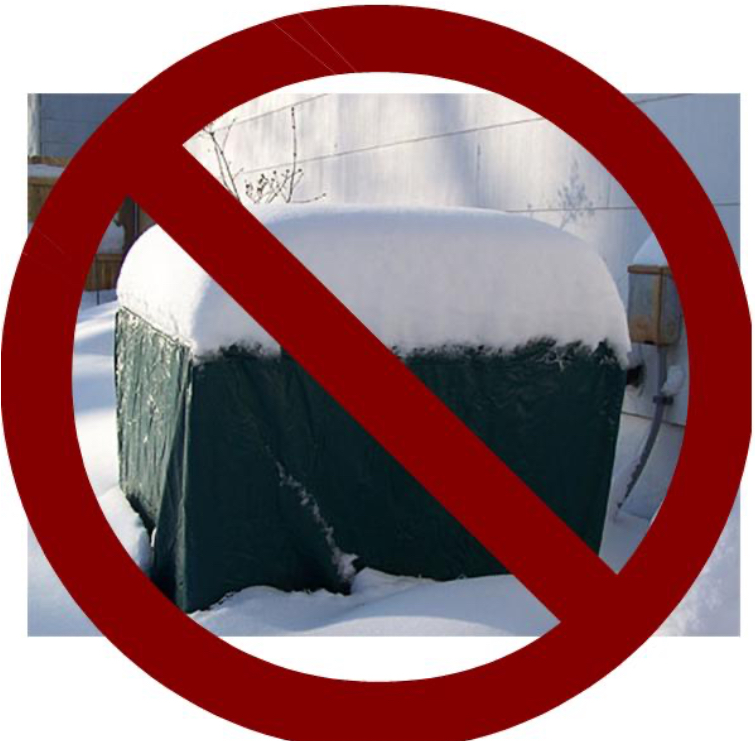
While air conditioners were designed to withstand seasonal conditions, to properly winterize, avoid purchasing and using a tarp/cover and fully covering the exterior unit in winter. Instead, place a board and small weight on top to prevent snow and ice buildup. Also, turn off the air conditioner's circuit breaker to stop residual heat that can attract pests.
Interior Evaporator Coil for Air Conditioning Unit
General Information :Central system - The A/C unit has two components: the exterior condenser and the coil that is located above the furnace in plenum.
Condition:Not operated due to exterior temperature
General Operation (Temperature Drop):Not Evaluated
Secondary condensate line/drain:Not Needed
Condensate line/drain:Floor
Refrigerant lines:Visible portions were satisfactory
Evaporator coil:Not Visible
Roof
Roof Overview
Visibility:Partial
Limitations: Damp/Wet Conditions, Mature trees, Overhead Electrical Wires, Ice on surfaces, Partial Snow Cover
Inspected From:GroundRoofLadder at eaves
Ongoing maintenance: The typical roof lasts from 20 to 30 years, depending on the material, before it needs to be replaced. However, it's common for roofs to require regular and routine maintenance due to normal wear of sealants and damage - particularly after harsh weather. Roofs should be evaluated every two years by a qualified professional.
Roof Overview
 |  |  |
 |
Roof Information
Location:HouseGarage
Type:Hip
Pitch of Roof(s):Medium
Roof Material:Asphalt/Fiberglass Dimensional with an average service life between 20-30 years
Approximate roof age:Less than 10 years old
Roof layers:(2) Layers
The home has multiple layers of shingles. While this is acceptable by most municipalities, the additional weight from the shingles and additional heat absorbed by the asphalt may lead to a decreased service life. Additionally, the first layer appeared to have severe degradation, possibly impacting the second layers attachment/performance. It is recommended that all layers be removed at the next re-roof to evaluate condition of the roof decking and ensure the new shingles have proper attachment.

Ventilation System
Type:SoffitRoofPowered
Soffit vents located in the eaves, are airflow intakes for proper attic ventilation. The exterior screens are prone to dust/debris accumulation and require occasional cleaning maintenance.
The use of powered or thermostatically controlled attic fans in Wisconsin are generally not recommended as they short circuit with nearby vents and circumvent needed low ventilation as well as raise energy costs. These ventilators commonly draw conditioned air from the home through non-sealed openings in the attic floor, stairway, hatch openings, etc. Attic was in need of ventilation improvements.

Flashing(s) and Plumbing Vent
Material:Galvanized or AluminumLead
Condition:Not Visible
Valleys
Material:Asphalt
Condition:Recommend Routine CleaningNot Visible
Roof valleys are prone to retaining debris, leaves and branches - this can be problematic. Recommend routinely cleaning these areas to prevent premature shingle wear, potential damage to the roof decking and subsequent interior leaking/damage. When viewed from Bedroom (3), previous water damage was evident on ceiling and is related to overdue or neglected maintenance.
 |  |
Overall Condition of Roof Coverings
Overall Condition: Marginal based on repairs needed, Evidence of interior leakage and ventlation issues
Due Diligence: Drawing from our past encounters, insurance providers have occasionally rejected fresh hail damage claims, citing them as "pre-existing damage," which may not always hold true. When selecting a home insurance company, it is advisable to undergo an initial roof evaluation with thorough documentation. This proactive step ensures that, in the event of subsequent hail damage, your insurance carrier cannot dismiss the claim based on the pretext of pre-existing conditions established during the initial roof assessment
Given the size and proximity of the mature trees, large amounts of leaves and branches may impact proper roof water drainage or damage the roofing surface. Consideration should be given for pruning/best care maintenance by a qualified arborist.

All roof penetrations—including plumbing vents, roof vents, and the chimney—were observed to have flashings covered by a second layer of shingles. While this condition is sometimes encountered with re-roofing, it can complicate future leak detection and repair, as the underlying flashing is concealed. If leakage develops, more extensive repairs may be required to properly access and correct the affected areas.
Additionally, the rubber boot at the electrical service mast was observed to be cracked, creating a potential pathway for water intrusion. This condition may contribute to moisture-related concerns noted elsewhere in the home and is related to recommendations outlined in the Attic section of this report.


Detached Garage
Garage Overview Photos
Type: Detached, 2-Car
Detached Garage Overview
 |  |  |
 |
Siding and Trim
Material:Wood
Condition:Normal wear and tear
Several areas of the siding and trim were in need of normal repairs, wood replacement and/or prep and painting maintenance repairs to help prolong its useful life.
 |  |  |
 |  |  |
 |  |
While common many years ago, the siding on garages were built with minimal exterior clearance to the adjacent soil/grading. The siding and interior framing is susceptible to water damage, recommend replacing all damaged areas and improve grading for proper storm water runoff as needed.
 |  |
Gutters/Downspouts/Exterior Drainage
Type/Material:Vinyl/Plastic
Overall Condition:Marginal
Extension needed: N/A
Attachment:Satisfactory
Leaking:No apparent leaks
Recommend all damaged gutters/downspouts be repaired or replaced as necessary to avoid roof water runoff adjacent garage - a potential source of water entry or water damage.

Garage Roof
Location:Garage
Type:Gable
Pitch of Roof(s):Medium
Roof Material:Asphalt/Fiberglass Dimensional with an average service life between 20-30 years
Approximate roof age:Less than 10 years old
Roof layers:(2) Layers


Overall Condition of Garage Roof
Overall Condition: Satisfactory, Partial snow cover
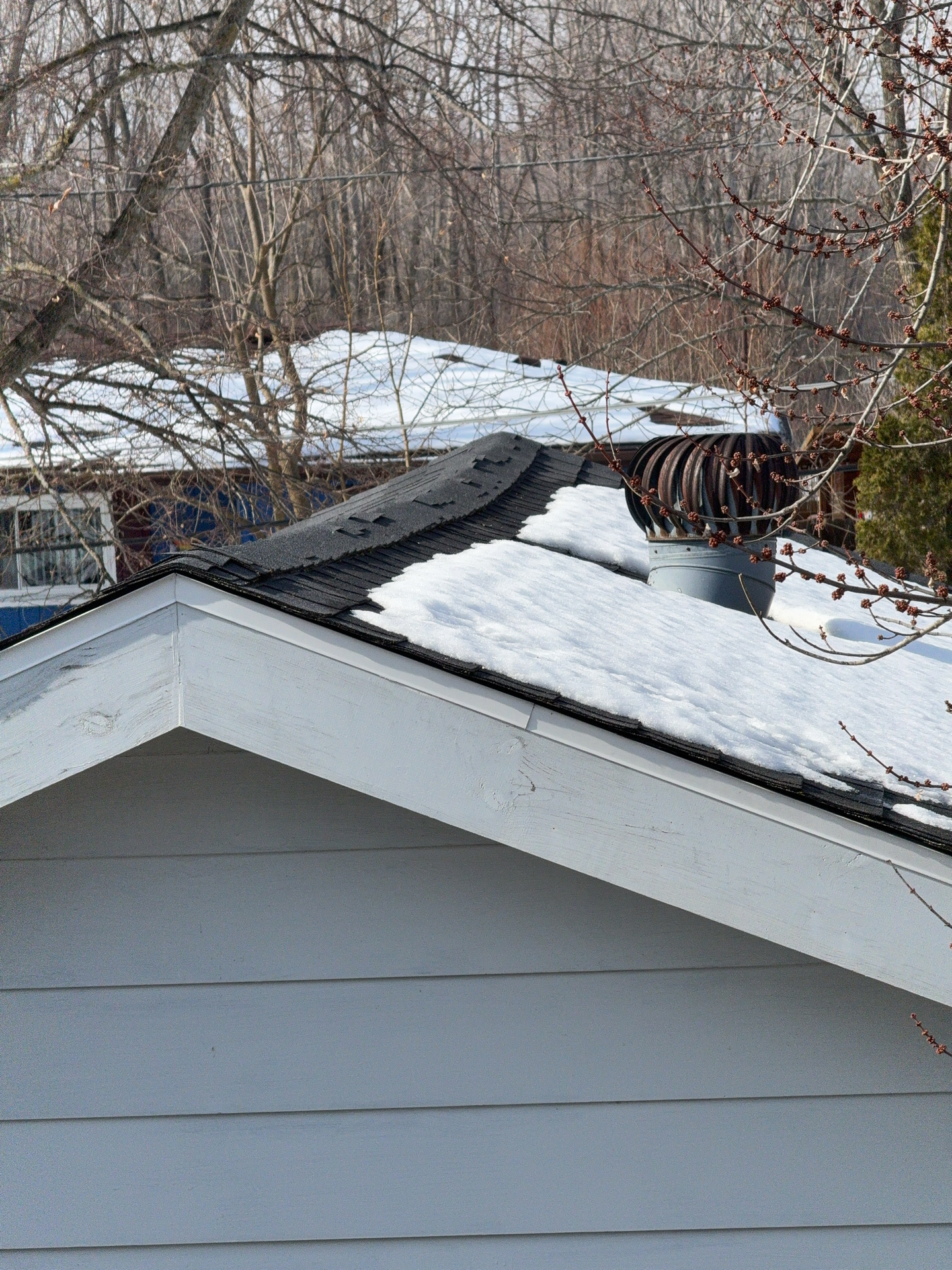
Noticeable deflection/bowing was observed along the garage roof ridge line. While the structure appeared stable at the time of inspection, visible ridge deflection can indicate long-term loading, framing movement, or prior structural stress.
Storage materials were observed resting on or supported by the garage rafters. Additional weight from stored items, combined with roofing materials and seasonal snow loads, can increase structural demands and contribute to deflection over time.
Recommend removing stored materials from the rafters to reduce unnecessary loading and monitoring the ridge line for any progression or visible changes. Further evaluation by a qualified contractor may be considered if movement appears to increase.
Structural improvements, if desired, may be addressed in conjunction with the next roof replacement, when framing components are more accessible and reinforcement options can be evaluated more effectively.
Automatic Opener and Safety Reverse
Overhead Garage Door Opener :Not Operable
Safety Reverse :Not Tested
The automatic garage door opener did not operate when tested. The inspector attempted normal operation using the interior wall-mounted control button; however, the unit did not respond.
Recommend further evaluation and repair or replacement by a qualified garage door contractor, as needed, to restore proper function.

Overhead Door(s)
Material:Metal
Condition:Satisfactory
Springs:Satisfactory
Overhead garage door spring was in satisfactory condition.

Preventative maintenance: Overhead garage door springs have a life expectancy of approx. 5000 cycles or 3-5 years. We recommend using a garage door lubricant to spray on springs and rollers annually to help prolong their useful life.
Garage Floor
Material:Concrete
Source of Ignition within 18" of the floor:No
Condition:Satisfactory
Sill Plates
Type:Floor levelPartially Visible
Condition:SatisfactoryWater Stained
Garage Service Doors
Condition of garage service doors:Satisfactory
Electrical Receptacles and Wiring
Outlets:OperableGFCI ProtectedReverse Polarity
Garage outlet had reverse polarity, recommend a qualified contractor repair and install GFCI protected outlets in all potentially wet/damp locations. Additionally, an exterior outlet was not operable but may be on a switch, recommend ensuring all outlets are operable.
 |  |
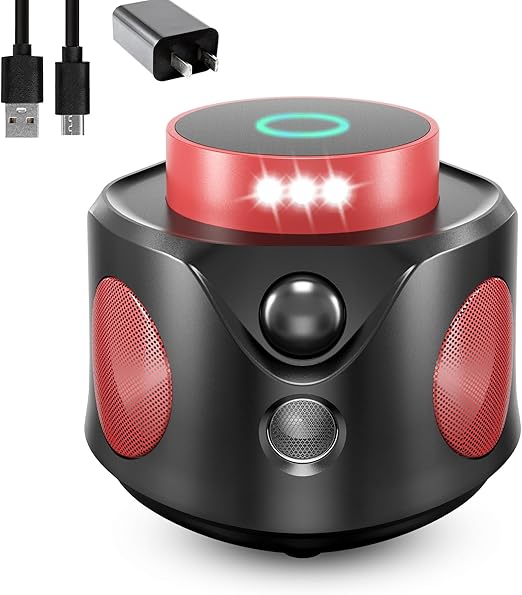
Evidence of pest activity was observed in the garage. Common entry points for pests include gaps around the siding and frequently open or left-open overhead garage doors, which can provide easy access into the home’s structure. To help deter future activity, consider keeping the garage door closed when not in use and sealing any potential entry points. Additionally, installing a high-frequency ultrasonic pest repellent device in the garage may help discourage pest presence, though effectiveness can vary and should be used in conjunction with other measures.
Walls & Ceiling
Condition:Satisfactory
The garage walls exhibited signs of normal wear and tear, including minor scuffs, blemishes, and surface damage. Garages are high-use areas and are commonly subject to incidental impacts and cosmetic imperfections. These conditions are typical and do not indicate a structural concern. Repairs or touch-ups may be completed on an as-needed basis for appearance or maintenance purposes.
Previous water stains on garage walls was moisture meter tested and showed no signs of an active leak, recommend improving exterior for proper roof and storm water runoff and monitoring all previous stains.
 |  |  |
Ceiling joists in garage were not designed to carry additional weight and/or storage materials, recommend removing.

Interior Components
Hallways, stairways, balcony, closets and interior systems
Hallways, walls and ceilings: Satisfactory
Water staining: Yes, previous, recommend monitoring
Alarm systems are outside the scope of a standard home inspection. We recommend consulting with seller and/or a home security specialist for additional information if desired.

Water staining was observed on the hallway ceiling. While the area was dry at the time of inspection, the staining may be associated with roof conditions noted in other areas of report, including concerns related to roofing materials, flashing details, and the adjacent chimney assembly.
Because roof leaks can be intermittent and influenced by wind direction, rainfall intensity, and freeze/thaw conditions, moisture conditions may vary over time. The absence of active moisture at the time of inspection does not preclude leakage under different weather conditions.
Recommend continued monitoring and further evaluation of the roofing, flashing, and chimney components by a qualified roofing contractor to determine the source and address repairs as needed.

Smoke/Carbon Monoxide detectors
Smoke Detector Power Source: Battery
Smoke Detector:Safety MaintenancePresentRecommend additional
CO Detector:Recommend additionalNot Present, Safety Hazard
Smoke and Carbon Monoxide Detector Information: For maximum life safety, the home should be equipped with properly installed, modern smoke and carbon monoxide (CO) detectors. Smoke alarms come in two primary technologies—ionization and photoelectric. Ionization alarms respond faster to flaming fires, while photoelectric alarms respond faster to smoldering fires, which are common at night and in upholstered furnishings. Current best practice favors photoelectric or dual-sensor alarms for improved protection., All smoke detectors have an approximate 10-year service life. Once expired, or if the unit chirps even after a new battery is installed, the alarm should be replaced. This chirp can indicate an end-of-life warning rather than a battery issue.
Smoke and carbon monoxide detectors expire every ten years, are relatively inexpensive considering their function and it is recommended that they be replaced upon taking ownership and tested monthly to ensure proper function. Ensuring smoke and carbon monoxide detectors are functional will require ongoing maintenance and often require battery replacement.
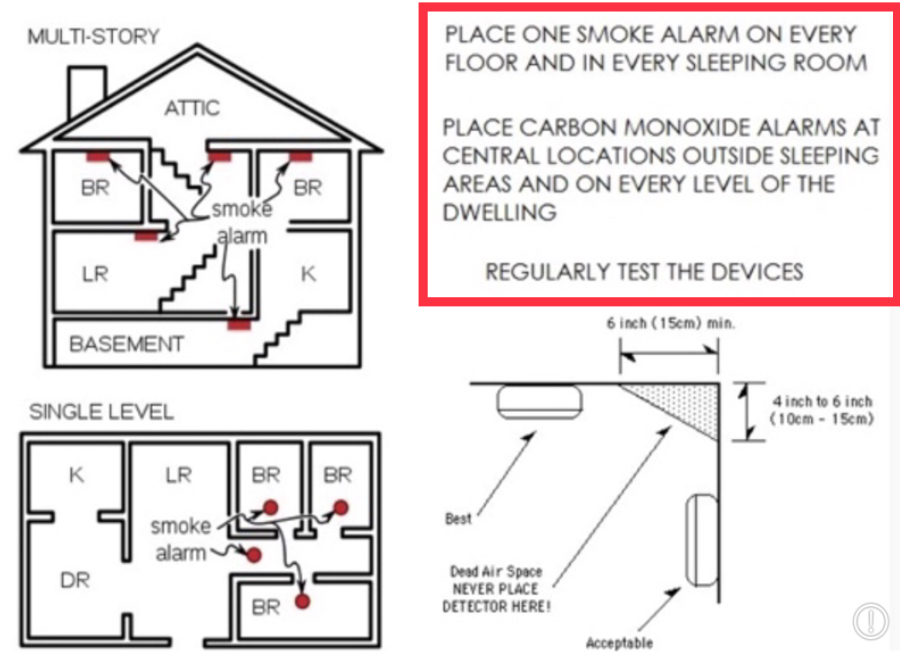
Recommend additional carbon monoxide (CO) detectors. The Consumer Product Safety Commission recommends that every residence with fuel burning (gas) appliances be equipped with a UL listed CO alarm. At a minimum, install a CO detector within hearing range of each sleeping room and on each level in your home, including the basement.
Minimum Safety Expectations for Older Homes
In older homes—especially those with plaster walls or limited access for wiring—full hardwired and interconnected systems may not be practical without major renovation. At a minimum, older homes should have battery-operated or wireless interconnected alarms installed:
- Inside each bedroom
- Outside each sleeping area
- On each level of the home, including the basement
For carbon monoxide protection, at least one CO detector should be located:
- Outside the sleeping areas, and
- On each level of the home
Modern wireless interconnected alarms are an excellent upgrade for older homes; they do not require opening walls but still allow all detectors to sound simultaneously during an emergency.
These minimums represent the current recommended safety practice for older homes that were originally built before today’s codes were established.
Attic
Attic/Structure/Framing/Insulation/Ventilation
Amount of Attic Hatches in Home: 1
Location(s):Hallway
Access/Evaluation:Scuttlehole/HatchImprove hatch insulation
Attic Evaluations Limitations:Lack of flooring, height in attic
Inspected from:Access panel
Flooring:None
Evidence of condensation and/or moisture:Yes
Evidence of leaking:Yes
Fans properly exhausted to outside:No
Fans improperly exhausted to attic:Yes, recommend repair
Sheathing/Roof decking material:Partially VisiblePlanking
Sheathing/Roof decking condition::Partially VisibleMold-Like GrowthStained
Roof structure material and design:WoodRaftersCracked rafterPartially Visible
Structural problems observed:No
Insulation type and condition:Recommend additionalFiberglassLoose filled
Insulation Depth:6-10"
Insulation installed in:Between ceiling joists
Ceiling joists:Covered in insulation
Ventilation:Recommend additional ventilation
Vapor barriers:Not Visible
Chimney chase:Satisfactory
HVAC Duct:N/A
Electrical:Satisfactory, no visible defects
Firewall between units:N/A
Attic Evaluation: Attics are navigated as best as I can; lack of flooring, curb, framing members, insulation height, and other factors can prevent physical and visual accessibility of some areas and items.
Attic Overview
 |  |  |
 |
Attic Conditions – Multiple Interrelated Issues Observed:
Multiple conditions were observed in the attic that may involve overlapping repairs by different trades. Coordination of repairs is likely necessary to address the issues effectively and prevent recurrence.
Mold-like growth was observed on multiple areas of the roof decking. This condition is commonly associated with Improperly vented bathroom exhaust fan, inadequate attic ventilation and/or insufficient insulation depth, which can contribute to elevated moisture levels.
A cracked rafter was observed on the South roof plane, with visible signs of separation. Additionally, the roof framing lacked recommended collar ties that provide supplemental structural support. The presence of two layers of roofing materials, combined with seasonal snow loading, may increase structural demands on the framing and contribute to the need for additional stabilization.
On the North roof plane, several areas of roof decking showed evidence consistent with active or prior leakage. The roof covering consists of two layers of shingles, which can complicate localized repairs and limit the ability to properly address flashing and underlayment conditions. In some cases, a full re-roof may be necessary to correct concealed flashing issues, evaluate the condition of the roof decking, and implement ventilation improvements.
Recommendations
- Recommend evaluation by a qualified remediation contractor to assess the mold-like growth, determine appropriate treatment options, and provide guidance on moisture control measures to reduce the likelihood of recurrence.
- In conjunction with remediation, recommend evaluation by a qualified roofing contractor to assess roof leaks, flashing conditions, bathroom exhaust fan venting, ventilation performance, and the feasibility of repairs versus re-roofing given the two-layer roof system.
- Recommend evaluation by a qualified structural contractor or engineer to assess the cracked rafter, the absence of collar ties, and the overall roof framing to determine whether reinforcement or additional support is needed.
Repairs should be coordinated to ensure structural, moisture, and roofing concerns are addressed holistically rather than as isolated issues.


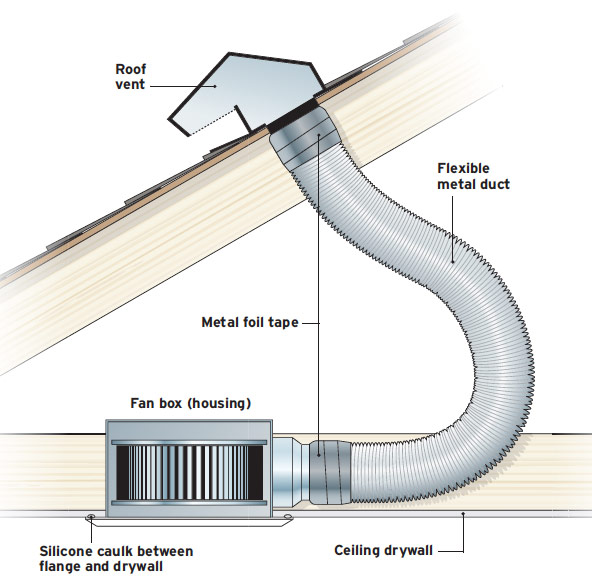


Kitchen
General Kitchen Photos
Kitchen Overview
 |  |
Countertops and Cabinets
Cabinet Condition :SatisfactoryNormal Wear and Tear
Sink Base Cabinet Condition:SatisfactoryPrevious Staining
Countertop Condition:Satisfactory
Overall Condition:Normal wear and tear
Cabinets and countertops are subject to normal wear and tear consistent with regular use. Only significant defects or damage—such as broken hardware, water damage, or structural failure—are noted in this report.
Staining in sink base cabinet was older, recommend cleaning maintenance on all older stains to help differentiate future issues and monitor conditions.

Plumbing
Water temperature:Satisfactory
Sink/Faucet/Pipes:Normal wear and tear
Faucet Leaks:Yes
Pipes leak:Yes
Functional drainage:Satisfactory
Functional flow:Satisfactory
The kitchen sink faucet handle and drainage pipe were leaking when operated with a vase placed below leak and water ponding in sink base cabinet, recommend a qualified person repair, replace or upgrade.
 |  |
Water temperature was within the recommended range.

Windows, Walls and Ceiling
Condition:Satisfactory
Floor
Condition:Satisfactory
Common Observations: Normal wear and tear to the home's flooring is considered cosmetic in nature, especially in high foot traffic area, and not commented on unless significant damage or a safety concern is observed.
Heating/Cooling Source
Heating Source:Yes
Appliances and Outlets
Disposal:Not Operable
Dishwasher:Not tested
Dishwasher airgap:No
Dishwasher drain line looped:Yes
Refrigerator:Operable
Oven: Operable
Stove top:Operable
Microwave:OperableNot tested
Exhaust fan:Operable
Receptacles present:OperableGFCI ProtectedNot GFCI Protected
Garbage disposal was not functional, recommend a qualified contractor repair or replace.

Dishwasher drain hose had a high loop but did not have a recommended air gap. This configuration is common in older homes and newer building methods recommend this added feature. Under certain circumstances, a dishwasher drain and/or adjacent components may become blocked, increasing the risk for back flow contamination and possible leakage, recommend improving as needed.
 | 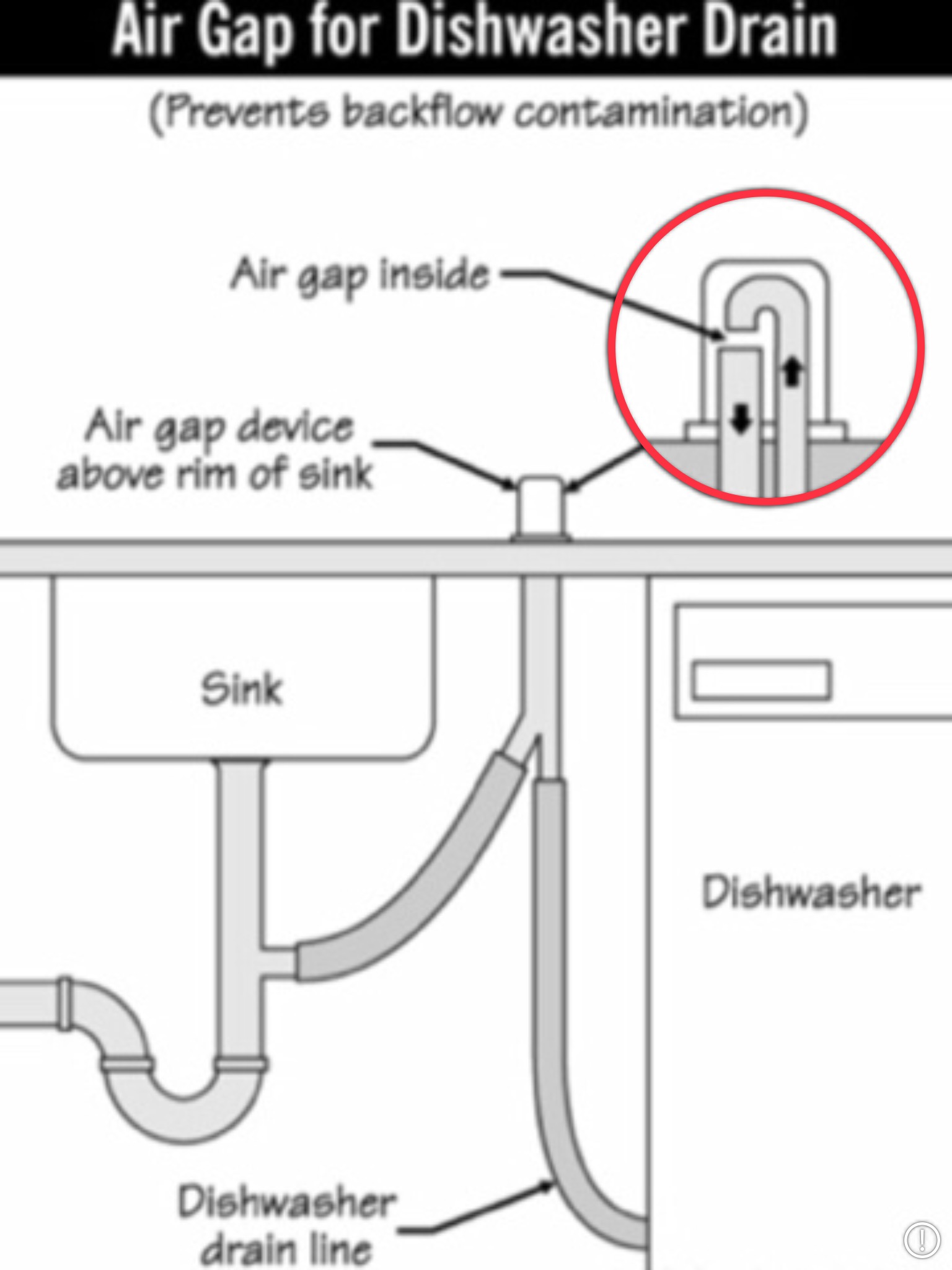 |
Dishwasher was not functional using control panel, recommend a qualified specialist evaluate and repair or replace as needed.

GFCI protection has improved and is now recommended for all outlets above countertop surfaces, recommend a qualified contractor install GFCI outlets in all potentially wet or damp locations.
 | .JPG) |
Blower in hood was functional but the light was inoperable, recommend replacing all older bulbs to help differentiate other electrical issues.

Living Room
Living Room
Location:First Floor
Ceiling fan:Satisfactory
Walls & Ceiling:Satisfactory
Floor:Satisfactory
Moisture stains:Yes, LocationCeilingPrevious Staining
Heating source present:Yes
Egress Restricted:NoYes
Electrical Receptacles:Operable/SatisfactoryTwo Prong Outlets
Electrical Switches:Operable/Satisfactory
Windows:Satisfactory
Living Room
 |  |  |
 |
Older two prong outlets are now considered outdated by modern safety standards. These outlets were not verified for proper grounding - the electrical grounding system may be hidden or encased within the wall and most modern electrical components require a standard three prong outlet, there are a few options to upgrade, recommend consulting with a qualified contractor.

Previous water stains in closet ceiling were moisture meter tested and showed no signs of an active leak or water retention at the time of inspection, monitoring after taking ownership. This is below a roof valley that may have had debris/ leaf buildup preventing proper roof water runoff. Adjacent Bedroom (3) had similar stains in this location.

Frost
Primary Bedroom
Primary Bedroom
Location:First Floor
Walls & Ceiling:Satisfactory
Ceiling fan:None
Moisture stains:Yes, LocationCeilingActive leak
Floor:SatisfactorySqueaks
Heating source present:Yes
Egress Restricted:No
Electrical Receptacles:Operable/Satisfactory
Electrical Switches:Operable/Satisfactory
Doors:Satisfactory
Windows:Satisfactory
Primary Bedroom
 |  |
Peeling paint on closet ceiling was moisture meter tested and showed signs of an active leak. This is directly below North roof plane that had several active leaks when viewed from attic.

Bedroom (2)
Bedroom (2)
Location:First Floor
Walls & Ceiling:Satisfactory
Ceiling fan:None
Moisture stains:No
Floor:Satisfactory
Heating source present:Yes
Egress Restricted:No
Electrical Receptacles:Operable/Satisfactory
Electrical Switches:Operable/Satisfactory
Doors:Satisfactory
Windows:Satisfactory
Bedroom (2)
 |  |
Bedroom (3)
Bedroom (3)
Location:First Floor
Walls & Ceiling:Satisfactory
Ceiling fan:None
Moisture stains:Yes, LocationCeilingPrevious Staining
Floor:Satisfactory
Heating source present:Yes
Egress Restricted:No
Electrical Receptacles:Reverse polarity
Electrical Switches:Operable/Satisfactory
Doors:Satisfactory
Windows:Satisfactory
Bedroom (3)

Previous water staining was observed on the ceiling below a snow-covered roof valley. Moisture meter testing in this area indicated slightly elevated readings at the time of inspection. However, an active leak could not be confirmed, as the corresponding attic area was not accessible/visible and the exterior roof surface was covered with snow.
Because roof valleys are high-volume water channels, debris accumulation or restricted drainage can increase the potential for leakage. Recommend evaluation of the exterior valley area once snow and ice have cleared to verify proper drainage and confirm that water flow is not obstructed by debris.
It should also be noted that active roof leakage was observed in multiple areas along the north roof plane. As part of any future roof replacement, improving valley flashing details with proper underlayment and flashing installation is advised to enhance long-term reliability and water management.


Bedroom outlet had reverse polarity (i.e. it is wired backwards), potentially presenting a shock hazard with certain items that are plugged into this outlet, recommend outlet and the circuit be evaluated by a licensed electrician and repair as necessary.

Full Bathroom
Bathroom
Location:First Floor
Moisture stains present:No
Sink Base Cabinet Condition:SatisfactoryPrevious Staining
Water flow (Pressure):Satisfactory
Drainage:Marginal, recommend improvingFlexible pipe
Sinks:Satisfactory
Bathtub/Shower Faucet or Drain Leaks:No, Pipes Not VisibleShower Head Leak
Shower/Tub Condition and Type:SatisfactoryRecommend Maintaining Caulk/Grout in Wet Area(s)Fiberglass
Toilet:OperableNo Leaks
Receptacles present:OperableNot GFCI Protected
Heat source present:Yes
Doors:Satisfactory
Window:None
Exhaust fan:Satisfactory
Bathroom
 |  |
Flooring around all toilets was moisture meter tested and showed no signs of a hidden leak.

Bathroom outlet was not GFCI protected, recommend a qualified person or contractor install GFCI protected outlets in all potentially wet or damp areas.

Sink drainage pipe had temporary tape in use and a flexible drain which is generally not recommended. These pipes retain debris within the grooves and are prone to chronic blockage and slow drainage, recommend installing a smooth walled, self-scouring drain as needed.

Shower head was leaking at stem connection, recommend adjusting/repairing as needed.

Drainage in bathtub was marginal/slow, recommend a qualified person or contractor improve as needed.

Recommend operating exhaust fan during a shower and for at least 20 minutes after (spot ventilation) to ensure proper interior humidity levels are maintained.
Basement Rec Room
Rec Room
Location:Lower Level
Walls & Ceiling:MarginalWater damage
Moisture stains:Yes, LocationCeilingWalls, Trim and/or WindowsPrevious Staining
Floor:Satisfactory
Heating source present:Yes
Egress Restricted:YesNo
Windows:MarginalNormal Wear and Tear
Doors:None
Electrical Receptacles:Reverse polarity
Electrical Switches:Operable/Satisfactory
Ceiling fan:None
Basement Rec Room
 |  |  |
 |  |
Staining in Southeast basement corner was moisture meter tested and showed signs of an active leak, recommend a qualified person or contractor further evaluate and repair leaking issue and all damaged materials. An actove plumbing leak was evident in this wall from well water entry pipe and when viewed form exterior, downspout extension had taping repairs, driveway was sloped toward home and the gap between home and driveway was not properly sealed.
 |  |
Basement outlet had reverse polarity (i.e. it is wired backwards), potentially presenting a shock hazard with certain items that are plugged into this outlet, recommend outlet and the circuit be evaluated by a licensed electrician and repair as necessary.

Previous water stains were moisture meter tested and showed no signs of an active leak or water retention at the time of inspection. Many water leaks are intermittent, related to specific weather conditions or occupant behavior - making it difficult for inspectors to distinguish these conditions during a one-time inspection, recommend repairing all damaged areas and closely monitoring after taking ownership.
 |  |  |
 |
Laundry Room
Laundry
Location:Basement
Laundry sink:Satisfactory
Dryer vented:Wall
Electrical:Outlets operableNot GFCI Protected
Appliances:WasherDryer
Gas or Electric Dryer:Electric
Gas shut-off valve:N/A
Washer hook-up lines/valves:SatisfactoryRecommend Braided Stainless Steel
Room vented:Yes
Cross connections:No
Heat source present:No
Appliance Operation: Operating household appliances is outside the scope of a standard home inspection; however we recommend routinely cleaning dryer lint trap(s) and dryer exhaust vent to prevent blockage and the related hazards.
Laundry Room
 |  |
We recommend the existing rubber water supply hoses at the clothes washer be replaced upon ownership with braided stainless steel for increased insurance against leaks and water damage.

Dryer vent will require routine cleaning maintenance to reduce dryer times, increase equipment service life and reduce the risk of a dryer fire. Here is a link to help with cleaning maintenance.
Basement
Stairs
Condition:SatisfactoryTypical wear and tear
Handrail:Yes
Headway over stairs:Satisfactory
Foundation
Material:Concrete block
Condition:Have Evaluated - Unknown Amount of Movement
Partially Covered Walls: Painted/Paneling/Drywall/Storage Materials/Parge Coat or Finish Material:All Walls
Horizontal cracks:NorthWestSouth
Vertical cracks:NorthWestSouth
Step cracks:South
Movement apparent:NorthWestSouth
Indication of moisture:YesPrevious stains
Basement Evaluation: Informational Conditions: Moisture intrusion is always a concern with which you should be aware of. It involves a host of interrelated factors and can be unpredictable, intermittent or constant. When moisture intrusion is not self evident, it can be inferred by musty odors, peeling paint or plaster, efflorescence (salt crystal formations), rust on metal components and wood rot. However, humidity and condensation can also produce similar conditions. Basements are below grade and no homeowner can rule out the potential for moisture intrusion and/or plumbing related leaks. Maintaining exterior conditions for proper storm and roof water runoff reduces the risk for water intrusion and should be monitored and maintained often. Additionally, moisture intrusion can not always be detected during the inspection as it can be hidden by walls or under floors. Your inspector will do their best to identify any seepage issues, however, water intrusion may not surface due to the lack of raining conditions and/or snow melt during your inspection.
Basement Overview
 |  |  |
The use of a dehumidifier is highly recommended and set between 40-50%. Excess moisture can create an environment for problematic condensation on windows, mildew/mold in low ventilated areas and increase cooling costs. Midea Cube 35 Pint Dehumidifier is the recommended model per Consumer Reports.
Older wood windows in basement will have diminishing performance, risk of ongoing deterioration and eventual air and water leakage. Windows should be budgeted for replacement.
 |  |
Horizontal cracks were observed in all exposed foundation walls at the frost lines. Some cracks were previously sealed with new cracks indicating recent movement and some bowing was observed, however, at the time of inspection, it could not be determined whether these cracks are the result of ongoing structural movement or a past issue that has since stabilized. The precise extent of movement and the necessary repairs can only be determined through further evaluation. Additionally, roots were observed within the sump pump basin possibly indicating the buried drain tile system is partially or fully blocked. It is recommended that all foundation walls and drain tile be assessed by a qualified foundation contractor to determine the appropriate scope of repairs and related costs.


Water stains were noted in the basement. Conditions could change seasonally or after heavy rains. Correct all exterior drainage problems (See Grounds and Exterior Chapters in this report) and monitor. If future moisture is noted, consult with a basement water proofing specialist to further evaluate and correct this condition. Best practices are to start with improving exterior conditions, commonly the least expensive and most obvious solutions, and consulting with a qualified foundation contractor for more permanent options is recommended when other inexpensive options have been exhausted.
 |  |
There is evidence of pest activity, recommend consulting with a qualified pest control specialist for treatment options.

Sump Pump System
Sump pump:Not Working
Sump pump was not functional, recommend a qualified person or contractor replace with urgency to help prevent possible water damage.

Installing a sump pump battery backup power supply is highly recommended to help ensure uninterrupted operation in the event of a power outage.
Floor
Condition:Satisfactory
Material:Concrete
Girders/Beams
Material: Steel
Condition:Satisfactory
Columns
Material:Steel
Condition:Satisfactory
Joists
Material:Wood2x10
Condition:SatisfactoryNotched
Consider installing insulation in all the band/rim joist cavities to help reduce energy loss.
 | 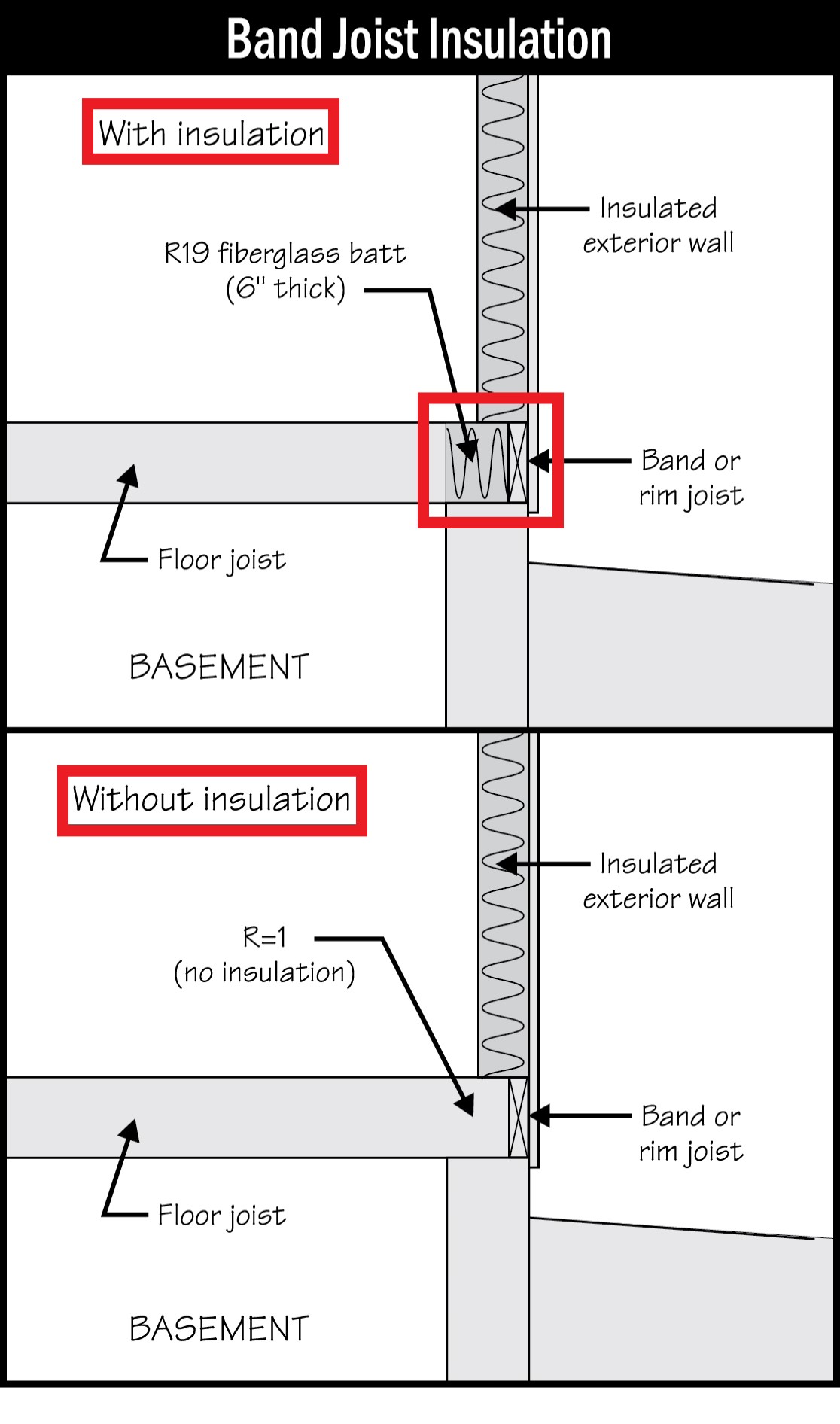 |
Subfloor
Condition:SatisfactoryPartially visiblePrevious Staining Around Plumbing ComponentsRecommend Monitoring Older Staining
Evaluation:If the basement ceiling was partially finished, a complete visual inspection of the first floor components was limited.
Common stains were observed on subfloor with no signs of an active leak, recommend monitoring all older stains. When practical, it is advised to clean all previous stains in a home to help differentiate future stains.
Plumbing
Water service
Water entry piping material:Main Shutoff LabeledNot Visible - Covered
Main water shutoff valve location:Basement
Lead other than solder joints:No
Visible water distribution piping:CopperGalvanized
Overall Condition of Water Supply Piping:Satisfactory
Water/Flow:Satisfactory
Type of Drain/Waste/Vent pipe:PVCCast ironGalvanized
Overall Condition of Drain/Waste/Vent:Marginal, Corrosion
Drainage/Flow:Satisfactory
Support:Metal and/or Plastic
Interior fuel storage system (Oil Tank):No
Fuel line:Black iron
Traps proper P-Type:Yes
Floor Drains:Not Tested or Evaluated
Condition:Satisfactory
Plumbing Misc.: Cross connection not present
When the home has been vacant for an extended amount of time there is an increased risk for deterioration of some plumbing components. While every effort is made to identify these conditions during the inspection, they may not be evident and may possibly fail after just a few days.
Main water shutoff valve for home was labeled

Most homeowners are unfamiliar with how a well system operates. Image is informational.

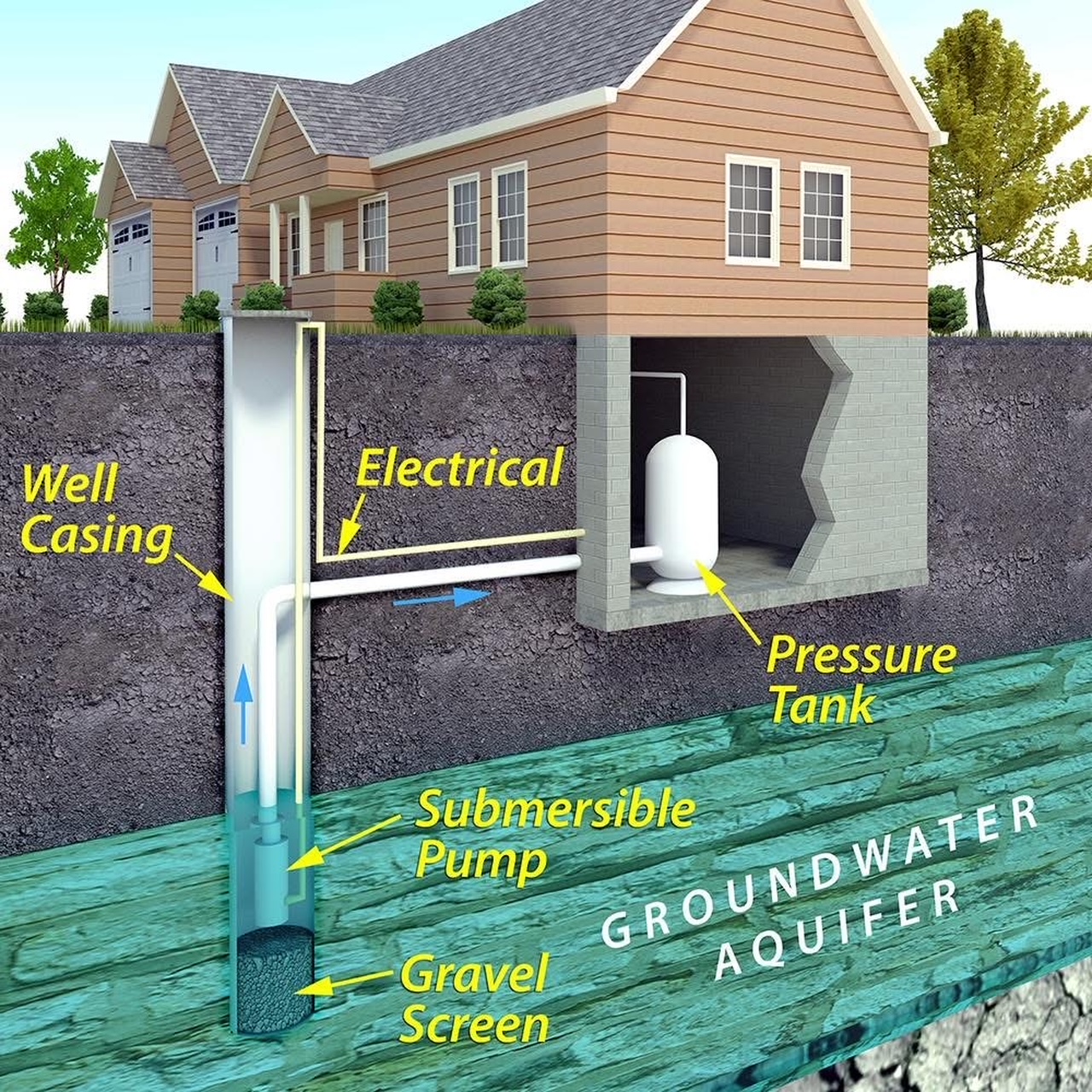 |
Drain pipe in basement from kitchen sink was non-standard with signs of a previous leak, recommend monitoring.
 |  |
Older cast iron drainage pipes have previous pin hole leaks that have corroded and sealed themselves. These older drainage pipes have an average service life between 70-100 years before needed servicing or replacement with a newer PVC material, recommend monitoring and upgrading as needed.
 |  |  |
Old white insulation tape was observed on a section of the galvanized water-entry piping in the basement. This type of pipe wrap may contain asbestos, although it appeared to have been properly encapsulated with mastic and showed no visible signs of deterioration, friability, or loose fibers at the time of inspection.
Recommend periodically monitoring the material to ensure it remains intact and undisturbed. If future renovation work or damage exposes the insulation, a licensed asbestos professional should evaluate and repair or remove it as needed to prevent the release of airborne fibers.

Water entry pipe to home from well enters South foundation wall. When viewed through wall paneling penetration, an active leak was observed within the wall cavity, recommend a qualified plumber repair as needed. Significant water damage was observed at base of this wood paneling wall.
 |  |
Water in home had a disagreeable odor similar to elevated sulfur levels. The source for the odor was not verified and may be related to minerals within the well water or plumbing components, consideration should be given to consult with a qualified water technician/specialist for treatment options.

Sump Pump Discharge – Unclear Termination
The sump pump discharge pipe was observed connected to an unidentified underground cast iron pipe penetrating the west foundation wall and extending toward the rear yard. The termination point of this pipe could not be determined at the time of inspection.
A towel was present at the pipe entry point, which may indicate an attempt to limit air or odor movement. No visible trap or venting arrangement was observed at this location.
Because the discharge location and configuration of this piping are unknown, its compliance with current installation standards could not be confirmed. Recommend further evaluation by a qualified plumbing contractor to determine the discharge path and to make any necessary repairs or modifications to align with modern installation guidelines and best practices.
 |  |
A pipe was located adjacent main drainage cleanout in basement floor and purpose was not verified, recommend consulting with a qualified plumber for improvement options.

Evaluating underground plumbing systems, including waste and drain pipes are not within the scope of a standard home inspection. Blockages and/or failure can occur at any time in the life of any system. We attempt to evaluate drain pipes by flushing every drain that has an active fixture while observing its draw and watching for blockages and/or slow drains. However, this is not always a conclusive test. Homes 40+ years old have an increased risk for blockages or damage of the underground drainage pipe (sewer lateral), recommend consulting with seller for any previous or current drainage problems/repairs or documentation and/or a qualified specialist to perform a video scan to confirm its actual condition.
 | 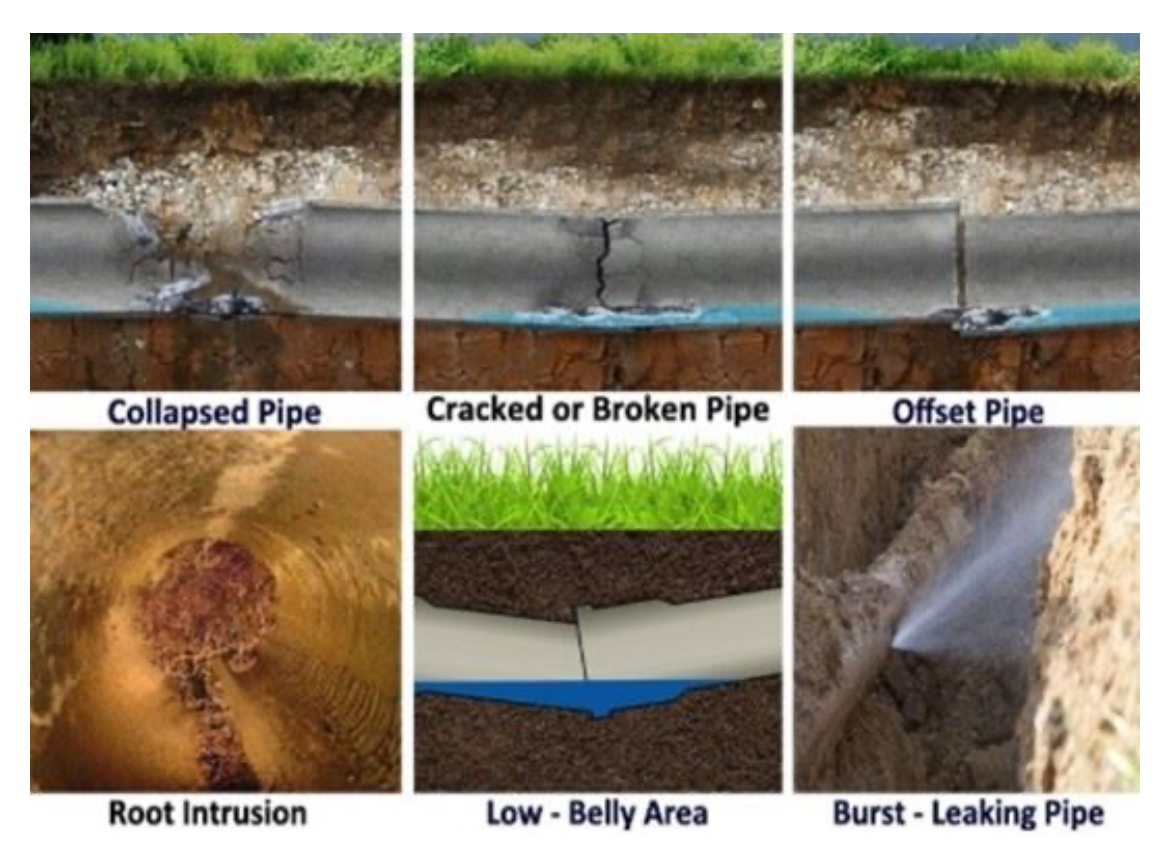 |
Main fuel (gas) shut-off location
Location:side exterior wall
Water heater
Manufacturer: AO Smith
Age: 38 years old
Capacity: 40 Gallons
Type:Gas
Vent pipe:Satisfactory
Combustion air venting present:Yes
Relief valve:Missing
Overall Condition:Poor, recommend replacing
Water heater was older and operational but had signs of a chronic leak at base.
 |  |
An active leak was found at the water heater, recommend a qualified plumber replace to prevent water damage.
 |  |
The discharge tube for the water heater temperature and pressure relief valve (TPRV) was missing and requires correction to reduce the risk of scalding. If the TPRV were to discharge, hot water and steam could be released, creating a significant safety hazard. A proper discharge pipe should be installed and terminate within approximately 6 inches of the floor to safely direct water and steam away from occupants. It is recommended that a qualified plumber or contractor install the appropriate discharge piping in accordance with current safety standards at water heater replacement.
 |  |
Heating System - Furnace
Heating system
Manufacturer : Armstrong Air
Age of Furnace: 11 years old
Condition: Satisfactory, Annual/Routine Maintenance Evaluation Recommended
When turned on by thermostat:Proper operation
Energy source:Gas
Distribution:Metal duct with cold air returnsDuct board
Warm air system:Central system
Flue piping:Satisfactory
Heat exchanger:Not visible and not evaluatedSealed
Carbon monoxide:Not tested
Combustion air venting present:Yes
Controls:Normal operating and safety controls observed with gas shut off valve and electrical disconnect
Furnace filter:Recommend replacing - MediaSize:20x25x5
Annual professional maintenance of HVAC equipment—particularly furnaces—is a vital practice that helps extend system life, improve energy efficiency, and reduce the likelihood of unexpected breakdowns or costly repairs. While a furnace may have a service life of 15–25 years, several internal components such as igniters, flame sensors, blower motors, capacitors, and control boards typically have shorter life spans and can fail without warning if not routinely inspected and serviced.
Routine maintenance allows a qualified technician to clean essential parts, verify safe operation, check for carbon monoxide leaks, calibrate controls, and ensure proper airflow and combustion. Dirty filters, clogged condensate drains, worn belts, and dust buildup on the heat exchanger or blower wheel can all reduce performance, strain the system, and increase the risk of failure. Preventative servicing can also catch minor issues before they escalate into major problems, especially during peak heating or cooling seasons when repair delays are more likely.

When tested at register, temperature rise was within the recommended range.

Furnace with cover removed. Furnace operated as intended at time of inspection.

The furnace air filter has dust/dirt buildup and requires replacement. This media style often requires replacement every 6 months.

A whole-house humidifier was installed on the ductwork above the furnace. Evaluating the operational performance, efficiency, output level, or internal condition of humidifiers is outside the scope of a standard home inspection, as these components are considered ancillary accessories to the heating system and typically require disassembly, seasonal adjustment, and extended operation to properly assess.
Whole-house humidifiers are commonly installed to add moisture to indoor air during dry winter months. Proper humidity levels can help improve comfort by reducing static electricity, minimizing excessive drying and shrinkage of wood flooring, trim, cabinetry, and other finishes, and helping the indoor air feel warmer at lower thermostat settings. In some cases, balanced humidity may also help alleviate certain respiratory discomforts associated with dry indoor air.
These units require regular homeowner involvement and ongoing maintenance to function properly. Typical maintenance includes seasonal adjustment of damper settings, periodic monitoring of indoor humidity levels, and annual replacement of the internal water panel or evaporative media. Without routine maintenance, humidifiers may become ineffective or contribute to mineral buildup, restricted airflow, or water leakage.
Older humidifiers are commonly found abandoned or disconnected due to poor performance, lack of maintenance, or prior leakage issues. When neglected, these units are prone to leaking, which can damage furnace components, ductwork, wiring, or surrounding materials. For this reason, many homeowners choose to discontinue use altogether rather than maintain the system.
Most whole-house humidifiers have a typical service life of less than 10 years for peak efficiency. Units beyond this age may no longer perform as intended, even if water is present or the system appears connected. The presence of a humidifier does not guarantee proper operation or adequate humidity control.
If future use of the humidifier is desired, the homeowner should become familiar with the unit’s controls, recommended humidity settings, and seasonal adjustments to avoid over-humidification, which can lead to condensation, window damage, or interior moisture concerns. A routine service evaluation by a qualified HVAC technician is recommended to assess the humidifier’s condition, verify proper operation, confirm safe integration with the heating system, and advise on maintenance, repair, or replacement as needed.

Condensate drain hose was improperly discharging water onto basement floor with significant ponding, recommend replacing hose with a longer style that can reach the floor drain in laundry area.
 |  |
Electrical System(s)
Main panel
Location:Basement
Adequate Clearance to Panel:Yes
Physical Condition:Recommend Repair
Main wire: Copper
Main Wire Condition: Satisfactory
Amperage/Voltage:120v/240 volt systemNot Verified
Breakers/Fuses:BreakersFuses
Branch wire:Copper
Branch Wire Type:Romex (Non-metallic)BX cableConduit
Branch wire condition:Double tapping
Appears grounded:Not Visible
GFCI breaker:No
AFCI breaker:No
Misc. Electrical :Open Junction BoxesUnprofessional Wiring Methods
Evaluation: If electrical repairs have been noted in the report, a licensed electrician may find additional repairs/safety concerns not within the scope of the inspection.
Older style fuses were in use that have become obsolete in the electrical industry. While this style is still available, they do not have modern safety features and some home insurance agencies have safety concerns about this style. Additionally, several double taps were evident creating a safety concern, recommend a licensed electrician evaluate to determine the best upgrading options.


 |  | |
Recommend installing cover plates on all open junction boxes.

The visual inspection of the electrical system in basement turned up evidence of unprofessional wiring methods, recommend a qualified contractor evaluate and correct all deficiencies.

SubPanel(s)
Location(s):Adjacent Main panel
Adequate Clearance to Panel:Yes
Physical Condition:Recommend Repair
Main wire:Copper
Breakers/Fuses:Breakers
Branch wire:Copper
Branch Wire Type:Romex (Non-metallic)BX cableConduitKnob/TubeCloth Wiring
Branch wire condition:Satisfactory
GFCI breaker:No
AFCI breaker:No
Misc. Electrical :N/A
Grounds and Neutral Separated :No
Grounds and Neutral Isolated:No
Subpanel with cover removed.

Subpanel safety has improved, ground (bare) wires and neutral (white) wires are now recommended to be separated and isolated, recommend a qualified contractor improve panel to reflect modern safety standards.

End of Report
Thank You
Thank You: This report is effectively a snapshot of the home at a specific date and time and is our professional opinion of the accessible components of the unit - this is not an exhaustive technical evaluation. Our overall goal is to provide you with the best and most pertinent information we can uncover. As a courtesy, your report also documents common home maintenance improvements that do not typically require immediate attention and can be considered a to-do list once you take ownership. The two most important things to remember when buying a home is that water will create the most significant issues and that every system or component requires some type of maintenance to help prolong its useful life.
This "Safe Home Book" is included as part of your inspection to help you maintain your home, protect its value, and prevent potential future issues.
Signed Contracts

Scope Inspections, LLC
WI State Inspector License No. 2889-106