
.png)
Alison Mullins, Virginia State License #3380002461 Expires 08/31/2028
Scope and Purpose of a Home Inspection
A home inspection is a limited, visual, non-invasive evaluation of the readily accessible systems and components of a property. Its purpose is to help reduce risk by providing a professional opinion about the general condition of the home at the time of inspection. It is not an insurance policy, warranty, guarantee, or substitute for specialized testing or technically exhaustive evaluation.
The inspection is based only on what can be safely observed without dismantling, damaging, disfiguring, or moving personal property, furniture, finishes, insulation, or stored items. Concealed, hidden, inaccessible, or unsafe areas are outside the scope of the inspection. Some systems or components may not be operated if doing so could risk damage to the property.
This inspection is not a code-compliance inspection. Building codes change over time, and older homes are generally not required to meet current code unless specific renovation or permitting requirements apply. The report may identify safety concerns or visible defects, but it is not intended to determine whether the property complies with municipal, state, or national building codes.
The observations in the report reflect the inspector’s professional opinion based on visible conditions at the time of inspection. Construction methods, standards, and repair opinions may vary among inspectors, contractors, engineers, and other professionals. Clients are encouraged to seek further evaluation from qualified specialists when recommended or when additional certainty is desired.
The inspection may include visible and readily accessible portions of the exterior, roof, structure, drainage, foundation, attic, interior, plumbing, electrical, heating, cooling, and related systems, as applicable. The report is not intended to identify every defect, predict future conditions, or eliminate all risk associated with buying, selling, or maintaining a home.
Limitations may be noted throughout the report where access, visibility, safety, weather, property conditions, or system operation affected the inspection. Not every limitation can be listed, especially where conditions are obviously concealed by finished materials, furnishings, insulation, storage, or personal belongings.
Client attendance is strongly encouraged. A written report is valuable, but it cannot fully replace the understanding gained from seeing conditions in person, asking questions, and discussing observations during the inspection.
How to Read This Report - Don't just read the summary
The summary does not include all the information and the rest of the report may have information that significantly impact your impression of the home.
The Summary Page is designed as a bulleted overview of all the observations noted during inspection. This helpful overview is not a substitution for reading the entire inspection report. The entire report must be read to get a complete understanding of this inspection report as the Summary Page does not include photographs or photo captions.
Reading the Information
This report is designed to deliver important and technical information in a way that is easy for anyone to access and understand. If you are in a hurry, you can take a quick look at our "Summary Page” and quickly get critical information for important decision making. However, we strongly recommend that you take the time to read the full Report, which includes digital photographs, captions, diagrams, descriptions, videos and hot links to additional information.
For the most reliable viewing experience, I recommend viewing the report on as large a screen as practical, as much detail can be lost on small devices like smart phones. For similar reasons, reports should only be printed in color to retain as much detail as possible and minimize misinterpretation of photographs.
This report can also be printed on paper or to a PDF document.
All narrative observations are colored, numbered and labeled to help you find, refer to, and understand the severity of the observation. Observation colors and labels used in this report are:
- Material Defect:A material defect is a specific issue with a system or component of a residential property that may have, or likely lead to, a significant, adverse impact on the value of the property, or that poses an unreasonable risk to people.
- Other Important Info:This is just information that we think you may want to know about.
- Non-Material Defect(s):These are smaller defects that are outside the scope of the inspection as they don't rise to the level of a material defect. Although we are not required to inspect for or report on non-material defects, we will report as many as we can to provide a better experience for the buyer.
- Adverse Fact :An adverse fact is not a defect, but generally impacts the perception or desirability of the property for most buyers.
- Recommended Disclosure Items:These are observations for which we recommend that sellers disclose more information to buyers so that buyers can better understand recent servicing, repairs or maintenance or even construction history or building and site design.
- General Maintenance:These are potential repair items that should be considered "routine home ownership items," such as servicing the furnace, cleaning the gutters or changing the air filters in the furnace. General maintenance suggestions does not mean all needed maintenance is included.
- Limitations:Listed limitations refer to items which would have been included in the inspection, but were concealed, inaccessible, not present, or otherwise not inspected. For a full list of what is not included in your inspection please refer to your inspection agreement.
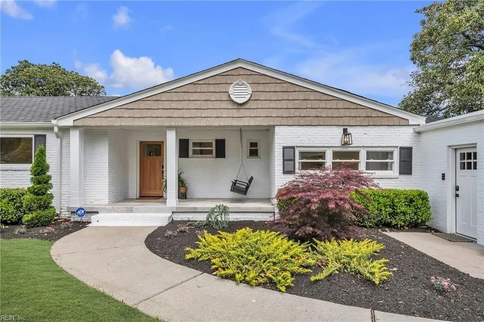
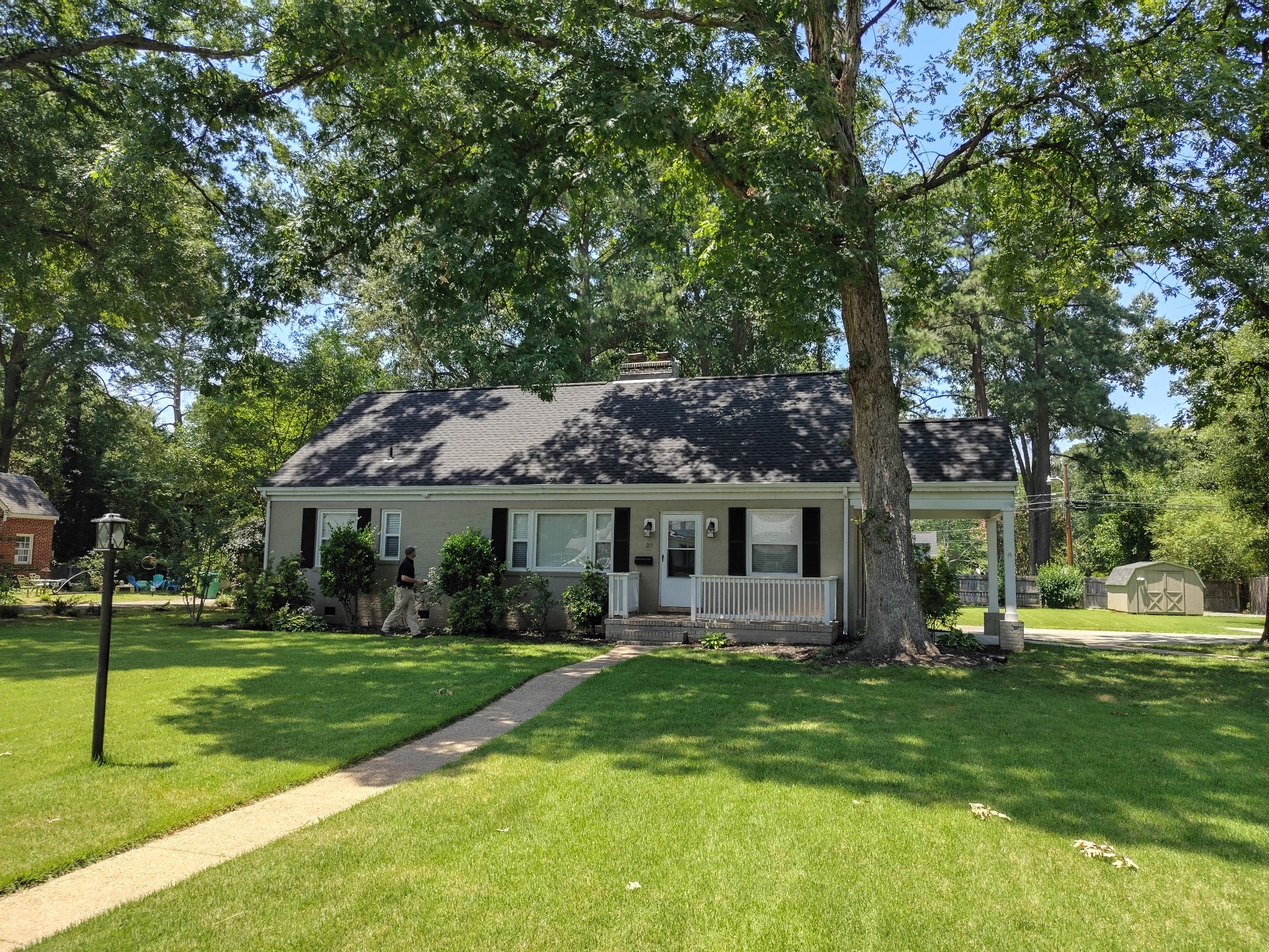
- 📃 HOUSE PHOTOS :These are the primary observational photos from the exterior of the home
***Listed Costs
Any costs listed are educated guesses based on what we observe and our experience with labor and material costs. However, actual costs may vary significantly in our area, you usually can't negotiate repairs without a starting price point provided by the buyer. The costs listed are starting points to help you negotiate repairs, but can vary substantially to actual costs. You should not accept any monetary concessions based on listed costs in the report. You should not make any financial decisions based on costs listed in the report.
Material Defect
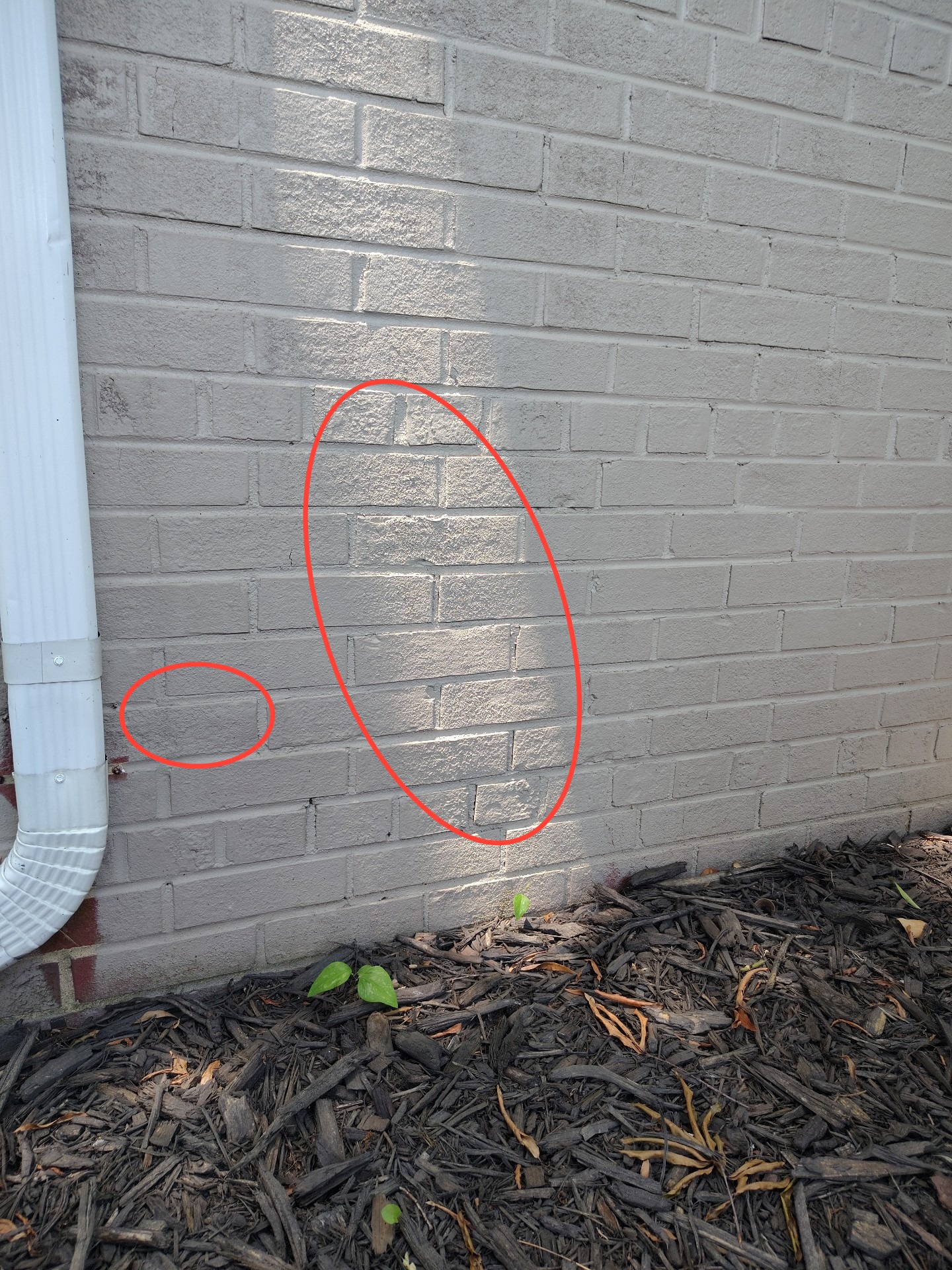
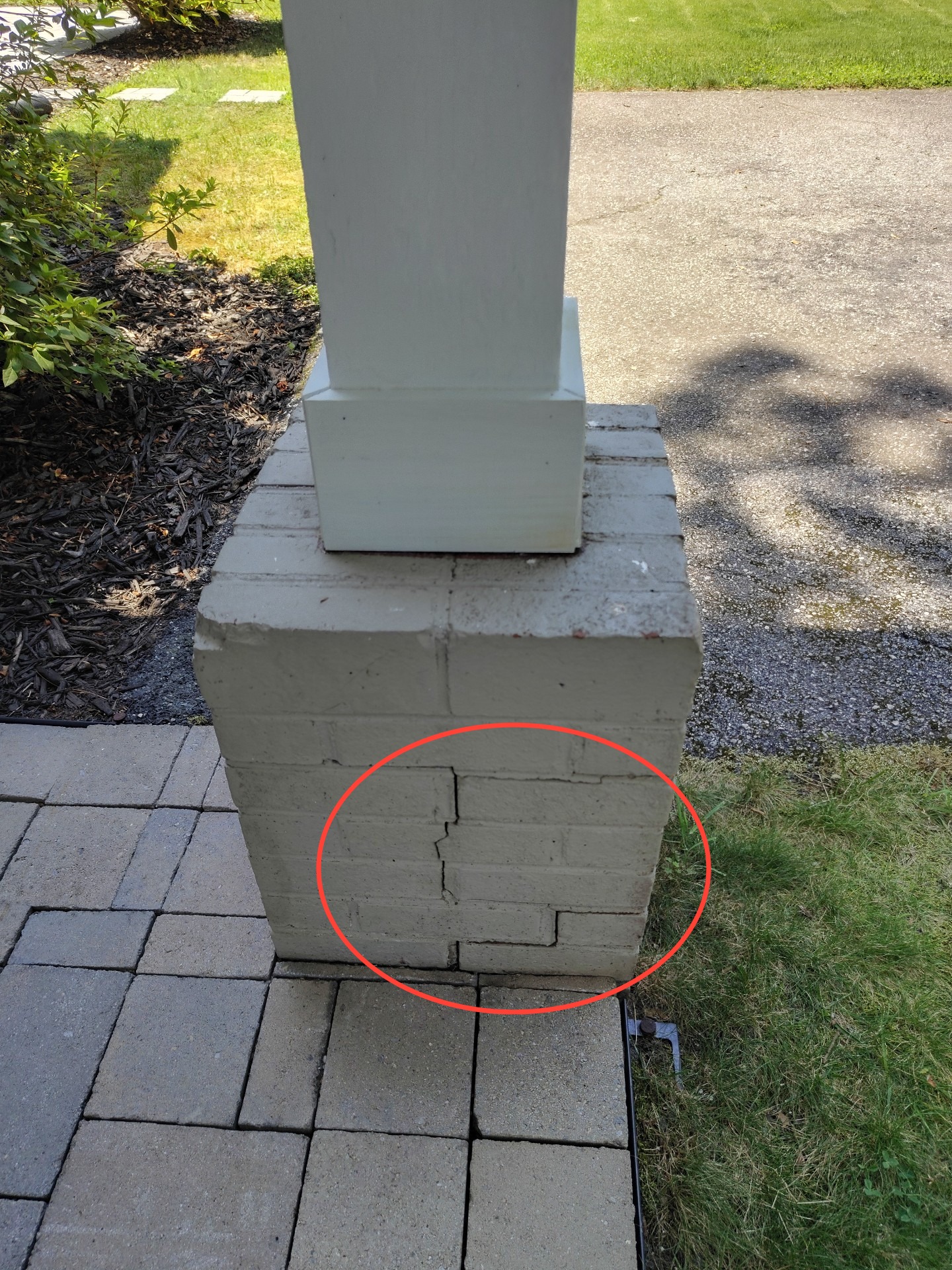
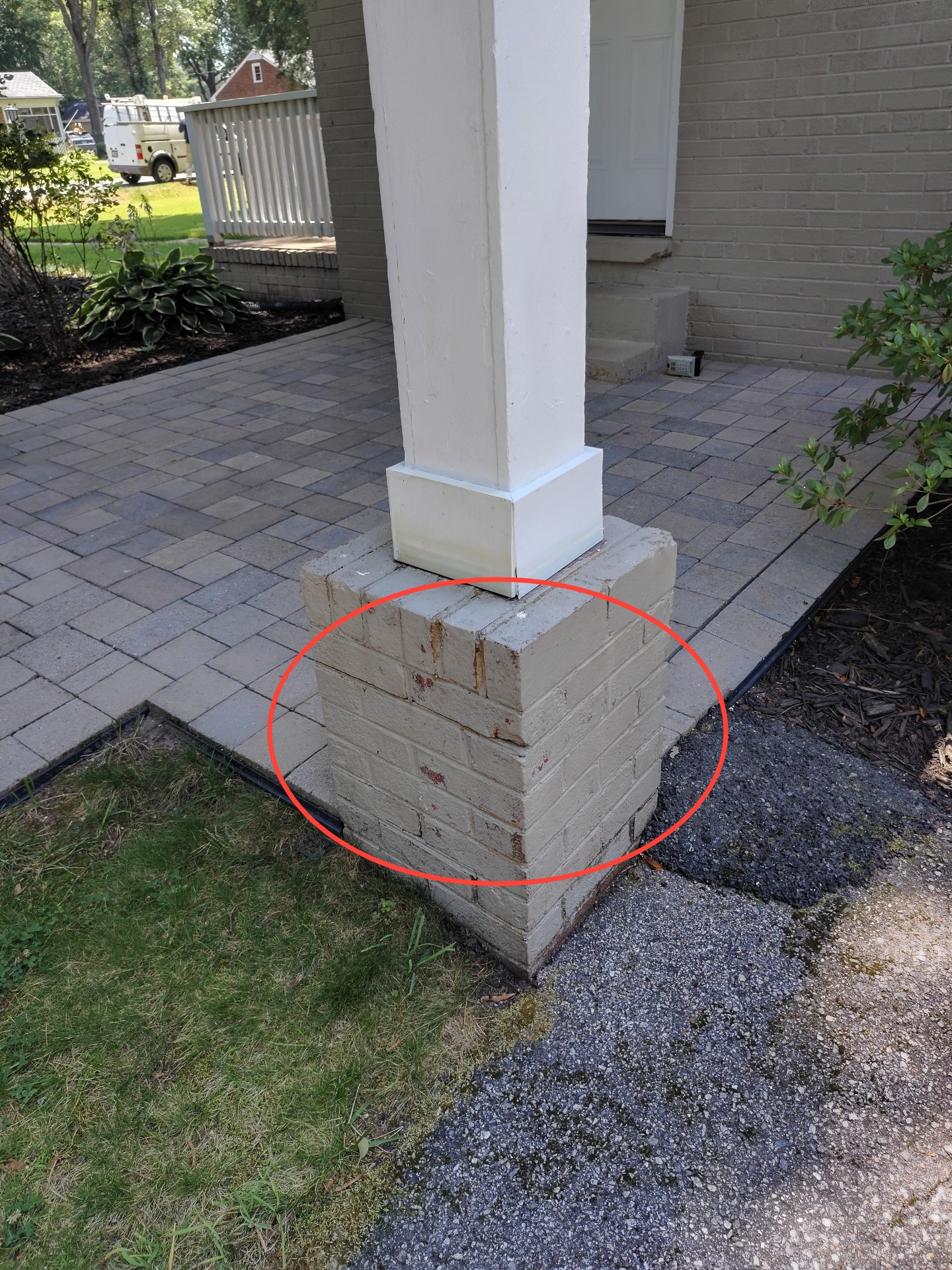
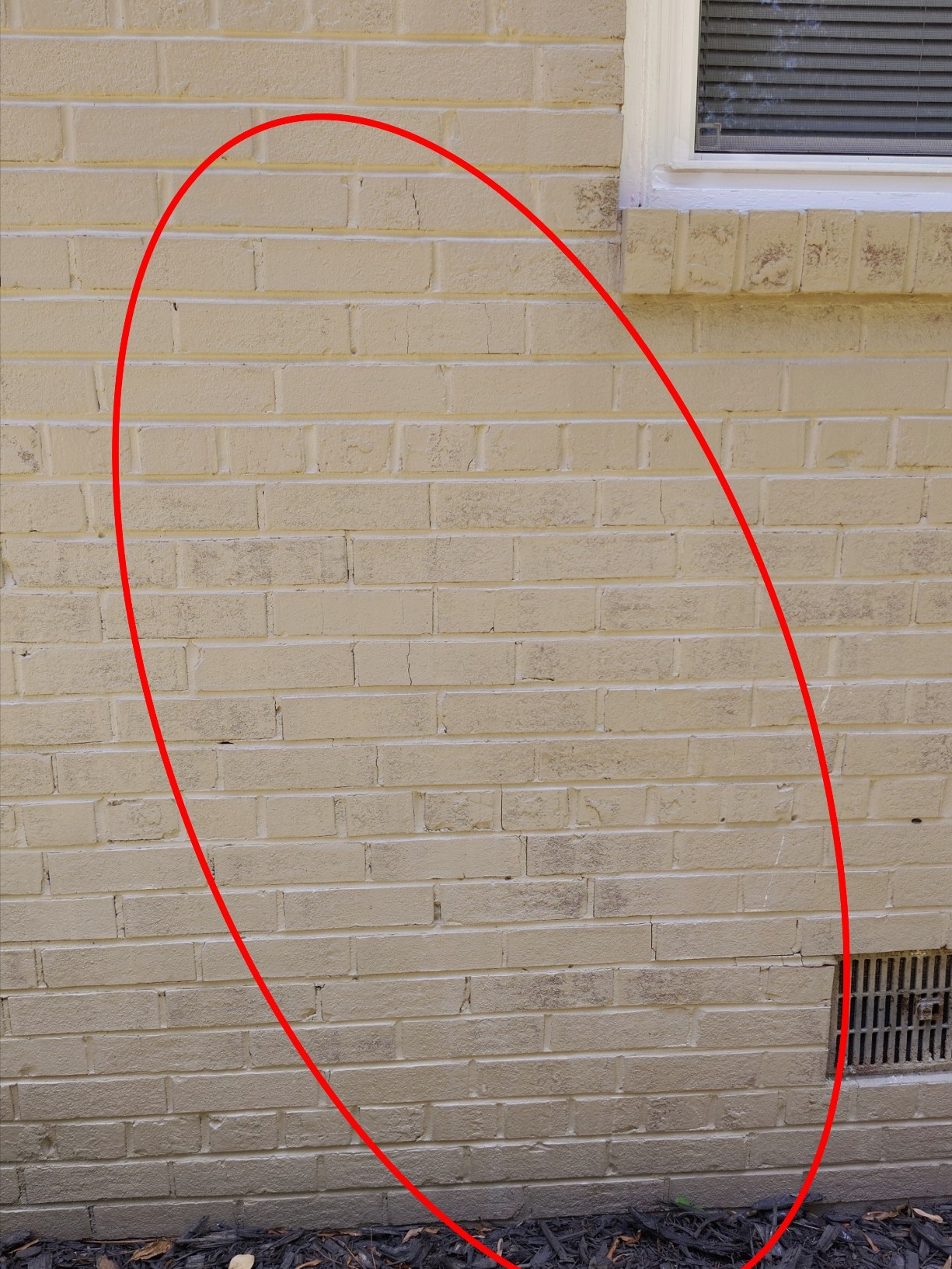
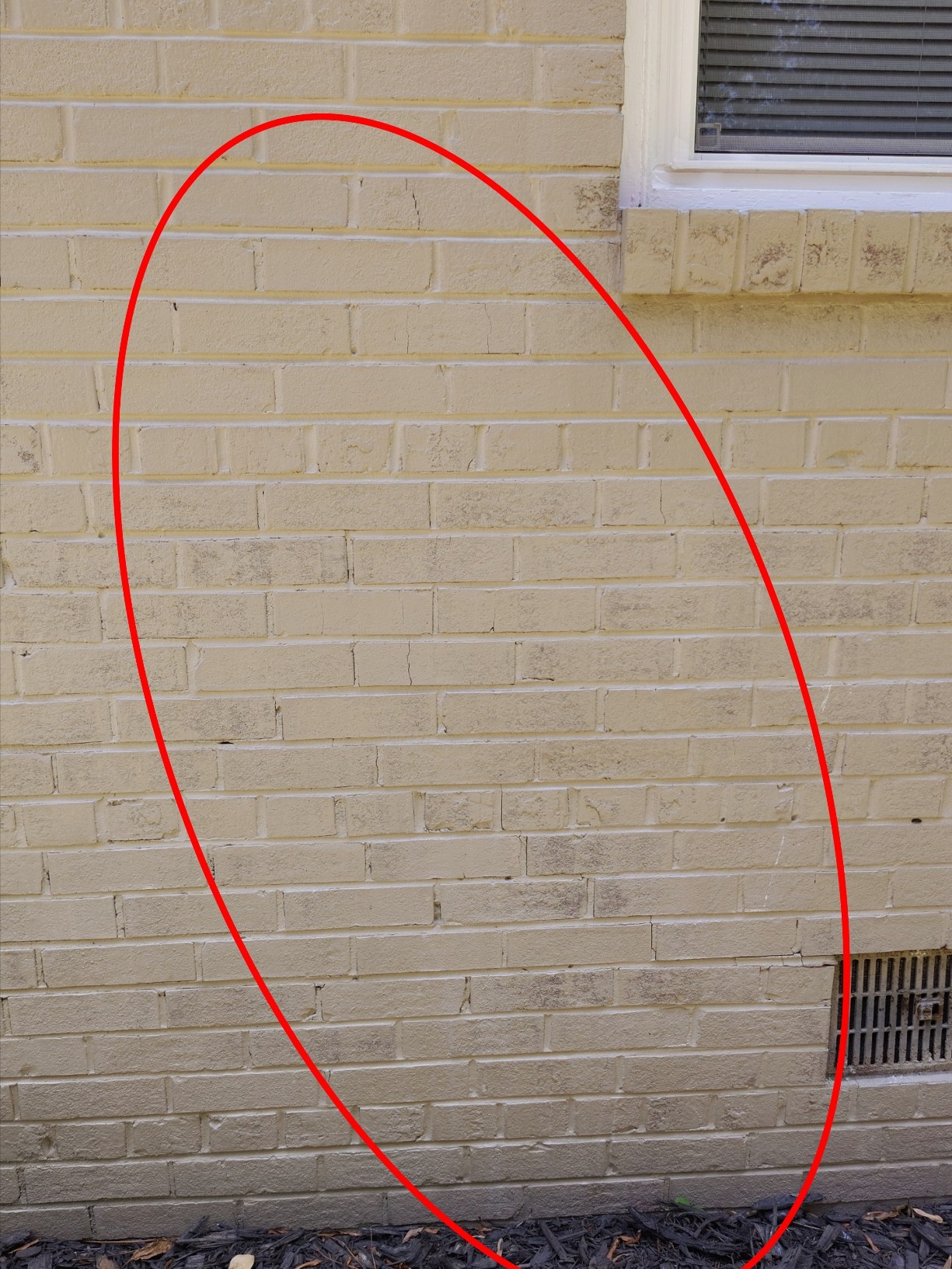
- 3.4.1 Exterior:
Repairs are needed to the masonry siding system. Examples of observations noted during inspection include:
Licensed Concrete or Masonry ContractorRepairWithin 1 Year$1000-$2500+ - 3.5.1 Exterior:
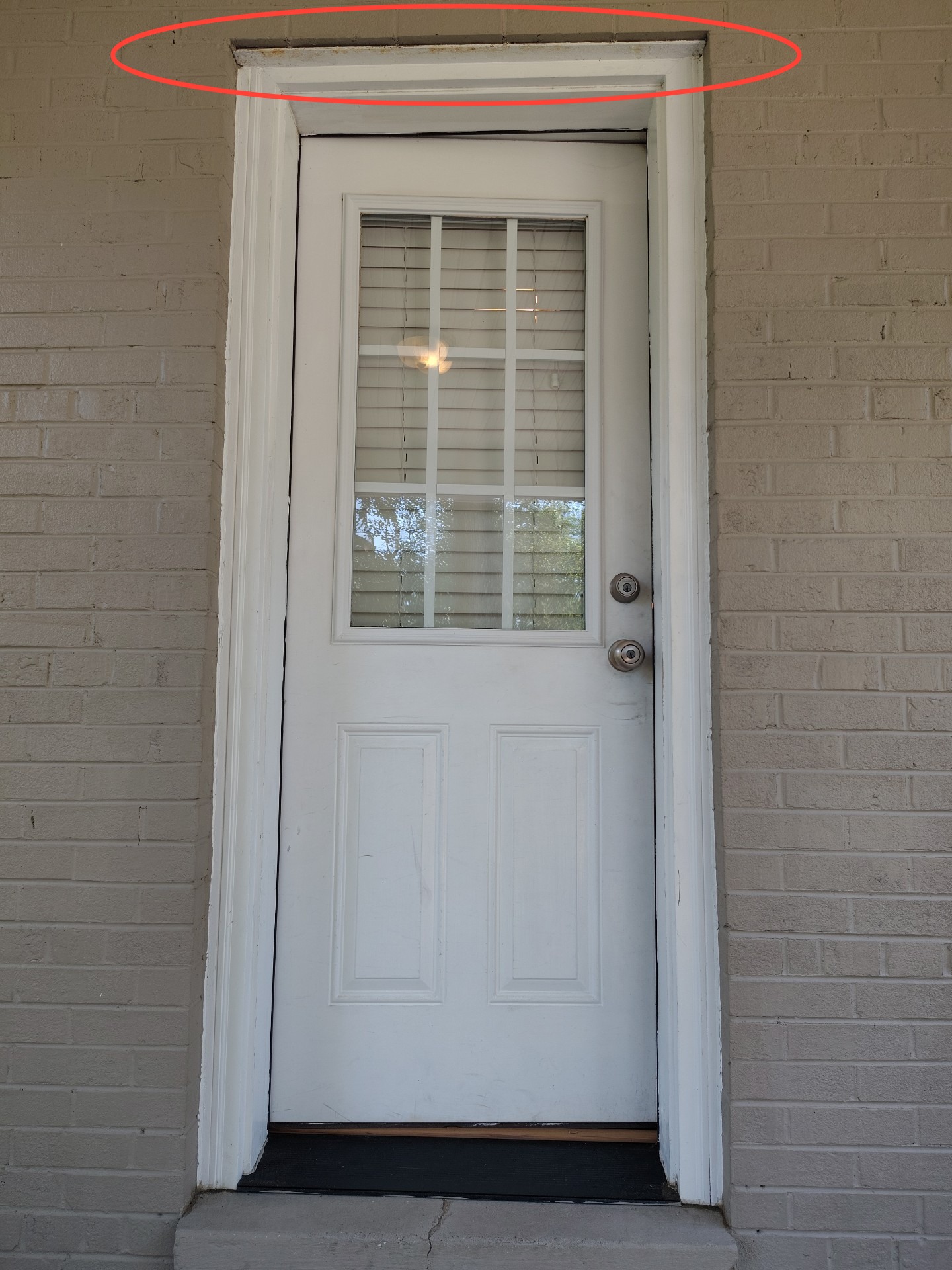
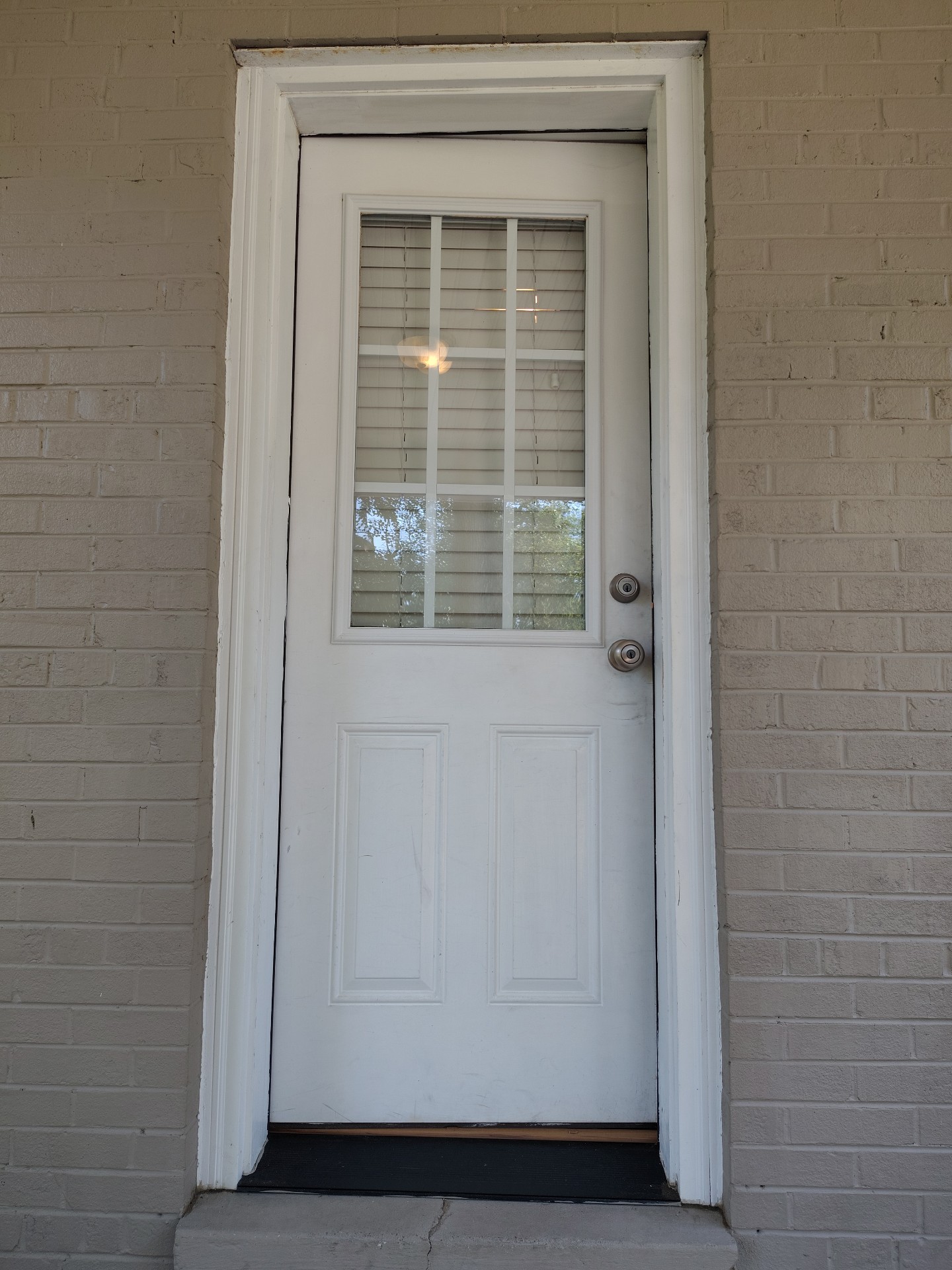
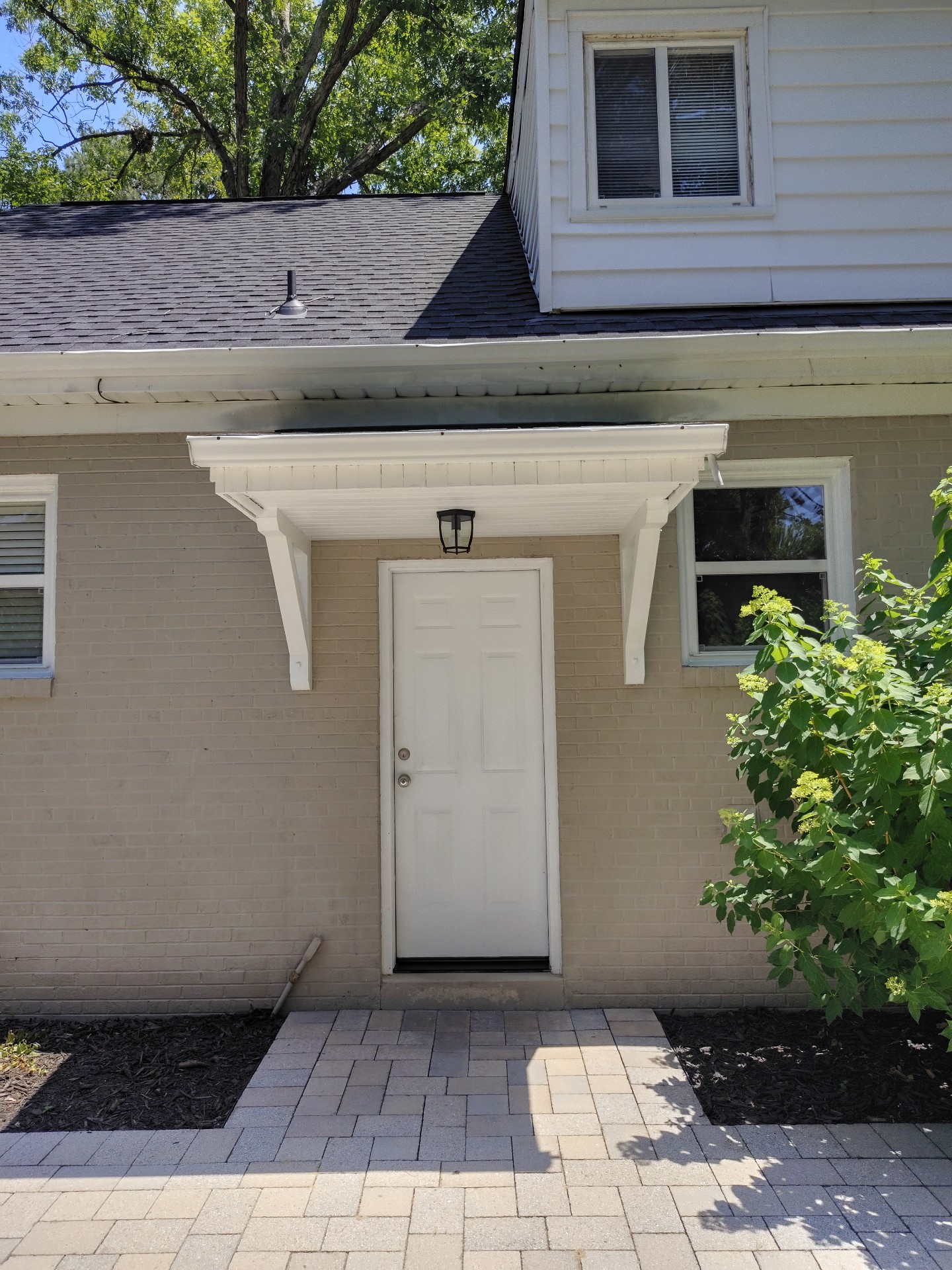
The entry door requires repair. The Lentil is rusted.
Licensed General ContractorRepairWithin 1 Year$500-$1000+ - 3.13.1 Exterior:
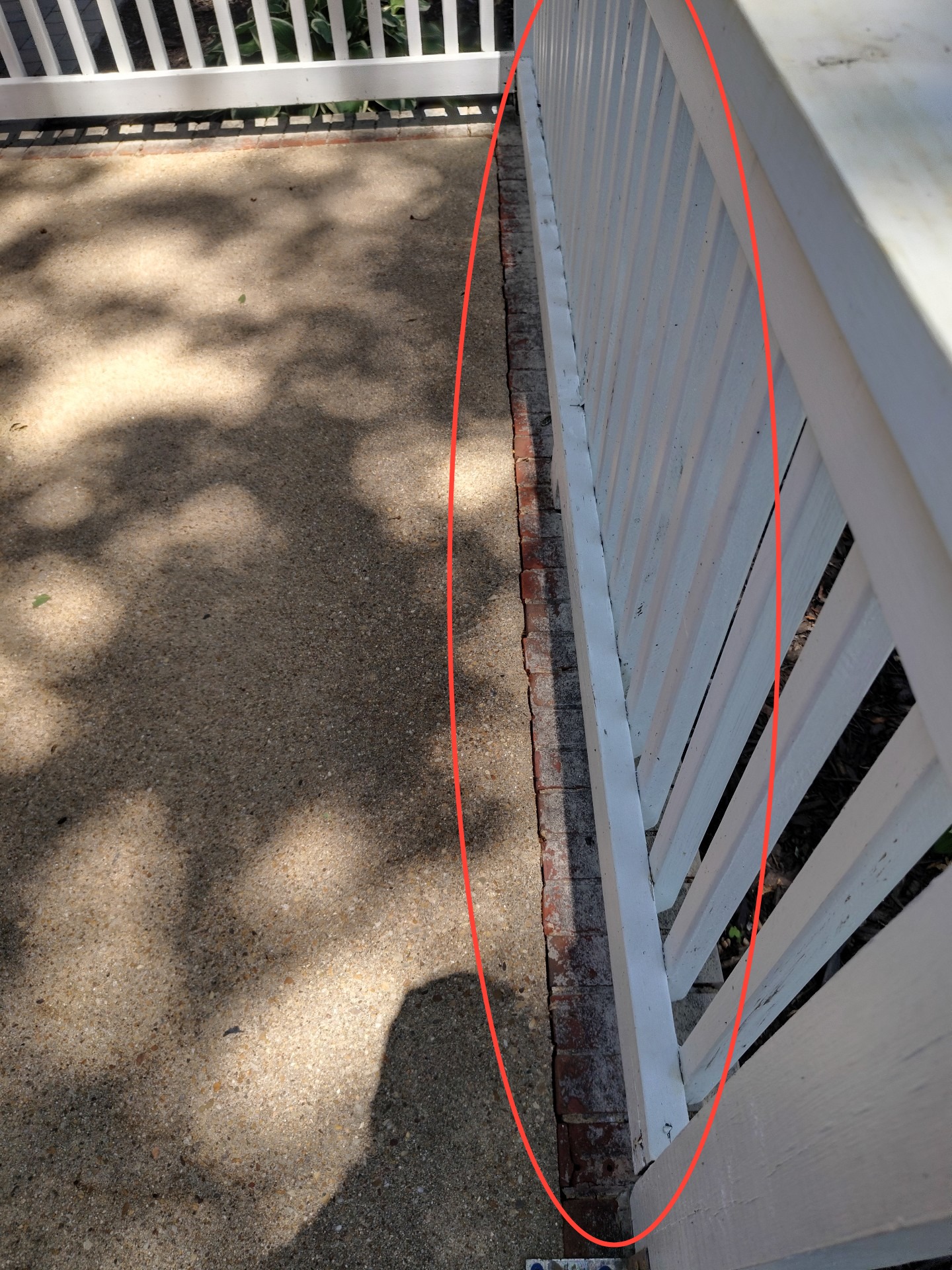
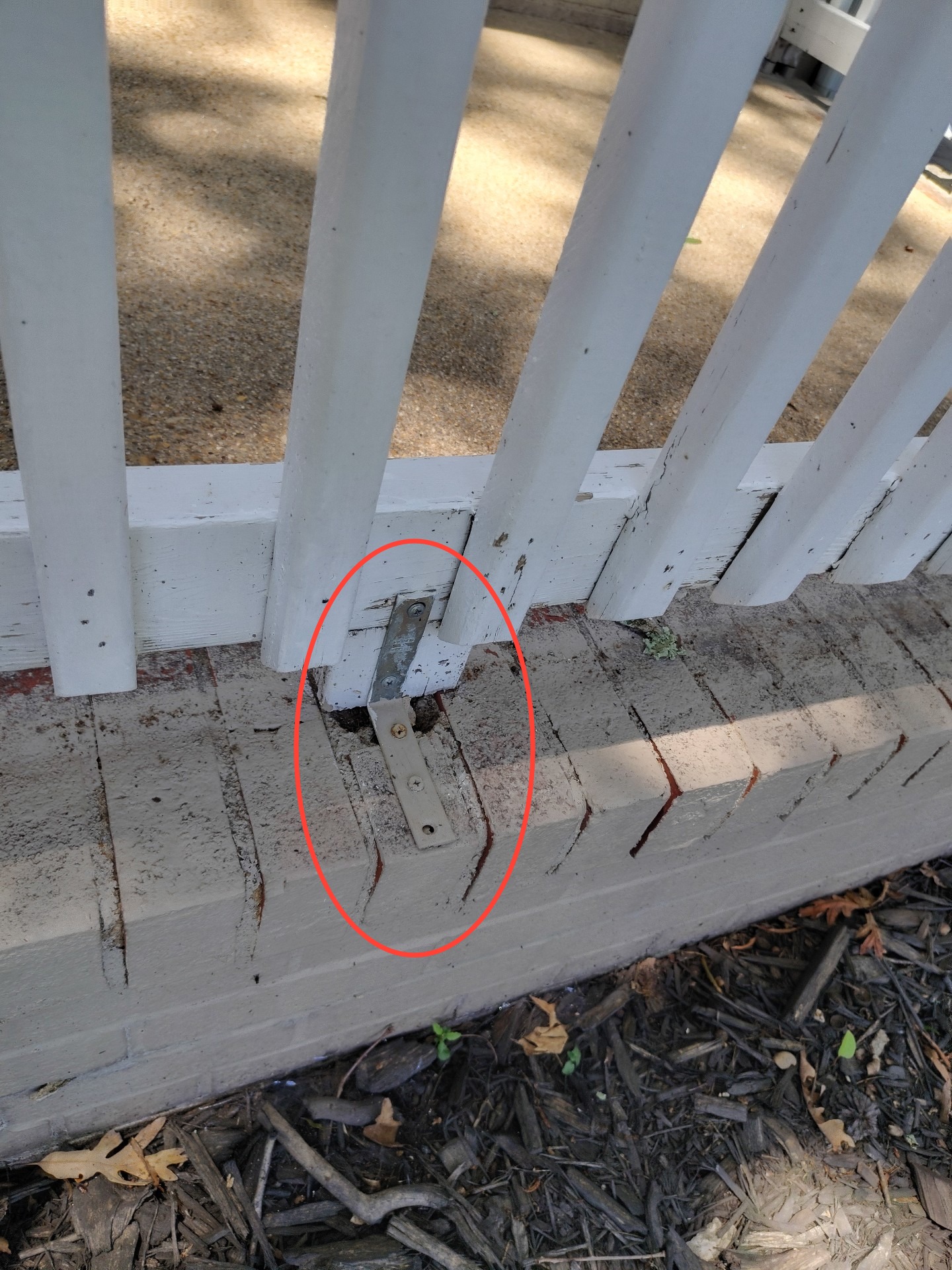
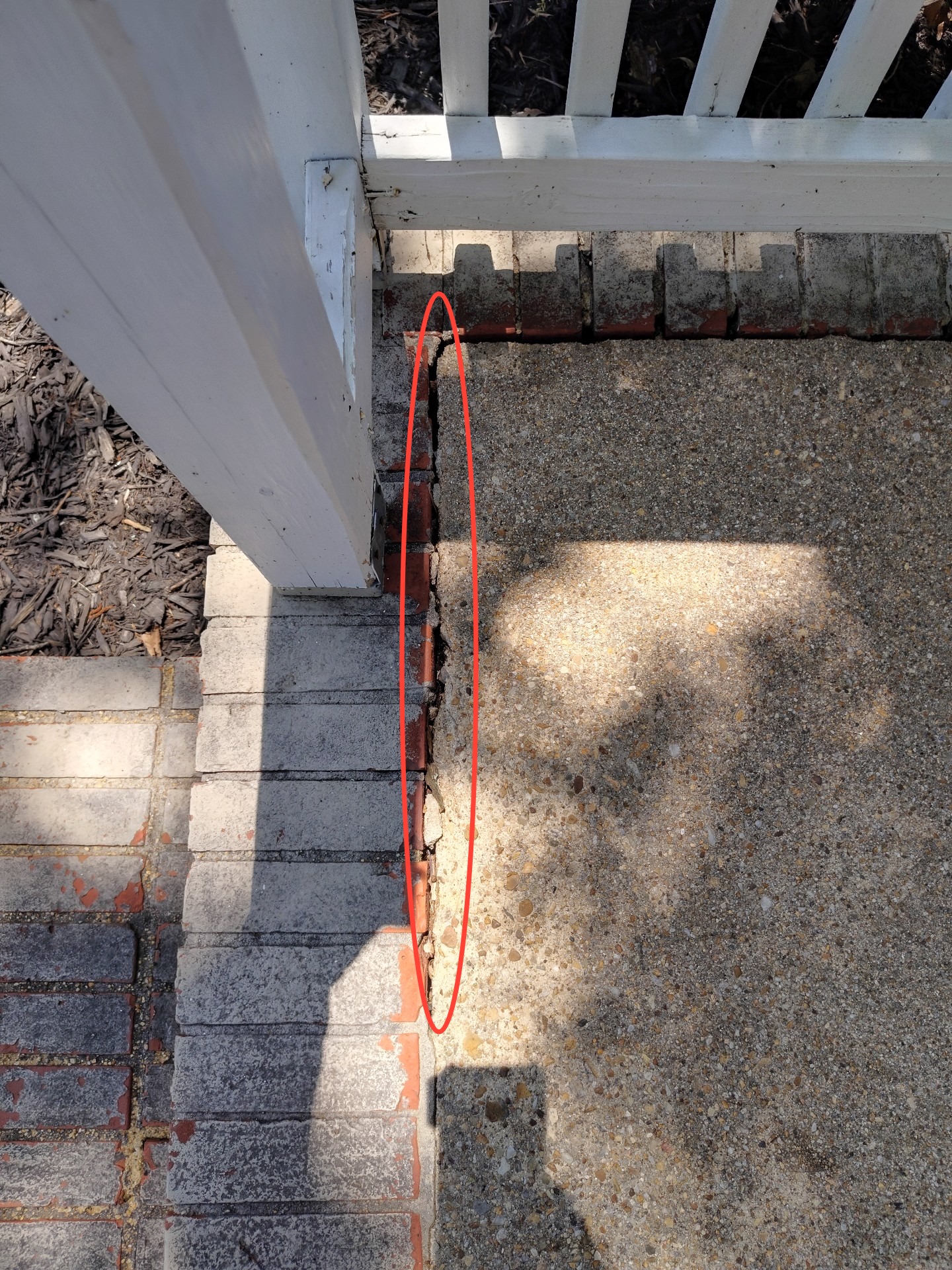
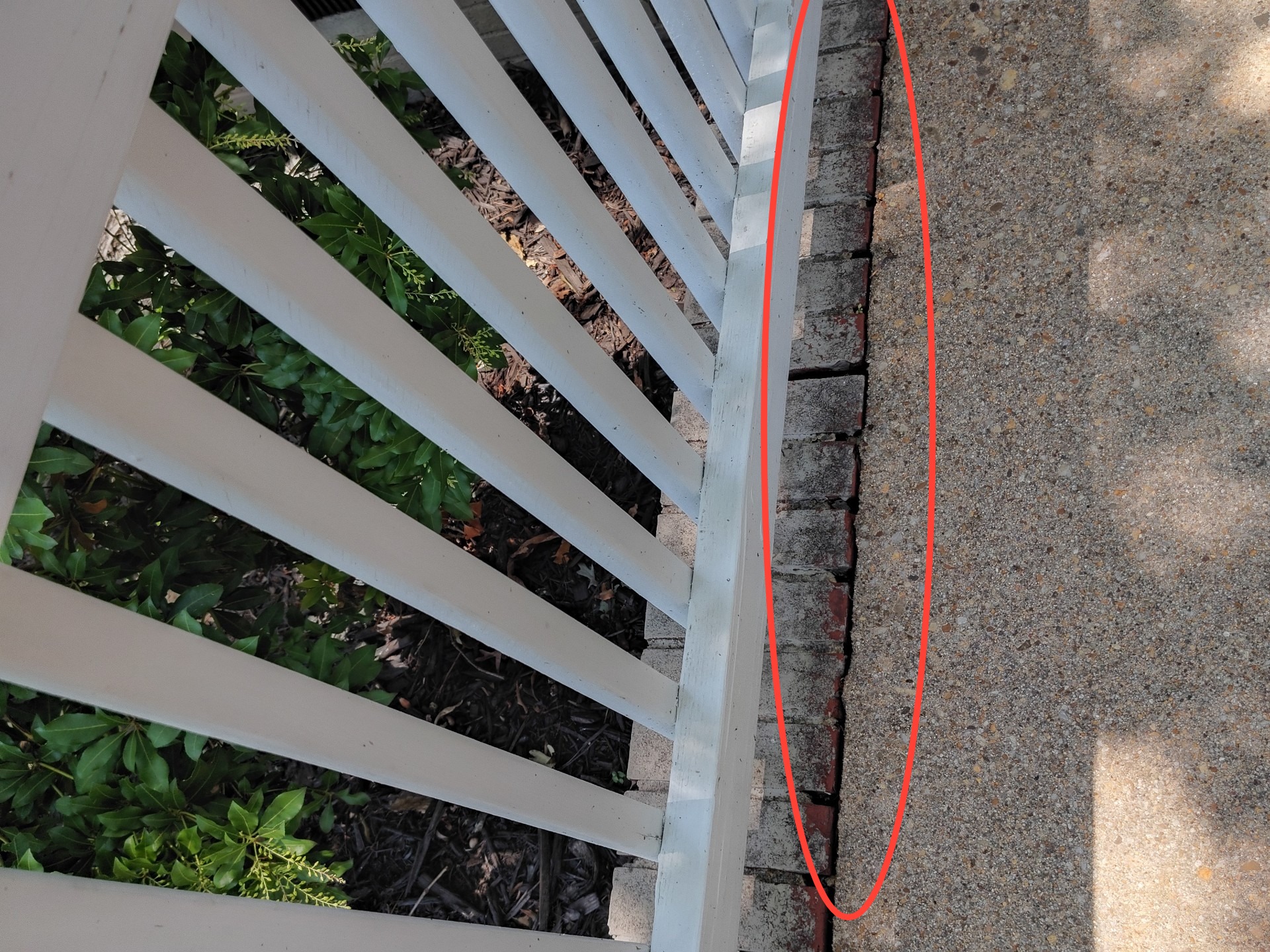
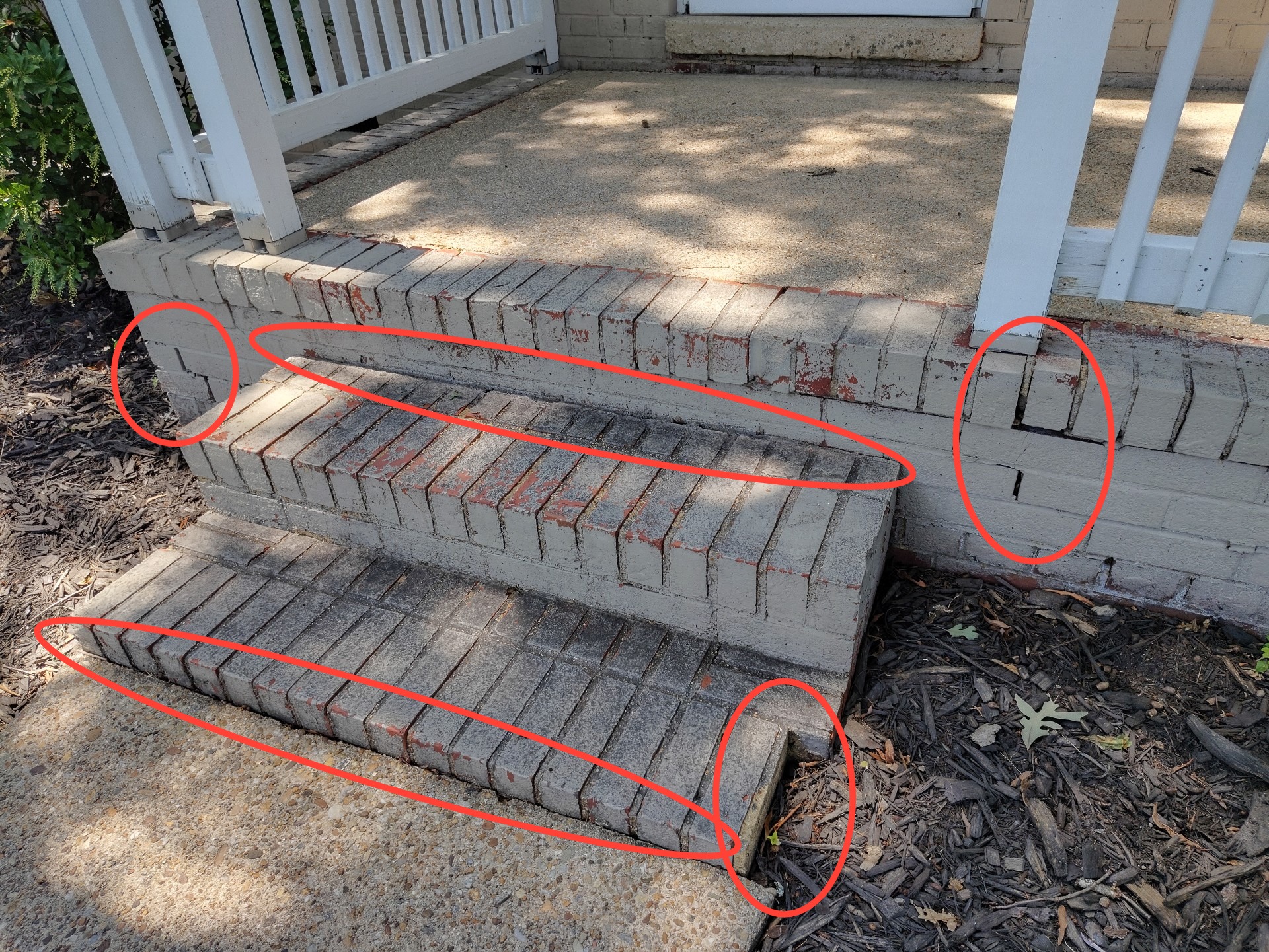
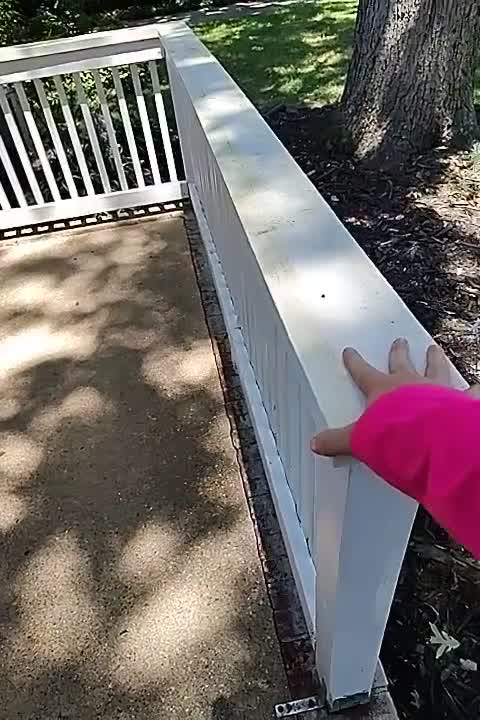
The stoop/steps are lacking a graspable handrail. Handrails are required when there are more than 3 risers. A handrail should be on at least one side of the stairs and run the full length of stairs. Cracks were noted in the stoop/steps that requires repair.
Licensed General ContractorRepairImmediate / SafetyUnder $200 - 3.15.1 Exterior:
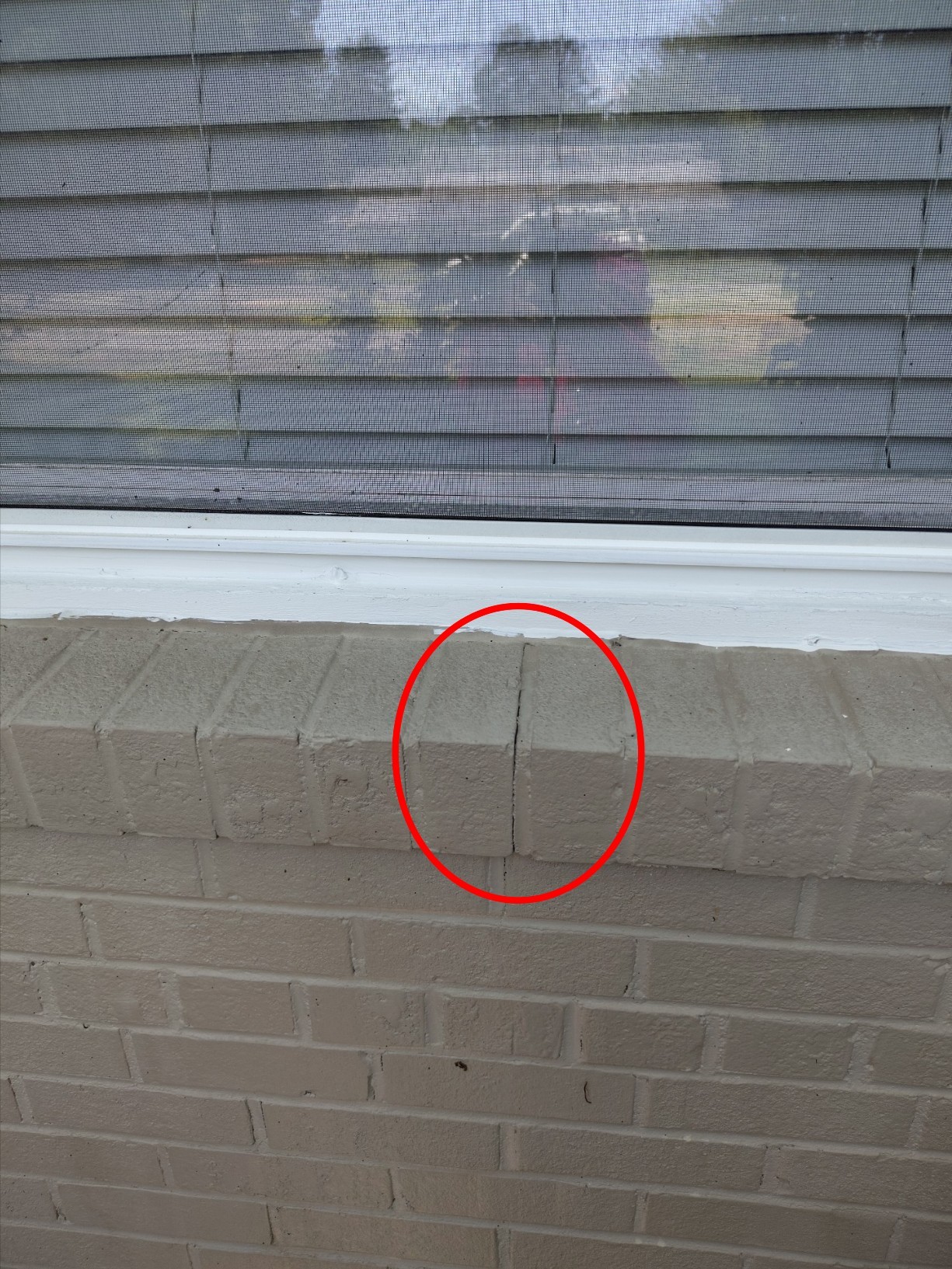
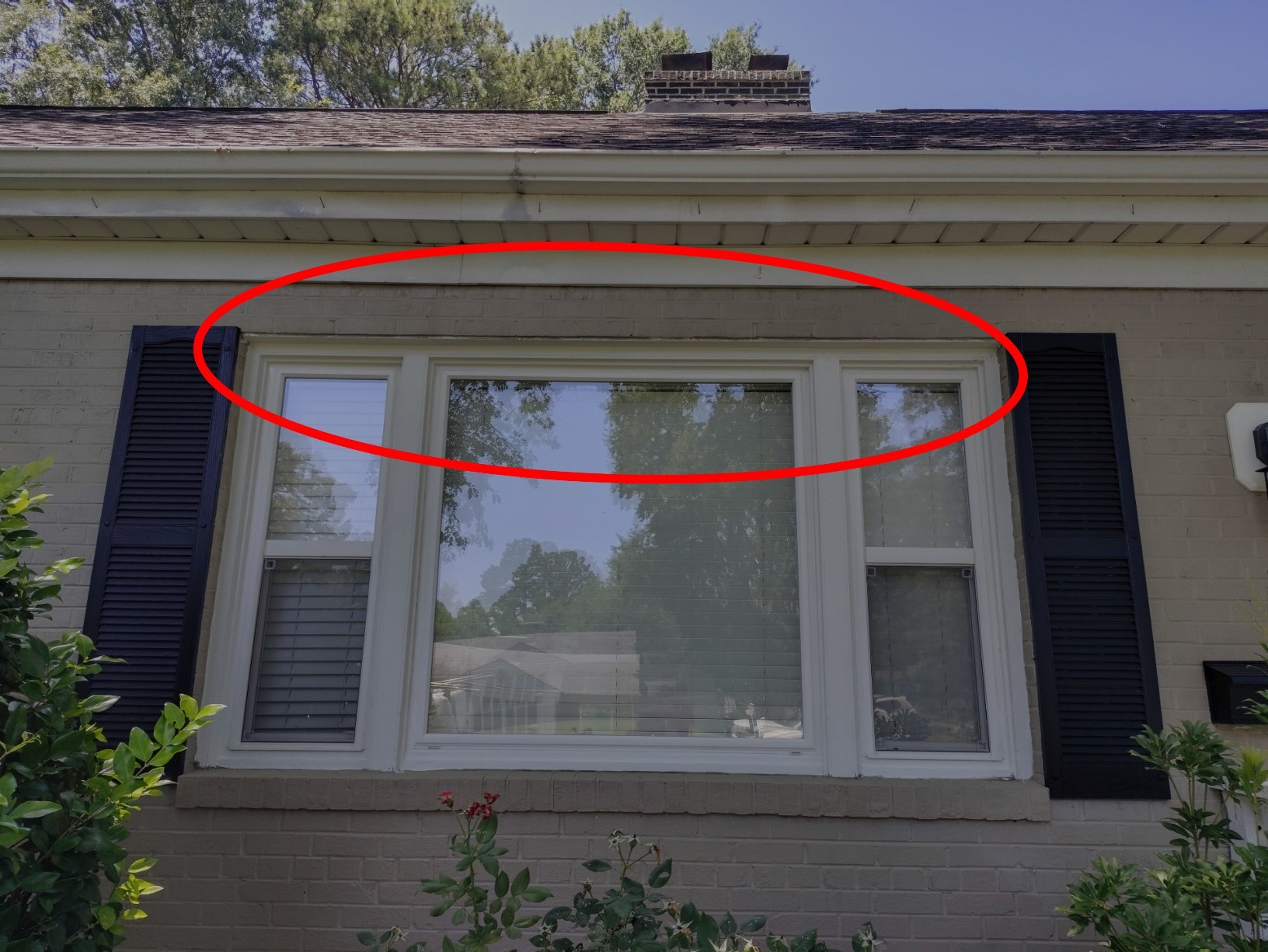
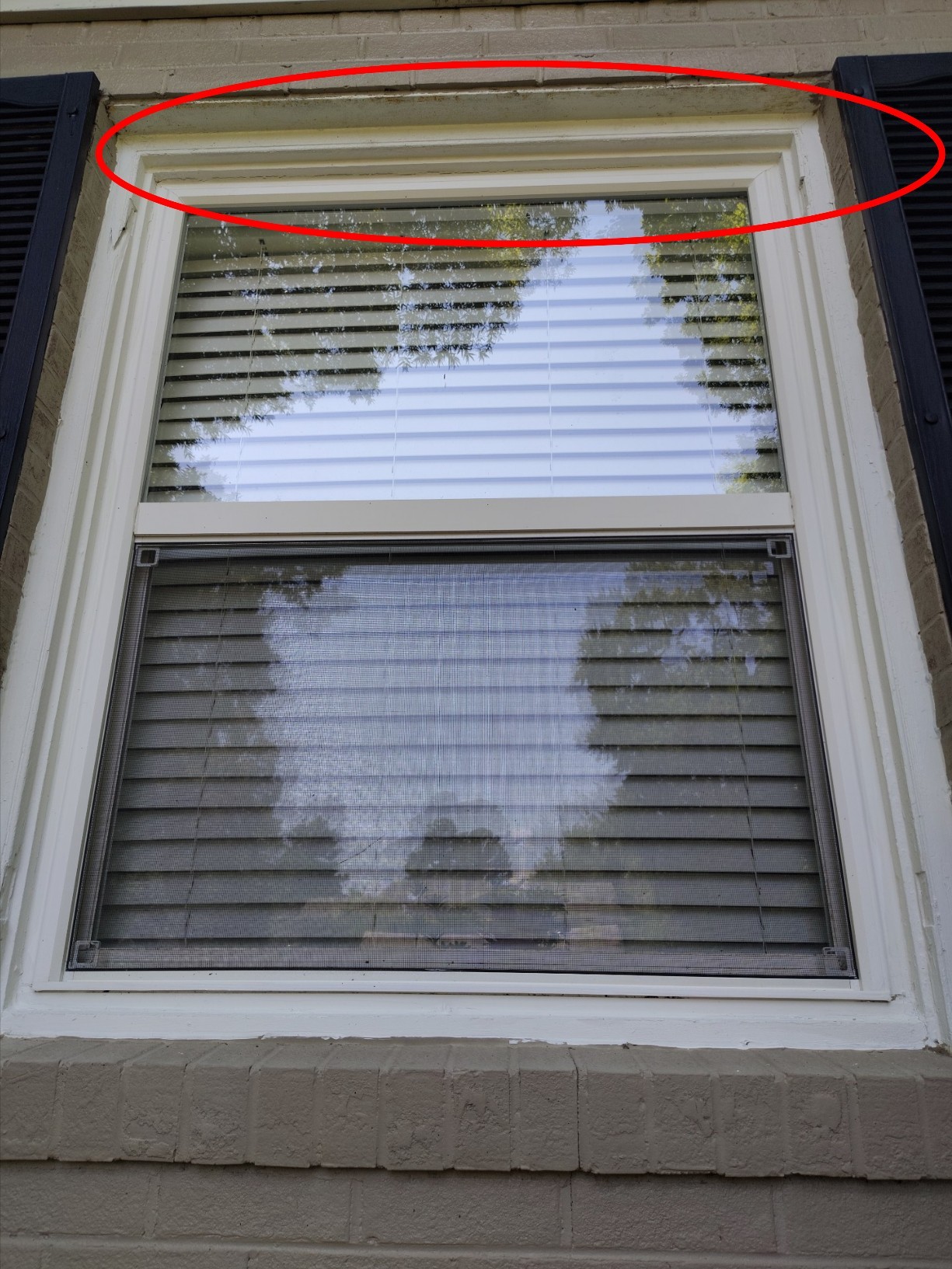
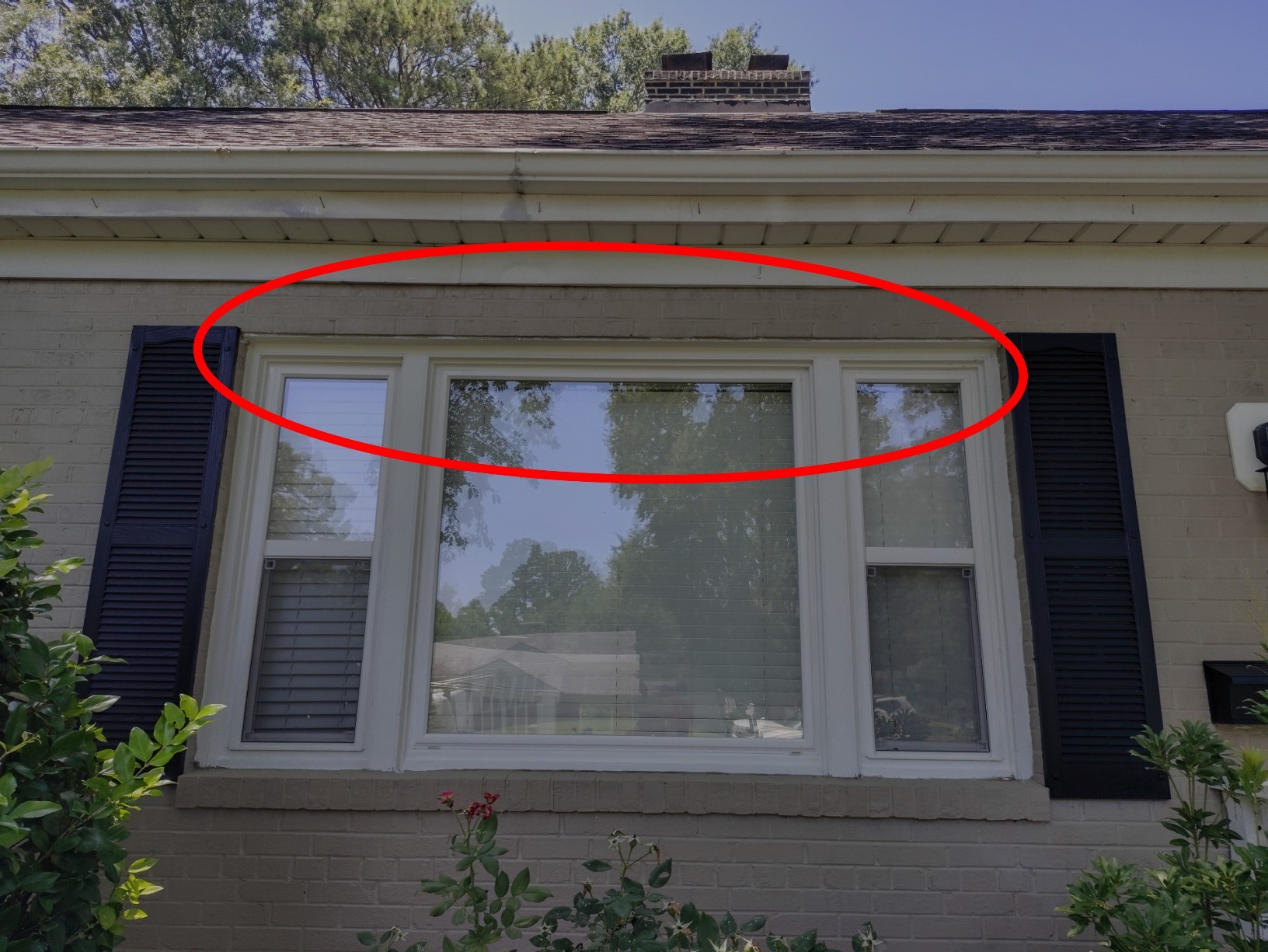
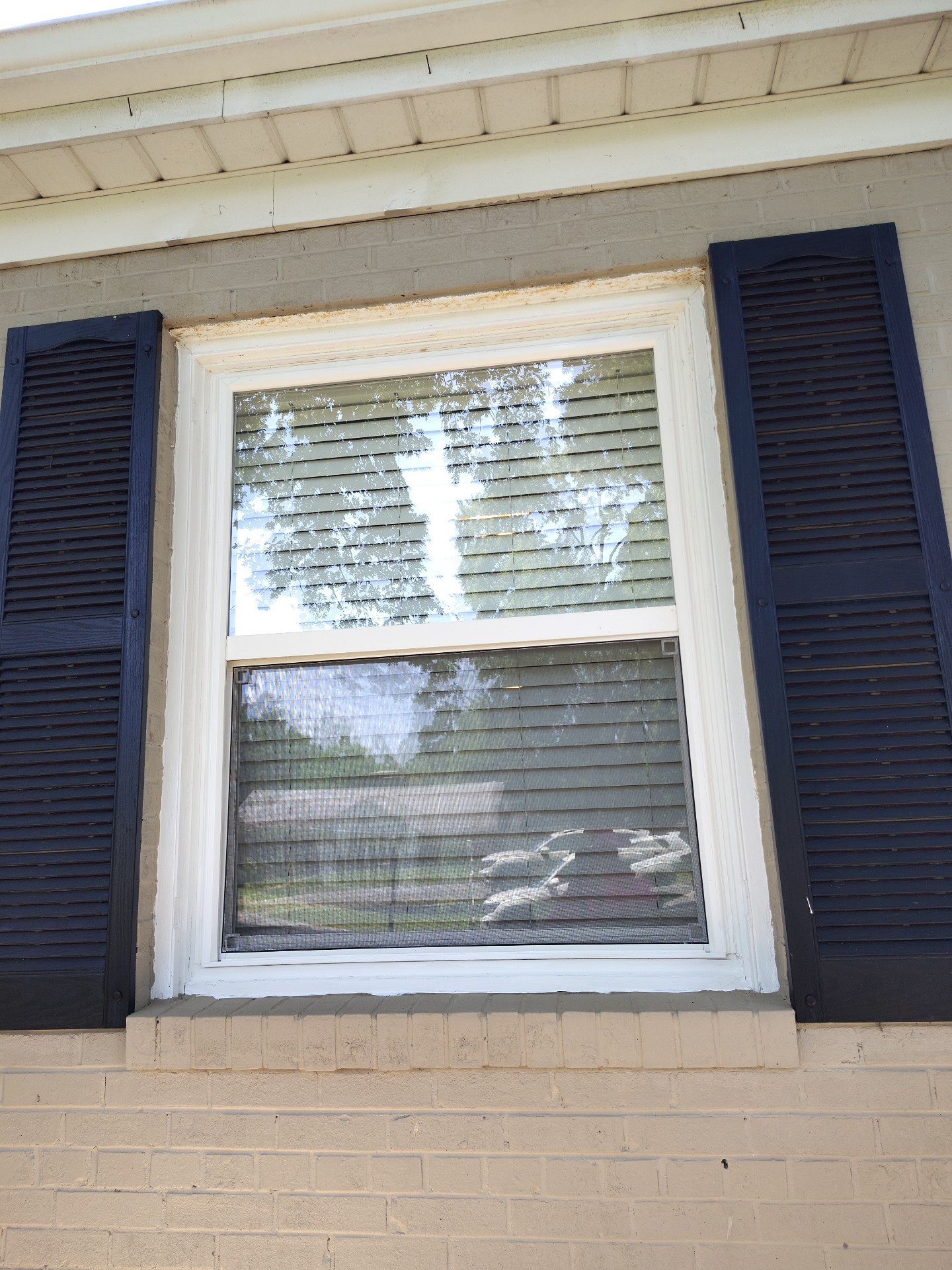
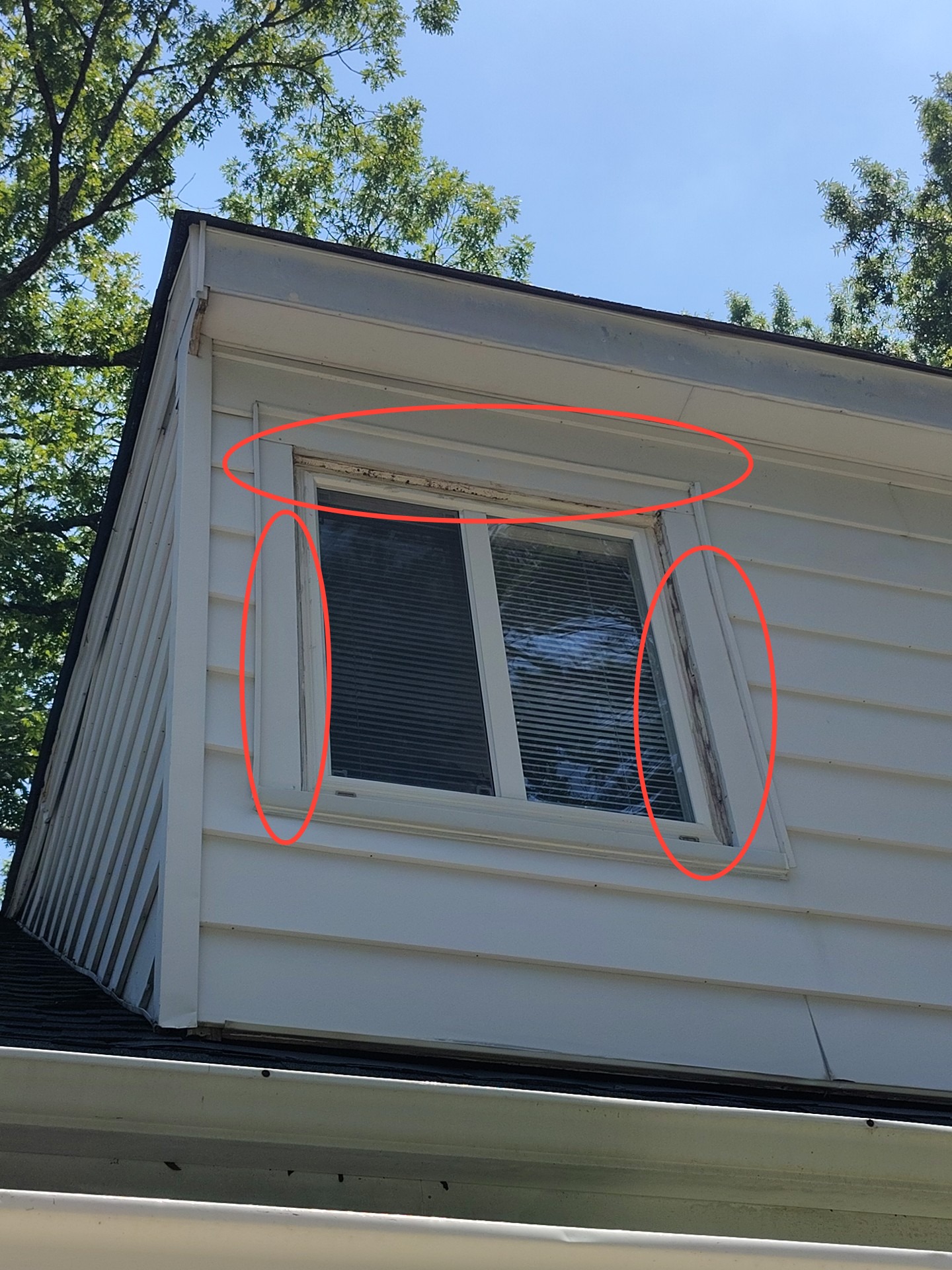
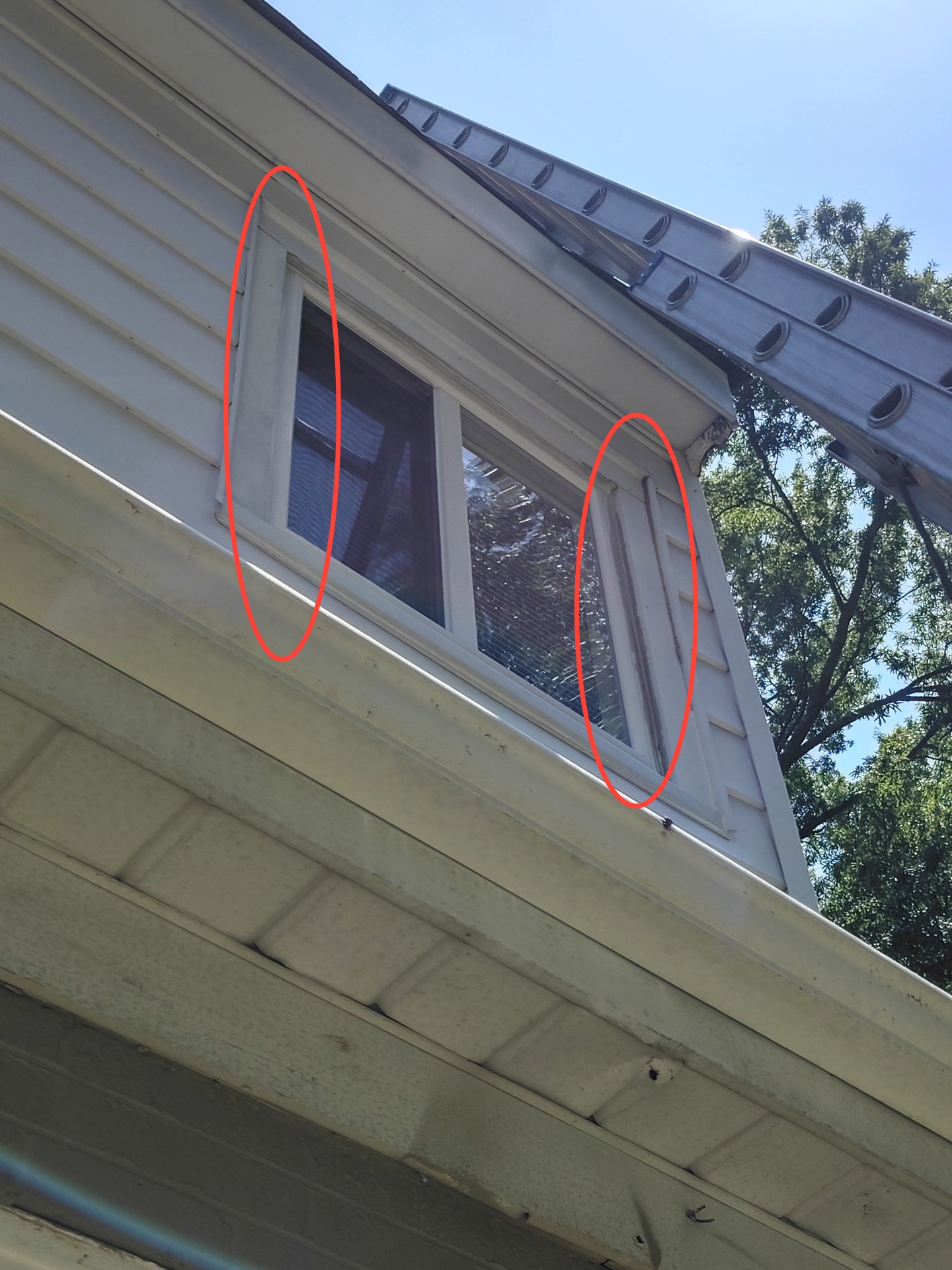
Some of the support window frame lintels are rusting at the windows. Recommend properly sealing the metal to help prevent additional damage. If you’ve noticed cracks in the mortar or bricks around your windows or garage door, it’s often a sign of a deeper issue: a failing lintel. Lintels are the horizontal steel supports above windows and doors that bear the weight of the brickwork above. Over time, exposure to water can cause these steel lintels to rust.
Once rust starts, it expands, exerting pressure on the surrounding brickwork. This expansion doesn’t just stop—it continues to push outward, causing the bricks and mortar to crack, shift, and even separate. What starts as a small rust spot can quickly turn into a structural issue.
Some of the caulking around these windows is also aging and when making improvements, have the contractor seal as well. $1000+
Licensed Window & Door ContractorRepair1–5 YearsWithin 1 Year$1000-$2500+ - 5.3.1 Living Areas:
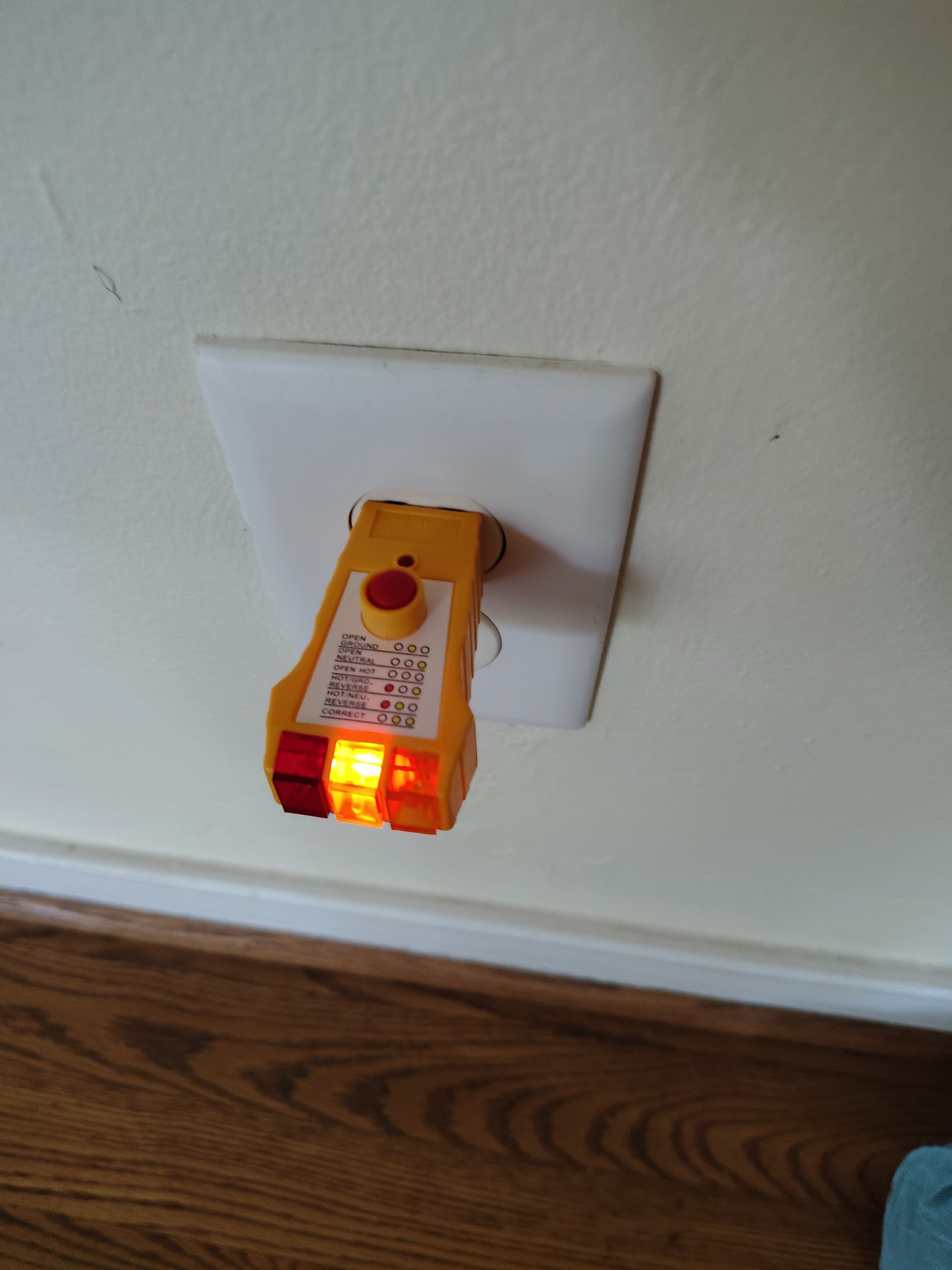
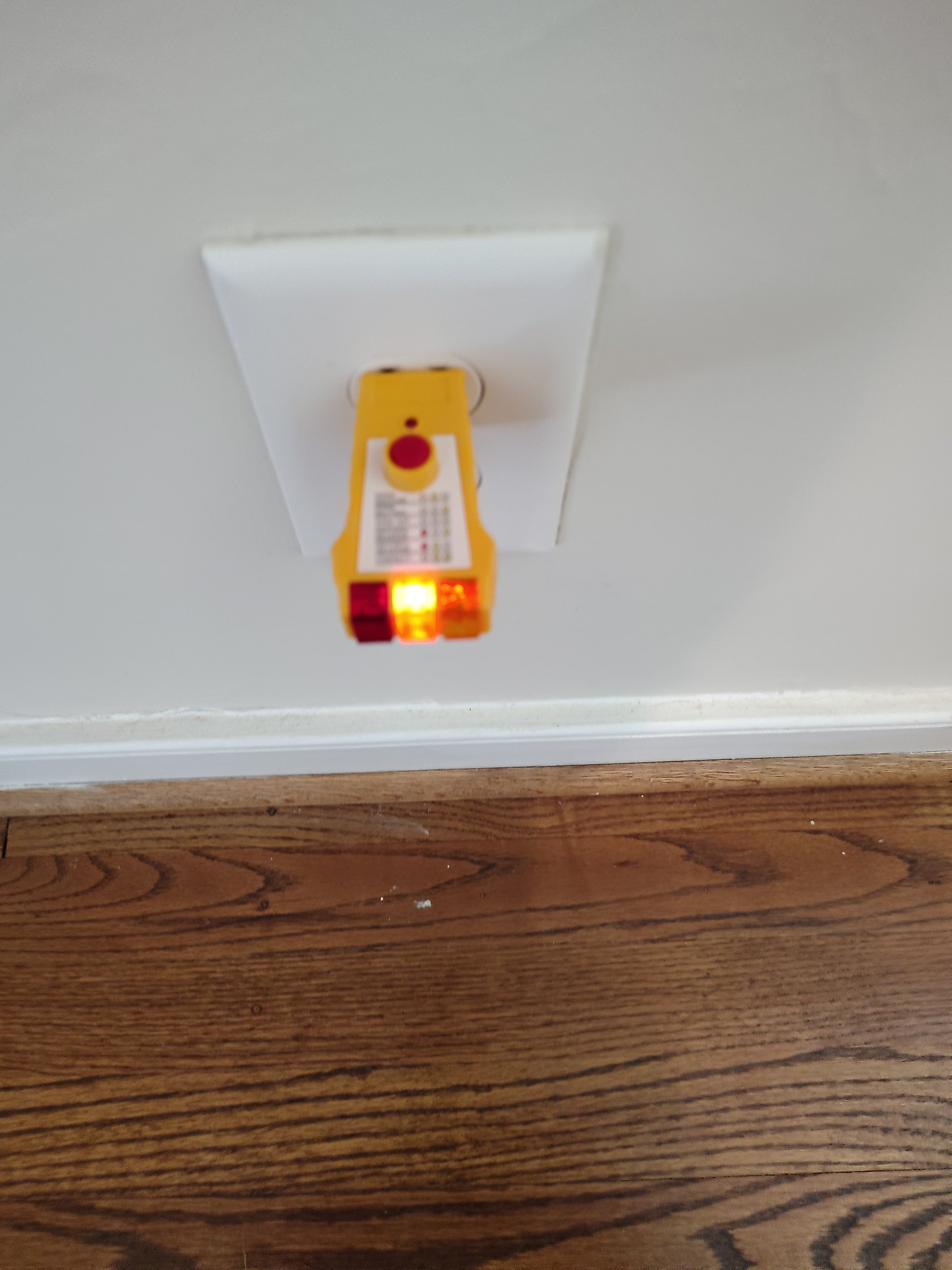
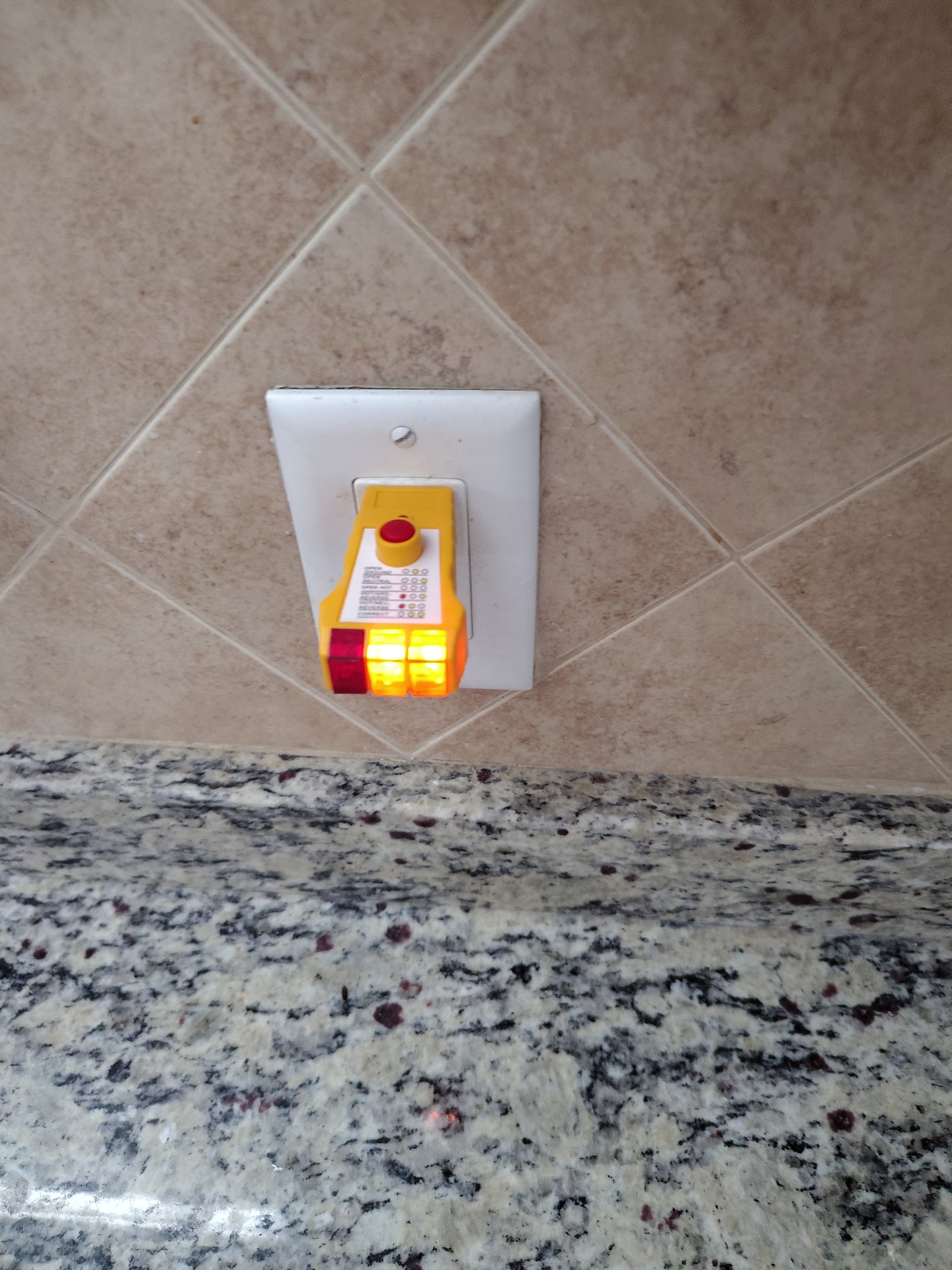
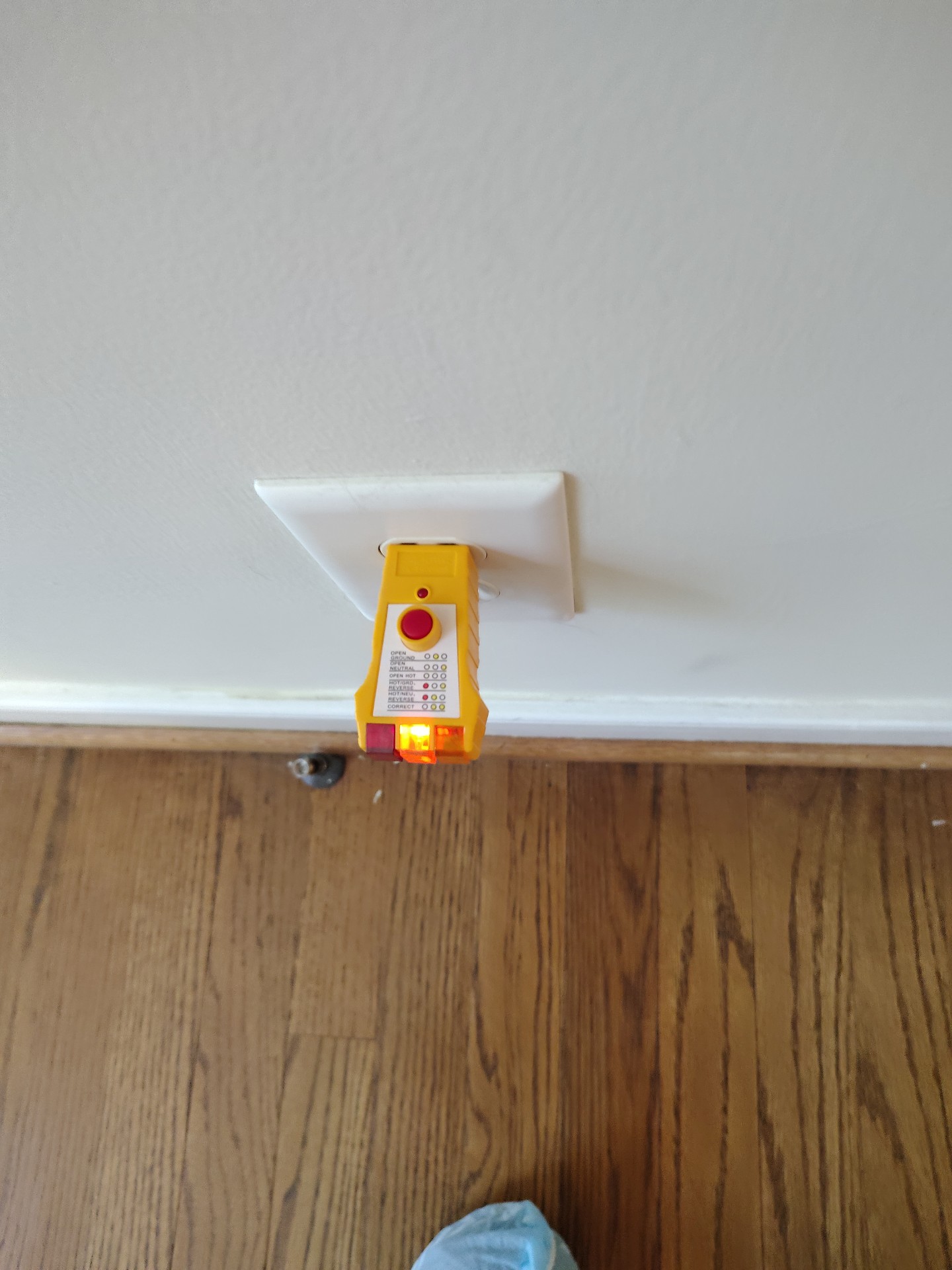
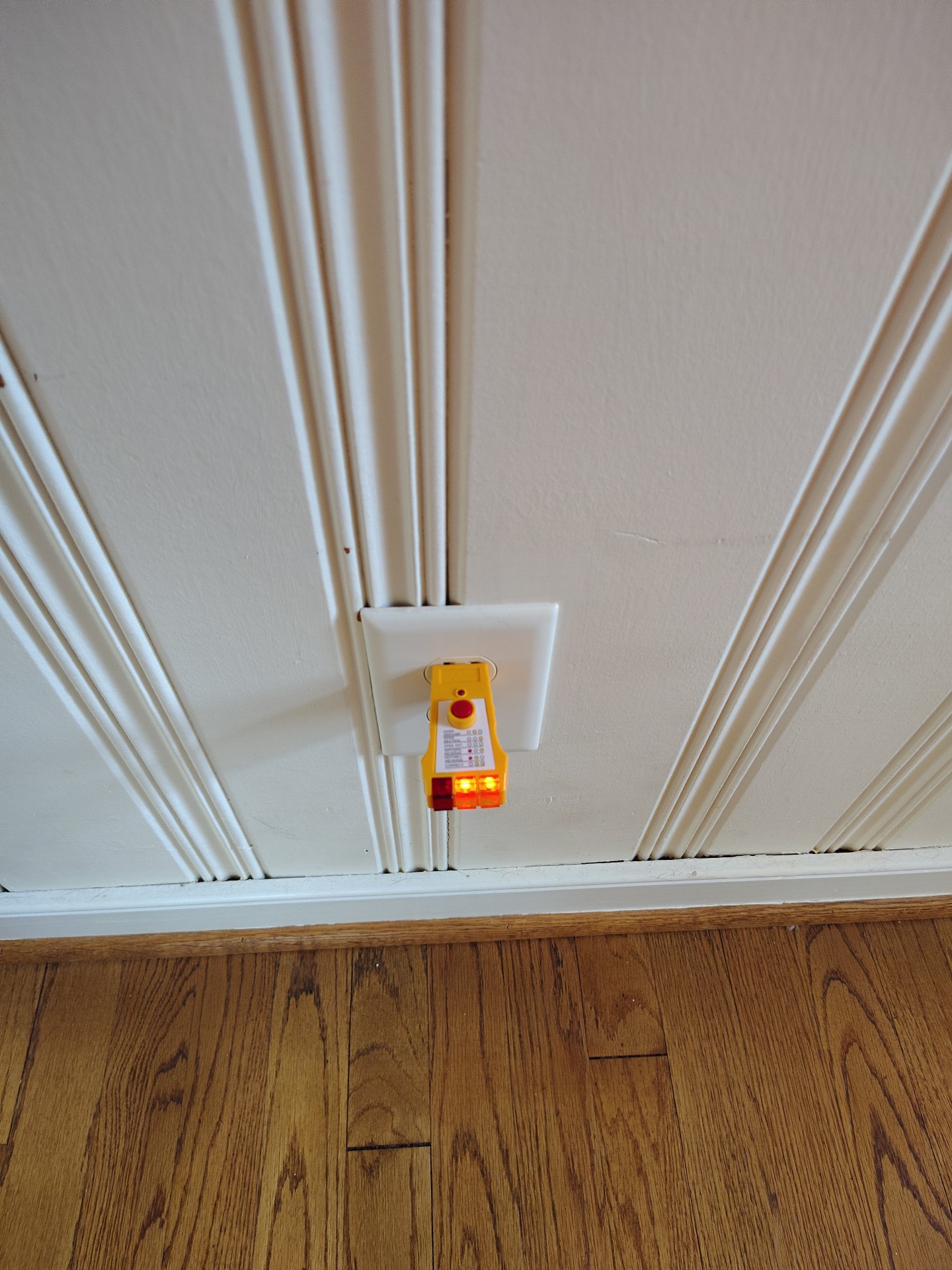
Repairs are needed to the electric receptacles. A couple of outlets in the home were showing open ground, most were found to be OK.
Licensed Electrical ContractorRepairWithin 1 Year$500-$1000+ - 9.1.1 Laundry Room:
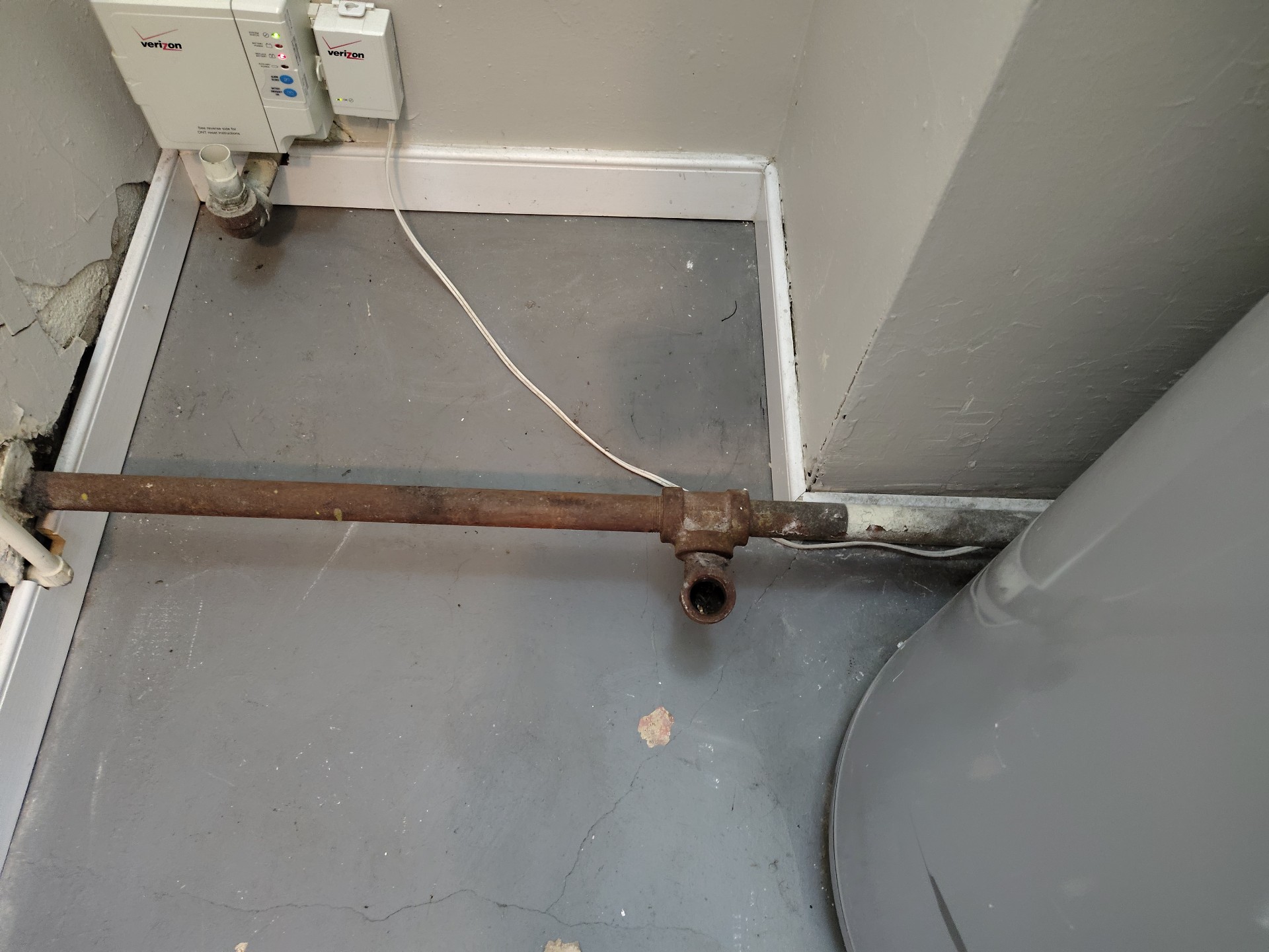
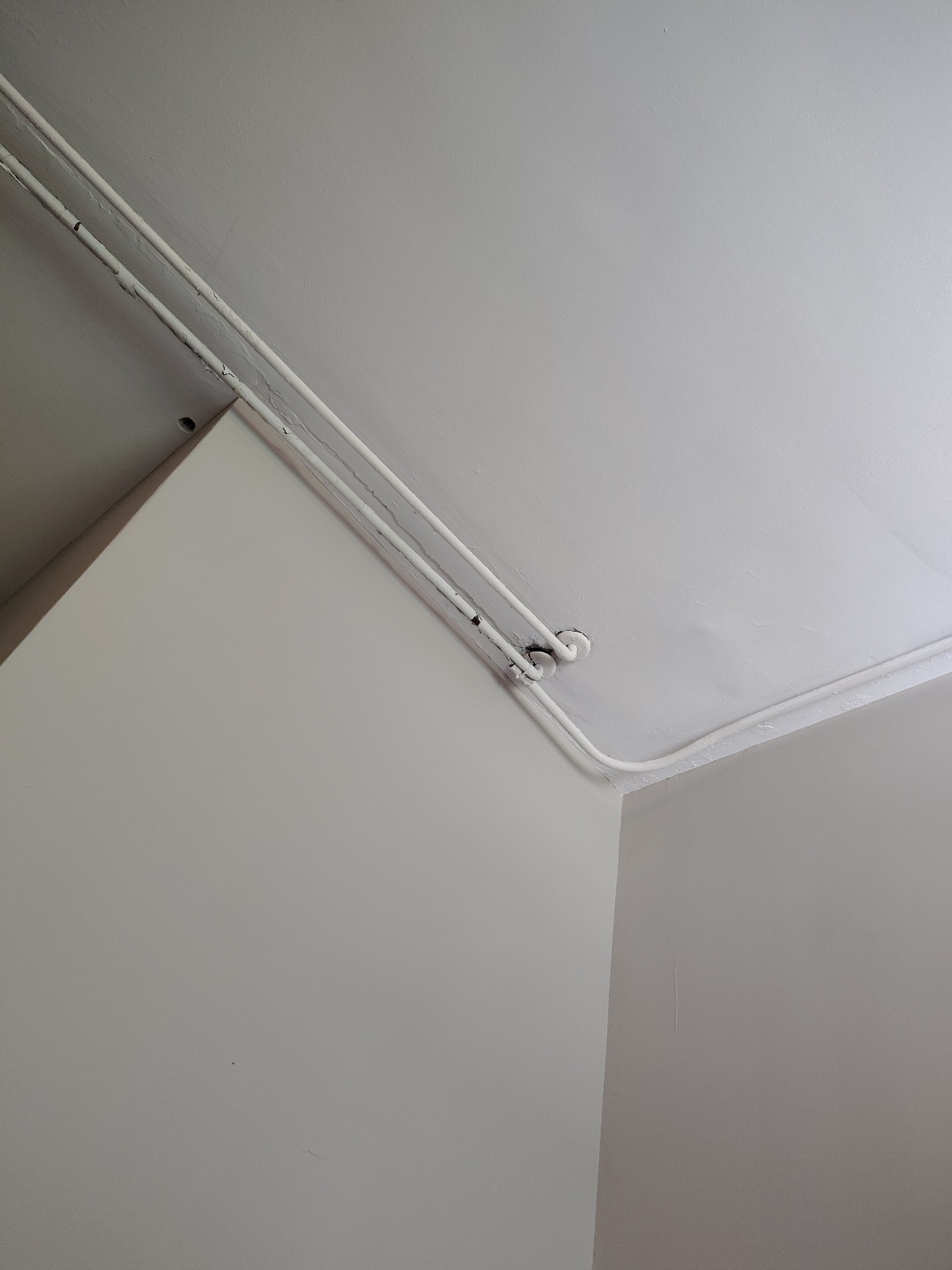
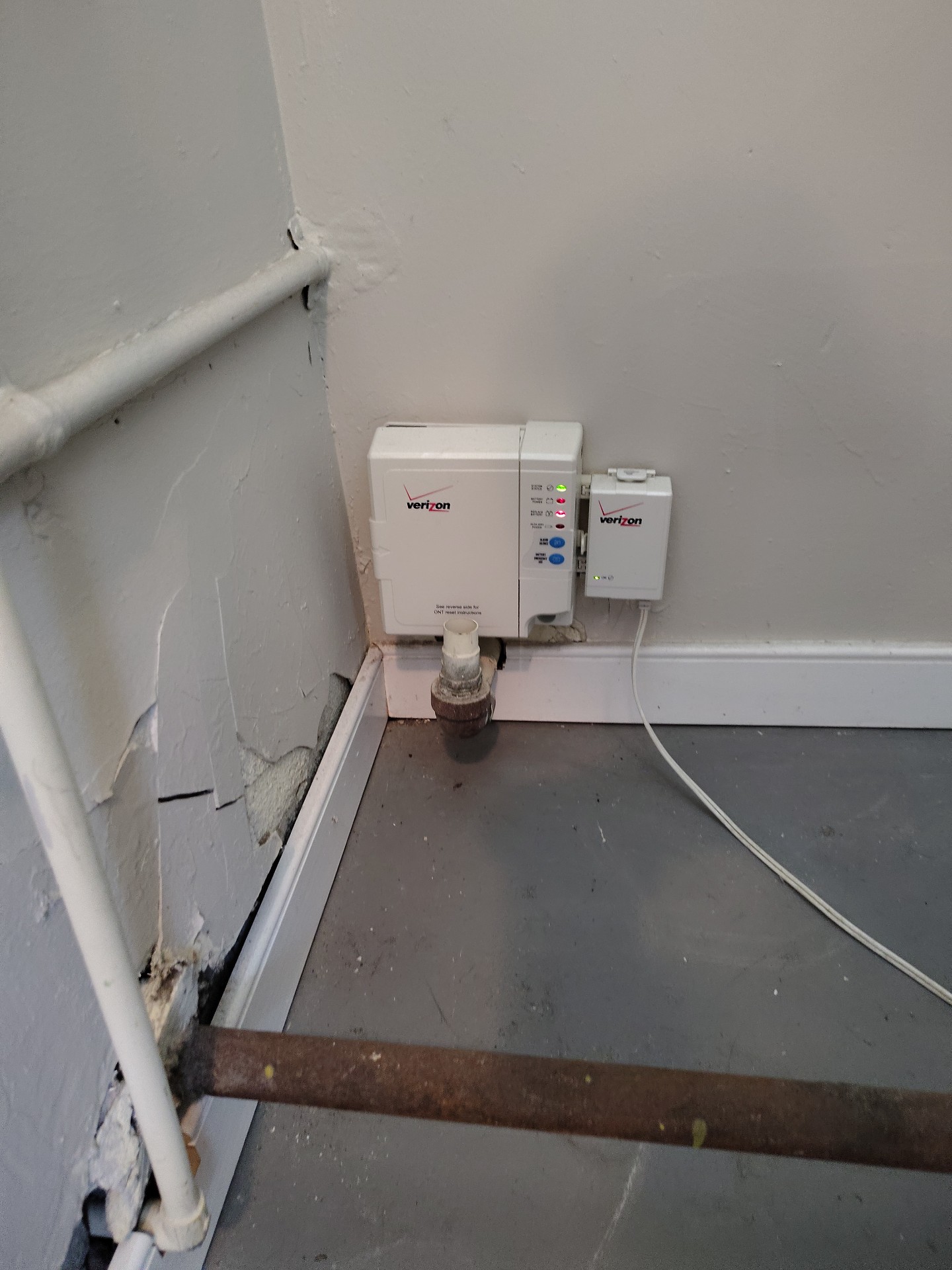
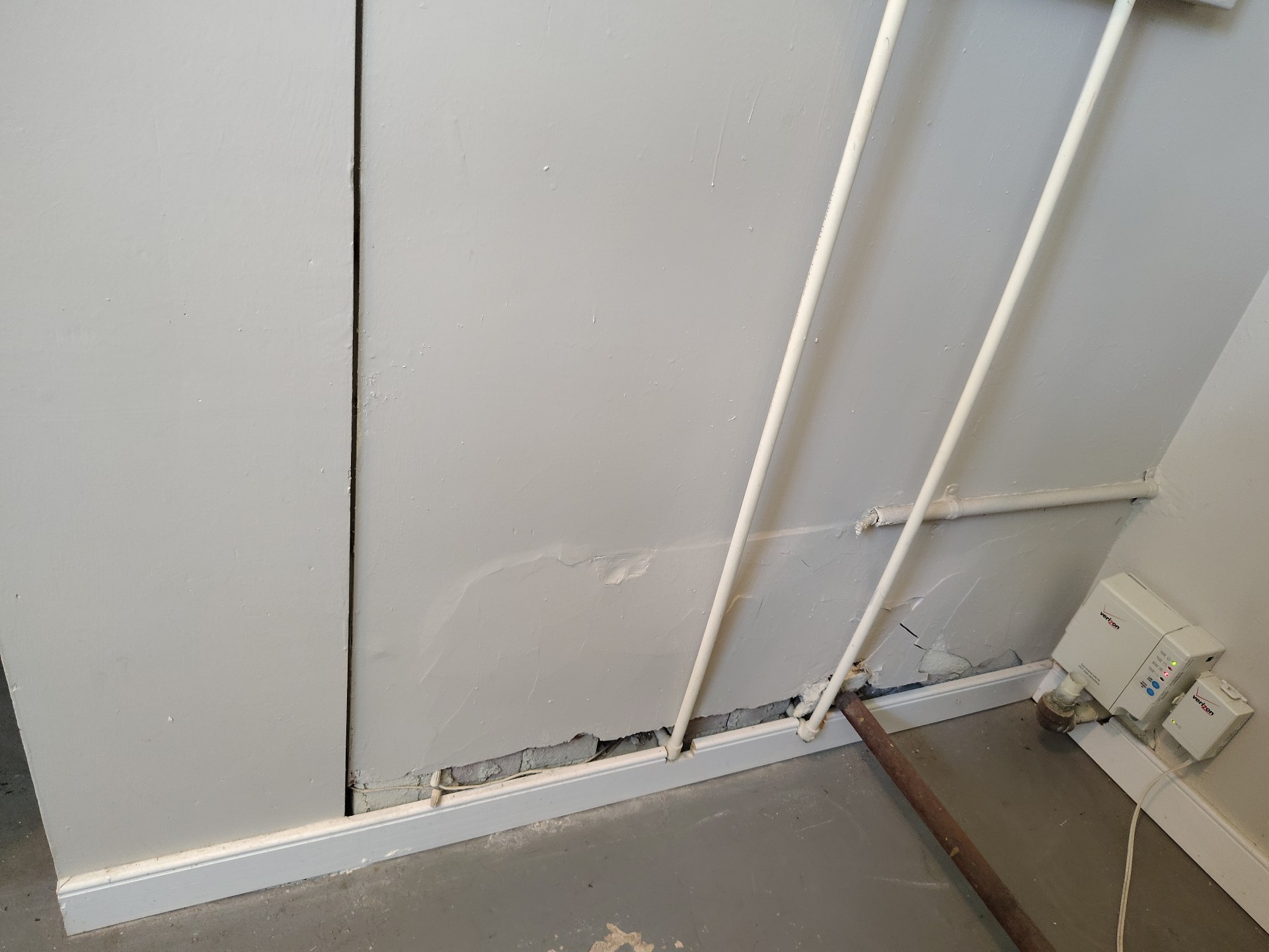
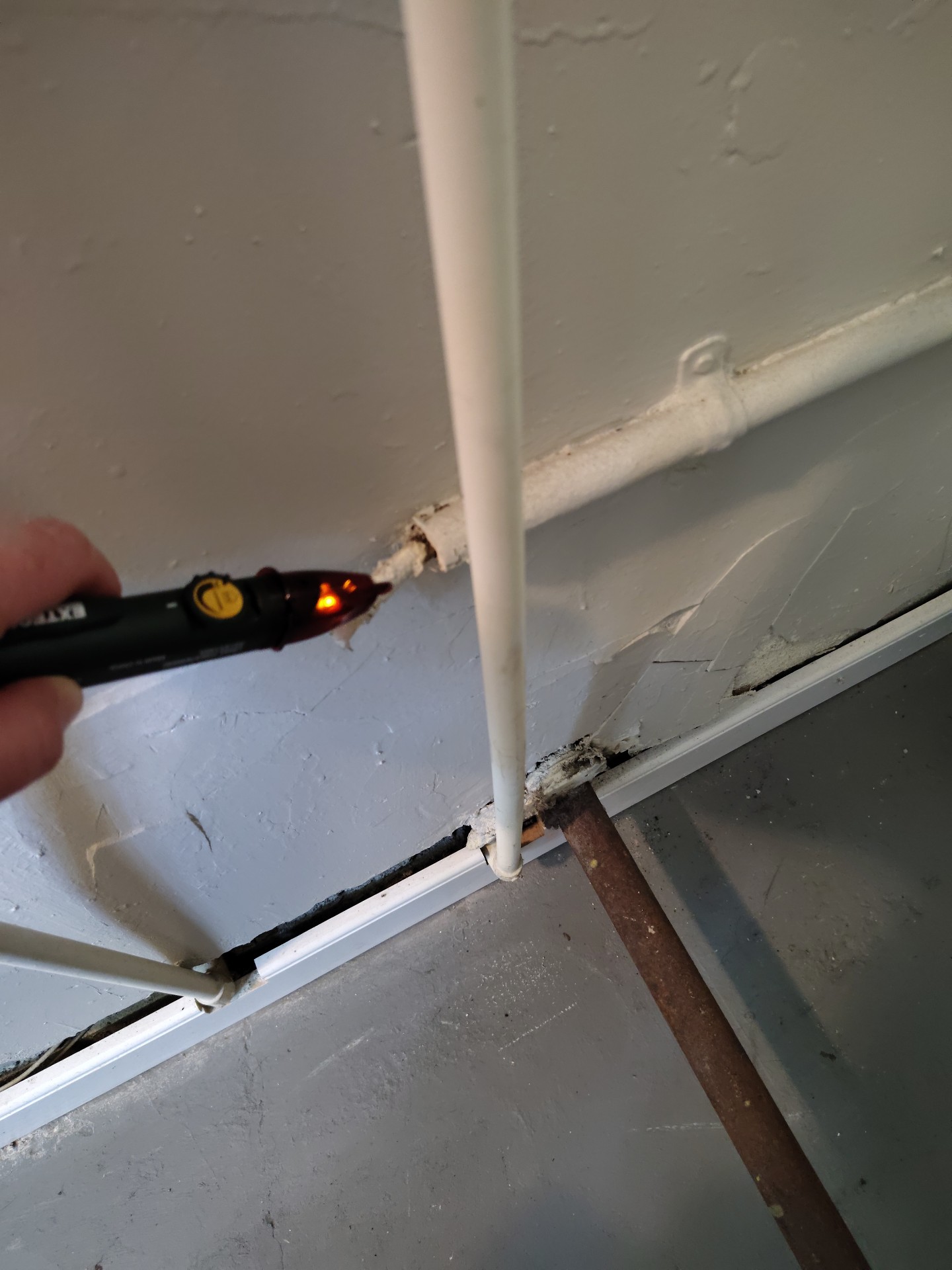
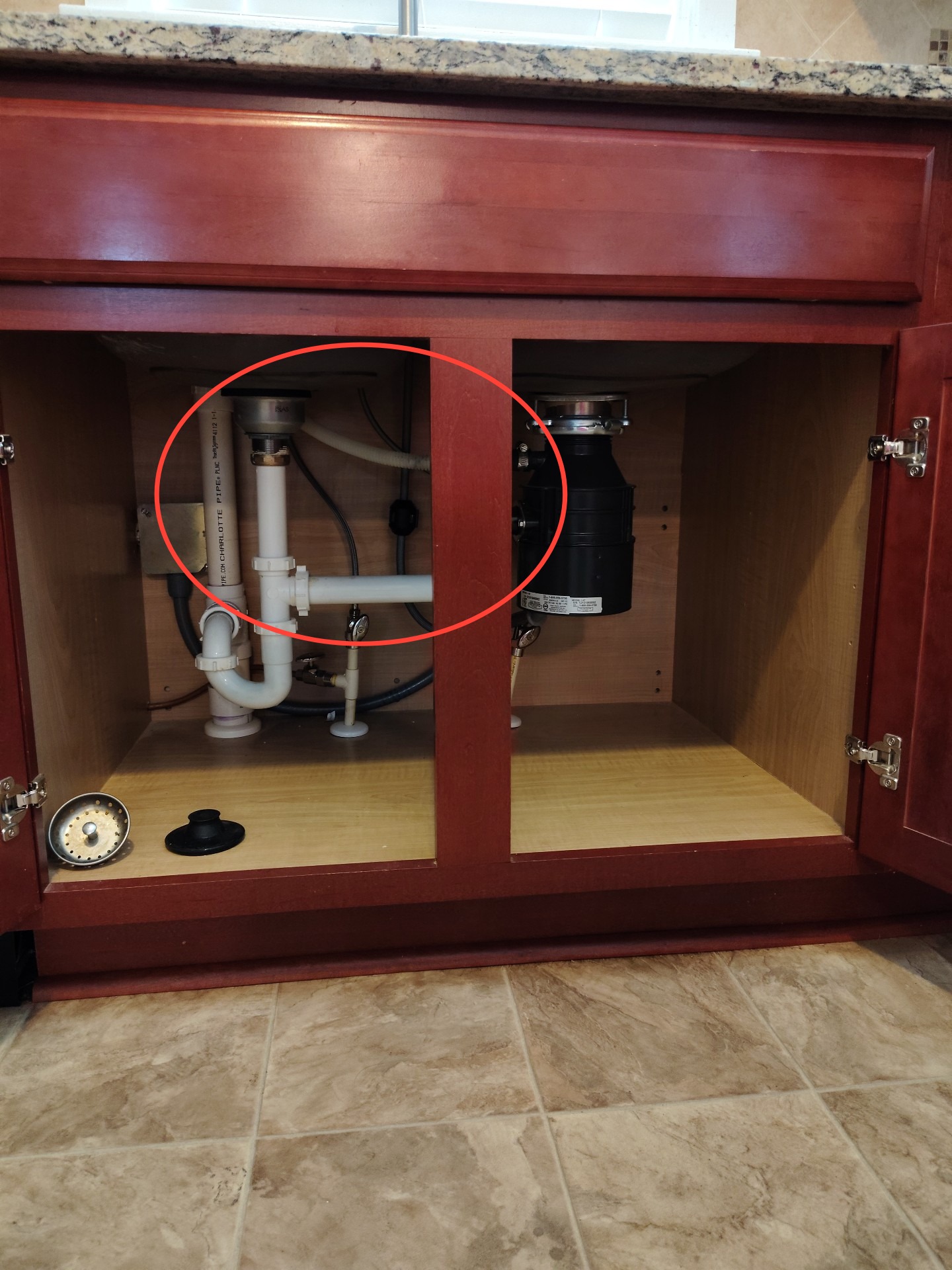
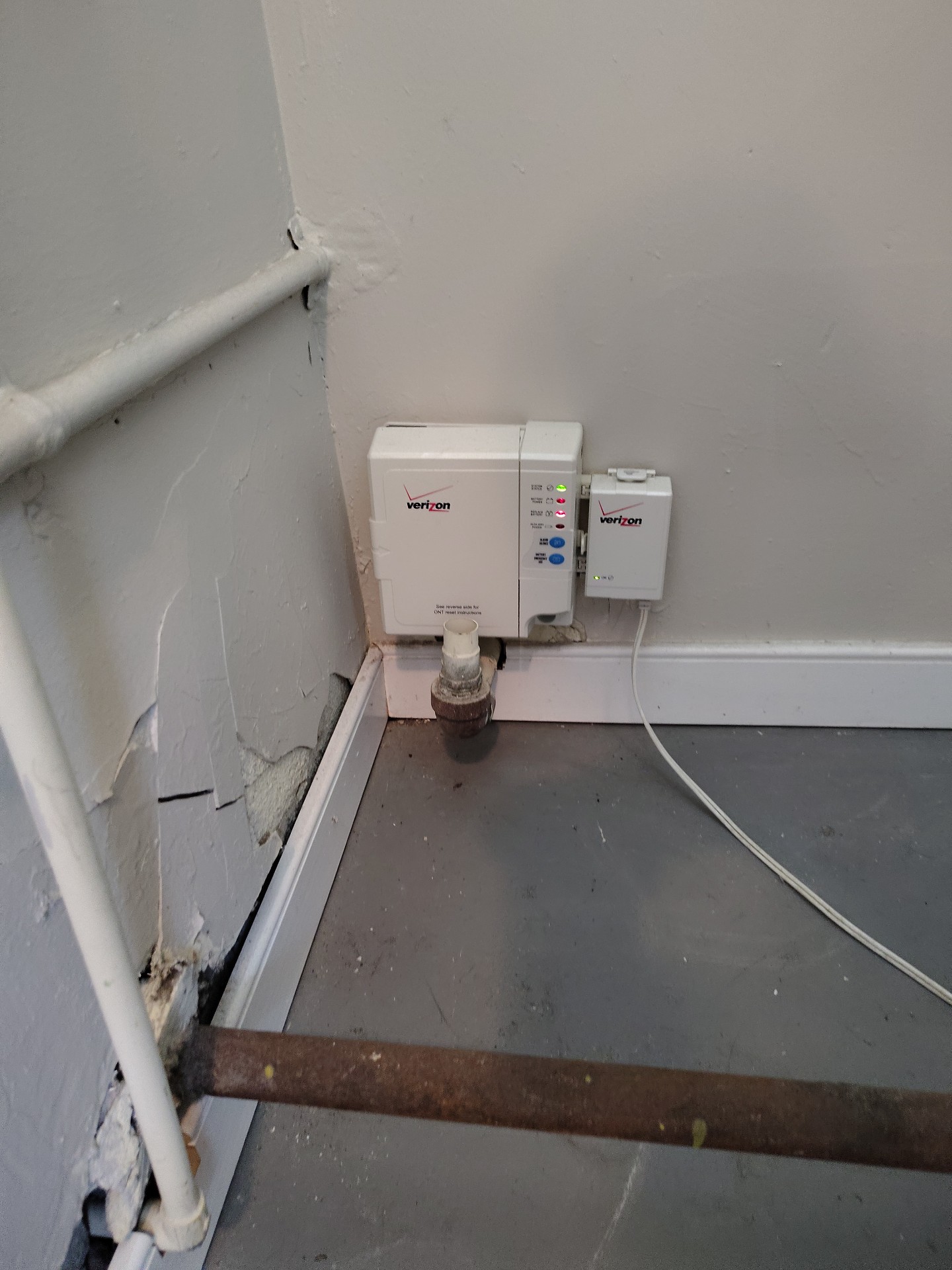
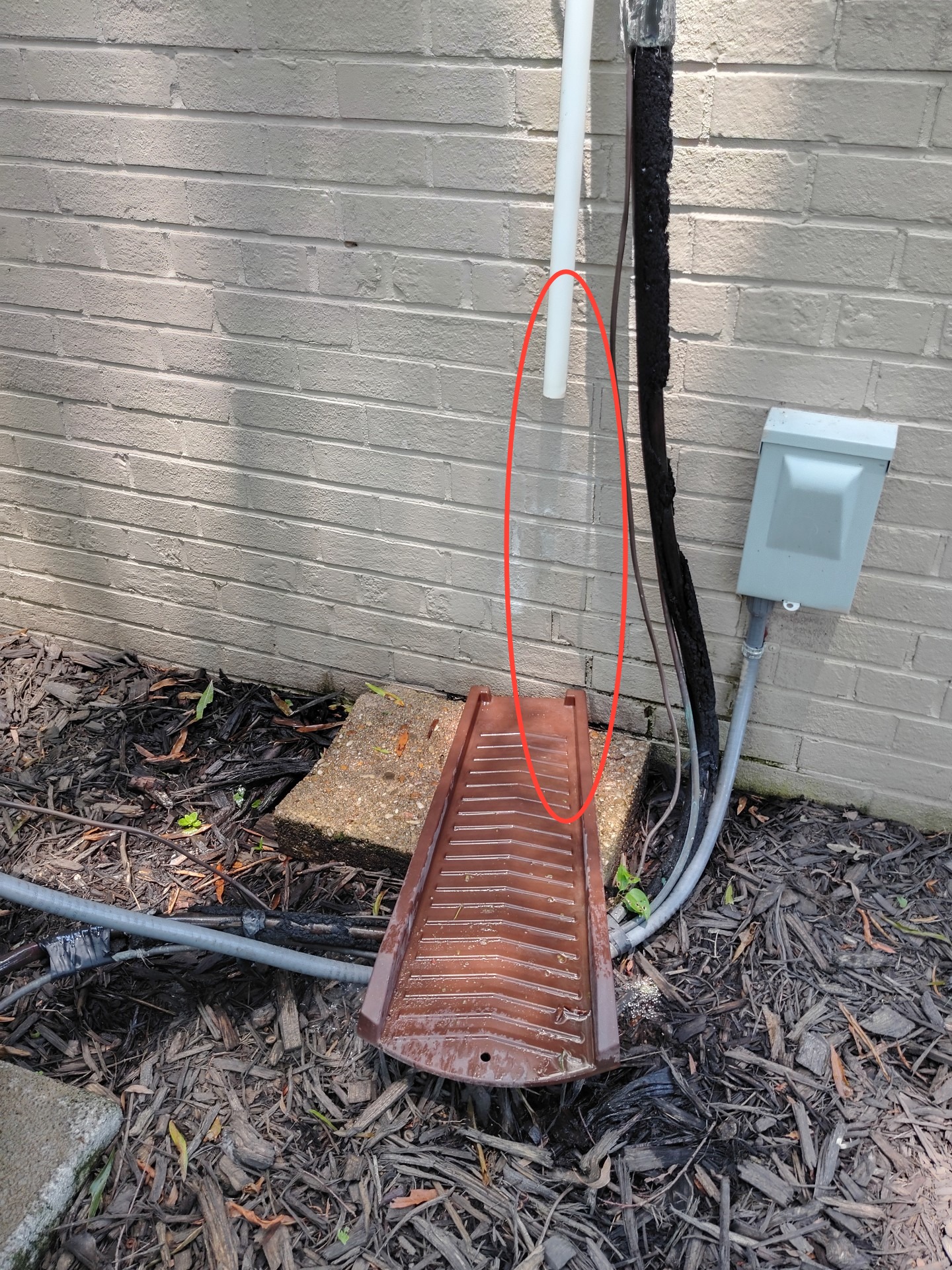
There is an open (likely old) pipe in laundry, should be capped. There is also a live wire that needs to be removed or protected.
Licensed Plumbing ContractorLicensed Electrical ContractorRepairImmediate / Safety$Unkown - 14.5.1 Heating and Cooling Systems:
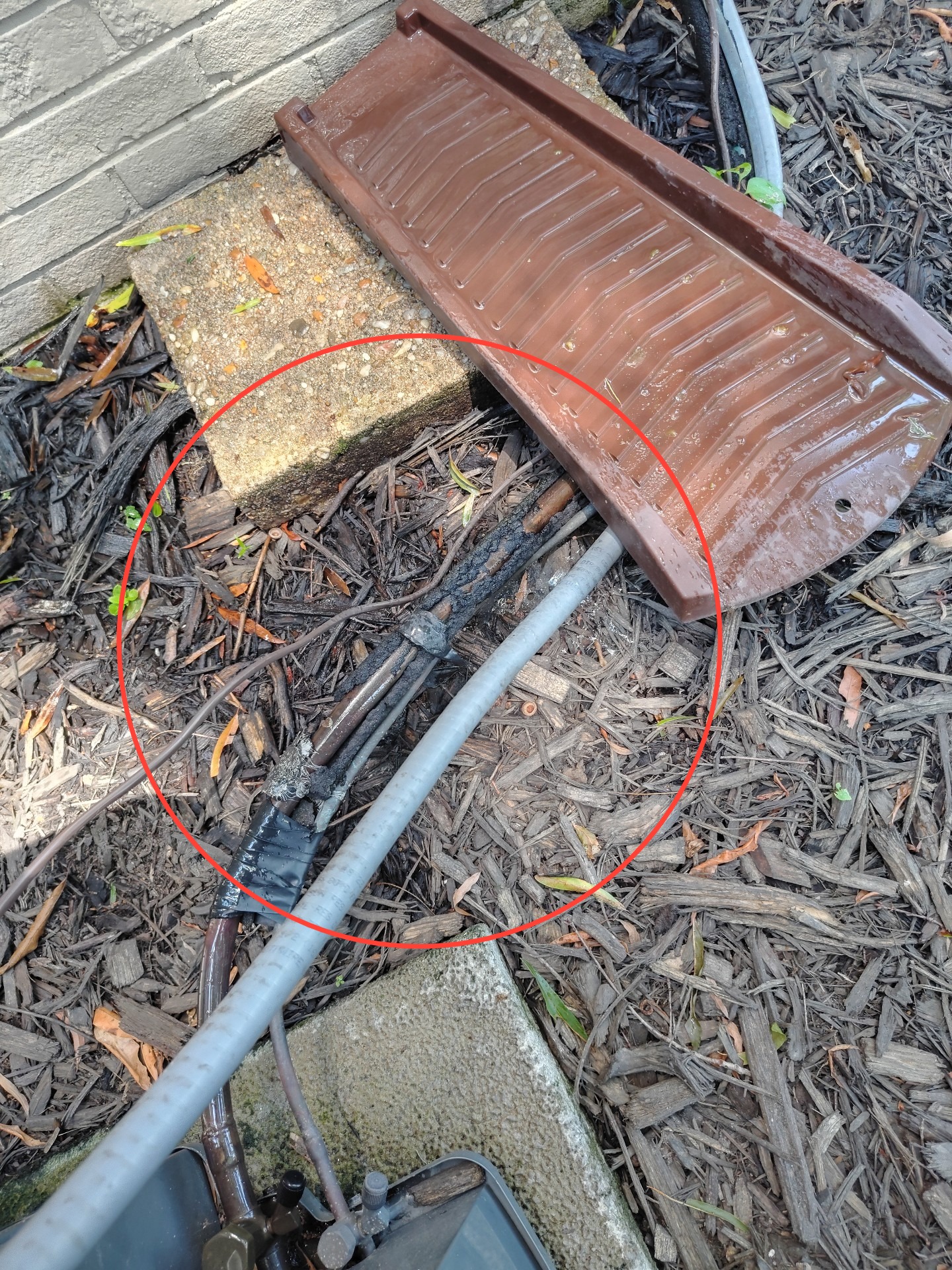
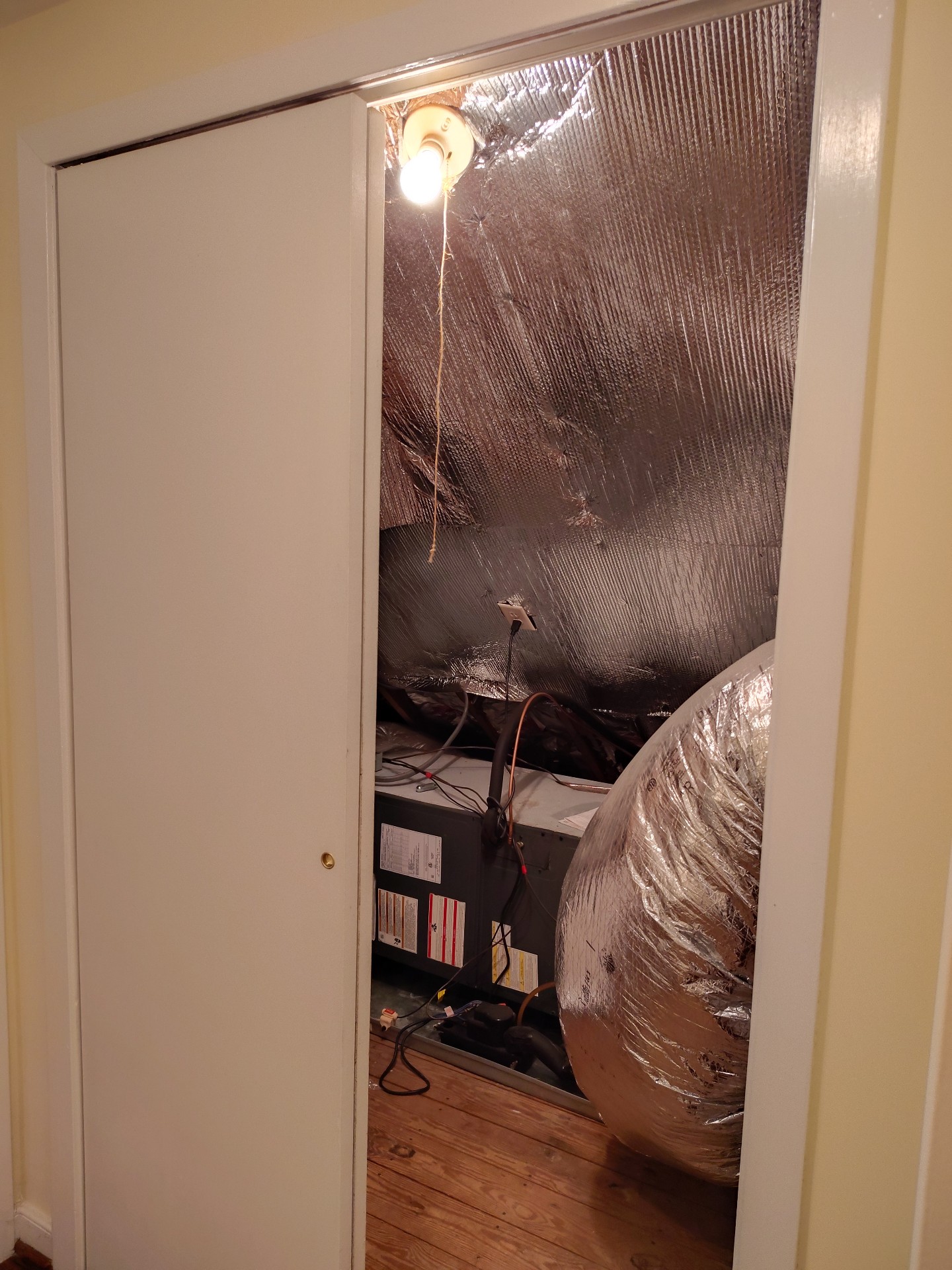
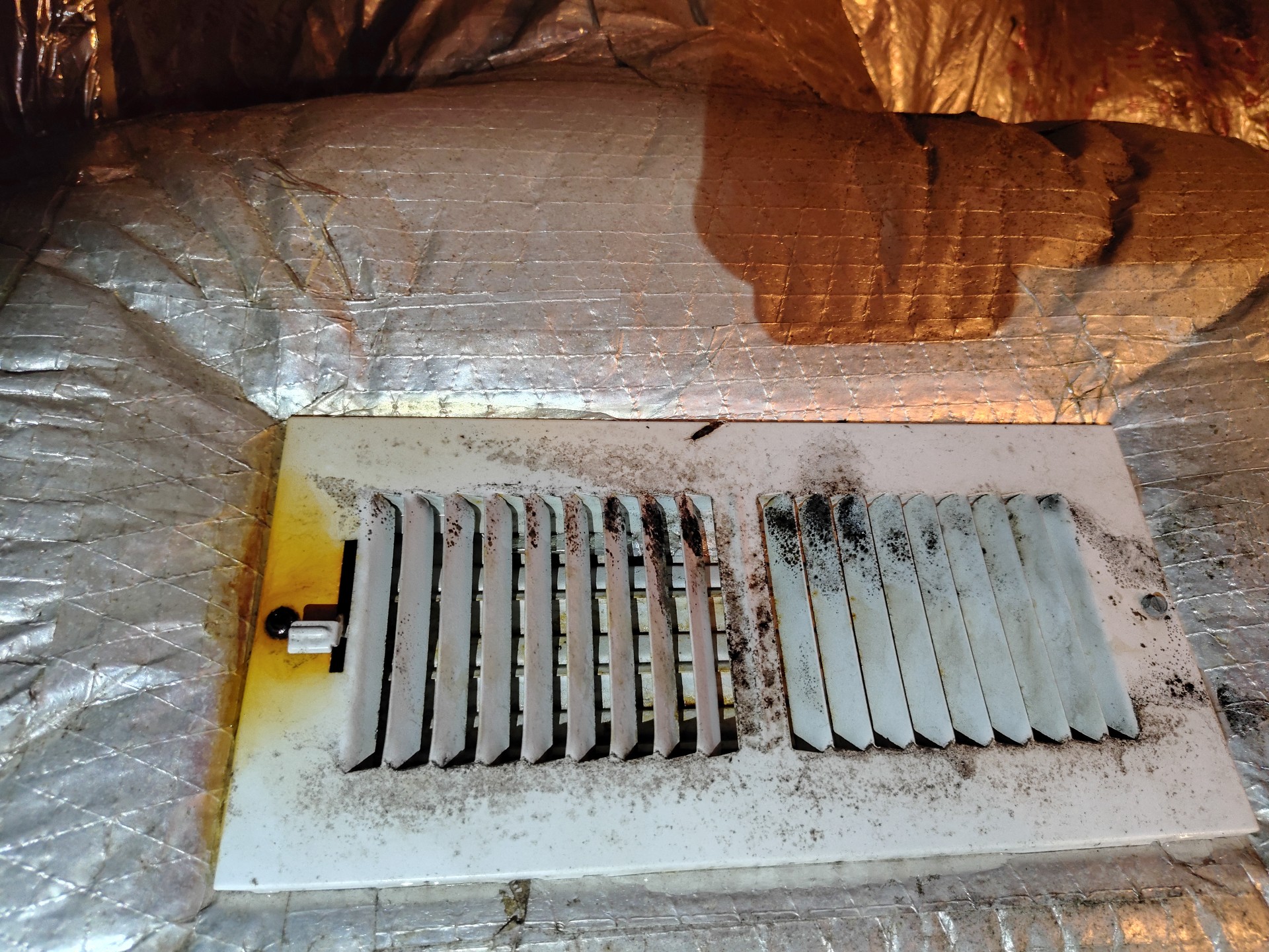
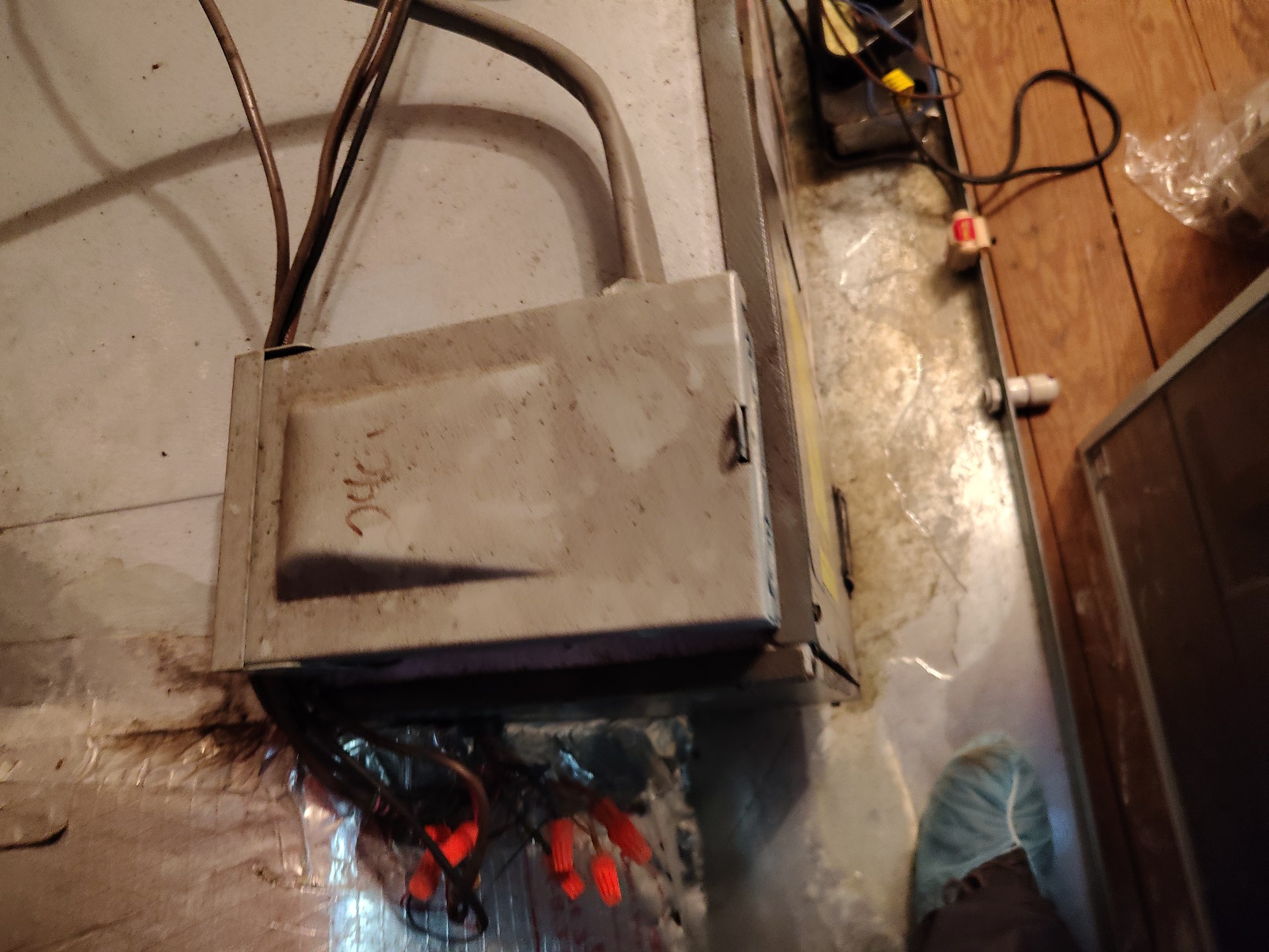
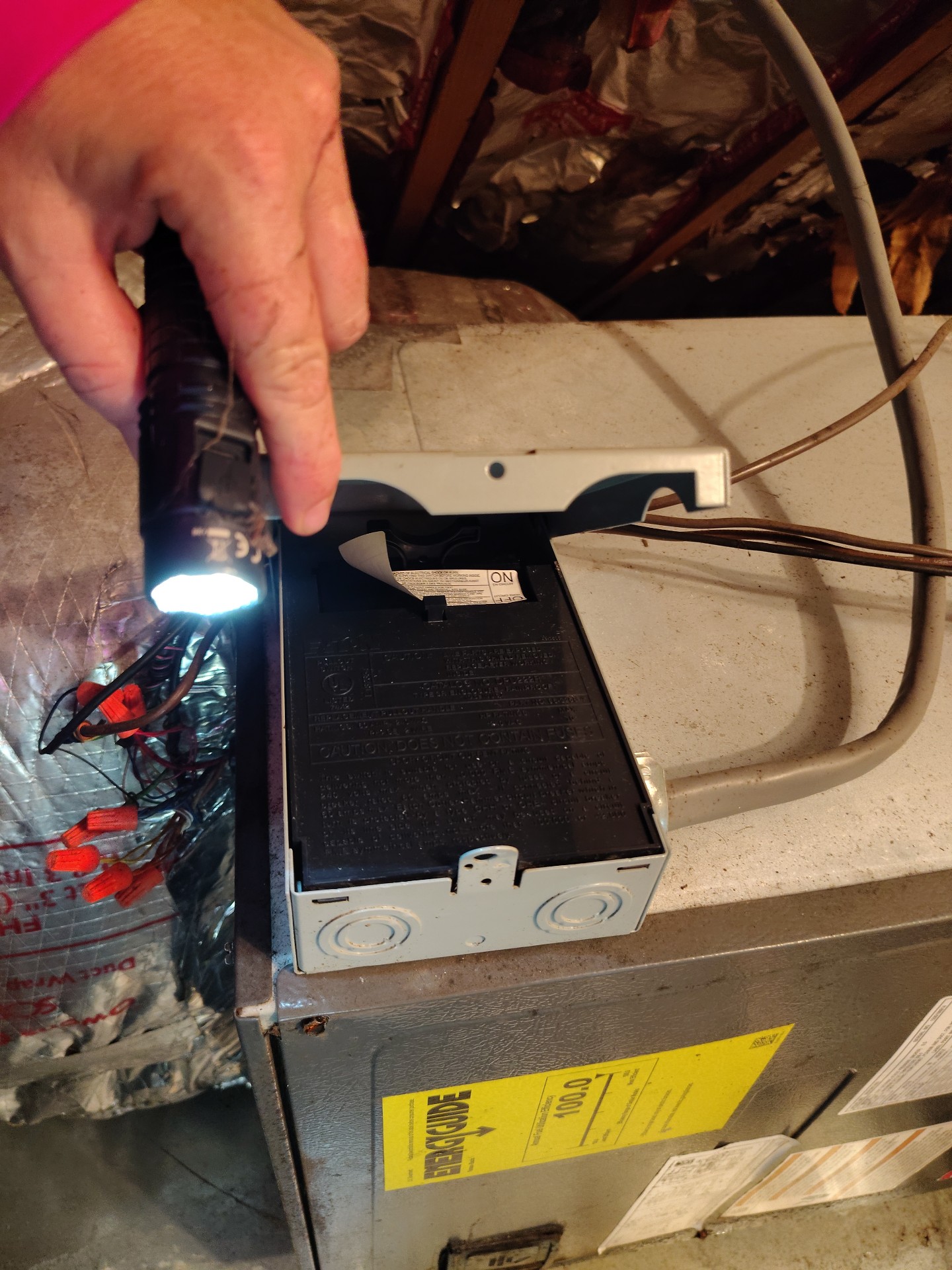
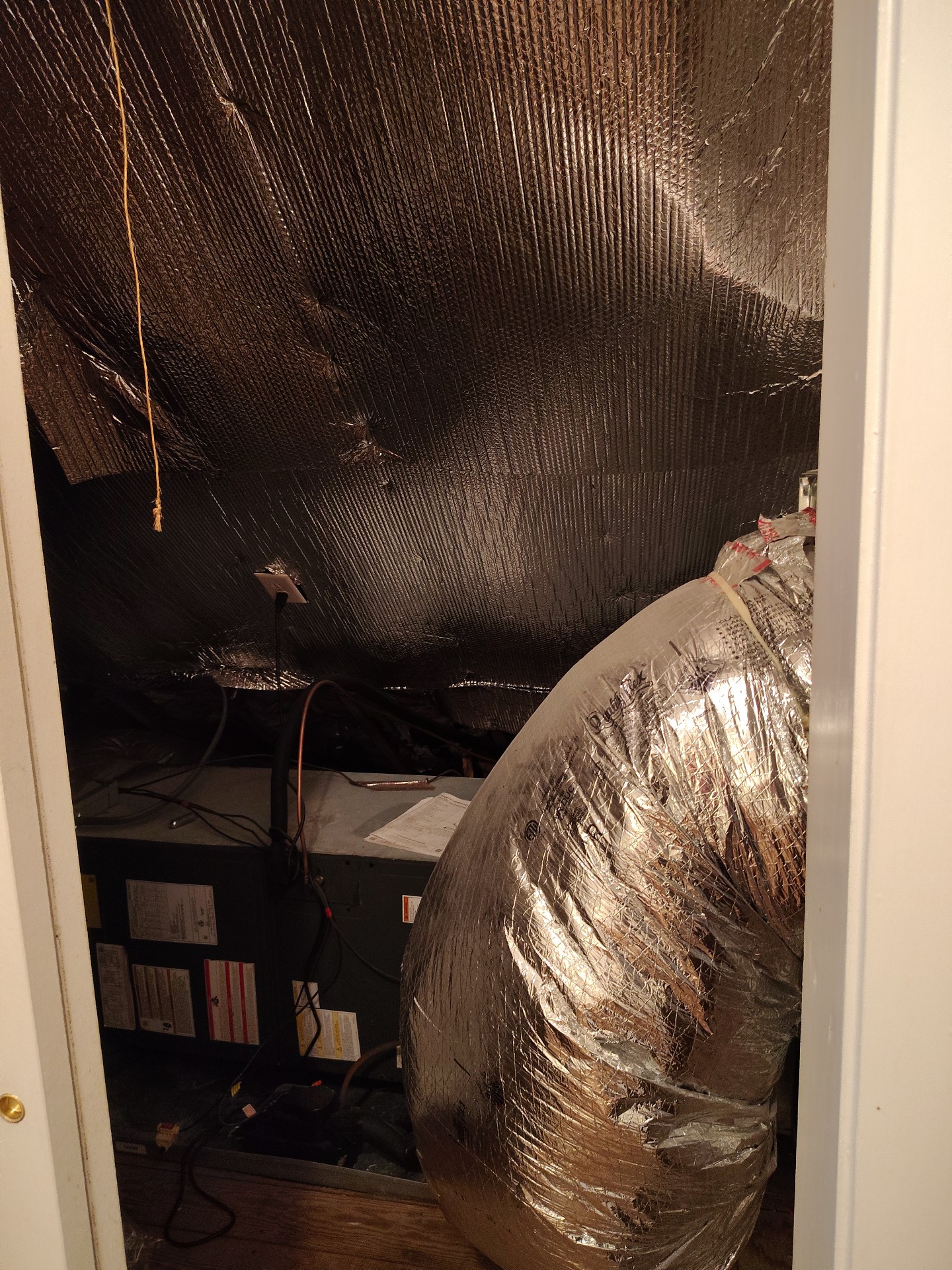
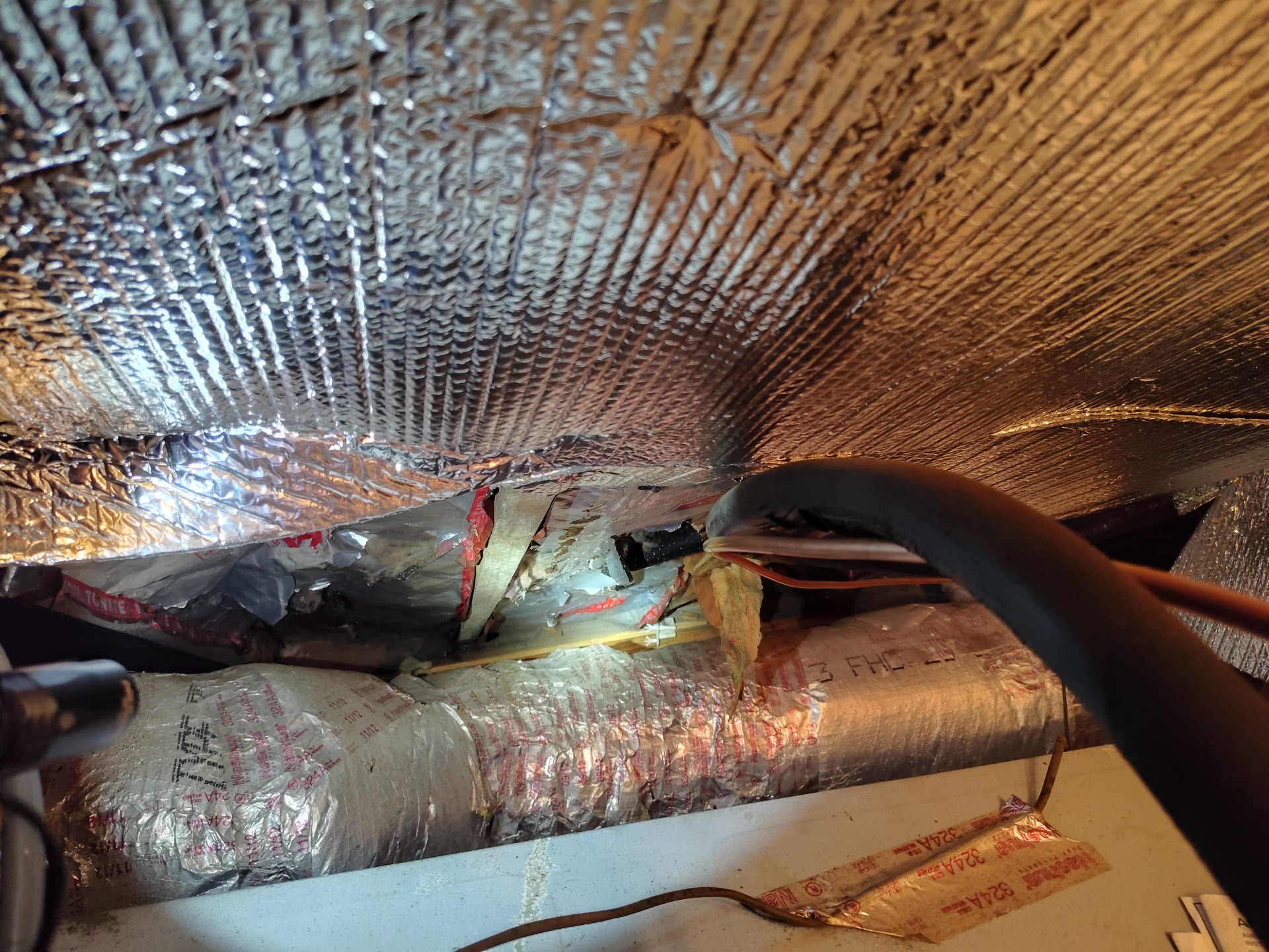
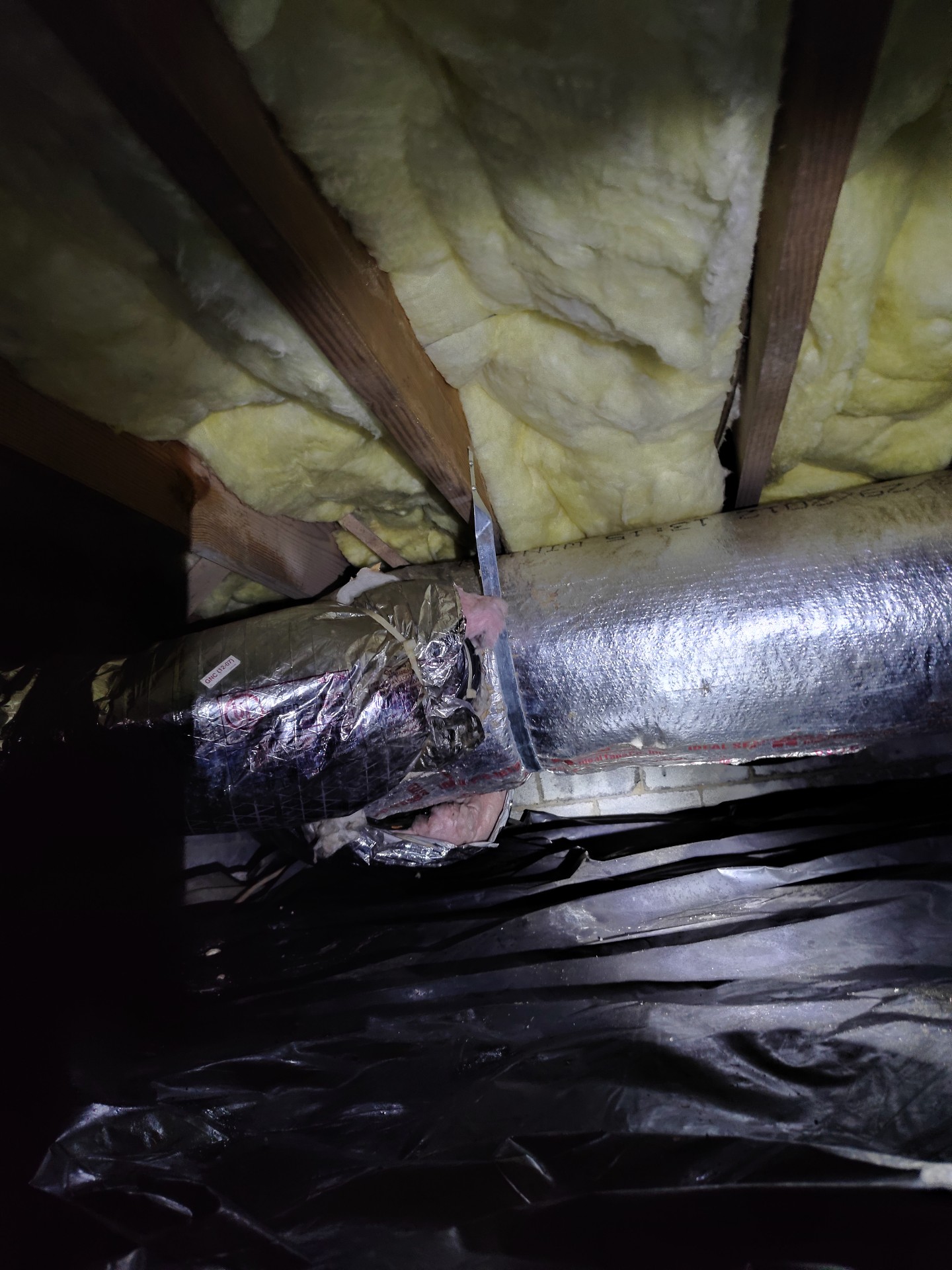
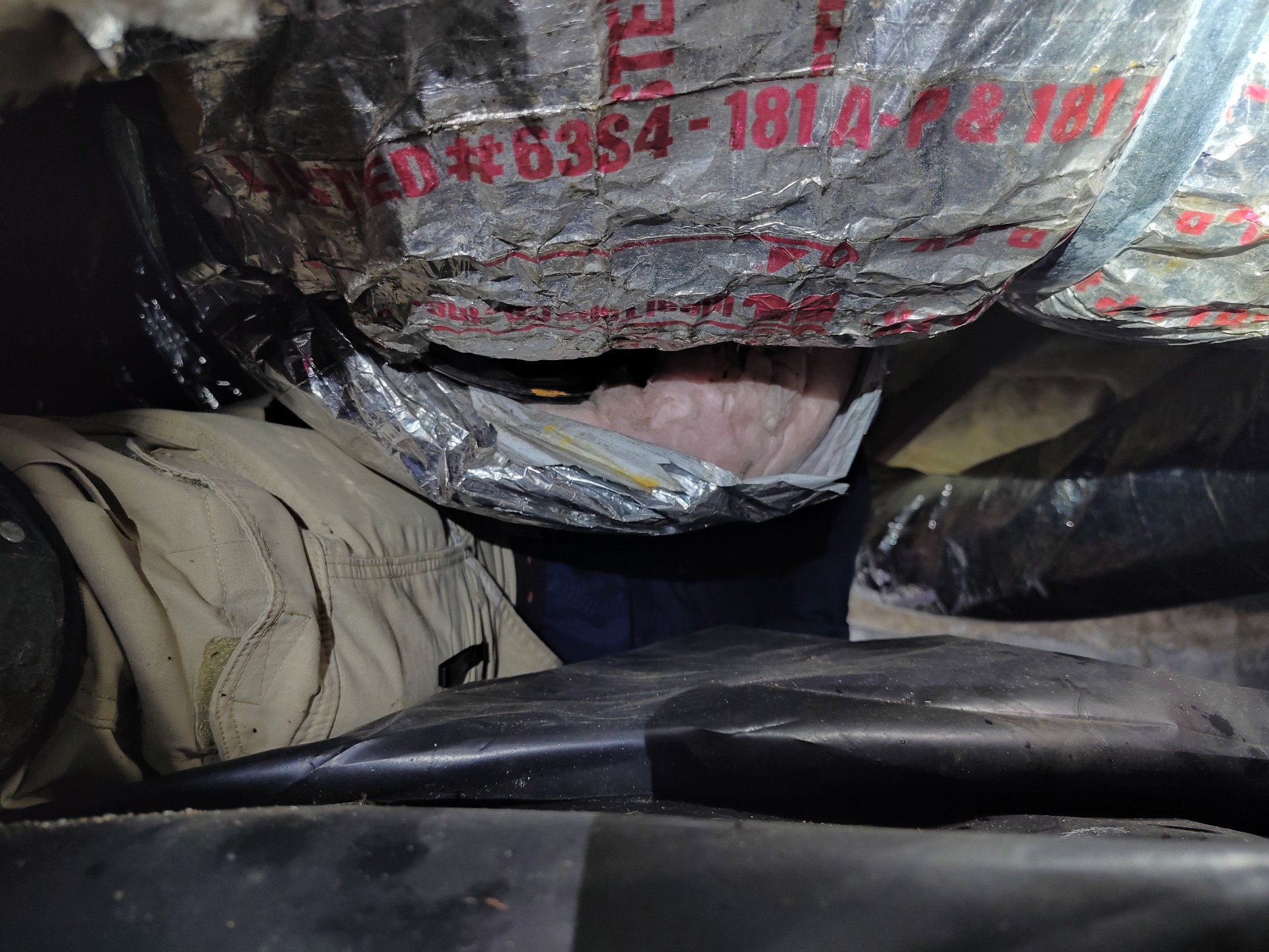
Repairs are needed to the HVAC distribution system.
Licensed HVAC ContractorRepairWithin 1 YearUnder $500+ - 17.1.2 Crawl Space:
These Defects MUST be Repaired or Replaced
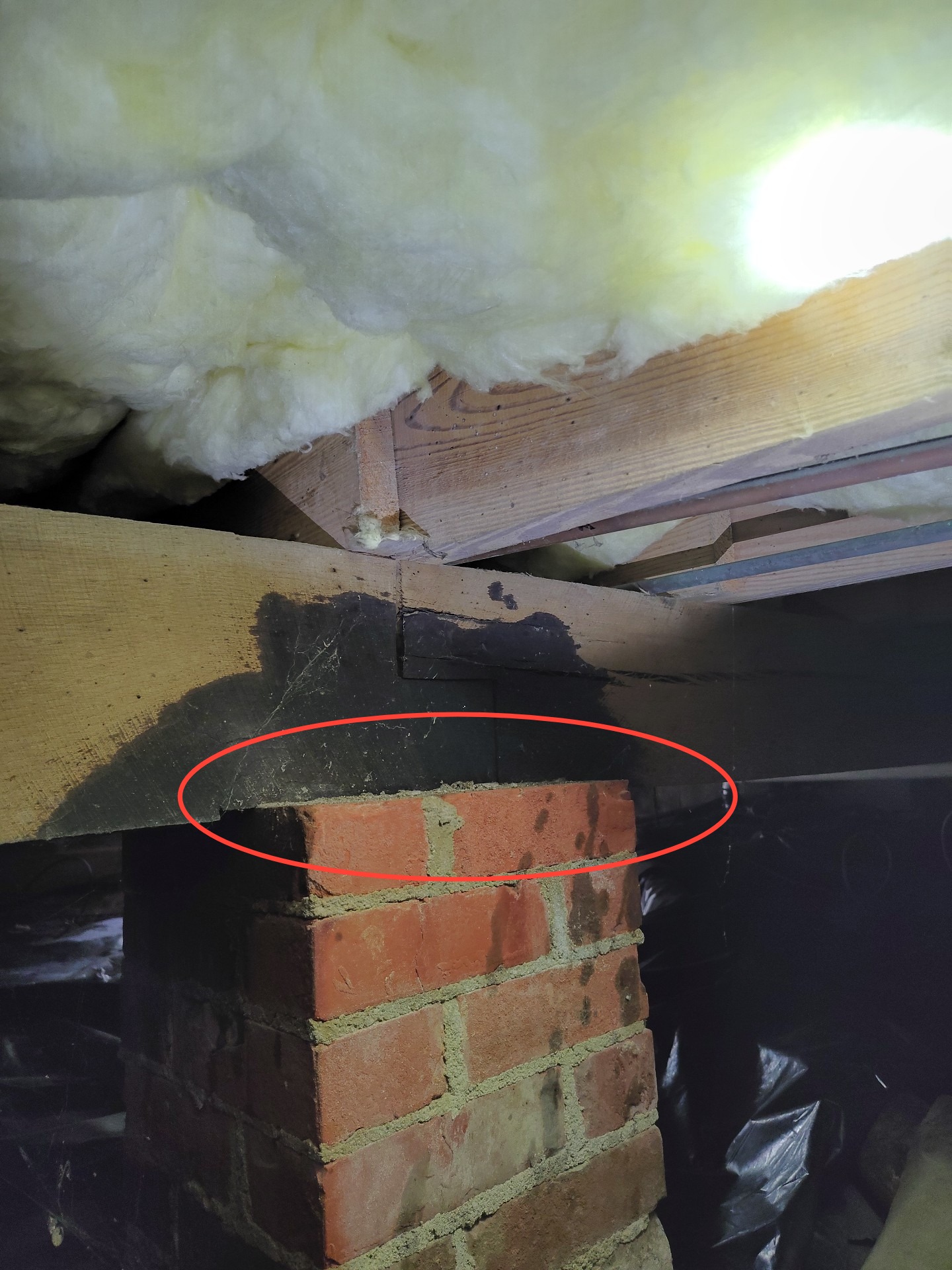
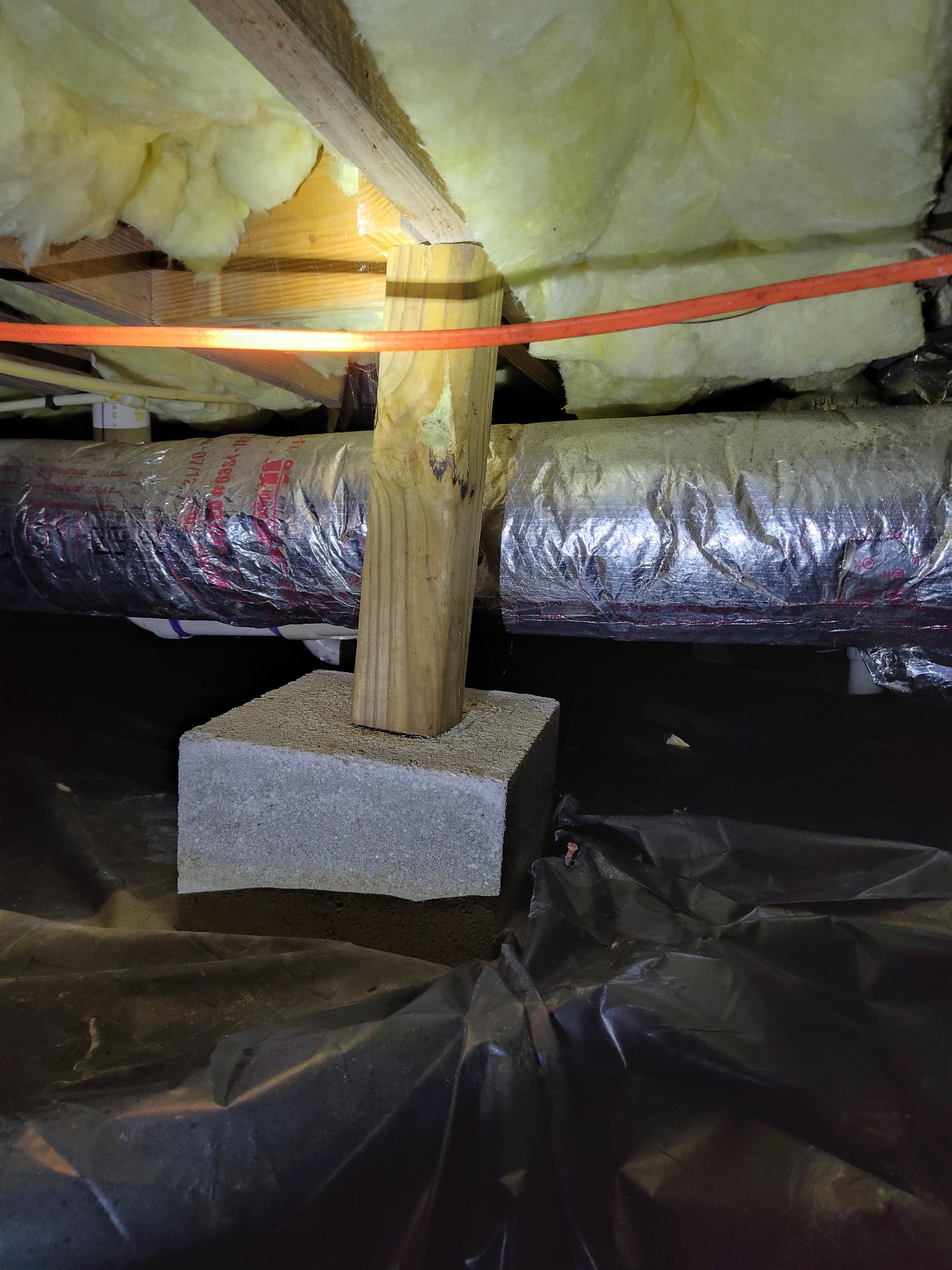
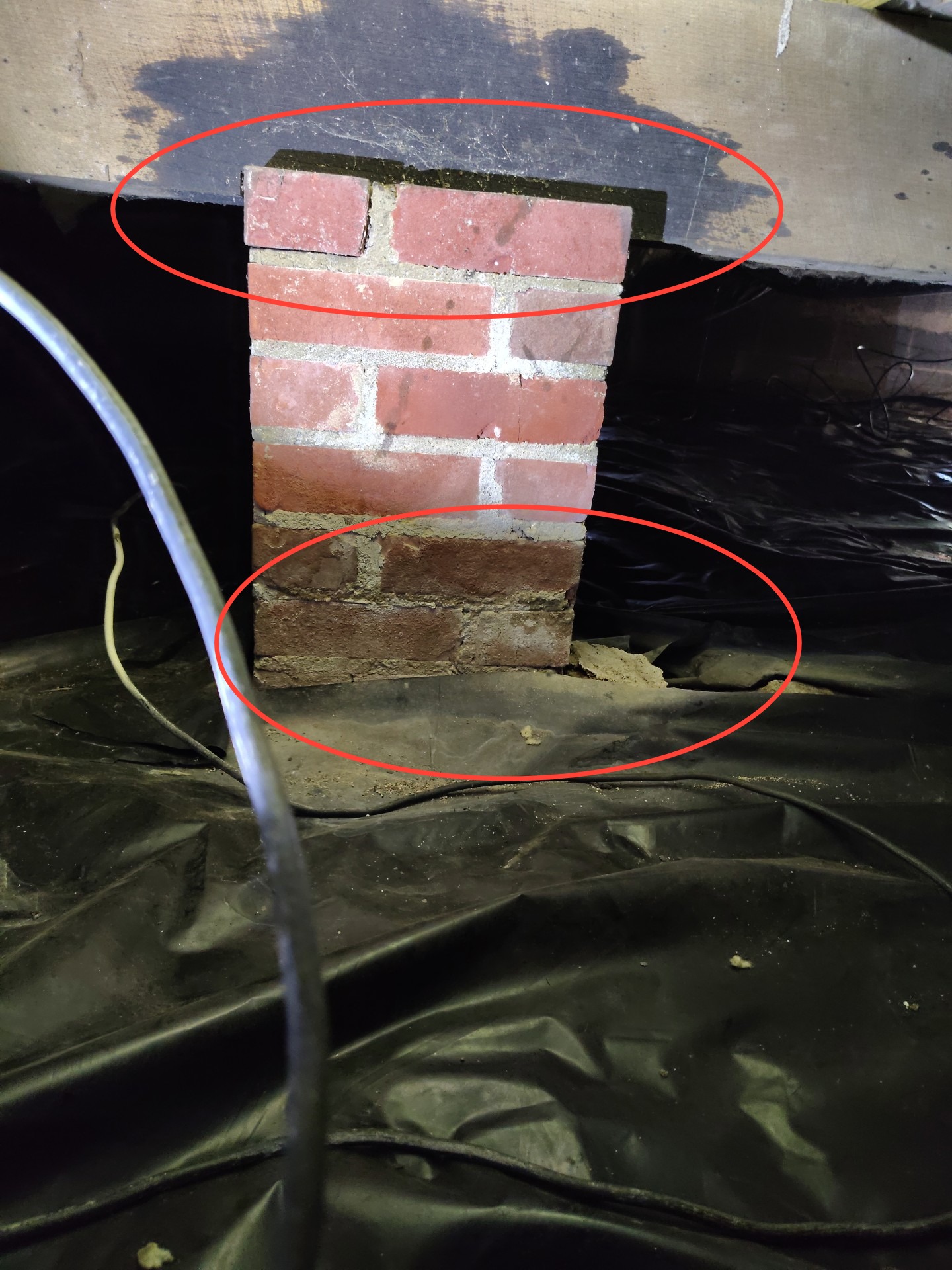
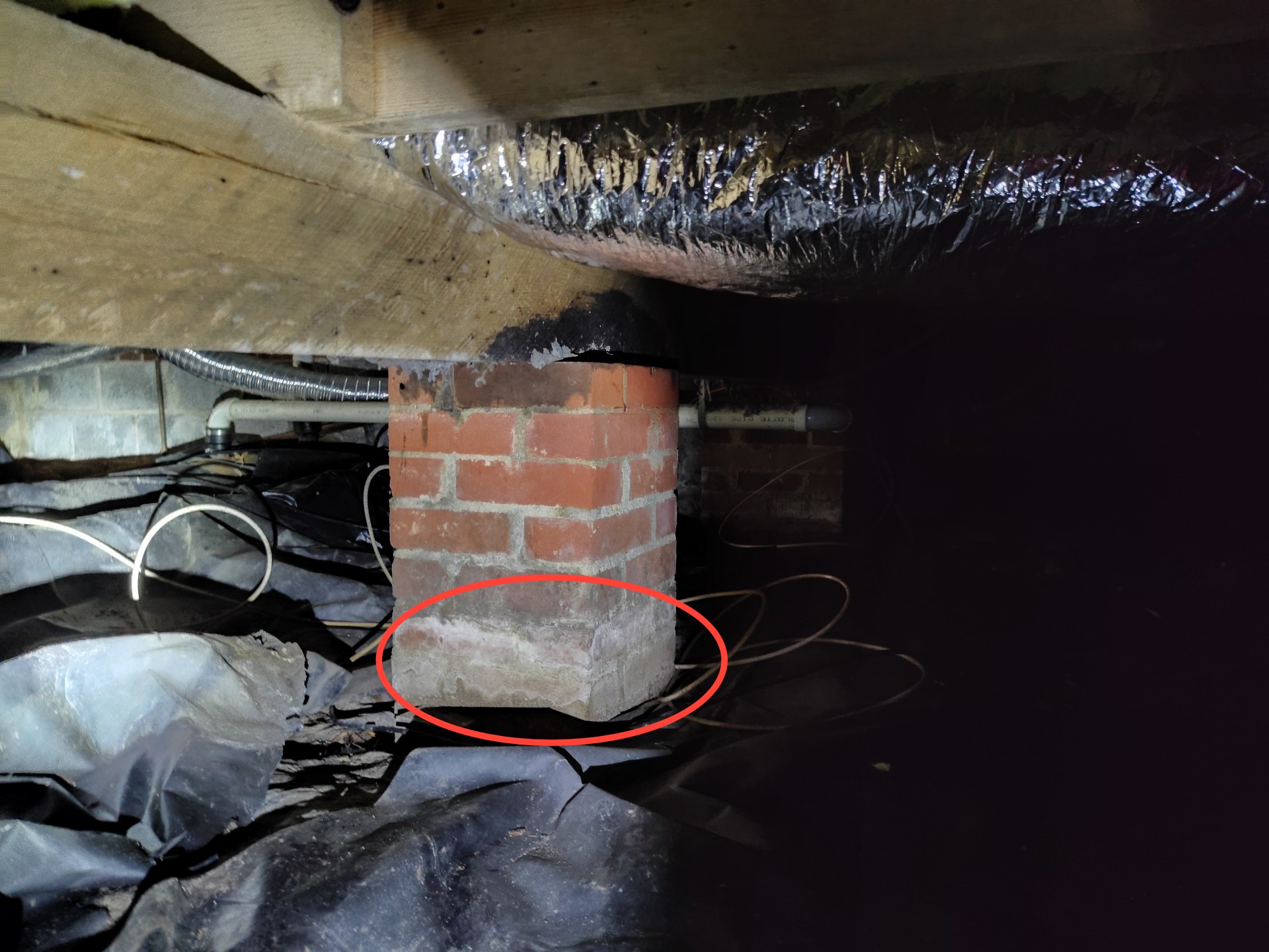
Licensed General ContractorRepairWithin 1 Year$1000-$2500+ - 17.7.1 Crawl Space:
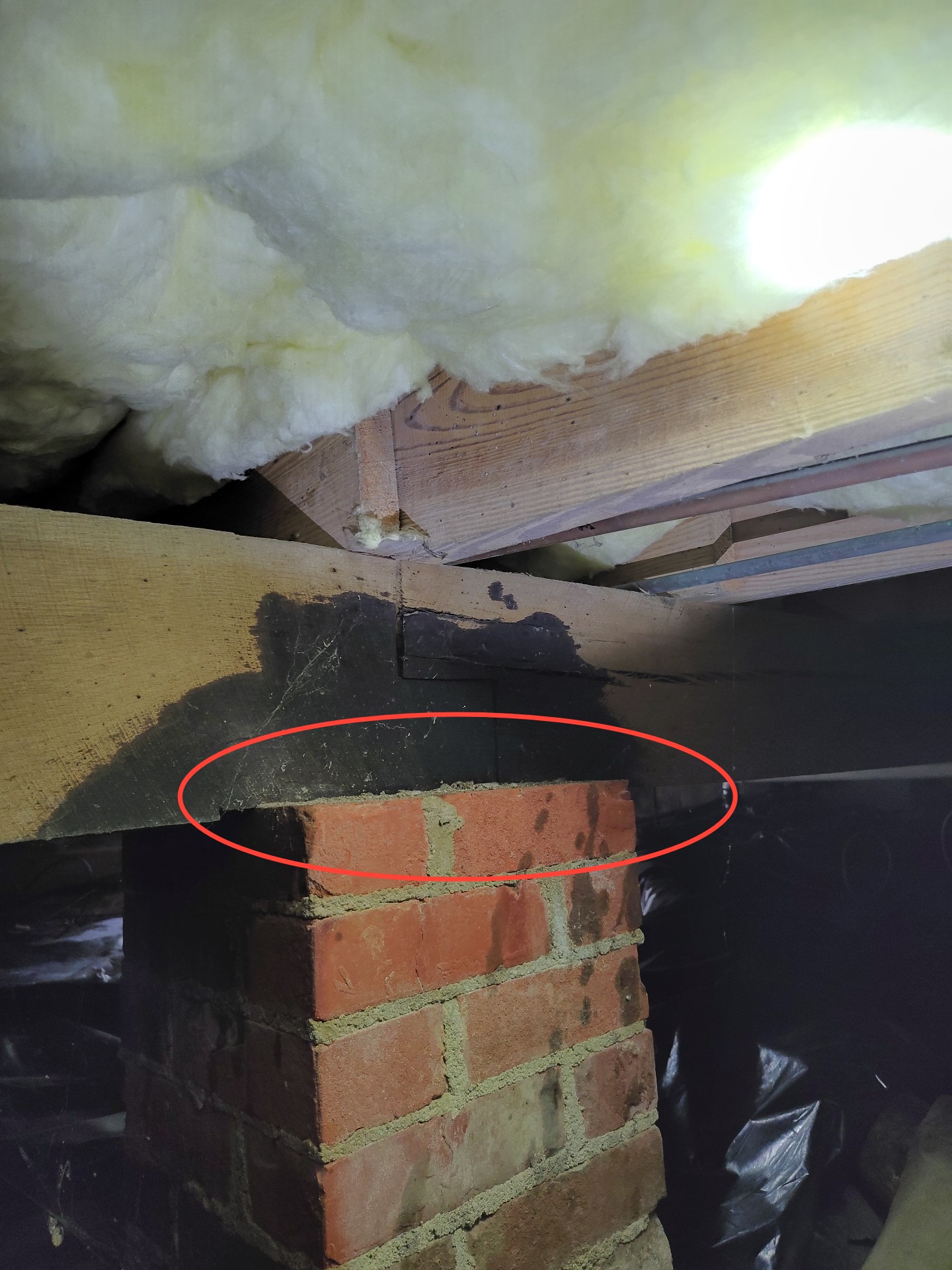
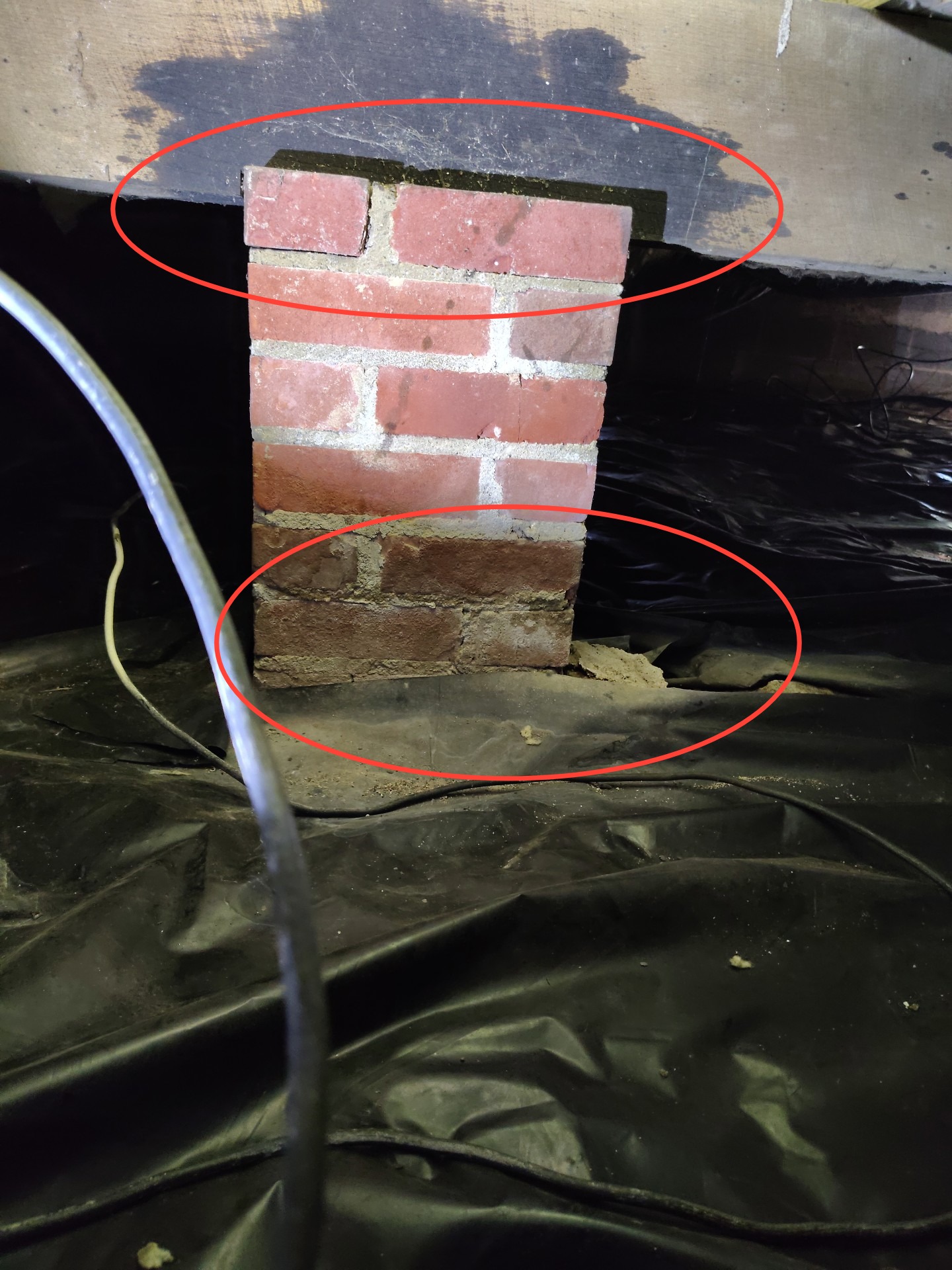
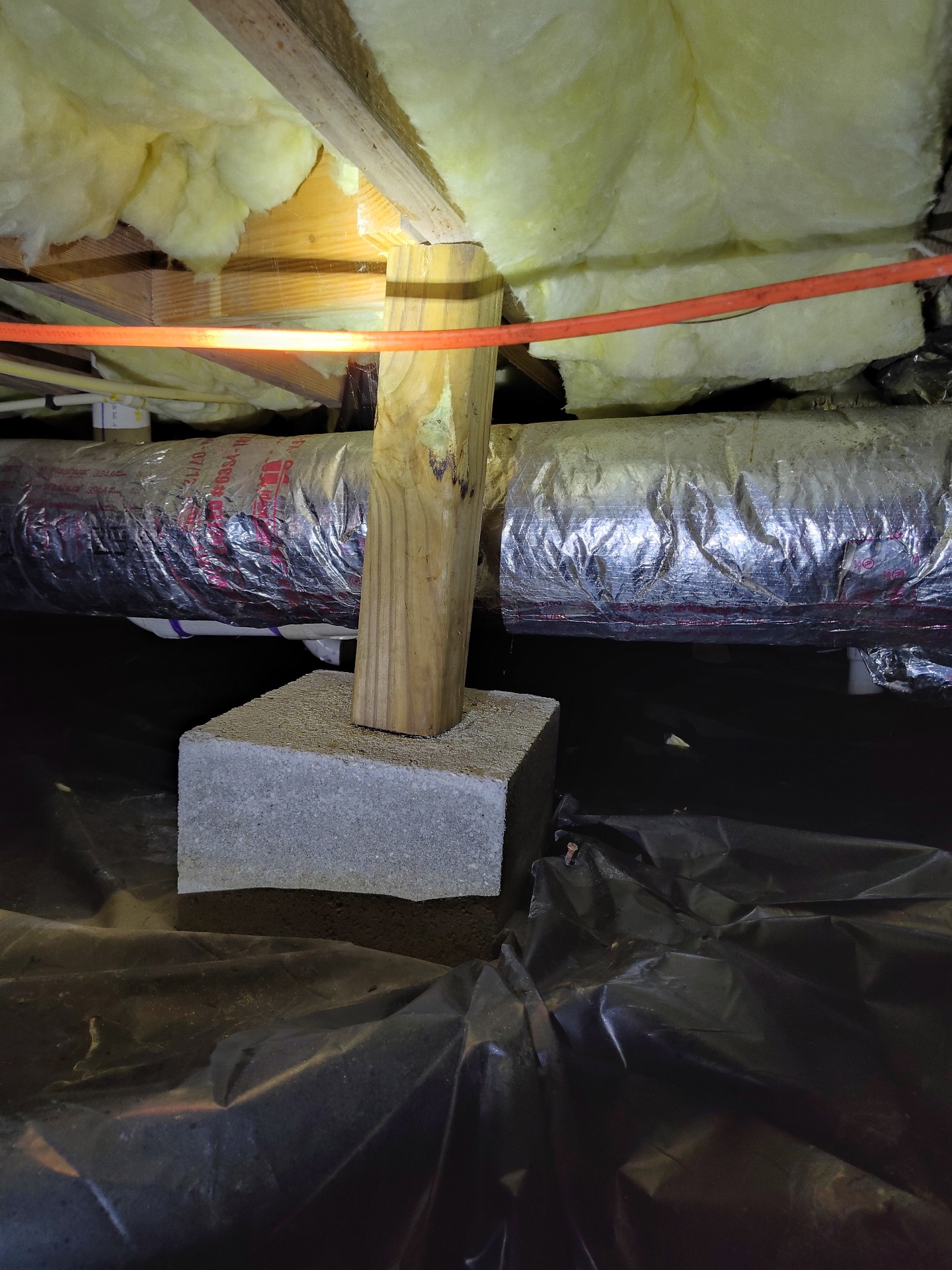
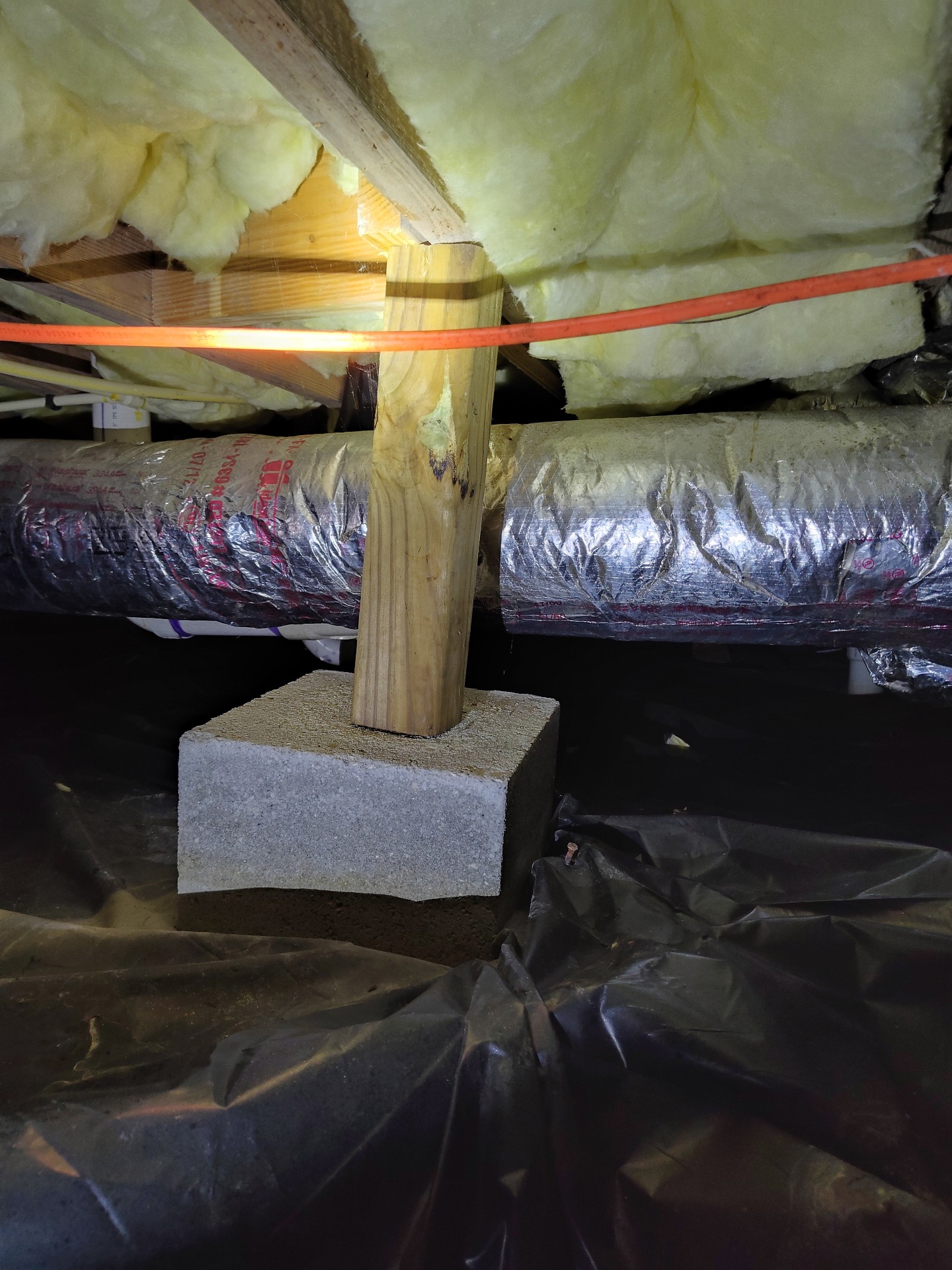
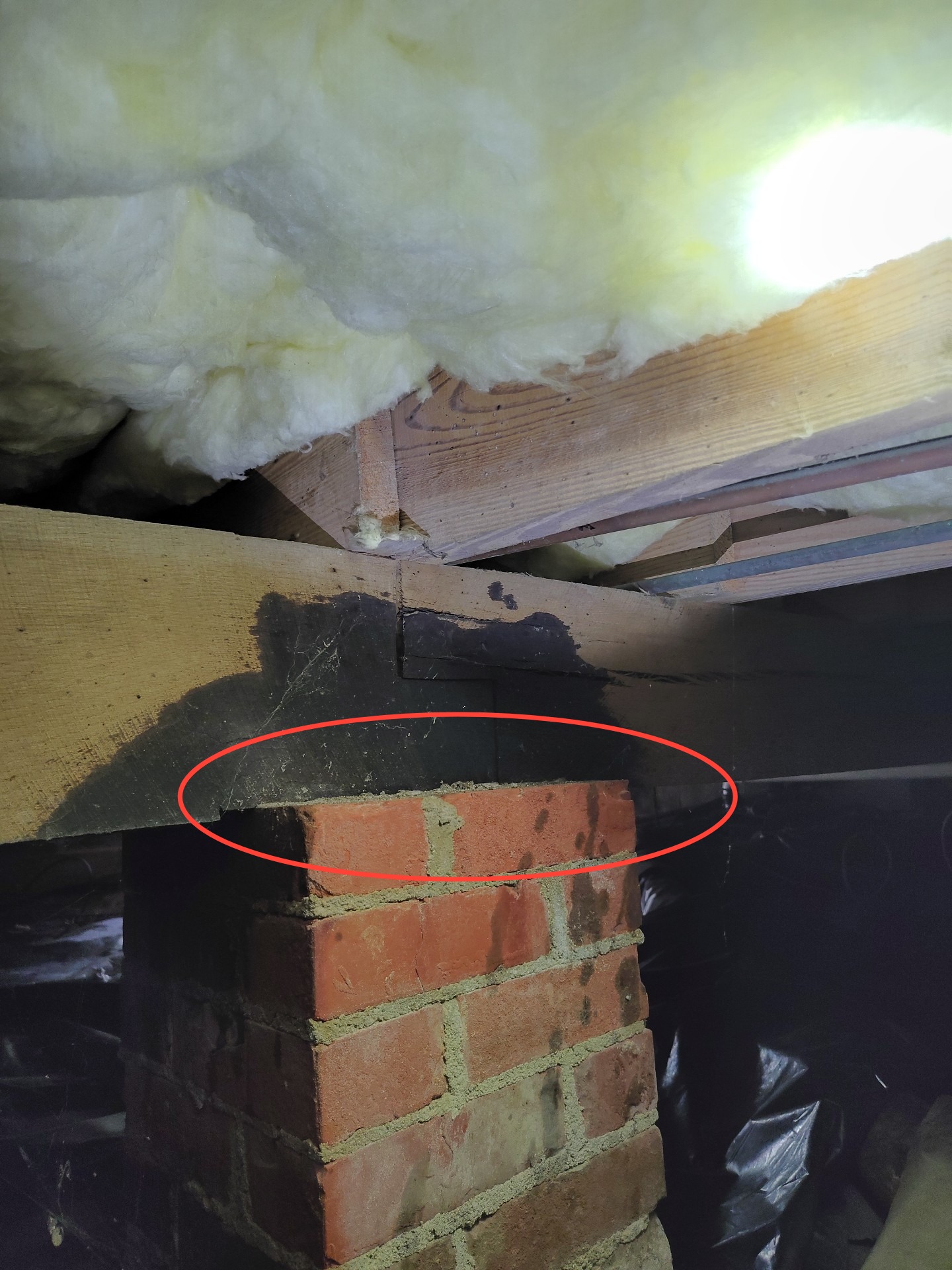
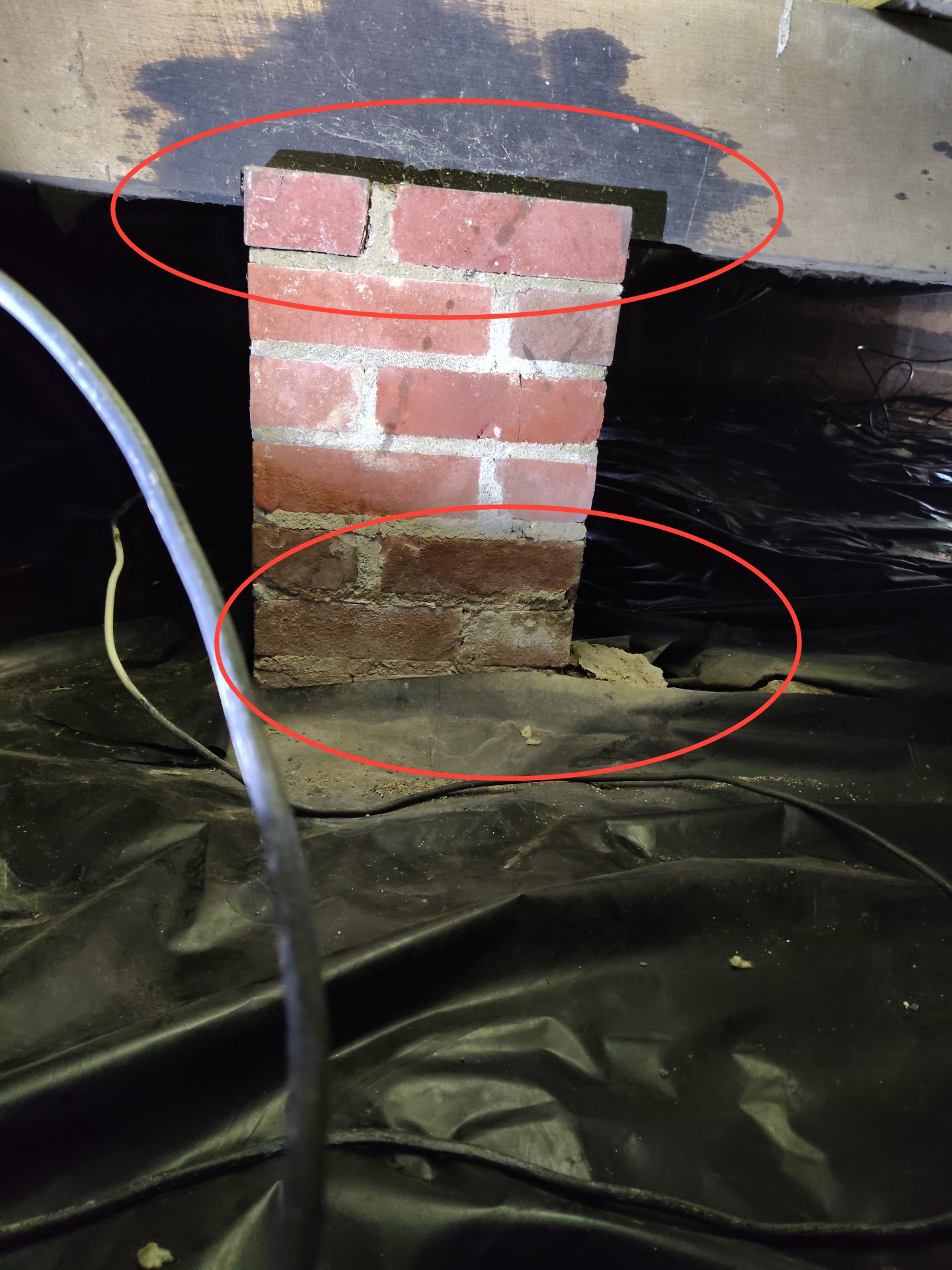
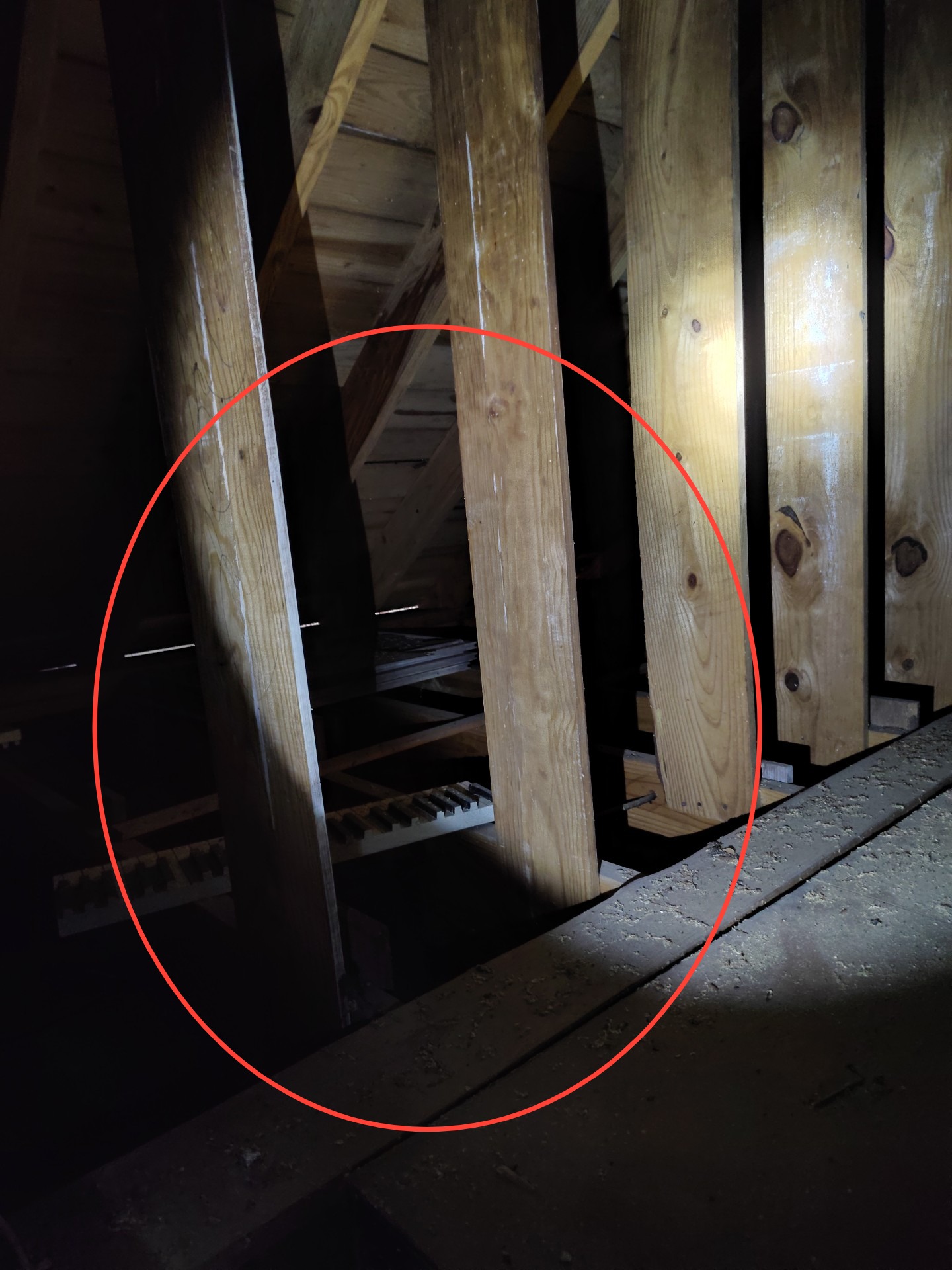
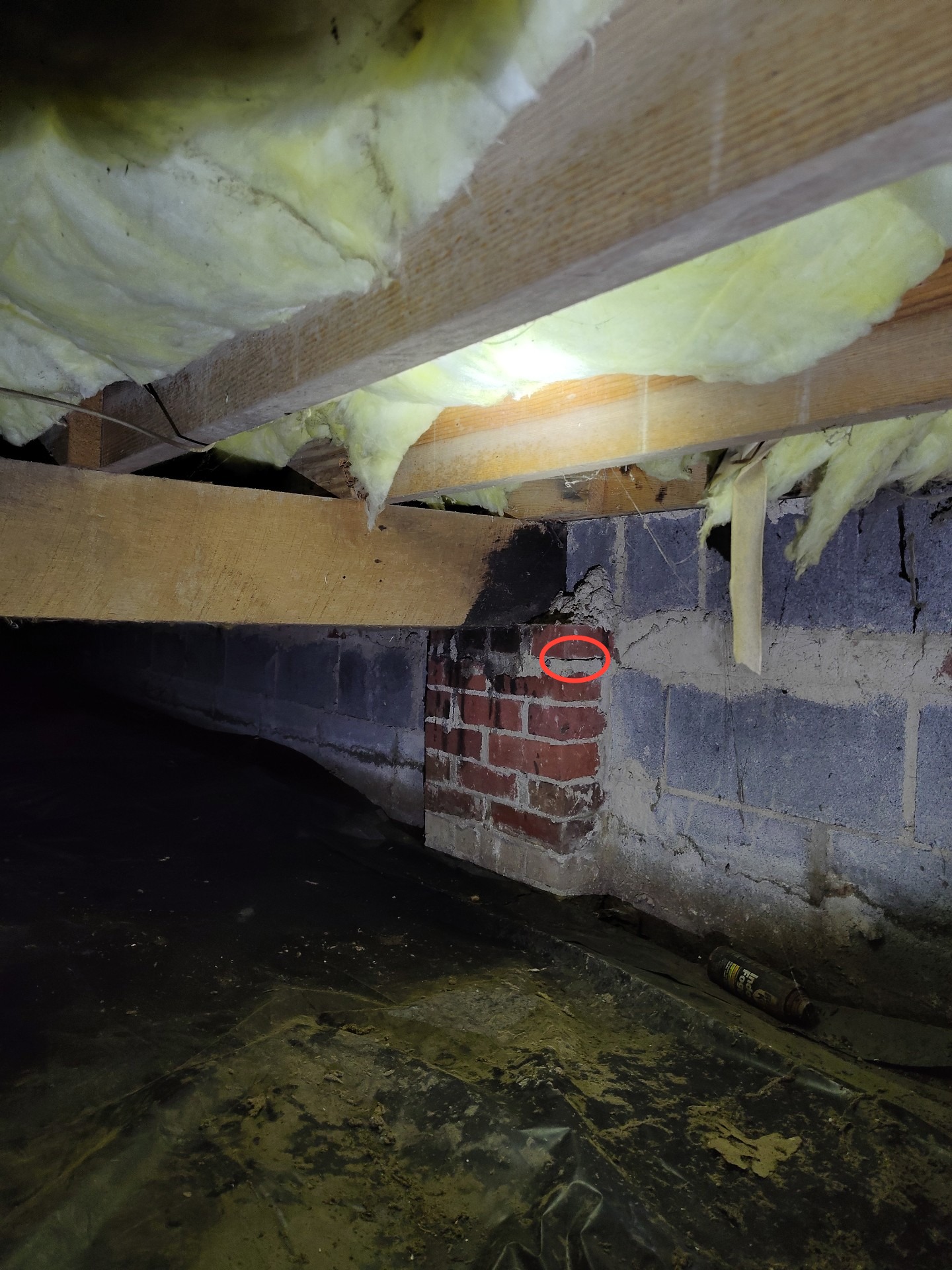
Supporting columns for the floor frame system are sagging/altered and require repair.
Licensed Professional Engineer (Structural)Licensed General ContractorFurther EvaluationWithin 1 Year$Unkown


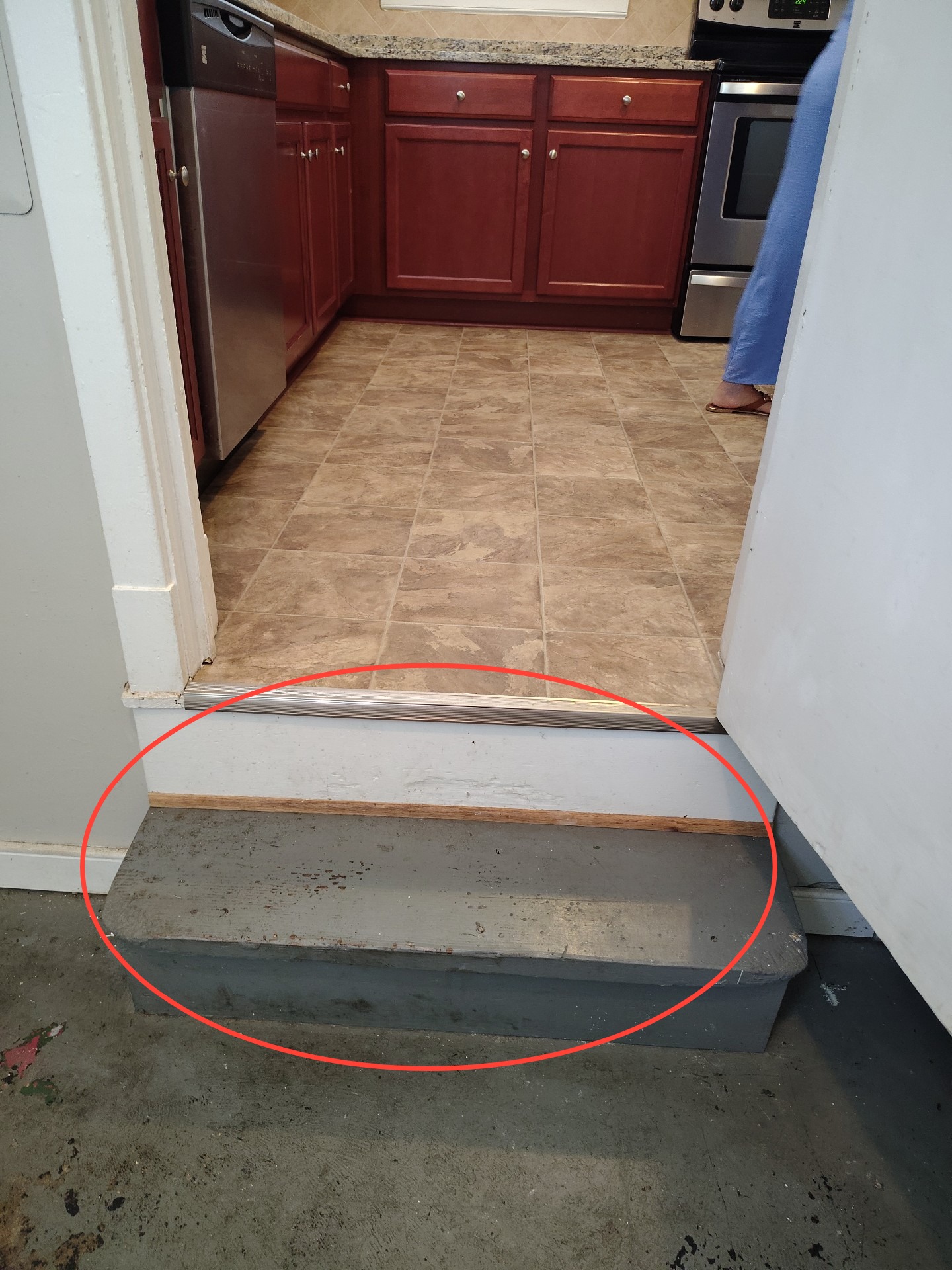
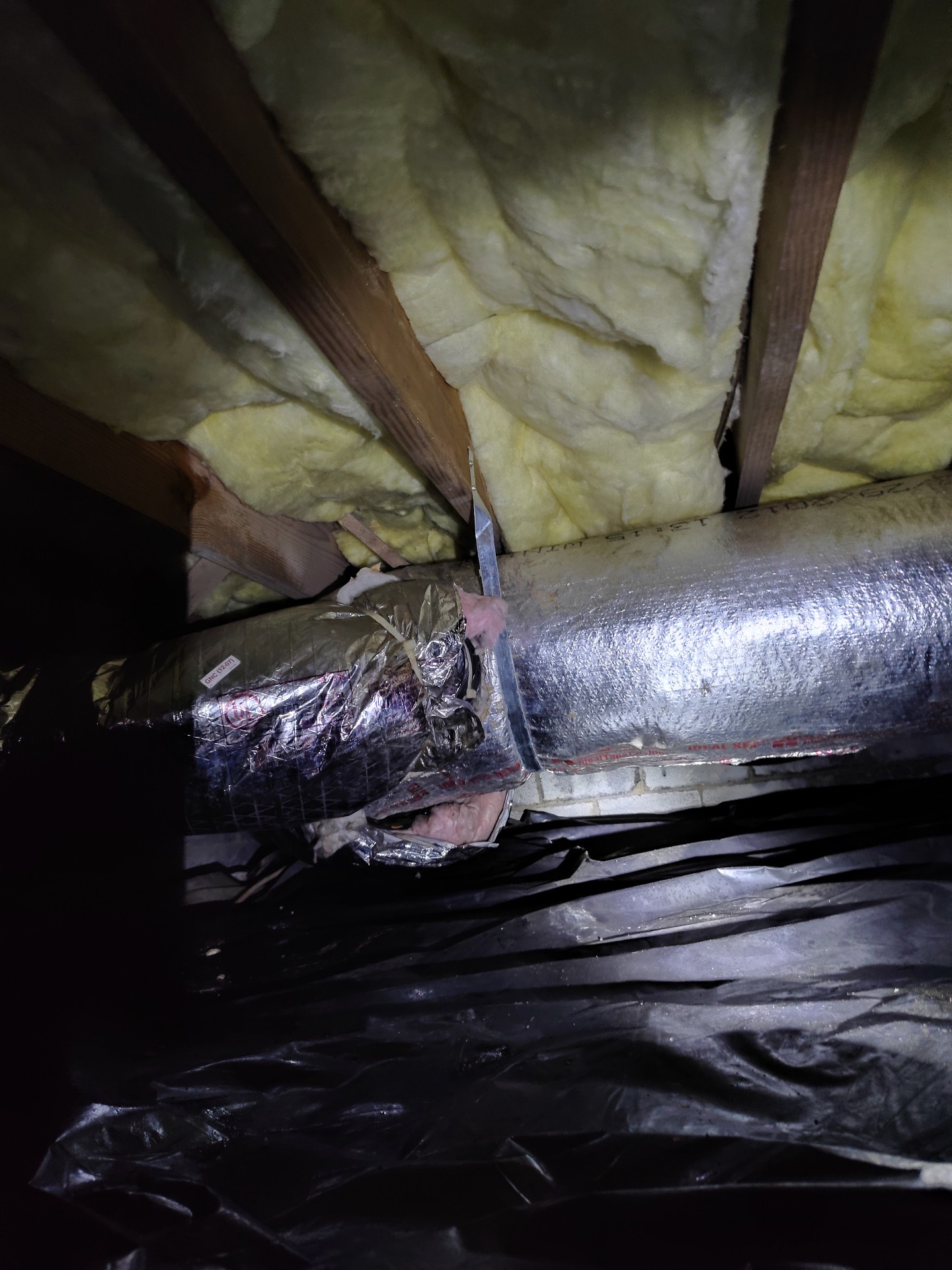
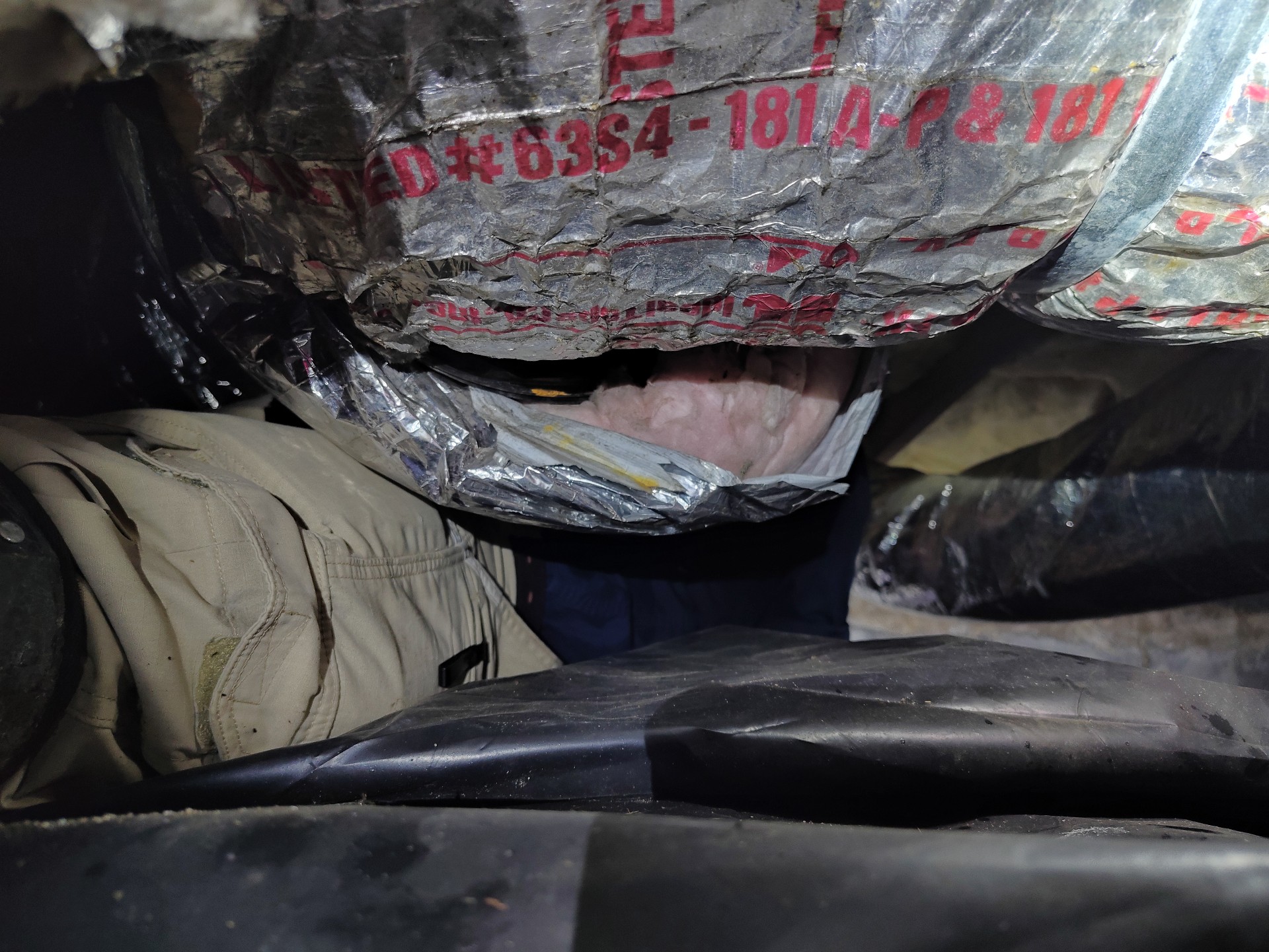
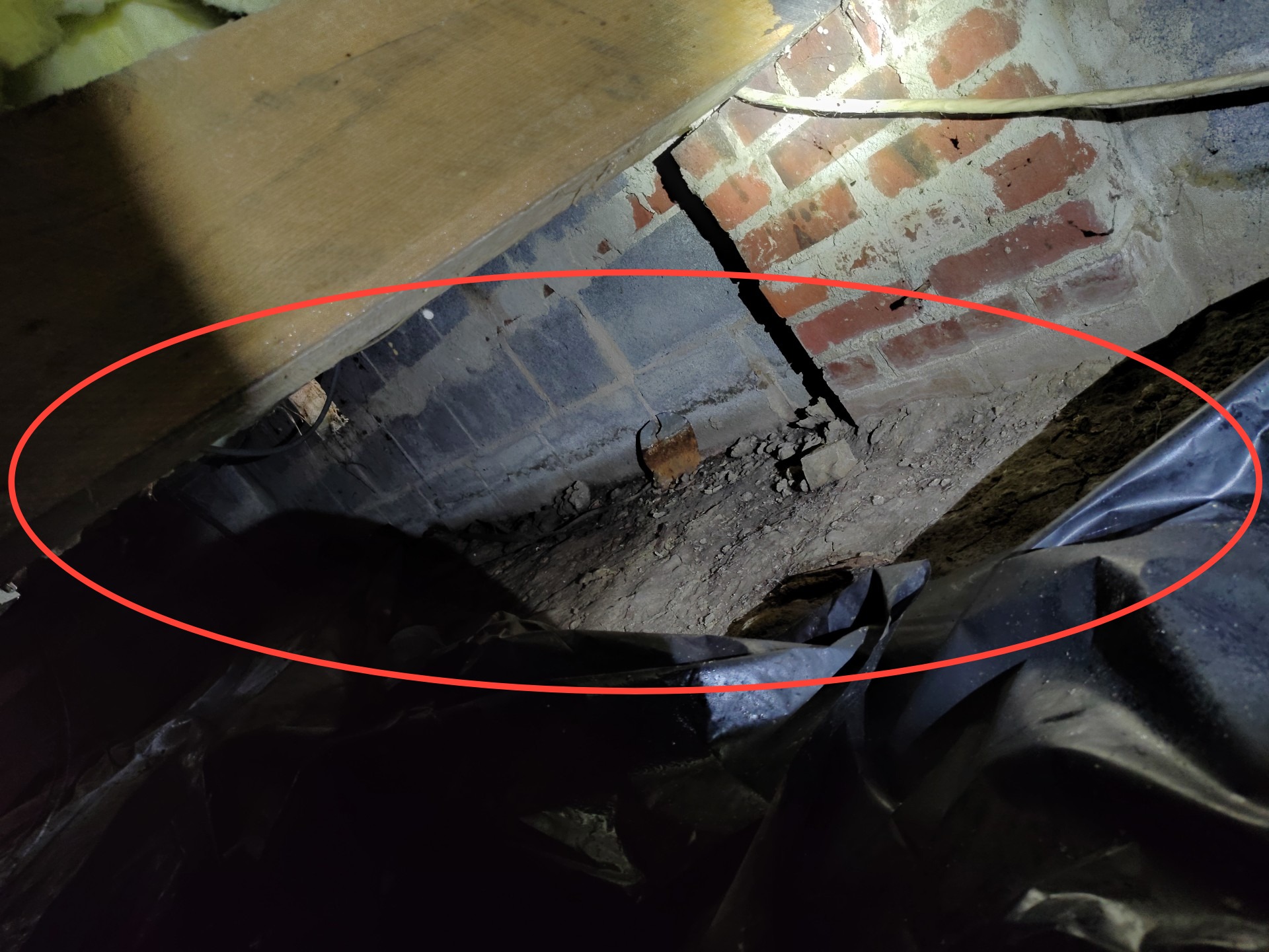
Other Important Info
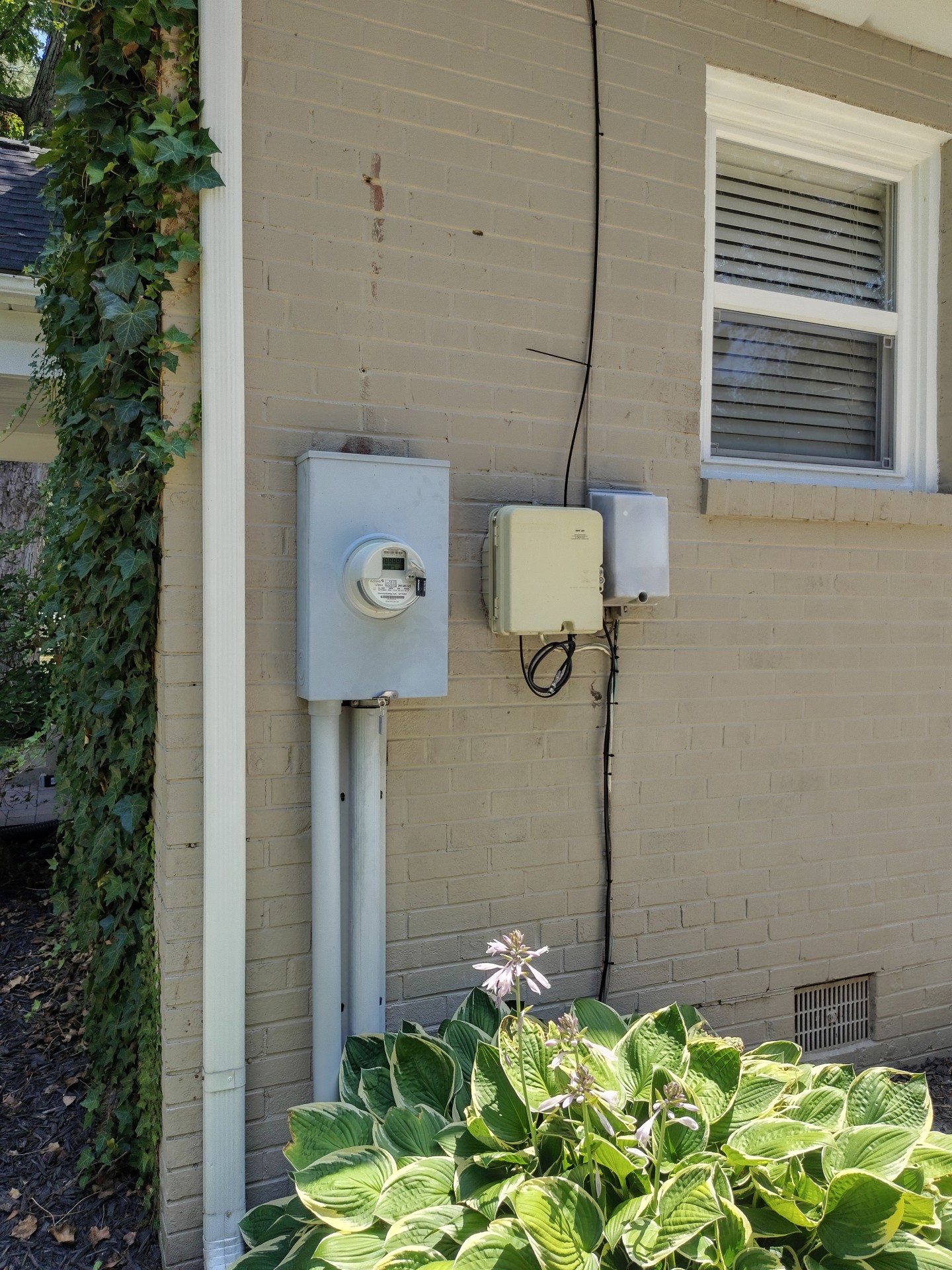
- 3.16.1 Exterior:
Service Entry does not have an exterior disconnect to the Power, this is not a defect as it was not a requirement when the house was built.
When and if upgrading electrical, worth a discussion if to install an exterior disconnect bringing the home up to current standards.
Licensed Electrical ContractorImprove / UpgradeLong-Term / Budget$Unkown
Non-Material Defects
- 1.2.1 General Comments:
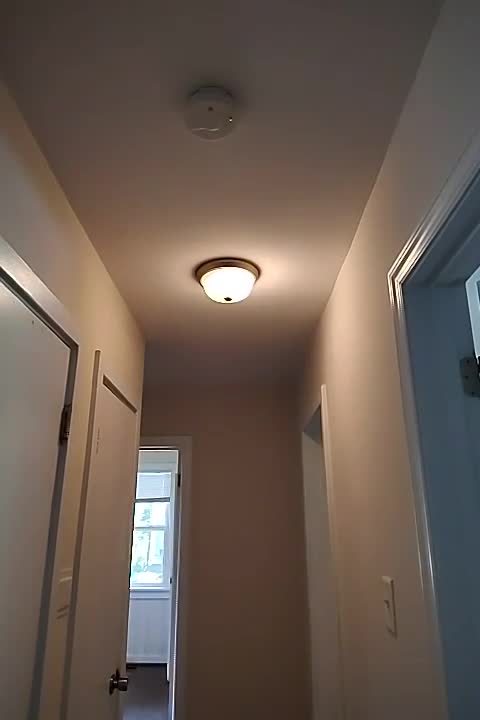
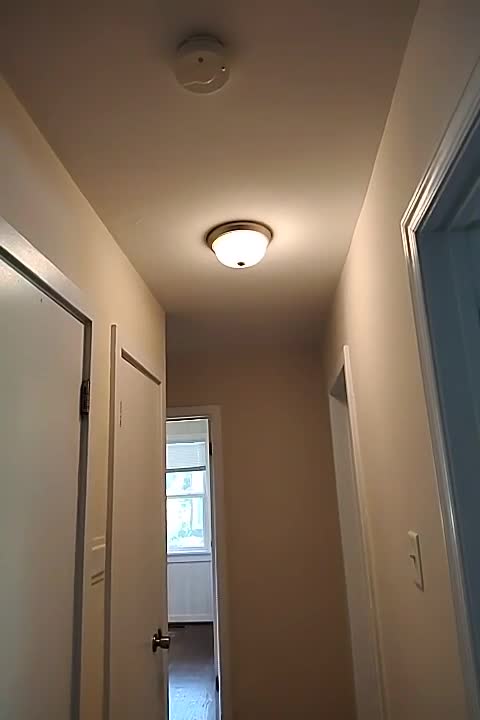
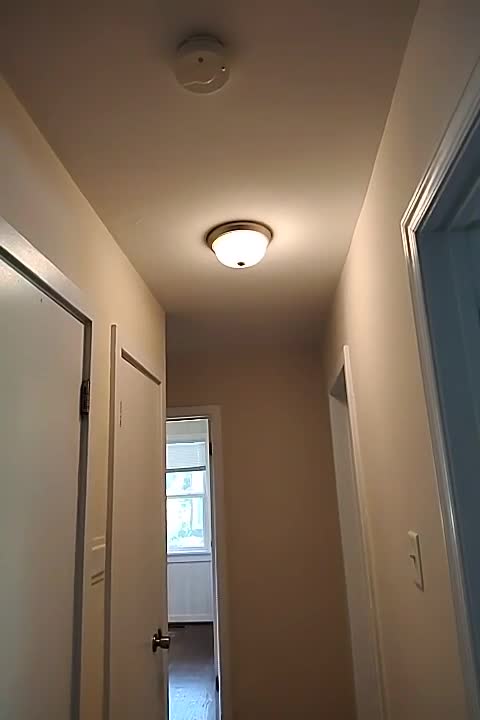
Worked diligently to find a "reason" a few lights on the first floor kept blinking on and off. Have an Electrician look into this and make sure to check lightbulbs first, not accessible during the scope of this inspection.
Licensed Electrical ContractorFurther EvaluationWithin 1 Year$Unkown - 2.4.1 Site:
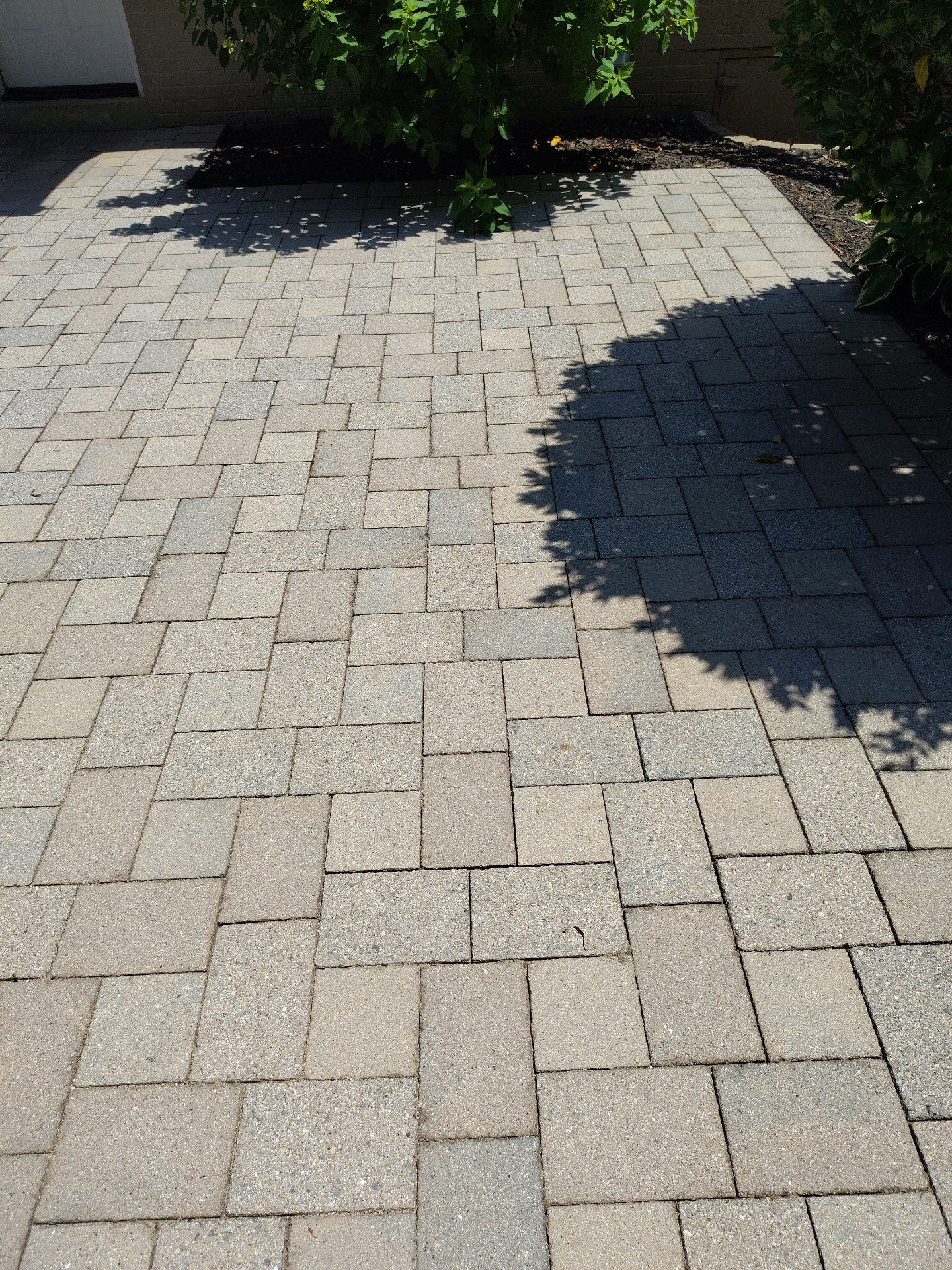
Add a sanded compound or Portland cement to protect long term
HandymanService / Maintain1–5 YearsUnder $200 - 3.6.1 Exterior:
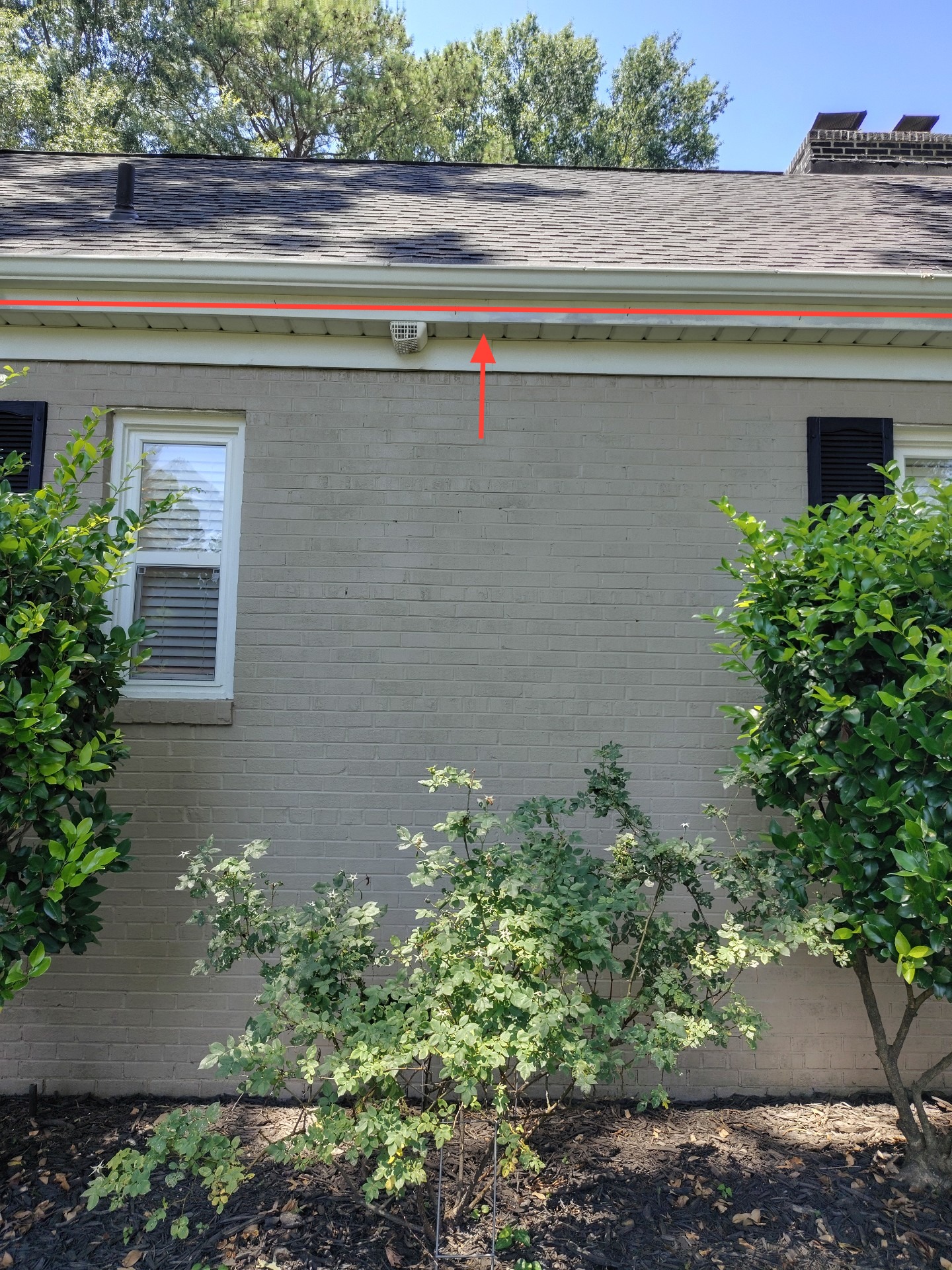
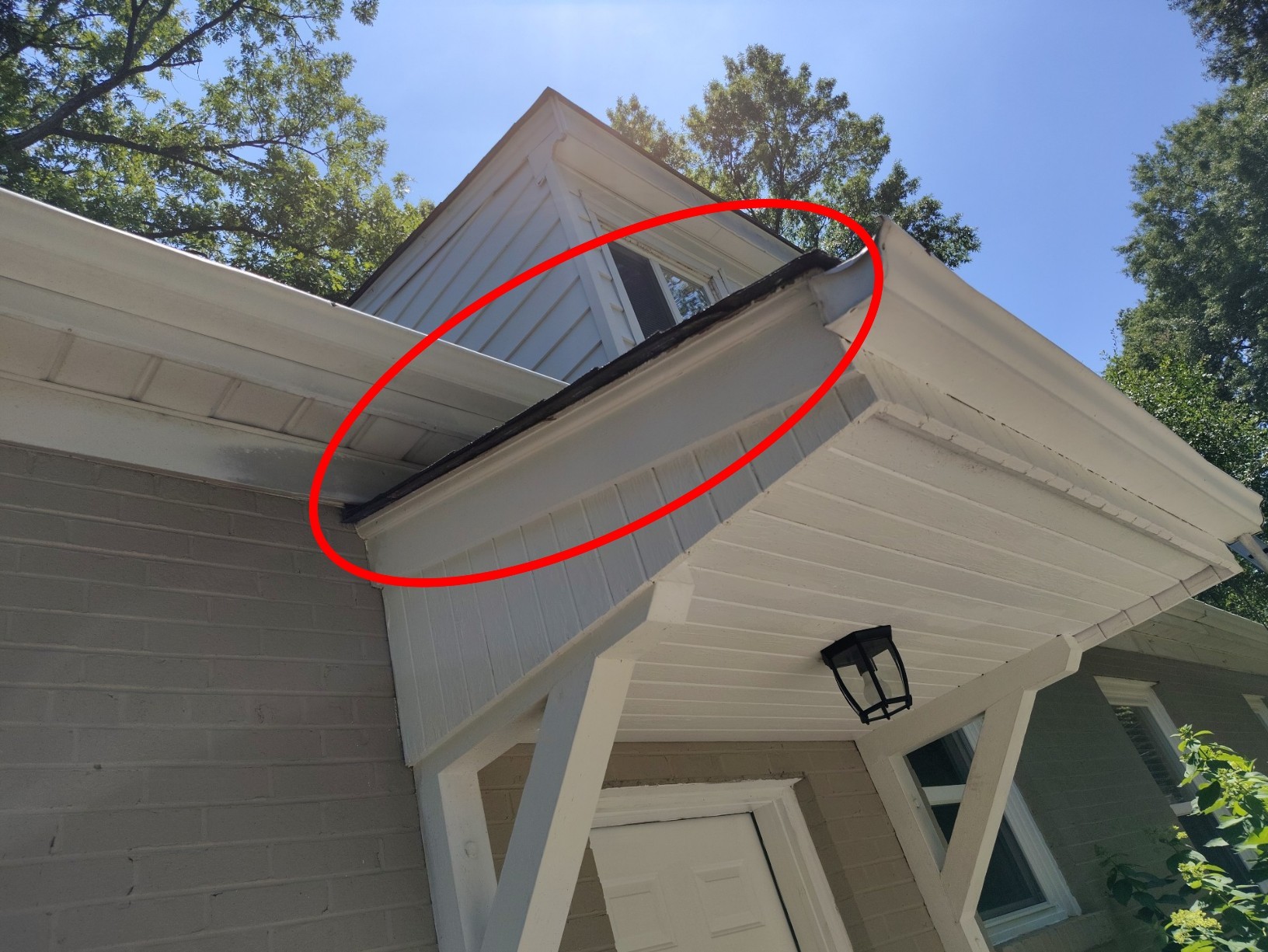
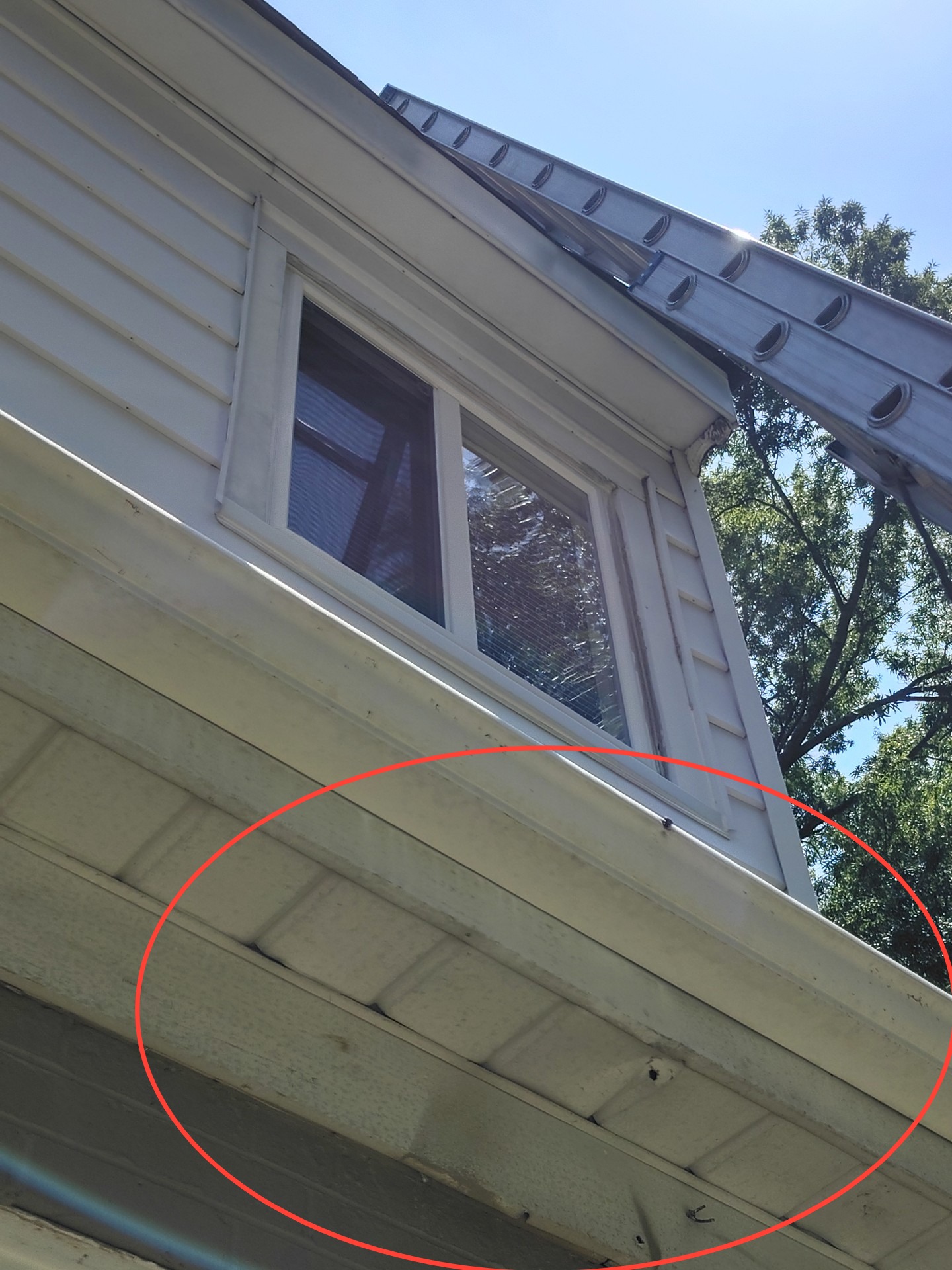
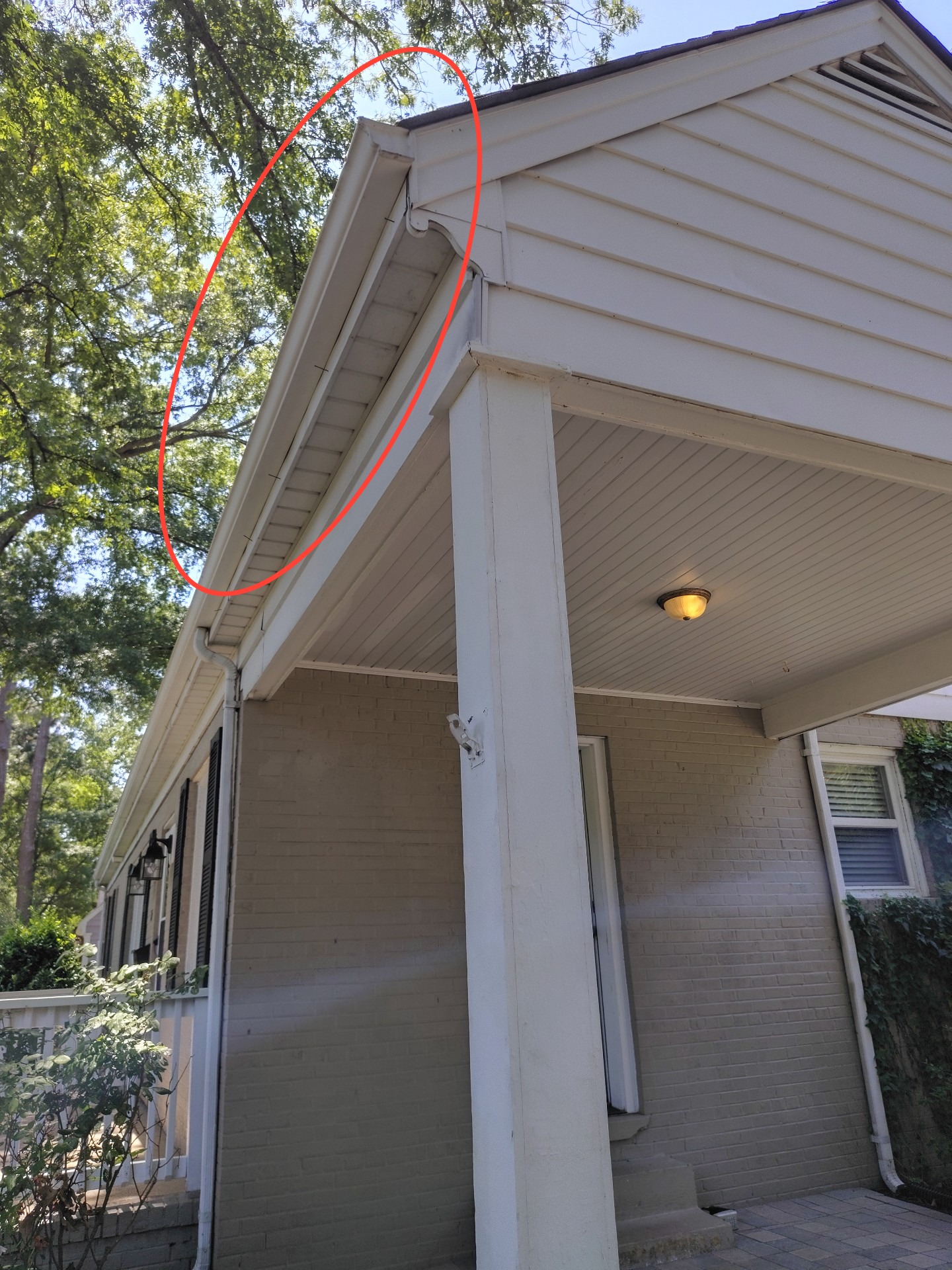
Damaged soffit material was noted. Repair/replace damaged soffit material as needed.
Licensed General ContractorRepairWithin 1 YearUnder $200 - 3.18.1 Exterior:
Anti siphon protection is recommended for the exterior hose bibs. This will reduce risks of water in hoses being sucked into the hose water piping system.
Licensed Plumbing ContractorImprove / Upgrade1–5 YearsUnder $200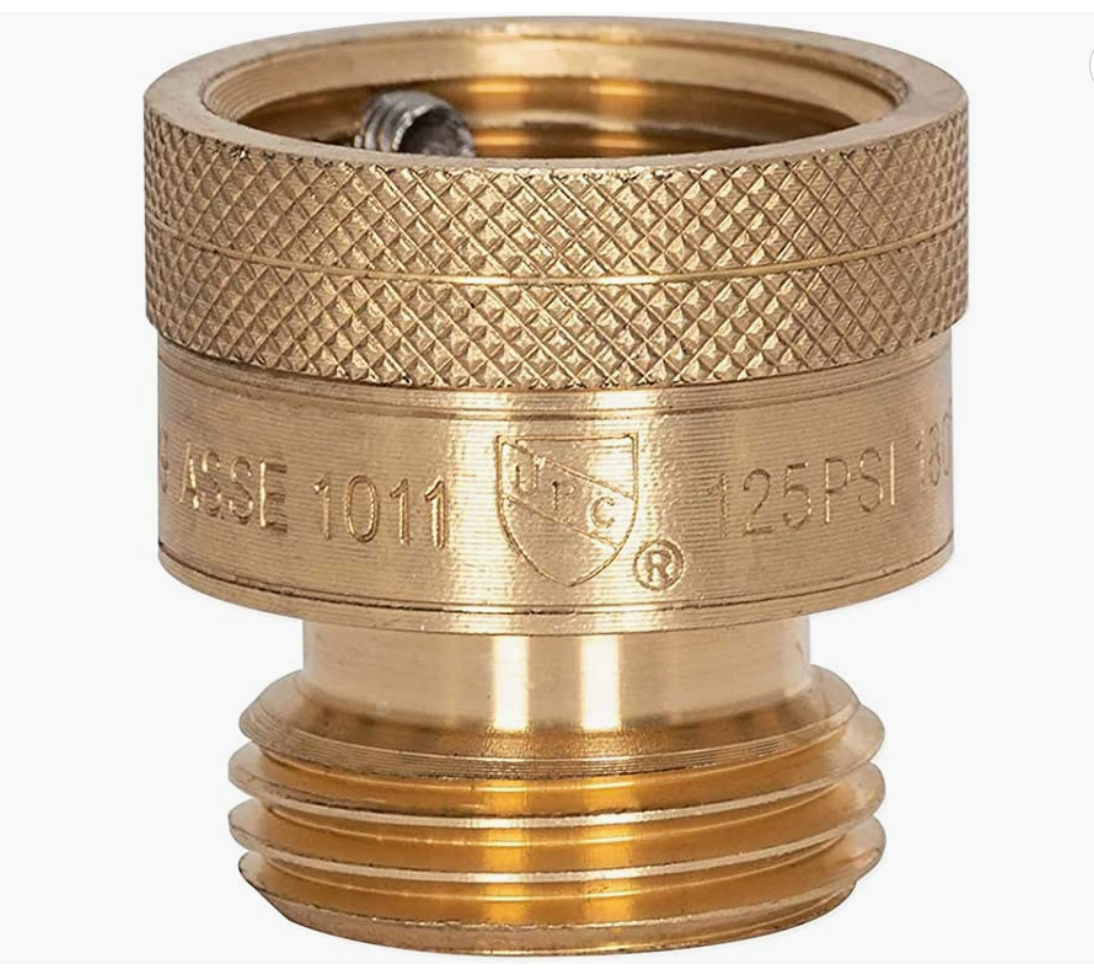
- 6.2.1 Bedrooms:
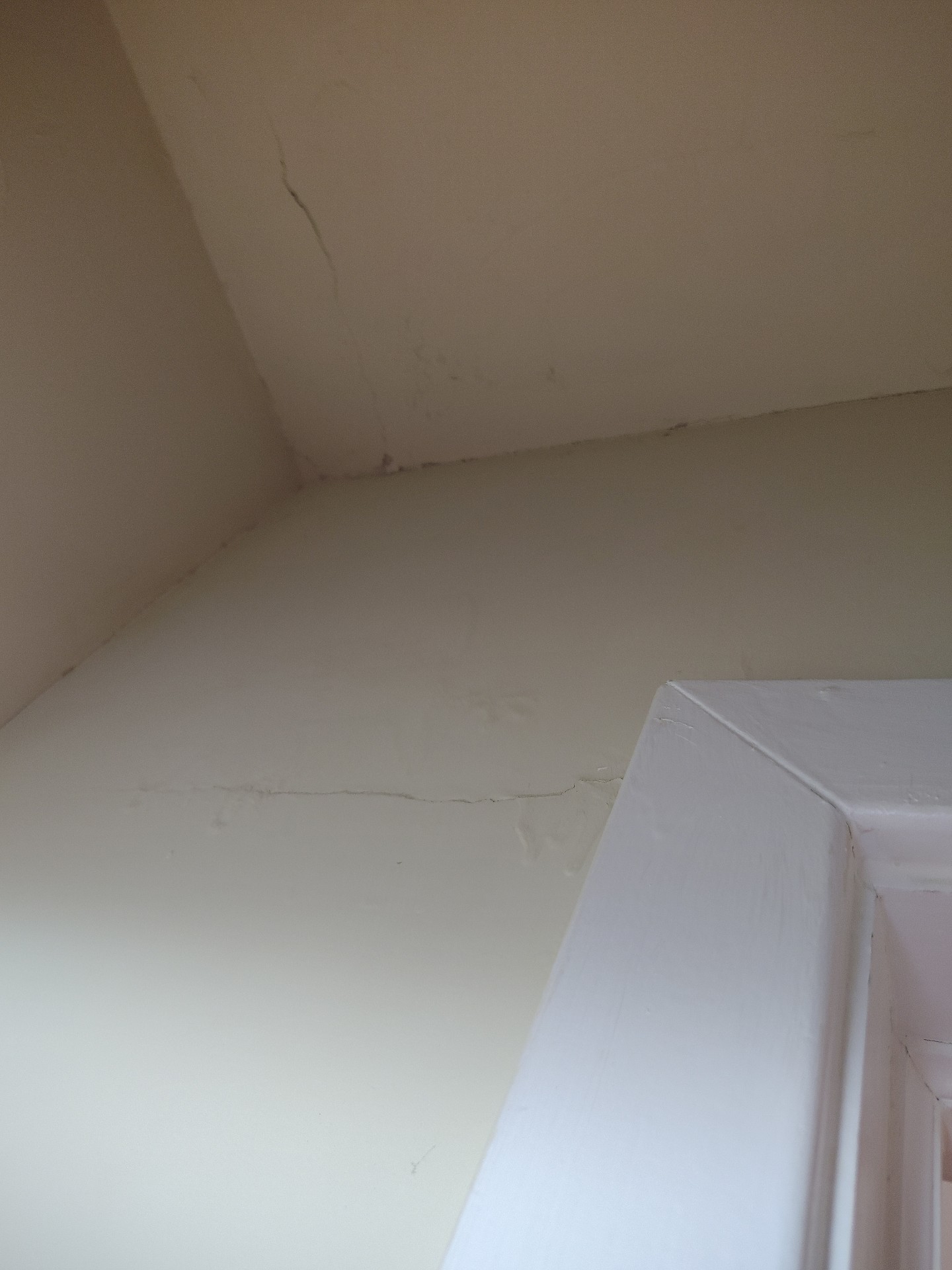
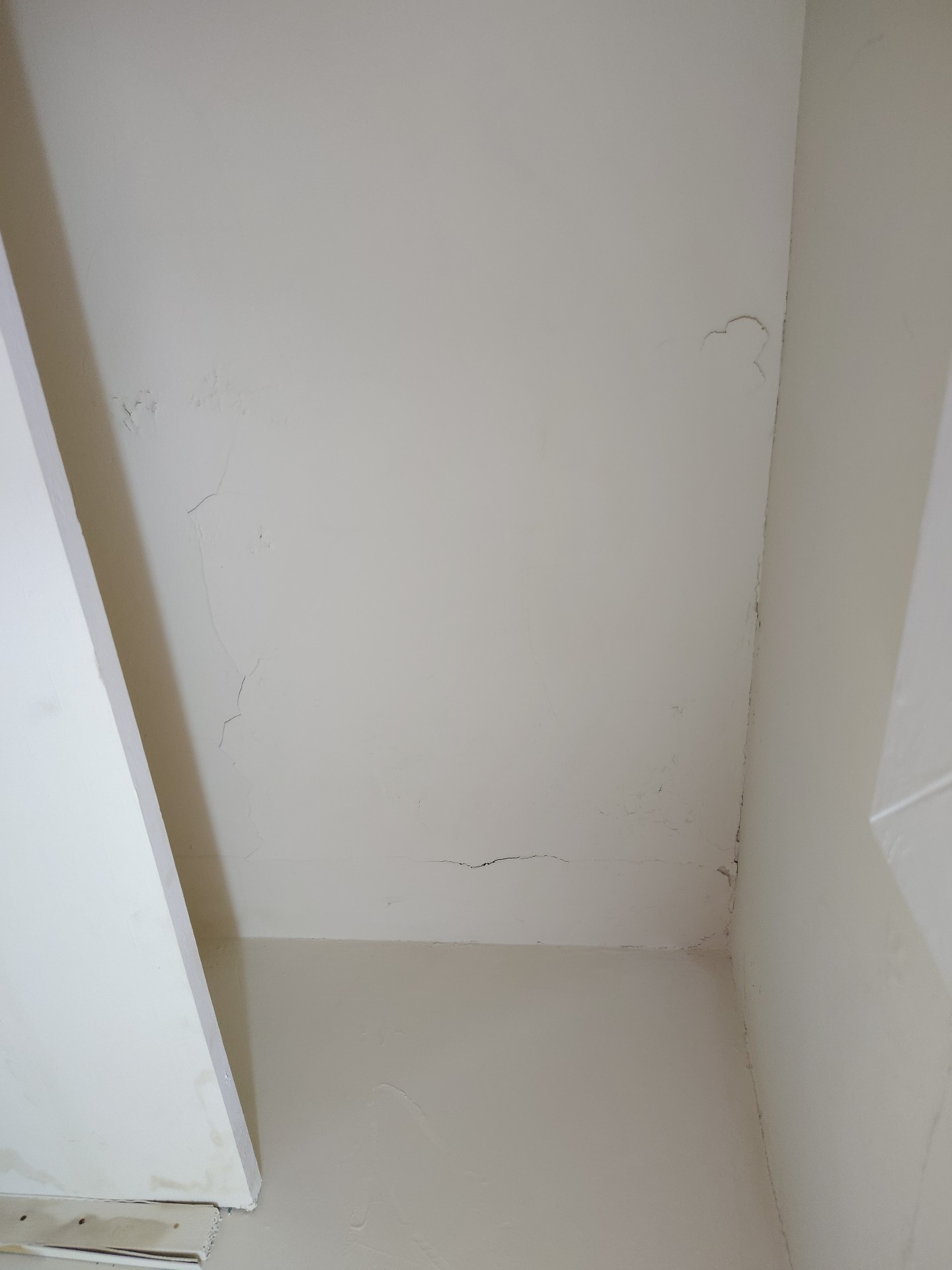
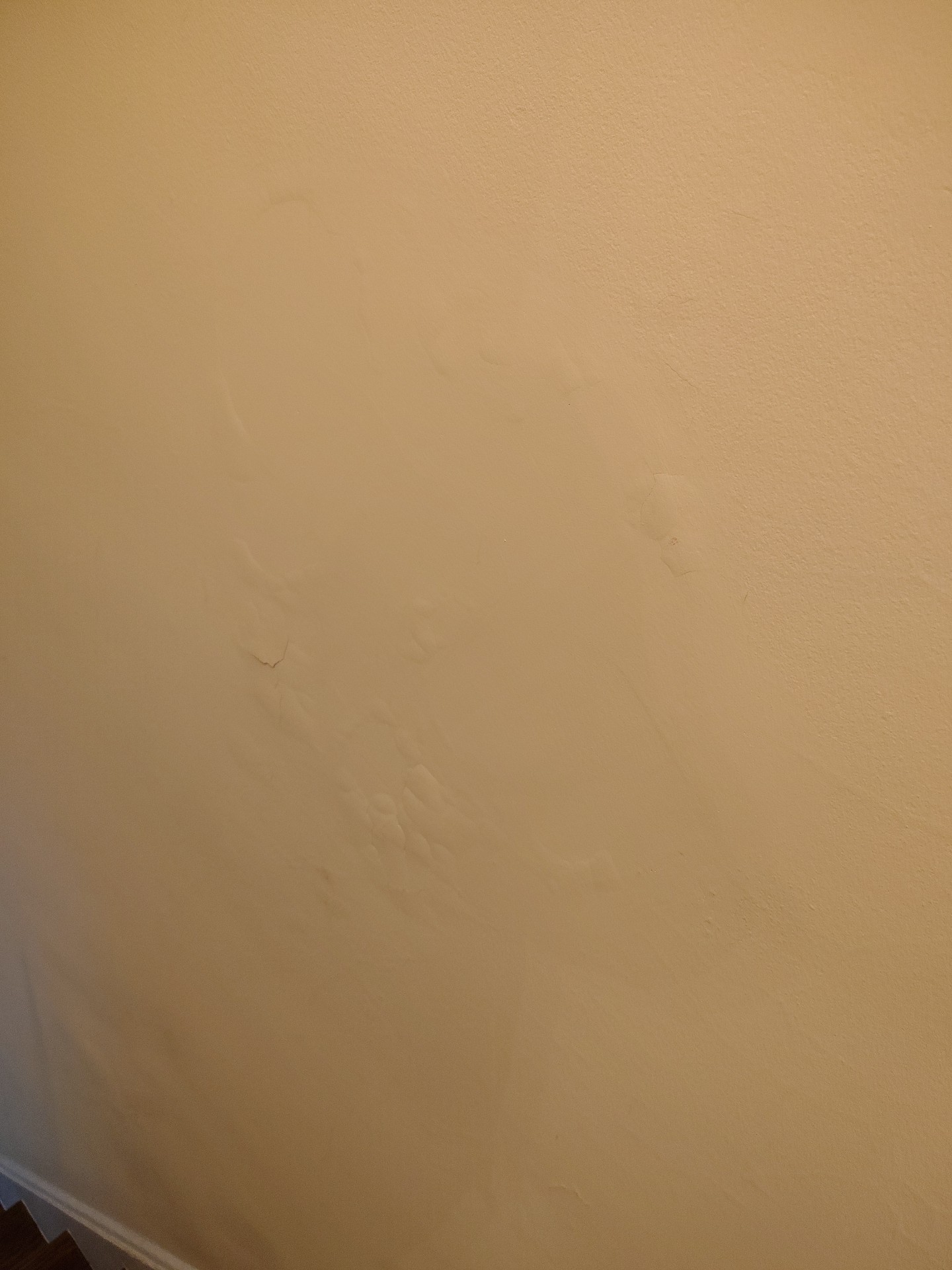
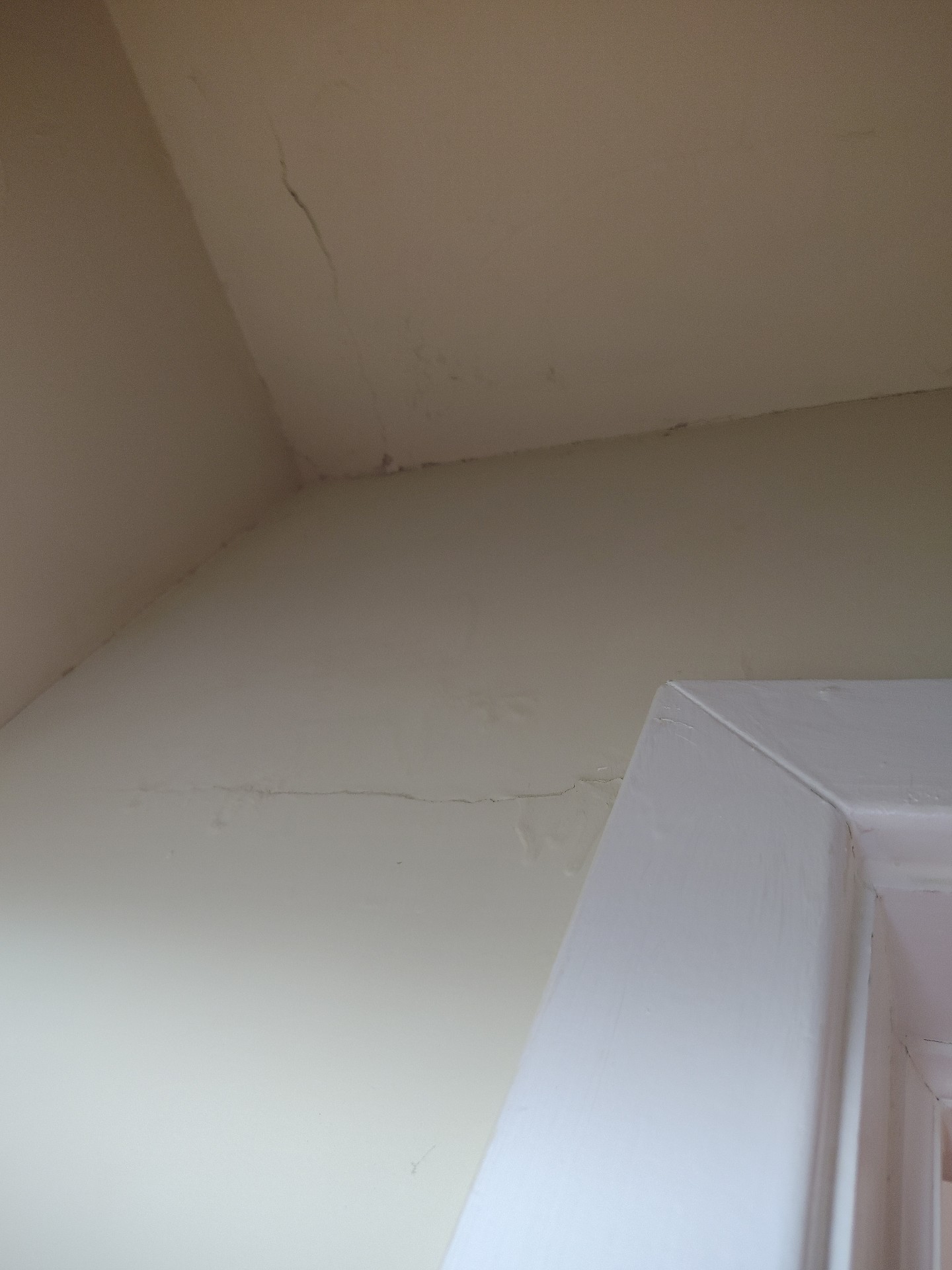
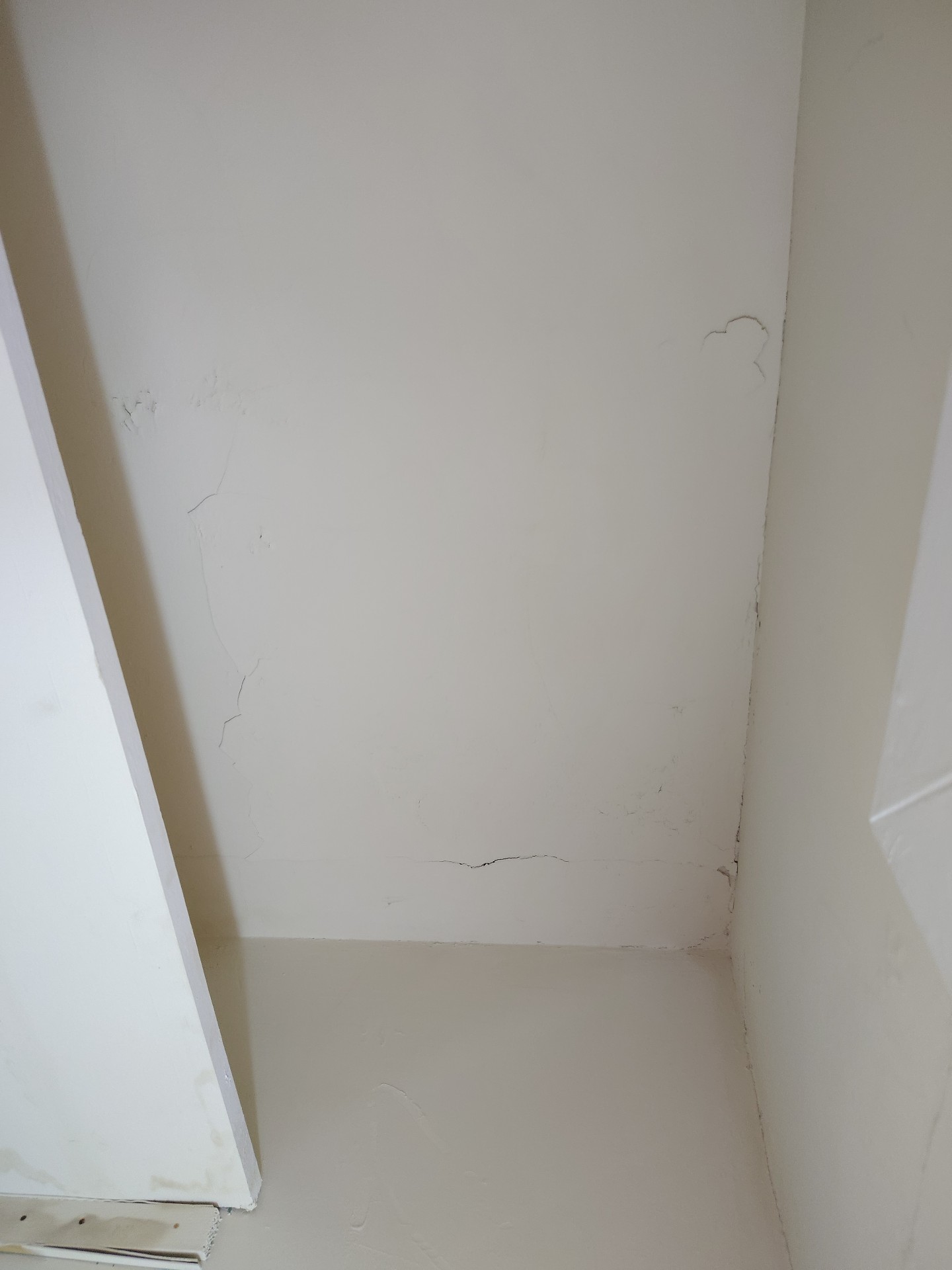
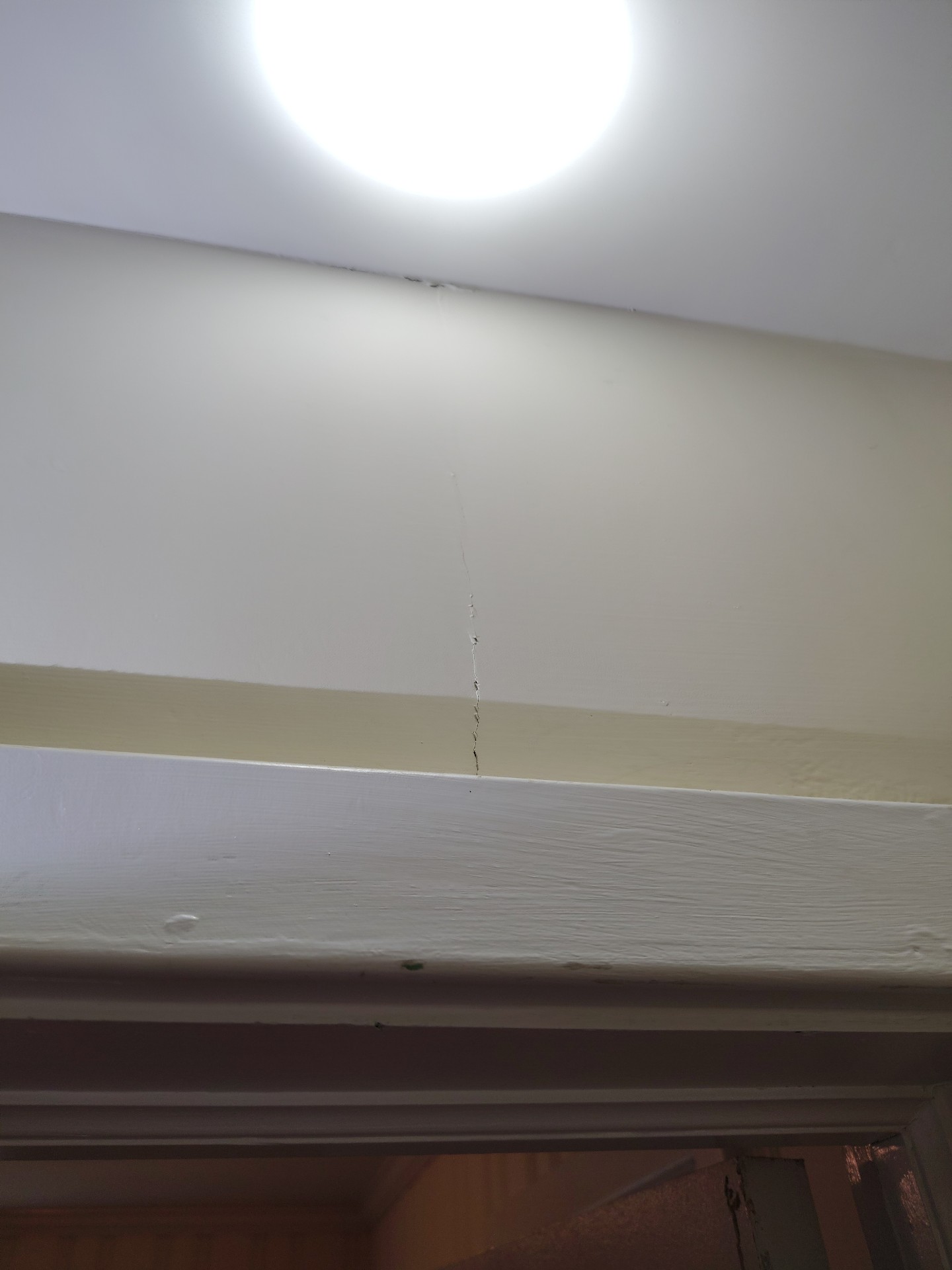
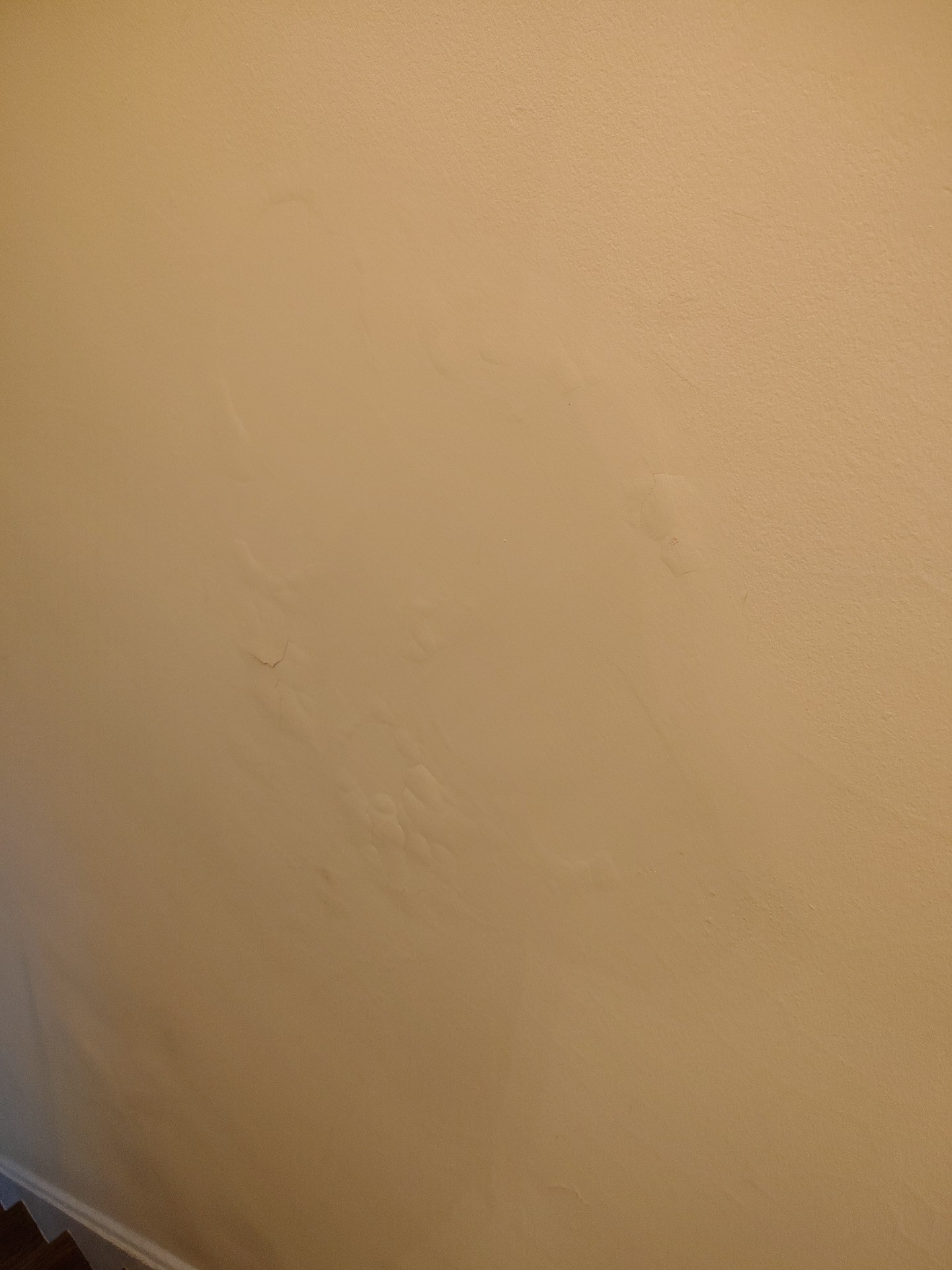
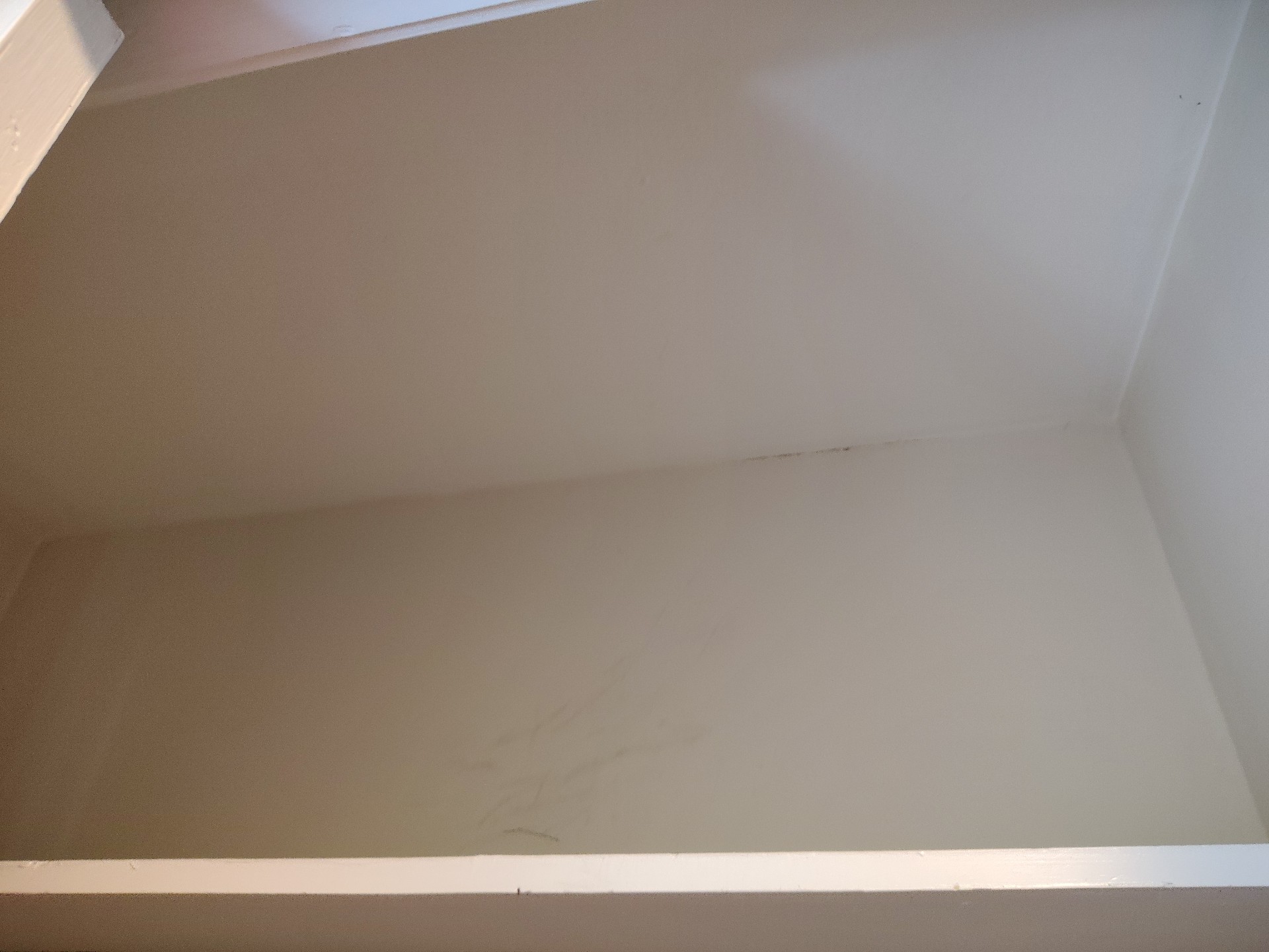
Repairs are needed to the plaster walls and/or ceilings.
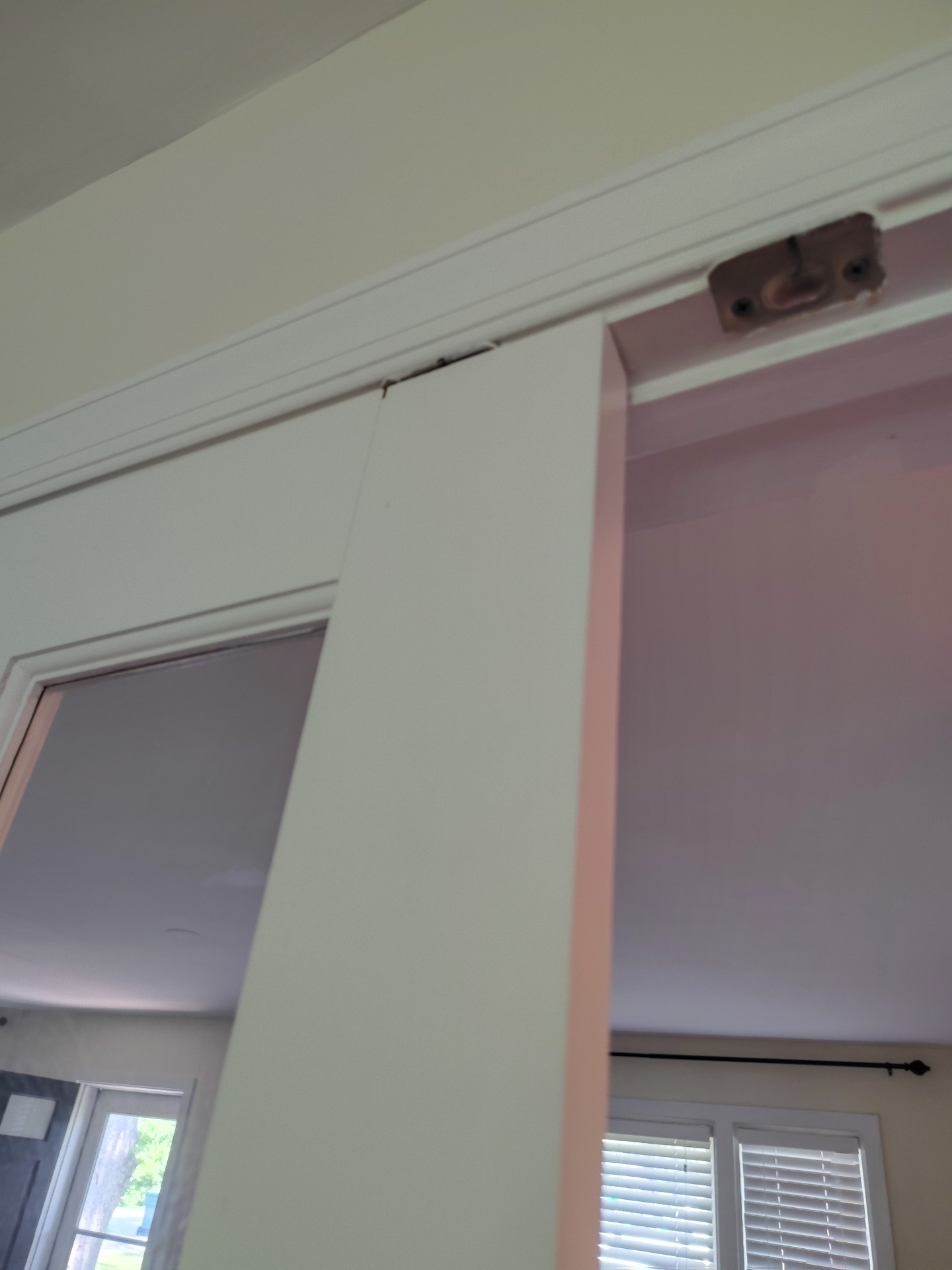
Licensed General ContractorRepairWithin 1 Year$Unkown - 6.4.1 Bedrooms:
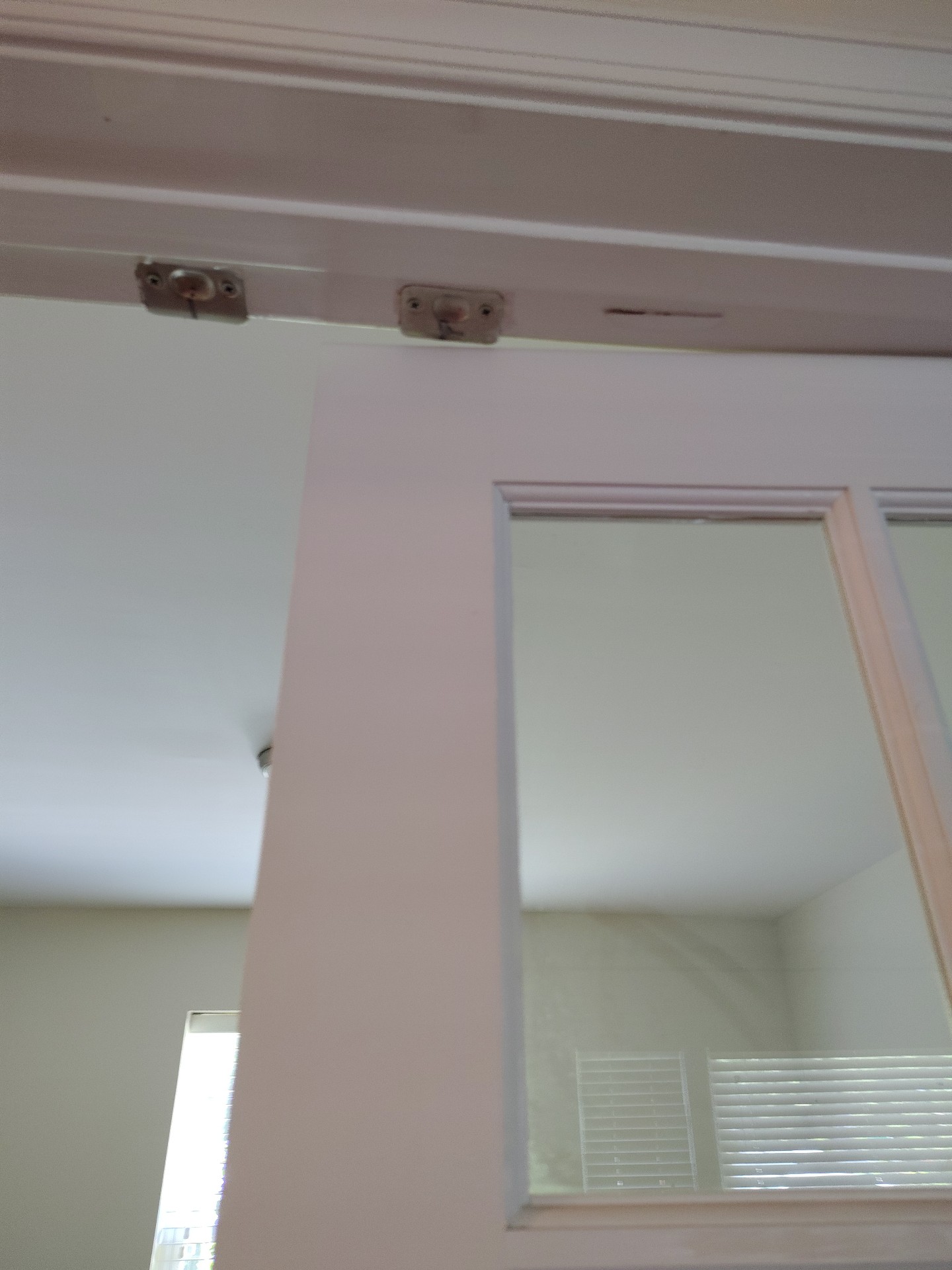
Repairs are needed to the door(s). See the family bedroom.
Licensed General ContractorRepairWithin 1 YearUnder $200 - 8.5.1 Kitchen:
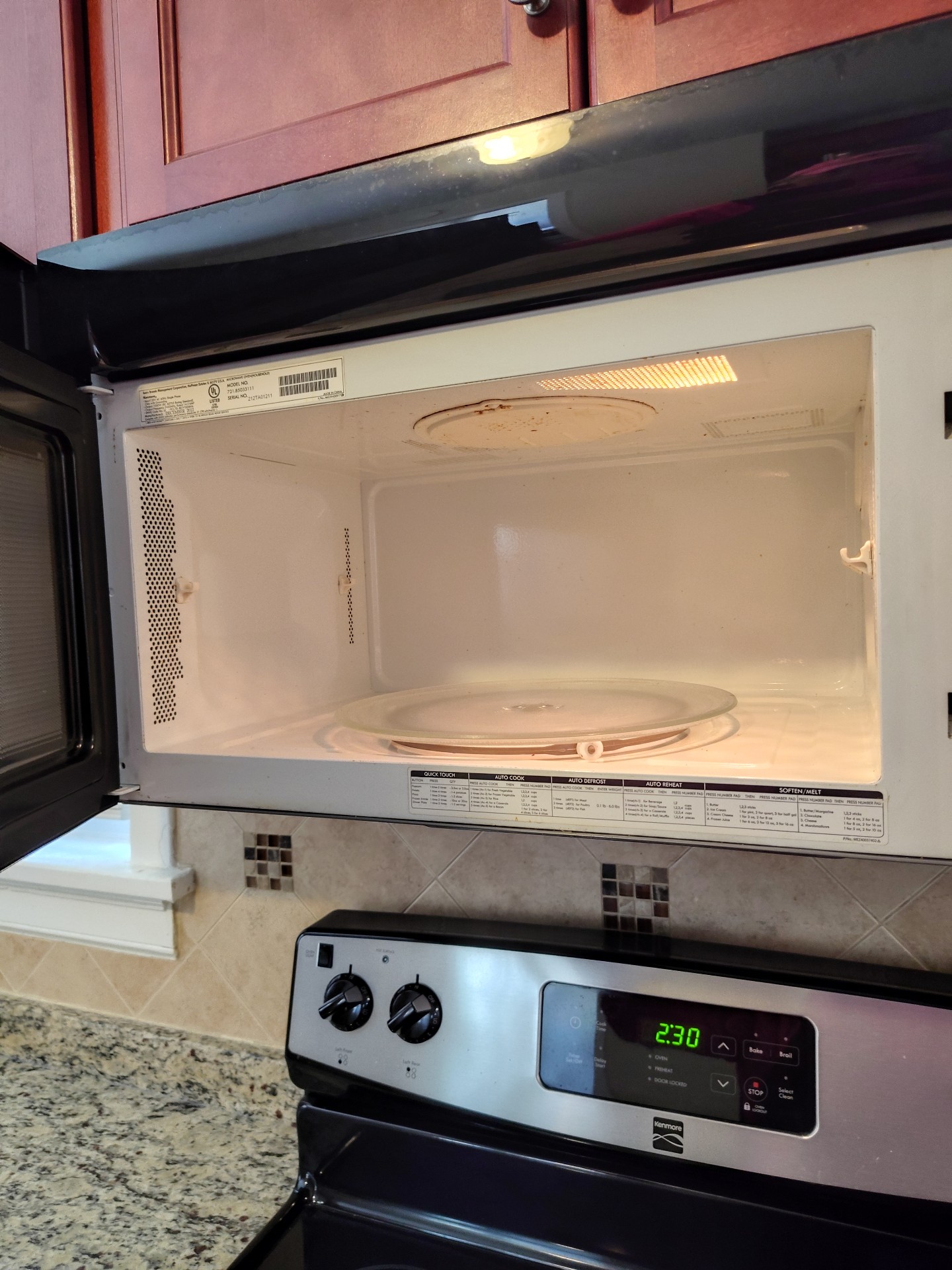
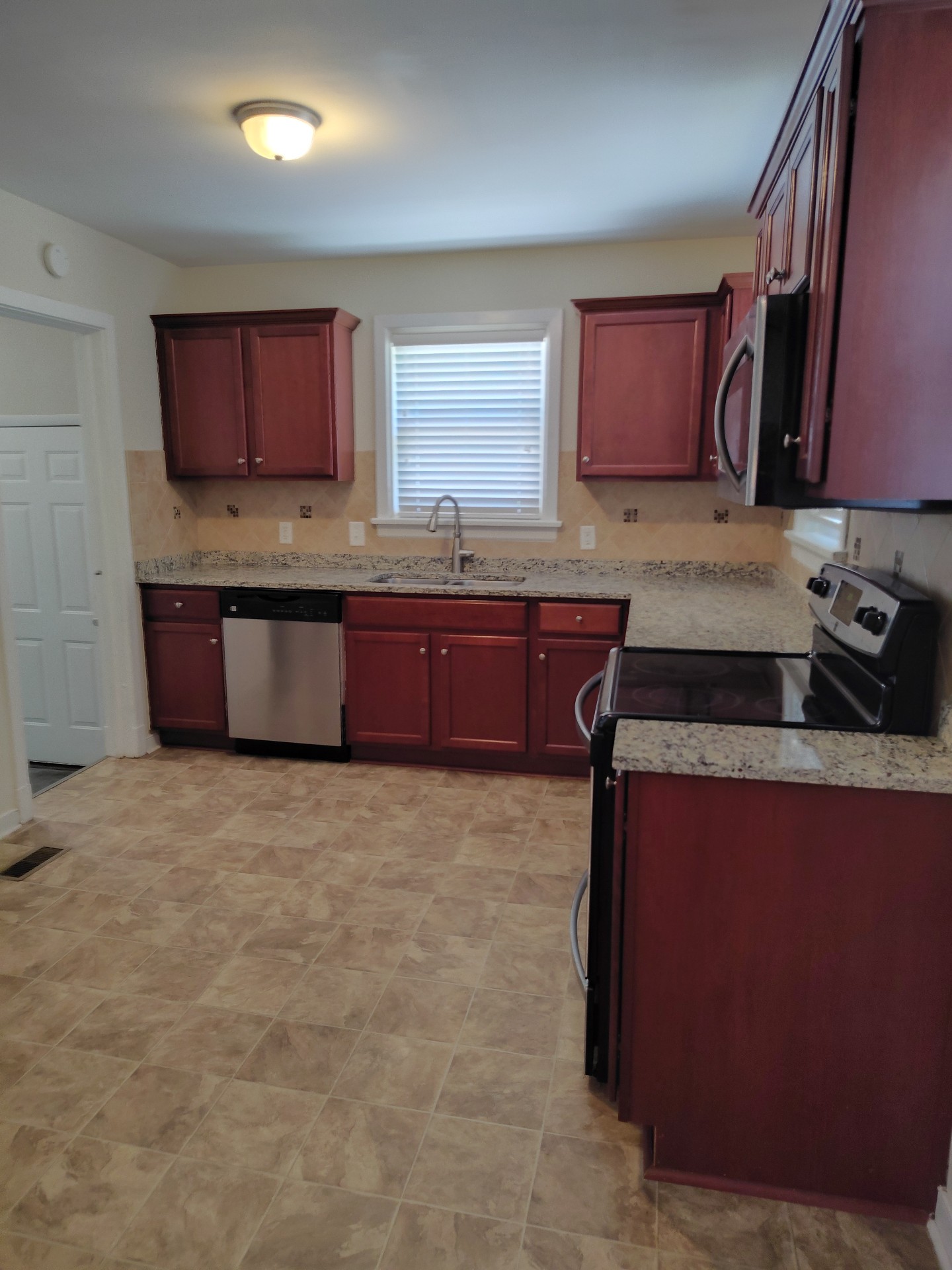
The kitchen has a window and a recirculating microwave vent fan for ventilation. An exhaust fan that ducts to the exterior is required at least somewhere in the kitchen. Lack of ventilation to the exterior is a potential safety hazard and will be inconvenient for managing cooking odors and indoor humidity. The exhaust fan is not required to be located over the cooktop, but the kitchen needs ventilation somewhere. Hire a qualified contractor to further evaluate this installation and install a cooktop fan and exhaust system to the outdoors as needed.
✒️
- Please note that for residences built prior to 1991, ventilation can be a window. Though this is allowed in theory, it is not recommended as many buildings are retrofit over the years to be more air-tight and ventilation to the exterior is universally helpful for moisture control and indoor air quality.
Licensed HVAC ContractorFurther EvaluationImprove / UpgradeWithin 1 Year$Unkown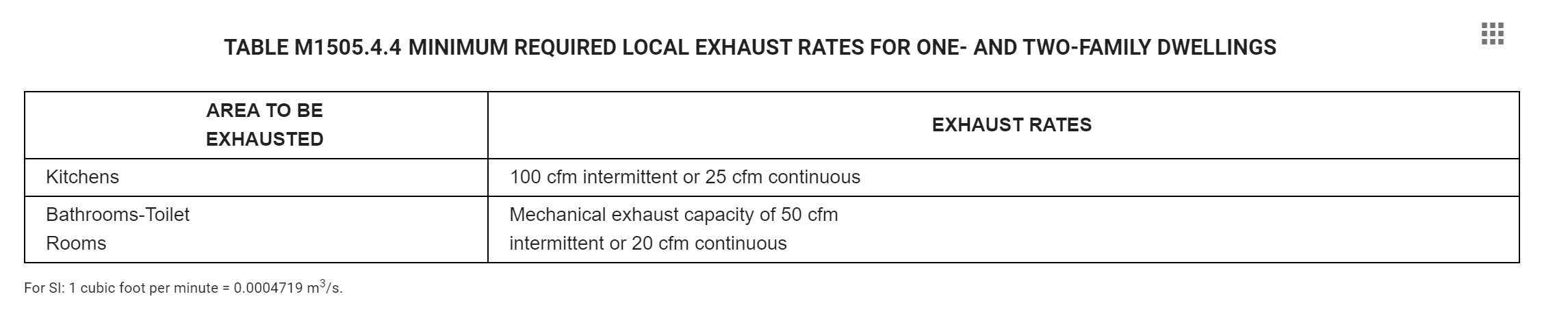

- 8.8.1 Kitchen:
The anti-tip bracket is missing for the range. These are a safety device to prevent accidental tipping of the appliance.
HandymanRepairImmediate / Safety$Unkown.jpg)
- 11.1.1 Interior, Stairs and Safety:
Repairs are needed to the plaster walls and/or ceilings.
Licensed General ContractorRepairWithin 1 Year$Unkown - 13.1.2 Electric Branch and Finish Wiring:
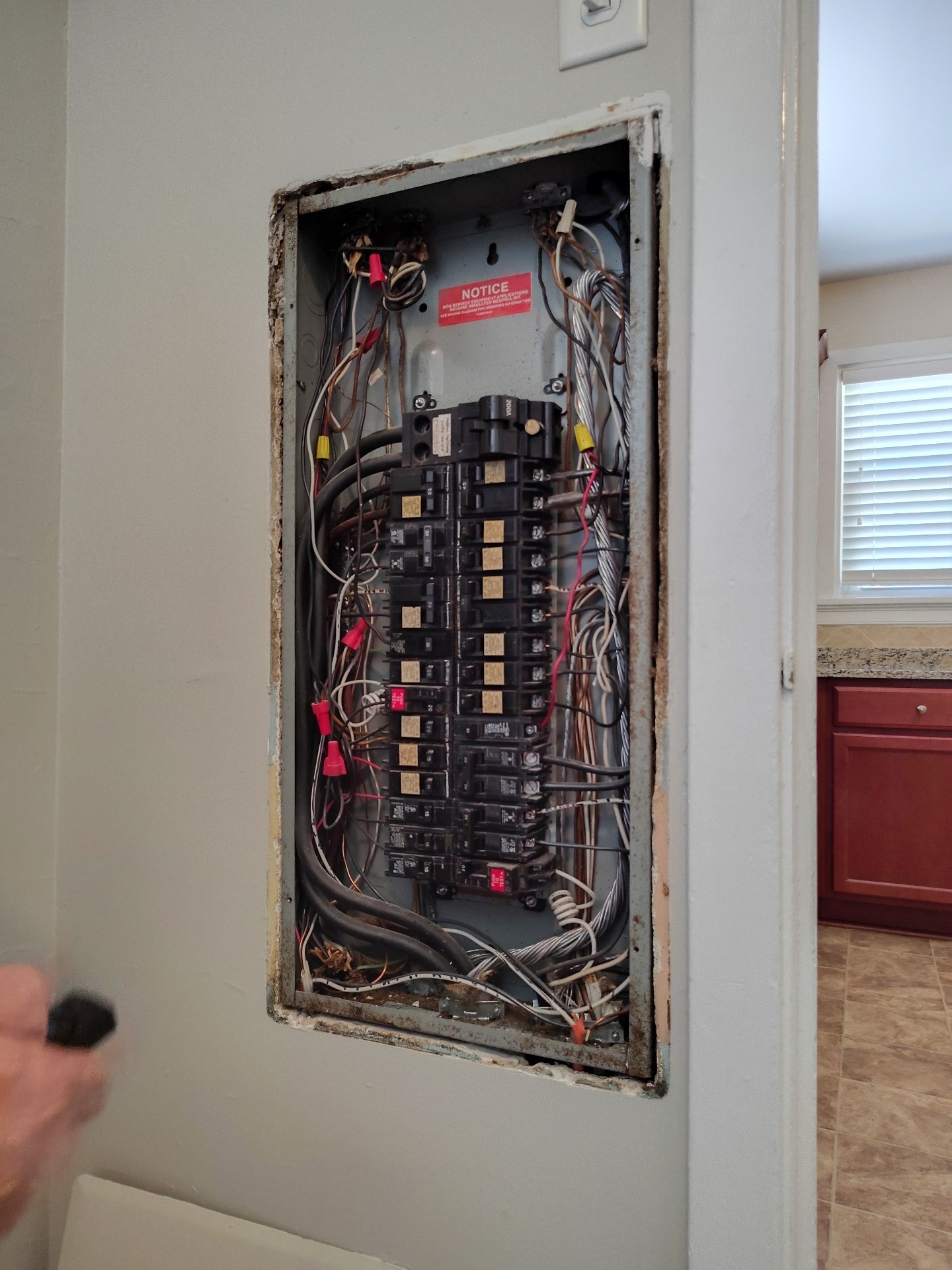
Repairs are needed to the electrical system in the building. Examples of observations noted during the inspection include:
Blinking lights with no explanation
Outlets with open Grounds
Licensed Electrical ContractorFurther EvaluationWithin 1 Year$Unkown - 14.1.1 Heating and Cooling Systems:
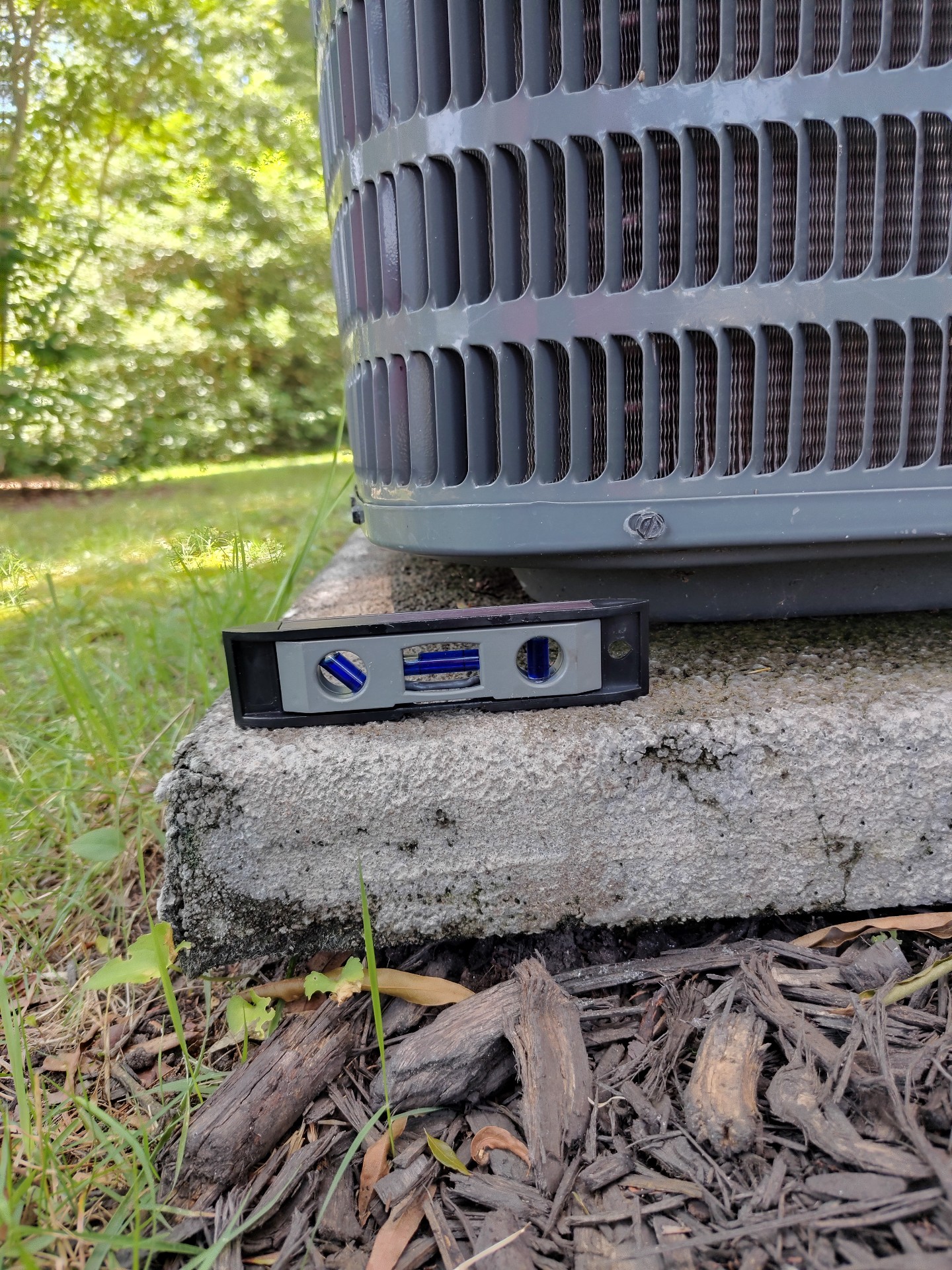
The heat pump/air conditioning compressor is out of level and requires repair. These units should be level to prevent damaging the compressor.
Licensed HVAC ContractorRepairWithin 1 YearUnder $500+ - 14.2.1 Heating and Cooling Systems:
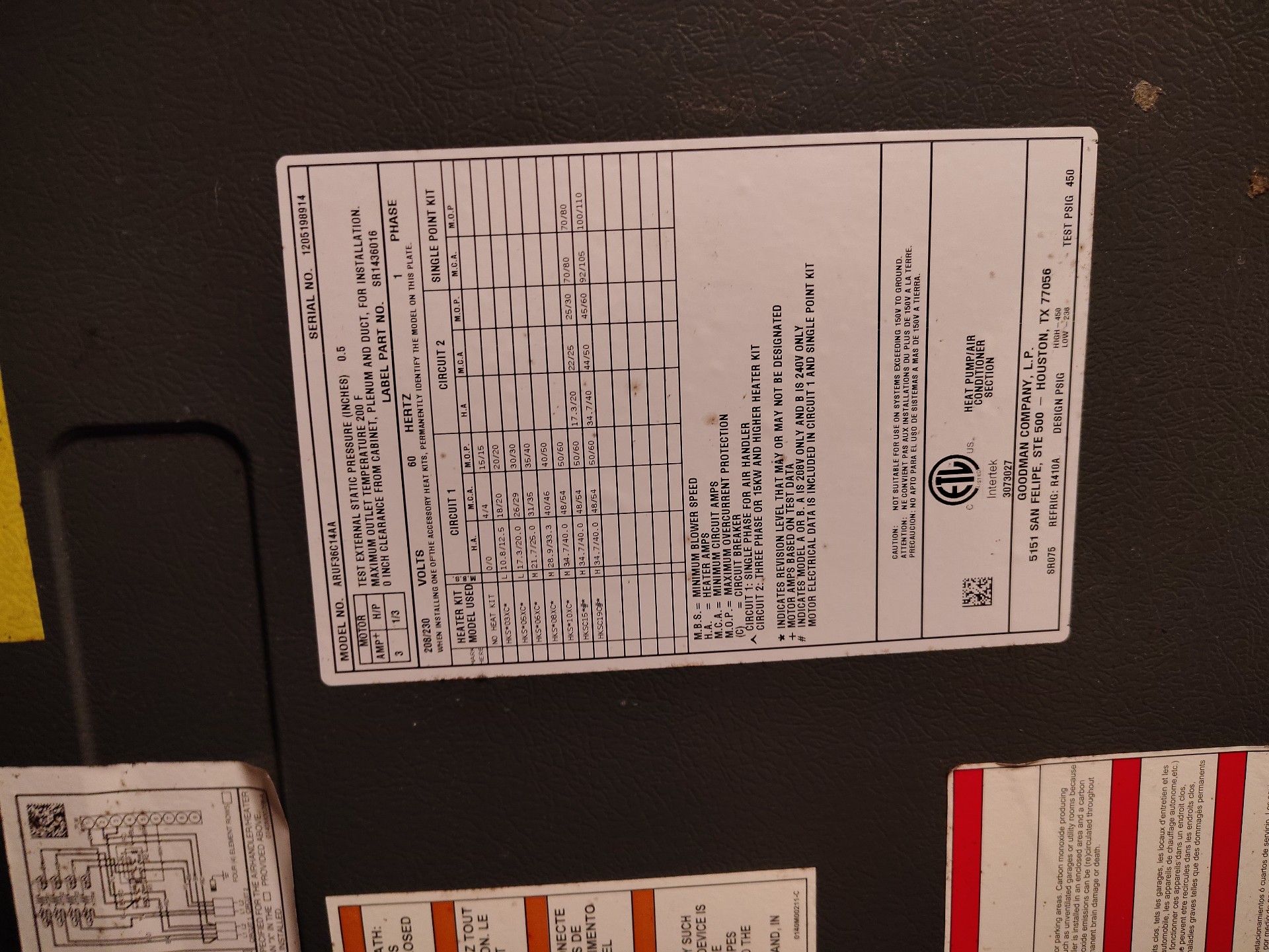
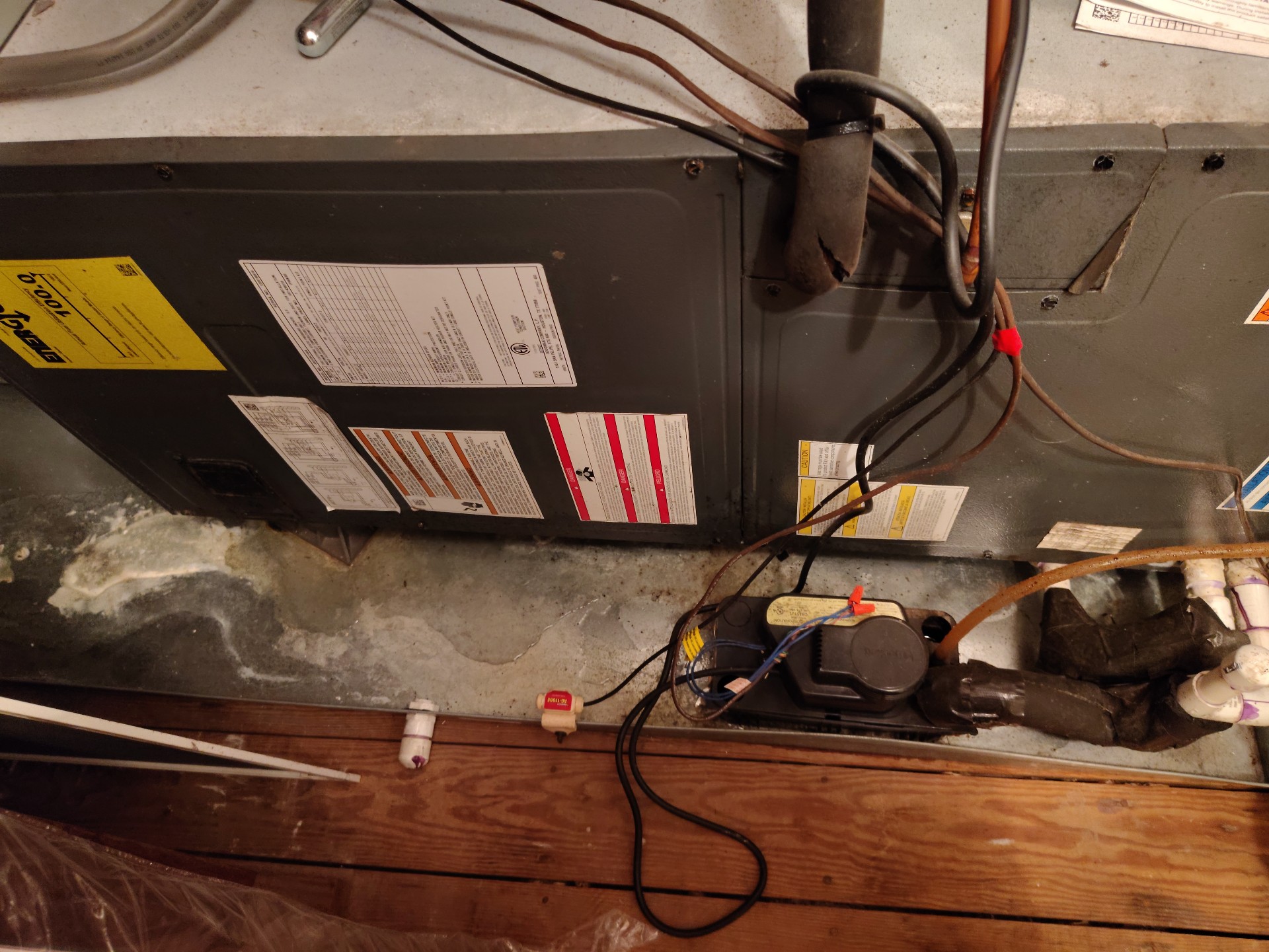
A qualified heating and cooling contractor is recommended to further investigate the heating and cooling system and implement scheduled maintenance and repairs as deemed necessary for safe and reliable operation of the system.
Licensed HVAC ContractorFurther EvaluationWithin 1 Year$500-$1000+ - 15.1.1 Plumbing:
The main water shut off is at the street. Adjust or repair as needed so this can be accessed and the water turned off in an emergency.
Licensed Plumbing ContractorRepairWithin 1 Year$500-$1000+ - 15.5.1 Plumbing:
The water heater is located where a leak could damage interior finishes. Installation of a drain pan with a drain pipe to an exterior or unfinished location is recommended for improved moisture control.
- One option if a pan is not feasible is a moisture alarm system.
Licensed Plumbing ContractorImprove / UpgradeWithin 1 Year$Unkown - 16.3.2 Attic:
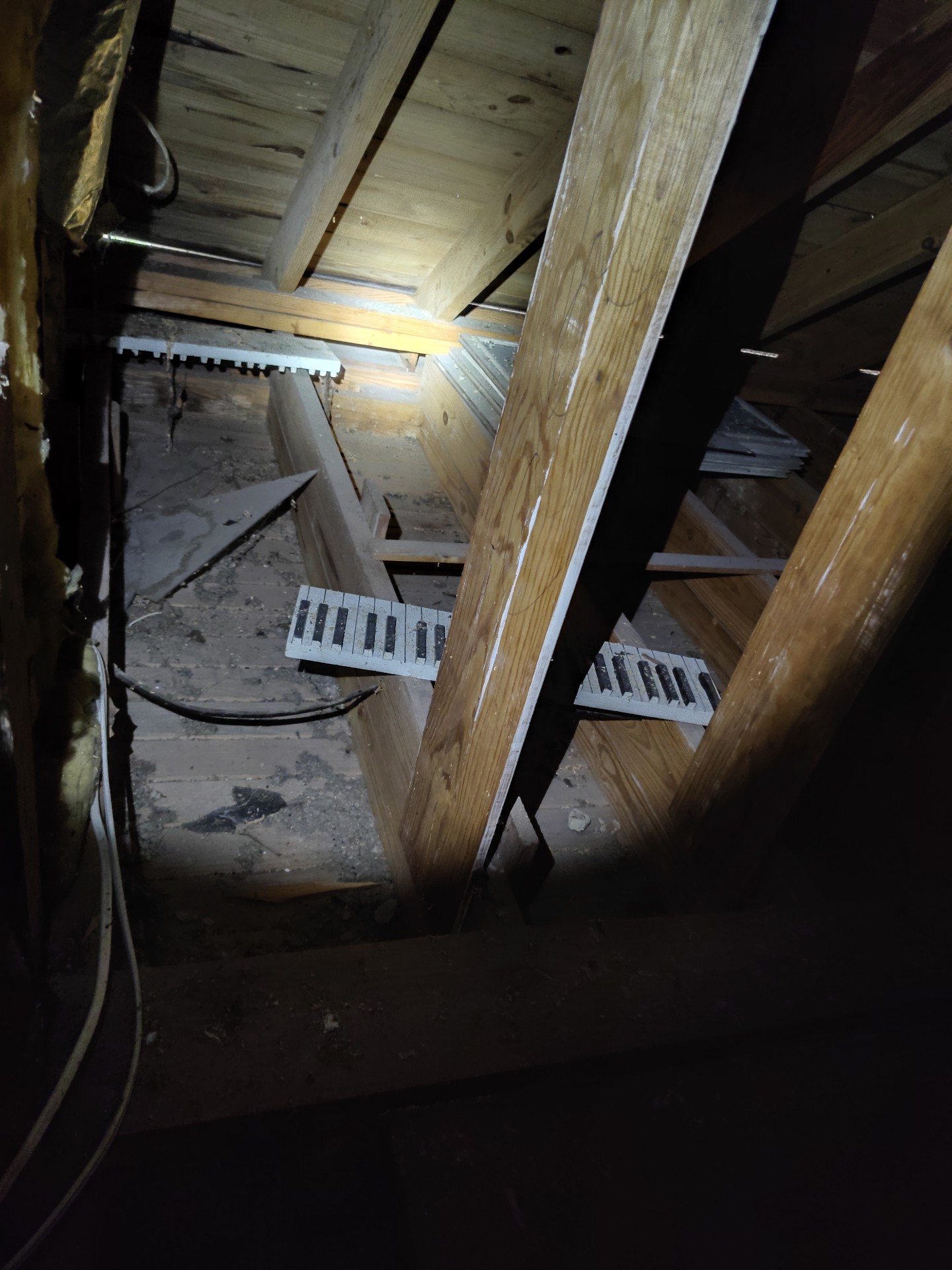
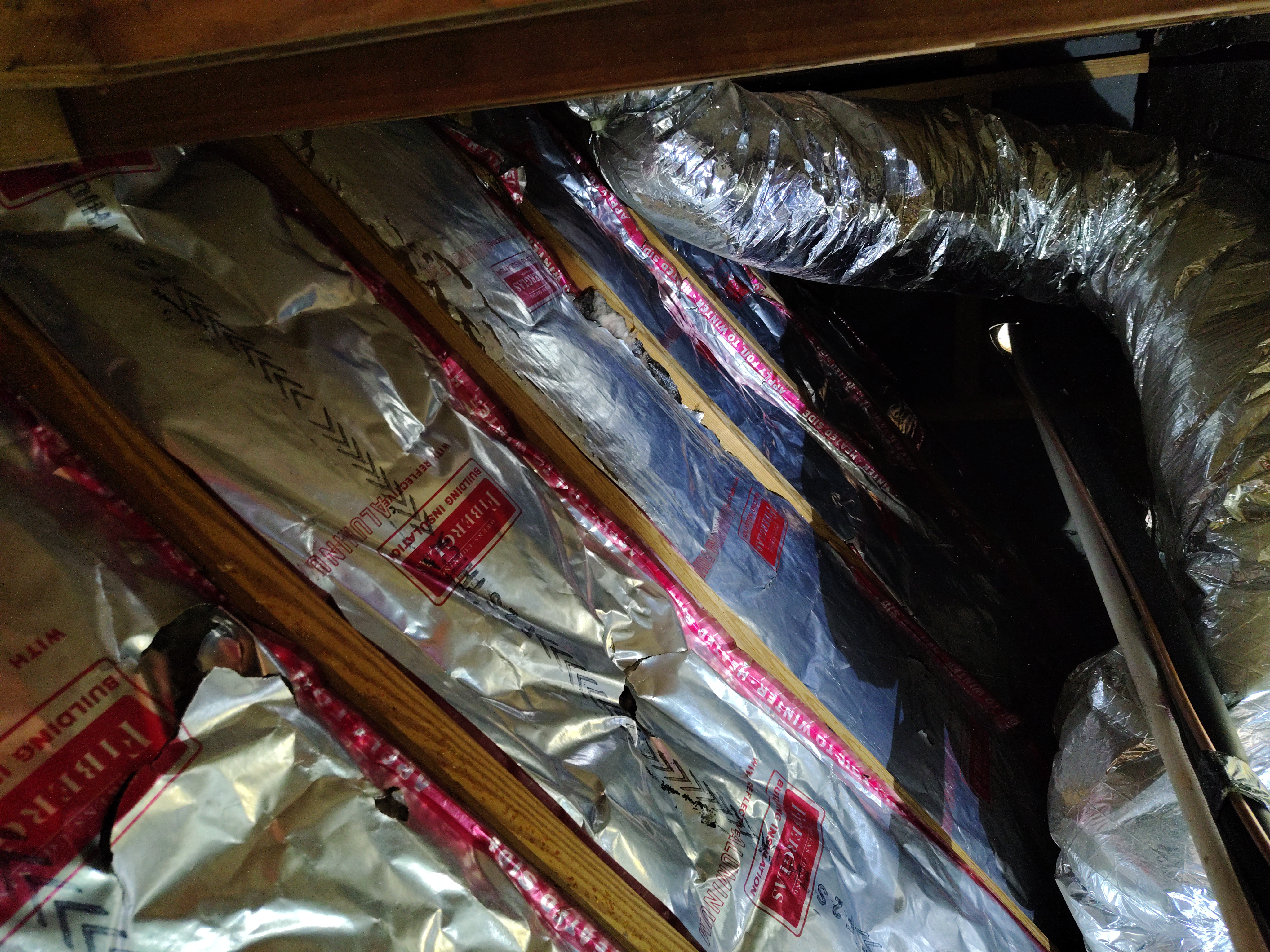
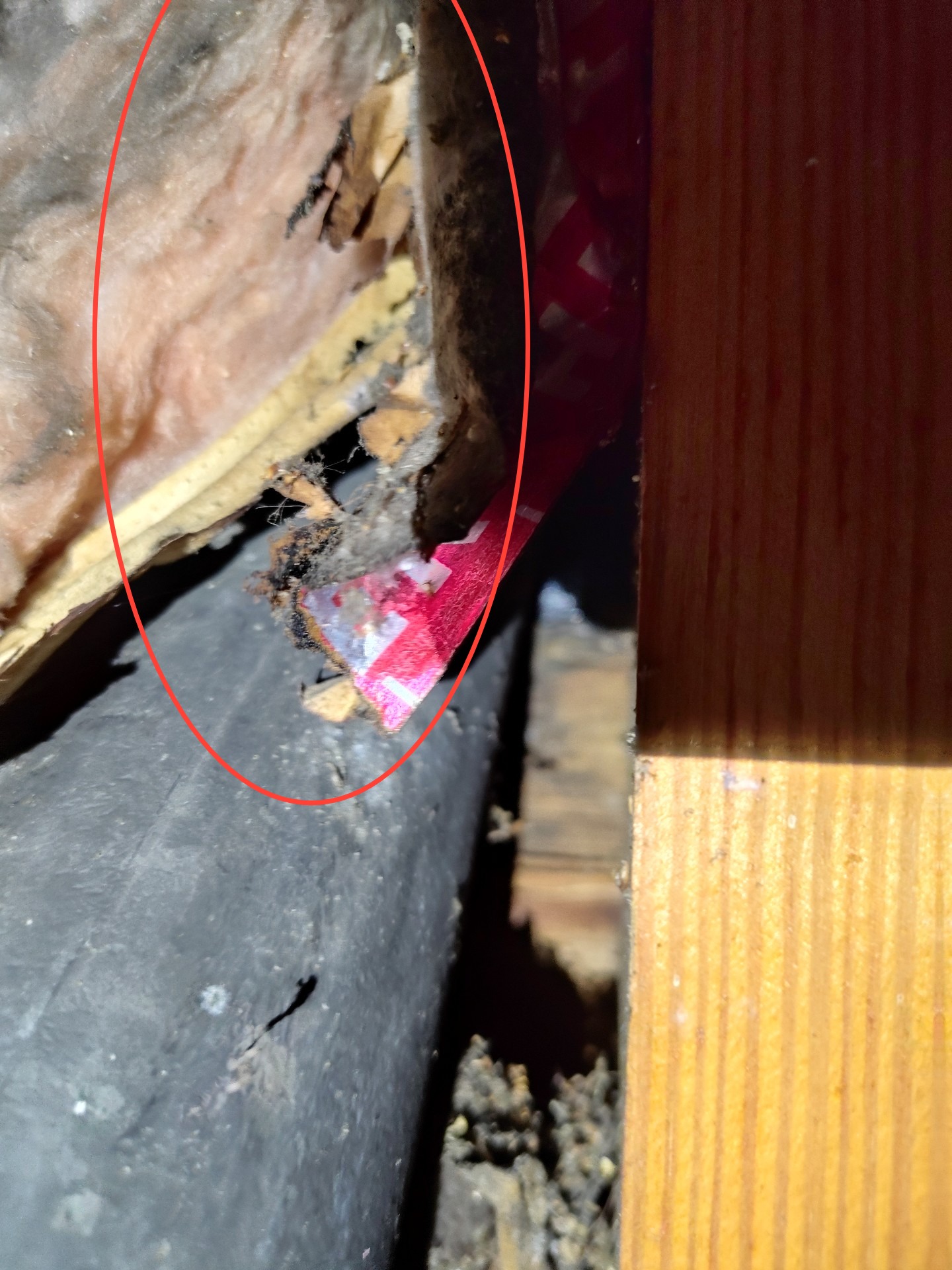
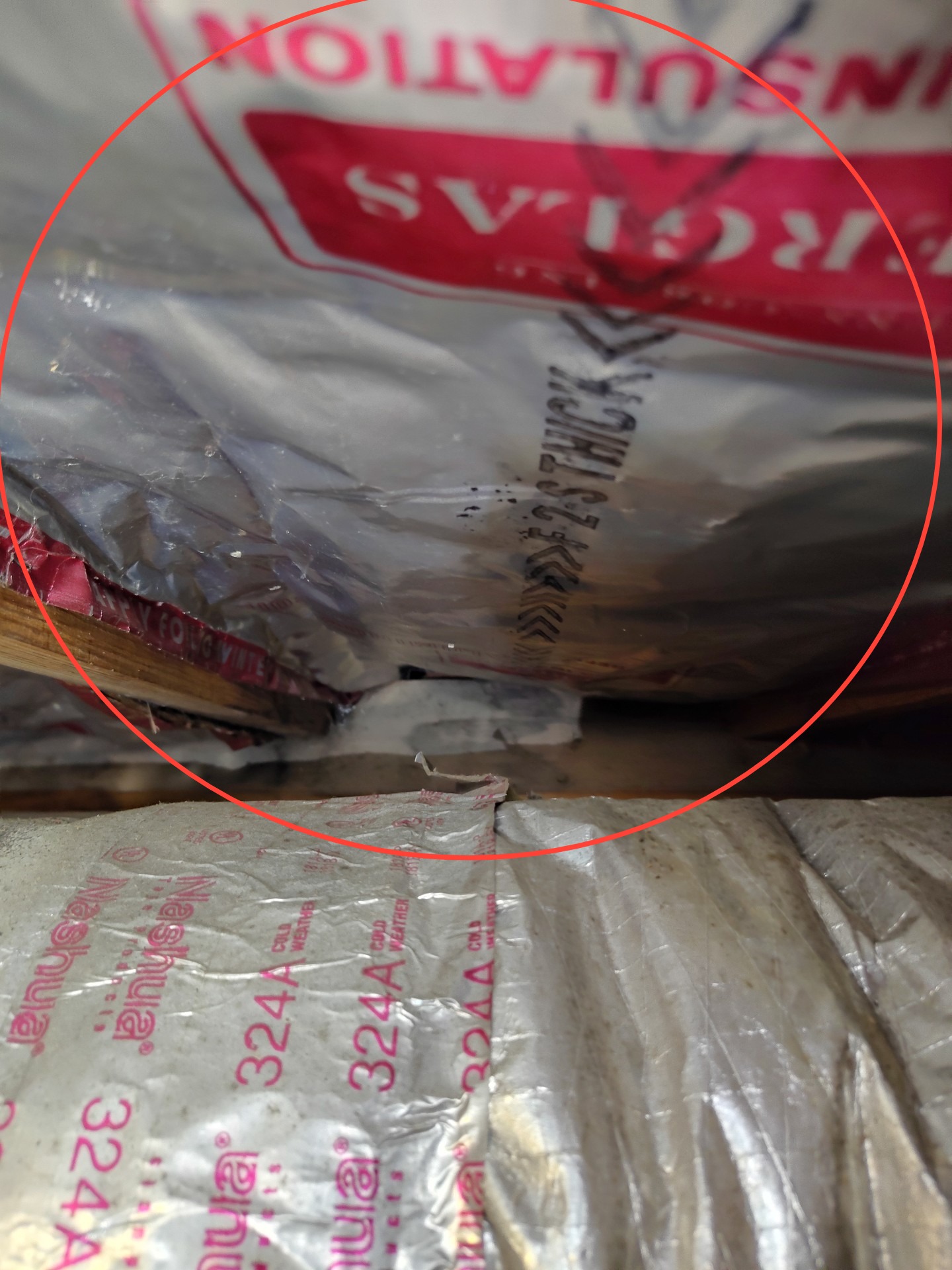
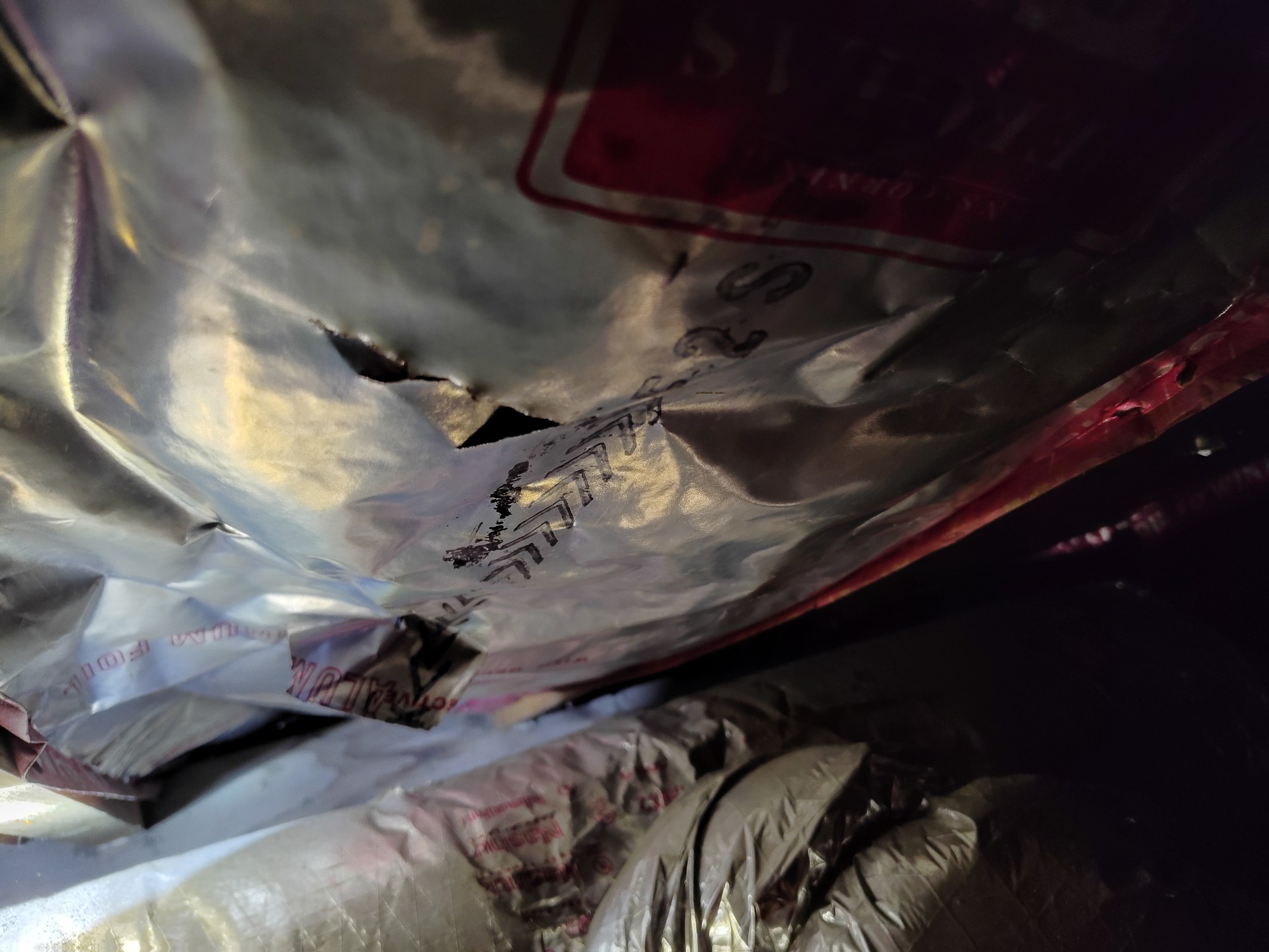
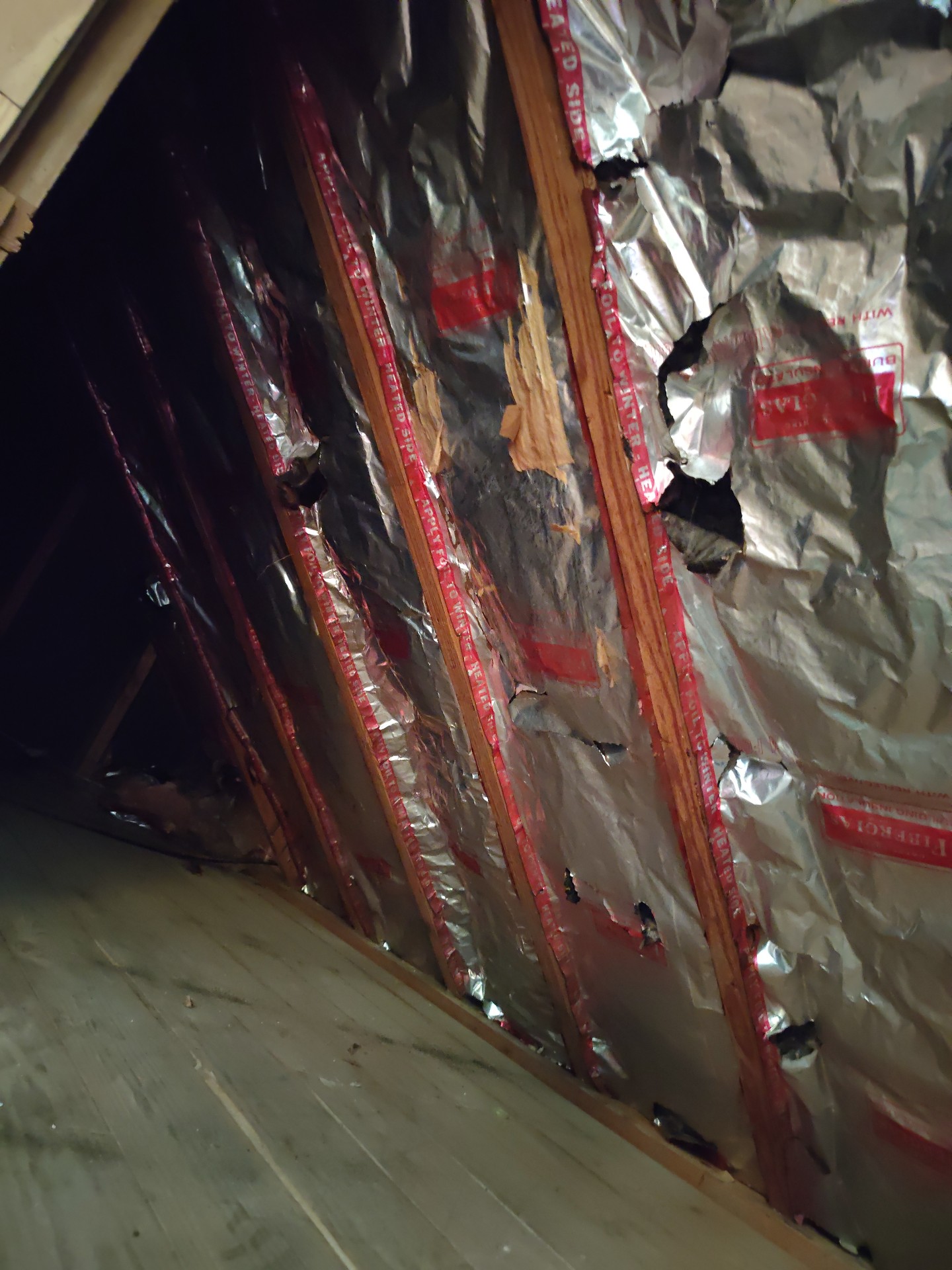
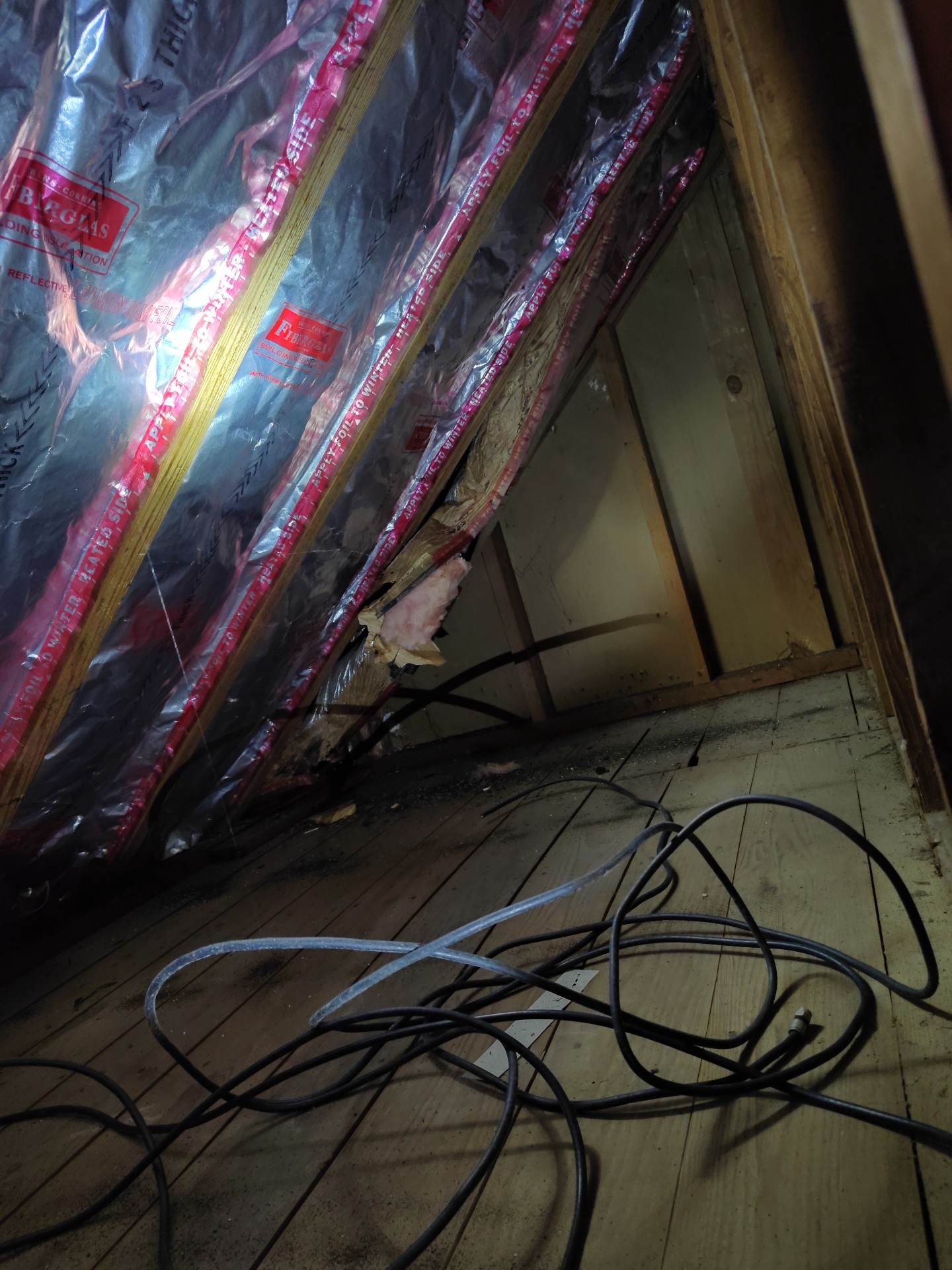
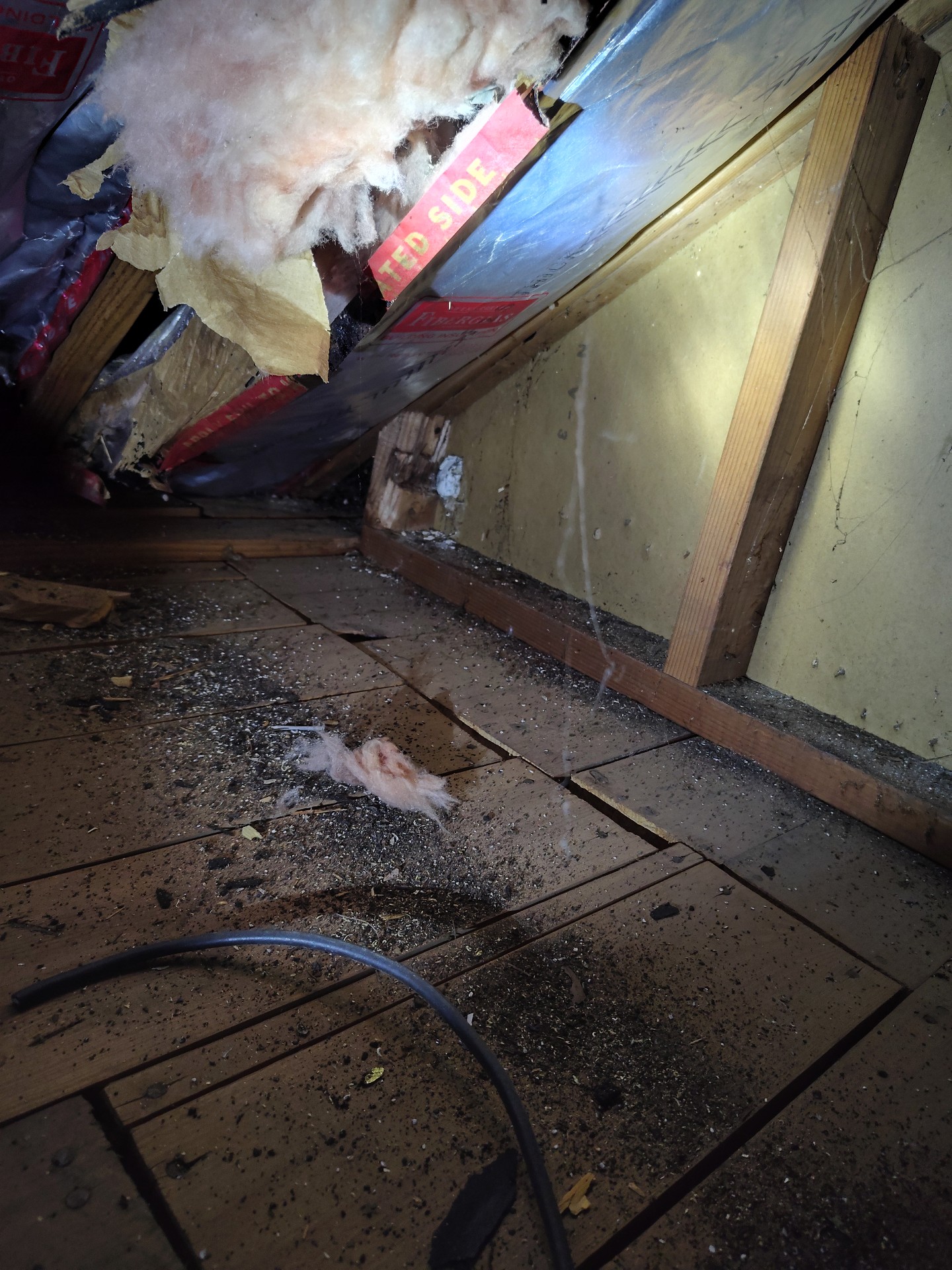
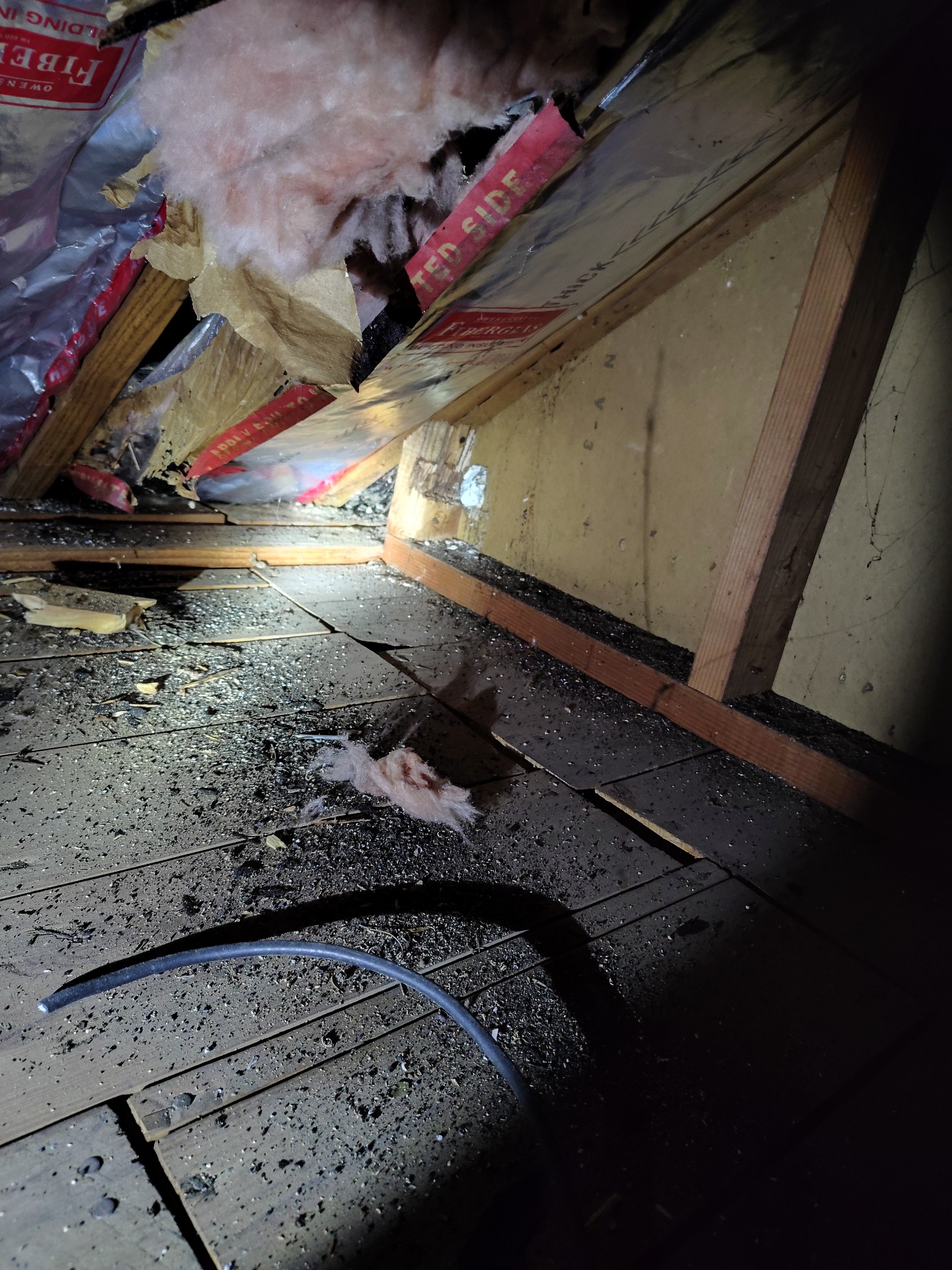
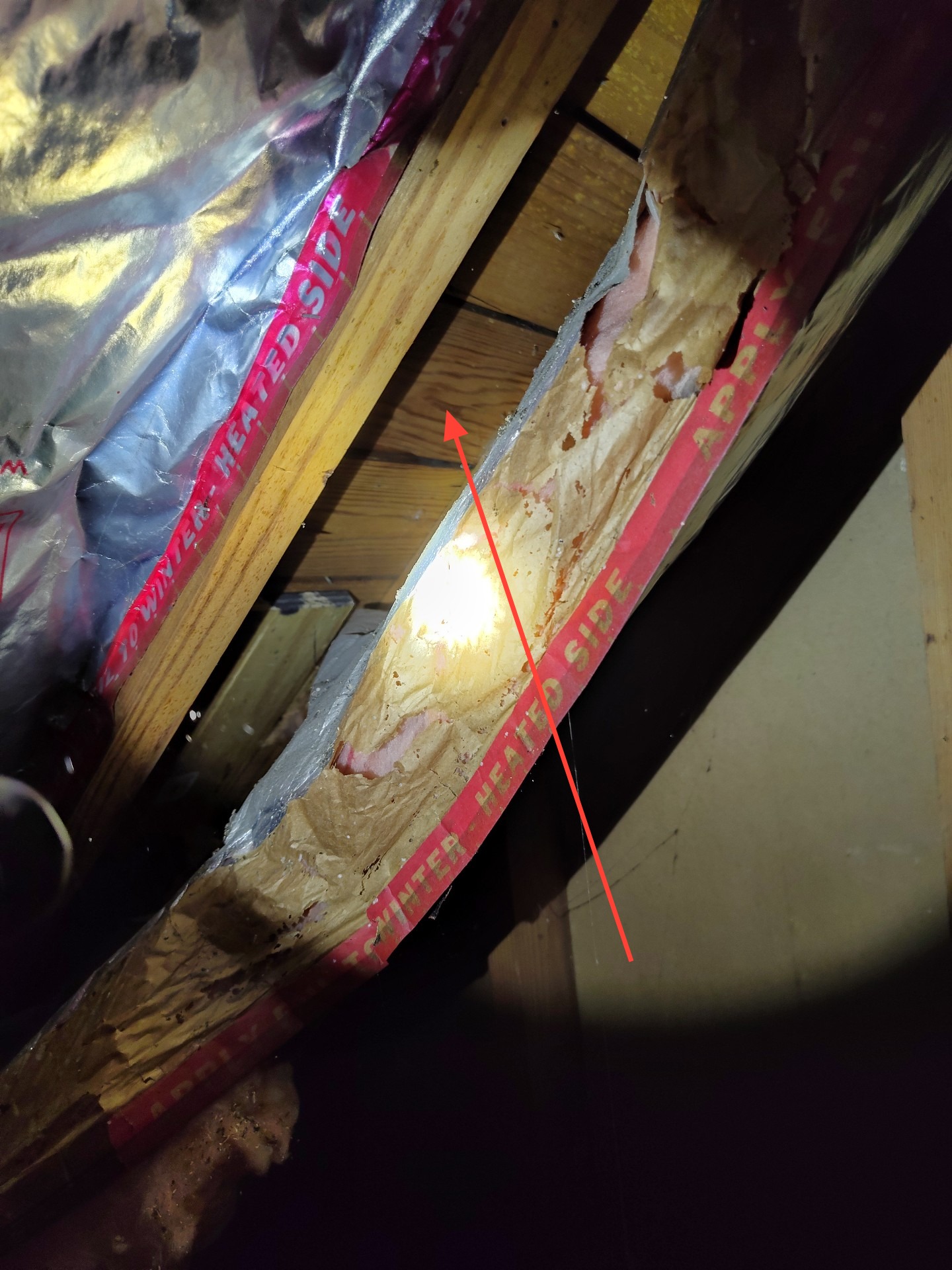
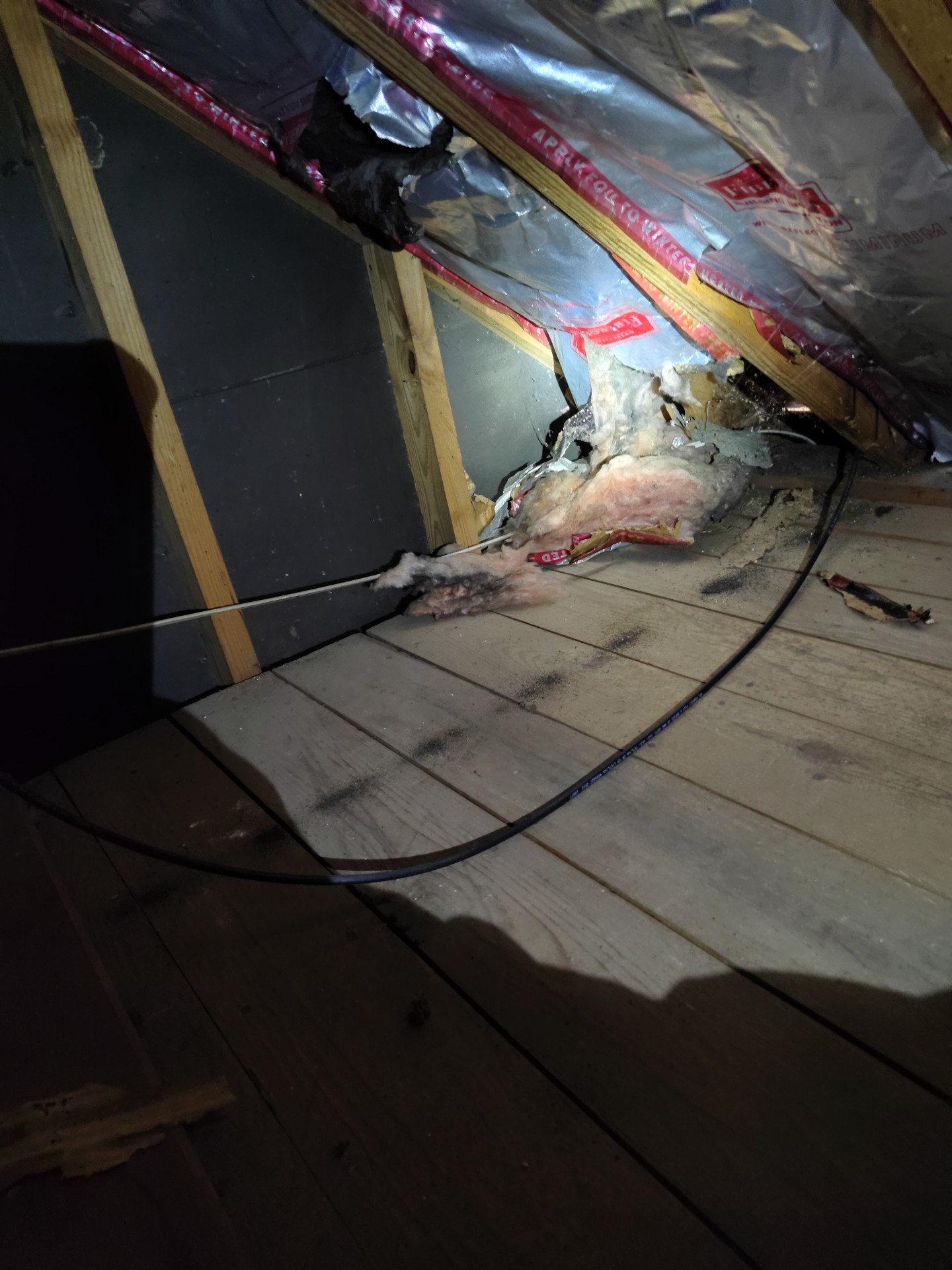
Repairs are needed to the thermal barriers in the building. Repair as needed for complete and reliable thermal barriers.
Insulation is incomplete in places
Licensed Insulation ContractorRepairWithin 1 Year$1000-$2500+ - 17.6.1 Crawl Space:
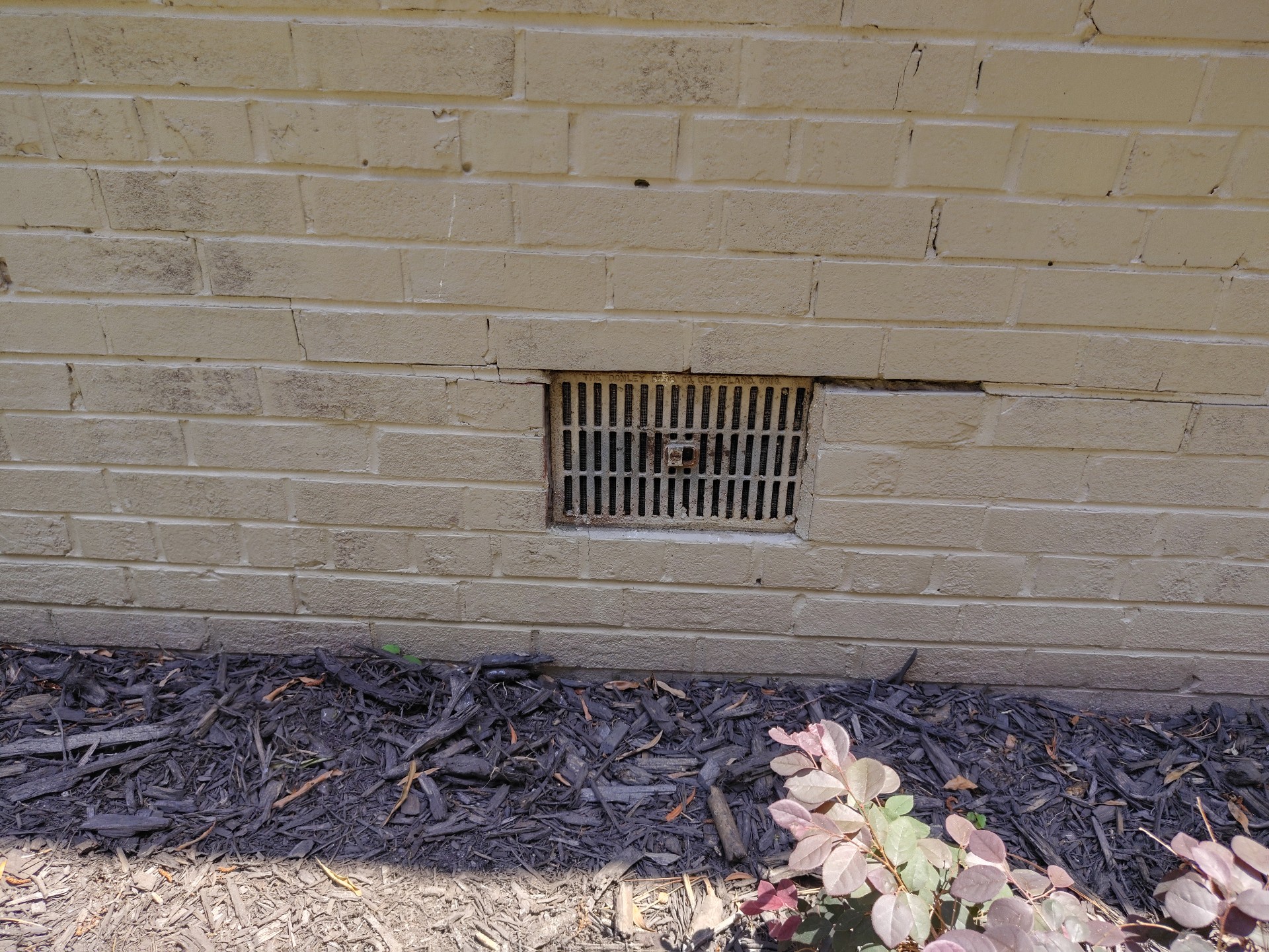
The crawl space ventilation appears to be inadequate and requires repair for moisture control in the crawl space.
Licensed General ContractorRepairWithin 1 Year$Unkown - 17.12.1 Crawl Space:
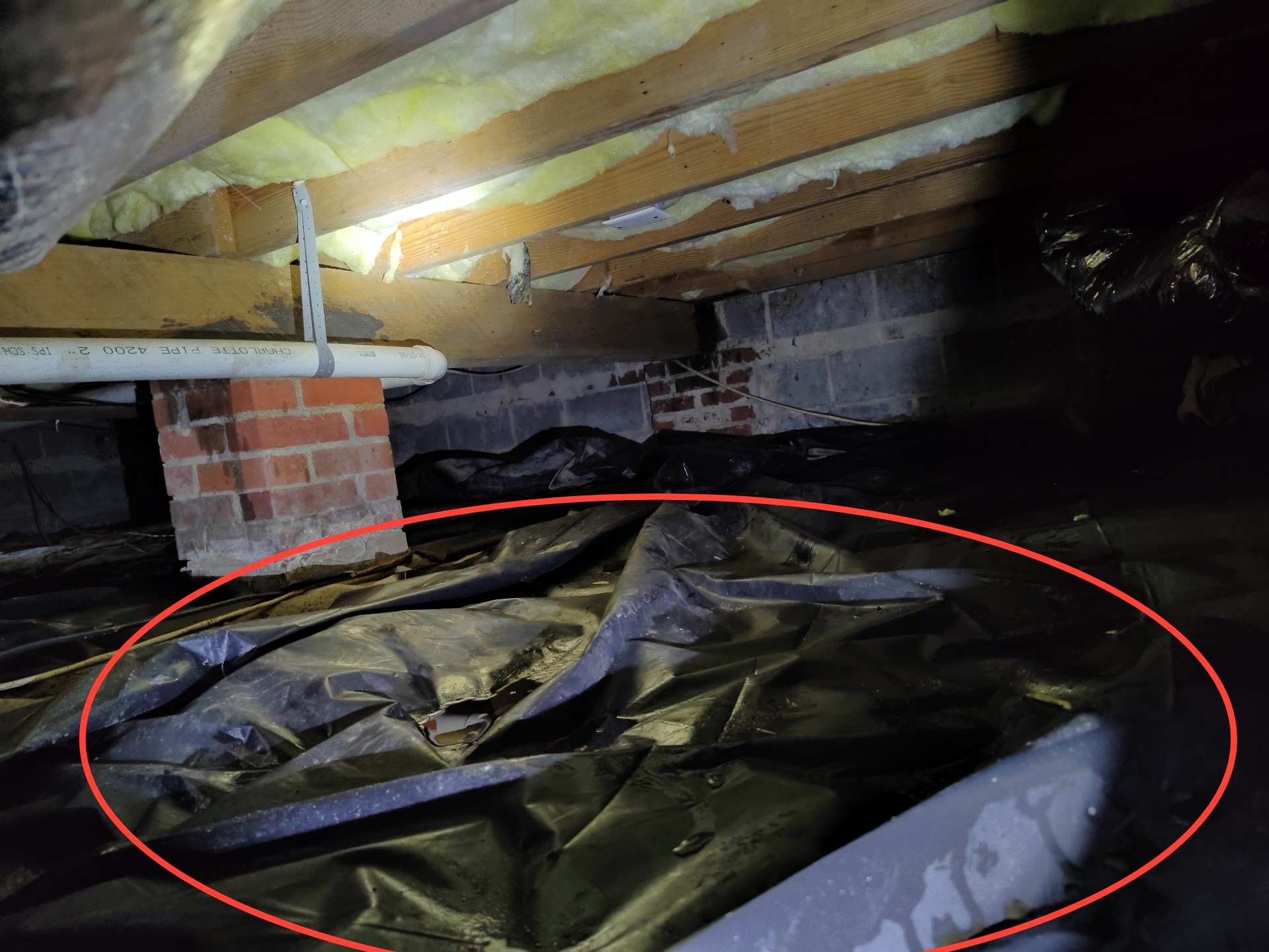
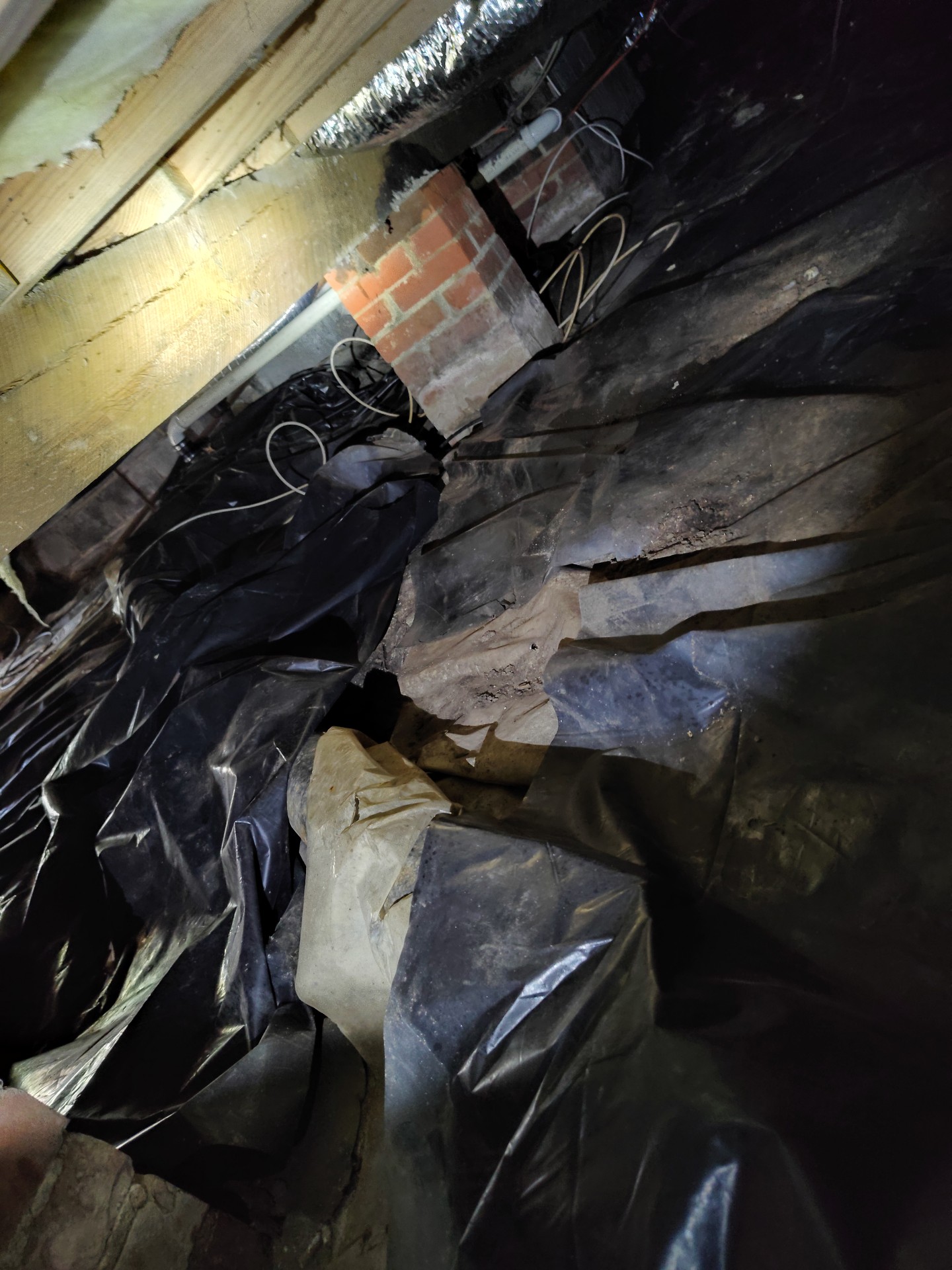
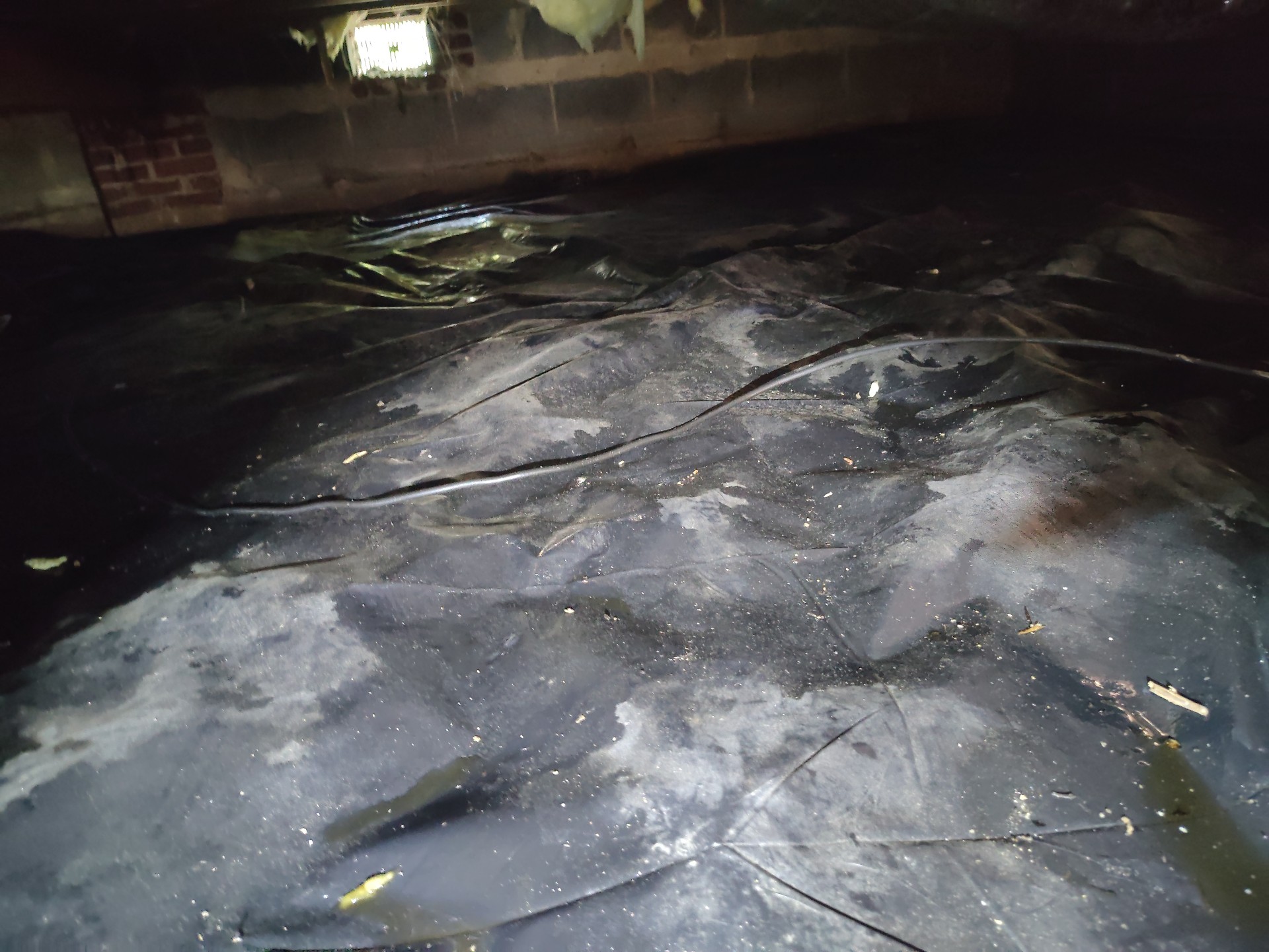
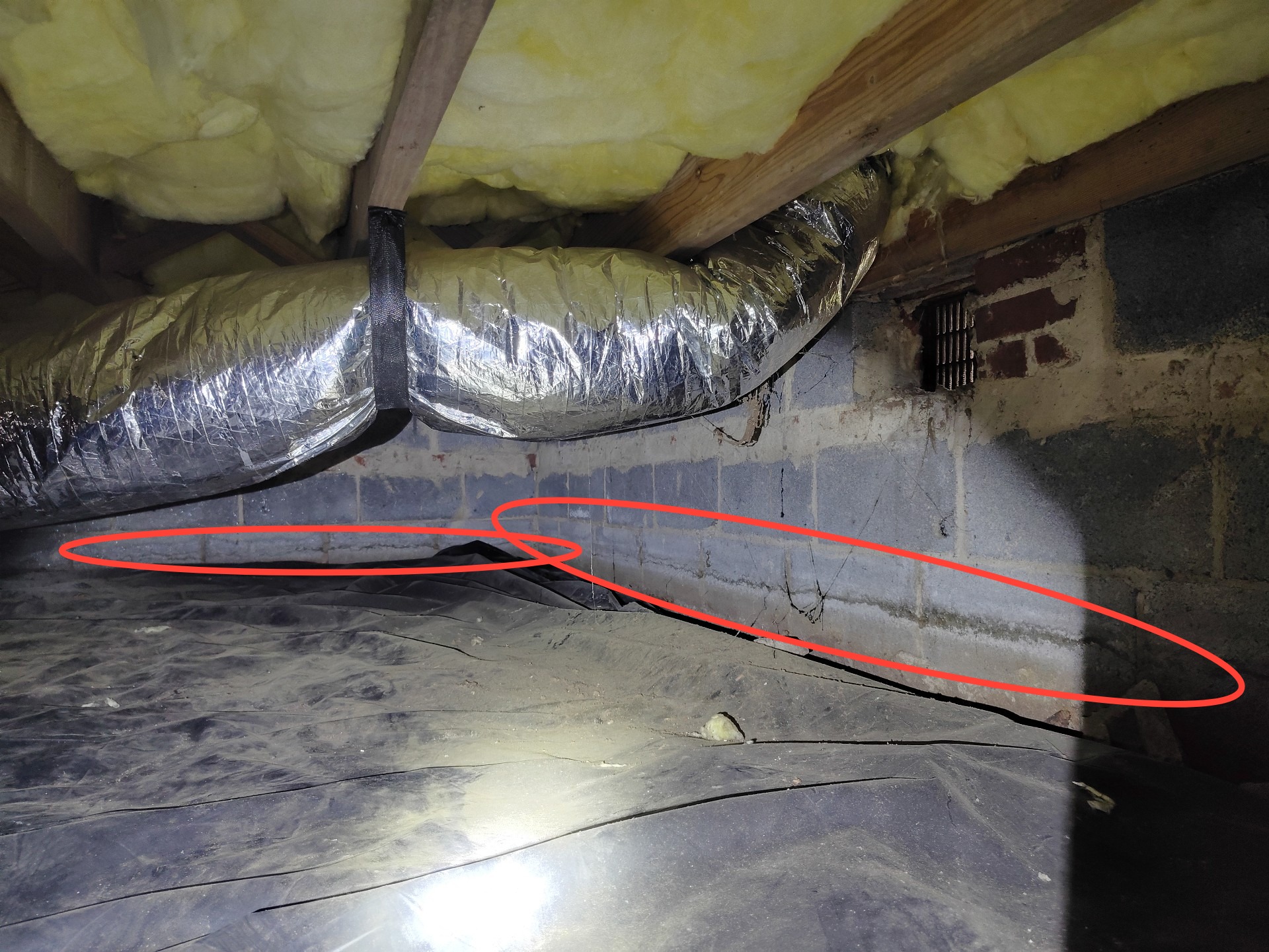
The vapor barrier in the crawl space is not correctly installed. Repair/replace as needed.
Licensed General ContractorRepairWithin 1 Year$Unkown


.jpg)
.jpg)

Adverse Fact
- 2.2.2 Site:
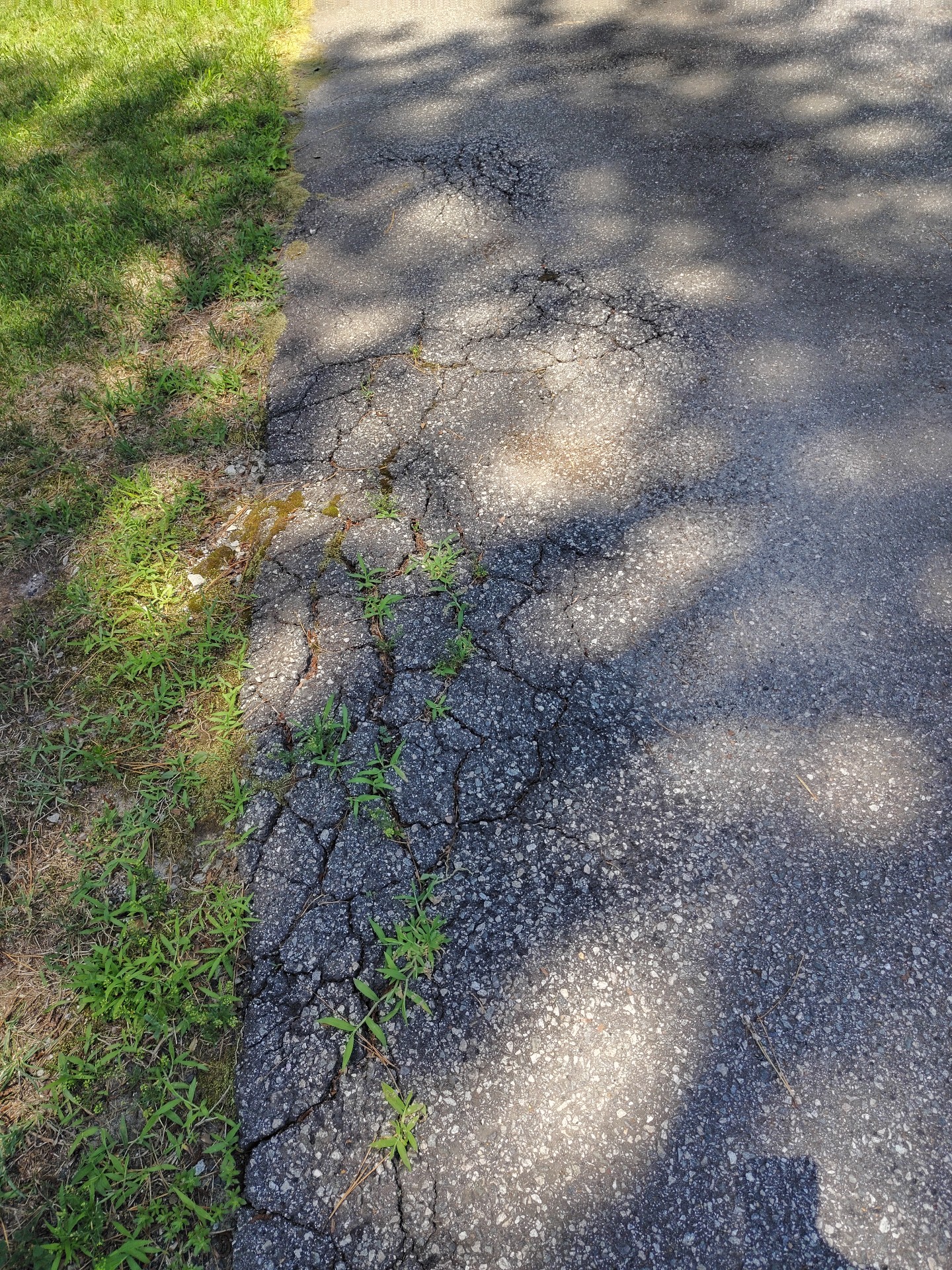
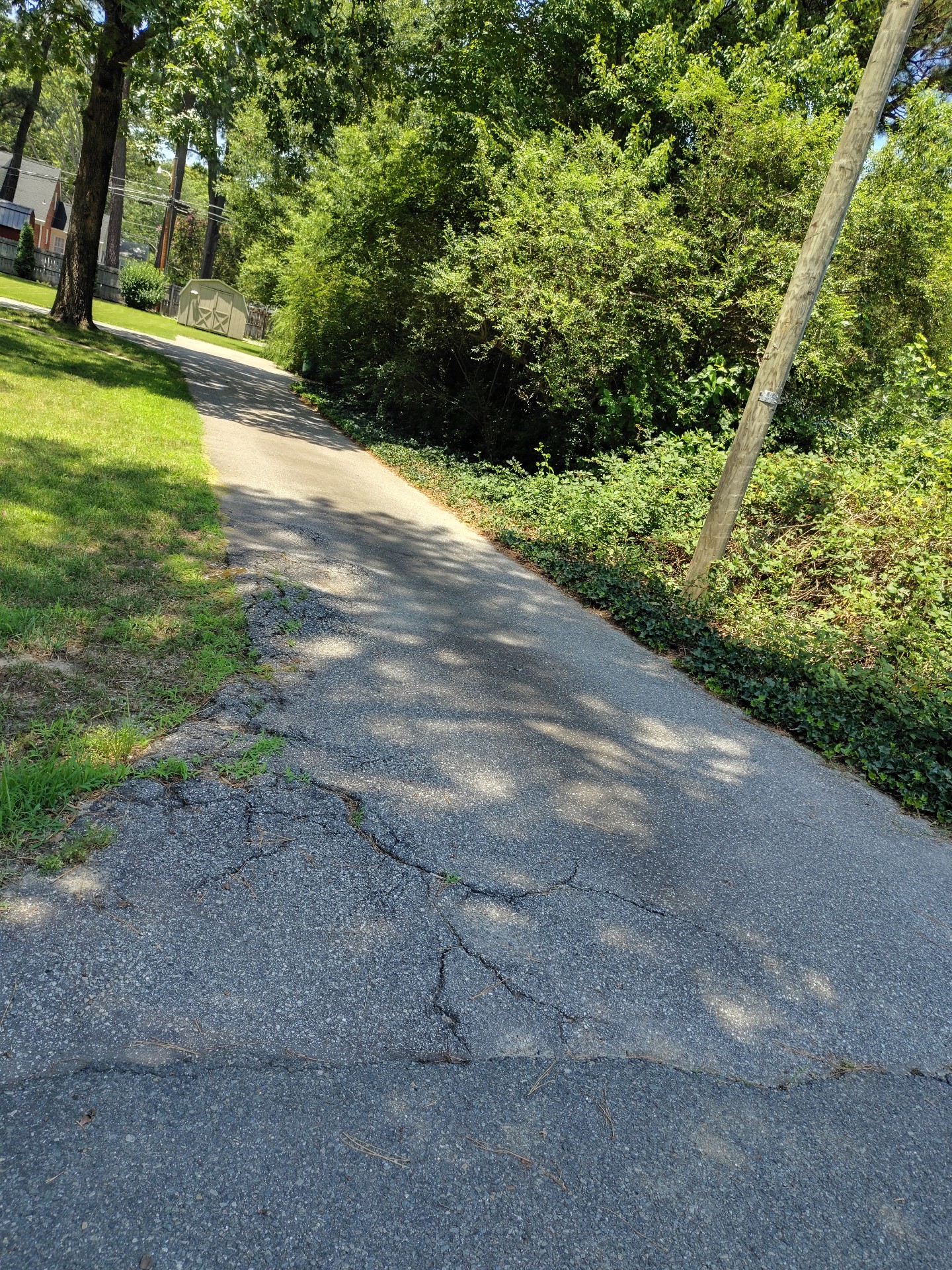
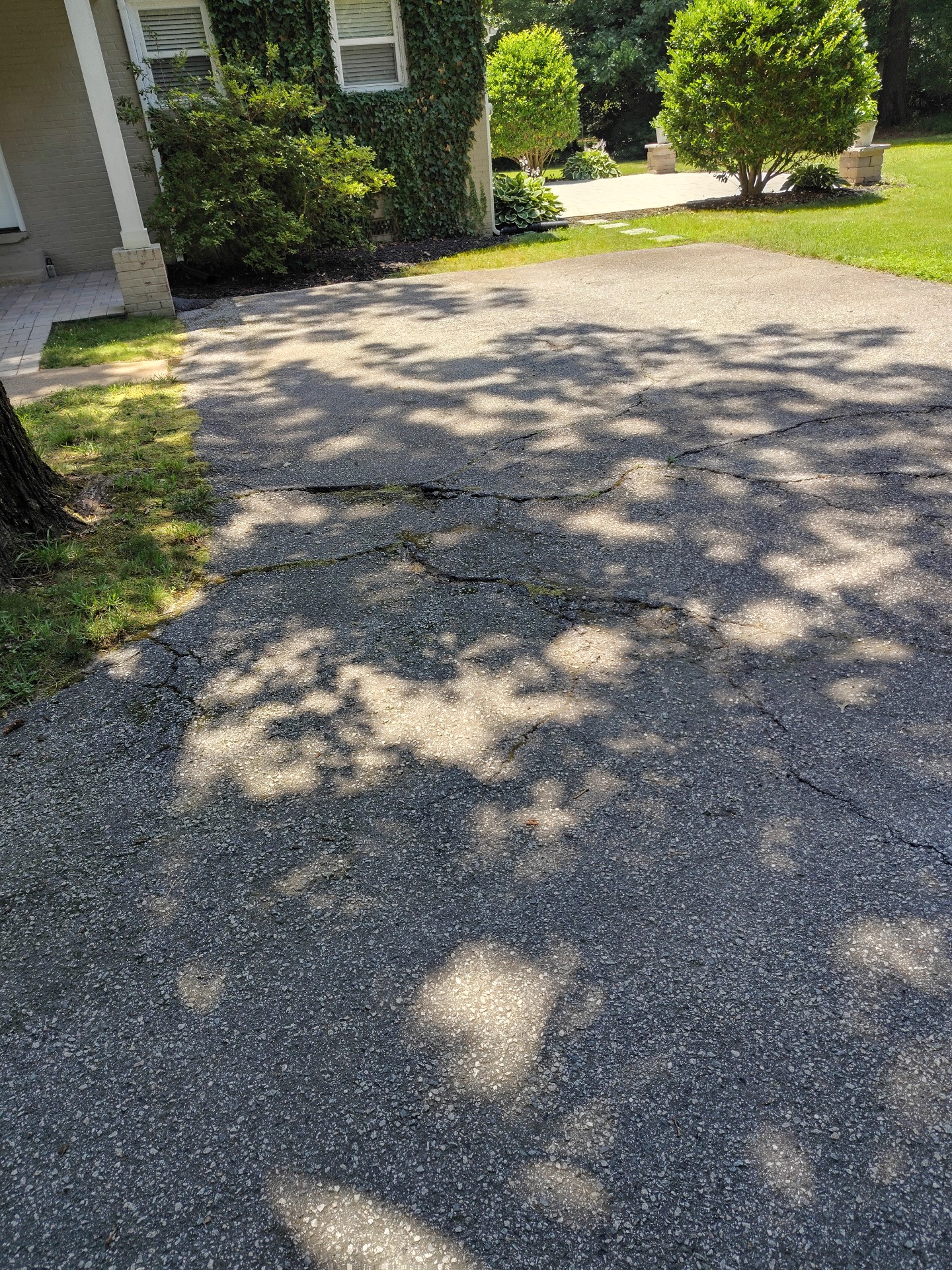
Tree roots are damaging the foundation and driveway. Implement repairs as needed.
Licensed Concrete or Masonry ContractorRepairOngoing Maintenance$500-$1000+ - 4.4.1 Roof and Chimney:
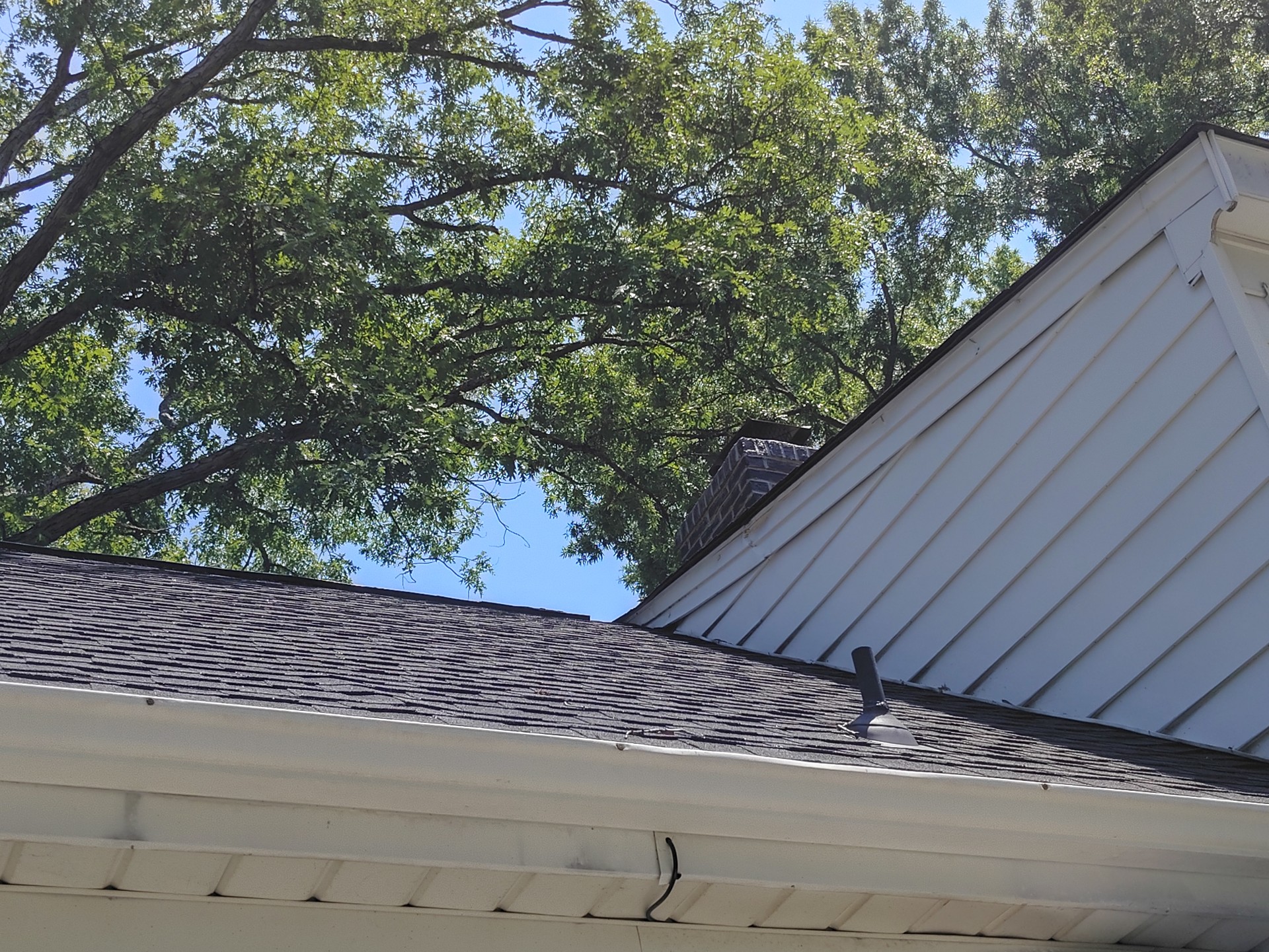
There is no drip edge for the roof. While this is not a defect due to the age of the home, this risks moisture control problems with the roofing/drainage system.
Licensed Roofing ContractorImprove / UpgradeLong-Term / Budget$Unkown - 4.8.1 Roof and Chimney:
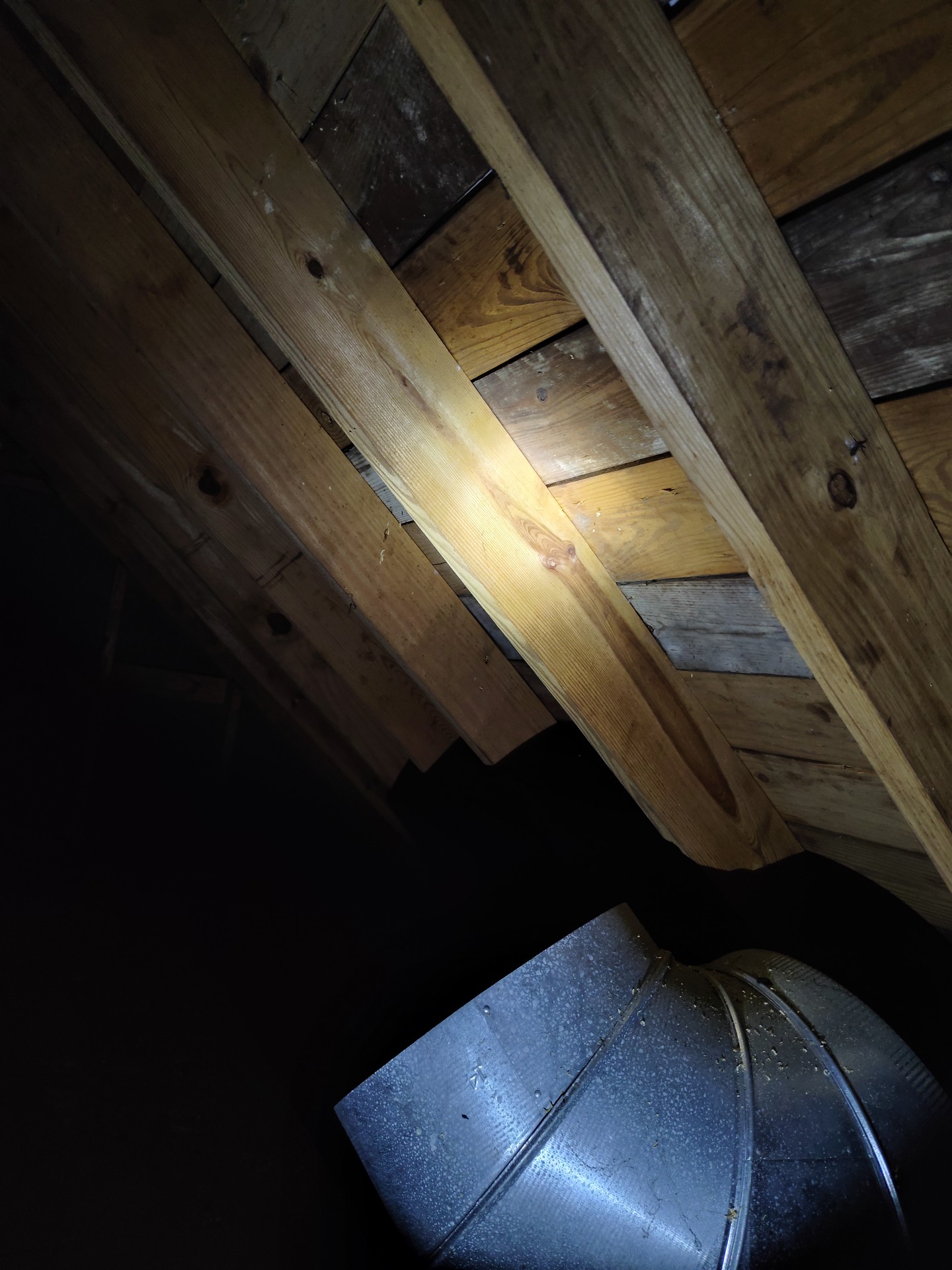
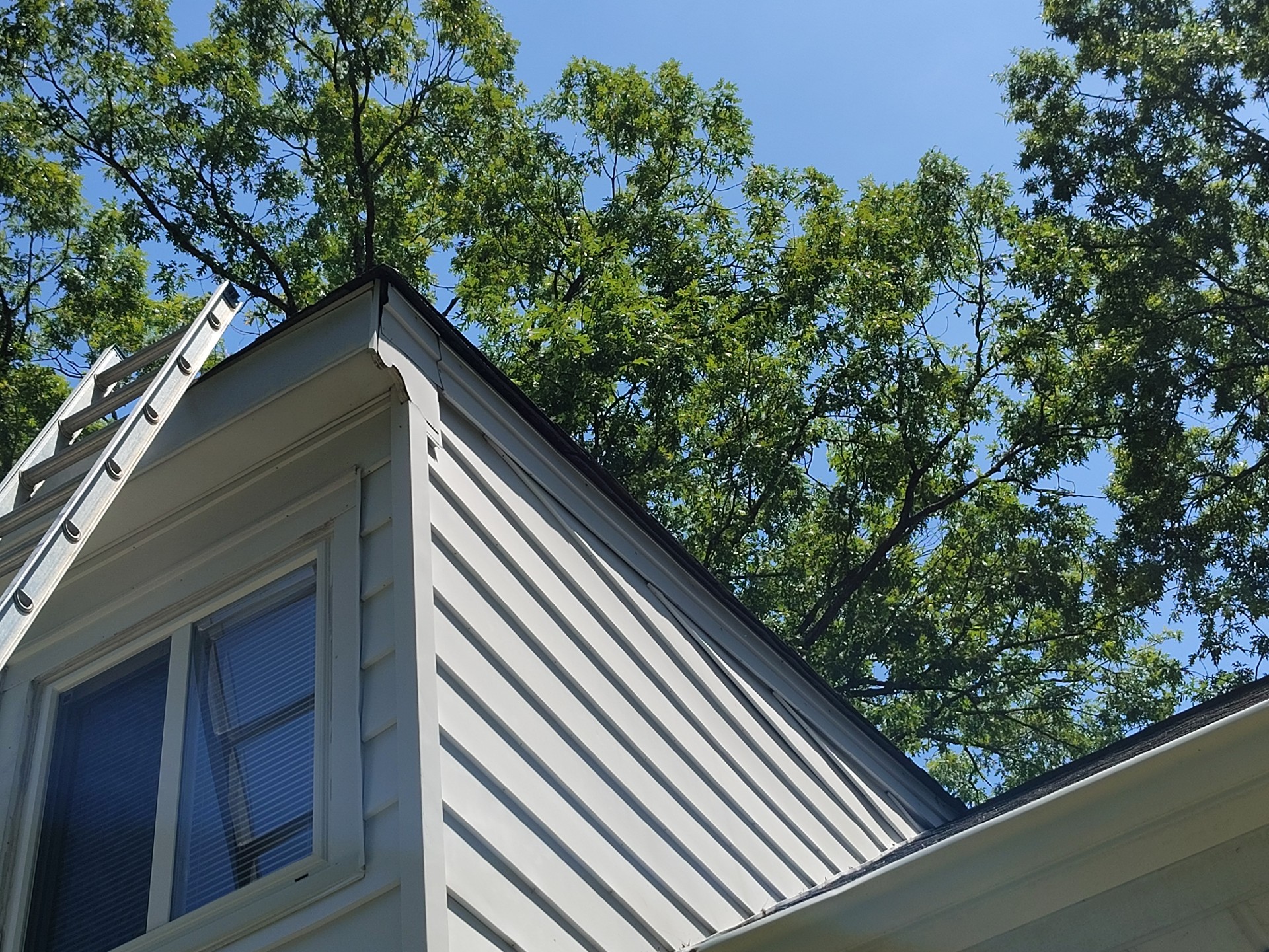
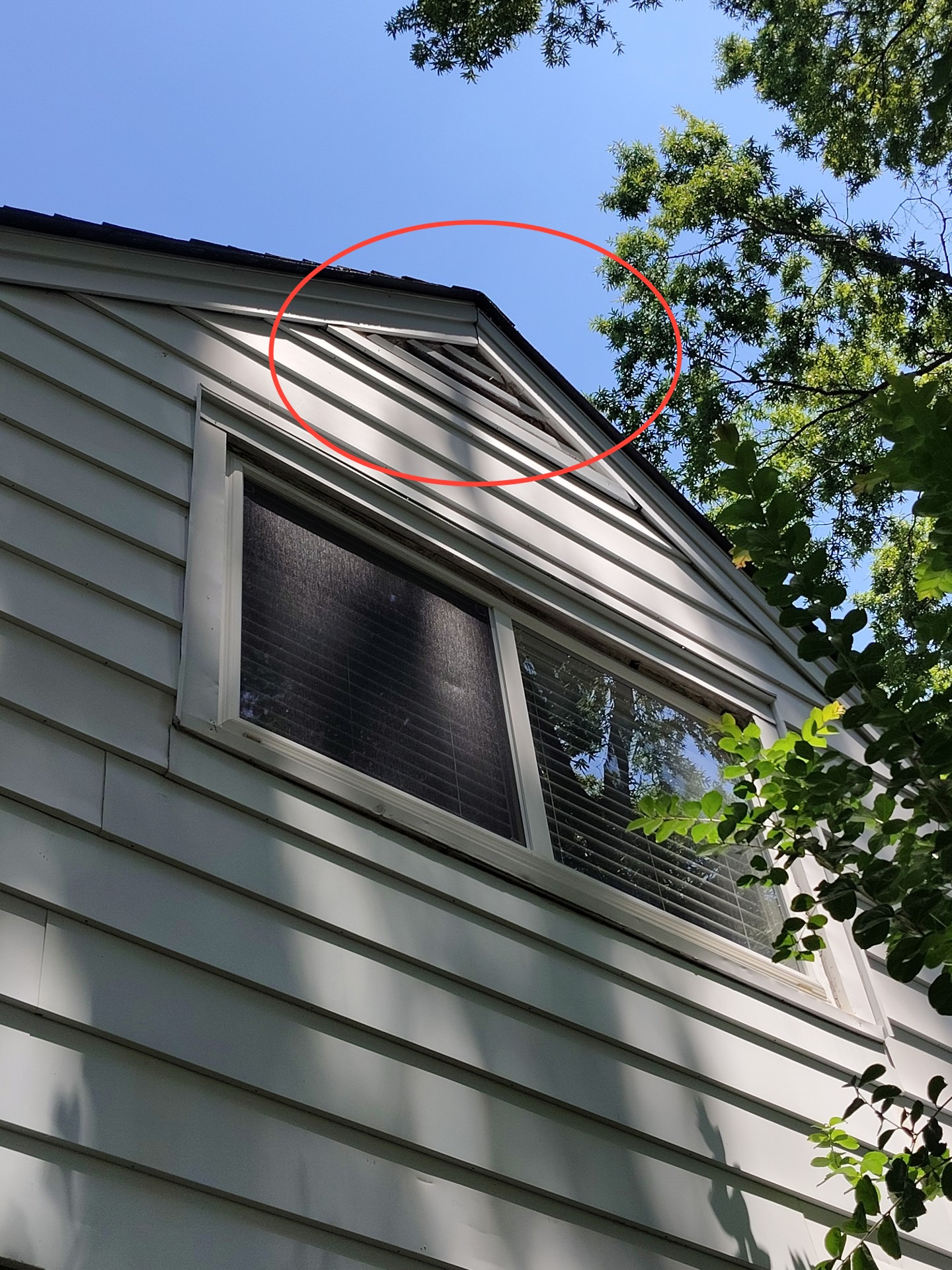
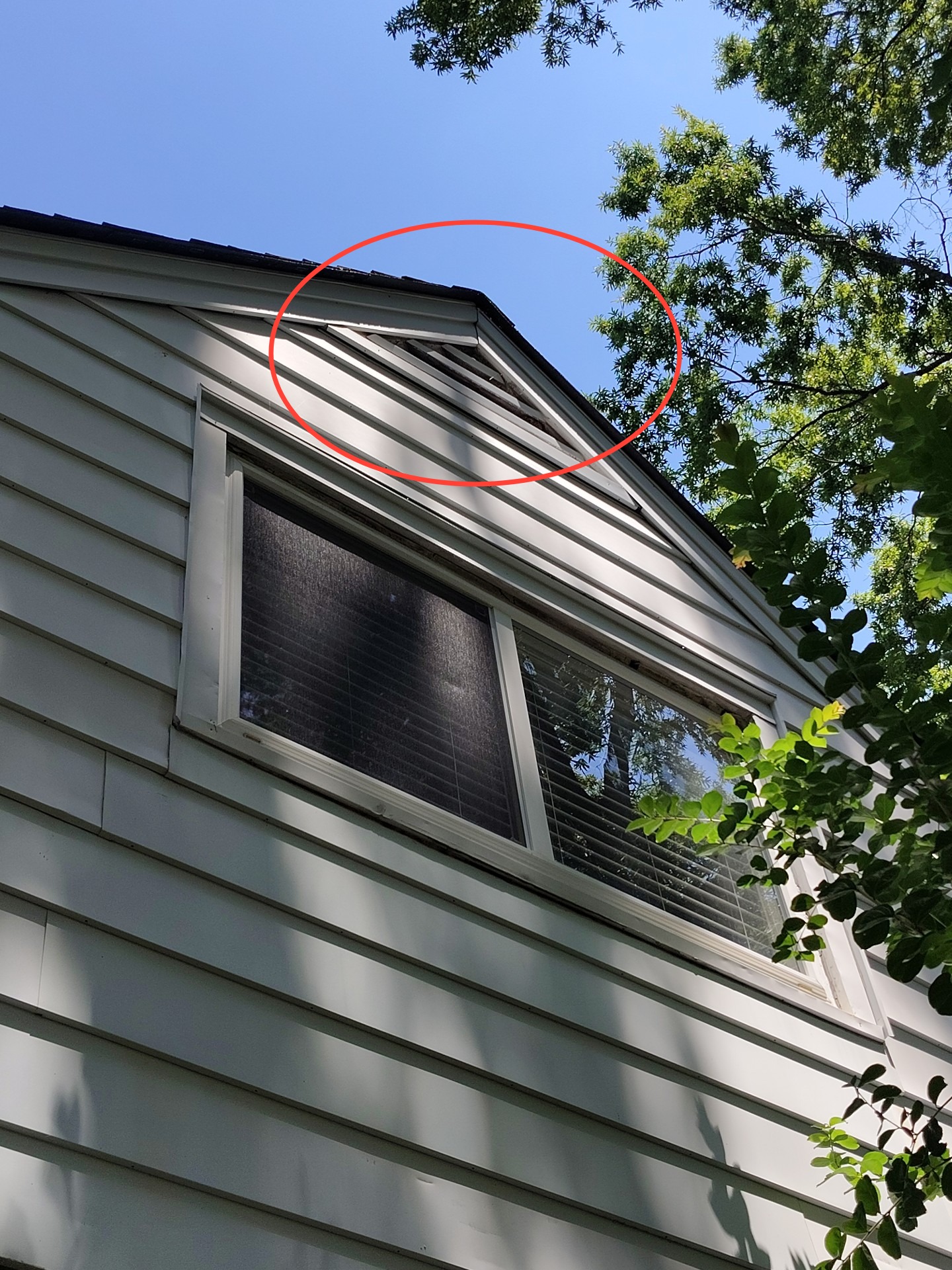
The roof cavity venting has not been done according to modern standards. This is typical for older buildings. Roof cavity venting can be critical for moisture control, but often older buildings can perform adequately with less than perfect venting.
During the next re-roof, I would have the roof cavity venting further investigated and modified as recommended by a qualified roofing contractor.
Licensed Roofing ContractorFurther EvaluationLong-Term / Budget$Unkown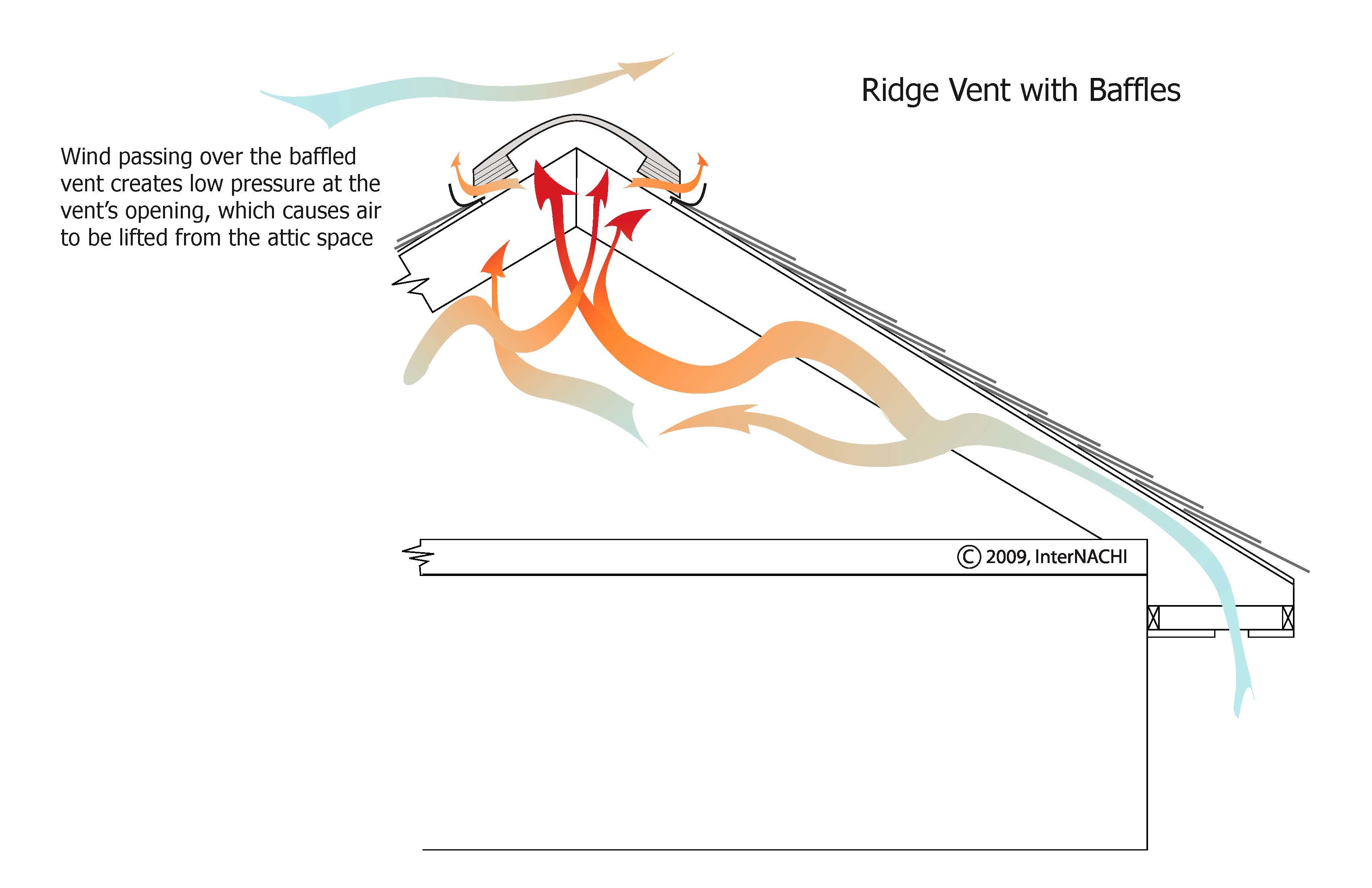
- 13.1.1 Electric Branch and Finish Wiring:
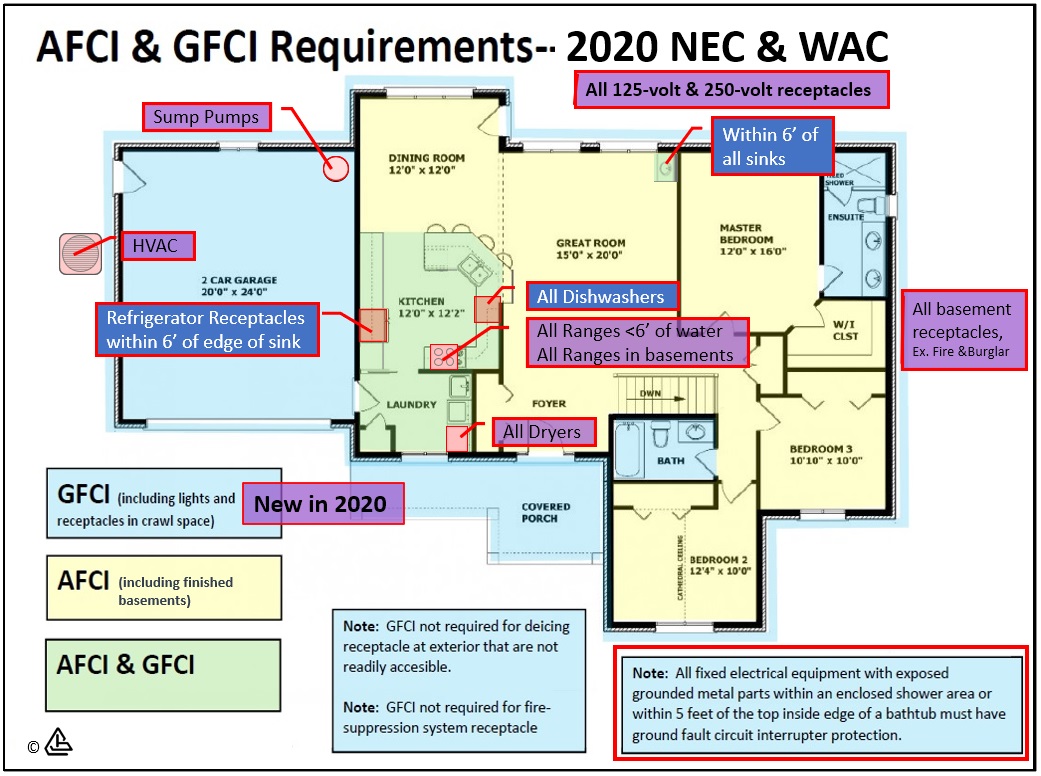
Since the 1970s, requirements for GFCI (Ground Fault Circuit Interruption) protection have changed, and locations requiring GFCI protection seem to get added with every code cycle. It is common for older residential buildings to have some or even many electric receptacles that do not meet modern safety standards. GFCIs have proven successful at reducing electrocutions. For improved safety, I recommend bringing GFCI protection up to modern safety standards.
Licensed Electrical ContractorImprove / UpgradeWithin 1 Year$Unkown - 16.3.1 Attic:
The attic insulation has been done to an older standard. Updating thermal barriers to modern standard is recommended. Have an Insulation specialist evaluate what it would take to improve and replace to bring to modern standard - $1500+
Licensed Insulation ContractorImprove / UpgradeLong-Term / Budget$1000-$2500+ - 17.1.1 Crawl Space:
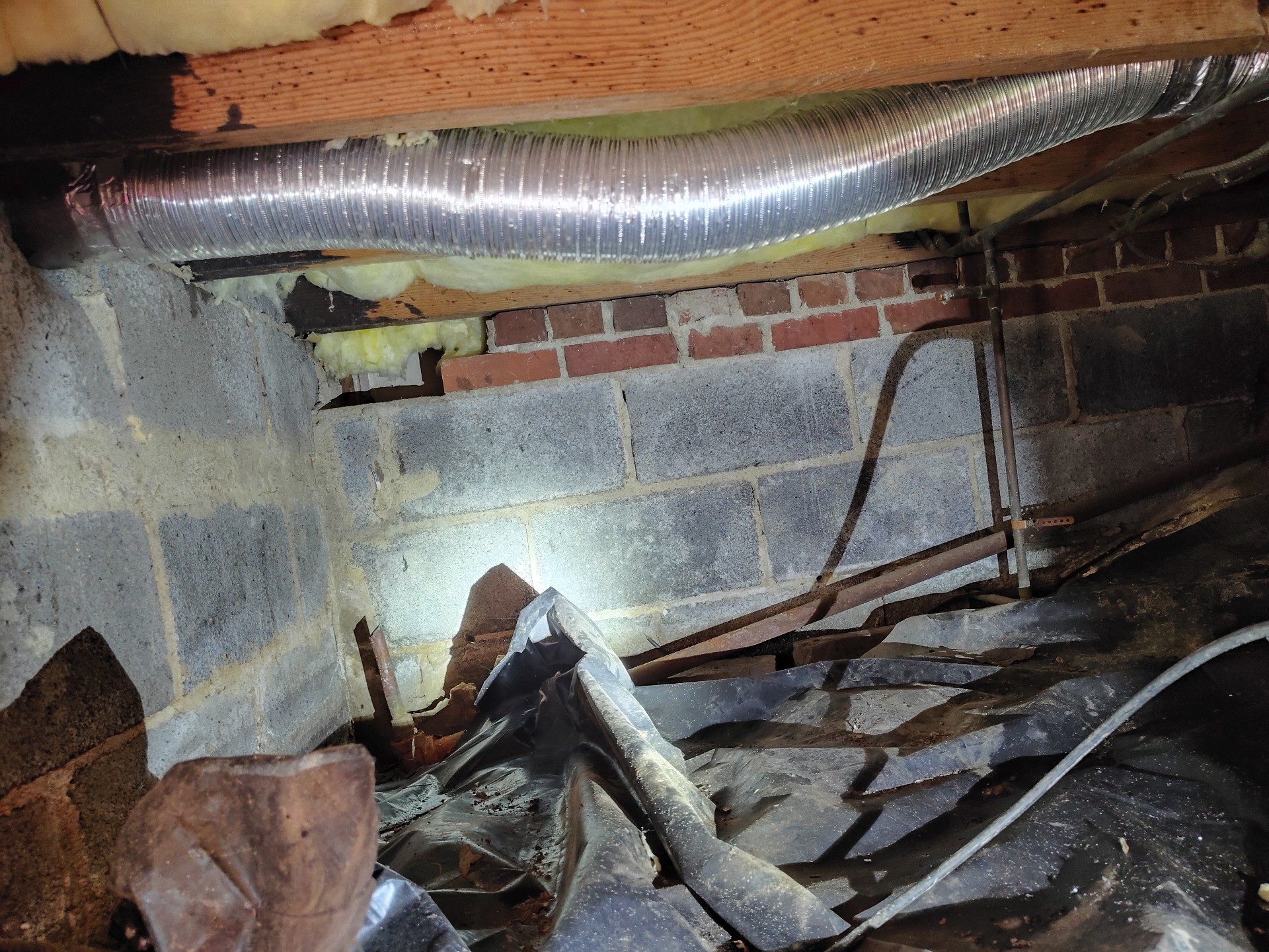
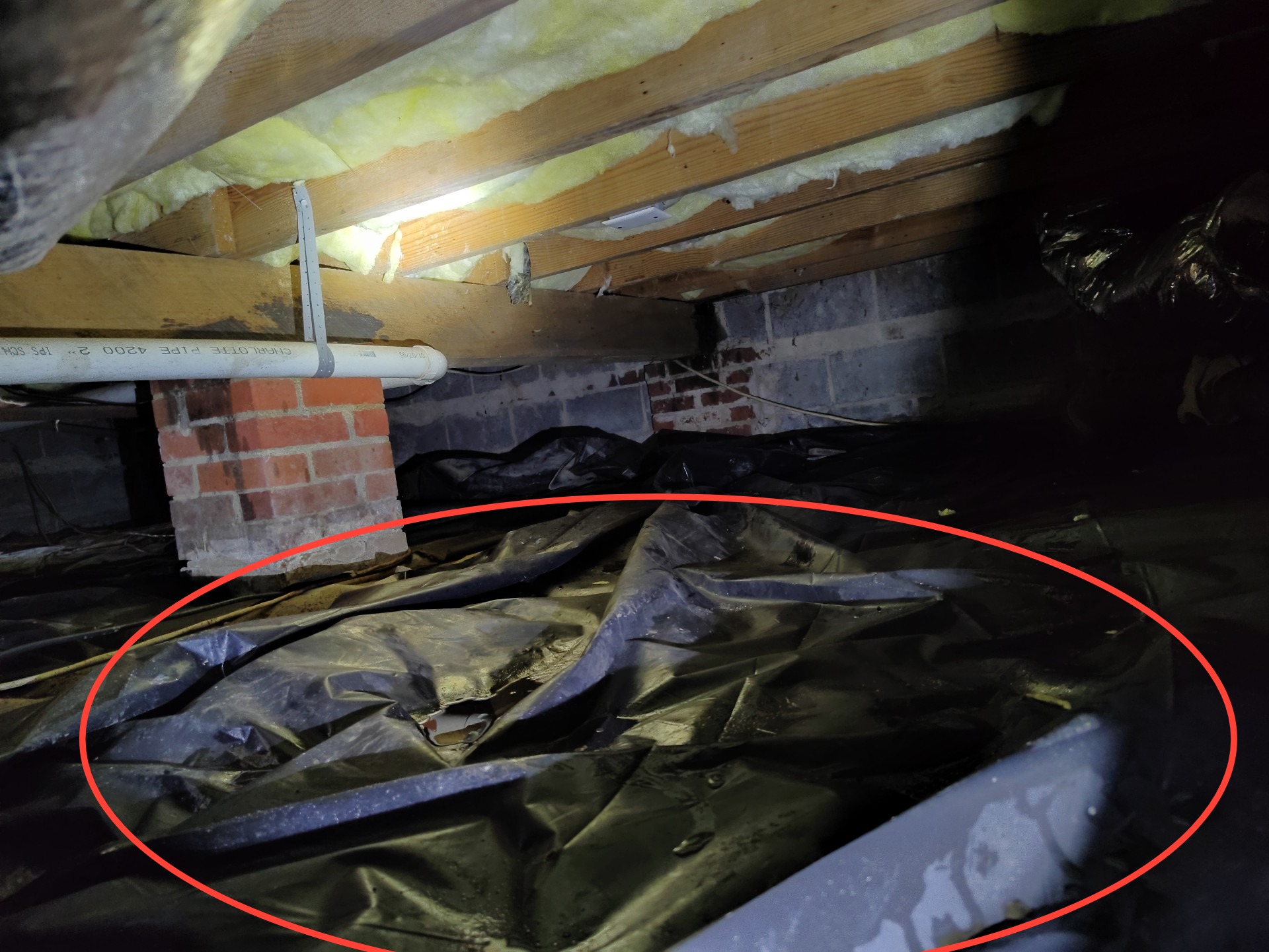
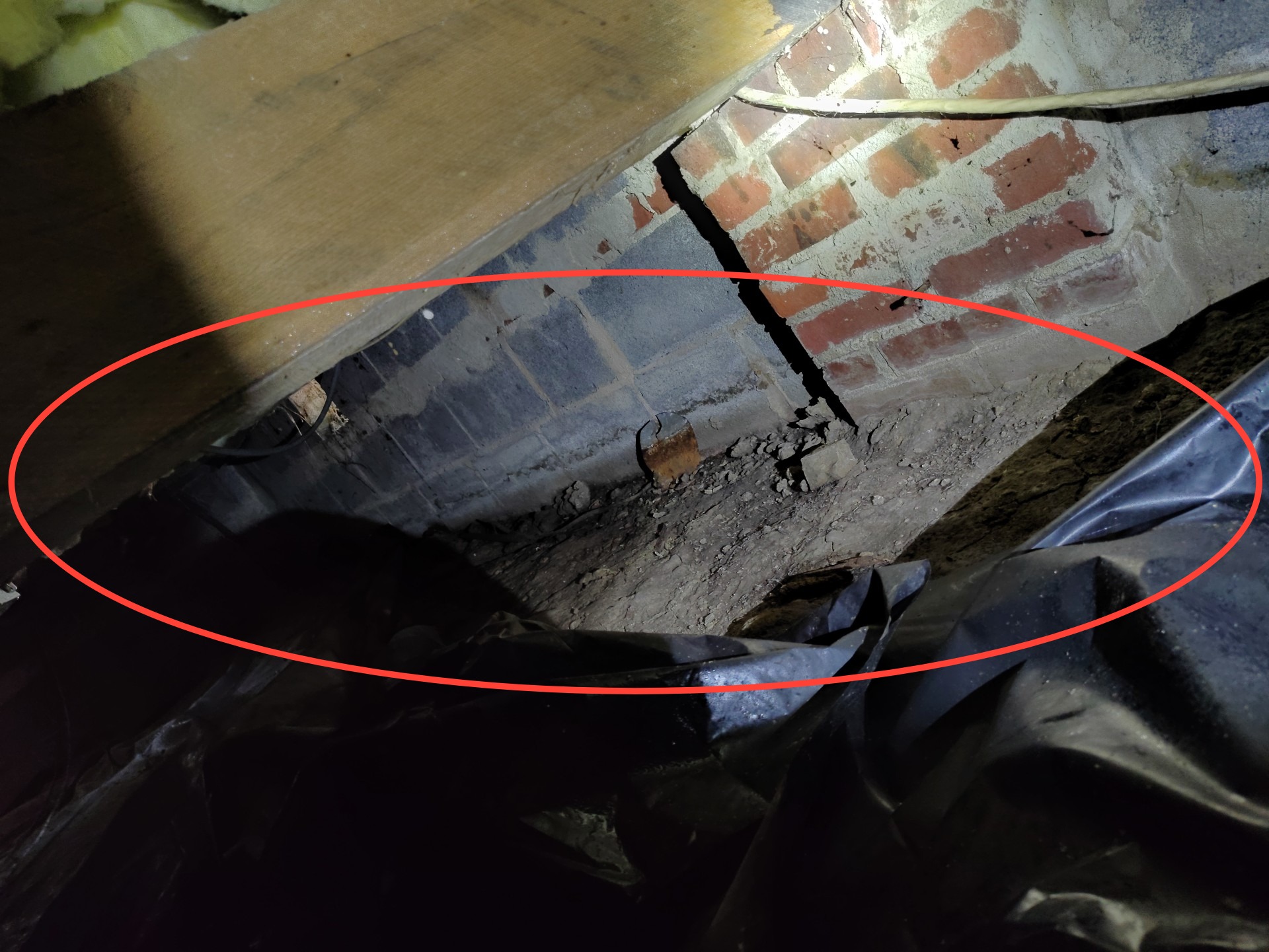
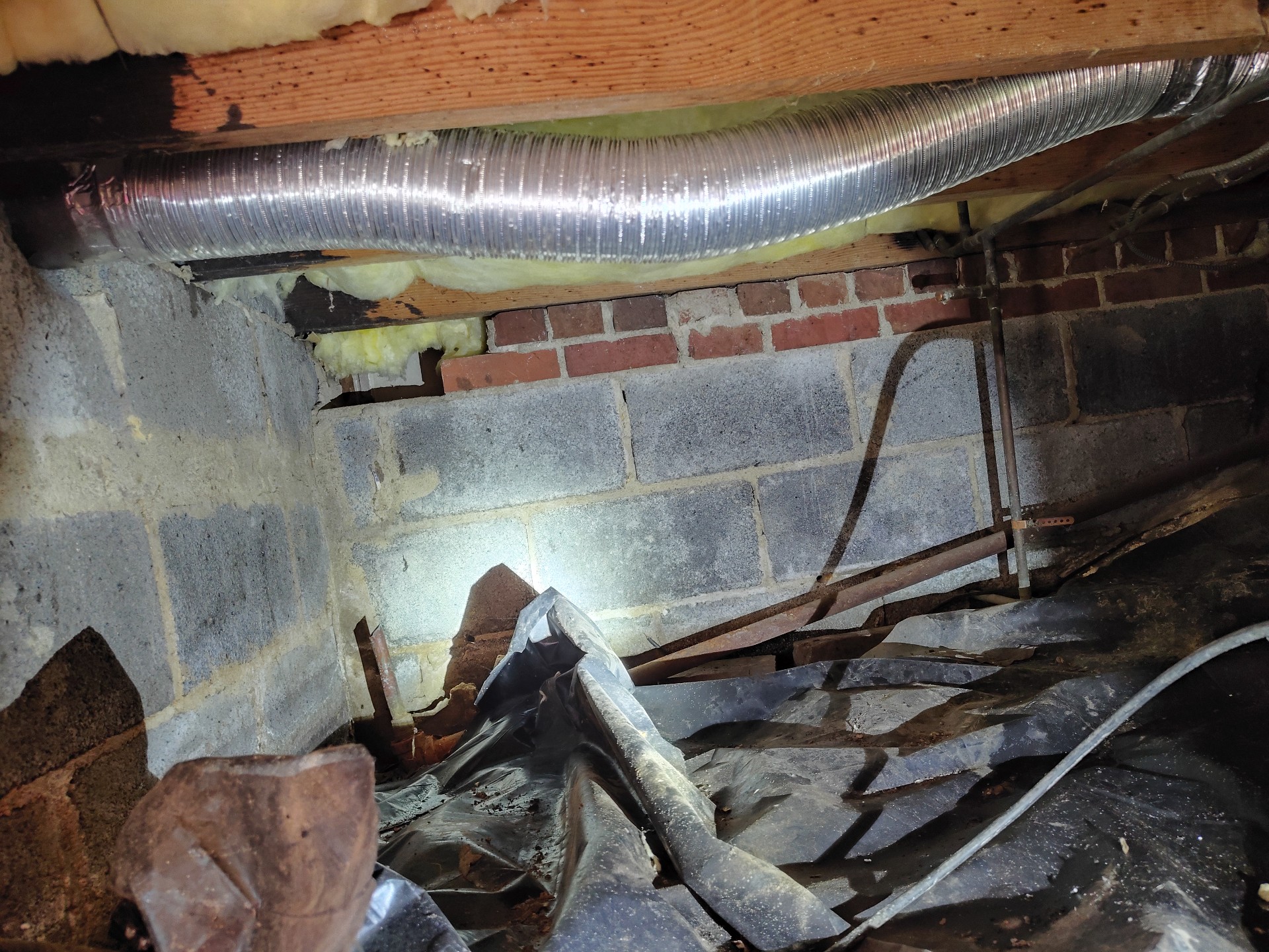
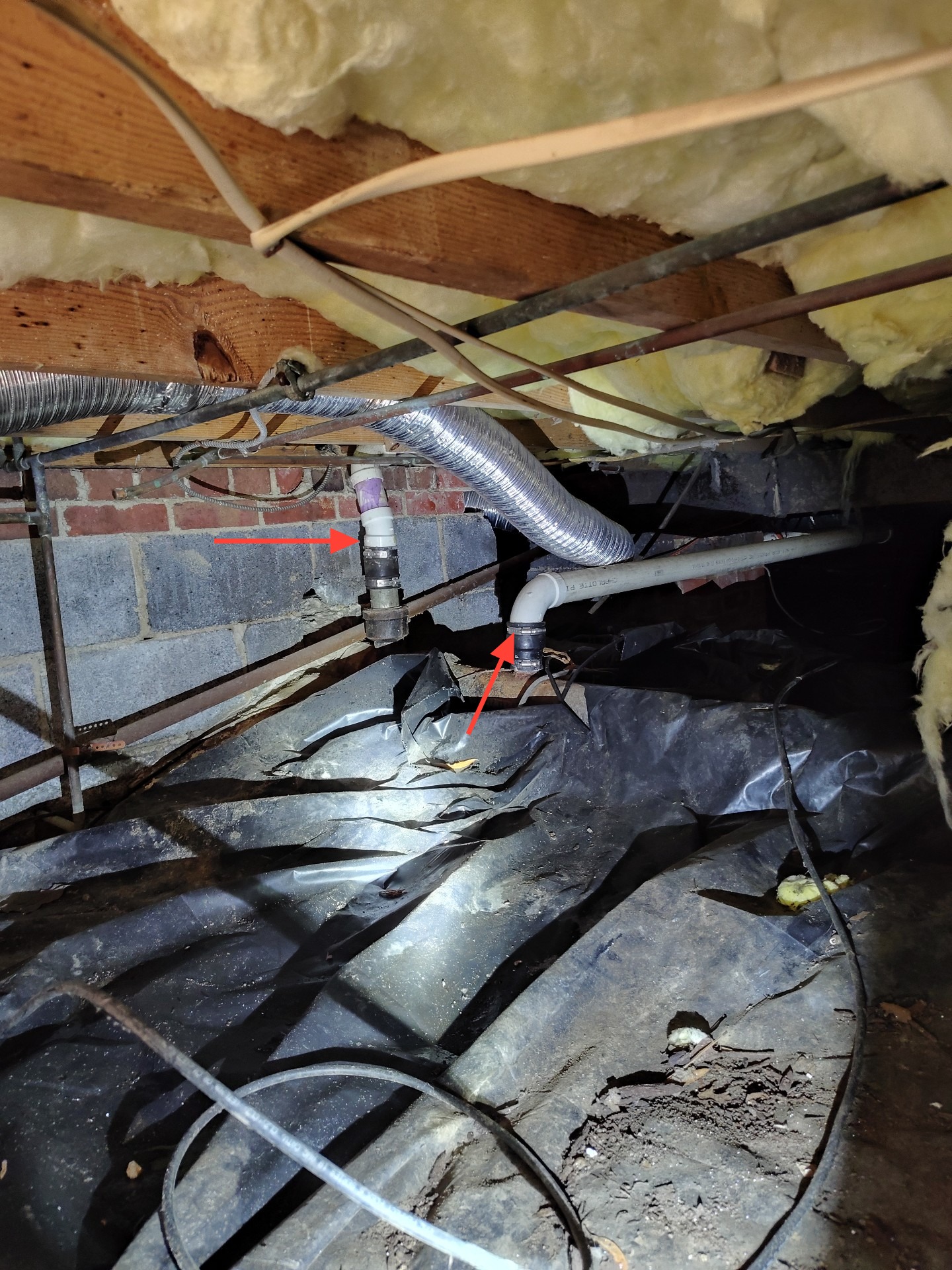
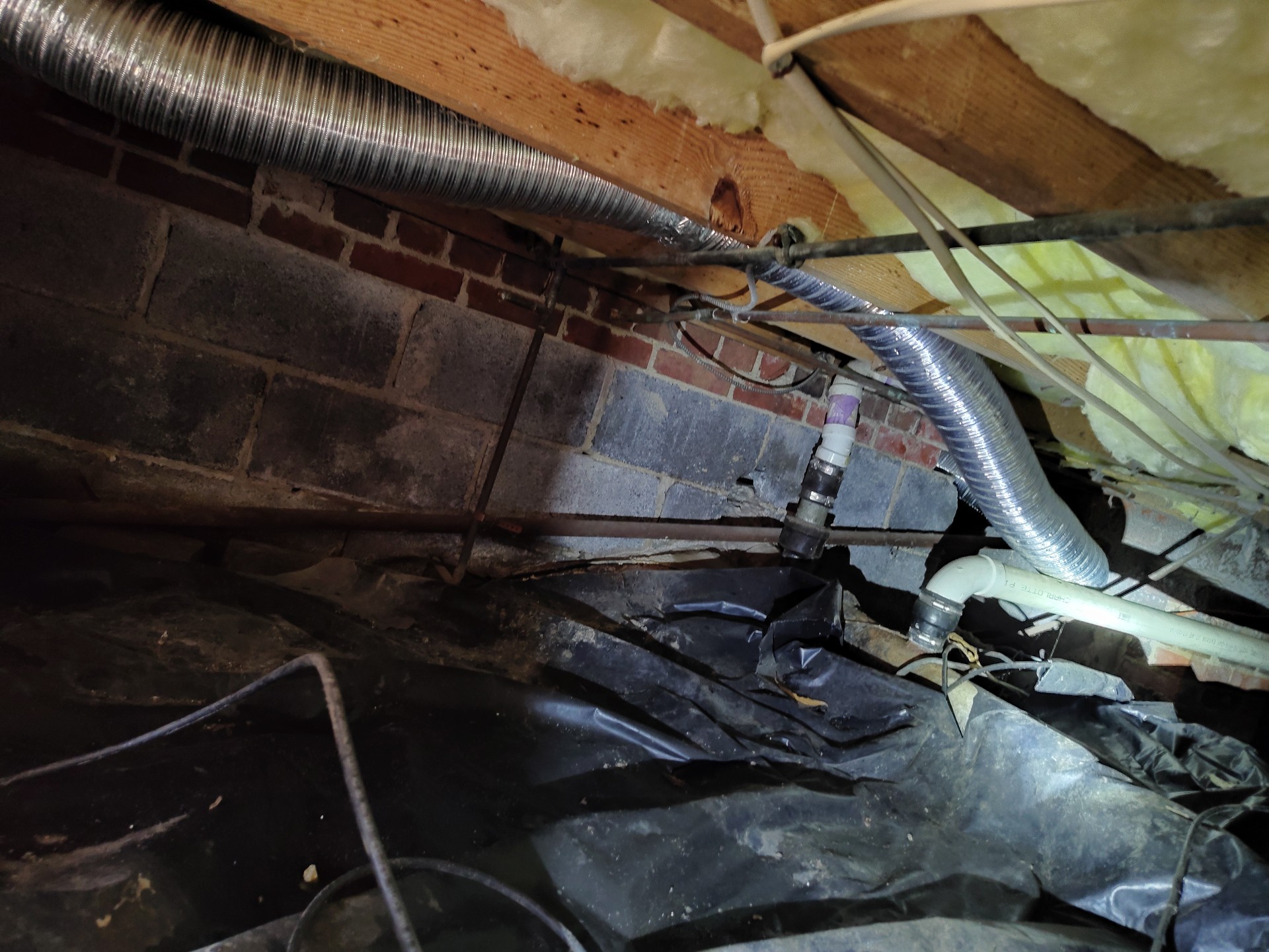
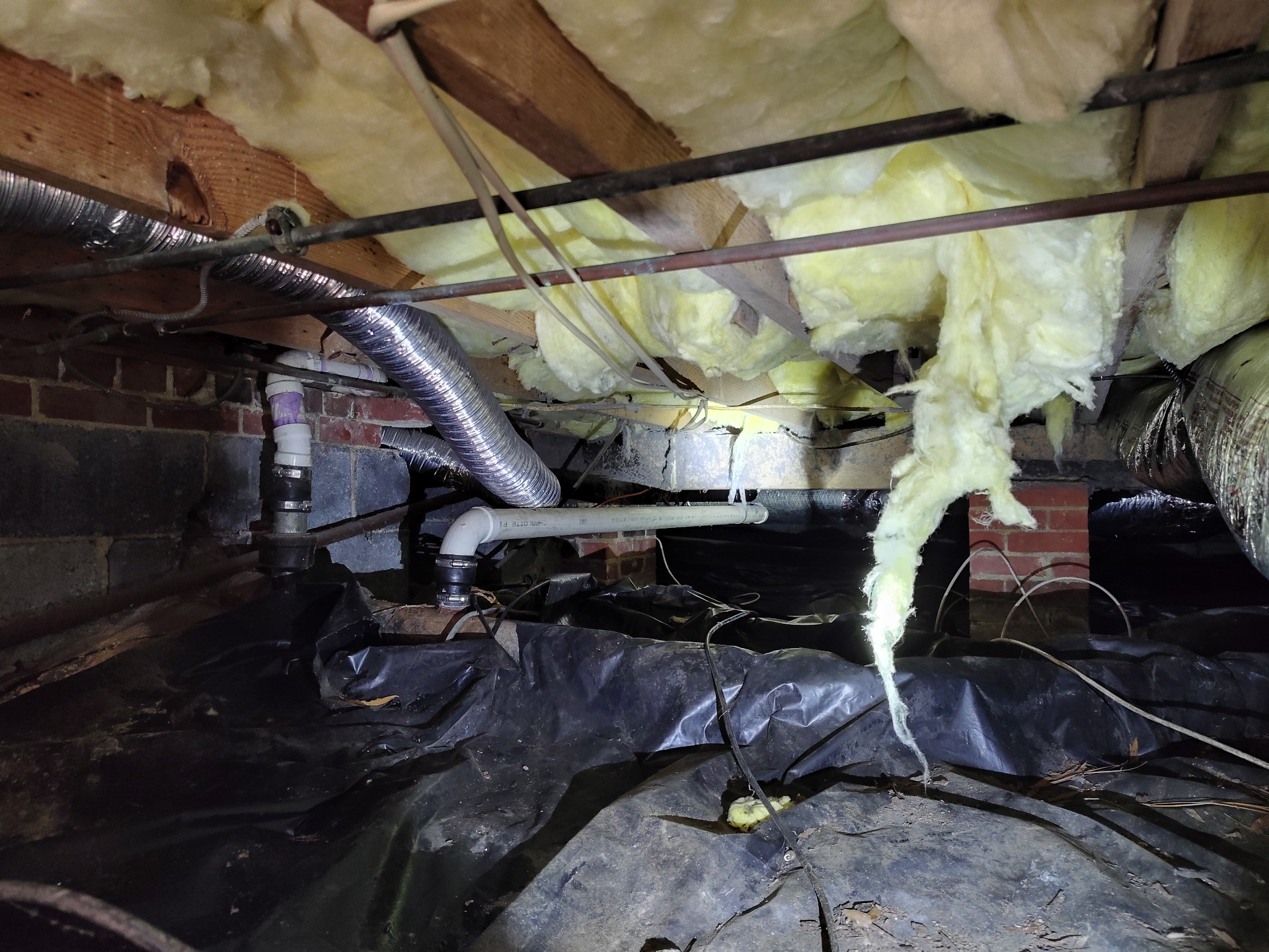
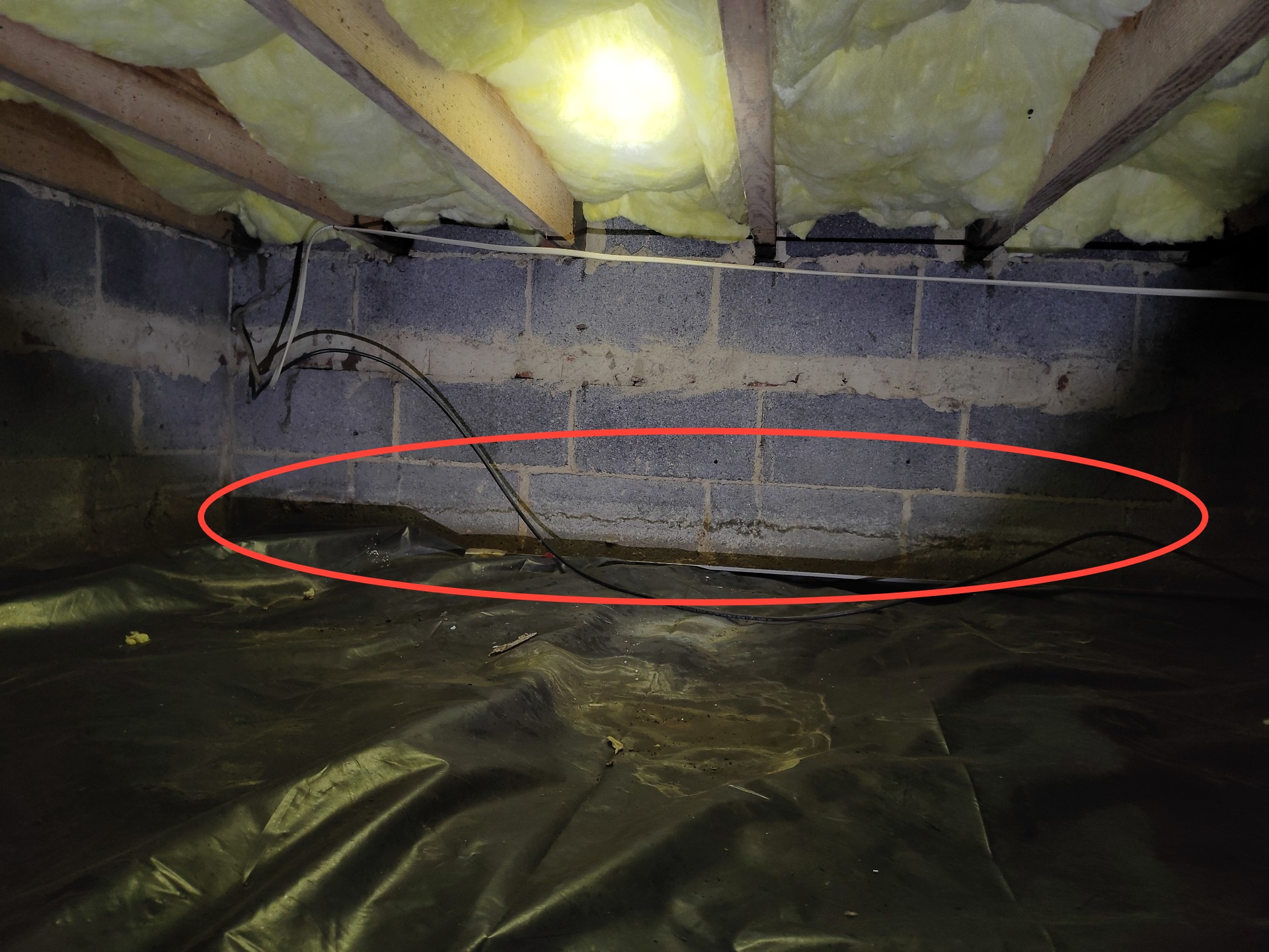
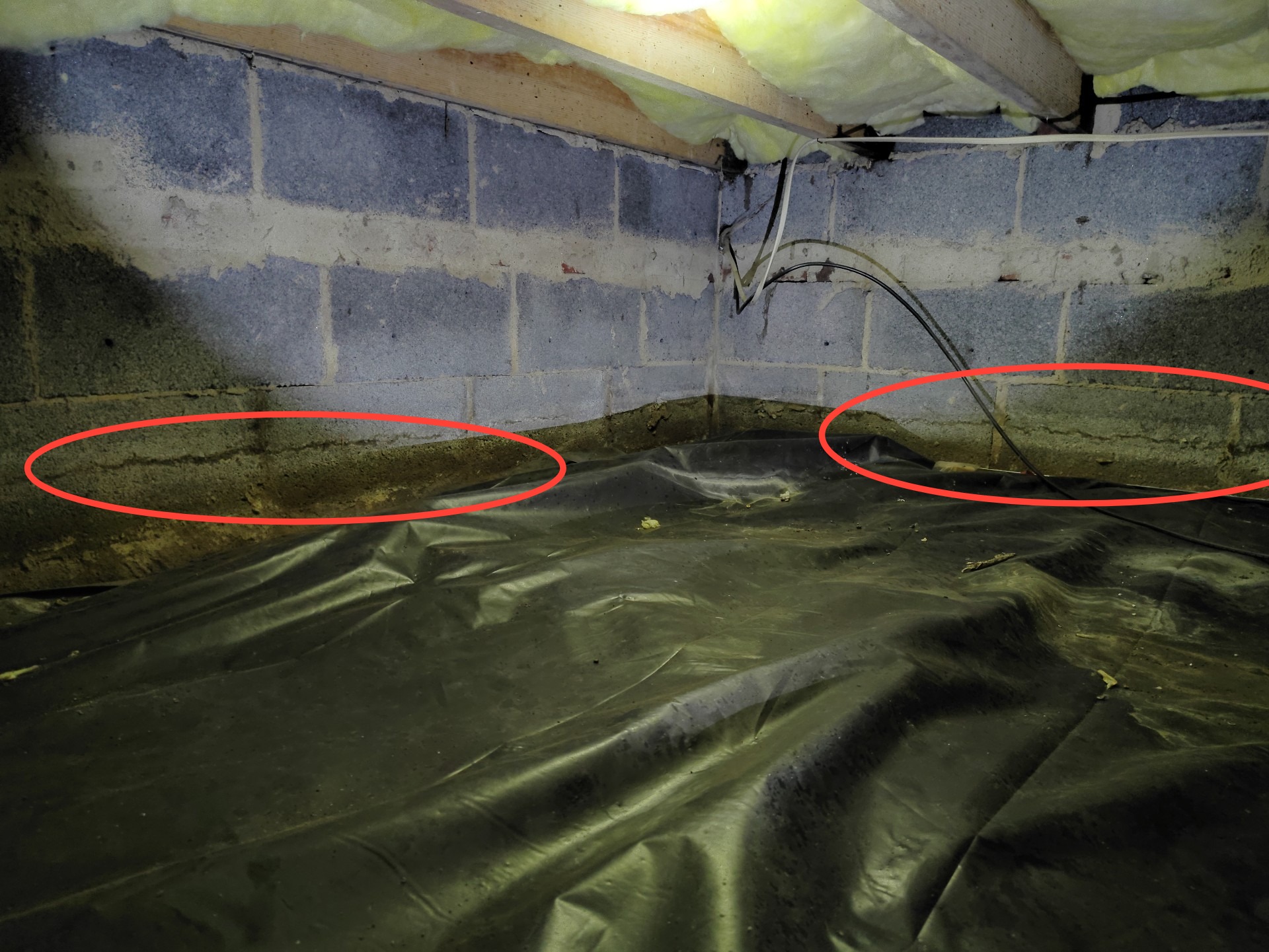
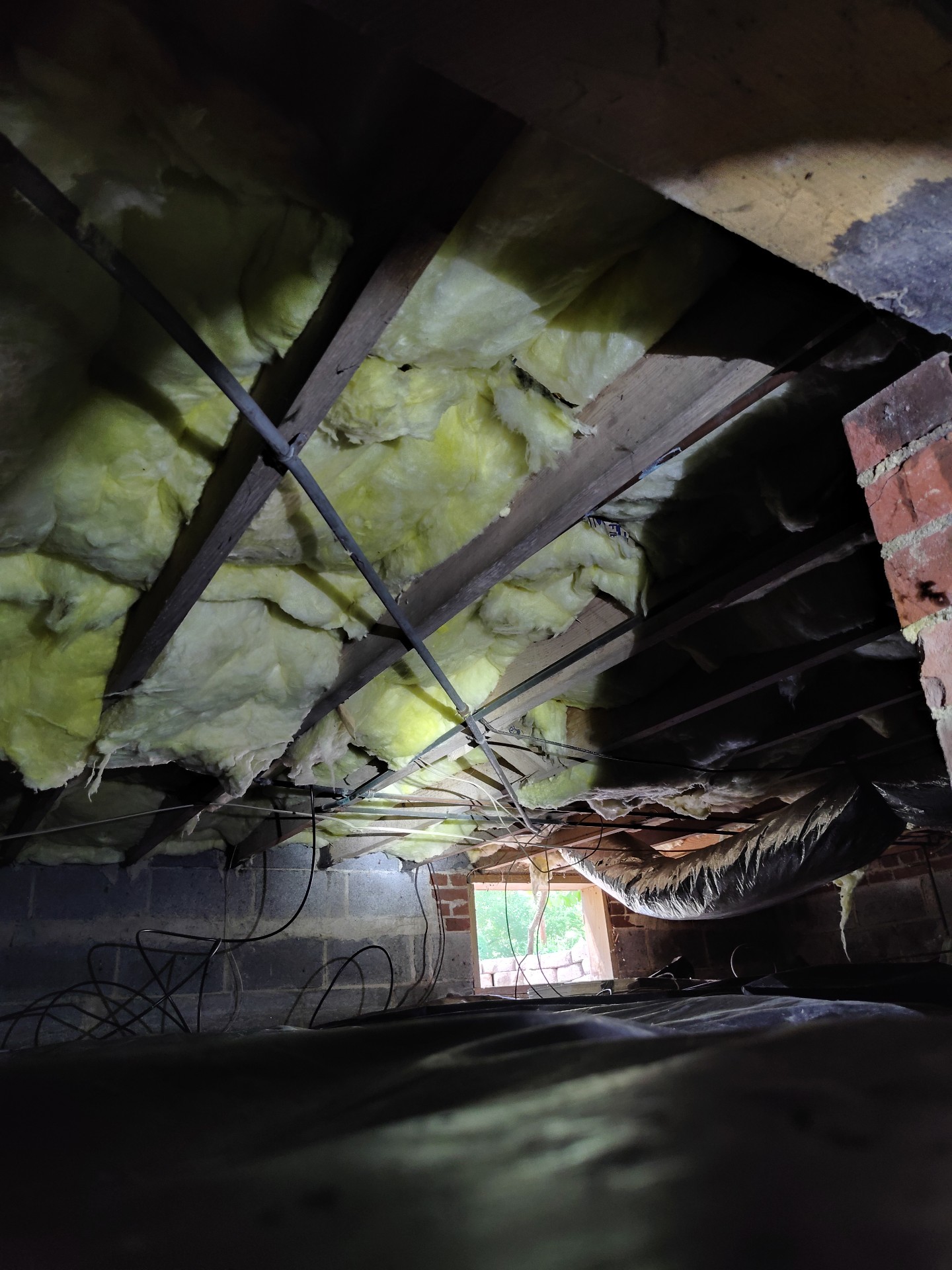
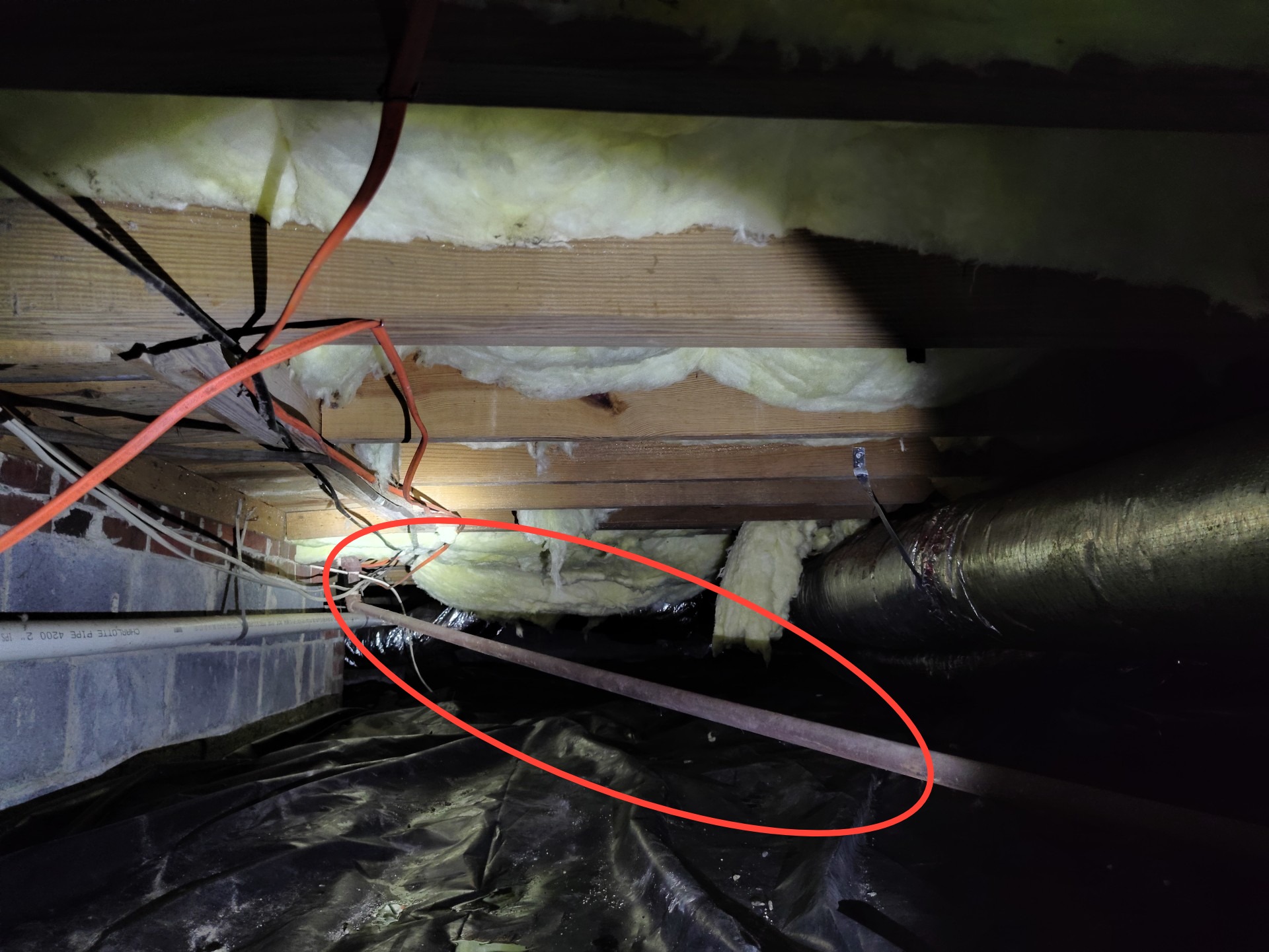
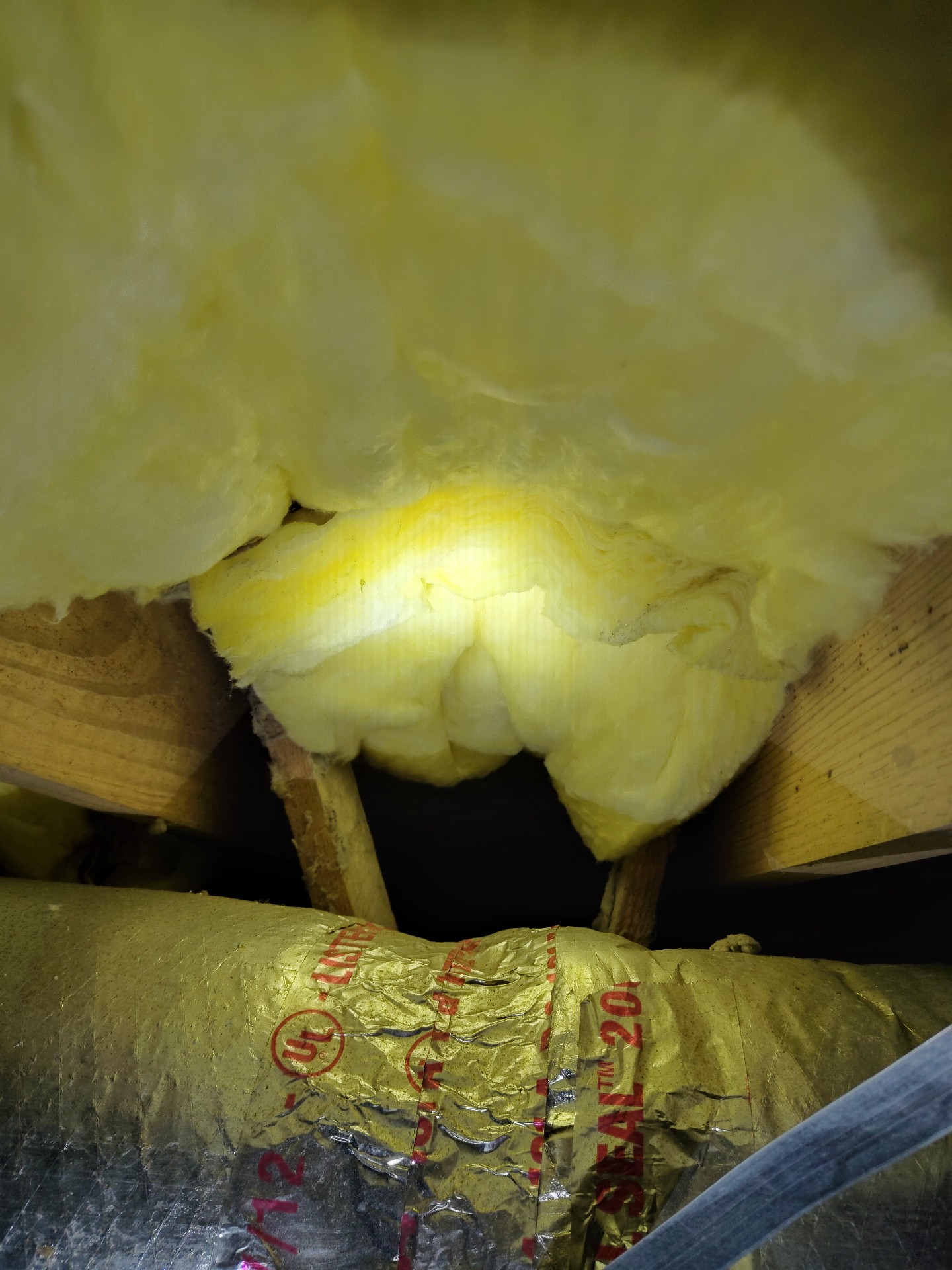
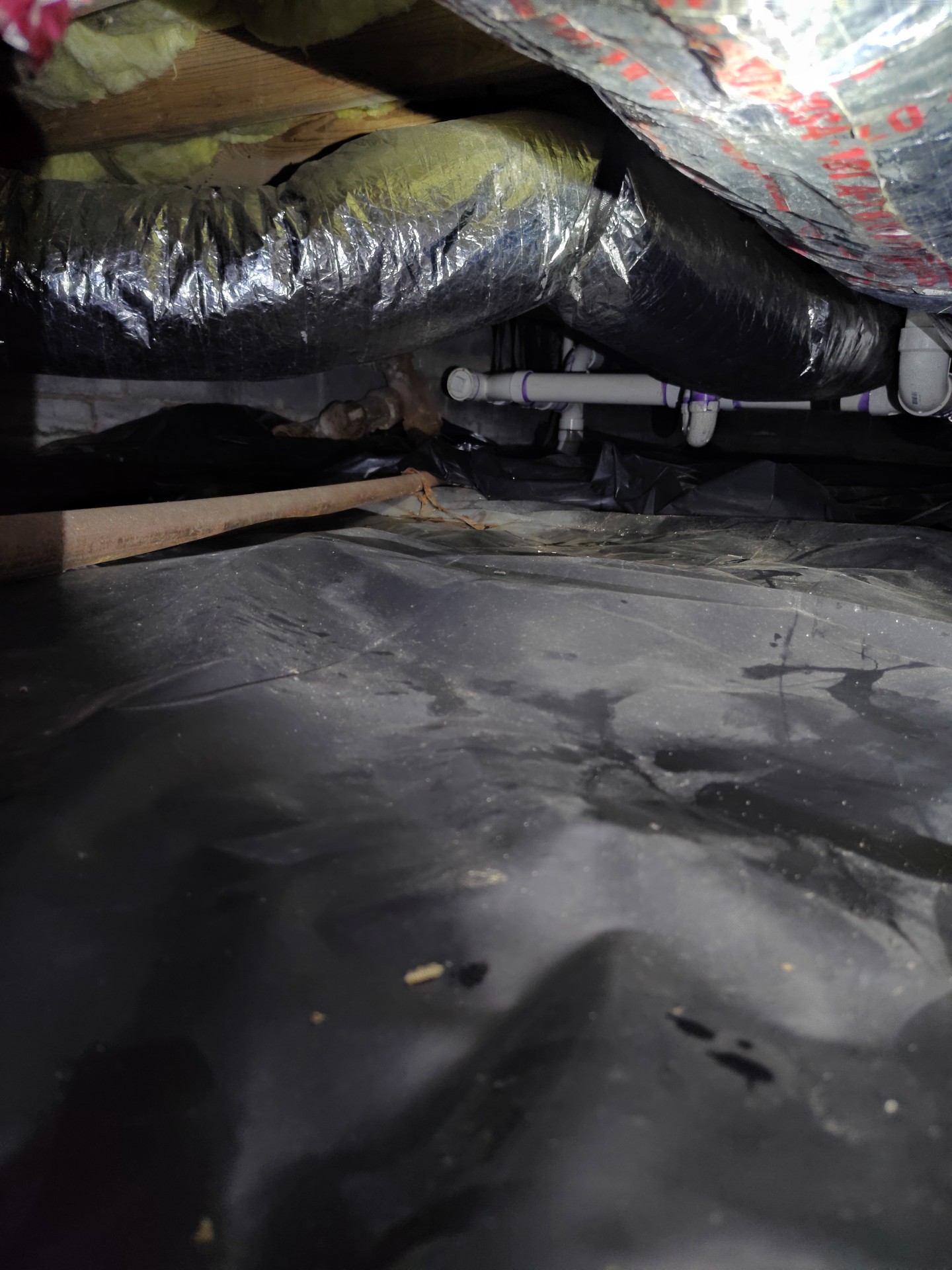
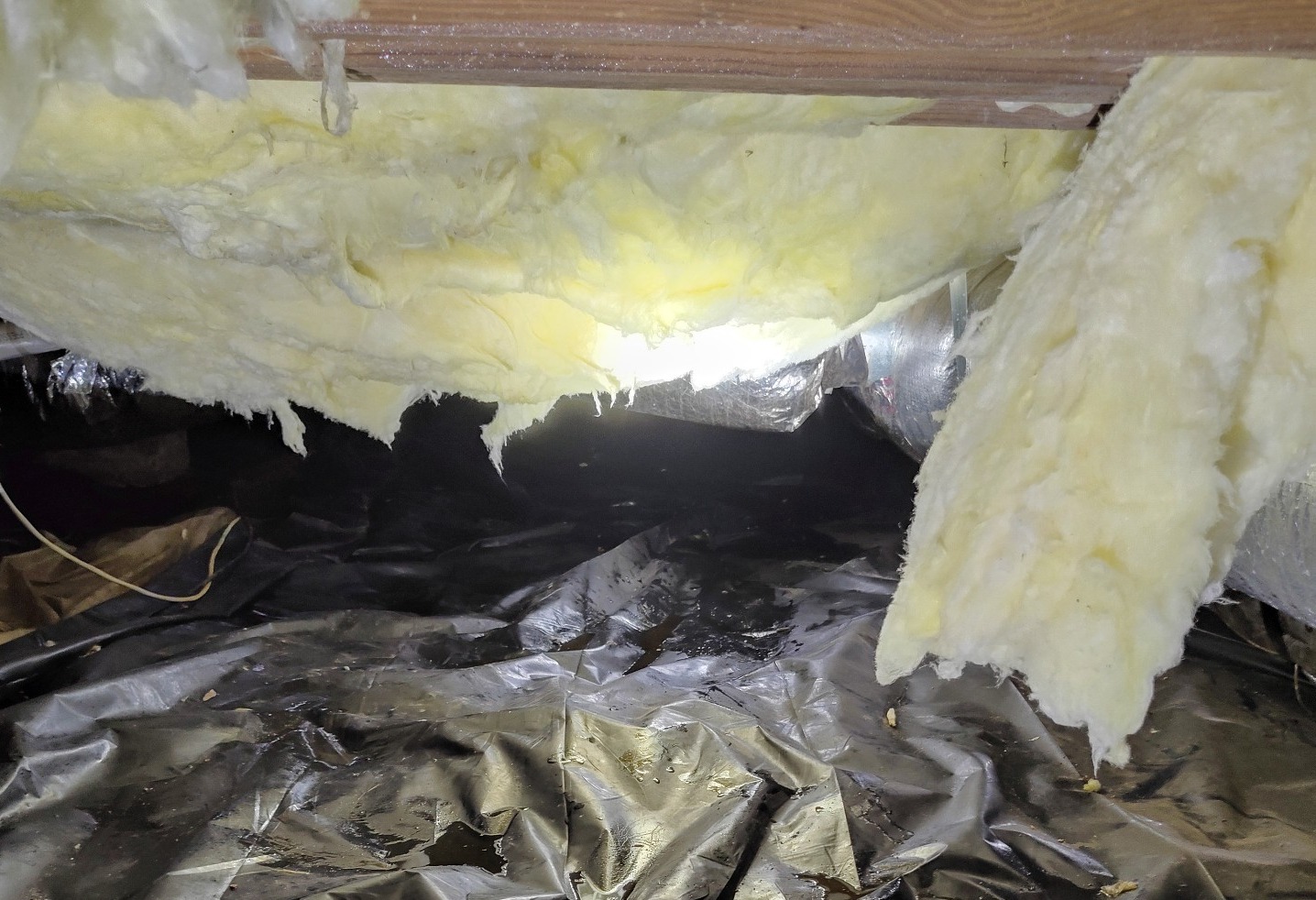
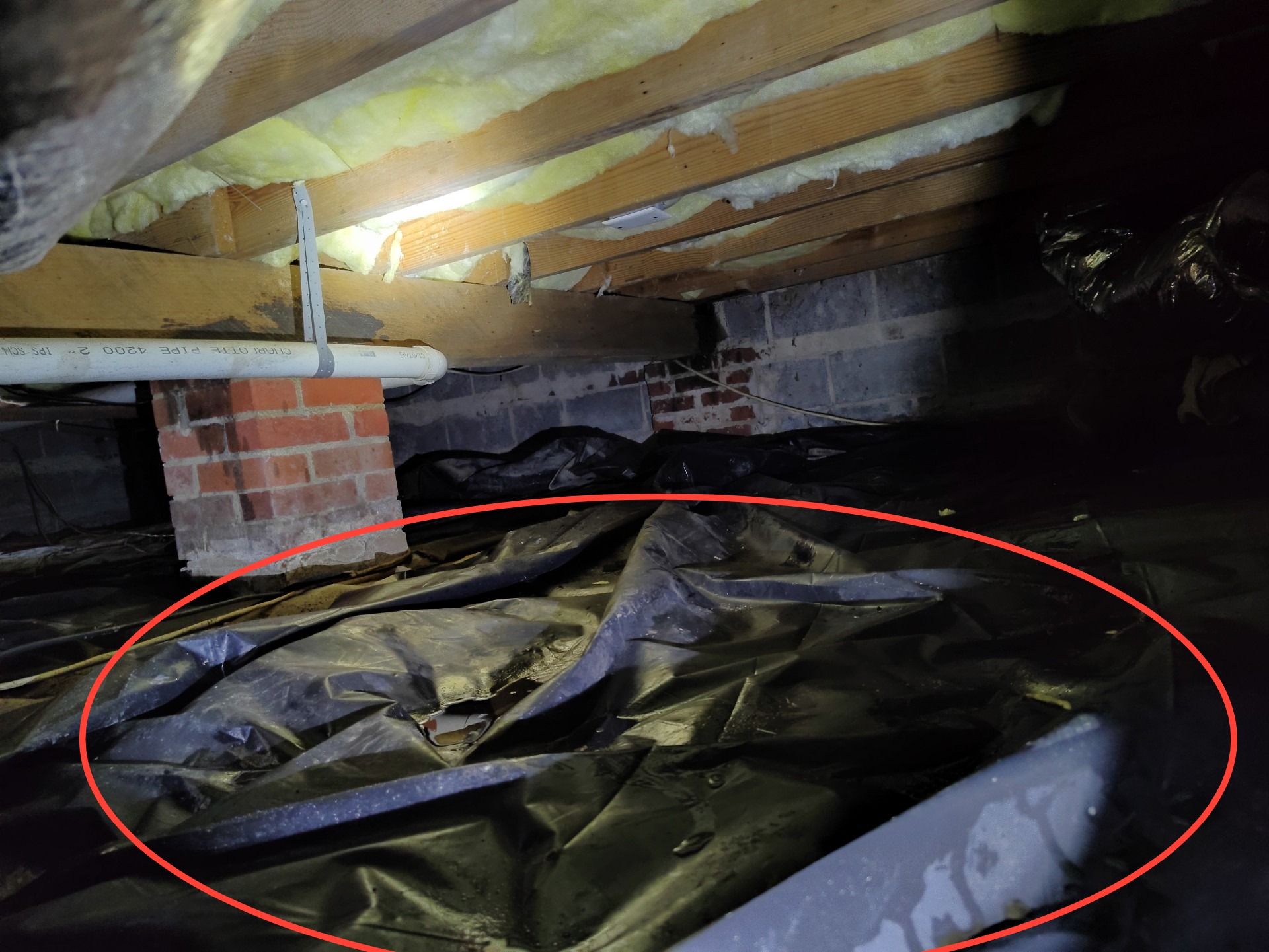
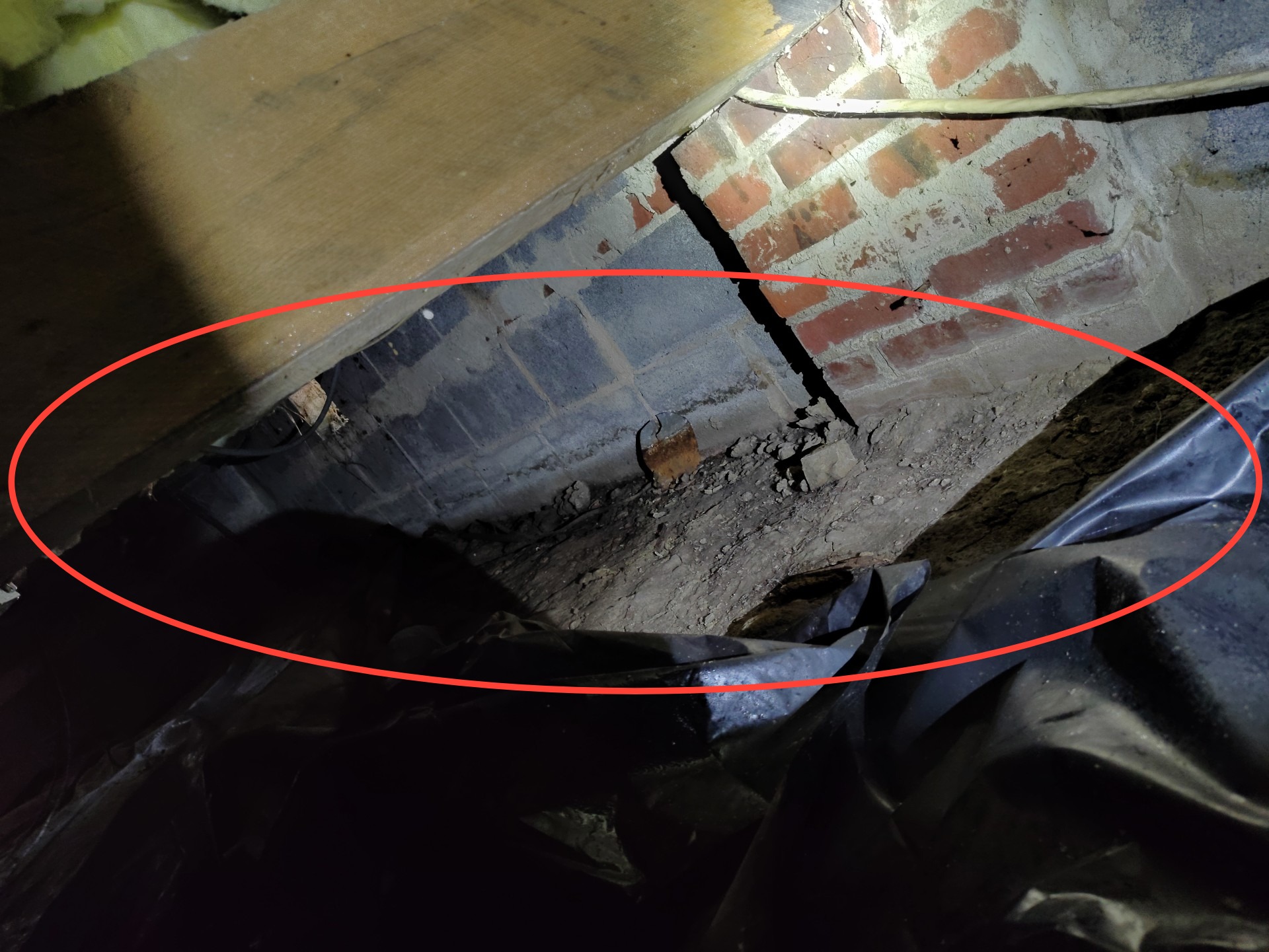
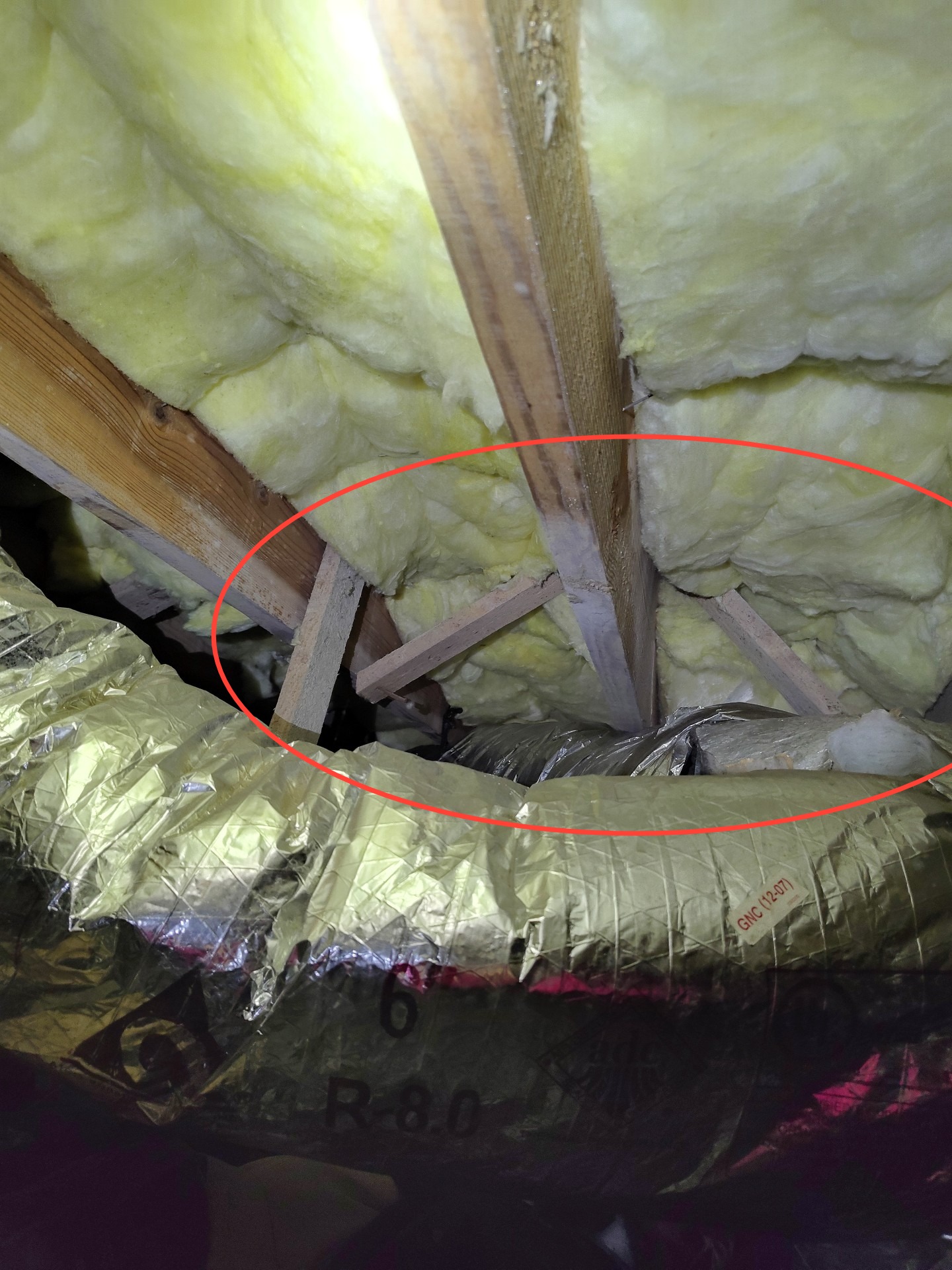
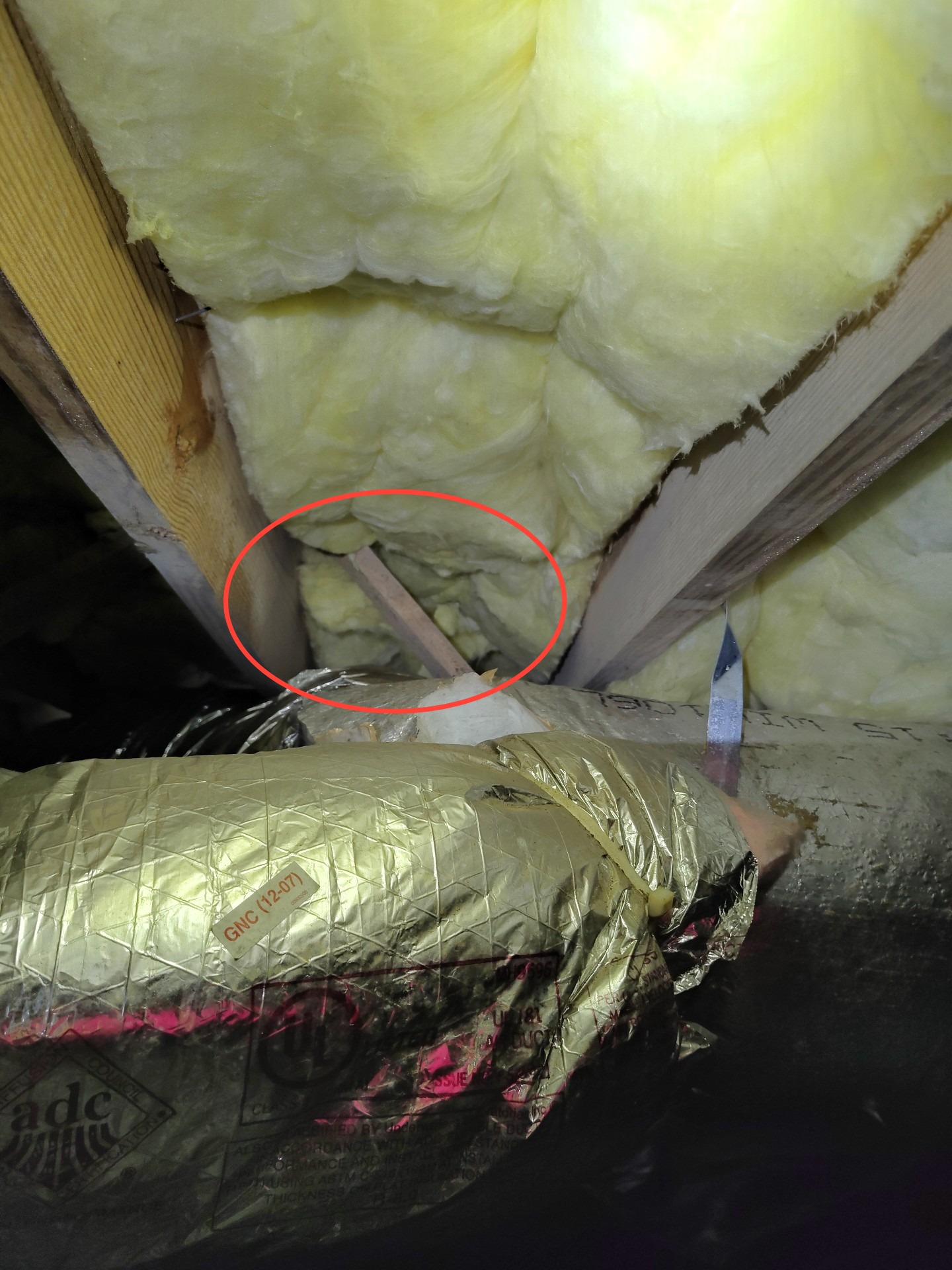
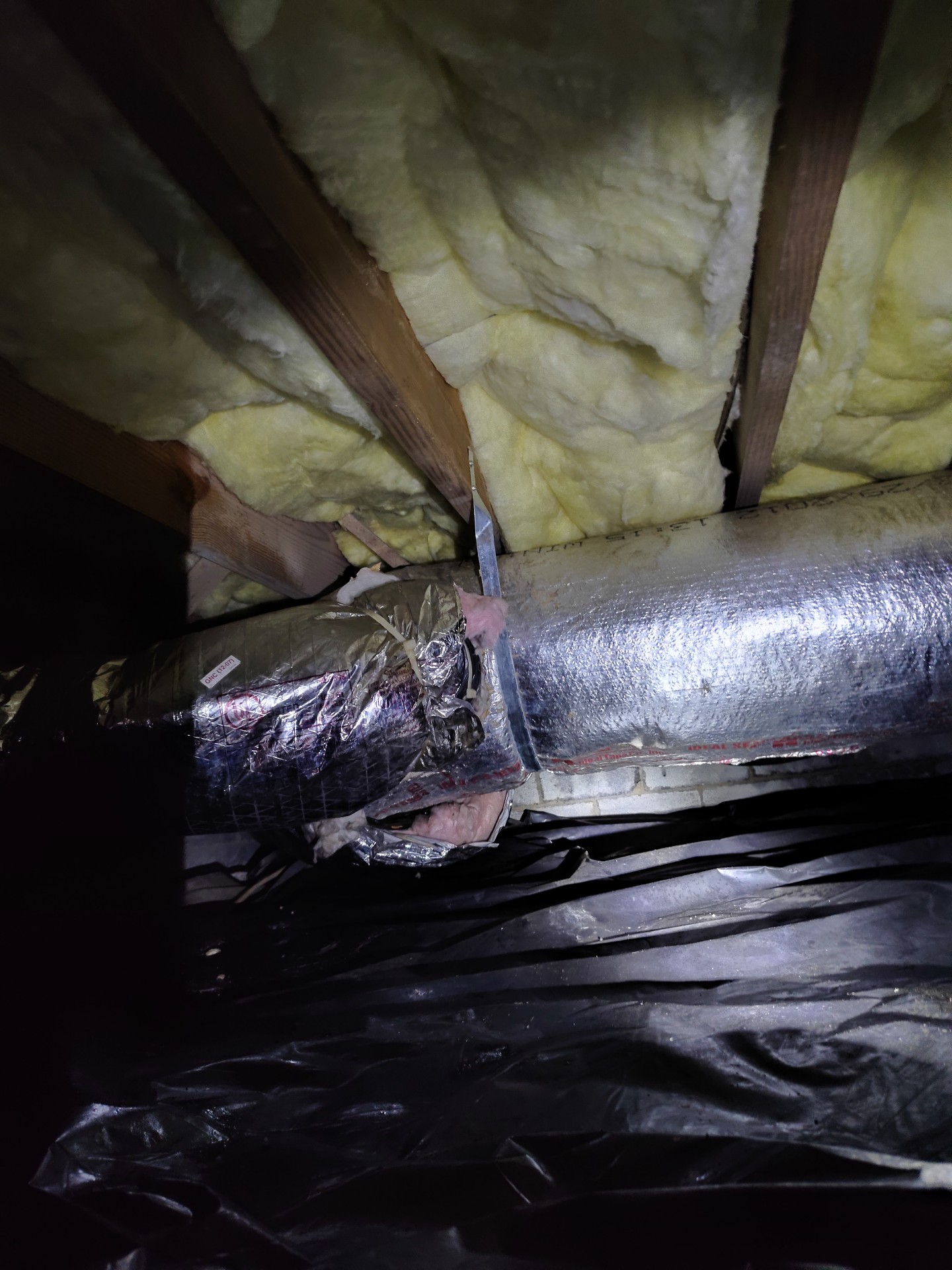
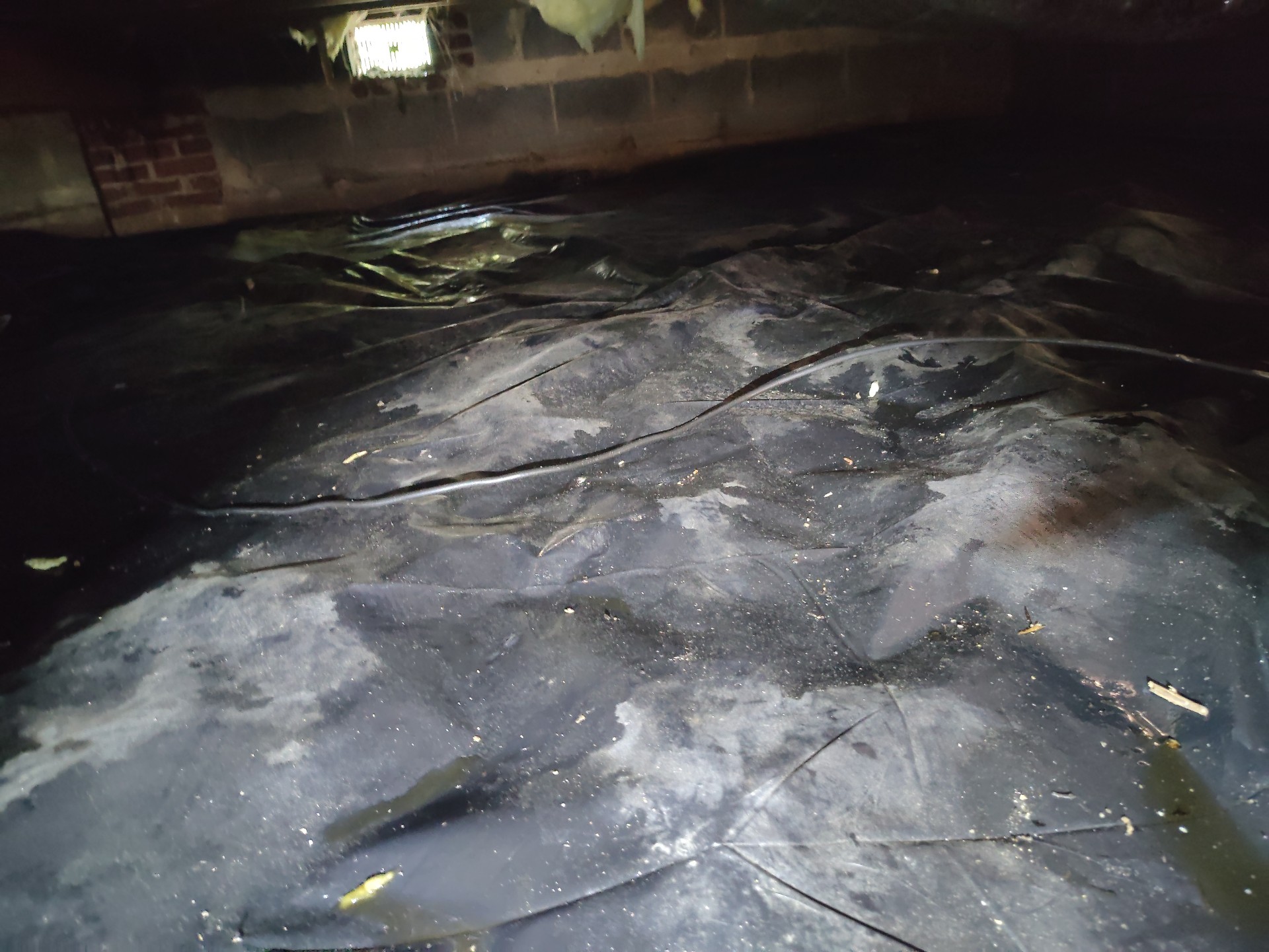
A few repairs are needed in the crawl space. Not all are considered DEFECTS.
- Pipe insulation is incomplete on supply piping
- Vapor Barrier
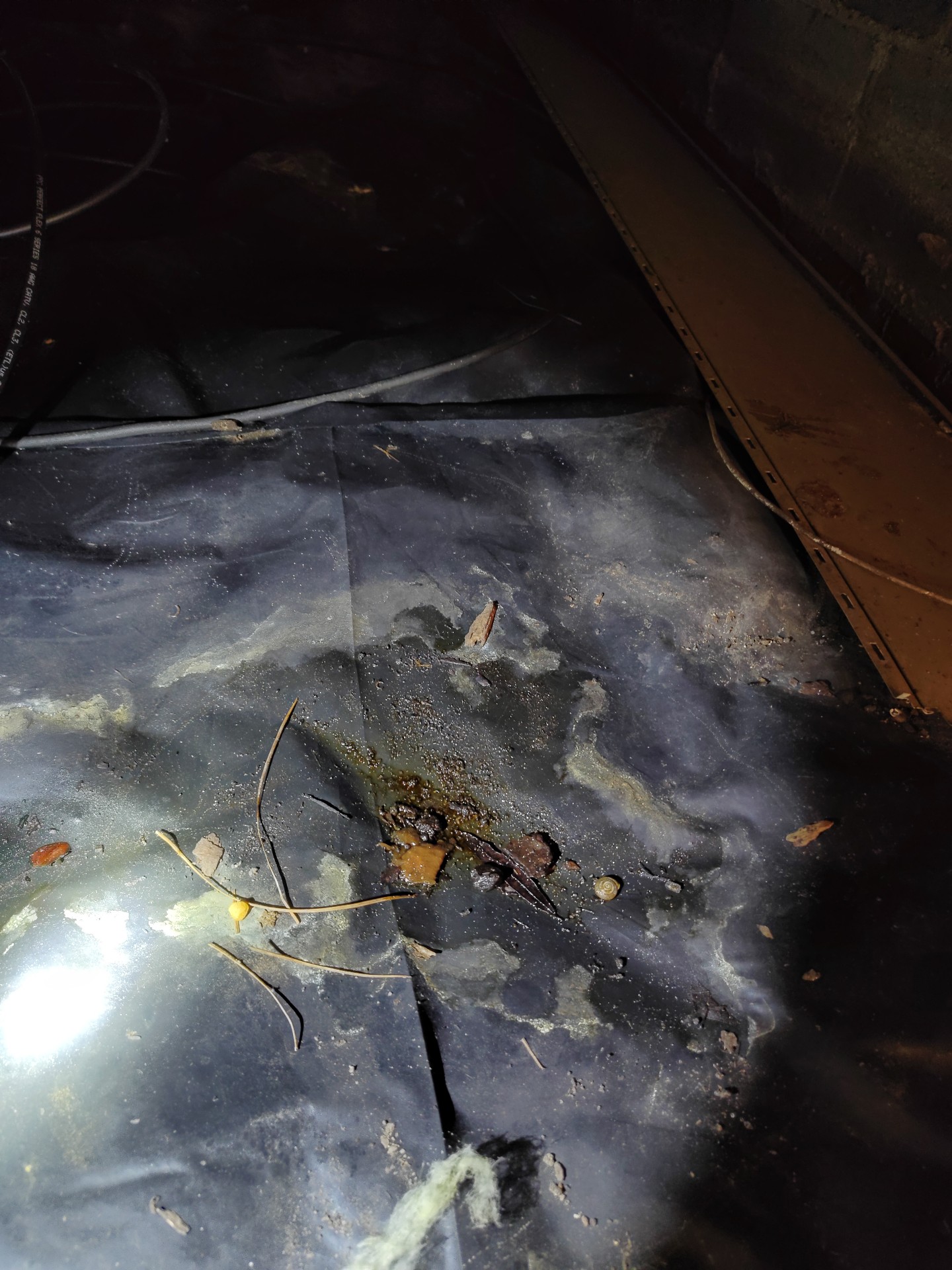
- The plastic vapor barrier is incomplete in places
- The plastic vapor barrier is torn and not performing as intended
- Crawl space vents look inadequate - not many were noted.
- The sub-floor insulation has sagged down and needs to be adequately supported so it is touching the sub-floor.
- The dryer exhaust vent is not done with proper materials - needs to be rigid metal pipe in concealed spaces
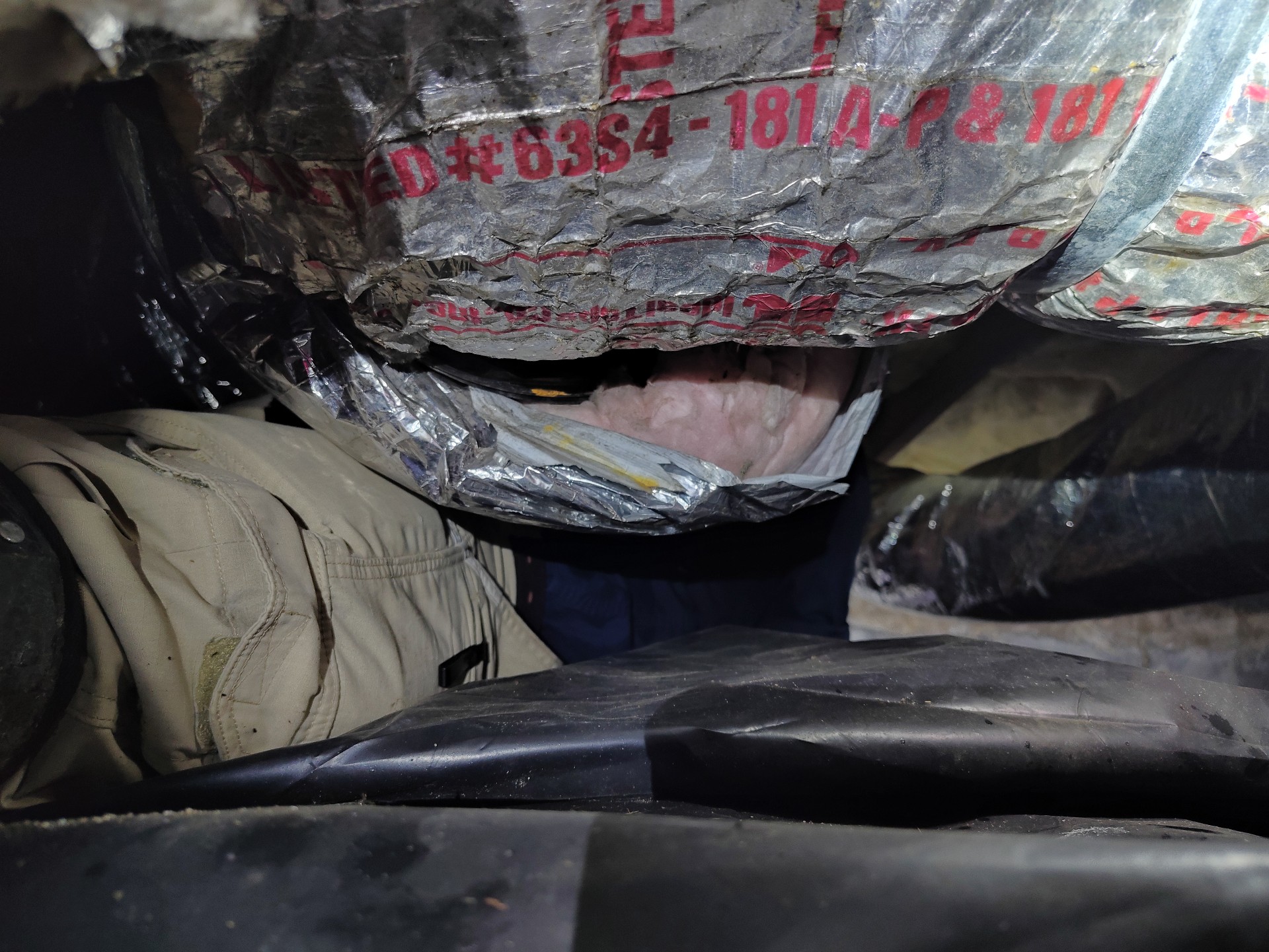
- The HVAC ductwork is physically damaged and requires repair
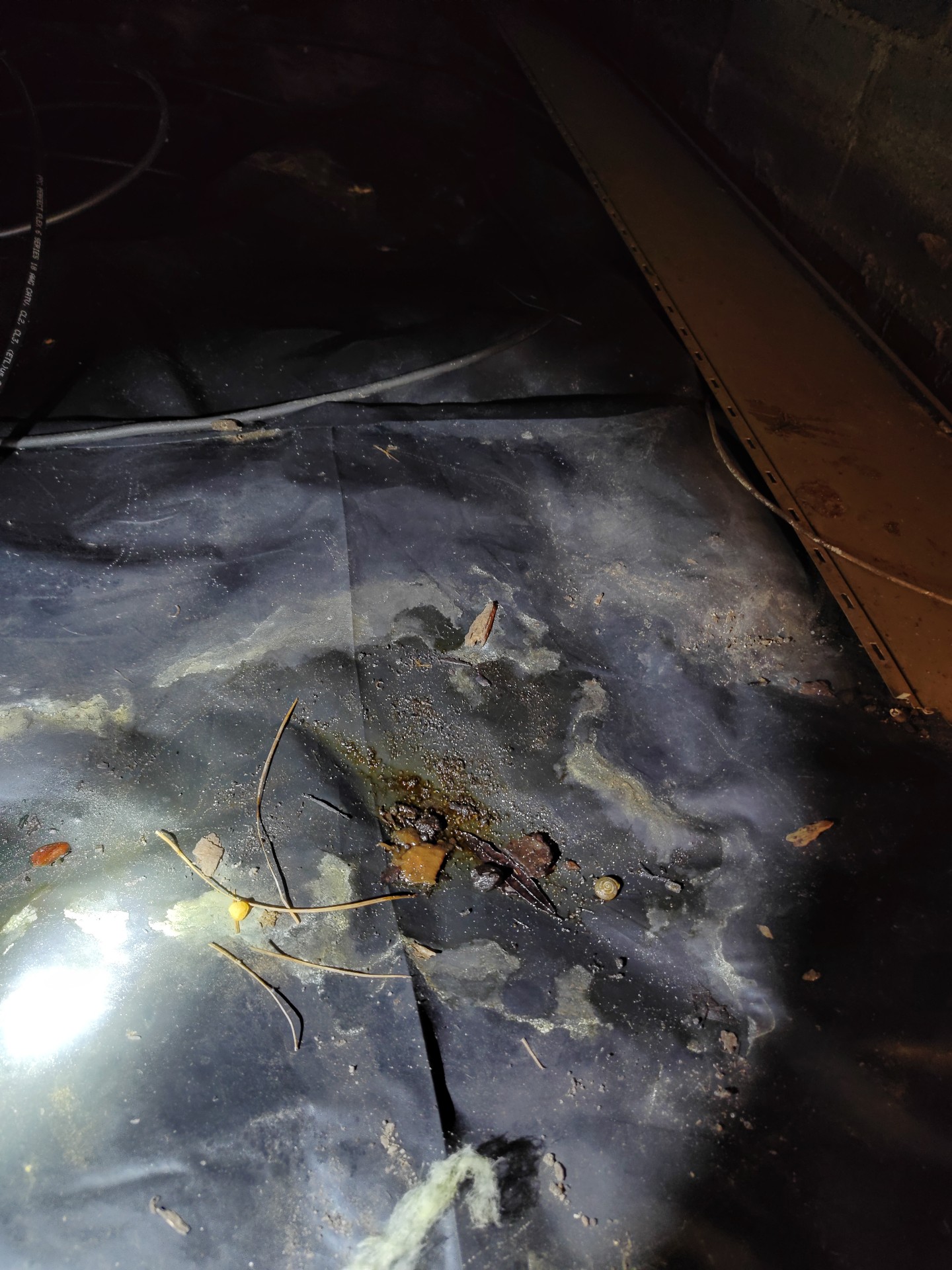
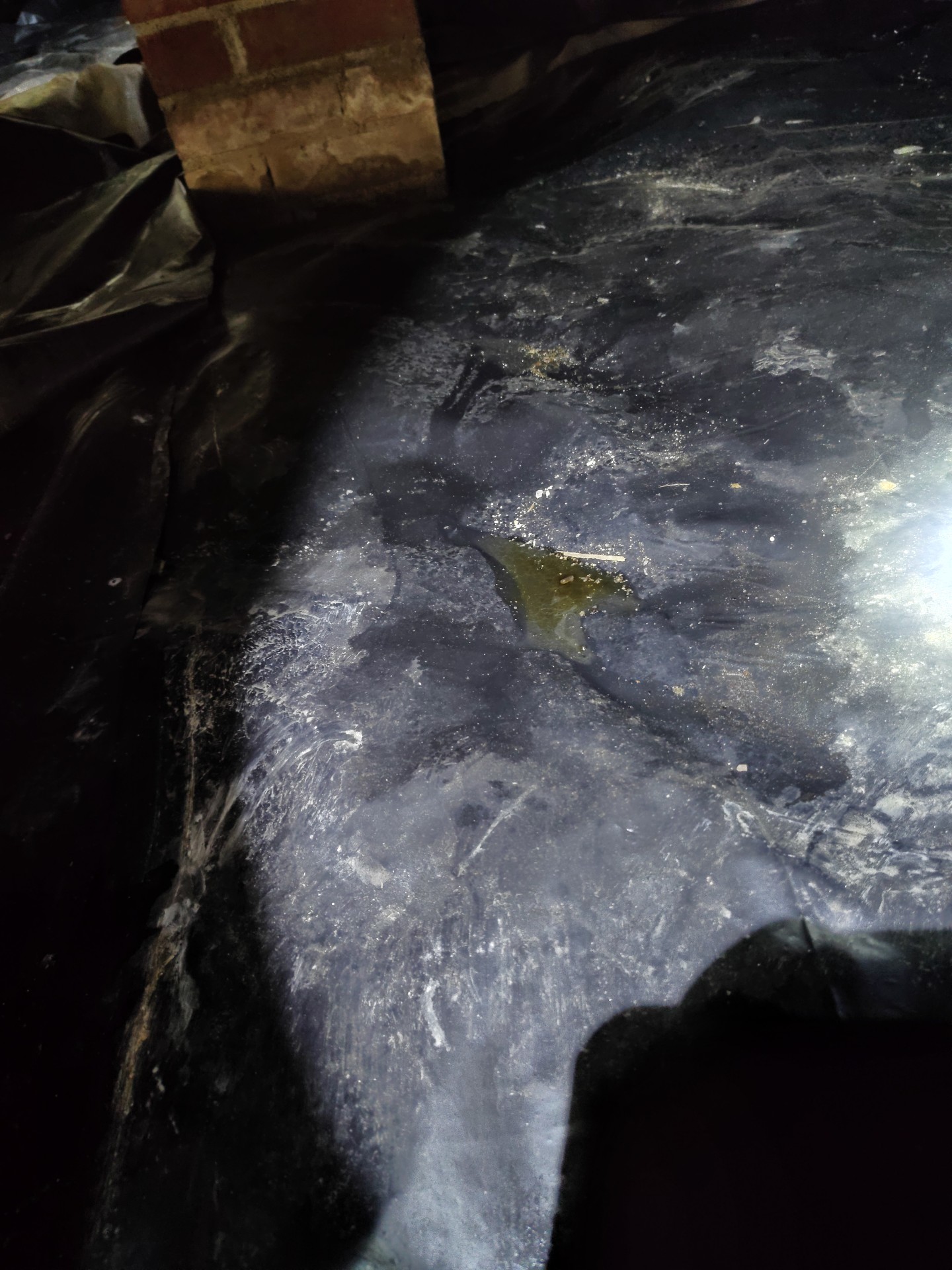
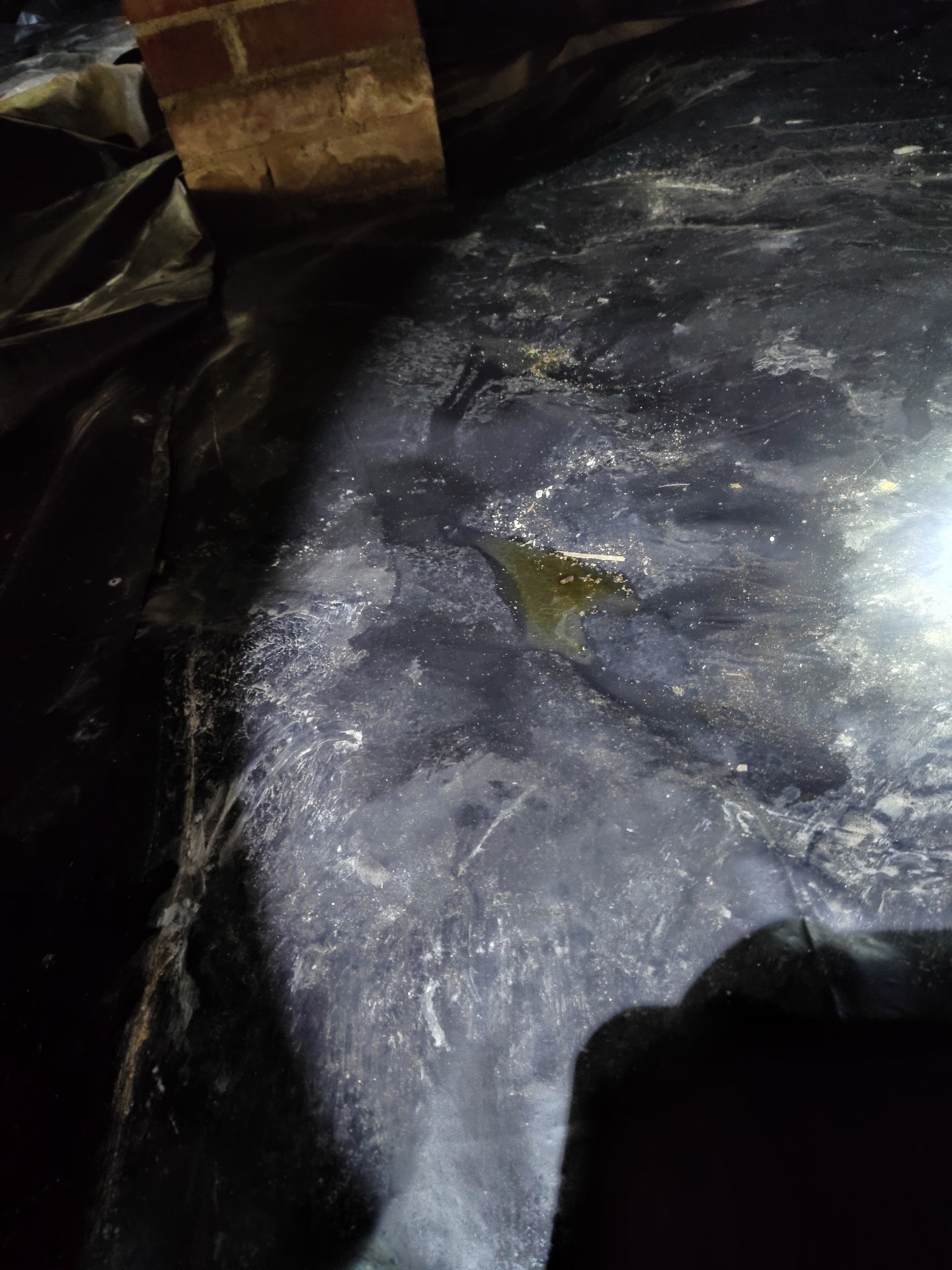
- Minor water was noted in the crawl space at the time of inspection as well as signs of more extensive drainage problems in the past.
- Mud stains were noted on the plastic vapor barrier indicating prior drainage problems - stains were dry at the time of inspection.
- -Please note that drainage problems can be seasonal and difficult to fully diagnose.
- Unsupported wiring was noted
Licensed General ContractorRepairWithin 1 Year$Unkown - 17.5.1 Crawl Space:
Older-looking moisture stains were noted in the crawl space. Inquire with the seller for additional information about prior drainage problems and prior repairs. This condition indicates additional drainage repairs could be needed.
Licensed Waterproofing / Foundation ContractorMonitorOngoing Maintenance$Unkown
.png)
General Maintenance
- 2.2.1 Site:
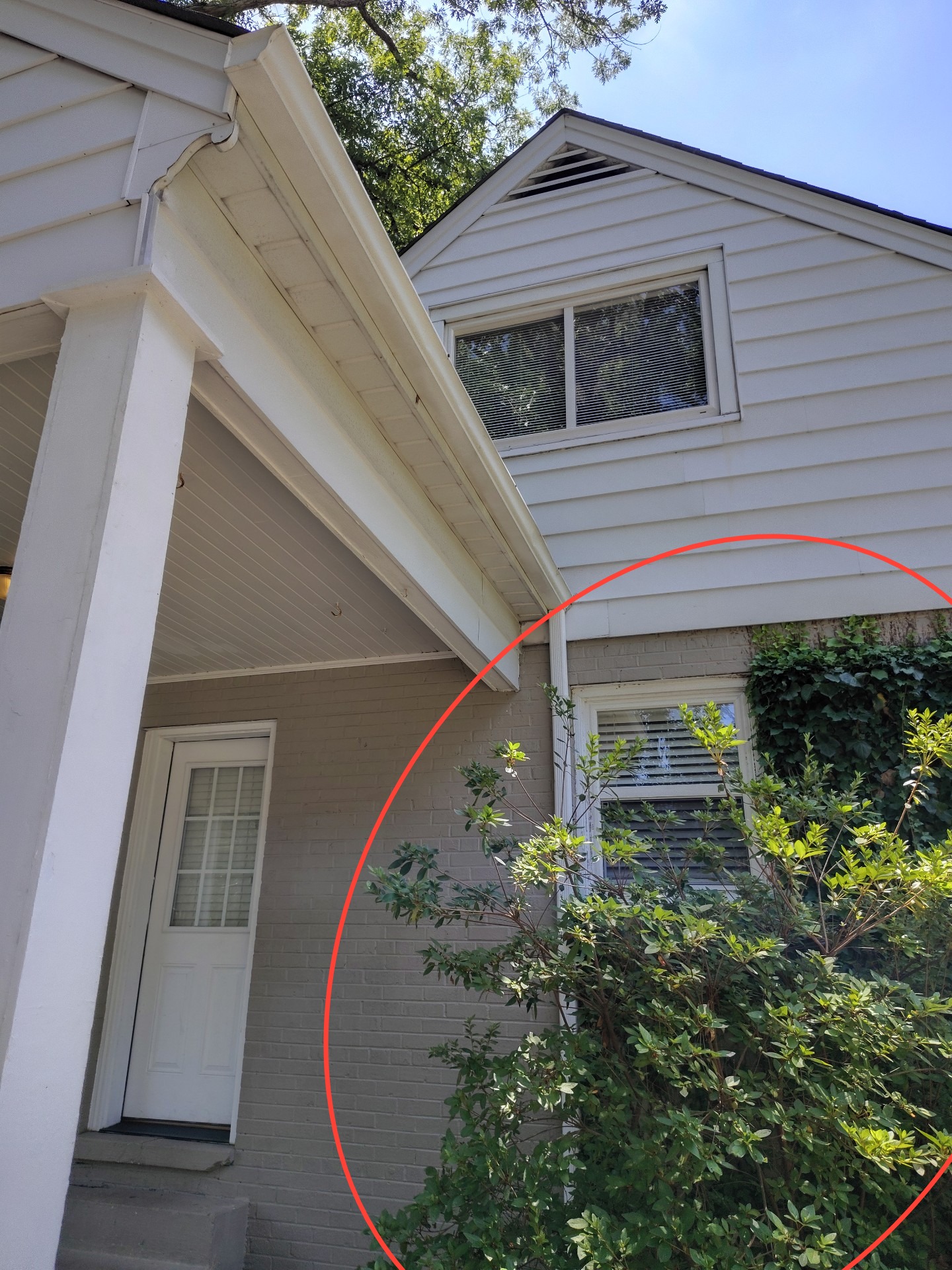
Prune tree limbs and vegetation away from the building. This will help to protect the building from wood destroying organisms and other pests and rodents.
Certified ArboristService / MaintainOngoing MaintenanceUnder $500+
Limitations
- 14.8.1 Heating and Cooling Systems:
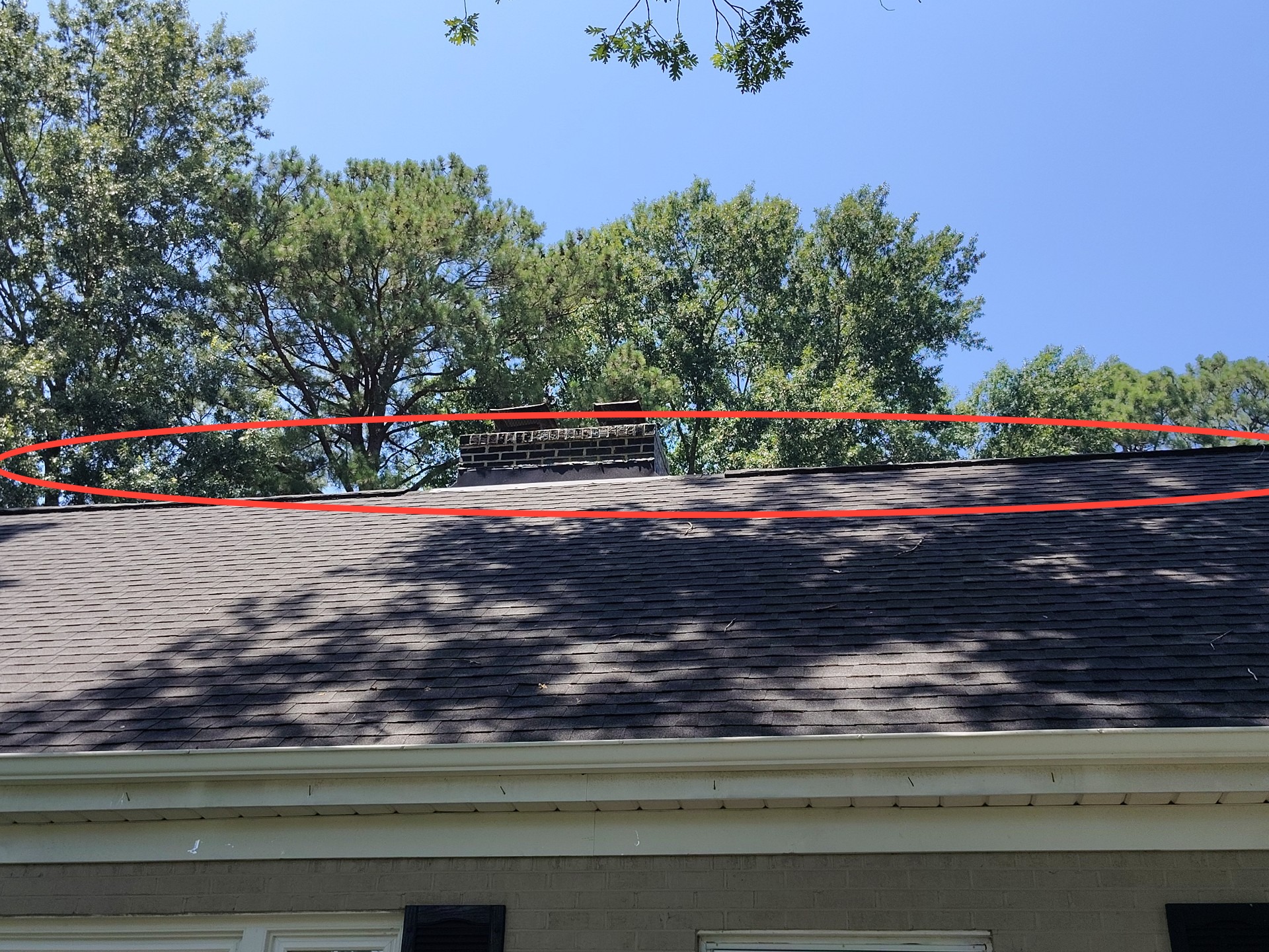
The fireplace was not operational at the time of the inspection and has been sealed. For added safety, we recommend a qualified/licensed contractor evaluate and repair prior to use or closing." $500
Certified Chimney SpecialistFurther EvaluationWithin 1 Year$500-$1000+

ACCM Residential Services - A division of Alpha Colores LLC
Virginia State Inspector License No. 3380002461 Expires 08/31/2028