


Plumber
How to Read This Report
This is a limited, visual, non-invasive inspection. It is not a warranty, a code inspection, or a technically exhaustive evaluation. See the Scope & Limitations chapter at the end of this report for full details.
Getting the Information to You
This report is designed to deliver important and technical information in a way that is easy for anyone to access and understand. If you are in a hurry, you can take a quick look at our "Summary Page” and quickly get critical information for important decision making. However, we strongly recommend that you take the time to read the full Report, which includes digital photographs, captions, diagrams, descriptions, videos and hot links to additional information. This report can also be printed on paper or to a PDF document, but the best way to get the layers of information that are presented in this report is to read your report online, which will allow you to expand your learning about the inspected property.
Chapters and Sections
This report is divided into chapters that parcel the home into logical inspection components. Each chapter is broken into sections that relate to a specific system or component of the home. You can navigate between chapters with the click of a button on the left side margin.
Most sections will contain some descriptive information done in black font. Observation narrative, done in colored boxes, will be included if a system or component is found to be significantly deficient in some way or if we wish to provide helpful additional information about the system or the scope of our inspection. If a system or component of the home was deemed to be in satisfactory or serviceable condition, there may be no narrative observation comments in that section and it may simply say “tested,” or “inspected.”
Observation Labels
All narrative observations are colored, numbered and labeled to help you find, refer to, and understand the severity of the observation. Observation colors and labels used in this report are:
- Note:These are informational comments that aren't deficiencies. They describe how we inspected different components of the house, add detail about the home's systems, and explain any limitations that affected the inspection. They also include contextual photos of the house and photos of components while they were operating.
- Tier 1 - Major Concern:These represent priority items like major safety issues, active issues causing damage to the house, or items of significant expense that are looming in the near future.
- Tier 2 - Repair:These are lower priority deficiencies that may not need immediate attention, but should be addressed in the near/medium term future. These are usually improperly functioning components, deferred maintenance items, occupant safety concerns, or sub-par construction/installation problems.
- Tier 3 - Improvement:These are things that are working but could be better. They are less significant issues like nuisance repairs, minor safety updates, energy efficiency improvements, or potential reliability problems. Often these are improvements that may not have been necessary--or even have existed--when the property being inspected was constructed (e.g. changes in building standards over time.)
- Due Diligence:Observations that may require further investigation and/or clarification that could not be provided during the home inspection.
- Future Project:These are longer term considerations for the house and include things like repairs that may be deferred for some time but should be on the radar for repair or replacement in the future, optional upgrades to the house's function, and potential future hidden costs.
- Monitor:Items that should be watched to see if correction may be needed in the future.
- Maintenance:These are items that should be considered "routine home ownership," such as servicing the furnace, cleaning the gutters or changing the air filters in the furnace. Generally a house costs ~1% of the purchase price per year to maintain.
- Homeowner Info:These are pieces of "good to know" information about the house, essentially an owner's manual. For example, the location of the main water shut-off valve, gas shut-off valve(s), etc.
Summary Page
The Summary Page is a quick, bulleted overview of the observations from this inspection, grouped by category. The Tier 1, Tier 2, and Tier 3 sections list the deficiencies we found. The remaining sections, like Monitor, Due Diligence, Maintenance, and Homeowner Info, are listed for easy reference. This overview is not a substitution for reading the entire inspection report.
Plumber
Tier 1 - Major Concerns
- 18.1.3 Sewer Scope - Sewer Scope of Sewer Lateral:
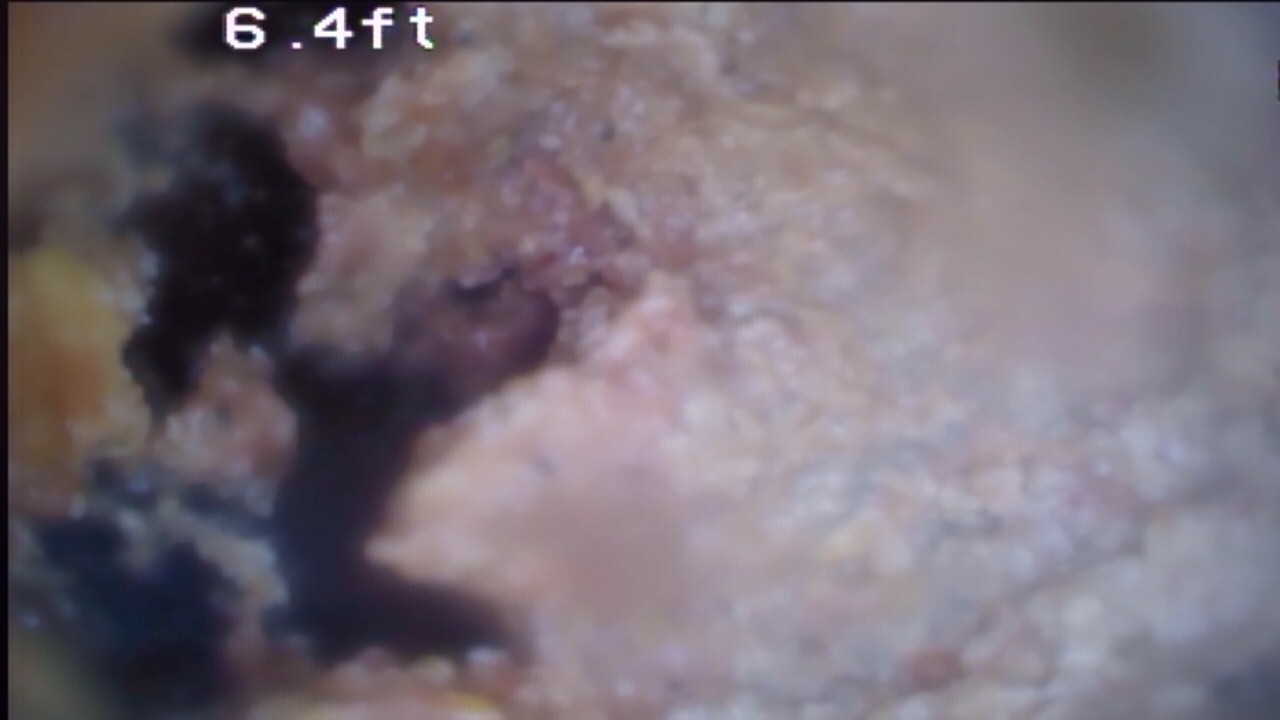
The sewer line was obstructed with major grease buildup to the point that I could not push my camera all the way through the line, see example photo and videos in the Sewer Scope section of the full report. I could only get my camera out about 15 feet, not even through the plumbing in the crawl space. A blockage like this can lead to clogs and backups of the sewer line. I recommend cleaning of the line by a qualified contractor (hydro-jetting is preferred) then rescoping of the entire sewer by a qualified plumber or inspector once the line has been cleared.
Contractor:Plumber
Tier 2 - Repairs
- 6.4.1 Bathrooms - Toilets:
Toilet(s) in the following location(s) was/were loosely mounted to the floor: First Level Bathroom and Second Level Hall Bathroom. This can allow the toilet to rock and slide when used, which damages the wax ring seal and can allow water to seep into the floor cavity. When using a moisture meter, no evidence of a leak was observed, but this should be repaired as a proactive measure. I recommend repair by a qualified plumber.
Note: There are non-wax rings (rubber or foam) that are less likely to leak if a toilet is loosely mounted. However, wax rings are the most commonly used type of seal, and without removing the toilet, it is impossible to know which type of seal was used.
Contractor:Plumber - 12.7.5 Plumbing - Water Heater:
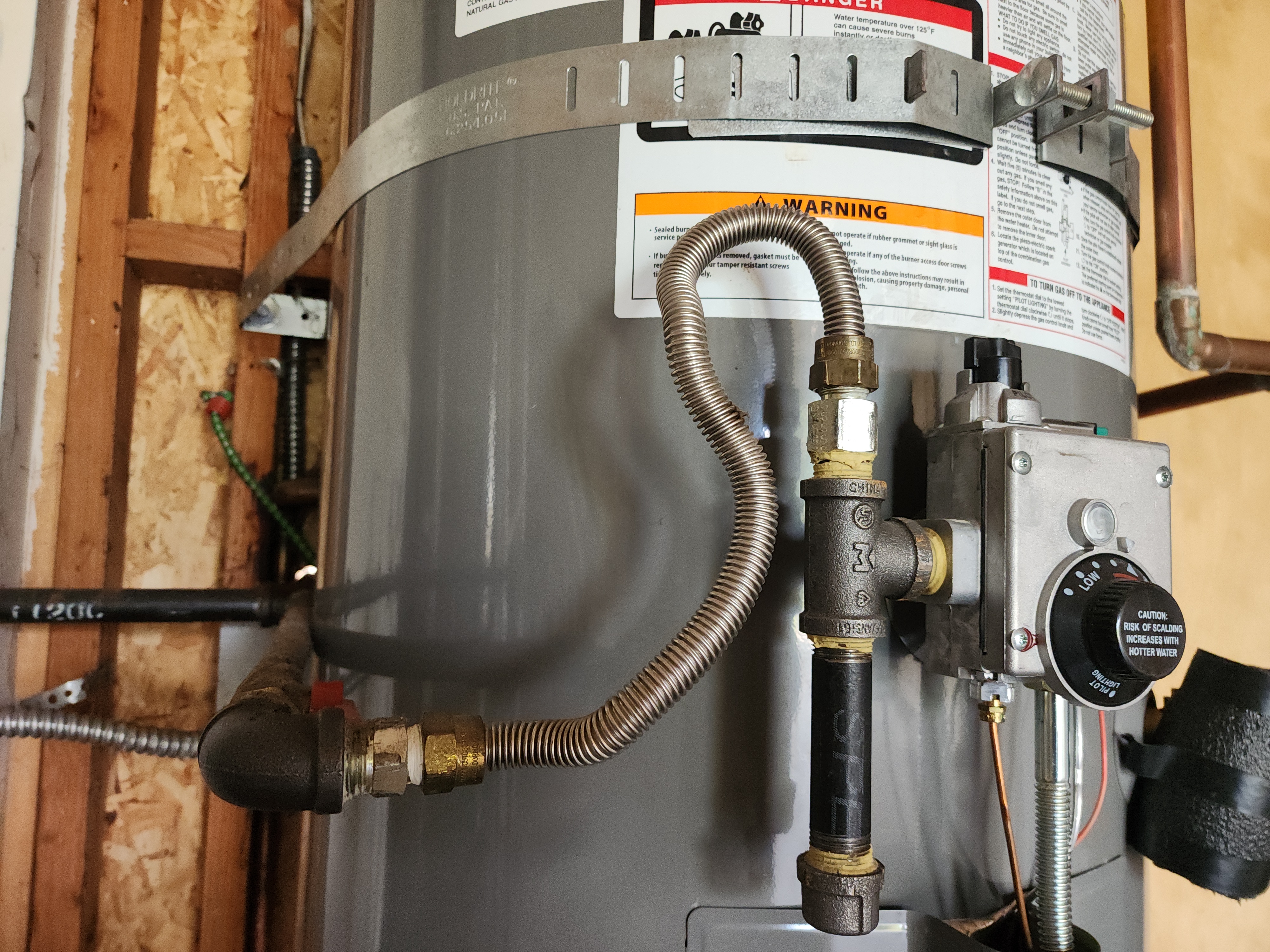
Water heaters of this design are expected to last 10 to 12 years. This unit was functioning at the time of the inspection, but should be monitored because of its age (2015 manufacture date.) I recommend installing a drip sensor (something like this, though there are many different models/manufacturers) at the base of the tank. Consider proactive replacement by a qualified plumber to avoid the damage that a water heater can cause if it begins to leak.
Contractor:Plumber
%20(1).jpg)
Tier 3 - Improvements
- 6.3.2 Bathrooms - Sinks & Cabinets:
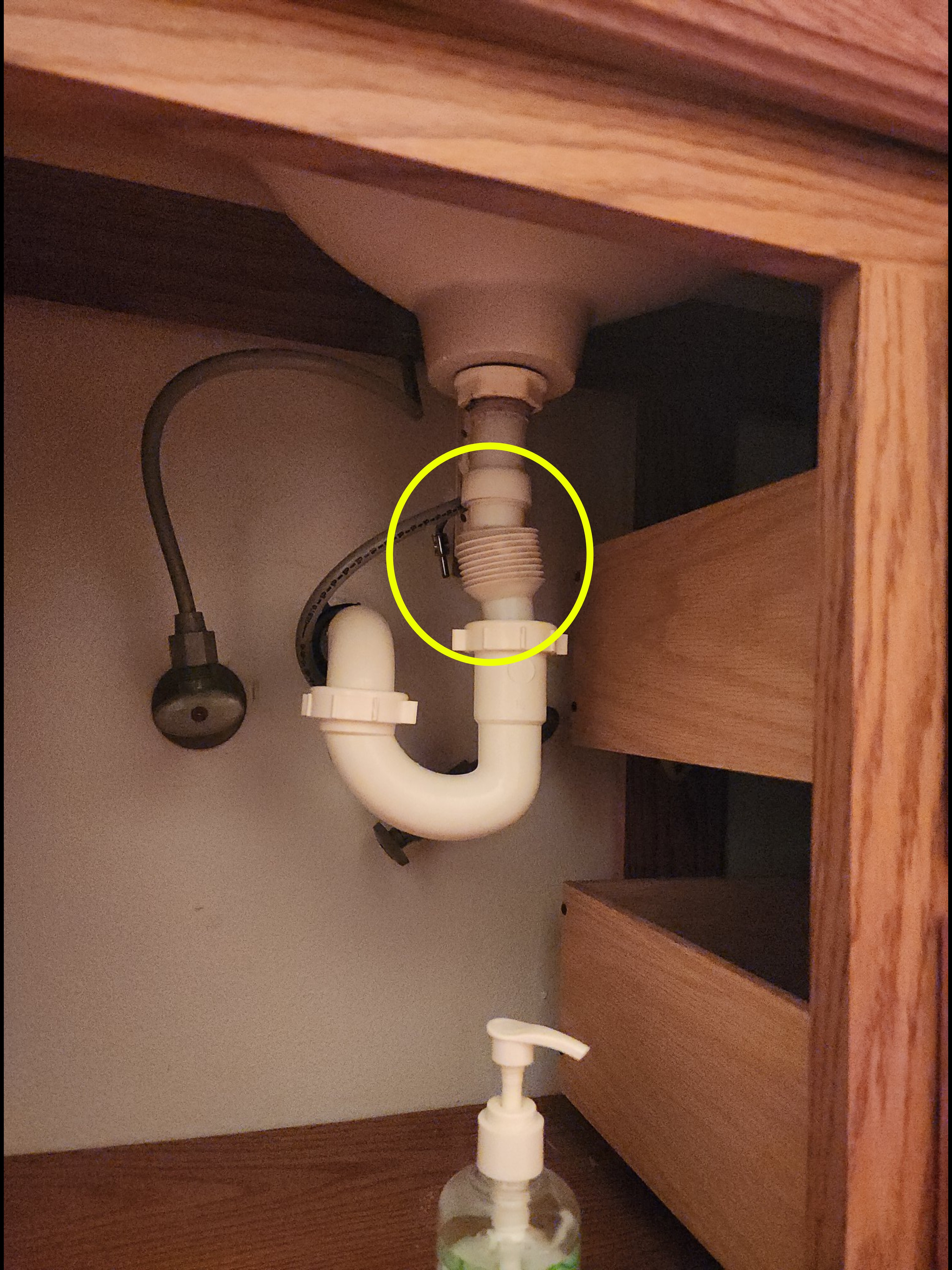
Flexible/accordion drain lines are not recommended as they can be prone to clogging, see photo(s). I recommend monitoring and cleaning these drains regularly. For a more permanent solution, recommend contacting a qualified plumber to replace the flexible drain with straight pipes, which will not clog as easily.
Contractor:Plumber - 12.5.3 Plumbing - Supply Plumbing:
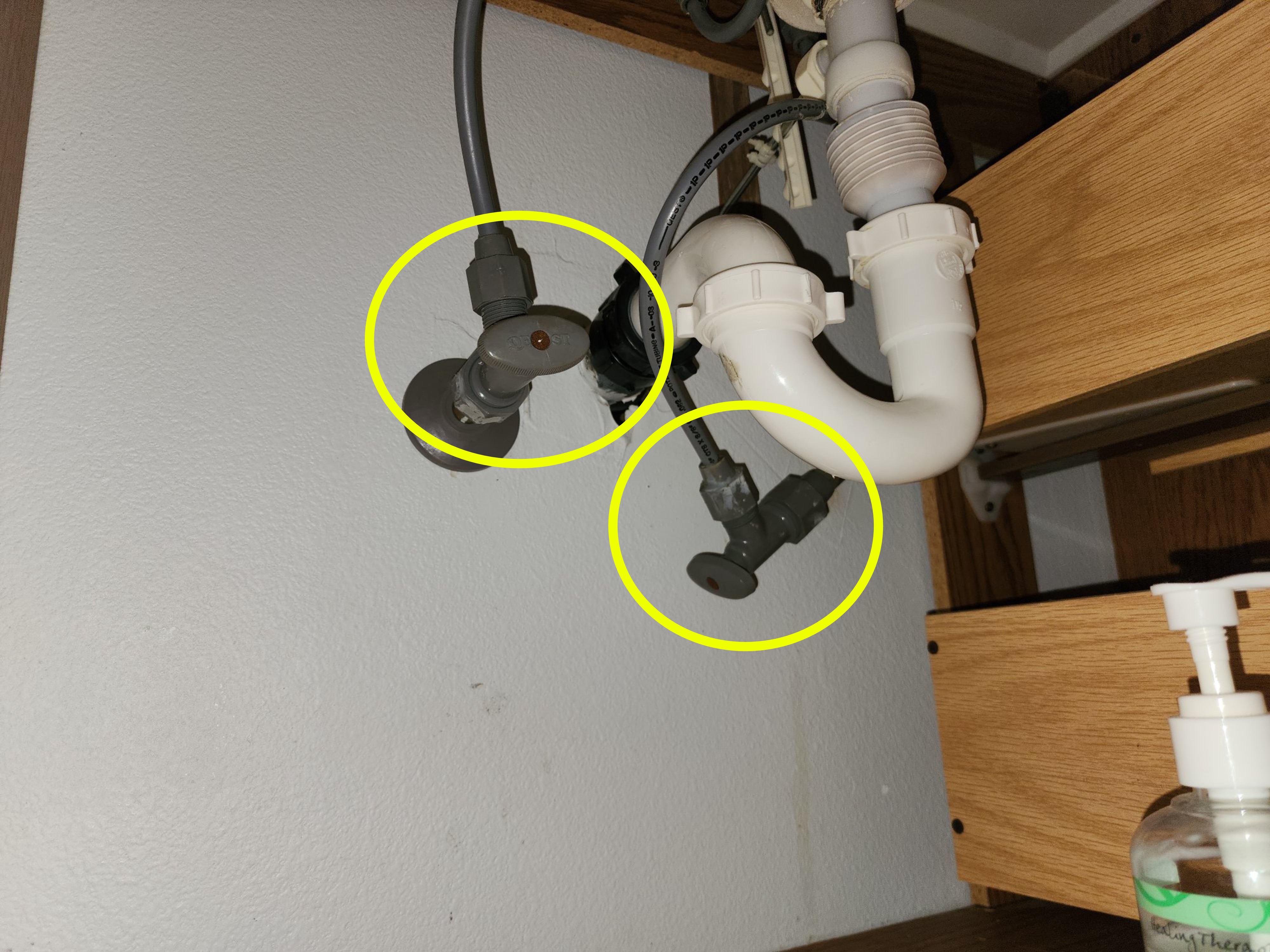
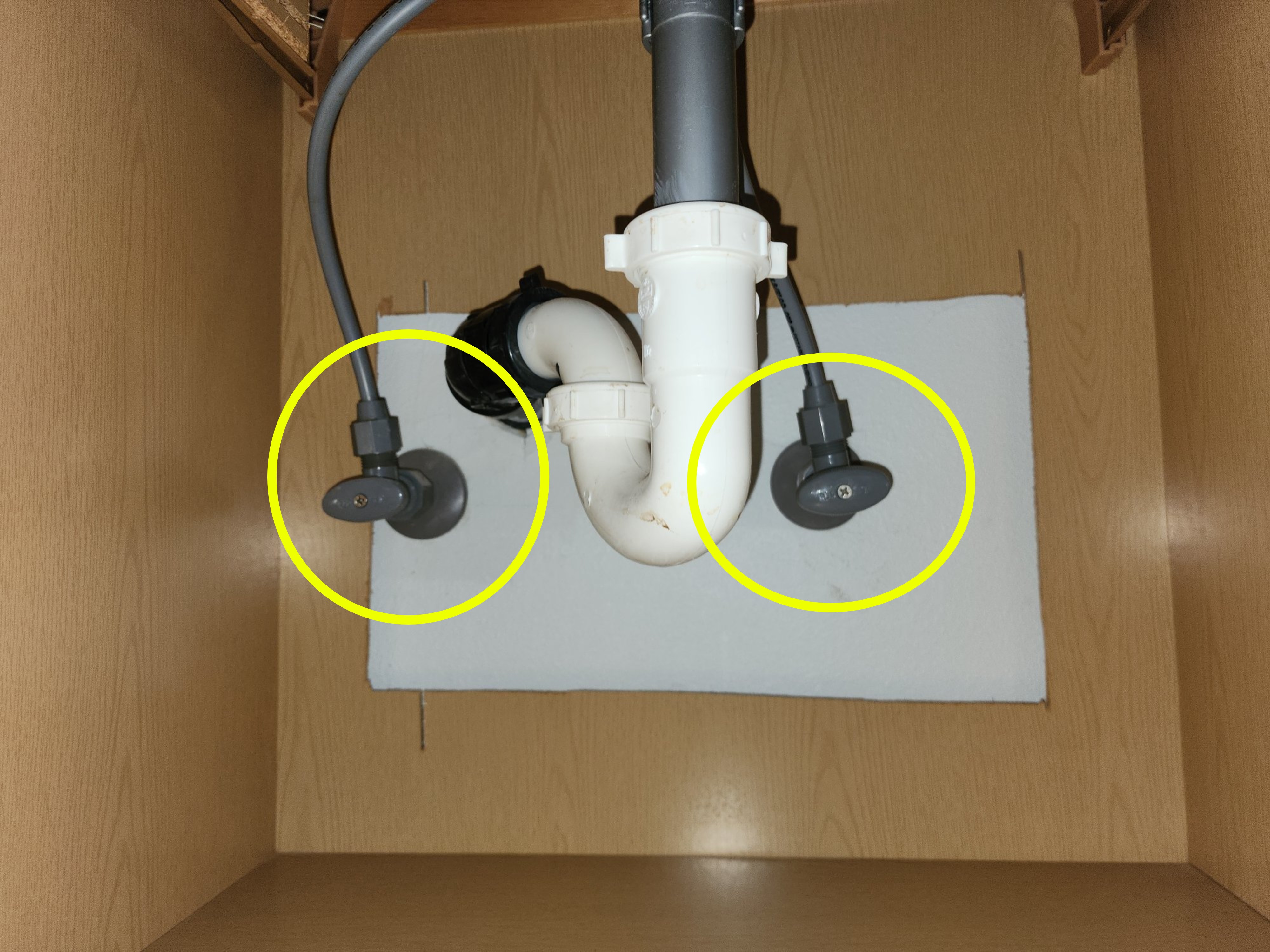
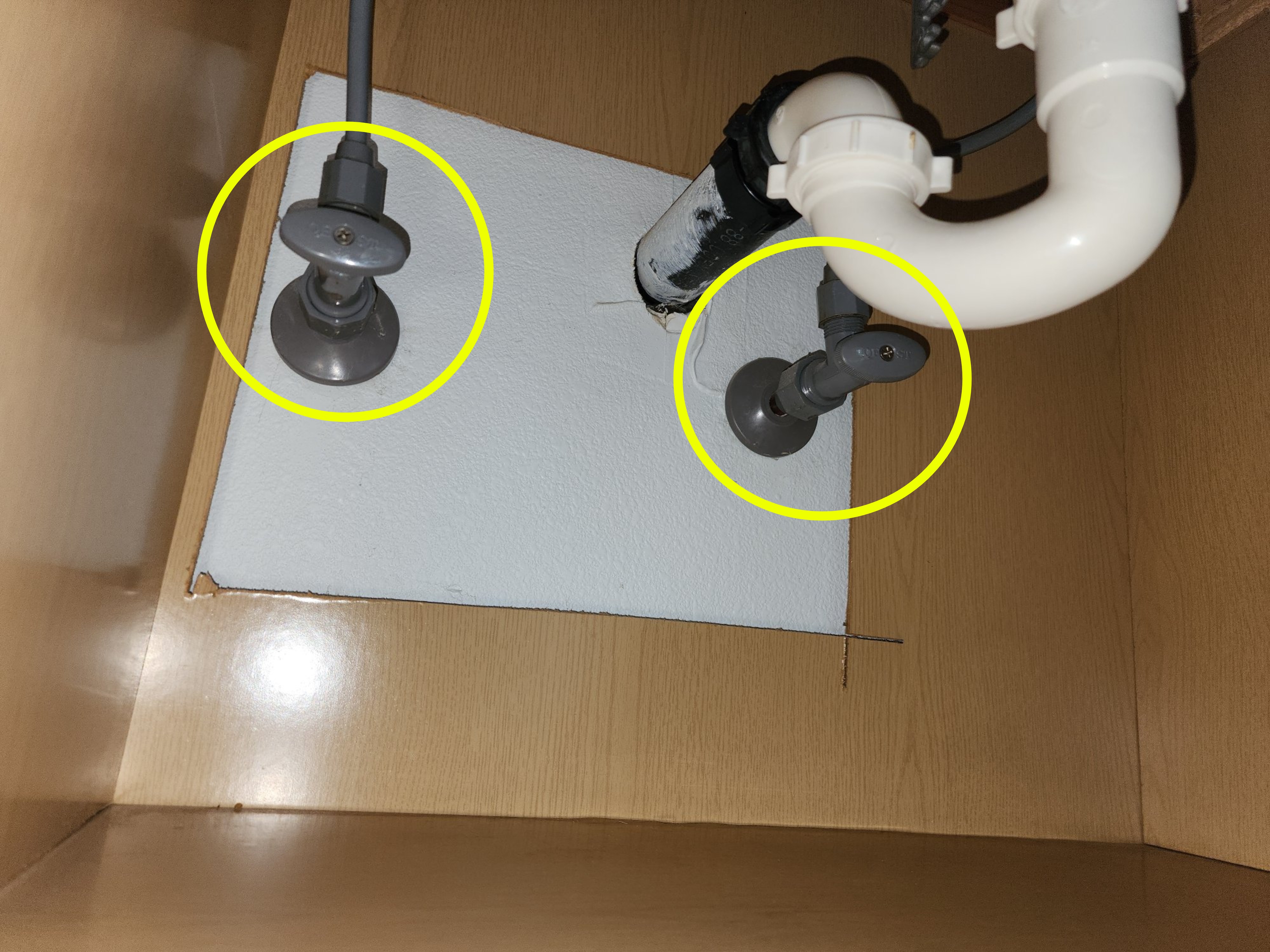
Plastic angle stop valve(s) was observed under a sink, see photo(s). I am not aware of any recalls or lawsuits over these valves, but they are notorious for having a higher failure rate than similar metal valves. I recommend monitoring the valve for leaks, or ideally, having a qualified plumber replace any plastic valves with more reliable metal ones.
Contractor:Plumber - 14.2.1 Fuel Storage & Distribution - Gas Meter:
The safety of the main gas supply line could be improved with a seismic detecting gas valve (a common model is the Northridge valve, made by Seismic Safety Products). These valves can be installed at the gas meter and will automatically shut off the gas flow in the event of an earthquake. I recommend installation of a seismic detecting gas valve by a qualified plumber.
Contractor:Plumber - 14.3.1 Fuel Storage & Distribution - Fuel Plumbing:
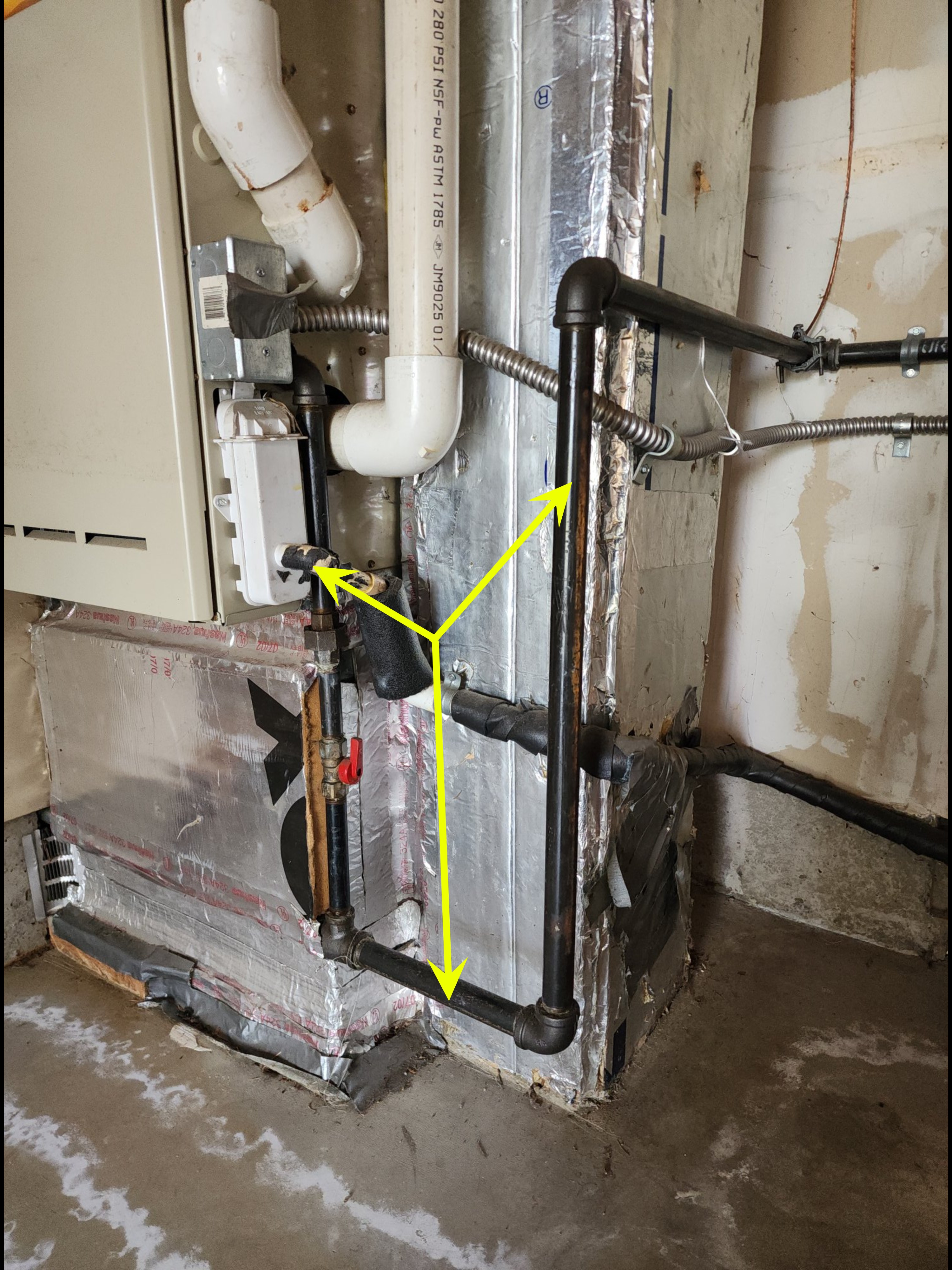
There was no flexible gas connector installed on the gas line to the furnace, see photo. Flexible gas connectors are recommend in seismic areas to help prevent damage to rigid pipes that can occur during an earthquake. I recommend repair by a qualified plumber.
Contractor:Plumber - 14.3.2 Fuel Storage & Distribution - Fuel Plumbing:
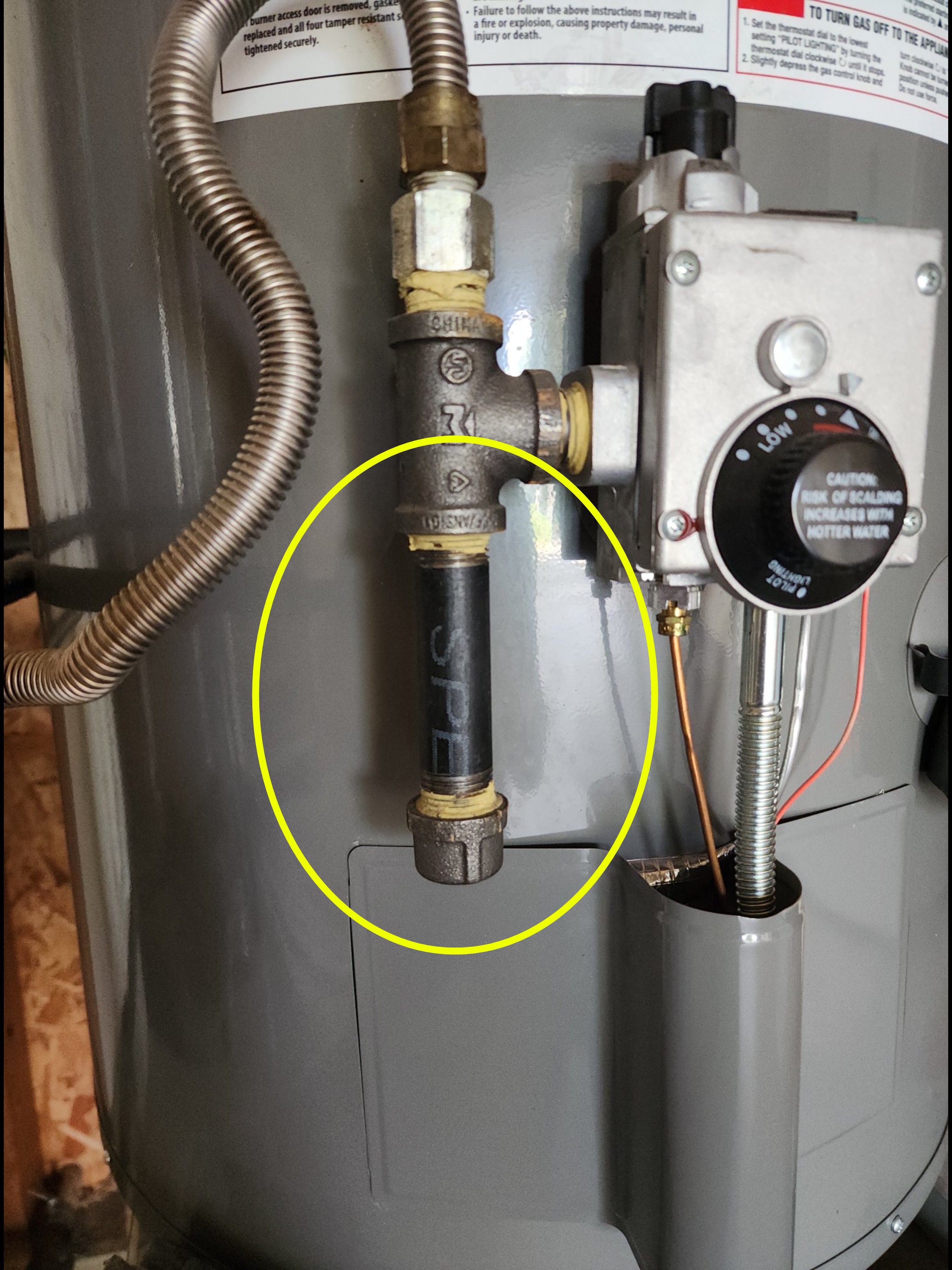
No sediment trap was installed on the gas supply line for the furnace, see photo(s). Sediment traps help filter out any minerals or rust in the gas supply before it enters the appliance, and can increase the lifespan of the gas burners. I recommend installation of a sediment trap by a qualified plumber.
Contractor:Plumber
.jpg)