

General Contractor
How to Read This Report
This is a limited, visual, non-invasive inspection. It is not a warranty, a code inspection, or a technically exhaustive evaluation. See the Scope & Limitations chapter at the end of this report for full details.
Getting the Information to You
This report is designed to deliver important and technical information in a way that is easy for anyone to access and understand. If you are in a hurry, you can take a quick look at our "Summary Page” and quickly get critical information for important decision making. However, we strongly recommend that you take the time to read the full Report, which includes digital photographs, captions, diagrams, descriptions, videos and hot links to additional information. This report can also be printed on paper or to a PDF document, but the best way to get the layers of information that are presented in this report is to read your report online, which will allow you to expand your learning about the inspected property.
Chapters and Sections
This report is divided into chapters that parcel the home into logical inspection components. Each chapter is broken into sections that relate to a specific system or component of the home. You can navigate between chapters with the click of a button on the left side margin.
Most sections will contain some descriptive information done in black font. Observation narrative, done in colored boxes, will be included if a system or component is found to be significantly deficient in some way or if we wish to provide helpful additional information about the system or the scope of our inspection. If a system or component of the home was deemed to be in satisfactory or serviceable condition, there may be no narrative observation comments in that section and it may simply say “tested,” or “inspected.”
Observation Labels
All narrative observations are colored, numbered and labeled to help you find, refer to, and understand the severity of the observation. Observation colors and labels used in this report are:
- Note:These are informational comments that aren't deficiencies. They describe how we inspected different components of the house, add detail about the home's systems, and explain any limitations that affected the inspection. They also include contextual photos of the house and photos of components while they were operating.
- Tier 1 - Major Concern:These represent priority items like major safety issues, active issues causing damage to the house, or items of significant expense that are looming in the near future.
- Tier 2 - Repair:These are lower priority deficiencies that may not need immediate attention, but should be addressed in the near/medium term future. These are usually improperly functioning components, deferred maintenance items, occupant safety concerns, or sub-par construction/installation problems.
- Tier 3 - Improvement:These are things that are working but could be better. They are less significant issues like nuisance repairs, minor safety updates, energy efficiency improvements, or potential reliability problems. Often these are improvements that may not have been necessary--or even have existed--when the property being inspected was constructed (e.g. changes in building standards over time.)
- Due Diligence:Observations that may require further investigation and/or clarification that could not be provided during the home inspection.
- Future Project:These are longer term considerations for the house and include things like repairs that may be deferred for some time but should be on the radar for repair or replacement in the future, optional upgrades to the house's function, and potential future hidden costs.
- Monitor:Items that should be watched to see if correction may be needed in the future.
- Maintenance:These are items that should be considered "routine home ownership," such as servicing the furnace, cleaning the gutters or changing the air filters in the furnace. Generally a house costs ~1% of the purchase price per year to maintain.
- Homeowner Info:These are pieces of "good to know" information about the house, essentially an owner's manual. For example, the location of the main water shut-off valve, gas shut-off valve(s), etc.
Summary Page
The Summary Page is a quick, bulleted overview of the observations from this inspection, grouped by category. The Tier 1, Tier 2, and Tier 3 sections list the deficiencies we found. The remaining sections, like Monitor, Due Diligence, Maintenance, and Homeowner Info, are listed for easy reference. This overview is not a substitution for reading the entire inspection report.
General Contractor
Tier 1 - Major Concerns
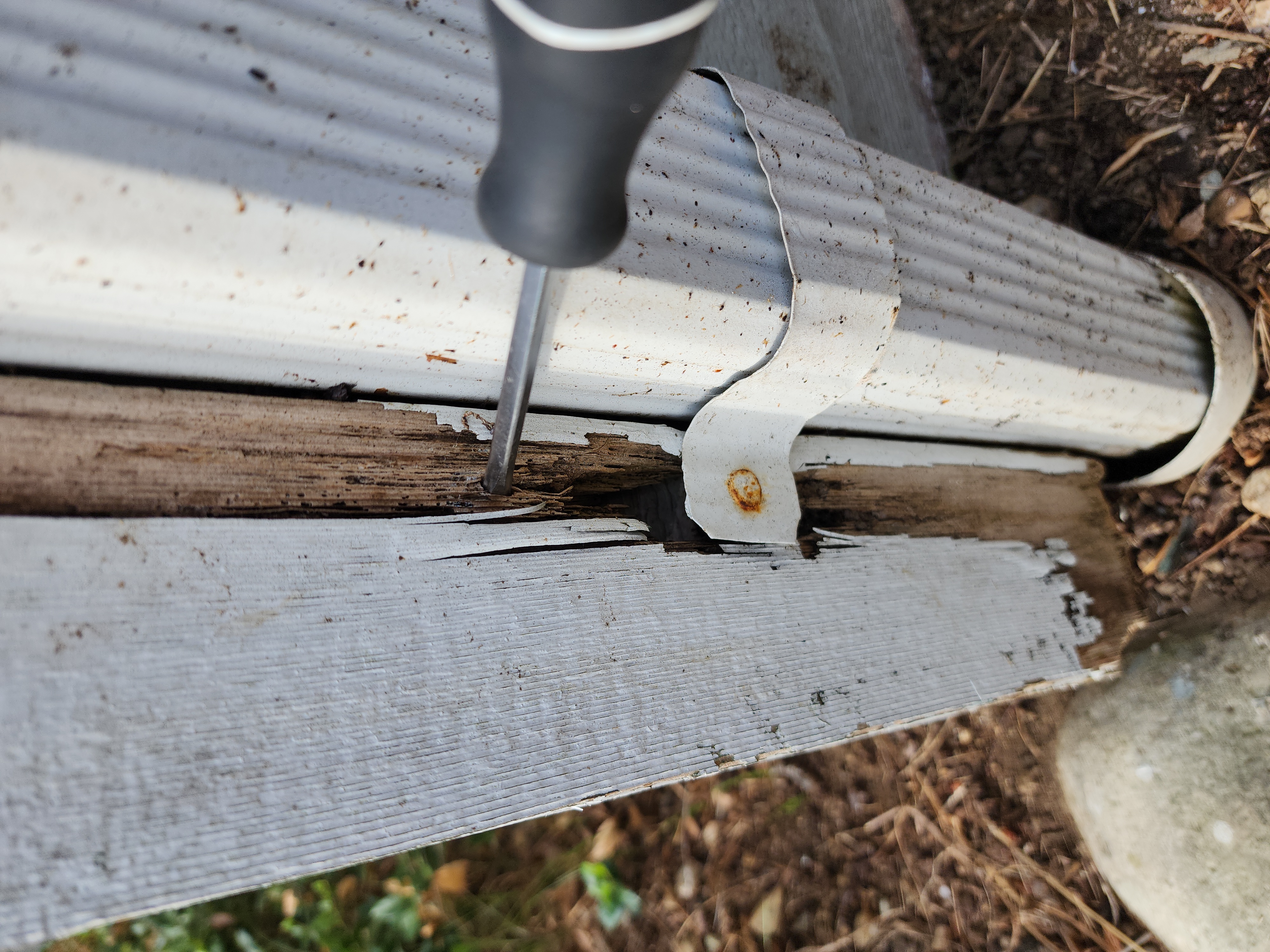
- 3.2.2 Exterior - Siding & Trim:
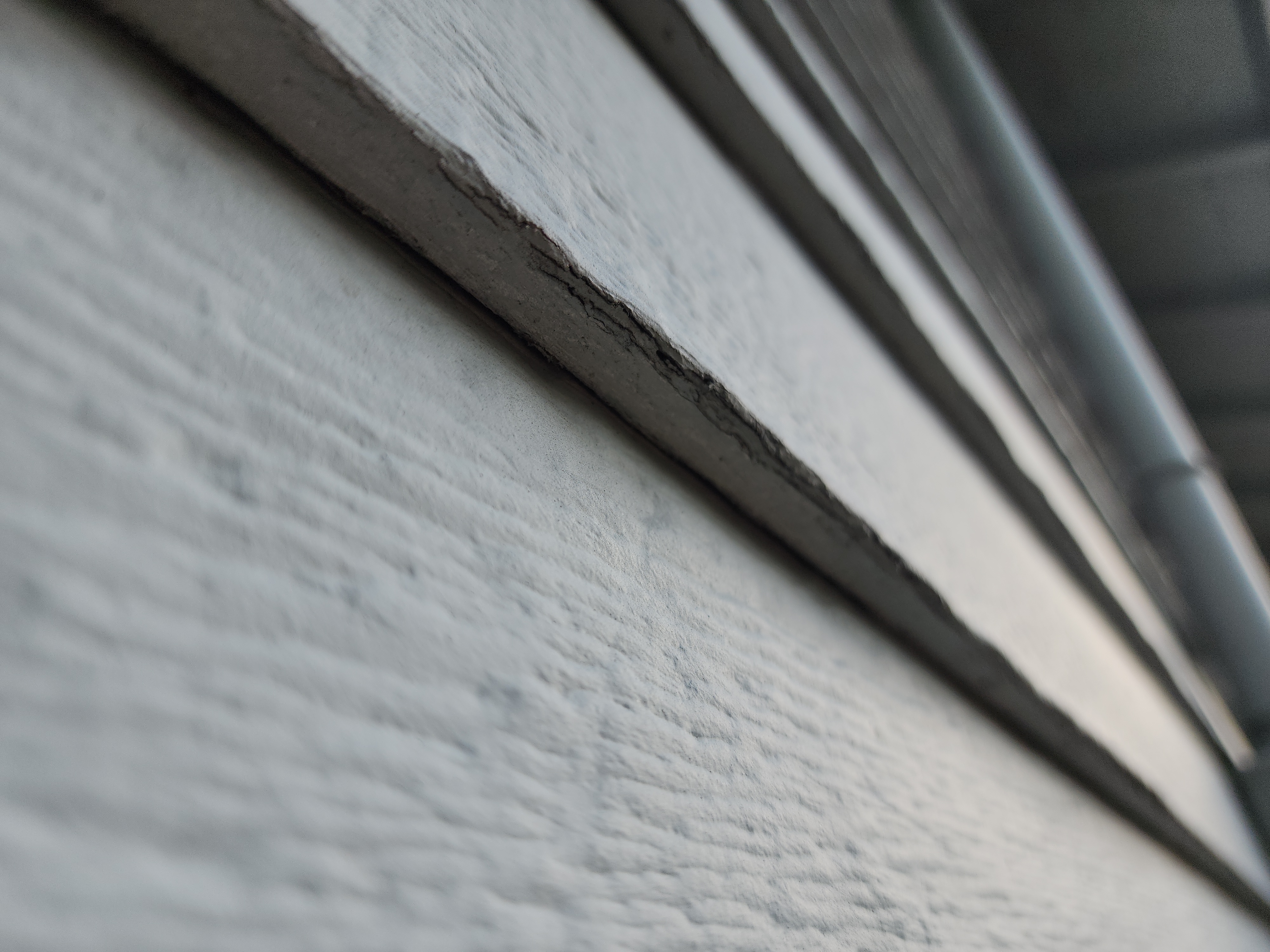
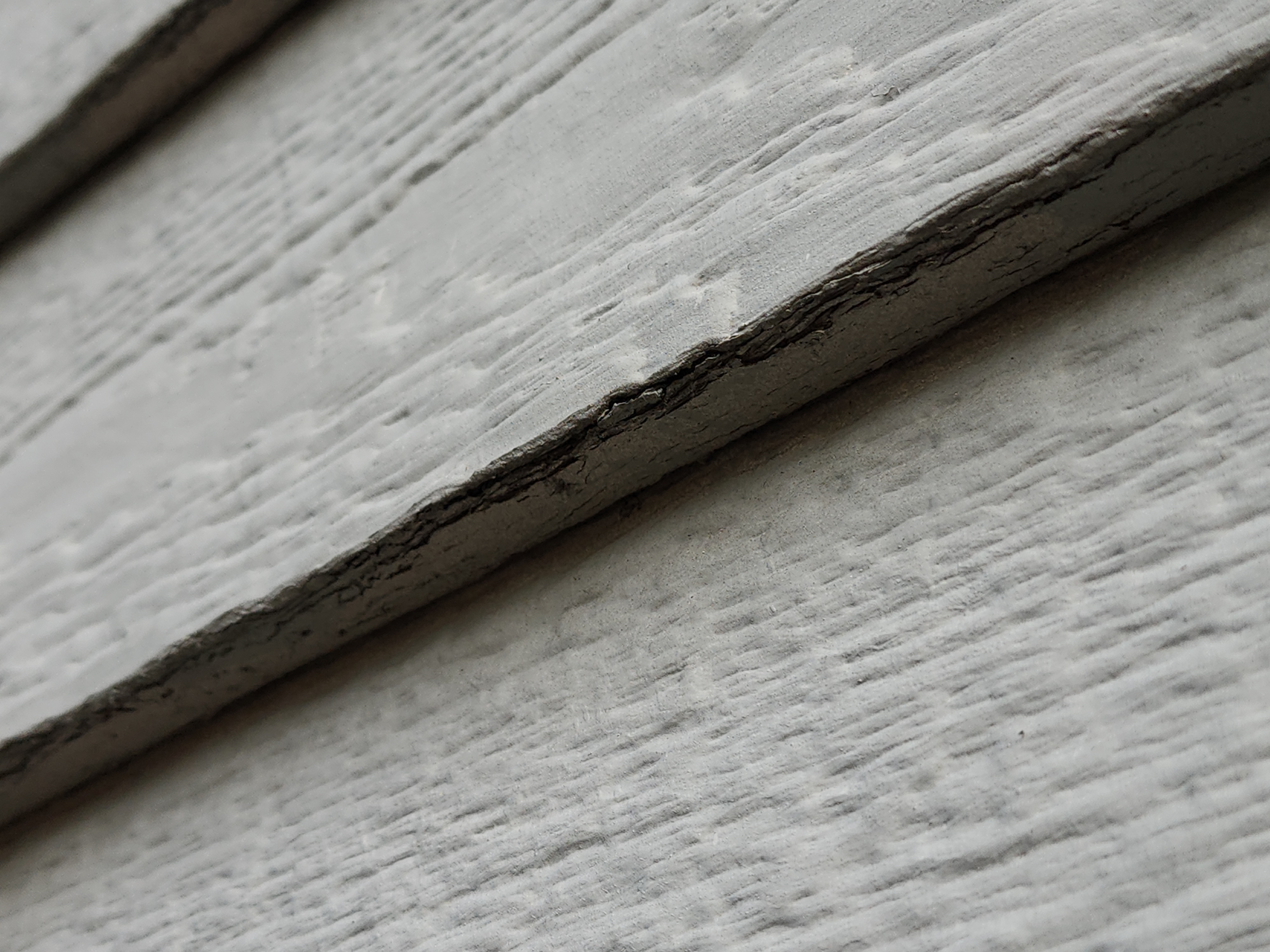
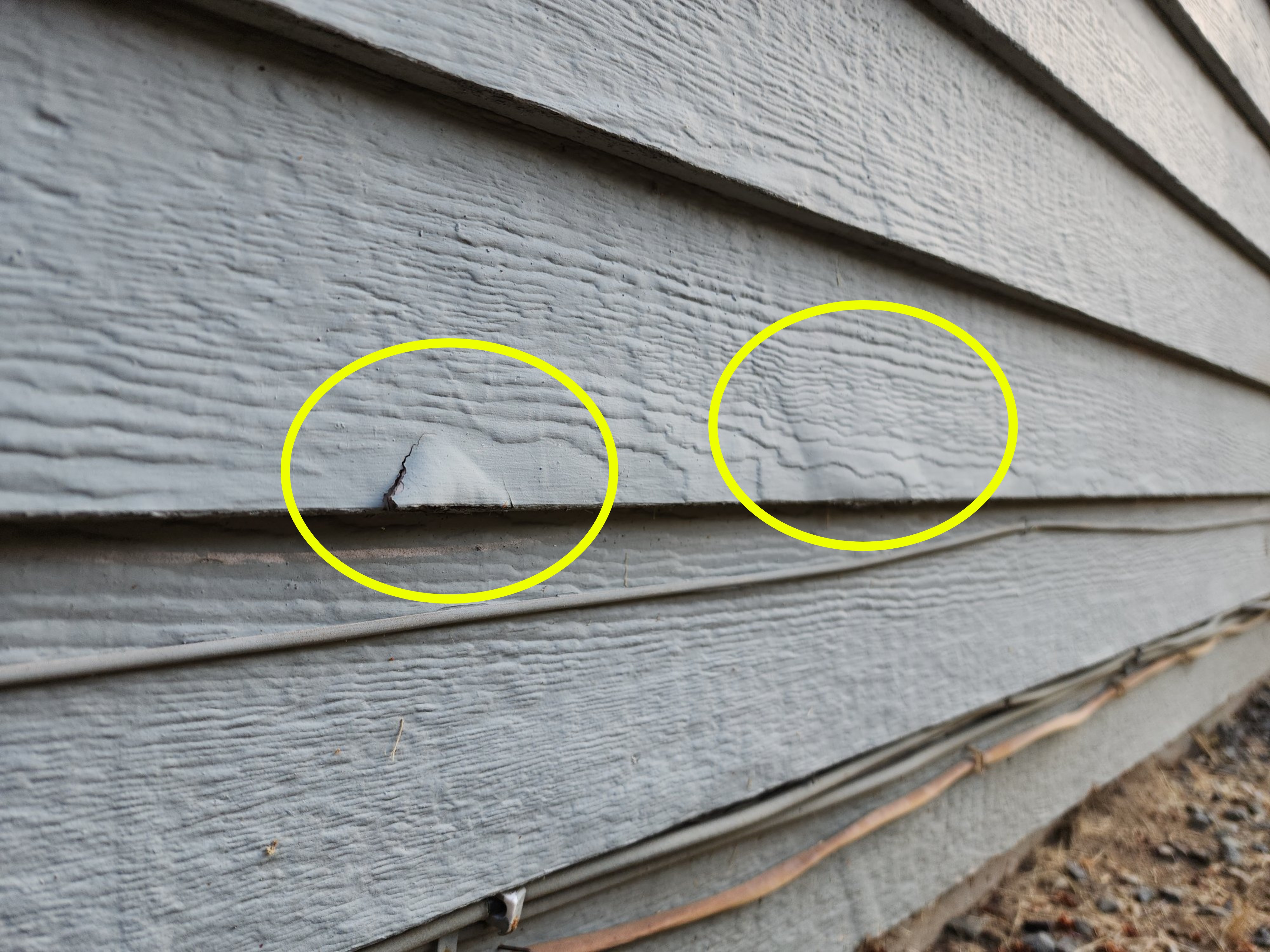
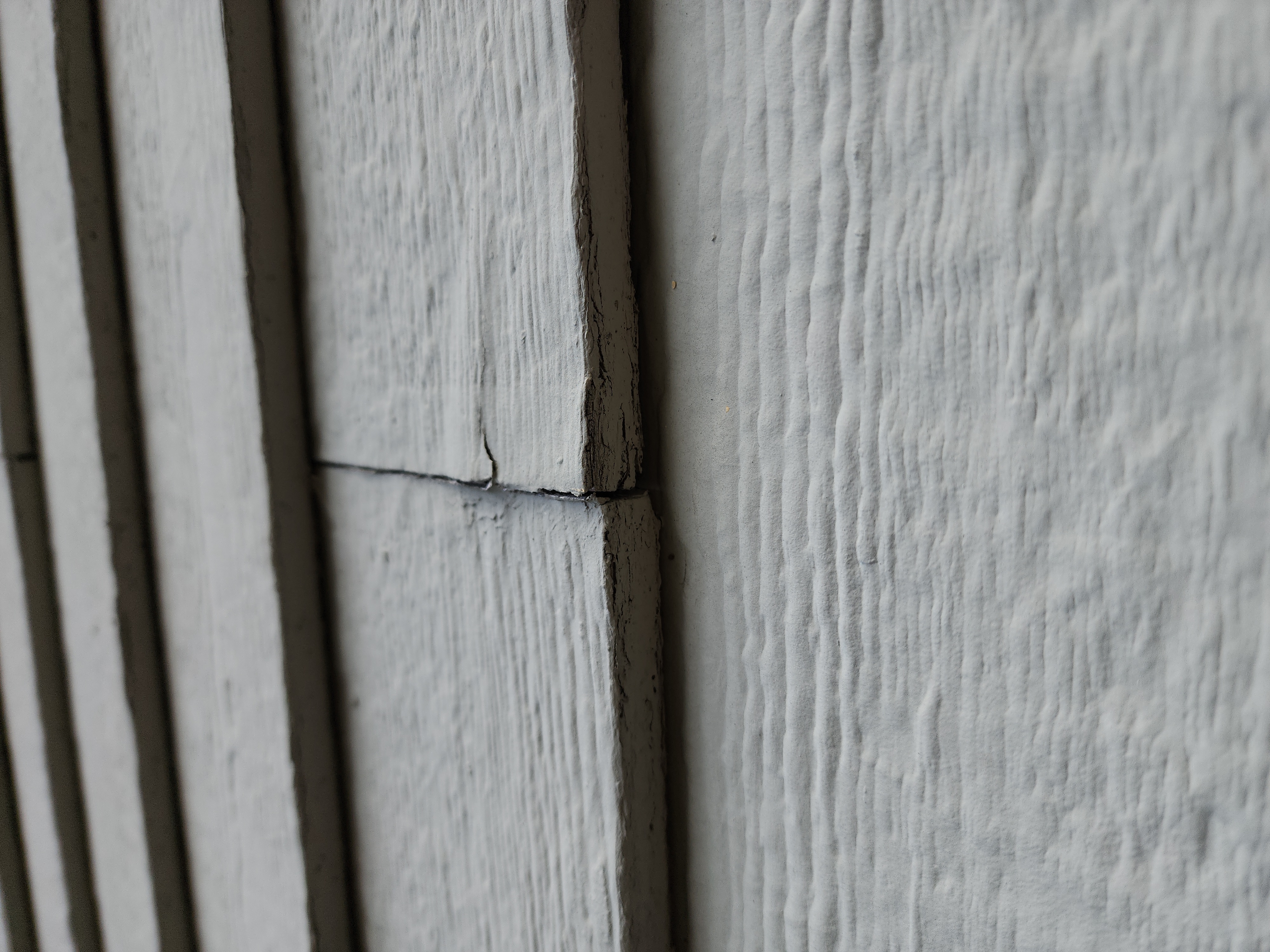
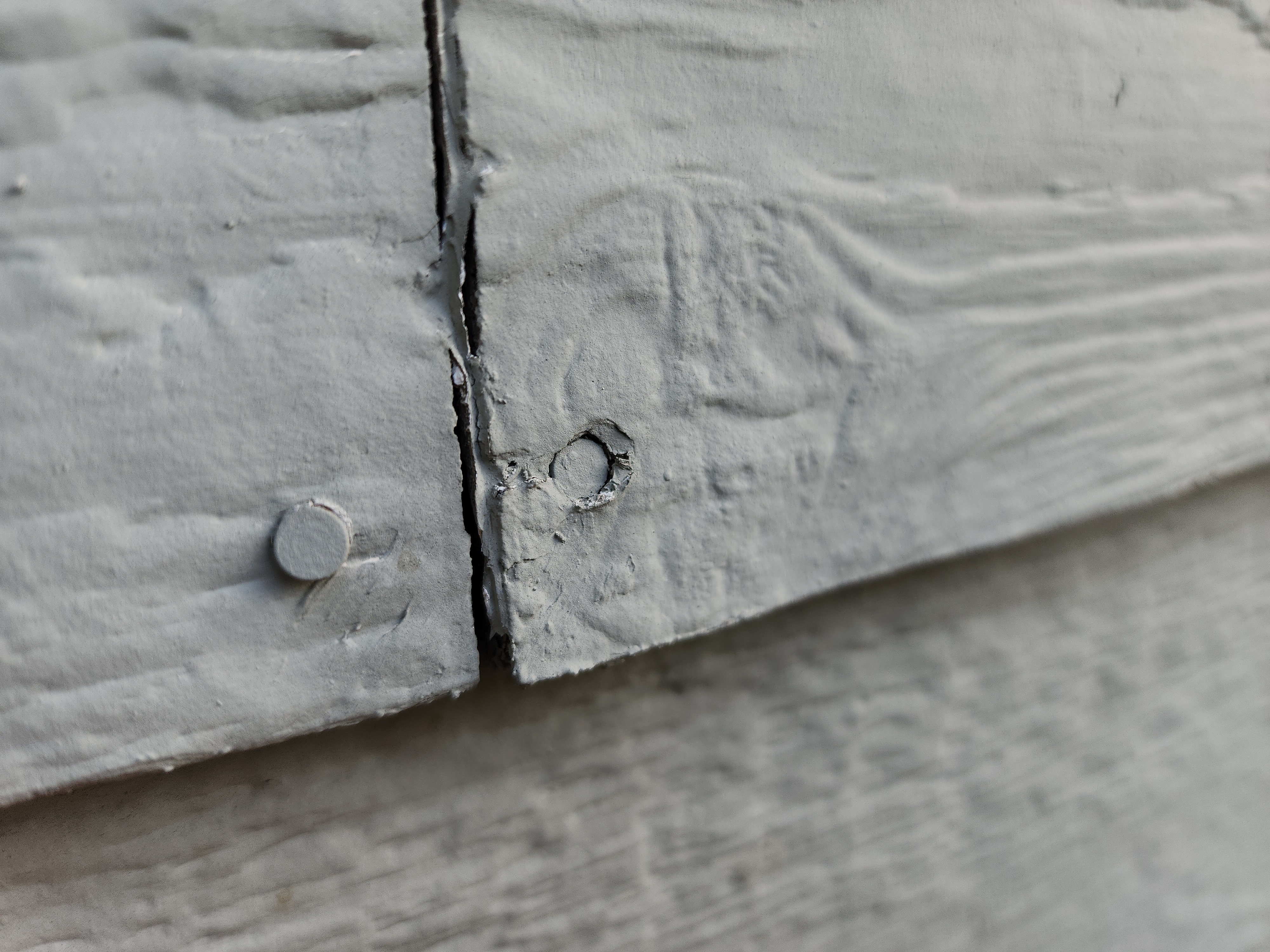
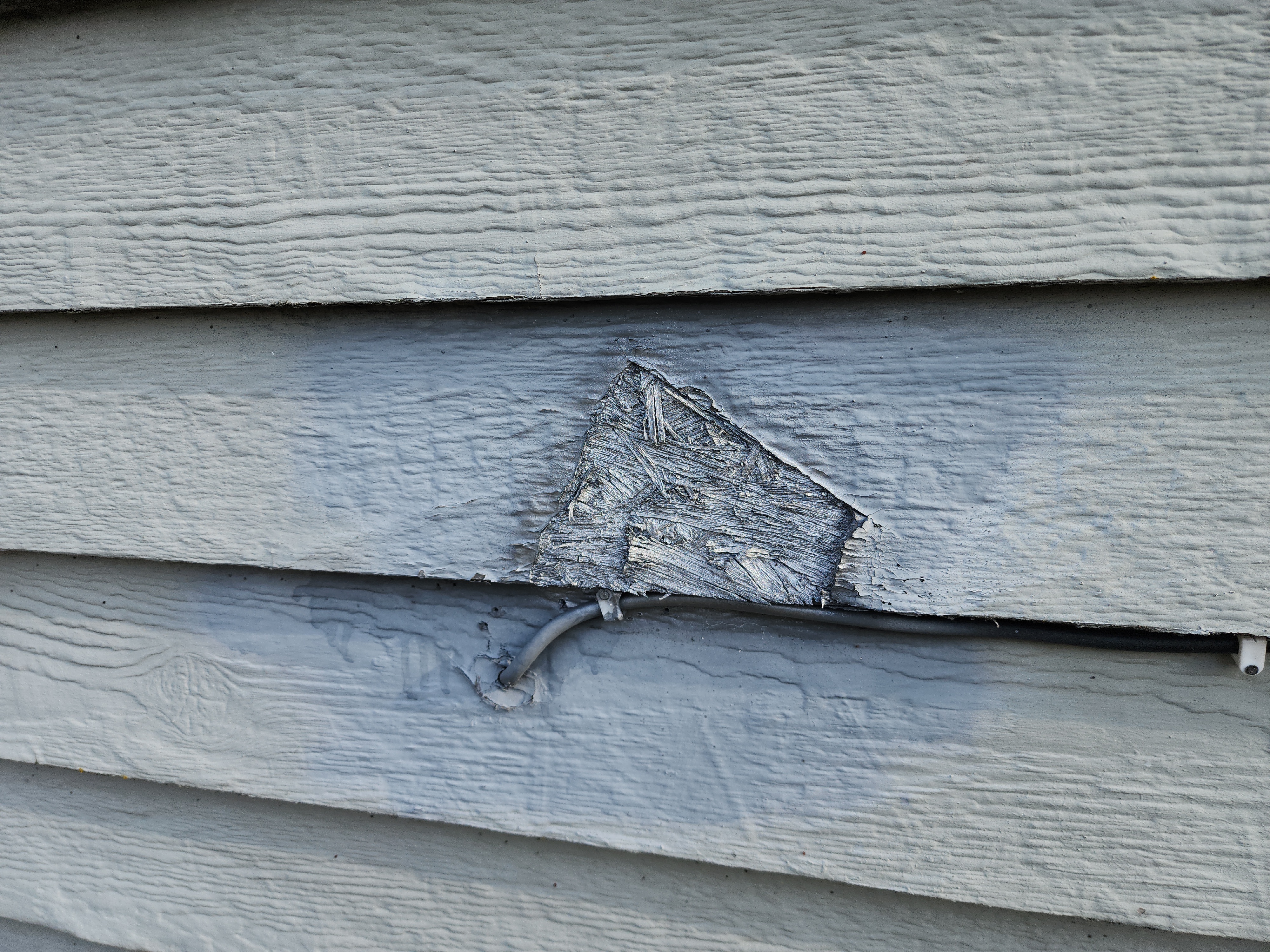
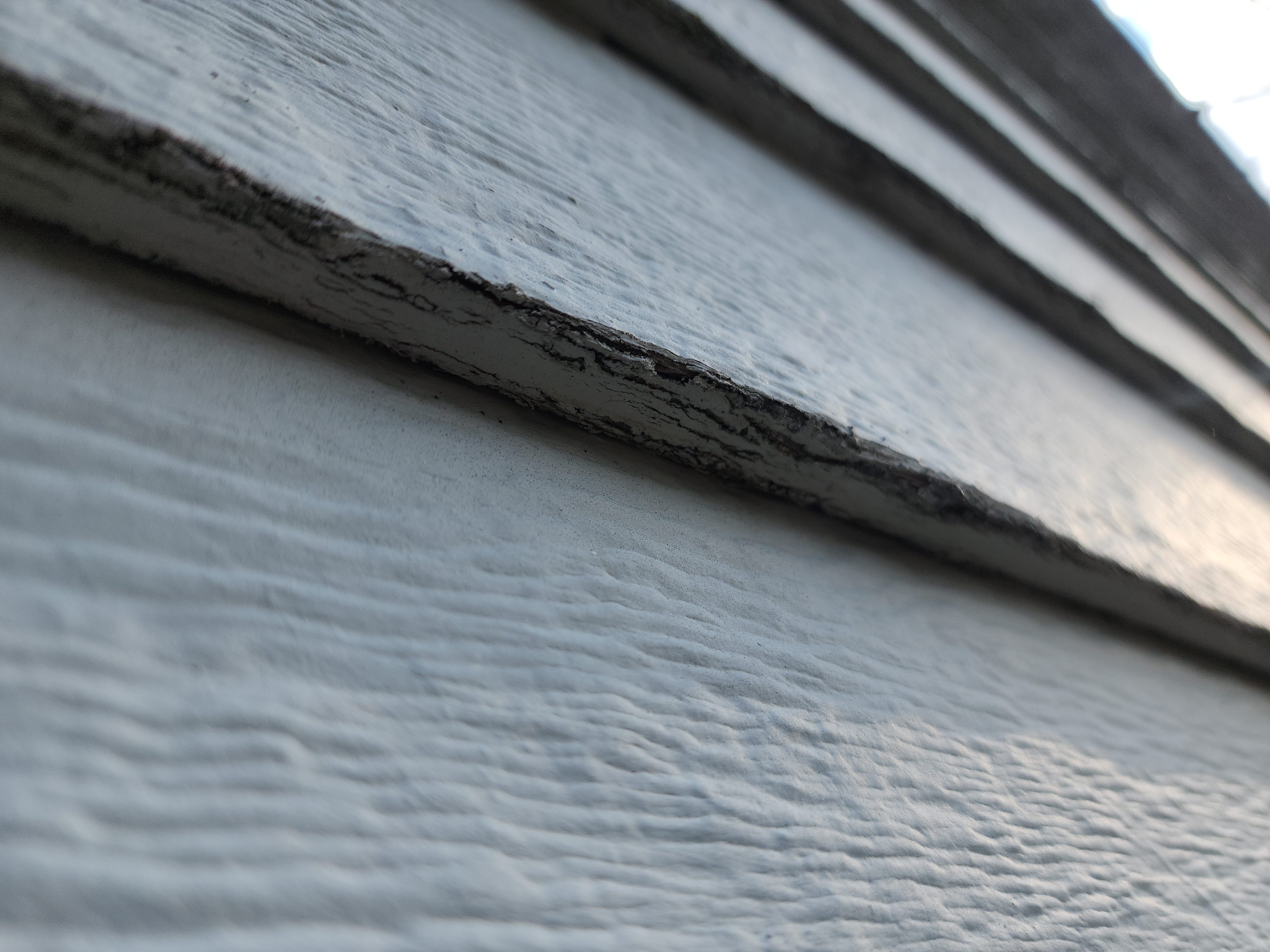
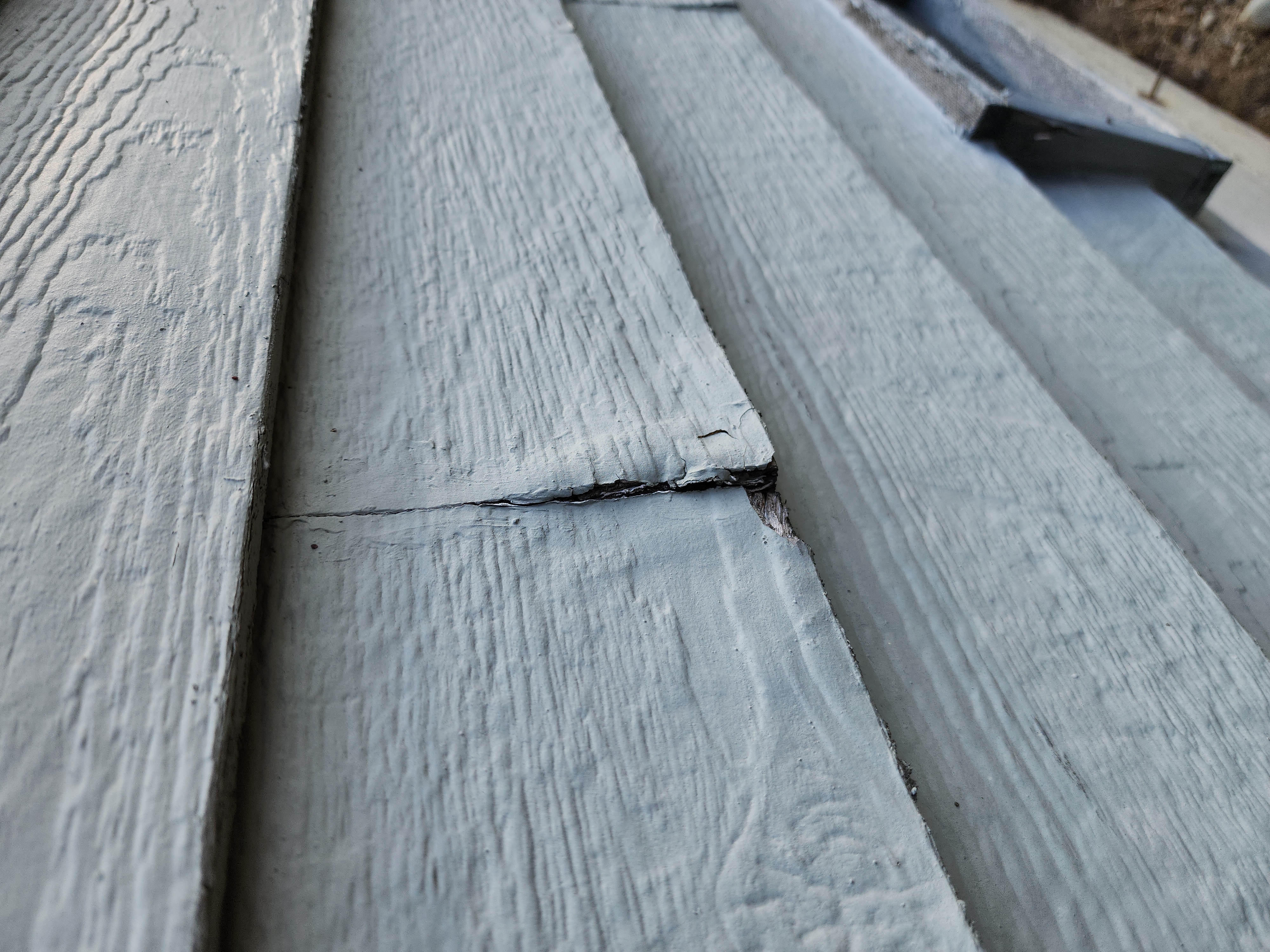
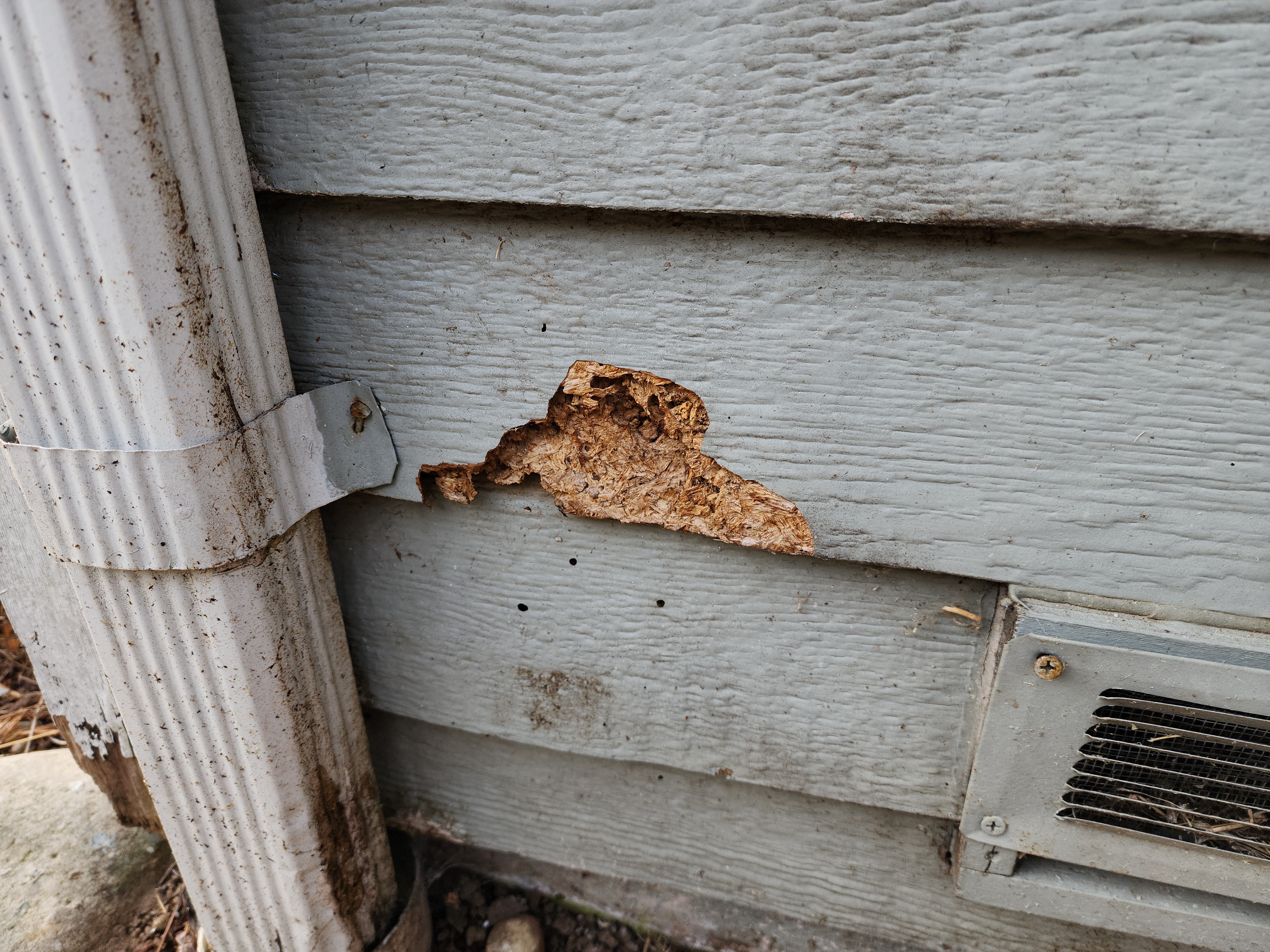
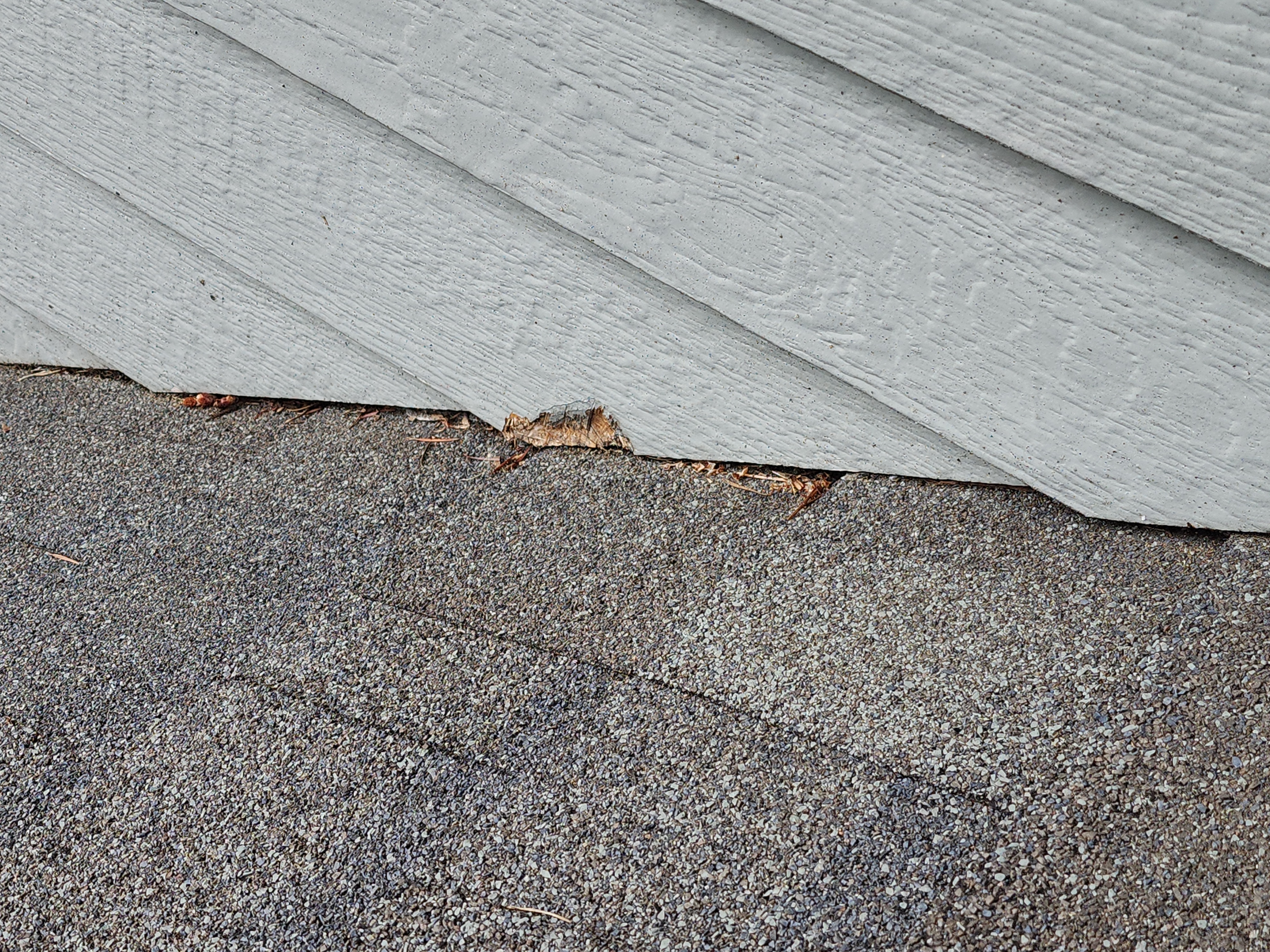
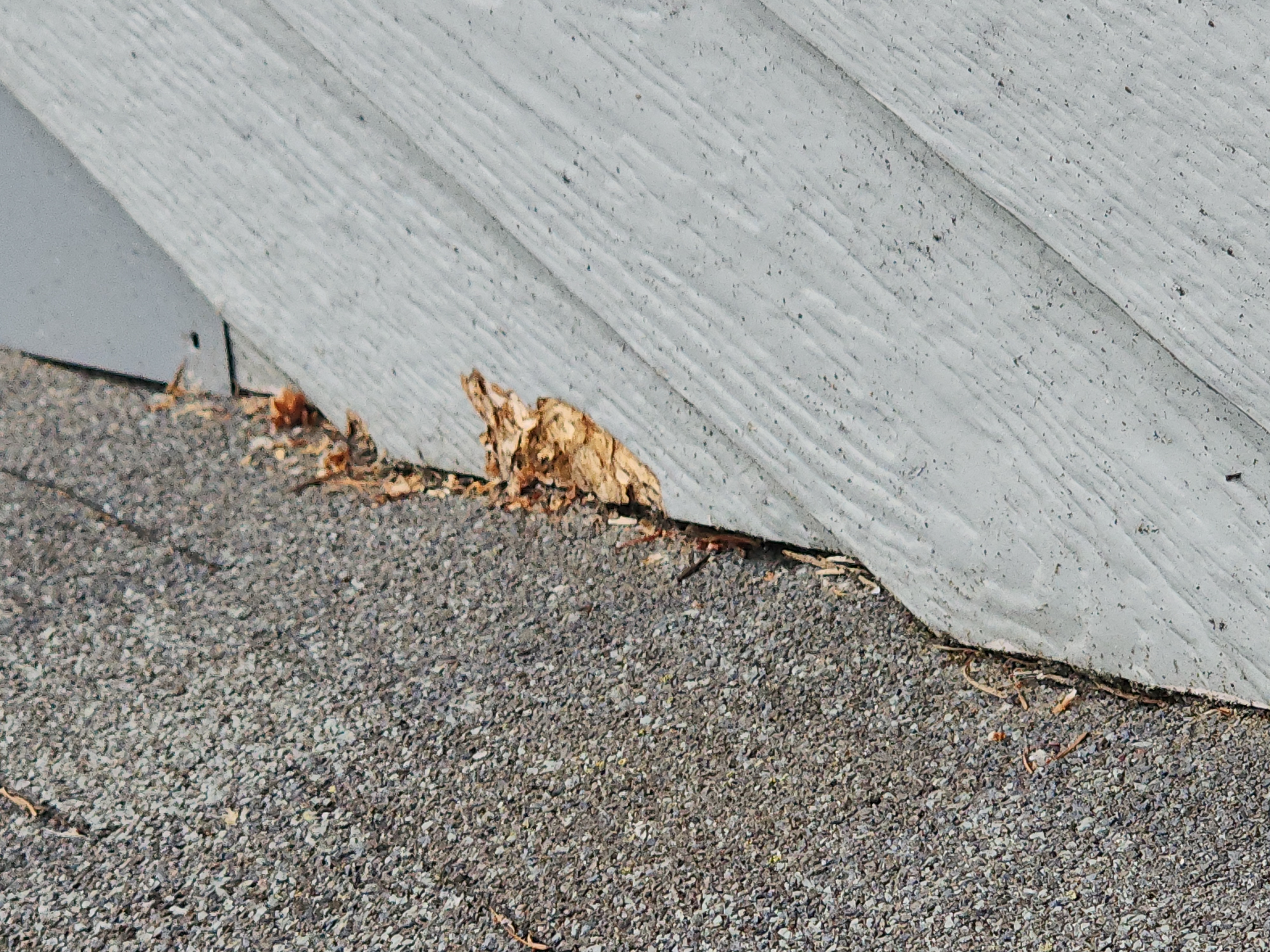
Damaged siding was observed on the exterior of the house, see example photos (all on the south side unless otherwise noted.) It was especially bad on the south side of the house. This can allow water to penetrate the exterior envelope of the house, which can lead to rot, mold, and wood destroying pest activity. Some siding was starting to delaminate (moisture causing the layers of wood to separate) and other areas were starting to crumble due to moisture penetration. I recommend repair by a qualified contractor.
Contractor:General Contractor
Tier 2 - Repairs
- 3.2.3 Exterior - Siding & Trim:
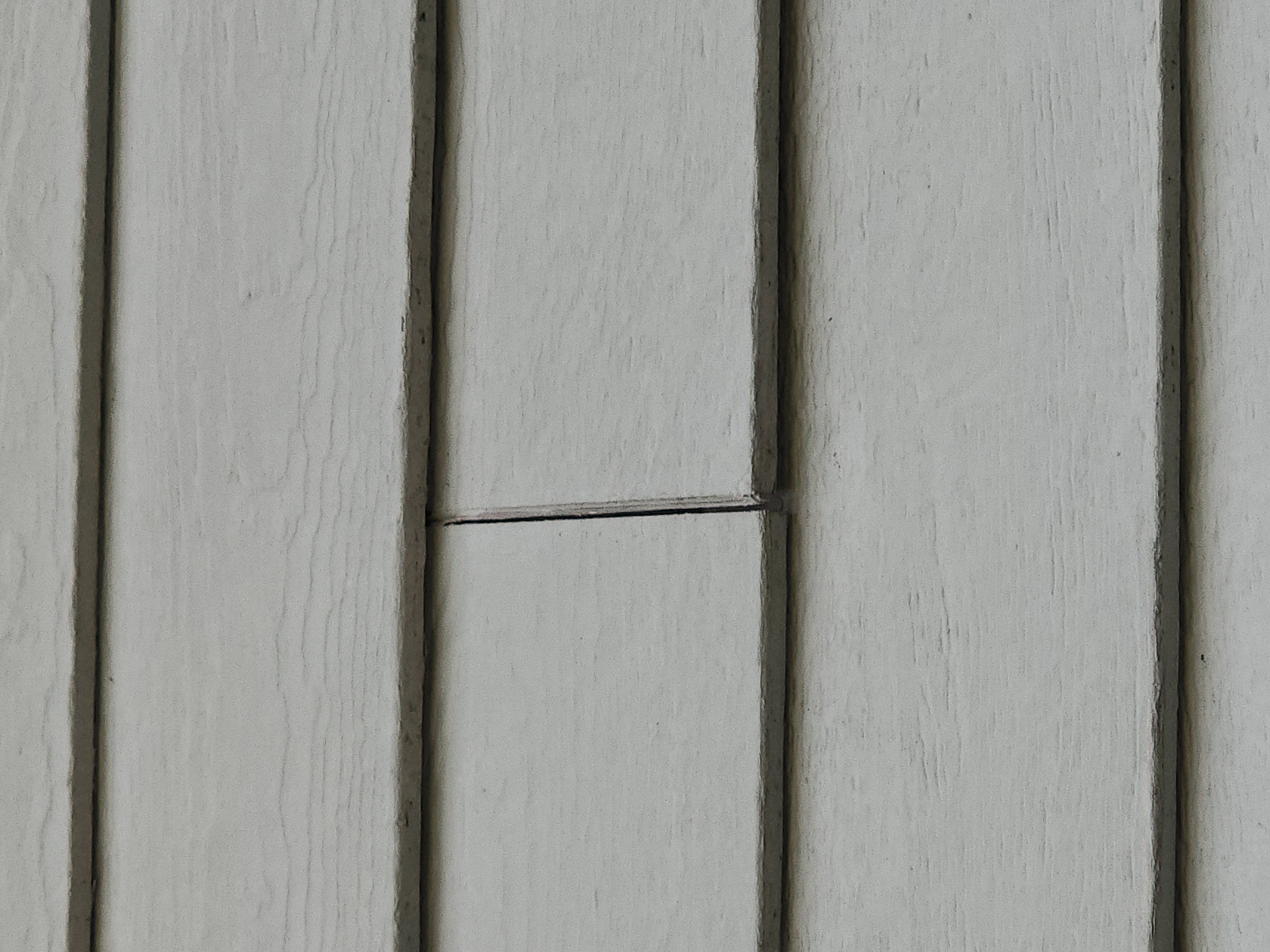
Some areas of siding needed resealing, see example photo(s). Deteriorated or missing sealants are a conducive condition for rot and pests as they allow water to penetrate into or behind the siding. This is normally a DIY repair using exterior grade caulk, though larger gaps may need repair by a qualified contractor.
Contractor:DIY (do it yourself)General Contractor - 3.2.6 Exterior - Siding & Trim:
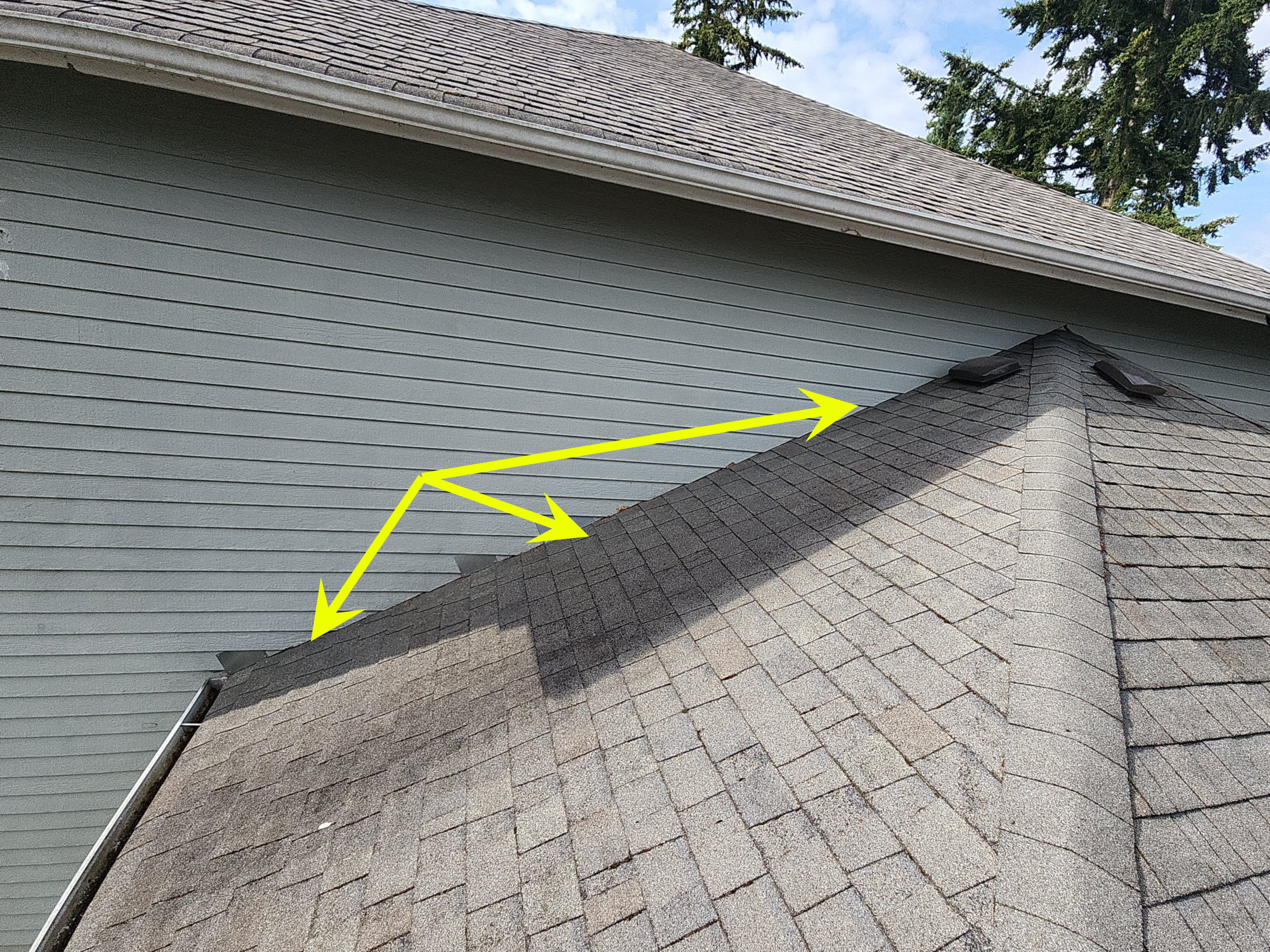
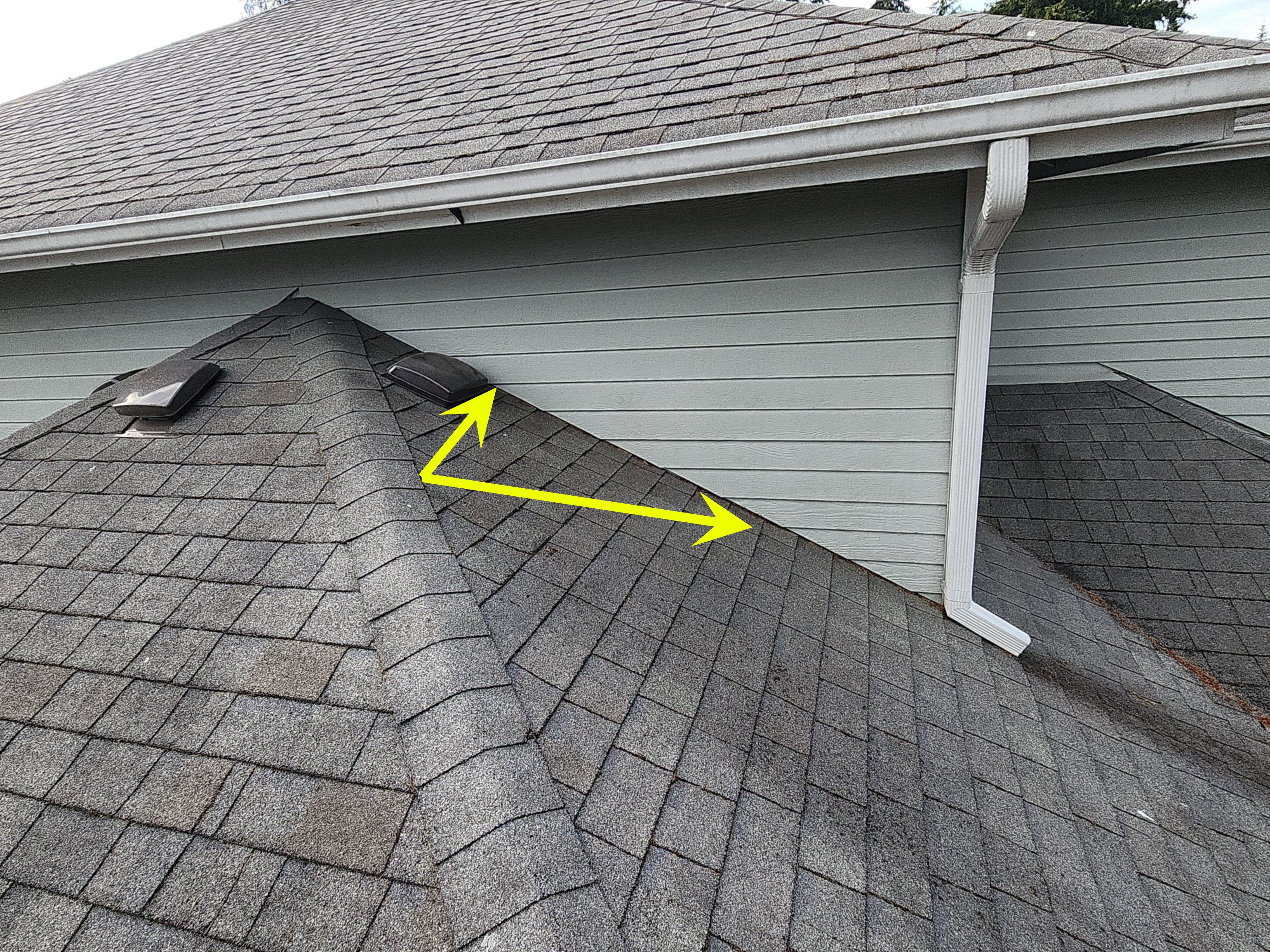
Inadequate clearances were noted between the roof and the siding, see photo(s). A 2 inch air gap is recommended here to keep the siding off the roof and prevent deterioration of the siding. This installation should be accompanied by step flashings that adequately protect the wall and roof juncture from leaks. I recommend evaluation and repair by a qualified contractor.
Contractor:General ContractorRoofer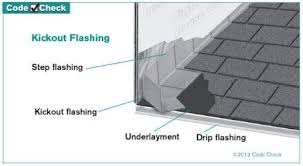
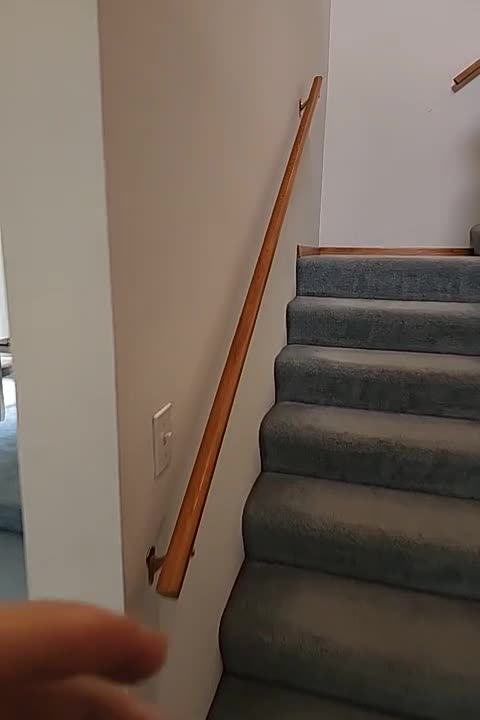
- 5.6.1 Common Spaces & Bedrooms - Stairs & Railings:
The lower railing was missing a middle bracket which was allowing it to significantly flex in the middle, see photo/video. I recommend installation of an additional bracket in the middle as a DIY repair to strengthen the railing.
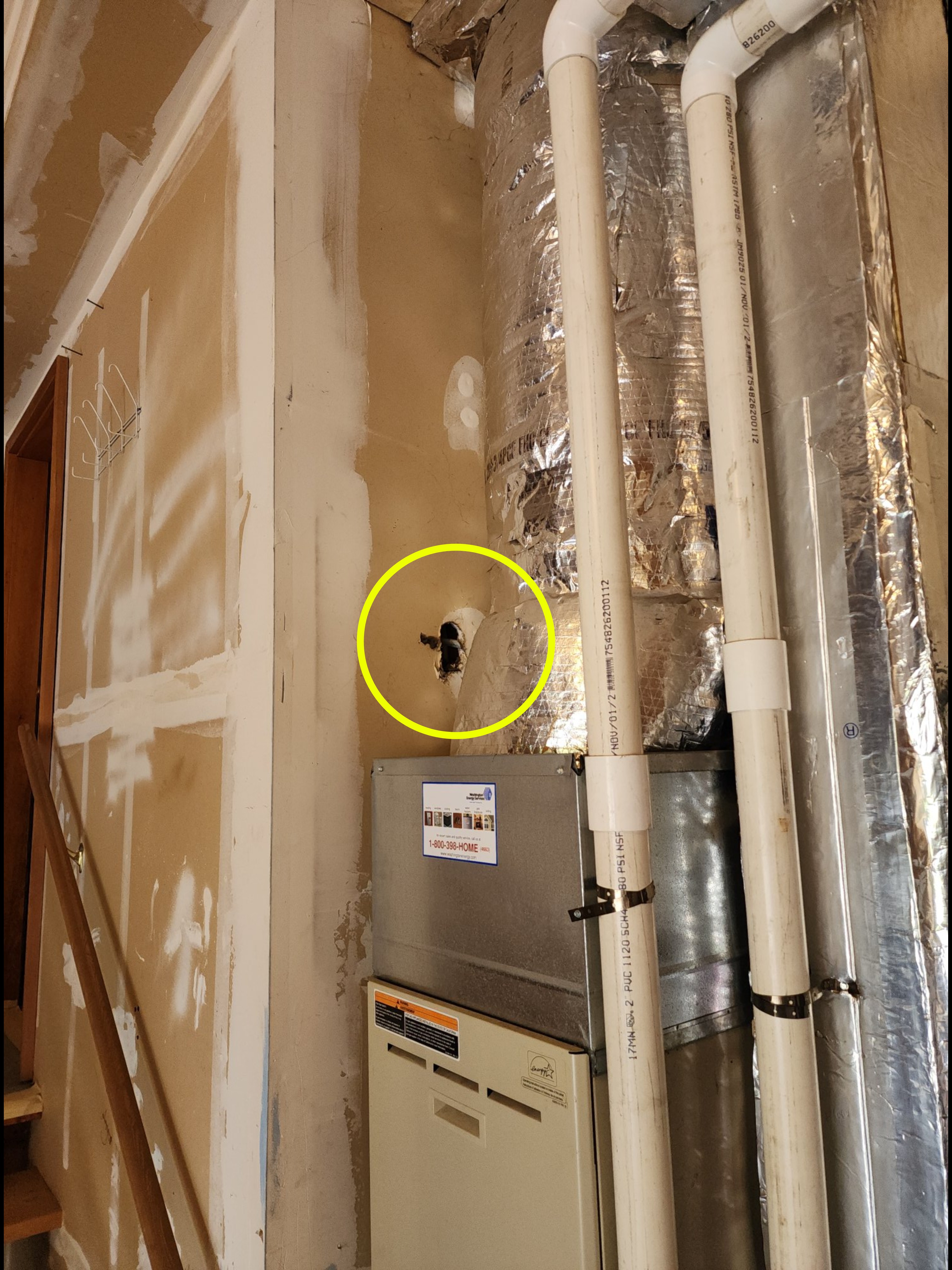
Contractor:General Contractor - 9.3.1 Garage - Garage General:
The firewall barrier between the garage and home had damaged or improperly covered area(s), see photo(s). Modern building standards recommend a firewall on the side(s) of any attached garage bordering living space because garage fires can spread quickly into the living space. I recommend evaluation and repair by a qualified contractor.
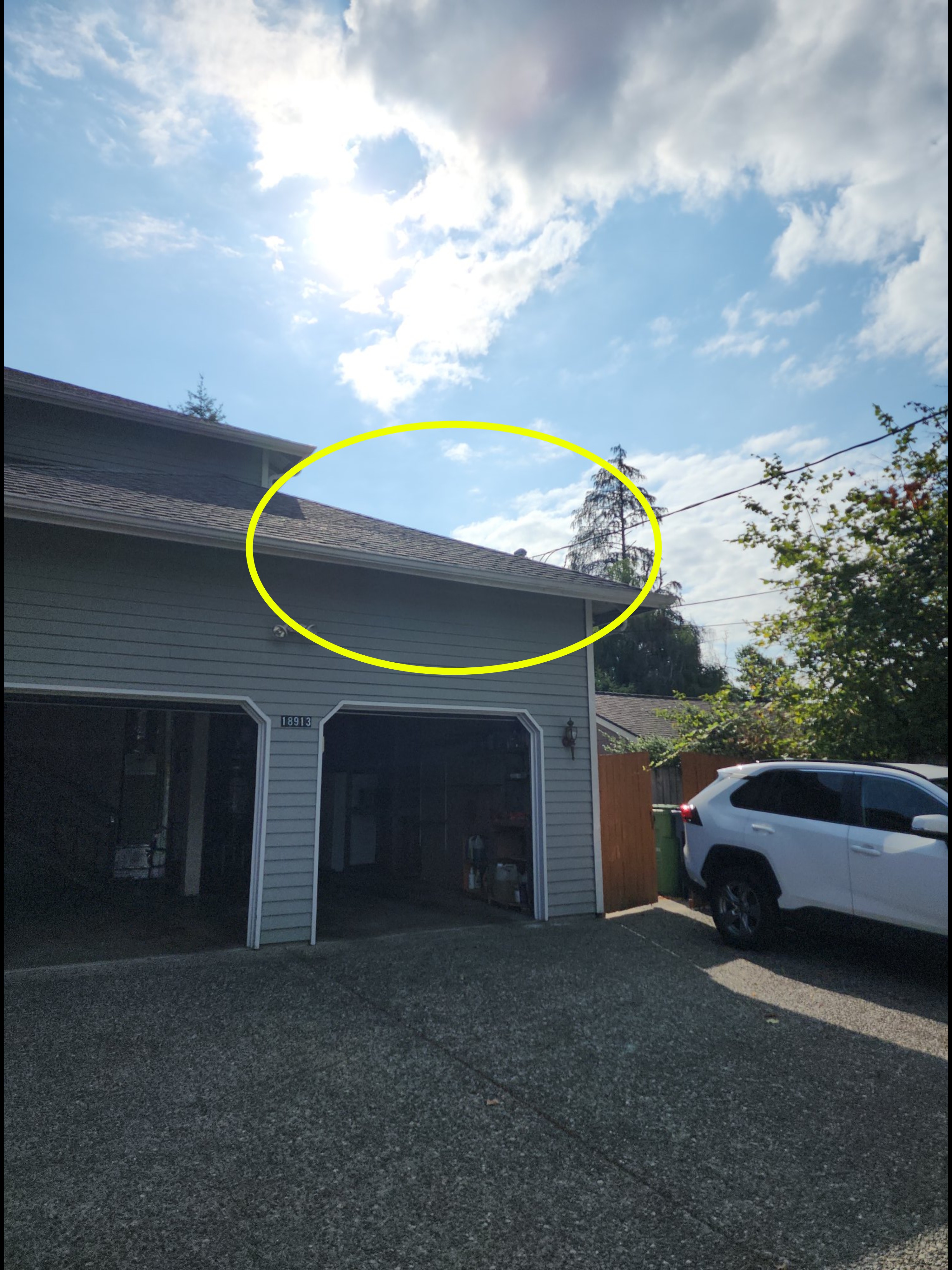
Contractor:General Contractor - 10.2.3 Attic - Access:
No attic access was found to the area above the south garage bay during the inspection. This means the attic framing, sheathing, ventilation, insulation, wiring, fan terminations, etc could not be inspected. I recommend installing an access and having the attic re-inspected. Standards recommend an access opening of 30 inches x 22 inches when there is greater than 30 sq ft of attic space. I recommend installation of an attic access point by a qualified contractor.
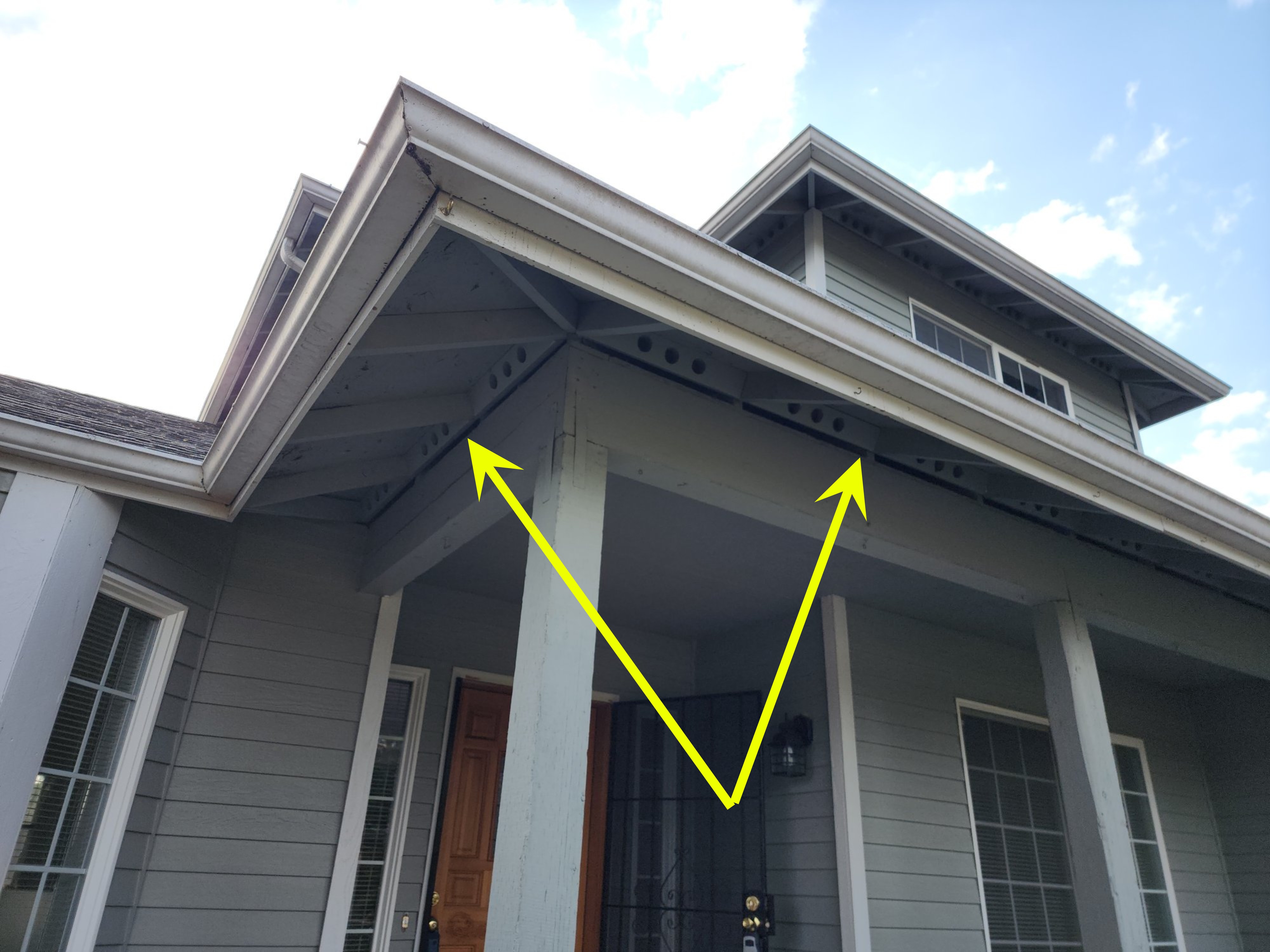
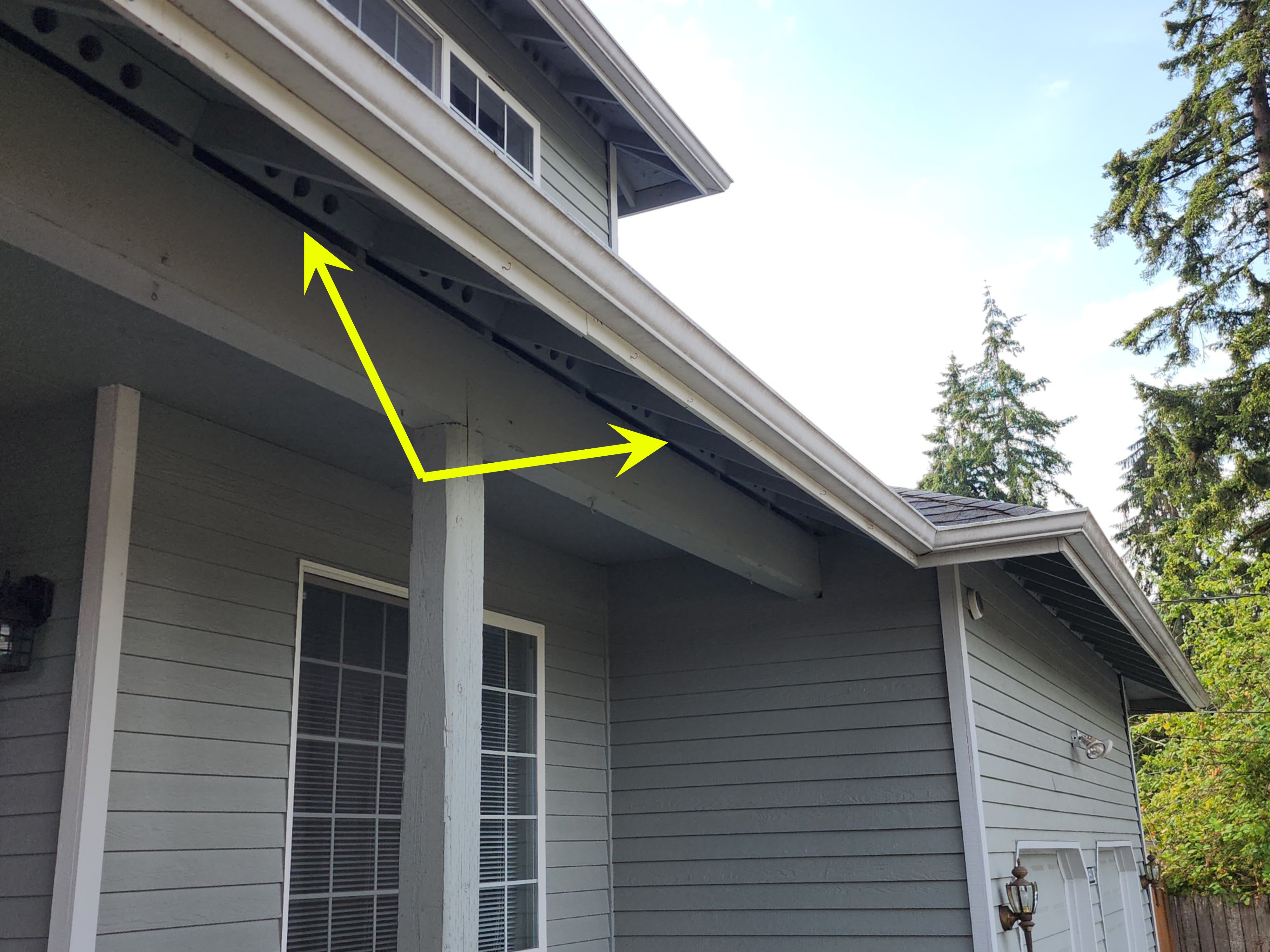
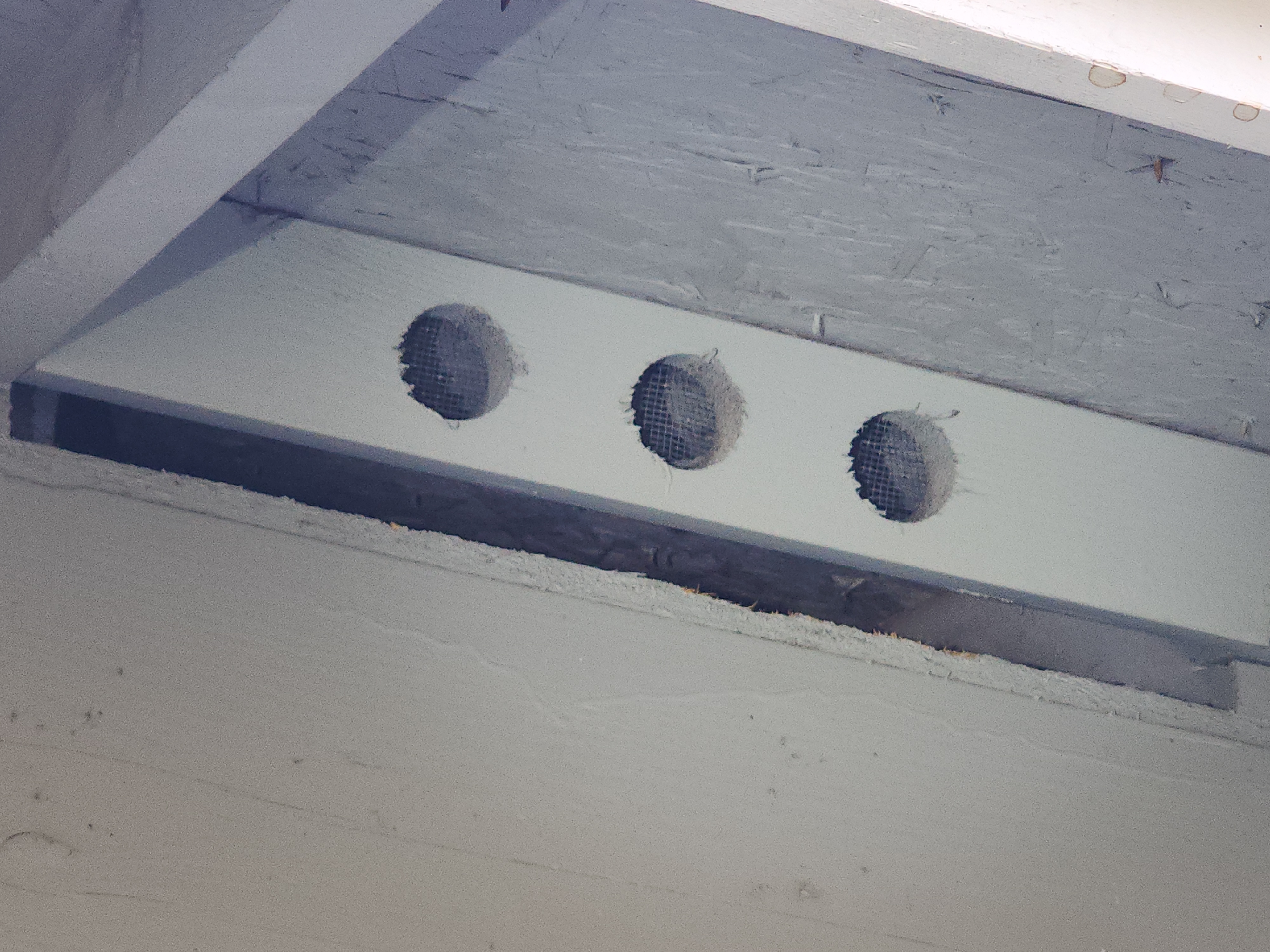
Contractor:General Contractor - 10.6.2 Attic - Ventilation:
Vent screen was damaged/missing, see photo(s). This can allow access to the attic for pests (bird and/or rodents.) I recommend repair by a qualified contractor.
Contractor:General Contractor


Tier 3 - Improvements
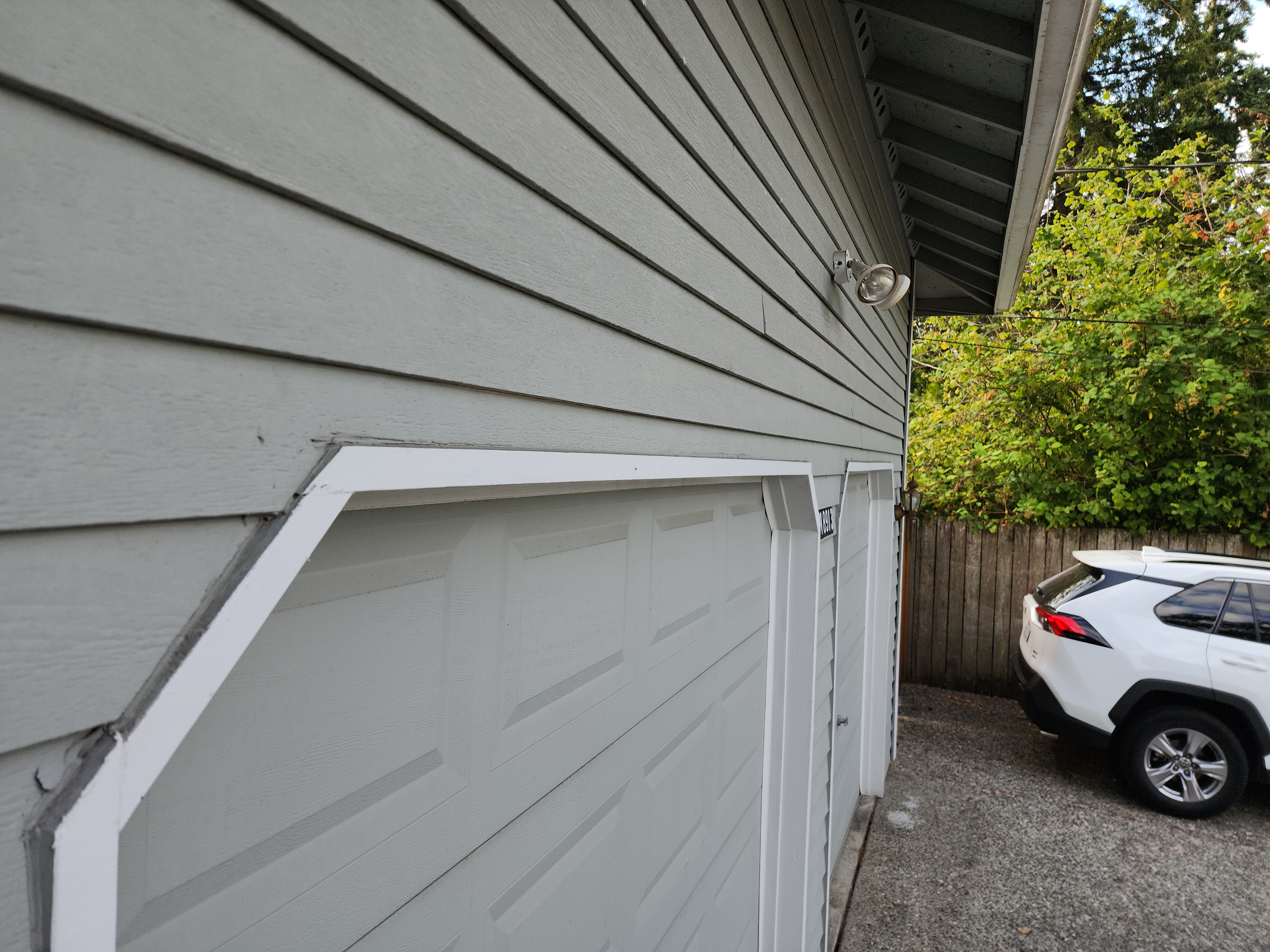
- 3.4.1 Exterior - Exterior Doors:
Exposed doors (those not protected by eaves) did not have a drip cap flashing installed above them. This flashing helps redirect water away from the top of the door, so water is less likely to seep into the siding at the top of the frame. At the time of the inspection, the only barrier was caulking, which can be prone to failure if not maintained. I recommend installation by a qualified contractor.
Contractor:General Contractor.jpg)
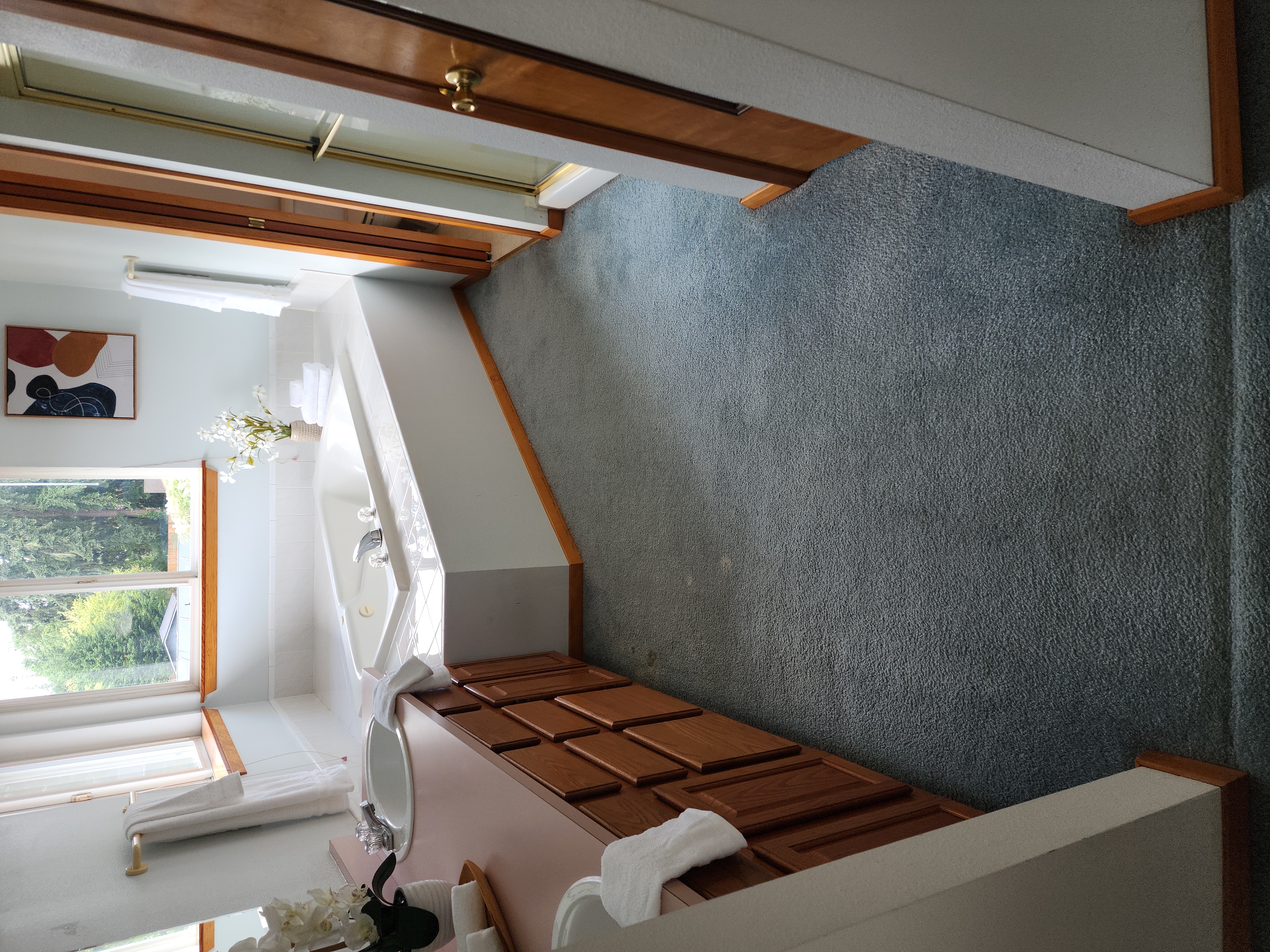
- 5.4.2 Common Spaces & Bedrooms - Floors:
Carpet was installed in a bathroom, see photo(s). This is a conducive condition for organic growth as bathrooms are humid spaces. I recommend having the carpet replaced with a more water resistant flooring material by a qualified contractor.
Contractor:General Contractor - 5.6.2 Common Spaces & Bedrooms - Stairs & Railings:
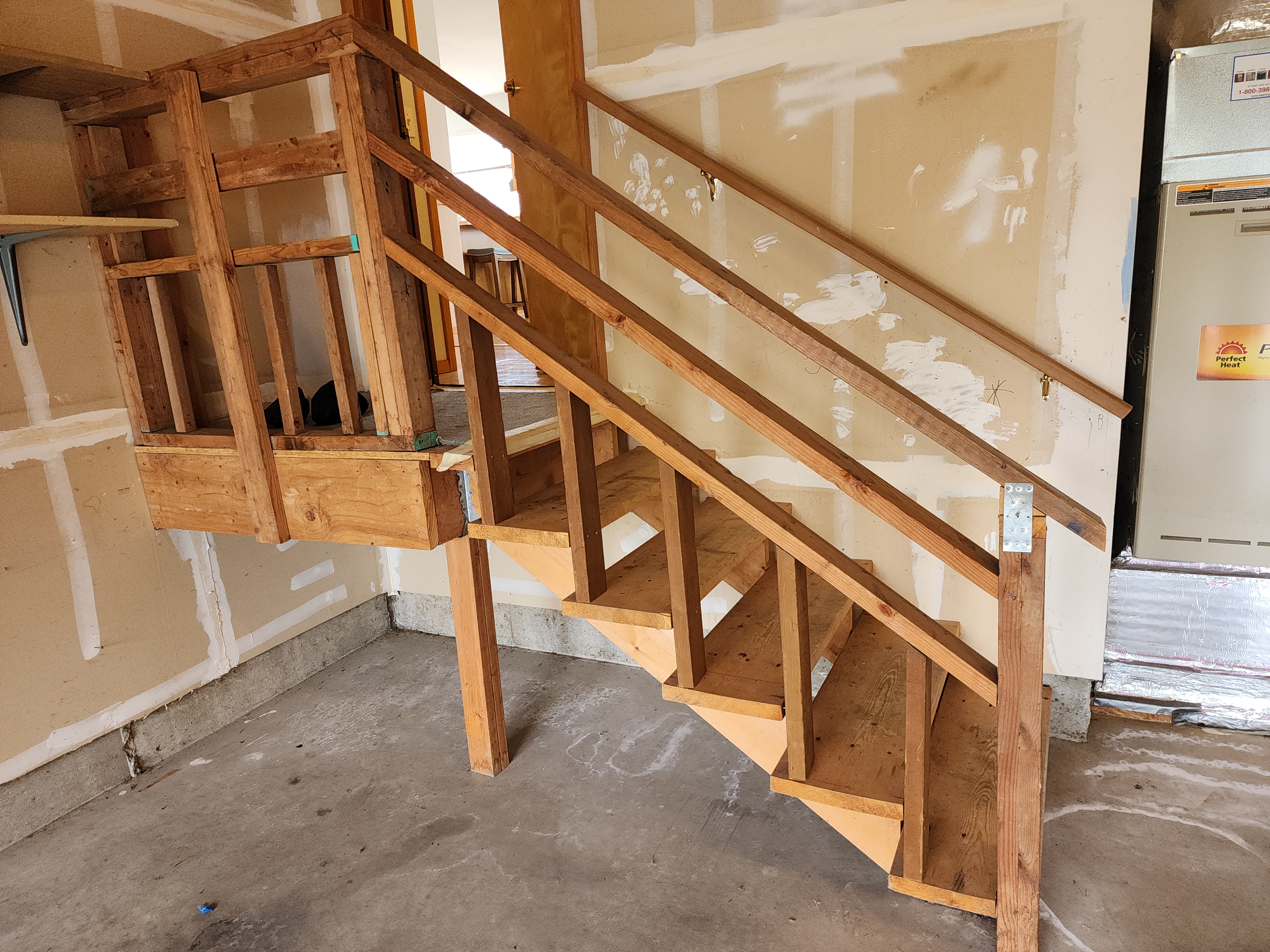
Railing balusters were spaced too far apart, see photo(s). Modern building standards recommend gaps between balusters be less than 4 inches. This is a safety improvement for children. I recommend repair by a qualified contractor.
Contractor:General Contractor - 5.6.3 Common Spaces & Bedrooms - Stairs & Railings:
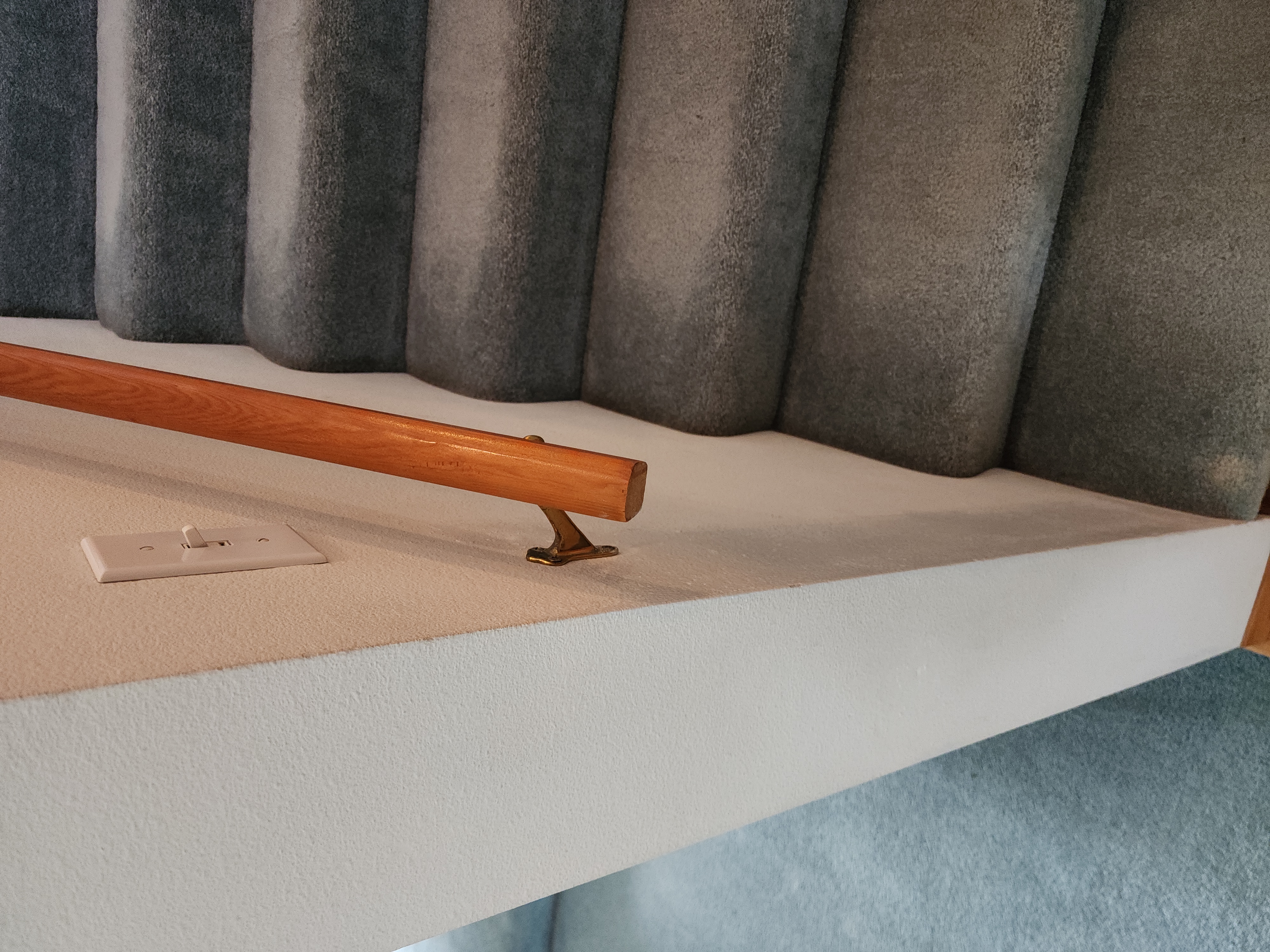
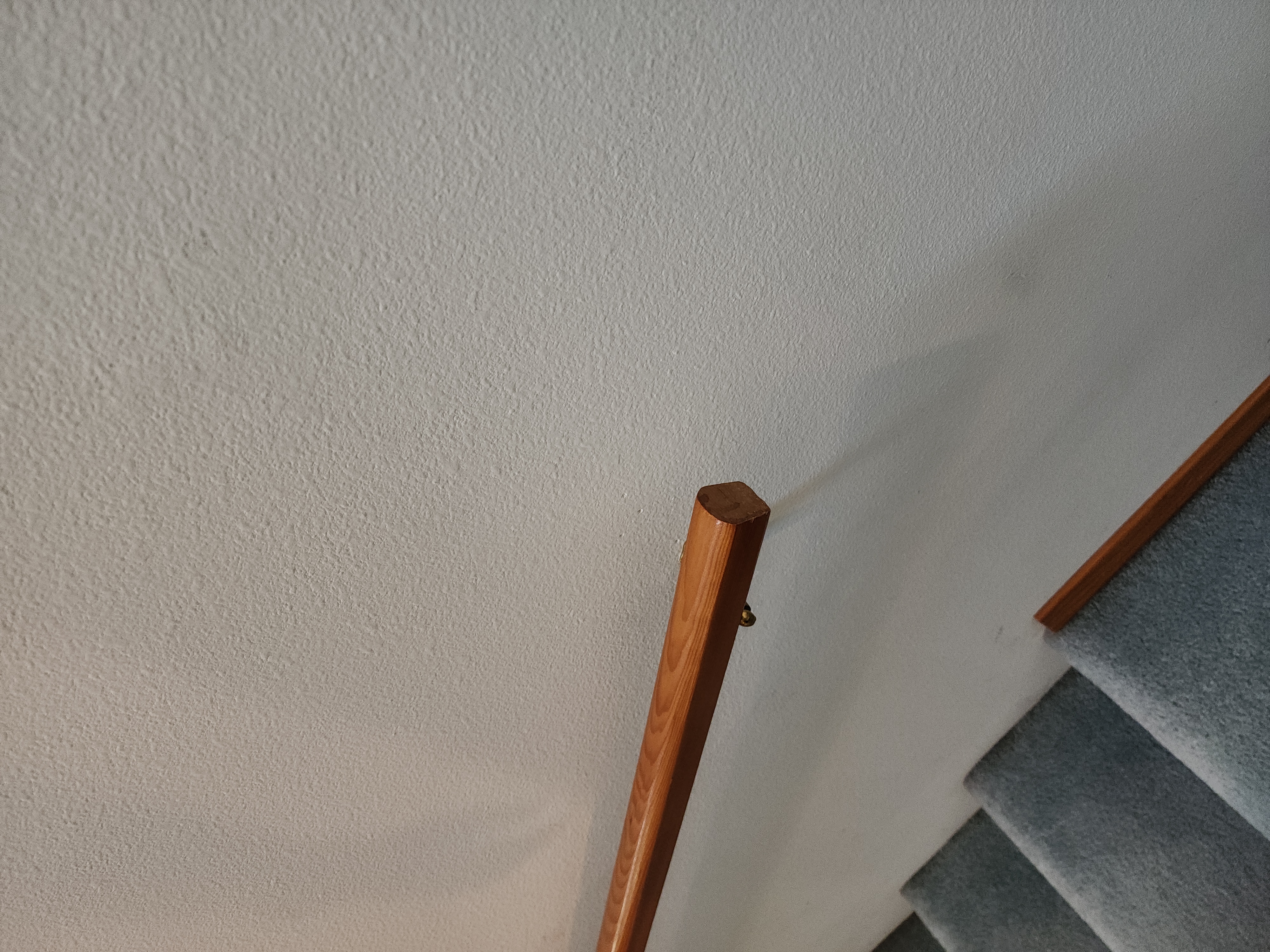
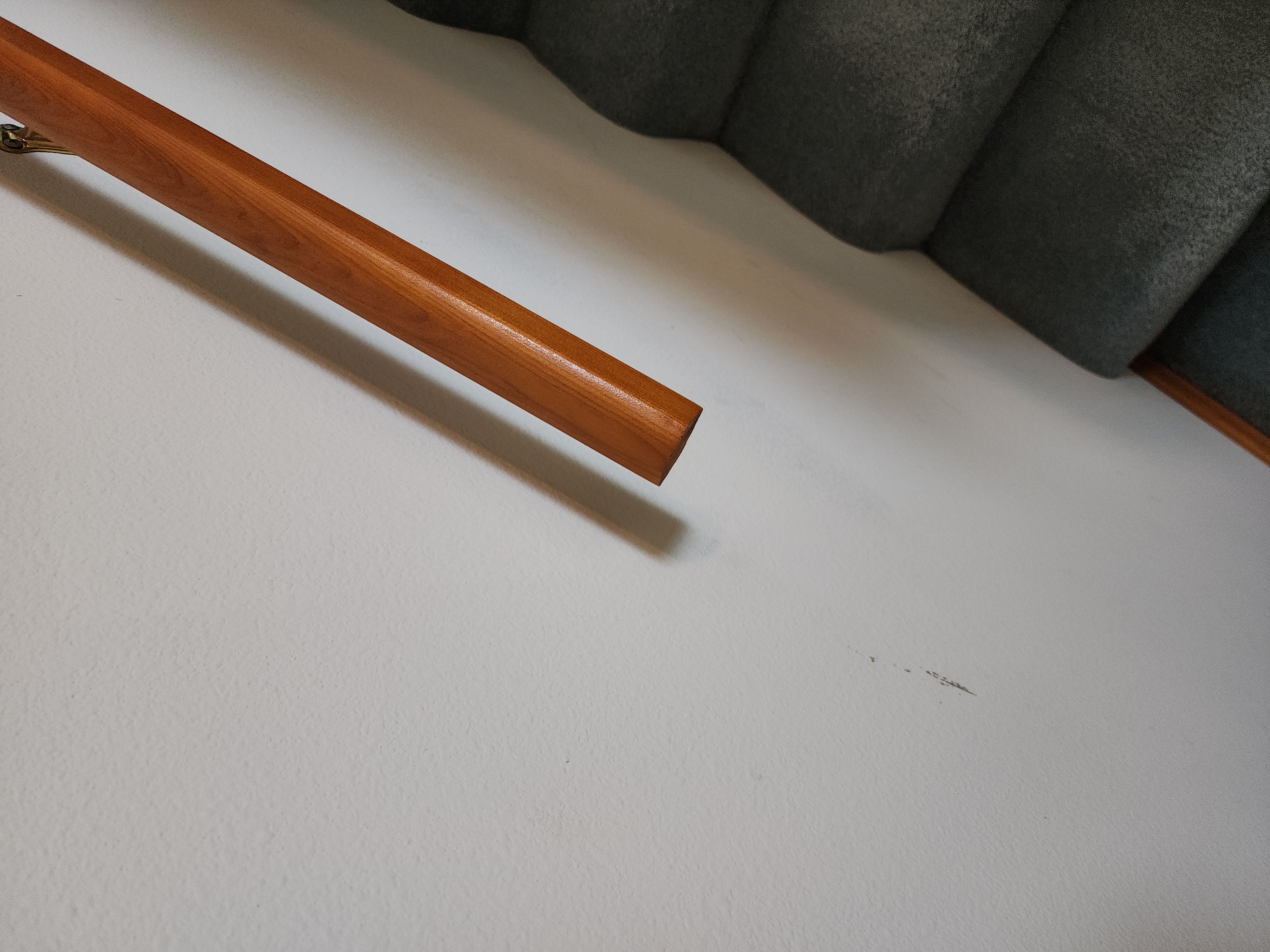
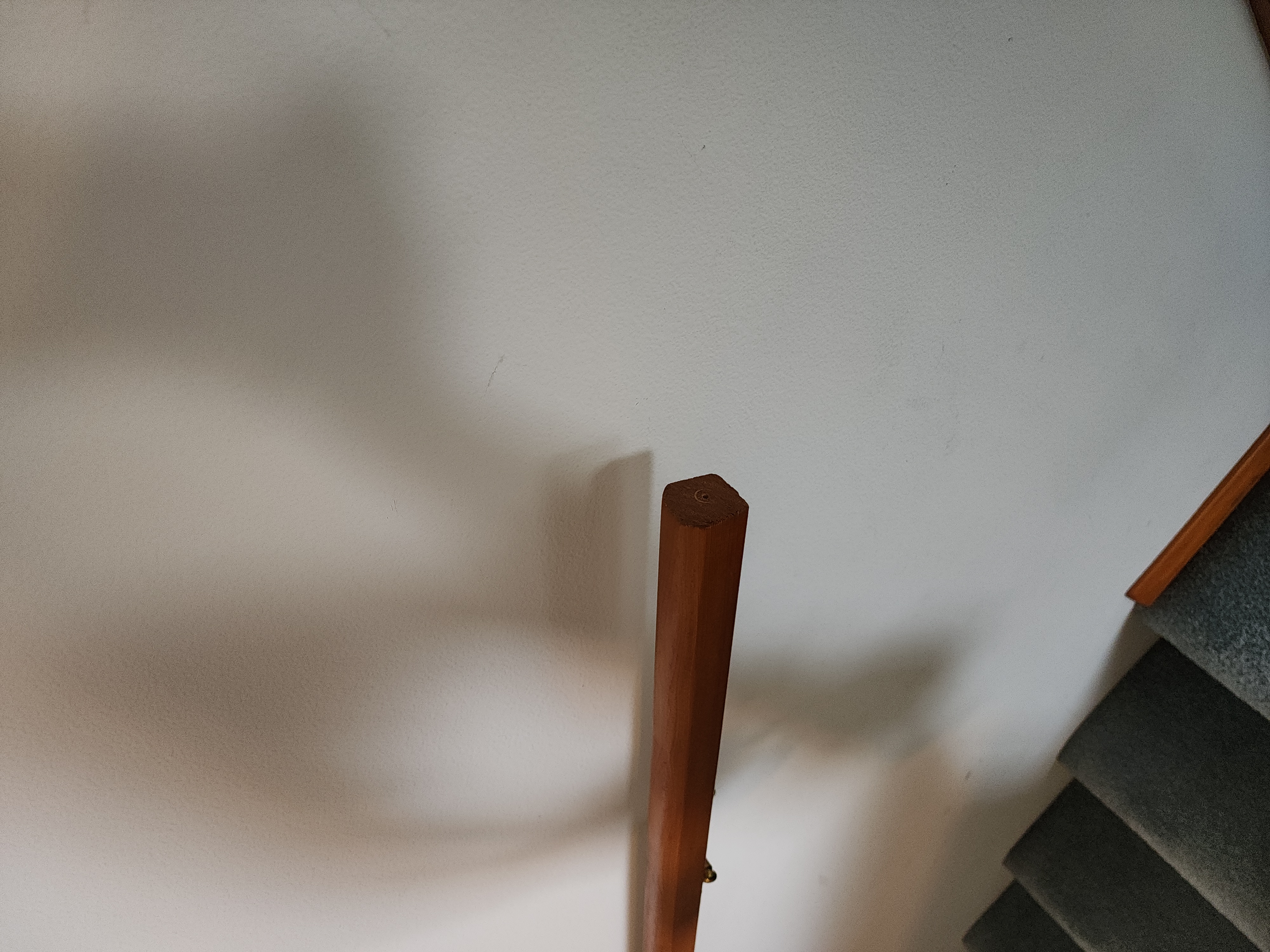
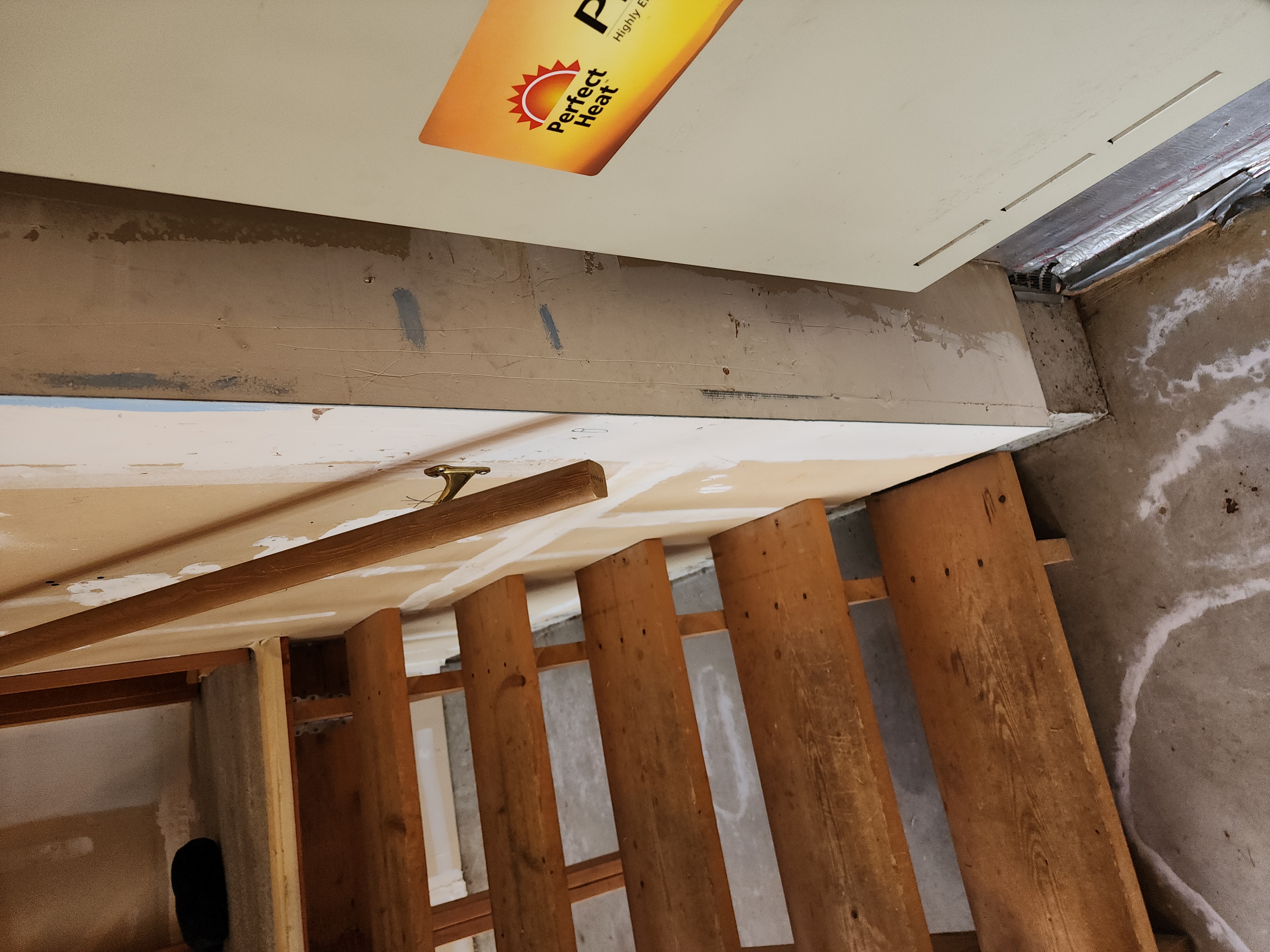
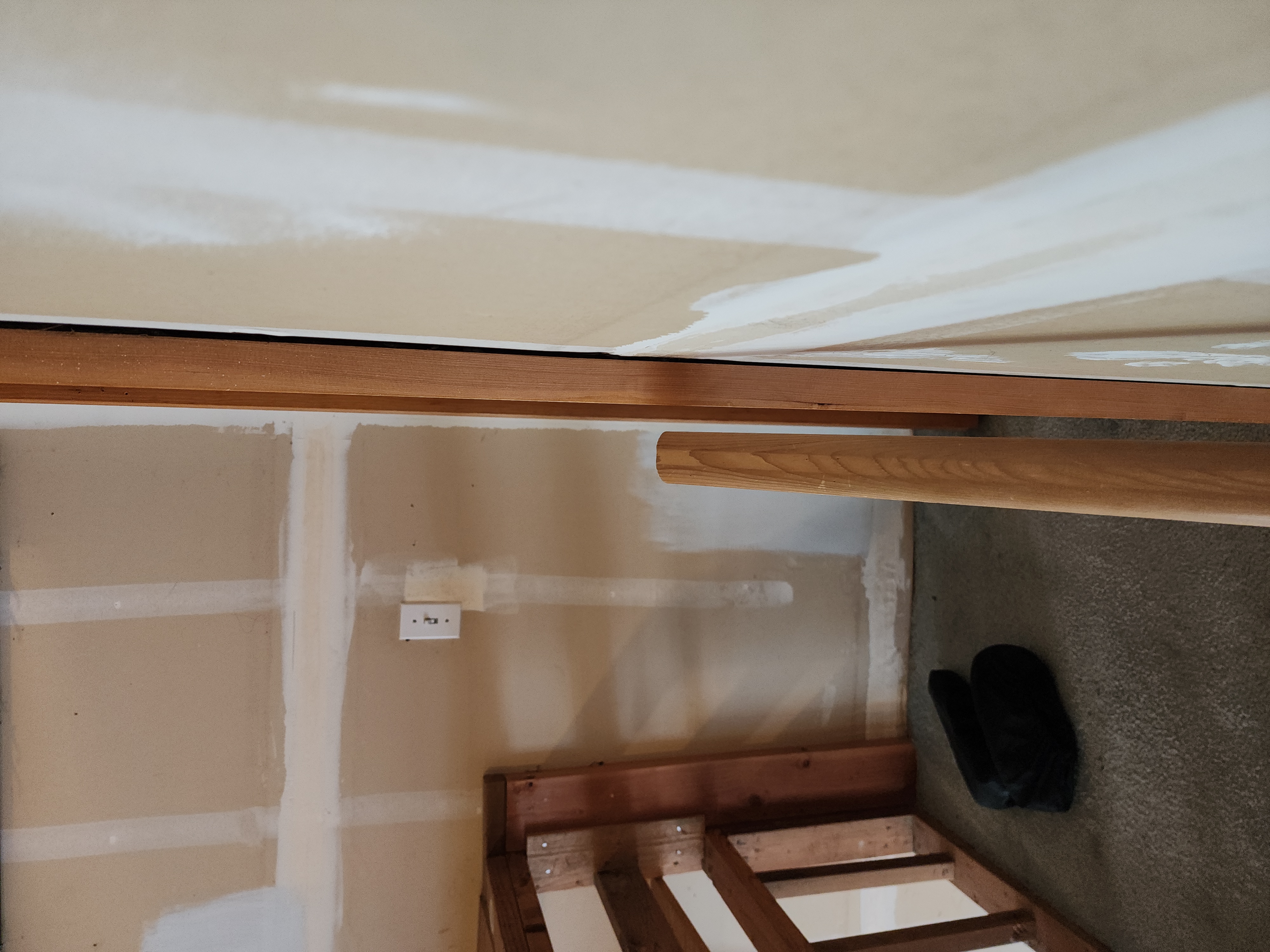
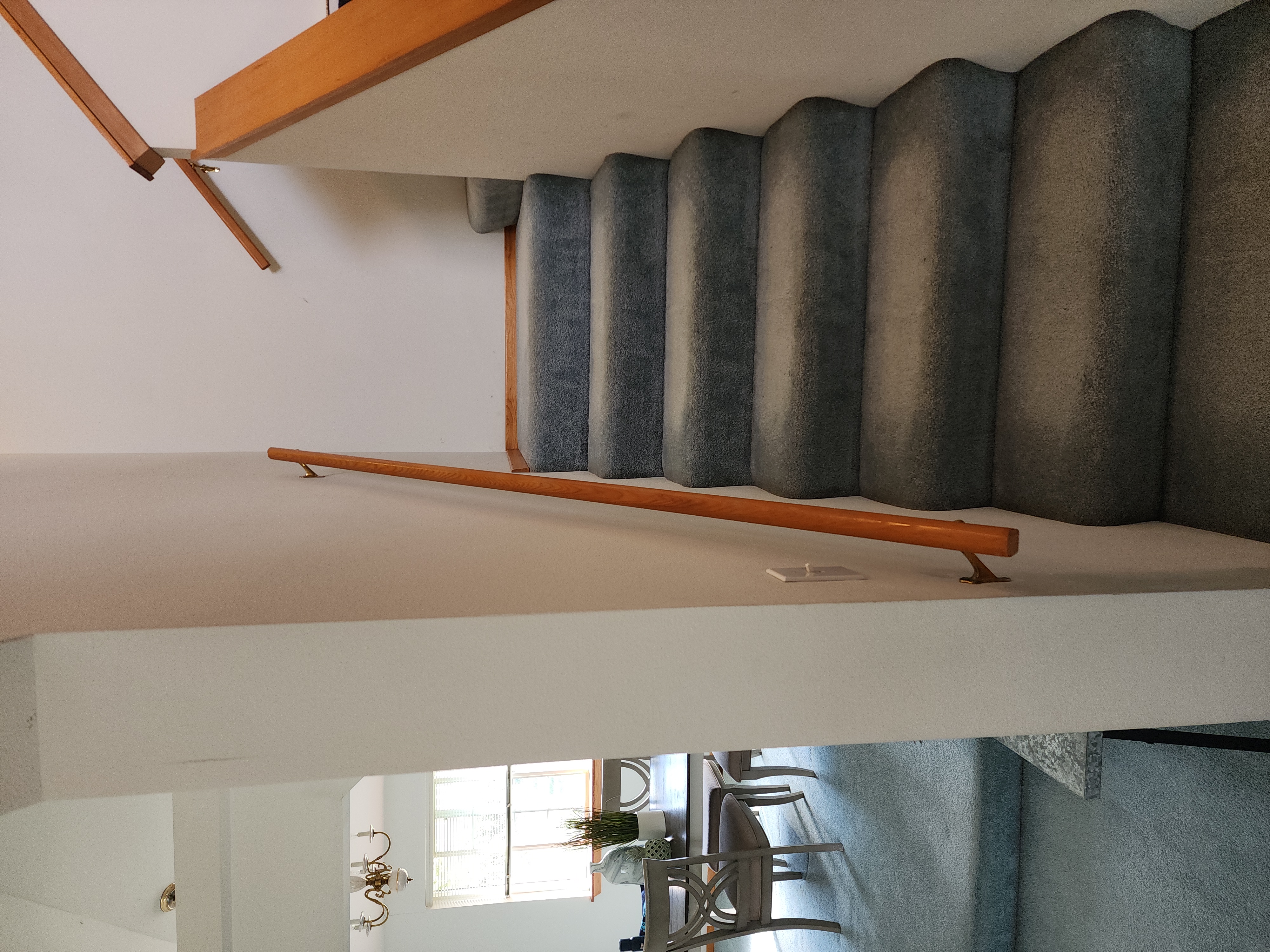
Modern building standards recommend that staircase railings have a "return" to the wall to prevent clothing from snagging. The railing did not have a return installed, see photo(s). I recommend evaluation and repair or replacement by a qualified contractor.
Contractor:General Contractor - 5.6.4 Common Spaces & Bedrooms - Stairs & Railings:
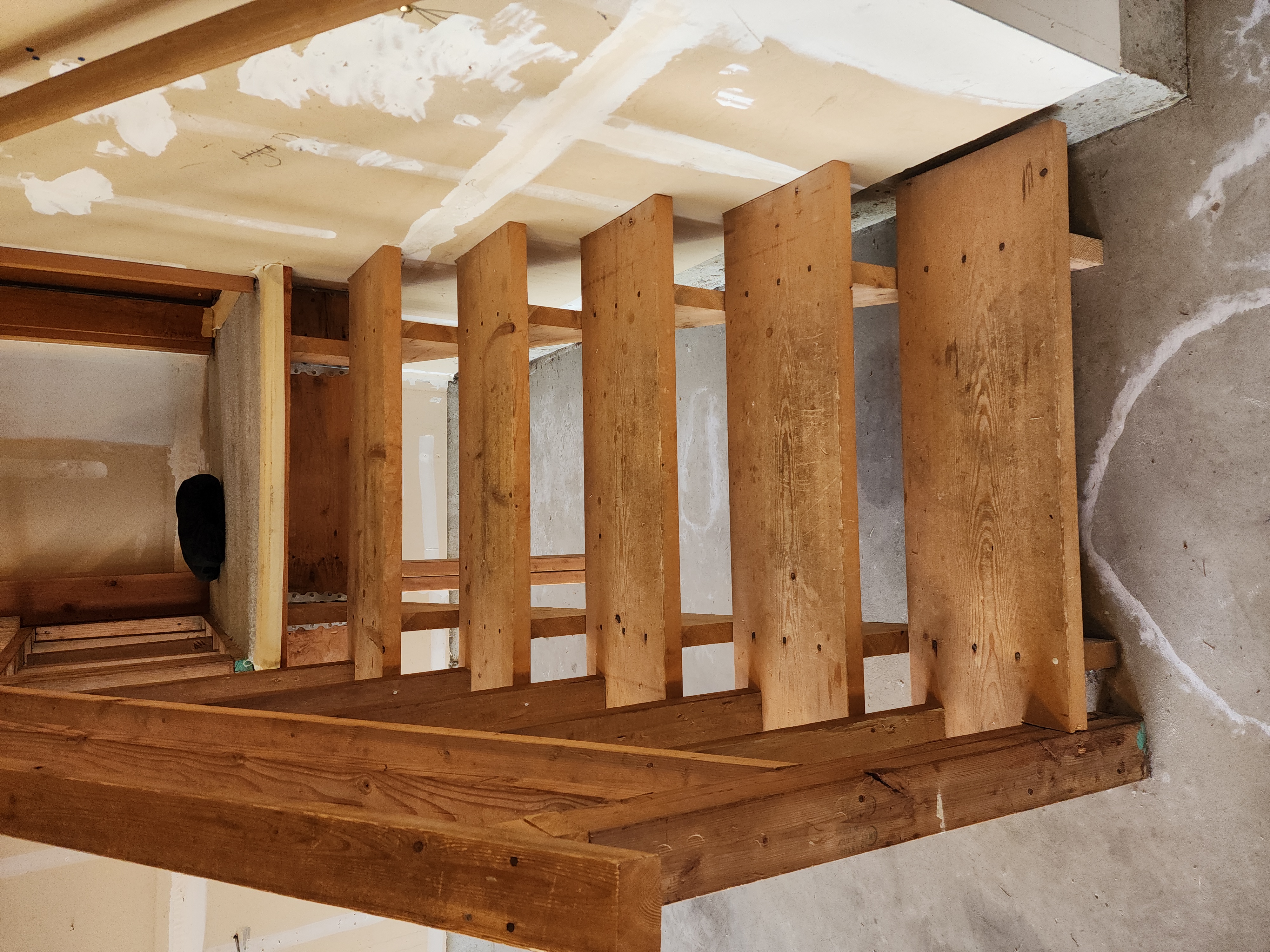
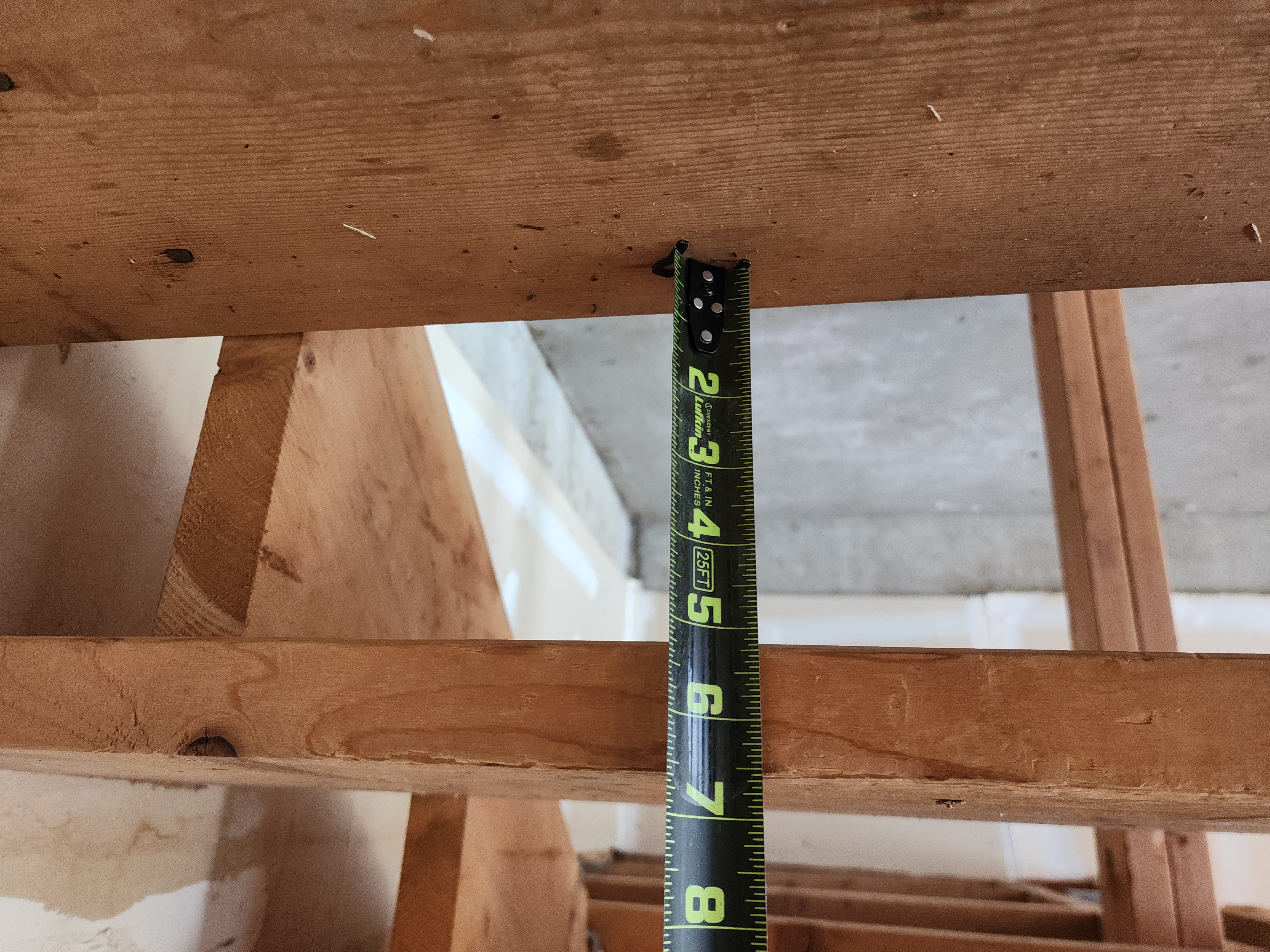
Modern building standards recommend that open front steps have a gap no larger than 4 inches for child safety. The staircase had gaps larger than this, see photo(s). I recommend repair by a qualified contractor.
Contractor:General Contractor - 5.7.1 Common Spaces & Bedrooms - Interior Doors:
Door(s) did not latch and stay closed in the following location(s): Second Level South Bedroom Closet. I recommend repair by a qualified contractor.
Contractor:General Contractor - 8.3.1 Laundry / Utility Room - Washer:
No drip pan was installed under the washing machine. When installed in living space, having a drip pan underneath the washing machine (ideally that drains to the exterior) is recommended to prevent water damage from leaks. I recommend installation of a proper drip pan by a qualified contractor.
Contractor:General Contractor - 9.4.3 Garage - Garage Doors & Openers:
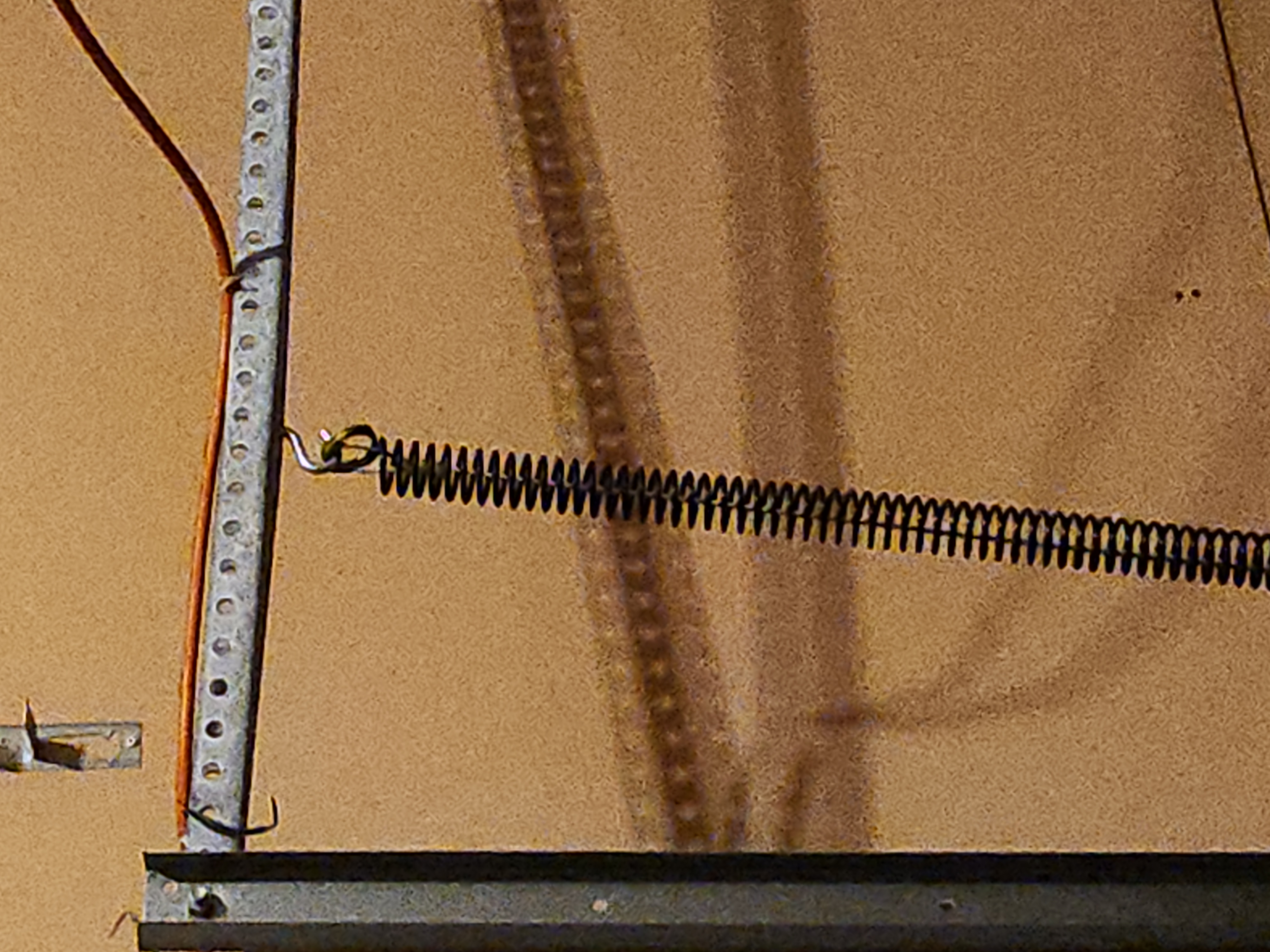
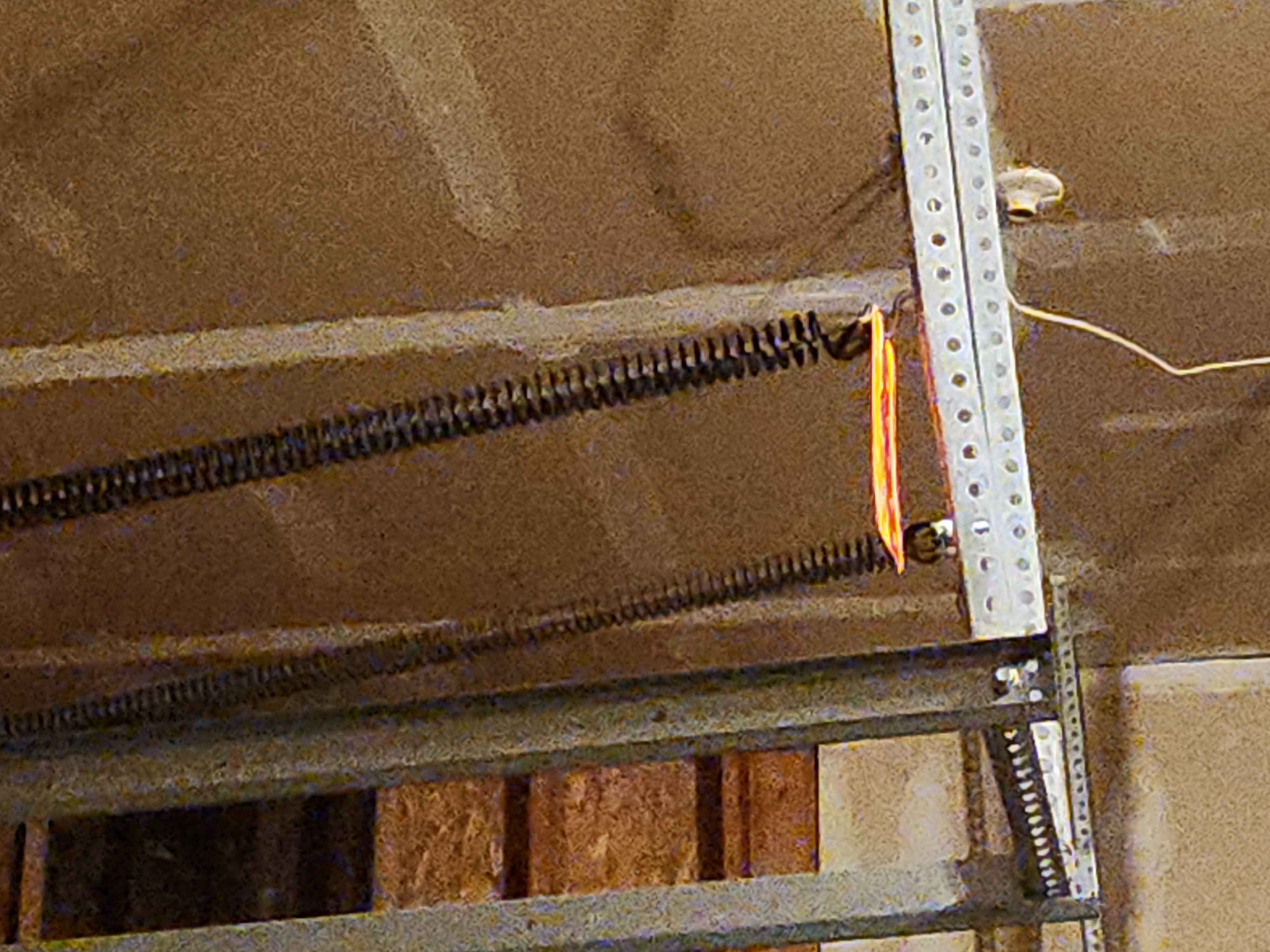
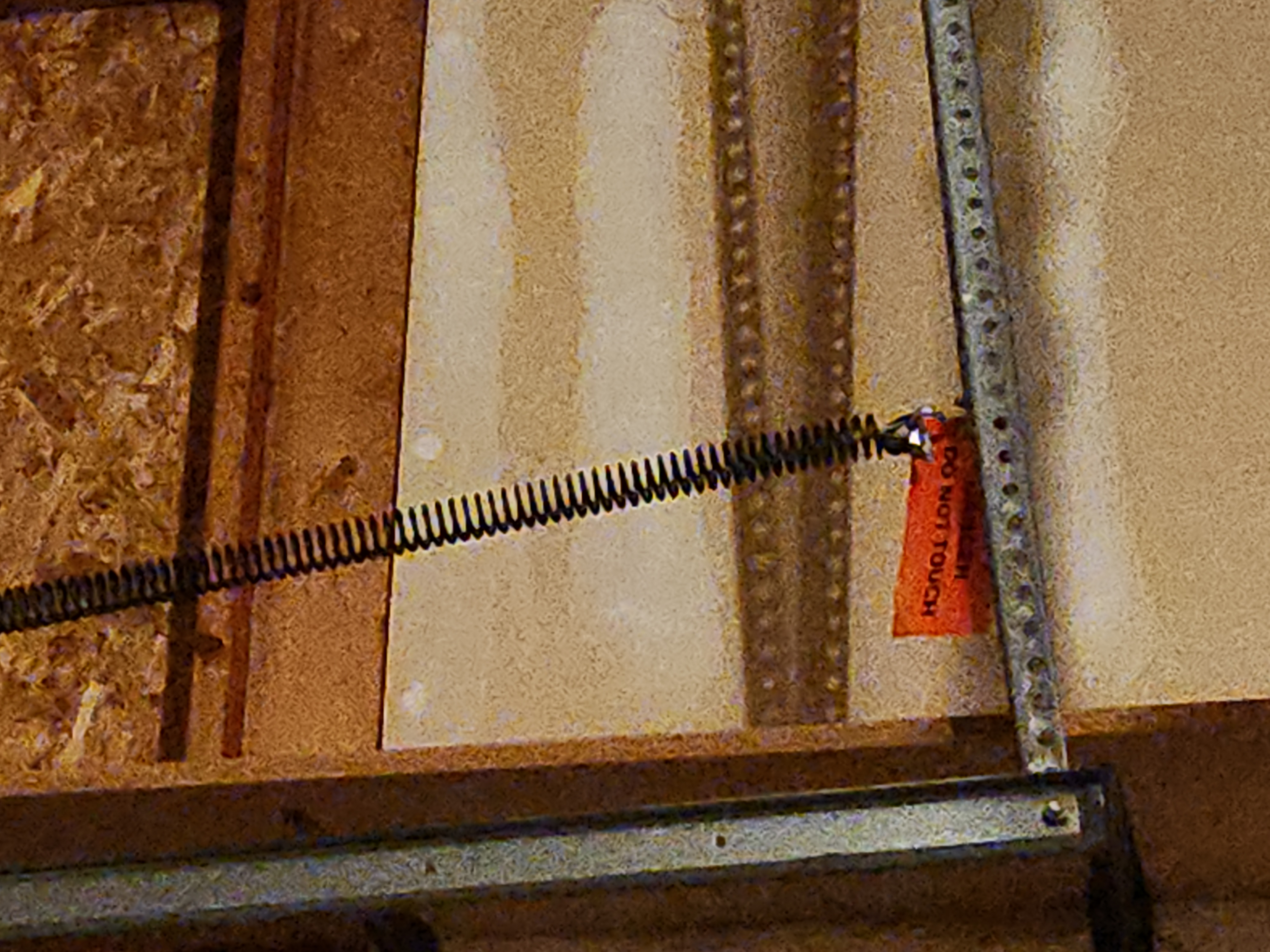
The garage door(s) was using extension springs, which are an older design, see photo(s). Modern garage doors typically use torsion springs, which are much safer. I recommend upgrading to a torsion spring system as a safety improvement.
Contractor:General Contractor - 11.8.4 Structure & Basement - Insulation:
Crawl space insulation was lower than modern building standards recommend. I recommend installation of additional insulation by a qualified contractor until it reaches a minimum R-25.
Contractor:General Contractor - 11.8.5 Structure & Basement - Insulation:
The under-floor insulation in the crawl space was sagging throughout the crawl space. In order for this insulation to be effective, it needs to be in substantial contact with the surface it is insulating (the bottom of the floor.) I recommend repair by a qualified contractor.
Contractor:General Contractor - 12.7.6 Plumbing - Water Heater:
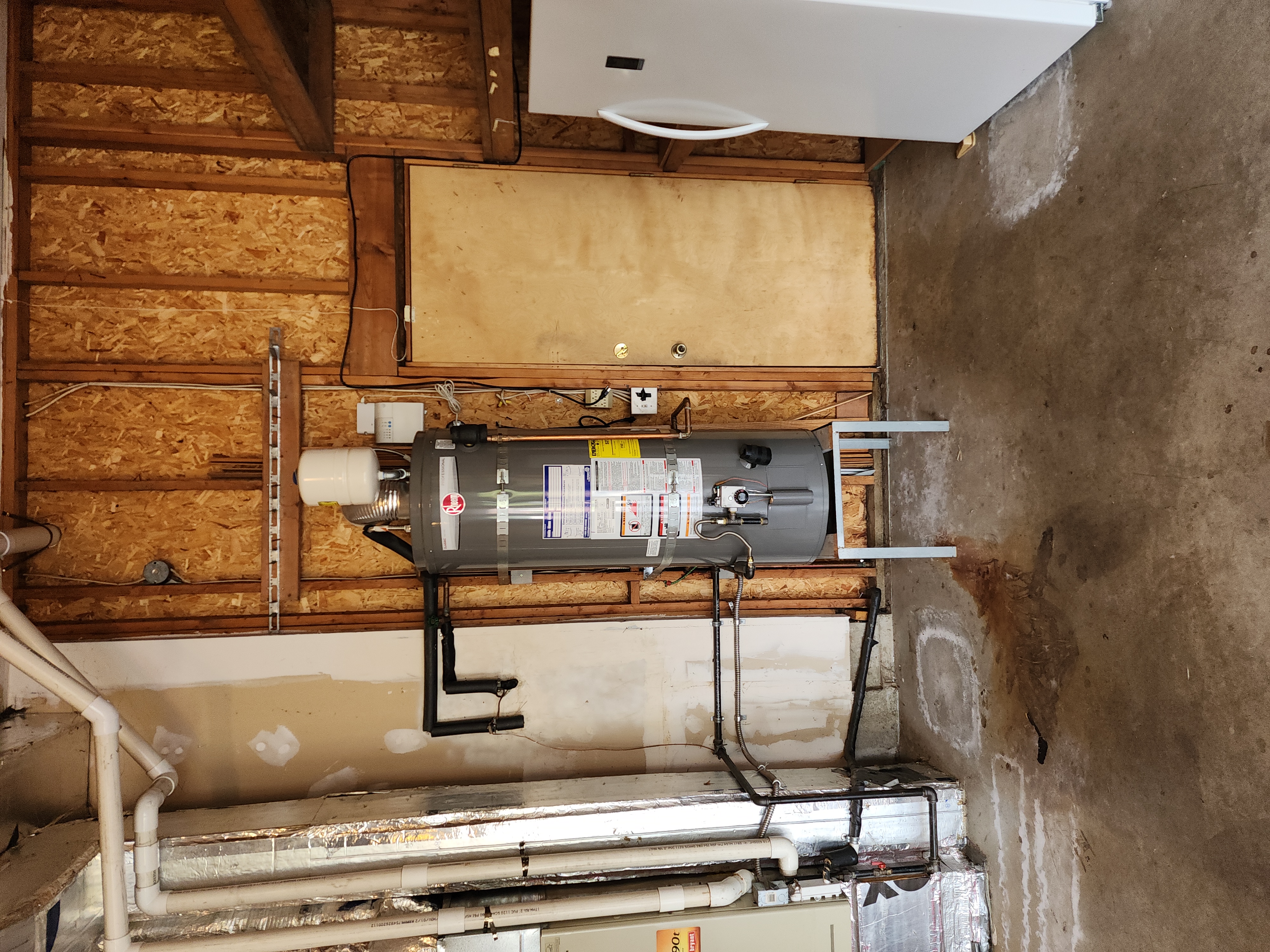
Modern building standards recommend having a bollard (a steel post bolted to the floor) installed in front of any equipment that a car could drive in to. This water heater did not have a bollard installed. I recommend installation of a bollard by a qualified contractor.
Contractor:General Contractor
.jpg)