

DIY (do it yourself)
How to Read This Report
This is a limited, visual, non-invasive inspection. It is not a warranty, a code inspection, or a technically exhaustive evaluation. See the Scope & Limitations chapter at the end of this report for full details.
Getting the Information to You
This report is designed to deliver important and technical information in a way that is easy for anyone to access and understand. If you are in a hurry, you can take a quick look at our "Summary Page” and quickly get critical information for important decision making. However, we strongly recommend that you take the time to read the full Report, which includes digital photographs, captions, diagrams, descriptions, videos and hot links to additional information. This report can also be printed on paper or to a PDF document, but the best way to get the layers of information that are presented in this report is to read your report online, which will allow you to expand your learning about the inspected property.
Chapters and Sections
This report is divided into chapters that parcel the home into logical inspection components. Each chapter is broken into sections that relate to a specific system or component of the home. You can navigate between chapters with the click of a button on the left side margin.
Most sections will contain some descriptive information done in black font. Observation narrative, done in colored boxes, will be included if a system or component is found to be significantly deficient in some way or if we wish to provide helpful additional information about the system or the scope of our inspection. If a system or component of the home was deemed to be in satisfactory or serviceable condition, there may be no narrative observation comments in that section and it may simply say “tested,” or “inspected.”
Observation Labels
All narrative observations are colored, numbered and labeled to help you find, refer to, and understand the severity of the observation. Observation colors and labels used in this report are:
- Note:These are informational comments that aren't deficiencies. They describe how we inspected different components of the house, add detail about the home's systems, and explain any limitations that affected the inspection. They also include contextual photos of the house and photos of components while they were operating.
- Tier 1 - Major Concern:These represent priority items like major safety issues, active issues causing damage to the house, or items of significant expense that are looming in the near future.
- Tier 2 - Repair:These are lower priority deficiencies that may not need immediate attention, but should be addressed in the near/medium term future. These are usually improperly functioning components, deferred maintenance items, occupant safety concerns, or sub-par construction/installation problems.
- Tier 3 - Improvement:These are things that are working but could be better. They are less significant issues like nuisance repairs, minor safety updates, energy efficiency improvements, or potential reliability problems. Often these are improvements that may not have been necessary--or even have existed--when the property being inspected was constructed (e.g. changes in building standards over time.)
- Due Diligence:Observations that may require further investigation and/or clarification that could not be provided during the home inspection.
- Future Project:These are longer term considerations for the house and include things like repairs that may be deferred for some time but should be on the radar for repair or replacement in the future, optional upgrades to the house's function, and potential future hidden costs.
- Monitor:Items that should be watched to see if correction may be needed in the future.
- Maintenance:These are items that should be considered "routine home ownership," such as servicing the furnace, cleaning the gutters or changing the air filters in the furnace. Generally a house costs ~1% of the purchase price per year to maintain.
- Homeowner Info:These are pieces of "good to know" information about the house, essentially an owner's manual. For example, the location of the main water shut-off valve, gas shut-off valve(s), etc.
Summary Page
The Summary Page is a quick, bulleted overview of the observations from this inspection, grouped by category. The Tier 1, Tier 2, and Tier 3 sections list the deficiencies we found. The remaining sections, like Monitor, Due Diligence, Maintenance, and Homeowner Info, are listed for easy reference. This overview is not a substitution for reading the entire inspection report.
DIY (do it yourself)
Tier 1 - Major Concerns
- 13.9.4 Electrical - Smoke & Carbon Monoxide Detectors:
There were no visible carbon monoxide detectors on the second level. Current building standards require a carbon monoxide detector on every floor of any residential dwelling. I recommend installation by homeowner as a DIY project.
Contractor:DIY (do it yourself)
Tier 2 - Repairs
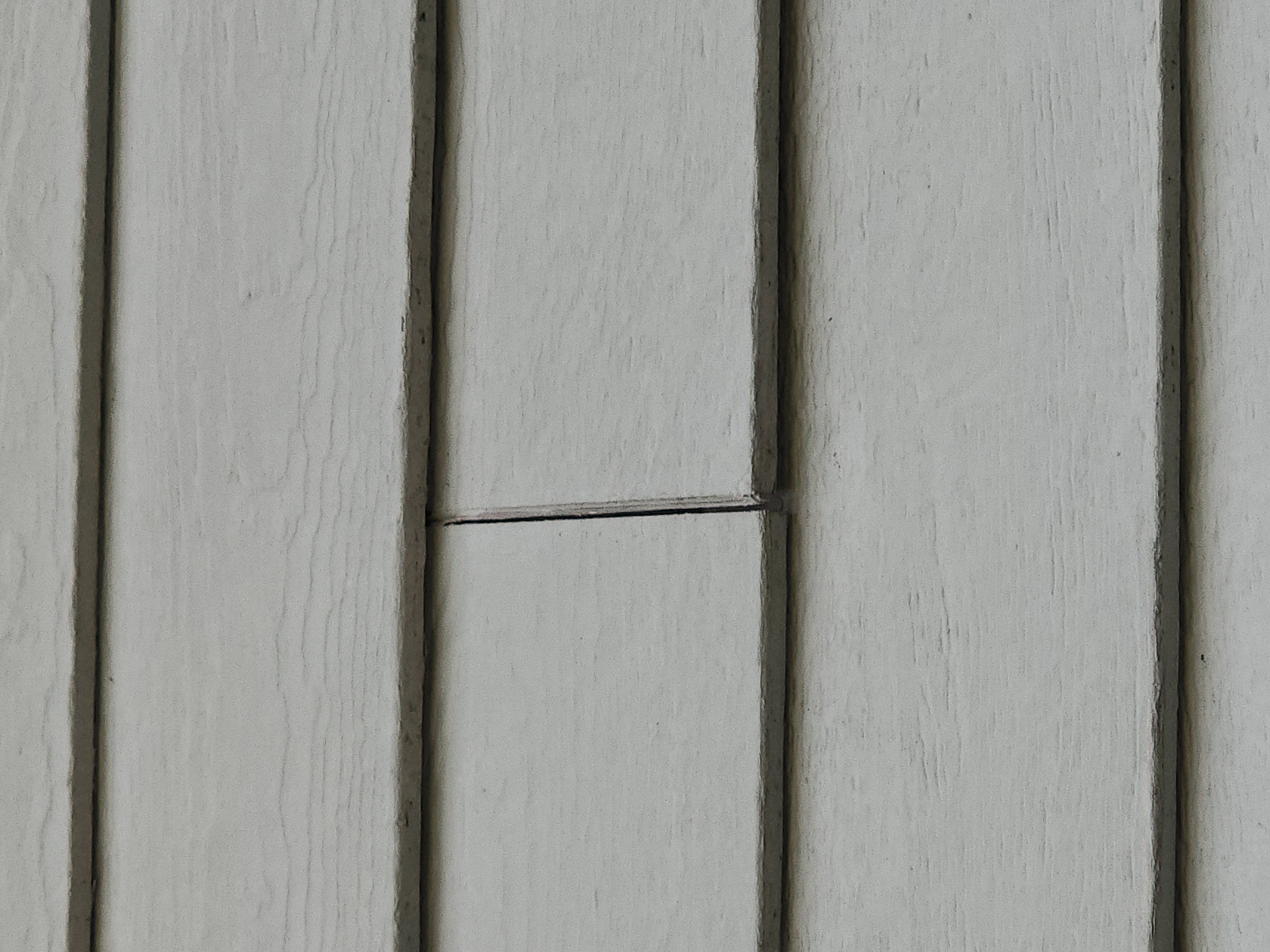
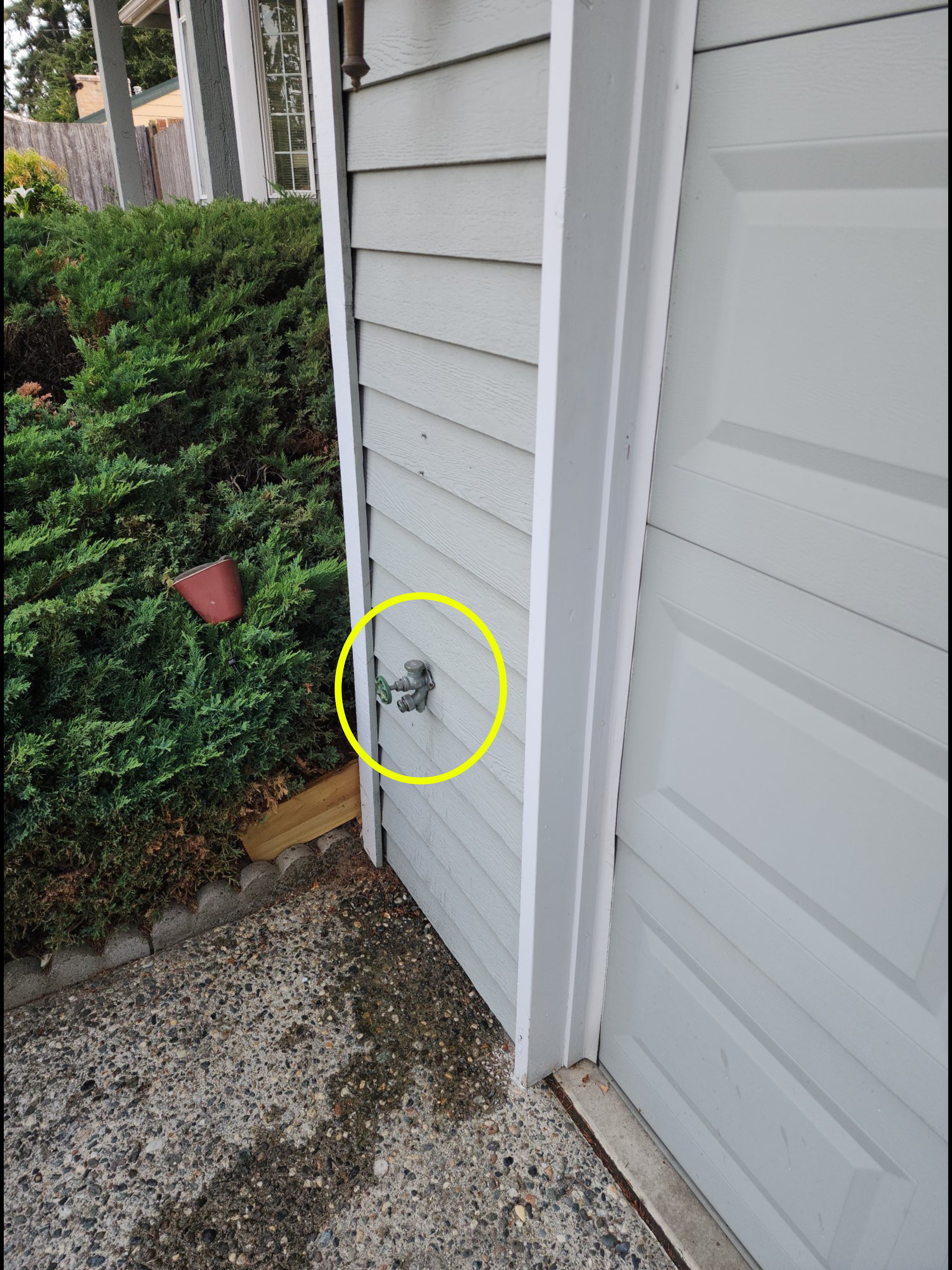
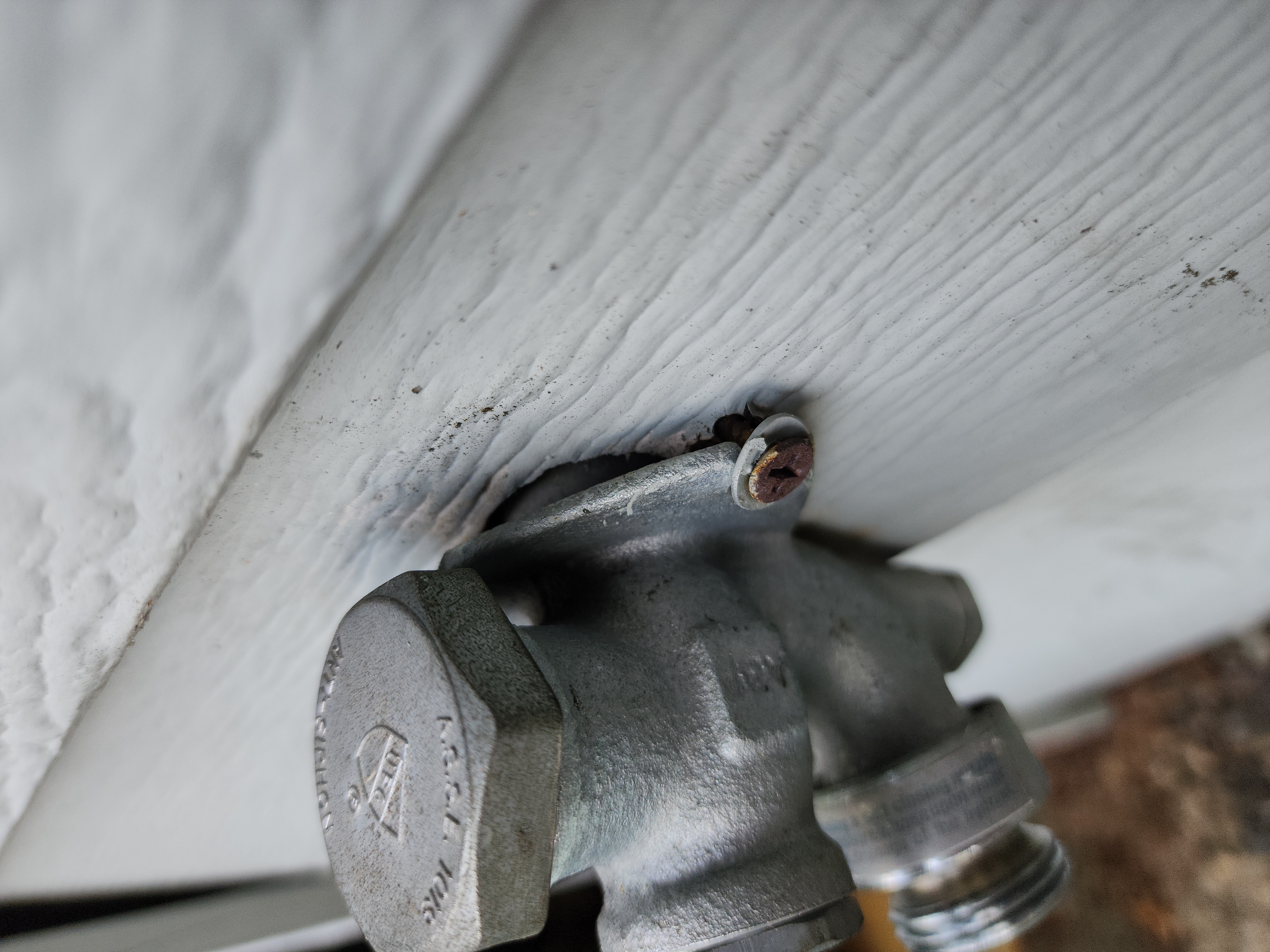
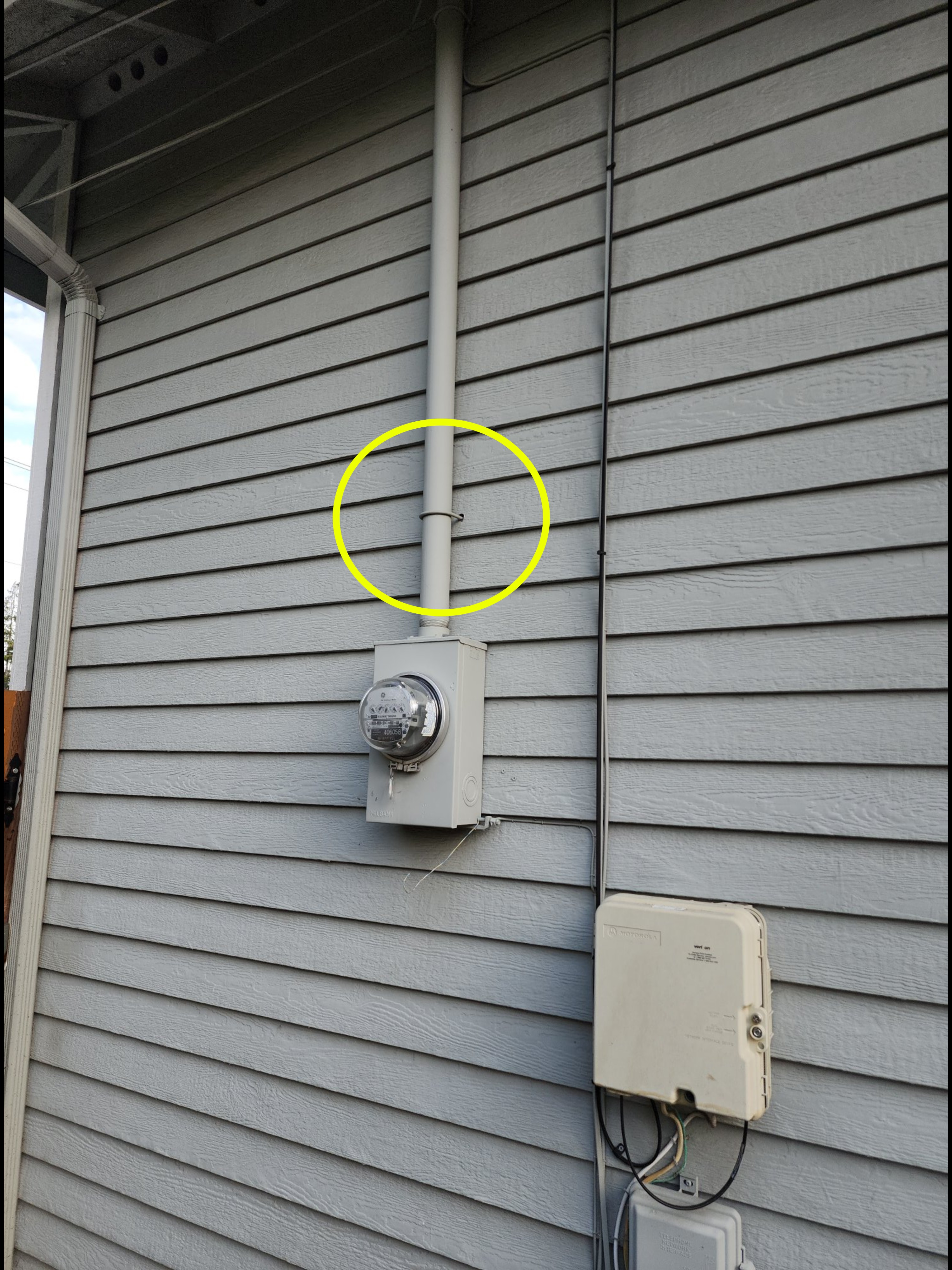
- 3.2.3 Exterior - Siding & Trim:
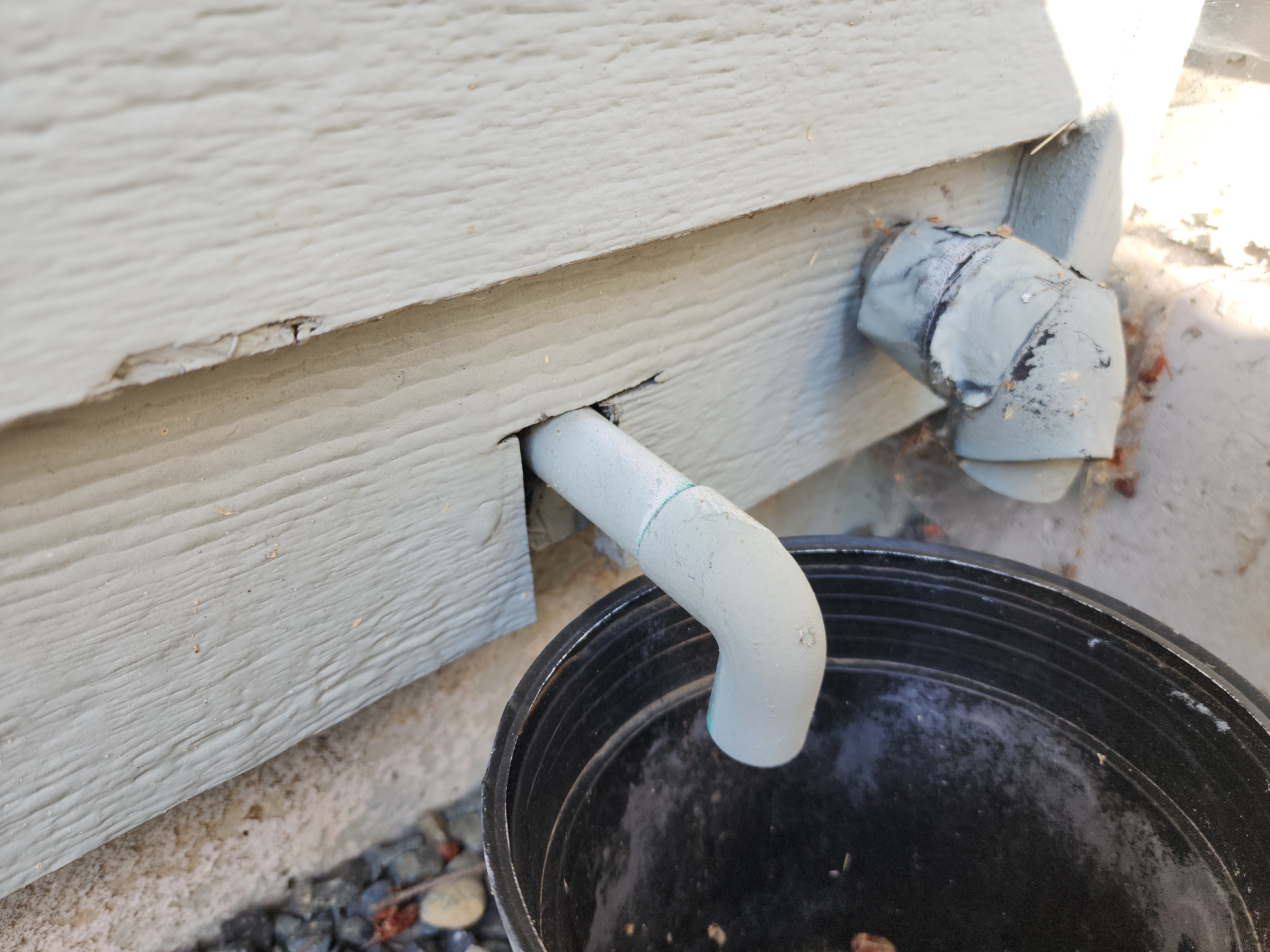
Some areas of siding needed resealing, see example photo(s). Deteriorated or missing sealants are a conducive condition for rot and pests as they allow water to penetrate into or behind the siding. This is normally a DIY repair using exterior grade caulk, though larger gaps may need repair by a qualified contractor.
Contractor:DIY (do it yourself)General Contractor - 4.4.3 Roof - Roof Materials:
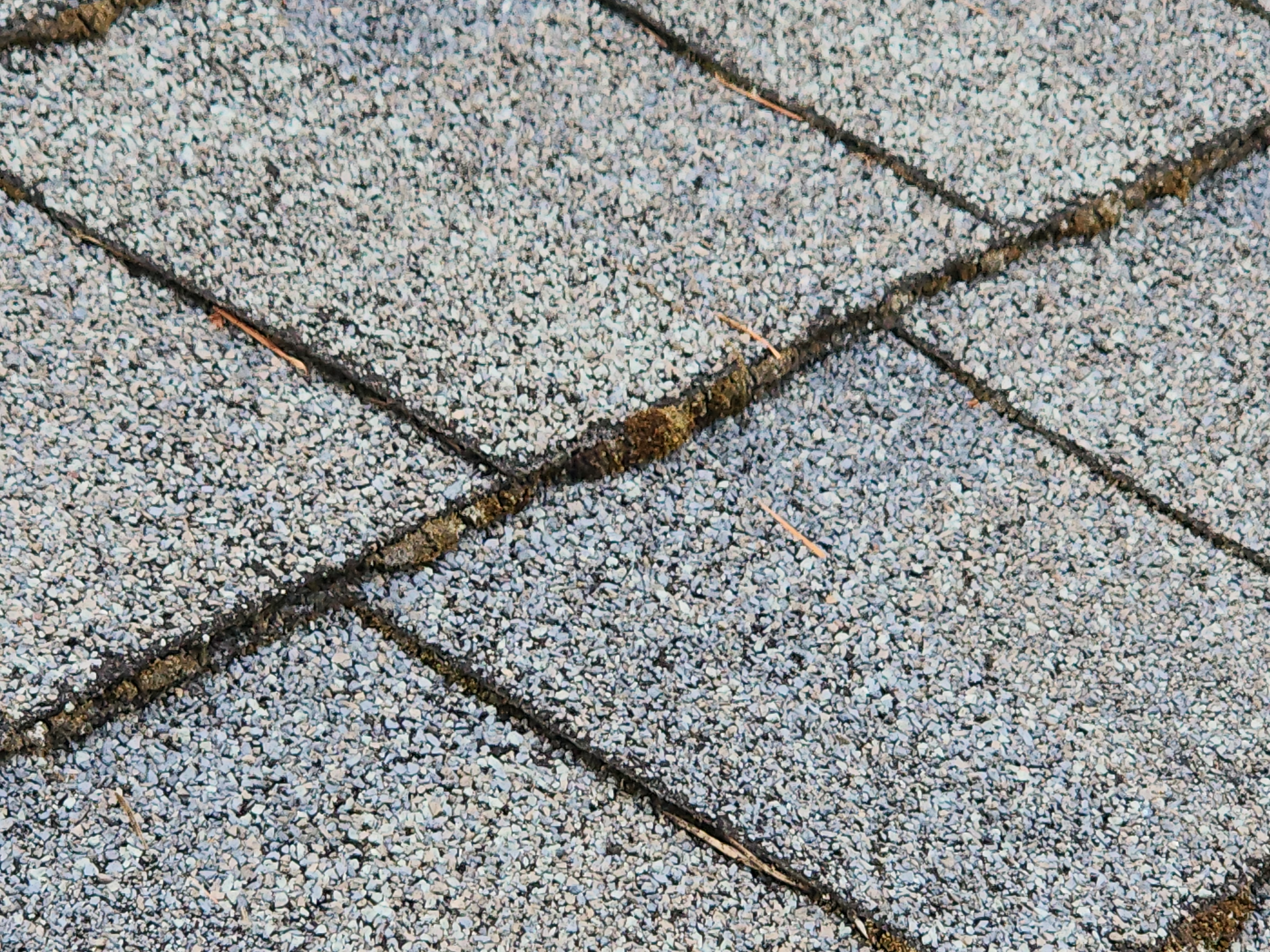
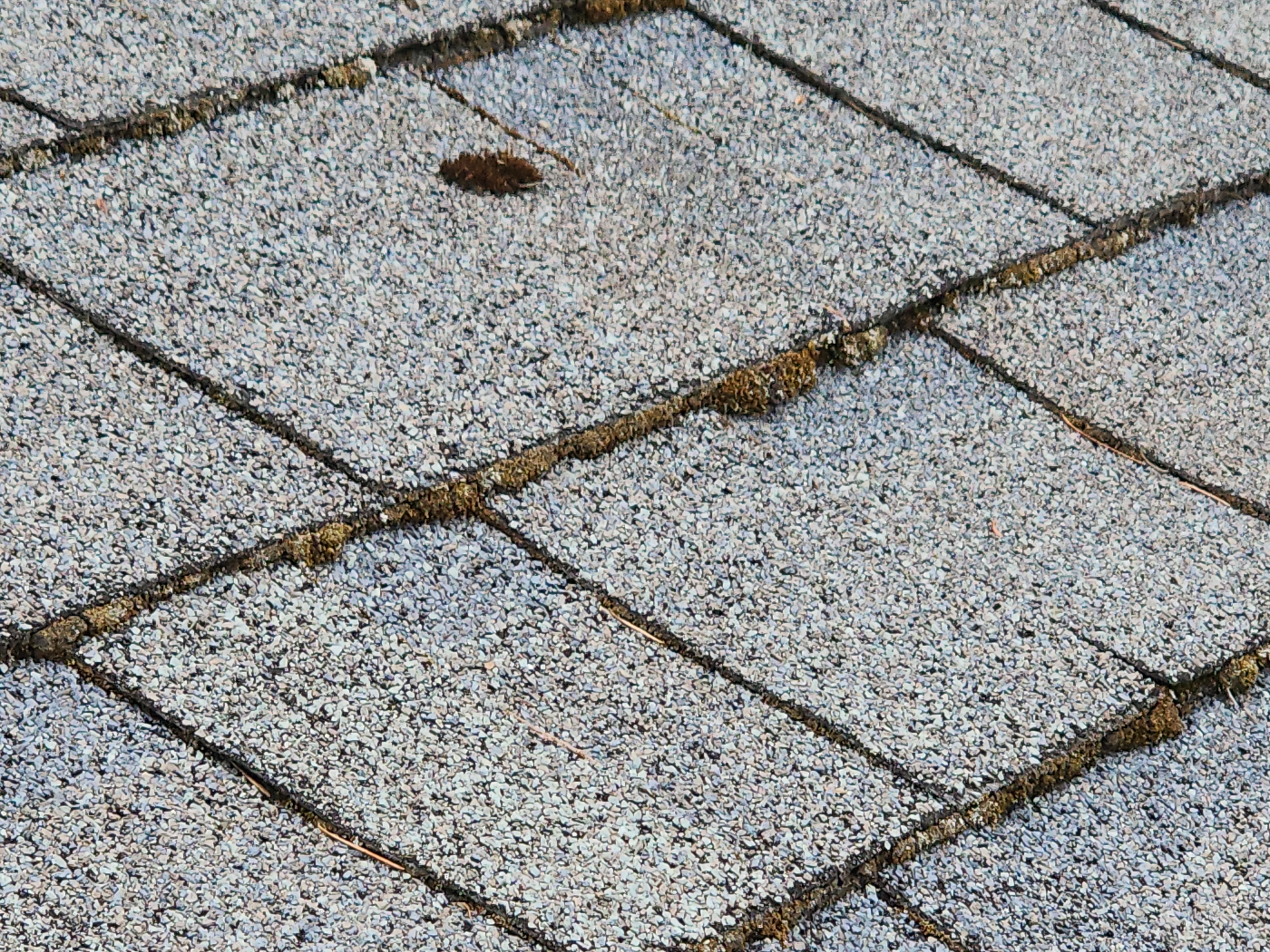
There was moss on the roof, see example photo(s). Moss growth is common in our climate, and most often grows in shady areas (mostly on north facing roof surfaces or under vegetation.) This can lead to the premature failure of the roof and subsequent leaks. I recommend regularly treating moss during its growing season (wet months) with a moss killer; do not pressure wash it as it can severely damage the roofing material. This is generally a DIY repair, though the height and pitch of the roof may require a qualified contractor.
Contractor:DIY (do it yourself) - 4.4.4 Roof - Roof Materials:
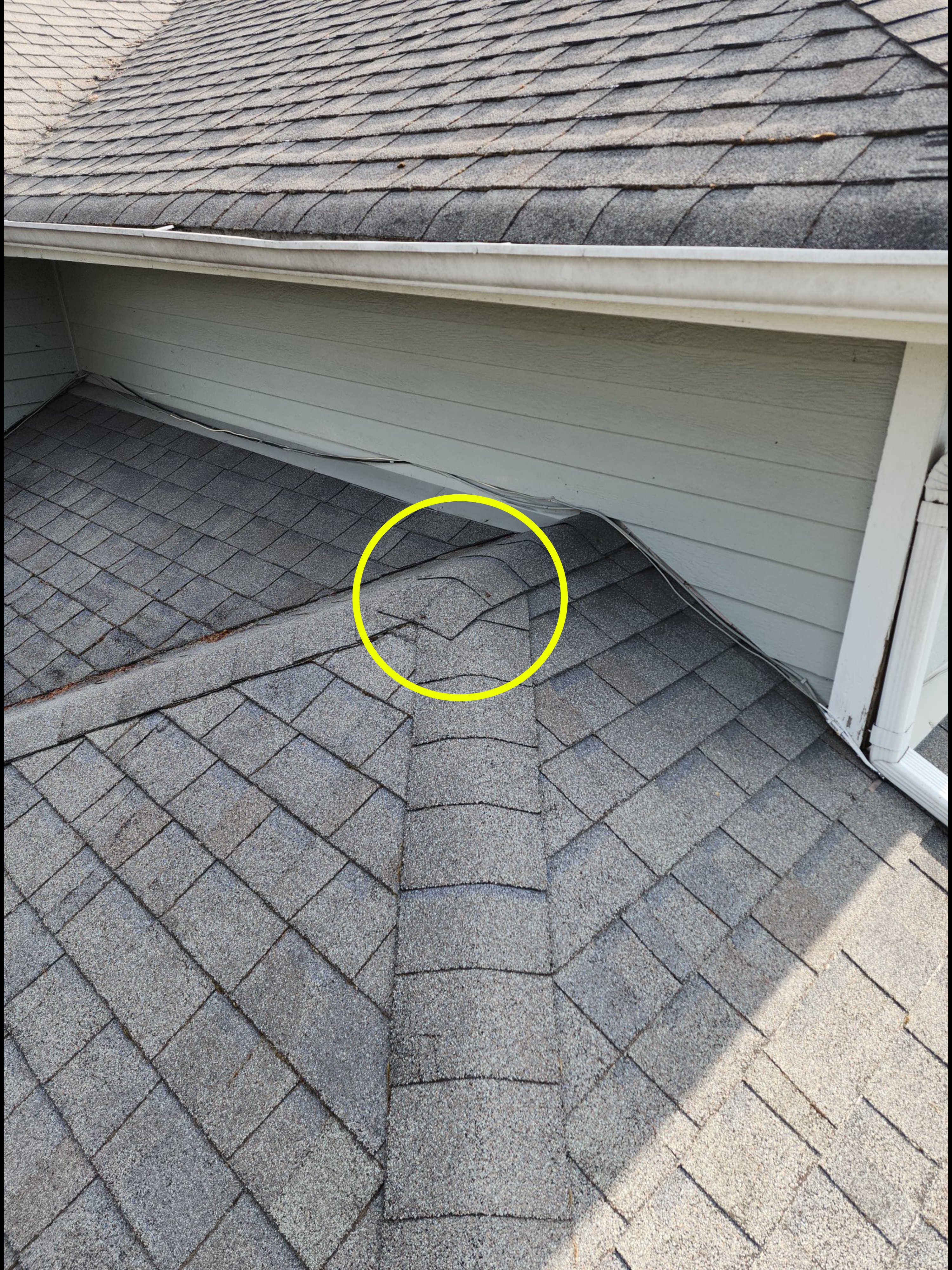
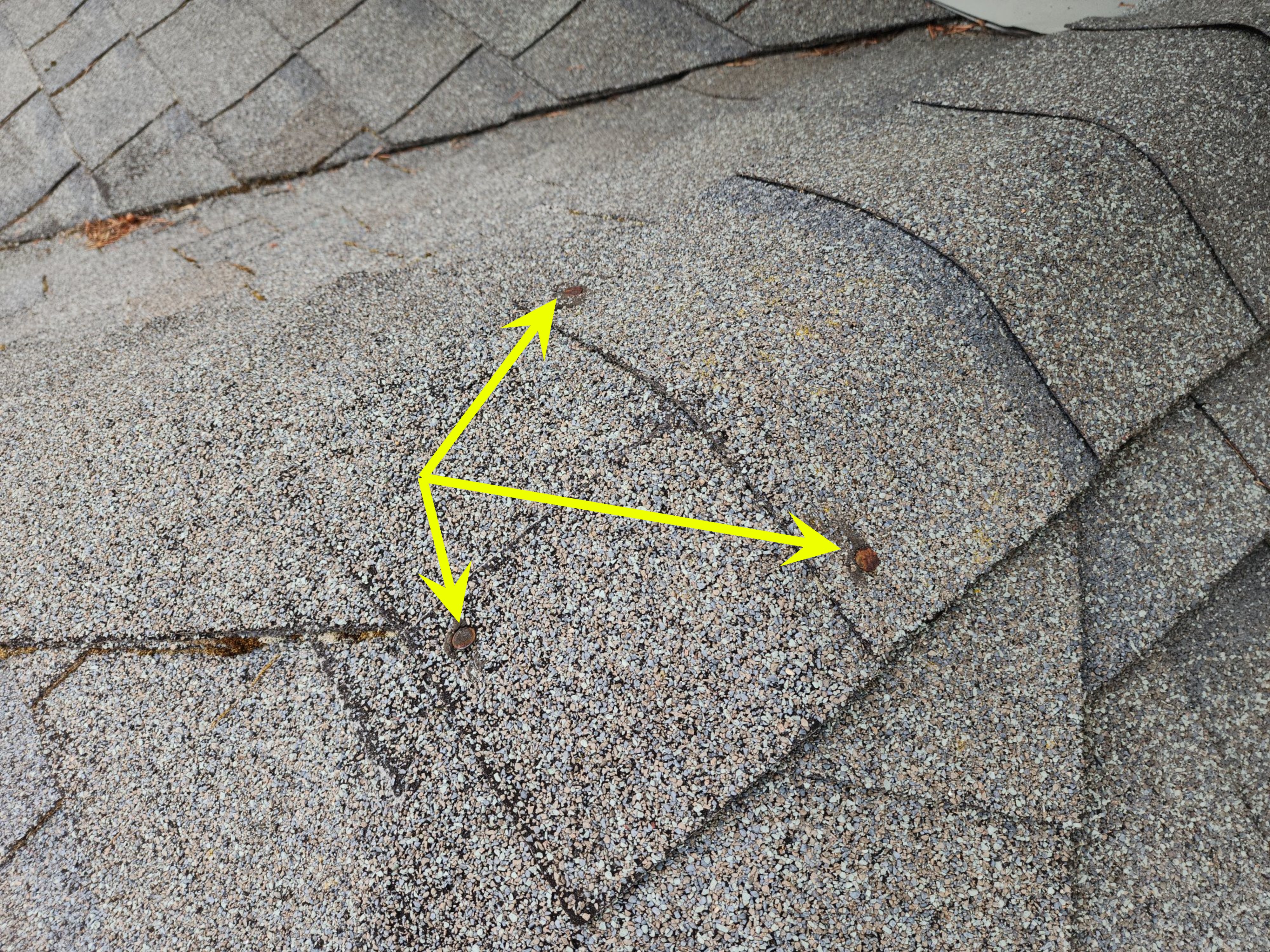
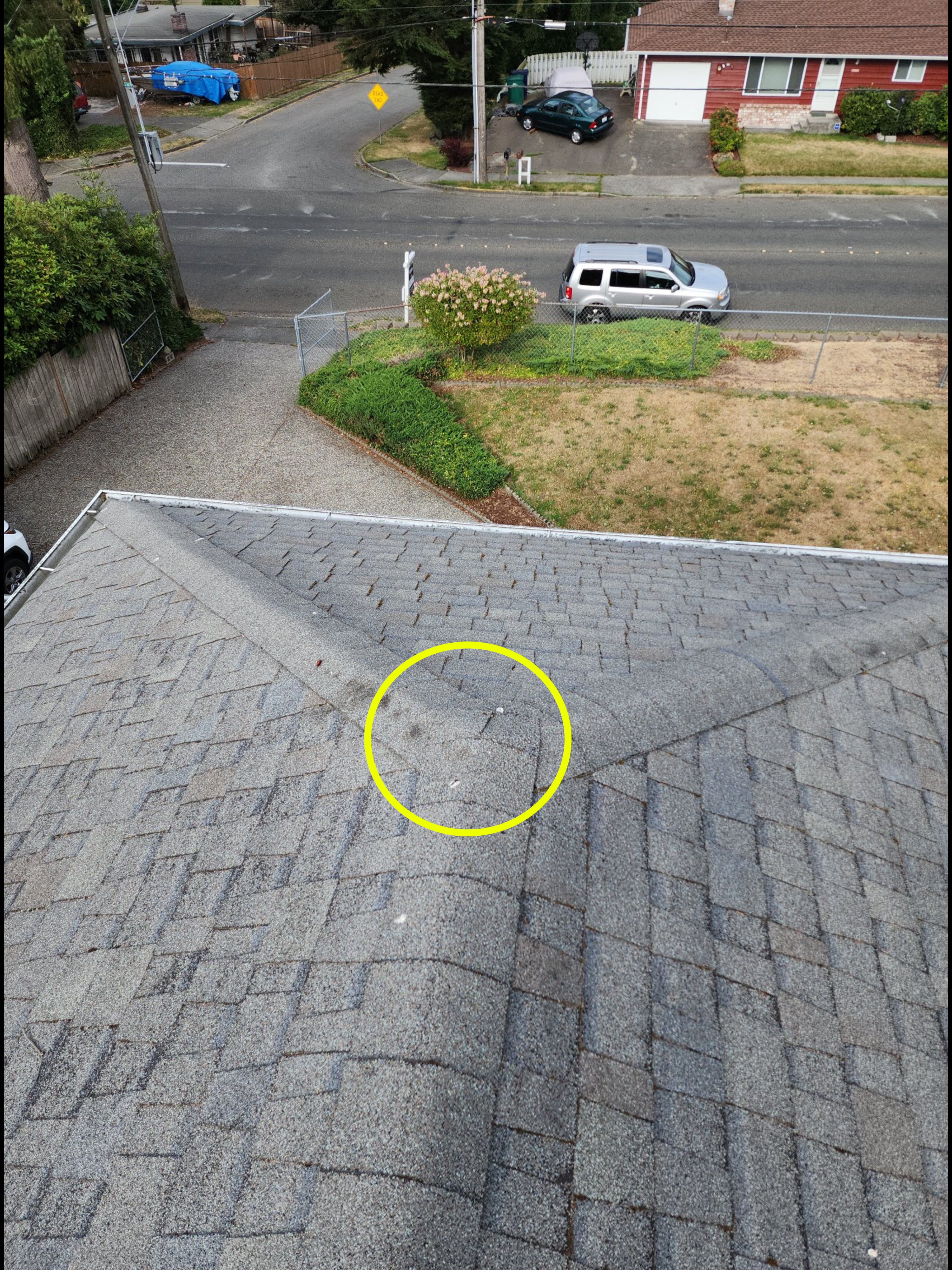
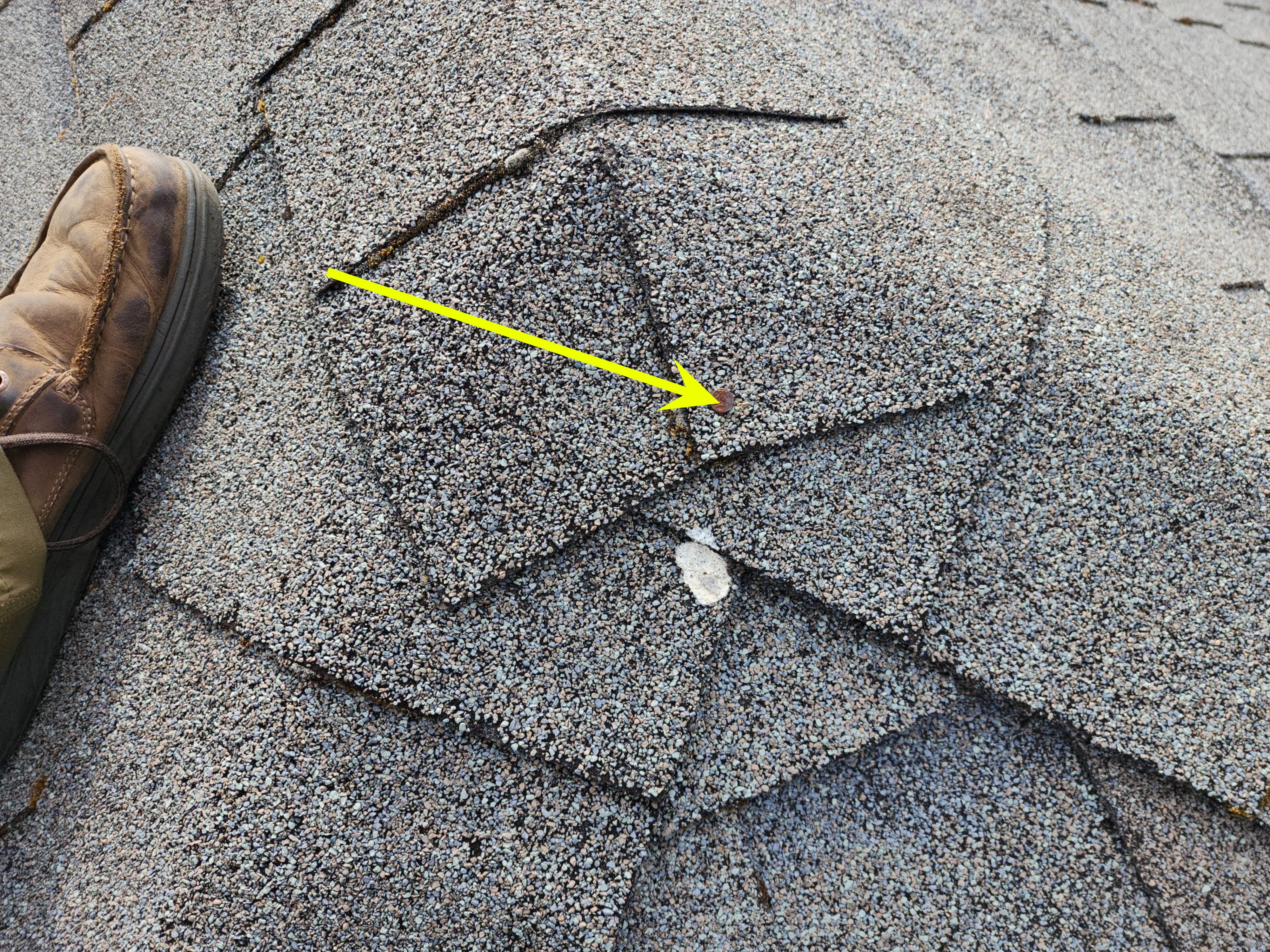
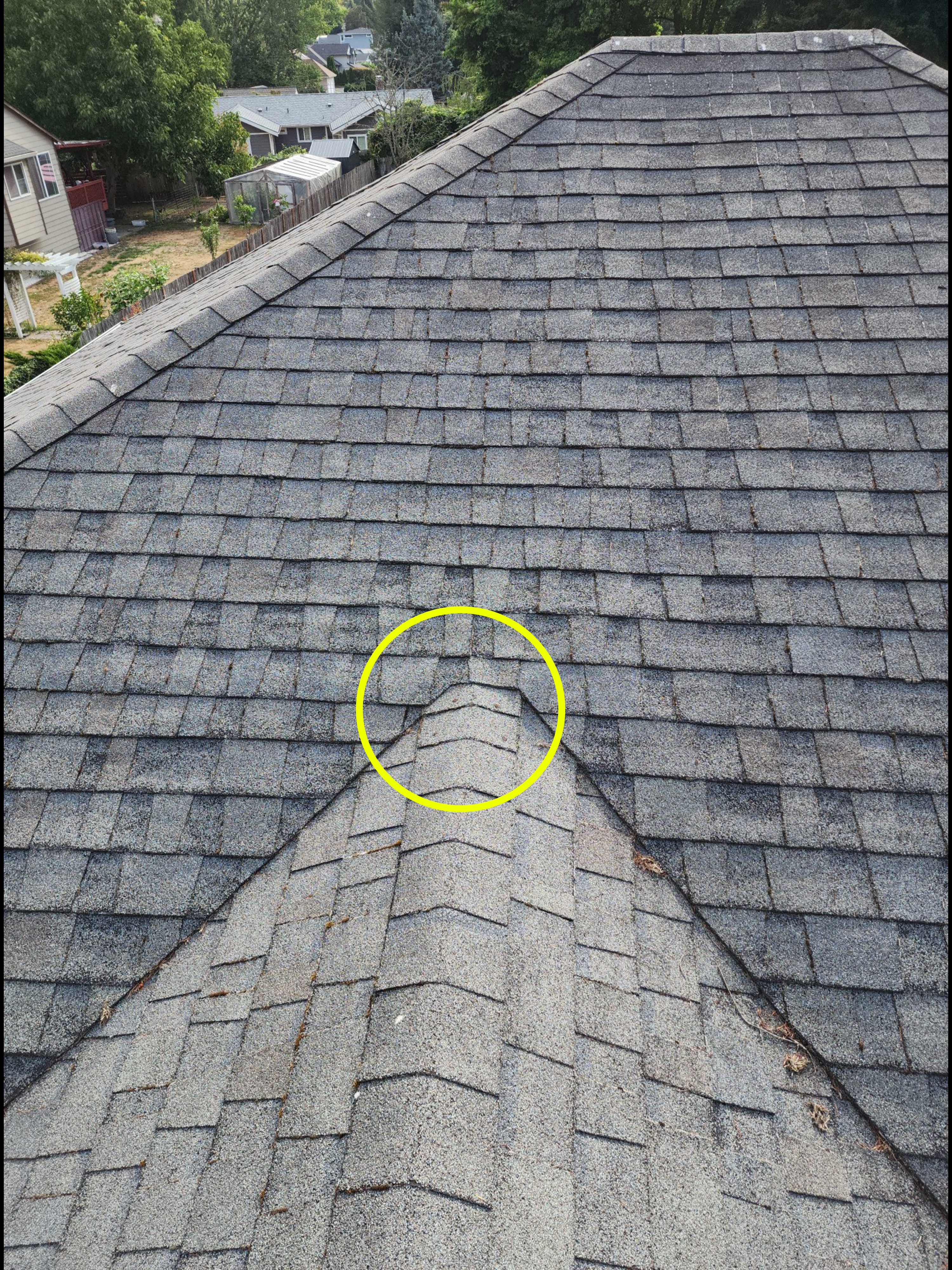
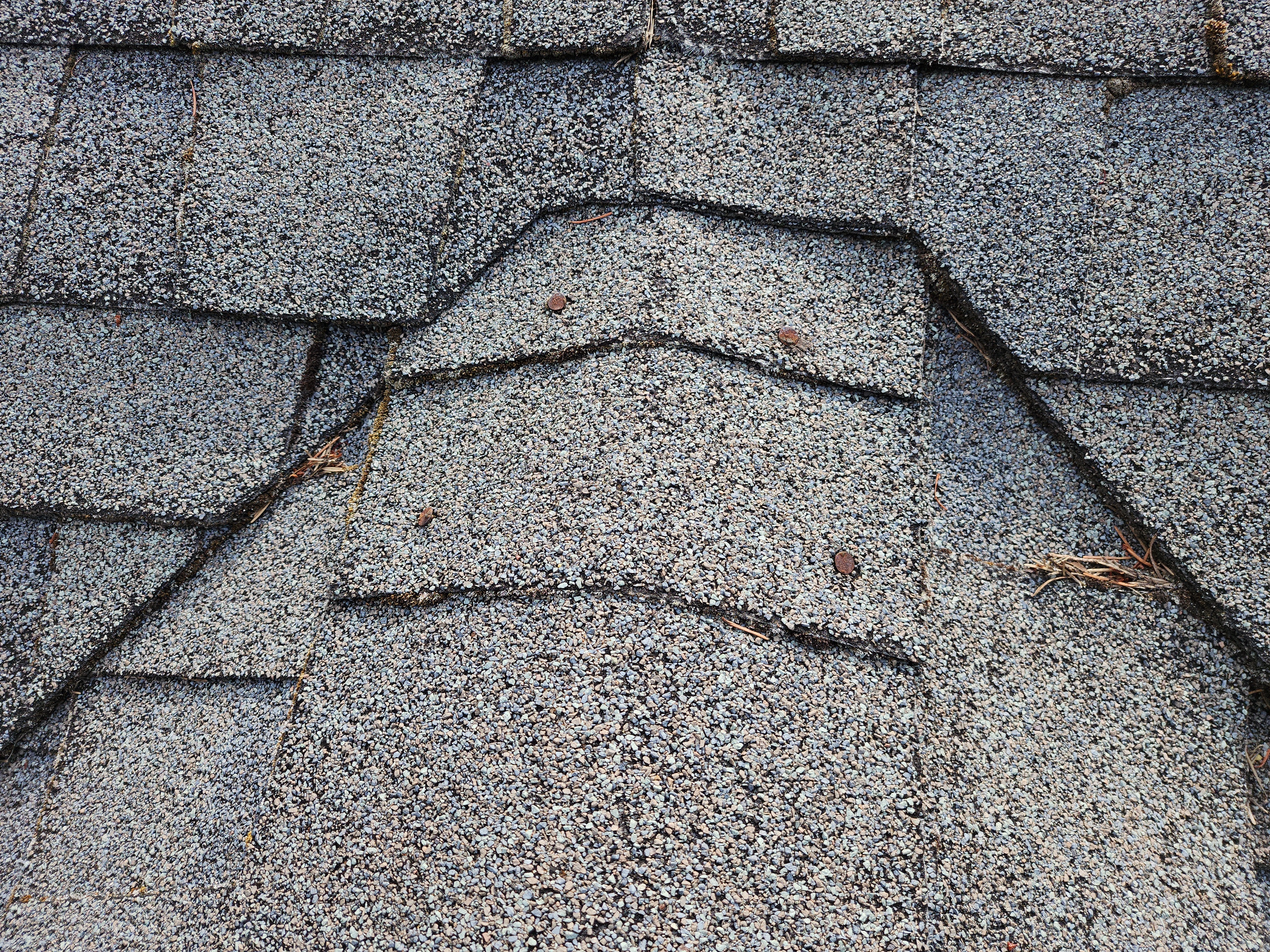
Exposed fasteners were observed, see photo(s). This can be a potential water penetration point into the roof structure, and is a conducive condition for rot and organic growth. I recommend sealing all exposed fasteners with exterior grade caulk or roofing compound. DIY repair.
Contractor:DIY (do it yourself) - 6.3.1 Bathrooms - Sinks & Cabinets:
Sink(s) was slow to drain in the following location(s): Primary Bathroom Left Sink. I recommend cleaning as a DIY repair. If that is not successful, further evaluation and repair by a qualified plumber may be needed.
Contractor:DIY (do it yourself) - 6.5.2 Bathrooms - Bathtubs & Showers:
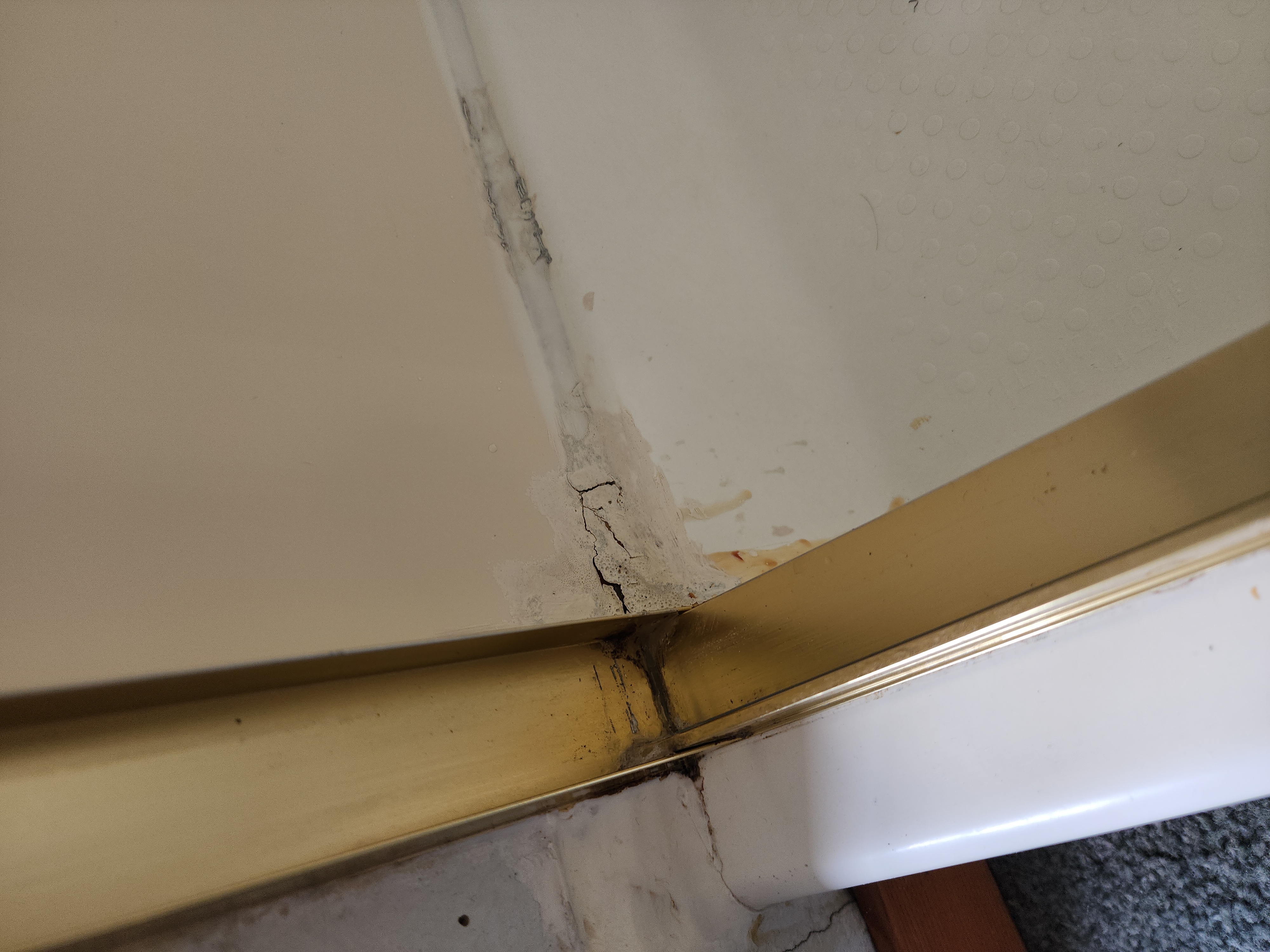
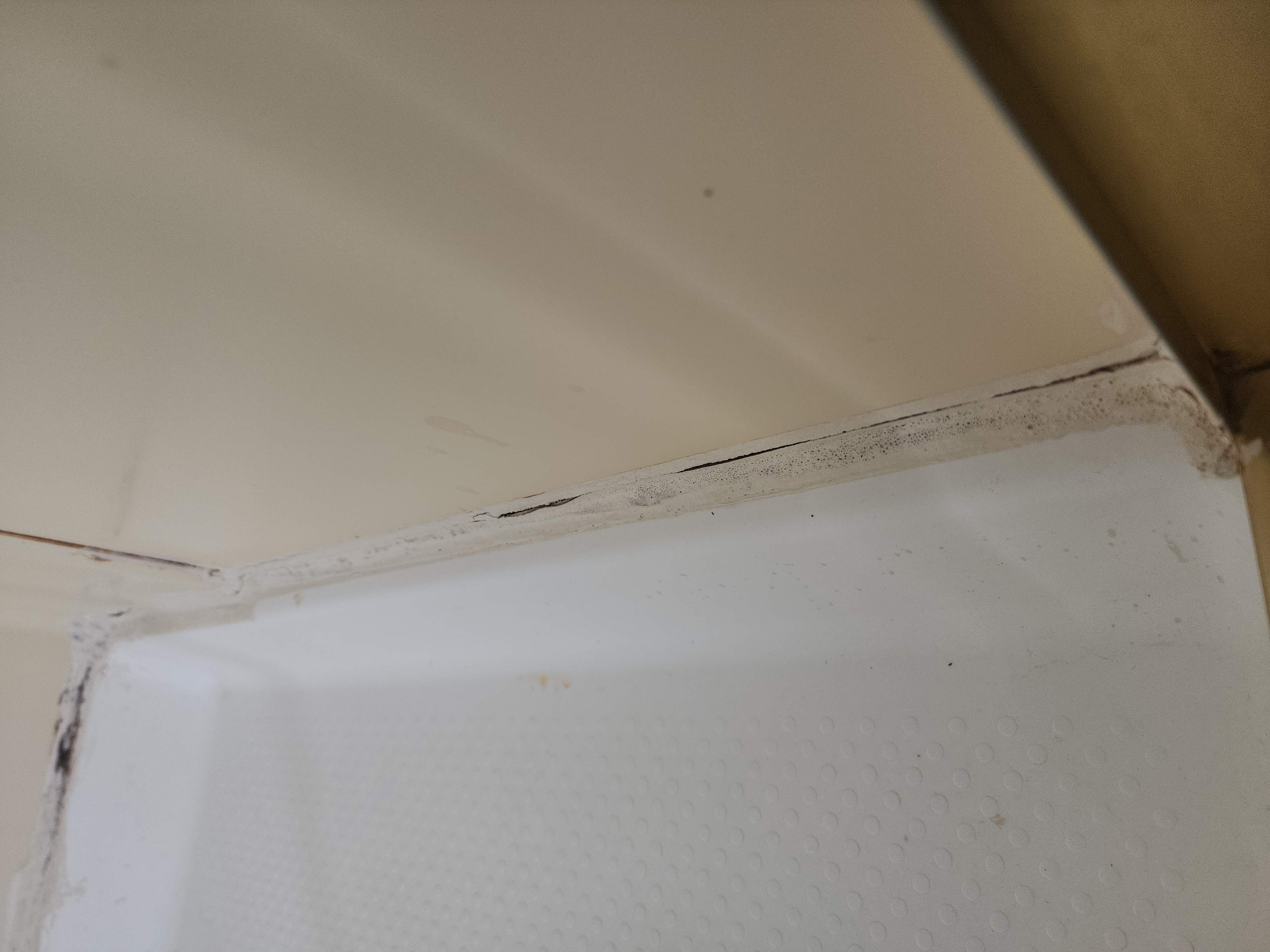
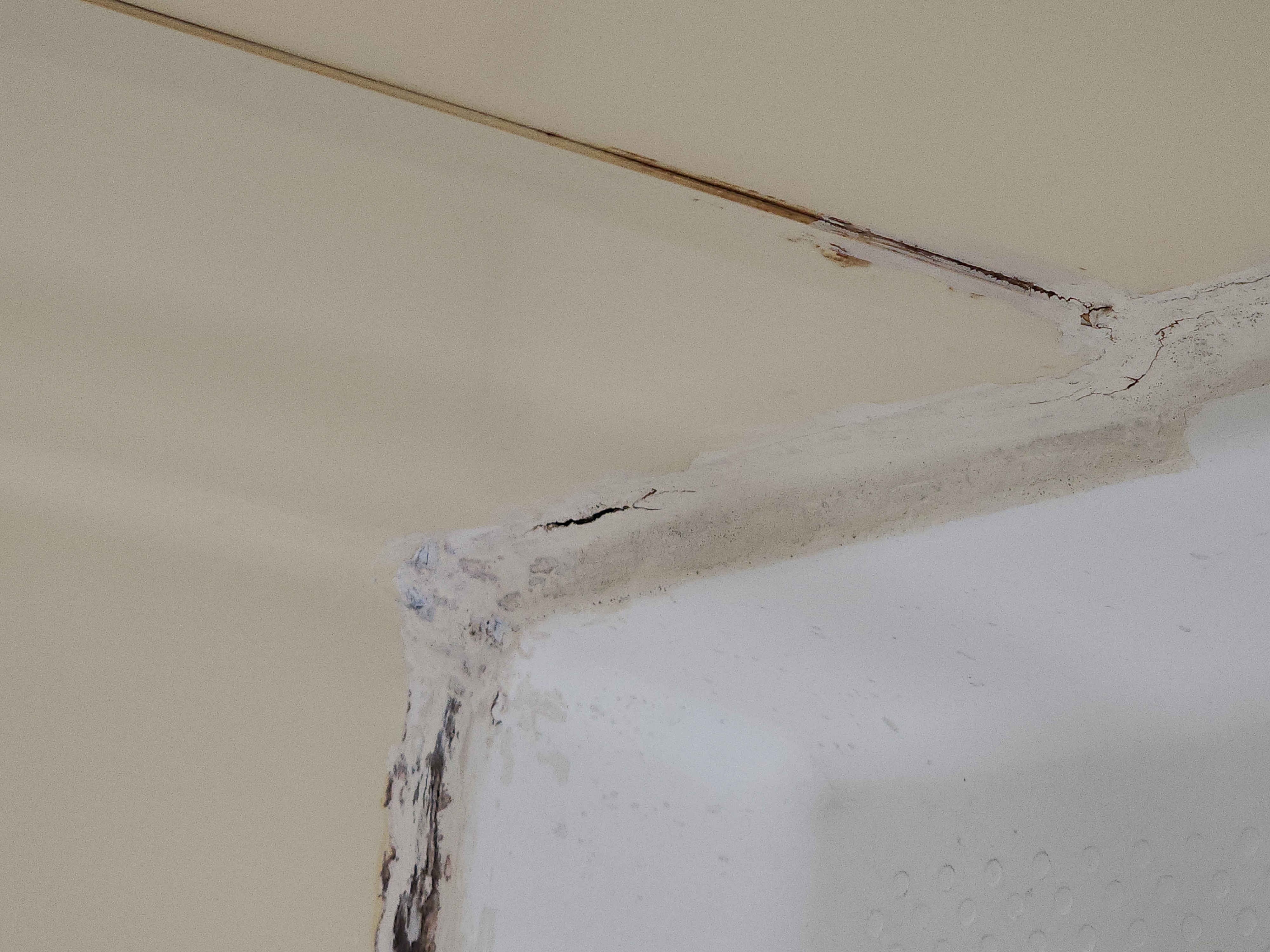
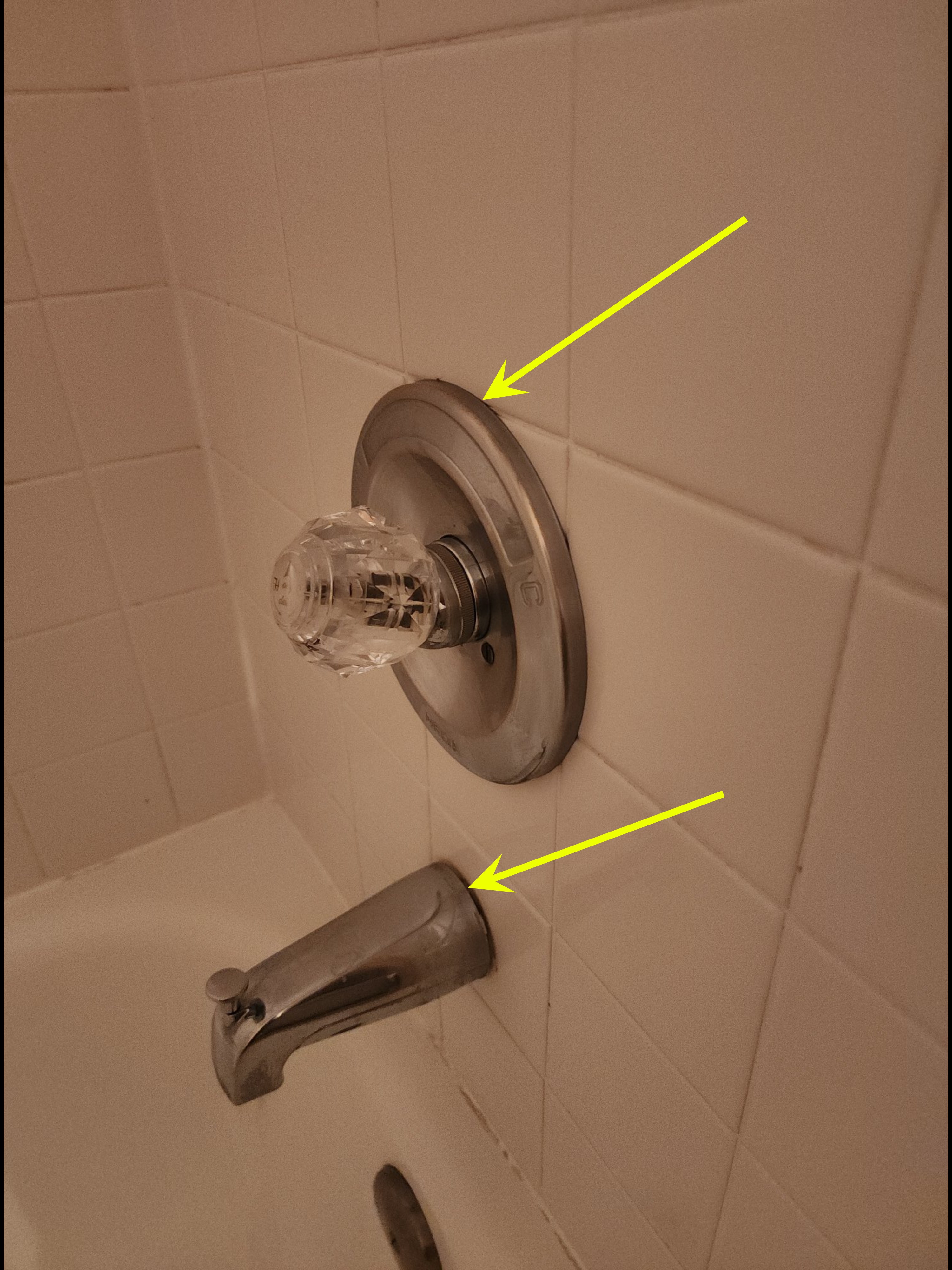
Grout/caulk was worn in tub/shower(s), see example photo(s). This can allow water to penetrate into the wall which can lead to rot and mold issues. There is no reliable way to tell what is behind the wall during a non-invasive inspection. I recommend repairing (resealing) as a preventative measure by a qualified contractor.
Contractor:DIY (do it yourself) - 7.6.4 Kitchen - Appliances:
An anti-tip bracket was missing from the range installation. Modern building standards recommend that all free-standing, slide-in ranges have an anti-tip device installed. It provides protection for the range tipping forward when excess weight is applied to an open oven door (example: kid climbing on the open door.) Anti-tip brackets are carried by any Home Depot-type store and are a DIY installation.
Contractor:DIY (do it yourself) - 12.8.1 Plumbing - Water Temperature:
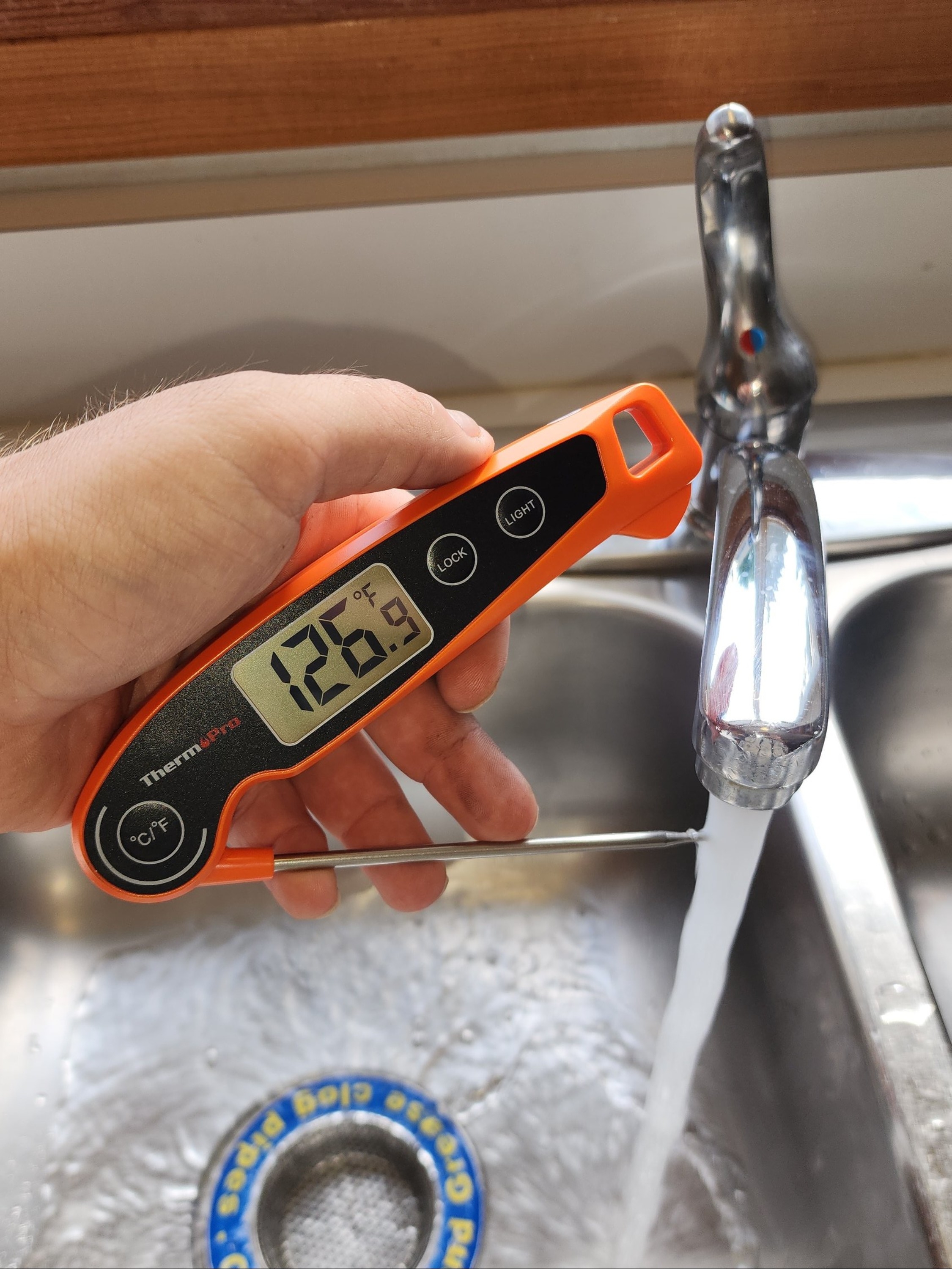
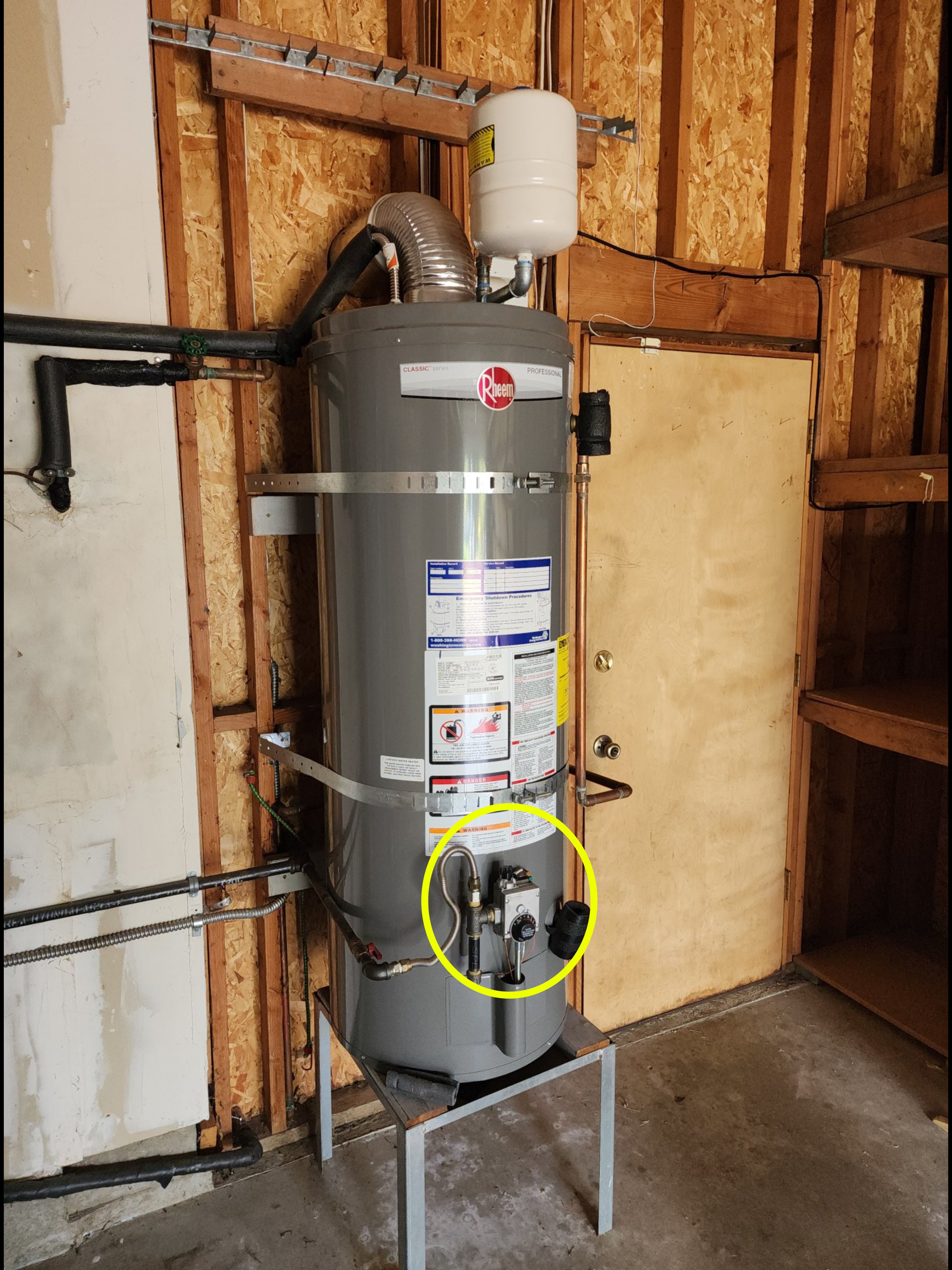
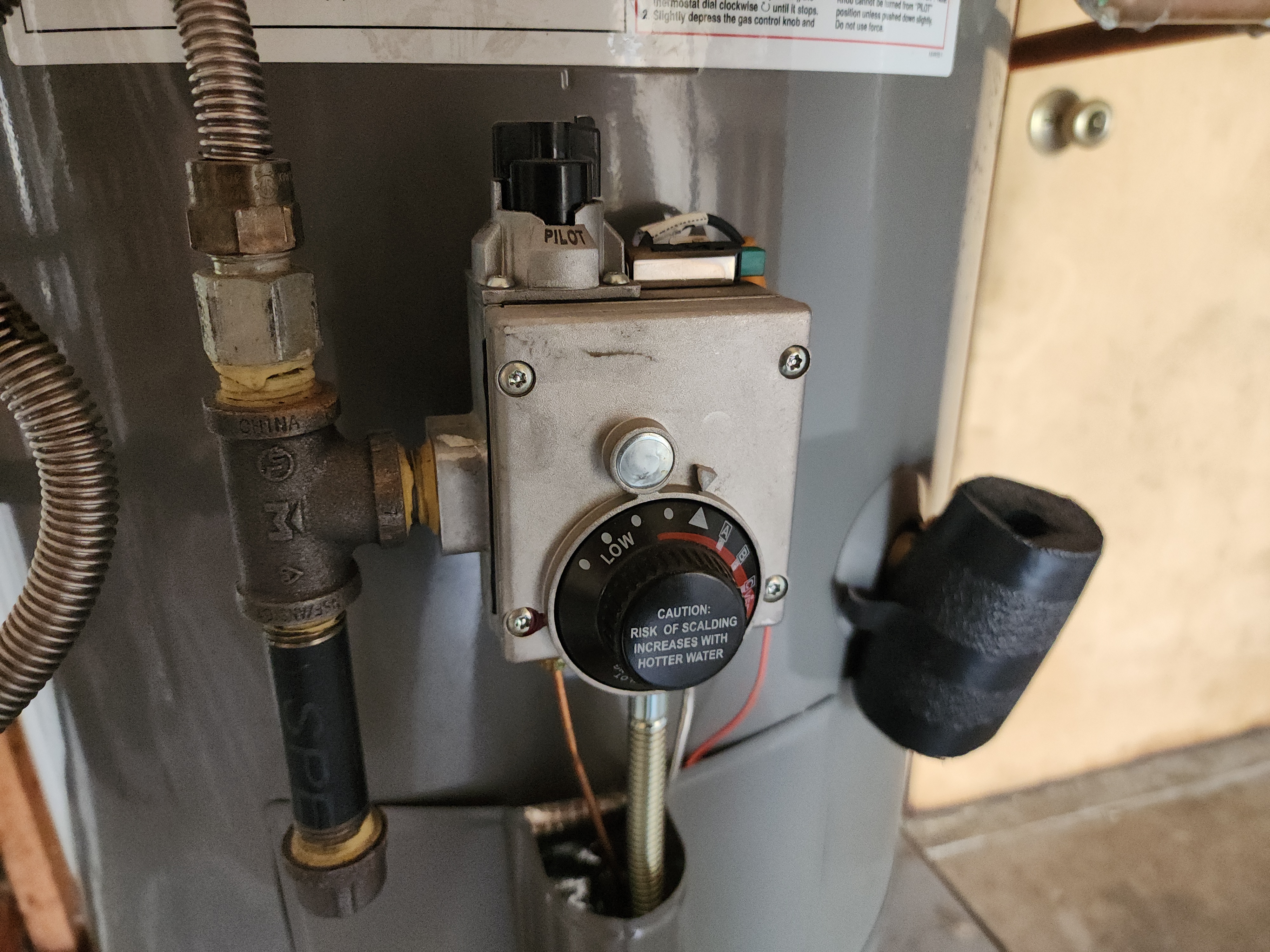
Water temperature was high, see photo of thermometer testing the water temperature. The water temperature should be set to approximately 120 degrees Fahrenheit to prevent scalding, extend water heater life, and improve energy efficiency and conservation. The temperature can be adjusted at the water heater as a DIY repair.
Contractor:DIY (do it yourself) (1).jpg)
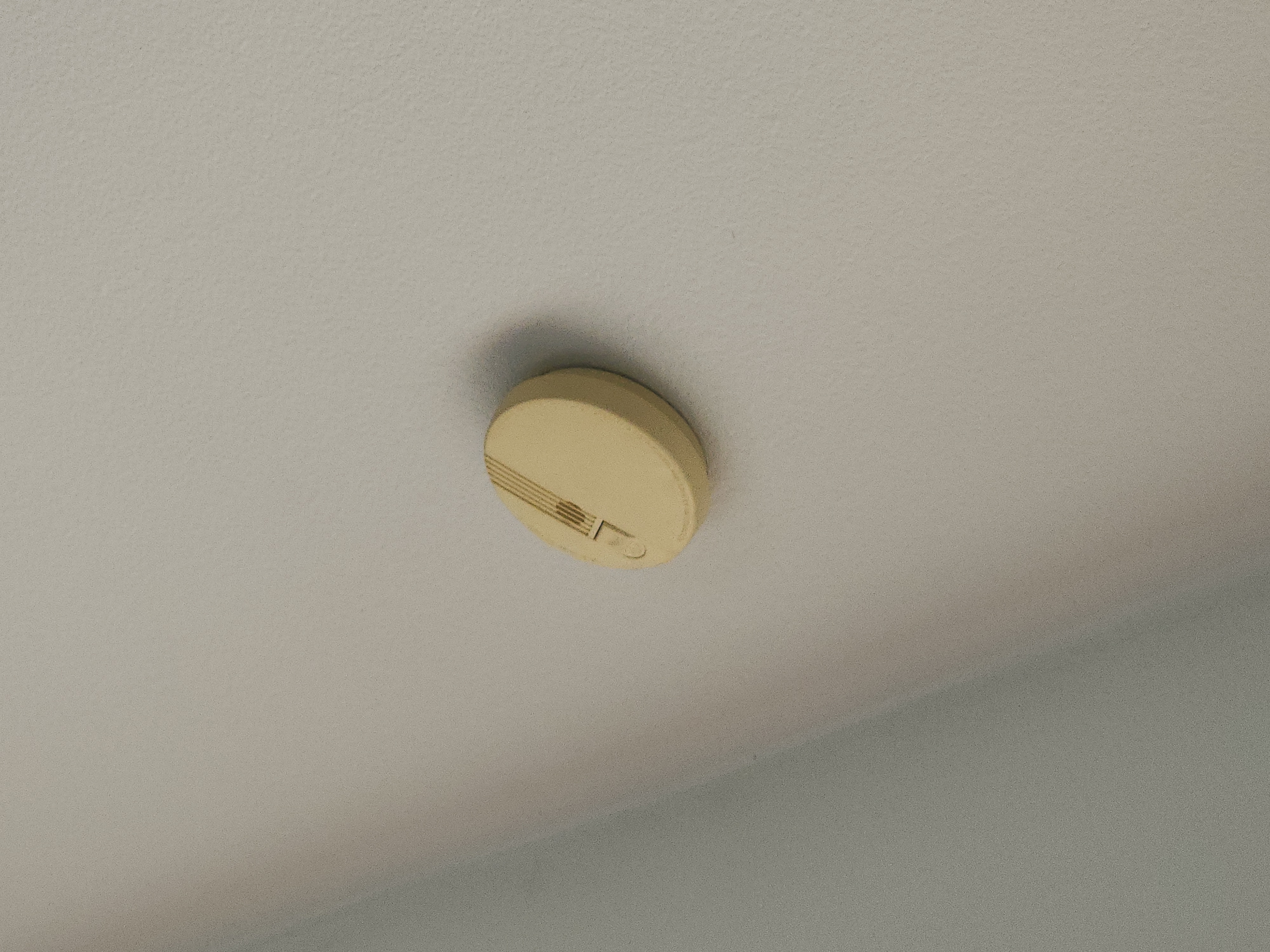
- 13.9.5 Electrical - Smoke & Carbon Monoxide Detectors:
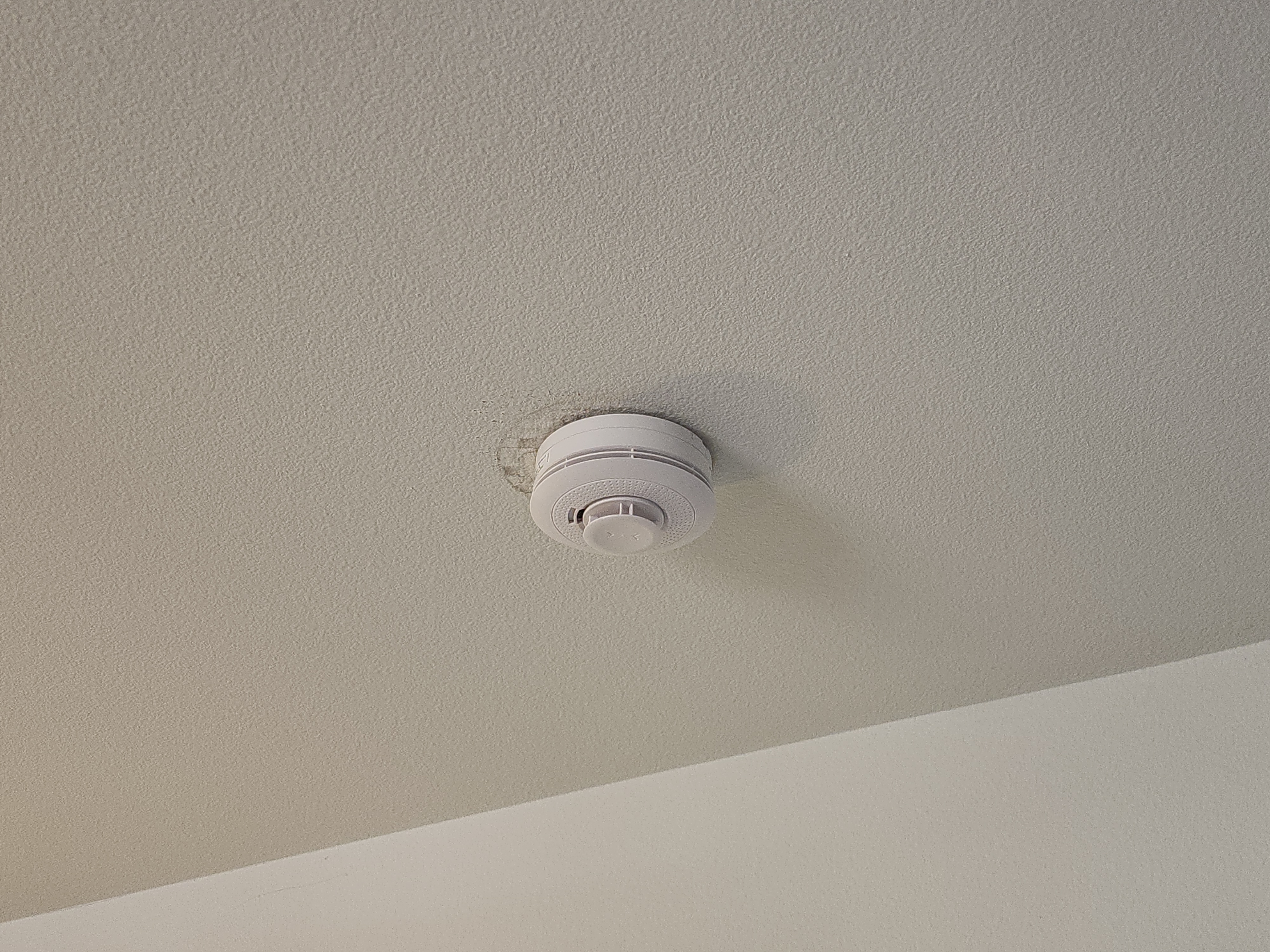
Smoke detector(s) had yellowing plastic, see example photo. Smoke detectors are manufactured using plastic that turns yellow over time so homeowners know when to replace them. I recommend replacing yellowed smoke detector(s) with new units as the old ones might not be effective or reliable. DIY repair.
Contractor:DIY (do it yourself)
.jpg)
.jpg)
Tier 3 - Improvements
- 7.5.1 Kitchen - Ventilation Method:
Vent hood light(s) was not working. Bulbs are the likely problem; I recommend replacing them as a DIY repair. If that is not successful, further evaluation and repair by a qualified contractor may be needed.
Contractor:DIY (do it yourself) - 9.3.2 Garage - Garage General:
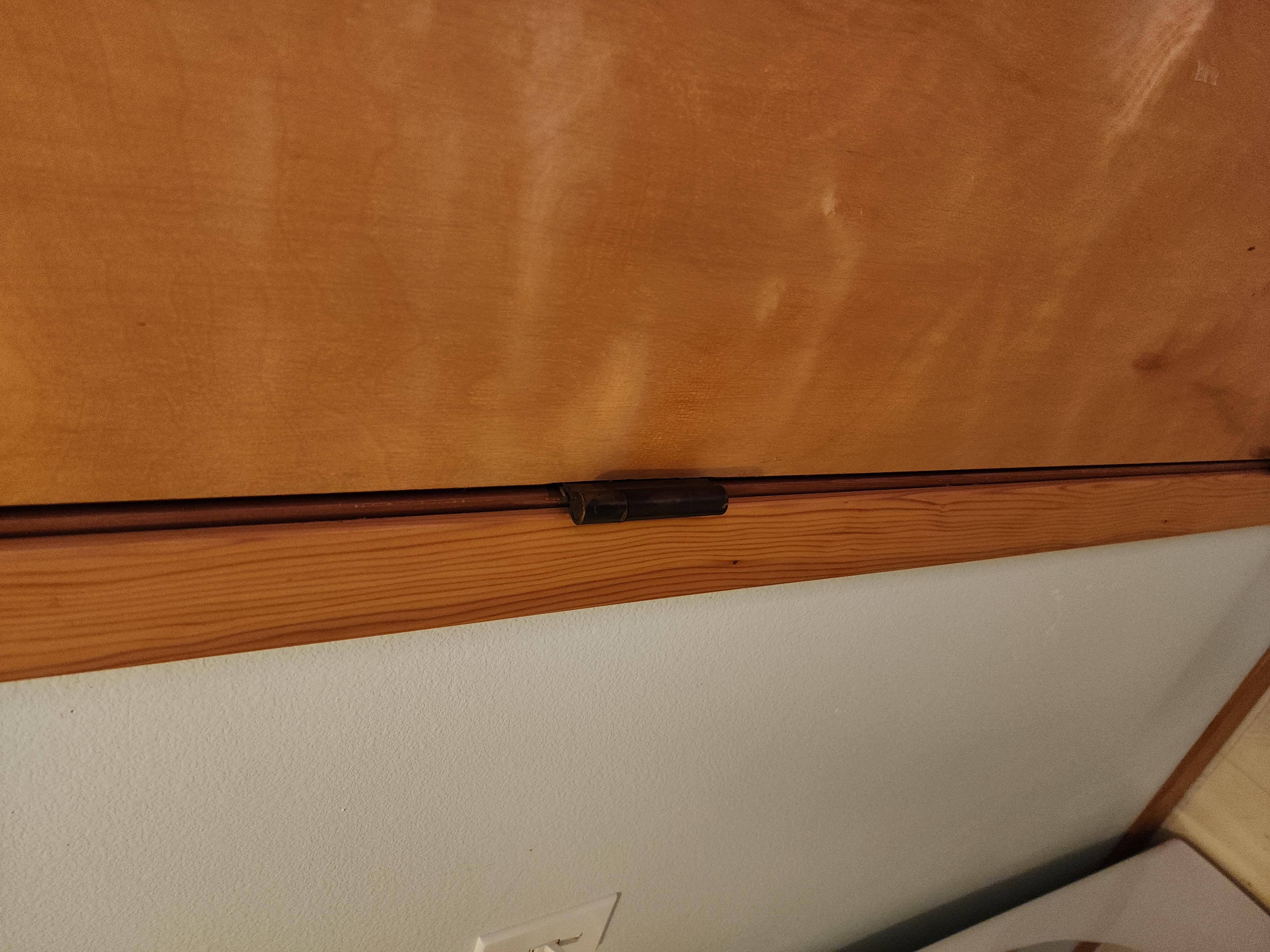
The door between the garage and the living area had disabled self closing hinges. Having a self closing device (usually self closing hinges) are required on doors between the living space and the garage in some municipalities. Regardless of the local building codes, having a door that automatically closes is a good idea to preserve the firewall barrier between the garage and living space. I recommend enabling the self closing hinges. DIY repair.
Contractor:DIY (do it yourself) - 13.9.6 Electrical - Smoke & Carbon Monoxide Detectors:
Smoke detectors were not installed in all the bedrooms. According to modern building standards, every bedroom should have a smoke detector installed inside the room. Many older houses only have smoke detectors in the hallways. I recommend adding a smoke detector to each bedroom. DIY project.
Contractor:DIY (do it yourself) - 13.9.7 Electrical - Smoke & Carbon Monoxide Detectors:
Modern building standards require a heat detector in attached garages. This garage did not have one. I recommend adding a heat detector to the garage ceiling as a DIY safety improvement.
Contractor:DIY (do it yourself) - 14.2.2 Fuel Storage & Distribution - Gas Meter:
The main gas valve at the gas meter is tight enough to require a wrench and cannot be operated by hand alone. I recommend keeping a properly sized wrench at the gas meter in case of an emergency. Wrenches for this purpose can be purchased for less than $10 (like this one.)
Contractor:DIY (do it yourself)