

Electrical Items
Jason Coe, New York State License #16000158429
Electrical System Summary
The electrical system was visually inspected and tested to the extent permitted by accessibility and safety considerations at the time of the inspection. A representative number of switches and receptacles were tested for proper function, grounding, and polarity. The electrical panel(s), visible wiring, and grounding systems were examined for condition, safety concerns, and general compliance with modern standards. The following summarizes our findings of the buildings HVAC system:
Electrical Items
Major Concerns
- ES-4 ⚡Electric Service - Sub Panel:
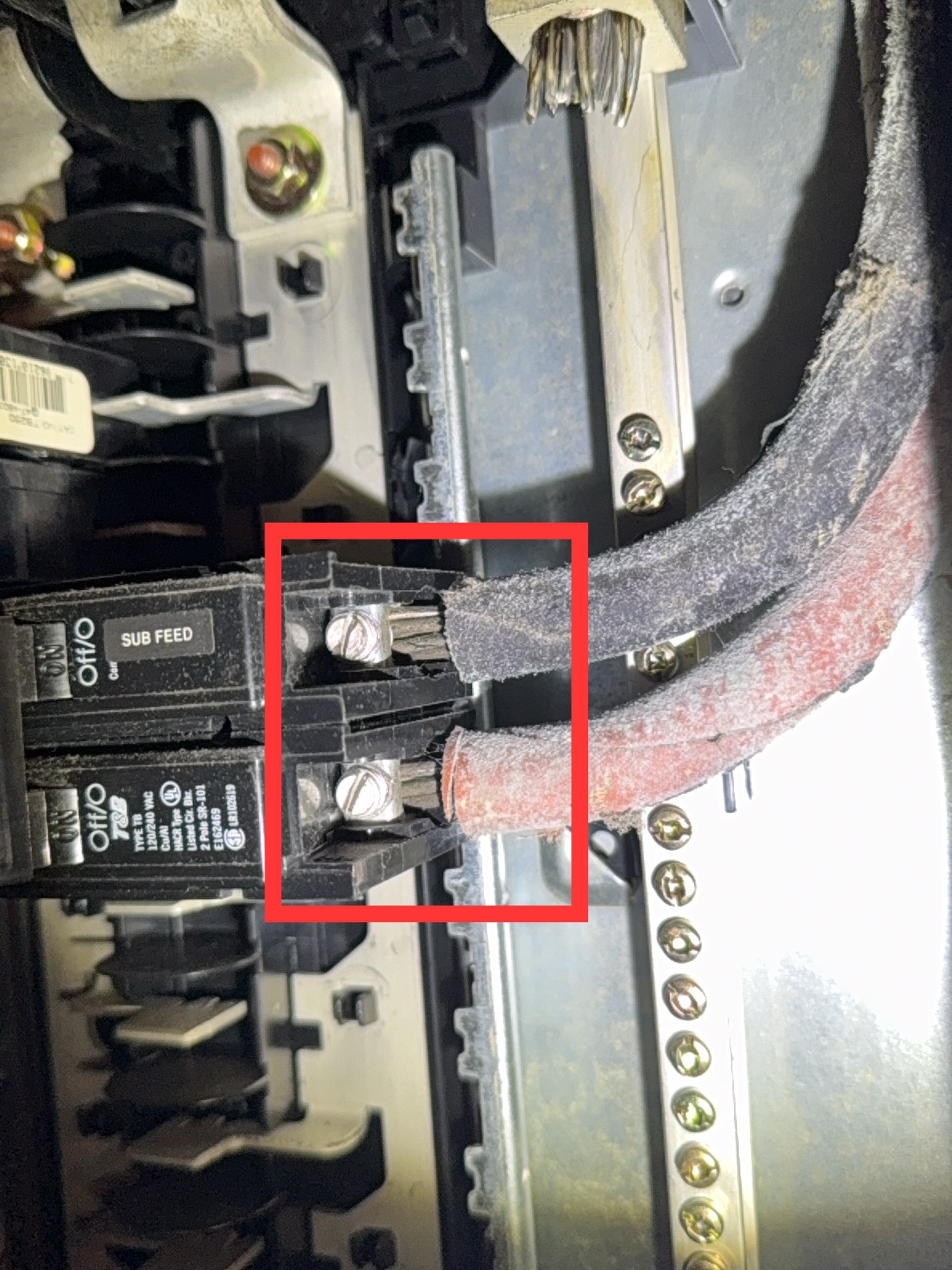
INCORRECT 3 CONDUCTOR FEED - SUB-PANEL
Currently, all sub-panels are required to be fed with four conductors (two hots, one neutral, and one ground). While the grounding conductor can sometimes be provided through metal conduit, no metal conduit was observed in this case. The sub-panel here appears to be fed by only three wires. Since this sub-panel is located within the same building as the main panel, installing a new four-wire feed is recommended for improved safety. We advise further evaluation and repair by a licensed electrical contractor. It’s important for sub-panels that neutrals and equipment grounds are kept separate to prevent stray voltage, which typically requires a four-wire feed. Although three-wire feeds may be permitted in some outbuilding situations, they are never allowed when the sub-panel is inside the same structure as the main panel.
⚡💡 - ES-5 ⚡Electric Service - Sub Panel:
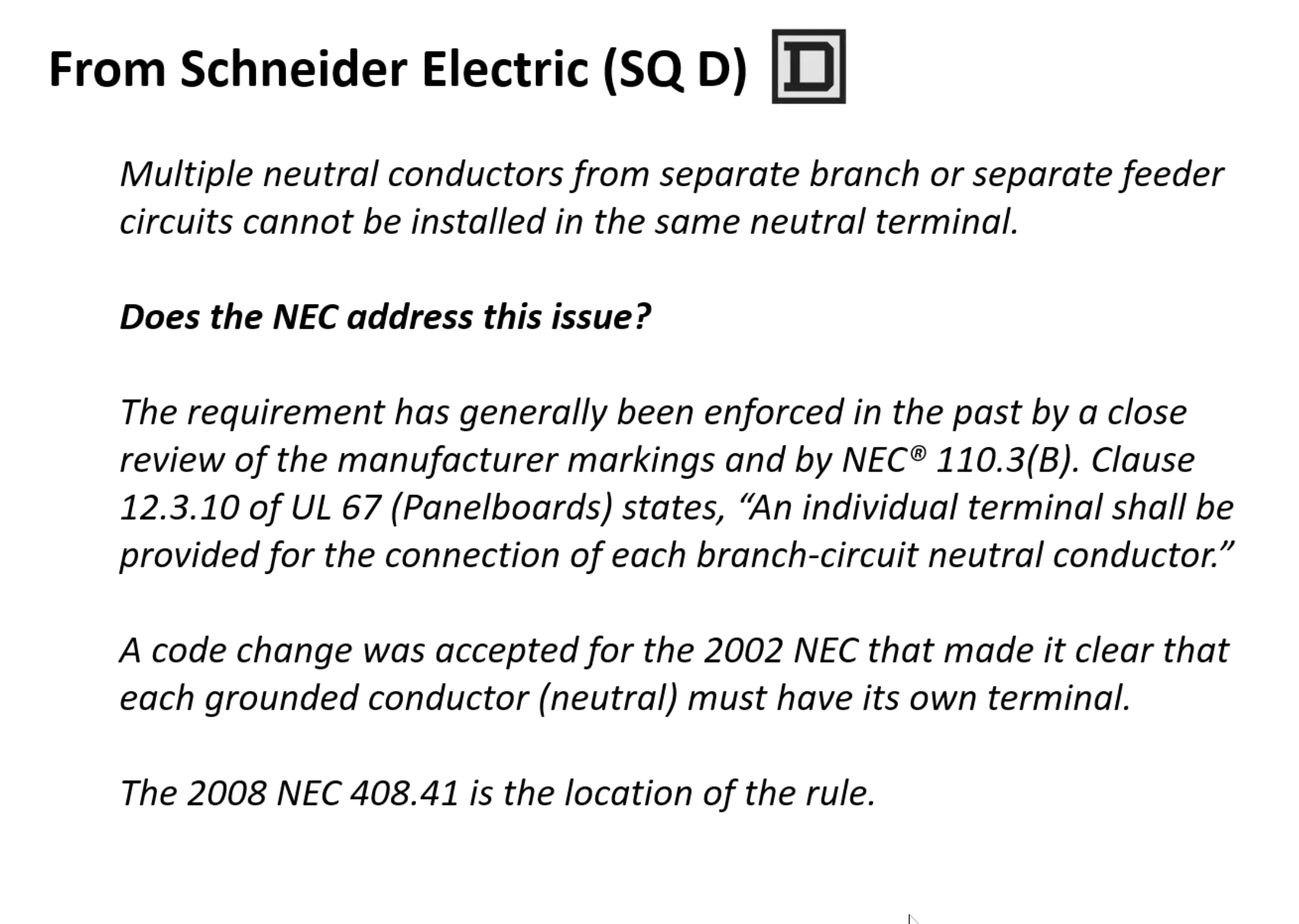
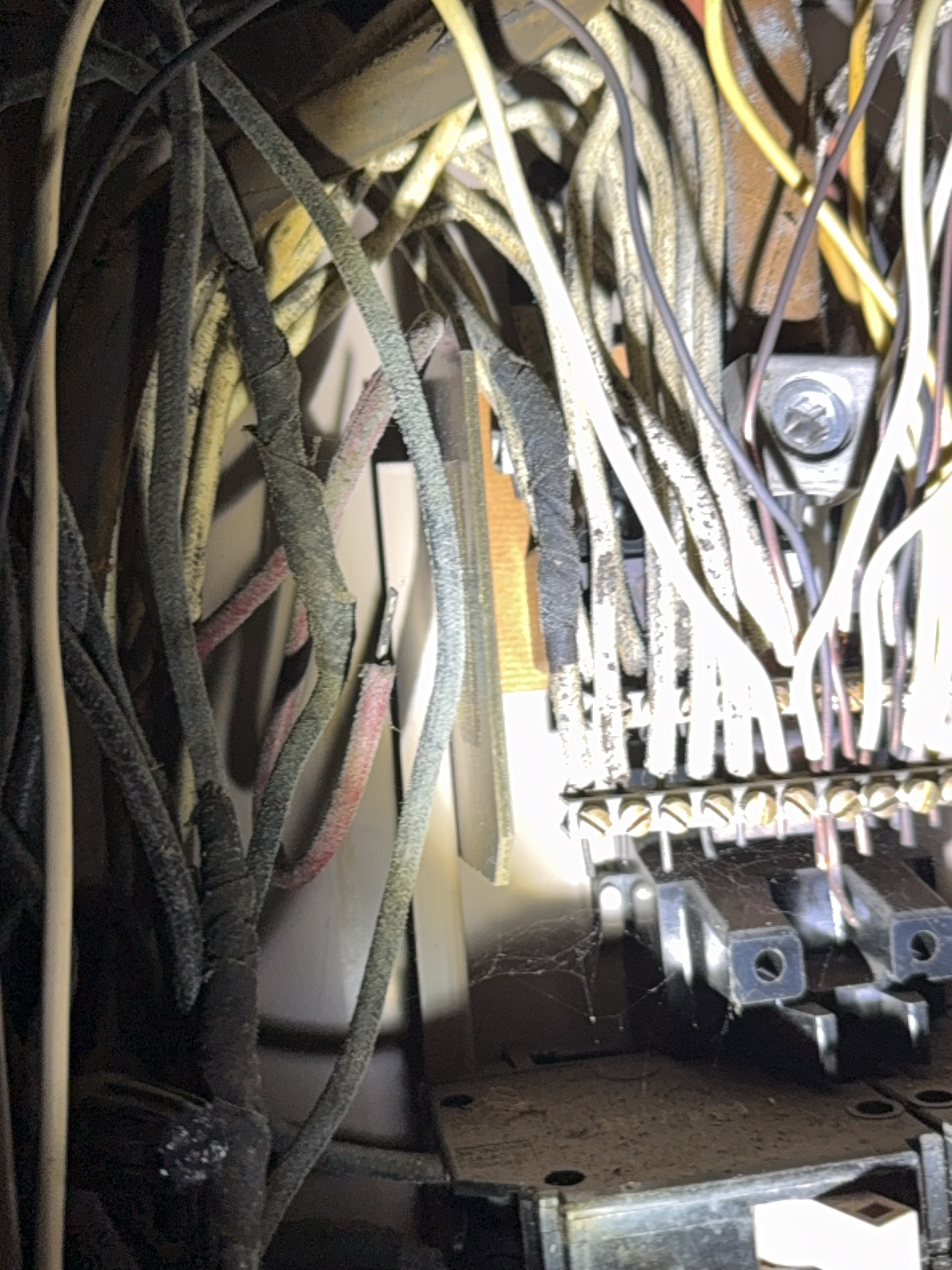
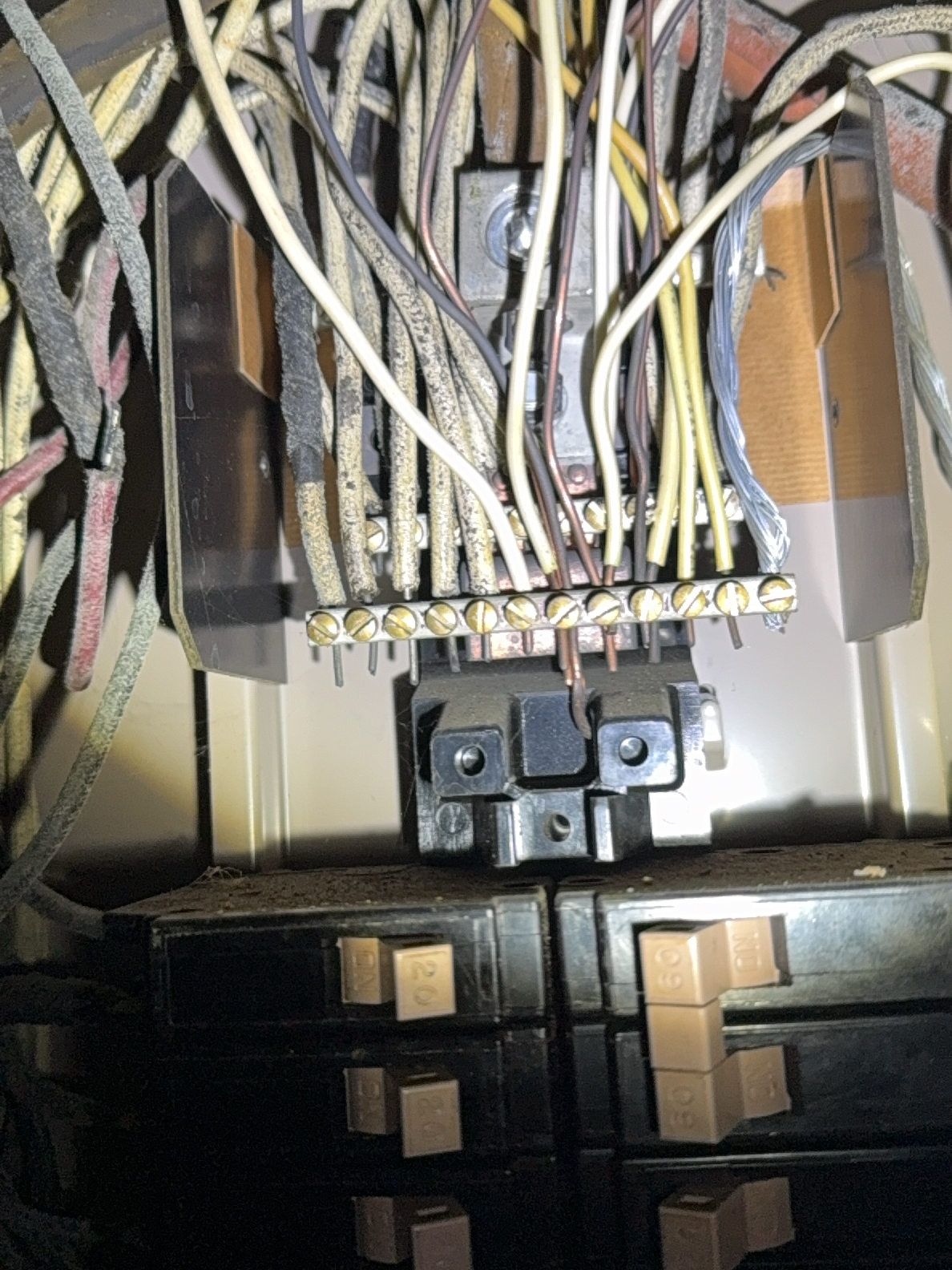
DOUBLE LUGGED NEUTRALS
Hire a licensed electrician to correct the double-lugged neutral (grounded) conductors observed in the electrical panel. This condition occurs when two conductors share the same terminal lug, which is not permitted unless the terminal is specifically rated for multiple conductors. According to code, each grounded conductor must terminate in an individual terminal not shared with another wire. Double-lugged neutrals increase the risk of poor connections, arcing, and overheating. This should be evaluated and addressed by a qualified electrician.
⚡💡
- ES-6 ⚡Electric Service - Sub Panel:
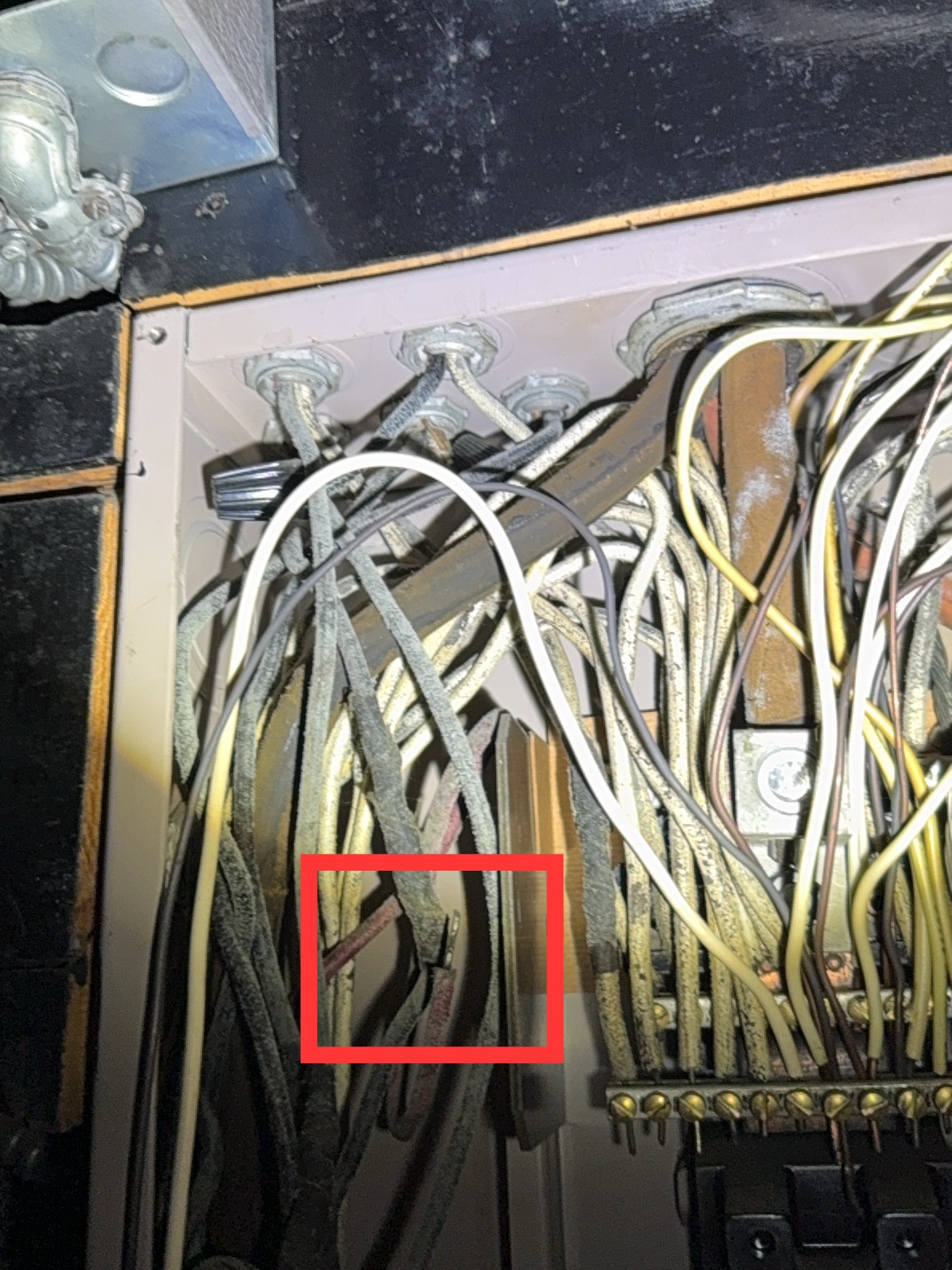
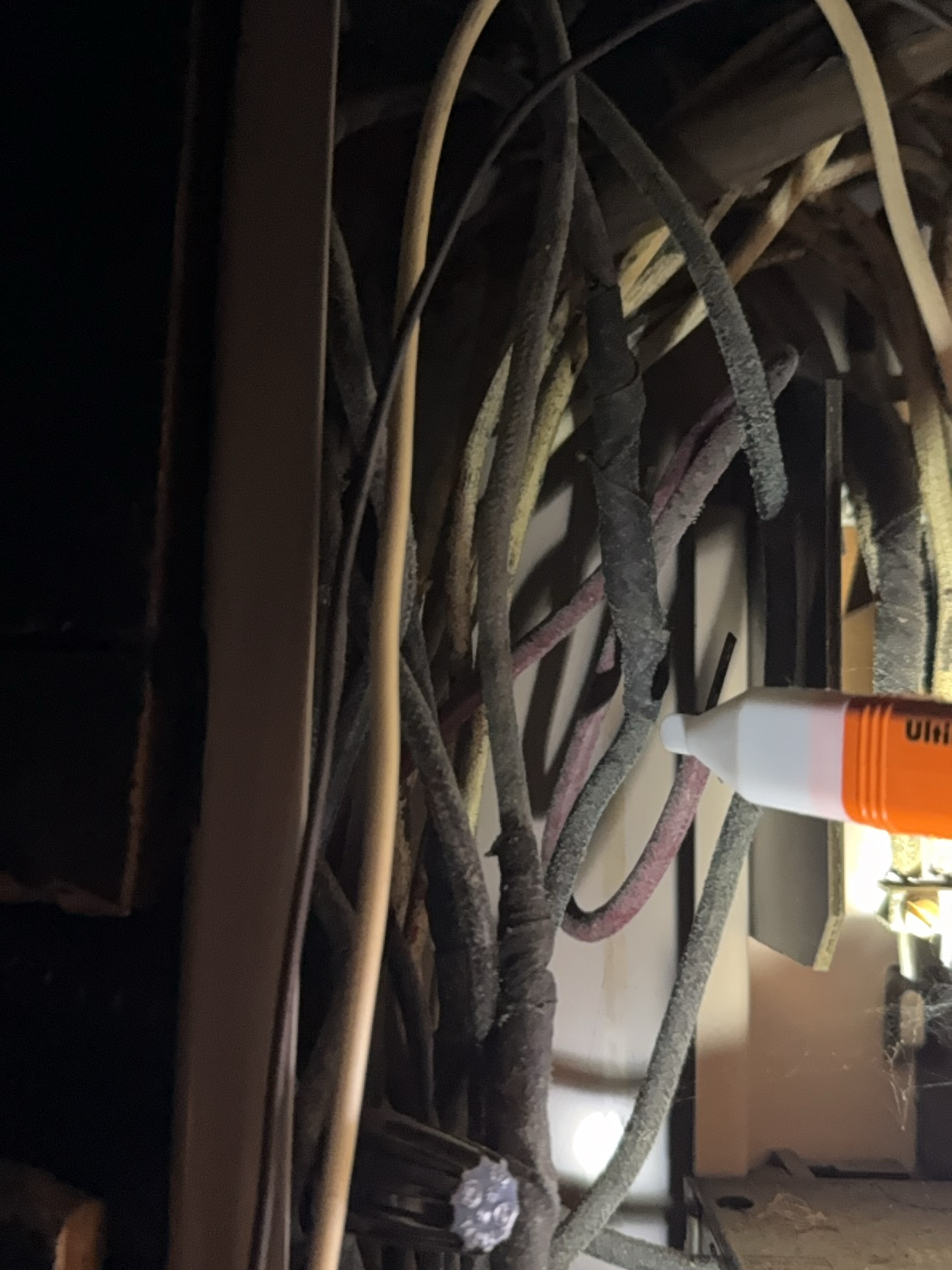
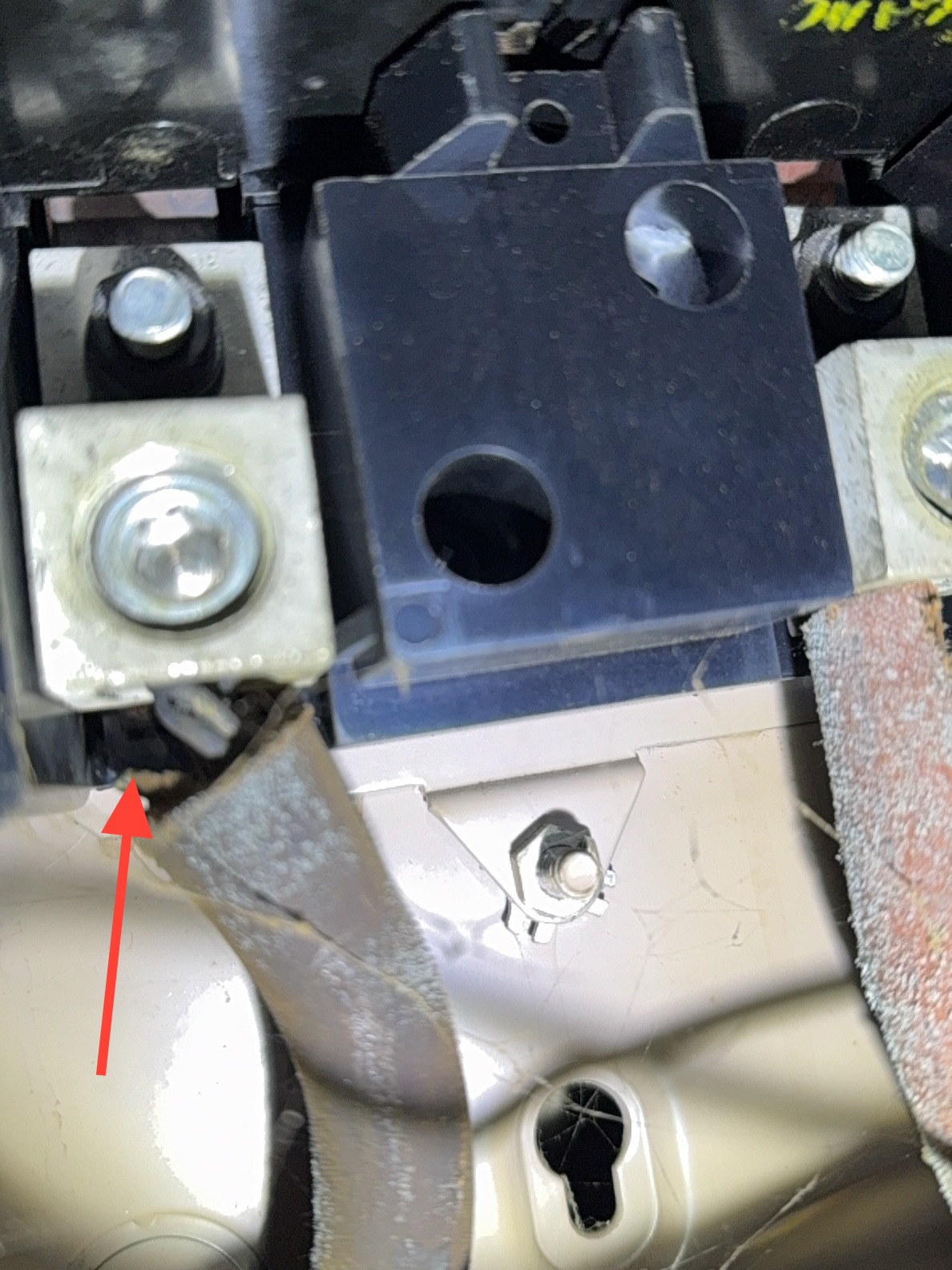
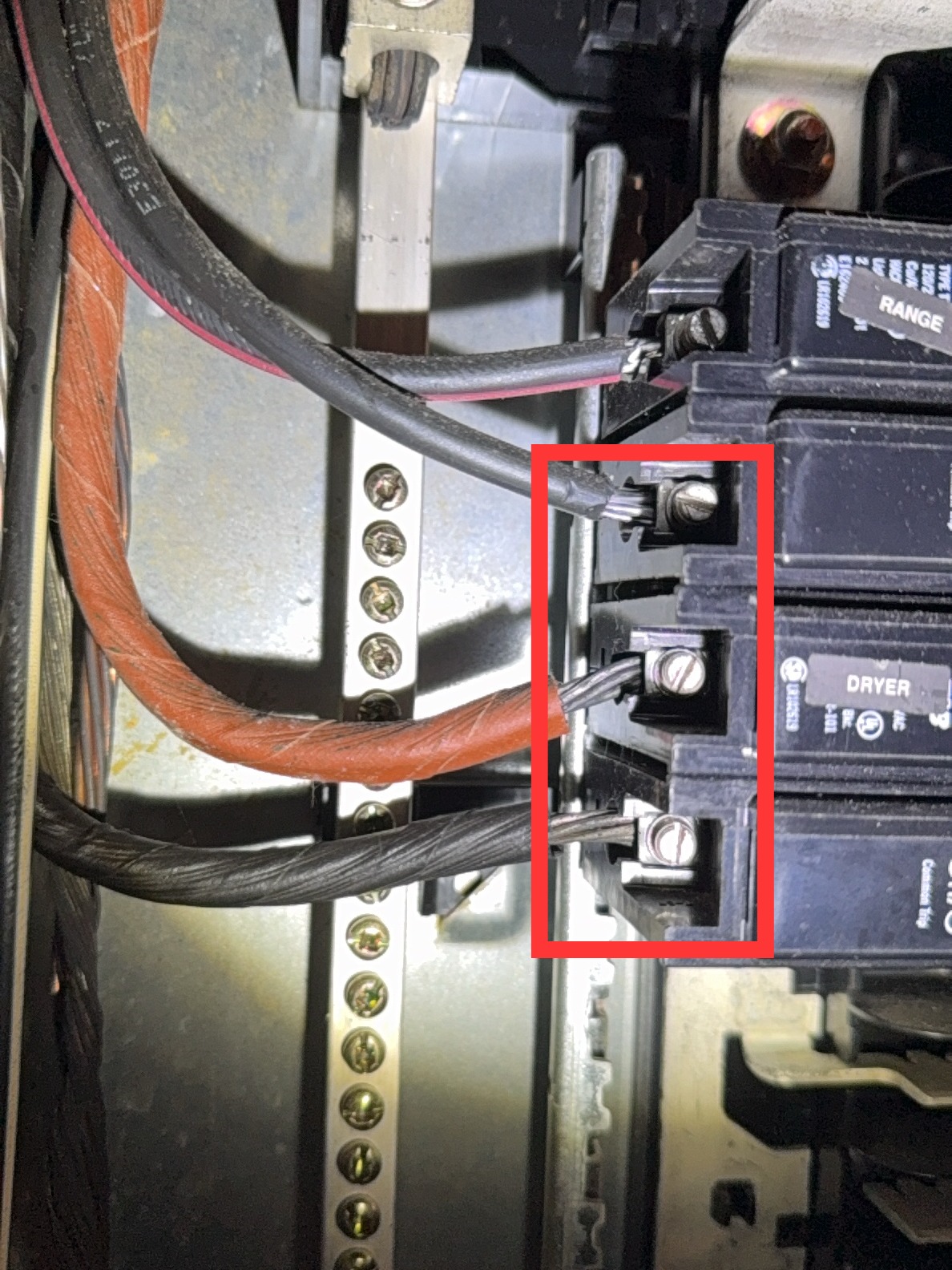
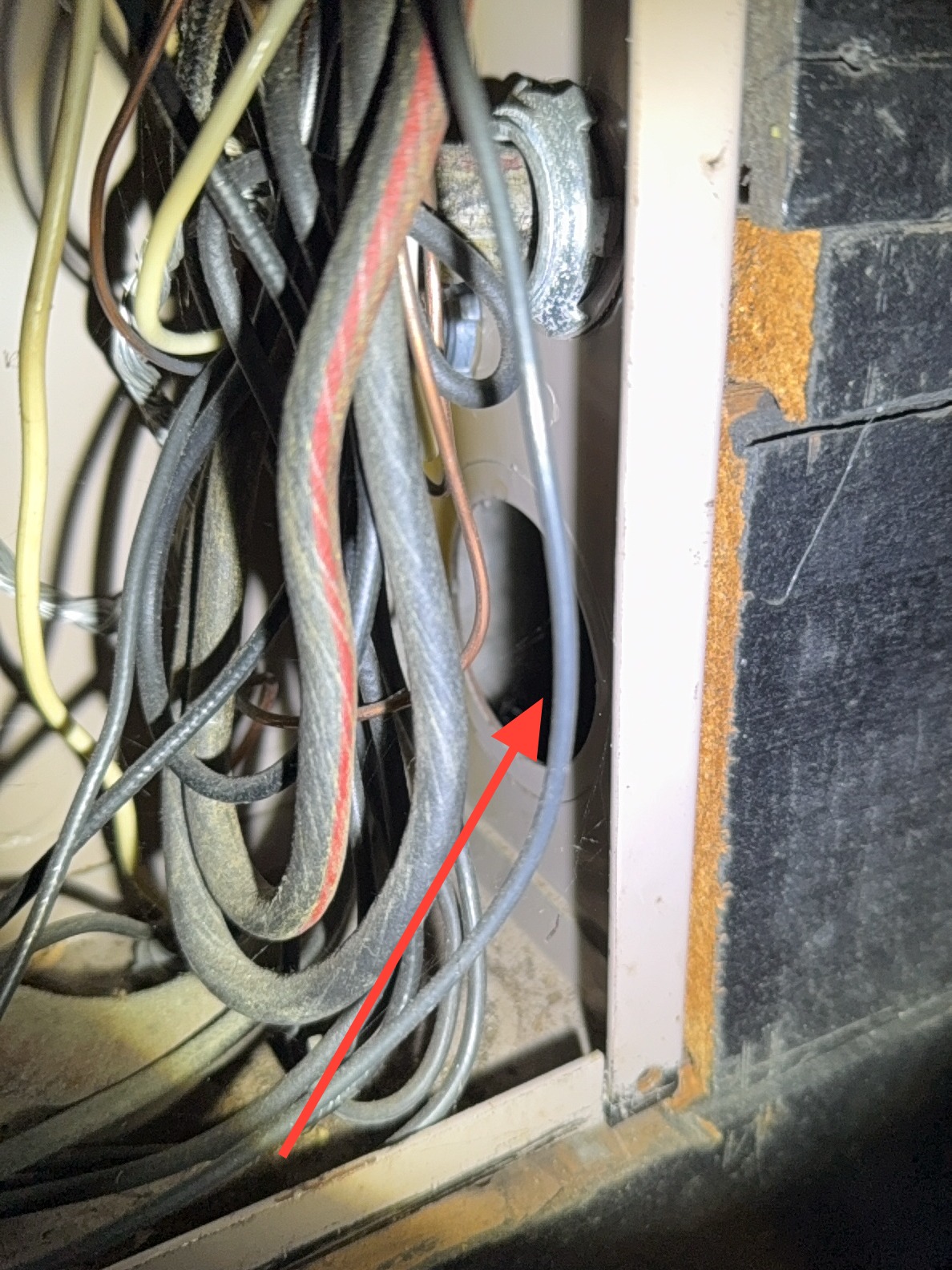
An improperly terminated electrical conductor was observed within the system. Although testing indicated that the conductor was not energized at the time of inspection, its exposed end presents a potential safety hazard if it were to accidentally come into contact with energized components. Such contact could result in arcing, electrical shock, or fire.
Exposed or improperly terminated conductors pose a significant safety concern and should be corrected immediately.
RECOMMENDATION: Have a licensed electrical contractor properly terminate, cap, or remove the conductor in accordance with National Electrical Code (NEC) standards to eliminate the risk of accidental energization or electrical hazard.
⚡💡 - ES-7 ⚡Electric Service - Sub Panel:
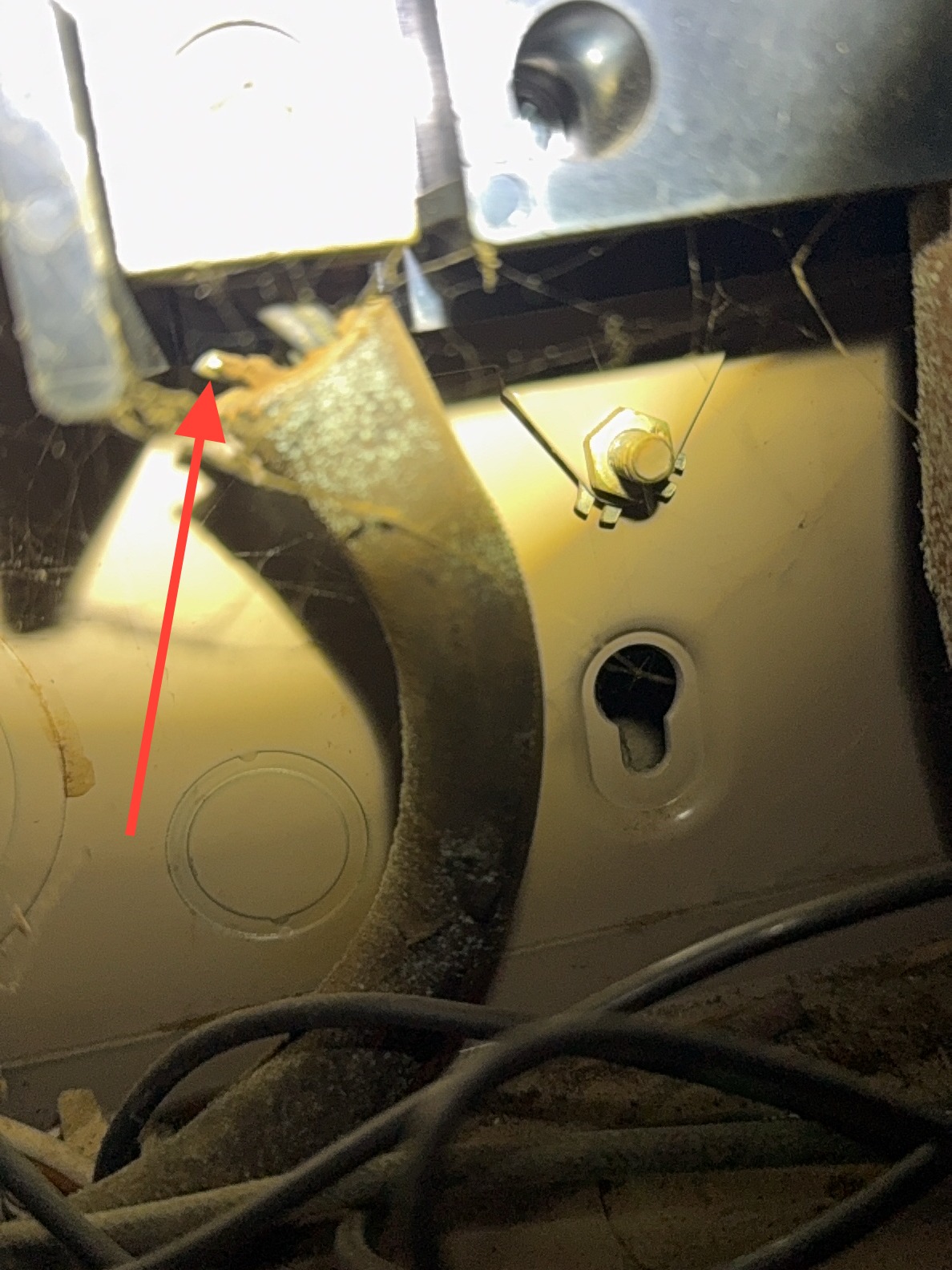
Within the electrical panel, one or more stranded conductors were observed to have individual wire strands cut, damaged, or not fully secured under the lug connection. All strands of a conductor must be properly terminated beneath the lug or connector to ensure a secure and complete electrical connection. Missing or damaged strands can reduce the current-carrying capacity of the wire and may lead to overheating, arcing, or connection failure over time.
Improper termination of stranded conductors is a fire and shock hazard and should be corrected immediately to ensure safe system performance.
RECOMMENDATION: Have a licensed electrical contractor evaluate the affected connections and re-terminate or replace the damaged conductors as needed. All wire strands should be fully captured under the lug or connector and torqued to manufacturer specifications in accordance with National Electrical Code (NEC) 110.14 to ensure a safe and compliant installation.
⚡💡 - EDF-1 💡Electric Distribution and Finish - Branch Wiring:
RUNNING SPLICE
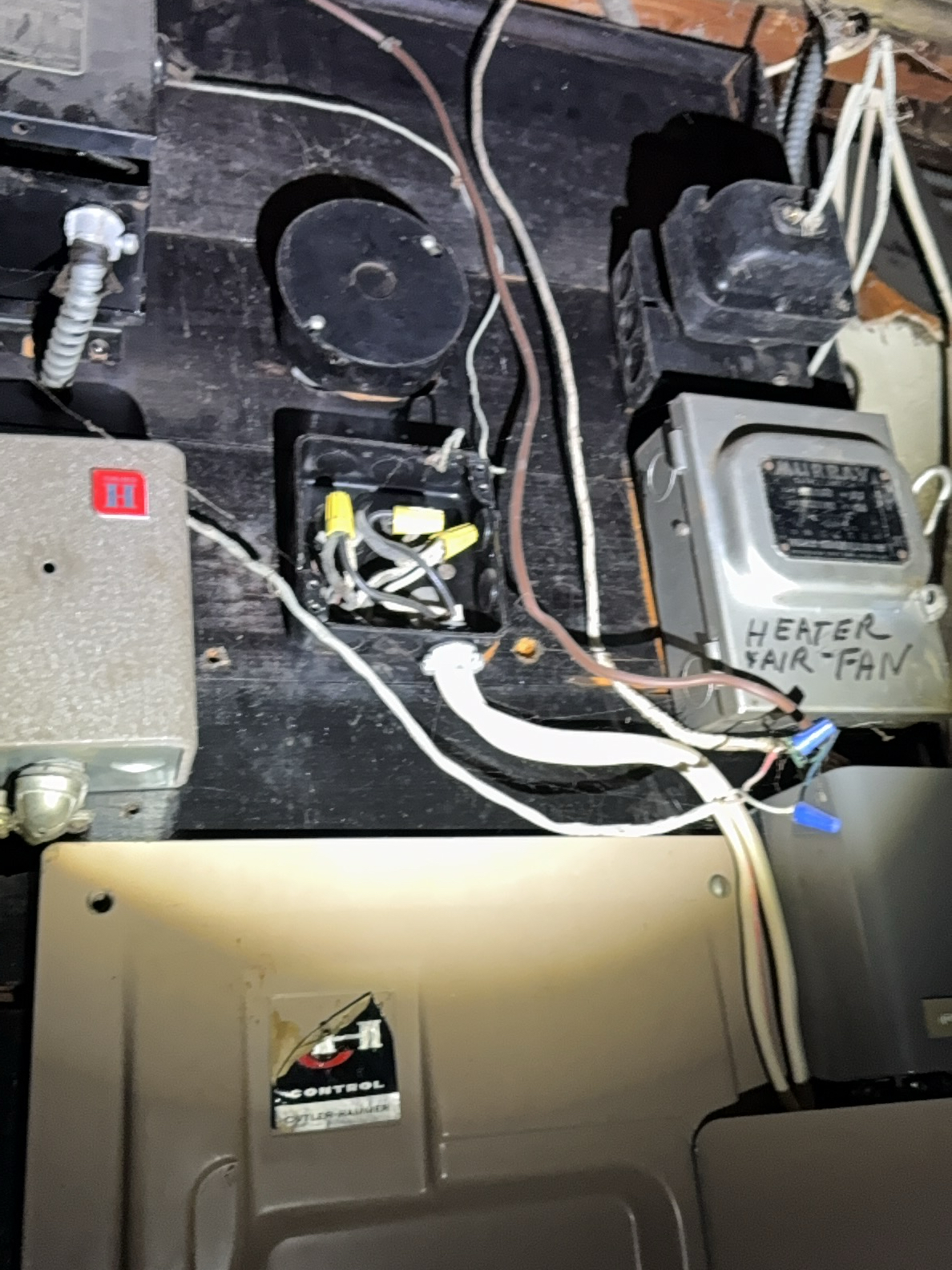
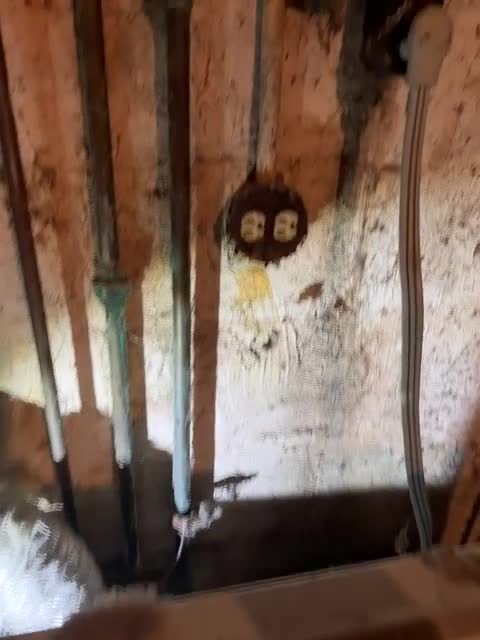
Open electrical splices were observed in the home’s wiring system. Electrical splices are connection points where conductors are joined together, and by code they are required to be contained within a listed junction box equipped with a secure cover. The observed splices were not enclosed, leaving exposed wiring connections visible and unprotected. This is an improper and unsafe condition that increases the risk of electrical shock, arcing, or fire.
Open or “running” splices are often a sign of amateur or incomplete electrical work, which raises concern that additional, concealed wiring issues may exist elsewhere in the electrical system. This condition does not meet modern safety standards as defined by the National Electrical Code (NEC 300.15), which mandates that all electrical connections be enclosed within approved boxes to prevent accidental contact and contain sparks or heat generated by loose connections.
RECOMMENDATION: Have a licensed electrical contractor further evaluate the electrical system, correct all open splices by properly enclosing them within approved junction boxes, and inspect the remainder of the system for additional wiring deficiencies or unsafe conditions. Documentation of completed repairs is recommended for safety and insurance purposes.
⚡💡 - EDF-3 💡Electric Distribution and Finish - Smoke and Carbon Monoxide Alarm Systems:
SMOKE ALARM REPAIRS NEEDED
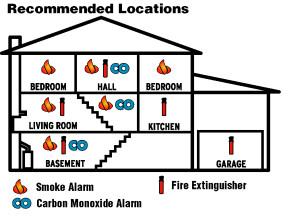
No smoke alarms were noted anywhere. Smoke alarms were observed to be removed and/or batteries removed. These are an important safety feature and are recommended inside all bedrooms and in hallways outside of all sleeping areas. It is also recommended that there be at least one smoke alarm on each floor of the house. We recommend having smoke alarms installed to meet modern safety standards.
⚡💡 - EDF-4 💡Electric Distribution and Finish - Smoke and Carbon Monoxide Alarm Systems:
Smoke detector/carbon monoxide detector coverage in the home does not appear to meet current building standards. According to modern requirements, detectors should be installed inside each sleeping room, outside each sleeping area (such as in hallways), and on every level of the home, including basements, as well as in common areas like living rooms, family rooms, and dens.
RECOMMENDATION: Install additional smoke and CO detectors/ alarms for proper coverage and improved safety.
⚡💡
Moderate Repairs
- E-5 🏡Exterior - Exterior Electrical (General):
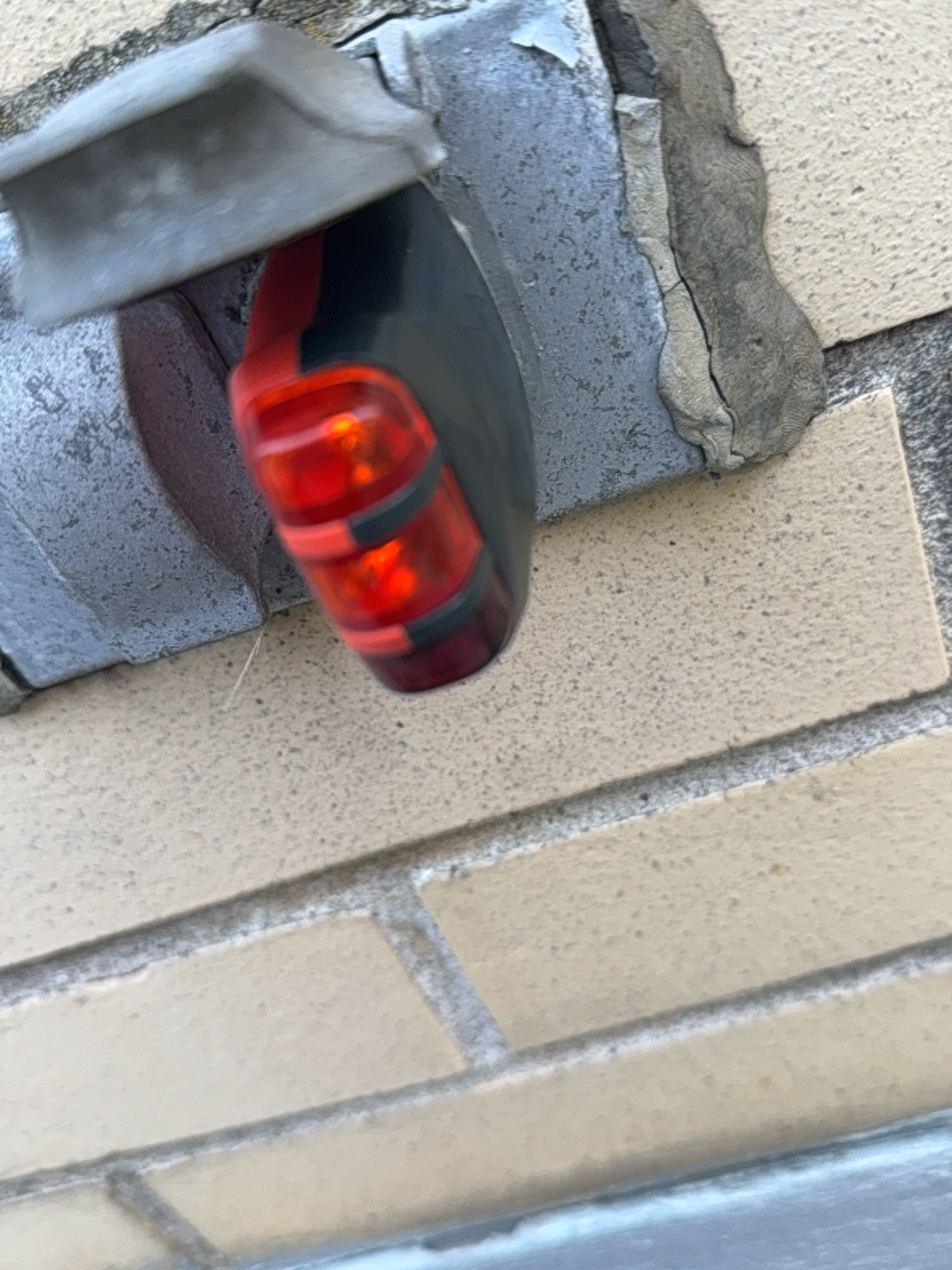
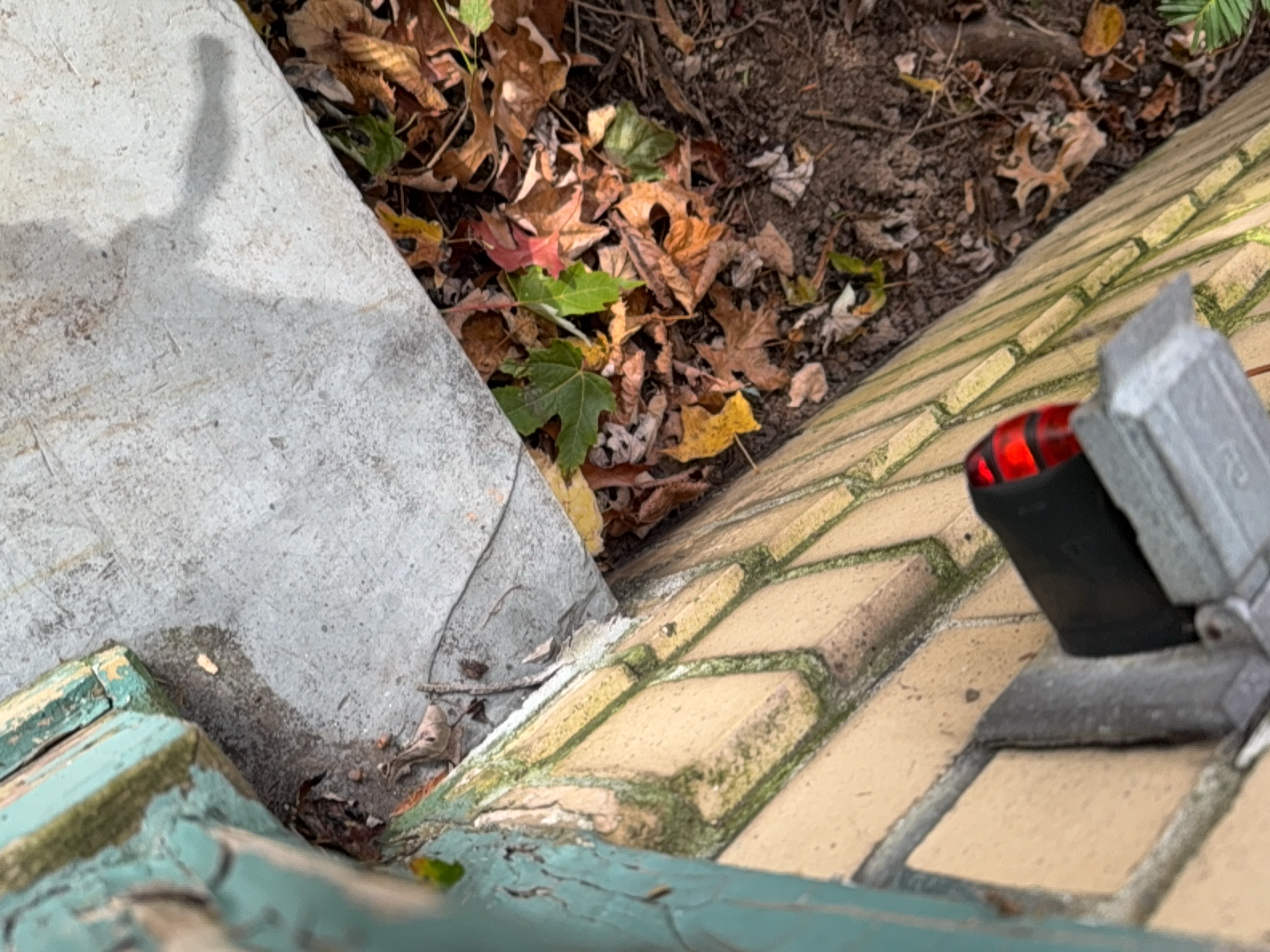
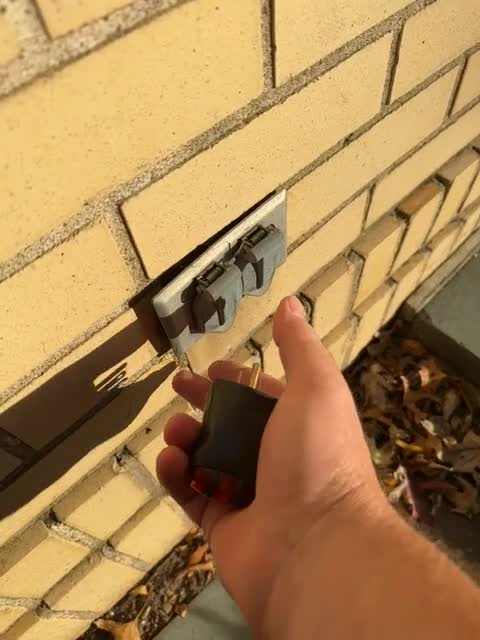
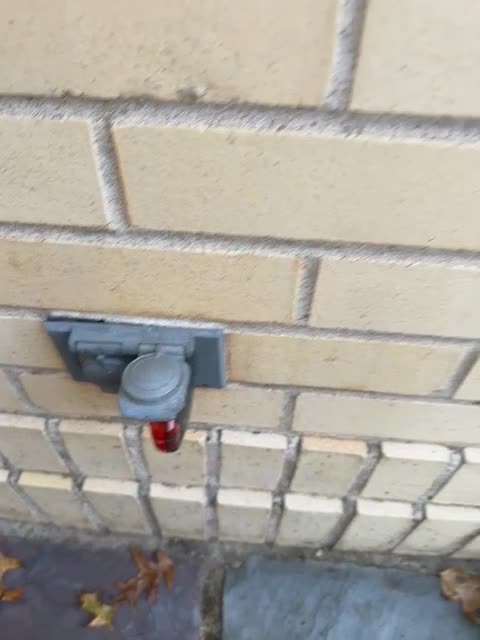
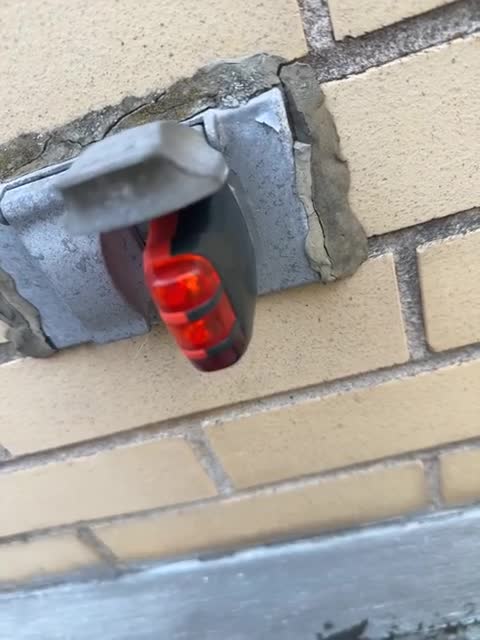
The exterior electrical receptacles were observed to be missing Ground Fault Circuit Interrupter (GFCI) protection and in-use (weatherproof) covers. Current electrical safety standards require all exterior outlets to be GFCI-protected to reduce the risk of electric shock in wet or damp environments. Additionally, exterior receptacles must have weather-resistant (WR) outlets and in-use covers designed to protect them from rain and moisture even when cords are plugged in.
While the outlets may function, the absence of GFCI protection and weatherproof covers presents a potential safety hazard, particularly in outdoor areas exposed to moisture.
RECOMMENDATION: Have a licensed electrical contractor install GFCI-protected exterior receptacles with proper weather-resistant devices and in-use covers in accordance with the National Electrical Code (NEC 210.8 and 406.9). This will improve safety, prevent moisture intrusion, and bring the exterior electrical system into compliance with current standards.
⚡💡 - ES-1 ⚡Electric Service - Electric Service:
TREES AND VEGETATION ARE IN CONTACT WITH THE ELECTRIC SERVICE CONDUCTORS
Trees and vegetation are in contact with the overhead electrical service drop. This can lead to insulation damage, potentially exposing the conductors and increasing the risk of arcing or fire. It is recommended that the utility provider conduct a follow-up inspection of the service drop. Tree limbs, branches, and other vegetation should be trimmed back as necessary, and any damaged conductors should be repaired accordingly.
✒️
- Sometimes the utility will add chaffing gear to protect the conductors where trees cannot be removed.
⚡💡 - ES-2 ⚡Electric Service - Electric Service Equipment:
Some of the electrical conductors within the main service panel were observed to be over-stripped, exposing more bare wire than is appropriate beyond the terminal connections. Excessive exposure of conductor material increases the risk of accidental contact, arcing, or short circuits, particularly in confined spaces within the panel.
While the system was functional at the time of inspection, this condition represents a potential safety hazard that should be corrected to ensure proper insulation and safe termination.
RECOMMENDATION: Have a licensed electrical contractor evaluate the panel and re-strip and re-terminate any affected conductors to meet current electrical safety standards. Proper insulation and secure terminations will help prevent accidental contact and maintain the integrity of the electrical system.
⚡💡 - ES-8 ⚡Electric Service - Sub Panel:
OPENINGS IN DEAD FRONT COVER
Openings were noted in the dead front cover to the electric panel. This is unsafe as it does not adequately protect the energized area of the electric panel. Cover all open knock-outs with listed covers.
⚡💡 - B5-2 🛏️Bedroom (5) - Electrical:
OPEN GROUNDS
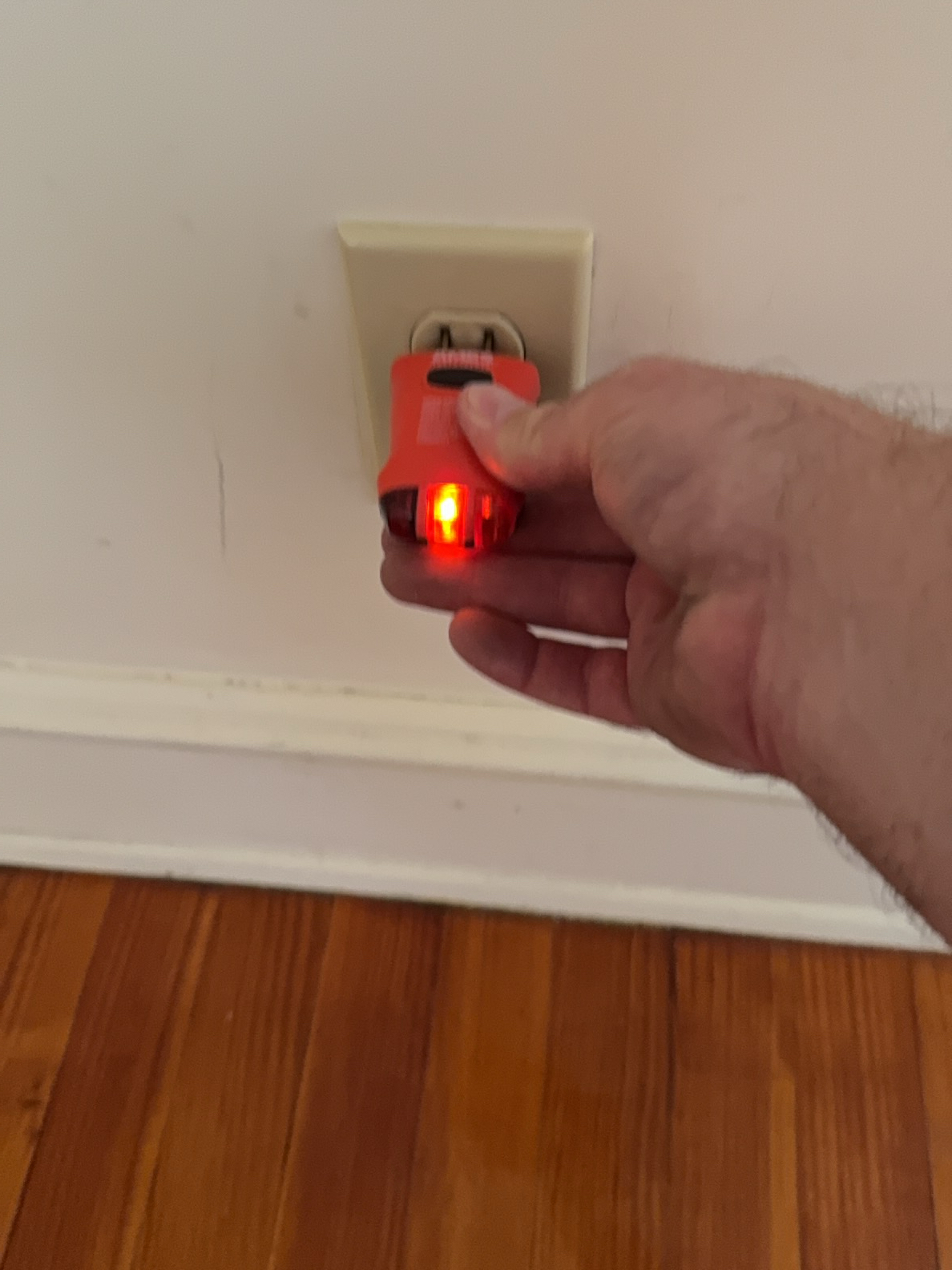
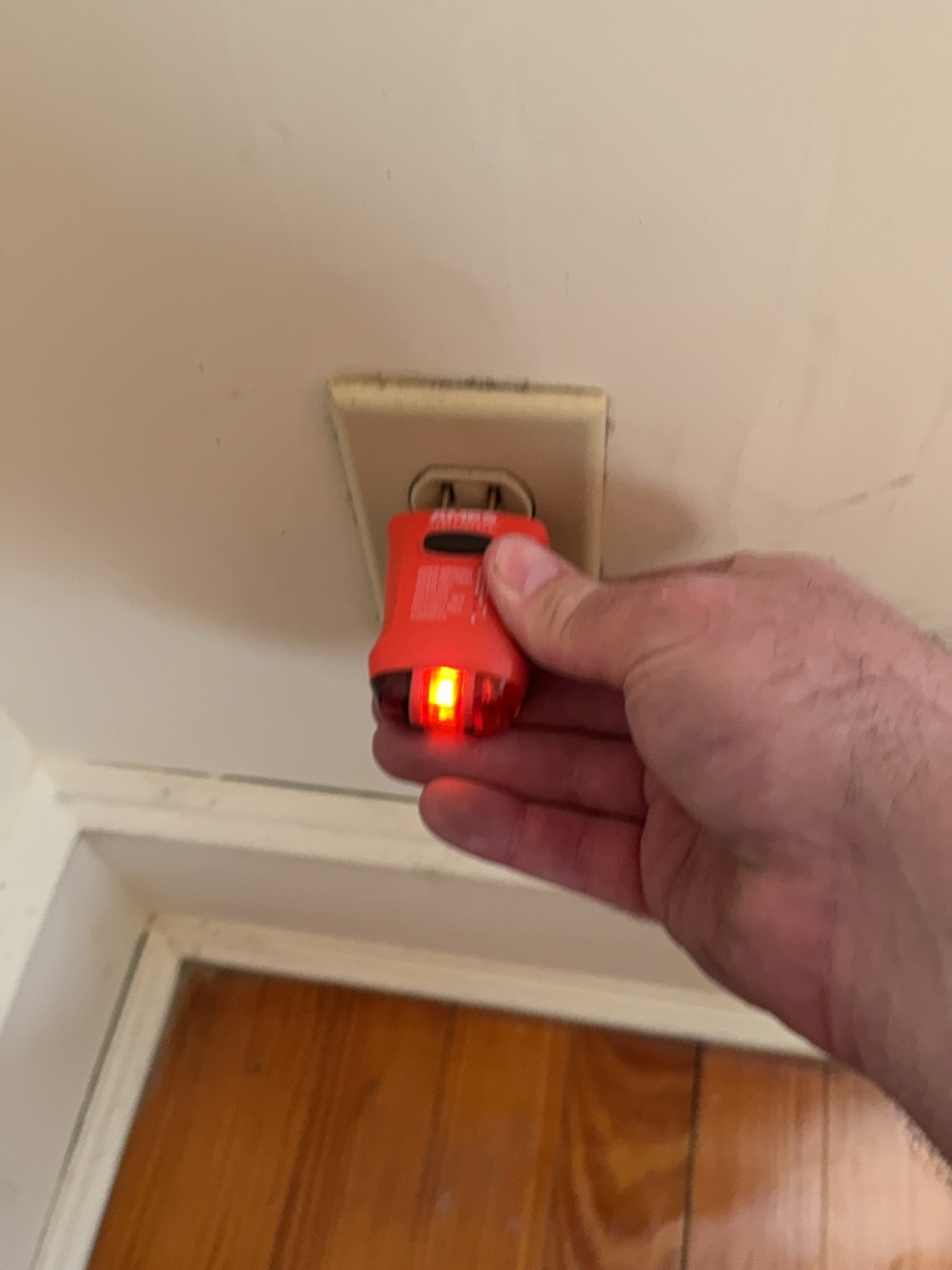
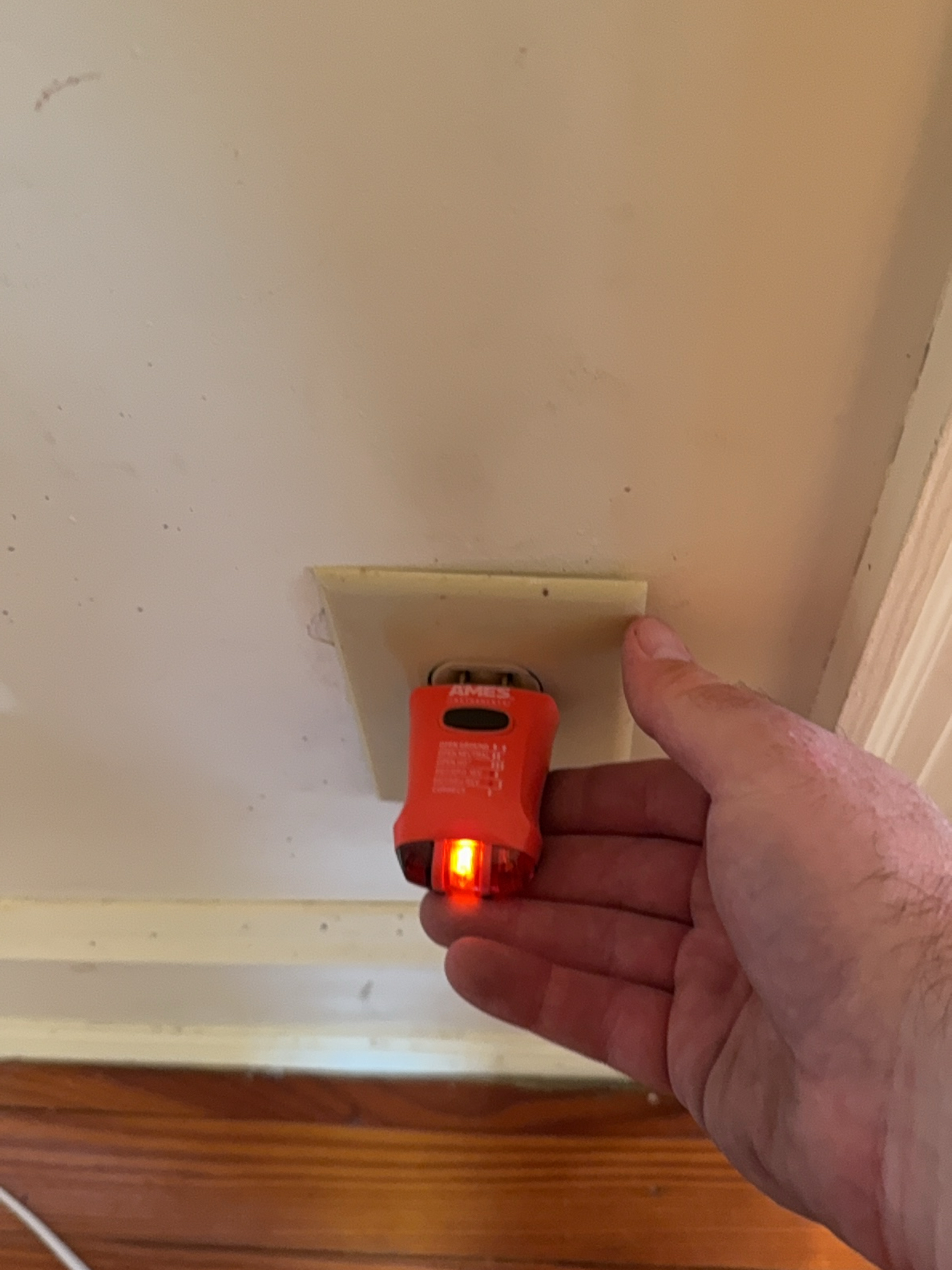
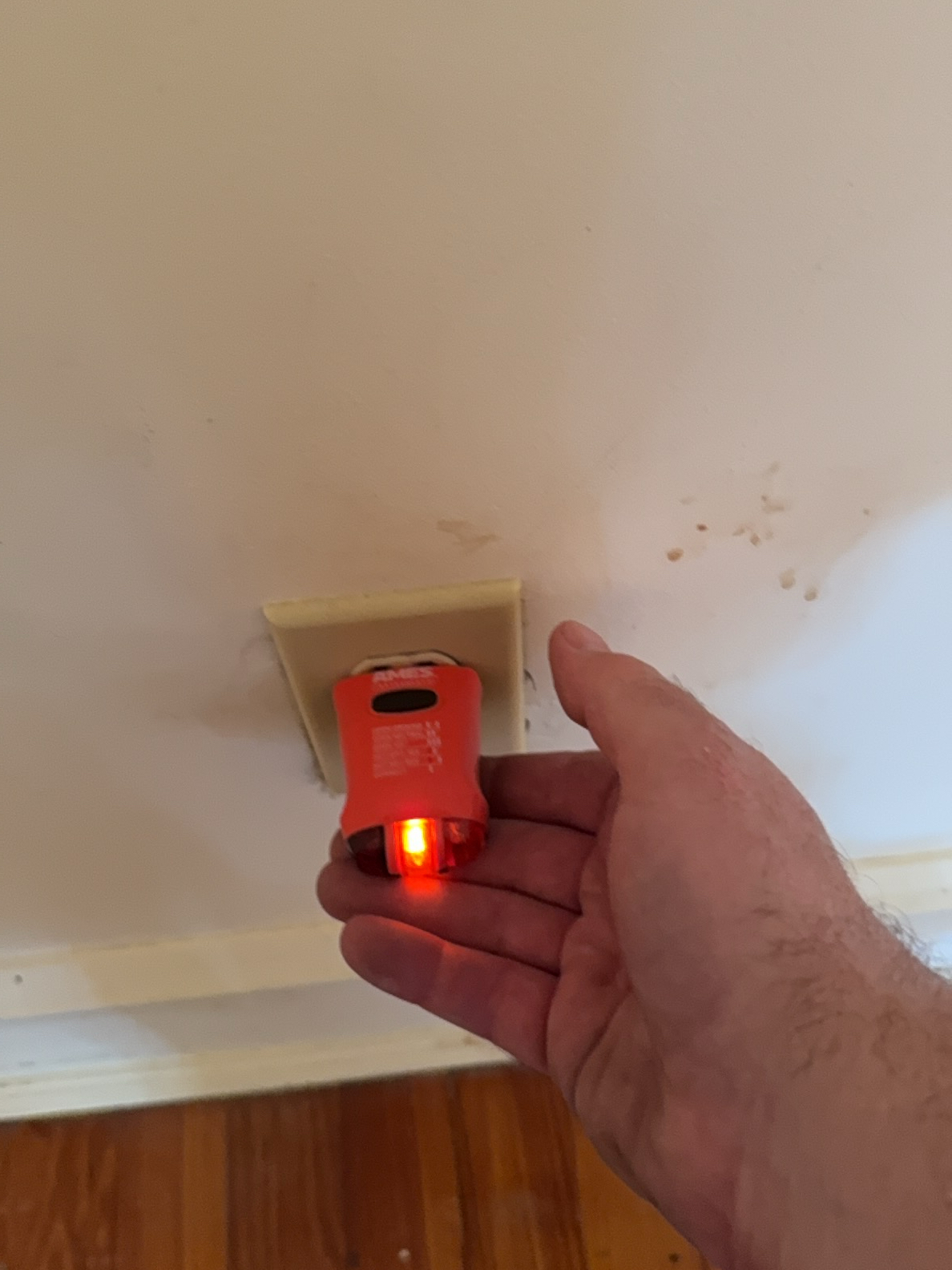
Hire a licensed electrician to address and eliminate all open grounds. This is a common issue in older homes built before 1962, where three-prong outlets have been added to an original two-wire system. This condition poses a safety risk, as it can be misleading—allowing appliances that depend on an equipment ground for safe fault discharge to be connected to ungrounded circuits. This effectively disables a key safety feature. Proper corrective measures may include, but not be limited to,:
- Running an equipment grounding conductor or a new three-wire circuit
- Restoring a two-prong receptacle or
- Installing GFCI protection for this circuit and labeling the open-ground receptacles
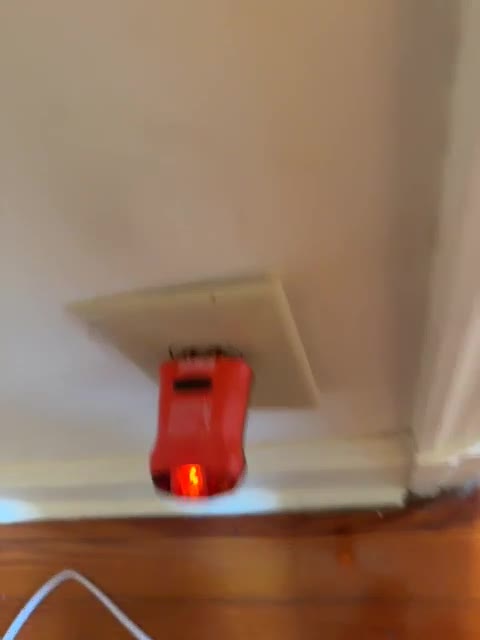
If GFCI protection is used, the outlets on this circuit should be labeled, so it is clear they are ungrounded and GFCI protected. Examples of locations where open grounds were found include:
⚡💡 - B5-3 🛏️Bedroom (5) - Electrical:
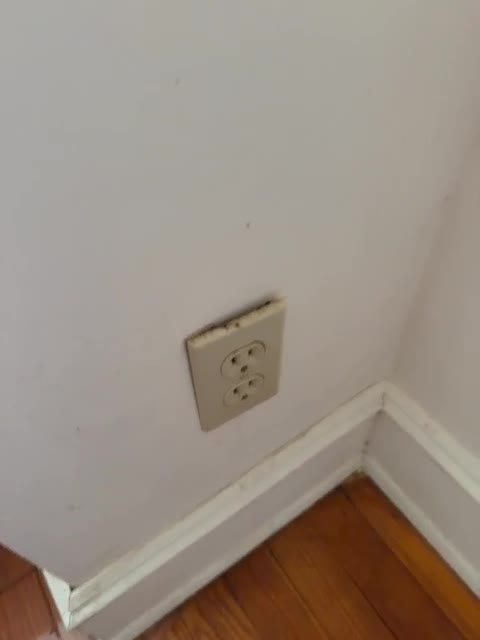
LOOSE ELECTRIC RECEPTACLES
The electric receptacle in the bedroom was found to be loosely mounted to the wall. Loose receptacles can place strain on wiring connections, potentially leading to damage or arcing.
RECOMMENDATION: Have a qualified electrical contractor evaluate further and provide repairs.
⚡💡 - B6-2 🛏️Bedroom (6) - Electrical:
OPEN GROUNDS
Hire a licensed electrician to address and eliminate all open grounds. This is a common issue in older homes built before 1962, where three-prong outlets have been added to an original two-wire system. This condition poses a safety risk, as it can be misleading—allowing appliances that depend on an equipment ground for safe fault discharge to be connected to ungrounded circuits. This effectively disables a key safety feature. Proper corrective measures may include, but not be limited to,:
- Running an equipment grounding conductor or a new three-wire circuit
- Restoring a two-prong receptacle or
- Installing GFCI protection for this circuit and labeling the open-ground receptacles
If GFCI protection is used, the outlets on this circuit should be labeled, so it is clear they are ungrounded and GFCI protected. Examples of locations where open grounds were found include:
⚡💡 - K-2 🧑🍳🔪Kitchen - Electrical:
There were no GFCI receptacles observed in the kitchen. A receptacle within 6 feet of a water source is required to be GFCI protected to reduce risk of shock. Current standards require all receptacles in the kitchen to be GFCI protected.
RECOMMENDATION: Have a qualified electrical contractor replace the receptacle(s) with a GFCI protected receptacle.
⚡💡 - LF-2 👕👖Laundry Facilities - Electrical:
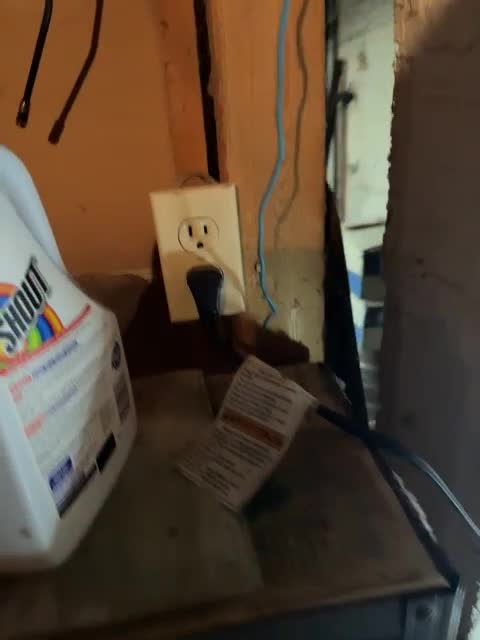
There was no GFCI receptacle in the laundry area. A receptacle within 6 feet of a water source is required to be GFCI protected to reduce risk of shock.
RECOMMENDATION: Have a qualified electrical contractor replace the receptacle with a GFCI protected receptacle.
⚡💡 - PBHB-2 🚽Powder Bathroom/ Half Bath - Electrical:
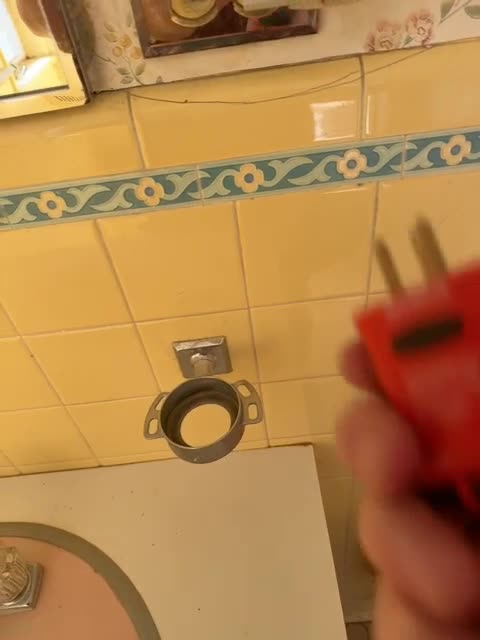
No electrical outlet was observed in the half bathroom at the time of inspection. Current electrical safety standards (NEC 210.52(D)) require at least one GFCI-protected receptacle in all bathrooms to safely accommodate electrical devices such as hair dryers, razors, or electric toothbrushes.
While this may have been acceptable at the time of original construction, the absence of a GFCI outlet represents a modern safety and convenience deficiency.
RECOMMENDATION: Have a licensed electrical contractor install a GFCI-protected receptacle in the half bathroom in accordance with current National Electrical Code requirements. This upgrade will improve safety and functionality for bathroom use.
⚡💡 - PB1-2 🚽🛁🚿Primary Bathroom (1) - Electrical:
There was no GFCI receptacle in the primary bathroom. A receptacle within 6 feet of a water source is required to be GFCI protected to reduce risk of shock.
RECOMMENDATION: Have a qualified electrical contractor replace the receptacle with a GFCI protected receptacle.
⚡💡 - PB1-3 🚽🛁🚿Primary Bathroom (1) - Electrical:
OPEN GROUNDS
Hire a licensed electrician to address and eliminate all open grounds. This is a common issue in older homes built before 1962, where three-prong outlets have been added to an original two-wire system. This condition poses a safety risk, as it can be misleading—allowing appliances that depend on an equipment ground for safe fault discharge to be connected to ungrounded circuits. This effectively disables a key safety feature. Proper corrective measures may include, but not be limited to,:
- Running an equipment grounding conductor or a new three-wire circuit
- Restoring a two-prong receptacle or
- Installing GFCI protection for this circuit and labeling the open-ground receptacles
If GFCI protection is used, the outlets on this circuit should be labeled, so it is clear they are ungrounded and GFCI protected. Examples of locations where open grounds were found include:
⚡💡 - B21-2 🚽🛁🚿Bathroom-Full (2) - Electrical:
There was no GFCI receptacle in the full bathroom. A receptacle within 6 feet of a water source is required to be GFCI protected to reduce risk of shock.
RECOMMENDATION: Have a qualified electrical contractor replace the receptacle with a GFCI protected receptacle.
⚡💡 - B31-2 🚽🛁🚿Bathroom-Full (3) - Electrical:
No electrical outlet was observed in the half bathroom at the time of inspection. Current electrical safety standards (NEC 210.52(D)) require at least one GFCI-protected receptacle in all bathrooms to safely accommodate electrical devices such as hair dryers, razors, or electric toothbrushes.
While this may have been acceptable at the time of original construction, the absence of a GFCI outlet represents a modern safety and convenience deficiency.
RECOMMENDATION: Have a licensed electrical contractor install a GFCI-protected receptacle in the half bathroom in accordance with current National Electrical Code requirements. This upgrade will improve safety and functionality for bathroom use.
⚡💡 - B41-2 🚽🛁🚿Bathroom-Full (4) - Electrical:
There was no GFCI receptacle in the full bathroom. A receptacle within 6 feet of a water source is required to be GFCI protected to reduce risk of shock.
RECOMMENDATION: Have a qualified electrical contractor replace the receptacle with a GFCI protected receptacle.
⚡💡 - B41-3 🚽🛁🚿Bathroom-Full (4) - Electrical:
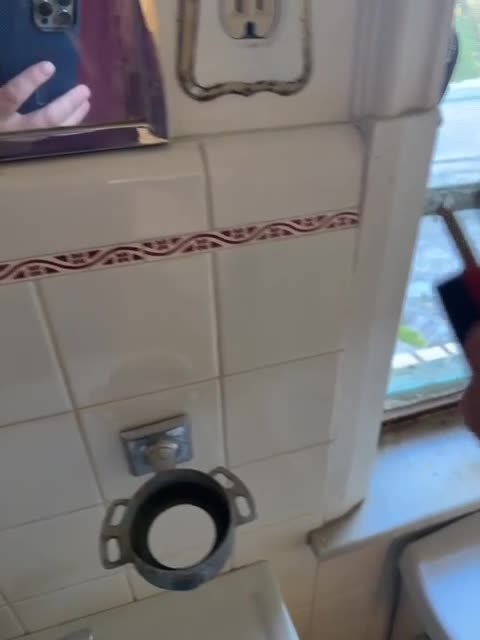
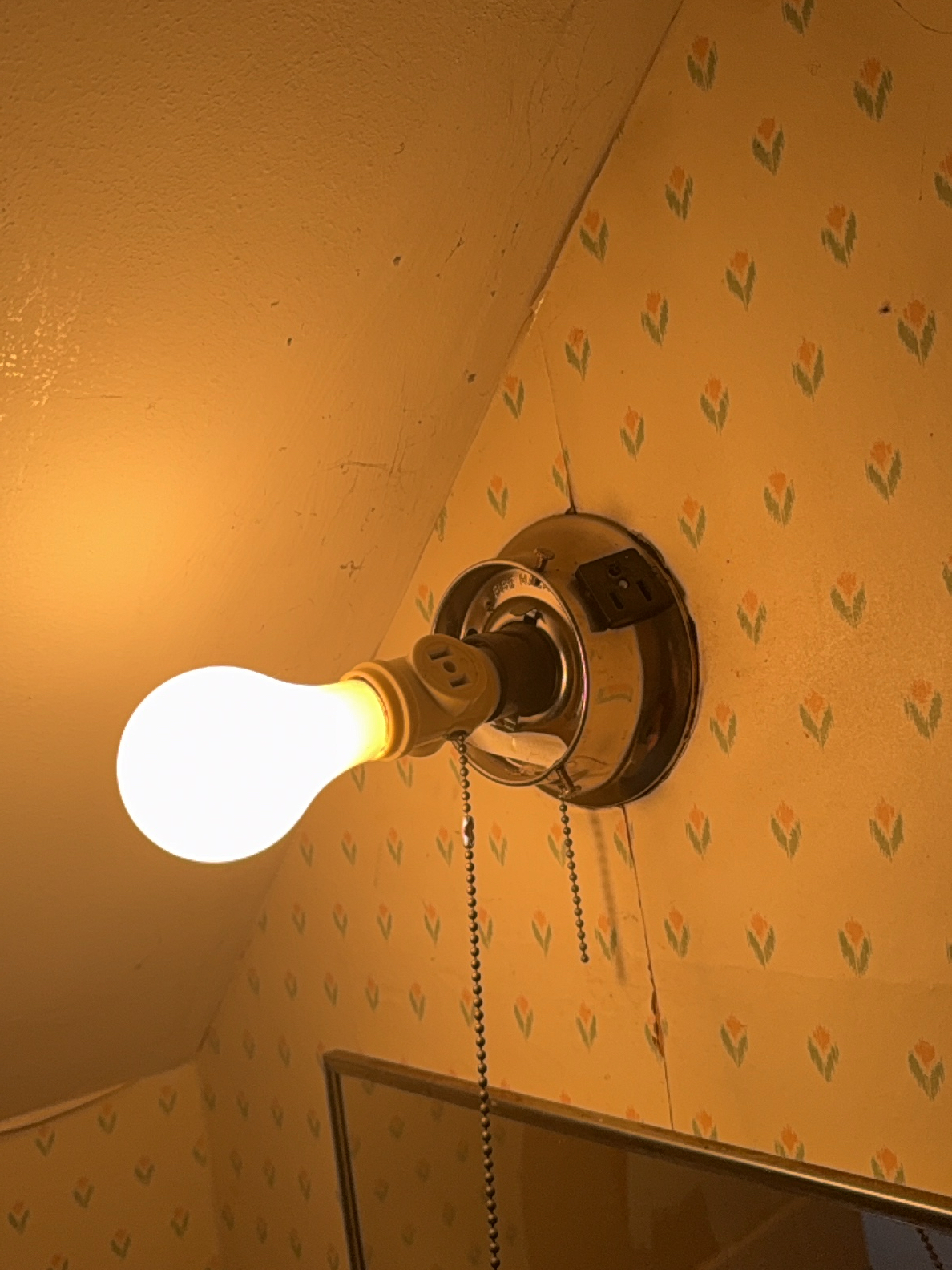
INADEQUATE ELECTRIC RECEPTACLE - BATHROOM
The only electric receptacle for the third floor bathroom is located in the light fixture. This was an older way to wire bathrooms back when there were few if any electric fixtures to plug in. This configuration will often not work safety in a modern home.
RECOMMENDATION: Installation of a GFCI protected receptacle is recommended to service the bathroom sink.
⚡💡











Repairs
- ES-9 ⚡Electric Service - Sub Panel:
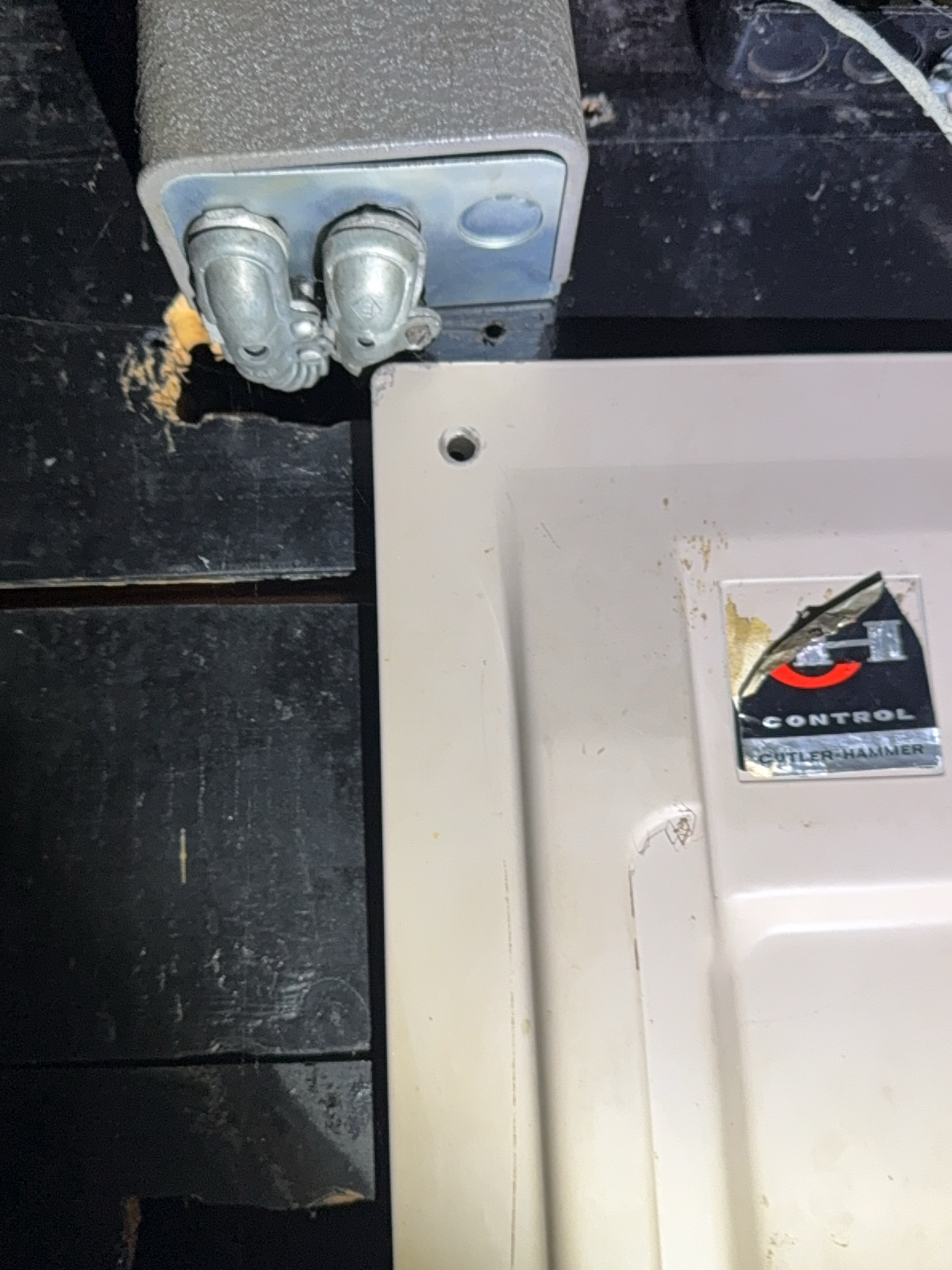
SCREWS MISSING FOR ELECTRIC PANEL
The sub-panel is missing proper screws to secure the dead front cover. Install missing screws as needed for improved safety and please note that screws with sharp ends are not recommended.
⚡💡 - EDF-2 💡Electric Distribution and Finish - Branch Wiring:
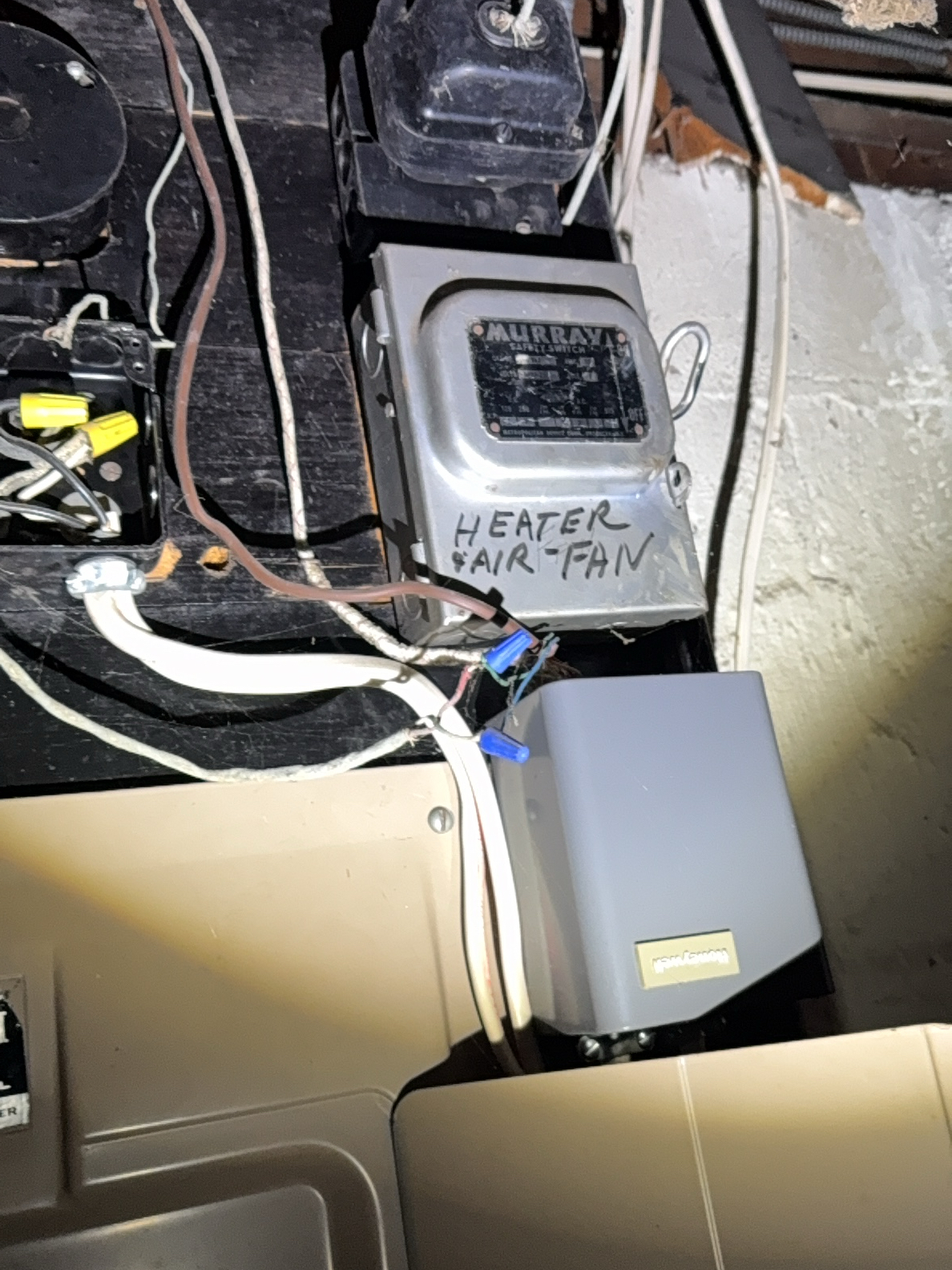
OPEN ELECTRICAL JUNCTION BOXES
The open electrical junction boxes need to be covered for improved safety. This is as simple as installing a cover plate over the box to protect the wiring. Sometimes, an extension ring is needed if finishes are covering the box. Repair as needed for improved safety.
⚡💡 - K-3 🧑🍳🔪Kitchen - Electrical:
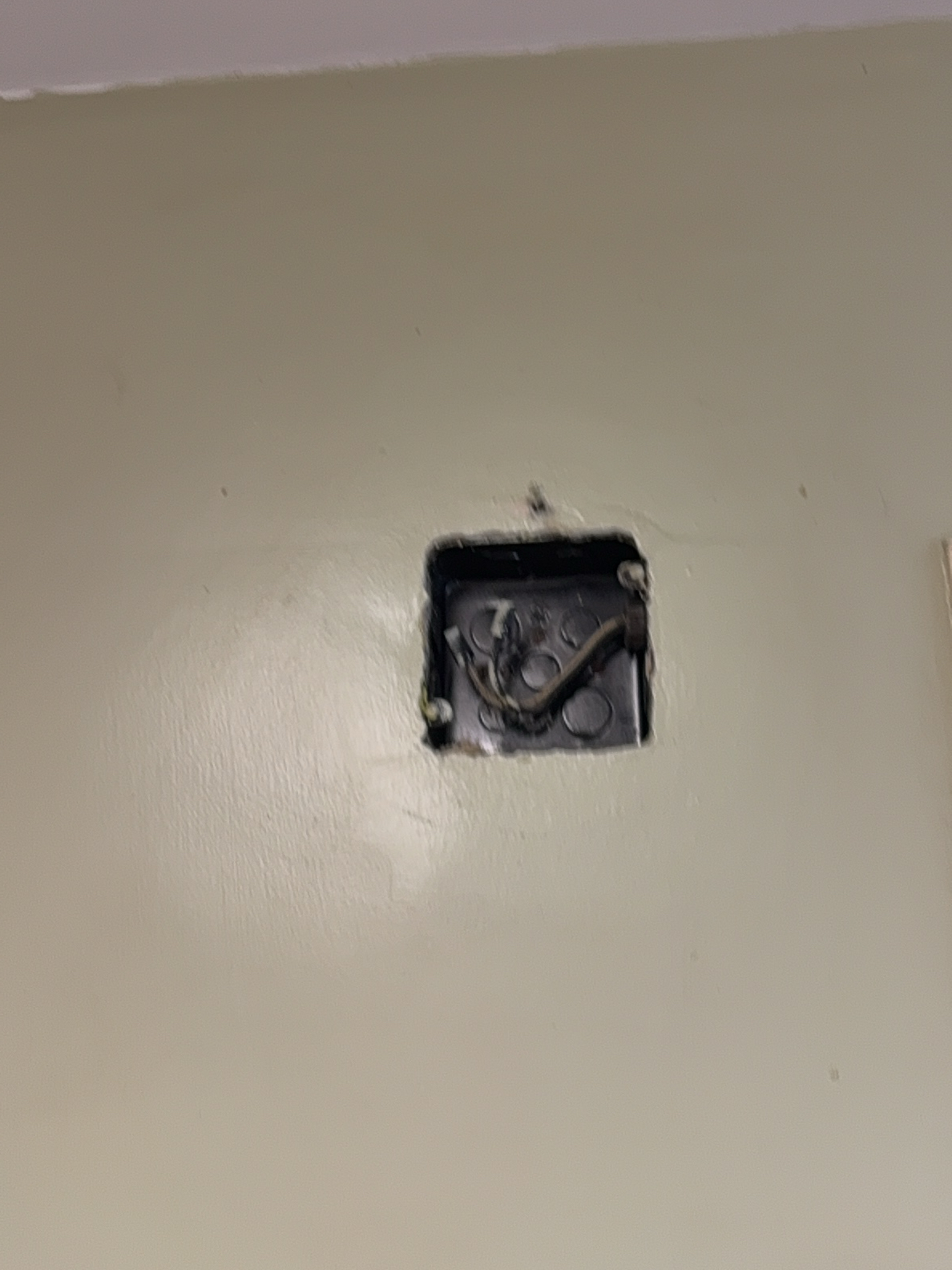
OPEN JUNCTION BOX NOTED
The open electrical junction box needs to be covered for improved safety. This is as simple as installing a cover plate over the box to protect the wiring. Sometimes, an extension ring is needed if finishes are covering the box. Repair as needed for improved safety.
⚡💡


Due Diligence Items
- Entry Hall/Rotunda - Electrical:
The home’s electrical receptacles were noted to be part of an older two-wire, ungrounded system. While this configuration may have been standard at the time of installation, it does not provide the grounding protection expected in modern wiring and may be less convenient for today’s electrical needs, particularly in offices or media areas. This condition is indicative of an older electrical system that has not been updated and may not safely or reliably meet modern usage demands. You may wish to consult with a licensed electrical contractor to review options for upgrading the wiring system to current safety standards and to better accommodate modern electrical loads.
⚡💡 - 📺Living Room - Electrical:
The home’s electrical receptacles were noted to be part of an older two-wire, ungrounded system. While this configuration may have been standard at the time of installation, it does not provide the grounding protection expected in modern wiring and may be less convenient for today’s electrical needs, particularly in offices or media areas. This condition is indicative of an older electrical system that has not been updated and may not safely or reliably meet modern usage demands. You may wish to consult with a licensed electrical contractor to review options for upgrading the wiring system to current safety standards and to better accommodate modern electrical loads.
⚡💡

JBC Home Inspections, LLC
315-720-5014
www.jbchomesinspections.com
jason@jbchomeinspections.com
New York State Inspector License No. 16000158429