
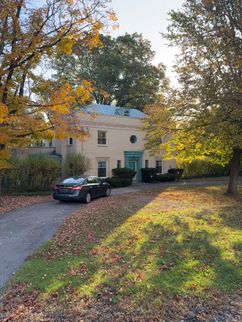
Jason Coe, New York State License #16000158429
The Scope and Purpose of an Inspection
Purchasing property involves risk
The purpose of an inspection is to help reduce the risks associated with purchasing a property by providing a professional evaluation of its general condition. It's important to understand that an inspection is limited to a visual assessment and cannot eliminate all risks. Some properties naturally present more potential issues than others, which may be beyond the scope of the inspection. Our goal is to inform and educate you—not only about what we can observe, but also about the limitations of what may not be visible during the inspection. These subtleties can be difficult to convey fully in writing, which is why we highly recommend that clients attend the inspection whenever possible.
A inspection is not an insurance policy or warranty.
This report is not a substitute for, nor should it be interpreted as, a warranty or guarantee. Warranties are separate products that may be purchased through third-party providers who specialize in that type of coverage.
The purpose of this report is not to offer any assurance—express or implied—regarding the current or future performance or adequacy of the structure, its systems, or their components. It does not serve as a warranty of merchantability or fitness for a particular purpose and should not be relied upon as such.
Any opinions offered regarding the adequacy, capacity, or expected lifespan of components are general estimates based on typical performance of similar systems or materials. Actual results may vary significantly, and it is not uncommon for real-world performance to differ from these projections.
A inspection is visual only and not destructive.
The findings and descriptions in this report are based on a visual inspection of the property. Our assessment is limited to components that are readily accessible and visible, without the need for disassembly, damage, or alteration of the structure, and without moving furniture or personal belongings. Any areas that are concealed, obstructed, or inaccessible are excluded from the inspection. In some cases, specific systems or components are not tested if doing so could risk damage—such as bathtub overflow drains, which are typically not tested to avoid potential water damage to finished areas. This inspection is non-invasive and non-destructive by nature, which places inherent limitations on its scope.
This is not an inspection for code compliance.
This inspection and report are not intended to determine compliance with local, state, or federal building codes. Code compliance is typically assessed by municipal inspectors during the construction phase, when framing and other structural elements are fully exposed and accessible. In contrast, inspections of finished structures are limited, as framing and other components are concealed. It’s also important to note that building codes are updated regularly—typically every three years—across various disciplines. Municipalities adopt and implement these updates on their own schedules. As a result, nearly all homes fall out of full code compliance over time. However, there is generally no requirement to bring older homes up to current code unless major renovations are undertaken.
This is just our opinion.
Construction methods and standards can vary widely—there is no single way to construct a building or install a system. The observations in this report reflect the professional judgment of the inspector. It's normal for other inspectors or contractors to have differing opinions. We encourage you to seek additional input from other qualified professionals if you wish. This report is intended only as a general guide to help the client make their own evaluation of the overall condition of the property, and is not intended to reflect the value of the premises, nor make any representation as to the advisability of sale/purchase.
The scope of this inspection
This inspection will cover the following systems: exterior, roof, structure, drainage, foundation, attic, interior, plumbing, electrical, and heating. The evaluation is based on limited observations that are primarily visual and non-invasive. No disassembly of equipment, opening of walls, moving of furniture, appliances or stored items, or excavation was performed. It is not intended to be a technically exhaustive assessment.
Photographic Documentation
Photographic documentation is included throughout the report, accompanied by written narratives to help convey key information. The photos are representative of conditions observed during the inspection but may not capture every instance of those conditions present on the property.
Your expectations
The primary goal of an inspection is to help ensure your expectations align with the condition of the property you are planning to buy, sell or maintain. Our role is to assist in this process by identifying and documenting visible observations during the inspection. However, this should not be mistaken for a technically exhaustive evaluation intended to uncover every possible defect. While more in-depth inspections are available, they are typically cost-prohibitive for most buyers or sellers.
Statement of Confidentiality
This Confidential Inspection Report is subject to the terms, conditions, and disclaimers of the contract. This report is only valid as of the date and time it was conducted and may be relied upon by the contracted parties. Each report section herein contains a listing of deficiencies observed at the time of inspection and a classification of the type and degree of each deficiency.
Statement of Limitations
All components and conditions which by the nature of their location are concealed, camouflaged or difficult to inspect are excluded from the report. The inspection is performed in compliance with the current versions of the following Standards of Practice as applicable to the property:
New York State Standards of Practice for Home Inspectors (NYS SOP), a copy of which is available at the following website: NYS Standards of Practice
InterNACHI Home Inspections Standards of Practice, a copy of which is available at the following website: InterNACHI SOP
Certified Commercial Property Inspectors Association Standards of Practice, a copy of which is available at the following website: CCPIA SOP
Systems and conditions which are not within the scope of the inspection include, but are not limited to: formaldehyde, lead paint, asbestos, mold or methamphetamine contamination, toxic or flammable materials, and other environmental hazards; pest infestation, playground equipment, efficiency measurement of insulation or heating and cooling equipment, internal or underground drainage or plumbing, any systems which are shut down or otherwise secured; water wells (water quality and quantity) zoning ordinances; intercoms; security systems; heat sensors; cosmetics or building code conformity. Any general comments about these systems and conditions are informational only and do not represent an inspection.
Statement of Non-Collusion
We hereby certify that this inspection report has been prepared independently and without any collusion, influence, or involvement from any third party with a financial interest in the sale, purchase, or financing of the property. No party has offered, requested, or received any form of compensation, inducement, or special consideration that would compromise the objectivity, accuracy, or impartiality of this inspection.
This report reflects the unbiased findings and professional judgment of the inspector, based solely on the conditions observed at the time of the inspection.
Statement of Liability
A thorough effort was made to identify all visible defects on your behalf; however, in the event of an oversight, the maximum liability shall be limited to the amount of the inspection fee paid. Any disputes or disagreements arising from this inspection or report shall be resolved through binding, non-appealable arbitration, conducted by the American Arbitration Association in accordance with its then-current Construction Industry Arbitration Rules, unless otherwise mutually agreed by the parties.
In the event of a claim, the client agrees to provide the inspection company with the opportunity to inspect the issue prior to any repairs being made. Failure to do so may result in the waiver of the claim. The client also agrees not to alter, repair, or remove any conditions or items that may serve as evidence in relation to the complaint, except in the case of an emergency.
Your participation is requested.
We strongly encourage our clients to be present during the inspection. A written report cannot fully capture all the insights and information that can be communicated through shared, real-time visual observations of the property's condition.
Authorizing Agent.
Inspected by: Jason Coe, State of New York License #: 16000158429.
Inspector Jason Coe, Duly Authorized agent of JBC Home Inspections, LLC.

How to Read This Report
Getting the Information to You
This report is intended to present important technical information in a format that is clear and accessible to all readers. If you're short on time, the "Summary Page” provides a quick overview of key findings to support prompt decision-making. However, we strongly recommend reviewing the full Report, which includes detailed descriptions, digital photos, captions, diagrams, videos, and links to additional resources for a more comprehensive understanding.
The most effective way to access the full depth of information in this report is by reading it online. This format allows you to explore and expand your understanding of the property. You’ll notice certain words or phrases highlighted in blue and underlined—clicking on these links will take you to additional resources and further details.
This report can also be saved as a PDF file and printed on paper if preferred.
Key Definitions
Serviceable – At the time of inspection, the component or system was observed to be performing its intended function without any visible evidence of significant defect, damage, or unsafe condition. “Serviceable” does not imply new condition or guarantee continued performance, nor does it serve as a warranty. The designation is based on a limited visual inspection and is not a prediction of future reliability.
Oil Canning – A visible waviness or buckling effect in flat or slightly curved metal surfaces, often seen in roofing, siding, or metal panels. It is usually caused by thermal expansion, improper installation, uneven fastening, or residual stresses in the metal during manufacturing. Oil canning is generally a cosmetic condition and does not necessarily indicate structural failure, but in some cases it may be a sign of installation or fastening issues that could warrant further evaluation.
Spalling - The deterioration and breakdown of a concrete surface, characterized by cracking, chipping, or peeling away. This can expose the underlying aggregate or even the reinforcement bars within the concrete. Spalling can be caused by a variety of factors, including moisture, temperature changes, and corrosion of the steel reinforcement.
Efflorescence - the process where water carries dissolved mineral salts to the surface of porous building materials such as concrete and masonry. This process leaves behind a white, powdery, or crystalline residue after the water evaporates. This generally signifies that a moisture problem is present and can lead to more significant structural problems, mold growth or other damage if not addressed.
Swale - a shallow, vegetated channel or depression designed to collect, convey, and filter stormwater runoff by slowing its velocity and allowing it to infiltrate the soil, thereby reducing erosion and pollution.
Qualified - For the purposes of this inspection report, the term qualified in reference to contractors refers to an individual or firm that is properly trained, experienced, licensed where required, and insured to perform evaluation, repair, or replacement of the specific system or component referenced. Selection, verification of credentials, and oversight of any contractor are the responsibility of the client.
Chapters and Sections
This report is organized into chapters that divide the building into logical inspection areas. Each chapter is further broken down into sections focused on specific systems or components of the building. You can easily navigate between chapters using the buttons located in the left-side margin.
Most sections include descriptive information in black text. Observation narratives, highlighted in colored boxes, are provided when a system or component is found to have significant deficiencies or when we want to offer additional useful details about the system or the scope of our inspection. If a system or component is considered to be in satisfactory or serviceable condition, that section may have no observation comments and may simply state “tested” or “inspected.”
Observation Labels
All narrative observations are color-coded, numbered, and labeled to help you easily locate, reference, and understand the severity of each issue. The observation colors and labels used in this report are:
Summary Page
The Summary Page offers a bulleted outline of the key observations made during the inspection. While this summary can be a helpful reference, it is not a substitute for reading the complete inspection report. To gain a full understanding of the findings, the entire report should be reviewed, as the Summary Page does not contain supporting photographs or their associated captions.
Summary
Major Concerns
- LG-4 🏕️Landscaping/ Grounds - Retaining Walls:
The retaining wall and brick masonry structure along the property were observed to be in poor and unstable condition. Significant cracking, displacement, and separation were visible along the face and corner of the wall, with sections of brick veneer pulling away from the underlying concrete block backing. The cracks extend through both the veneer and the block wall, indicating structural movement and potential failure of the retaining system.
This type of movement is typically associated with soil pressure, inadequate drainage behind the wall, foundation settlement, or frost heaving. The extent of visible cracking suggests that the wall may no longer be providing proper lateral support for the soil behind it.
The observed displacement and cracking represent a significant structural defect and potential collapse hazard, particularly if the wall continues to move or if loads such as soil, water, or freeze-thaw pressures increase.
RECOMMENDATION: Have a licensed structural engineer or qualified masonry contractor evaluate the retaining wall immediately to determine the extent of structural compromise and necessary corrective action. Repairs may include partial or full reconstruction, installation of proper drainage and reinforcement, and replacement of damaged masonry units. Until professional evaluation and stabilization are completed, avoid placing additional loads near or above the affected area.
- LG-5 🏕️Landscaping/ Grounds - Outbuildings, Trellises, Storage Sheds, Barns:
The pool shed/ storage shed roof has collapsed. The remaining structure is fully exposed to the weather and the walls were noted to be loose. This structure no longer appears to be safe to use.
RECOMMENDATION: Raze the balance of the shed and have a qualified general contractor build a new structure as desired. We recommend maintaining the water and electrical to this location for convenience.
- E-2 🏡Exterior - Siding and Trim:
A number of serious masonry and structural deficiencies were observed during the inspection, including:
- Failed and missing mortar joints
- Displaced and separated sections of brickwork
- Stepped cracking consistent with significant movement or settlement
- Vegetation growth within mortar joints, accelerating deterioration and moisture retention
- Corroded lintels
These conditions indicate substantial structural movement and distress within the masonry wall system. The extent of displacement and cracking suggests that portions of the wall may have lost structural integrity and could be at risk of progressive failure or collapse if not corrected.
The observed damage represents a significant safety and stability issue requiring prompt professional attention.
RECOMMENDATION: Have a licensed structural engineer evaluate the affected areas to determine the extent of structural compromise and develop a comprehensive repair or reconstruction plan. Repairs should be completed by a qualified masonry or general contractor under professional supervision to restore stability and prevent further movement or failure.
Example images of masonry issues around the home. Additional images may be found in other sections of the report
- GC-2 🚗Garage/ Carport - Garage General:
Water-damaged finishes were observed in the garage, indicating an active moisture condition at the time of the inspection. Staining and deterioration suggest ongoing water infiltration, which may be related to roof deficiencies (see the “Roof, Chimney, and Gutters” section of this report for related findings).
Active water intrusion can lead to continued material deterioration, organic growth, and potential structural damage if not corrected.
RECOMMENDATION: Have a qualified contractor identify and repair the source of the water infiltration and replace or repair any damaged materials as needed once the area has fully dried. Continued monitoring is recommended after repairs to confirm that the issue has been resolved.
- RCG-2 🧱Roof, Chimney and Gutters - Roofing:
A number of issues were observed related to the roof coverings:
- Some roof and parapet surfaces have a silver coating. This is consistent with a roofing product that may contain asbestos. This material should be tested by a qualified environmental hygienist before any disturbance or replacement.
- The roof slope to the drains does not appear to meet current standards of ¼ inch per foot, which may inhibit proper drainage and contribute to ponding water.
- The roof covering on the west side shows significant deterioration and damage, while the east side exhibits surface cracking and “alligatoring,” indicating age-related wear and weathering.
- The top edges of the counterflashing are not properly sealed; old sealant is deteriorated and should be removed and replaced to maintain a watertight condition.
- Dorner window sills sit on the roof and do not provide adequate surface area for counterflashing.
- The tin roof over the garage has a lot of seams that need resealing
- The drainage channel at the perimeter of the garage tin roof is not adequate and does not appear to remove water to the ground
The combined deficiencies indicate a roof system that is beyond its service life and may be contributing to moisture infiltration or interior damage.
RECOMMENDATION: As part of a comprehensive roofing rehabilitation or replacement project, have a qualified roofing contractor:
- Test any suspect coating for asbestos prior to disturbance,
- Evaluate and correct roof slope and drainage as needed,
- Replace deteriorated roofing materials and repair damaged areas, and
- Reseal counterflashing to ensure full weather protection.
The underlying roof substrates and counterflashing reglets should also be inspected for moisture damage or deterioration during the roofing work and replaced as needed to restore full system performance.
🧱 - RCG-3 🧱Roof, Chimney and Gutters - Roofing:
The bottom section of the second-floor bay window was observed to be deteriorated, with open gaps and exposed areas allowing direct exposure to the elements. These openings create a potential pathway for water intrusion, which can lead to further deterioration of adjacent materials. Due to the concealed nature of the assembly, there may also be underlying framing or structural damage that could not be visually confirmed during the inspection.
RECOMMENDATION: As part of the roofing replacement or repair project in this area, have a qualified contractor remove and replace the deteriorated bay window components using modern, durable, and weather-resistant materials. The underlying framing should be inspected and repaired or replaced as needed before reinstalling finishes to ensure a watertight and structurally sound assembly.
🧱 - RCG-4 🧱Roof, Chimney and Gutters - Chimneys:
CHIMNEY REPAIRS NEEDED
Visual inspection of the chimney revealed the need for a number of repairs. Hire a qualified structural engineer, mason and/or chimney sweep to further evaluate the chimney and implement repairs as needed. Specific observations noted during inspection include:
Chimney Structure
- The entire masonry chimney seems to be leaning - this can be an indication of structural failure. Extensive repairs could be needed.
Chimney Masonry
- Step cracking was noted in the masonry - this can be an indication of structural movement in the masonry chimney.
- Damaged was noted to the concrete cap - this can lead to moisture control problems
- Spalling brick was noted - this can be an indication of moisture control problems or incorrect mortar repairs in the past
- Failing mortar was noted - this can lead to moisture control and structural problems with the chimney
Flue Damper
- The flue damper inside the fireplace is inoperative and requires repair.
- RCG-7 🧱Roof, Chimney and Gutters - Dormers/ Parapets:
Several deficiencies were noted at the dormers and parapets around the building, including:
- Missing counterflashing along the sidewalls of the dormers
- Inappropriate siding material installed on the dormers (painted plywood, not intended for long-term exterior exposure)
- Unsealed or deteriorated coping joints requiring resealing
- Damaged parapet finishes with visible deterioration
These combined conditions likely allow water intrusion at roof-to-wall and parapet connections, which is contributing to the interior finish damage observed elsewhere in the home (see related sections of this report).
RECOMMENDATION: Have a qualified roofing or exterior envelope contractor evaluate the dormers and parapets to install proper counterflashing, replace inappropriate siding materials, reseal coping joints, and repair or refinish damaged parapet areas. Addressing these conditions will help prevent further water intrusion and interior damage. This work should be done as part of a larger roof replacement effort.
🧱 - ES-4 ⚡Electric Service - Sub Panel:
INCORRECT 3 CONDUCTOR FEED - SUB-PANEL
Currently, all sub-panels are required to be fed with four conductors (two hots, one neutral, and one ground). While the grounding conductor can sometimes be provided through metal conduit, no metal conduit was observed in this case. The sub-panel here appears to be fed by only three wires. Since this sub-panel is located within the same building as the main panel, installing a new four-wire feed is recommended for improved safety. We advise further evaluation and repair by a licensed electrical contractor. It’s important for sub-panels that neutrals and equipment grounds are kept separate to prevent stray voltage, which typically requires a four-wire feed. Although three-wire feeds may be permitted in some outbuilding situations, they are never allowed when the sub-panel is inside the same structure as the main panel.
⚡💡 - ES-5 ⚡Electric Service - Sub Panel:
DOUBLE LUGGED NEUTRALS
Hire a licensed electrician to correct the double-lugged neutral (grounded) conductors observed in the electrical panel. This condition occurs when two conductors share the same terminal lug, which is not permitted unless the terminal is specifically rated for multiple conductors. According to code, each grounded conductor must terminate in an individual terminal not shared with another wire. Double-lugged neutrals increase the risk of poor connections, arcing, and overheating. This should be evaluated and addressed by a qualified electrician.
⚡💡 - ES-6 ⚡Electric Service - Sub Panel:
An improperly terminated electrical conductor was observed within the system. Although testing indicated that the conductor was not energized at the time of inspection, its exposed end presents a potential safety hazard if it were to accidentally come into contact with energized components. Such contact could result in arcing, electrical shock, or fire.
Exposed or improperly terminated conductors pose a significant safety concern and should be corrected immediately.
RECOMMENDATION: Have a licensed electrical contractor properly terminate, cap, or remove the conductor in accordance with National Electrical Code (NEC) standards to eliminate the risk of accidental energization or electrical hazard.
⚡💡 - ES-7 ⚡Electric Service - Sub Panel:
Within the electrical panel, one or more stranded conductors were observed to have individual wire strands cut, damaged, or not fully secured under the lug connection. All strands of a conductor must be properly terminated beneath the lug or connector to ensure a secure and complete electrical connection. Missing or damaged strands can reduce the current-carrying capacity of the wire and may lead to overheating, arcing, or connection failure over time.
Improper termination of stranded conductors is a fire and shock hazard and should be corrected immediately to ensure safe system performance.
RECOMMENDATION: Have a licensed electrical contractor evaluate the affected connections and re-terminate or replace the damaged conductors as needed. All wire strands should be fully captured under the lug or connector and torqued to manufacturer specifications in accordance with National Electrical Code (NEC) 110.14 to ensure a safe and compliant installation.
⚡💡 - EDF-1 💡Electric Distribution and Finish - Branch Wiring:
RUNNING SPLICE
Open electrical splices were observed in the home’s wiring system. Electrical splices are connection points where conductors are joined together, and by code they are required to be contained within a listed junction box equipped with a secure cover. The observed splices were not enclosed, leaving exposed wiring connections visible and unprotected. This is an improper and unsafe condition that increases the risk of electrical shock, arcing, or fire.
Open or “running” splices are often a sign of amateur or incomplete electrical work, which raises concern that additional, concealed wiring issues may exist elsewhere in the electrical system. This condition does not meet modern safety standards as defined by the National Electrical Code (NEC 300.15), which mandates that all electrical connections be enclosed within approved boxes to prevent accidental contact and contain sparks or heat generated by loose connections.
RECOMMENDATION: Have a licensed electrical contractor further evaluate the electrical system, correct all open splices by properly enclosing them within approved junction boxes, and inspect the remainder of the system for additional wiring deficiencies or unsafe conditions. Documentation of completed repairs is recommended for safety and insurance purposes.
⚡💡 - EDF-3 💡Electric Distribution and Finish - Smoke and Carbon Monoxide Alarm Systems:
SMOKE ALARM REPAIRS NEEDED
No smoke alarms were noted anywhere. Smoke alarms were observed to be removed and/or batteries removed. These are an important safety feature and are recommended inside all bedrooms and in hallways outside of all sleeping areas. It is also recommended that there be at least one smoke alarm on each floor of the house. We recommend having smoke alarms installed to meet modern safety standards.
⚡💡 - EDF-4 💡Electric Distribution and Finish - Smoke and Carbon Monoxide Alarm Systems:
Smoke detector/carbon monoxide detector coverage in the home does not appear to meet current building standards. According to modern requirements, detectors should be installed inside each sleeping room, outside each sleeping area (such as in hallways), and on every level of the home, including basements, as well as in common areas like living rooms, family rooms, and dens.
RECOMMENDATION: Install additional smoke and CO detectors/ alarms for proper coverage and improved safety.
⚡💡 - HCFV-4 🔥❄️Heating, Cooling, Fireplaces and Ventilation - Vents and Flues:
The boiler vent connection to the chimney stack did not appear to be fully seated or properly sealed. A visible gap was noted at the connection point, which can allow combustion gases, including carbon monoxide, to escape into the surrounding area instead of venting safely outdoors.
Improper vent connections can pose a serious safety hazard and may affect both boiler performance and indoor air quality.
RECOMMENDATION: Have a licensed HVAC or chimney professional inspect and properly reconnect or reseal the vent pipe to ensure a secure, airtight connection at the chimney. The full venting system should be evaluated for corrosion, backdrafting, and proper draft performance to confirm safe operation.
🔥❄️ - P-1 🚰Plumbing - Waste Pipe and Discharge:
A damaged waste pipe was observed in the laundry area, with the open end stuffed with rags as a makeshift seal. While no sewer odor was detected at the time of inspection, this condition is unsafe and may allow sewer gases or moisture to enter the building.
Improperly sealed drain lines pose a sanitation and air quality hazard and are not compliant with plumbing standards.
RECOMMENDATION: Have a licensed plumbing contractor properly cap, repair, or replace the damaged waste pipe to ensure a sealed and code-compliant connection. This will prevent sewer gas infiltration and maintain a safe and sanitary environment.
🚽🚿🚰 - WH-1 🚰Water Heaters - Water Heater:
The discharge tube for the water heater temperature and pressure relief valve is missing and requires repair to eliminate a scald hazard. This is an important safety feature. Should the TPRV need to discharge, scalding water and steam could come out. This water and steam needs to be directed away from people.
RECOMMENDATION: Have a licensed plumber further evaluate and repair.
- TFH-3 Third Floor Hall - Walls, Ceilings, Trim, Hallways and Closets:
Water damage was observed around the dormer area in the third-floor hall ceiling. The moisture has caused the plaster to loosen and separate from its keyway, with sections showing signs of delamination and partial detachment. In some areas, the plaster is close to falling, presenting a potential safety concern if it dislodges further.
This interior damage is consistent with the roof and dormer deficiencies noted during the inspection, including deteriorated flashing and exterior water intrusion.
The condition indicates ongoing water infiltration that has already compromised interior finishes and may continue to worsen if not addressed.
RECOMMENDATION: Have a qualified roofing contractor identify and repair the source of the leak at the dormer and flashing assembly. Once the area is confirmed dry, a qualified plaster or general contractor should repair or replace the damaged ceiling sections to restore integrity and prevent debris from falling. Continued monitoring after repairs is recommended to confirm the leak has been fully resolved. We recommend this work be performed after the roofing is corrected.
- LR-4 📺Living Room - Finishes:
Water-damaged finishes were observed in the Living Room, indicating an active moisture condition at the time of the inspection. Staining and deterioration suggest ongoing water infiltration, which may be related to roof deficiencies (see the “Roof, Chimney, and Gutters” section of this report for related findings).
Active water intrusion can lead to continued material deterioration, organic growth, and potential structural damage if not corrected.
RECOMMENDATION: Have a qualified contractor identify and repair the source of the water infiltration and replace or repair any damaged materials as needed once the area has fully dried. Continued monitoring is recommended after repairs to confirm that the issue has been resolved.
- SR-4 Sun Room - Finishes:
A significant floor slope and evidence of settlement were observed in the sunroom area. The floor exhibited a noticeable tilt, suggesting movement or subsidence of the supporting structure or foundation beneath this portion of the building. This interior condition appears to correlate with the stepped cracking observed on the adjacent exterior wall, which is a common indicator of differential settlement or shifting in the foundation or footing.
The combination of interior and exterior movement suggests that the settlement may be progressive or related to soil conditions, drainage issues, or inadequate structural support beneath the sunroom addition.
The observed slope and cracking represent a potential structural issue that may continue to worsen over time if not addressed. Further movement could lead to additional cracking, misalignment of doors and windows, or damage to finishes.
RECOMMENDATION: Have a licensed structural engineer or qualified foundation specialist further evaluate the sunroom floor structure and foundation to determine the extent and cause of settlement. Corrective actions may include stabilizing or underpinning the foundation, improving site drainage, or reconstructing affected portions as necessary to restore stability and prevent further movement.
- WR-3 Weight Room - Finishes:
The lower 12 to 18 inches of drywall in the lower level of the home were observed to have visible organic growth, indicating a chronic or recurring moisture issue in this area. A musty odor was also noted, which further supports the presence of elevated humidity or prolonged damp conditions. The combination of visible growth and odor suggests that moisture intrusion or poor ventilation has persisted for some time.
Organic growth can indicate unsanitary conditions and may include mold or microbial contamination, which can affect indoor air quality and lead to further deterioration of building materials if not properly remediated.
RECOMMENDATION: Have a qualified mold remediation or environmental specialist evaluate the affected area to determine the extent and type of organic growth and perform appropriate cleaning or removal. The source of moisture—such as leaks, poor drainage, or high humidity—should also be identified and corrected to prevent recurrence. Once the area is fully dried and remediated, damaged drywall and insulation should be replaced as necessary to restore a clean and safe interior environment.
- BSR-2 Basement Storage Room - Finishes:
The lower 12 to 18 inches of drywall in the basement storage area(s) of the home were observed to have visible organic growth, indicating a chronic or recurring moisture issue in this area. A musty odor was also noted, which further supports the presence of elevated humidity or prolonged damp conditions. The combination of visible growth and odor suggests that moisture intrusion or poor ventilation has persisted for some time.
Organic growth can indicate unsanitary conditions and may include mold or microbial contamination, which can affect indoor air quality and lead to further deterioration of building materials if not properly remediated.
RECOMMENDATION: Have a qualified mold remediation or environmental specialist evaluate the affected area to determine the extent and type of organic growth and perform appropriate cleaning or removal. The source of moisture—such as leaks, poor drainage, or high humidity—should also be identified and corrected to prevent recurrence. Once the area is fully dried and remediated, damaged drywall and insulation should be replaced as necessary to restore a clean and safe interior environment.
- PB11-3 🛏️Primary Bedroom (1) - Finishes:
Water-damaged finishes were observed in the Living Room, indicating an active moisture condition at the time of the inspection. Staining and deterioration suggest ongoing water infiltration, which may be related to roof deficiencies (see the “Roof, Chimney, and Gutters” section of this report for related findings).
Active water intrusion can lead to continued material deterioration, organic growth, and potential structural damage if not corrected.
RECOMMENDATION: Have a qualified contractor identify and repair the source of the water infiltration and replace or repair any damaged materials as needed once the area has fully dried. Continued monitoring is recommended after repairs to confirm that the issue has been resolved.
- B2-3 🛏️Bedroom (2) - Finishes:
Water-damaged finishes were observed in Bedroom 2, indicating an active moisture condition at the time of the inspection. Staining and deterioration suggest ongoing water infiltration, which may be related to roof deficiencies (see the “Roof, Chimney, and Gutters” section of this report for related findings).
Active water intrusion can lead to continued material deterioration, organic growth, and potential structural damage if not corrected.
RECOMMENDATION: Have a qualified contractor identify and repair the source of the water infiltration and replace or repair any damaged materials as needed once the area has fully dried. Continued monitoring is recommended after repairs to confirm that the issue has been resolved.
- B3-2 🛏️Bedroom (3) - Finishes:
Water-damaged finishes were observed in Bedroom 3, indicating an active moisture condition at the time of the inspection. Staining and deterioration suggest ongoing water infiltration, which may be related to roof deficiencies (see the “Roof, Chimney, and Gutters” section of this report for related findings).
Active water intrusion can lead to continued material deterioration, organic growth, and potential structural damage if not corrected.
RECOMMENDATION: Have a qualified contractor identify and repair the source of the water infiltration and replace or repair any damaged materials as needed once the area has fully dried. Continued monitoring is recommended after repairs to confirm that the issue has been resolved.
- B4-2 🛏️Bedroom (4) - Finishes:
Water-damaged finishes were observed in the Bedroom 4, indicating an active moisture condition at the time of the inspection. Staining and deterioration suggest ongoing water infiltration, which may be related to roof deficiencies (see the “Roof, Chimney, and Gutters” section of this report for related findings).
Active water intrusion can lead to continued material deterioration, organic growth, and potential structural damage if not corrected.
RECOMMENDATION: Have a qualified contractor identify and repair the source of the water infiltration and replace or repair any damaged materials as needed once the area has fully dried. Continued monitoring is recommended after repairs to confirm that the issue has been resolved.
- B6-3 🛏️Bedroom (6) - Finishes:
Water-damaged finishes were observed in Bedroom 6, indicating an active moisture condition at the time of the inspection. Staining and deterioration suggest ongoing water infiltration, which may be related to roof deficiencies (see the “Roof, Chimney, and Gutters” section of this report for related findings).
Active water intrusion can lead to continued material deterioration, organic growth, and potential structural damage if not corrected.
RECOMMENDATION: Have a qualified contractor identify and repair the source of the water infiltration and replace or repair any damaged materials as needed once the area has fully dried. Continued monitoring is recommended after repairs to confirm that the issue has been resolved.
- BP-2 🧑🍳🔪Butler Pantry - Finishes:
Water-damaged finishes were observed in the Butler Pantry, indicating an active moisture condition at the time of the inspection. Staining and deterioration suggest ongoing water infiltration, which may be related to roof deficiencies (see the “Roof, Chimney, and Gutters” section of this report for related findings).
Active water intrusion can lead to continued material deterioration, organic growth, and potential structural damage if not corrected.
RECOMMENDATION: Have a qualified contractor identify and repair the source of the water infiltration and replace or repair any damaged materials as needed once the area has fully dried. Continued monitoring is recommended after repairs to confirm that the issue has been resolved.
- B21-6 🚽🛁🚿Bathroom-Full (2) - Moisture Damage to Finishes:
Water-damaged finishes were observed in the bathroom, indicating an active moisture condition at the time of the inspection. Staining and deterioration suggest ongoing water infiltration, which may be related to roof deficiencies (see the “Roof, Chimney, and Gutters” section of this report for related findings).
Active water intrusion can lead to continued material deterioration, organic growth, and potential structural damage if not corrected.
RECOMMENDATION: Have a qualified contractor identify and repair the source of the water infiltration and replace or repair any damaged materials as needed once the area has fully dried. Continued monitoring is recommended after repairs to confirm that the issue has been resolved.
- B31-5 🚽🛁🚿Bathroom-Full (3) - Bathtub / Shower:
The shower fixtures were not operated during the inspection due to visible buildup of mineral scale and what appeared to be organic growth on the components. Operating the fixtures in this condition could have caused damage or clogging to the plumbing system. The observed buildup suggests a lack of maintenance and potential deterioration of internal parts.
The condition indicates that the fixtures are likely beyond normal service life and may not operate properly or hygienically without significant repair or replacement.
RECOMMENDATION: Have a licensed plumbing contractor further evaluate and service the shower assembly, including internal supply lines and valves. Full replacement of the shower unit, valve, and trim is recommended to ensure safe, reliable operation and to restore proper sanitation and water flow.
🚽🚿🚰 - B51-1 🚽🛁🚿Bathroom-Full (5) - General Bath:
For the purpose of this report, Bathroom 5 is located in the basement. This bathroom appears to have been unused for an extended period of time. The bathtub drain was sealed with tape, preventing operation or testing during the inspection. The toilet and sink are located in a narrow alcove behind the tub/shower, with insufficient clearances for safe or comfortable use. The configuration does not meet current building standards for fixture spacing or function.
The condition of this bathroom, combined with its layout and apparent disuse, suggests that it may not be safe, sanitary, or compliant with modern standards. Repairs alone are unlikely to fully correct the deficiencies without significant modification.
RECOMMENDATION: Have a licensed general contractor or design professional evaluate this basement bathroom for complete replacement, reconfiguration, or removal. Any upgrades should include reinstallation of proper drainage, venting, and fixture clearances to ensure compliance with current plumbing and building standards. Rebuilding the bathroom to modern standards will improve both safety and usability of the space.
Moderate Repairs
- E-5 🏡Exterior - Exterior Electrical (General):
The exterior electrical receptacles were observed to be missing Ground Fault Circuit Interrupter (GFCI) protection and in-use (weatherproof) covers. Current electrical safety standards require all exterior outlets to be GFCI-protected to reduce the risk of electric shock in wet or damp environments. Additionally, exterior receptacles must have weather-resistant (WR) outlets and in-use covers designed to protect them from rain and moisture even when cords are plugged in.
While the outlets may function, the absence of GFCI protection and weatherproof covers presents a potential safety hazard, particularly in outdoor areas exposed to moisture.
RECOMMENDATION: Have a licensed electrical contractor install GFCI-protected exterior receptacles with proper weather-resistant devices and in-use covers in accordance with the National Electrical Code (NEC 210.8 and 406.9). This will improve safety, prevent moisture intrusion, and bring the exterior electrical system into compliance with current standards.
⚡💡 - E-7 🏡Exterior - Soffits/ Fascia/ Eaves:
The wood fascias and trim around the building were observed to be in poor condition, with extensive paint failure, exposed bare wood, and areas of rot and deterioration. The wood surfaces appear to have been subjected to long-term moisture exposure, likely from roof runoff or inadequate flashing. The deteriorated paint and visible decay indicate that the protective finish has failed, leaving the wood vulnerable to further water damage.
If not repaired, ongoing moisture exposure can lead to further wood decay, potential damage to underlying framing, and may allow water intrusion into the wall assembly below.
RECOMMENDATION: Have a qualified contractor or carpenter further evaluate and repair or replace the damaged fascia and trim components as needed. The affected areas should be properly sealed, primed, and repainted to protect against further weathering. Additionally, review roof and flashing details to ensure water is being properly diverted away from the fascia to prevent recurrence. (See also "Roof, Chimney and Gutters section of the report")
- E-8 🏡Exterior - Exterior Doors:
Several of the steel doors around the building were observed to be inoperable, likely due to rusting or being painted shut. In addition, doors that were functional were noted to be missing proper weatherstripping, and some locking hardware did not fully engage or operate as intended. These conditions reduce both security and energy efficiency and may allow moisture or air infiltration around the door assemblies.
While not an immediate safety hazard, the condition of the doors indicates a need for maintenance and repair to ensure proper operation and protection from the elements.
RECOMMENDATION: Have a qualified contractor evaluate and free or repair the rusted or painted-shut doors, replace or adjust door hardware, and install appropriate weatherstripping to ensure each door operates properly, seals tightly, and provides adequate security and weather resistance.
- E-9 🏡Exterior - Exterior Window Frames:
Cracked or damaged glass was observed at several window and door locations around the building. The affected panes may present safety, security, and energy efficiency concerns, as well as potential for water intrusion if the cracks worsen or the glazing fails.
While the condition does not appear to pose an immediate hazard, damaged glass should be addressed to prevent further breakage and ensure proper weather protection.
RECOMMENDATION: Have a qualified glass or window contractor evaluate all affected areas and replace or repair damaged glass panes as needed to restore safety, appearance, and proper building envelope performance.
- E-10 🏡Exterior - Exterior Window Frames:
Rotted wood was observed on the exterior window trim. This condition can lead to further deterioration, moisture intrusion, and potential damage to surrounding materials if not addressed.
RECOMMENDATION: Have a qualified general contractor repair or replacement the affected trim and/or window to prevent further damage and maintain the integrity of the window system.
- GC-3 🚗Garage/ Carport - Garage Doors and Automatic Openers:
DOOR BETWEEN THE GARAGE AND HOUSE
The door between the garage and the house does not appear to be a fire-rated door assembly. A properly rated door is an important fire safety feature, designed to slow or prevent the spread of fire and smoke from the garage into the living areas of the home.
Current standards require garage-to-house doors to have a minimum 20-minute fire-resistance rating, typically indicated by a UL or equivalent listing label, and to be self-closing and self-latching. Alternatively, a solid wood door at least 1⅜ inches thick also meets the minimum fire rating requirement.
While the door is functional, the lack of a confirmed fire rating represents a potential safety concern in the event of a fire.
RECOMMENDATION: Have a qualified contractor or door specialist evaluate the existing door and, if not compliant, replace it with a properly rated 20-minute fire door equipped with self-closing and latching hardware. This upgrade will help improve fire safety and bring the condition closer to current residential building standards.
- GC-5 🚗Garage/ Carport - Garage Stairs:
HANDRAIL REPAIRS
The graspable handrail for the interior stairs is missing. This should be a round railing 1 and 1/4 inches - 2 inches in diameter. If the railing is not round it must have a finger groove that is 3/4 of an inch down from the tallest point of the rail. The graspable handrail should also be 1.5 inches from the wall and have returns into the wall. Have a qualified contractor build suitable railings to reduce the potential for falls.
- RCG-5 🧱Roof, Chimney and Gutters - Gutters, Downspouts, Roof Drains, and Drip Edges:
The areas surrounding the roof drains were observed to be filled with leaves and debris, which can restrict positive water flow and impede proper roof drainage. In addition, the drain strainers were found to be loose and unsecured, making them susceptible to dislodging and allowing debris to enter the drain body, potentially causing blockages and water ponding on the roof surface.
Obstructed or poorly secured drains increase the risk of standing water, which can accelerate roof membrane deterioration and contribute to leaks or structural loading.
RECOMMENDATION: As part of a comprehensive roofing replacement effort, have a qualified roofing contractor:
- Clean and clear all debris from the roof drains and surrounding areas,
- Replace the existing roof drain bodies with properly fitted and secured units, and
- Install a secondary spillout wall scupper to provide emergency overflow drainage in the event of a blockage or backup.
- Have the roof drains scoped for any internal damage or debris build-up
These improvements will help ensure reliable roof drainage and reduce the risk of water-related damage to the roofing system.
🧱 - RCG-6 🧱Roof, Chimney and Gutters - Plumbing Vents:
The flashing around the plumbing vent penetrations was observed to be flaking, deteriorated, and in need of maintenance or replacement. In addition, the plumbing vent stacks were noted to be too short, with their terminations located less than 12 inches above the finished roof surface, which does not meet current standards for proper clearance.
Insufficient vent height can allow snow, debris, or roof runoff to obstruct the vent openings, reducing the plumbing system’s ability to vent properly and potentially causing slow drainage or trap siphoning inside the home.
RECOMMENDATION: Have a qualified roofing or plumbing contractor replace the deteriorated flashing and extend the vent pipes to meet the current standard of at least 12 inches above the finished roof surface, ensuring proper sealing and long-term weather resistance.
🚽🚿🚰🧱 - ES-1 ⚡Electric Service - Electric Service:
TREES AND VEGETATION ARE IN CONTACT WITH THE ELECTRIC SERVICE CONDUCTORS
Trees and vegetation are in contact with the overhead electrical service drop. This can lead to insulation damage, potentially exposing the conductors and increasing the risk of arcing or fire. It is recommended that the utility provider conduct a follow-up inspection of the service drop. Tree limbs, branches, and other vegetation should be trimmed back as necessary, and any damaged conductors should be repaired accordingly.
✒️
- Sometimes the utility will add chaffing gear to protect the conductors where trees cannot be removed.
⚡💡 - ES-2 ⚡Electric Service - Electric Service Equipment:
Some of the electrical conductors within the main service panel were observed to be over-stripped, exposing more bare wire than is appropriate beyond the terminal connections. Excessive exposure of conductor material increases the risk of accidental contact, arcing, or short circuits, particularly in confined spaces within the panel.
While the system was functional at the time of inspection, this condition represents a potential safety hazard that should be corrected to ensure proper insulation and safe termination.
RECOMMENDATION: Have a licensed electrical contractor evaluate the panel and re-strip and re-terminate any affected conductors to meet current electrical safety standards. Proper insulation and secure terminations will help prevent accidental contact and maintain the integrity of the electrical system.
⚡💡 - ES-8 ⚡Electric Service - Sub Panel:
OPENINGS IN DEAD FRONT COVER
Openings were noted in the dead front cover to the electric panel. This is unsafe as it does not adequately protect the energized area of the electric panel. Cover all open knock-outs with listed covers.
⚡💡 - HCFV-1 🔥❄️Heating, Cooling, Fireplaces and Ventilation - Thermostat:
The only thermostat observed was located in the second-floor hallway. The unit did not appear to have power and did not respond to any of the control inputs at the time of inspection. As a result, the heating and cooling system could not be fully tested for proper operation.
A non-operational thermostat prevents verification of system performance and may indicate a power supply issue, wiring defect, or failed control unit.
RECOMMENDATION: Have a qualified HVAC technician or electrician evaluate the thermostat power supply and wiring to determine the cause of the malfunction. Repair or replace the thermostat as needed to restore full control and functionality of the heating and cooling system.
🔥❄️ - HCFV-7 🔥❄️Heating, Cooling, Fireplaces and Ventilation - Solid Fuel Fireplaces:
The flue damper for the fireplace was locked / rusted closed / not responding to normal operating controls. Have this further investigated and repaired by a qualified chimney sweep.
🔥❄️ - LR-2 📺Living Room - Doors:
INTERIOR DOOR SAFETY GLASS
Some of the doors in this building have glazing or glass elements that do not appear to be done with safety glass - no listing was visible. Safety glass is recommended for all door glazing and is a modern safety requirement. Tempered glass will shatter into harmless fragments rather than sharp shards and laminated glass has the additional benefit of resisting breakage like auto glass. Installing safety glass in all doors with openings larger than 3-inches is recommended for improved safety.
- LR-3 📺Living Room - Windows:
A sampling of the living room windows revealed that several units appear to be painted or rusted shut and could not be operated using normal controls. This condition limits ventilation and suggests that the window hardware or framing components may also be deteriorated.
While the condition does not pose an immediate hazard, inoperable windows can compromise safety, comfort, and energy performance.
RECOMMENDATION: Have a qualified general or glazing contractor further evaluate the affected window units and perform repairs to restore proper operation where feasible. Given the apparent age and condition, replacement of the windows should also be considered to improve energy efficiency, weather resistance, and functionality. Any replacement should be selected and detailed to maintain the building’s original architectural aesthetic.
- O1-2 Office - Electrical:
The ceiling fan and light switch did not respond to normal testing.
RECOMMENDATION: Have a qualified electrical contractor evaluate further and provide repairs.
- O1-3 Office - Doors:
A exterior door in the office did not respond to testing and appeared to be painted or rusted shut and could not be operated using normal controls. This condition limits ventilation and suggests that the hardware or framing components may also be deteriorated.
While the condition does not pose an immediate hazard, inoperable doors can compromise safety, comfort, and energy performance.
RECOMMENDATION: Have a qualified general or glazing contractor further evaluate the affected units and perform repairs to restore proper operation where feasible. Given the apparent age and condition, replacement of the doors should also be considered to improve energy efficiency, weather resistance, and functionality. Any replacement should be selected and detailed to maintain the building’s original architectural aesthetic.
- SR-2 Sun Room - Doors:
The sliding doors were observed to be difficult to operate and did not move smoothly along their tracks. The doors exhibited resistance when opening and closing, which may be due to dirt or debris buildup in the track, worn rollers, or misalignment of the door panels. This condition limits proper function and may place additional stress on the hardware, leading to further deterioration if not corrected.
While not a safety hazard, the issue affects usability and may worsen over time if maintenance is deferred.
RECOMMENDATION: Have a qualified contractor or door specialist inspect the sliding doors to clean the tracks, adjust alignment, and replace worn rollers or hardware as needed. Regular cleaning and lubrication of the track system are recommended to maintain smooth operation and prevent premature wear. Replacement may also be warranted.
- SR-3 Sun Room - Windows:
The sunroom windows appears to be painted or rusted shut and could not be operated using normal controls. This condition limits ventilation and suggests that the window hardware or framing components may also be deteriorated.
While the condition does not pose an immediate hazard, inoperable windows can compromise safety, comfort, and energy performance.
RECOMMENDATION: Have a qualified general or glazing contractor further evaluate the affected window units and perform repairs to restore proper operation where feasible. Given the apparent age and condition, replacement of the windows should also be considered to improve energy efficiency, weather resistance, and functionality. Any replacement should be selected and detailed to maintain the building’s original architectural aesthetic.
- WR-2 Weight Room - Windows:
A sampling of the living room windows revealed that several units appear to be painted or rusted shut and could not be operated using normal controls. This condition limits ventilation and suggests that the window hardware or framing components may also be deteriorated.
While the condition does not pose an immediate hazard, inoperable windows can compromise safety, comfort, and energy performance.
RECOMMENDATION: Have a qualified general or glazing contractor further evaluate the affected window units and perform repairs to restore proper operation where feasible. Given the apparent age and condition, replacement of the windows should also be considered to improve energy efficiency, weather resistance, and functionality. Any replacement should be selected and detailed to maintain the building’s original architectural aesthetic.
- DR-3 🍽️Dining Room - Windows:
The metal casement windows appear to be original to the building and do not meet modern standards for energy efficiency or performance. The exterior finishes show signs of deterioration and weathering, and the window hardware was found to be unreliable or difficult to operate, consistent with similar units observed throughout the home.
While the windows remain in place, their condition and performance are below current standards and may contribute to heat loss, air infiltration, and operational difficulties.
RECOMMENDATION: Consider replacing the existing metal casement windows with new, energy-efficient units that maintain the original architectural style and proportions of the building. A qualified window or glazing contractor should be consulted to ensure proper installation and to select materials that improve thermal performance while preserving the home’s historic character.
- PR-2 ☎️Phone Room - Windows:
The window in the phone room appeared to be painted or rusted shut and could not be operated using normal controls. This condition limits ventilation and suggests that the window hardware or framing components may also be deteriorated.
While the condition does not pose an immediate hazard, inoperable windows can compromise safety, comfort, and energy performance.
RECOMMENDATION: Have a qualified general or glazing contractor further evaluate the affected window units and perform repairs to restore proper operation where feasible. Given the apparent age and condition, replacement of the windows should also be considered to improve energy efficiency, weather resistance, and functionality. Any replacement should be selected and detailed to maintain the building’s original architectural aesthetic.
- PB11-2 🛏️Primary Bedroom (1) - Windows:
A sampling of the Primary Bedroom windows revealed that metal bay window units appeared to be painted or rusted shut and could not be operated using normal controls. This condition limits ventilation and suggests that the window hardware or framing components may also be deteriorated.
While the condition does not pose an immediate hazard, inoperable windows can compromise safety, comfort, and energy performance.
RECOMMENDATION: Have a qualified general or glazing contractor further evaluate the affected window units and perform repairs to restore proper operation where feasible. Given the apparent age and condition, replacement of the windows should also be considered to improve energy efficiency, weather resistance, and functionality. Any replacement should be selected and detailed to maintain the building’s original architectural aesthetic.
- B2-2 🛏️Bedroom (2) - Doors:
A exterior door in Bedroom 2 did not respond to testing and appeared to be painted or rusted shut and could not be operated using normal controls. This condition limits ventilation and suggests that the hardware or framing components may also be deteriorated.
While the condition does not pose an immediate hazard, inoperable doors can compromise safety, comfort, and energy performance.
RECOMMENDATION: Have a qualified general or glazing contractor further evaluate the affected units and perform repairs to restore proper operation where feasible. Given the apparent age and condition, replacement of the doors should also be considered to improve energy efficiency, weather resistance, and functionality. Any replacement should be selected and detailed to maintain the building’s original architectural aesthetic. See "Exterior Door" section of the report.
- B5-2 🛏️Bedroom (5) - Electrical:
OPEN GROUNDS
Hire a licensed electrician to address and eliminate all open grounds. This is a common issue in older homes built before 1962, where three-prong outlets have been added to an original two-wire system. This condition poses a safety risk, as it can be misleading—allowing appliances that depend on an equipment ground for safe fault discharge to be connected to ungrounded circuits. This effectively disables a key safety feature. Proper corrective measures may include, but not be limited to,:
- Running an equipment grounding conductor or a new three-wire circuit
- Restoring a two-prong receptacle or
- Installing GFCI protection for this circuit and labeling the open-ground receptacles
If GFCI protection is used, the outlets on this circuit should be labeled, so it is clear they are ungrounded and GFCI protected. Examples of locations where open grounds were found include:
⚡💡 - B5-3 🛏️Bedroom (5) - Electrical:
LOOSE ELECTRIC RECEPTACLES
The electric receptacle in the bedroom was found to be loosely mounted to the wall. Loose receptacles can place strain on wiring connections, potentially leading to damage or arcing.
RECOMMENDATION: Have a qualified electrical contractor evaluate further and provide repairs.
⚡💡 - B5-4 🛏️Bedroom (5) - Finishes:
Evidence of water infiltration was observed in the form of staining on the wall and ceiling surfaces near the dormer area. The plaster in this location shows early signs of deterioration and moisture damage. While this condition does not appear to be widespread or consistent with other areas of the home, it should be addressed promptly to prevent further deterioration or potential mold growth.
RECOMMENDATION: Have a qualified roofing or general contractor identify and repair the source of the leak at the dormer. Once the area is fully dried, the damaged plaster should be repaired or refinished to restore the surface and prevent further moisture-related deterioration. Continued monitoring after repairs is recommended.
- B6-2 🛏️Bedroom (6) - Electrical:
OPEN GROUNDS
Hire a licensed electrician to address and eliminate all open grounds. This is a common issue in older homes built before 1962, where three-prong outlets have been added to an original two-wire system. This condition poses a safety risk, as it can be misleading—allowing appliances that depend on an equipment ground for safe fault discharge to be connected to ungrounded circuits. This effectively disables a key safety feature. Proper corrective measures may include, but not be limited to,:
- Running an equipment grounding conductor or a new three-wire circuit
- Restoring a two-prong receptacle or
- Installing GFCI protection for this circuit and labeling the open-ground receptacles
If GFCI protection is used, the outlets on this circuit should be labeled, so it is clear they are ungrounded and GFCI protected. Examples of locations where open grounds were found include:
⚡💡 - K-2 🧑🍳🔪Kitchen - Electrical:
There were no GFCI receptacles observed in the kitchen. A receptacle within 6 feet of a water source is required to be GFCI protected to reduce risk of shock. Current standards require all receptacles in the kitchen to be GFCI protected.
RECOMMENDATION: Have a qualified electrical contractor replace the receptacle(s) with a GFCI protected receptacle.
⚡💡 - K-4 🧑🍳🔪Kitchen - Sinks and Faucets/ Plumbing:
S-TRAP AT THE KITCHEN SINK WASTE PIPING
The waste plumbing to the kitchen sink is not properly vented and has an S-trap configuration. This trapping is no longer allowed as it risks siphoning the trap and allowing sewer gas to enter the home.
RECOMMENDATION: Hire a licensed plumber to repair with proper venting loop or an air admittance valve.
🚽🚿🚰 - BP-3 🧑🍳🔪Butler Pantry - Electrical:
There were no GFCI receptacles observed in the butler pantry. A receptacle within 6 feet of a water source is required to be GFCI protected to reduce risk of shock. Current standards require all receptacles in the kitchen to be GFCI protected.
RECOMMENDATION: Have a qualified electrical contractor replace the receptacle(s) with a GFCI protected receptacle.
- BP-6 🧑🍳🔪Butler Pantry - Windows:
The windows in the Butler’s Pantry consist of a combination of glass block units and original single-pane metal windows. The metal windows include both casement and awning styles. These windows do not meet current energy-efficiency standards, and the glass block assemblies are not thermally broken, offering limited insulation value.
RECOMMENDATION: Consider upgrading the existing windows to modern, energy-efficient units that maintain the architectural character of the space. Replacement of the glass block with insulated glazing units or thermally broken materials can further improve comfort and energy performance. A qualified window or glazing contractor should be consulted to ensure proper material selection and installation.
- LF-2 👕👖Laundry Facilities - Electrical:
There was no GFCI receptacle in the laundry area. A receptacle within 6 feet of a water source is required to be GFCI protected to reduce risk of shock.
RECOMMENDATION: Have a qualified electrical contractor replace the receptacle with a GFCI protected receptacle.
⚡💡 - PBHB-2 🚽Powder Bathroom/ Half Bath - Electrical:
No electrical outlet was observed in the half bathroom at the time of inspection. Current electrical safety standards (NEC 210.52(D)) require at least one GFCI-protected receptacle in all bathrooms to safely accommodate electrical devices such as hair dryers, razors, or electric toothbrushes.
While this may have been acceptable at the time of original construction, the absence of a GFCI outlet represents a modern safety and convenience deficiency.
RECOMMENDATION: Have a licensed electrical contractor install a GFCI-protected receptacle in the half bathroom in accordance with current National Electrical Code requirements. This upgrade will improve safety and functionality for bathroom use.
⚡💡 - PBHB-3 🚽Powder Bathroom/ Half Bath - Sinks and Cabinets:
The sink was tested during the inspection, and it was noted that the hot water flow stopped after several seconds of operation. Additionally, the drain stopper mechanism was not functioning properly and did not hold or release water as intended. These conditions indicate that repairs or component replacement may be necessary for proper operation.
While the sink remains partially usable, the issues with the hot water supply and drain mechanism affect normal function and convenience.
RECOMMENDATION: Have a qualified plumbing contractor further evaluate the sink’s hot water supply and stopper assembly to determine the cause of the malfunction and perform repairs or replacements as needed to restore full functionality.
- PB1-2 🚽🛁🚿Primary Bathroom (1) - Electrical:
There was no GFCI receptacle in the primary bathroom. A receptacle within 6 feet of a water source is required to be GFCI protected to reduce risk of shock.
RECOMMENDATION: Have a qualified electrical contractor replace the receptacle with a GFCI protected receptacle.
⚡💡 - PB1-3 🚽🛁🚿Primary Bathroom (1) - Electrical:
OPEN GROUNDS
Hire a licensed electrician to address and eliminate all open grounds. This is a common issue in older homes built before 1962, where three-prong outlets have been added to an original two-wire system. This condition poses a safety risk, as it can be misleading—allowing appliances that depend on an equipment ground for safe fault discharge to be connected to ungrounded circuits. This effectively disables a key safety feature. Proper corrective measures may include, but not be limited to,:
- Running an equipment grounding conductor or a new three-wire circuit
- Restoring a two-prong receptacle or
- Installing GFCI protection for this circuit and labeling the open-ground receptacles
If GFCI protection is used, the outlets on this circuit should be labeled, so it is clear they are ungrounded and GFCI protected. Examples of locations where open grounds were found include:
⚡💡 - PB1-4 🚽🛁🚿Primary Bathroom (1) - Sinks and Cabinets:
CORRODED P-TRAP
The waste piping below the primary bath sink is corroded. Although no active leakage was noted at the time of inspection, the visible corrosion indicates age-related deterioration and an increased risk of future leakage or failure.
RECOMMENDATION: Have a qualified plumbing contractor replace the corroded waste piping to ensure long-term reliability and prevent potential leaks. Proactive replacement at this stage will help avoid future water damage and improve the overall performance of the plumbing system.
- PB1-7 🚽🛁🚿Primary Bathroom (1) - Bathtub / Shower:
OLD SHOWER TILE - MAIN BATH
The tile in the bathroom shower surround appears aged and may require updating or repair in the near future. The condition of materials behind the tile—such as the substrate and waterproofing—is not visible during a standard inspection, making it difficult to determine the system’s overall reliability.
RECOMMENDATION: Have a qualified tile or bathroom renovation specialist further evaluate the shower surround to determine whether localized repairs or full replacement are needed. Additional inspection may reveal either minor maintenance needs or concealed moisture damage, which could require a more comprehensive upgrade.
Examples of concerns noted during inspection include:
- Staining or evidence of water intrusion
- PB1-9 🚽🛁🚿Primary Bathroom (1) - Moisture Damage to Finishes:
Moisture damage was observed on the finishes in the primary bathroom. The condition may be related to roofing deficiencies or inadequate mechanical ventilation, both of which can allow moisture to accumulate and damage interior materials over time.
RECOMMENDATION: Have a qualified general contractor further evaluate and repair the affected finishes. At the same time, the source of the moisture—whether from roof leaks or condensation due to poor ventilation—should be identified and corrected to prevent future damage. Installing or improving mechanical ventilation may also be recommended to reduce humidity levels and maintain proper air circulation.
- B21-2 🚽🛁🚿Bathroom-Full (2) - Electrical:
There was no GFCI receptacle in the full bathroom. A receptacle within 6 feet of a water source is required to be GFCI protected to reduce risk of shock.
RECOMMENDATION: Have a qualified electrical contractor replace the receptacle with a GFCI protected receptacle.
⚡💡 - B21-4 🚽🛁🚿Bathroom-Full (2) - Bathtub / Shower:
The shower diverter was observed to be sticking and difficult to operate, and it could not be fully engaged during testing. This may cause reduced water pressure or improper flow from the showerhead, indicating wear or internal malfunction.
The diverter remains partially functional but is not operating as intended and may worsen with continued use.
RECOMMENDATION: Have a qualified plumbing contractor further evaluate the shower diverter assembly and perform repairs or replacement as needed to ensure smooth operation and proper water distribution between the tub spout and showerhead.
🚽🚿🚰 - B21-5 🚽🛁🚿Bathroom-Full (2) - Bathroom Ventilation:
A sampling of the living room windows revealed that several units appear to be painted or rusted shut and could not be operated using normal controls. This condition limits ventilation and suggests that the window hardware or framing components may also be deteriorated.
While the condition does not pose an immediate hazard, inoperable windows can compromise safety, comfort, and energy performance.
RECOMMENDATION: Have a qualified general or glazing contractor further evaluate the affected window units and perform repairs to restore proper operation where feasible. Given the apparent age and condition, replacement of the windows should also be considered to improve energy efficiency, weather resistance, and functionality. Any replacement should be selected and detailed to maintain the building’s original architectural aesthetic.
- B31-2 🚽🛁🚿Bathroom-Full (3) - Electrical:
No electrical outlet was observed in the half bathroom at the time of inspection. Current electrical safety standards (NEC 210.52(D)) require at least one GFCI-protected receptacle in all bathrooms to safely accommodate electrical devices such as hair dryers, razors, or electric toothbrushes.
While this may have been acceptable at the time of original construction, the absence of a GFCI outlet represents a modern safety and convenience deficiency.
RECOMMENDATION: Have a licensed electrical contractor install a GFCI-protected receptacle in the half bathroom in accordance with current National Electrical Code requirements. This upgrade will improve safety and functionality for bathroom use.
⚡💡 - B31-3 🚽🛁🚿Bathroom-Full (3) - Sinks and Cabinets:
During the inspection, the sink fixtures were tested, and it was noted that the hot and cold water handles were seized and inoperable. The handles could not be turned using normal force, preventing full testing of the water flow. This condition suggests internal corrosion, mineral buildup, or mechanical failure within the faucet assembly.
RECOMMENDATION: Have a qualified plumbing contractor further evaluate and repair or replace the faucet assembly as needed. Replacement may be the most practical option to restore full function and reliability of the sink fixture.
🚽🚿🚰 - B31-4 🚽🛁🚿Bathroom-Full (3) - Toilet:
The toilet was tested during the inspection and found to be securely mounted with no visible leaks. However, a loud gurgling sound was noted during draining, which may indicate inadequate venting or partial obstruction in the drain line. Improper venting can cause slow drainage, trap siphoning, or odors over time.
While the fixture is currently functional, the condition suggests a venting or drain performance issue that should be investigated further.
RECOMMENDATION: Have a licensed plumbing contractor evaluate the toilet drain line and venting system to determine the cause of the gurgling and perform necessary repairs to ensure proper drainage and vent function.
🚽🚿🚰 - B31-6 🚽🛁🚿Bathroom-Full (3) - Bathroom Ventilation:
A sampling of the living room windows revealed that several units appear to be painted or rusted shut and could not be operated using normal controls. This condition limits ventilation and suggests that the window hardware or framing components may also be deteriorated.
While the condition does not pose an immediate hazard, inoperable windows can compromise safety, comfort, and energy performance.
RECOMMENDATION: Have a qualified general or glazing contractor further evaluate the affected window units and perform repairs to restore proper operation where feasible. Given the apparent age and condition, replacement of the windows should also be considered to improve energy efficiency, weather resistance, and functionality. Any replacement should be selected and detailed to maintain the building’s original architectural aesthetic.
- B31-7 🚽🛁🚿Bathroom-Full (3) - Moisture Damage to Finishes:
Moisture damage was observed on the finishes in the bathroom. The condition may be related to roofing deficiencies or inadequate mechanical ventilation, both of which can allow moisture to accumulate and damage interior materials over time.
RECOMMENDATION: Have a qualified general contractor further evaluate and repair the affected finishes. At the same time, the source of the moisture—whether from roof leaks or condensation due to poor ventilation—should be identified and corrected to prevent future damage. Installing or improving mechanical ventilation may also be recommended to reduce humidity levels and maintain proper air circulation.
- B41-2 🚽🛁🚿Bathroom-Full (4) - Electrical:
There was no GFCI receptacle in the full bathroom. A receptacle within 6 feet of a water source is required to be GFCI protected to reduce risk of shock.
RECOMMENDATION: Have a qualified electrical contractor replace the receptacle with a GFCI protected receptacle.
⚡💡 - B41-3 🚽🛁🚿Bathroom-Full (4) - Electrical:
INADEQUATE ELECTRIC RECEPTACLE - BATHROOM
The only electric receptacle for the third floor bathroom is located in the light fixture. This was an older way to wire bathrooms back when there were few if any electric fixtures to plug in. This configuration will often not work safety in a modern home.
RECOMMENDATION: Installation of a GFCI protected receptacle is recommended to service the bathroom sink.
⚡💡 - B41-4 🚽🛁🚿Bathroom-Full (4) - Toilet:
TOILET MOUNTING ISSUES NOTED
The toilet in the third floor bath was observed to be loosely mounted at the floor. This condition can compromise the wax seal, potentially leading to leaks, water damage, or unpleasant odors. Securing the toilet properly and replacing the wax ring if needed is recommended.
RECOMMENDATION:
Hire a licensed plumber to evaluate further and repair this toilet. Examples of observations noted during the inspection include:
- The toilet is loose on the floor and twisting.
- No caulking was noted between the floor and the toilet - caulking is required.
🚽🚿🚰 - B41-5 🚽🛁🚿Bathroom-Full (4) - Bathtub / Shower:
The shower on the third floor exhibited very low water pressure during testing. The pressure was insufficient to fully engage the diverter valve, preventing water from being properly directed to the showerhead. This condition may indicate a restriction within the supply line, a failing valve, or general pressure loss at higher elevations within the plumbing system.
While the fixture is operable, the low pressure significantly affects usability and may indicate an underlying issue that requires correction.
RECOMMENDATION: Have a licensed plumbing contractor further evaluate the water supply and diverter assembly to determine the cause of the low pressure and perform necessary repairs or replacements to restore proper shower function.
🚽🚿🚰 - B41-6 🚽🛁🚿Bathroom-Full (4) - Moisture Damage to Finishes:
Moisture damage was observed on the finishes in the bathroom. The condition may be related to roofing deficiencies or inadequate mechanical ventilation, both of which can allow moisture to accumulate and damage interior materials over time.
RECOMMENDATION: Have a qualified general contractor further evaluate and repair the affected finishes. At the same time, the source of the moisture—whether from roof leaks or condensation due to poor ventilation—should be identified and corrected to prevent future damage. Installing or improving mechanical ventilation may also be recommended to reduce humidity levels and maintain proper air circulation.
- SB-1 Structure and Basement - Foundation:
The basement concrete masonry unit (CMU) walls were observed to be in generally serviceable condition where visible. However, in several areas, the applied wall coating or finish was observed to be peeling or spalling, most likely due to elevated moisture or humidity levels common in basement environments.
While the structural integrity of the walls appears sound, the deteriorating finish suggests inadequate moisture control or poor adhesion of previous coatings.
RECOMMENDATION: Remove any loose or flaking wall coating and inspect the exposed masonry for signs of damaged mortar joints, stepped or horizontal cracking, and deteriorated block units. If the CMU walls are found to be structurally sound, consult a qualified basement or waterproofing specialist to address the underlying moisture or humidity issues contributing to the deterioration.
To help reduce moisture levels, consider improving basement ventilation and/or installing a dehumidifier to maintain consistent humidity control.
It is not recommended to apply moisture-resistant or waterproof coatings to the interior surface of the walls, as these can trap groundwater seepage within the block cores, potentially accelerating hidden deterioration. Effective basement waterproofing should be performed from the exterior, below grade where feasible, to properly manage water at its source and protect the wall assembly long-term.
- SB-2 Structure and Basement - Basement:
The finishes in the basement were observed to be stained, damaged, and aged, suggesting long-term exposure to dampness or intermittent water intrusion. The materials appear to have been poorly protected from moisture, and there is a possibility that concealed mold or organic growth exists behind wall or floor coverings.
While the condition does not pose an immediate structural issue, it reflects inadequate moisture control and may impact air quality and long-term durability of the space.
RECOMMENDATION: Remove all damaged or moisture-affected finishes and refinish as desired once the area has been fully dried and evaluated. At minimum, consider implementing basic waterproofing measures, such as improving exterior drainage, sealing foundation cracks, and applying a waterproof masonry coating to the concrete walls.
Be aware that unfinished basements often perform better in older homes with seasonal dampness. If you plan to fully finish the space, budget for more extensive waterproofing improvements to ensure long-term performance and to reduce the risk of recurring moisture or mold issues.
See also "Weight Room" and "Basement Storage Room" sections of the report for additional photos and observations.
- SB-3 Structure and Basement - Basement Stairs:
The basement stairwell was observed to be in worn condition. The wall finishes are peeling and damaged, and the floor at the base of the stairs shows surface deterioration and flaking paint, likely from age and exposure to moisture. The lighting fixtures provide adequate illumination but appear dated and may not meet current efficiency standards.
The overall condition suggests that the area has seen prolonged use with limited maintenance, and surface deterioration may continue if not addressed.
RECOMMENDATION: Have a qualified contractor repair or replace damaged wall and floor finishes, and repaint or refinish surfaces using moisture-resistant materials suitable for basement conditions. Inspect the stair structure for stability during repairs, and consider upgrading lighting fixtures for improved safety and visibility.
Repairs
- LG-2 🏕️Landscaping/ Grounds - Driveways/Walkways/Flatwork/Patios:
DRIVEWAY RESURFACING NEEDED
The asphalt driveway surface shows signs of minor cracking and surface wear consistent with normal aging. These conditions are typical for asphalt over time and do not currently affect functionality but, if left unaddressed, could allow moisture infiltration that accelerates deterioration.
RECOMMENDATION: Have a qualified paving contractor perform minor repairs, such as crack sealing and surface re-coating, to protect the asphalt from further weathering and extend the overall service life of the driveway. Regular sealing every few years is recommended as part of normal property upkeep.
- E-3 🏡Exterior - Siding and Trim:
Organic growth was noted on some of the masonry siding. This can be bad for the masonry and trap water in the masonry and hasten deterioration of brick and mortar. Consult with a qualified mason about options for cleaning and sealing the masonry. See "Roof, Chimney and Gutters" section of the report.
- ES-9 ⚡Electric Service - Sub Panel:
SCREWS MISSING FOR ELECTRIC PANEL
The sub-panel is missing proper screws to secure the dead front cover. Install missing screws as needed for improved safety and please note that screws with sharp ends are not recommended.
⚡💡 - EDF-2 💡Electric Distribution and Finish - Branch Wiring:
OPEN ELECTRICAL JUNCTION BOXES
The open electrical junction boxes need to be covered for improved safety. This is as simple as installing a cover plate over the box to protect the wiring. Sometimes, an extension ring is needed if finishes are covering the box. Repair as needed for improved safety.
⚡💡 - HCFV-5 🔥❄️Heating, Cooling, Fireplaces and Ventilation - Heating and Cooling Distribution Systems:
Duct sealing was not observed on the HVAC ductwork at the time of inspection. Unsealed or loosely connected ducts can allow air leakage, reducing system efficiency and potentially leading to uneven heating or cooling throughout the home.
RECOMMENDATION: Have a qualified HVAC contractor inspect the ductwork connections and apply approved duct mastic or foil tape where needed to ensure a tight, efficient air seal. Proper sealing can improve energy efficiency and indoor air quality.
🔥❄️ - HCFV-6 🔥❄️Heating, Cooling, Fireplaces and Ventilation - Mechanical Ventilation Systems:
A whole-house mechanical ventilation system was observed in the home. When tested, the main fan responded properly to standard switching controls, turning on and off as expected. This indicates that the system is operational at a basic level. However, no airflow measurements or duct inspections were performed as part of this evaluation.
While the system appears functional, its overall performance, air balance, and filter condition were not verified during the inspection.
RECOMMENDATION: Have a qualified HVAC technician perform a comprehensive service inspection to confirm that the ventilation system is properly balanced and free of obstructions, and that filters and dampers are clean and adjusted correctly. Regular maintenance will ensure optimal indoor air quality and energy efficiency. If not already present, consider adding a timer, humidistat, or smart control to better regulate operation based on occupancy and humidity levels.
🔥❄️ - SFH-2 Second Floor Hall - Floors and Floor Materials:
The wall to wall carpeting is older and showing signs of age indicating it may require updating soon. Urgency of updating depends on your desire for cosmetic appearance.
- TFH-2 Third Floor Hall - Floors and Floor Materials:
The wall to wall carpeting is older and showing signs of age indicating it may require updating soon. Urgency of updating depends on your desire for cosmetic appearance.
- EH-2 Entry Hall/Rotunda - Walls, Ceilings, Trim, Hallways and Closets:
Typical cracking, flaws, blemishes, and wear was observed. Scrape and paint as desired.
- LR-5 📺Living Room - Finishes:
WALL TO WALL CARPETING NEEDS DEEP CLEANIGN OR REPLACEMENT
The wall to wall carpeting is dirty and in poor condition. Clean or replace as needed.
✒️
- Damaged areas of carpet were noted.
- SR-5 Sun Room - Finishes:
Water staining was observed on the ceiling, which appears to be related to the roof conditions noted elsewhere in the report. The staining suggests moisture infiltration from the roofing system.
RECOMMENDATION: After all roofing work and leak repairs are finished, have a qualified contractor inspect the affected ceiling, confirm that the area is dry, and repair or repaint the damaged finishes as needed to restore appearance and prevent further deterioration.
- DR-2 🍽️Dining Room - Doors:
The door to the entry hall was observed to bind at the top. Provide trimming/ adjustment at the top of the door as desired to improve performance.
- B3-3 🛏️Bedroom (3) - Finishes:
SHADOWS NOTED ON THE HARDWOOD FLOORS
Shadows were noted in the hardwood floors where the sunlight has lightened exposed wood flooring and areas with carpet are now darker. This is common for some types of wood flooring. This is a cosmetic defect that will soften over time as newly exposed wood is exposed to the sunlight. Consult with a hardwood floor specialist as desired. You can refinish the floors or simply wait for time to soften this distinction.
- K-3 🧑🍳🔪Kitchen - Electrical:
OPEN JUNCTION BOX NOTED
The open electrical junction box needs to be covered for improved safety. This is as simple as installing a cover plate over the box to protect the wiring. Sometimes, an extension ring is needed if finishes are covering the box. Repair as needed for improved safety.
⚡💡 - K-6 🧑🍳🔪Kitchen - Disposers:
The kitchen sink disposer was tested and not working (inoperative) during inspection. Have this further evaluated and repaired by a licensed plumber.
- K-7 🧑🍳🔪Kitchen - Dishwasher:
The dishwasher discharge hose was not visible at the time of inspection, and therefore the presence of a required high loop or air gap in the drain line could not be confirmed. A proper high loop or air gap is important to prevent wastewater from backflowing into the dishwasher, which can lead to contamination or unsanitary conditions.
RECOMMENDATION: Have a qualified plumbing contractor confirm that the dishwasher drain hose is installed with an appropriate high loop or air gap in accordance with current plumbing code requirements to prevent potential backflow and ensure safe operation.
🚽🚿🚰 - BP-4 🧑🍳🔪Butler Pantry - Sinks and Faucets/ Plumbing:
CORRODED P-TRAP
Replace the corroded P-trap below the kitchen sink. There appeared to be an active leak at the time of the visit.
🚽🚿🚰 - LF-3 👕👖Laundry Facilities - Dryer:
The dryer exhaust vent was observed to be disconnected where it enters the areaway, resulting in improper venting of exhaust air. Additionally, the PVC vent piping was improperly joined using duct tape or similar methods rather than proper solvent welding. The use of corrugated flexible ducting between the dryer and PVC vent also presents a concern, as the interior ridges can trap lint, increasing the risk of blockage or fire hazard over time.
Improper venting can lead to moisture accumulation, lint buildup, and potential fire hazards.
RECOMMENDATION: Reconnect and seal the dryer exhaust duct using approved PVC cement or appropriate fittings. Extend smooth, rigid ductwork directly to the rear of the dryer and eliminate the flexible corrugated duct to ensure efficient airflow and safe operation. Regular cleaning and maintenance of the vent system are recommended to prevent lint accumulation and improve dryer performance.
- LF-4 👕👖Laundry Facilities - Laundry Sinks:
The laundry sink appears to serve solely as a drain receptor for the washing machine discharge. No faucet or water supply connections were observed at the time of inspection, indicating that the sink is not currently functional for general use.
This condition does not affect the drainage function but limits the sink’s usability as a utility fixture.
RECOMMENDATION: Have a qualified plumbing contractor further evaluate the laundry sink and install a suitable faucet and supply connections if general utility use is desired. Proper installation will enhance functionality and ensure compliance with current plumbing standards.
- PB1-6 🚽🛁🚿Primary Bathroom (1) - Toilet:
The toilet in the primary bathroom was observed to continue running after flushing, indicating a malfunctioning fill or flush valve assembly. Although temporarily stopping the flow may be possible by manipulating the handle, this is not a reliable or proper solution. Continuous running can lead to unnecessary water waste and increased utility costs.
RECOMMENDATION: Have a licensed plumbing contractor evaluate and repair or replace the internal components of the toilet as needed to ensure proper operation and eliminate water waste.
- PB1-8 🚽🛁🚿Primary Bathroom (1) - Bathtub / Shower:
The caulking around the shower enclosure is old and failing and should be replaced.
- PB1-10 🚽🛁🚿Primary Bathroom (1) - Door:
The door to the primary bathroom was observed to bind at the bottom when opened approximately 90 degrees. This misalignment may cause the door to stop abruptly or resist movement, which could be unexpected during normal use and pose a minor risk of someone bumping into it.
The condition appears to be a result of settlement, hinge alignment, or flooring contact and can typically be corrected with minor adjustments.
RECOMMENDATION: Have a qualified contractor or carpenter adjust the hinges, door frame, or bottom clearance as needed to allow smooth operation and prevent binding during use.
- B21-3 🚽🛁🚿Bathroom-Full (2) - Sinks and Cabinets:
LEAKING WASTE PIPING
The waste plumbing below the upstairs bathroom sink has a minor leak. The leak appears to be slow but indicates that the plumbing connections or materials are beginning to deteriorate.
RECOMMENDATION: Have a qualified plumbing contractor repair or replace the affected waste piping to ensure a watertight connection and prevent further leakage.
🚽🚿🚰 - B21-7 🚽🛁🚿Bathroom-Full (2) - Doors:
The doors into the bathroom functioned as expected during the inspection; however, the paint finishes appeared to be flaking/ peeling. We recommend repainting as desired.
Deferred Maintenance
- LG-3 🏕️Landscaping/ Grounds - Grounds, Trees and Vegetation:
TREE AND VEGETATION PRUNING
Pruning trees, branches and vegetation away from the building is recommended. Where trees, branches and large shrubs can provide rodent access to the roof, a minimum 6-foot clearance is recommended as many rodents can jump 6-feet. All vegetation, including smaller landscaping such as grasses, flowers and shrubs should be kept 1-foot off the house to eliminate contact which could trap moisture against the building.
✒️
- Some of these mature shrubs are too close to the building.
- DPB-2 🪜Decks, Porches and Balconies - Wood Decks, Porches, and Balconies:
ELIMINATE SOIL CONTACT WITH POSTS
Eliminate soil contact at the base of the deck posts where possible. This will reduce the risks of wood decay and wood-destroying organisms. Even posts made from pressure-treated lumber will rot, and soil contact will hasten wood decay.
- GC-4 🚗Garage/ Carport - Garage Doors and Automatic Openers:
OVERHEAD DOOR WEATHER STRIP REPAIR
Repair the damaged/incomplete weather stripping on the bottom of the garage door. This is important to prevent water and rodent entry.
- S-2 Stairs - Finishes:
OLDER CARPETING
The wall-to-wall carpeting is older and showing signs of age, indicating it may require updating soon. The urgency of updating depends on your desire for cosmetic appearance.
- WR-4 Weight Room - Closet:
The closet hanging rod was observed to be cut too short and did not extend to each side of the closet and sit firmly in the supports. Replace hanging rod with a rod of the correct length as desired.
- DR-4 🍽️Dining Room - Finishes:
FLOOR REFINISHING
The hardwood floors are scratched and the finish is wearing through in places. Hire a wood floor specialist to evaluate and refinish the floors.
- K-5 🧑🍳🔪Kitchen - Cabinets and Countertops:
CABINET REPAIRS
Tune-up repairs are needed to the kitchen cabinets. Repair as desired. Examples of observations noted during inspection include:
- Loose doors/ hinges
- Some cabinet door release buttons were loose
- BP-5 🧑🍳🔪Butler Pantry - Cabinets and Countertops:
CABINET REPAIRS
Tune-up repairs are needed to the kitchen cabinets. Repair as desired. Examples of observations noted during inspection include:
- Loose doors/ hinges
- Some cabinet door release buttons were loose
- PB1-5 🚽🛁🚿Primary Bathroom (1) - Sinks and Cabinets:
CAULKING NEEDED AT BACKSPLASH
The backsplash behind the primary bathroom sink is not adequately sealed to the countertop and could allow water to get behind the countertop. Seal with caulking.
Sample Residential Inspection Report
🏕️Landscaping/ Grounds
General Grounds Photos
Drainage, Site, and Grading
Window wells and Stairwells
Driveways/Walkways/Flatwork/Patios
Grounds, Trees and Vegetation
Retaining Walls
Fences
Outbuildings, Trellises, Storage Sheds, Barns
🏡Exterior
Exterior Elevation Photos
Exterior Stairs/Stoops
Siding and Trim
Foundation
Exterior Hose Bib(s)
Exterior Electrical (General)
Exterior Vent and Exhaust Terminations
Soffits/ Fascia/ Eaves
Exterior Doors
Exterior Window Frames
Fuel
🚗Garage/ Carport
General Garage Photos
Garage General
Garage Doors and Automatic Openers
Garage Floor
Garage Stairs
🧱Roof, Chimney and Gutters
General Roof Photos
Roofing
Chimneys
Skylights
Gutters, Downspouts, Roof Drains, and Drip Edges
Exterior Roofing / Framing
Plumbing Vents
Dormers/ Parapets
⚡Electric Service
Electric Service
Electric Service Equipment
Sub Panel
Electrical Grounding System
Electrical Bonding System
🔥❄️Heating, Cooling, Fireplaces and Ventilation
Thermostat
General Mechanical Unit Photos
Heating Systems
Vents and Flues
Heating and Cooling Distribution Systems
Heat Pumps and Cooling Systems
Mechanical Ventilation Systems
Solid Fuel Fireplaces
🚰Plumbing
Water Service Supply
Distribution Pipe
Waste Pipe and Discharge
Additional Sinks
Sump Pumps and Drains
Second Floor Hall
General Photos
Floors and Floor Materials
Walls, Ceilings, Trim, Hallways and Closets
Doors
Third Floor Hall
General Photos
Floors and Floor Materials
Walls, Ceilings, Trim, Hallways and Closets
Doors
Windows
Entry Hall/Rotunda
General Photos
Electrical
Floors and Floor Materials
Walls, Ceilings, Trim, Hallways and Closets
Doors
📺Living Room
General Photos
Electrical
HVAC Source
Doors
Windows
Finishes
Smoke/ Carbon Monoxide detector
Closet
🛏️Primary Bedroom (1)
General Photos
Electrical
HVAC Source
Doors
Windows
Finishes
Smoke/ Carbon Monoxide detector
Closet
🛏️Bedroom (2)
General Photos
Electrical
HVAC Source
Doors
Windows
Finishes
Smoke/ Carbon Monoxide detector
Closet
🛏️Bedroom (3)
General Photos
Electrical
HVAC Source
Doors
Windows
Finishes
Smoke/ Carbon Monoxide detector
Closet
🛏️Bedroom (4)
General Photos
Electrical
HVAC Source
Doors
Windows
Finishes
Smoke/ Carbon Monoxide detector
Closet
🛏️Bedroom (5)
General Photos
Electrical
HVAC Source
Doors
Windows
Finishes
Smoke/ Carbon Monoxide detector
Closet
🛏️Bedroom (6)
General Photos
Electrical
HVAC Source
Doors
Windows
Finishes
Smoke/ Carbon Monoxide detector
Closet
🧑🍳🔪Kitchen
General Kitchen Photos
HVAC Source
Finishes
Smoke/ Carbon Monoxide detector
Electrical
Sinks and Faucets/ Plumbing
Cabinets and Countertops
Disposers
Dishwasher
Ventilation Method
Ranges, Ovens and Cooktops
Refrigerators
🧑🍳🔪Butler Pantry
General Pantry Photos
HVAC Source
Finishes
Smoke/ Carbon Monoxide detector
Electrical
Sinks and Faucets/ Plumbing
Cabinets and Countertops
Windows
👕👖Laundry Facilities
General Photos
Laundry General
Electrical
Washer
Dryer
Laundry Sinks
Laundry Ventilation
Floor Drain
🚽Powder Bathroom/ Half Bath
General Bathroom Photos
Electrical
Sinks and Cabinets
Toilet
Bathroom Ventilation
🚽🛁🚿Primary Bathroom (1)
General Bathroom Photos
Electrical
Sinks and Cabinets
Toilet
Bathtub / Shower
Bathroom Ventilation
Moisture Damage to Finishes
Door
🚽🛁🚿Bathroom-Full (2)
General Bathroom Photos
Electrical
Sinks and Cabinets
Toilet
Bathtub / Shower
Bathroom Ventilation
Moisture Damage to Finishes
Doors
🚽🛁🚿Bathroom-Full (3)
General Bathroom Photos
Electrical
Sinks and Cabinets
Toilet
Bathtub / Shower
Bathroom Ventilation
Moisture Damage to Finishes
🚽🛁🚿Bathroom-Full (4)
General Bathroom Photos
Electrical
Sinks and Cabinets
Toilet
Bathtub / Shower
Bathroom Ventilation
Moisture Damage to Finishes
🔍Inspection Details
Building Characteristics, Conditions and Limitations
Occupancy: Occupied
🏕️Landscaping/ Grounds
General Grounds Photos
 |  |  |
 |  |  |
 |  |  |
 |  |  |
 |  |  |
 |  |  |
 |  |  |
 |  |  |
Drainage, Site, and Grading
Site Description/ Grading:Properly Sloped
The grade appeared to be properly sloped at the time of the visit. The grade sloped away from the foundation and was found to be serviceable at the time of inspection.
Clearance to Grade:Brick in contact with grade
Downspout Discharge:None, flat roof with internal drains
The brick veneer was observed to be in direct contact with the ground. When masonry is in contact with soil, it can absorb moisture through capillary action, which may lead to accelerated deterioration of mortar joints and potential damage to the brick over time.
It appears that the existing construction or site grading may limit the ability to fully eliminate soil contact in this area.
RECOMMENDATION: Monitor the condition of the brick and mortar joints periodically for signs of cracking, spalling, or mortar erosion. If deterioration develops, have a qualified masonry contractor perform localized repointing or sealing as needed to maintain the integrity of the veneer and reduce moisture absorption.
Typical example images of brick in contact with grade.
 |  |  |
Window wells and Stairwells
Present
A window well was observed on the west side of the structure, covered with 2x wood framing and a plexiglass panel intended to allow natural light into the lower-level space. This configuration does not appear original to the building and may represent a later modification or homeowner installation.
While the assembly appeared functional at the time of inspection, the use of wood framing and non-permanent materials may limit its long-term durability and weather resistance. The plexiglass panels were observed to have cracks at the corners, and drywall screws appeared to have been used for fastening.
RECOMMENDATION: Monitor the condition of the wood framing and plexiglass cover for signs of deterioration, rot, or water intrusion. If ongoing maintenance becomes necessary, consider upgrading the well cover to something designed for exterior exposure and adequate light transmission.

 |  |


Driveways/Walkways/Flatwork/Patios
Driveway:Asphalt
Walkways:Pavers
Patios:Pavers
DRIVEWAY RESURFACING NEEDED
The asphalt driveway surface shows signs of minor cracking and surface wear consistent with normal aging. These conditions are typical for asphalt over time and do not currently affect functionality but, if left unaddressed, could allow moisture infiltration that accelerates deterioration.
RECOMMENDATION: Have a qualified paving contractor perform minor repairs, such as crack sealing and surface re-coating, to protect the asphalt from further weathering and extend the overall service life of the driveway. Regular sealing every few years is recommended as part of normal property upkeep.
 |  |  |
 |
The rear patio flagstones were observed to be in generally serviceable condition at the time of the inspection. However, the open joints between the stones may tend to collect debris and allow vegetation to grow, which can eventually lead to shifting or displacement of individual stones over time.
The condition does not currently affect usability but may require periodic upkeep to maintain appearance and stability.
RECOMMENDATION: Monitor the flagstone joints for signs of displacement, soil buildup, or plant growth, and remove debris or vegetation as needed. Regular cleaning and re-pointing or re-filling of the joints with sand or mortar can help maintain a stable, even walking surface and prolong the life of the patio.
 |  |  |
 |
Grounds, Trees and Vegetation
Trees/Vegetation too near building:Yes - Prune Vegetation off House
TREE AND VEGETATION PRUNING
Pruning trees, branches and vegetation away from the building is recommended. Where trees, branches and large shrubs can provide rodent access to the roof, a minimum 6-foot clearance is recommended as many rodents can jump 6-feet. All vegetation, including smaller landscaping such as grasses, flowers and shrubs should be kept 1-foot off the house to eliminate contact which could trap moisture against the building.
✒️
- Some of these mature shrubs are too close to the building.

Retaining Walls
Retaining Wall Material:Brick
The retaining wall and brick masonry structure along the property were observed to be in poor and unstable condition. Significant cracking, displacement, and separation were visible along the face and corner of the wall, with sections of brick veneer pulling away from the underlying concrete block backing. The cracks extend through both the veneer and the block wall, indicating structural movement and potential failure of the retaining system.
This type of movement is typically associated with soil pressure, inadequate drainage behind the wall, foundation settlement, or frost heaving. The extent of visible cracking suggests that the wall may no longer be providing proper lateral support for the soil behind it.
The observed displacement and cracking represent a significant structural defect and potential collapse hazard, particularly if the wall continues to move or if loads such as soil, water, or freeze-thaw pressures increase.
RECOMMENDATION: Have a licensed structural engineer or qualified masonry contractor evaluate the retaining wall immediately to determine the extent of structural compromise and necessary corrective action. Repairs may include partial or full reconstruction, installation of proper drainage and reinforcement, and replacement of damaged masonry units. Until professional evaluation and stabilization are completed, avoid placing additional loads near or above the affected area.
 |  |  |
 |  |  |
Fences
Type:None noted
Outbuildings, Trellises, Storage Sheds, Barns
Storage shed
The pool shed/ storage shed roof has collapsed. The remaining structure is fully exposed to the weather and the walls were noted to be loose. This structure no longer appears to be safe to use.
RECOMMENDATION: Raze the balance of the shed and have a qualified general contractor build a new structure as desired. We recommend maintaining the water and electrical to this location for convenience.


 |  |  |
 |


🏡Exterior
Exterior Elevation Photos


Exterior Stairs/Stoops
Type:None observed
Siding and Trim
Siding Material:Brick
Trim Material:Masonry
A number of serious masonry and structural deficiencies were observed during the inspection, including:
- Failed and missing mortar joints
- Displaced and separated sections of brickwork
- Stepped cracking consistent with significant movement or settlement
- Vegetation growth within mortar joints, accelerating deterioration and moisture retention
- Corroded lintels
These conditions indicate substantial structural movement and distress within the masonry wall system. The extent of displacement and cracking suggests that portions of the wall may have lost structural integrity and could be at risk of progressive failure or collapse if not corrected.
The observed damage represents a significant safety and stability issue requiring prompt professional attention.
RECOMMENDATION: Have a licensed structural engineer evaluate the affected areas to determine the extent of structural compromise and develop a comprehensive repair or reconstruction plan. Repairs should be completed by a qualified masonry or general contractor under professional supervision to restore stability and prevent further movement or failure.
Example images of masonry issues around the home. Additional images may be found in other sections of the report


 |  | |
 |  | |
 |  |  |
 |

Organic growth was noted on some of the masonry siding. This can be bad for the masonry and trap water in the masonry and hasten deterioration of brick and mortar. Consult with a qualified mason about options for cleaning and sealing the masonry. See "Roof, Chimney and Gutters" section of the report.
MASONY WEEP HOLES
No weep holes were found at the base of the exterior brick siding. Weep holes are designed to provide dry-potential for the wall assembly. Weep holes are typically located every 4-6 feet at the base of the wall assembly. Weep holes can be important to give the wall assembly dry potential and to prevent pressure differences between the front and the back side of the brick. It is difficult to know the urgency of repair here, in many climate zones, brick installations can tolerate lack of weep holes with few problems. Many older brick sided houses, built earlier than the 1980's, did not have weep holes and may perform well without them. Consult with a mason about options for repair.
Foundation
Material:Concrete Block
See "Structure and Basement" section of the report
Exterior Hose Bib(s)
Winterized - not tested
WINTERIZED HOSE BIBS
The exterior hose bibs were winterized at the time of inspection and could not be tested. Inquire with the seller to see if they are generally operable and where the shut off is located.


 |


Exterior Electrical (General)
Inspection Method:Tested All Accessible
During the inspection, every effort is made to test and inspect all accessible electric receptacles and switches. In general, the scope of testing is directly related to access. Where personal belonging and furniture obstruct access to receptacles and fixtures, fewer of them can be reasonably tested during inspection. Deficiencies observed during the inspection visit are listed in this report. It should be anticipated that not all defects will be discovered and that some issues found may actually not be defects at all. Tools used to verify proper wiring and function can vary wildly in reliability/consistency. The kinds of tools that could be used to confidently analyze the system and its function cannot typically be done in the context of a Standard Home Inspection. We look for indications of issues, based on the age of the home, types of wiring systems used etc, as well as personal experience and by testing with a variety of common tools.
The exterior electrical receptacles were observed to be missing Ground Fault Circuit Interrupter (GFCI) protection and in-use (weatherproof) covers. Current electrical safety standards require all exterior outlets to be GFCI-protected to reduce the risk of electric shock in wet or damp environments. Additionally, exterior receptacles must have weather-resistant (WR) outlets and in-use covers designed to protect them from rain and moisture even when cords are plugged in.
While the outlets may function, the absence of GFCI protection and weatherproof covers presents a potential safety hazard, particularly in outdoor areas exposed to moisture.
RECOMMENDATION: Have a licensed electrical contractor install GFCI-protected exterior receptacles with proper weather-resistant devices and in-use covers in accordance with the National Electrical Code (NEC 210.8 and 406.9). This will improve safety, prevent moisture intrusion, and bring the exterior electrical system into compliance with current standards.


 | ||
 |


Exterior Vent and Exhaust Terminations
Exterior Siding and Vent Terminations:Present
Image of dryer vent and backdraft damper

Soffits/ Fascia/ Eaves
Fascia:Wood Decay Noted
The wood fascias and trim around the building were observed to be in poor condition, with extensive paint failure, exposed bare wood, and areas of rot and deterioration. The wood surfaces appear to have been subjected to long-term moisture exposure, likely from roof runoff or inadequate flashing. The deteriorated paint and visible decay indicate that the protective finish has failed, leaving the wood vulnerable to further water damage.
If not repaired, ongoing moisture exposure can lead to further wood decay, potential damage to underlying framing, and may allow water intrusion into the wall assembly below.
RECOMMENDATION: Have a qualified contractor or carpenter further evaluate and repair or replace the damaged fascia and trim components as needed. The affected areas should be properly sealed, primed, and repainted to protect against further weathering. Additionally, review roof and flashing details to ensure water is being properly diverted away from the fascia to prevent recurrence. (See also "Roof, Chimney and Gutters section of the report")
 |  |  |
 |  |  |
 |
Exterior Doors
Exterior Door Styles:Solid core WoodSteel
Solid core wood doors, although aesthetically pleasing, are not insulated and offer very little thermal performance. They are also susceptible to warping and swelling due to moisture and temperature fluctuations. They generally require higher maintenance like, sealing and painting than fiberglass or insulated metal doors. Recommend monitoring the door condition for seasonal changes and adjust/ replace as necessary.
Several of the steel doors around the building were observed to be inoperable, likely due to rusting or being painted shut. In addition, doors that were functional were noted to be missing proper weatherstripping, and some locking hardware did not fully engage or operate as intended. These conditions reduce both security and energy efficiency and may allow moisture or air infiltration around the door assemblies.
While not an immediate safety hazard, the condition of the doors indicates a need for maintenance and repair to ensure proper operation and protection from the elements.
RECOMMENDATION: Have a qualified contractor evaluate and free or repair the rusted or painted-shut doors, replace or adjust door hardware, and install appropriate weatherstripping to ensure each door operates properly, seals tightly, and provides adequate security and weather resistance.


Some of the doors here are done in old single pane glass. These do not comply with modern standards for safety glass and energy efficiency. Update as desired.


The steel doors around the structure are not energy efficient and do not comply with modern standards for thermal envelopes. Replace/update as desired while maintaining the design aesthetic.
The main entry door facing State Route 48 (south) and the kitchen door (west) appeared serviceable.


Exterior Window Frames
Window Frames:WoodMetal
Cracked or damaged glass was observed at several window and door locations around the building. The affected panes may present safety, security, and energy efficiency concerns, as well as potential for water intrusion if the cracks worsen or the glazing fails.
While the condition does not appear to pose an immediate hazard, damaged glass should be addressed to prevent further breakage and ensure proper weather protection.
RECOMMENDATION: Have a qualified glass or window contractor evaluate all affected areas and replace or repair damaged glass panes as needed to restore safety, appearance, and proper building envelope performance.
 |  |  |
 |
Rotted wood was observed on the exterior window trim. This condition can lead to further deterioration, moisture intrusion, and potential damage to surrounding materials if not addressed.
RECOMMENDATION: Have a qualified general contractor repair or replacement the affected trim and/or window to prevent further damage and maintain the integrity of the window system.


 | ||
 |


Fuel
Type:Natural gas
Gas Meter:Present
Nat Gas-Shutoff Location:South side of structure
Nat Gas-Pipe Materials:Steel
The gas meter and piping were tested at the time of the inspection. No leaks were detected.

 |

🪜Decks, Porches and Balconies


Wood Decks, Porches, and Balconies
Present
To see a prescriptive guide for residential wood deck construction click this link:
Structure:Ground contact treated lumber
Ledger Board:Not applicableFree-standing
Guardrail/ handrail:Standard
Decking Material:Treated wood
Posts, Beams and Footings:Post in Soil Contact - Not Ideal
ELIMINATE SOIL CONTACT WITH POSTS
Eliminate soil contact at the base of the deck posts where possible. This will reduce the risks of wood decay and wood-destroying organisms. Even posts made from pressure-treated lumber will rot, and soil contact will hasten wood decay.
🚗Garage/ Carport
General Garage Photos
 |  |  |
 |  |  |
 |
Garage General
Garage Type:Two Car GarageAttached
Heat Detector Present:No (Existing Building)
Water-damaged finishes were observed in the garage, indicating an active moisture condition at the time of the inspection. Staining and deterioration suggest ongoing water infiltration, which may be related to roof deficiencies (see the “Roof, Chimney, and Gutters” section of this report for related findings).
Active water intrusion can lead to continued material deterioration, organic growth, and potential structural damage if not corrected.
RECOMMENDATION: Have a qualified contractor identify and repair the source of the water infiltration and replace or repair any damaged materials as needed once the area has fully dried. Continued monitoring is recommended after repairs to confirm that the issue has been resolved.
 |  |  |
 |
Garage Doors and Automatic Openers
Overhead Garage Door Type:Vinyl
Automatic Garage Opener:Present
Garage Occupant Door:Solid WoodExterior Door - No Fire Rating Requirements NeededNot Fire Rated
DOOR BETWEEN THE GARAGE AND HOUSE
The door between the garage and the house does not appear to be a fire-rated door assembly. A properly rated door is an important fire safety feature, designed to slow or prevent the spread of fire and smoke from the garage into the living areas of the home.
Current standards require garage-to-house doors to have a minimum 20-minute fire-resistance rating, typically indicated by a UL or equivalent listing label, and to be self-closing and self-latching. Alternatively, a solid wood door at least 1⅜ inches thick also meets the minimum fire rating requirement.
While the door is functional, the lack of a confirmed fire rating represents a potential safety concern in the event of a fire.
RECOMMENDATION: Have a qualified contractor or door specialist evaluate the existing door and, if not compliant, replace it with a properly rated 20-minute fire door equipped with self-closing and latching hardware. This upgrade will help improve fire safety and bring the condition closer to current residential building standards.


OVERHEAD DOOR WEATHER STRIP REPAIR
Repair the damaged/incomplete weather stripping on the bottom of the garage door. This is important to prevent water and rodent entry.
The overhead door safety eyes were tested during the inspection and found to be serviceable.


Garage Floor
Garage Slab:Concrete
The garage floor was observed to have a positive slope toward the center of the space, where a lid or cap was noted in the location where a floor drain would typically be expected. It is unclear whether a functional drain is present or if it has been sealed.
As part of due diligence, it should be confirmed whether the drain is active, capped, or abandoned. If no functioning drain exists, water from vehicle runoff, snowmelt, or cleaning may accumulate and stagnate at the center of the floor, potentially leading to odor, moisture, or surface deterioration over time.
It is recommended that a qualified plumbing or general contractor evaluate the area to determine the presence and condition of a drain system and advise on appropriate measures to ensure proper water management within the garage.


Garage Stairs
HANDRAIL REPAIRS
The graspable handrail for the interior stairs is missing. This should be a round railing 1 and 1/4 inches - 2 inches in diameter. If the railing is not round it must have a finger groove that is 3/4 of an inch down from the tallest point of the rail. The graspable handrail should also be 1.5 inches from the wall and have returns into the wall. Have a qualified contractor build suitable railings to reduce the potential for falls.
 |  |
🧱Roof, Chimney and Gutters
General Roof Photos


Roofing
Method of Roof Inspection:Walked on roof
Roof Style:FlatMansard
Roof Covering Materials:Metal interlockMetalSingle-Ply membrane
A number of issues were observed related to the roof coverings:
- Some roof and parapet surfaces have a silver coating. This is consistent with a roofing product that may contain asbestos. This material should be tested by a qualified environmental hygienist before any disturbance or replacement.
- The roof slope to the drains does not appear to meet current standards of ¼ inch per foot, which may inhibit proper drainage and contribute to ponding water.
- The roof covering on the west side shows significant deterioration and damage, while the east side exhibits surface cracking and “alligatoring,” indicating age-related wear and weathering.
- The top edges of the counterflashing are not properly sealed; old sealant is deteriorated and should be removed and replaced to maintain a watertight condition.
- Dorner window sills sit on the roof and do not provide adequate surface area for counterflashing.
- The tin roof over the garage has a lot of seams that need resealing
- The drainage channel at the perimeter of the garage tin roof is not adequate and does not appear to remove water to the ground
The combined deficiencies indicate a roof system that is beyond its service life and may be contributing to moisture infiltration or interior damage.
RECOMMENDATION: As part of a comprehensive roofing rehabilitation or replacement project, have a qualified roofing contractor:
- Test any suspect coating for asbestos prior to disturbance,
- Evaluate and correct roof slope and drainage as needed,
- Replace deteriorated roofing materials and repair damaged areas, and
- Reseal counterflashing to ensure full weather protection.
The underlying roof substrates and counterflashing reglets should also be inspected for moisture damage or deterioration during the roofing work and replaced as needed to restore full system performance.


 |  | |
 |  | |
 | ||
 |


The bottom section of the second-floor bay window was observed to be deteriorated, with open gaps and exposed areas allowing direct exposure to the elements. These openings create a potential pathway for water intrusion, which can lead to further deterioration of adjacent materials. Due to the concealed nature of the assembly, there may also be underlying framing or structural damage that could not be visually confirmed during the inspection.
RECOMMENDATION: As part of the roofing replacement or repair project in this area, have a qualified contractor remove and replace the deteriorated bay window components using modern, durable, and weather-resistant materials. The underlying framing should be inspected and repaired or replaced as needed before reinstalling finishes to ensure a watertight and structurally sound assembly.
 |  |  |
 |
Chimneys
Present
Chimney Material:Masonry
Chimney Flue Liners:Not visible
CHIMNEY REPAIRS NEEDED
Visual inspection of the chimney revealed the need for a number of repairs. Hire a qualified structural engineer, mason and/or chimney sweep to further evaluate the chimney and implement repairs as needed. Specific observations noted during inspection include:
Chimney Structure
- The entire masonry chimney seems to be leaning - this can be an indication of structural failure. Extensive repairs could be needed.
Chimney Masonry
- Step cracking was noted in the masonry - this can be an indication of structural movement in the masonry chimney.
- Damaged was noted to the concrete cap - this can lead to moisture control problems
- Spalling brick was noted - this can be an indication of moisture control problems or incorrect mortar repairs in the past
- Failing mortar was noted - this can lead to moisture control and structural problems with the chimney
Flue Damper
- The flue damper inside the fireplace is inoperative and requires repair.


 |  |  |
 | ||
 |  |


CHIMNEY CLEANING AND INSPECTION IS RECOMMENDED
The NFPA (National Fire Protection Association) recommends an annual inspection of all chimneys, fireplaces, solid fuel-burning appliances, and vents. They also recommend an NFPA 211 Standard, Level II inspection upon sale or transfer of the property. A Level II inspection includes, not only cleaning the interior of the chimney pipe, but also the use of specialized tools and testing procedures such as video cameras, etc. to thoroughly evaluate the serviceability of the entire flue lining and fireplace/chimney system. Level II inspections are not always needed, especially for short simple flues that can be inspected visually after a cleaning. If a chimney cleaning has not been performed over the past 12 months, such an inspection is recommended before the home changes ownership---for fire safety reasons. Implement any repairs as recommended.
✒️
- I was unable to access the chimney cap to see its condition
Skylights
None noted
Gutters, Downspouts, Roof Drains, and Drip Edges
Gutter and Downspout Materials:Internal Roof Drains
The areas surrounding the roof drains were observed to be filled with leaves and debris, which can restrict positive water flow and impede proper roof drainage. In addition, the drain strainers were found to be loose and unsecured, making them susceptible to dislodging and allowing debris to enter the drain body, potentially causing blockages and water ponding on the roof surface.
Obstructed or poorly secured drains increase the risk of standing water, which can accelerate roof membrane deterioration and contribute to leaks or structural loading.
RECOMMENDATION: As part of a comprehensive roofing replacement effort, have a qualified roofing contractor:
- Clean and clear all debris from the roof drains and surrounding areas,
- Replace the existing roof drain bodies with properly fitted and secured units, and
- Install a secondary spillout wall scupper to provide emergency overflow drainage in the event of a blockage or backup.
- Have the roof drains scoped for any internal damage or debris build-up
These improvements will help ensure reliable roof drainage and reduce the risk of water-related damage to the roofing system.

 |  |  |
 |  |

Exterior Roofing / Framing
None Noted
Plumbing Vents
The flashing around the plumbing vent penetrations was observed to be flaking, deteriorated, and in need of maintenance or replacement. In addition, the plumbing vent stacks were noted to be too short, with their terminations located less than 12 inches above the finished roof surface, which does not meet current standards for proper clearance.
Insufficient vent height can allow snow, debris, or roof runoff to obstruct the vent openings, reducing the plumbing system’s ability to vent properly and potentially causing slow drainage or trap siphoning inside the home.
RECOMMENDATION: Have a qualified roofing or plumbing contractor replace the deteriorated flashing and extend the vent pipes to meet the current standard of at least 12 inches above the finished roof surface, ensuring proper sealing and long-term weather resistance.
 |  |
Dormers/ Parapets
Several deficiencies were noted at the dormers and parapets around the building, including:
- Missing counterflashing along the sidewalls of the dormers
- Inappropriate siding material installed on the dormers (painted plywood, not intended for long-term exterior exposure)
- Unsealed or deteriorated coping joints requiring resealing
- Damaged parapet finishes with visible deterioration
These combined conditions likely allow water intrusion at roof-to-wall and parapet connections, which is contributing to the interior finish damage observed elsewhere in the home (see related sections of this report).
RECOMMENDATION: Have a qualified roofing or exterior envelope contractor evaluate the dormers and parapets to install proper counterflashing, replace inappropriate siding materials, reseal coping joints, and repair or refinish damaged parapet areas. Addressing these conditions will help prevent further water intrusion and interior damage. This work should be done as part of a larger roof replacement effort.

 |  |  |
 |  |  |
 |  |  |
 |  |  |
 |  |  |

⚡Electric Service
Electric Service
Service Entrance:Above Ground
TREES AND VEGETATION ARE IN CONTACT WITH THE ELECTRIC SERVICE CONDUCTORS
Trees and vegetation are in contact with the overhead electrical service drop. This can lead to insulation damage, potentially exposing the conductors and increasing the risk of arcing or fire. It is recommended that the utility provider conduct a follow-up inspection of the service drop. Tree limbs, branches, and other vegetation should be trimmed back as necessary, and any damaged conductors should be repaired accordingly.
✒️
- Sometimes the utility will add chaffing gear to protect the conductors where trees cannot be removed.

The meter, drip loop and service entrance cable all appeared serviceable at the time of the visit.


 |  |  |
Electric Service Equipment
Main Panel Amperage:200 amps
Main Electric Panel Location:Basement
Panel Manufacturer:GE
Some of the electrical conductors within the main service panel were observed to be over-stripped, exposing more bare wire than is appropriate beyond the terminal connections. Excessive exposure of conductor material increases the risk of accidental contact, arcing, or short circuits, particularly in confined spaces within the panel.
While the system was functional at the time of inspection, this condition represents a potential safety hazard that should be corrected to ensure proper insulation and safe termination.
RECOMMENDATION: Have a licensed electrical contractor evaluate the panel and re-strip and re-terminate any affected conductors to meet current electrical safety standards. Proper insulation and secure terminations will help prevent accidental contact and maintain the integrity of the electrical system.
 |  |
General Main Electrical Service Panel Photos
 |  |  |
 |  |  |
 |  |  |
 |  |  |
 |  |
Sub Panel
Sub Panel:Present
Sub Panel Amperage:100 amps
Sub Panel Location:Basement
Sub Panel Manufacturer:Cutler Hammer
INCORRECT 3 CONDUCTOR FEED - SUB-PANEL
Currently, all sub-panels are required to be fed with four conductors (two hots, one neutral, and one ground). While the grounding conductor can sometimes be provided through metal conduit, no metal conduit was observed in this case. The sub-panel here appears to be fed by only three wires. Since this sub-panel is located within the same building as the main panel, installing a new four-wire feed is recommended for improved safety. We advise further evaluation and repair by a licensed electrical contractor. It’s important for sub-panels that neutrals and equipment grounds are kept separate to prevent stray voltage, which typically requires a four-wire feed. Although three-wire feeds may be permitted in some outbuilding situations, they are never allowed when the sub-panel is inside the same structure as the main panel.
DOUBLE LUGGED NEUTRALS
Hire a licensed electrician to correct the double-lugged neutral (grounded) conductors observed in the electrical panel. This condition occurs when two conductors share the same terminal lug, which is not permitted unless the terminal is specifically rated for multiple conductors. According to code, each grounded conductor must terminate in an individual terminal not shared with another wire. Double-lugged neutrals increase the risk of poor connections, arcing, and overheating. This should be evaluated and addressed by a qualified electrician.
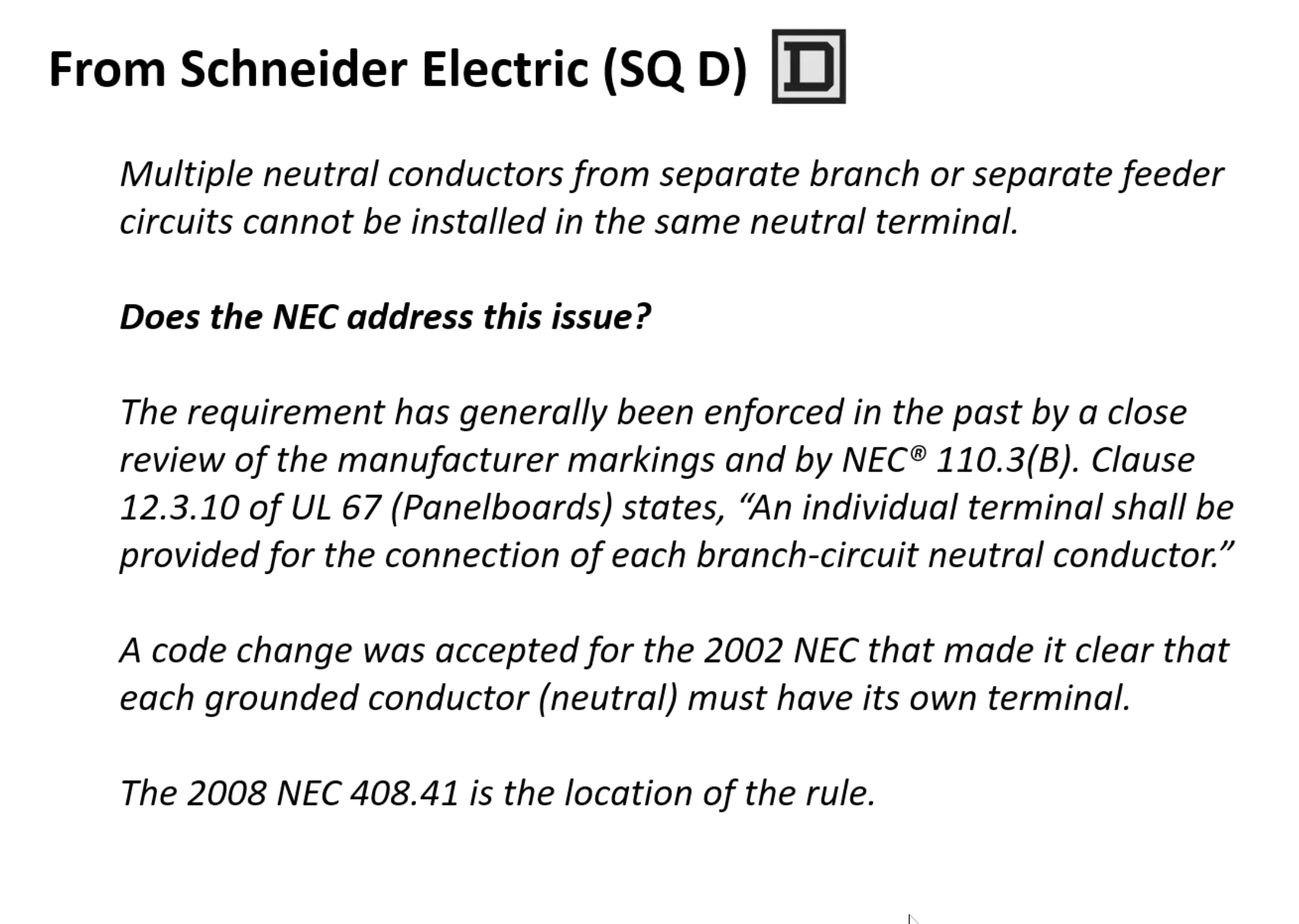 |  |  |
An improperly terminated electrical conductor was observed within the system. Although testing indicated that the conductor was not energized at the time of inspection, its exposed end presents a potential safety hazard if it were to accidentally come into contact with energized components. Such contact could result in arcing, electrical shock, or fire.
Exposed or improperly terminated conductors pose a significant safety concern and should be corrected immediately.
RECOMMENDATION: Have a licensed electrical contractor properly terminate, cap, or remove the conductor in accordance with National Electrical Code (NEC) standards to eliminate the risk of accidental energization or electrical hazard.
 |  |
Within the electrical panel, one or more stranded conductors were observed to have individual wire strands cut, damaged, or not fully secured under the lug connection. All strands of a conductor must be properly terminated beneath the lug or connector to ensure a secure and complete electrical connection. Missing or damaged strands can reduce the current-carrying capacity of the wire and may lead to overheating, arcing, or connection failure over time.
Improper termination of stranded conductors is a fire and shock hazard and should be corrected immediately to ensure safe system performance.
RECOMMENDATION: Have a licensed electrical contractor evaluate the affected connections and re-terminate or replace the damaged conductors as needed. All wire strands should be fully captured under the lug or connector and torqued to manufacturer specifications in accordance with National Electrical Code (NEC) 110.14 to ensure a safe and compliant installation.
 |  |
OPENINGS IN DEAD FRONT COVER
Openings were noted in the dead front cover to the electric panel. This is unsafe as it does not adequately protect the energized area of the electric panel. Cover all open knock-outs with listed covers.

SCREWS MISSING FOR ELECTRIC PANEL
The sub-panel is missing proper screws to secure the dead front cover. Install missing screws as needed for improved safety and please note that screws with sharp ends are not recommended.

General sub-panel photos
 |  |  |
 |  |  |
 |  |  |
 |
Electrical Grounding System
Grounding to water pipes noted
Grounding was noted on the water pipes

Electrical Bonding System
Bonding Noted on Water Pipes
Bonding connections were noted on the water pipes.
 |  |
💡Electric Distribution and Finish
Branch Wiring
Wire Material: Copper
Wiring Method: Non-metallic sheathed cable
RUNNING SPLICE
Open electrical splices were observed in the home’s wiring system. Electrical splices are connection points where conductors are joined together, and by code they are required to be contained within a listed junction box equipped with a secure cover. The observed splices were not enclosed, leaving exposed wiring connections visible and unprotected. This is an improper and unsafe condition that increases the risk of electrical shock, arcing, or fire.
Open or “running” splices are often a sign of amateur or incomplete electrical work, which raises concern that additional, concealed wiring issues may exist elsewhere in the electrical system. This condition does not meet modern safety standards as defined by the National Electrical Code (NEC 300.15), which mandates that all electrical connections be enclosed within approved boxes to prevent accidental contact and contain sparks or heat generated by loose connections.
RECOMMENDATION: Have a licensed electrical contractor further evaluate the electrical system, correct all open splices by properly enclosing them within approved junction boxes, and inspect the remainder of the system for additional wiring deficiencies or unsafe conditions. Documentation of completed repairs is recommended for safety and insurance purposes.

OPEN ELECTRICAL JUNCTION BOXES
The open electrical junction boxes need to be covered for improved safety. This is as simple as installing a cover plate over the box to protect the wiring. Sometimes, an extension ring is needed if finishes are covering the box. Repair as needed for improved safety.

Smoke and Carbon Monoxide Alarm Systems
CO Alarms: Not Enough
Smoke Alarms: None Anywhere
SMOKE ALARM REPAIRS NEEDED
No smoke alarms were noted anywhere. Smoke alarms were observed to be removed and/or batteries removed. These are an important safety feature and are recommended inside all bedrooms and in hallways outside of all sleeping areas. It is also recommended that there be at least one smoke alarm on each floor of the house. We recommend having smoke alarms installed to meet modern safety standards.
Smoke detector/carbon monoxide detector coverage in the home does not appear to meet current building standards. According to modern requirements, detectors should be installed inside each sleeping room, outside each sleeping area (such as in hallways), and on every level of the home, including basements, as well as in common areas like living rooms, family rooms, and dens.
RECOMMENDATION: Install additional smoke and CO detectors/ alarms for proper coverage and improved safety.
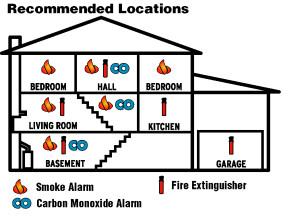
Ceiling Fans
Ceiling Fans: Present and Tested
The ceiling fans were tested and operating during the inspection. We do not inspect the ceiling fan mounting as this is inaccessible during an inspection. It is important the ceiling fans get well-mounted to the ceiling with proper fan fixture boxes.

🔥❄️Heating, Cooling, Fireplaces and Ventilation
Thermostat
Type:Programmable
The only thermostat observed was located in the second-floor hallway. The unit did not appear to have power and did not respond to any of the control inputs at the time of inspection. As a result, the heating and cooling system could not be fully tested for proper operation.
A non-operational thermostat prevents verification of system performance and may indicate a power supply issue, wiring defect, or failed control unit.
RECOMMENDATION: Have a qualified HVAC technician or electrician evaluate the thermostat power supply and wiring to determine the cause of the malfunction. Repair or replace the thermostat as needed to restore full control and functionality of the heating and cooling system.


General Mechanical Unit Photos


Heating Systems
Energy Source:Natural gas
Heating Method:Hydronic boiler
Manufacturer:Weil McClain
Data Plate:📸
This shows the data plate from the boiler.
 |  |  |
Age: 1989
The gas lines to the boiler were tested and no leaks were observed.


General Photos of the Boiler
 |  |  |
Vents and Flues
PresentNatural draft
The boiler vent connection to the chimney stack did not appear to be fully seated or properly sealed. A visible gap was noted at the connection point, which can allow combustion gases, including carbon monoxide, to escape into the surrounding area instead of venting safely outdoors.
Improper vent connections can pose a serious safety hazard and may affect both boiler performance and indoor air quality.
RECOMMENDATION: Have a licensed HVAC or chimney professional inspect and properly reconnect or reseal the vent pipe to ensure a secure, airtight connection at the chimney. The full venting system should be evaluated for corrosion, backdrafting, and proper draft performance to confirm safe operation.
 |  |  |
The B-vent out of the boiler appeared serviceable.

Heating and Cooling Distribution Systems
Heat Source in Each Room:Present
Distribution Method:Forced Air / DuctsRadiators
Duct sealing was not observed on the HVAC ductwork at the time of inspection. Unsealed or loosely connected ducts can allow air leakage, reducing system efficiency and potentially leading to uneven heating or cooling throughout the home.
RECOMMENDATION: Have a qualified HVAC contractor inspect the ductwork connections and apply approved duct mastic or foil tape where needed to ensure a tight, efficient air seal. Proper sealing can improve energy efficiency and indoor air quality.

Heat Pumps and Cooling Systems
Air Conditioning Present
The following list is a minimum set of requirements to be expected of heat pump or air conditioning servicing. I provide these as a courtesy to show they types of check-ups that should be expected from a professional servicing.
- Check compressor efficiency
- Check refrigerant level
- Clean the condenser coil
- Change or clean air filters
- Inspect contactors and wiring
- Inspect drive-sheaves, pulleys and belts
- Check and adjust for proper air flow
- Clean the blower motor as needed
- Lubricate all motors and shaft bearings
- Check, calibrate and program the thermostats and be sure the thermostat has adequate batteries as needed
- Check unit smoke detector, clean filter if applicable
- Check safety disconnect, laser-temp -- check across contacts
Manufacturer:International
Data Plate:📸
This shows the data plate for the air conditioner.

 |  |

System Type:Air Source
Energy Source:Electric
Age: Unknown
The air conditioning could not be tested during the visit. The thermostat did not appeared to be connected/ powered at the time of the visit.
Mechanical Ventilation Systems
A whole-house mechanical ventilation system was observed in the home. When tested, the main fan responded properly to standard switching controls, turning on and off as expected. This indicates that the system is operational at a basic level. However, no airflow measurements or duct inspections were performed as part of this evaluation.
While the system appears functional, its overall performance, air balance, and filter condition were not verified during the inspection.
RECOMMENDATION: Have a qualified HVAC technician perform a comprehensive service inspection to confirm that the ventilation system is properly balanced and free of obstructions, and that filters and dampers are clean and adjusted correctly. Regular maintenance will ensure optimal indoor air quality and energy efficiency. If not already present, consider adding a timer, humidistat, or smart control to better regulate operation based on occupancy and humidity levels.

 |

Solid Fuel Fireplaces
Fireplace Types:Masonry firebox
The wood burning fireplace has a flue damper up inside. This is designed to keep cold air out of the house when the fireplace is not in use. Be sure to keep the flue damper closed during the heating season when the fireplace is not in use to prevent heat loss.
 (3).PNG)
The flue damper for the fireplace was locked / rusted closed / not responding to normal operating controls. Have this further investigated and repaired by a qualified chimney sweep.


General Fireplace Photos
 |  |
🚰Plumbing
Water Service Supply
Pipe Material:Copper
Water Supply:Public water
Main Water Shut-off Location:Basement
The water meter appeared serviceable.

Distribution Pipe
Pipe Insulation:None noted
Supply Pipe Materials:Copper
Functional Flow:InconsistentLocalized Problems
POOR FUNCTIONAL FLOW AT SOME PLUMBING FIXTURES
Localized functional flow problems were noted at some of the supply plumbing in this home. This could be indicative of a larger problem with the supply plumbing system or it could be due to localized restrictions such as a partly closed valve or clogged aerator. Hire a licensed plumbing contractor to further evaluate and repair. See related plumbing observations throughout the report.
Waste Pipe and Discharge
Discharge Type:Public Sewer - Buyer
VIDEO SEWER SCOPE RECOMMENDED
An evaluation of the sewer line below the ground is beyond the scope of this inspection. A sewer scope is recommended to further evaluate the sewer line and the below ground connections between the house and the municipal sewer line as these are not visible to inspection. Sewer scopes are done using video cameras and can show the materials, condition and reliability of the sewer line. If a video scope has not been done recently, we recommend having a sewer scope performed.
✒
- We would recommend having the venting system evaluated during this additional inspection. There is an old vent on the exterior of the building, however gurgling noises where noted during the inspection which can indicate inadequate venting.
- The pump over the floor drain in the laundry room combined with visibly wet concrete implies there may have been a backup
Waste and Vent Pipe Materials:Cast Iron
Location of Sewer Cleanout:Basement
A damaged waste pipe was observed in the laundry area, with the open end stuffed with rags as a makeshift seal. While no sewer odor was detected at the time of inspection, this condition is unsafe and may allow sewer gases or moisture to enter the building.
Improperly sealed drain lines pose a sanitation and air quality hazard and are not compliant with plumbing standards.
RECOMMENDATION: Have a licensed plumbing contractor properly cap, repair, or replace the damaged waste pipe to ensure a sealed and code-compliant connection. This will prevent sewer gas infiltration and maintain a safe and sanitary environment.
 |  |
Additional Sinks
Not tested
See "Laundry Facilities" section of the report for comment on additional sinks.
Sump Pumps and Drains
Floor Drain:None noted
Additional Plumbing
Water Filters
WATER FILTERATION NOTED
A water filtration system was noted in the house in the basement. Evaluation of this system and water quality is beyond the scope of this inspection. We recommend inquiring with the seller for any maintenance, warranty or installer information that pertains to this system. If the system has not been serviced recently, have the filter system serviced and filters cleaned or replaced as a part of the recommended maintenance schedule.
Water Features
WATER FEATURES NOTED
This house has a water feature installed. It was not operating at the time of inspection. Evaluation of water features is beyond the scope of this inspection. Water features often have filters, pumps and other components that require regular servicing, maintenance and cleaning. Water features can also pose a hazard for small children. Use caution of small children are around these water features. Remove or fence as deemed necessary for safety. Inquire with the seller for any additional information about water features on the property.
Swimming Pools
Swimming pools are not within the scope of a residential home inspection and they are beyond the scope of this inspection. Still, there are general minimal rules that should be followed to provide safe conditions at these areas since these areas can be dangerous for children and adults. We included some photos of the pool and equipment as a courtesy for reference.
Limit Access for Safety: Though not required in all jurisdictions, pools should be completely surrounded by fencing material at least 4 feet in height. A slatted fence should have gaps no wider that 4 inches so kids can’t squeeze through. The gap at the bottom should be less than 2 inches, unless over concrete where is should be less than 4 inches. Gates should be of the self-closing and self-latching type. The latch should be out of a child’s reach.
It is also recommended to install alarms. If the house serves as one of the walls of the pool enclosure, any door leading to the pool area should be protected with an alarm. In addition, consideration of an underwater pool alarm that sounds when something hits the water and is audible at the house interior is recommended. Pools covers may be permitted by some jurisdictions, but they don’t provide the passive protection that other alarm features may provide.
Wiring Safety: Pools have electrical connections to pumps, heaters and lighting systems. All pool wiring is required to be GFCI protected and all metal in or around the pool is required to be bonded. These systems can be nearly impossible to verify. However, having a full evaluation of the pool wiring by a qualified electrical contractor is recommended, especially during a real estate transaction.


 |  | |
 |  | |
 |


🚰Water Heaters
Water Heater
Data Plate: Shown Here
This shows the data plate for this water heater.
 |  |
System Type: Tank
Manufacturer: Bradford-White
Capacity: 50 gal
Energy Source: Gas
Location: Basement
Age: 2020
Relief Valve: Present - Not Tested
A temperature and pressure relief valve (TPRV) is required on all water heaters to discharge any excessive pressure within the tank. A discharge pipe should be attached to the valve and directed to a safe location away from body contact. Newer installations must be directed to the building exterior or to an approved indoor drain receptor. Most manufacturers suggest that homeowners test these valves at least once a year by lifting the lever to ensure the valve discharges properly and also recommend inspection of these safety devices every three years. The picture here shows a typical TPRV. They may also be found on the side of the heater on some models. I do not test these valves due to the possibility that they may leak after testing. A leaking or inoperative TPRV should be replaced immediately by a licensed plumber.
Due to inconsistencies between both UPC and IPC Plumbing codes, and water heater manufacturer's instructions, and TPRV manufacturer instructions, it is not actually possible to install the drain from the Water Heater TPRV "properly." There are conflicts with distance of termination to the floor/ground, types of pipes approved, and diameters of pipes approved. Additional confusion is added when jurisdictional inspectors approve installations/materials specifically not allowed by both codes and manufacturers. My recommendations will vary depending on the installation and will be included in the applicable narratives below.
Most codes defer to manufacturer instructions and I favor those recommendations. The yellow tag on the valve states clearly the termination should be 6" above the floor which is more consistent with the UPC code requirements.
 (1) (1).jpg)
The discharge tube for the water heater temperature and pressure relief valve is missing and requires repair to eliminate a scald hazard. This is an important safety feature. Should the TPRV need to discharge, scalding water and steam could come out. This water and steam needs to be directed away from people.
RECOMMENDATION: Have a licensed plumber further evaluate and repair.
The gas lines for the water heater were tested during the visit and no leaks were detected.


Second Floor Hall
General Photos
 |  |  |
 |  |  |
 |  |  |
 |  |
Floors and Floor Materials
Floor Materials:Carpet
Floor Settlement:None noted
The wall to wall carpeting is older and showing signs of age indicating it may require updating soon. Urgency of updating depends on your desire for cosmetic appearance.
Walls, Ceilings, Trim, Hallways and Closets
Wall and Ceiling Materials:Lath and Plaster
The plaster in the second floor hall appeared serviceable. Typical blemishes and flaws observed.
Doors
Interior Doors:Solid CoreServiceable
The doors appeared serviceable at the time of the inspection. No deficiencies noted in operation, finish, or hardware.
Third Floor Hall
General Photos
 |  |  |
 |  |  |
 |
Floors and Floor Materials
Floor Materials:Carpet
Floor Settlement:None noted
The wall to wall carpeting is older and showing signs of age indicating it may require updating soon. Urgency of updating depends on your desire for cosmetic appearance.
Walls, Ceilings, Trim, Hallways and Closets
Wall and Ceiling Materials:Lath and Plaster
Water damage was observed around the dormer area in the third-floor hall ceiling. The moisture has caused the plaster to loosen and separate from its keyway, with sections showing signs of delamination and partial detachment. In some areas, the plaster is close to falling, presenting a potential safety concern if it dislodges further.
This interior damage is consistent with the roof and dormer deficiencies noted during the inspection, including deteriorated flashing and exterior water intrusion.
The condition indicates ongoing water infiltration that has already compromised interior finishes and may continue to worsen if not addressed.
RECOMMENDATION: Have a qualified roofing contractor identify and repair the source of the leak at the dormer and flashing assembly. Once the area is confirmed dry, a qualified plaster or general contractor should repair or replace the damaged ceiling sections to restore integrity and prevent debris from falling. Continued monitoring after repairs is recommended to confirm the leak has been fully resolved. We recommend this work be performed after the roofing is corrected.
 |  |  |
 |  |  |
 |  |
Doors
Interior Doors:Solid CoreServiceable
The door appeared serviceable at the time of the inspection. No deficiencies noted in operation, finish, or hardware.
Windows
Window Glazing:Single pane
Interior Window Frame:Wood
Window Styles:Double hung
Entry Hall/Rotunda
General Photos


Electrical
The home’s electrical receptacles were noted to be part of an older two-wire, ungrounded system. While this configuration may have been standard at the time of installation, it does not provide the grounding protection expected in modern wiring and may be less convenient for today’s electrical needs, particularly in offices or media areas. This condition is indicative of an older electrical system that has not been updated and may not safely or reliably meet modern usage demands. You may wish to consult with a licensed electrical contractor to review options for upgrading the wiring system to current safety standards and to better accommodate modern electrical loads.
Floors and Floor Materials
Floor Materials:Vinyl sheet
Floor Settlement:None noted
Typical cracking, flaws, blemishes, and wear was observed. Finishes appeared serviceable at the time of the visit.
 |  |
Walls, Ceilings, Trim, Hallways and Closets
Wall and Ceiling Materials:Lath and Plaster
Typical cracking, flaws, blemishes, and wear was observed. Scrape and paint as desired.

Doors
Interior Doors:Solid CoreServiceable
The door appeared serviceable at the time of the inspection. No deficiencies noted in operation, finish, or hardware.
Stairs
General Interior Photos
 |  |  |
 |  |  |
 |  |  |
 |  |  |
 |  |
Finishes
Floor Materials: Wood, Carpet
Floor Settlement: None noted
Wall and Ceiling Materials: Lath and Plaster
OLDER CARPETING
The wall-to-wall carpeting is older and showing signs of age, indicating it may require updating soon. The urgency of updating depends on your desire for cosmetic appearance.
Plaster damage observed. See "Third Floor Hall" section of the report.
Interior Stairs and Railings
OLDER STAIRS NOTED
The stairs to the 2nd floor and 3rd floor have some older installation details that would not comply with modern safety standards for stair construction. Modern stairs have specific safety requirements regarding the size and configuration of stair treads, risers, guardrails, and handrails. Older stairs seldom meet current safety standards, and correcting or improving may not be cost-effective. Use caution when navigating these stairs. Improvements can often be made to the handrail system to enhance the safety of the stairs. Consult with a qualified general contractor about options for improvements as feasible.
Examples of observations noted during the inspection include:
- The guardrail is too short - these should generally be 36-inches above the walking surface


Stair Illustrations
 (1).jpg) | 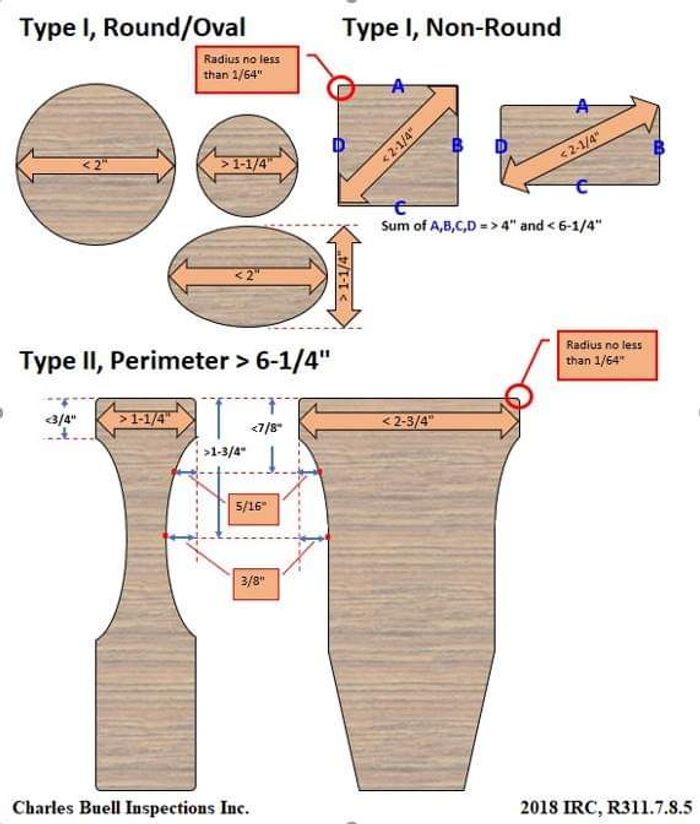 | 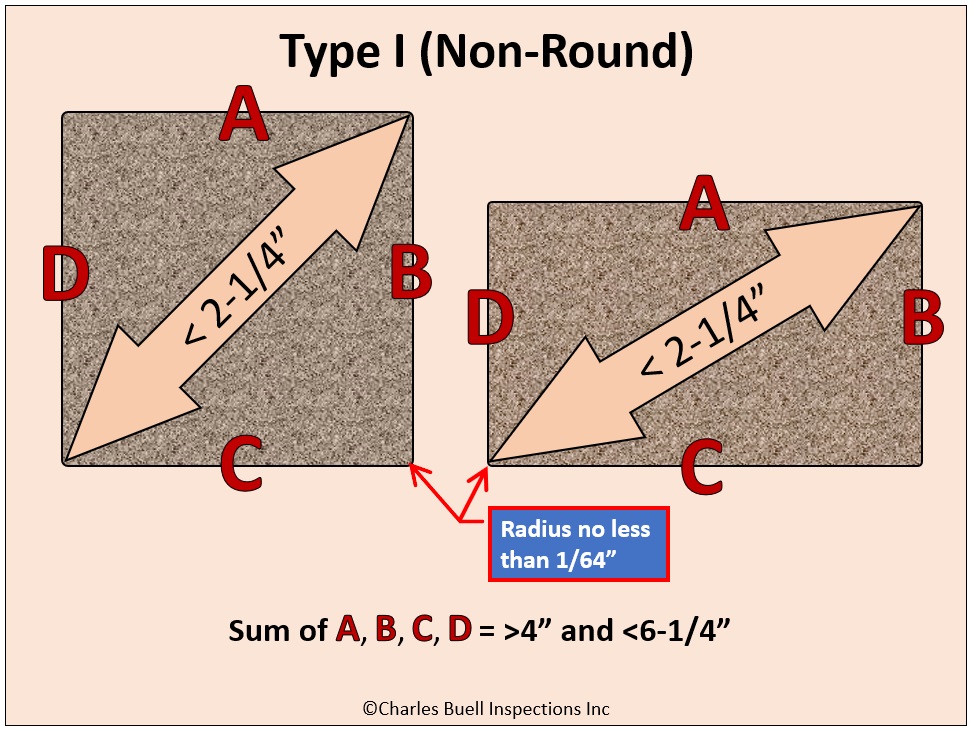 |
.jpg) | 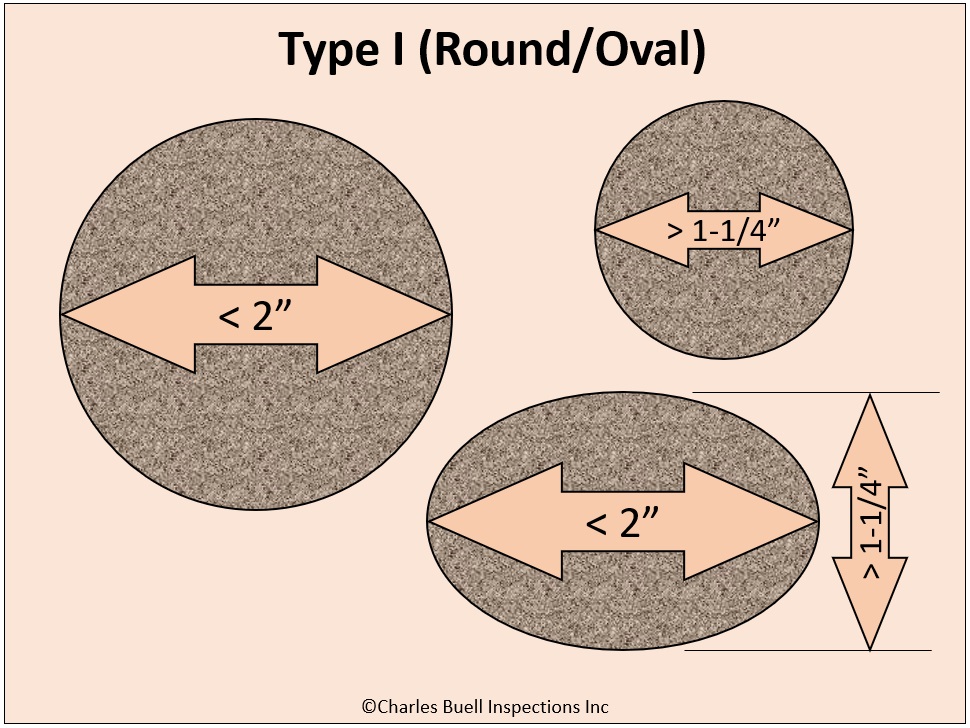 |
Windows
Window Glazing: Single pane
Interior Window Frame: Wood, Metal
Window Styles: Fixed pane, Double hung
Most of the windows in this home are old original wood and metal frames with single pane glass. These windows do not comply with modern standards for safety glass or thermal / insulated glass. Update as desired. Hire a glazing specialist to update windows as desired.
📺Living Room


Electrical
Electric Receptacles:Two wire receptacles
Lighting:Serviceable
The lights appeared serviceable and functioning at the time of the visit.
The home’s electrical receptacles were noted to be part of an older two-wire, ungrounded system. While this configuration may have been standard at the time of installation, it does not provide the grounding protection expected in modern wiring and may be less convenient for today’s electrical needs, particularly in offices or media areas. This condition is indicative of an older electrical system that has not been updated and may not safely or reliably meet modern usage demands. You may wish to consult with a licensed electrical contractor to review options for upgrading the wiring system to current safety standards and to better accommodate modern electrical loads.
HVAC Source
Description:Radiator
Doors
Type:Solid CoreFrench Doors
INTERIOR DOOR SAFETY GLASS
Some of the doors in this building have glazing or glass elements that do not appear to be done with safety glass - no listing was visible. Safety glass is recommended for all door glazing and is a modern safety requirement. Tempered glass will shatter into harmless fragments rather than sharp shards and laminated glass has the additional benefit of resisting breakage like auto glass. Installing safety glass in all doors with openings larger than 3-inches is recommended for improved safety.
.jpg) | .jpg) |  |
The door appeared serviceable at the time of the inspection. No deficiencies noted in operation, finish, or hardware.
Windows
Window Glazing:Single pane
Interior Window Frame:Metal
Window Styles:Casement
A sampling of the living room windows revealed that several units appear to be painted or rusted shut and could not be operated using normal controls. This condition limits ventilation and suggests that the window hardware or framing components may also be deteriorated.
While the condition does not pose an immediate hazard, inoperable windows can compromise safety, comfort, and energy performance.
RECOMMENDATION: Have a qualified general or glazing contractor further evaluate the affected window units and perform repairs to restore proper operation where feasible. Given the apparent age and condition, replacement of the windows should also be considered to improve energy efficiency, weather resistance, and functionality. Any replacement should be selected and detailed to maintain the building’s original architectural aesthetic.


Finishes
Walls:PaintLath and Plaster
Ceilings:PaintLath and Plaster
Floors:CarpetHardwood
Floor Settlement:None noted
Water-damaged finishes were observed in the Living Room, indicating an active moisture condition at the time of the inspection. Staining and deterioration suggest ongoing water infiltration, which may be related to roof deficiencies (see the “Roof, Chimney, and Gutters” section of this report for related findings).
Active water intrusion can lead to continued material deterioration, organic growth, and potential structural damage if not corrected.
RECOMMENDATION: Have a qualified contractor identify and repair the source of the water infiltration and replace or repair any damaged materials as needed once the area has fully dried. Continued monitoring is recommended after repairs to confirm that the issue has been resolved.
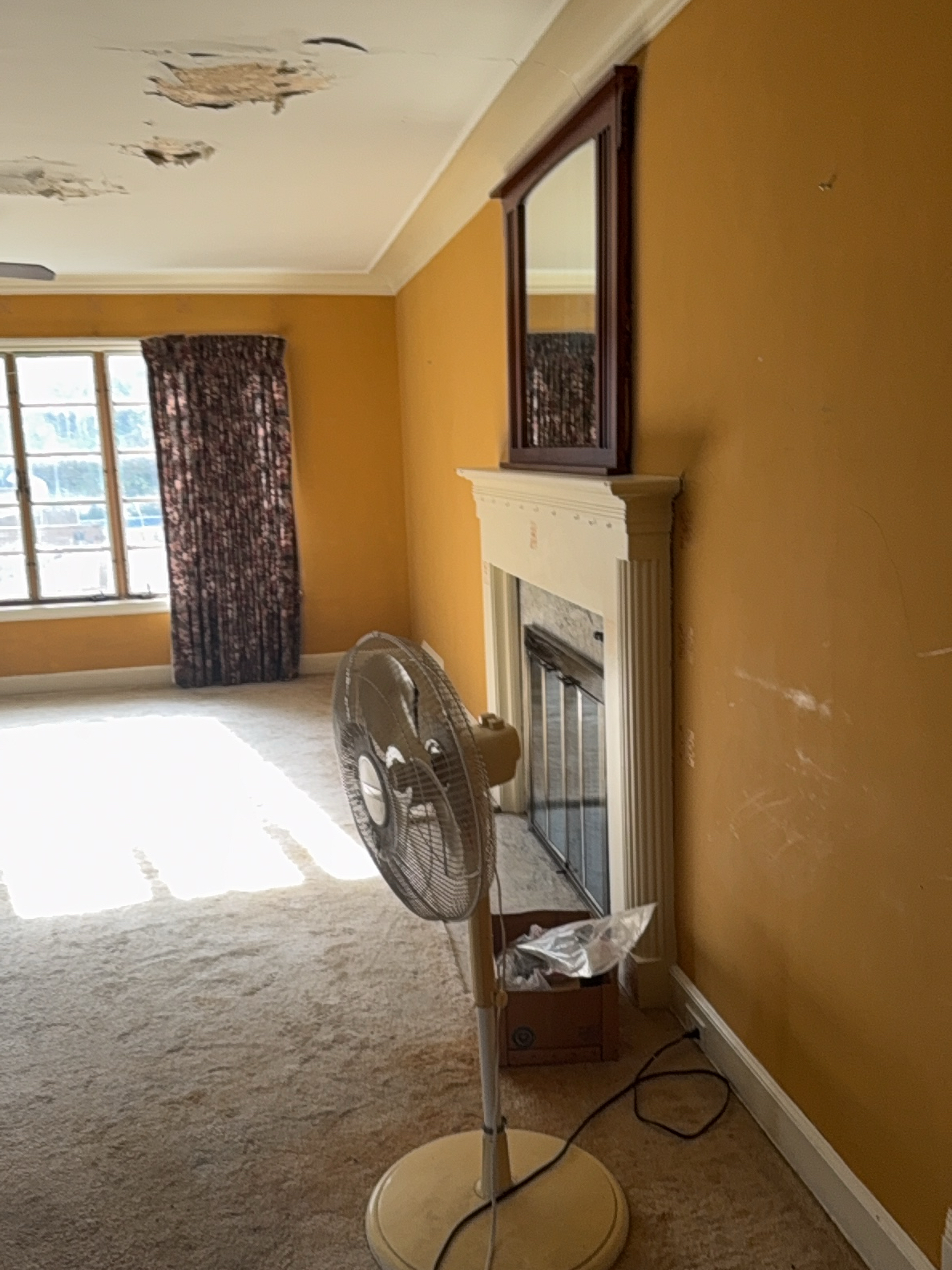 | 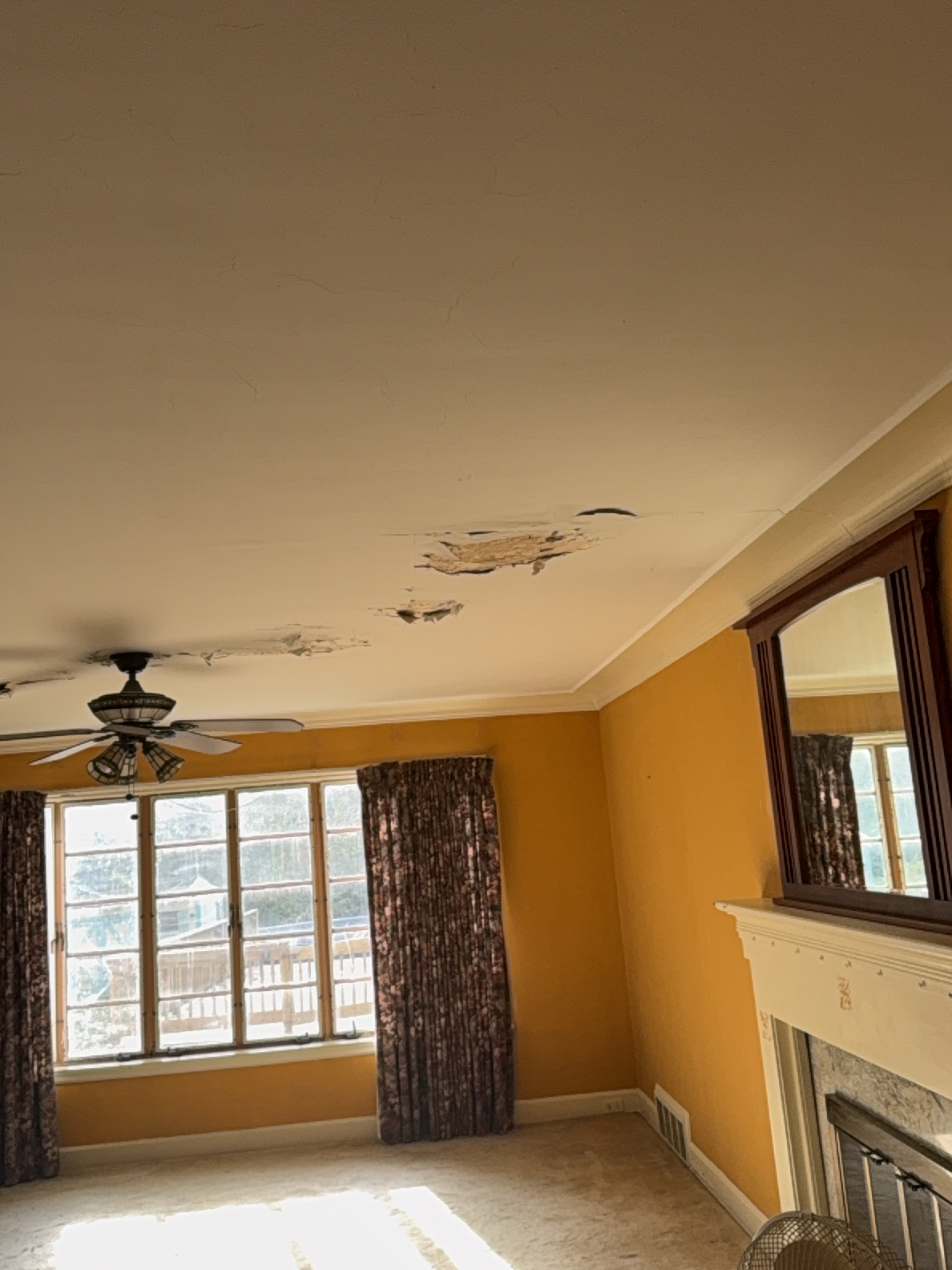 | 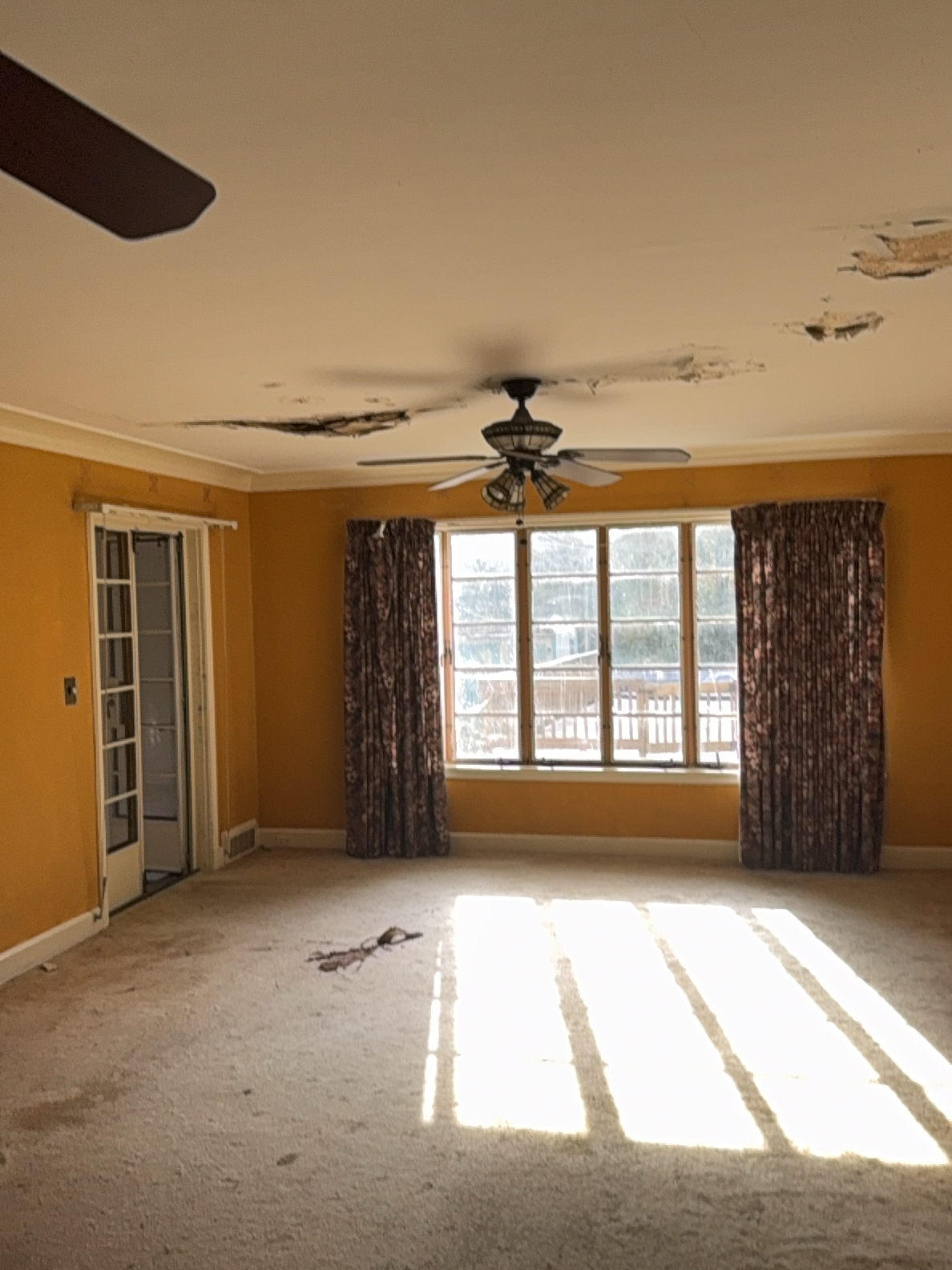 |
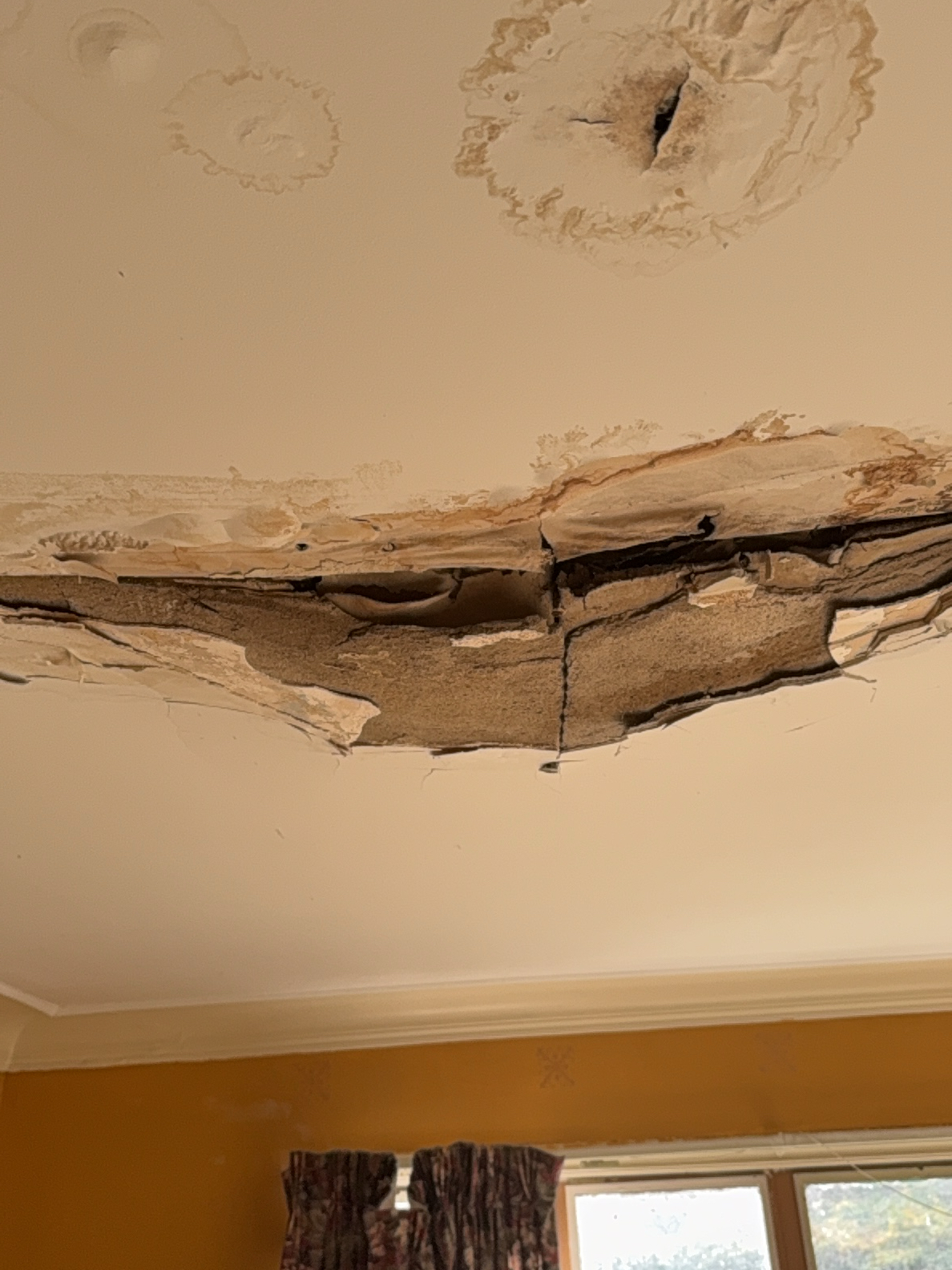 | 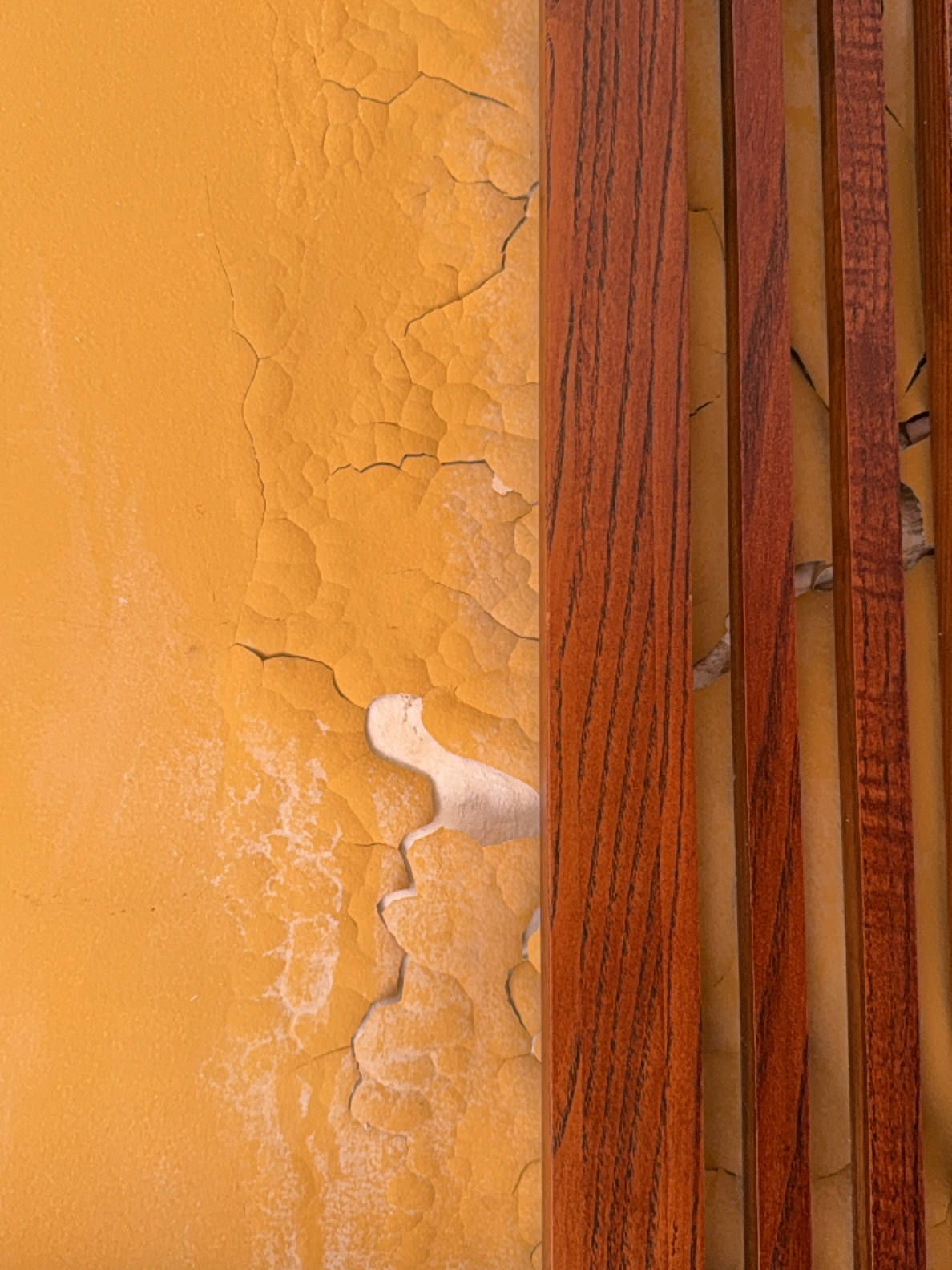 |
WALL TO WALL CARPETING NEEDS DEEP CLEANIGN OR REPLACEMENT
The wall to wall carpeting is dirty and in poor condition. Clean or replace as needed.
✒️
- Damaged areas of carpet were noted.

Smoke/ Carbon Monoxide detector
Type:None Observed
See Electrical section of the report for observations related to smoke and carbon monoxide detectors.
Closet
Description:None
Office
General Photos
 |  |  |
 |  |  |
 |
Electrical
Electric Receptacles:Two wire receptacles
Lighting:Inoperative
The ceiling fan and light switch did not respond to normal testing.
RECOMMENDATION: Have a qualified electrical contractor evaluate further and provide repairs.


The home’s electrical receptacles were noted to be part of an older two-wire, ungrounded system. While this configuration may have been standard at the time of installation, it does not provide the grounding protection expected in modern wiring and may be less convenient for today’s electrical needs, particularly in offices or media areas. This condition is indicative of an older electrical system that has not been updated and may not safely or reliably meet modern usage demands. You may wish to consult with a licensed electrical contractor to review options for upgrading the wiring system to current safety standards and to better accommodate modern electrical loads.
HVAC Source
Description:Radiator
Doors
Type:Solid CoreFrench Doors
A exterior door in the office did not respond to testing and appeared to be painted or rusted shut and could not be operated using normal controls. This condition limits ventilation and suggests that the hardware or framing components may also be deteriorated.
While the condition does not pose an immediate hazard, inoperable doors can compromise safety, comfort, and energy performance.
RECOMMENDATION: Have a qualified general or glazing contractor further evaluate the affected units and perform repairs to restore proper operation where feasible. Given the apparent age and condition, replacement of the doors should also be considered to improve energy efficiency, weather resistance, and functionality. Any replacement should be selected and detailed to maintain the building’s original architectural aesthetic.


The door appeared serviceable at the time of the inspection. No deficiencies noted in operation, finish, or hardware.
Windows
Window Glazing:Double pane
Interior Window Frame:Vinyl
Window Styles:Double hung
The window(s) appeared serviceable at the time of the visit. Sash operation did not bind or need to be forced and locking hardware was functional.


Finishes
Walls:Lath and PlasterWallpaper
Ceilings:PaintLath and Plaster
Floors:Carpet
Floor Settlement:None noted
Typical cracking, flaws, blemishes, and wear was observed. Finishes appeared serviceable at the time of the visit.
Smoke/ Carbon Monoxide detector
Type:None Observed
See Electrical section of the report for observations related to smoke and carbon monoxide detectors.
Closet
Description:None
Sun Room
General Photos
 |  |  |
 |  |  |
 |
Electrical
Inspection Method:None
HVAC Source
Description:None
Doors
Type:Sliding
The sliding doors were observed to be difficult to operate and did not move smoothly along their tracks. The doors exhibited resistance when opening and closing, which may be due to dirt or debris buildup in the track, worn rollers, or misalignment of the door panels. This condition limits proper function and may place additional stress on the hardware, leading to further deterioration if not corrected.
While not a safety hazard, the issue affects usability and may worsen over time if maintenance is deferred.
RECOMMENDATION: Have a qualified contractor or door specialist inspect the sliding doors to clean the tracks, adjust alignment, and replace worn rollers or hardware as needed. Regular cleaning and lubrication of the track system are recommended to maintain smooth operation and prevent premature wear. Replacement may also be warranted.


Windows
Window Glazing:Single pane
Interior Window Frame:Metal
Window Styles:Casement
The sunroom windows appears to be painted or rusted shut and could not be operated using normal controls. This condition limits ventilation and suggests that the window hardware or framing components may also be deteriorated.
While the condition does not pose an immediate hazard, inoperable windows can compromise safety, comfort, and energy performance.
RECOMMENDATION: Have a qualified general or glazing contractor further evaluate the affected window units and perform repairs to restore proper operation where feasible. Given the apparent age and condition, replacement of the windows should also be considered to improve energy efficiency, weather resistance, and functionality. Any replacement should be selected and detailed to maintain the building’s original architectural aesthetic.
Finishes
Walls:Concrete Block
Ceilings:Wood
Floors:Tile
A significant floor slope and evidence of settlement were observed in the sunroom area. The floor exhibited a noticeable tilt, suggesting movement or subsidence of the supporting structure or foundation beneath this portion of the building. This interior condition appears to correlate with the stepped cracking observed on the adjacent exterior wall, which is a common indicator of differential settlement or shifting in the foundation or footing.
The combination of interior and exterior movement suggests that the settlement may be progressive or related to soil conditions, drainage issues, or inadequate structural support beneath the sunroom addition.
The observed slope and cracking represent a potential structural issue that may continue to worsen over time if not addressed. Further movement could lead to additional cracking, misalignment of doors and windows, or damage to finishes.
RECOMMENDATION: Have a licensed structural engineer or qualified foundation specialist further evaluate the sunroom floor structure and foundation to determine the extent and cause of settlement. Corrective actions may include stabilizing or underpinning the foundation, improving site drainage, or reconstructing affected portions as necessary to restore stability and prevent further movement.

 |  | |
 |

Water staining was observed on the ceiling, which appears to be related to the roof conditions noted elsewhere in the report. The staining suggests moisture infiltration from the roofing system.
RECOMMENDATION: After all roofing work and leak repairs are finished, have a qualified contractor inspect the affected ceiling, confirm that the area is dry, and repair or repaint the damaged finishes as needed to restore appearance and prevent further deterioration.
 |  |
Weight Room
General Photos


Electrical
Inspection Method:Tested All Accessible
During the inspection, every effort is made to test and inspect all accessible electric receptacles and switches. In general, the scope of testing is directly related to access. Where personal belonging and furniture obstruct access to receptacles and fixtures, fewer of them can be reasonably tested during inspection. Deficiencies observed during the inspection visit are listed in this report. It should be anticipated that not all defects will be discovered and that some issues found may actually not be defects at all. Tools used to verify proper wiring and function can vary wildly in reliability/consistency. The kinds of tools that could be used to confidently analyze the system and its function cannot typically be done in the context of a Standard Home Inspection. We look for indications of issues, based on the age of the home, types of wiring systems used etc, as well as personal experience and by testing with a variety of common tools.
Electric Receptacles:Serviceable
Lighting:Serviceable
The lights appeared serviceable and functioning at the time of the visit.
The electrical receptacles appeared serviceable at the time of the visit.
 |  |  |
 |  |  |
HVAC Source
Description:Heating System Register
Windows
Window Glazing:Single pane
Interior Window Frame:Metal
Window Styles:Casement
A sampling of the living room windows revealed that several units appear to be painted or rusted shut and could not be operated using normal controls. This condition limits ventilation and suggests that the window hardware or framing components may also be deteriorated.
While the condition does not pose an immediate hazard, inoperable windows can compromise safety, comfort, and energy performance.
RECOMMENDATION: Have a qualified general or glazing contractor further evaluate the affected window units and perform repairs to restore proper operation where feasible. Given the apparent age and condition, replacement of the windows should also be considered to improve energy efficiency, weather resistance, and functionality. Any replacement should be selected and detailed to maintain the building’s original architectural aesthetic.
 |  |
Finishes
Walls:PaintDrywall
Ceilings:Ceiling Tiles - Suspended
This building has ceiling tiles installed, often referred to as a drop ceiling. While these ceilings are reasonably accessible for renovation work, they present challenges for visual inspection as tiles can get difficult to re-install without the proper tools. We try and look up under drop ceilings were practical without damaging tile finishes, but inspection of the spaces concealed by these dropdown ceilings is limited.
Floors:ConcreteCarpet
Floor Settlement:None noted
The lower 12 to 18 inches of drywall in the lower level of the home were observed to have visible organic growth, indicating a chronic or recurring moisture issue in this area. A musty odor was also noted, which further supports the presence of elevated humidity or prolonged damp conditions. The combination of visible growth and odor suggests that moisture intrusion or poor ventilation has persisted for some time.
Organic growth can indicate unsanitary conditions and may include mold or microbial contamination, which can affect indoor air quality and lead to further deterioration of building materials if not properly remediated.
RECOMMENDATION: Have a qualified mold remediation or environmental specialist evaluate the affected area to determine the extent and type of organic growth and perform appropriate cleaning or removal. The source of moisture—such as leaks, poor drainage, or high humidity—should also be identified and corrected to prevent recurrence. Once the area is fully dried and remediated, damaged drywall and insulation should be replaced as necessary to restore a clean and safe interior environment.
 |  |  |
 |  |  |
Smoke/ Carbon Monoxide detector
Type:None Observed
See Electrical section of the report for observations related to smoke and carbon monoxide detectors.
Closet
Electric Receptacles:None
Lighting:None
The closet hanging rod was observed to be cut too short and did not extend to each side of the closet and sit firmly in the supports. Replace hanging rod with a rod of the correct length as desired.
Basement Storage Room
General Photos


Electrical
Inspection Method:Tested All Accessible
During the inspection, every effort is made to test and inspect all accessible electric receptacles and switches. In general, the scope of testing is directly related to access. Where personal belonging and furniture obstruct access to receptacles and fixtures, fewer of them can be reasonably tested during inspection. Deficiencies observed during the inspection visit are listed in this report. It should be anticipated that not all defects will be discovered and that some issues found may actually not be defects at all. Tools used to verify proper wiring and function can vary wildly in reliability/consistency. The kinds of tools that could be used to confidently analyze the system and its function cannot typically be done in the context of a Standard Home Inspection. We look for indications of issues, based on the age of the home, types of wiring systems used etc, as well as personal experience and by testing with a variety of common tools.
Electric Receptacles:Serviceable
Lighting:Serviceable
The lights appeared serviceable and functioning at the time of the visit.
The electrical receptacles appeared serviceable at the time of the visit.
 |  |  |
Finishes
Walls:PaintDrywallConcrete Block
Ceilings:Ceiling Tiles - Suspended
This building has ceiling tiles installed, often referred to as a drop ceiling. While these ceilings are reasonably accessible for renovation work, they present challenges for visual inspection as tiles can get difficult to re-install without the proper tools. We try and look up under drop ceilings were practical without damaging tile finishes, but inspection of the spaces concealed by these dropdown ceilings is limited.
Floors:Concrete
Floor Settlement:None noted
The lower 12 to 18 inches of drywall in the basement storage area(s) of the home were observed to have visible organic growth, indicating a chronic or recurring moisture issue in this area. A musty odor was also noted, which further supports the presence of elevated humidity or prolonged damp conditions. The combination of visible growth and odor suggests that moisture intrusion or poor ventilation has persisted for some time.
Organic growth can indicate unsanitary conditions and may include mold or microbial contamination, which can affect indoor air quality and lead to further deterioration of building materials if not properly remediated.
RECOMMENDATION: Have a qualified mold remediation or environmental specialist evaluate the affected area to determine the extent and type of organic growth and perform appropriate cleaning or removal. The source of moisture—such as leaks, poor drainage, or high humidity—should also be identified and corrected to prevent recurrence. Once the area is fully dried and remediated, damaged drywall and insulation should be replaced as necessary to restore a clean and safe interior environment.
 |  |  |
 |  |
Smoke/ Carbon Monoxide detector
Type:None Observed
See Electrical section of the report for observations related to smoke and carbon monoxide detectors.
🍽️Dining Room
General Photos


Electrical
Inspection Method:Tested All Accessible
During the inspection, every effort is made to test and inspect all accessible electric receptacles and switches. In general, the scope of testing is directly related to access. Where personal belonging and furniture obstruct access to receptacles and fixtures, fewer of them can be reasonably tested during inspection. Deficiencies observed during the inspection visit are listed in this report. It should be anticipated that not all defects will be discovered and that some issues found may actually not be defects at all. Tools used to verify proper wiring and function can vary wildly in reliability/consistency. The kinds of tools that could be used to confidently analyze the system and its function cannot typically be done in the context of a Standard Home Inspection. We look for indications of issues, based on the age of the home, types of wiring systems used etc, as well as personal experience and by testing with a variety of common tools.
Electric Receptacles:Two wire receptacles
Lighting:Serviceable
The lights appeared serviceable and functioning at the time of the visit.

The home’s electrical receptacles were noted to be part of an older two-wire, ungrounded system. While this configuration may have been standard at the time of installation, it does not provide the grounding protection expected in modern wiring and may be less convenient for today’s electrical needs, particularly in offices or media areas. This condition is indicative of an older electrical system that has not been updated and may not safely or reliably meet modern usage demands. You may wish to consult with a licensed electrical contractor to review options for upgrading the wiring system to current safety standards and to better accommodate modern electrical loads.

 |

HVAC Source
Description:Heating System Register
Doors
Type:Solid Core
The door to the entry hall was observed to bind at the top. Provide trimming/ adjustment at the top of the door as desired to improve performance.


Windows
Window Glazing:Single pane
Interior Window Frame:Metal
Window Styles:Casement
The metal casement windows appear to be original to the building and do not meet modern standards for energy efficiency or performance. The exterior finishes show signs of deterioration and weathering, and the window hardware was found to be unreliable or difficult to operate, consistent with similar units observed throughout the home.
While the windows remain in place, their condition and performance are below current standards and may contribute to heat loss, air infiltration, and operational difficulties.
RECOMMENDATION: Consider replacing the existing metal casement windows with new, energy-efficient units that maintain the original architectural style and proportions of the building. A qualified window or glazing contractor should be consulted to ensure proper installation and to select materials that improve thermal performance while preserving the home’s historic character.


Finishes
Walls:PaintLath and Plaster
Ceilings:PaintLath and Plaster
Floors:Hardwood
Floor Settlement:None noted
FLOOR REFINISHING
The hardwood floors are scratched and the finish is wearing through in places. Hire a wood floor specialist to evaluate and refinish the floors.
 |  |
Typical cracking, flaws, blemishes, and wear was observed. Finishes appeared serviceable at the time of the visit.
Smoke/ Carbon Monoxide detector
Type:None Observed
See Electrical section of the report for observations related to smoke and carbon monoxide detectors.
☎️Phone Room
General Photos
 |  |  |
Electrical
Inspection Method:Tested All Accessible
During the inspection, every effort is made to test and inspect all accessible electric receptacles and switches. In general, the scope of testing is directly related to access. Where personal belonging and furniture obstruct access to receptacles and fixtures, fewer of them can be reasonably tested during inspection. Deficiencies observed during the inspection visit are listed in this report. It should be anticipated that not all defects will be discovered and that some issues found may actually not be defects at all. Tools used to verify proper wiring and function can vary wildly in reliability/consistency. The kinds of tools that could be used to confidently analyze the system and its function cannot typically be done in the context of a Standard Home Inspection. We look for indications of issues, based on the age of the home, types of wiring systems used etc, as well as personal experience and by testing with a variety of common tools.
Electric Receptacles:Serviceable
Lighting:Serviceable
The lights appeared serviceable and functioning at the time of the visit.

The electrical receptacles appeared serviceable at the time of the visit.
HVAC Source
Description:Radiator
Doors
Type:Solid Core
The door appeared serviceable at the time of the inspection. No deficiencies noted in operation, finish, or hardware.
Windows
Window Glazing:Single pane
Interior Window Frame:Metal
Window Styles:Casement
The window in the phone room appeared to be painted or rusted shut and could not be operated using normal controls. This condition limits ventilation and suggests that the window hardware or framing components may also be deteriorated.
While the condition does not pose an immediate hazard, inoperable windows can compromise safety, comfort, and energy performance.
RECOMMENDATION: Have a qualified general or glazing contractor further evaluate the affected window units and perform repairs to restore proper operation where feasible. Given the apparent age and condition, replacement of the windows should also be considered to improve energy efficiency, weather resistance, and functionality. Any replacement should be selected and detailed to maintain the building’s original architectural aesthetic.


Finishes
Walls:PaintLath and Plaster
Ceilings:PaintLath and Plaster
Floors:Sheet Vinyl
Floor Settlement:None noted
Typical cracking, flaws, blemishes, and wear was observed. Finishes appeared serviceable at the time of the visit.
🛏️Primary Bedroom (1)
General Photos
For the purpose of this report, the Primary Bedroom is on the second floor, at the top of the stairs to the left.
 |  |  |
 |  |  |
 |  |  |
 |  |
Electrical
Electric Receptacles:Two wire receptacles
The home’s electrical receptacles were noted to be part of an older two-wire, ungrounded system. While this configuration may have been standard at the time of installation, it does not provide the grounding protection expected in modern wiring and may be less convenient for today’s electrical needs, particularly in offices or media areas. This condition is indicative of an older electrical system that has not been updated and may not safely or reliably meet modern usage demands. You may wish to consult with a licensed electrical contractor to review options for upgrading the wiring system to current safety standards and to better accommodate modern electrical loads.
 |  |  |
SWITCHED ELECTRIC RECEPTACLES NOTED
Switched receptacles were observed in place of ceiling-mounted lighting in some rooms. This is a common and code-compliant method of providing a switched lighting source. These receptacles are intended for use with lamps that can be turned on or off using a wall switch.
RECOMMENDATION: Be aware that plugging computers or other electronic devices into these switched outlets may cause unexpected power interruption when the wall switch is turned off.
HVAC Source
Description:Radiator
Doors
Type:Solid Core
The door appeared serviceable at the time of the inspection. No deficiencies noted in operation, finish, or hardware.
Windows
Window Glazing:Single paneDouble pane
Interior Window Frame:VinylMetal
Window Styles:CasementDouble hung
A sampling of the Primary Bedroom windows revealed that metal bay window units appeared to be painted or rusted shut and could not be operated using normal controls. This condition limits ventilation and suggests that the window hardware or framing components may also be deteriorated.
While the condition does not pose an immediate hazard, inoperable windows can compromise safety, comfort, and energy performance.
RECOMMENDATION: Have a qualified general or glazing contractor further evaluate the affected window units and perform repairs to restore proper operation where feasible. Given the apparent age and condition, replacement of the windows should also be considered to improve energy efficiency, weather resistance, and functionality. Any replacement should be selected and detailed to maintain the building’s original architectural aesthetic.
The vinyl replacement window(s) appeared serviceable at the time of the visit. Sash operation did not bind or need to be forced and locking hardware was functional.


Finishes
Walls:PaintLath and Plaster
Ceilings:PaintLath and Plaster
Floors:Carpet
Floor Settlement:None noted
Water-damaged finishes were observed in the Living Room, indicating an active moisture condition at the time of the inspection. Staining and deterioration suggest ongoing water infiltration, which may be related to roof deficiencies (see the “Roof, Chimney, and Gutters” section of this report for related findings).
Active water intrusion can lead to continued material deterioration, organic growth, and potential structural damage if not corrected.
RECOMMENDATION: Have a qualified contractor identify and repair the source of the water infiltration and replace or repair any damaged materials as needed once the area has fully dried. Continued monitoring is recommended after repairs to confirm that the issue has been resolved.


 |  |  |
Smoke/ Carbon Monoxide detector
Type:None Observed
See Electrical section of the report for observations related to smoke and carbon monoxide detectors.
Closet
Description:Walk-in
Electric Receptacles:None
Lighting:Serviceable
The closet shelving, door and hanging rod appeared serviceable at the time of the visit.
 |  |  |
 |  |  |
🛏️Bedroom (2)
General Photos
For the purpose of this report, Bedroom 2 is on the second floor off the stairs to the right.
 |  |  |
 |  |  |
 |  |
Electrical
Electric Receptacles:Two wire receptacles
The home’s electrical receptacles were noted to be part of an older two-wire, ungrounded system. While this configuration may have been standard at the time of installation, it does not provide the grounding protection expected in modern wiring and may be less convenient for today’s electrical needs, particularly in offices or media areas. This condition is indicative of an older electrical system that has not been updated and may not safely or reliably meet modern usage demands. You may wish to consult with a licensed electrical contractor to review options for upgrading the wiring system to current safety standards and to better accommodate modern electrical loads.

SWITCHED ELECTRIC RECEPTACLES NOTED
Switched receptacles were observed in place of ceiling-mounted lighting in some rooms. This is a common and code-compliant method of providing a switched lighting source. These receptacles are intended for use with lamps that can be turned on or off using a wall switch.
RECOMMENDATION: Be aware that plugging computers or other electronic devices into these switched outlets may cause unexpected power interruption when the wall switch is turned off.


HVAC Source
Description:Radiator
Doors
Type:Solid CoreFrench Doors
A exterior door in Bedroom 2 did not respond to testing and appeared to be painted or rusted shut and could not be operated using normal controls. This condition limits ventilation and suggests that the hardware or framing components may also be deteriorated.
While the condition does not pose an immediate hazard, inoperable doors can compromise safety, comfort, and energy performance.
RECOMMENDATION: Have a qualified general or glazing contractor further evaluate the affected units and perform repairs to restore proper operation where feasible. Given the apparent age and condition, replacement of the doors should also be considered to improve energy efficiency, weather resistance, and functionality. Any replacement should be selected and detailed to maintain the building’s original architectural aesthetic. See "Exterior Door" section of the report.
The door appeared serviceable at the time of the inspection. No deficiencies noted in operation, finish, or hardware.
Windows
Window Glazing:Double pane
Interior Window Frame:Vinyl
Window Styles:Double hung
The window(s) appeared serviceable at the time of the visit. Sash operation did not bind or need to be forced and locking hardware was functional.


Finishes
Walls:PaintLath and Plaster
Ceilings:PaintLath and Plaster
Floors:Hardwood
Floor Settlement:None noted
Water-damaged finishes were observed in Bedroom 2, indicating an active moisture condition at the time of the inspection. Staining and deterioration suggest ongoing water infiltration, which may be related to roof deficiencies (see the “Roof, Chimney, and Gutters” section of this report for related findings).
Active water intrusion can lead to continued material deterioration, organic growth, and potential structural damage if not corrected.
RECOMMENDATION: Have a qualified contractor identify and repair the source of the water infiltration and replace or repair any damaged materials as needed once the area has fully dried. Continued monitoring is recommended after repairs to confirm that the issue has been resolved.
 |  |  |
 |  |  |
Smoke/ Carbon Monoxide detector
Type:Hard wired
Common Observations:Detector was not tested
Closet
Description:Large
Electric Receptacles:None
Lighting:Serviceable
Closet Door:Solid Core
The lights appeared serviceable and functioning at the time of the visit.
The shelving, hanging rod and door appeared serviceable.


 |  | |
 |
🛏️Bedroom (3)
General Photos
For the purpose of this report, Bedroom 3 is at the end of the second floor hall to the right.

 |  |  |
 |  |  |
 |  | |
 |  |  |
 |  |  |
 |  |

Electrical
The home’s electrical receptacles were noted to be part of an older two-wire, ungrounded system. While this configuration may have been standard at the time of installation, it does not provide the grounding protection expected in modern wiring and may be less convenient for today’s electrical needs, particularly in offices or media areas. This condition is indicative of an older electrical system that has not been updated and may not safely or reliably meet modern usage demands. You may wish to consult with a licensed electrical contractor to review options for upgrading the wiring system to current safety standards and to better accommodate modern electrical loads.
SWITCHED ELECTRIC RECEPTACLES NOTED
Switched receptacles were observed in place of ceiling-mounted lighting in some rooms. This is a common and code-compliant method of providing a switched lighting source. These receptacles are intended for use with lamps that can be turned on or off using a wall switch.
RECOMMENDATION: Be aware that plugging computers or other electronic devices into these switched outlets may cause unexpected power interruption when the wall switch is turned off.
HVAC Source
Description:Radiator
Doors
Type:Solid Core
The door appeared serviceable at the time of the inspection. No deficiencies noted in operation, finish, or hardware.
Windows
Window Glazing:Double pane
Interior Window Frame:Vinyl
Window Styles:Double hung
The window(s) appeared serviceable at the time of the visit. Sash operation did not bind or need to be forced and locking hardware was functional.


Finishes
Walls:PaintLath and Plaster
Ceilings:PaintLath and Plaster
Floors:Hardwood
Water-damaged finishes were observed in Bedroom 3, indicating an active moisture condition at the time of the inspection. Staining and deterioration suggest ongoing water infiltration, which may be related to roof deficiencies (see the “Roof, Chimney, and Gutters” section of this report for related findings).
Active water intrusion can lead to continued material deterioration, organic growth, and potential structural damage if not corrected.
RECOMMENDATION: Have a qualified contractor identify and repair the source of the water infiltration and replace or repair any damaged materials as needed once the area has fully dried. Continued monitoring is recommended after repairs to confirm that the issue has been resolved.
 |  |
SHADOWS NOTED ON THE HARDWOOD FLOORS
Shadows were noted in the hardwood floors where the sunlight has lightened exposed wood flooring and areas with carpet are now darker. This is common for some types of wood flooring. This is a cosmetic defect that will soften over time as newly exposed wood is exposed to the sunlight. Consult with a hardwood floor specialist as desired. You can refinish the floors or simply wait for time to soften this distinction.

Smoke/ Carbon Monoxide detector
Type:None Observed
See Electrical section of the report for observations related to smoke and carbon monoxide detectors.
Closet
Description:Large
Electric Receptacles:None
Lighting:None
Closet Door:Solid Core
The closet shelving, hanging rod and doors appeared serviceable.
 |  |  |
 |
🛏️Bedroom (4)
General Photos
For the purpose of this report, Bedroom 4 is at the end of the second floor hall
 |  |  |
 |  |  |
 |  |  |
Electrical
Inspection Method:Representative Testing
A representative number of receptacles and switches were tested during inspection. Any defects found during inspection are noted in this report. Only visible and accessible receptacles and switches were tested during inspection and personal items and furnishings are not moved to access any receptacles or fixtures. Inspection/testing of the electrical system can be challenging. It should be anticipated that not all defects will be discovered and that some issues found may actually not be defects at all. Tools used to verify proper wiring and function can vary wildly in reliability/consistency. The kinds of tools that could be used to confidently analyze the system and its function cannot typically be done in the context of a Standard Home Inspection. I look for indications of issues, based on the age of the home, types of wiring systems used etc, as well as personal experience and by testing with a variety of common tools. Issues identified, will be further discussed with recommendations in the electrical section below.
Electric Receptacles:Serviceable
The electrical receptacles appeared serviceable at the time of the visit.
 |  |  |
SWITCHED ELECTRIC RECEPTACLES NOTED
Switched receptacles were observed in place of ceiling-mounted lighting in some rooms. This is a common and code-compliant method of providing a switched lighting source. These receptacles are intended for use with lamps that can be turned on or off using a wall switch.
RECOMMENDATION: Be aware that plugging computers or other electronic devices into these switched outlets may cause unexpected power interruption when the wall switch is turned off.
HVAC Source
Description:Radiator
Doors
Type:Solid Core
The door appeared serviceable at the time of the inspection. No deficiencies noted in operation or hardware. Slight surface blemishes observed.

Windows
Window Glazing:Double pane
Interior Window Frame:Vinyl
Window Styles:Double hung
The window(s) appeared serviceable at the time of the visit. Sash operation did not bind or need to be forced and locking hardware was functional.


Finishes
Walls:PaintLath and Plaster
Ceilings:PaintLath and Plaster
Floors:Hardwood
Water-damaged finishes were observed in the Bedroom 4, indicating an active moisture condition at the time of the inspection. Staining and deterioration suggest ongoing water infiltration, which may be related to roof deficiencies (see the “Roof, Chimney, and Gutters” section of this report for related findings).
Active water intrusion can lead to continued material deterioration, organic growth, and potential structural damage if not corrected.
RECOMMENDATION: Have a qualified contractor identify and repair the source of the water infiltration and replace or repair any damaged materials as needed once the area has fully dried. Continued monitoring is recommended after repairs to confirm that the issue has been resolved.
 |  |
Smoke/ Carbon Monoxide detector
Type:None Observed
See Electrical section of the report for observations related to smoke and carbon monoxide detectors.
Closet
Description:Single
Electric Receptacles:None
Lighting:None
Closet Door:Solid Core
The closet shelving, hanging rod and door appeared serviceable
 |  |
🛏️Bedroom (5)
General Photos
For the purpose of this report, Bedroom 5 is on the third floor at the top of the stairs to the right
 |  |  |
 |  |  |
 |  |  |
 |
Electrical
Inspection Method:Representative Testing
A representative number of receptacles and switches were tested during inspection. Any defects found during inspection are noted in this report. Only visible and accessible receptacles and switches were tested during inspection and personal items and furnishings are not moved to access any receptacles or fixtures. Inspection/testing of the electrical system can be challenging. It should be anticipated that not all defects will be discovered and that some issues found may actually not be defects at all. Tools used to verify proper wiring and function can vary wildly in reliability/consistency. The kinds of tools that could be used to confidently analyze the system and its function cannot typically be done in the context of a Standard Home Inspection. I look for indications of issues, based on the age of the home, types of wiring systems used etc, as well as personal experience and by testing with a variety of common tools. Issues identified, will be further discussed with recommendations in the electrical section below.
Electric Receptacles:ServiceableOpen Grounds in Old House
OPEN GROUNDS
Hire a licensed electrician to address and eliminate all open grounds. This is a common issue in older homes built before 1962, where three-prong outlets have been added to an original two-wire system. This condition poses a safety risk, as it can be misleading—allowing appliances that depend on an equipment ground for safe fault discharge to be connected to ungrounded circuits. This effectively disables a key safety feature. Proper corrective measures may include, but not be limited to,:
- Running an equipment grounding conductor or a new three-wire circuit
- Restoring a two-prong receptacle or
- Installing GFCI protection for this circuit and labeling the open-ground receptacles
If GFCI protection is used, the outlets on this circuit should be labeled, so it is clear they are ungrounded and GFCI protected. Examples of locations where open grounds were found include:

The balance of the electrical receptacles appeared serviceable at the time of the visit.
 |  |
Lighting:Serviceable
The lights appeared serviceable and functioning at the time of the visit.
LOOSE ELECTRIC RECEPTACLES
The electric receptacle in the bedroom was found to be loosely mounted to the wall. Loose receptacles can place strain on wiring connections, potentially leading to damage or arcing.
RECOMMENDATION: Have a qualified electrical contractor evaluate further and provide repairs.


HVAC Source
Description:Radiator
Doors
Type:Solid Core
The door appeared serviceable at the time of the inspection. No deficiencies noted in operation, finish, or hardware.
Windows
Window Glazing:Single pane
Interior Window Frame:Wood
Window Styles:Double hung
The wood-framed windows were observed to be functional and generally operable at the time of inspection. However, the windows appear to be original or of older construction and do not meet current standards for energy efficiency or thermal performance. Older wood windows typically lack modern weatherstripping, insulated glazing, and tight seals, which can result in heat loss, drafts, and condensation during seasonal temperature changes.
RECOMMENDATION: For improved comfort and efficiency, consider upgrading to modern insulated glass window units. Replacement should be performed by a qualified window contractor, with attention to maintaining the home’s architectural character.

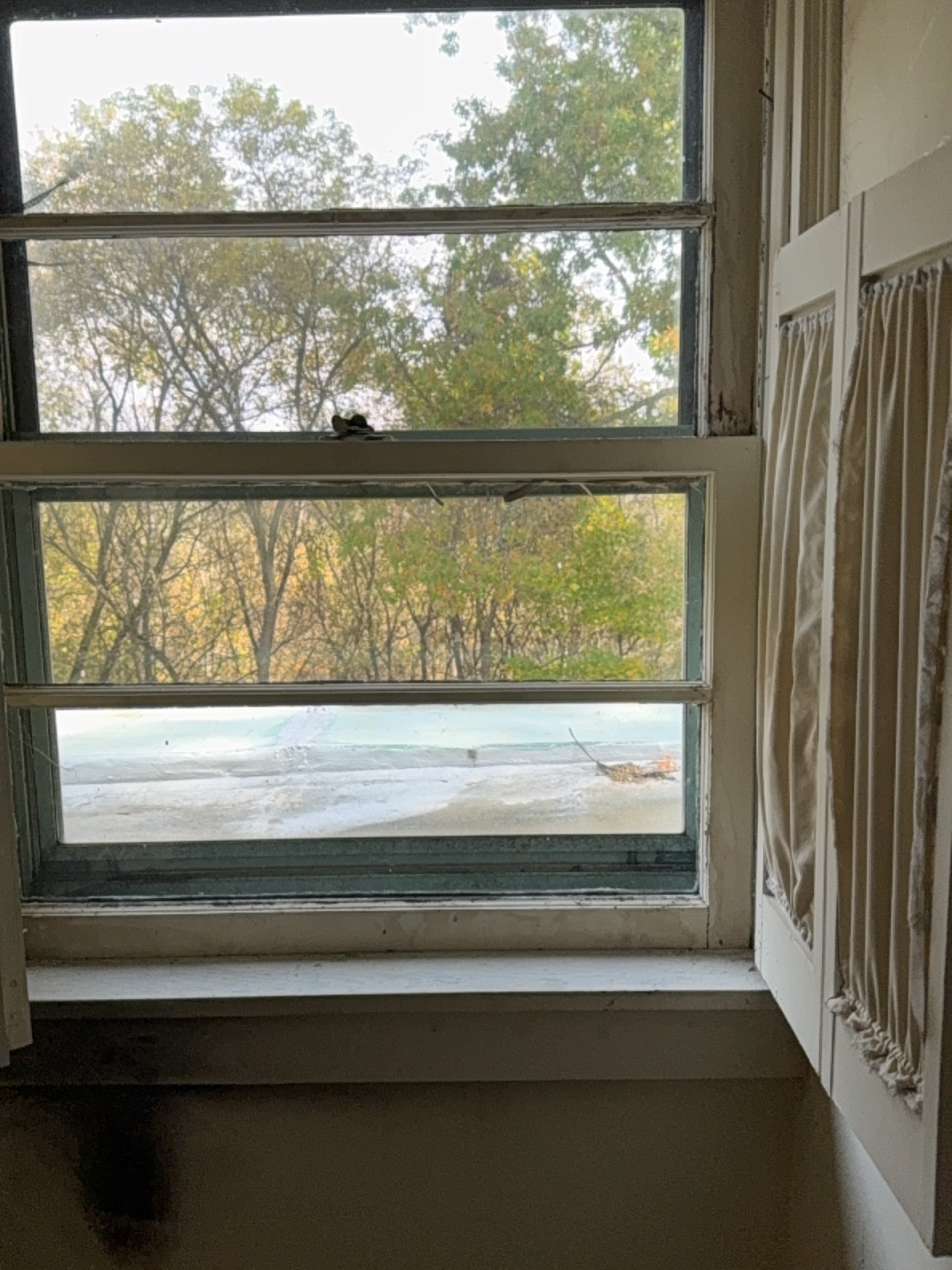 |

Finishes
Walls:PaintLath and Plaster
Ceilings:PaintLath and Plaster
Floors:Hardwood
Floor Settlement:None noted
Evidence of water infiltration was observed in the form of staining on the wall and ceiling surfaces near the dormer area. The plaster in this location shows early signs of deterioration and moisture damage. While this condition does not appear to be widespread or consistent with other areas of the home, it should be addressed promptly to prevent further deterioration or potential mold growth.
RECOMMENDATION: Have a qualified roofing or general contractor identify and repair the source of the leak at the dormer. Once the area is fully dried, the damaged plaster should be repaired or refinished to restore the surface and prevent further moisture-related deterioration. Continued monitoring after repairs is recommended.
 |  |
Smoke/ Carbon Monoxide detector
Type:None Observed
See Electrical section of the report for observations related to smoke and carbon monoxide detectors.
Closet
Description:None
🛏️Bedroom (6)
General Photos
For the purpose of this report, Bedroom 6 is on the third floor at the top of the stairs to the left.
 |  |  |
 |  |  |
 |  |  |
 |  |
Electrical
Inspection Method:Tested All Accessible
During the inspection, every effort is made to test and inspect all accessible electric receptacles and switches. In general, the scope of testing is directly related to access. Where personal belonging and furniture obstruct access to receptacles and fixtures, fewer of them can be reasonably tested during inspection. Deficiencies observed during the inspection visit are listed in this report. It should be anticipated that not all defects will be discovered and that some issues found may actually not be defects at all. Tools used to verify proper wiring and function can vary wildly in reliability/consistency. The kinds of tools that could be used to confidently analyze the system and its function cannot typically be done in the context of a Standard Home Inspection. We look for indications of issues, based on the age of the home, types of wiring systems used etc, as well as personal experience and by testing with a variety of common tools.
Electric Receptacles:Open Grounds in Old House
OPEN GROUNDS
Hire a licensed electrician to address and eliminate all open grounds. This is a common issue in older homes built before 1962, where three-prong outlets have been added to an original two-wire system. This condition poses a safety risk, as it can be misleading—allowing appliances that depend on an equipment ground for safe fault discharge to be connected to ungrounded circuits. This effectively disables a key safety feature. Proper corrective measures may include, but not be limited to,:
- Running an equipment grounding conductor or a new three-wire circuit
- Restoring a two-prong receptacle or
- Installing GFCI protection for this circuit and labeling the open-ground receptacles
If GFCI protection is used, the outlets on this circuit should be labeled, so it is clear they are ungrounded and GFCI protected. Examples of locations where open grounds were found include:

 |  | |
 |

Lighting:Serviceable
The lights appeared serviceable and functioning at the time of the visit.

HVAC Source
Description:Radiator
Doors
Type:Solid Core
The door appeared serviceable at the time of the inspection. No deficiencies noted in operation, finish, or hardware.
Windows
Window Glazing:Single pane
Interior Window Frame:Wood
Window Styles:Double hung
The wood-framed windows were observed to be functional and generally operable at the time of inspection. However, the windows appear to be original or of older construction and do not meet current standards for energy efficiency or thermal performance. Older wood windows typically lack modern weatherstripping, insulated glazing, and tight seals, which can result in heat loss, drafts, and condensation during seasonal temperature changes.
RECOMMENDATION: For improved comfort and efficiency, consider upgrading to modern insulated glass window units. Replacement should be performed by a qualified window contractor, with attention to maintaining the home’s architectural character.


Finishes
Walls:PaintLath and Plaster
Ceilings:PaintLath and Plaster
Floors:Hardwood
Water-damaged finishes were observed in Bedroom 6, indicating an active moisture condition at the time of the inspection. Staining and deterioration suggest ongoing water infiltration, which may be related to roof deficiencies (see the “Roof, Chimney, and Gutters” section of this report for related findings).
Active water intrusion can lead to continued material deterioration, organic growth, and potential structural damage if not corrected.
RECOMMENDATION: Have a qualified contractor identify and repair the source of the water infiltration and replace or repair any damaged materials as needed once the area has fully dried. Continued monitoring is recommended after repairs to confirm that the issue has been resolved.
 |  |  |
 |
Smoke/ Carbon Monoxide detector
Type:None Observed
See Electrical section of the report for observations related to smoke and carbon monoxide detectors.
Closet
Description:None
🧑🍳🔪Kitchen
General Kitchen Photos


HVAC Source
Description:Radiator
Finishes
Walls:PaintLath and Plaster
Ceilings:PaintLath and Plaster
Floors:Sheet Vinyl
Floor Settlement:None noted
Typical cracking, flaws, blemishes, and wear was observed. Finishes appeared serviceable at the time of the visit.
Smoke/ Carbon Monoxide detector
Type:None Observed
See Electrical section of the report for observations related to smoke and carbon monoxide detectors.
Electrical
There were no GFCI receptacles observed in the kitchen. A receptacle within 6 feet of a water source is required to be GFCI protected to reduce risk of shock. Current standards require all receptacles in the kitchen to be GFCI protected.
RECOMMENDATION: Have a qualified electrical contractor replace the receptacle(s) with a GFCI protected receptacle.
OPEN JUNCTION BOX NOTED
The open electrical junction box needs to be covered for improved safety. This is as simple as installing a cover plate over the box to protect the wiring. Sometimes, an extension ring is needed if finishes are covering the box. Repair as needed for improved safety.

 |

The home’s electrical receptacles were noted to be part of an older two-wire, ungrounded system. While this configuration may have been standard at the time of installation, it does not provide the grounding protection expected in modern wiring and may be less convenient for today’s electrical needs, particularly in offices or media areas. This condition is indicative of an older electrical system that has not been updated and may not safely or reliably meet modern usage demands. You may wish to consult with a licensed electrical contractor to review options for upgrading the wiring system to current safety standards and to better accommodate modern electrical loads.

Sinks and Faucets/ Plumbing
Sink(s):Double BowlStainless Steel
Faucet:Chrome Faucet
Drain Pipe:PVC Piping
S-TRAP AT THE KITCHEN SINK WASTE PIPING
The waste plumbing to the kitchen sink is not properly vented and has an S-trap configuration. This trapping is no longer allowed as it risks siphoning the trap and allowing sewer gas to enter the home.
RECOMMENDATION: Hire a licensed plumber to repair with proper venting loop or an air admittance valve.
.jpg) | .jpg) |  |
Cabinets and Countertops
Countertop Material:Plastic laminate
Cabinet Material:Wood
CABINET REPAIRS
Tune-up repairs are needed to the kitchen cabinets. Repair as desired. Examples of observations noted during inspection include:
- Loose doors/ hinges
- Some cabinet door release buttons were loose


Disposers
Disposer:InoperativeInoperative - General Note
The kitchen sink disposer was tested and not working (inoperative) during inspection. Have this further evaluated and repaired by a licensed plumber.


 |  | |


Dishwasher
Manufacturer:Maytag
Observations:Not OperatedBeyond Scope
The dishwasher discharge hose was not visible at the time of inspection, and therefore the presence of a required high loop or air gap in the drain line could not be confirmed. A proper high loop or air gap is important to prevent wastewater from backflowing into the dishwasher, which can lead to contamination or unsanitary conditions.
RECOMMENDATION: Have a qualified plumbing contractor confirm that the dishwasher drain hose is installed with an appropriate high loop or air gap in accordance with current plumbing code requirements to prevent potential backflow and ensure safe operation.
 |  |
Ventilation Method
Fan Above Cooktop
The fan over the cooktop appeared serviceable. The discharge location was not observed.


Ranges, Ovens and Cooktops
Range/ Oven /Cook-tops:Electric
The range and wall ovens appear original to the building and were serviceable at the time of the visit. The burners were noted to take longer to heat up that modern appliances. Upgrading appliances may be desired.

 |  | |
 |

Refrigerators
Refrigerator:None
🧑🍳🔪Butler Pantry
General Pantry Photos


HVAC Source
Description:Radiator
Finishes
Walls:PaintLath and Plaster
Ceilings:PaintLath and Plaster
Floors:Sheet Vinyl
Floor Settlement:None noted
Water-damaged finishes were observed in the Butler Pantry, indicating an active moisture condition at the time of the inspection. Staining and deterioration suggest ongoing water infiltration, which may be related to roof deficiencies (see the “Roof, Chimney, and Gutters” section of this report for related findings).
Active water intrusion can lead to continued material deterioration, organic growth, and potential structural damage if not corrected.
RECOMMENDATION: Have a qualified contractor identify and repair the source of the water infiltration and replace or repair any damaged materials as needed once the area has fully dried. Continued monitoring is recommended after repairs to confirm that the issue has been resolved.
 |  |  |
 |
Smoke/ Carbon Monoxide detector
Type:None Observed
See Electrical section of the report for observations related to smoke and carbon monoxide detectors.
Electrical
There were no GFCI receptacles observed in the butler pantry. A receptacle within 6 feet of a water source is required to be GFCI protected to reduce risk of shock. Current standards require all receptacles in the kitchen to be GFCI protected.
RECOMMENDATION: Have a qualified electrical contractor replace the receptacle(s) with a GFCI protected receptacle.
The home’s electrical receptacles were noted to be part of an older two-wire, ungrounded system. While this configuration may have been standard at the time of installation, it does not provide the grounding protection expected in modern wiring and may be less convenient for today’s electrical needs, particularly in offices or media areas. This condition is indicative of an older electrical system that has not been updated and may not safely or reliably meet modern usage demands. You may wish to consult with a licensed electrical contractor to review options for upgrading the wiring system to current safety standards and to better accommodate modern electrical loads.
The lights appeared serviceable and functioning at the time of the visit.

Sinks and Faucets/ Plumbing
Sink(s):Double BowlStainless Steel
Faucet:Chrome Faucet
Drain Pipe:Galvanized PipingStainless Steel Piping
CORRODED P-TRAP
Replace the corroded P-trap below the kitchen sink. There appeared to be an active leak at the time of the visit.

 |

Cabinets and Countertops
Countertop Material:Plastic laminate
Cabinet Material:Wood
CABINET REPAIRS
Tune-up repairs are needed to the kitchen cabinets. Repair as desired. Examples of observations noted during inspection include:
- Loose doors/ hinges
- Some cabinet door release buttons were loose


Windows
The windows in the Butler’s Pantry consist of a combination of glass block units and original single-pane metal windows. The metal windows include both casement and awning styles. These windows do not meet current energy-efficiency standards, and the glass block assemblies are not thermally broken, offering limited insulation value.
RECOMMENDATION: Consider upgrading the existing windows to modern, energy-efficient units that maintain the architectural character of the space. Replacement of the glass block with insulated glazing units or thermally broken materials can further improve comfort and energy performance. A qualified window or glazing contractor should be consulted to ensure proper material selection and installation.


 |


👕👖Laundry Facilities
General Photos
 |  |  |
 |  |  |
 |  |
Laundry General
Location:Basement
Electrical
There was no GFCI receptacle in the laundry area. A receptacle within 6 feet of a water source is required to be GFCI protected to reduce risk of shock.
RECOMMENDATION: Have a qualified electrical contractor replace the receptacle with a GFCI protected receptacle.


Washer
Not testedNot in SOP
The clothes washer was not tested at the time of the visit. Testing the appliance is beyond the scope of the home inspection.
 |  |
Dryer
Not tested
Exhaust Duct:Ducted to Exterior
The dryer exhaust vent was observed to be disconnected where it enters the areaway, resulting in improper venting of exhaust air. Additionally, the PVC vent piping was improperly joined using duct tape or similar methods rather than proper solvent welding. The use of corrugated flexible ducting between the dryer and PVC vent also presents a concern, as the interior ridges can trap lint, increasing the risk of blockage or fire hazard over time.
Improper venting can lead to moisture accumulation, lint buildup, and potential fire hazards.
RECOMMENDATION: Reconnect and seal the dryer exhaust duct using approved PVC cement or appropriate fittings. Extend smooth, rigid ductwork directly to the rear of the dryer and eliminate the flexible corrugated duct to ensure efficient airflow and safe operation. Regular cleaning and maintenance of the vent system are recommended to prevent lint accumulation and improve dryer performance.
 |  |
The clothes dryer was not tested at the time of the visit. Testing the appliance is beyond the scope of the home inspection.
Laundry Sinks
The laundry sink appears to serve solely as a drain receptor for the washing machine discharge. No faucet or water supply connections were observed at the time of inspection, indicating that the sink is not currently functional for general use.
This condition does not affect the drainage function but limits the sink’s usability as a utility fixture.
RECOMMENDATION: Have a qualified plumbing contractor further evaluate the laundry sink and install a suitable faucet and supply connections if general utility use is desired. Proper installation will enhance functionality and ensure compliance with current plumbing standards.
 |  |  |
Laundry Ventilation
Type:None noted - older building
LAUNDRY FAN RECOMMENDED
No ventilation fan was found for the laundry facilities. This is common in older buildings and recommended in newer buildings. Installing a ventilation fan is recommended to help control indoor relative humidity. This fan can be run during operation of the laundry and/or placed on a timer to come on automatically throughout the day.
Floor Drain
A floor drain was observed in the laundry area, which is currently covered by a sump pump unit. An area of damp or wet concrete was also noted surrounding the drain. The purpose of this configuration is unclear, as sump pumps are typically installed in dedicated pits rather than directly over floor drains.
It is possible that this setup was installed in response to a previous drainage backup or flooding event during periods of heavy rain.
As part of due diligence, it is recommended to inquire with the seller regarding the reason for this arrangement, any history of water intrusion or drain backups, and whether repairs or modifications were performed to address past moisture issues. A qualified plumbing contractor should be consulted to evaluate the current setup and confirm whether it is functioning properly and compliant with standard installation practices.
 |  |
🚽Powder Bathroom/ Half Bath
General Bathroom Photos
 |  |
Electrical
No electrical outlet was observed in the half bathroom at the time of inspection. Current electrical safety standards (NEC 210.52(D)) require at least one GFCI-protected receptacle in all bathrooms to safely accommodate electrical devices such as hair dryers, razors, or electric toothbrushes.
While this may have been acceptable at the time of original construction, the absence of a GFCI outlet represents a modern safety and convenience deficiency.
RECOMMENDATION: Have a licensed electrical contractor install a GFCI-protected receptacle in the half bathroom in accordance with current National Electrical Code requirements. This upgrade will improve safety and functionality for bathroom use.
Sinks and Cabinets
Tested
The sink was tested during the inspection, and it was noted that the hot water flow stopped after several seconds of operation. Additionally, the drain stopper mechanism was not functioning properly and did not hold or release water as intended. These conditions indicate that repairs or component replacement may be necessary for proper operation.
While the sink remains partially usable, the issues with the hot water supply and drain mechanism affect normal function and convenience.
RECOMMENDATION: Have a qualified plumbing contractor further evaluate the sink’s hot water supply and stopper assembly to determine the cause of the malfunction and perform repairs or replacements as needed to restore full functionality.


Toilet
Tested
The toilet was tested during the visit and it appeared to be properly mounted and no leaks were detected.


Bathroom Ventilation
Type:Bath fan
INADEQUATE BATHROOM VENTILATION
No ventilation fan was noted in the powder bathroom; there is a window but no fan. Fans that vent to the exterior are recommended and will help reduce indoor humidity and risks for molds. Installation of a bath fan is recommended.


🚽🛁🚿Primary Bathroom (1)
General Bathroom Photos

Electrical
Inspection Method:Tested All Accessible
During the inspection, every effort is made to test and inspect all accessible electric receptacles and switches. In general, the scope of testing is directly related to access. Where personal belonging and furniture obstruct access to receptacles and fixtures, fewer of them can be reasonably tested during inspection. Deficiencies observed during the inspection visit are listed in this report. It should be anticipated that not all defects will be discovered and that some issues found may actually not be defects at all. Tools used to verify proper wiring and function can vary wildly in reliability/consistency. The kinds of tools that could be used to confidently analyze the system and its function cannot typically be done in the context of a Standard Home Inspection. We look for indications of issues, based on the age of the home, types of wiring systems used etc, as well as personal experience and by testing with a variety of common tools.
Electric Receptacles:Open Grounds in Old House
OPEN GROUNDS
Hire a licensed electrician to address and eliminate all open grounds. This is a common issue in older homes built before 1962, where three-prong outlets have been added to an original two-wire system. This condition poses a safety risk, as it can be misleading—allowing appliances that depend on an equipment ground for safe fault discharge to be connected to ungrounded circuits. This effectively disables a key safety feature. Proper corrective measures may include, but not be limited to,:
- Running an equipment grounding conductor or a new three-wire circuit
- Restoring a two-prong receptacle or
- Installing GFCI protection for this circuit and labeling the open-ground receptacles
If GFCI protection is used, the outlets on this circuit should be labeled, so it is clear they are ungrounded and GFCI protected. Examples of locations where open grounds were found include:
There was no GFCI receptacle in the primary bathroom. A receptacle within 6 feet of a water source is required to be GFCI protected to reduce risk of shock.
RECOMMENDATION: Have a qualified electrical contractor replace the receptacle with a GFCI protected receptacle.


Sinks and Cabinets
Tested
CORRODED P-TRAP
The waste piping below the primary bath sink is corroded. Although no active leakage was noted at the time of inspection, the visible corrosion indicates age-related deterioration and an increased risk of future leakage or failure.
RECOMMENDATION: Have a qualified plumbing contractor replace the corroded waste piping to ensure long-term reliability and prevent potential leaks. Proactive replacement at this stage will help avoid future water damage and improve the overall performance of the plumbing system.

 |

CAULKING NEEDED AT BACKSPLASH
The backsplash behind the primary bathroom sink is not adequately sealed to the countertop and could allow water to get behind the countertop. Seal with caulking.

Toilet
Tested
The toilet in the primary bathroom was observed to continue running after flushing, indicating a malfunctioning fill or flush valve assembly. Although temporarily stopping the flow may be possible by manipulating the handle, this is not a reliable or proper solution. Continuous running can lead to unnecessary water waste and increased utility costs.
RECOMMENDATION: Have a licensed plumbing contractor evaluate and repair or replace the internal components of the toilet as needed to ensure proper operation and eliminate water waste.


Bathtub / Shower
Tested
Shower Type:Tile
Tub Type:Cast Iron
OLD SHOWER TILE - MAIN BATH
The tile in the bathroom shower surround appears aged and may require updating or repair in the near future. The condition of materials behind the tile—such as the substrate and waterproofing—is not visible during a standard inspection, making it difficult to determine the system’s overall reliability.
RECOMMENDATION: Have a qualified tile or bathroom renovation specialist further evaluate the shower surround to determine whether localized repairs or full replacement are needed. Additional inspection may reveal either minor maintenance needs or concealed moisture damage, which could require a more comprehensive upgrade.
Examples of concerns noted during inspection include:
- Staining or evidence of water intrusion


The caulking around the shower enclosure is old and failing and should be replaced.
Bathroom Ventilation
Type:Operable window
INADEQUATE BATHROOM VENTILATION
No ventilation fan was noted in the primary bathroom; there is a window but no fan. Fans that vent to the exterior are recommended and will help reduce indoor humidity and risks for molds. Installation of a bath fan is recommended.


Moisture Damage to Finishes
Moisture damage was observed on the finishes in the primary bathroom. The condition may be related to roofing deficiencies or inadequate mechanical ventilation, both of which can allow moisture to accumulate and damage interior materials over time.
RECOMMENDATION: Have a qualified general contractor further evaluate and repair the affected finishes. At the same time, the source of the moisture—whether from roof leaks or condensation due to poor ventilation—should be identified and corrected to prevent future damage. Installing or improving mechanical ventilation may also be recommended to reduce humidity levels and maintain proper air circulation.

 |  |

Door
The door to the primary bathroom was observed to bind at the bottom when opened approximately 90 degrees. This misalignment may cause the door to stop abruptly or resist movement, which could be unexpected during normal use and pose a minor risk of someone bumping into it.
The condition appears to be a result of settlement, hinge alignment, or flooring contact and can typically be corrected with minor adjustments.
RECOMMENDATION: Have a qualified contractor or carpenter adjust the hinges, door frame, or bottom clearance as needed to allow smooth operation and prevent binding during use.


🚽🛁🚿Bathroom-Full (2)
General Bathroom Photos
For the purpose of this report, Bathroom 2 is a jack-n-jill style bathroom shared between Bedrooms 2 and 3
 |  |  |
 |  |
Electrical
Inspection Method:Tested All Accessible
During the inspection, every effort is made to test and inspect all accessible electric receptacles and switches. In general, the scope of testing is directly related to access. Where personal belonging and furniture obstruct access to receptacles and fixtures, fewer of them can be reasonably tested during inspection. Deficiencies observed during the inspection visit are listed in this report. It should be anticipated that not all defects will be discovered and that some issues found may actually not be defects at all. Tools used to verify proper wiring and function can vary wildly in reliability/consistency. The kinds of tools that could be used to confidently analyze the system and its function cannot typically be done in the context of a Standard Home Inspection. We look for indications of issues, based on the age of the home, types of wiring systems used etc, as well as personal experience and by testing with a variety of common tools.
There was no GFCI receptacle in the full bathroom. A receptacle within 6 feet of a water source is required to be GFCI protected to reduce risk of shock.
RECOMMENDATION: Have a qualified electrical contractor replace the receptacle with a GFCI protected receptacle.


Sinks and Cabinets
Tested
LEAKING WASTE PIPING
The waste plumbing below the upstairs bathroom sink has a minor leak. The leak appears to be slow but indicates that the plumbing connections or materials are beginning to deteriorate.
RECOMMENDATION: Have a qualified plumbing contractor repair or replace the affected waste piping to ensure a watertight connection and prevent further leakage.


Toilet
Tested
The toilet was tested during the inspection and appeared well mounted and no leaks were observed.


Bathtub / Shower
Tested
Shower Type:Tile
Tub Type:Cast Iron
The shower diverter was observed to be sticking and difficult to operate, and it could not be fully engaged during testing. This may cause reduced water pressure or improper flow from the showerhead, indicating wear or internal malfunction.
The diverter remains partially functional but is not operating as intended and may worsen with continued use.
RECOMMENDATION: Have a qualified plumbing contractor further evaluate the shower diverter assembly and perform repairs or replacement as needed to ensure smooth operation and proper water distribution between the tub spout and showerhead.


Bathroom Ventilation
Type:Operable window
A sampling of the living room windows revealed that several units appear to be painted or rusted shut and could not be operated using normal controls. This condition limits ventilation and suggests that the window hardware or framing components may also be deteriorated.
While the condition does not pose an immediate hazard, inoperable windows can compromise safety, comfort, and energy performance.
RECOMMENDATION: Have a qualified general or glazing contractor further evaluate the affected window units and perform repairs to restore proper operation where feasible. Given the apparent age and condition, replacement of the windows should also be considered to improve energy efficiency, weather resistance, and functionality. Any replacement should be selected and detailed to maintain the building’s original architectural aesthetic.

 |

INADEQUATE BATHROOM VENTILATION
No ventilation fan was noted in the upstairs bathroom; there is a window but no fan. Fans that vent to the exterior are recommended and will help reduce indoor humidity and risks for molds. Installation of a bath fan is recommended.
Moisture Damage to Finishes
Water-damaged finishes were observed in the bathroom, indicating an active moisture condition at the time of the inspection. Staining and deterioration suggest ongoing water infiltration, which may be related to roof deficiencies (see the “Roof, Chimney, and Gutters” section of this report for related findings).
Active water intrusion can lead to continued material deterioration, organic growth, and potential structural damage if not corrected.
RECOMMENDATION: Have a qualified contractor identify and repair the source of the water infiltration and replace or repair any damaged materials as needed once the area has fully dried. Continued monitoring is recommended after repairs to confirm that the issue has been resolved.

Doors
The doors into the bathroom functioned as expected during the inspection; however, the paint finishes appeared to be flaking/ peeling. We recommend repainting as desired.
🚽🛁🚿Bathroom-Full (3)
General Bathroom Photos
For the purpose of this report, Bathroom 3 is directly off Bedroom 4

 |  |  |

Electrical
No electrical outlet was observed in the half bathroom at the time of inspection. Current electrical safety standards (NEC 210.52(D)) require at least one GFCI-protected receptacle in all bathrooms to safely accommodate electrical devices such as hair dryers, razors, or electric toothbrushes.
While this may have been acceptable at the time of original construction, the absence of a GFCI outlet represents a modern safety and convenience deficiency.
RECOMMENDATION: Have a licensed electrical contractor install a GFCI-protected receptacle in the half bathroom in accordance with current National Electrical Code requirements. This upgrade will improve safety and functionality for bathroom use.
Sinks and Cabinets
Tested
During the inspection, the sink fixtures were tested, and it was noted that the hot and cold water handles were seized and inoperable. The handles could not be turned using normal force, preventing full testing of the water flow. This condition suggests internal corrosion, mineral buildup, or mechanical failure within the faucet assembly.
RECOMMENDATION: Have a qualified plumbing contractor further evaluate and repair or replace the faucet assembly as needed. Replacement may be the most practical option to restore full function and reliability of the sink fixture.


Toilet
Tested
The toilet was tested during the inspection and found to be securely mounted with no visible leaks. However, a loud gurgling sound was noted during draining, which may indicate inadequate venting or partial obstruction in the drain line. Improper venting can cause slow drainage, trap siphoning, or odors over time.
While the fixture is currently functional, the condition suggests a venting or drain performance issue that should be investigated further.
RECOMMENDATION: Have a licensed plumbing contractor evaluate the toilet drain line and venting system to determine the cause of the gurgling and perform necessary repairs to ensure proper drainage and vent function.


Bathtub / Shower
Not tested
Shower Type:Tile
Tub Type:None
The shower fixtures were not operated during the inspection due to visible buildup of mineral scale and what appeared to be organic growth on the components. Operating the fixtures in this condition could have caused damage or clogging to the plumbing system. The observed buildup suggests a lack of maintenance and potential deterioration of internal parts.
The condition indicates that the fixtures are likely beyond normal service life and may not operate properly or hygienically without significant repair or replacement.
RECOMMENDATION: Have a licensed plumbing contractor further evaluate and service the shower assembly, including internal supply lines and valves. Full replacement of the shower unit, valve, and trim is recommended to ensure safe, reliable operation and to restore proper sanitation and water flow.


Bathroom Ventilation
Type:Operable window
A sampling of the living room windows revealed that several units appear to be painted or rusted shut and could not be operated using normal controls. This condition limits ventilation and suggests that the window hardware or framing components may also be deteriorated.
While the condition does not pose an immediate hazard, inoperable windows can compromise safety, comfort, and energy performance.
RECOMMENDATION: Have a qualified general or glazing contractor further evaluate the affected window units and perform repairs to restore proper operation where feasible. Given the apparent age and condition, replacement of the windows should also be considered to improve energy efficiency, weather resistance, and functionality. Any replacement should be selected and detailed to maintain the building’s original architectural aesthetic.


INADEQUATE BATHROOM VENTILATION
No ventilation fan was noted in the upstairs bathroom; there is a window but no fan. Fans that vent to the exterior are recommended and will help reduce indoor humidity and risks for molds. Installation of a bath fan is recommended.
Moisture Damage to Finishes
Moisture damage was observed on the finishes in the bathroom. The condition may be related to roofing deficiencies or inadequate mechanical ventilation, both of which can allow moisture to accumulate and damage interior materials over time.
RECOMMENDATION: Have a qualified general contractor further evaluate and repair the affected finishes. At the same time, the source of the moisture—whether from roof leaks or condensation due to poor ventilation—should be identified and corrected to prevent future damage. Installing or improving mechanical ventilation may also be recommended to reduce humidity levels and maintain proper air circulation.
 |  |  |
🚽🛁🚿Bathroom-Full (4)
General Bathroom Photos
For the purpose of this report, Bathroom 4 is off the third floor hall
 |  |  |
 |
Electrical
There was no GFCI receptacle in the full bathroom. A receptacle within 6 feet of a water source is required to be GFCI protected to reduce risk of shock.
RECOMMENDATION: Have a qualified electrical contractor replace the receptacle with a GFCI protected receptacle.
INADEQUATE ELECTRIC RECEPTACLE - BATHROOM
The only electric receptacle for the third floor bathroom is located in the light fixture. This was an older way to wire bathrooms back when there were few if any electric fixtures to plug in. This configuration will often not work safety in a modern home.
RECOMMENDATION: Installation of a GFCI protected receptacle is recommended to service the bathroom sink.

Sinks and Cabinets
Tested
The sink was tested during the inspection and was found to be functional at the time of the visit. However, pitting and discoloration were observed on the P-trap, which may indicate early signs of corrosion. While no active leakage was noted, continued deterioration could eventually lead to leaks if not addressed.
RECOMMENDATION: Monitor the P-trap for any signs of active leakage or worsening corrosion. If deterioration progresses, have a qualified plumbing contractor replace the component to ensure continued reliable operation.


Toilet
Tested
TOILET MOUNTING ISSUES NOTED
The toilet in the third floor bath was observed to be loosely mounted at the floor. This condition can compromise the wax seal, potentially leading to leaks, water damage, or unpleasant odors. Securing the toilet properly and replacing the wax ring if needed is recommended.
RECOMMENDATION:
Hire a licensed plumber to evaluate further and repair this toilet. Examples of observations noted during the inspection include:
- The toilet is loose on the floor and twisting.
- No caulking was noted between the floor and the toilet - caulking is required.


Bathtub / Shower
Tested
Shower Type:Tile
Tub Type:Cast Iron
The shower on the third floor exhibited very low water pressure during testing. The pressure was insufficient to fully engage the diverter valve, preventing water from being properly directed to the showerhead. This condition may indicate a restriction within the supply line, a failing valve, or general pressure loss at higher elevations within the plumbing system.
While the fixture is operable, the low pressure significantly affects usability and may indicate an underlying issue that requires correction.
RECOMMENDATION: Have a licensed plumbing contractor further evaluate the water supply and diverter assembly to determine the cause of the low pressure and perform necessary repairs or replacements to restore proper shower function.


Bathroom Ventilation
Type:Operable window
INADEQUATE BATHROOM VENTILATION
No ventilation fan was noted in the third floor bathroom; there is a window but no fan. Fans that vent to the exterior are recommended and will help reduce indoor humidity and risks for molds. Installation of a bath fan is recommended.


Moisture Damage to Finishes
Moisture damage was observed on the finishes in the bathroom. The condition may be related to roofing deficiencies or inadequate mechanical ventilation, both of which can allow moisture to accumulate and damage interior materials over time.
RECOMMENDATION: Have a qualified general contractor further evaluate and repair the affected finishes. At the same time, the source of the moisture—whether from roof leaks or condensation due to poor ventilation—should be identified and corrected to prevent future damage. Installing or improving mechanical ventilation may also be recommended to reduce humidity levels and maintain proper air circulation.
 |  |  |
🚽🛁🚿Bathroom-Full (5)
General Bath
For the purpose of this report, Bathroom 5 is located in the basement. This bathroom appears to have been unused for an extended period of time. The bathtub drain was sealed with tape, preventing operation or testing during the inspection. The toilet and sink are located in a narrow alcove behind the tub/shower, with insufficient clearances for safe or comfortable use. The configuration does not meet current building standards for fixture spacing or function.
The condition of this bathroom, combined with its layout and apparent disuse, suggests that it may not be safe, sanitary, or compliant with modern standards. Repairs alone are unlikely to fully correct the deficiencies without significant modification.
RECOMMENDATION: Have a licensed general contractor or design professional evaluate this basement bathroom for complete replacement, reconfiguration, or removal. Any upgrades should include reinstallation of proper drainage, venting, and fixture clearances to ensure compliance with current plumbing and building standards. Rebuilding the bathroom to modern standards will improve both safety and usability of the space.

 |

Structure and Basement
Foundation
Building Configuration:Basement
Foundation Description:Masonry block
The basement concrete masonry unit (CMU) walls were observed to be in generally serviceable condition where visible. However, in several areas, the applied wall coating or finish was observed to be peeling or spalling, most likely due to elevated moisture or humidity levels common in basement environments.
While the structural integrity of the walls appears sound, the deteriorating finish suggests inadequate moisture control or poor adhesion of previous coatings.
RECOMMENDATION: Remove any loose or flaking wall coating and inspect the exposed masonry for signs of damaged mortar joints, stepped or horizontal cracking, and deteriorated block units. If the CMU walls are found to be structurally sound, consult a qualified basement or waterproofing specialist to address the underlying moisture or humidity issues contributing to the deterioration.
To help reduce moisture levels, consider improving basement ventilation and/or installing a dehumidifier to maintain consistent humidity control.
It is not recommended to apply moisture-resistant or waterproof coatings to the interior surface of the walls, as these can trap groundwater seepage within the block cores, potentially accelerating hidden deterioration. Effective basement waterproofing should be performed from the exterior, below grade where feasible, to properly manage water at its source and protect the wall assembly long-term.
 |  |  |
Floor, Wall and Ceiling Framing
Wall Framing:Not visible
Wall Sheathing:Not visible
Floor Framing:Partly visible2x10
The first-floor framing and subfloor assembly were observed from the basement and appeared to be in generally serviceable condition where visible. The framing members showed no significant signs of structural damage, rot, or insect activity in the accessible areas. However, portions of the framing were concealed by mechanical systems and/or finished materials and therefore could not be evaluated during the inspection.
RECOMMENDATION: No immediate repairs are required at this time. Continue to monitor the accessible framing for any signs of moisture intrusion, sagging, or deterioration over time. If major renovations or basement finishing are planned in the future, the concealed areas should be further evaluated to confirm that the concealed framing and subfloor materials remain in satisfactory condition.
 |  |  |
 |  |  |
 |
Basement
FullPartialFinished
The finishes in the basement were observed to be stained, damaged, and aged, suggesting long-term exposure to dampness or intermittent water intrusion. The materials appear to have been poorly protected from moisture, and there is a possibility that concealed mold or organic growth exists behind wall or floor coverings.
While the condition does not pose an immediate structural issue, it reflects inadequate moisture control and may impact air quality and long-term durability of the space.
RECOMMENDATION: Remove all damaged or moisture-affected finishes and refinish as desired once the area has been fully dried and evaluated. At minimum, consider implementing basic waterproofing measures, such as improving exterior drainage, sealing foundation cracks, and applying a waterproof masonry coating to the concrete walls.
Be aware that unfinished basements often perform better in older homes with seasonal dampness. If you plan to fully finish the space, budget for more extensive waterproofing improvements to ensure long-term performance and to reduce the risk of recurring moisture or mold issues.
See also "Weight Room" and "Basement Storage Room" sections of the report for additional photos and observations.
TYPICAL CRACKS NOTED IN THE BASEMENT SLAB
Cracks were noted in the concrete slab floor of the basement. This is pretty typical and cracks did not appear to extend into the perimeter foundation. No repair is needed at this time.
Basement Moisture
Some signs
MUSTY ODOR IN BASEMENT
A musty odor was noted in the basement during the inspection. Such odors are typically an indication of a moisture control issue and may contribute to indoor air quality concerns if left unresolved. The exact source of the odor can be difficult to pinpoint, as it may stem from elevated humidity, minor seepage, or insufficient ventilation. Determining the cause often requires additional investigation and ongoing monitoring.
RECOMMENDATION: As a general approach, begin by addressing simple, cost-effective solutions, such as improving drainage, grading, dehumidification, and ventilation, and then reassess. The level of intervention should align with your comfort and tolerance for seasonal dampness—some owners may find this manageable, while others may prefer a more comprehensive solution.
If this is a concern, have a qualified basement waterproofing specialist or environmental professional conduct a more detailed moisture assessment to identify sources of dampness and recommend appropriate mitigation measures.
Basement Stairs
The basement stairwell was observed to be in worn condition. The wall finishes are peeling and damaged, and the floor at the base of the stairs shows surface deterioration and flaking paint, likely from age and exposure to moisture. The lighting fixtures provide adequate illumination but appear dated and may not meet current efficiency standards.
The overall condition suggests that the area has seen prolonged use with limited maintenance, and surface deterioration may continue if not addressed.
RECOMMENDATION: Have a qualified contractor repair or replace damaged wall and floor finishes, and repaint or refinish surfaces using moisture-resistant materials suitable for basement conditions. Inspect the stair structure for stability during repairs, and consider upgrading lighting fixtures for improved safety and visibility.
 |  |
📜Documents
Original Blueprints


Checking Out Procedure
Check Out List
Oven:Off
Lights:Off
Appliances:Off / finishing cycle
Lockbox :None


Signed Contracts

JBC Home Inspections, LLC
315-720-5014
www.jbchomesinspections.com
jason@jbchomeinspections.com
New York State Inspector License No. 16000158429