Roofing Items
Jason Coe, New York State License #16000158429
Roofing Summary
The roof covering was visually inspected from accessible areas and evaluated based on visible age, condition, installation practices, and signs of wear or damage. Observations included the condition of shingles or other coverings, flashing, penetrations (vents, chimneys), drainage systems (gutters and downspouts), and visible structural elements from attic access where available. The following summarizes our findings of the buildings roof covering(s):
Roofing Items
Major Concerns
- RCG-2 🧱Roof, Chimney and Gutters - Roofing:
A number of issues were observed related to the roof coverings:
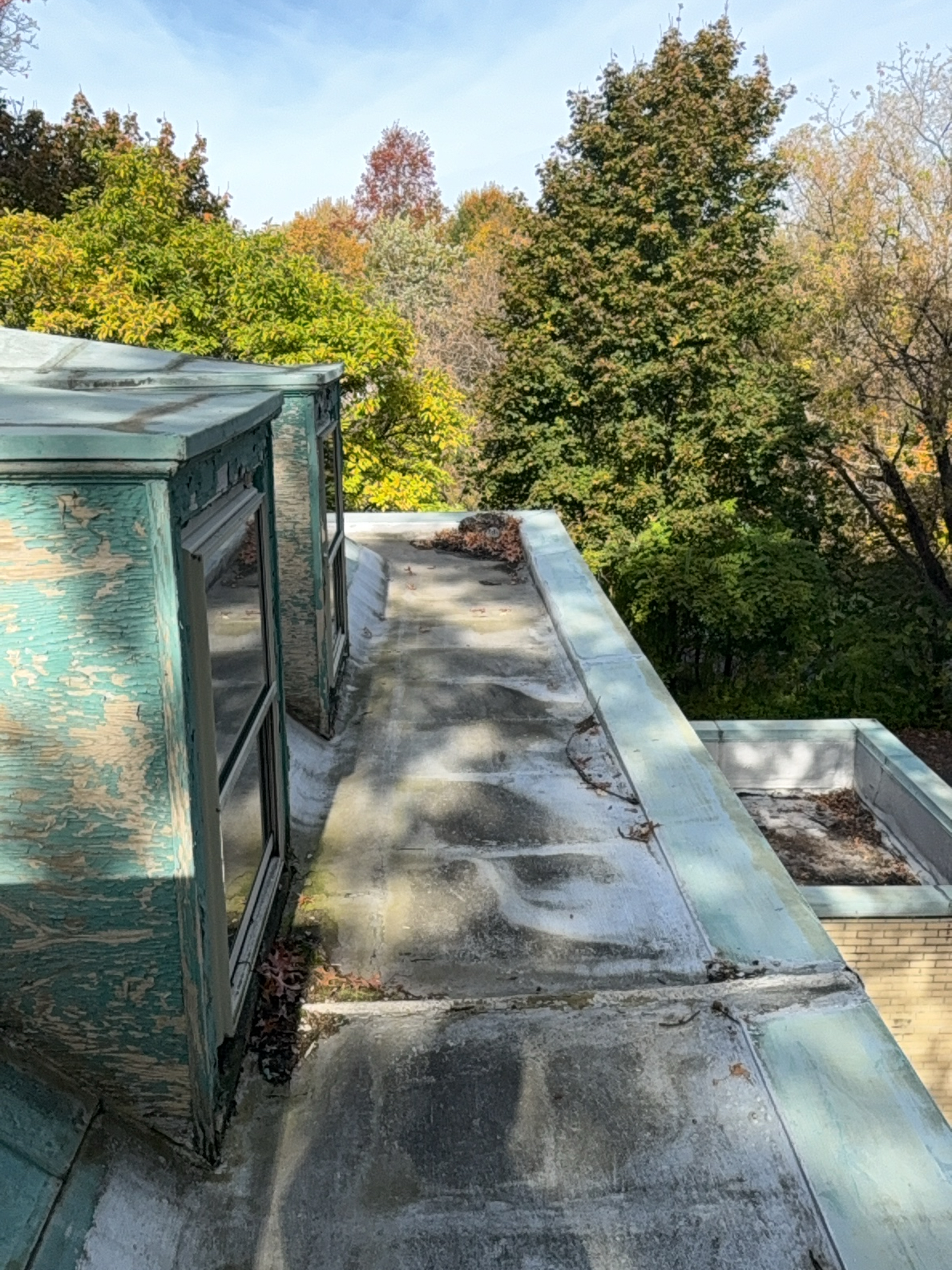
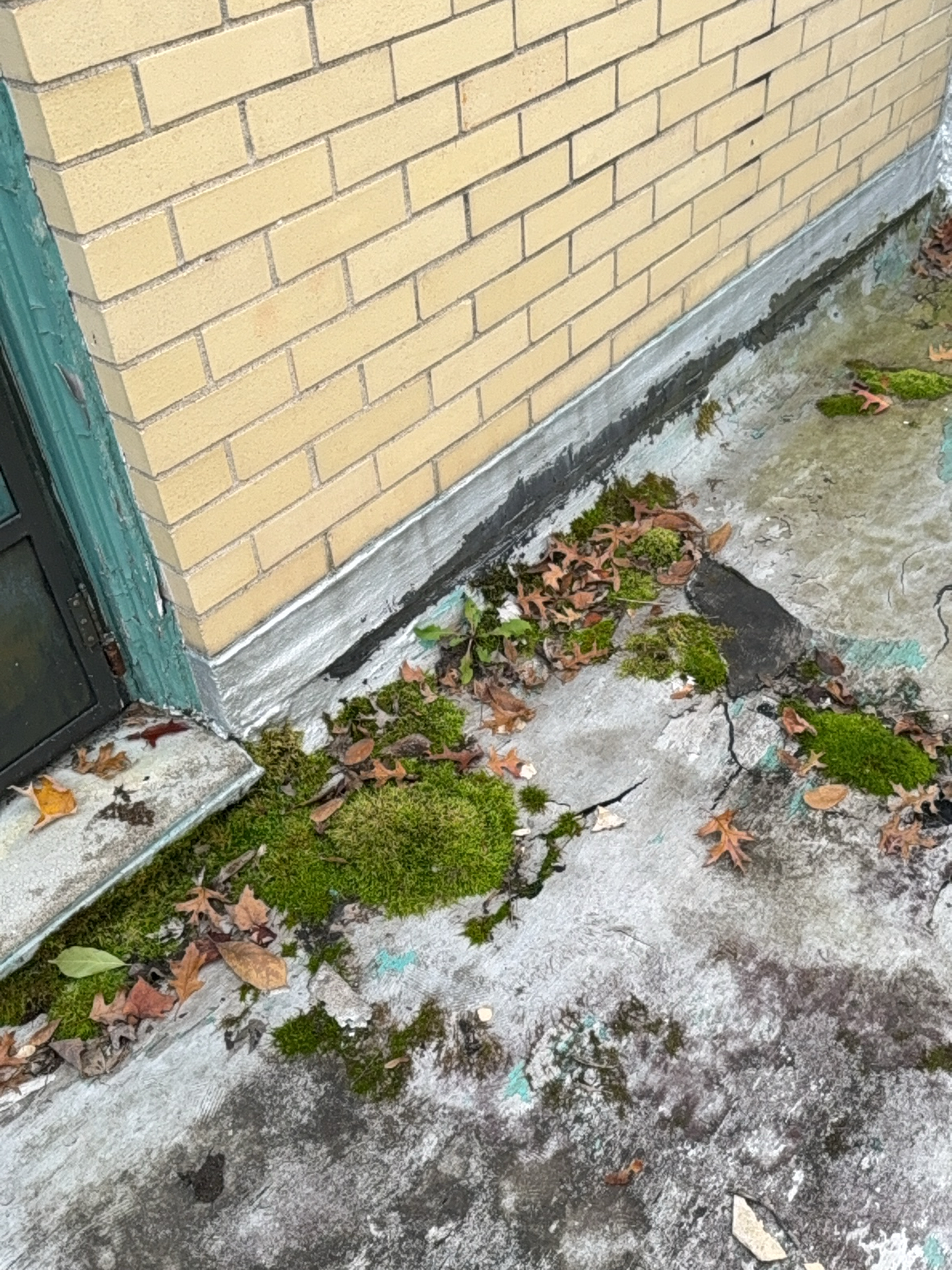
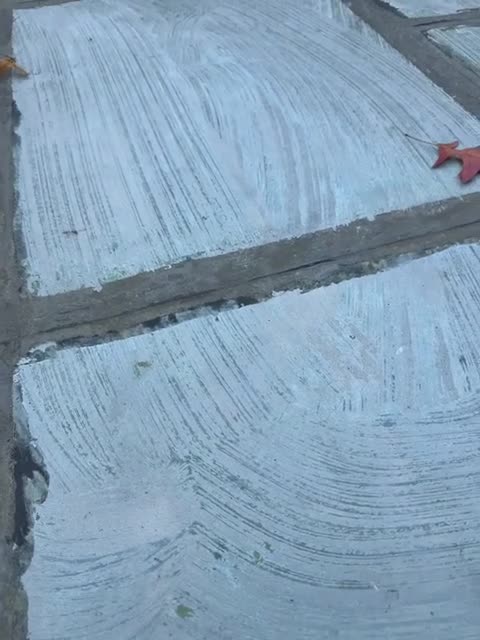
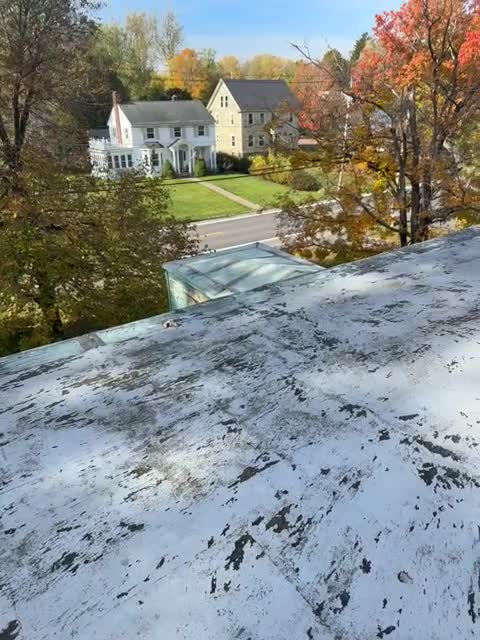
- Some roof and parapet surfaces have a silver coating. This is consistent with a roofing product that may contain asbestos. This material should be tested by a qualified environmental hygienist before any disturbance or replacement.
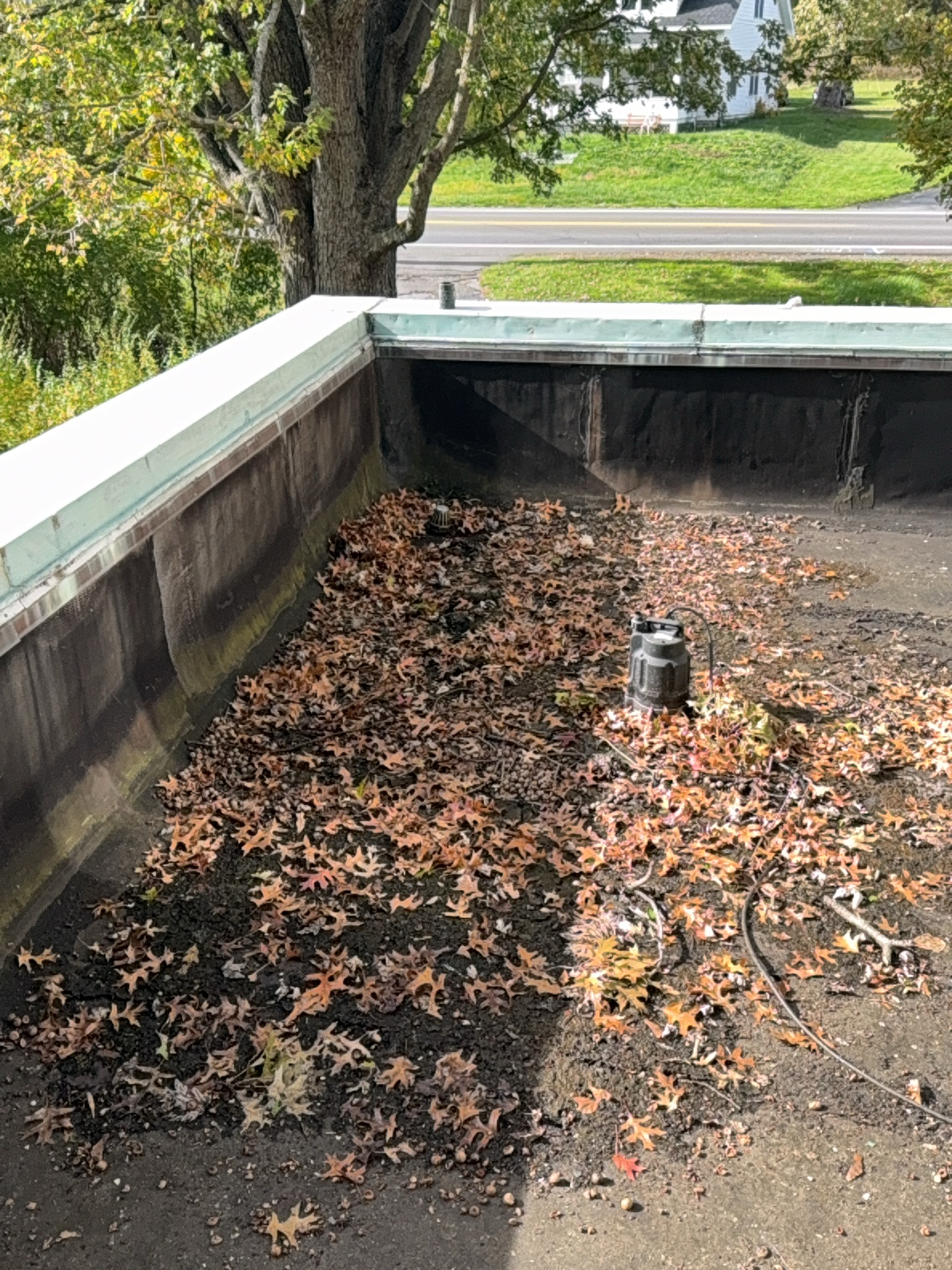
- The roof slope to the drains does not appear to meet current standards of ¼ inch per foot, which may inhibit proper drainage and contribute to ponding water.
- The roof covering on the west side shows significant deterioration and damage, while the east side exhibits surface cracking and “alligatoring,” indicating age-related wear and weathering.
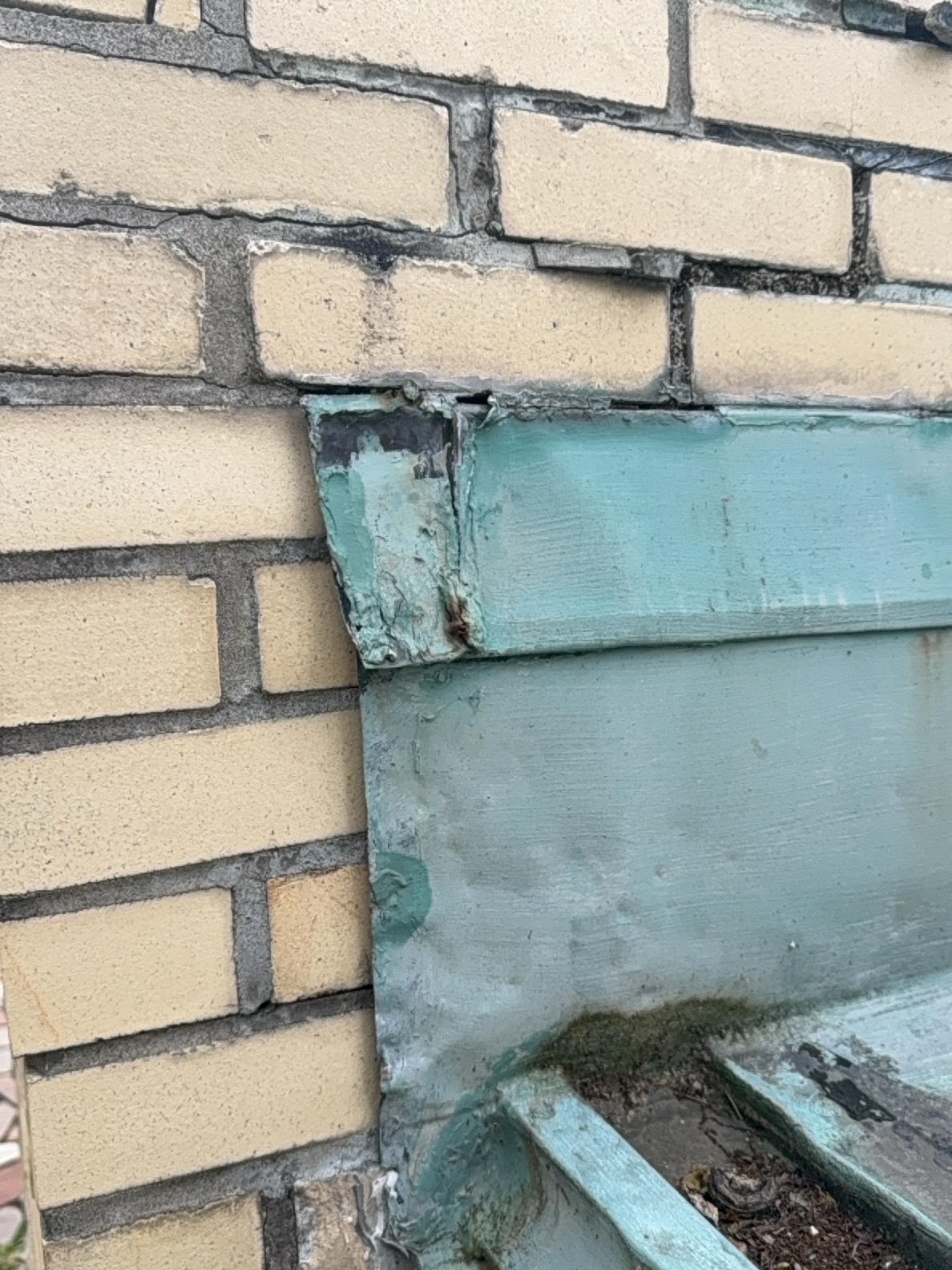
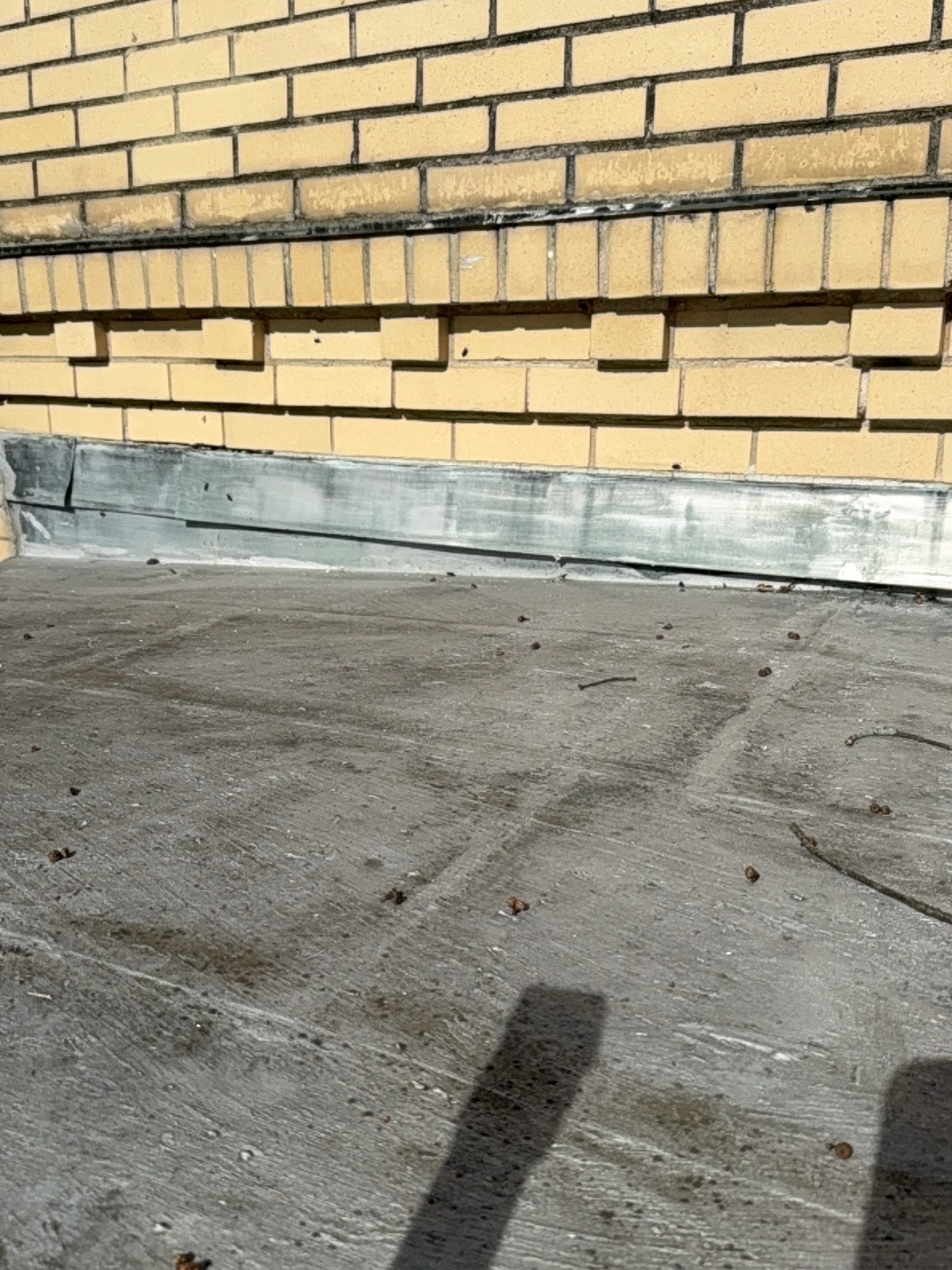
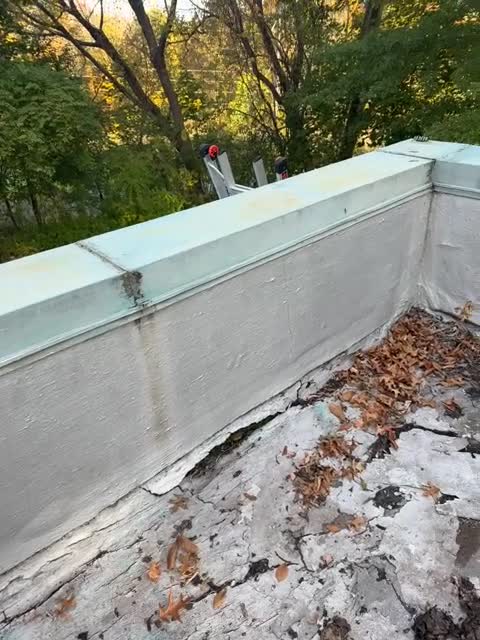
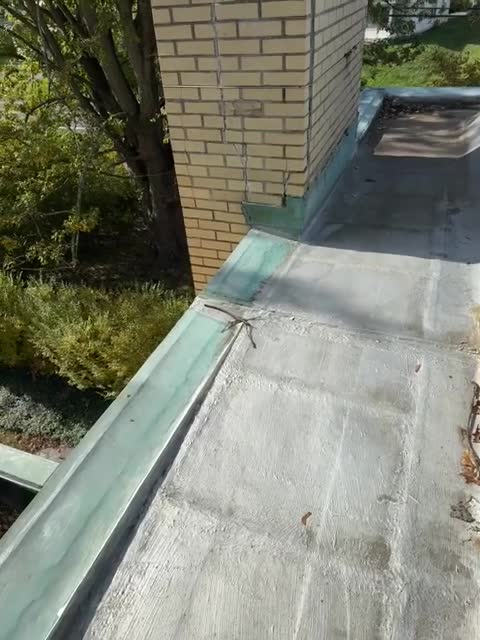
- The top edges of the counterflashing are not properly sealed; old sealant is deteriorated and should be removed and replaced to maintain a watertight condition.
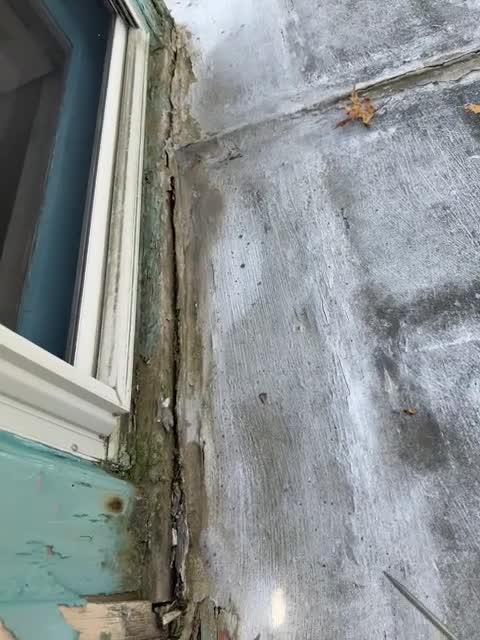
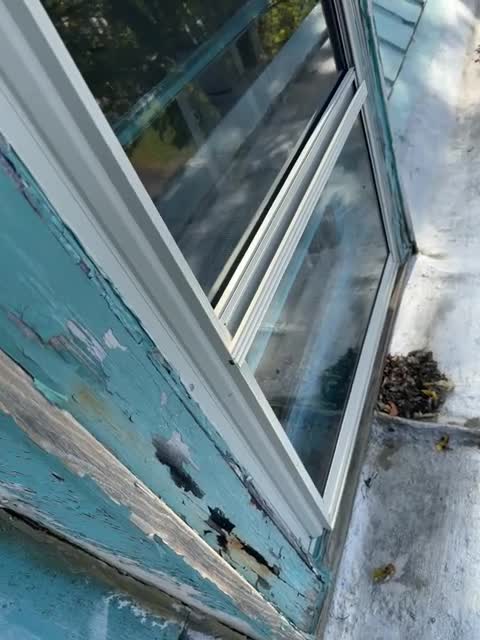
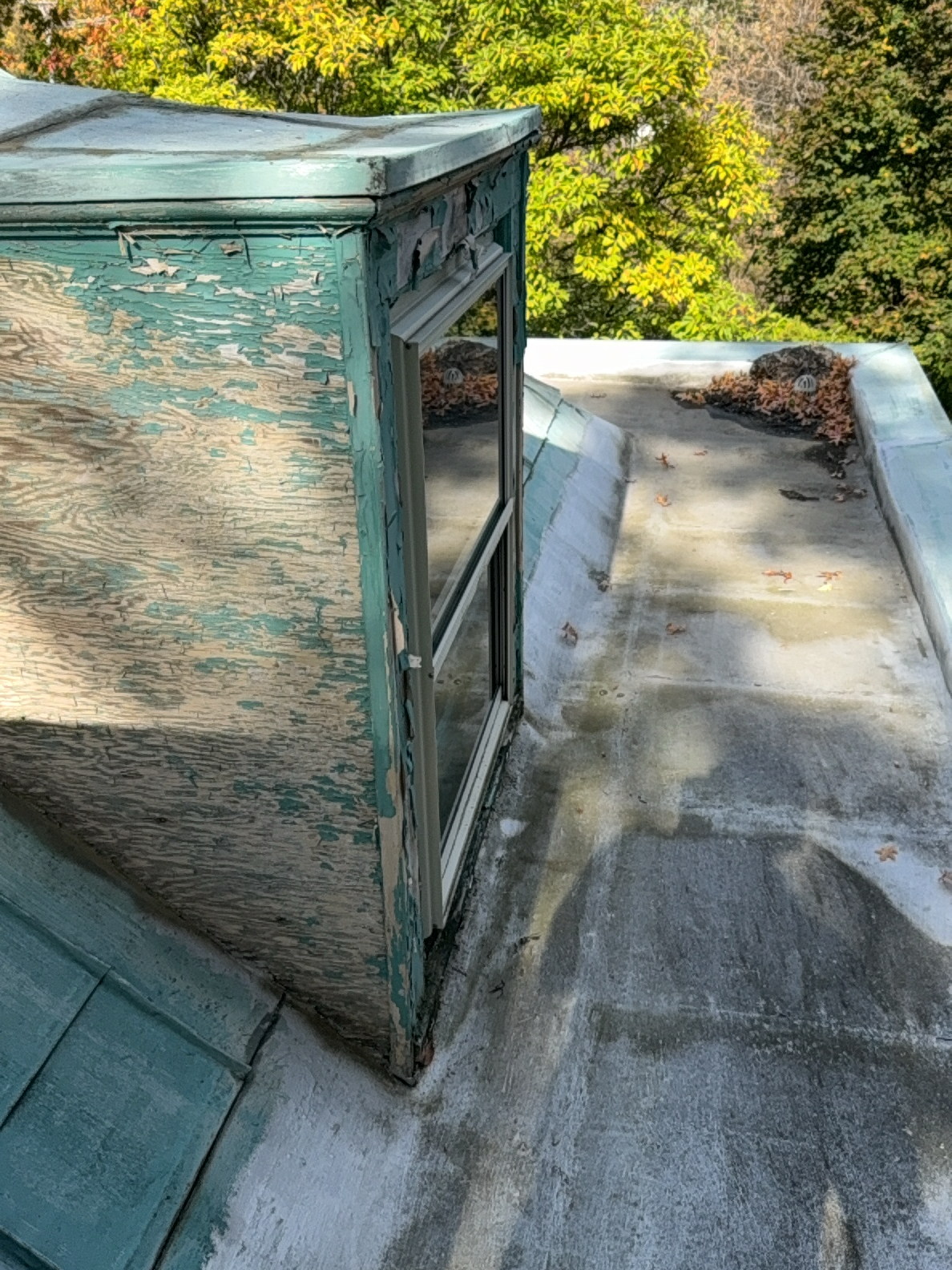
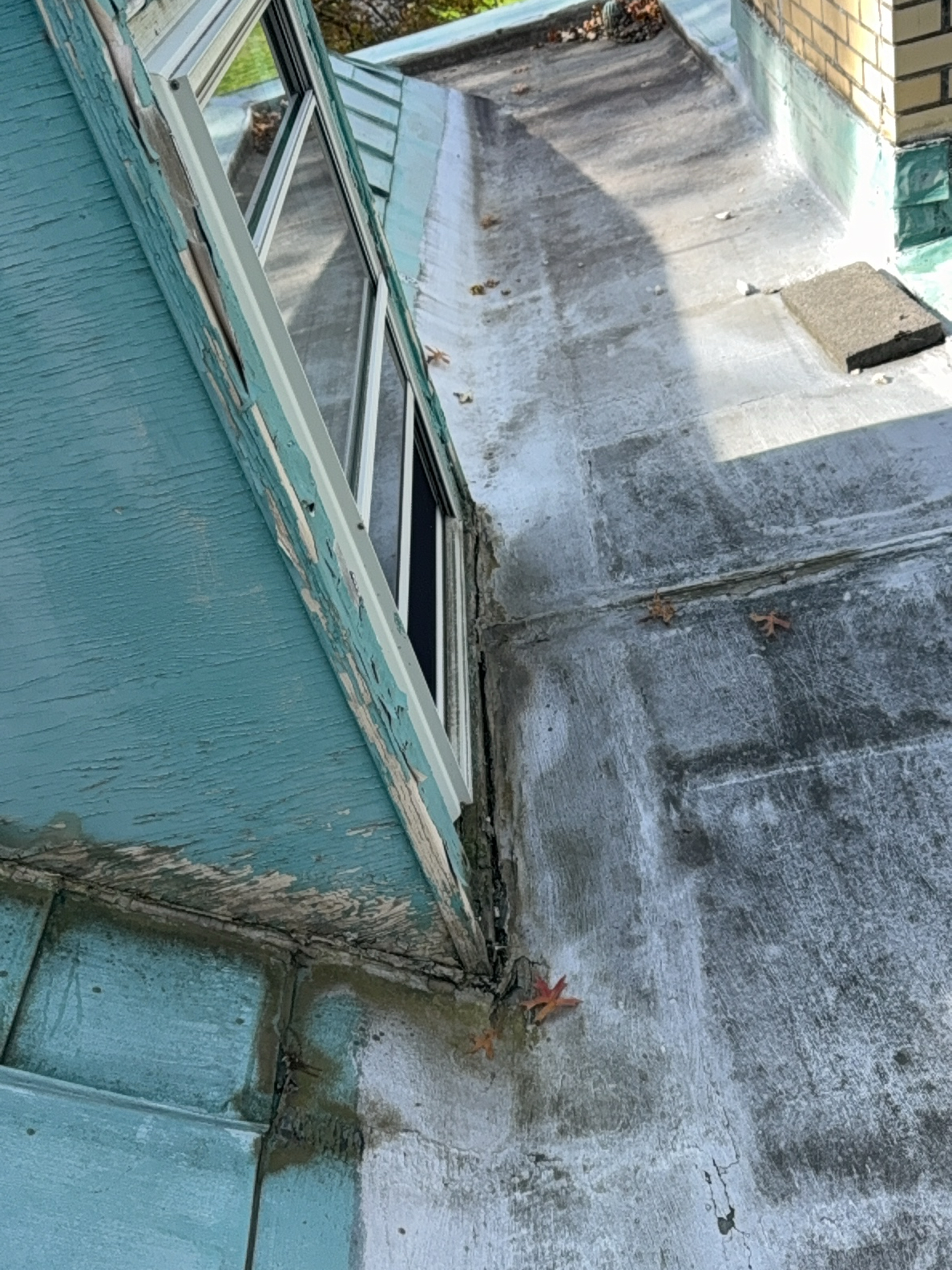
- Dorner window sills sit on the roof and do not provide adequate surface area for counterflashing.
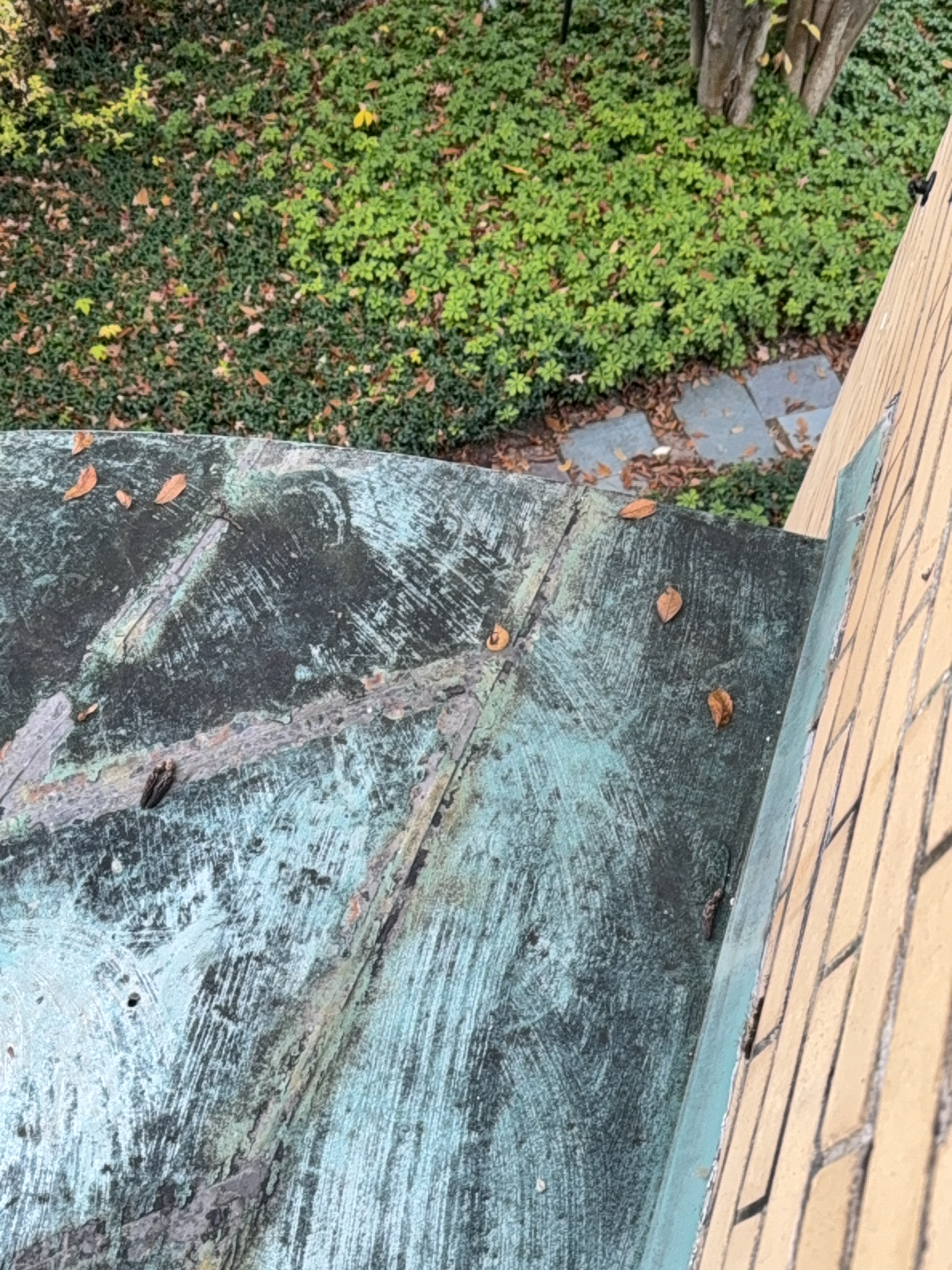
- The tin roof over the garage has a lot of seams that need resealing
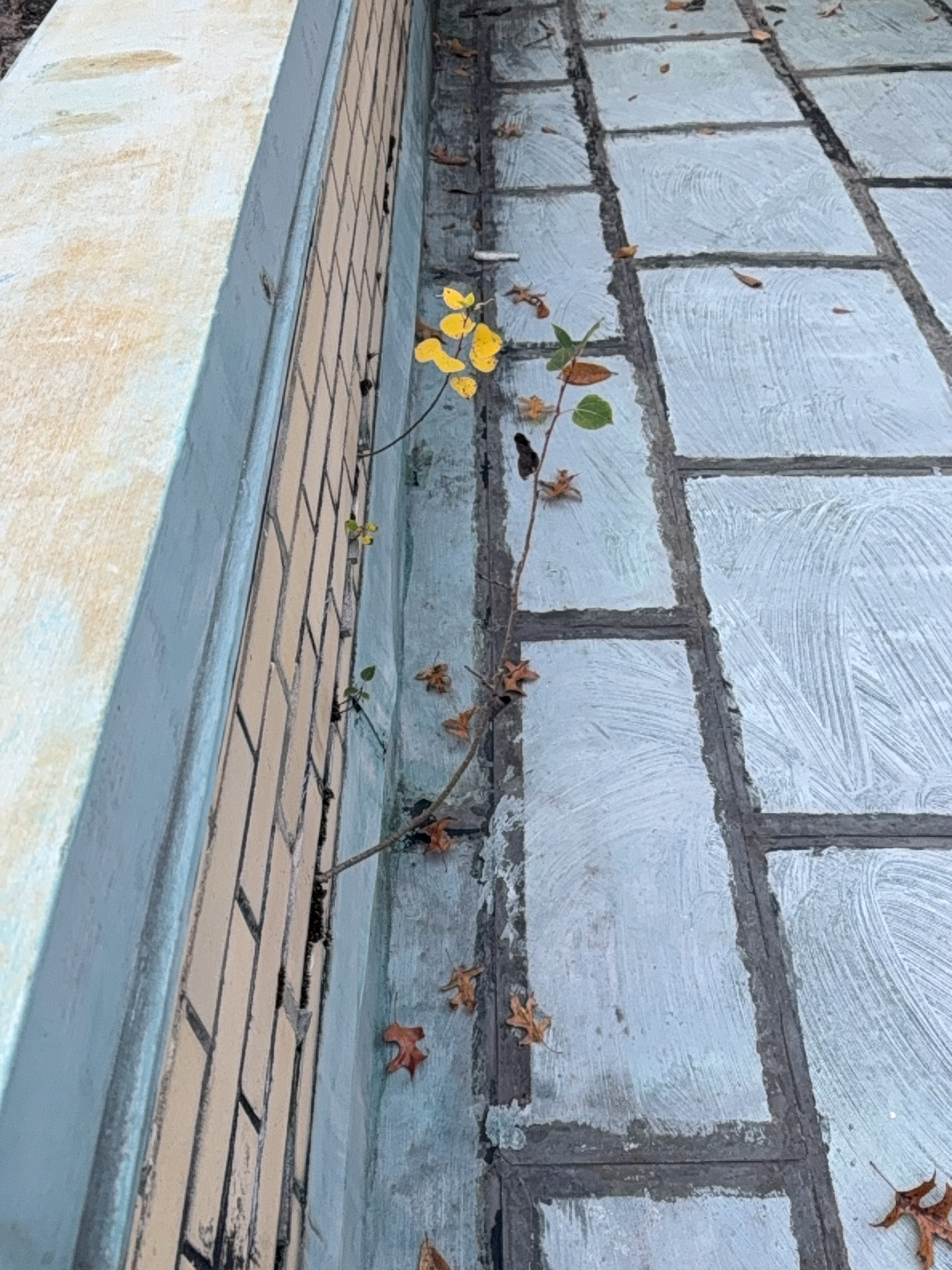
- The drainage channel at the perimeter of the garage tin roof is not adequate and does not appear to remove water to the ground
The combined deficiencies indicate a roof system that is beyond its service life and may be contributing to moisture infiltration or interior damage.
RECOMMENDATION: As part of a comprehensive roofing rehabilitation or replacement project, have a qualified roofing contractor:
- Test any suspect coating for asbestos prior to disturbance,
- Evaluate and correct roof slope and drainage as needed,
- Replace deteriorated roofing materials and repair damaged areas, and
- Reseal counterflashing to ensure full weather protection.
The underlying roof substrates and counterflashing reglets should also be inspected for moisture damage or deterioration during the roofing work and replaced as needed to restore full system performance.
🧱 - RCG-3 🧱Roof, Chimney and Gutters - Roofing:
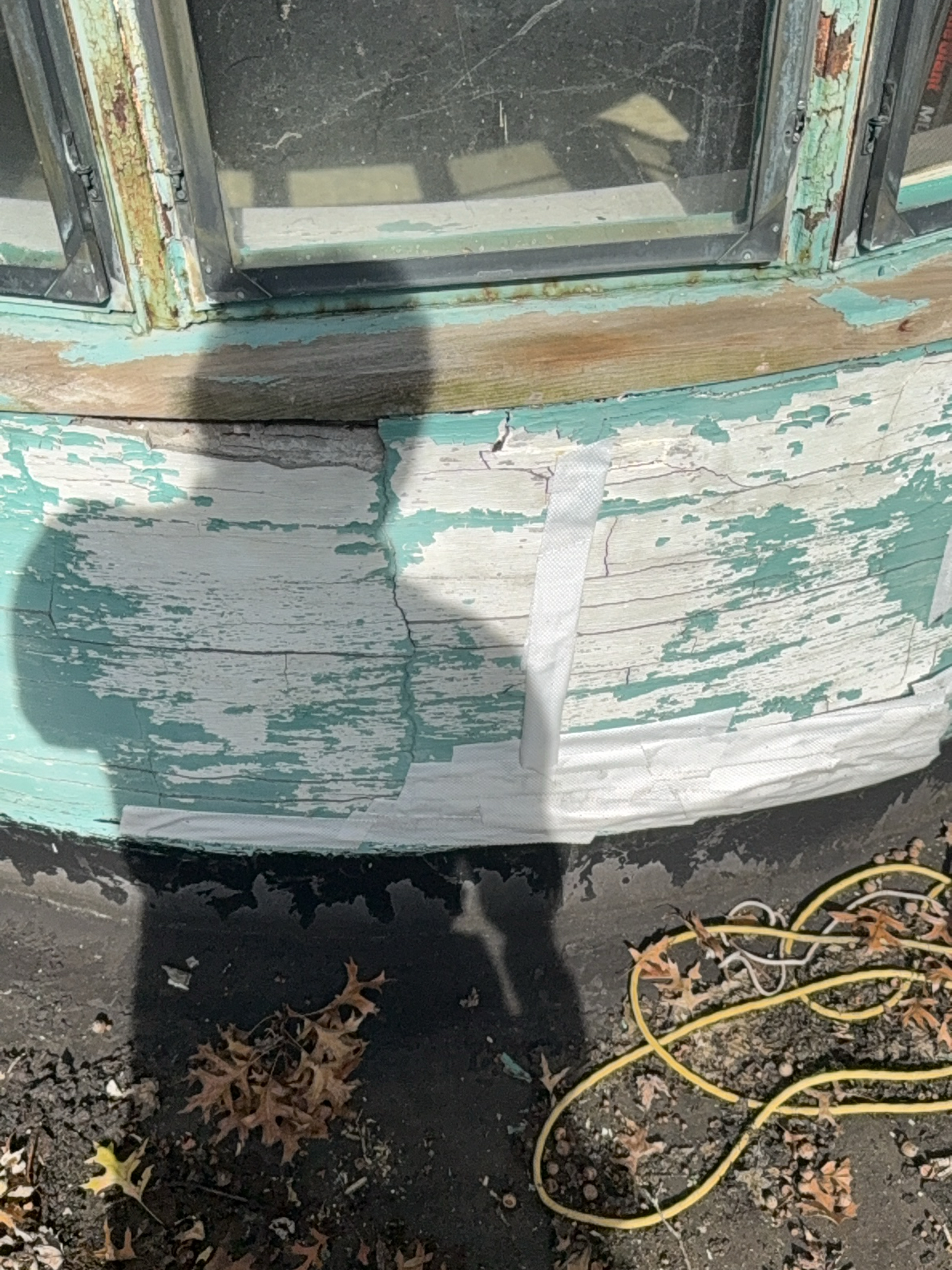
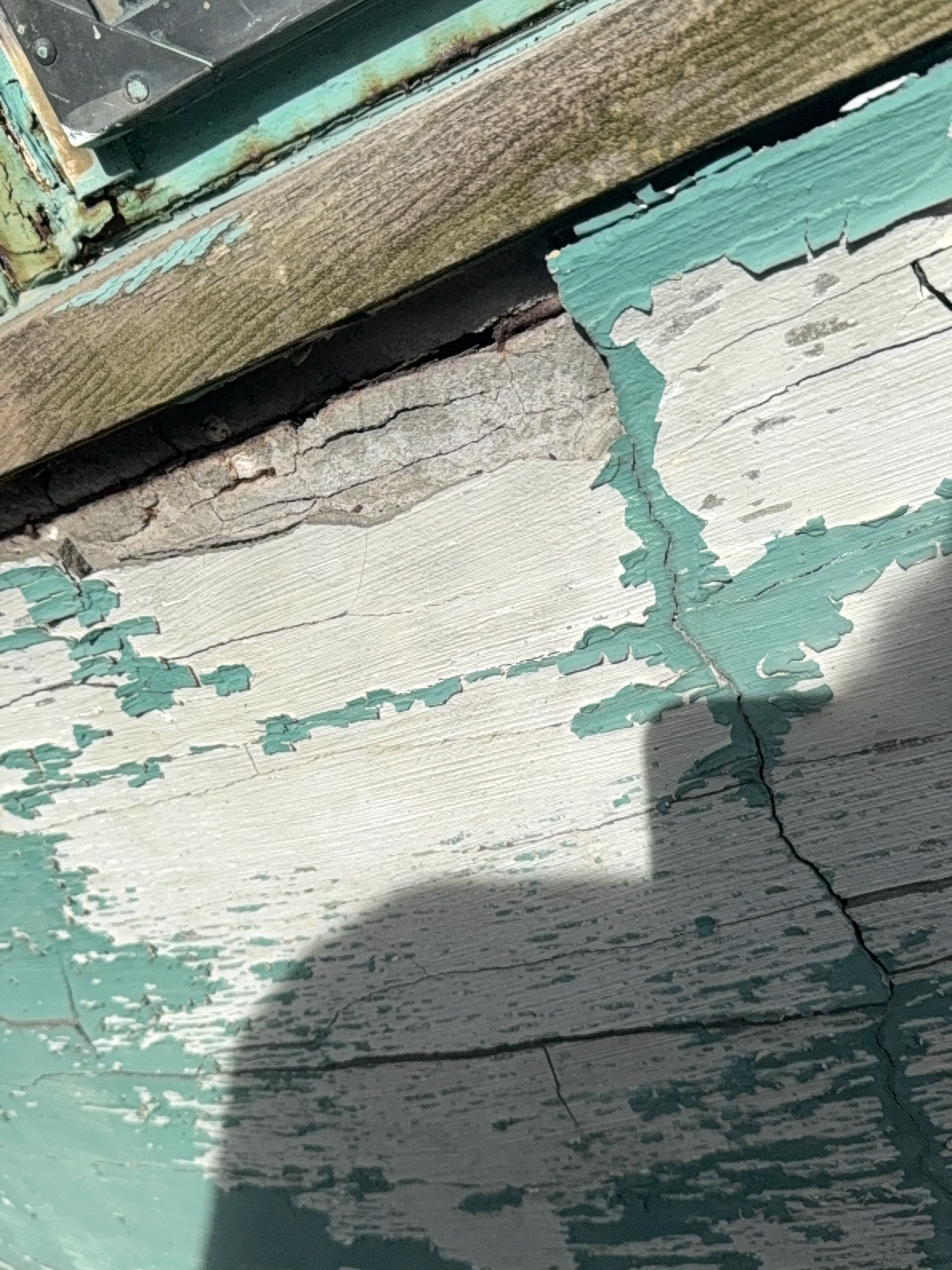
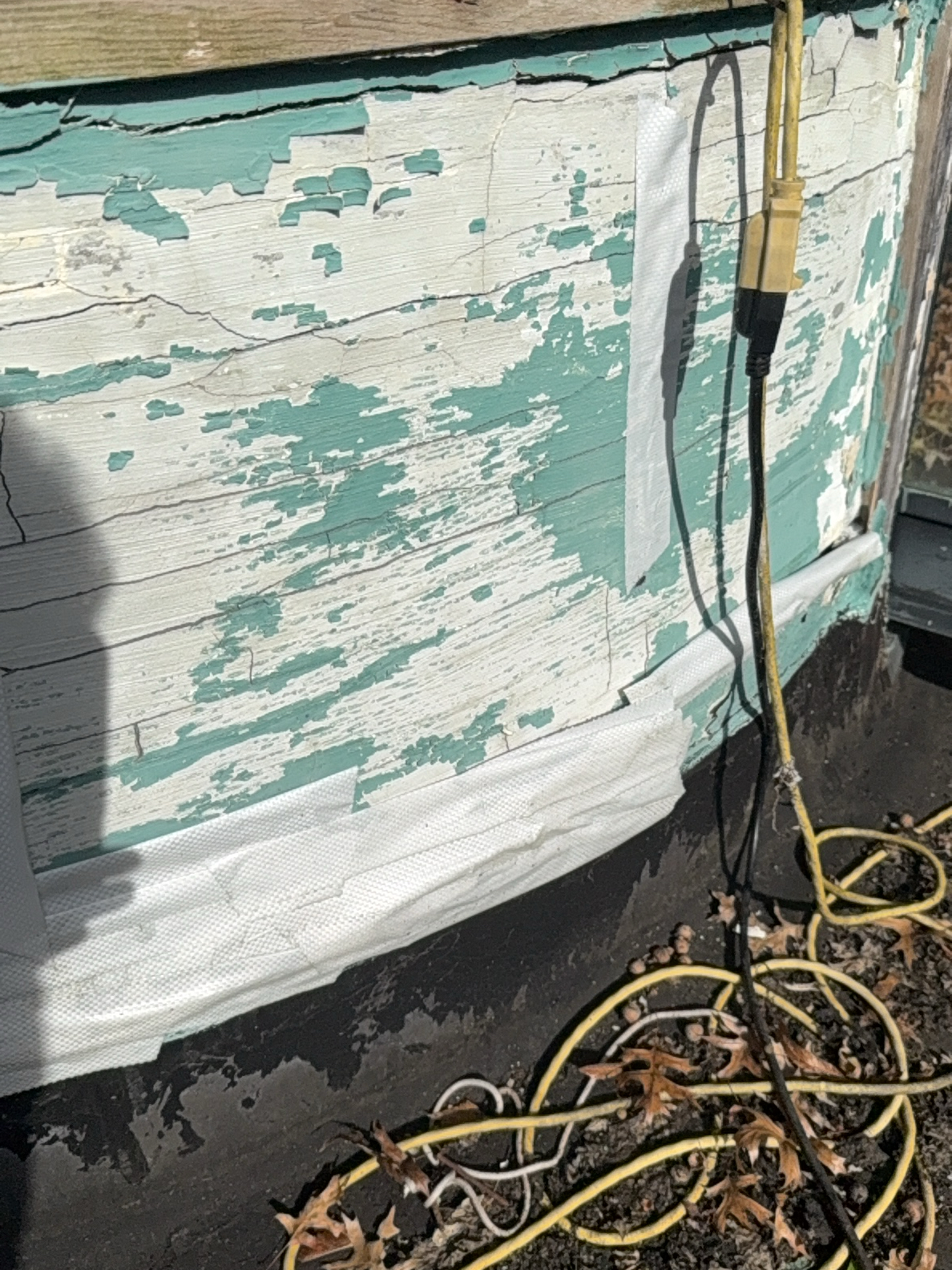
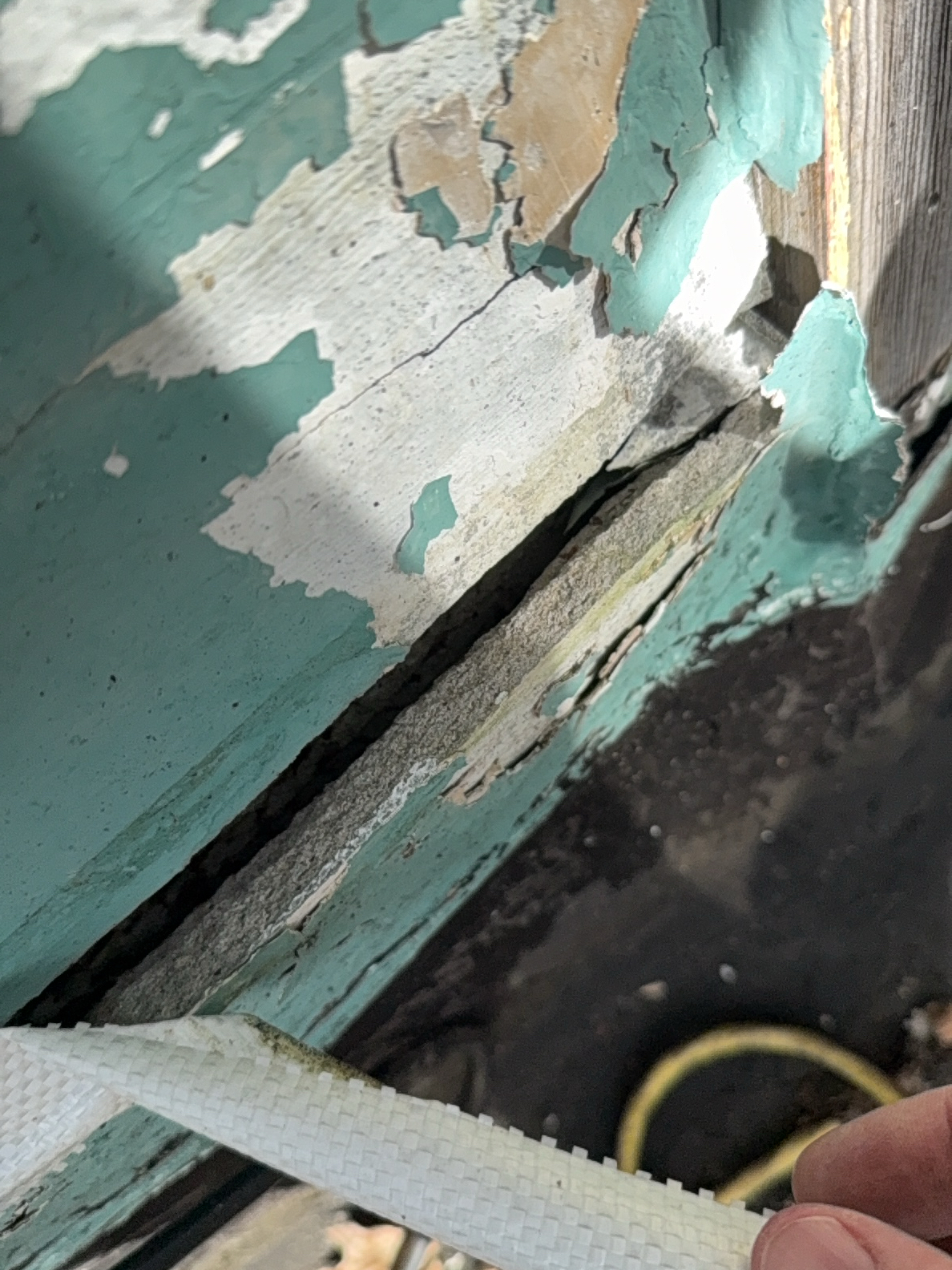
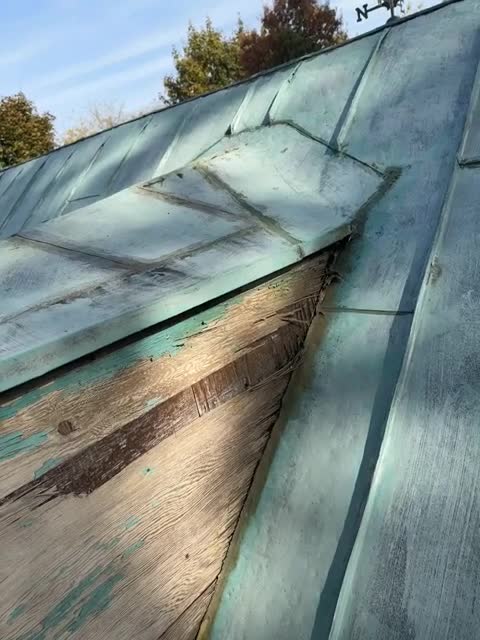
The bottom section of the second-floor bay window was observed to be deteriorated, with open gaps and exposed areas allowing direct exposure to the elements. These openings create a potential pathway for water intrusion, which can lead to further deterioration of adjacent materials. Due to the concealed nature of the assembly, there may also be underlying framing or structural damage that could not be visually confirmed during the inspection.
RECOMMENDATION: As part of the roofing replacement or repair project in this area, have a qualified contractor remove and replace the deteriorated bay window components using modern, durable, and weather-resistant materials. The underlying framing should be inspected and repaired or replaced as needed before reinstalling finishes to ensure a watertight and structurally sound assembly.
🧱 - RCG-7 🧱Roof, Chimney and Gutters - Dormers/ Parapets:
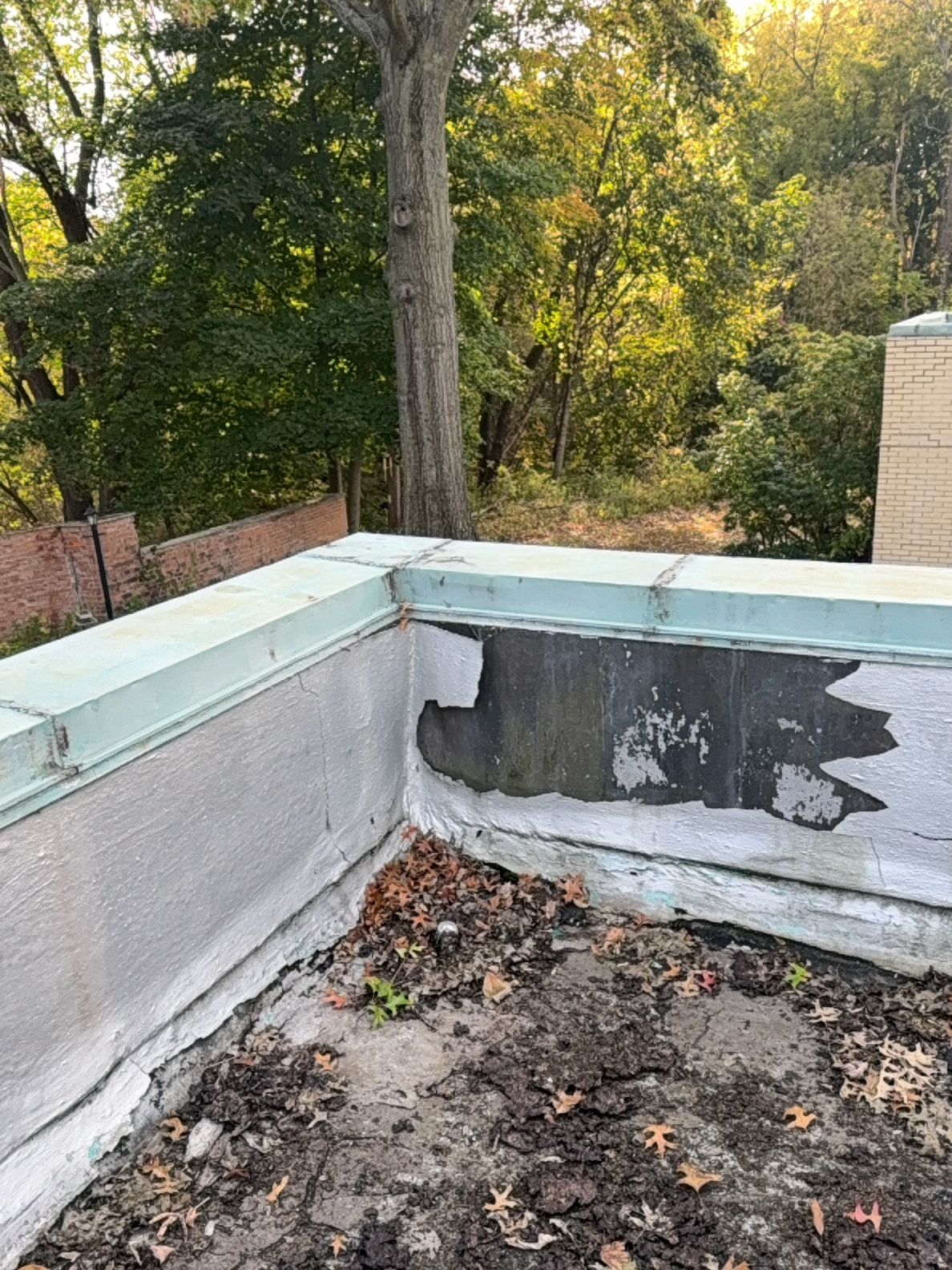
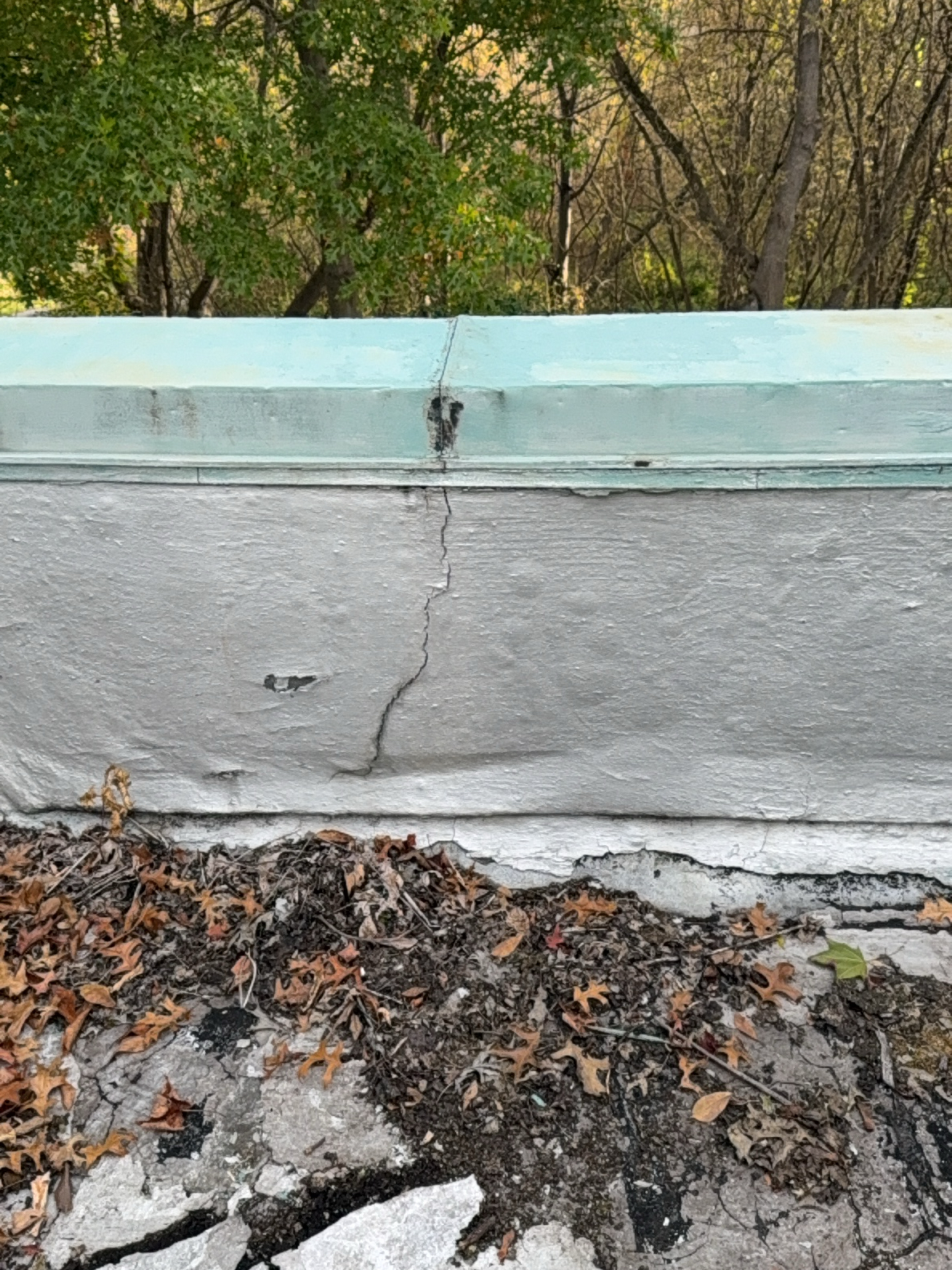
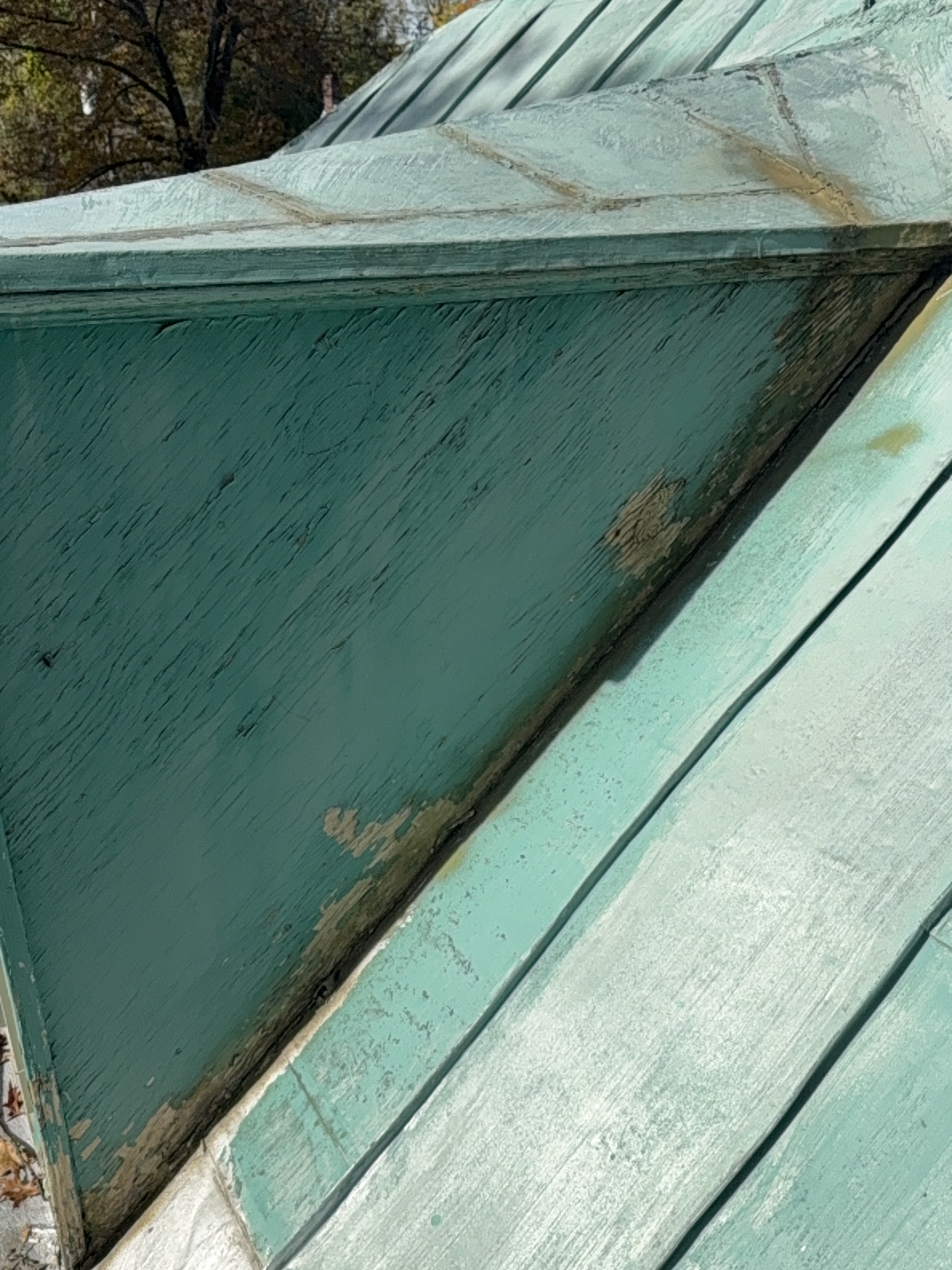
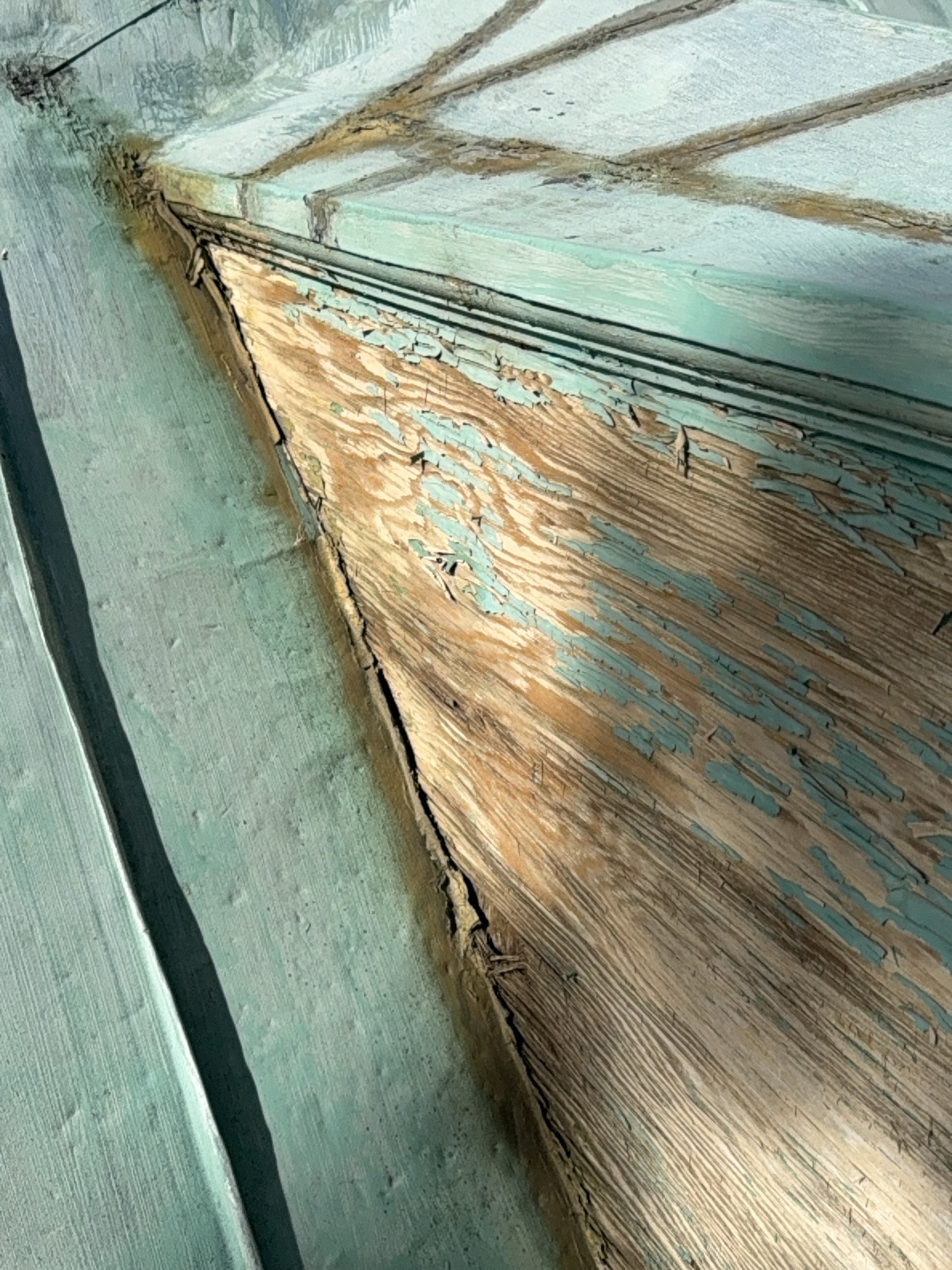
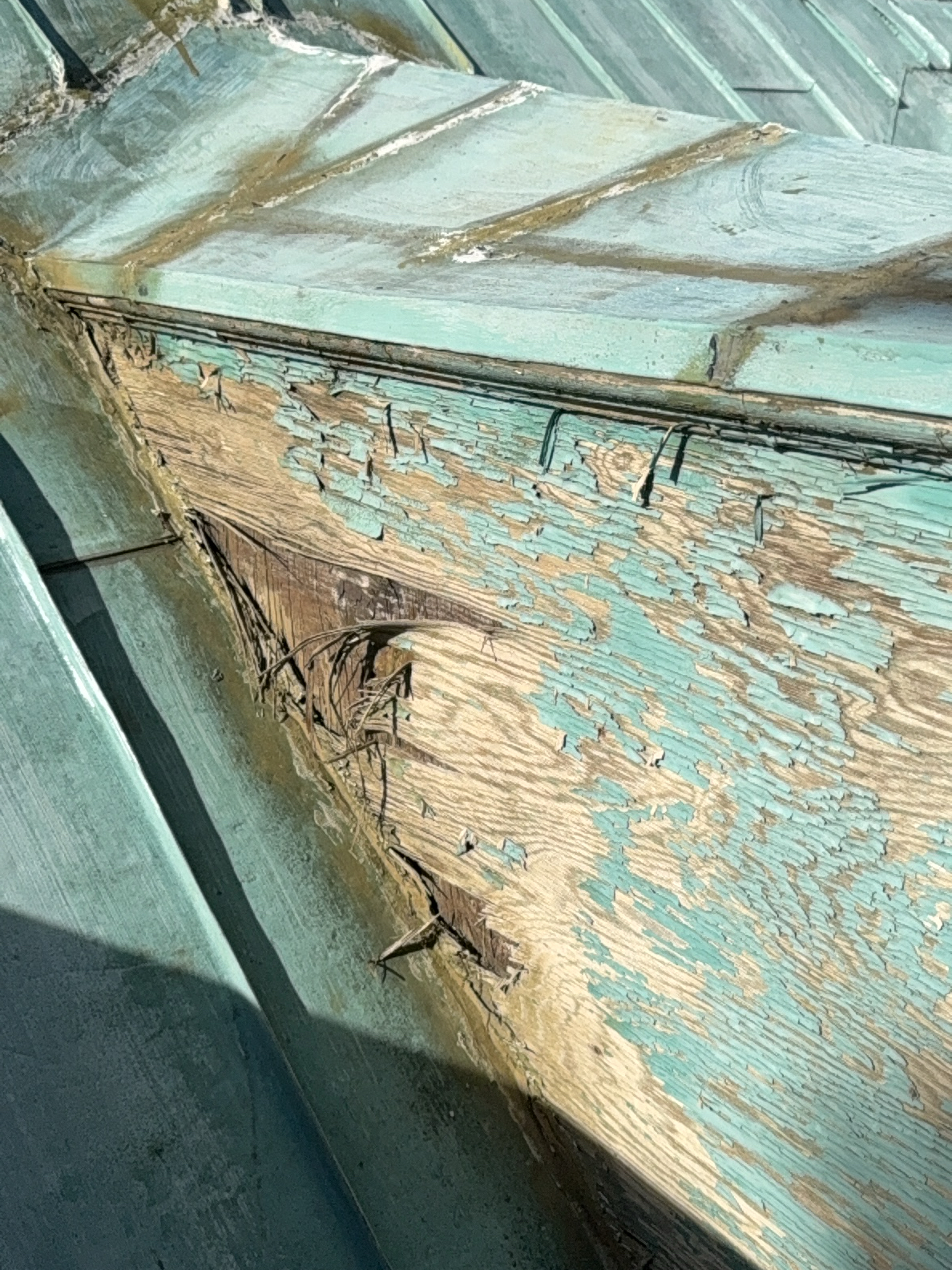
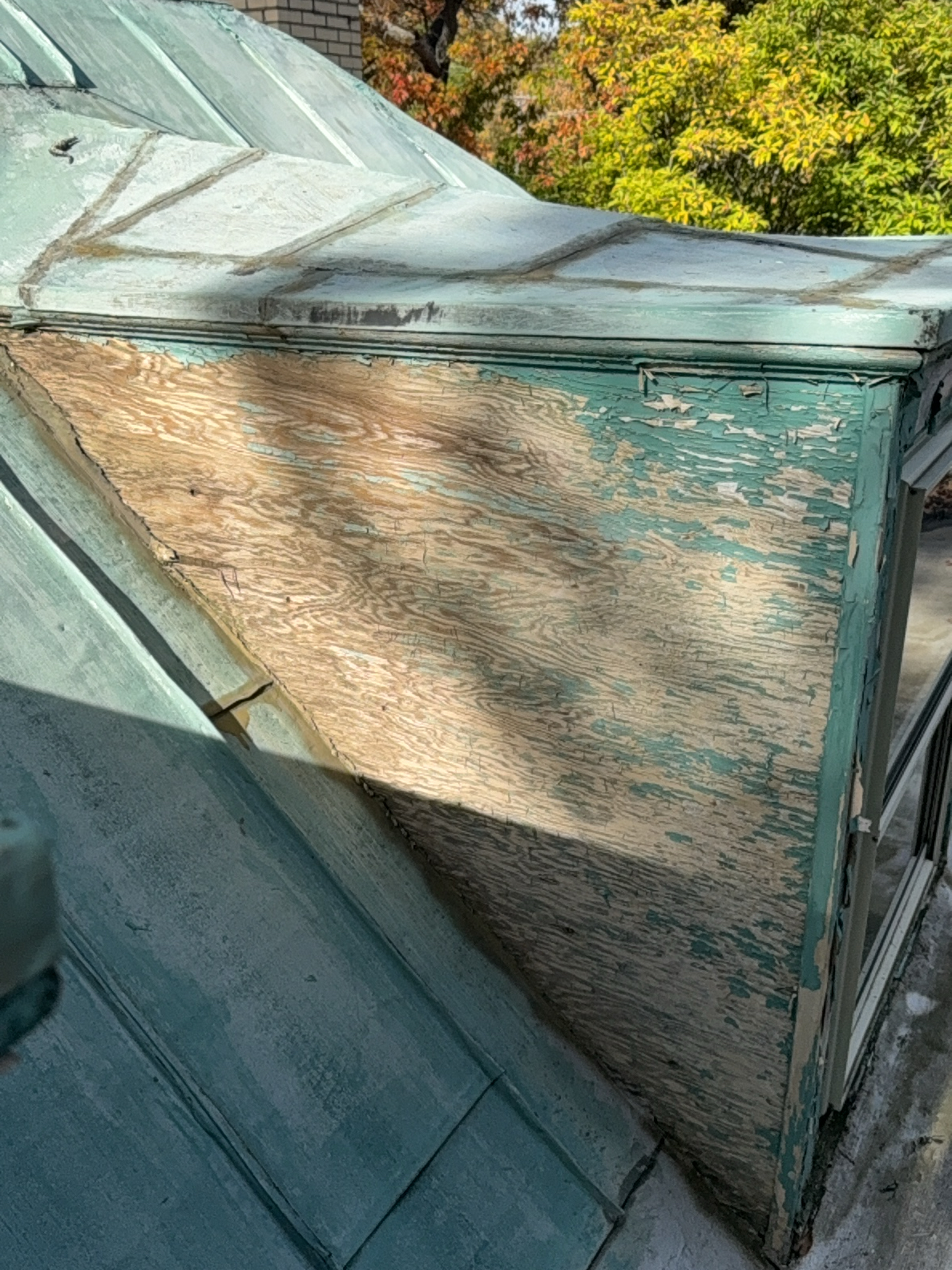
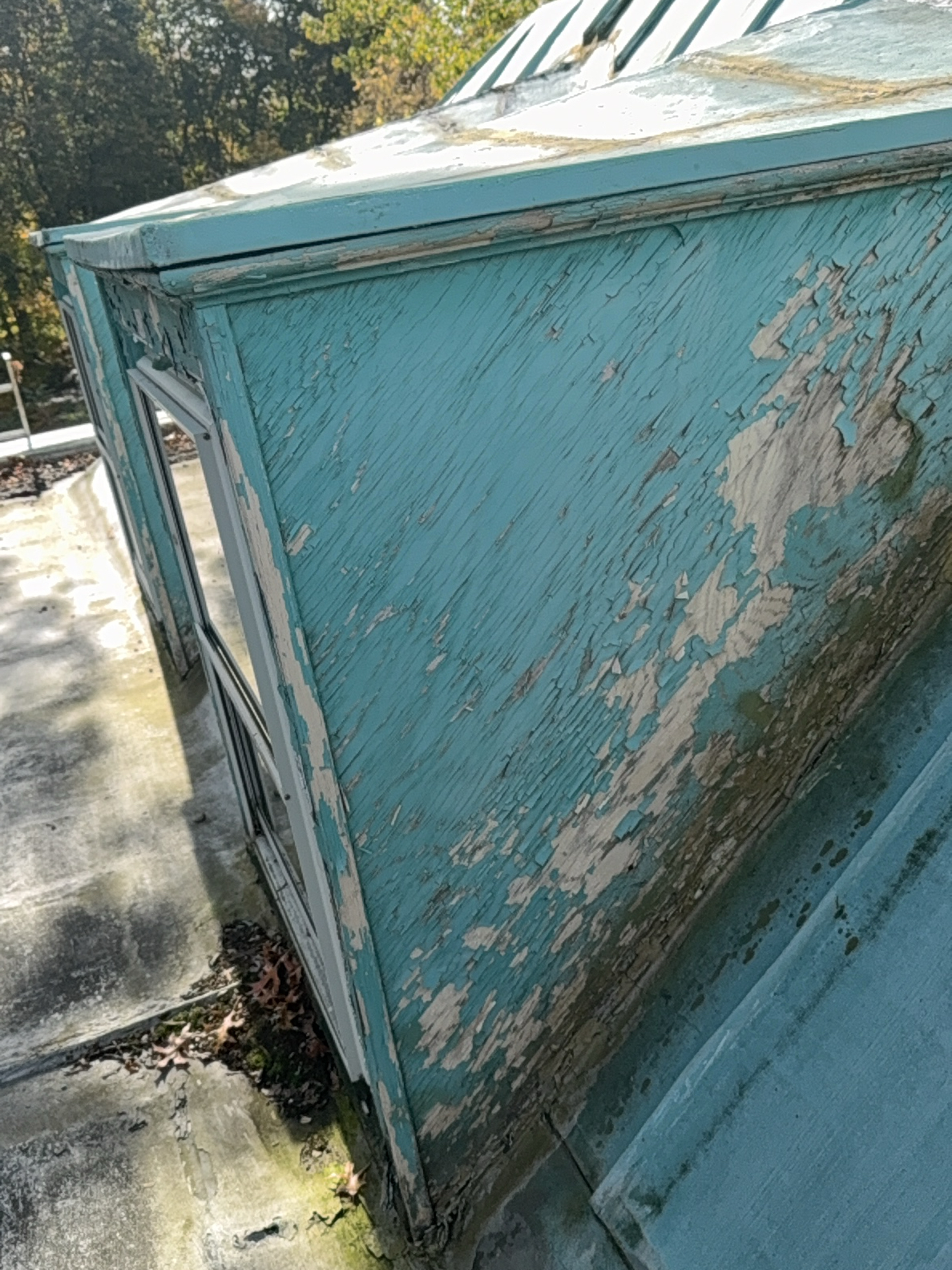
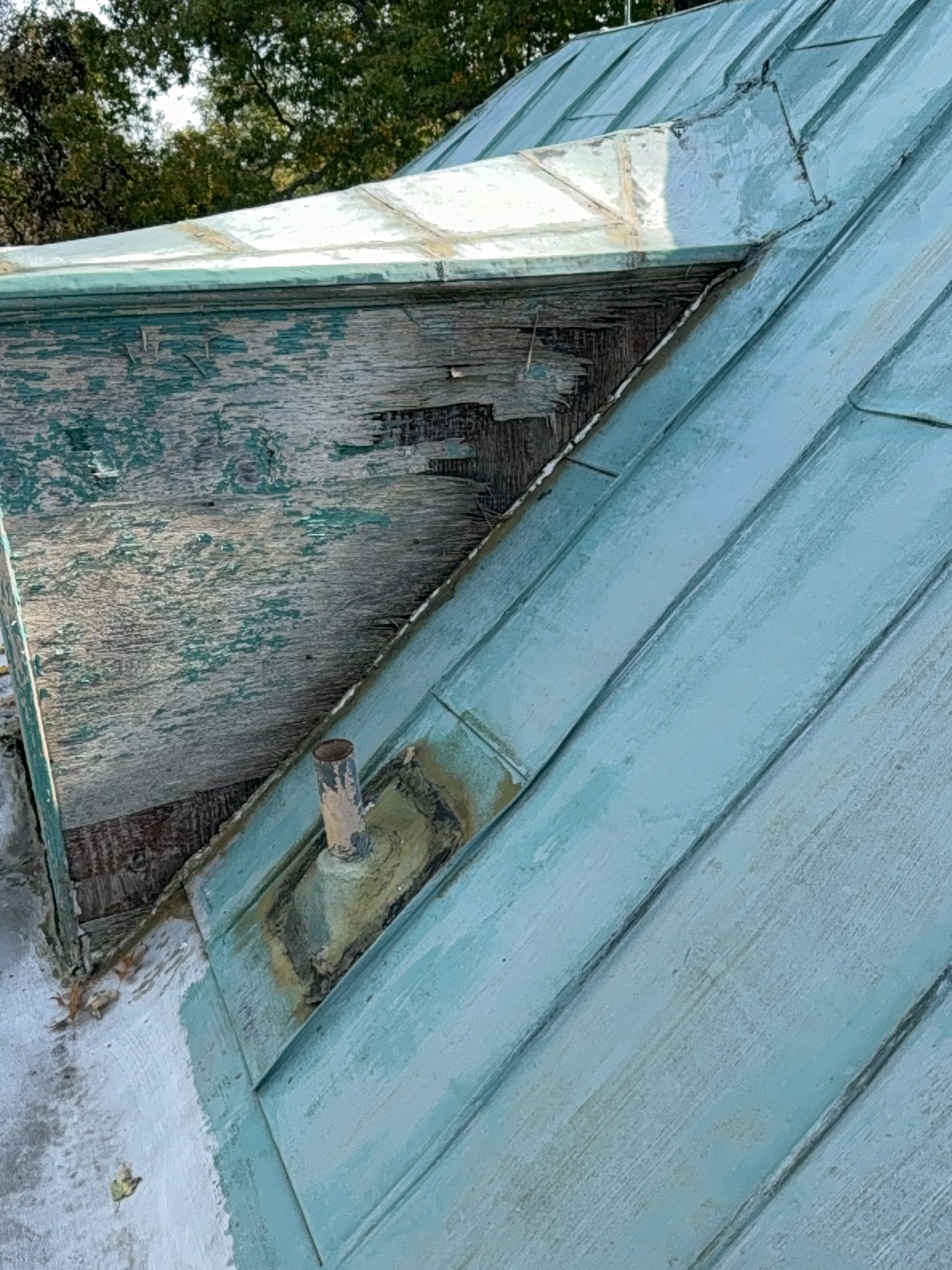
Several deficiencies were noted at the dormers and parapets around the building, including:
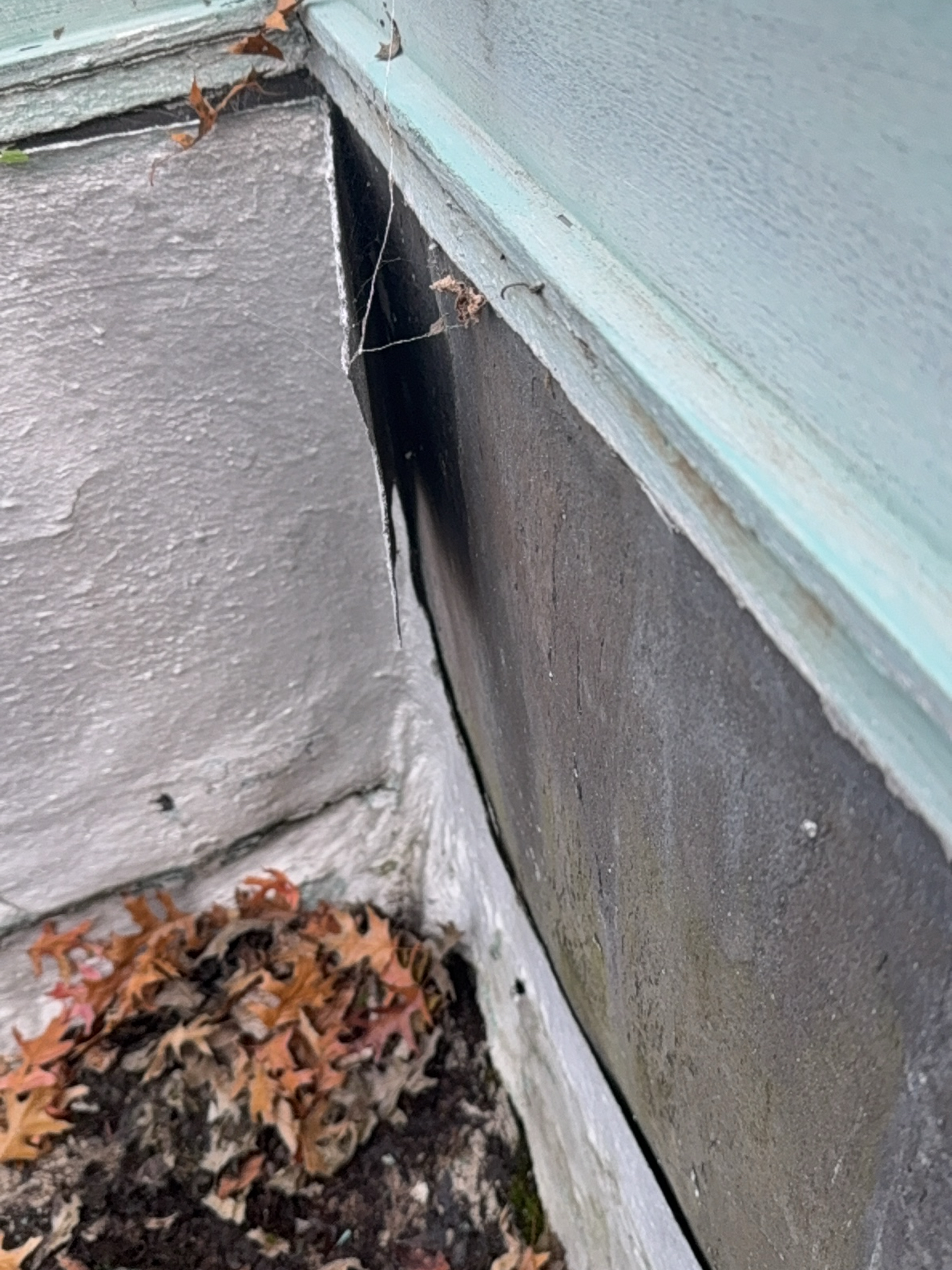
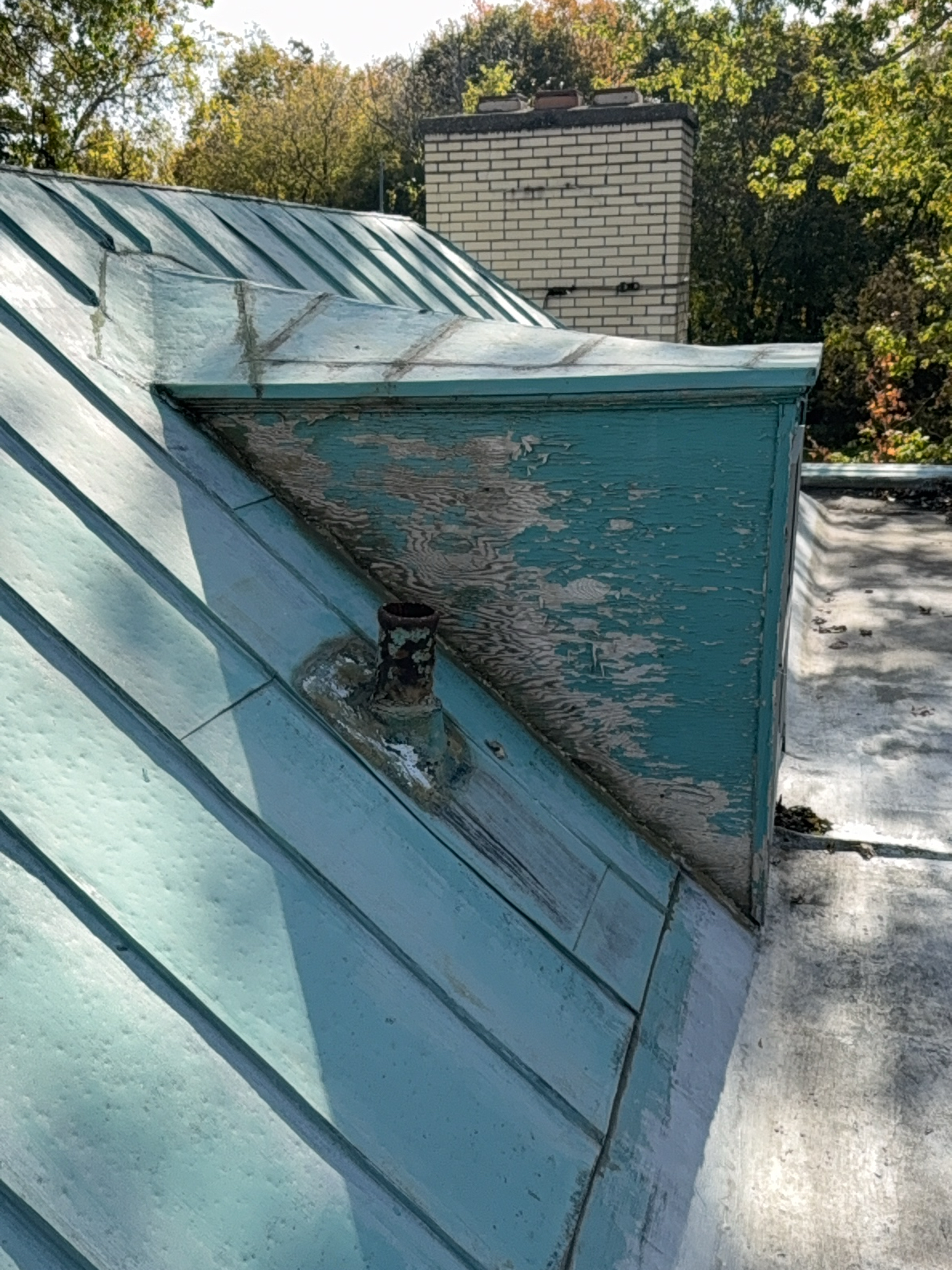
- Missing counterflashing along the sidewalls of the dormers
- Inappropriate siding material installed on the dormers (painted plywood, not intended for long-term exterior exposure)
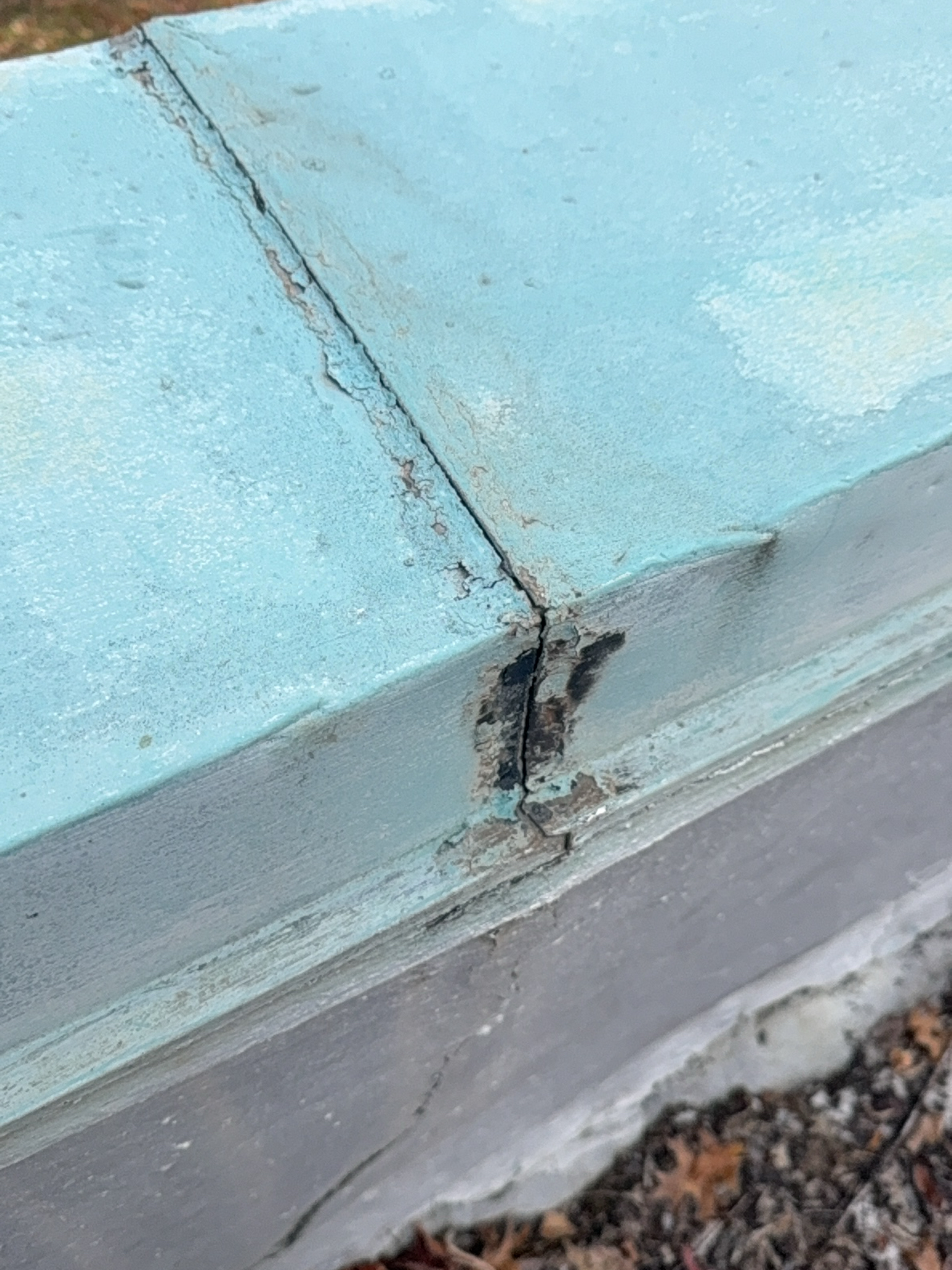
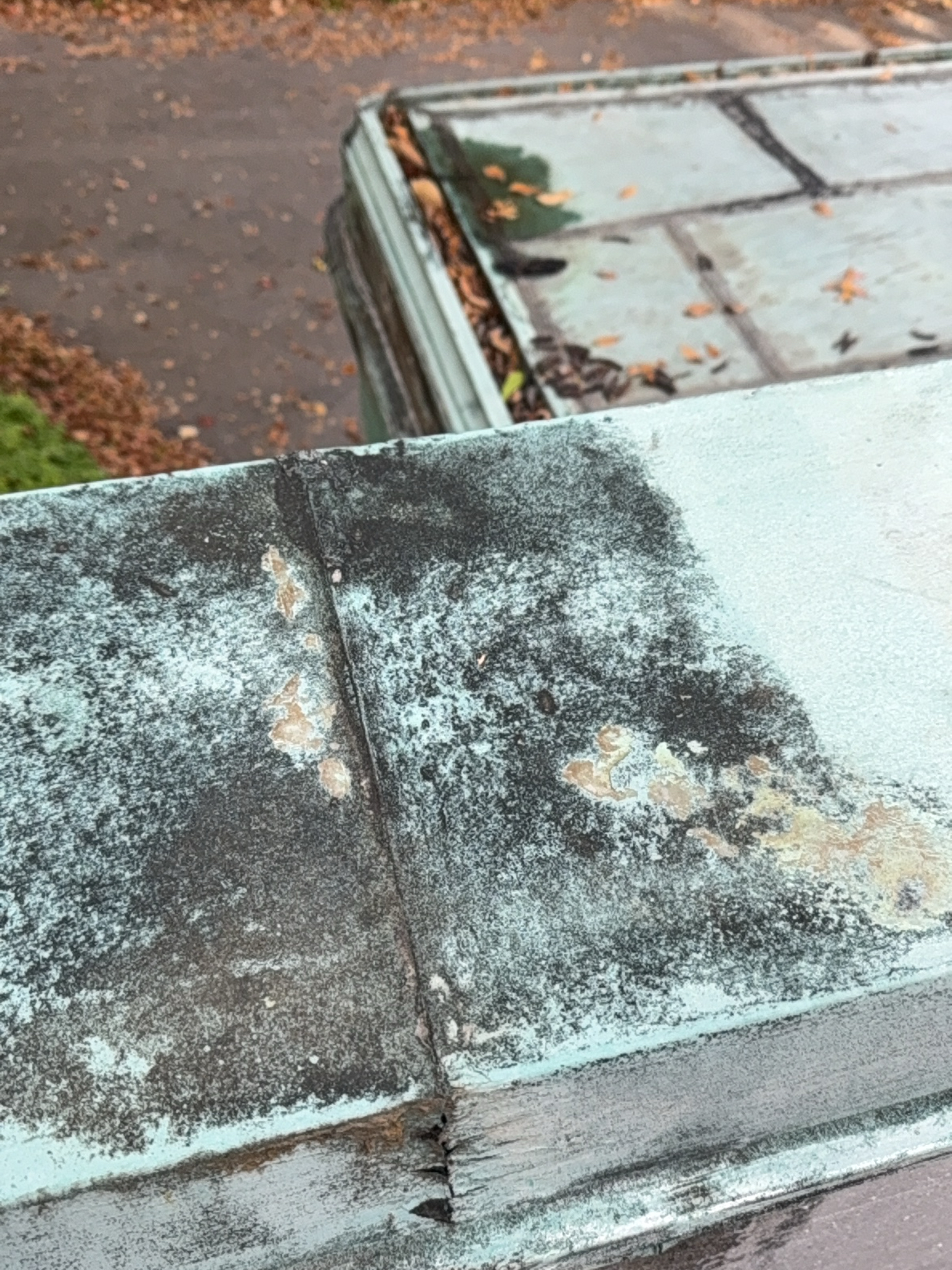
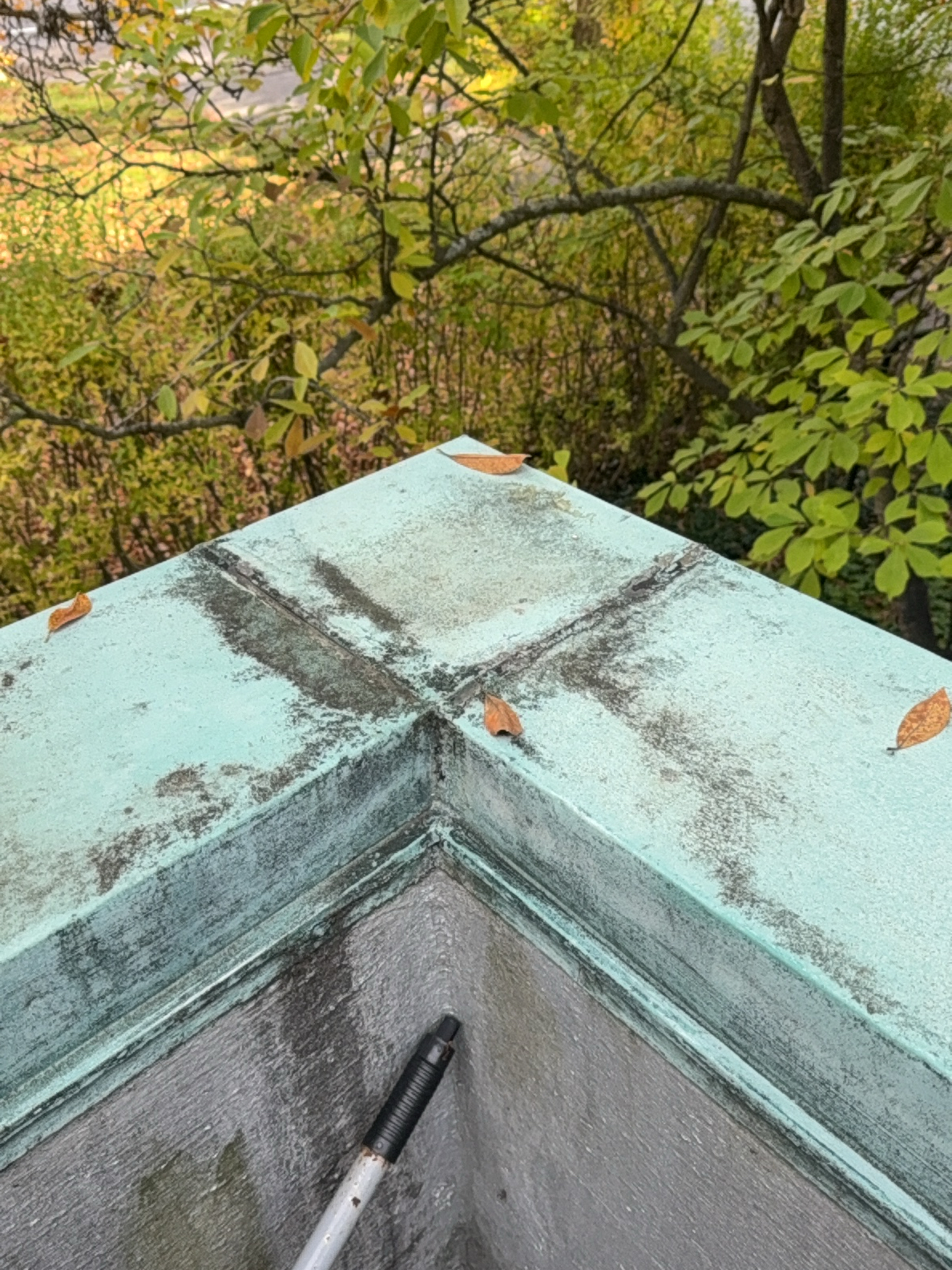
- Unsealed or deteriorated coping joints requiring resealing
- Damaged parapet finishes with visible deterioration
These combined conditions likely allow water intrusion at roof-to-wall and parapet connections, which is contributing to the interior finish damage observed elsewhere in the home (see related sections of this report).
RECOMMENDATION: Have a qualified roofing or exterior envelope contractor evaluate the dormers and parapets to install proper counterflashing, replace inappropriate siding materials, reseal coping joints, and repair or refinish damaged parapet areas. Addressing these conditions will help prevent further water intrusion and interior damage. This work should be done as part of a larger roof replacement effort.
🧱






Moderate Repairs
- RCG-5 🧱Roof, Chimney and Gutters - Gutters, Downspouts, Roof Drains, and Drip Edges:
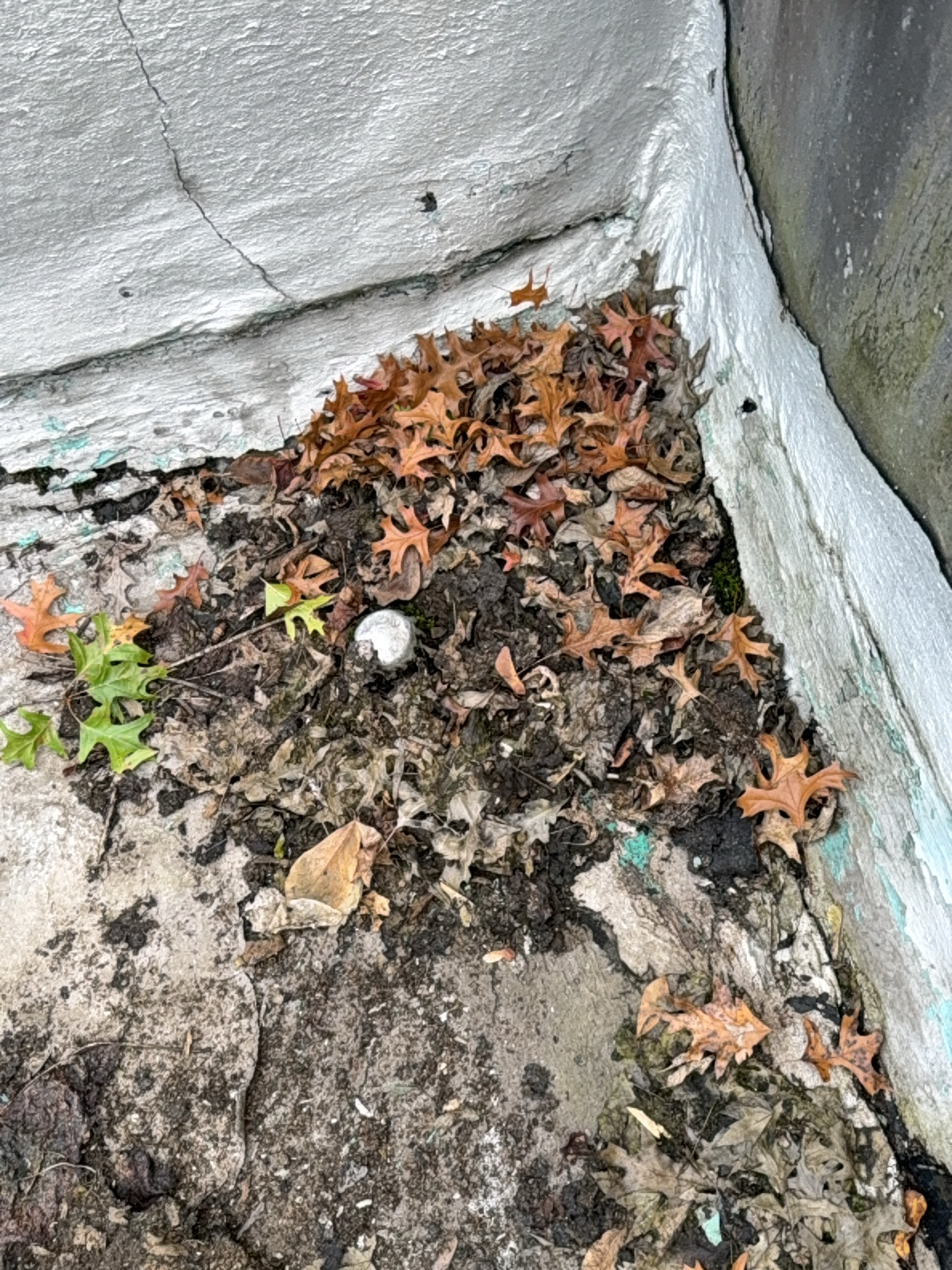
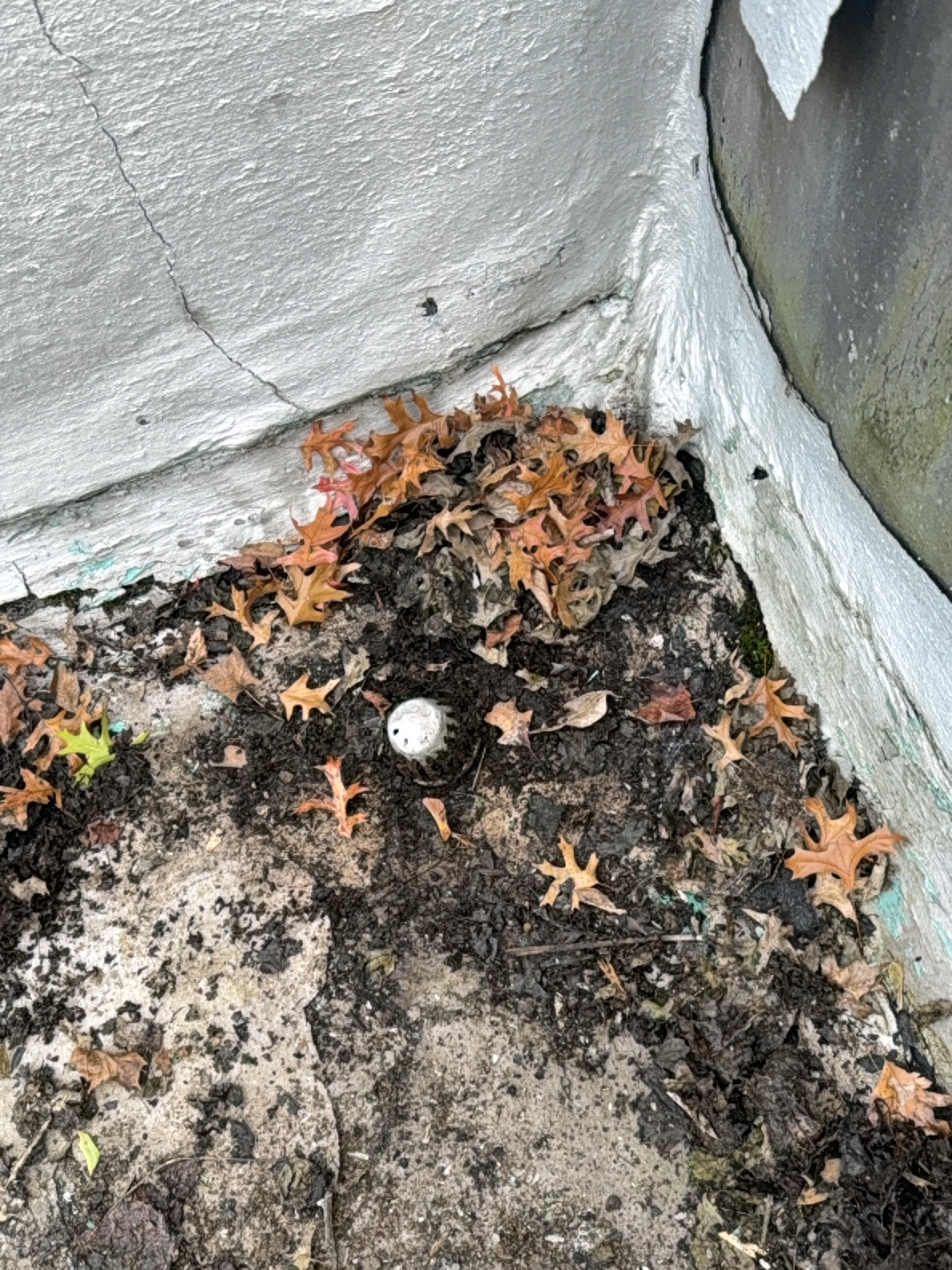
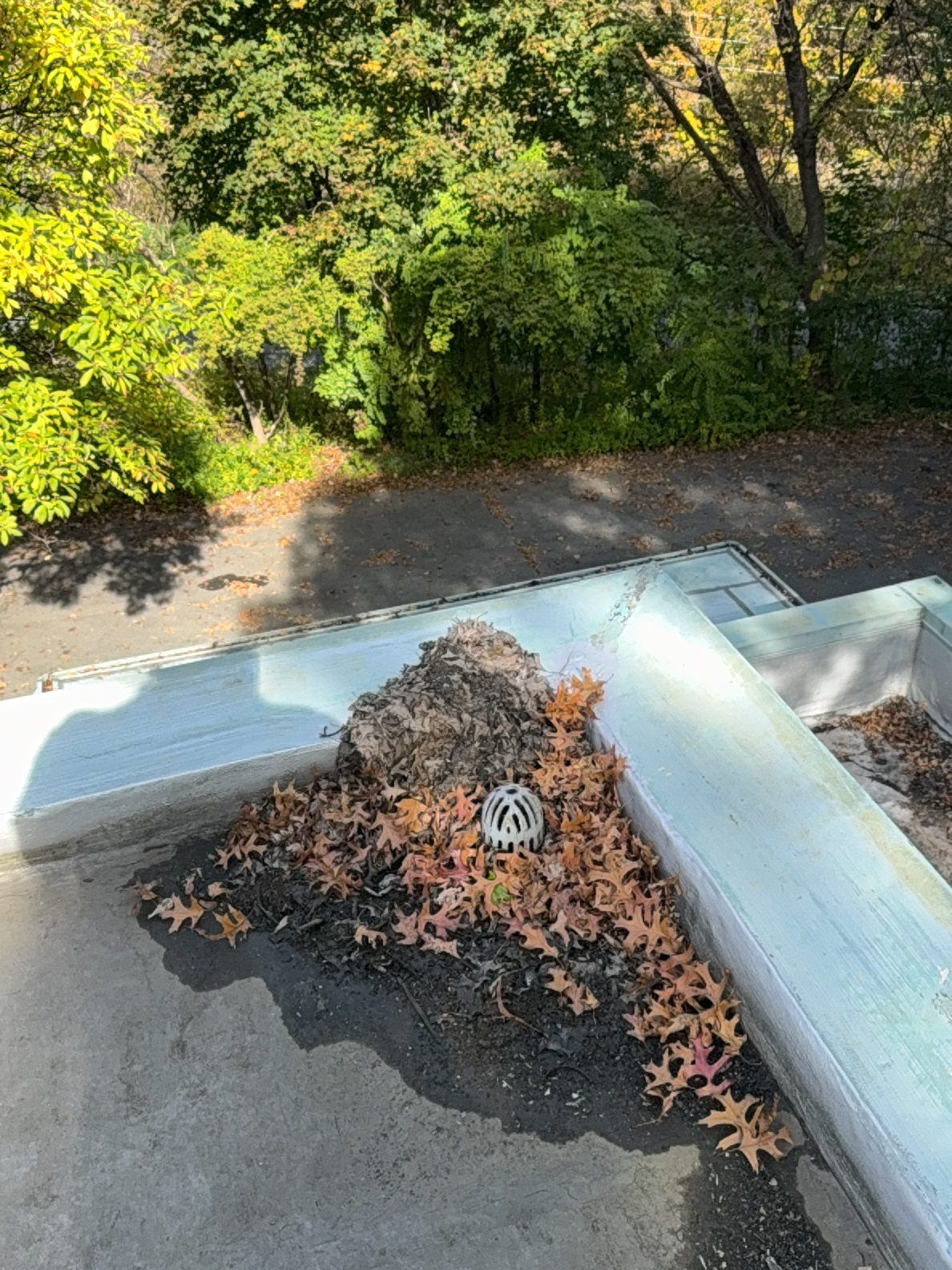
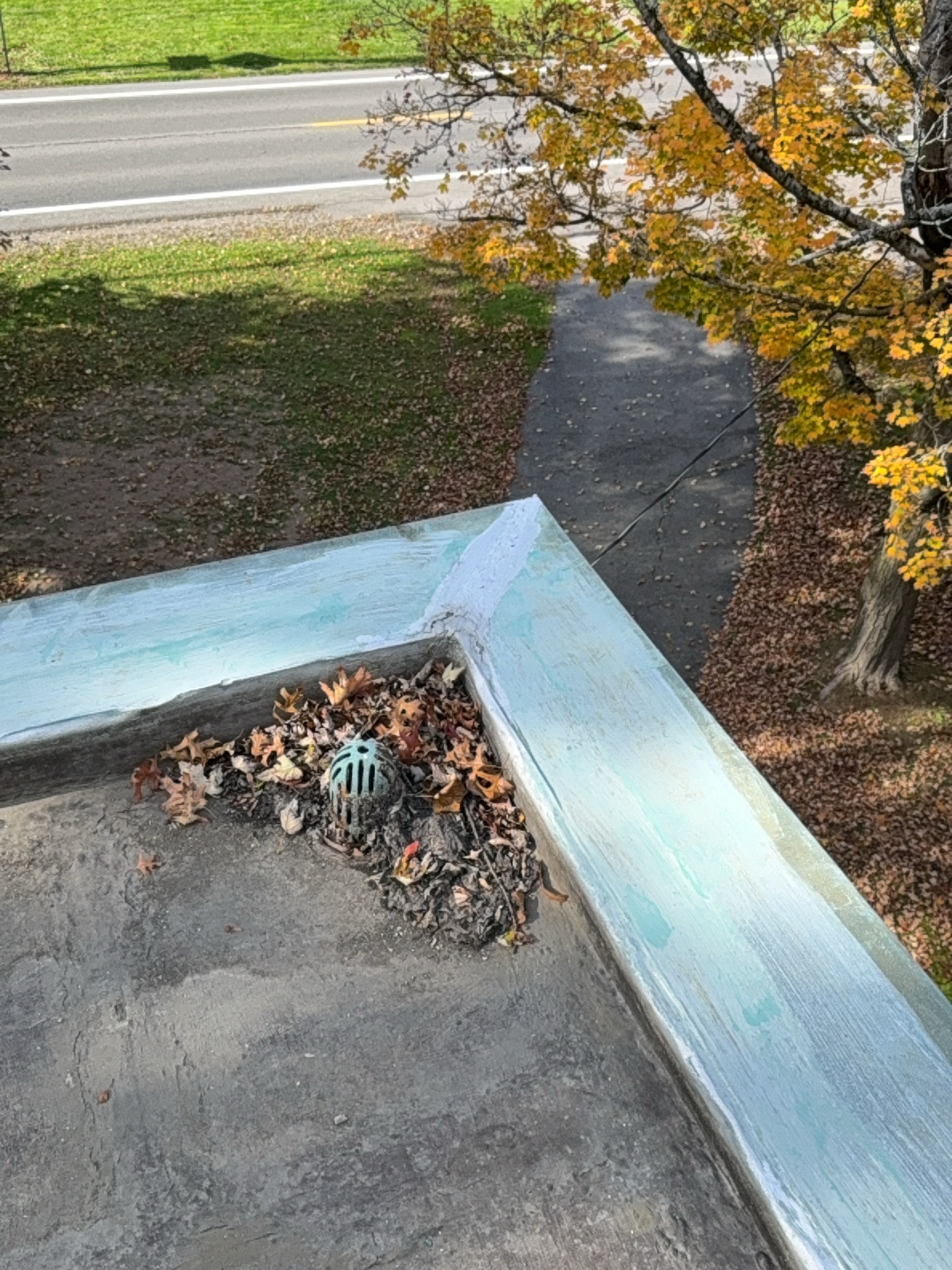
The areas surrounding the roof drains were observed to be filled with leaves and debris, which can restrict positive water flow and impede proper roof drainage. In addition, the drain strainers were found to be loose and unsecured, making them susceptible to dislodging and allowing debris to enter the drain body, potentially causing blockages and water ponding on the roof surface.
Obstructed or poorly secured drains increase the risk of standing water, which can accelerate roof membrane deterioration and contribute to leaks or structural loading.
RECOMMENDATION: As part of a comprehensive roofing replacement effort, have a qualified roofing contractor:
- Clean and clear all debris from the roof drains and surrounding areas,
- Replace the existing roof drain bodies with properly fitted and secured units, and
- Install a secondary spillout wall scupper to provide emergency overflow drainage in the event of a blockage or backup.
- Have the roof drains scoped for any internal damage or debris build-up
These improvements will help ensure reliable roof drainage and reduce the risk of water-related damage to the roofing system.
🧱 - RCG-6 🧱Roof, Chimney and Gutters - Plumbing Vents:
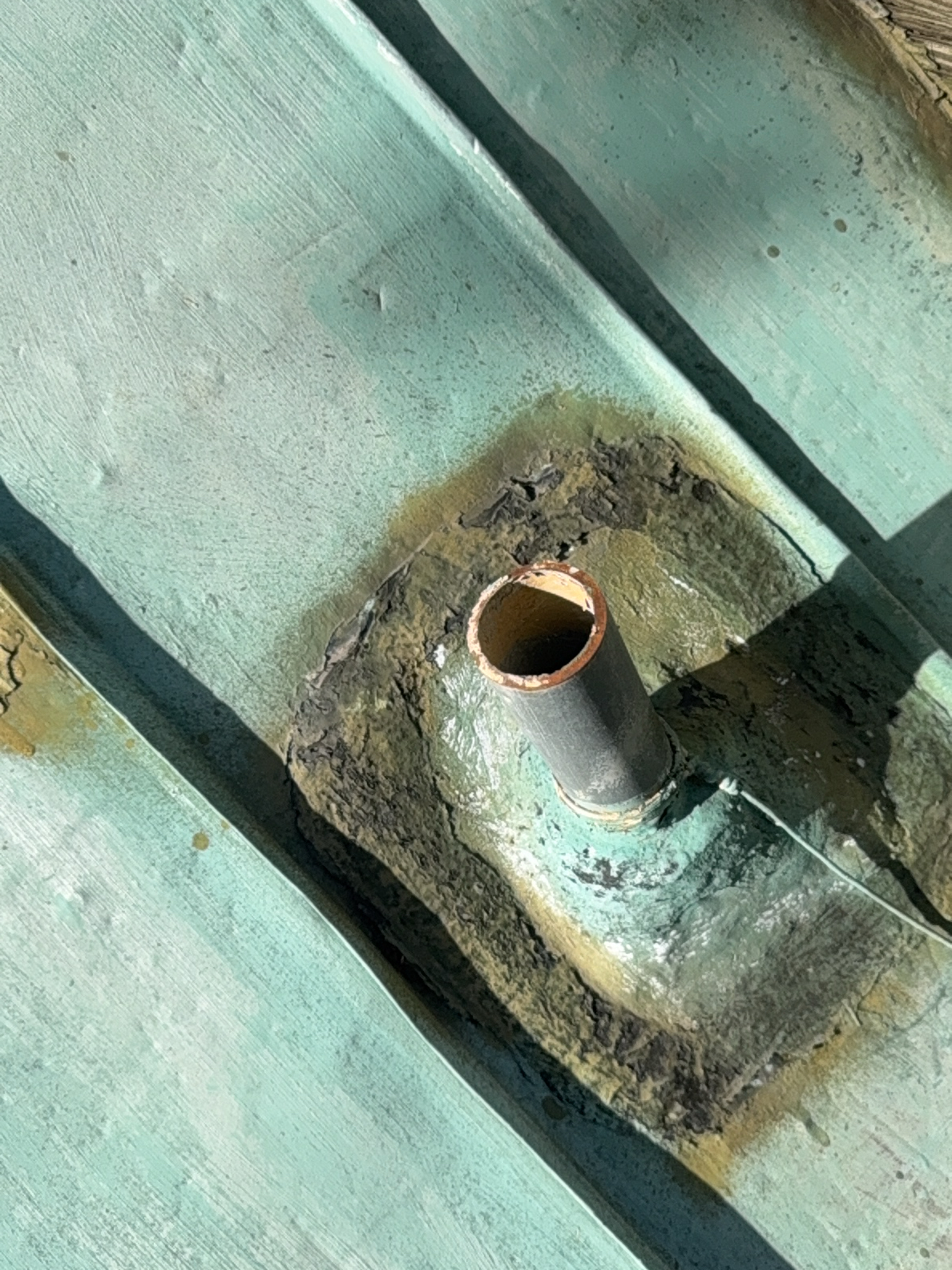
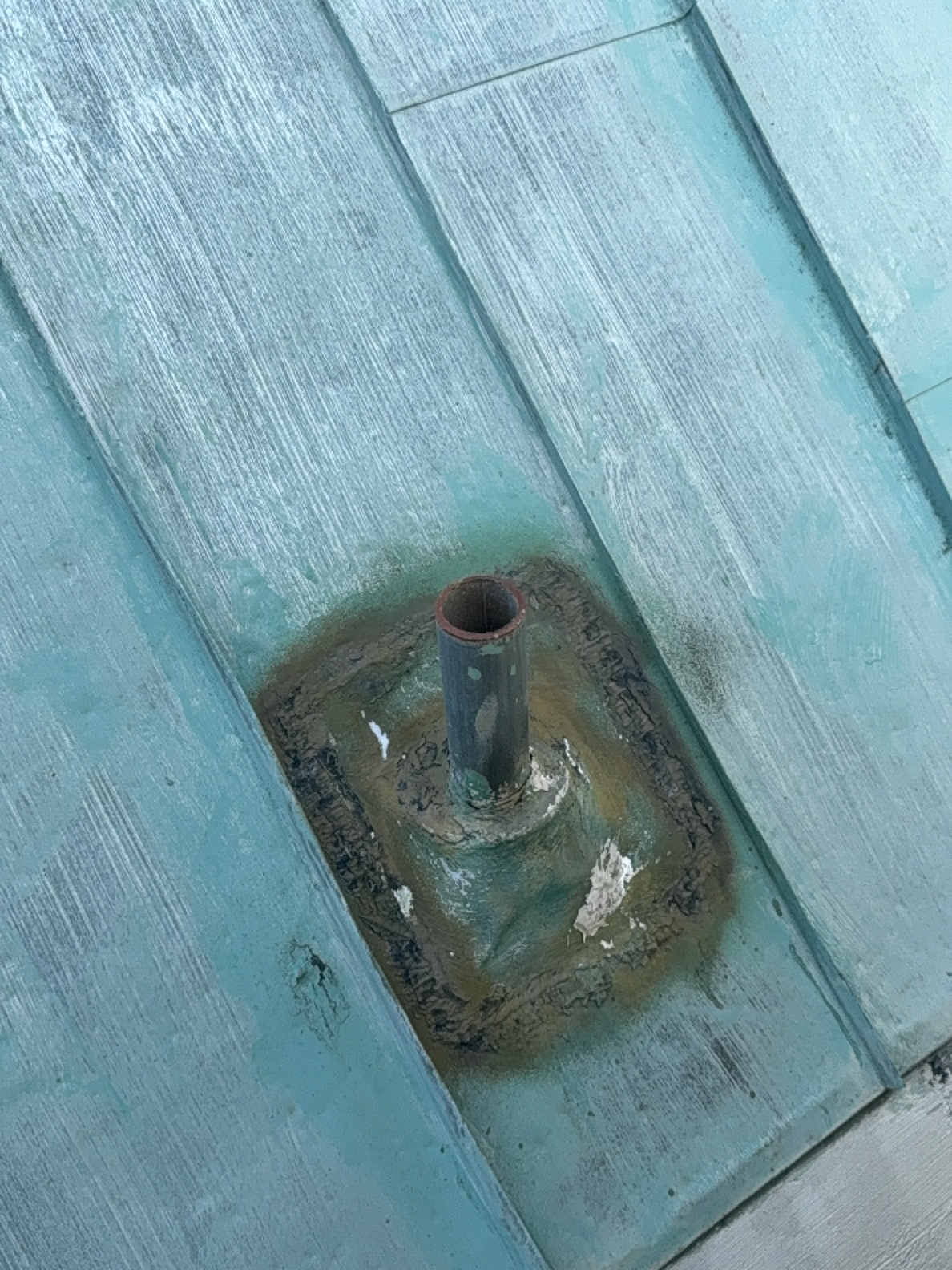
The flashing around the plumbing vent penetrations was observed to be flaking, deteriorated, and in need of maintenance or replacement. In addition, the plumbing vent stacks were noted to be too short, with their terminations located less than 12 inches above the finished roof surface, which does not meet current standards for proper clearance.
Insufficient vent height can allow snow, debris, or roof runoff to obstruct the vent openings, reducing the plumbing system’s ability to vent properly and potentially causing slow drainage or trap siphoning inside the home.
RECOMMENDATION: Have a qualified roofing or plumbing contractor replace the deteriorated flashing and extend the vent pipes to meet the current standard of at least 12 inches above the finished roof surface, ensuring proper sealing and long-term weather resistance.
🚽🚿🚰🧱

JBC Home Inspections, LLC
315-720-5014
www.jbchomesinspections.com
jason@jbchomeinspections.com
New York State Inspector License No. 16000158429