Michael Patton, KY State License #KY 103711 (HI-2005) Issued 10/1/2006 Expires 11/30/2026
Ohio Home Inspections are performed in accordance with the Standards of Practice for Ohio Licensed Home Inspectors. The Ohio SOPs are taken from the ASHI SOPs and may be referenced at times in the report as ASHI SOPs. Ohio inspection reports are prepared in accordance with Chapter 4764. of the Revised Code and rules adopted thereunder. Kentucky & Indiana Home Inspections are performed in accordance with The American Society of Home Inspectors, Inc.® Standard of Practice. Inspector(s) meets all licensing requirements for the states of Kentucky, Ohio, and Indiana. Inspections performed under these SOPs are intended to provide the client with information about the condition of inspected systems and components at the time of the home inspection. Additionally, inspections performed under the SOPs are not technically exhaustive and are not required to identify or report the following: concealed conditions; latent defects; consequential damages; and cosmetic imperfections that do not significantly affect a component’s performance or its intended function.
This Home Inspection is not a technically exhaustive inspection of the building and associated systems and components.
Unless contracted in writing, no environmental inspections or identifications of environmental concerns are part of the Home Inspection. If the client has concerns for any reason(s), they should contract with a qualified environmental contractor to assess the condition(s) present. A Home Inspection is the process by which an inspector visually examines the readily accessible systems and components of a home and describes those systems and components using the ASHI® SOPs. Inspections are not technically exhaustive and are not required to identify or to report: concealed conditions, latent defects, consequential damages, and cosmetic imperfections that do not significantly affect a component’s performance or its intended function. Components or systems that are identified as nearing the end of their design life, near the end of their functional life, or beyond their normal life expectance should be items which the client should budget for repair and or replacement.
Report Format
Read the full report for a complete understanding; the summary is only a portion of the information. The best experience is online, where interactive links provide additional details. Reports may be printed to paper or PDF. As outlined in the Pre-Inspection contract, all documents are delivered electronically; no paper copies are provided.
Report Layout
The report is organized into chapters covering each system or component. Navigation buttons on the left margin allow easy movement between sections. Narrative observations appear where deficiencies or important details are noted. If a system is in satisfactory condition, it may simply be marked “tested” or “inspected.”
Create a Request List for Clients and Agents - Customized PDF
(Video of how to use this feature)
- Create a Request List - Found on the left side Navigation Panel.
- Benefits: By using this feature, clients and buyers' agents can effectively manage and communicate inspection findings, making the process smoother and more efficient.
- Review: Read the detailed inspection report to identify items needing attention.
- Compile: Use the "Create Request List" feature to compile these items. PDF
- Customize: Edit the list to reflect specific priorities or additional requests. PDF
- Addendums: Share the list with the seller or seller’s agent to facilitate repair negotiations.
- Present: Ensure the list is organized and professionally presented for clear communication.
Observation Labels
All narrative observations are numbered and labeled to help you find, refer to, and understand the severity of the observation. Observation colors and labels used in this report are:
- Description:Detailed description of various aspects of the property noted during the inspection.
- Not Inspected:Did not inspect this item, component, or unit and made no representations of whether it was or was not functioning as intended.
- Safety:The item, component, or unit does not conform to modern safety practices. Item(s) may function however do not provide modern safety characteristics; recommend repair or improvement at the customer's discretion. Recommend action prior to finalizing the purchase contract and or closing on the property, this is the client's responsibility.
- Reference Pictures:Reference Pictures
- Information:Clarifies a condition and advises the client of the need for continued periodic review. This may also pertain to an item identified as outside the scope of the inspection.
- Maintenance:These observations should be considered "routine ownership upkeep"; attention is currently needed or periodic attention will be needed. Items are commonly able to be completed by a property owner or handyman.
- Repair:This item, component, or unit is not functioning as intended and requires repair and or further evaluation or assessment by a qualified contractor or licensed professional. It is important to note that many items can be repaired satisfactorily, potentially eliminating the need for replacement. We recommend addressing these issues prior to finalizing the purchase contract and/or closing on the property. The responsibility for taking action rests with the client.
- Further Assessment:"Technical evaluation" conducted by a qualified professional or tradesperson, (licensed in the relevant field when applicable). This evaluation ensures a thorough and expert analysis of the identified concern, providing crucial information for informed decision-making regarding the property's condition and any necessary actions or repairs. It is strongly recommended that the technical evaluation take place before finalizing the purchase contract and or closing on the property; this is the client's responsibility.
- Due Diligence:Recommends the client to investigate the identified issue using additional resources. Address potential concerns with more details. Make informed decisions, including estimating future replacement costs for aging systems that are currently functioning.
- Improvement:The item will improve the functionality of the component or system.
General Comments
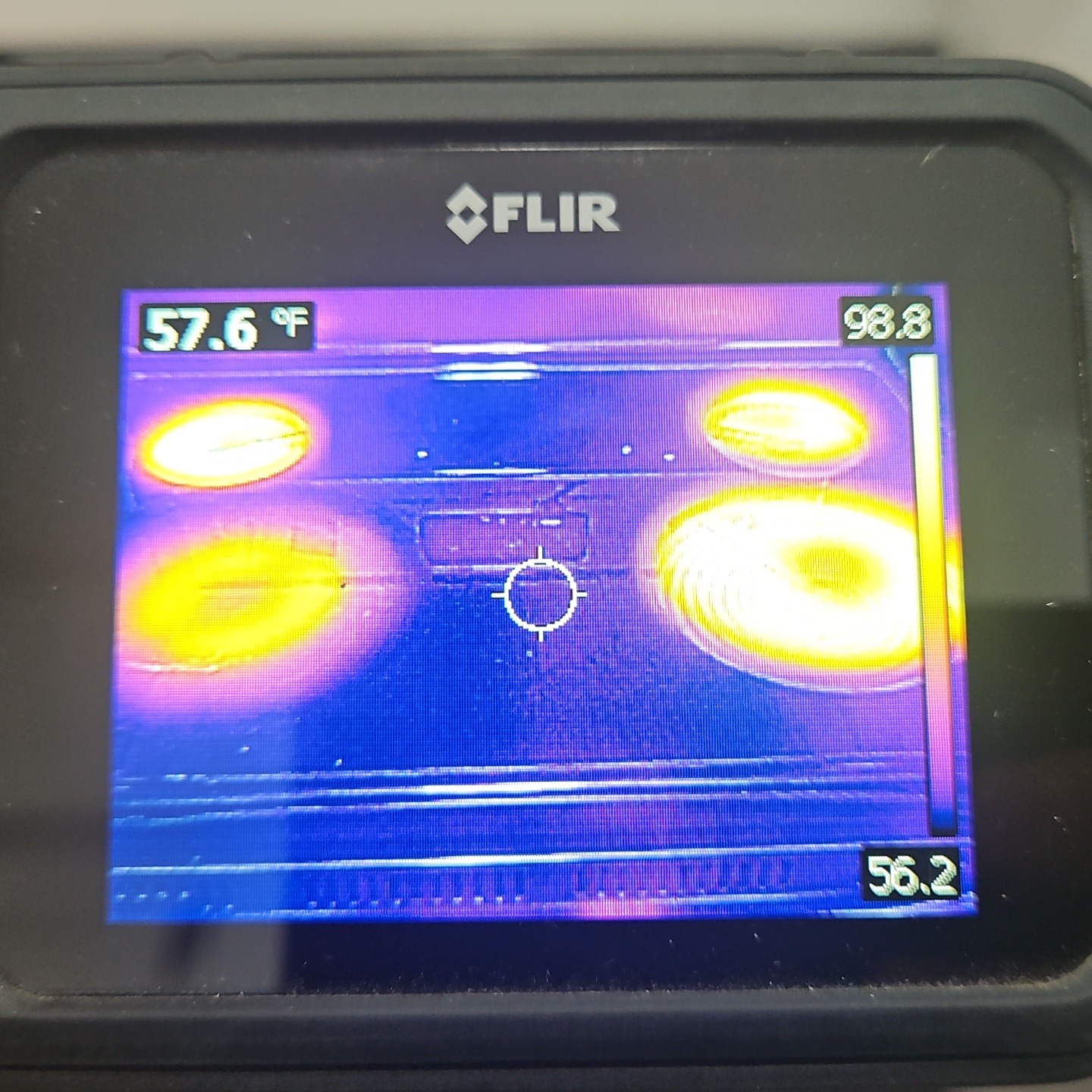
Component life expectancies noted in this report (Life Expectancies Chart) are based on normal maintenance and wear and are provided as general guidelines, not guarantees or warranties. Any use of a Thermographic Infrared Camera is for limited screening only and does not represent a full thermographic assessment, which is outside the scope of this inspection.
The Full Report
🏞️ Exterior and Grounds
Siding and Trim
Soffits/Fascia
Windows Exterior (See Interior Comments)
Doors
Hose Bibbs/Faucets (Frost Proof)
Driveway/Walkway/Patio/Stairwell
Grading & Drainage
Gutter Discharge
Trees and Vegetation
Porch/Stoops
Decks/Balconies - Elevated Surfaces
🚗Garage Components
Overhead Doors
Automatic Opener(s)
Garage Personnel Door
Garage Walls and Ceilings - Voids Fire Safety Related Concerns
Garage Floor
🖼️ Interior
General Comments
Windows
Doors
Bathroom Interior(s)
Walls and Ceilings
Floors
Stairs and Steps
Kitchen Countertops/Cabinets
Laundry Area
💡 Electric Branch Wiring and Devices
Branch and Finish Wiring
Electric Receptacles, Switches, and Fixtures (Representative Number)
Smoke Alarms
Carbon Monoxide Alarms
🌡️ 🔥Heating and Cooling Systems Forced Air
General System Comments
Furnace / Central Heating
Air Conditioning & Heat Pumps
Distribution - Heating / Cooling (Central Forced Air)
🛁 Plumbing
Water Service & Distribution
Hot Water System
Fixtures and Drains
Main Waste, Drains, and Vent Systems
📒 General Comments
Conditions
📃AGREEMENT SIGNED PRIOR TO START OF INSPECTION: Online
WEATHER CONDITIONS:Overcast
GROUND SOIL SURFACE CONDITION:Wet
PRECIPITATION WIHTIN THE LAST 3 DAYS:Yes
TEMPERATURE AT START OF INSPECTION:30 to 40 Degrees F
ACCESS METHOD:Tumble Box/Combo
PRESENT DURING INSPECTION:Inspector Only
BUILDING OCCUPANCY:Occupied
Personal articles, furniture, stored items, and items under sinks are not moved to gain access for inspection.
Property Description
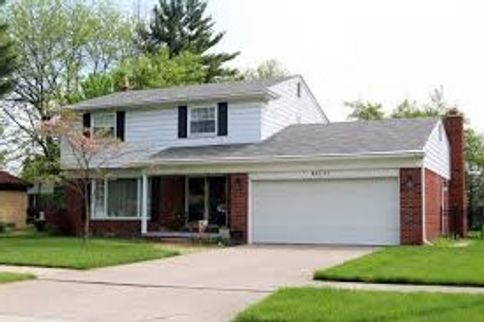
RESIDENTUAL BUILDING DESCRIPTION:Two Story
APPROXIMIATE YEAR OF CONSTRUCTION:1962
REFERENCE SOURCE:WEB/MLS
This report is not technically exhaustive. Given the age of this structure, any renovation, remodeling, or refurbishment might uncover defects that were not identified or were concealed at the time of the inspection. Structures of this vintage often have a history of issues, including roof leaks, plumbing failures, drainage complications, and damage from wood-destroying insects or water. During renovations or routine maintenance, when areas are exposed—such as when replacing base cabinets or bathroom wall surrounds—it's not uncommon to discover previously unseen damage to walls or subfloor materials, particularly around sinks and baths.
Materials used in the construction or during subsequent remodels of buildings of this age might now be considered health hazards. Examples include lead-based paint, formaldehyde, and asbestos. Identifying these materials falls outside the scope of this inspection. Lead paint and other environmental concerns were not part of this inspection and were explicitly excluded. If the possibility of the presence of these materials is of concern due to health and or financial, I advise consulting a qualified environmental contractor.
Sewer waste lines in older building structures, as well as the buried sewer laterals, tend to age and often pose possible failure. It's worth noting that these lines are usually the property owner's responsibility. We recommend that the sewer waste lateral be further assessed using a sewer camera for possible defects.
Buildings constructed before the late 1970s often lack insulation in the exterior walls unless added in subsequent years. I cannot verify the presence or absence of insulation within the exterior walls and non-accessible attic spaces. For context, the first Model Energy Code in the U.S. was introduced in 1975. The exact year when insulation requirements were implemented in this specific location remains uncertain.
Buildings without recent improvements may have features that are now considered outdated by modern building standards. Unless these features are visually observed to pose safety or functional concerns, they are typically not highlighted in reports. An example of this is safety railings in older structures, which often do not meet current safety standards, with top rail elevations and openings larger than four inches being common discrepancies.
General building practices change frequently; this is not a code compliance inspection of any nature. Construction practices such as framing that may have been acceptable at the time of the construction and subsequent renovations may be considered poor practice today. If the system is functioning properly, it may not be commented on.
🏞️ Exterior and Grounds
Siding and Trim
📱 INSPECTED: Satisfactory Condition unless otherwise noted.
SIDING MATERIAL:Brick VeneerVinyl
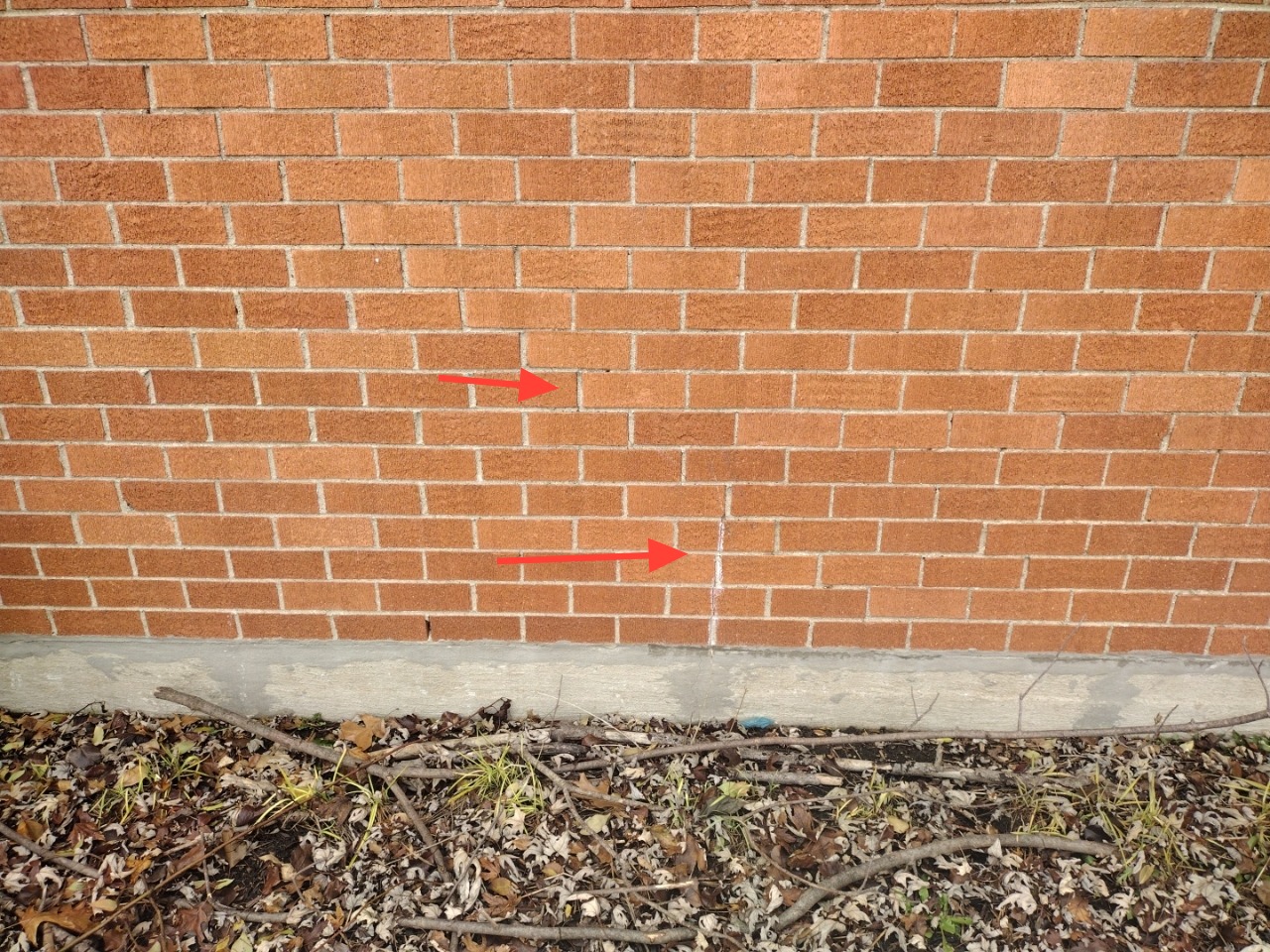
Brick veneer, since the early 1950s, most modern "brick" buildings use brick veneer. Unlike older buildings where bricks were part of the structure, brick veneer is considered to be a siding. It gives the appearance of traditional brick buildings but doesn’t support the building itself. Instead, the bricks, about 3 inches thick, are attached to the building’s structural framing as siding.
Vinyl siding is a popular, durable, and low-maintenance alternative to wood siding. Made from PVC (polyvinyl chloride), it offers several advantages, including resistance to rust, and insects. Vinyl siding is available in a wide range of colors and styles, designed to mimic the appearance of wood without the need for painting or frequent upkeep. It is weather-resistant, lightweight, and easy to install, making it a cost-effective choice for homeowners looking to reduce maintenance efforts while maintaining a clean, attractive exterior.
Periodic exterior maintenance requires sealing wall penetrations such as windows, doors, vents, etc., to prevent moisture entry into the building structure. Painting trim, windows, and doors should be done regularly to prevent deterioration. Moisture and air penetration may occur if the exterior is not maintained properly. This is a general statement; we recommend assessing all exterior wall penetrations and sealing as needed.
Soffits/Fascia
📱 INSPECTED: Satisfactory Condition unless otherwise noted
SOFFIT/FASCIA MATERIAL:Metal/Vinyl
Windows Exterior (See Interior Comments)
📱 INSPECTED:Satisfactory Condition unless otherwise noted
Doors
📱 INSPECTED: Satisfactory Condition unless otherwise noted
Hose Bibbs/Faucets (Frost Proof)
📱 INSPECTED:Satisfactory Condition unless otherwise noted
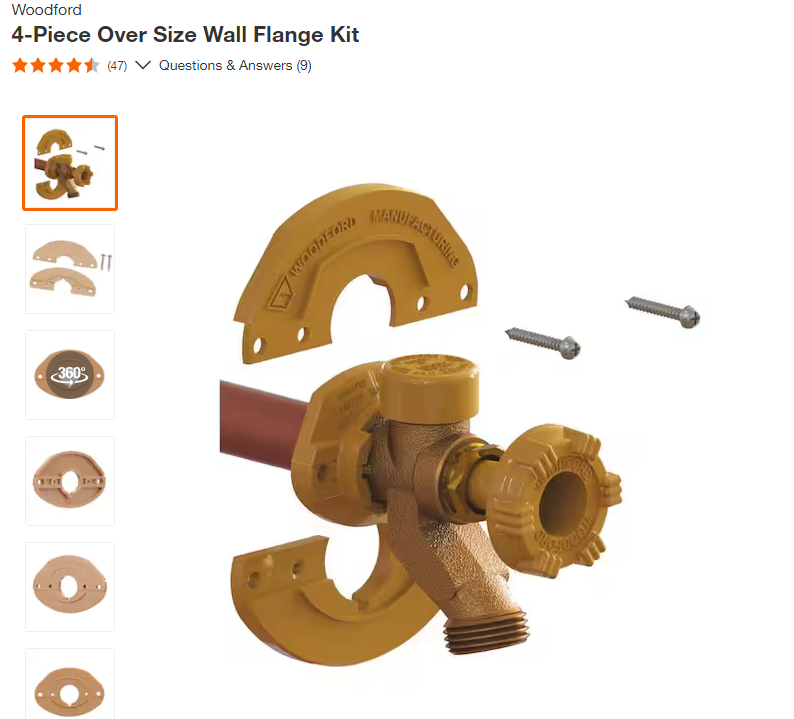
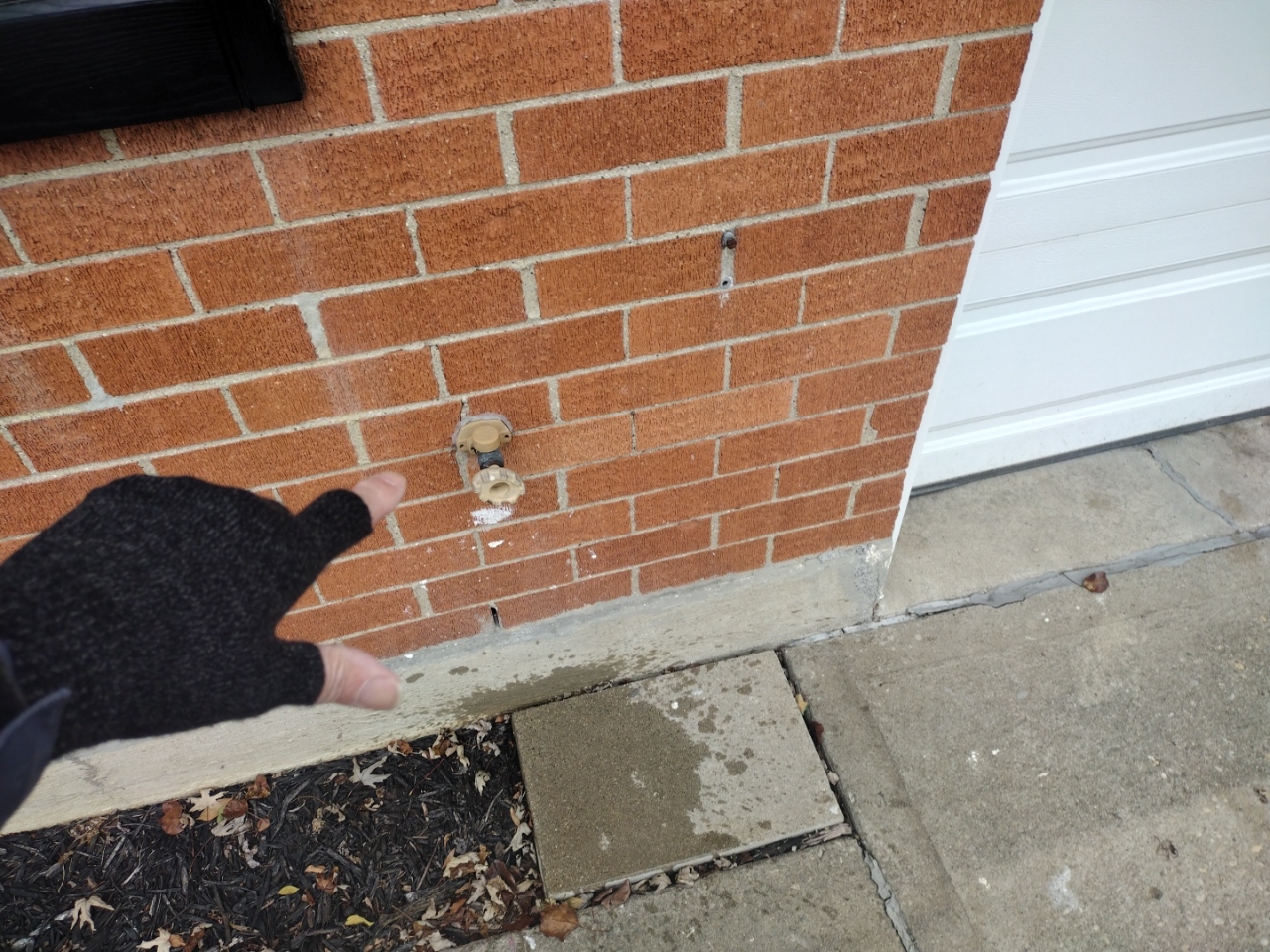
The front exterior hose bib is not properly secured. This condition may allow for excessive movement of pipes within the wall possibly creating water leaks. Correct as needed.
Driveway/Walkway/Patio/Stairwell
📱 INSPECTED:Satisfactory Condition unless otherwise noted.
This inspection report may identify potential trip hazards; however, not all possible trip or fall hazards will be identified. Conditions can change over time, so it is important for the client and anyone using the property to remain aware of these risks. Promptly addressing identified hazards and regularly monitoring the property will help reduce the likelihood of accidents.
DRIVEWAY:Concrete
WALKWAY(S):Concrete
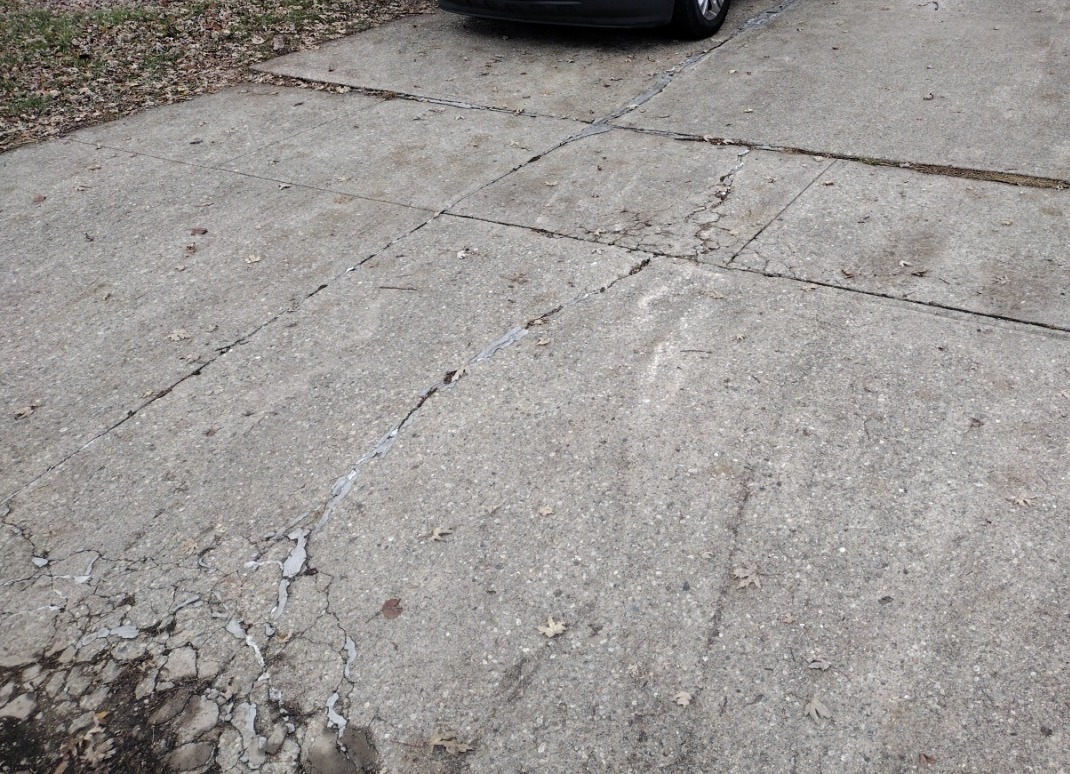
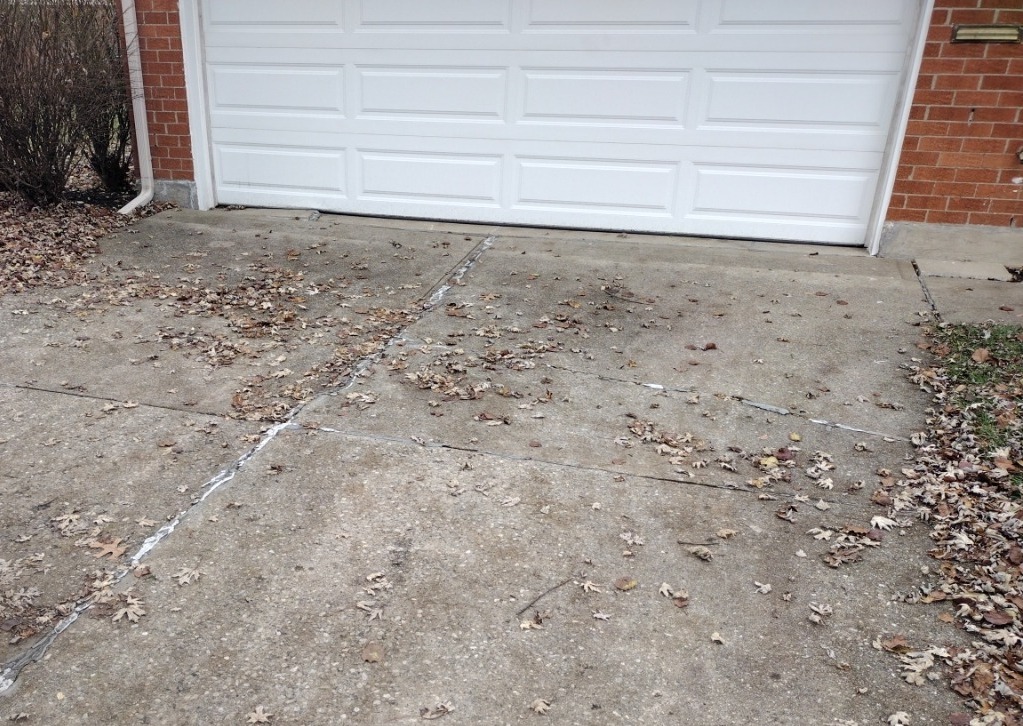
The concrete driveway has settled irregularly, presenting trip hazards. Recommend a concrete contractor to correct as needed.
 |  |
Grading & Drainage
📱 INSPECTED: Satisfactory Condition unless otherwise noted
Gutter Discharge
📱 INSPECTED: Satisfactory Condition unless otherwise noted
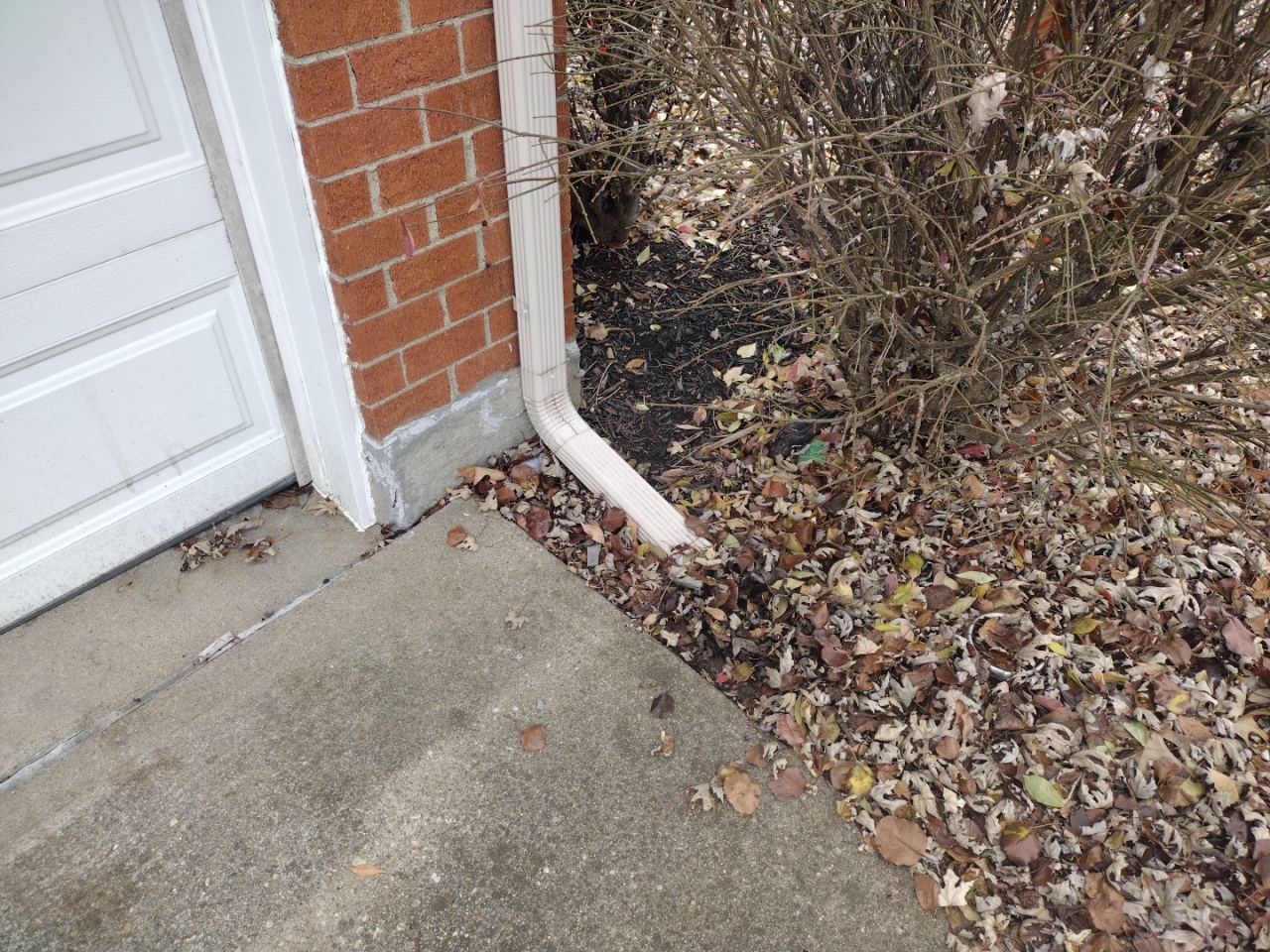
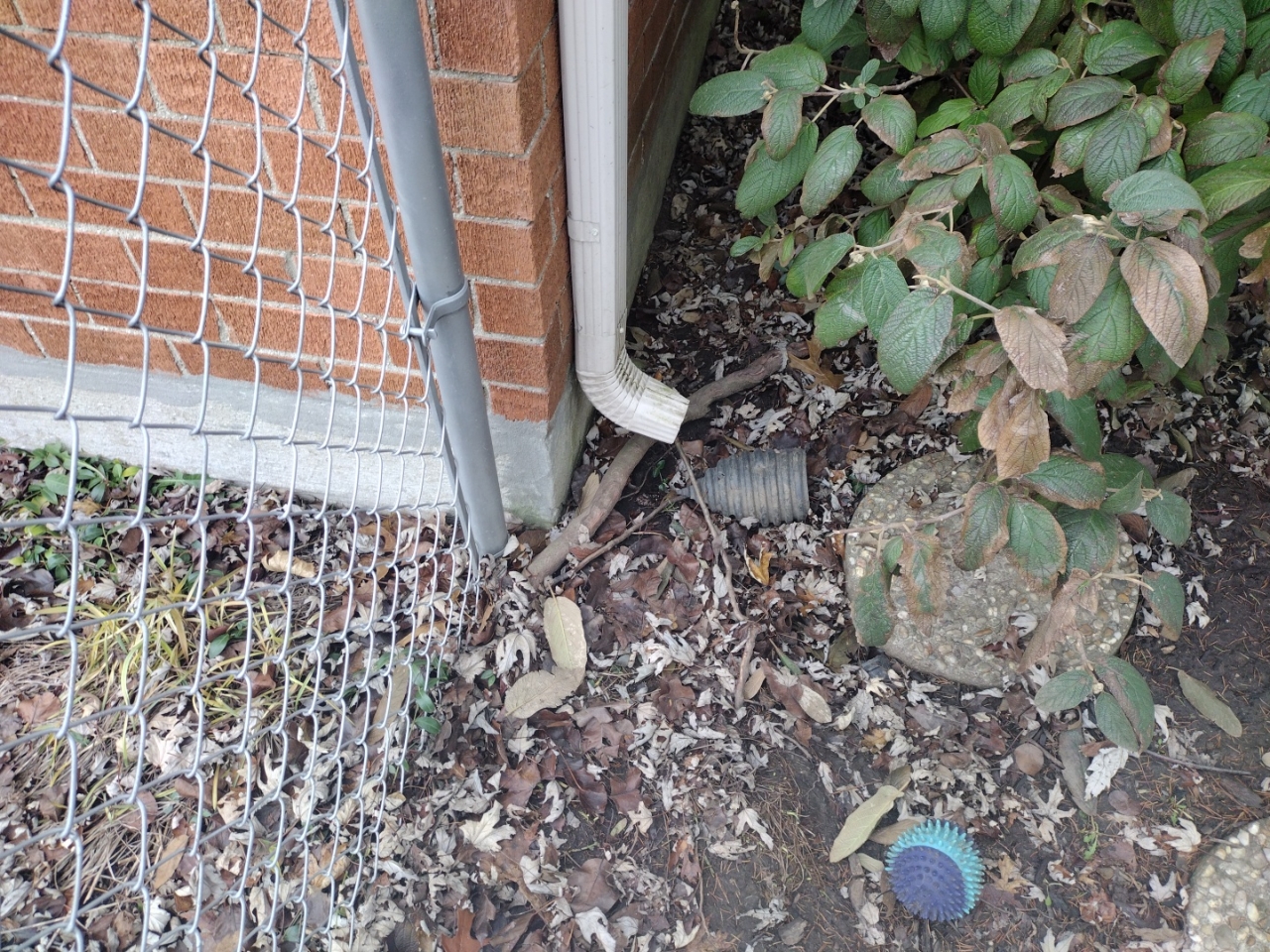
Gutter downspouts terminate into below-grade drain lines (preferred). During the inspection, the proper function of the drain lines are not confirmed. Non-functional drains may contribute to water intrusion and negatively impact exterior flatwork/hard surfaces. Regular maintenance will be required.
Roof gutter downspout(s) discharge within 5' of the building structure. Per best practice, the gutter downspouts should discharge a minimum of 5 feet from the building, +10 feet is optimal. Drain lines should not drain onto concrete sidewalks, patios, and or driveways. Short gutter downspout terminations may contribute to water entry into the building foundation and or create other moisture-related concerns. Correct as needed.
 |  |
Trees and Vegetation
📱 INSPECTED:Satisfactory Condition unless otherwise noted.
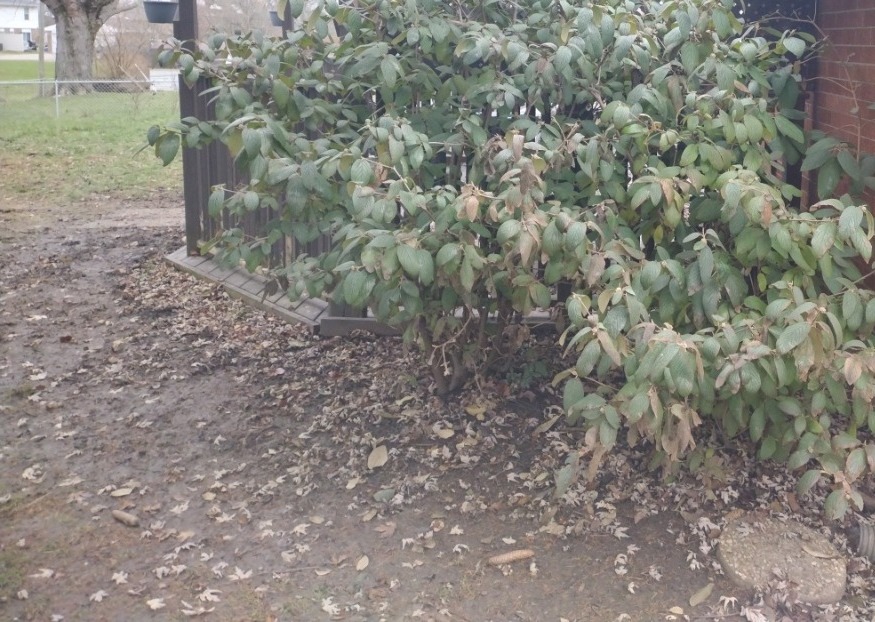
The vegetation next to the building is too close to the structure. Vegetation can retain moisture against the building, promoting the growth of mold and mildew. This can also provide a favorable habitat for various insects, including wood-destroying insects. Recommend maintaining a clear air space of 18 inches or more between the building and the foliage. Correct this as needed.
Porch/Stoops
📱 INSPECTED:Satisfactory Condition unless otherwise noted
LOCATION:Front of building
PORCH/STAIRS:Porch/Stoop - Concrete
Decks/Balconies - Elevated Surfaces
📱 INSPECTED:Satisfactory Condition unless otherwise noted
LOCATION:Back of building
PORCH/DECK/STAIRS:Deck- Wood Framed
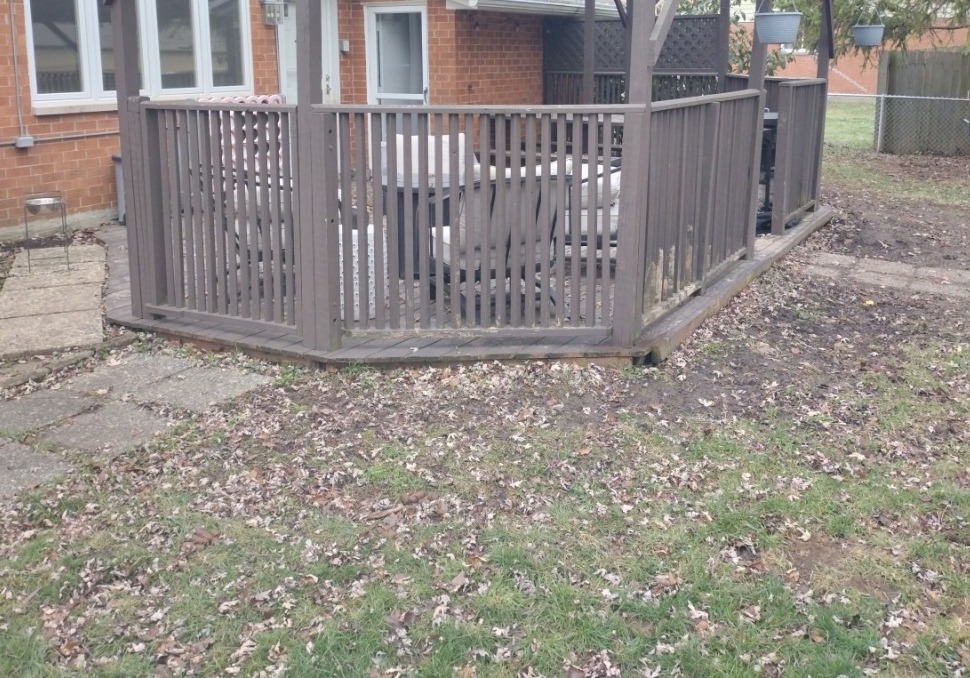
Areas of the deck are in contact with the soil. These areas will deteriorate/fail sooner than the framing that is above grade with an air space between the wood and ground. No access to these areas.
🚗Garage Components
Overhead Doors
📱 INSPECTED:Satisfactory Condition unless otherwise noted.
The overhead garage door is the largest and heaviest moving object in a house. A typical garage door weighs anywhere from 155 to 400 pounds, but wooden garage doors can weigh even more. As the occupant, you will become accustomed to the noises associated with the operation of your garage door and opener. If any changes occur with the squeaks and chattering most garage door systems make, it is essential to take action promptly. Consult a qualified service technician and never attempt to make adjustments to the door springs and cables yourself. Garage doors and openers require routine maintenance; see manufacturer's instructions.
OVERHEAD GARAGE DOOR(s):Double-Car
OVERHEAD GARAGE DOOR MATERIAL:Metal Insulated
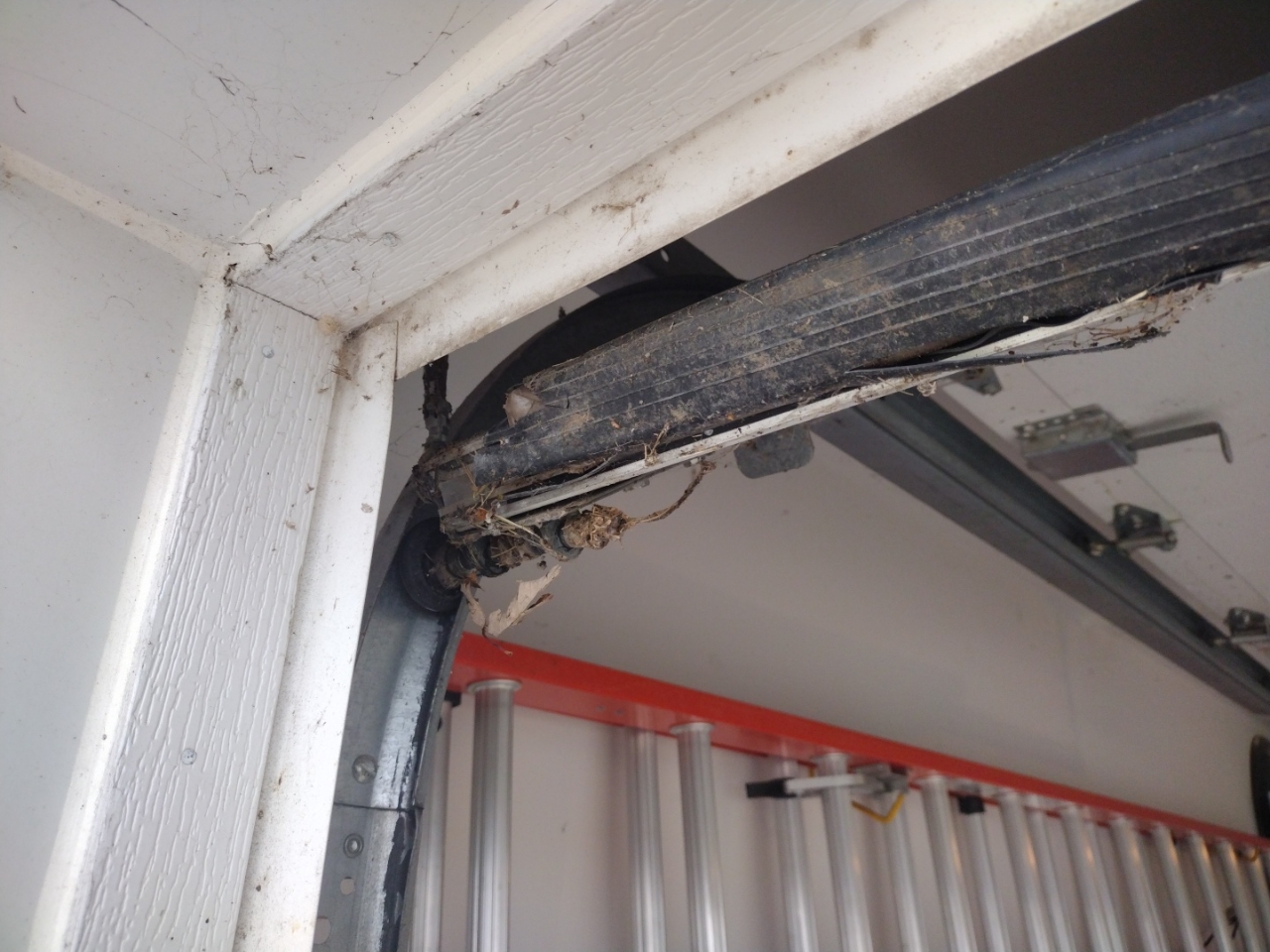
The weather seal on the bottom of the door is compromised. Replace the damaged weather seal on the bottom of the garage door. This can be critical for rodents and moisture control.
Automatic Opener(s)
📱 INSPECTED:Satisfactory Condition unless otherwise noted.
OPENERS PRESENT:1
For improved security, re-program garage door openers when the house changes ownership. Recommend asking homeowner to provide all openers. These devices could include: Exterior Door Pads / Vehicle Remotes / Wireless devices / Keys
Garage Personnel Door
📱 INSPECTED: Satisfactory Condition unless otherwise noted.
Garage Walls and Ceilings - Voids Fire Safety Related Concerns
📱 INSPECTED:Satisfactory Condition unless otherwise noted.
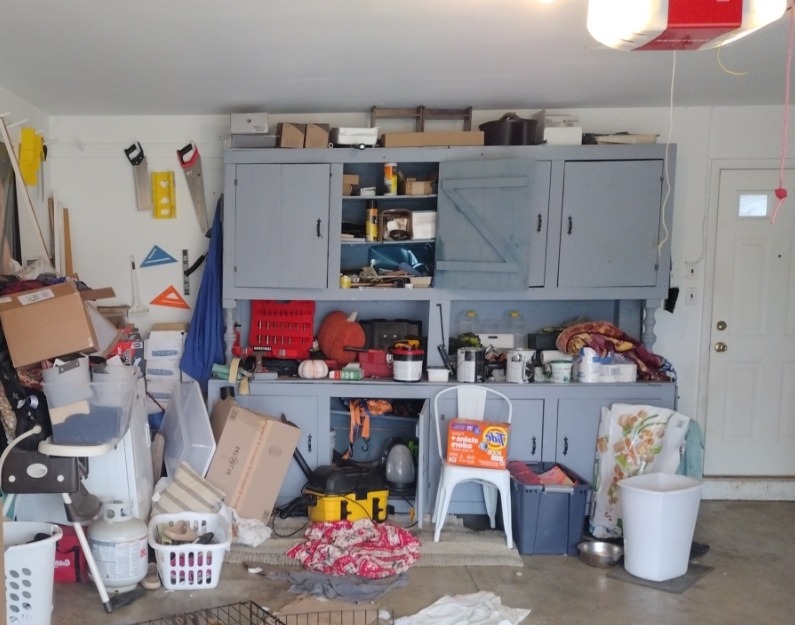
ACCESS: Obstructed
The garage has limited access to areas due to obstructions. It is the property owner's responsibility to have areas accessible.
Garage Floor
📱 INSPECTED:Satisfactory Condition unless otherwise noted.
Material:Concrete
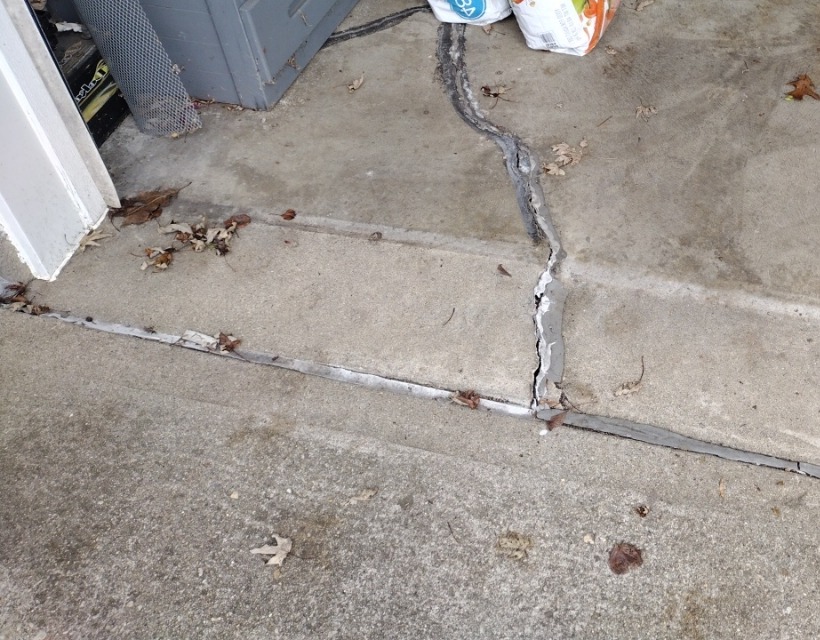
Acceptable cracking in concrete floors includes hairline, shrinkage, and minor settlement cracks that do not exceed 3/16" width, differential shifting of less than 3/16" or show signs of ongoing movement. Control joints are intentional and are not commonly a cause of concern. NAHB Residential Construction Performance Guideline
Garage concrete floor slab, cracking larger than 3/16 of an inch and/or differential shifting larger than 3/16 of an inch was noted. Recommend further evaluation by a qualified contractor, correct as needed.
🏠 Roof System
Roof Covering
📱 INSPECTED:Satisfactory Condition unless otherwise noted.
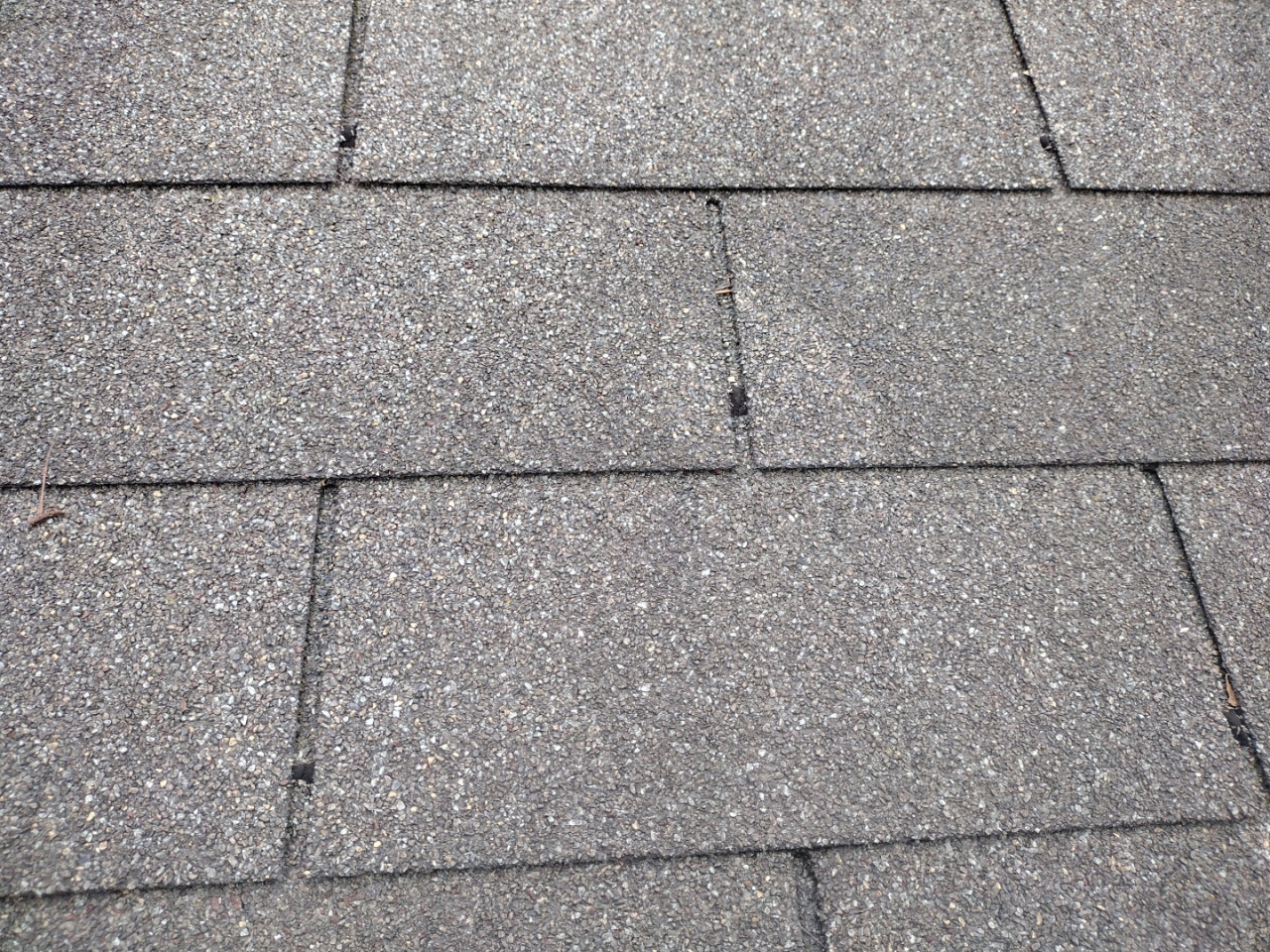
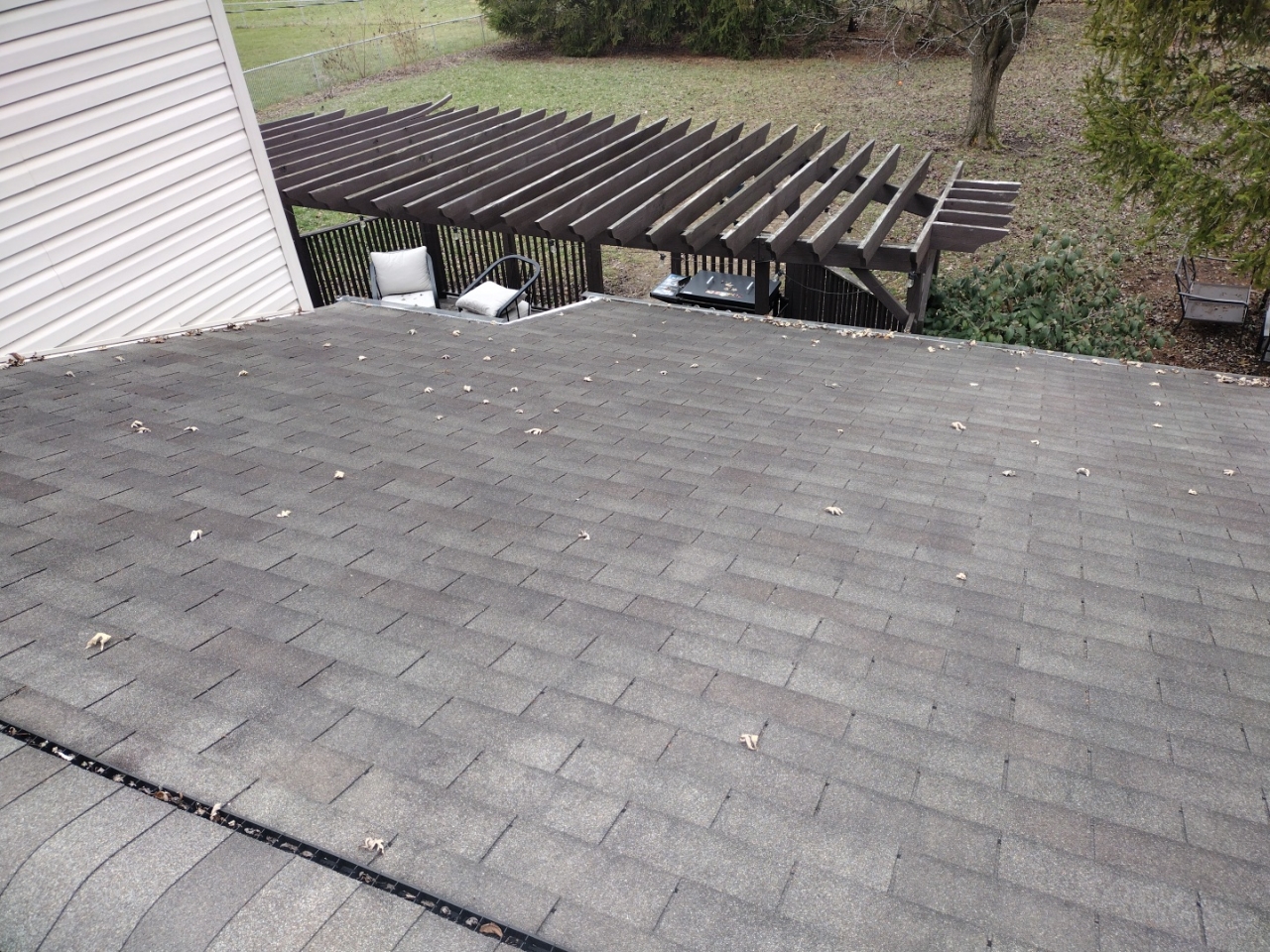
ROOF COVERING MATERIAL:3-Tab Strip Shingles - Asphalt / Fiberglass
Three-tab asphalt shingles commonly last 18 to 20 years in this area.
ROOF TYPE(s):GableModified
INSPECTION METHOD:Walked The Roof
APPROXIMATE AGE OF ROOF:10 - 15+ years
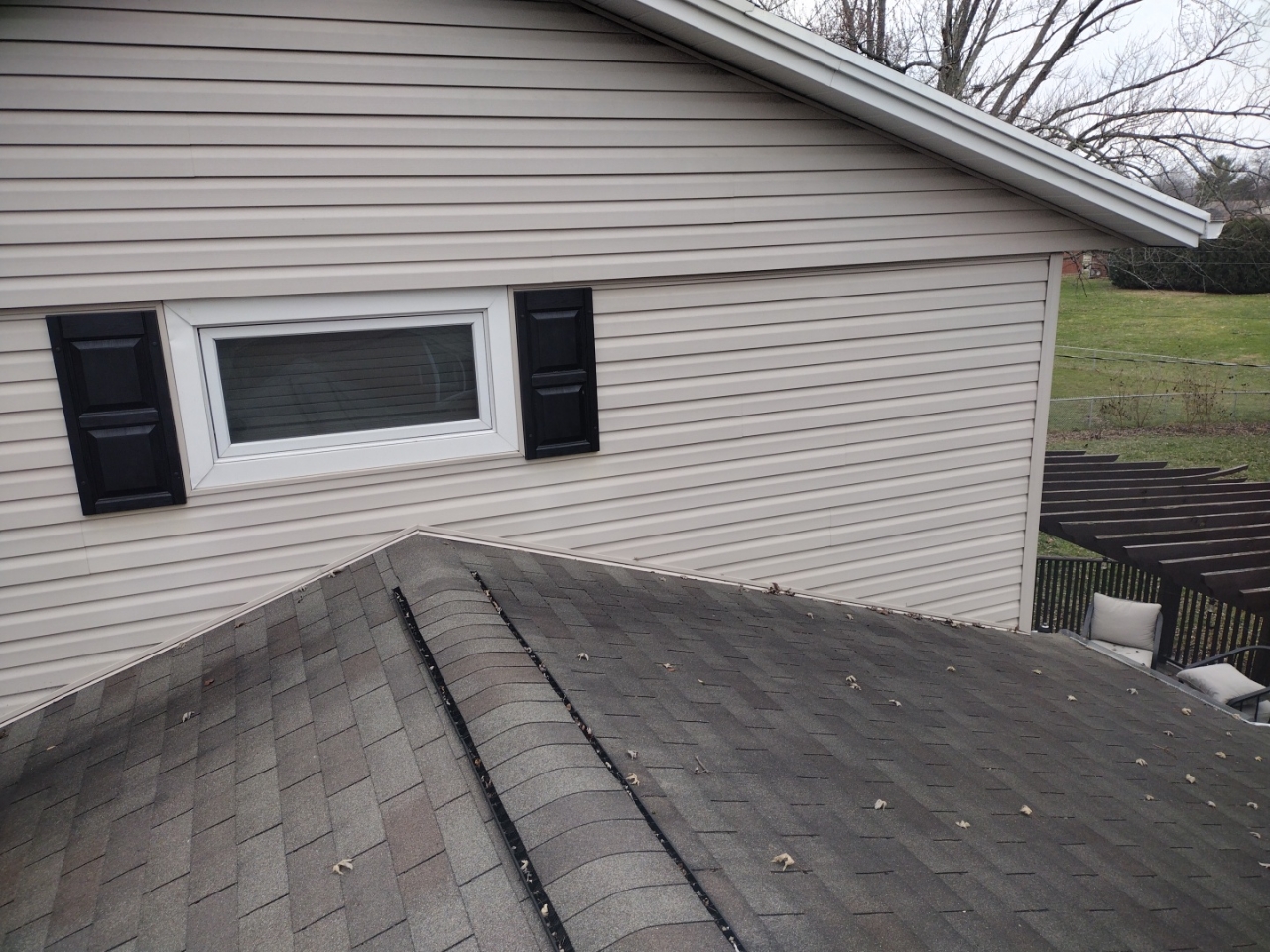
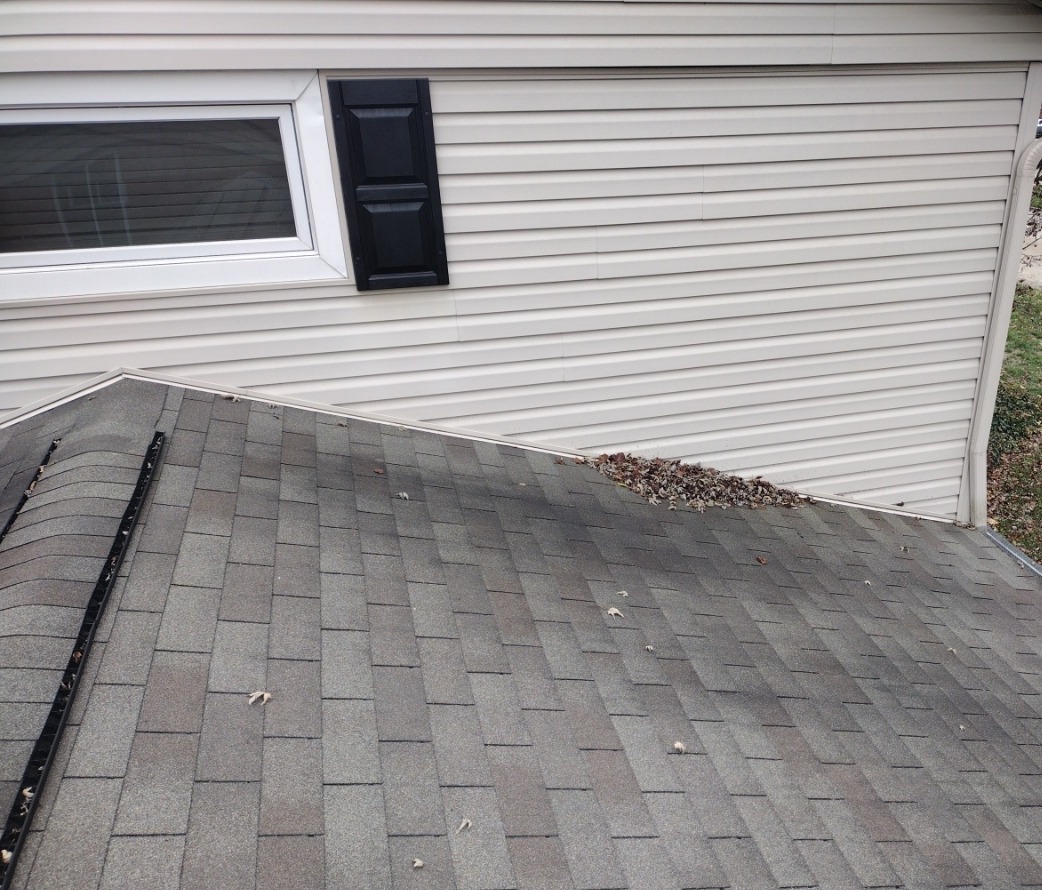
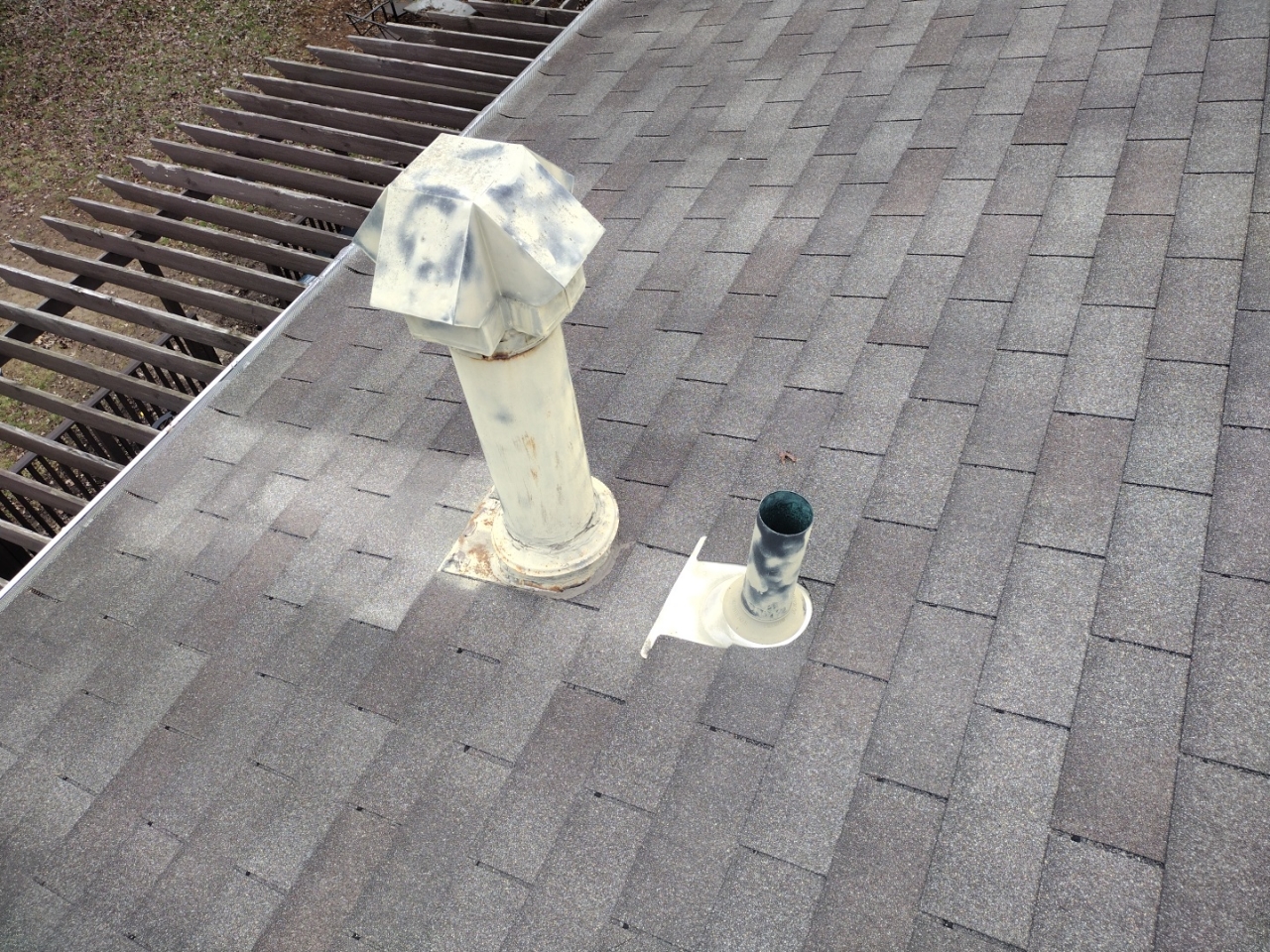
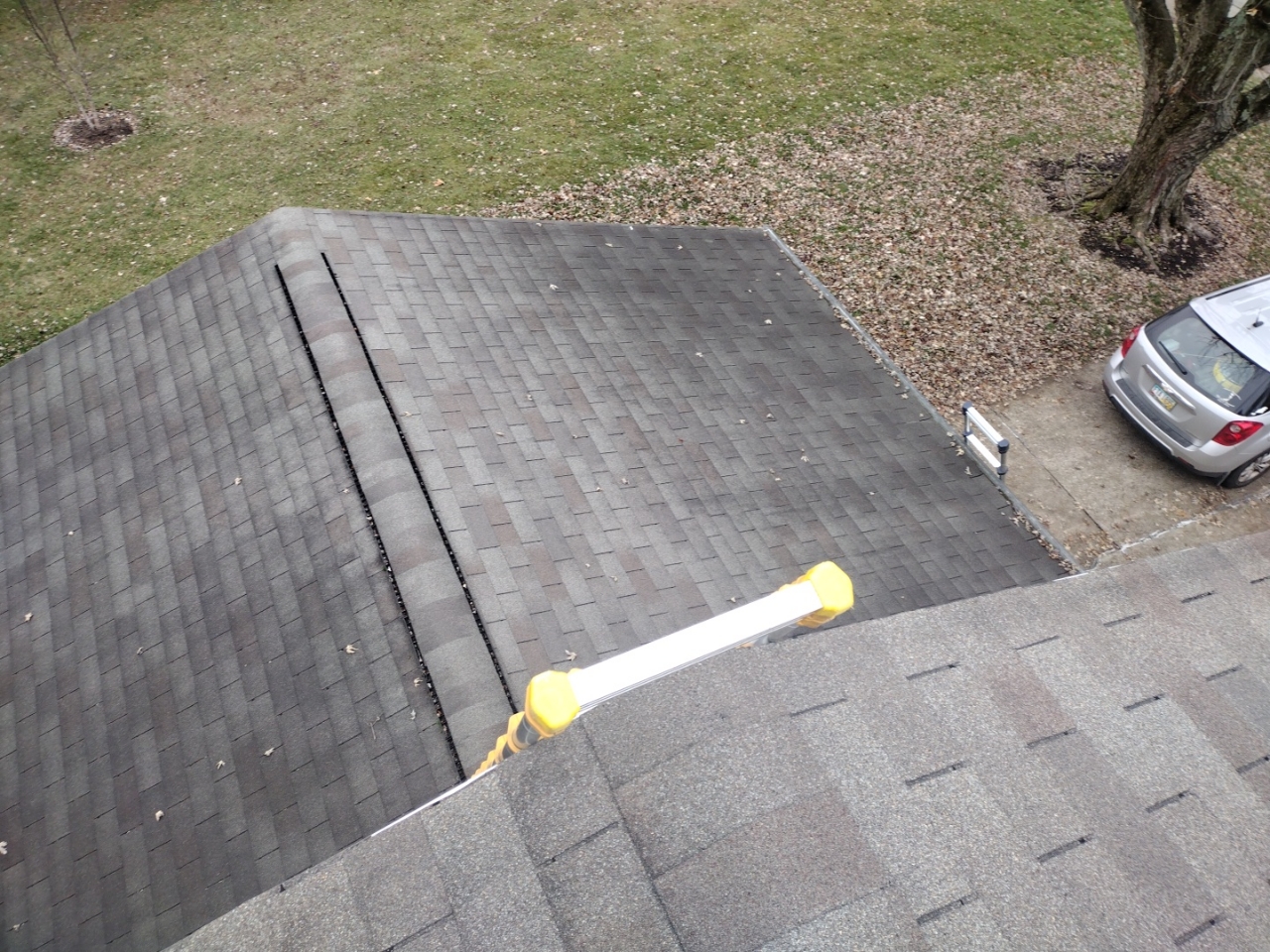
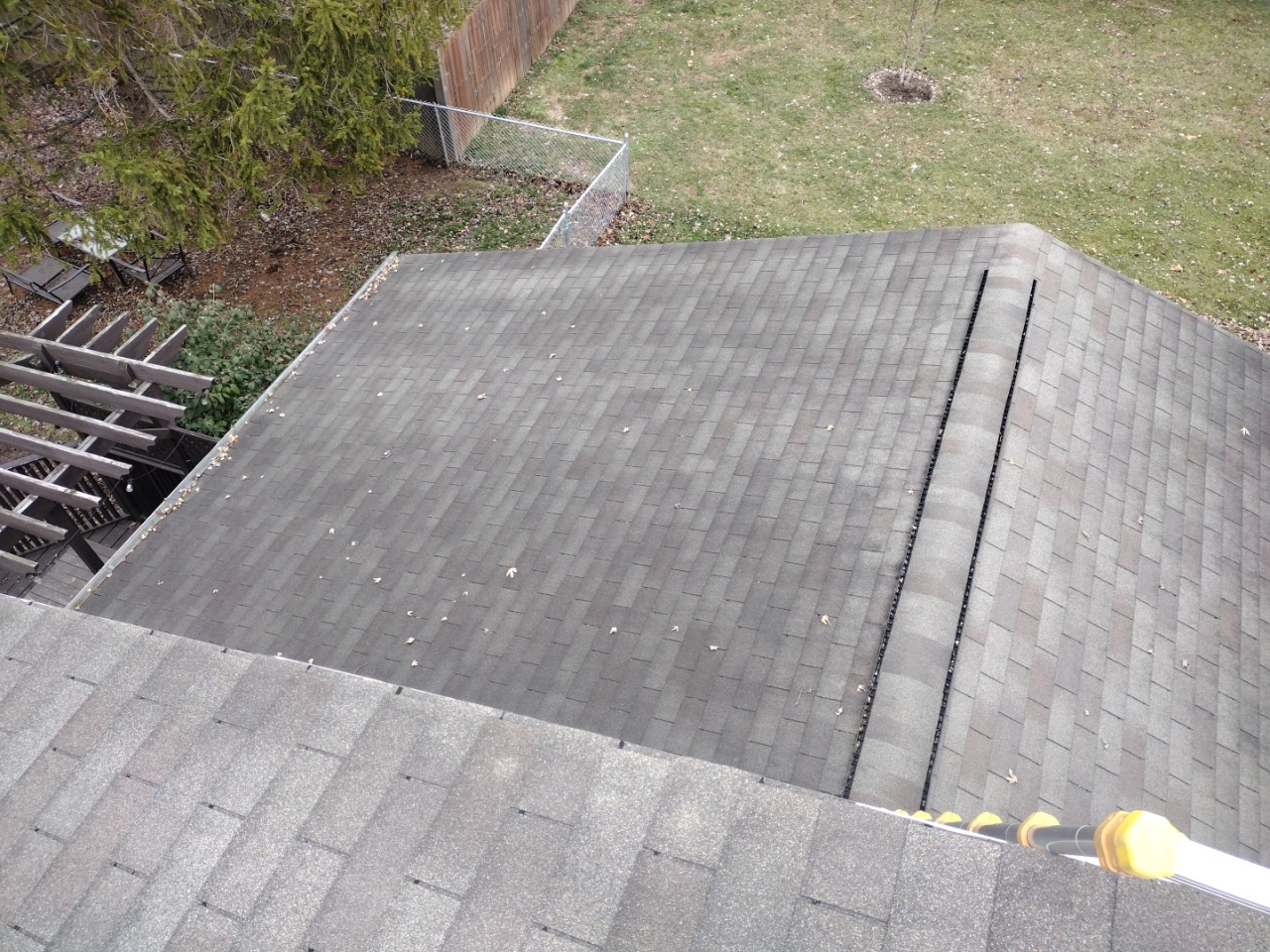
The majority of the roof covering is in satisfactory condition with normal wear associated with the age of the roof covering unless otherwise noted. As a general note, 90% of the roof was visually inspected, all perimeter edges are not checked due to safety concerns. See additional comment(s).
 |  |  |
 |  |  |
 |  |
Flashing(s)
📱 INSPECTED:Satisfactory Condition unless otherwise noted.
Gutters and Downspouts
📱 INSPECTED:Satisfactory Condition unless otherwise noted.
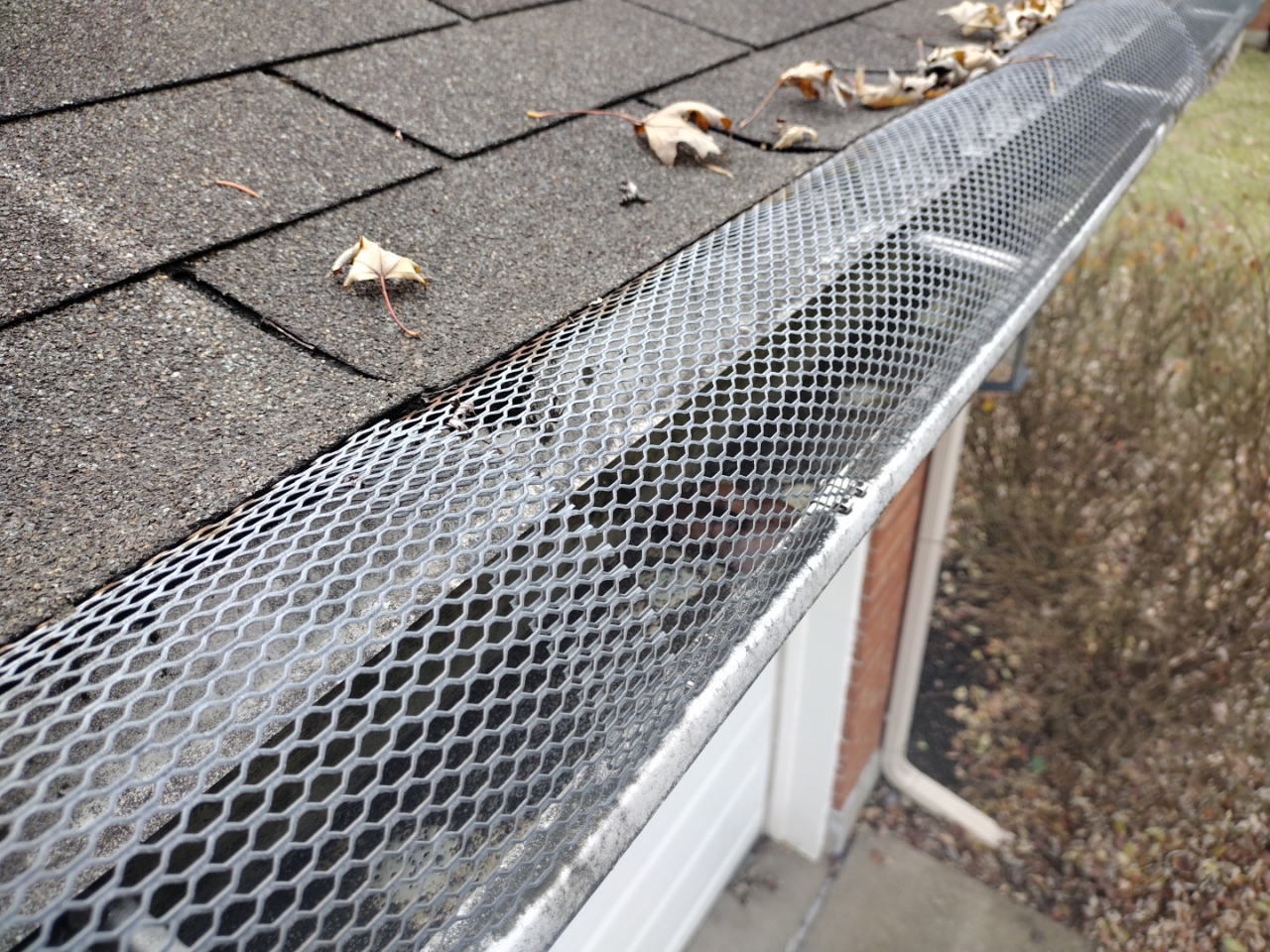
GUTTER & DOWNSPOUT MATERIAL:Gutter Guards Present
Gutter guards are present. These limit visible access to the interior of the gutter system. Gutters still require cleaning however, frequency needed will commonly be reduced due the guards.
Regular cleaning and maintenance of gutter systems are essential to ensure proper water drainage and prevent water damage to buildings. This routine upkeep is necessary to maintain the integrity and functionality of the gutter system.
📐 Structural Systems
Foundation Structure (Visible)
📱INSPECTED:Satisfactory Condition unless otherwise noted.
The inspection of the foundation system(s) is limited to areas that are readily accessible and visible at the time of inspection.
MATERIAL:Slab Foundation - Poured Concrete
Wall Framing
📱 INSPECTED:Satisfactory Condition unless otherwise noted.
WALL FRAMING MATERIAL:Wood Studs
Staircase
📱 INSPECTED - Structural Integrity:Satisfactory Condition unless otherwise noted.
FRAMING MATERIAL: Wood
☀️ Attic Structure - Insulation & Ventilation
Attic/Roof Structure
📱 INSPECTED:Satisfactory Condition unless otherwise noted.
ACCESS/LOCATION:HallwayGarage2nd Floor
ATTIC ACCESS TYPE:Scuttle Hole/HatchPulldown Ladder
INSPECTION METHOD/LIMITATIONS:Viewed From Access
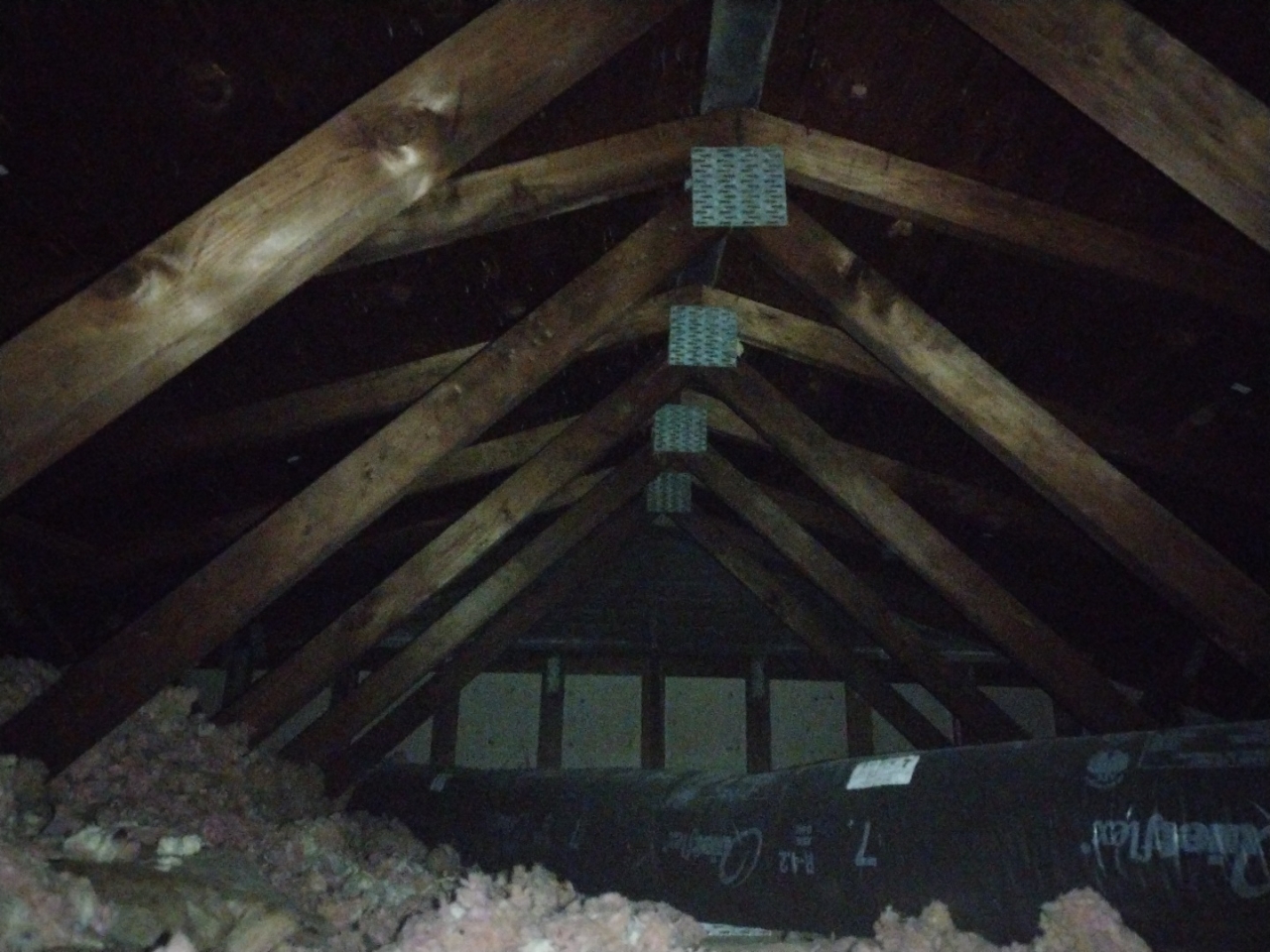
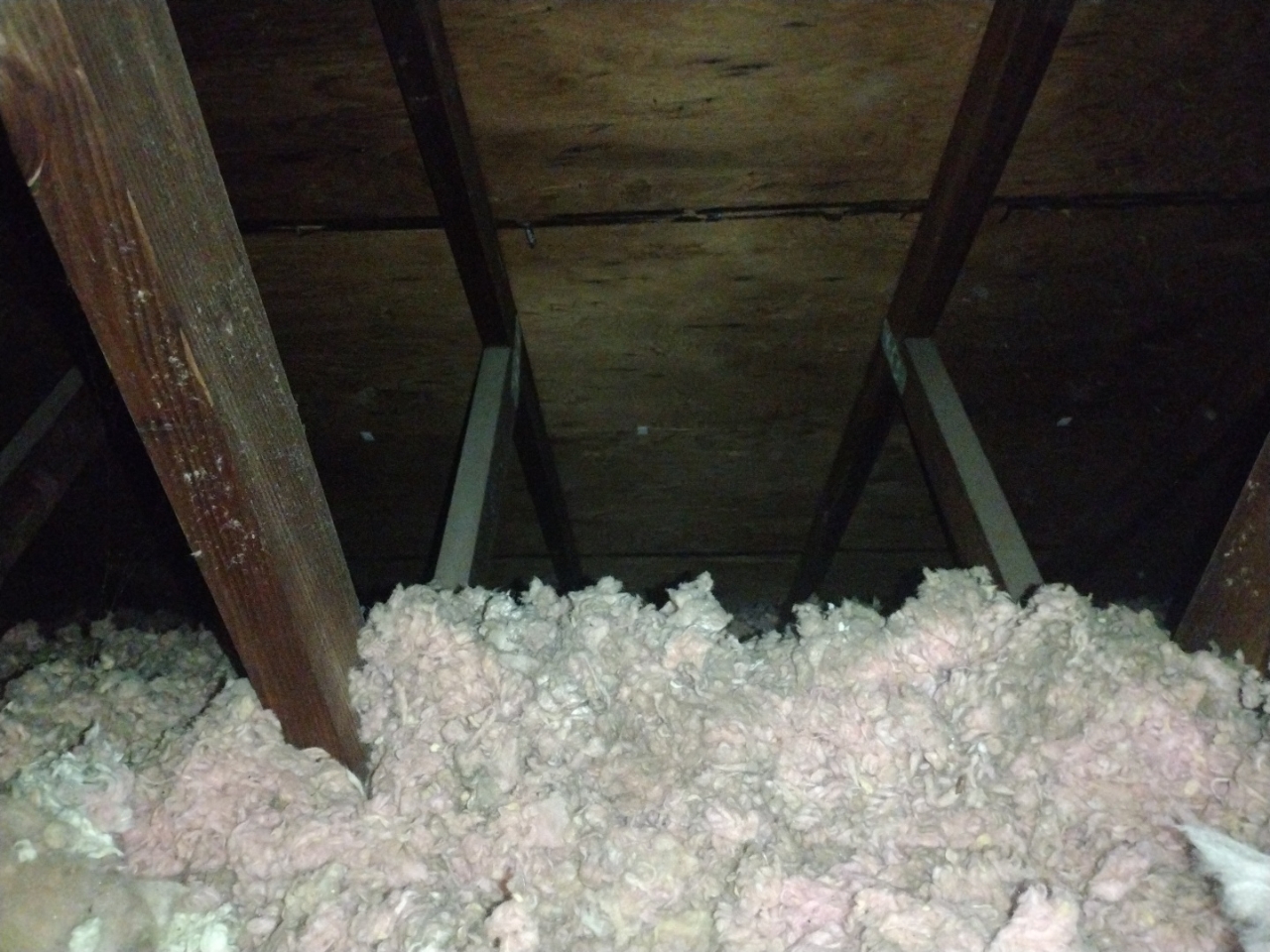
ROOF STRUCTURE:Trusses / Plywood Sheathing
Upper attic
 |  |  |
Garage attic space
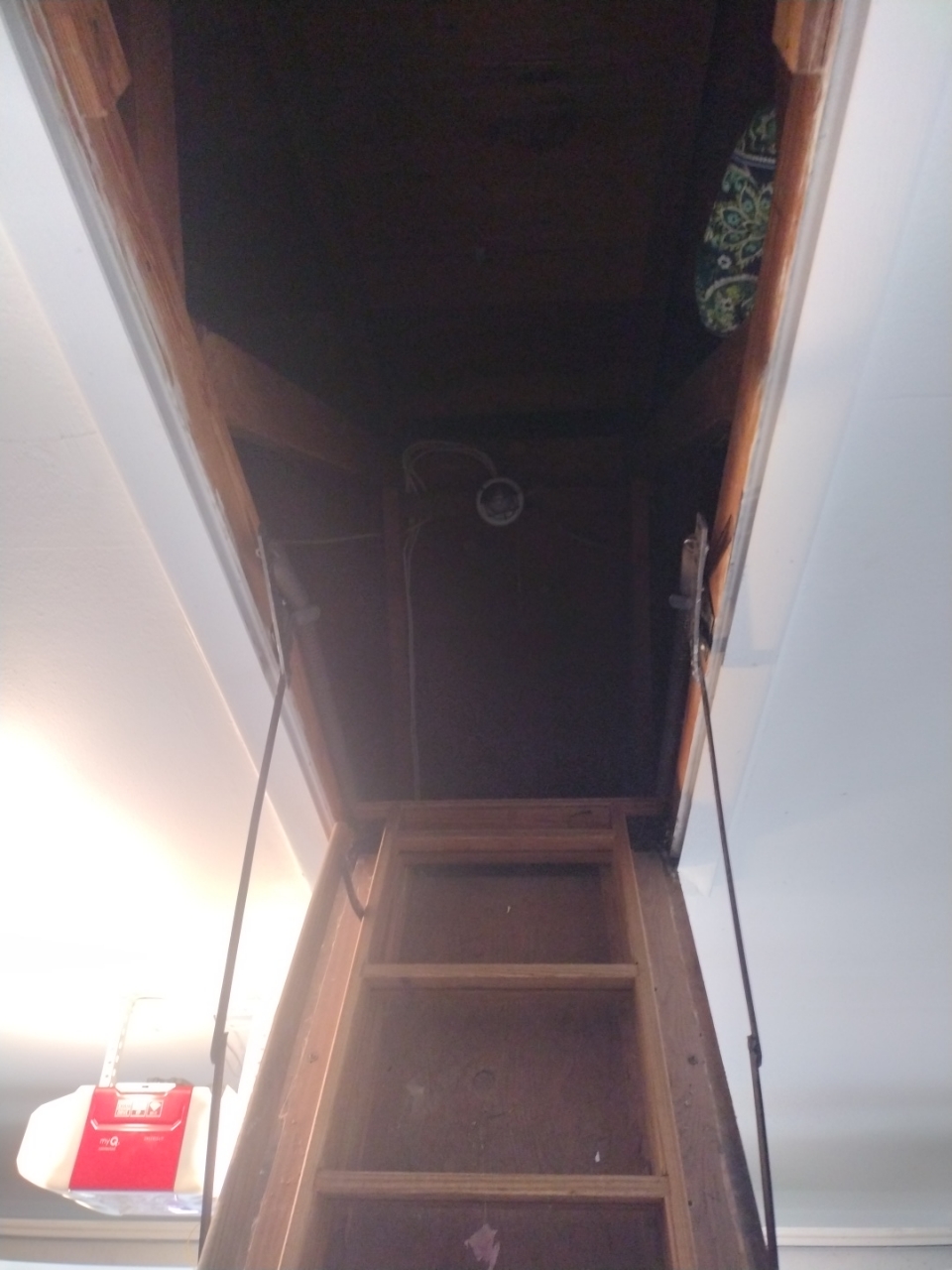 | 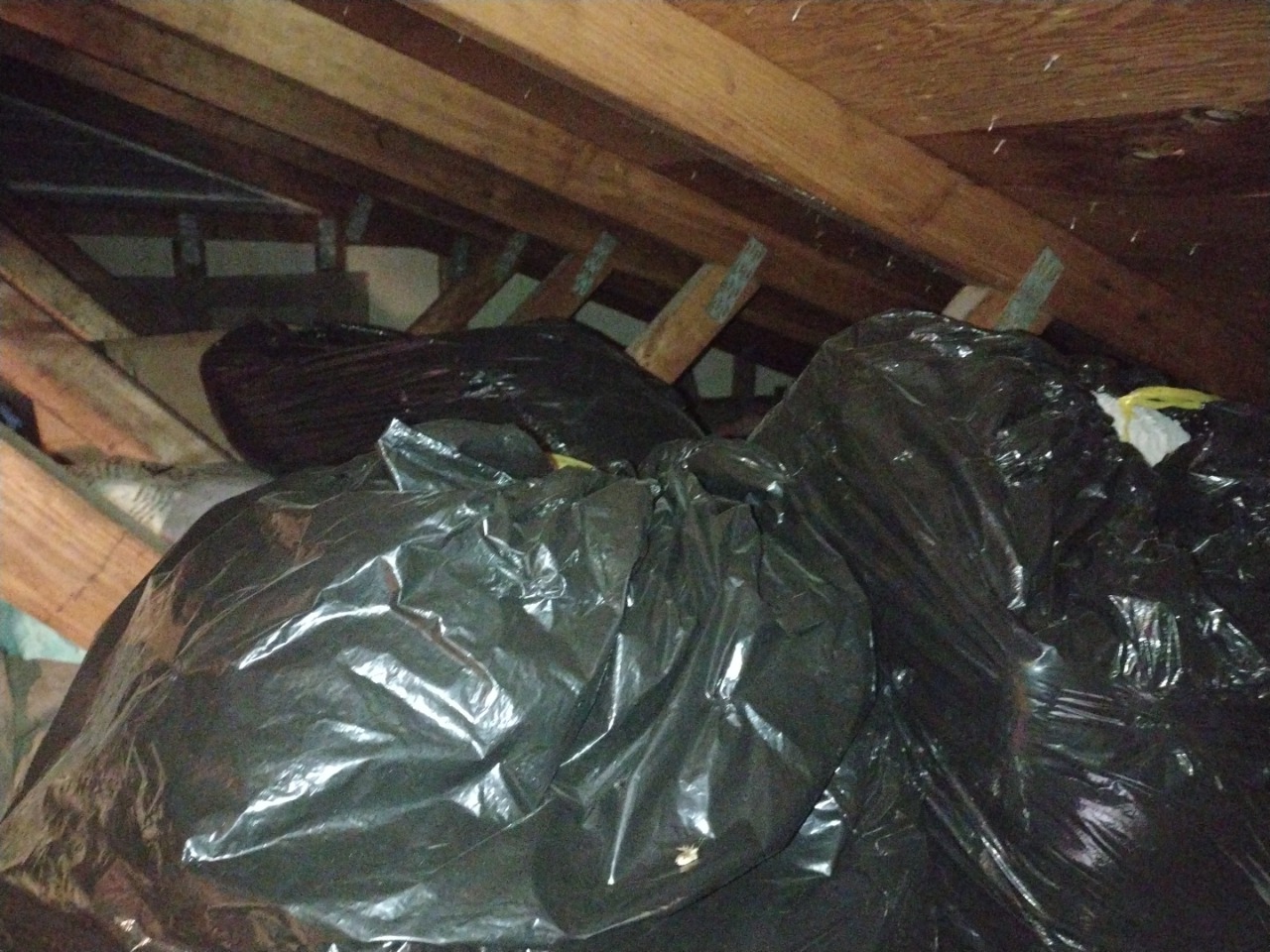 | 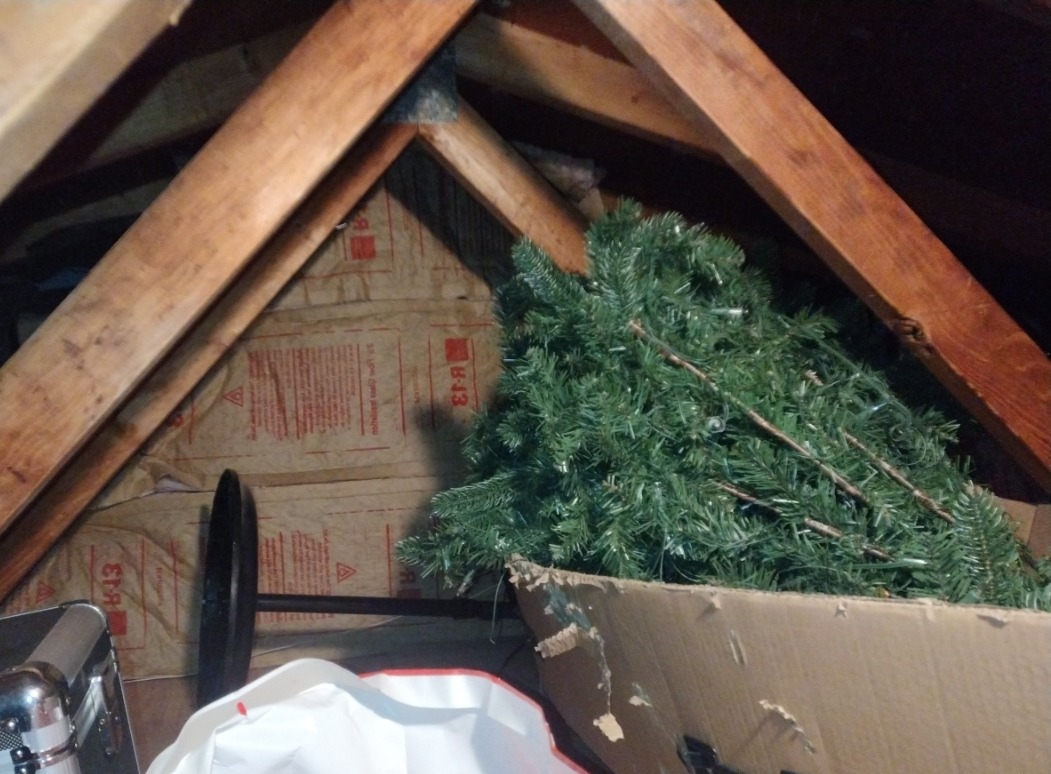 |
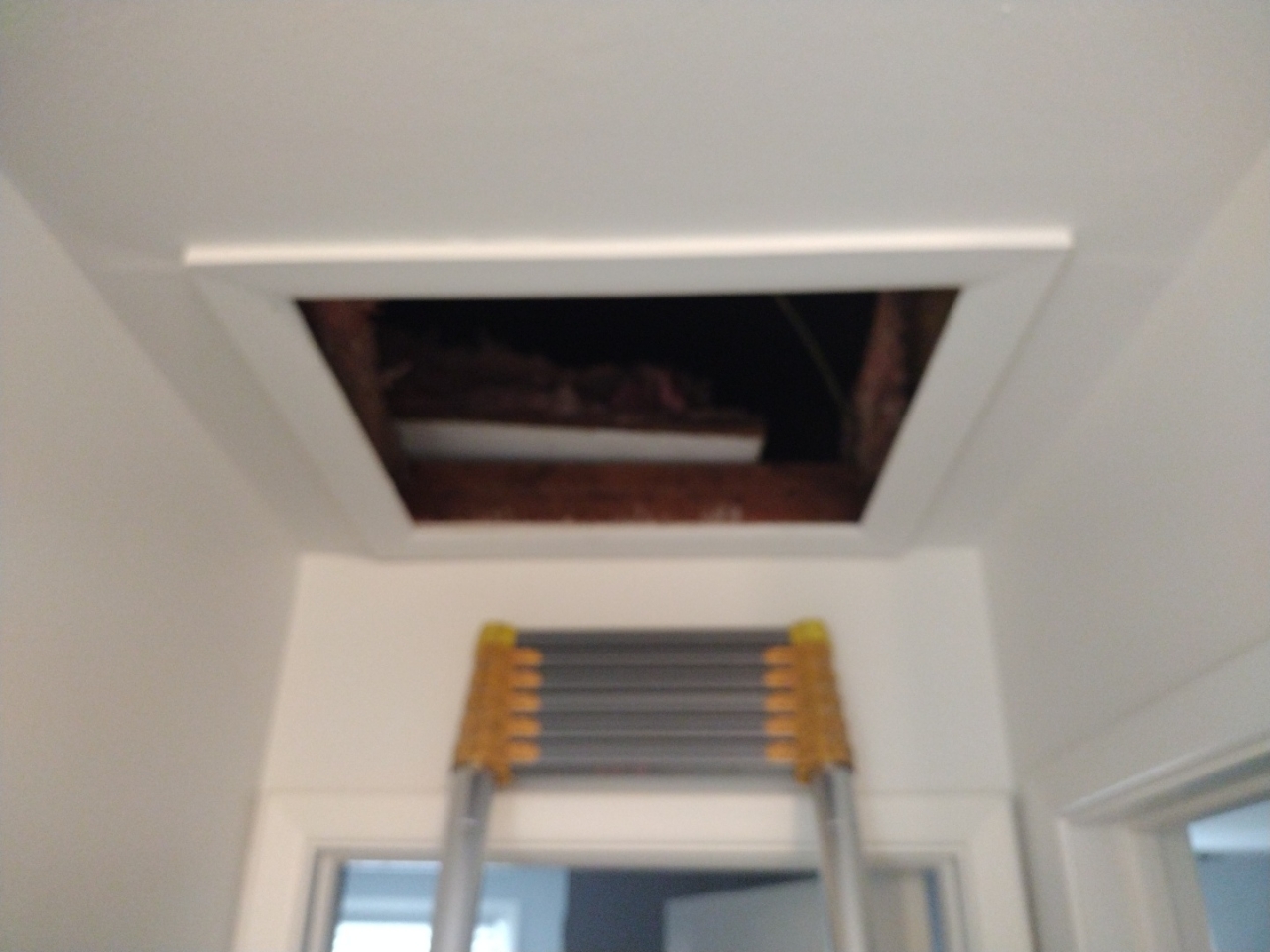
The main attic space was inspected from the attic openings. Insulation is present, and no proper walkboards are present/visible.
Attic spaces, due to the limited access, all areas cannot be viewed or physically accessed.
Insulation
📱 INSPECTED:Satisfactory Condition unless otherwise noted.
ATTIC INSULATION MATERIAL:Blown Fiberglass
INSULATION R-VALUE (approximate):R-30
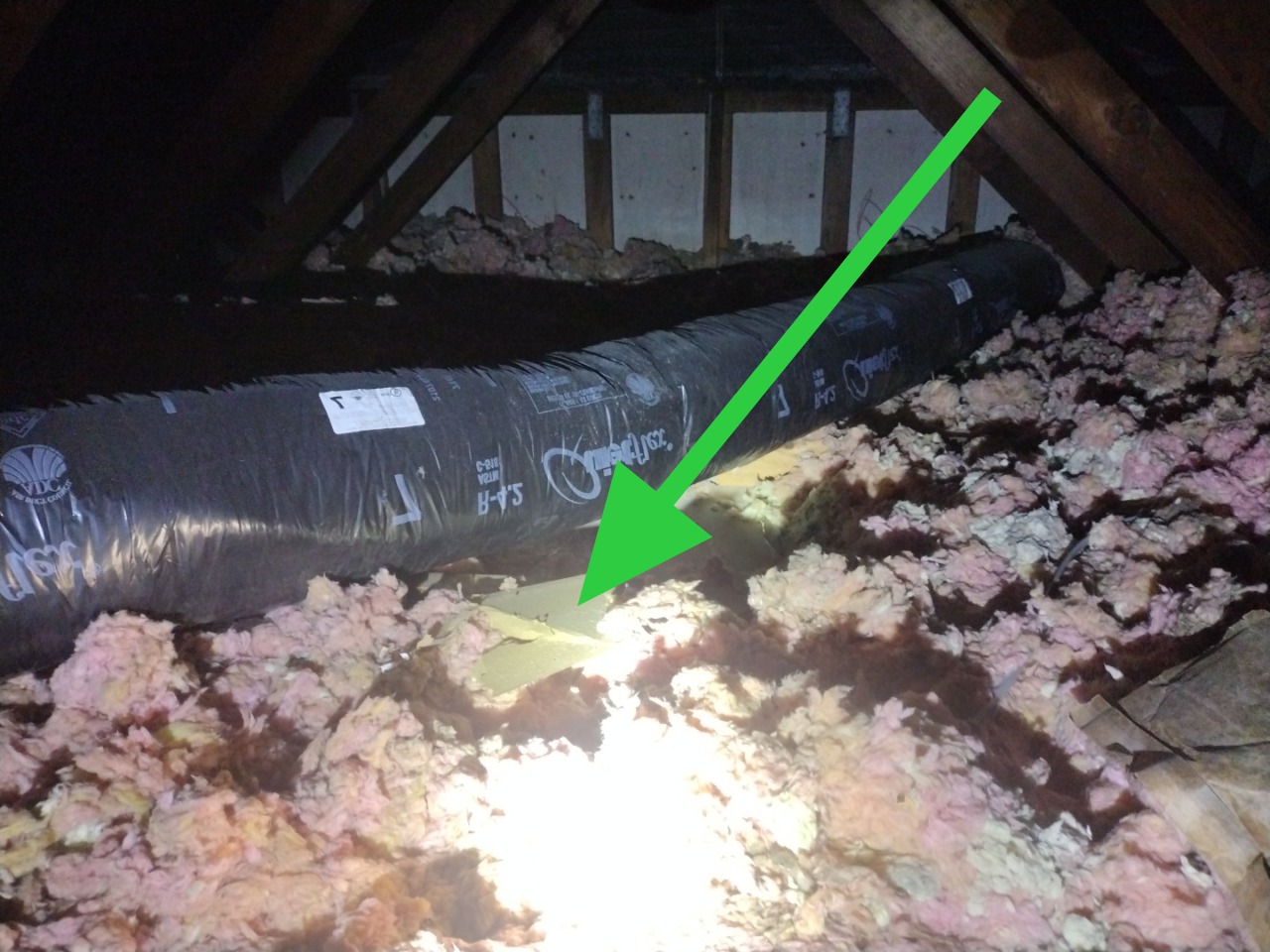
Attic insulation is not present. Recommend a qualified contractor to correct insulation as needed per current best practice.
Attic Ventilation
📱 INSPECTED:Satisfactory Condition unless otherwise noted.
ATTIC/ROOF VENTILATION TYPE:Soffit & Ridge Vents
🖼️ Interior
General Comments
Observations: General Maintenance
Common interior imperfections, signs of repairs, loose drywall tape, nail pops, cracks, and imperfections are not reported these are considered maintenance items.
Windows
📱 INSPECTED (Screens & Weatherstripping Not Commented On):Satisfactory Condition unless otherwise noted
WINDOW MATERIAL:(Primary) Double Pane - Wood
WINDOW STYLE:Double hungCasement
Doors
📱INSPECTED:Satisfactory Condition unless otherwise noted
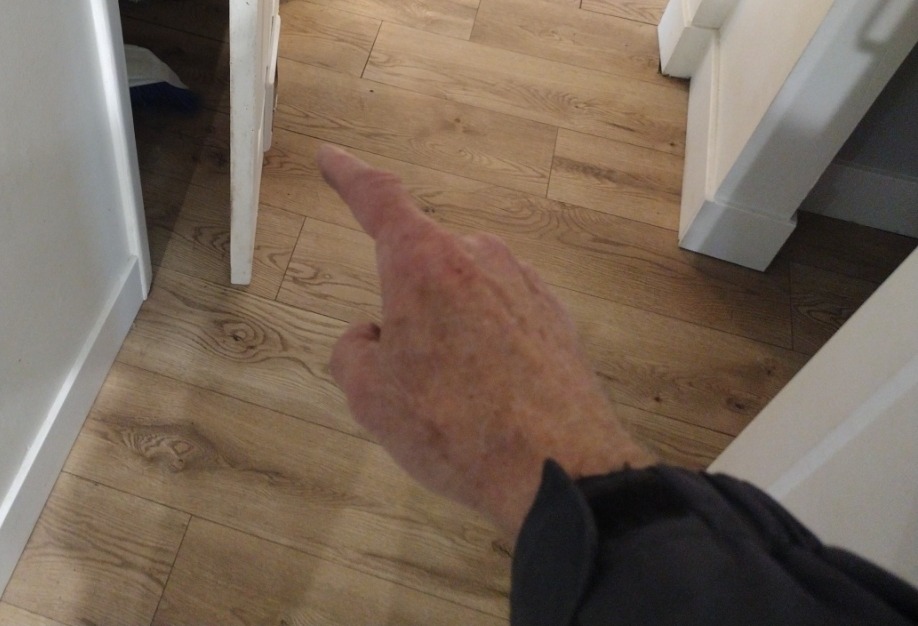
First floor, closet door below stairway rubs the floor. Correct as needed.
Bathroom Interior(s)
📱 INSPECTED:Satisfactory Condition unless otherwise noted
Ventilation:FanWindow (Operable)
Bathtubs/showers must be periodically grouted, caulked, and sealed at walls and fixtures. Tile walls and shower pans require regular maintenance and grouting. If regular maintenance is not observed, water leaks resulting in damage may occur.
Walls and Ceilings
📱WALLS/CEILINGS INSPECTED:Satisfactory Condition unless otherwise noted
Floors
📱 INSPECTED:Satisfactory Condition unless otherwise noted.
Floor covering materials are not identified or documented. Floor squeaks and stains are not documented.
Stairs and Steps
📱 INSPECTED:Satisfactory Condition unless otherwise noted
Kitchen Countertops/Cabinets
📱 COUNTERTOPS INSPECTED:Satisfactory condition unless otherwise noted
📱CABINETS INSPECTED:Satisfactory condition unless noted otherwise
Base cabinets with stains are not reported unless a water leak is present, no visibility beneath the cabinets.
Laundry Area
📱 INSPECTED:Laundry Room Area Is In Satisfactory Condition unless otherwise noted
LOCATION(S):First floor
WASHER/DRYER PRESENT (Not Inspected For Function):Washer and Dryer are Present
When appliances such as washing machines and clothes dryers are present, these appliances are not moved to gain access to the floor and or surrounding walls, etc.
Washing machines and clothes dryers are considered personal property and are not operated or inspected for function.
*When installing a washing machine, it is best to use Stainless steel braided hoses.
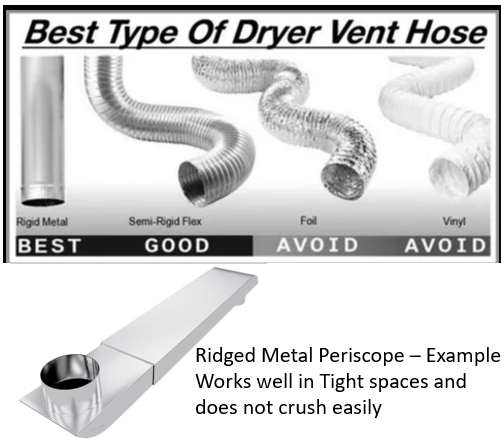
*When installing a clothes dryer install a metal corrugated type between the dryer and the exhaust vent. Many options, including telescoping for easy installation, are readily available. Do not use foil or plastic ducts.
*When a washing machine does not have a water catch pan and drain present, recommend a water detection/alarm device to be used in this area.
📱INSPECTED WASHER HOOK-UP LINES/VALVES (Not Operated):Inspected - Satisfactory Condition unless otherwise noted
DRYER POWER SOURCE:Electric 4 prongs with isolated neutral and ground
📱INSPECTED DRYER EXHAUST VENT (Visible Condition):Inspected - Satisfactory Condition unless otherwise notedFlexible/Mylar Used
A dryer vent is present. The interior of the vent is not inspected, and the location of the discharge of the vent is not confirmed. Recommend cleaning the vent and dryer every 6 months or more frequently; this is recommended for fire safety and efficiency.
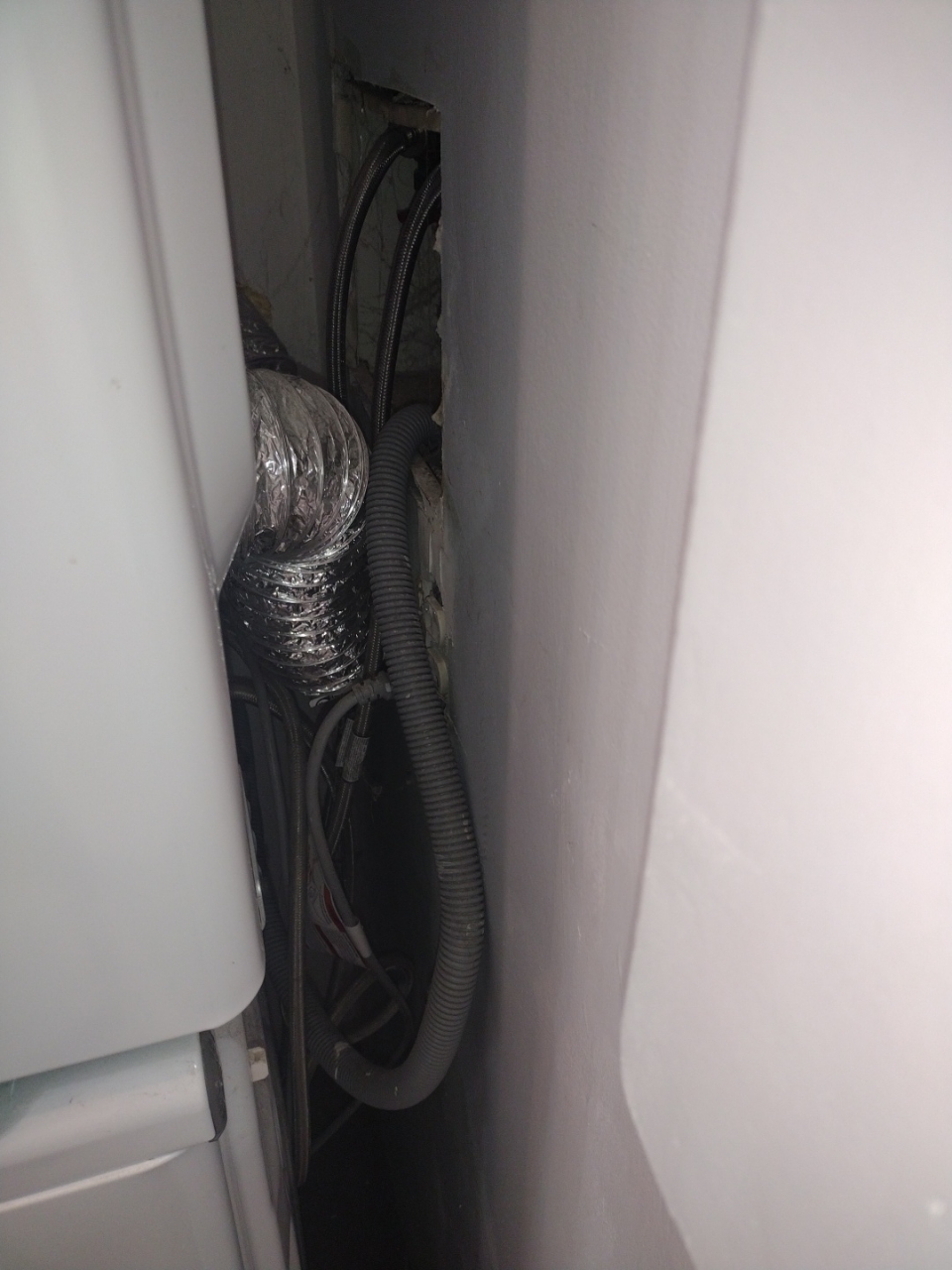
A non-metal transition duct has been used behind the dryer for venting. Most manufacturers of clothes dryers do not recommend this product. Update to a metal corrugated type between the dryer and the rigid dryer exhaust vent. Many options, including telescoping for easy installation, are readily available. These are considered personal and property, often removed with the dryer.
 |  |
⚡ Electric Service
Service Entry and Meter Box
📱 INSPECTED:Satisfactory Condition unless otherwise noted
ELECTRIC IS ON:Yes
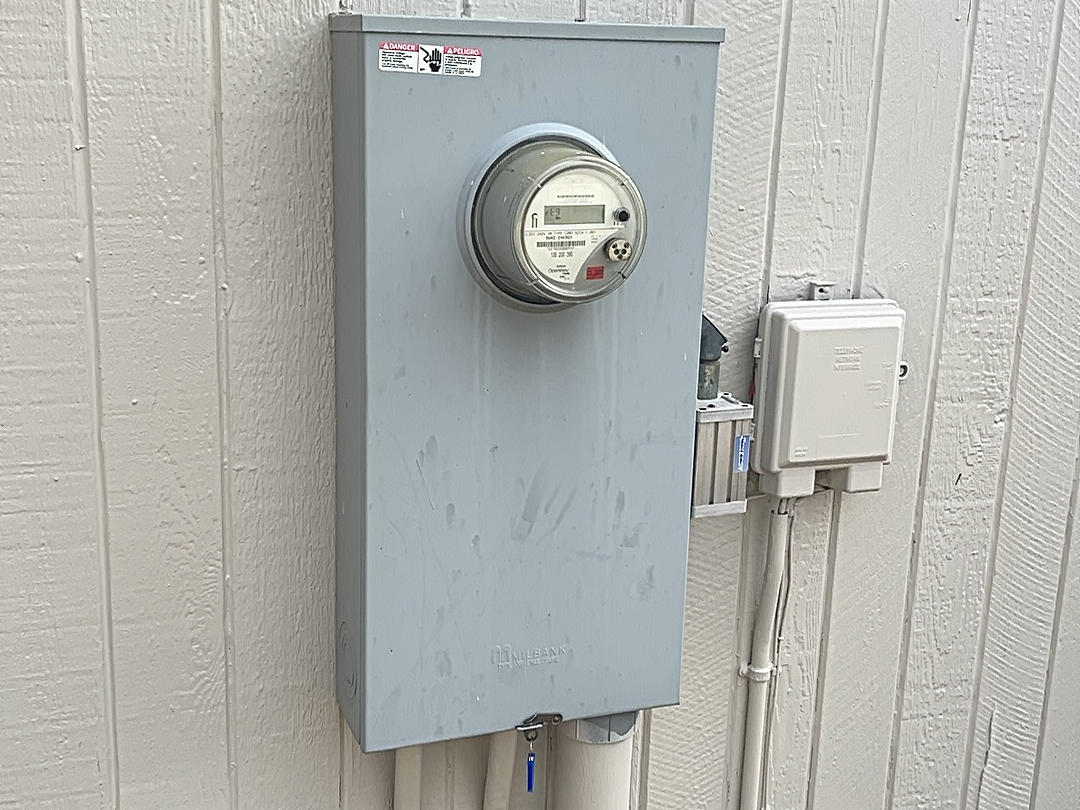
ELECTRICAL SERVICE (EXTERIOR):Underground 120/240 Volts Aluminum Service Conductors
√
Main Electric Distribution Panel
📱 INSPECTED:Satisfactory Condition unless otherwise noted
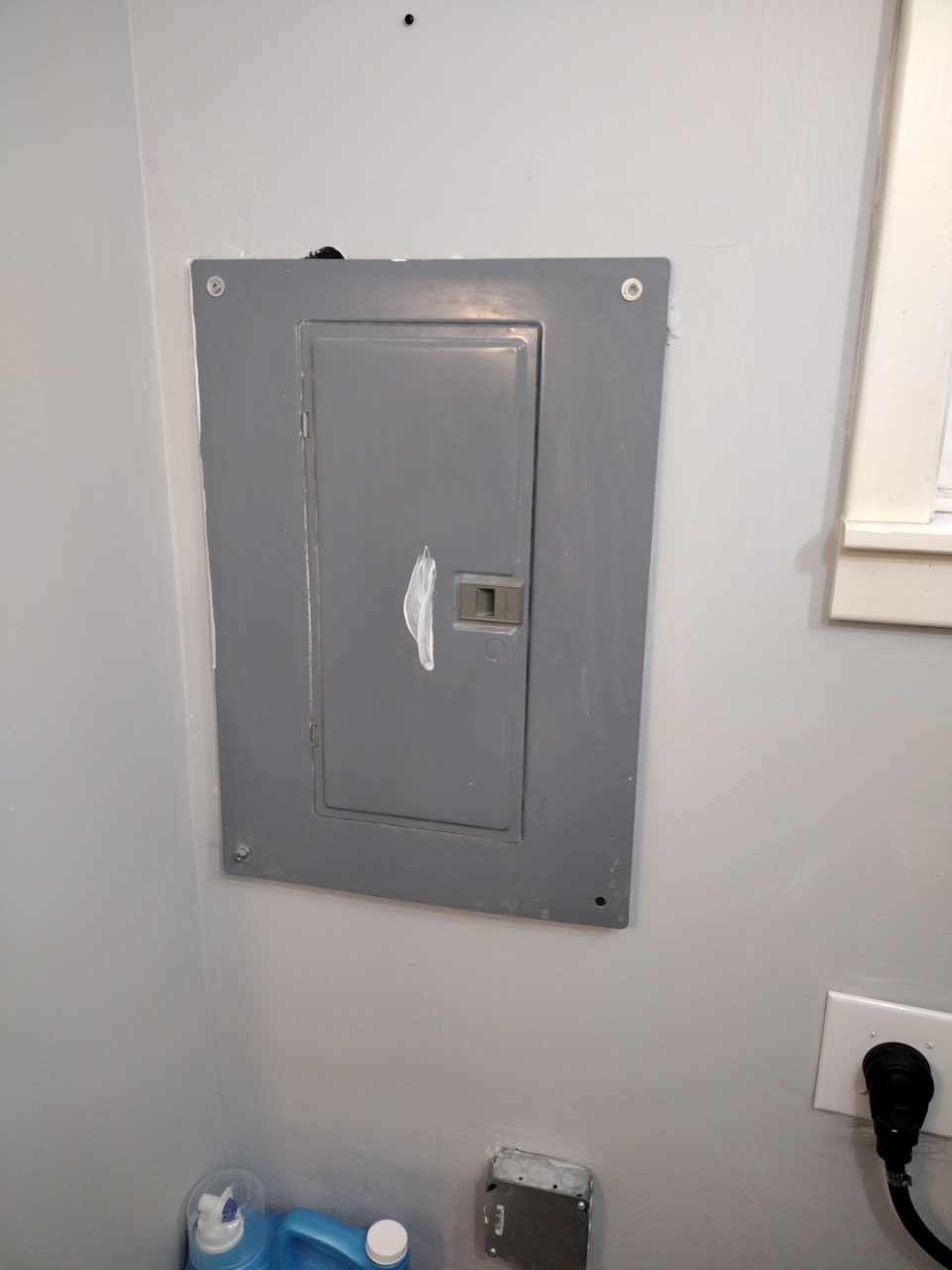
LOCATION:Laundry
PERMIT STICKER PRESENT:NO
PANEL MANUFACTURER:Square D
BRANCH WIRING MATERAL (Visible at the Panel/Panel Face Removed): See Comments in the Branch and Finish Wiring Chapter
Wiring Methods (Visible) at the Panel See Materials and Comments in the Branch and Finish Wiring Chapter.
DISCONNECT AMPERAGE / SERVICE (Approximately):100 amp
✓
 |  |
👉 GFCI/AFCI BREAKERS PRESENT: AFCI (Not Present (Pre 2002))
(AFCI) Arc fault breakers are NOT present, this is common for panels pre-dating 2002. The requirement for AFCIs in electrical panel installations from 2002 onwards may vary. The Local Code Enforcement Agency Having Jurisdiction is the authority when determining whether AFCIs are necessary, especially in cases involving older two-wire branch wire circuits.
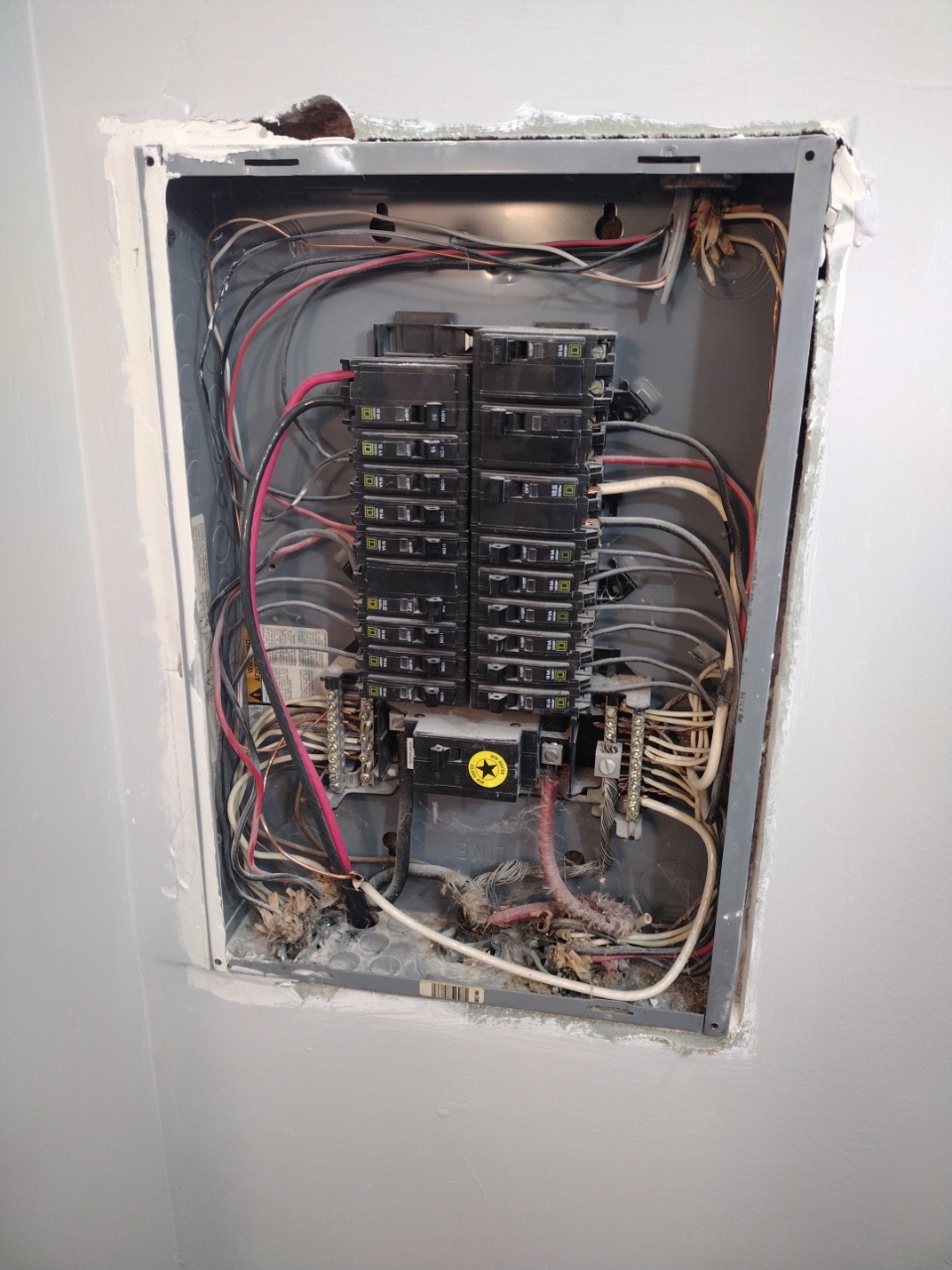
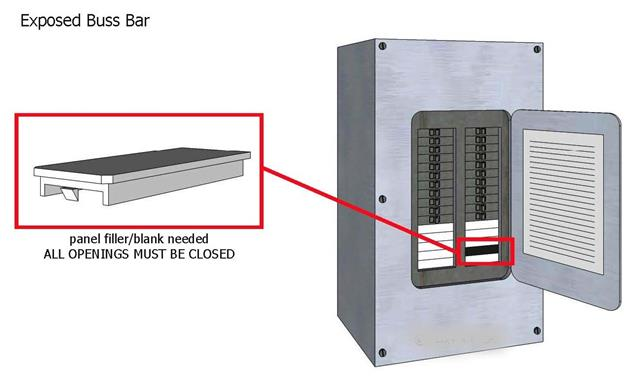
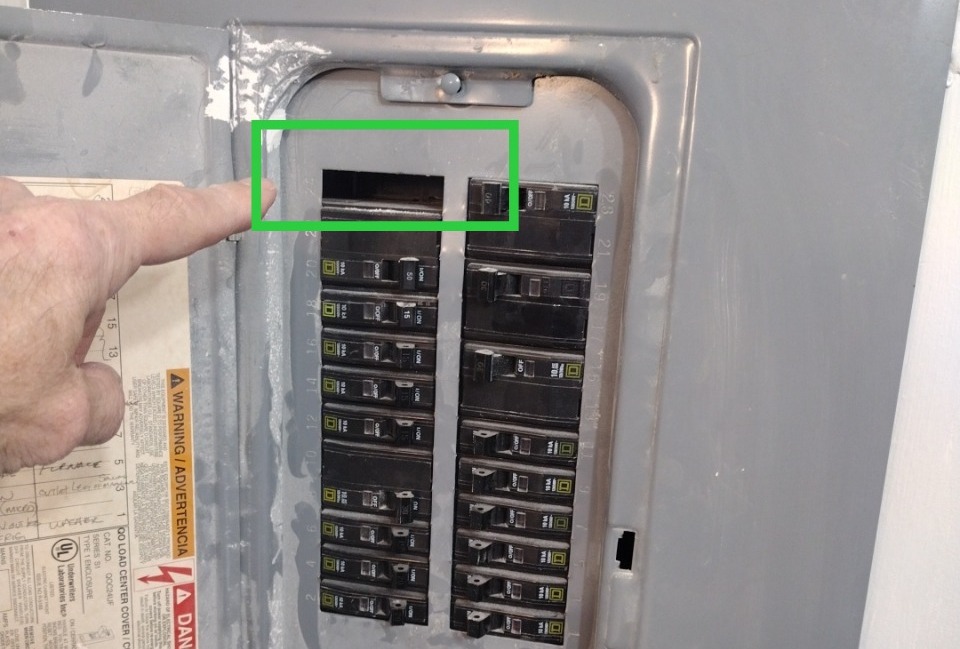
The panel dead front cover has openings where knockout(s) have been removed. These openings provide direct access to exposed wiring and terminations through the front of the panel. Install necessary knockout covers in the openings as needed. (Handyman)
 |  |
The final electrical inspection sticker does not exist on the main electrical panel or meter. Recommend requesting documentation such as permits for the installation. If permits are not available, recommend obtaining proper permits and inspections by the municipal electrical inspector and a licensed electrician to correct any deficiency identified by the municipal inspector with jurisdiction.
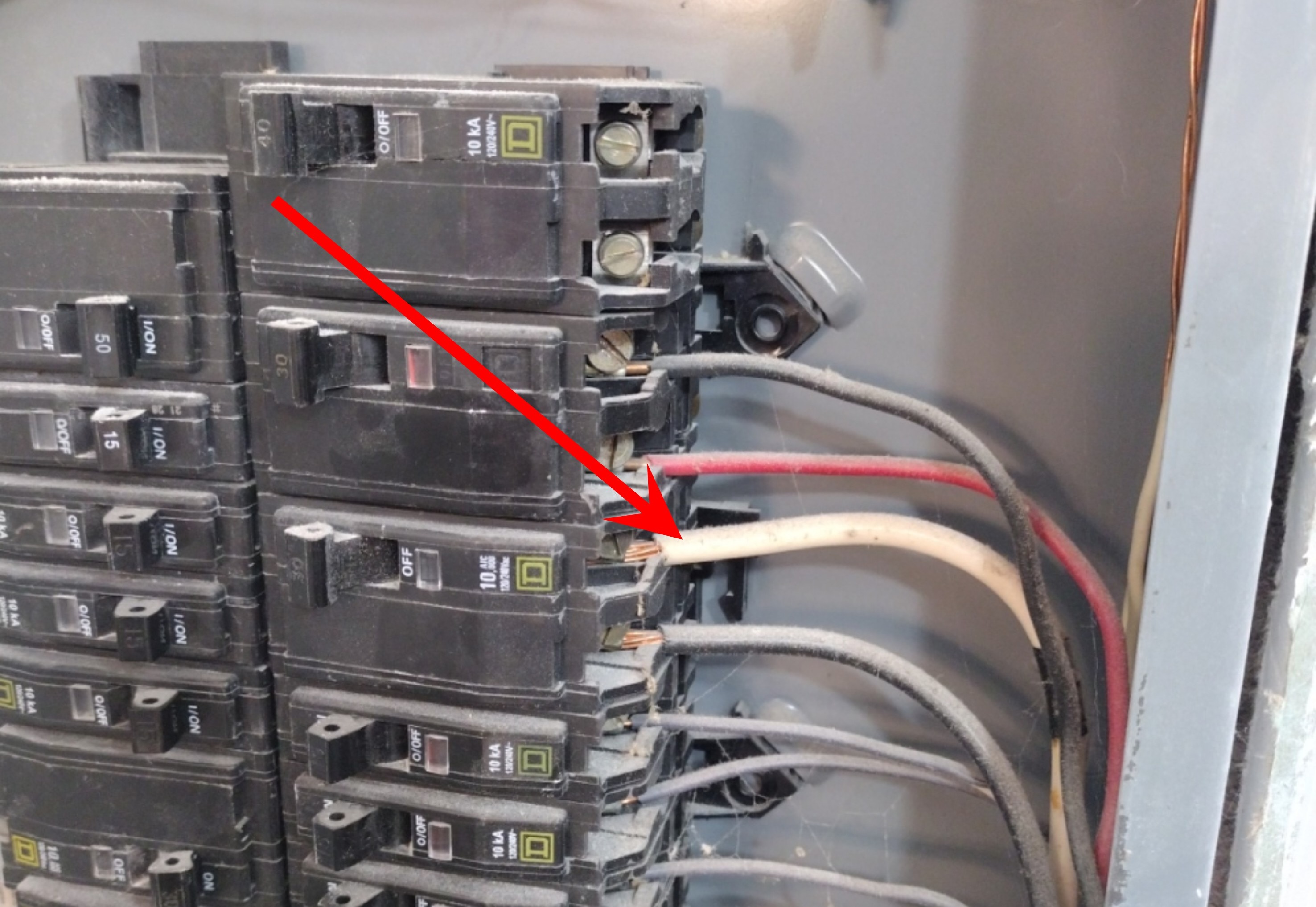
Electric distribution panel, double-pole breaker(s) have black and white conductors terminated. White-sheathed conductors are allowed but should be colored, taped, or otherwise marked to confirm they are intended for use as a (hot) conductor. Recommend a licensed electrician to confirm proper installation and correct as needed.
💡 Electric Branch Wiring and Devices
Branch and Finish Wiring
📱 INSPECTED:Satisfactory Condition unless otherwise noted.
BRANCH WIRE MATERIAL AND METHOD:Copper Non-Metallic Sheathed Cable (Romex)Conduit
Electric Receptacles, Switches, and Fixtures (Representative Number)
📱 INSPECTED (SWITCHES/RECEPTACLES/FIXTURES):Satisfactory Condition unless otherwise noted.
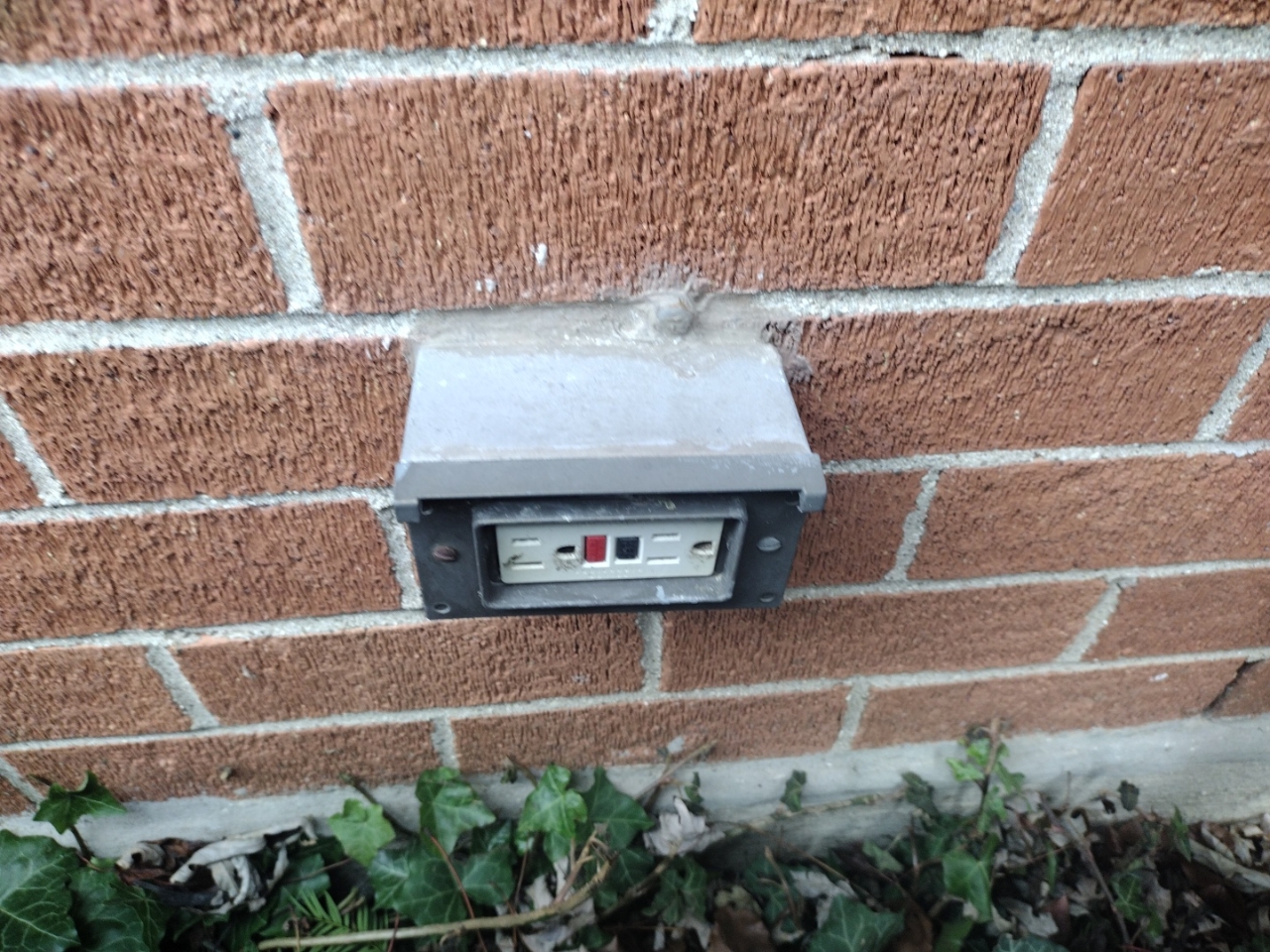
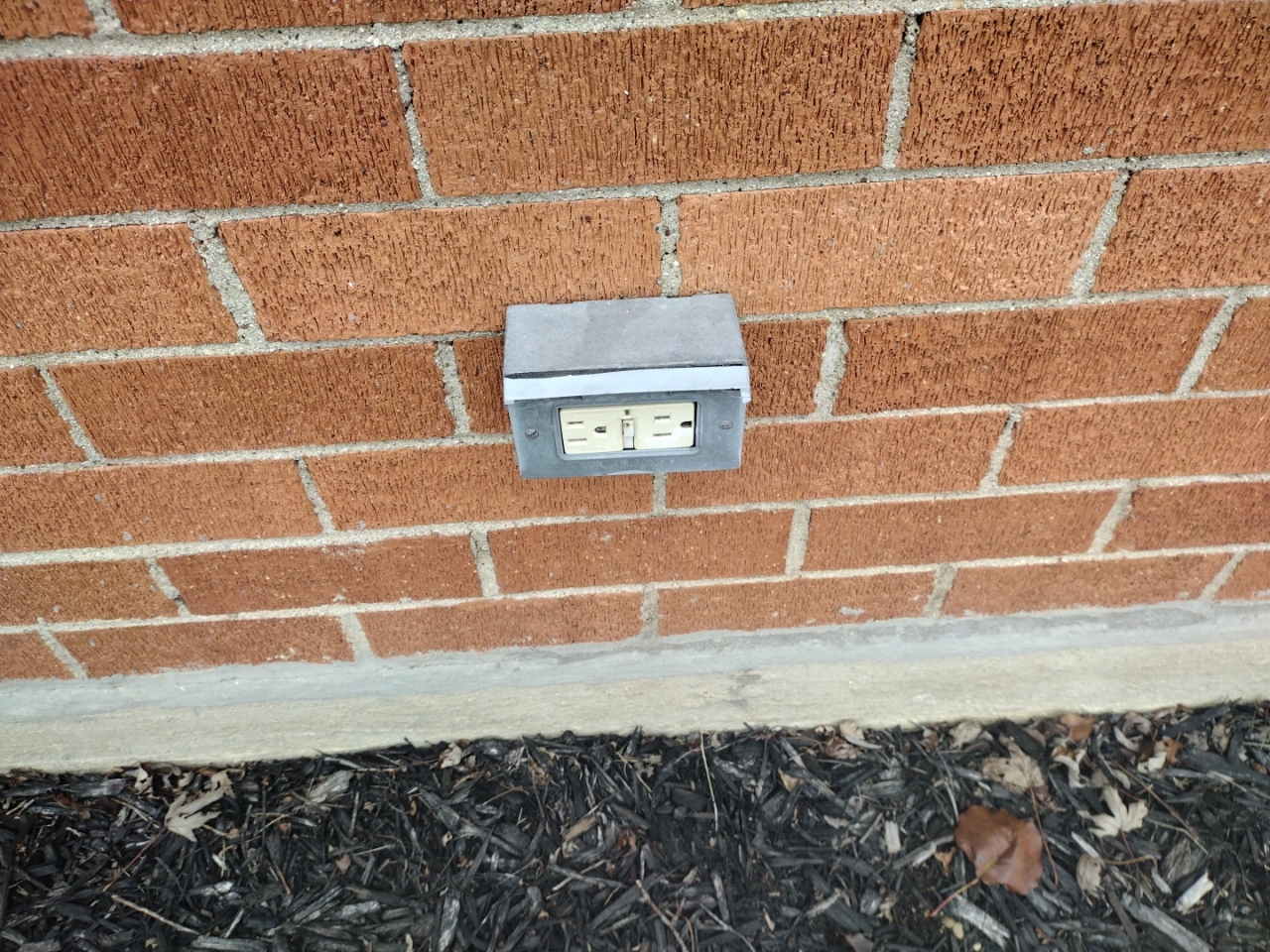
Exterior receptacle weather cover is damaged. Correct as needed.
Location: Front two outlets
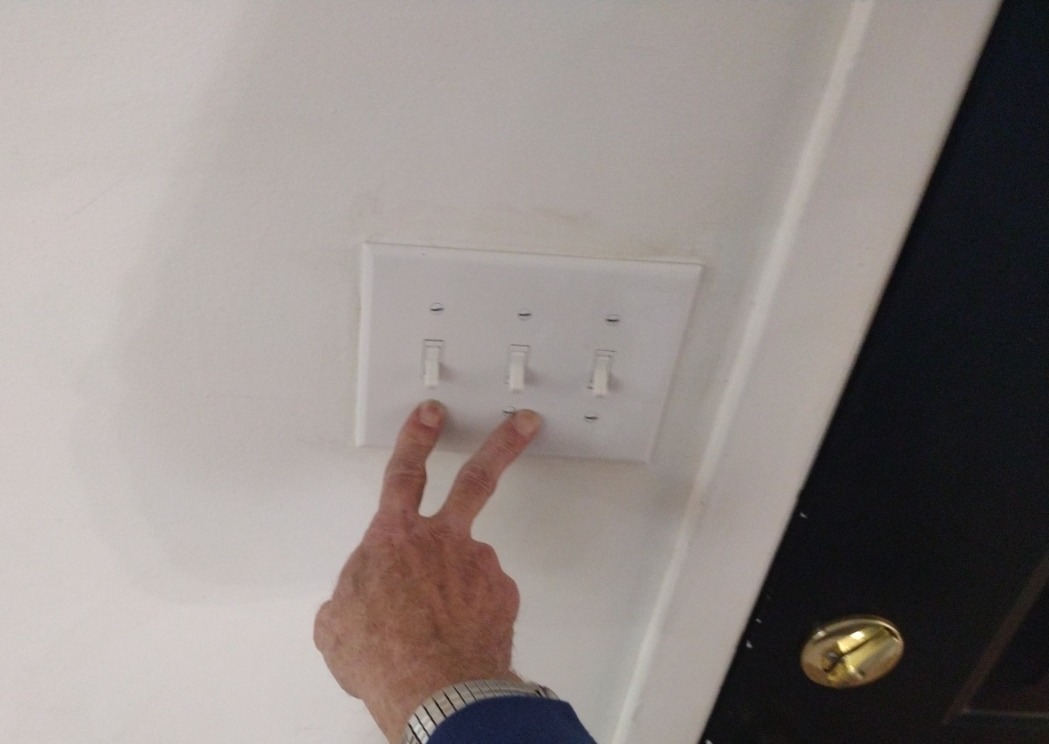
One or more light switch(s) appeared to be inoperable at the time of the inspection. Recommend asking the seller what the switch operates and demonstrate functional. If owner is unable to demonstrate functional recommend an electrician to repair as needed.
Examples (not Limited to):
- At front door
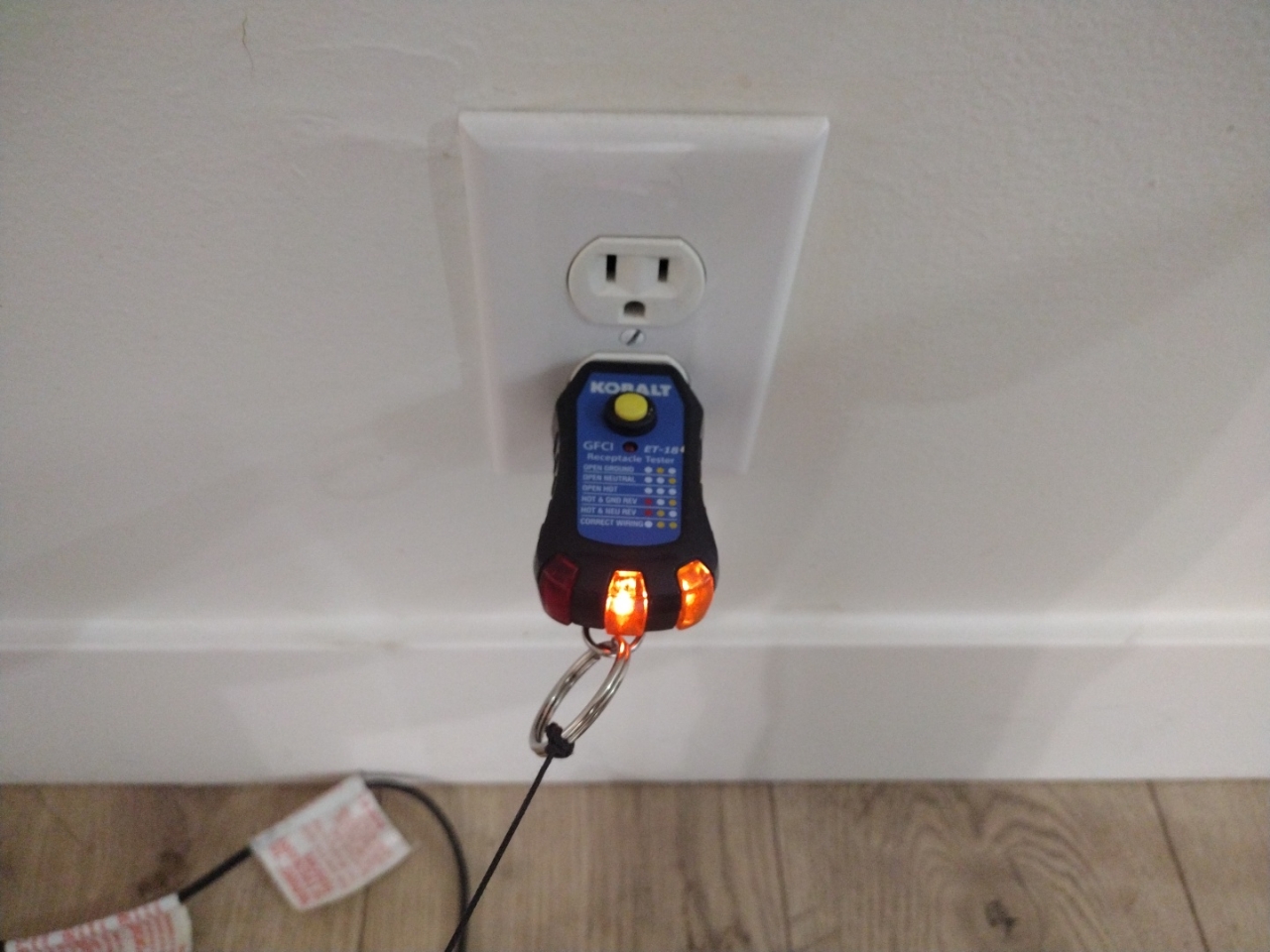
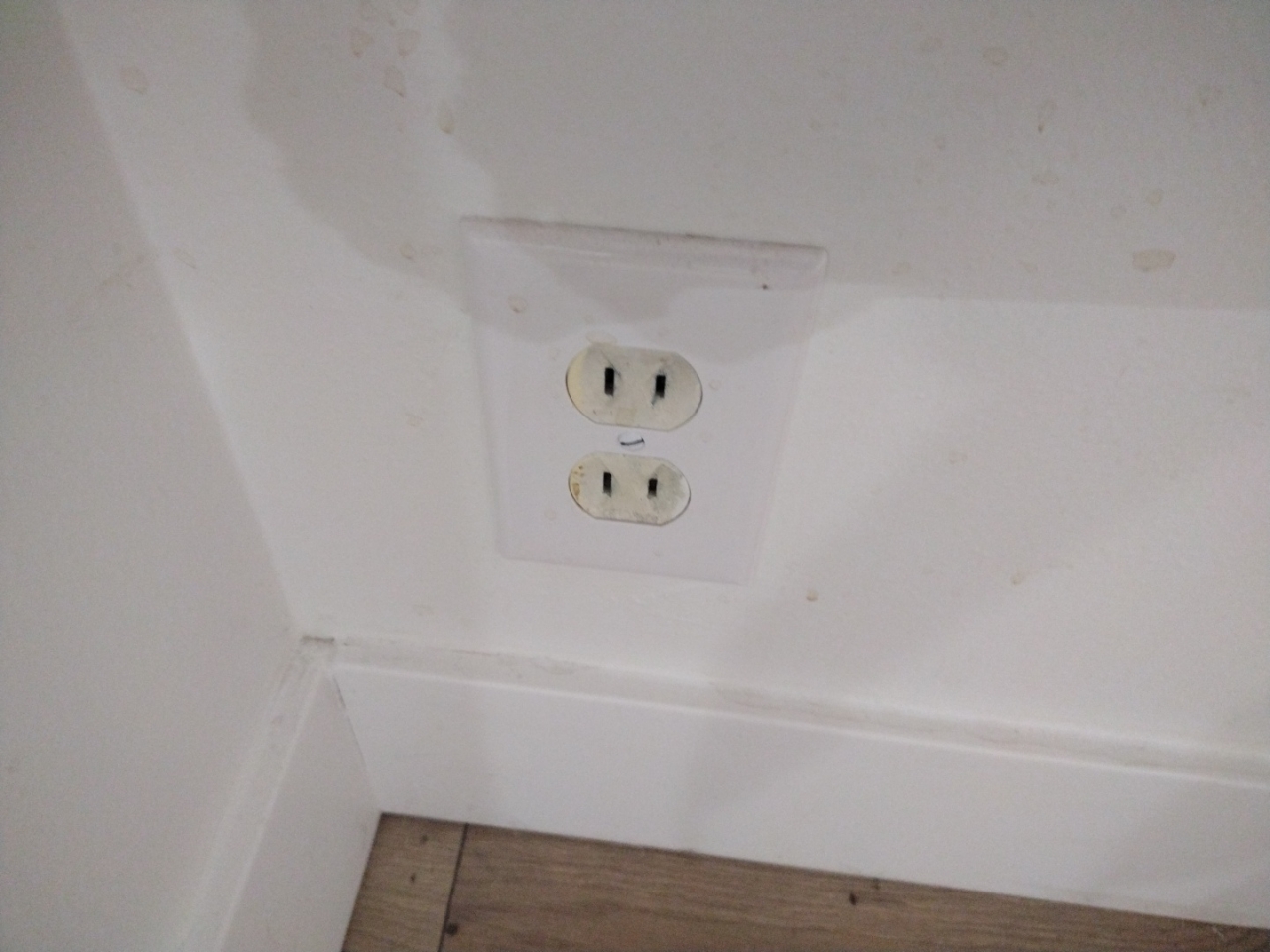
Both grounded (3 prong) and original non-grounded (2-prong) receptacles are present throughout the home. Grounded are predominant throughout the building. Recommend grounding any receptacles that high-end appliances such as TVs and computers will be utilizing.
 |  |
Smoke Alarms
📱 INSPECTED:Satisfactory Condition unless otherwise noted. (Devices are not checked for function)
Carbon Monoxide Alarms
📱 CARBON MONOXIDE DETECTOR (Gas Appliances and or Attached Garage):See Comments.
Secured/permanent Carbon Monoxide alarms are not present. In all buildings with gas appliances and or garages, CO alarms should be installed in a central location outside each sleeping area, on every level, and in other locations as needed per current best practice. Correct as needed.
🌡️ 🔥Heating and Cooling Systems Forced Air
General System Comments
Heating and cooling system service records indicating recent equipment servicing are not present. Good practice suggests routine maintenance annually. If the owner cannot provide service documentation of both the heating and cooling components of the system within the past 6 months, Recommend having the heating/cooling system serviced.
Furnace / Central Heating
📱 INSPECTED:Satisfactory Condition unless otherwise noted
HEATING SYSTEM LOCATION:Closet
ENERGY SOURCE / DESIGN TYPE:Gas/Natural
This building has a gas forced air furnace. A critical component to all combustion heating equipment is the heat exchanger. This is the welded metal assembly inside the furnace that contains the products of combustion so that moisture, carbon monoxide and other products of combustion do not mix with interior air and get safely vented to the exterior. Heat exchangers on modern furnaces have an average life expectancy of 15-20 years. Unfortunately, heat exchangers are concealed inside the heating equipment; they are not visible and specifically excluded from a building inspection. Cracks in heat exchangers may be concealed and can pose a potential safety hazard.
MANUFACTURER YEAR/AGE:Could not determine
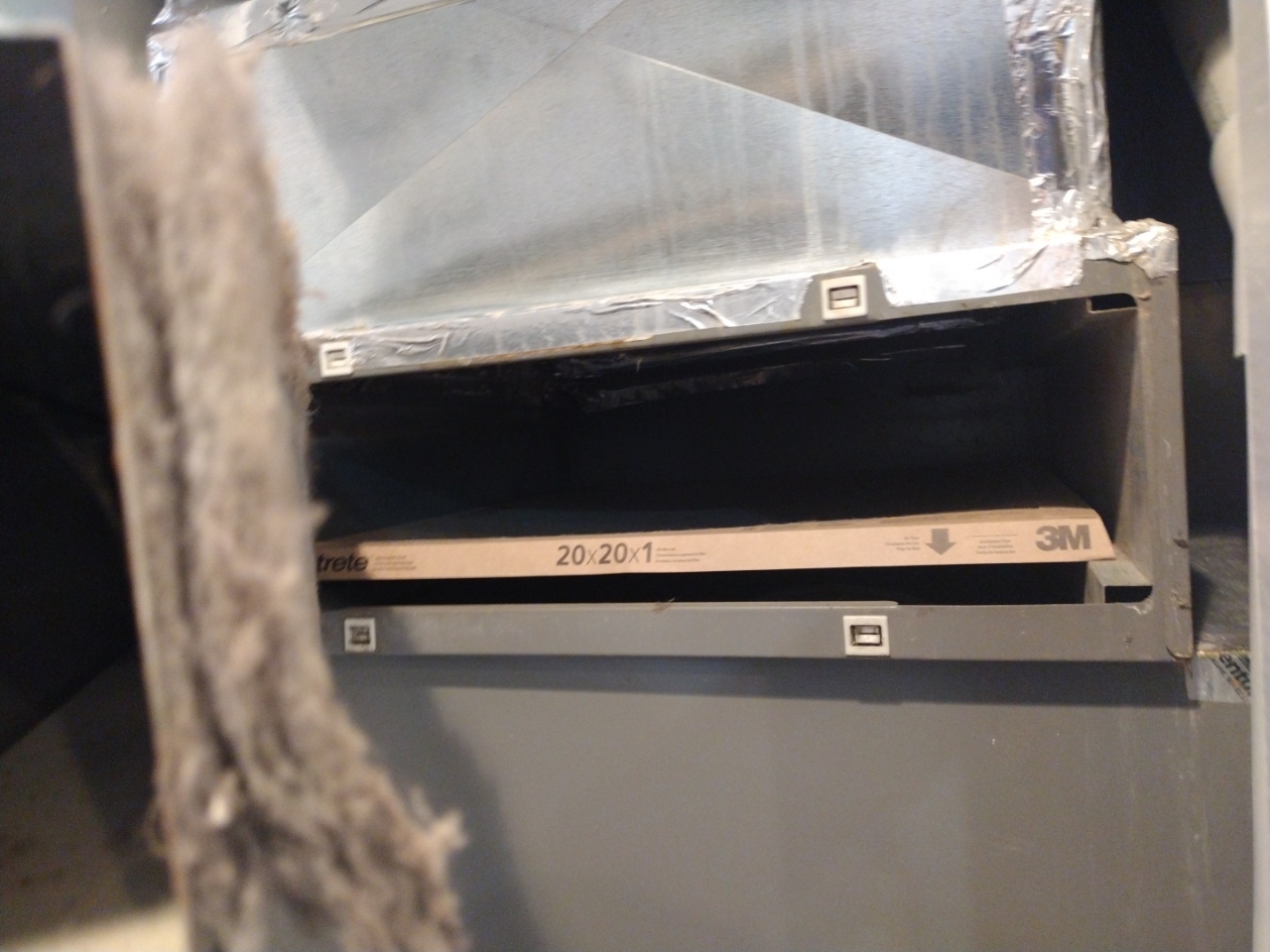
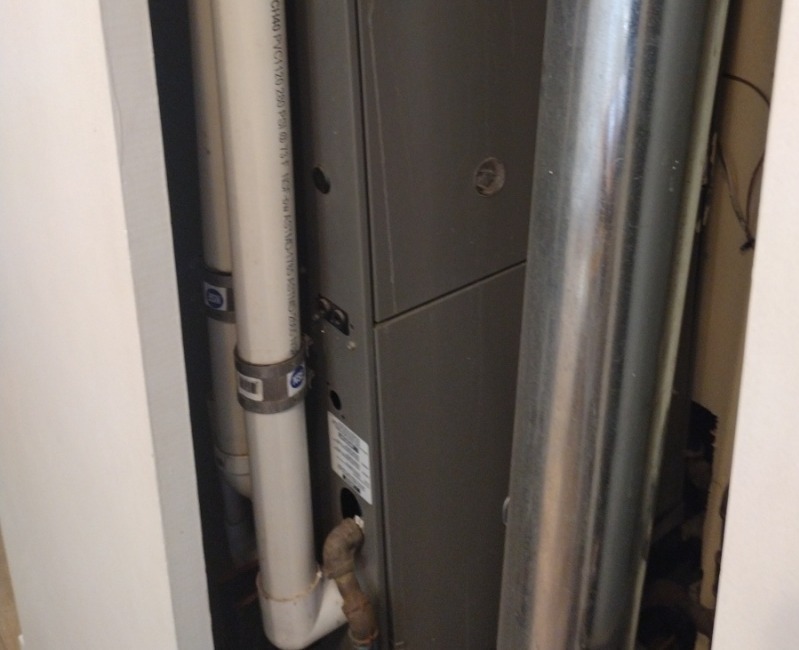
DATA PLATE & GENERAL PICTURES: 📸
√
 |  |  |
MANUFACTURER: Lennox
HVAC System Sizing and Adequacy is Technically Exhaustive and outside the scope of this Inspection.
Please note that during this inspection, we do not evaluate the sizing, compatibility, or overall adequacy of the heating, cooling, and distribution systems, including:
- Ductwork sizing and layout
- Airflow and return systems
- Equipment Sizing
- Compatibility of HVAC system components
These aspects are specialized, Technically Exhaustive, and outside this Inspection's scope. As such, we will not provide comments or conclusions regarding the sufficiency of the HVAC system(s) and distribution system(s).
For a detailed assessment of these systems, we strongly recommend consulting with a licensed HVAC contractor who can provide a comprehensive evaluation tailored to your specific needs.
For further reading:
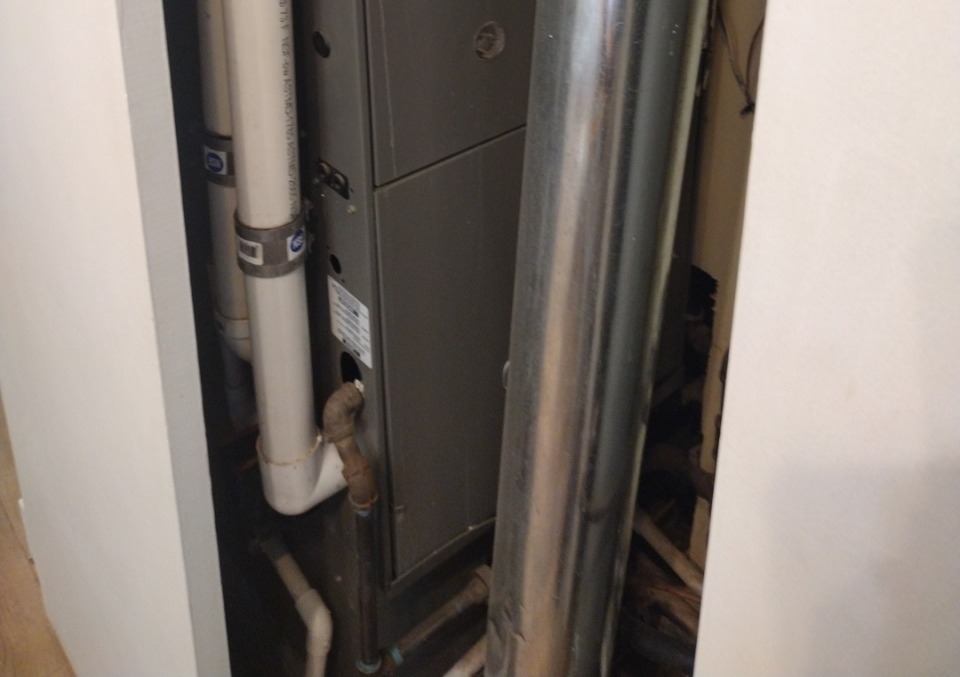
Furnace is blocked by duct and is not accessible, could not remove the front panels. Furnace condition was not observed. Recommend further assessment and service of the heating and cooling system by a qualified heating and cooling contractor.
Air Conditioning & Heat Pumps
📱 INSPECTED:Not Inspected See Comments < 65° F
SYSTEM TYPE:Air Conditioner/Forced Air
Exterior of the building, the Air Conditioner Compressor, if well-maintained, have an average design life of approximately 10 to 15 years. As equipment ages, the efficiency of the unit will decline and it is common for it to become more problematic and subject to failure.
ENERGY SOURCE:Electric
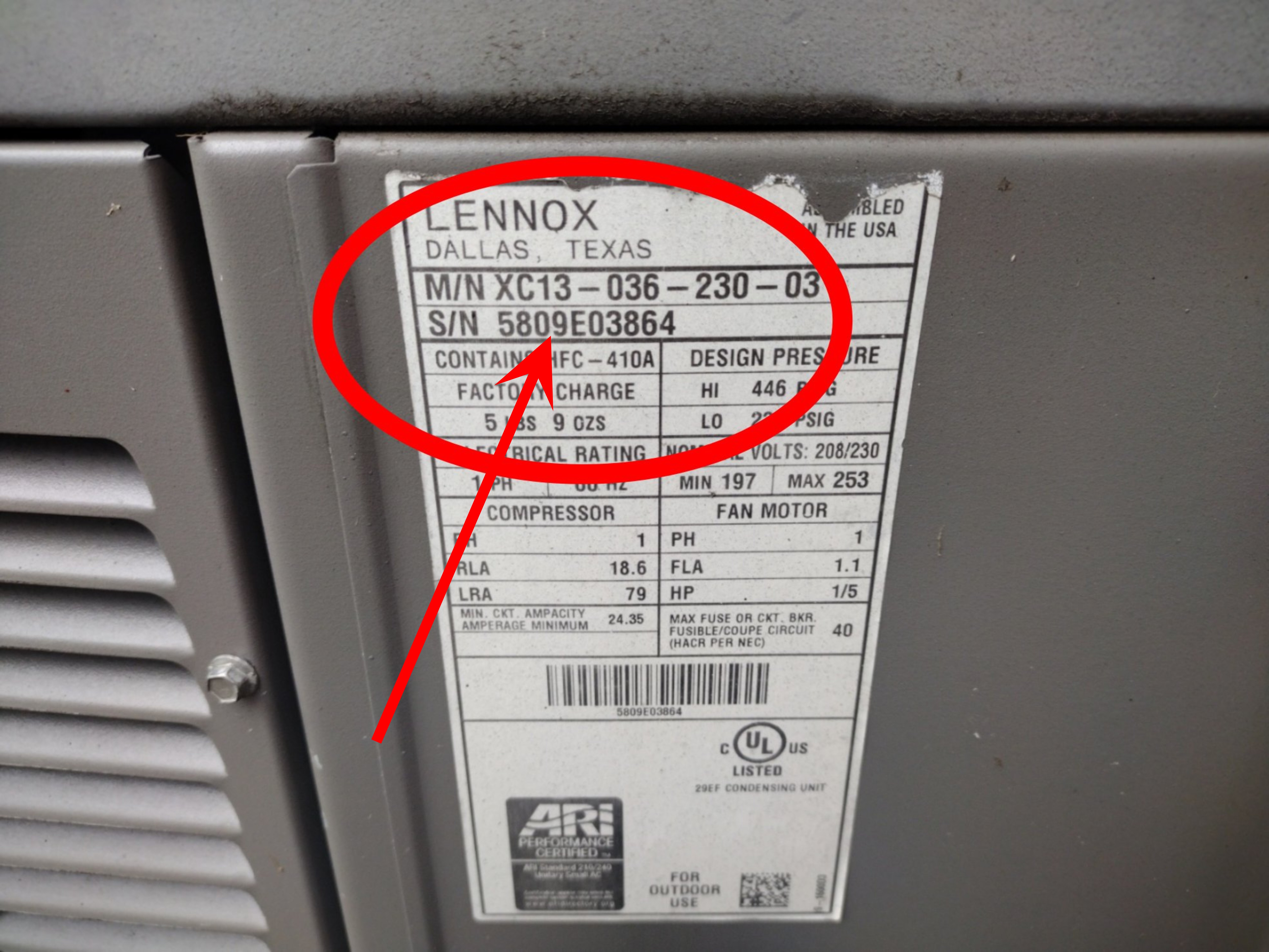
MANUFACTURE YEAR/AGE:12+ Years Old2009
DATA PLATE & GENERAL PICTURES: 📷
√
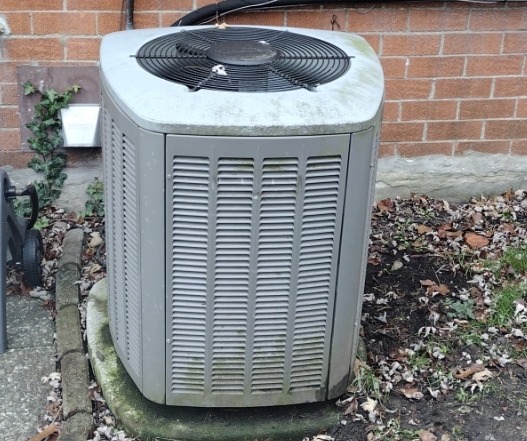 |
MANUFACTURER: Lennox
Per industry standards, the air conditioning was not tested for proper operation because the outside air temperature was below 65 degrees within the past 24 hours. Testing AC equipment below these temperatures can cause damage to the AC compressor. The function of the AC was not confirmed.
Air Conditioners, if well maintained per the NAHB compressors, have an average design life of approximately 12 to 15 years. As equipment ages, the efficiency of the unit will decline, and it is common for it to become more problematic and subject to failure. Due to the age of the equipment, it is advised to have the heating and cooling system further assessed by a licensed heating and cooling contractor. Recommend budgeting for replacement.
Distribution - Heating / Cooling (Central Forced Air)
📱 INSPECTED:Satisfactory condition unless otherwise noted
FILTRATION TYPE:Disposable
FILTER LOCATION:At the Air Handler
As a general statement in multi-story buildings with one heating-cooling source (non-zoned), it is not uncommon for the different floors to maintain temperatures +5 degrees different from one another, most noticeable during warm weather. In older homes, it is common for owners to utilize zone cooling such as window unit air conditioners. If this is a concern to the client, I recommend further evaluation and possibly having the system professionally balanced for comfort and efficiency.
🛁 Plumbing
Water Service & Distribution
📱 INSPECTED:Satisfactory Condition unless otherwise noted.
WATER SOURCE SUPPLY:Public/Municipal Water
MAIN WATER SHUT OFF LOCATION:Utility room
MAIN WATER LINE/SUPPLY (VISIBLE):Copper
INTERIOR WATER DISTRIBUTION PIPING (VISIBLE):Copper
FUNCTIONAL FLOW & PRESSURE:Confirmed 40 to 80 PSI
PRESSURE REDUCING VALVE / EXPANSION TANK:Are not present
Main water shut off for the building.
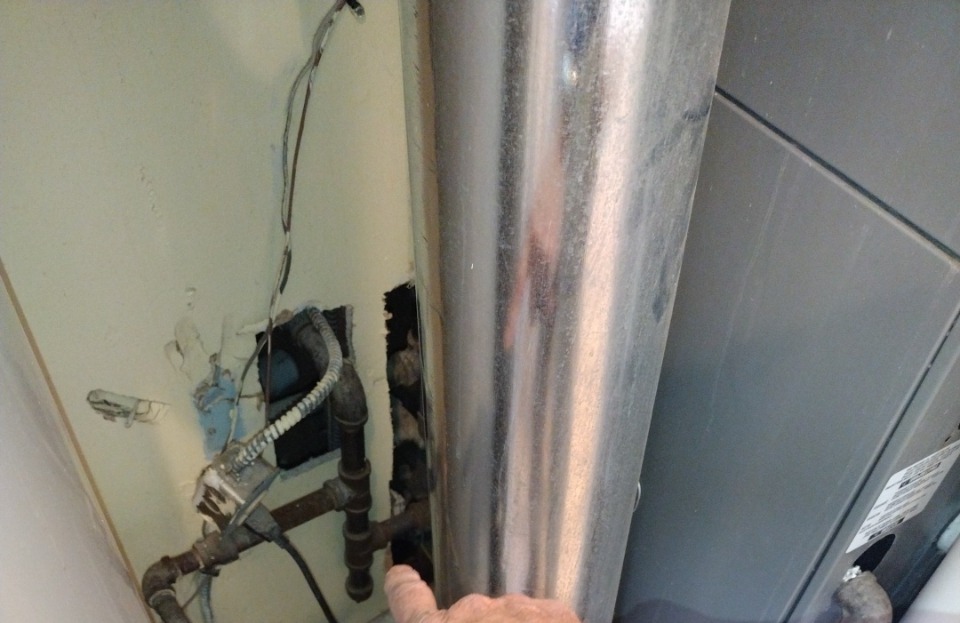
The main water supply does not have a pressure regulator. The client may wish to have one installed to protect the plumbing system from excessive pressure as supplied by the municipal water supply. Municipal water pressure can fluctuate with excessive pressure, causing damage to water system components within the building, such as water heaters. If a regulator is installed, creating a closed-loop system, most water heater manufacturers require an expansion tank installed in the cold water line. The thermal expansion tank absorbs excessive water pressure created when water is heated by the water heater (storage tank) in a closed loop system within the building, which may damage system components such as the water heater. A thermal expansion tank will also be required if a pressure regulator is installed. Recommend the client contact the municipal water company and confirm whether a water pressure regulator is required. Correct as needed.
Hot Water System
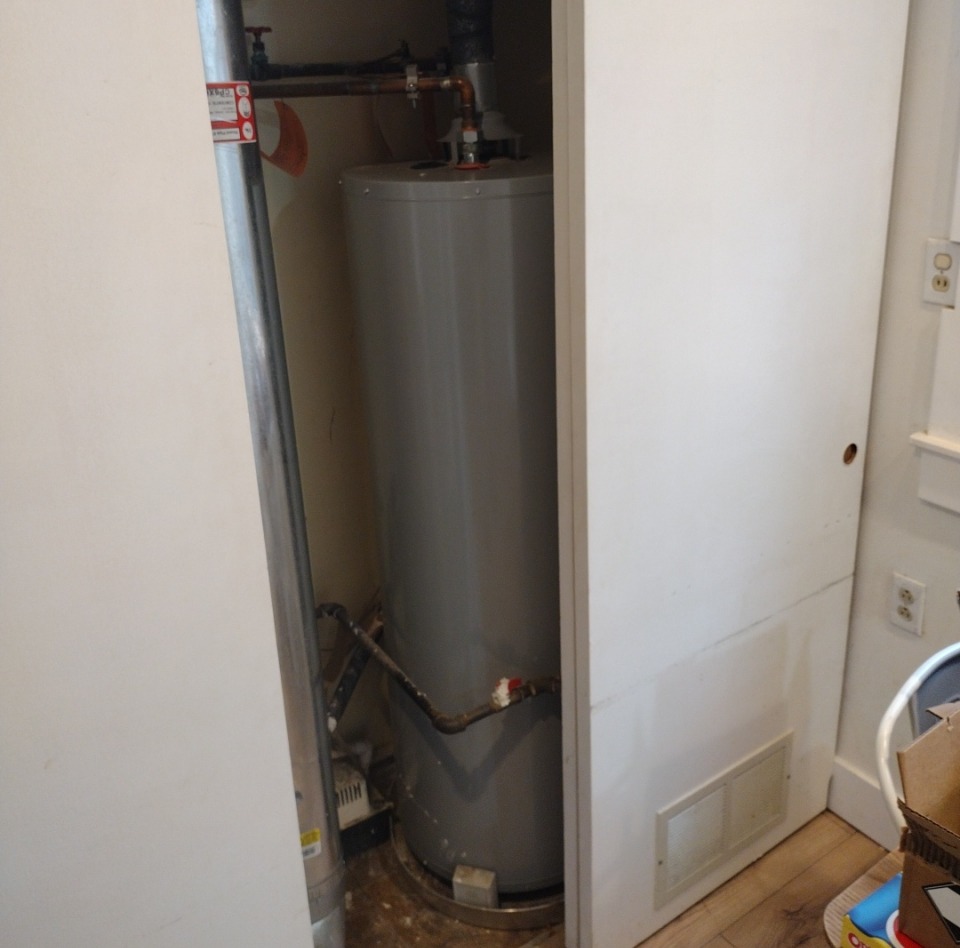
📱 INSPECTED:Satisfactory Condition unless otherwise noted.
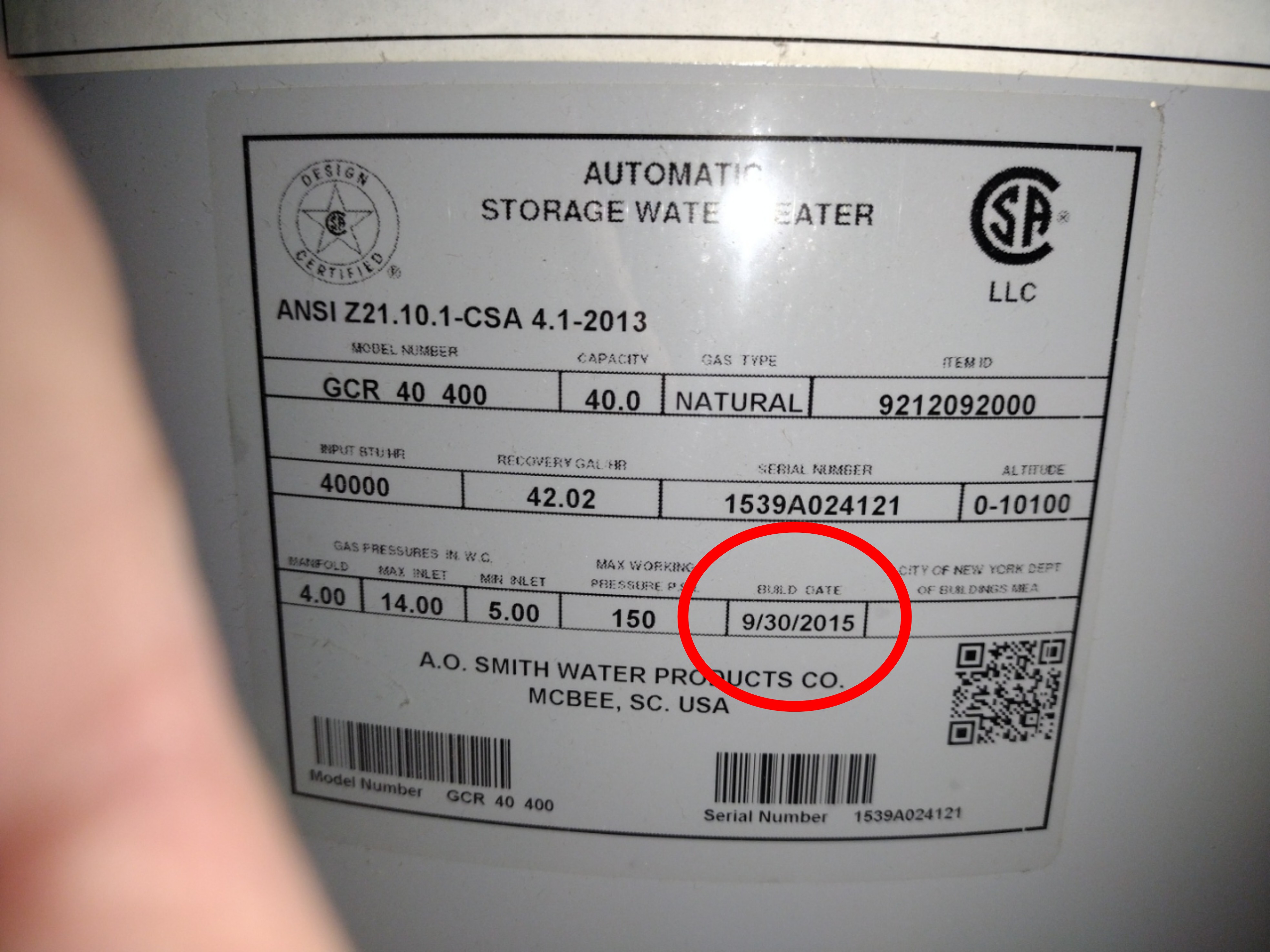
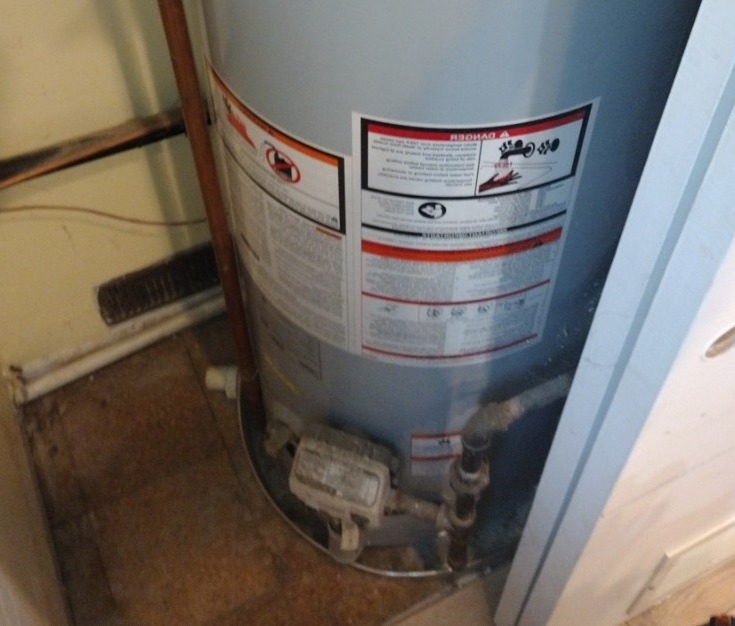
Per the NAHB, water heaters will have an average design life of 12 years. It is not possible to determine how long the water heater will or will not continue to function. As equipment ages, the efficiency of the unit will commonly decline, and it is common for it to become more problematic and subject to failure.
POWER SOURCE:Gas
MANUFACTURER DATE:2015
CAPACITY:40 Gallons
DATA PLATE / GENERAL PICTURES: 📸 .
.
 |  |
WATER TEMPERATURE:Approximately 110 to 130 Degrees OK
DRAIN PAN (Fininshed Area): Present
The water heater has a drain pan and a floor drain in close proximity.
Fixtures and Drains
📱FIXTURES and DRAINS INSPECTED:Satisfactory Condition unless otherwise noted.
Waste piping is often not visible beyond the area immediately below a sink (fixtures) and can not be visually inspected. Personal articles under sinks are not moved to gain access for inspection. Bathtub drains are frequently not visible and or not accessible and cannot be visually inspected. Where a chronic leak is present, water stains are likely to be present. We inspect for water stains on finishes, etc., indicating issues may be present, and report on these as needed.
FUNCTIONAL FLOW:Satisfactory
In bathroom areas, regular maintenance of tile caulk and grout is critical for moisture control at the tub/shower enclosure(s). Faucets and toilet tank parts require periodic maintenance and/or replacement of internal parts such as washers and seals. The building owner can frequently perform these regular maintenance items. During the inspection, only items that are beyond common maintenance will be identified.
Main Waste, Drains, and Vent Systems
📱 INSPECTED:Satisfactory Condition unless otherwise noted.
SEWER TYPE:Public Sewer System
DRAIN/WASTE/VENT PIPE MATERIAL:PVCCopperCast iron
During the inspection, water is run, however, it is not always possible to identify potential water waste and drain issues that may occur, interior of lines is not visible. The volume of water used by occupants is greater than the volume of water ran during an inspection. The majority of waste lines and waste vents are not accessible or visible during this inspection and are often contained in walls, etc.
Sewer waste line cleanout is accessible at the front exterior..
During the inspection, water is run; however, it is not always possible to identify potential water waste and drain issues that may occur. The volume of water occupants use is greater than that of water ran during an inspection. The majority of waste lines and waste vents are not accessible or visible during this inspection and are often contained in walls, etc. It is common to replace older waste lines (cast iron, copper, and galvanized) with PVC pipes when issues arise. Underground (not visible) sewer laterals in structures of this age, if original, may consist of a number of materials ranging from cast iron, clay bell tile, and asphalt; materials used and condition of laterals cannot be identified during a building inspection.
As a general rule, the old cast iron pipe can last 50-100 years. Galvanized and copper waste pipe can have a shorter useful service life - sometimes as little as 50 years. Visible areas of the waste lines have been replaced with PVC.
The customer may desire to have the sewer waste line laterals between the building and the sewer further evaluated using a sewer camera (not part of this inspection) to ensure damaged or blocked waste lines are not present between the building and the discharge into the sewer.
💧💧 Gas/Fuel
Gas and Distribution Systems
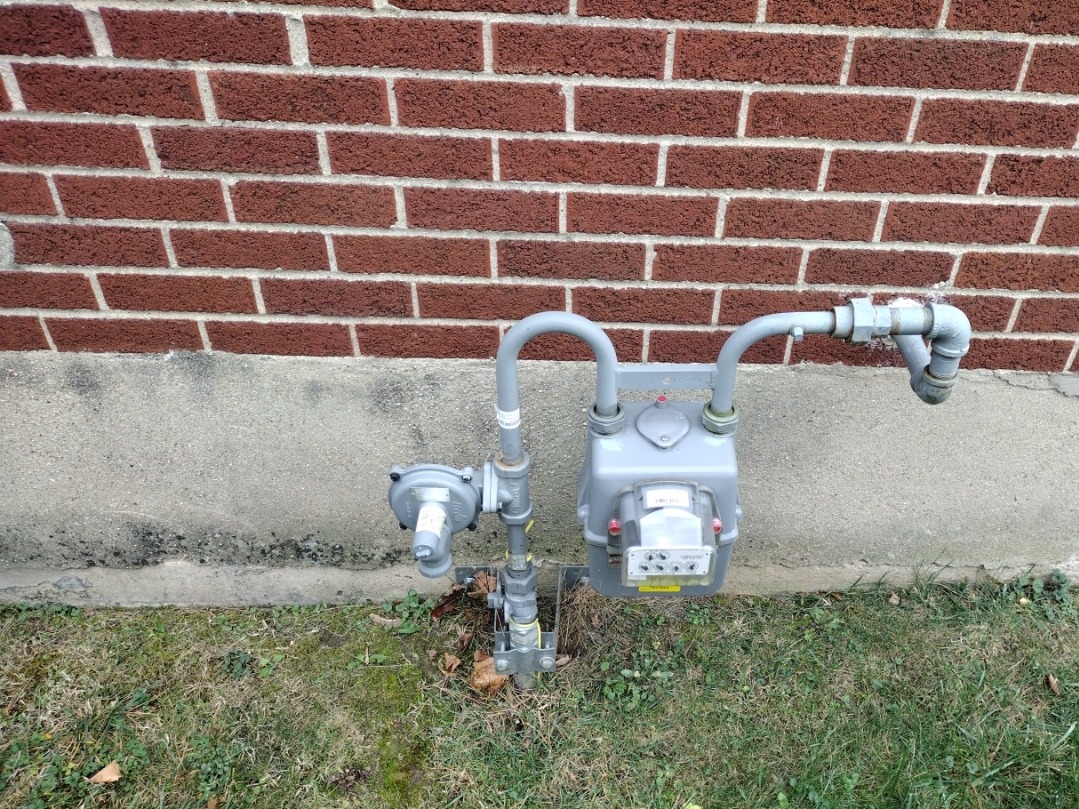
📱 INSPECTED:Satisfactory Condition unless otherwise noted.
GAS LINE MATERIAL:Black Iron
GAS/FUEL SOURCE & SHUT-OFF LOCATION:Natural Gas/Exterior
General picture(s)
🍽️ Kitchen Appliances
Kitchen Appliances
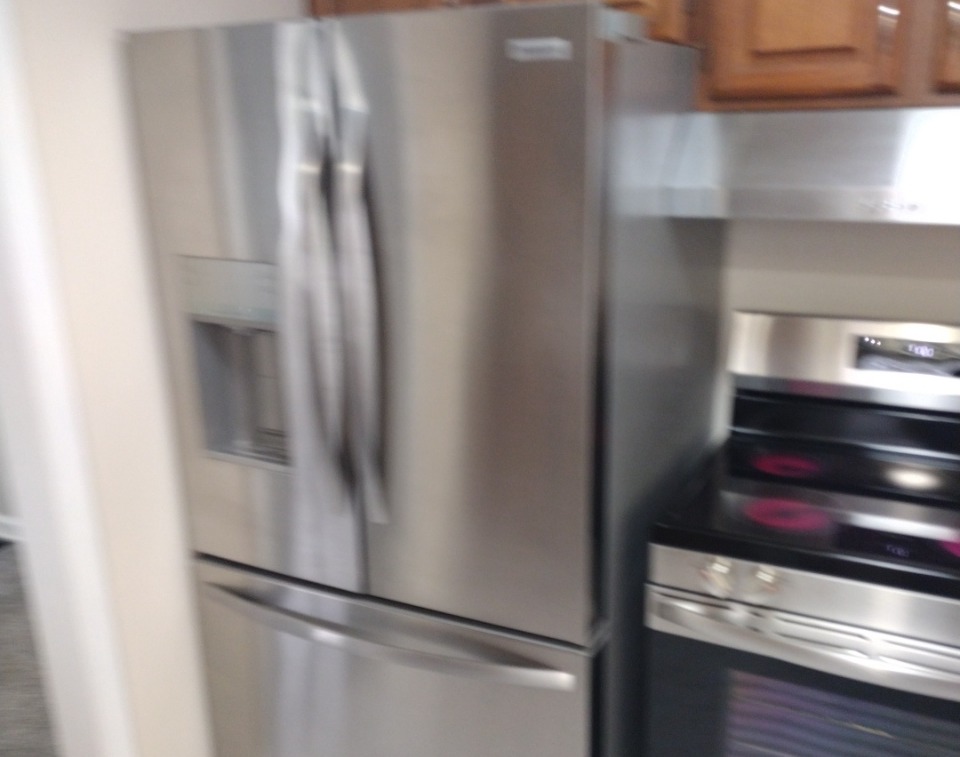
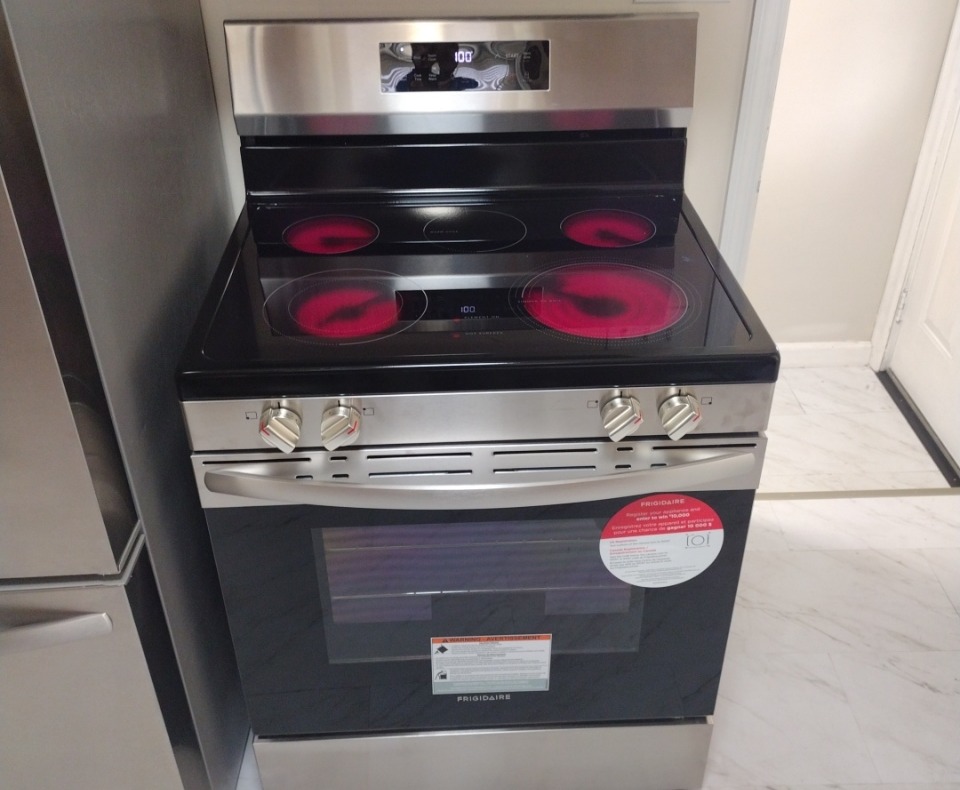
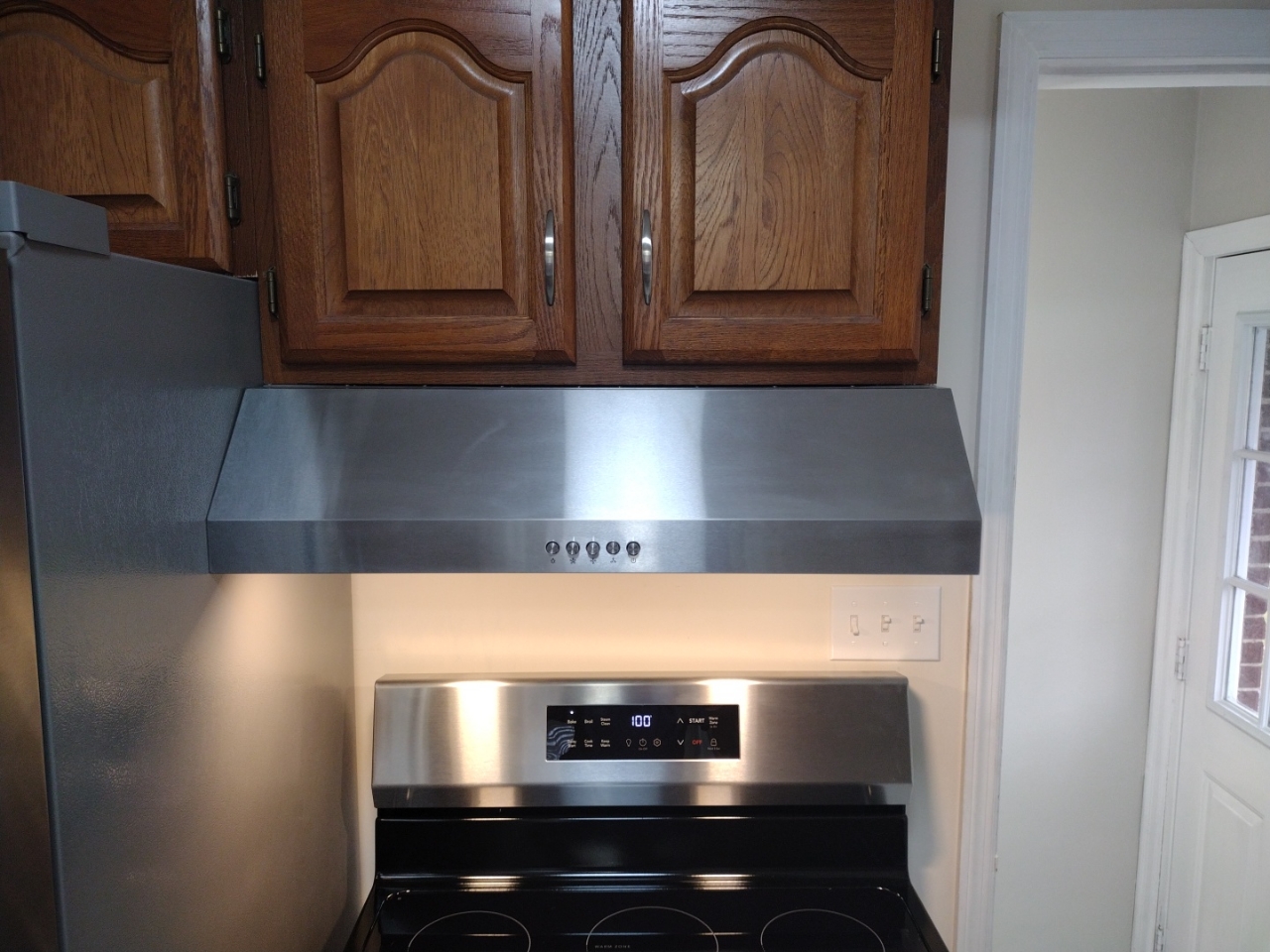
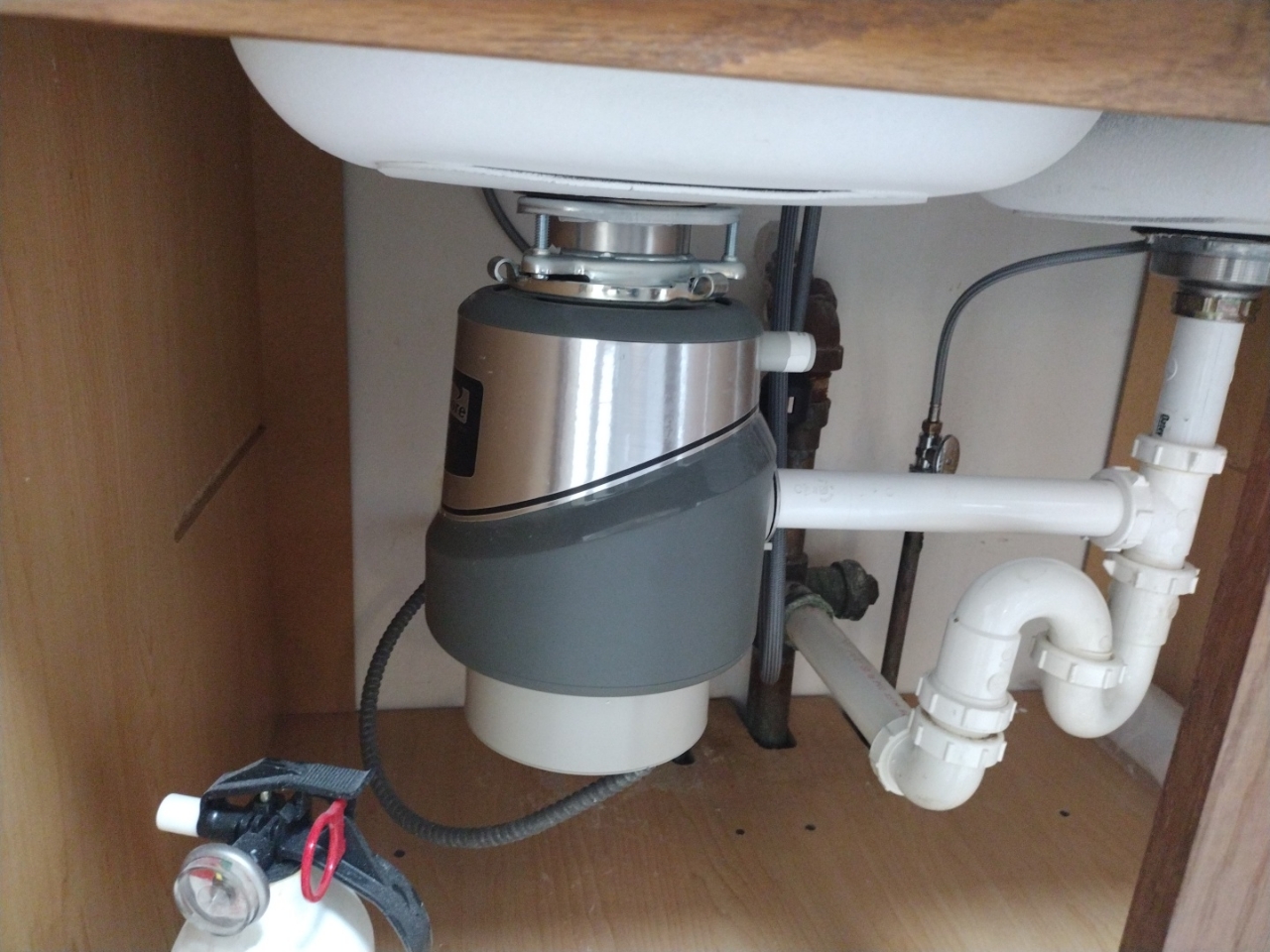
📱APPLIANCE(S) INSPECTED:Inspected - Satisfactory Condition unless otherwise notedRefrigerator (Inspected only for Refrigeration and Freezer function)Stove/Oven Freestanding RangeIn Sink Aerator/Food Waste Disposal
As a courtesy only, the inspector will observe and operate the basic functions of the following appliances:
Permanently installed dishwasher, through a short cycle; range, cooktop/range, and permanently installed oven; in-sink aerator; ventilation equipment or range hood; and permanently installed microwave ovens.
The inspector is not required to observe:
Clocks, timers, self-cleaning oven function, or thermostats for calibration or automatic operation; non-built-in appliances; or refrigeration units. The inspector is not required to operate trash compactors, appliances used as storage for personal items in use, or any appliance that is shut down or otherwise inoperable.
Appliances are not moved.
When appliances are present, these appliances are not moved to gain access to the power source/water connections, floor and or surrounding walls, etc. Moving appliances is outside of the scope of this inspection
√
 |  |  |
 |  |
The anti-tip bracket is missing for the range. These are a safety device to prevent accidental tipping of the appliance. Reference for all manufacturers: ANTI-TIP BRACKET INSTALLATION INSTRUCTIONS
⛔ Items Not Inspected
Components Outside of the Scope of This Inspection
PRESENT:Not Inspected Items
Items and components that are outside of the scope of this inspection. Request Information, documentation and/or demonstration from the property owner/seller as needed.
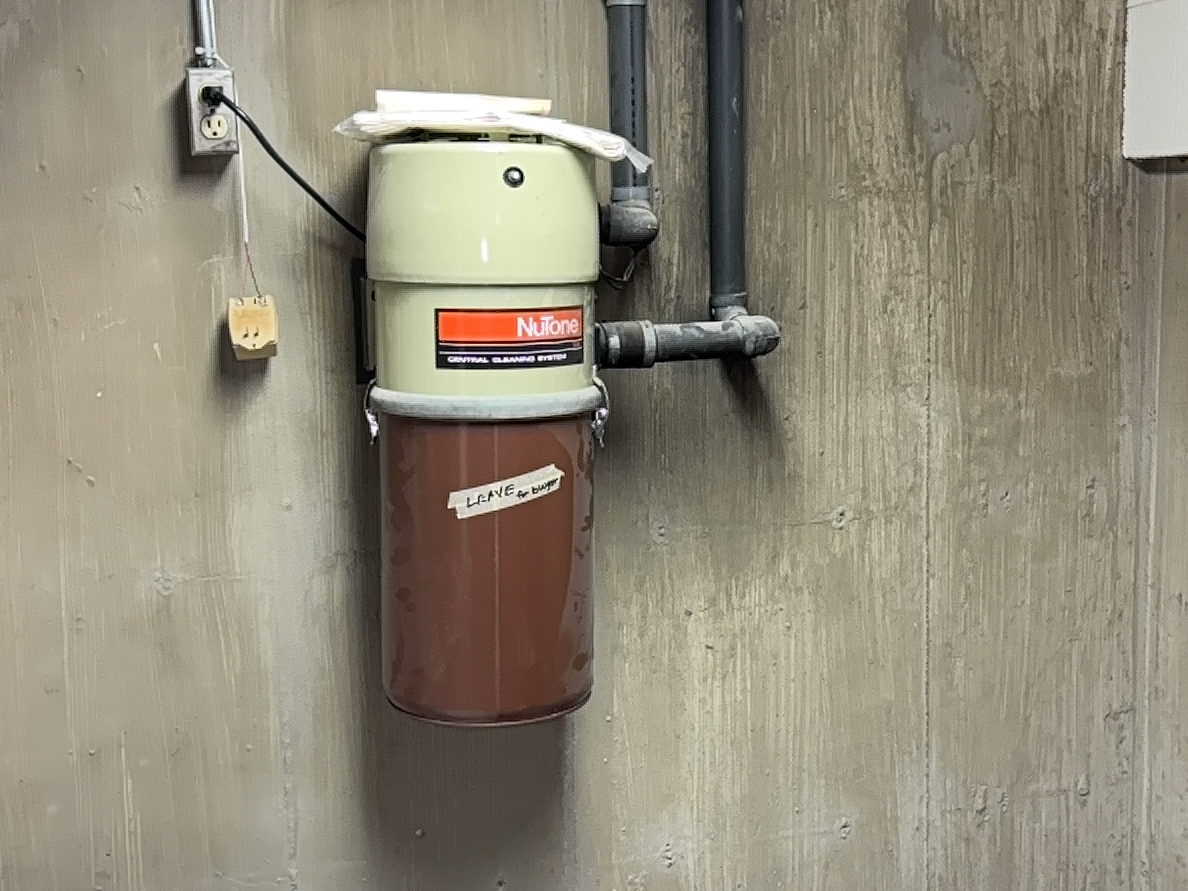
Component/System
- Central vacuum
🔬 Environmental Comments - NOT Inspected
Environmental Overview
THE FOLLOWING ITEMS ARE SPECIFICALLY EXCLUDED FROM THE SCOPE OF THIS BUILDING INSPECTION:
- The Inspector is not required to determine the presence of flora or evidence of mice, rodents, animals, bats, guano, or insects; the presence of mold, mildew, fungus, or air-borne hazards; the air quality; the existence of asbestos or other environmental hazards, hazardous waste conditions or the presence of hazardous materials including, but not limited to, the presence of lead in paint.
The COMPANY is not required to identify the presence or evidence of rodents, animals, bats, guano, or insects.
If the client has a concern with pests:
- Recommend that the client obtain the services of a qualified pest control operator specifically for this purpose and to have the "complete building structure" assessed.
- Any mention of rodents/pests is a courtesy, and regardless of a courtesy comment that identifies a specific area, the client should have the "complete building structure" assessed.
Odors
Observation:Plug-In Air Fresheners
In multiple locations, plug-in air fresheners are present; this may be to mask chronic odors.
➕➕➕ Additional Services
"Additional/Ancillary Services" are "outside of the scope of a standard inspection" and are not included in this inspection unless specifically contracted and paid for by the client. The identified services are available for an additional fee and are traditionally scheduled when the client schedules the building inspection. This section will identify the services that the client has selected to be performed and when these deliverables will be made available to the client. Specific defects (Ancillary Services) may or may not be identified in this report and may refer to documents that will be provided independently of this report.
Additional Services Offered: These must be ordered and have additional fees associated with them.
- Termite / Wood Destroying Insect Inspection and Report on NPMA-33 Form
- Sewer Scope of the Main Waste Line
- Radon Gas Testing (48 Hour Test)
- Indoor Air Quality Inspection (minimum of 3 Day Lab Results)
- Swimming Pool Inspection
- Well Volume Test (MVP - Miami Valley Only)
- Well Water Quality Test for Bacteria (minimum of 3 Day Lab Results)
- Well Water Quality Test for Metals (minimum of 3 Day Lab Results
WDIR - NPMA-33 Form - Wood Destroying Insect Inspection / AKA Termite Inspection
InspectedNOT Inspected
The client declined a wood-destroying insect inspection (WDI) at the time of scheduling the inspection services. WDI/Termite inspections are not part of a standard inspection and require specific licensing (PCO) and certifications. WDI's are termites, carpenter ants, carpenter bees, and wood boring beetles. If this is a concern to the client, recommend a qualified licensed Pest Control Operator (PCO) to inspect.
NOTE: WDI are termites, carpenter ants, carpenter bees, and wood boring beetles. The Building Inspection and the WDI inspection are not intended to identify other insects or infestations of mice and other rodents. If the client has a concern with pests, recommend that the client obtain the services of a qualified pest operator specifically for this purpose.
See the Wood Destroying Insect Report (PDF) for findings. Findings are documented on the 2019 NPMA-33 form, the format most commonly required by mortgage loan underwriters.
NOTE: WDI are termites, carpenter ants, carpenter bees, and wood boring beetles. The home inspection and the WDI inspection are not intended to identify other insects or infestations of mice, other rodents, and animals. If the client has a concern with pests, recommend that the client obtain the services of a qualified pest operator specifically for this purpose.
 |
Radon Testing
Inspected/Tested
A Radon test has been conducted. The Radon test is a 48-hour test with closed-house conditions being observed. The test results will be available on Sunday evening after 7:00 pm. You will receive an email with the test results and all pertinent information. Radon gas is a carcinogen and is closely tied to lung cancer. Our testing uses continuous radon monitors (CRM) that provide results at the conclusion of the 48-hour test.
Reference: A Citizen's Guide to Radon
➕Limitations - Information
Reminder Of Limitations
General Information:
Thank you so much for trusting us with your inspection services! Our inspector(s) and team have done their best to provide a thorough and detailed inspection. However, given the limited time and scope of a visual inspection, some issues may not be visible and could come up after you’ve moved in.
This is not a technically exhaustive inspection and does not provide the same insight as extended day-to-day exposure. It only identifies significant defects that were accessible and visible at the time of inspection. This inspection also cannot predict future conditions or detect hidden or concealed issues.
Additionally, this inspection is not intended to be a guarantee or warranty, express or implied, regarding the operation, function, or future reliability of the building and its components. This report is intended to complement your due diligence and the Seller's Disclosure (Current Date). We recommend reviewing this report alongside these documents, as well as any advice or quotes from professionals and tradespeople mentioned in the report, to get a complete understanding of the property’s condition and any potential repair costs.
Estimating home maintenance costs is an essential part of being a prepared homeowner. As a general guideline, it is wise to budget between 1% and 4% of the home’s value each year to cover both planned maintenance and unforeseen repairs. The age and condition of the home and its systems can greatly influence these numbers, with older properties potentially requiring a higher investment. Keeping this budget in mind will help ensure that you are equipped to maintain your home effectively, preserving its value and your peace of mind over the years.
The 1% rule & The Square Footage Rule
Third-party independent warranties are available through various providers, and coverage and service can vary depending on the company and the level of coverage you choose. Be sure to select one that fits your needs and covers the systems that matter most to you, with practices that work best for your situation. While one-year home warranties can offer peace of mind, it's important to fully understand their coverage and limitations.
🖼️📷🖼️Complementary Pictures
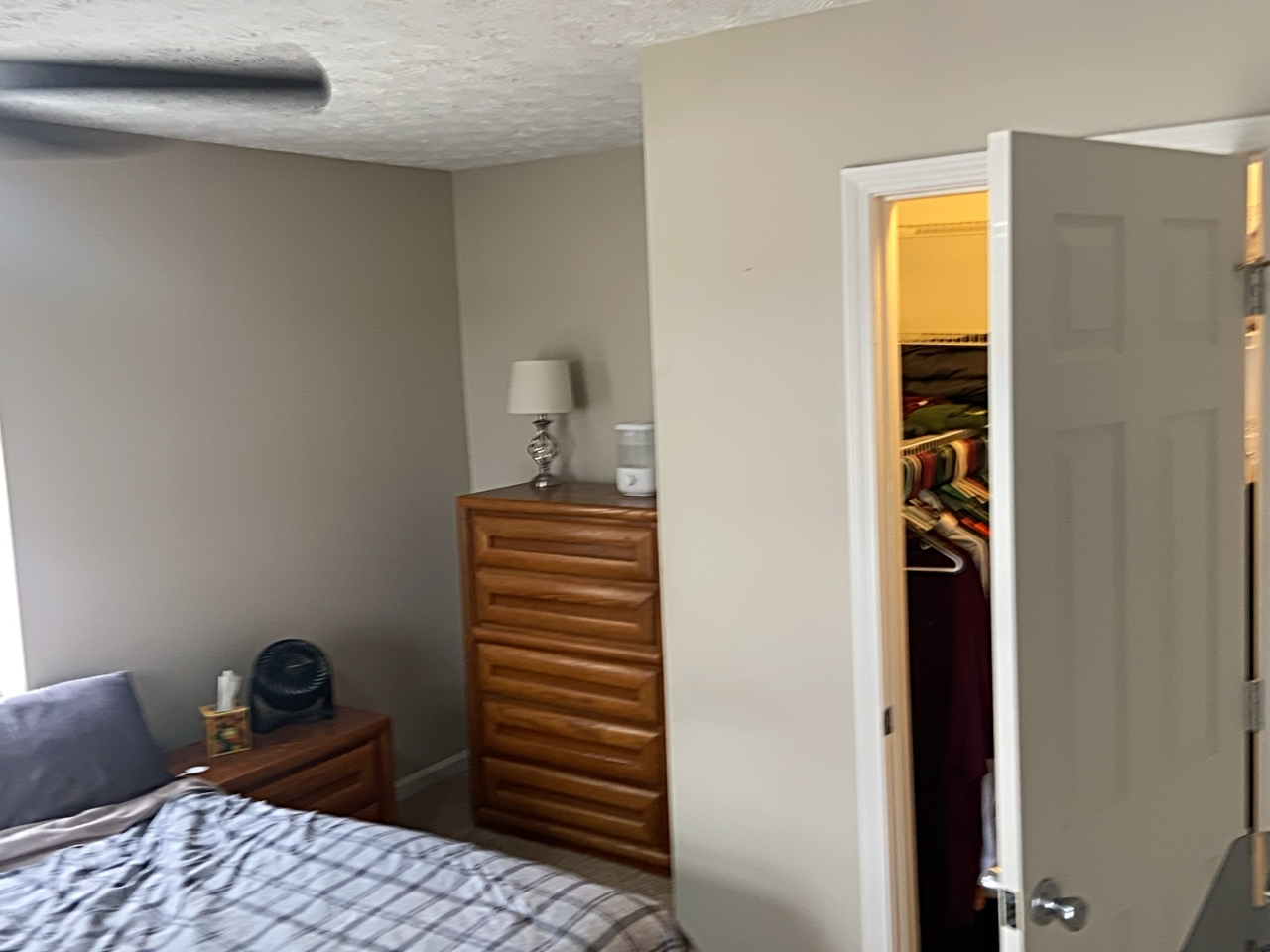
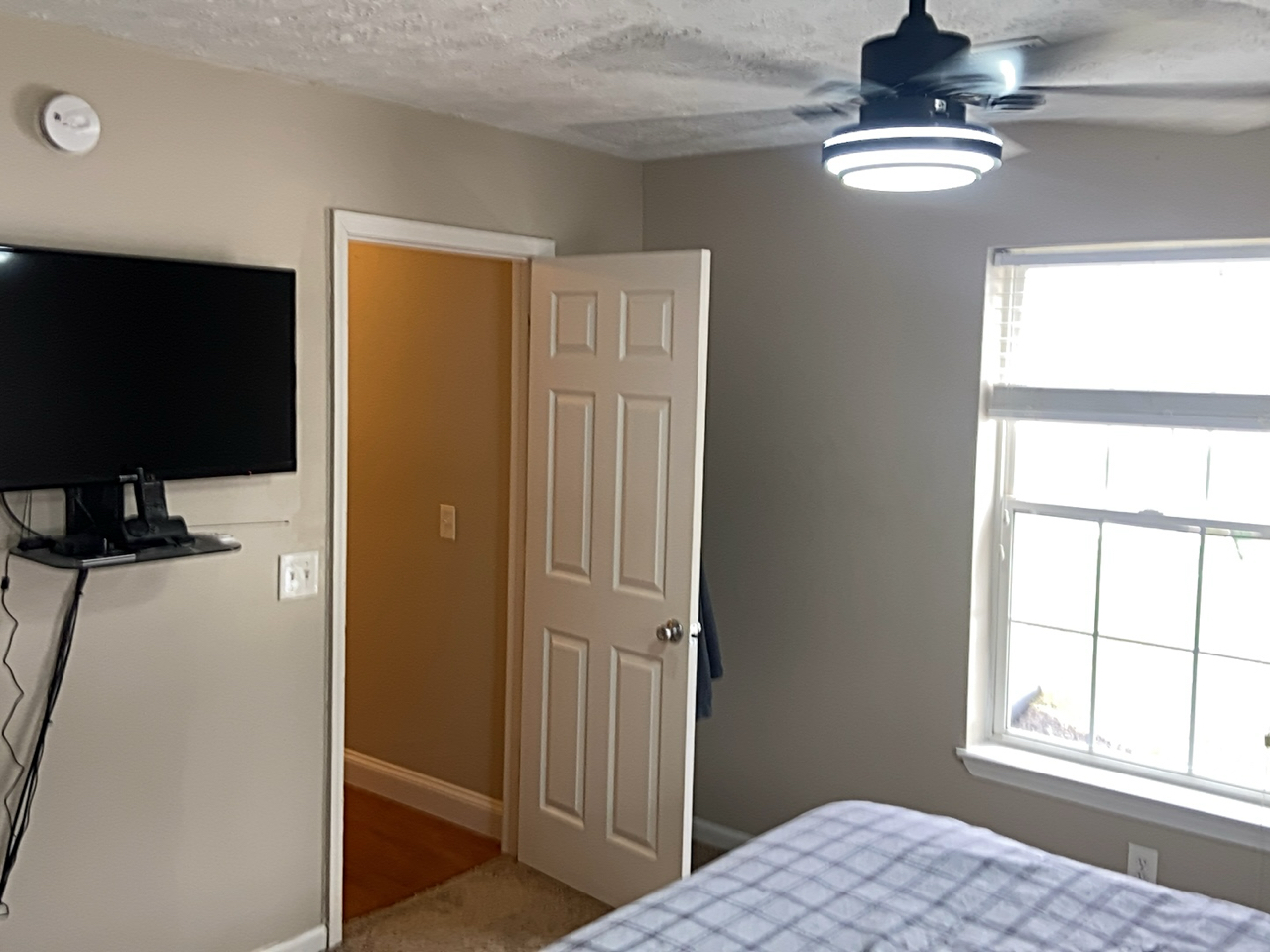
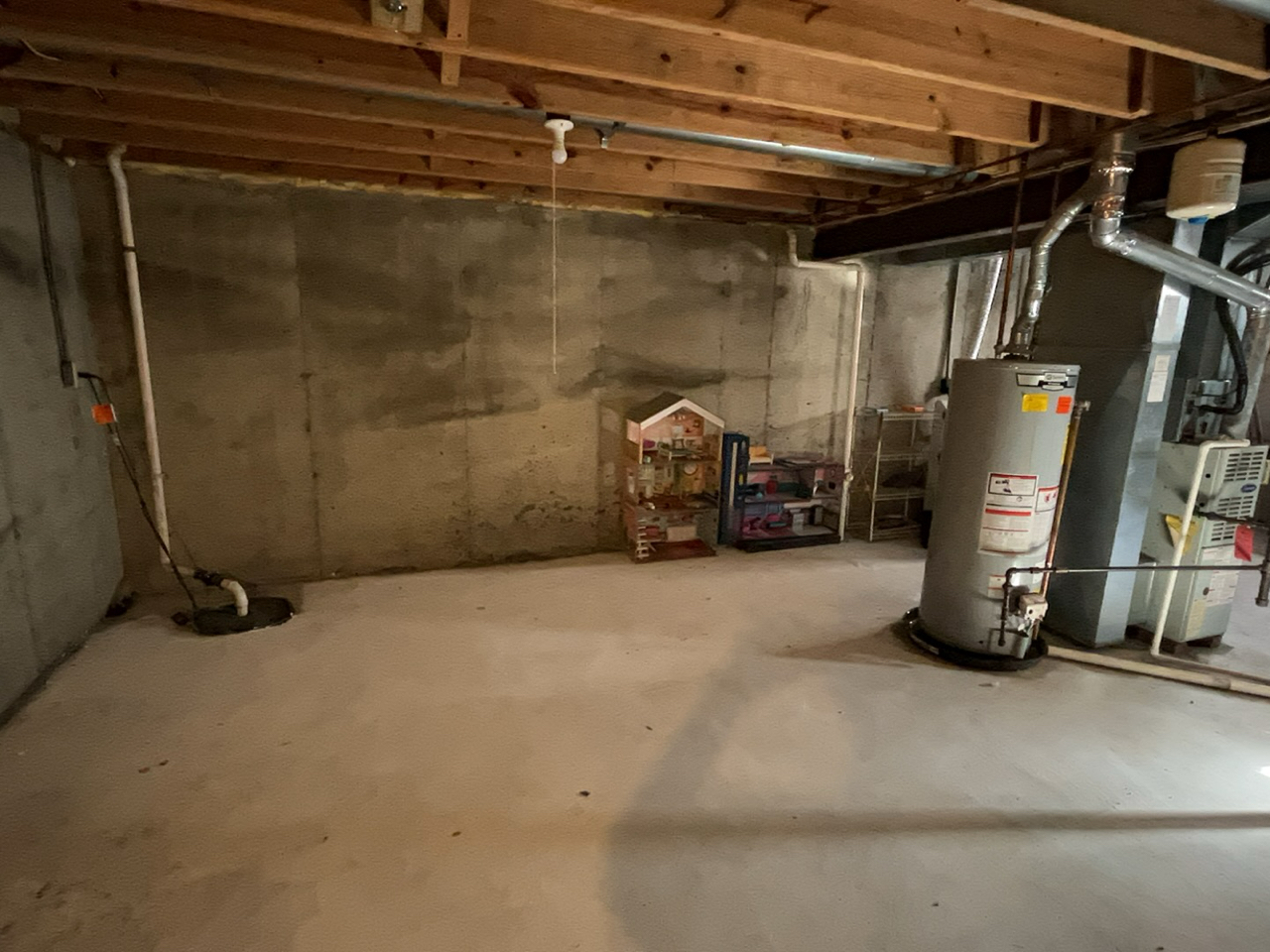
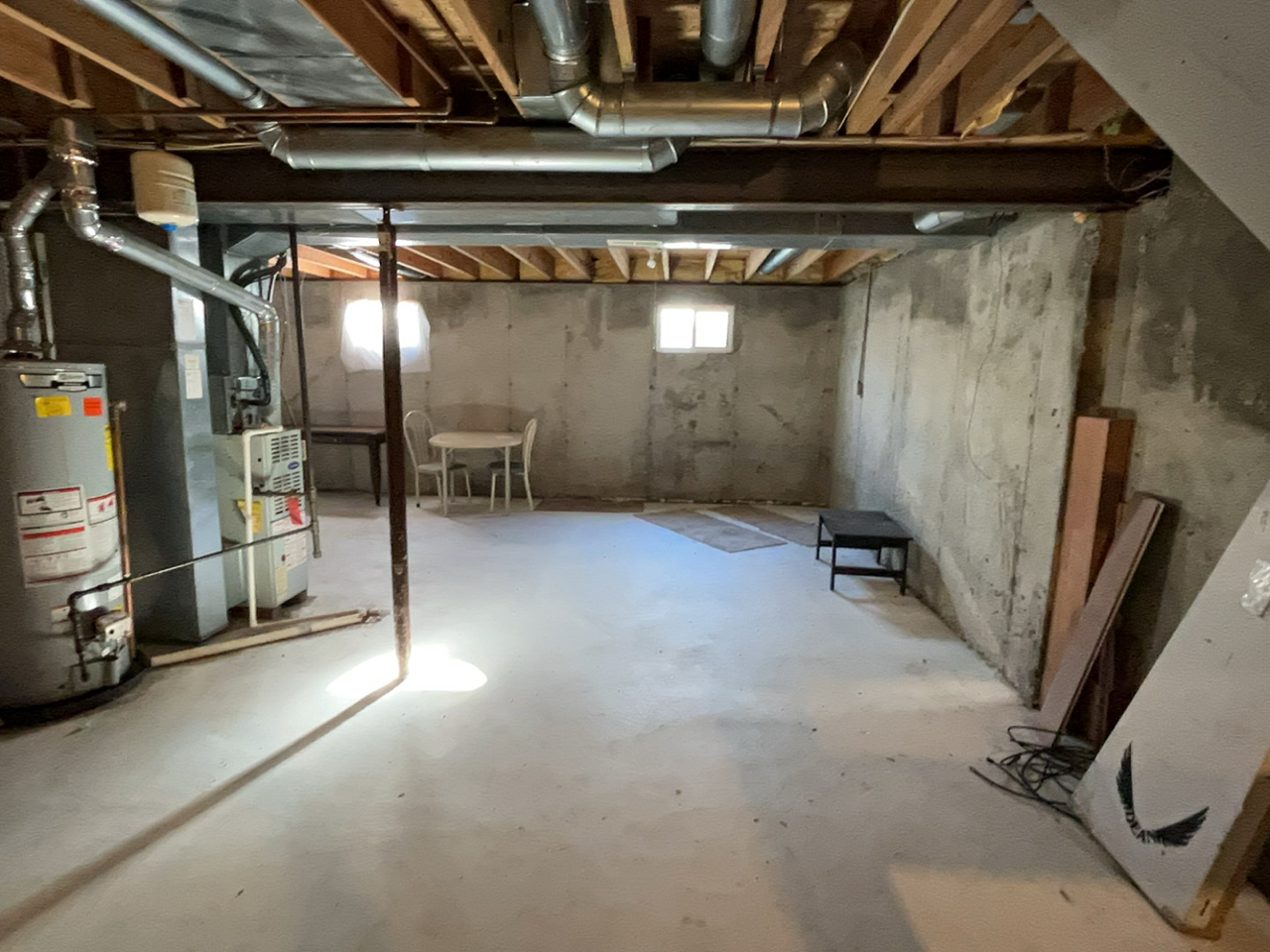
Pictures:ExteriorFirst FloorSecond FloorBasement
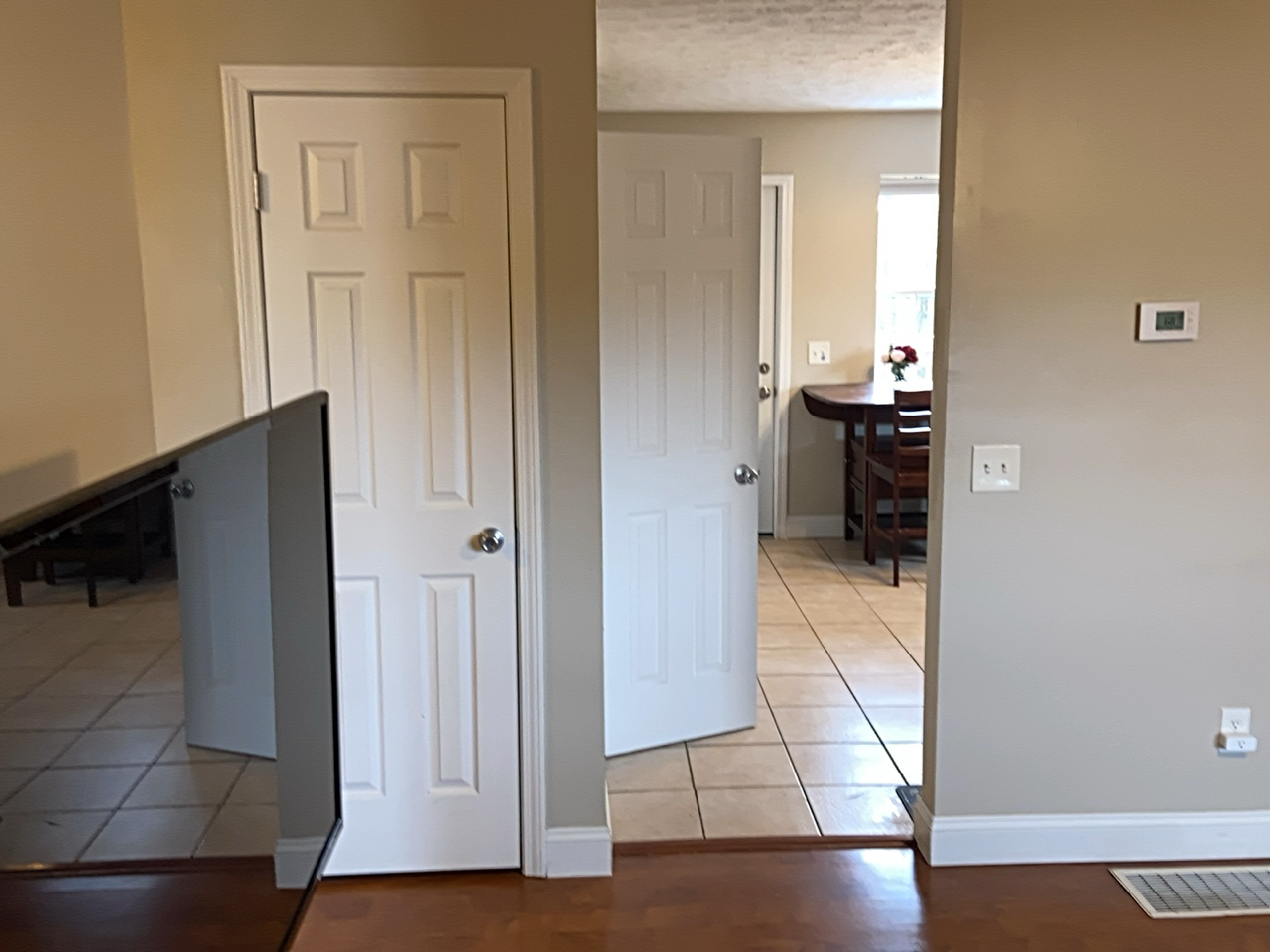
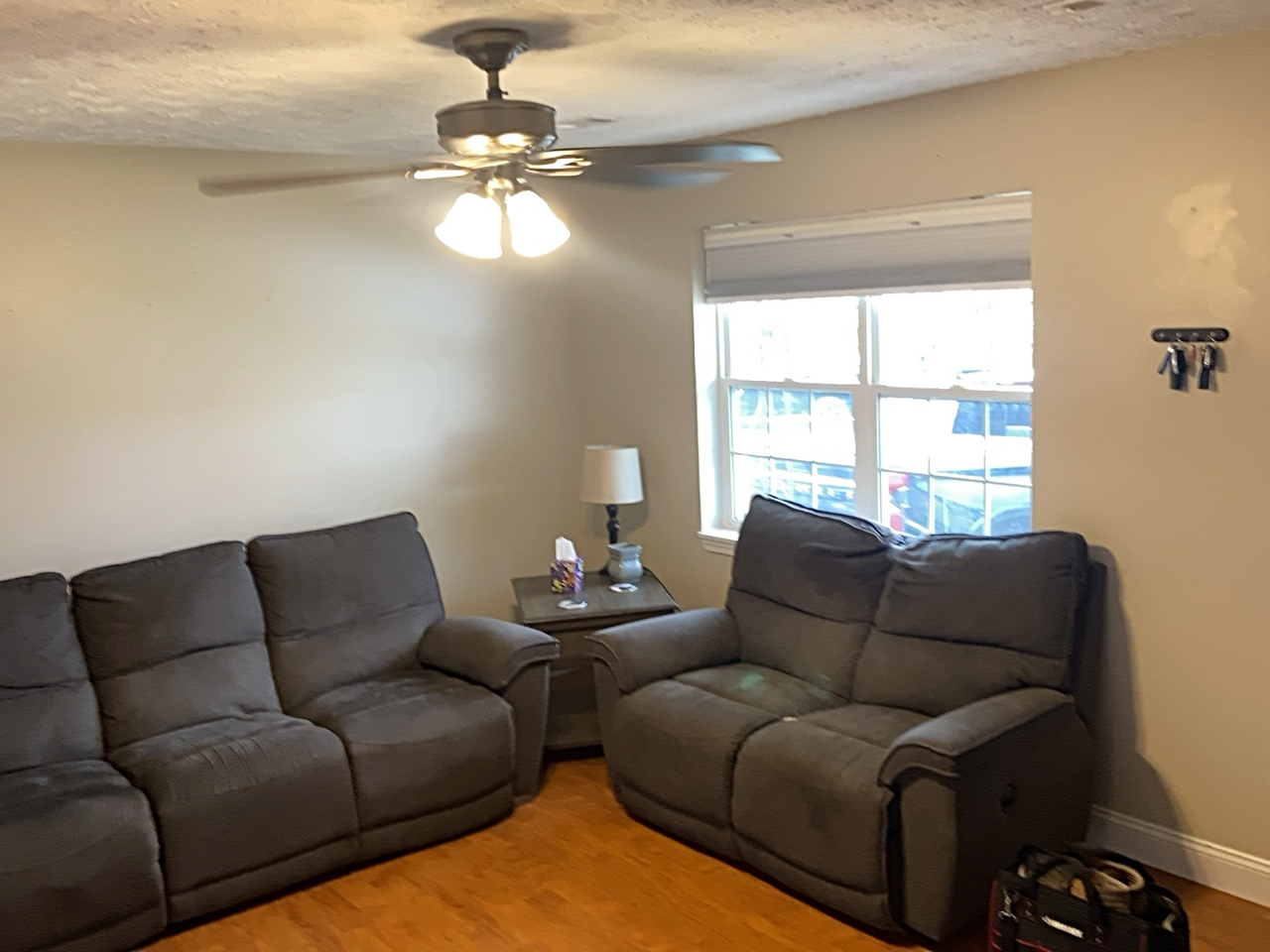
First Floor
 |  |  |
 |
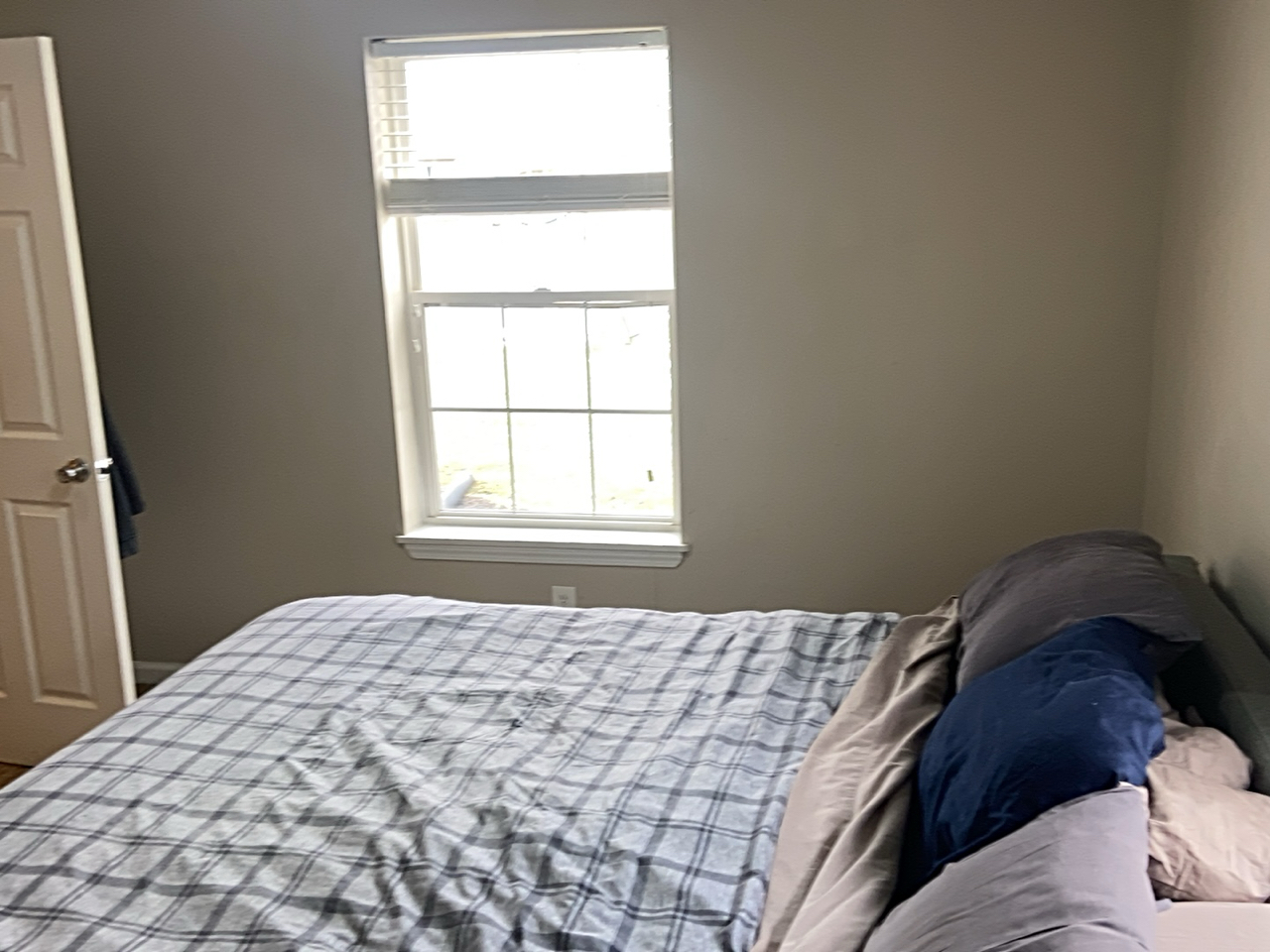
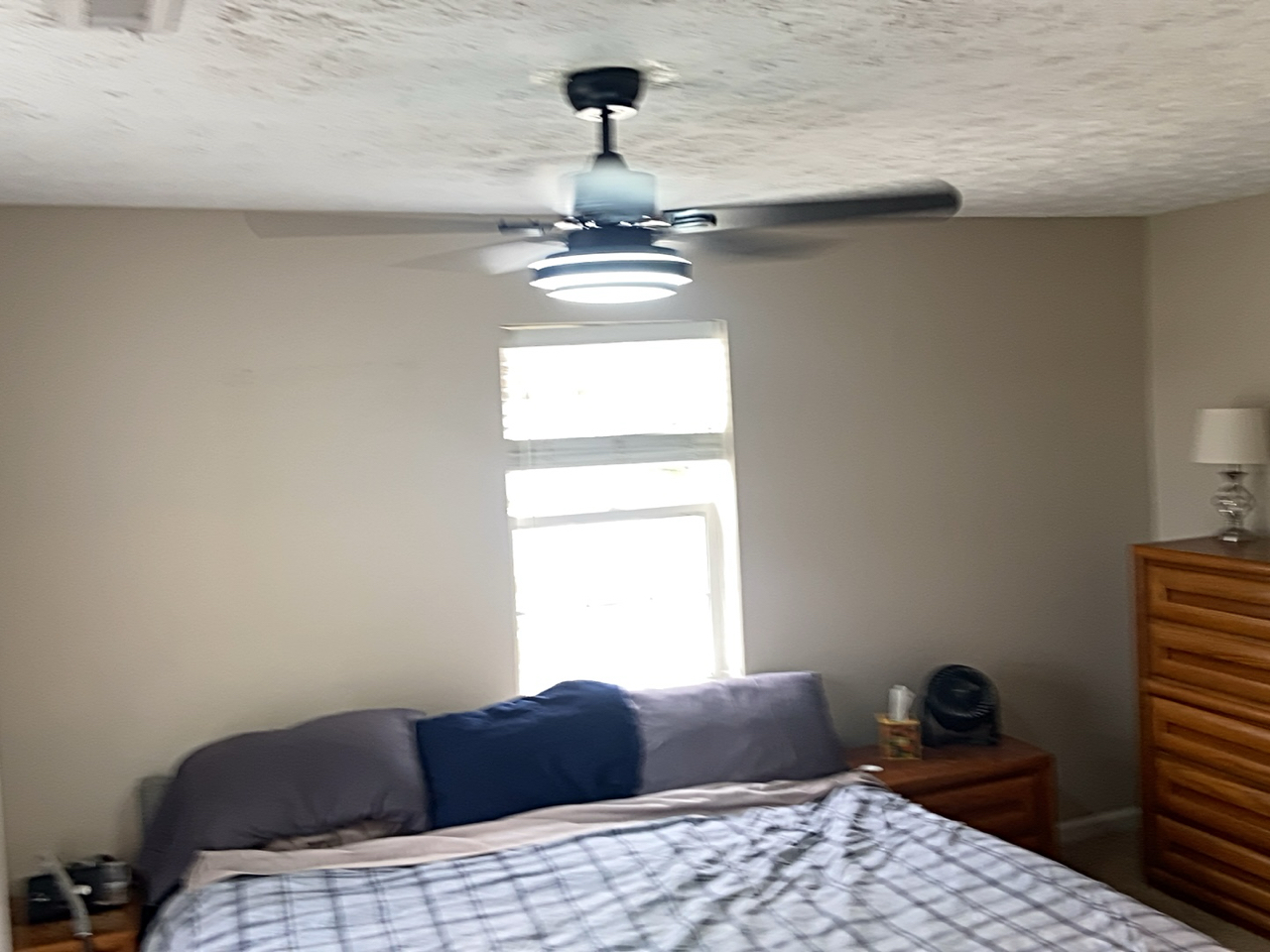
Second Floor
 |  |  |
 |
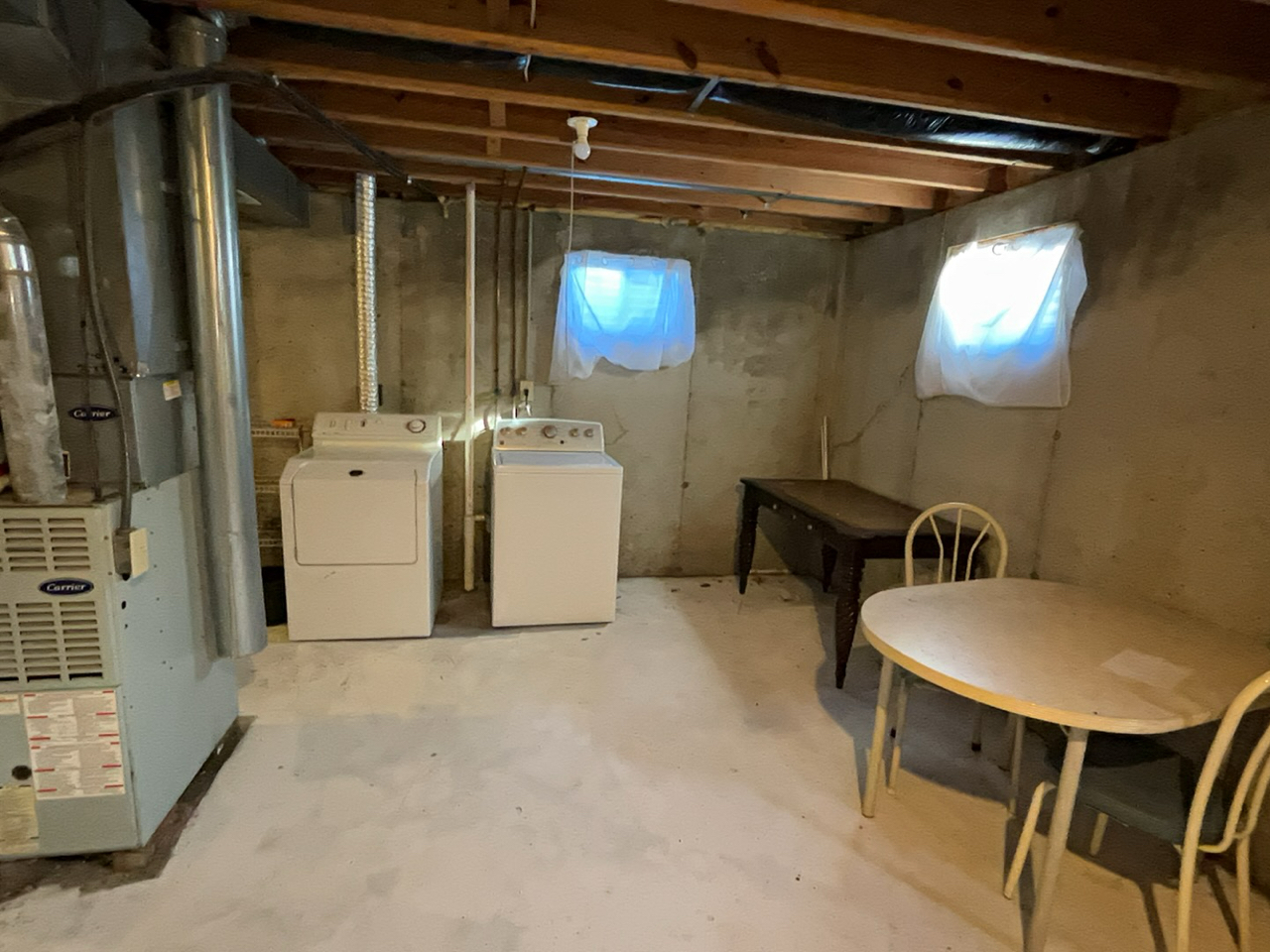
Basement
 |  |  |
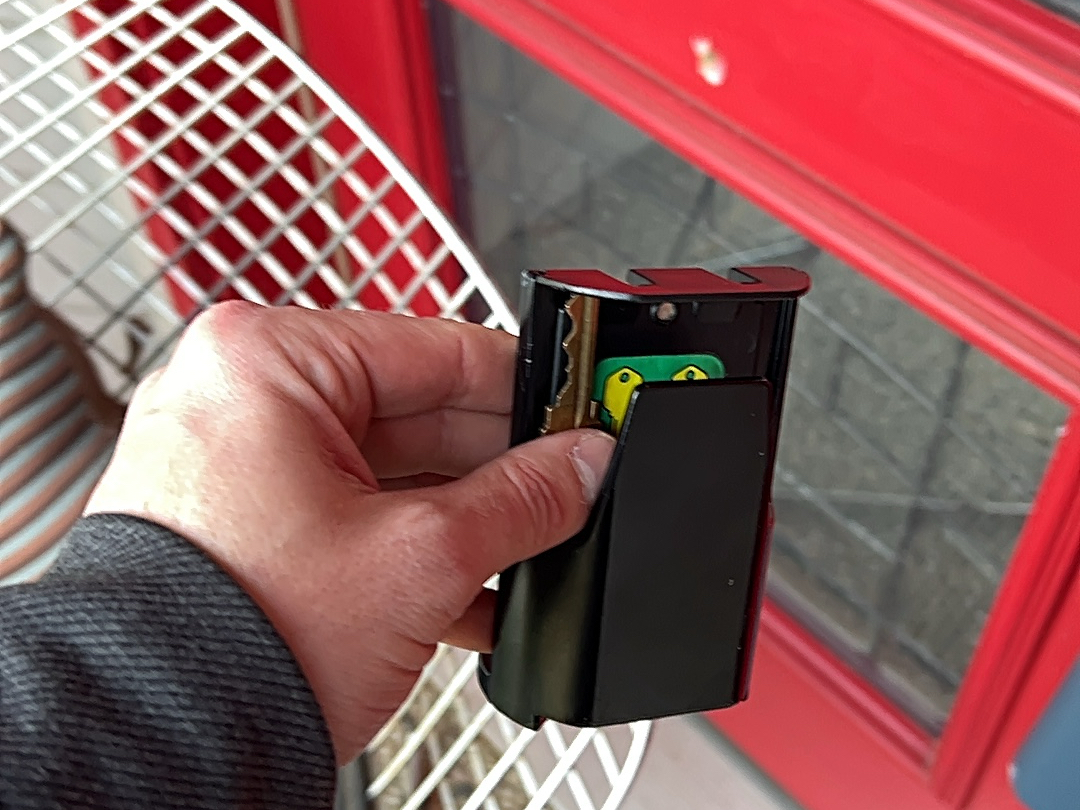
Inspectors Final Pictures Exiting The Building (Thermostat, Stove, Key)
Pictures:Exiting
Key Returned
Summary Report
Safety
- EBWD-2 💡 Electric Branch Wiring and Devices - Carbon Monoxide Alarms:
Secured/permanent Carbon Monoxide alarms are not present. In all buildings with gas appliances and or garages, CO alarms should be installed in a central location outside each sleeping area, on every level, and in other locations as needed per current best practice. Correct as needed.
Repairs
- EG-1 🏞️ Exterior and Grounds - Driveway/Walkway/Patio/Stairwell:
The concrete driveway has settled irregularly, presenting trip hazards. Recommend a concrete contractor to correct as needed.
- ASIV-1 ☀️ Attic Structure - Insulation & Ventilation - Insulation:
Attic insulation is not present. Recommend a qualified contractor to correct insulation as needed per current best practice.
- ES-1 ⚡ Electric Service - Main Electric Distribution Panel:
The panel dead front cover has openings where knockout(s) have been removed. These openings provide direct access to exposed wiring and terminations through the front of the panel. Install necessary knockout covers in the openings as needed. (Handyman)
- KA-1 🍽️ Kitchen Appliances - Kitchen Appliances:
The anti-tip bracket is missing for the range. These are a safety device to prevent accidental tipping of the appliance. Reference for all manufacturers: ANTI-TIP BRACKET INSTALLATION INSTRUCTIONS
Further Assessments
- GC-1 🚗Garage Components - Garage Floor:
Garage concrete floor slab, cracking larger than 3/16 of an inch and/or differential shifting larger than 3/16 of an inch was noted. Recommend further evaluation by a qualified contractor, correct as needed.
- ES-2 ⚡ Electric Service - Main Electric Distribution Panel:
The final electrical inspection sticker does not exist on the main electrical panel or meter. Recommend requesting documentation such as permits for the installation. If permits are not available, recommend obtaining proper permits and inspections by the municipal electrical inspector and a licensed electrician to correct any deficiency identified by the municipal inspector with jurisdiction.
- HCSFA-2 🌡️ 🔥Heating and Cooling Systems Forced Air - Furnace / Central Heating:
Furnace is blocked by duct and is not accessible, could not remove the front panels. Furnace condition was not observed. Recommend further assessment and service of the heating and cooling system by a qualified heating and cooling contractor.
- P-1 🛁 Plumbing - Main Waste, Drains, and Vent Systems:
During the inspection, water is run; however, it is not always possible to identify potential water waste and drain issues that may occur. The volume of water occupants use is greater than that of water ran during an inspection. The majority of waste lines and waste vents are not accessible or visible during this inspection and are often contained in walls, etc. It is common to replace older waste lines (cast iron, copper, and galvanized) with PVC pipes when issues arise. Underground (not visible) sewer laterals in structures of this age, if original, may consist of a number of materials ranging from cast iron, clay bell tile, and asphalt; materials used and condition of laterals cannot be identified during a building inspection.
As a general rule, the old cast iron pipe can last 50-100 years. Galvanized and copper waste pipe can have a shorter useful service life - sometimes as little as 50 years. Visible areas of the waste lines have been replaced with PVC.
The customer may desire to have the sewer waste line laterals between the building and the sewer further evaluated using a sewer camera (not part of this inspection) to ensure damaged or blocked waste lines are not present between the building and the discharge into the sewer.
Due Diligences
- EBWD-1 💡 Electric Branch Wiring and Devices - Electric Receptacles, Switches, and Fixtures (Representative Number):
One or more light switch(s) appeared to be inoperable at the time of the inspection. Recommend asking the seller what the switch operates and demonstrate functional. If owner is unable to demonstrate functional recommend an electrician to repair as needed.
Examples (not Limited to):
- At front door
- HCSFA-1 🌡️ 🔥Heating and Cooling Systems Forced Air - General System Comments:
Heating and cooling system service records indicating recent equipment servicing are not present. Good practice suggests routine maintenance annually. If the owner cannot provide service documentation of both the heating and cooling components of the system within the past 6 months, Recommend having the heating/cooling system serviced.
- HCSFA-3 🌡️ 🔥Heating and Cooling Systems Forced Air - Air Conditioning & Heat Pumps:
Air Conditioners, if well maintained per the NAHB compressors, have an average design life of approximately 12 to 15 years. As equipment ages, the efficiency of the unit will decline, and it is common for it to become more problematic and subject to failure. Due to the age of the equipment, it is advised to have the heating and cooling system further assessed by a licensed heating and cooling contractor. Recommend budgeting for replacement.
- ECNI-1 🔬 Environmental Comments - NOT Inspected - Odors:
In multiple locations, plug-in air fresheners are present; this may be to mask chronic odors.
- AS-1 ➕➕➕ Additional Services - WDIR - NPMA-33 Form - Wood Destroying Insect Inspection / AKA Termite Inspection:
The client declined a wood-destroying insect inspection (WDI) at the time of scheduling the inspection services. WDI/Termite inspections are not part of a standard inspection and require specific licensing (PCO) and certifications. WDI's are termites, carpenter ants, carpenter bees, and wood boring beetles. If this is a concern to the client, recommend a qualified licensed Pest Control Operator (PCO) to inspect.
NOTE: WDI are termites, carpenter ants, carpenter bees, and wood boring beetles. The Building Inspection and the WDI inspection are not intended to identify other insects or infestations of mice and other rodents. If the client has a concern with pests, recommend that the client obtain the services of a qualified pest operator specifically for this purpose.
- AS-2 ➕➕➕ Additional Services - WDIR - NPMA-33 Form - Wood Destroying Insect Inspection / AKA Termite Inspection:
See the Wood Destroying Insect Report (PDF) for findings. Findings are documented on the 2019 NPMA-33 form, the format most commonly required by mortgage loan underwriters.
NOTE: WDI are termites, carpenter ants, carpenter bees, and wood boring beetles. The home inspection and the WDI inspection are not intended to identify other insects or infestations of mice, other rodents, and animals. If the client has a concern with pests, recommend that the client obtain the services of a qualified pest operator specifically for this purpose.
- AS-3 ➕➕➕ Additional Services - Radon Testing:
A Radon test has been conducted. The Radon test is a 48-hour test with closed-house conditions being observed. The test results will be available on Sunday evening after 7:00 pm. You will receive an email with the test results and all pertinent information. Radon gas is a carcinogen and is closely tied to lung cancer. Our testing uses continuous radon monitors (CRM) that provide results at the conclusion of the 48-hour test.
Reference: A Citizen's Guide to Radon
Signed Contracts
AA Home Inspection LLC
859-448-0213 / 877-813-7587
https://AAHomeInspection.com
mike.p@aahomeinspection.com
KY State Inspector License No. KY 103711 (HI-2005) Issued 10/1/2006 Expires 11/30/2026


.png)