
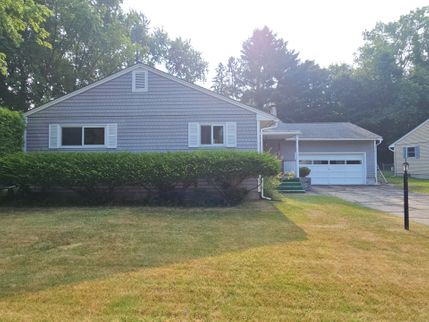

Oliver Harwood, License #16000161714
The Scope and Purpose of the Home Inspection
Purchasing property involves risk
The purpose of a home inspection is to help reduce the risk associated with the purchase of a structure by providing a professional opinion about the overall condition of the structure. A home inspection is a limited visual inspection, and it cannot entirely eliminate this risk. Some homes present more risks than others. We cannot control this, but we try to help educate you about what we don’t know during the inspection process. This is more difficult to convey in a report and one of many reasons why we recommend you attend the inspection.
Scope of the Inspection
This inspection will include the following systems: exterior, roof, structure, drainage, foundation, attic, interior, plumbing, electrical, and heating. The evaluation will be based on limited observations that are primarily visual and non-invasive. This inspection and report are not intended to be technically exhaustive. The overall goal of a home inspection is to help ensure that your expectations are appropriate for the house you are proposing to buy. To this end, we assist with the discovery by showing and documenting observations during the home inspection. This should not be mistaken for a technically exhaustive inspection designed to uncover every defect in a building.
A home inspection is not an insurance policy
This report does not substitute for or serve as a warranty or guarantee. Home warranties can be purchased separately from insuring firms that provide this service.
A home inspection is visual and not destructive
The descriptions and observations in this report are based on a visual inspection of the structure. We inspect the aspects of the structure that can be viewed without dismantling, damaging, or disfiguring the structure and without moving furniture and interior furnishings. Areas that are concealed, hidden, or inaccessible to view are not covered by this inspection. Some systems cannot be tested during this inspection as testing risks damaging the building. For example, overflow drains on bathtubs are generally not tested because if they were found to be leaking, they could damage the finishes below. Our procedures involve non-invasive investigation and non-destructive testing, which therefore limits the scope of the inspection.
This was not an inspection for code compliance
This inspection and report are not intended for city / local code compliance. During the construction process structures are typically required to be inspected for code compliance by municipal inspectors. Framing is open at this time, and conditions can be fully viewed. Framing is not open during inspections of finished homes, limiting the inspection. All houses fall out of current code compliance shortly after they are built, as the codes continually change. National codes are augmented at least every three years for all disciplines. Municipalities can adopt and phase in sections of the codes on their timetables. There are generally no requirements to bring older homes into compliance unless substantial renovation is being done.
This is just our opinion
Construction techniques and standards vary. There is no one way to build a house or install a system in a house. The observations in this report are the opinions of the home inspector. Other inspectors and contractors are likely to have some differing opinions. You are welcome to seek opinions from other professionals. We are always available to discuss our opinions with you in detail and recommend avenues for assistance.
How to Read This Report
Getting the Information to You
Please don't hesitate to reach out with any questions via telephone at 518-618-2236 or oliver@renderinc.net. This report is designed to deliver important and technical information in a way that is easy for anyone to access and understand. If you are in a hurry, you can take a quick look at our "Summary Page” and quickly get the critical information for important decision-making. However, we strongly recommend that you take the time to read the full Report, which includes digital photographs, captions, diagrams, descriptions, videos, and hot links to additional information.
The best way to get the layers of information presented in this report is to read your report online, which will allow you to expand your learning about your house. You will notice some words or series of words highlighted in blue and underlined – clicking on these will provide you with additional information.
This report can also be printed to a PDF file and printed on paper as desired.
Chapters and Sections
This report is divided into chapters that parcel the home into logical inspection components. Each chapter is broken into sections that relate to a specific system or component of the home. You can navigate between chapters with the click of a button on the left-side margin.
Most sections will contain some descriptive information in black font. Observation narrative, done in colored boxes, will be included if a system or component is found to be significantly deficient in some way or if we wish to provide helpful information about the system or the scope of our inspection. If a system or component of the home was deemed to be in satisfactory or serviceable condition, there might be no narrative observation comments in that section, and it may simply say “tested” or “inspected.”
Observation Labels
All narrative observations are colored, numbered, and labeled to help you find, refer to, and understand the severity of the observation. Observation colors and labels used in this report are:
- Major Concern:Repair items that may cost significant money to correct now or in the near future, or items that require immediate attention to prevent additional damage or eliminate safety hazards.
- Repair:Repair and maintenance items noted during inspection. Please note that some repair items can be expensive to correct such as re-finishing hardwood floors, but are considered simply repair items due to their cosmetic nature.
- Recommended Maintenance:These are repair items that should be considered "routine home ownership items," such as servicing the furnace, cleaning the gutters or changing the air filters in the furnace.
- Improve or Upgrade:Observations that are not necessarily defects, but which could be improved for safety, efficiency, or reliability reasons. These are often items which reflect changes in building codes or standards.
- Due Diligence:Observation such as a buried oil tank that may require further investigation to determine the severity and / or urgency of repair.
- Monitor:Items that should be watched to see if correction may be needed in the future.
- Efficiency:Denotes observations that are needed to make the home more energy efficient as well as to bring the home up to modern insulation standards. This category typically includes windows and insulation. Other items, such as lighting and appliances, are not inspected for their energy status.
- Inspection Notes:Aside information and /or comments elaborating on descriptions of systems in the home that the inspector might find useful to purchase decisions or home ownership. .
- Limitations:Conditions present at the time of inspection which limited the scope of this visual inspection
Summary Page
The Summary Page is designed as a bulleted overview of all the observations noted during the inspection. This helpful overview is not a substitute for reading the entire inspection report. The entire report must be read to get a complete understanding of this inspection report, as the Summary Page does not include photographs or photo captions.
Inspection Report for CH
Grounds
General Grounds Photos
Address Identification
Drainage and Site
Window wells
Driveways/Walkways/Flatwork
Grounds, Trees and Vegetation
Exterior Stairs
Fences
Attic
Attic Access
Evidence of Rodents in Attic
Roof Framing and Sheathing
Fire Separation and Fire Blocking
Attic Insulation
Attic and Roof Cavity Ventilation
Interior
General Interior
Floors and Floor Materials
Walls, Ceilings, Trim, Hallways and Closets
Wall Insulation and Air Bypass
Interior Stairs and Railings
Windows
Kitchen
General Kitchen Photos
Sinks and Faucets
Cabinets and Countertops
Disposers
Dishwasher
Ventilation Method
Ranges, Ovens and Cooktops
Refrigerators
Heating, Cooling, Fireplaces and Ventilation
Heating and Cooling System Overview
Heating Systems
Air Filters
Heating and Cooling Distribution Systems
Gas Fireplaces
Solid Fuel Fireplaces
General Comments
Building Characteristics and Conditions
Style of Home: Ranch
Type of Building : Single Family (1 story with Basement)
Approximate Square Footage: 3200
Approximate Year of Original Construction: 1962
This building has wiring that predates the late 1980's. Branch circuit wiring installed in buildings built prior to the late 1980's is typically rated for a maximum temperature of only 60 degrees Celsius. This includes non-metallic sheathed (Romex) wiring, and both BX and AC metal-clad flexible wiring. Newer electric fixtures including lighting and fans typically require wiring rated for 90 degrees Celsius. Connecting newer fixtures to older, 60-degree-rated wiring is a potential fire hazard. Repairs for such conditions may involve replacing the last few feet of wiring to newer fixtures with new 90-degree-rated wire, and installing a junction box to join the old and new wiring.
Solid conductor aluminum wiring was used in residential construction for 15 and 20-amp circuits in the 1960's through the 1970's. This wiring has proven to be problematic and a fire hazard, primarily due to problems with loose connections and metal fatigue. I looked hard to find any signs of solid conductor aluminum here. No signs were found. There is always a chance that solid conductor aluminum wiring exists and is concealed from view. If this wiring is ever uncovered during subsequent renovation work, I recommend removal and replacement.
Attending the Inspection: Buyer
Weather during the inspection: Hot and Humid
Approximate temperature during the inspection: Over 80[F]
Ground/Soil surface conditions: Dry
Utility Company: Green Mountain
Grounds
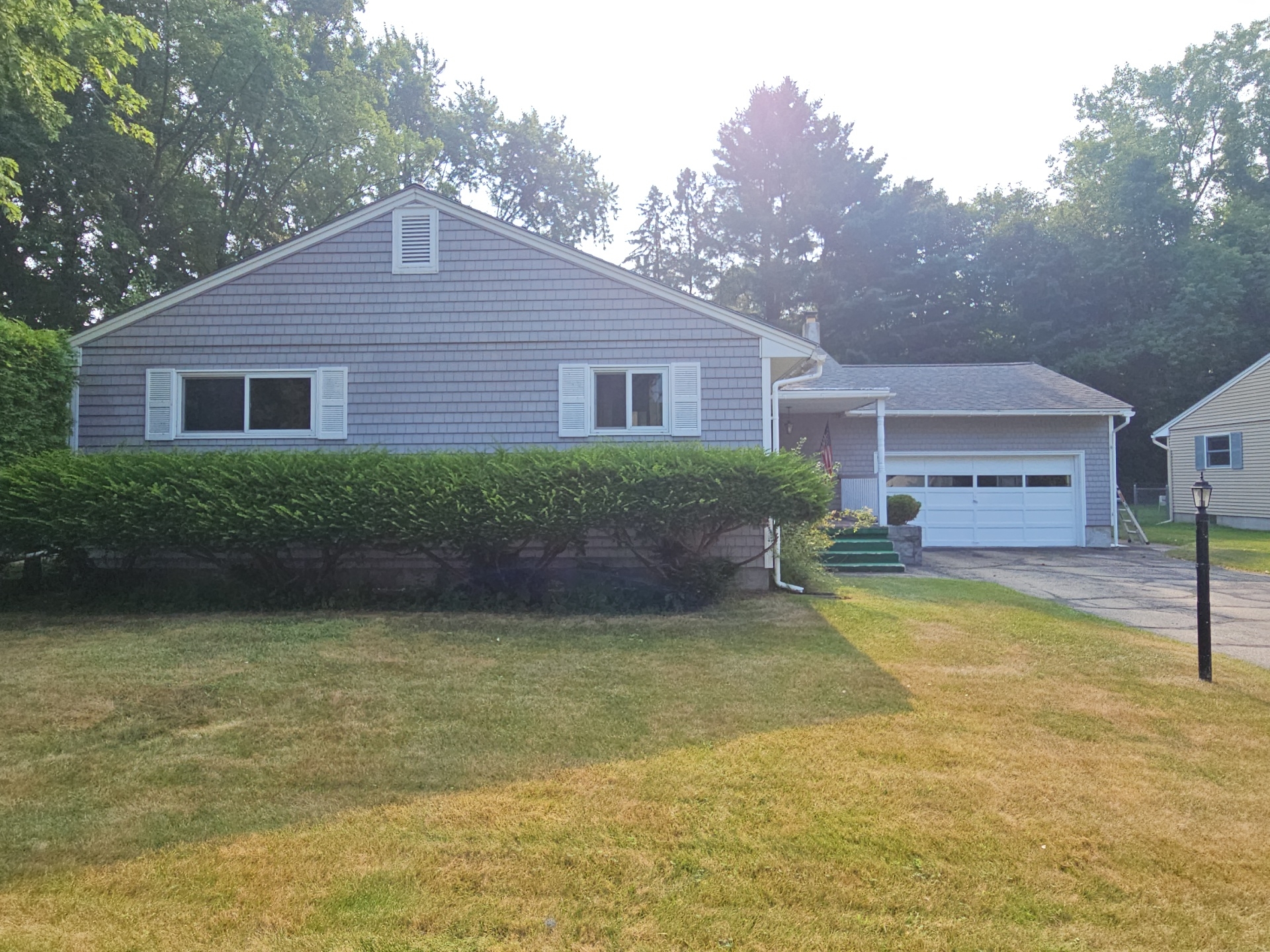
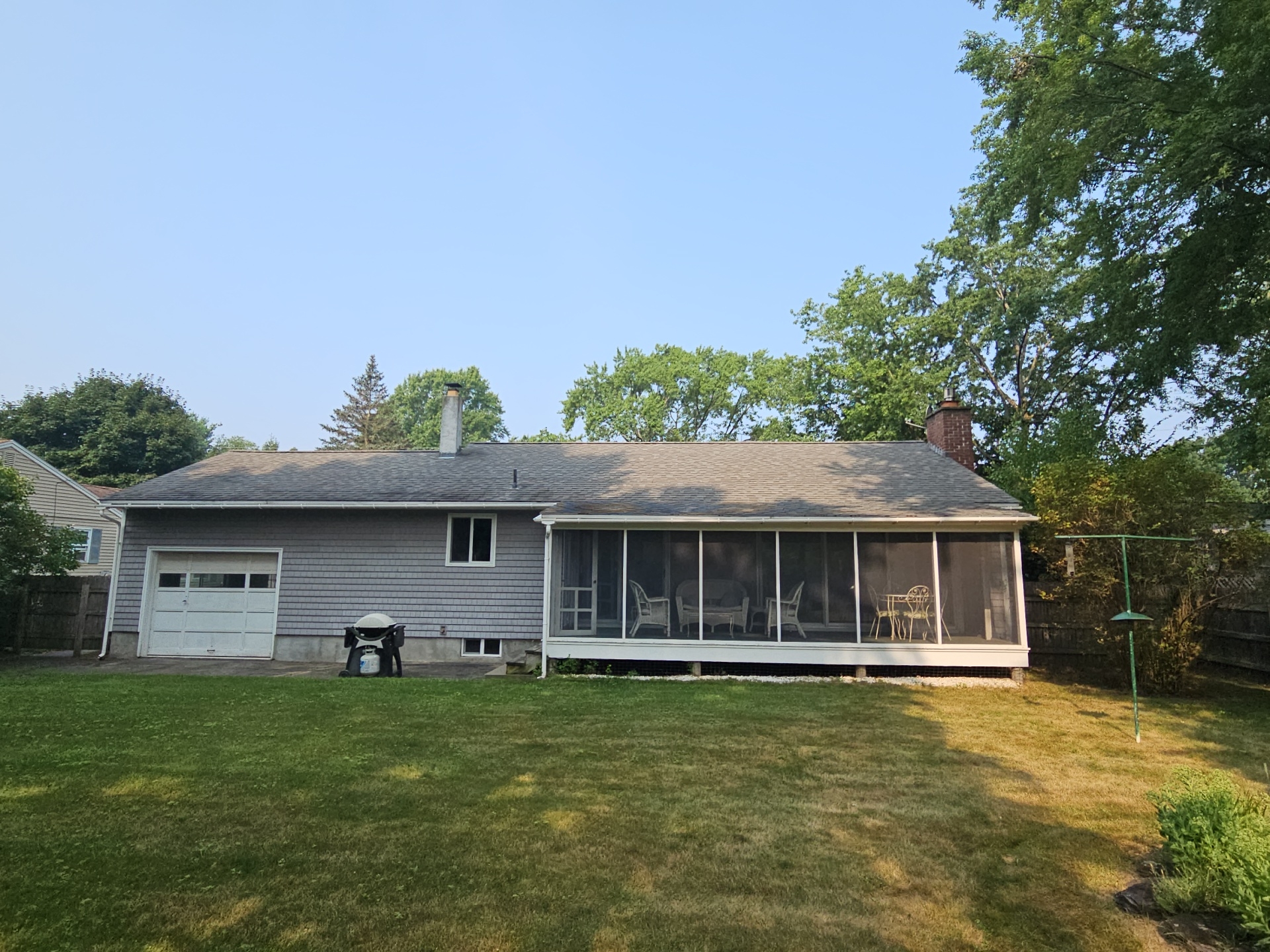
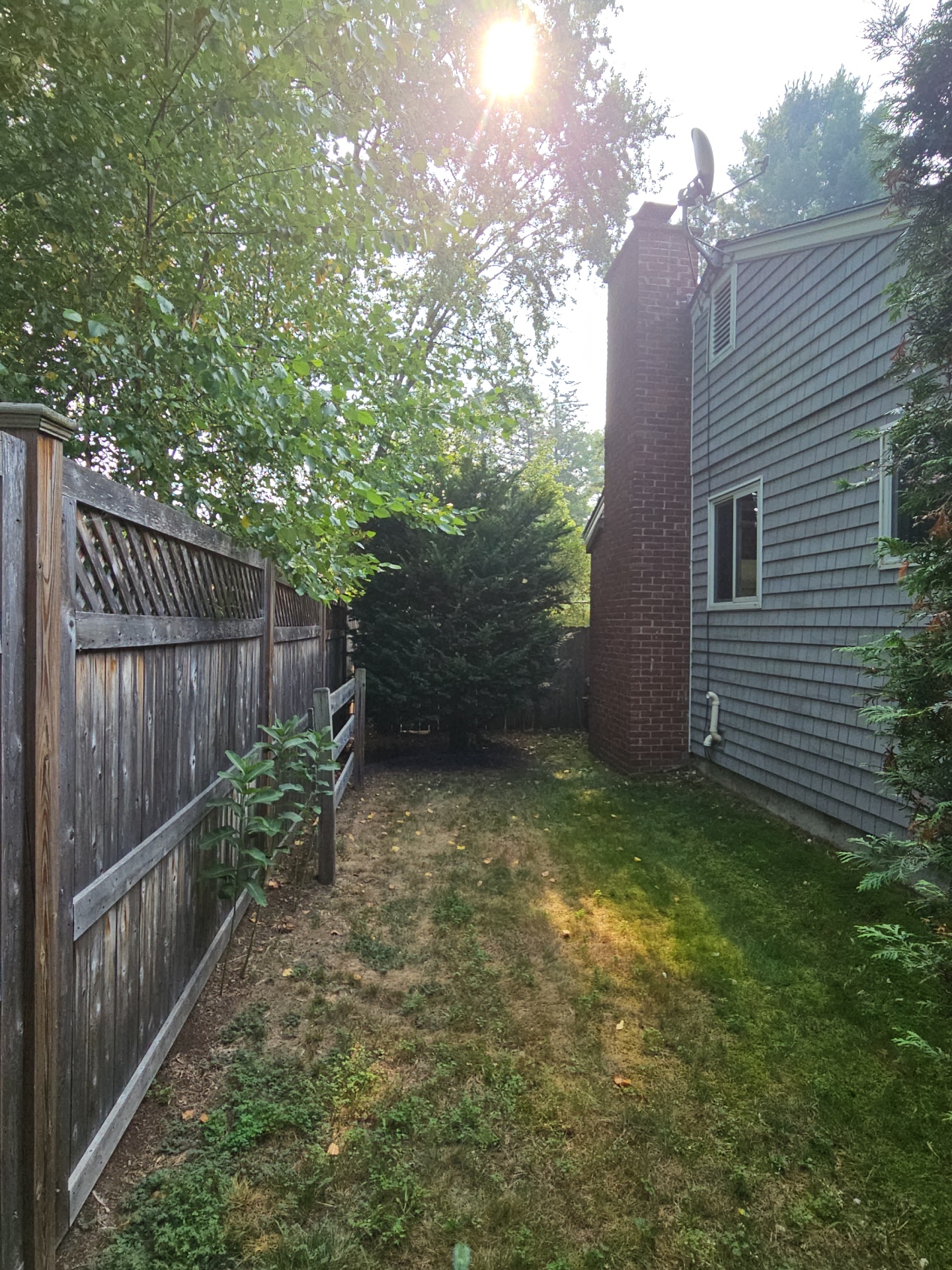
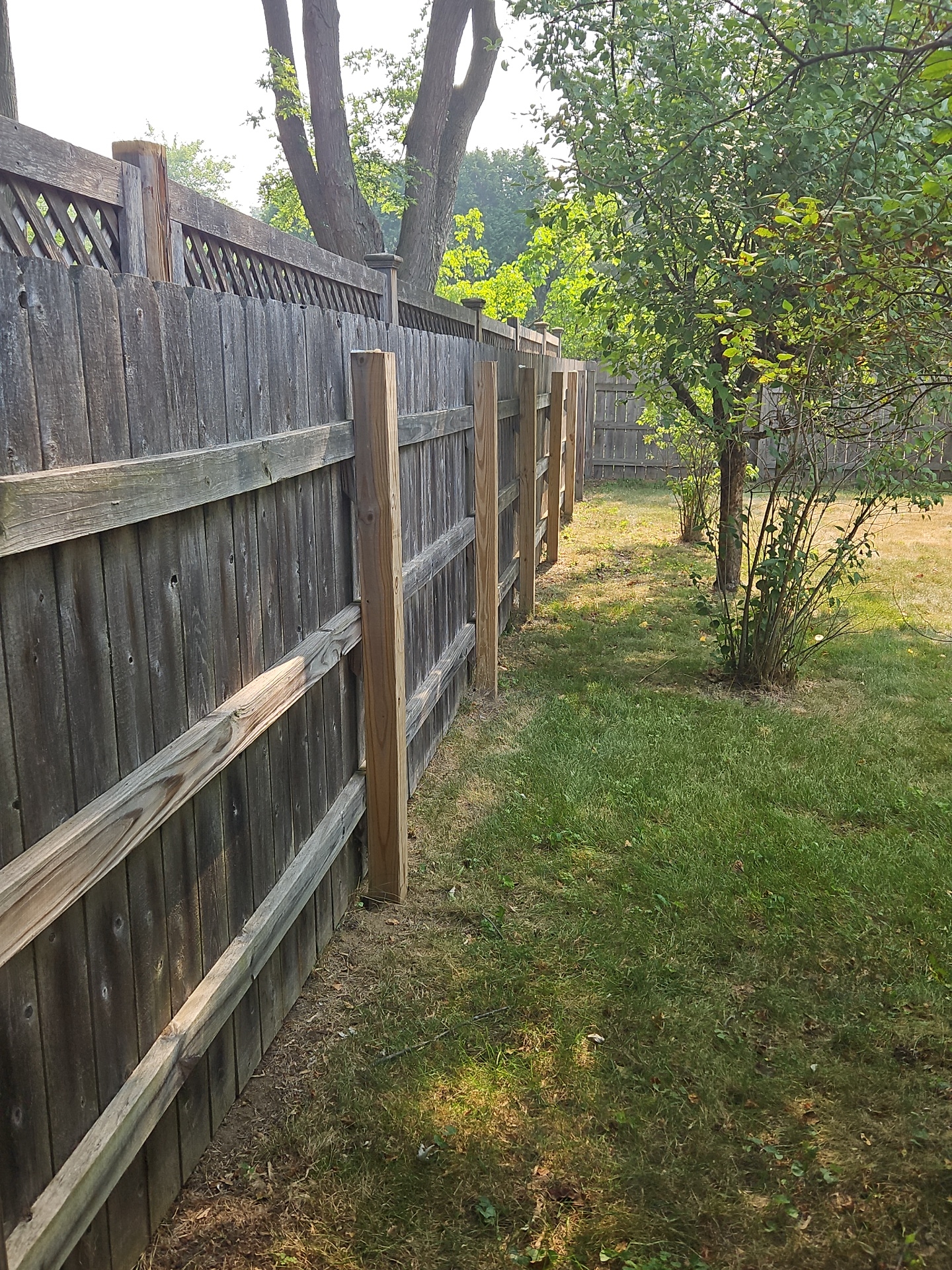
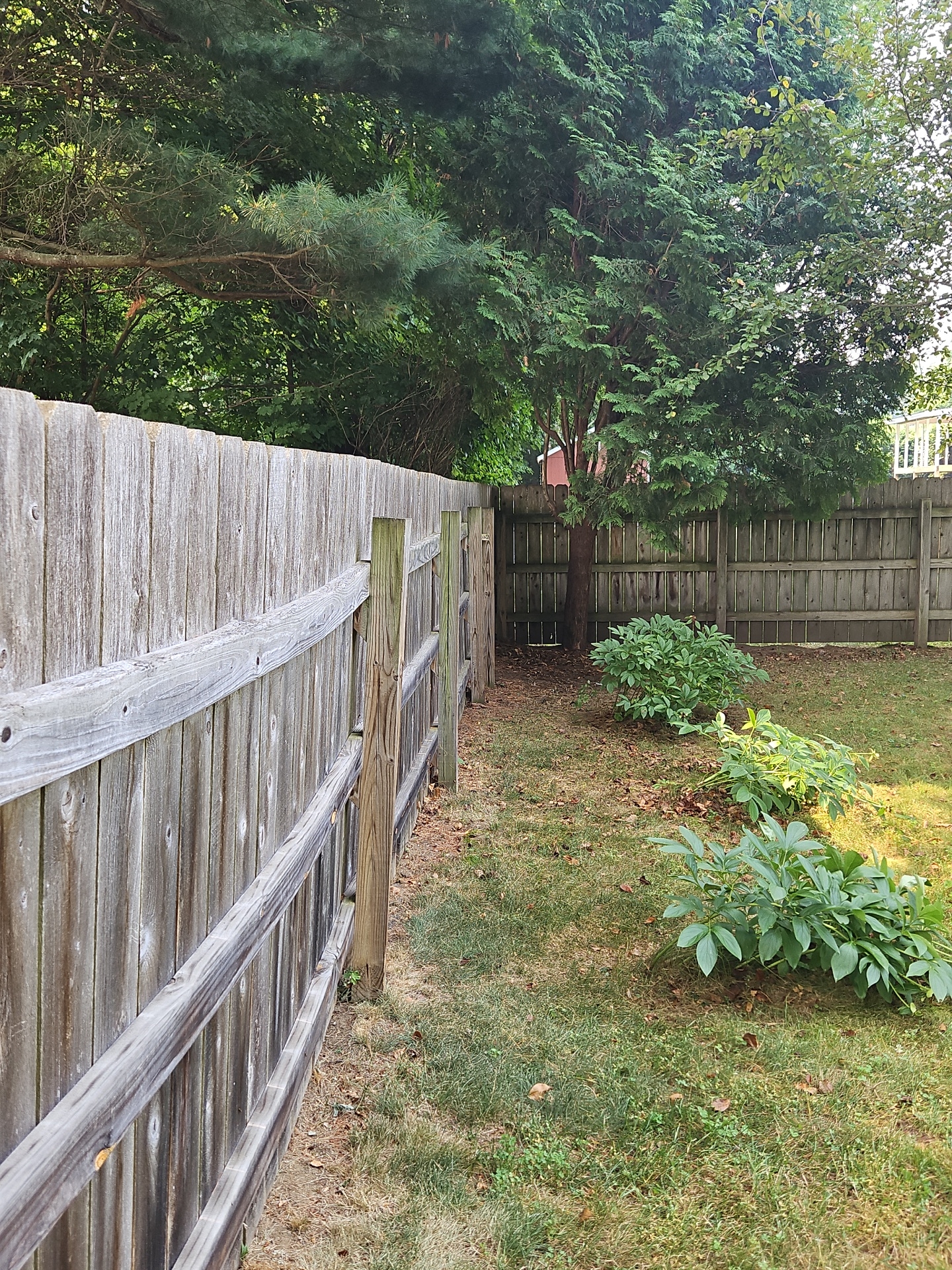
General Grounds Photos
 |  |  |
 |  |
Address Identification
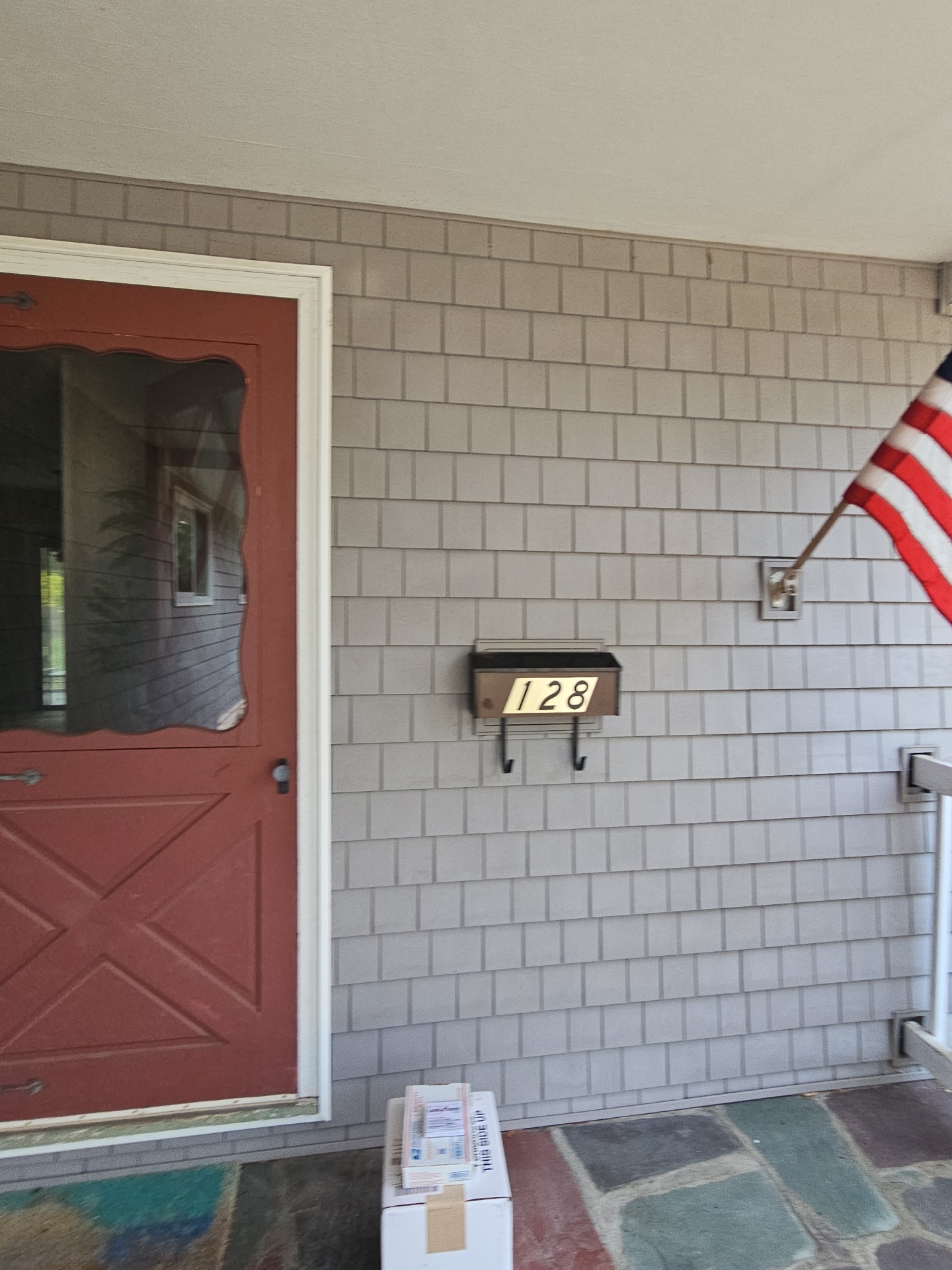
Address Identification: None Found / Difficult to Find / Difficult to Read
In the case of an emergency, it is critical that emergency responders can locate your residence quickly. Improvement of displayed numbers by making them larger or moving them from the mailbox to somewhere more easily visible from the road is recommended for safety.
Drainage and Site
Clearance to Grade: Standard
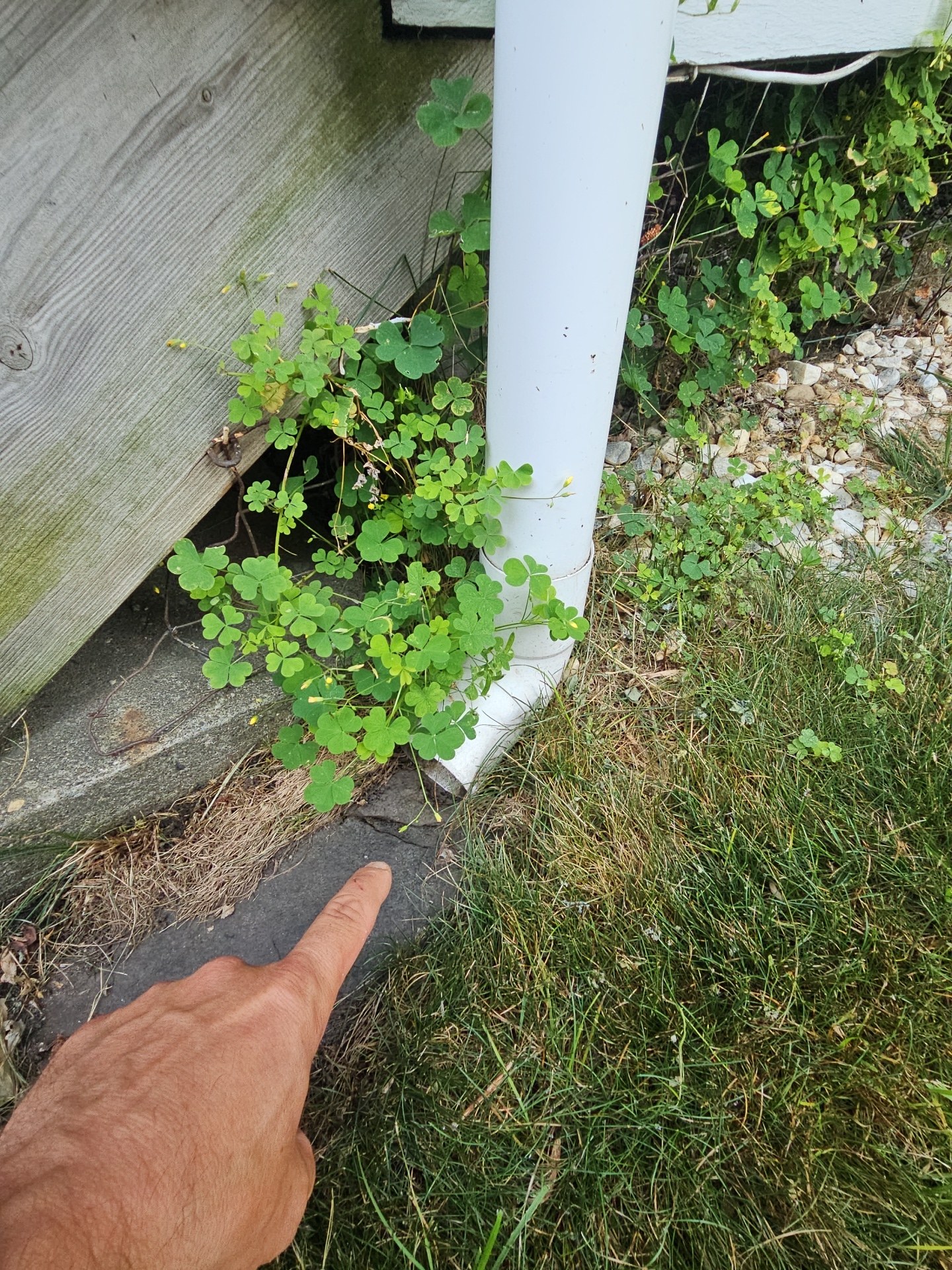
Downspout Discharge: Next to Foundation, Above grade
Site Description: Flat
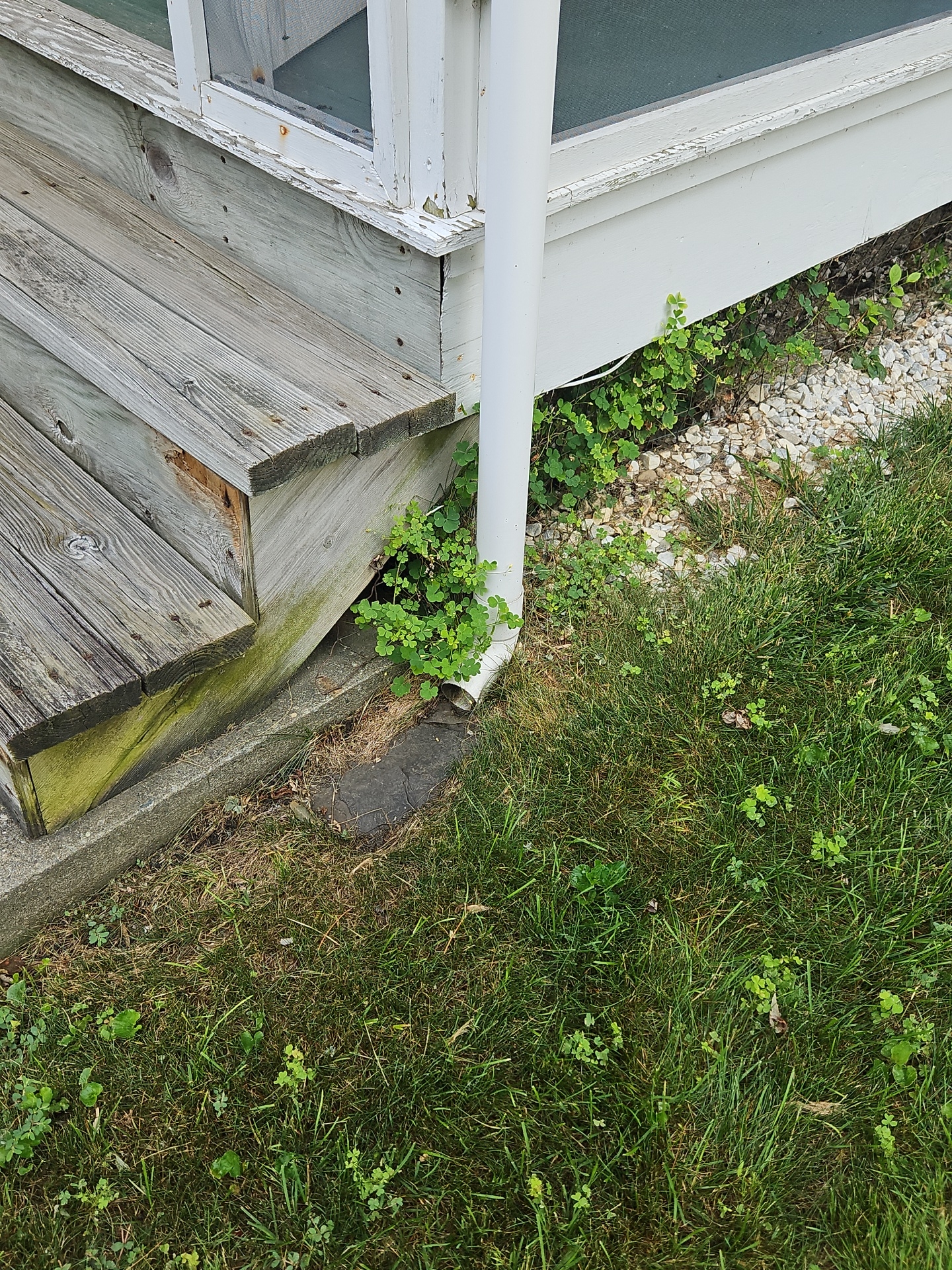
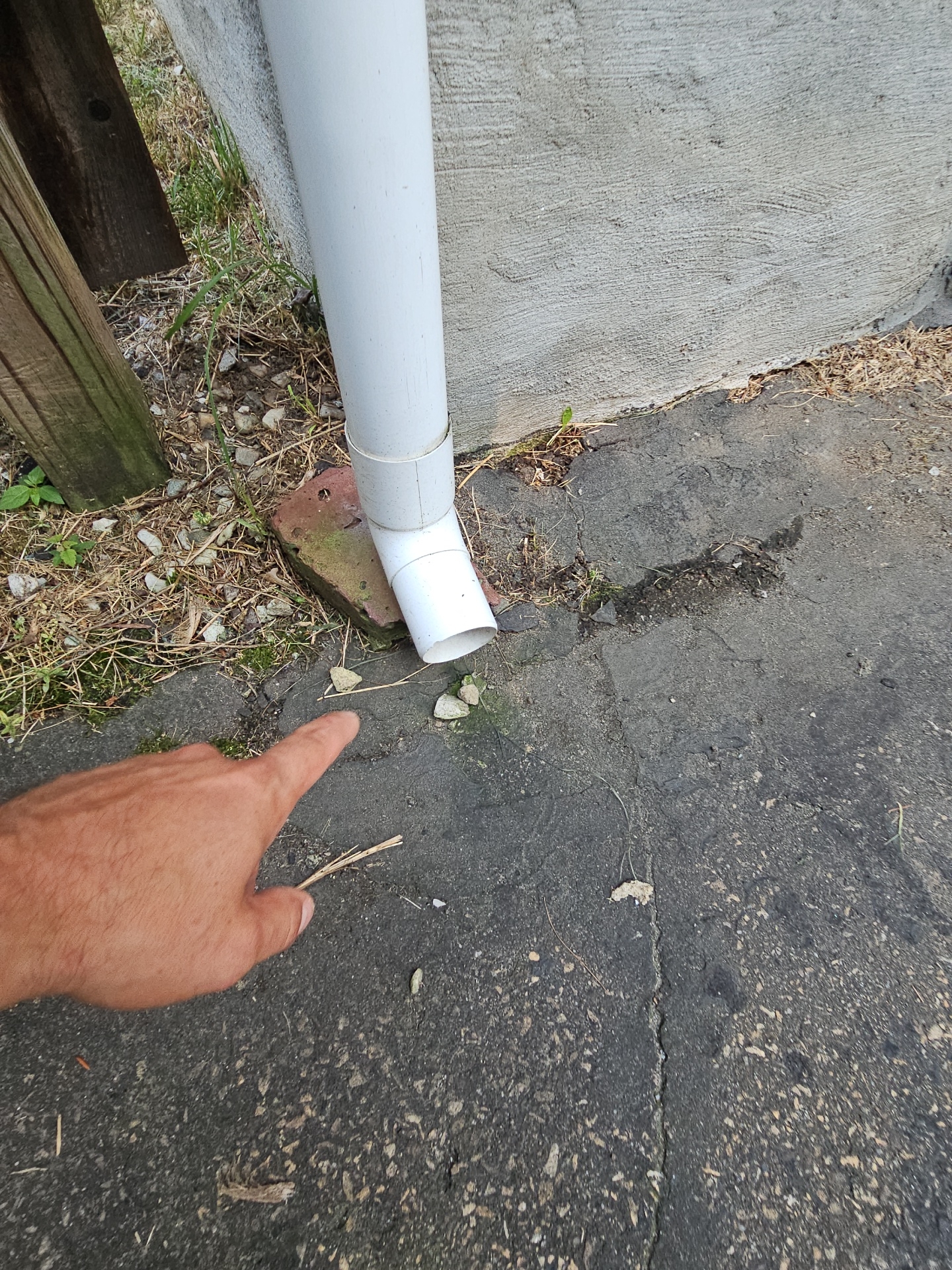
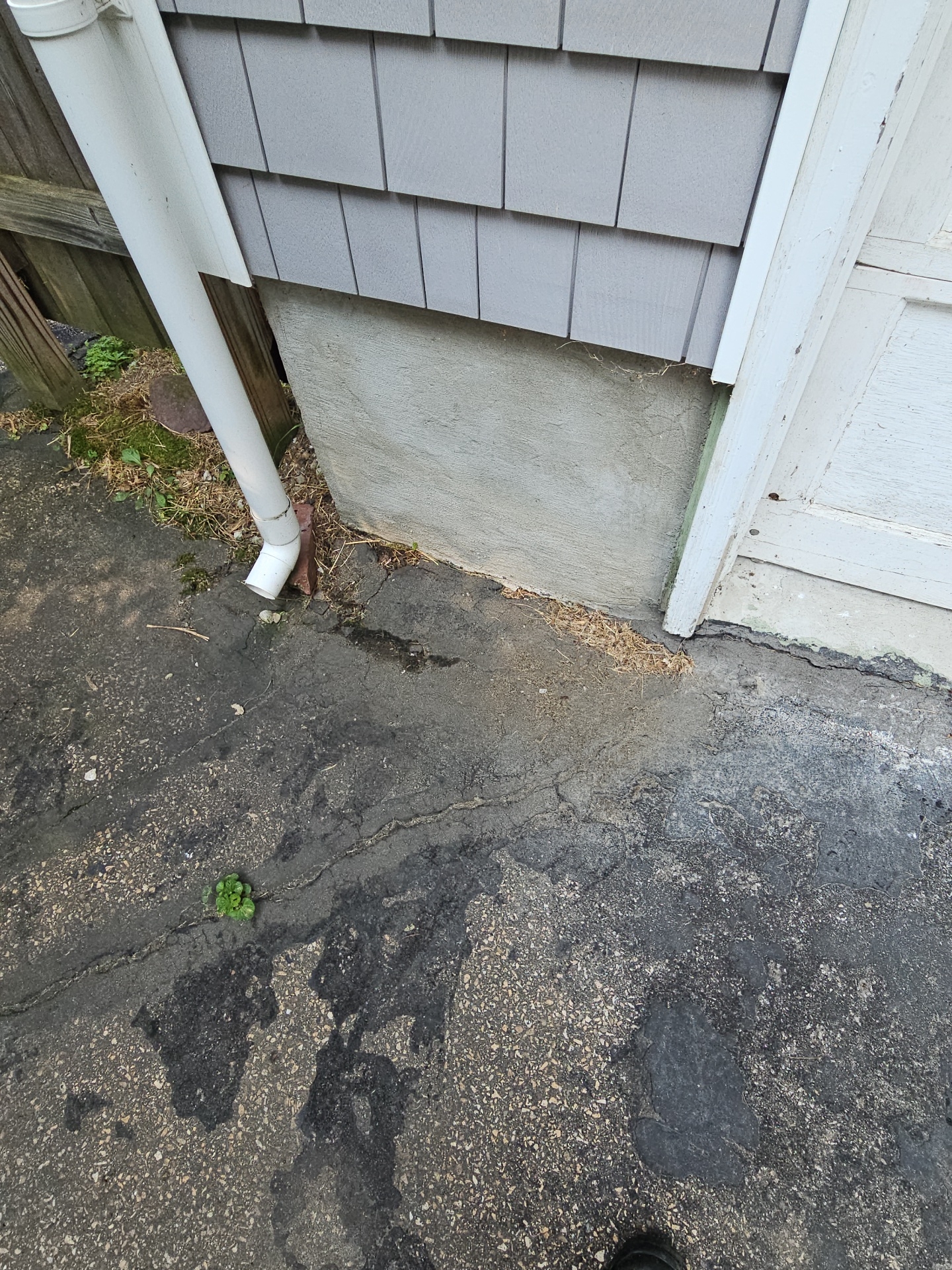
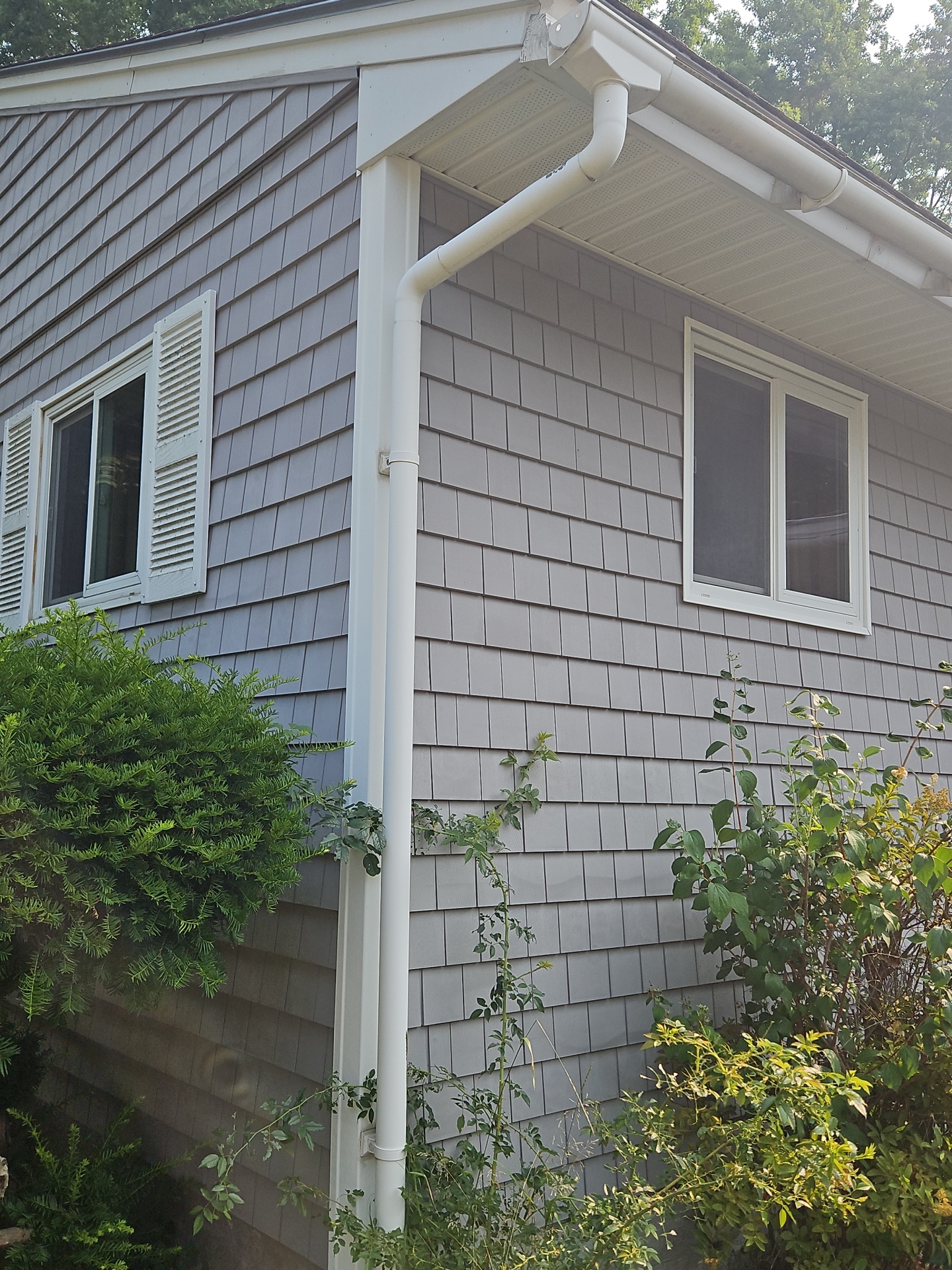
Downspouts are discharging adjacent to the foundation and a porch pier. This can cause settlement or foundation moisture problems. Make sure all downspouts discharge into a proper tight-line system that diverts water at least six feet away from the foundation and porch piers.
 |  |  |
 |
Window wells
Present
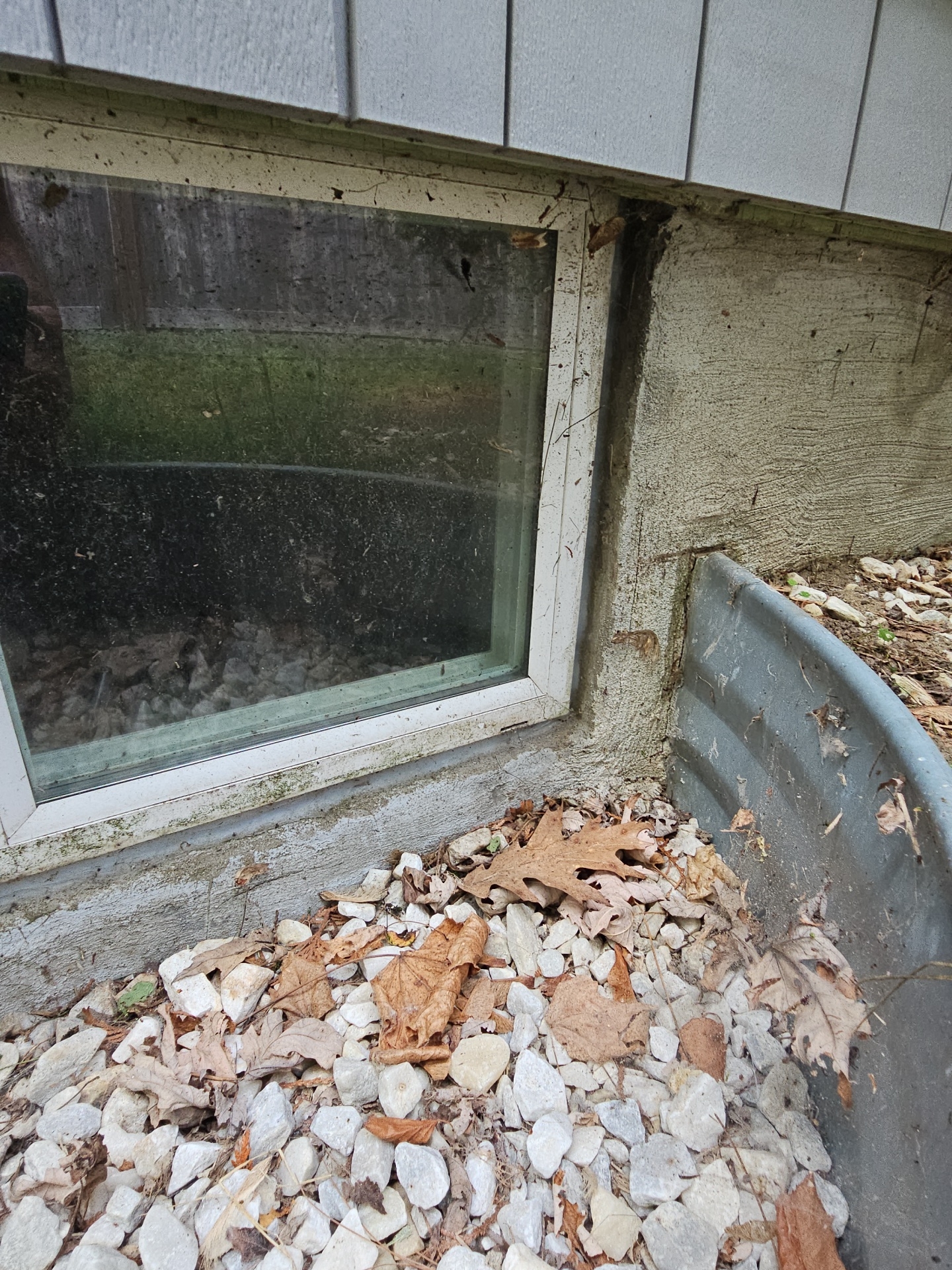
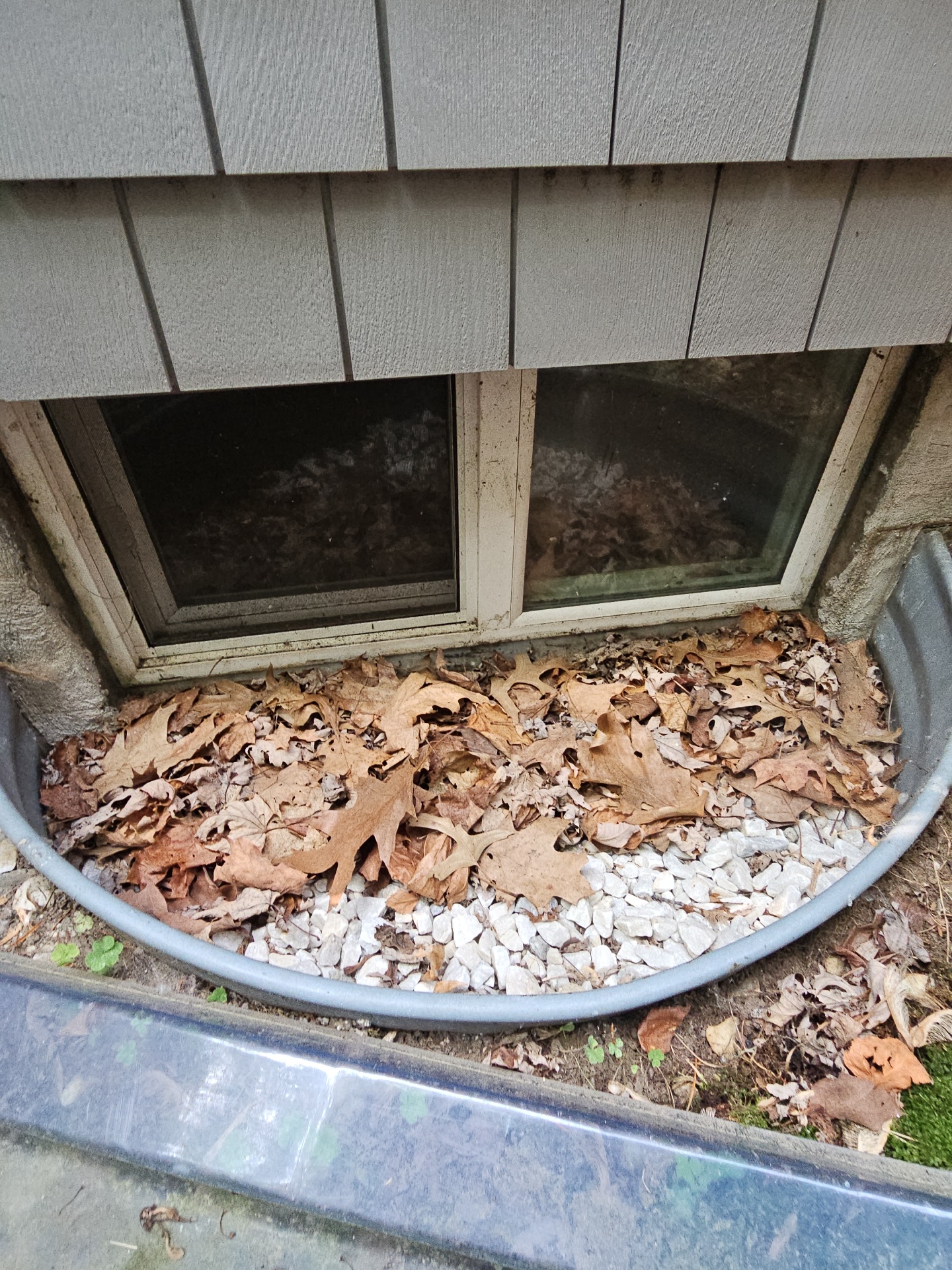
Window wells and associated windows appeared to be in good shape with no signs of water damage. Caulking around the window wells is in good shape. Monitor the window wells periodically to ensure debris, such as leaves, isn't building up underneath the plastic covers and that caulk remains in good shape.
 |  |
Driveways/Walkways/Flatwork
Driveway: Asphalt
Walkways: Asphalt
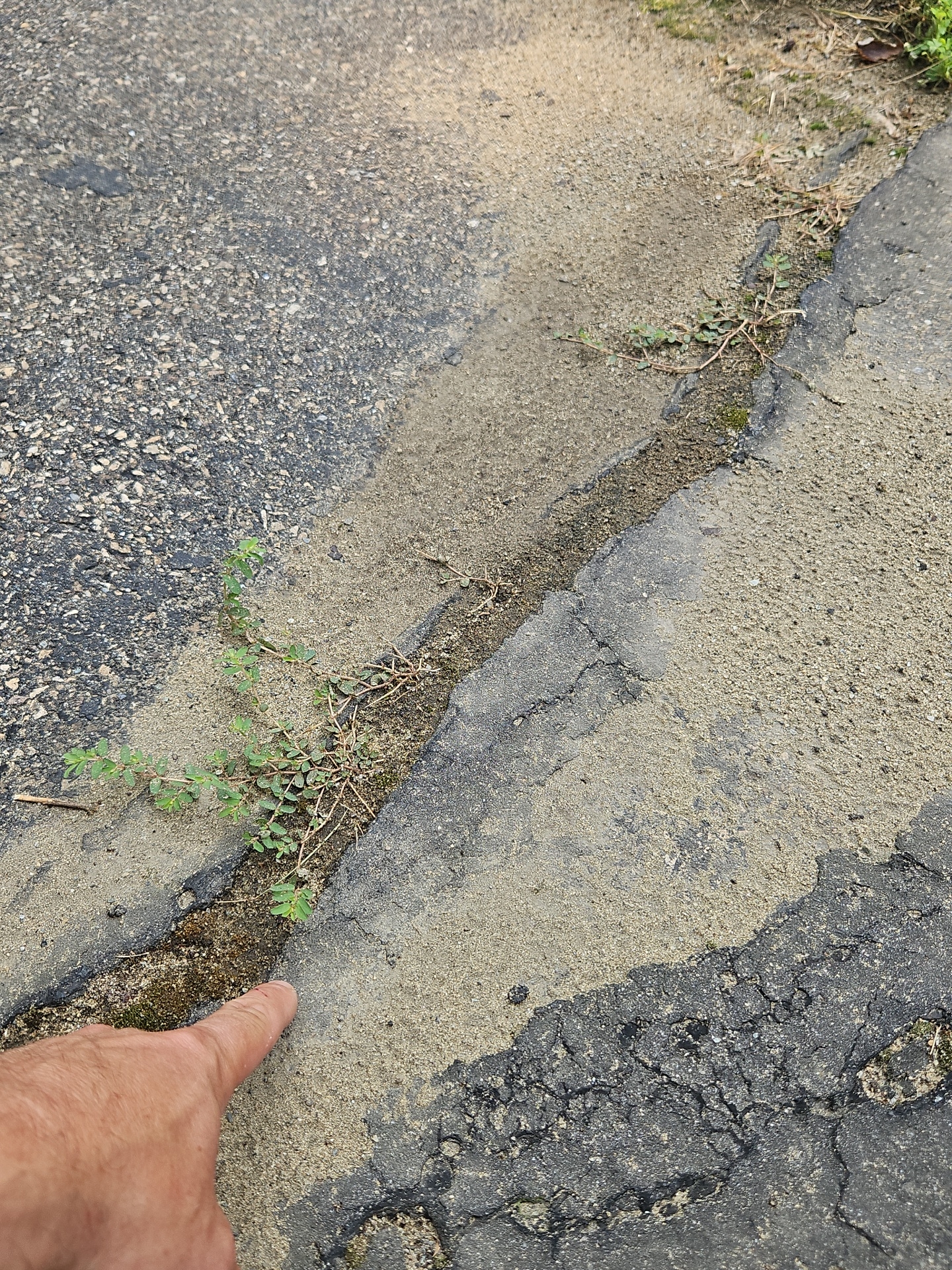
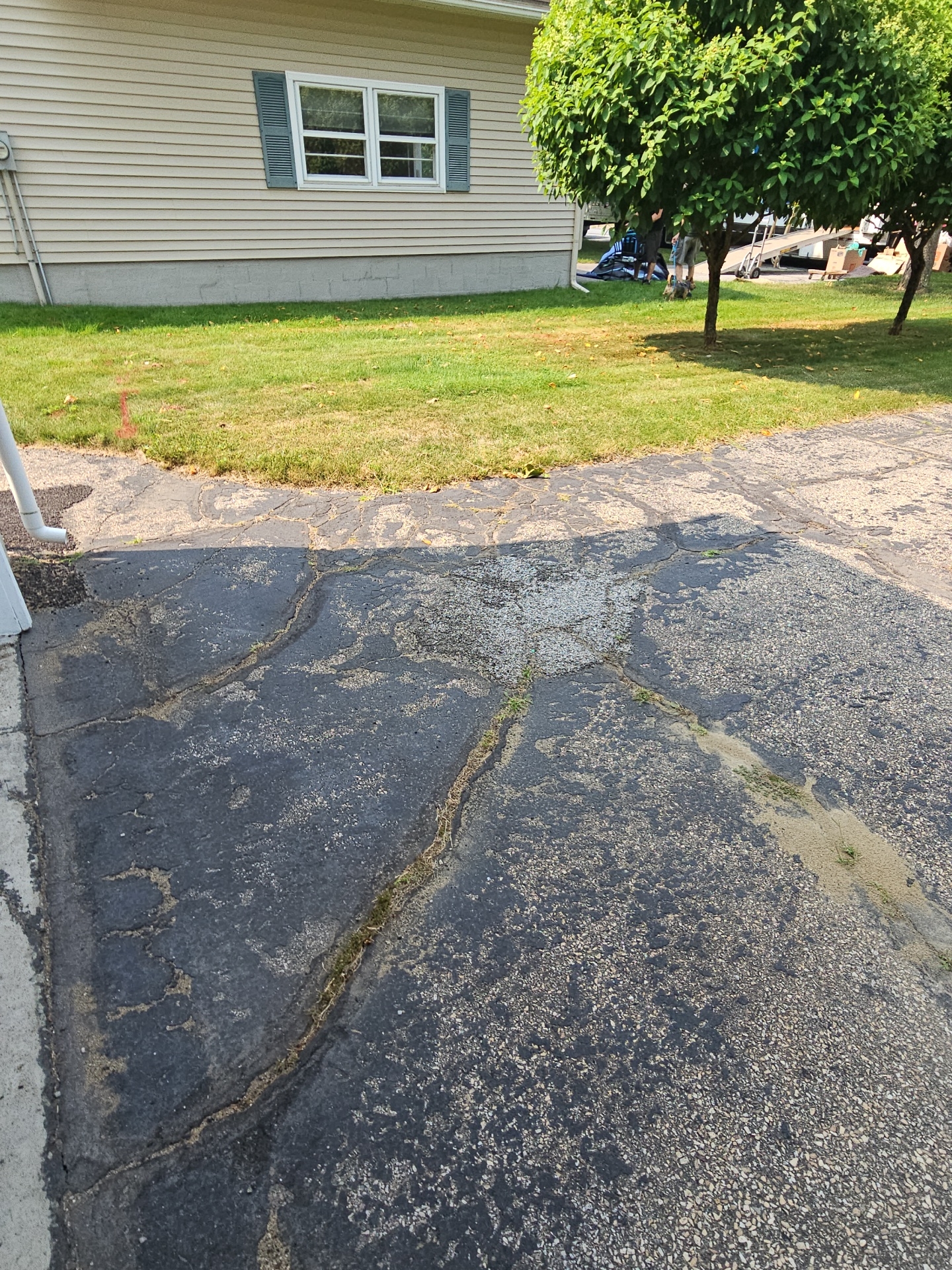
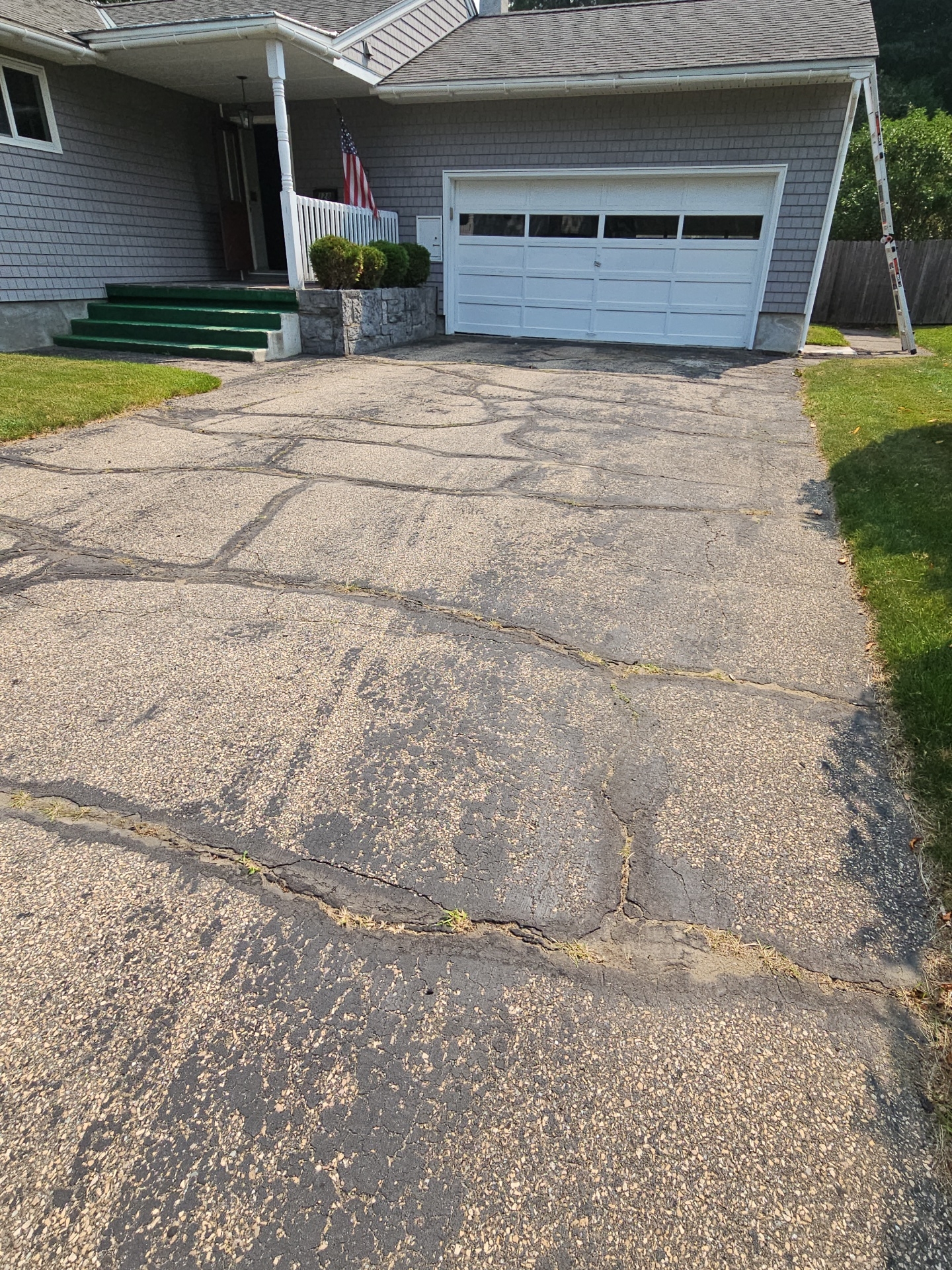
The asphalt driveway and walkway in the rear of the house have several significant cracks and are sloping toward the house or not sloping adequately away from the house. This will cause water to drain toward the building and could lead to moisture control problems. Repair or replace the asphalt as needed so that it is graded away from the home and has no penetrable cracks. A good rule of thumb is a minimum 1/4-inch of slope per foot away from the building.
 |  |  |
 |  |  |
Grounds, Trees and Vegetation
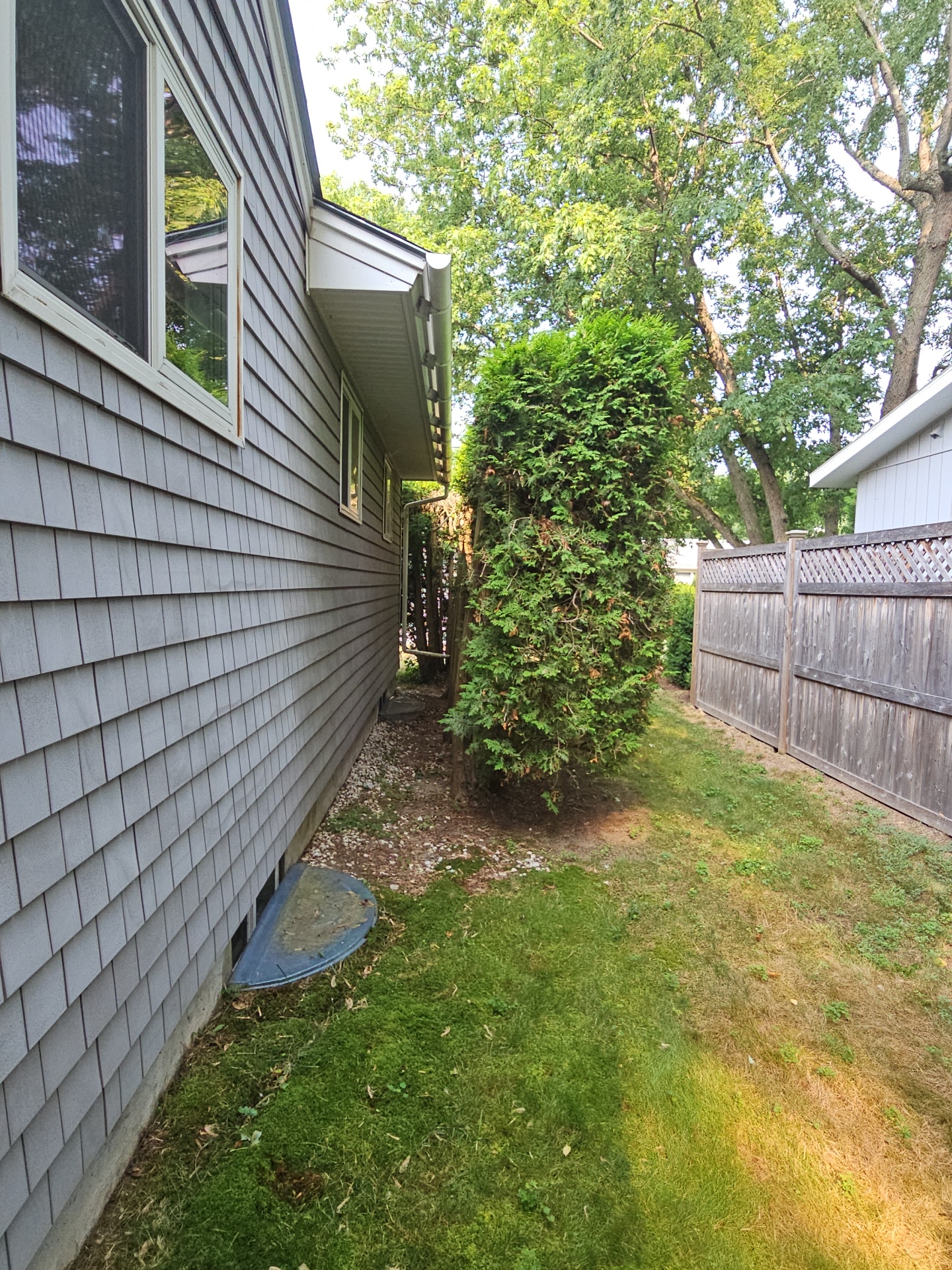
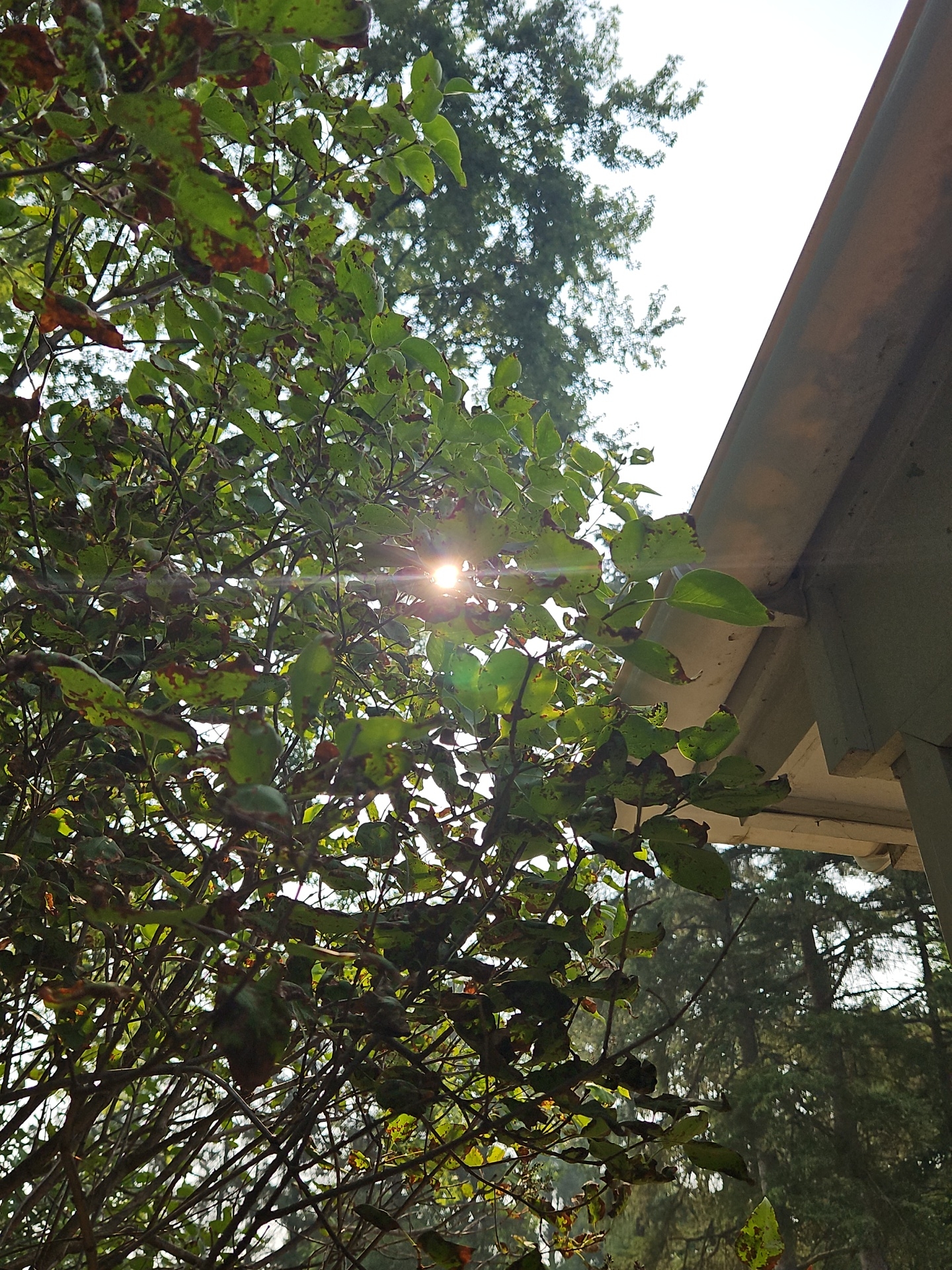
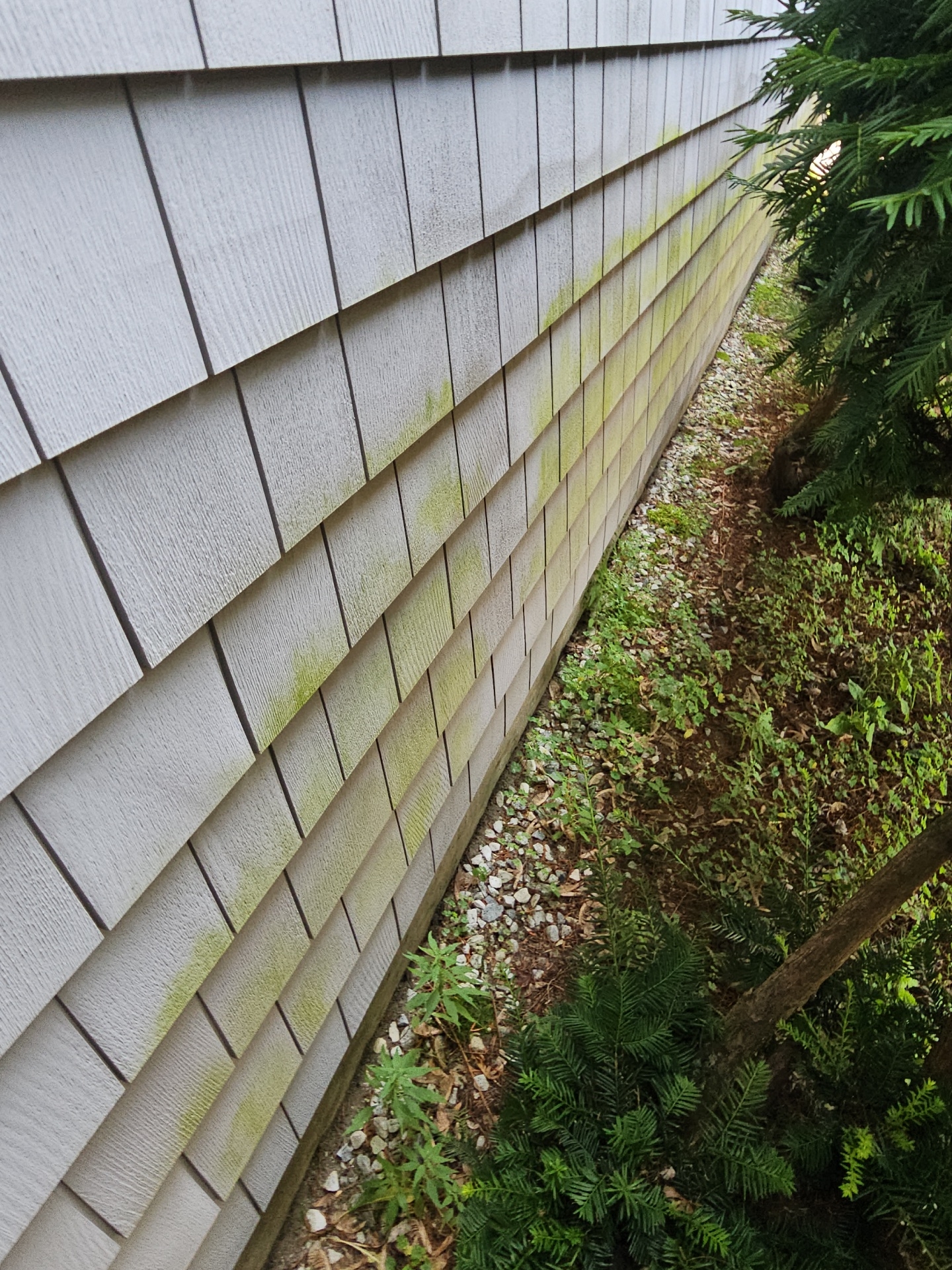
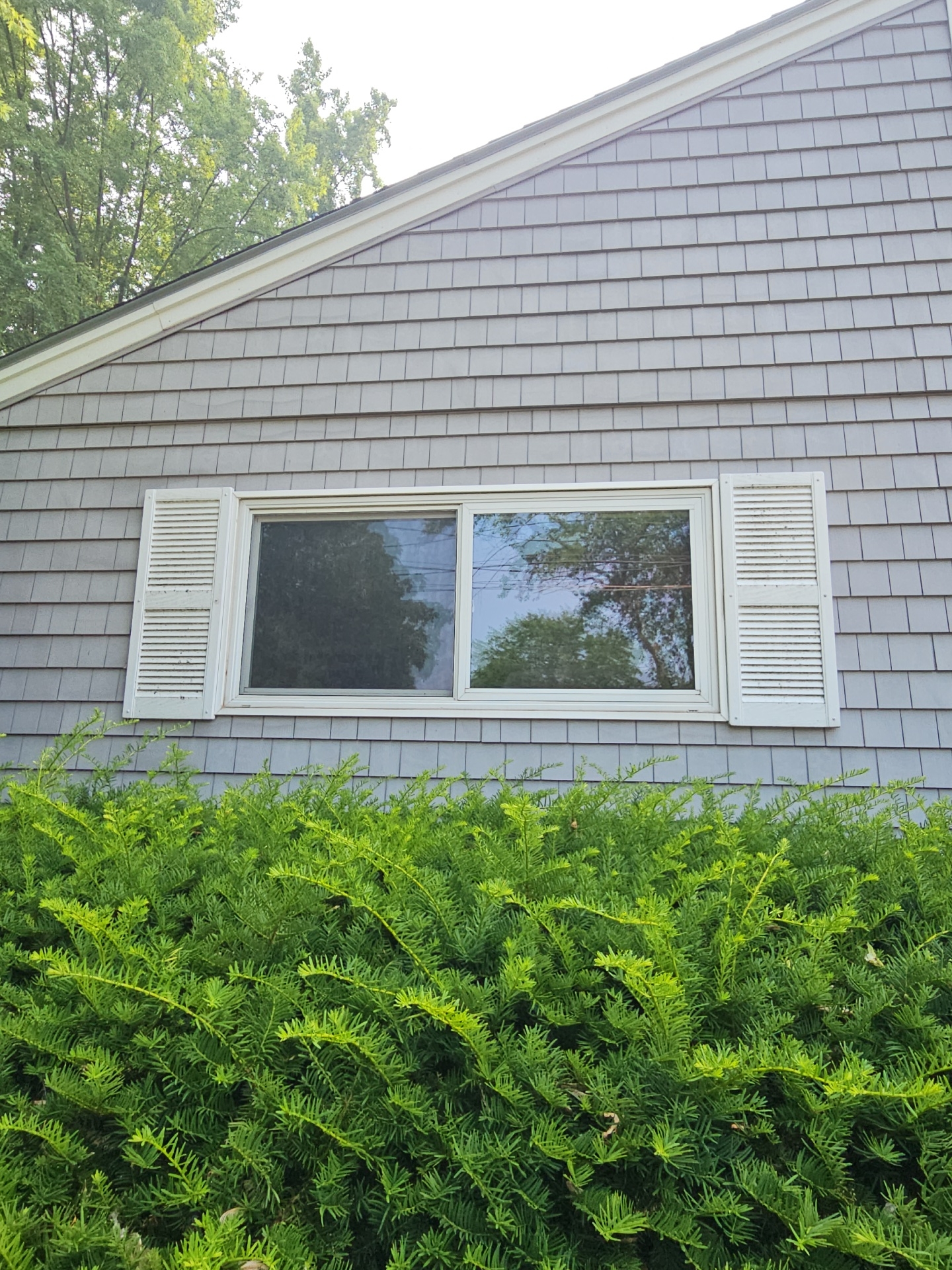
Trees/Vegetation too near building: Yes - Prune Vegetation off House
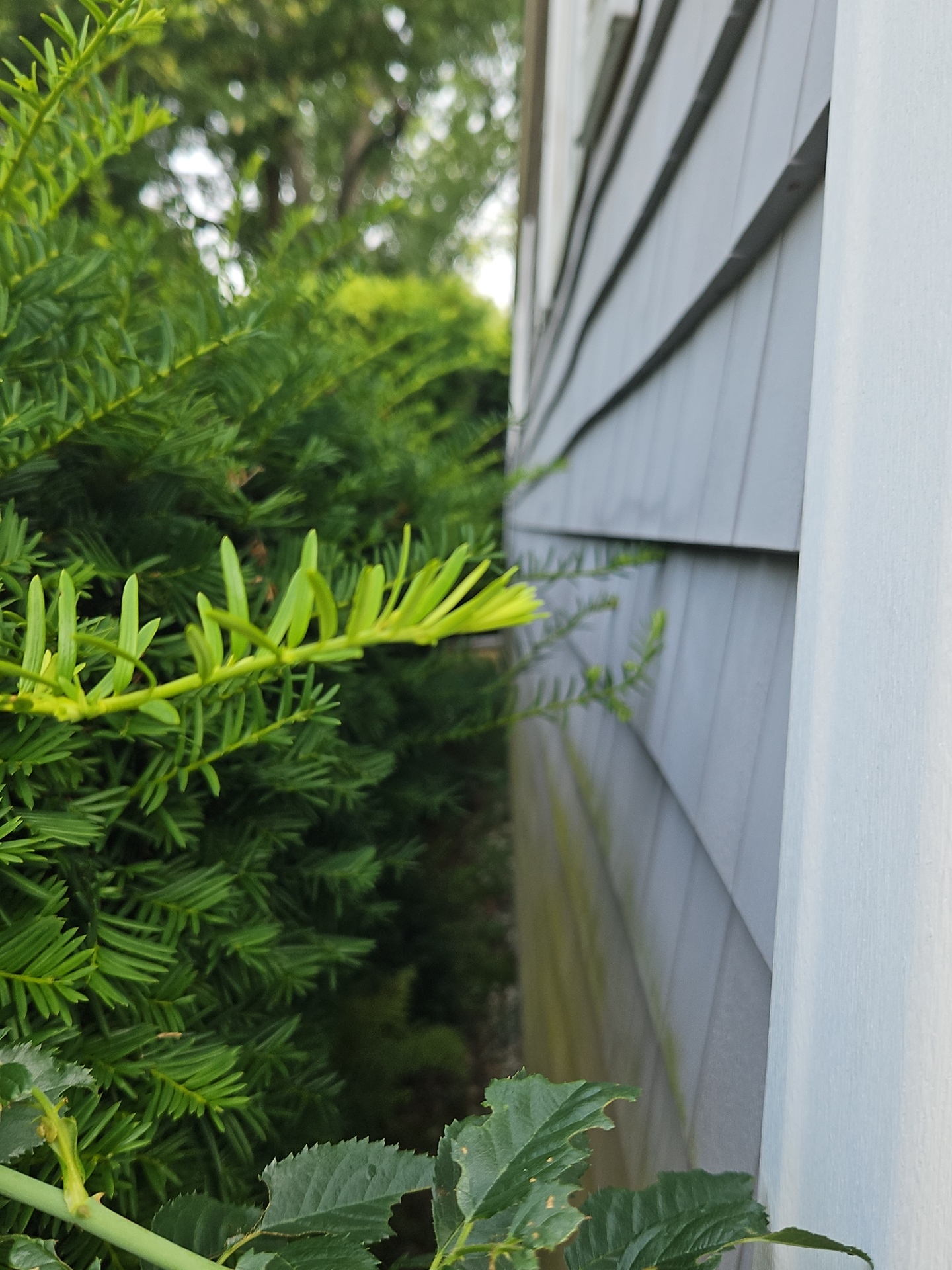
Even with proper grading of the ground around the home, the roots of vegetation close to the home can provide a pathway for water to travel through the ground and against the foundation wall. This water can then travel through the wall and into the basement or it can freeze creating hydrostatic pressure against the the wall. Consideration should be given to removing vegetation, including their root systems, which are in close proximity to the home and when roots could damage the foundation wall.
 |  |  |
 |
You have several trees, bushes, and shrubs that are in close proximity to the home. The leaves and branches of this vegetation can trap moisture against the exterior walls. The leaves and branches of vegetation should be trimmed to at least one foot off of the house's exterior walls to eliminate contact which could trap moisture against the building. Consideration should also be given to removing any larger vegetation which could, even if their branches are trimmed to within 12 inches of the exterior walls, damage the exterior walls or foundation.
 |  |  |
 |
Exterior Stairs
Exterior Stairs: Standard
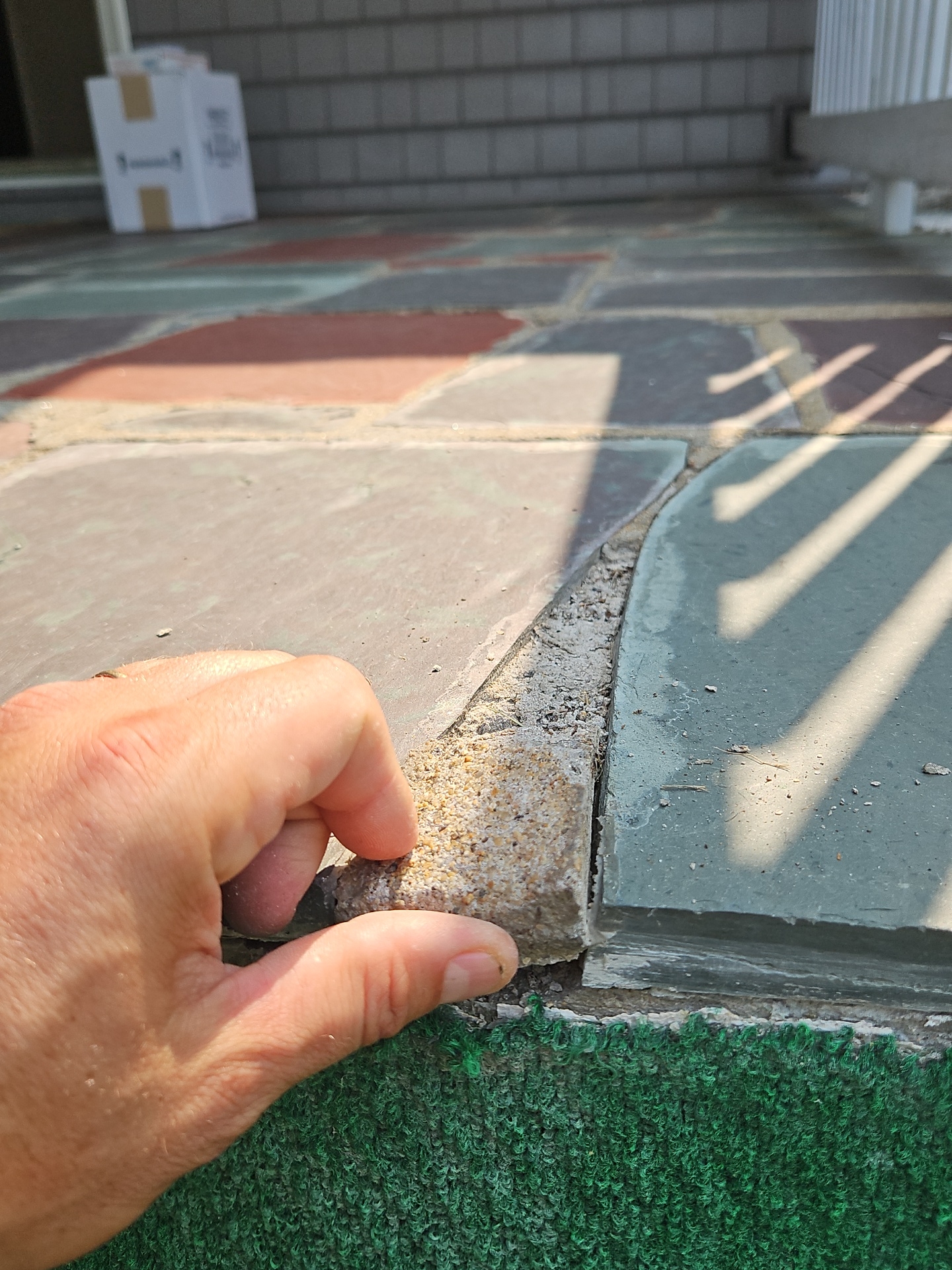
The exterior front slate landing has cracked or missing mortar that should be maintained.
 | 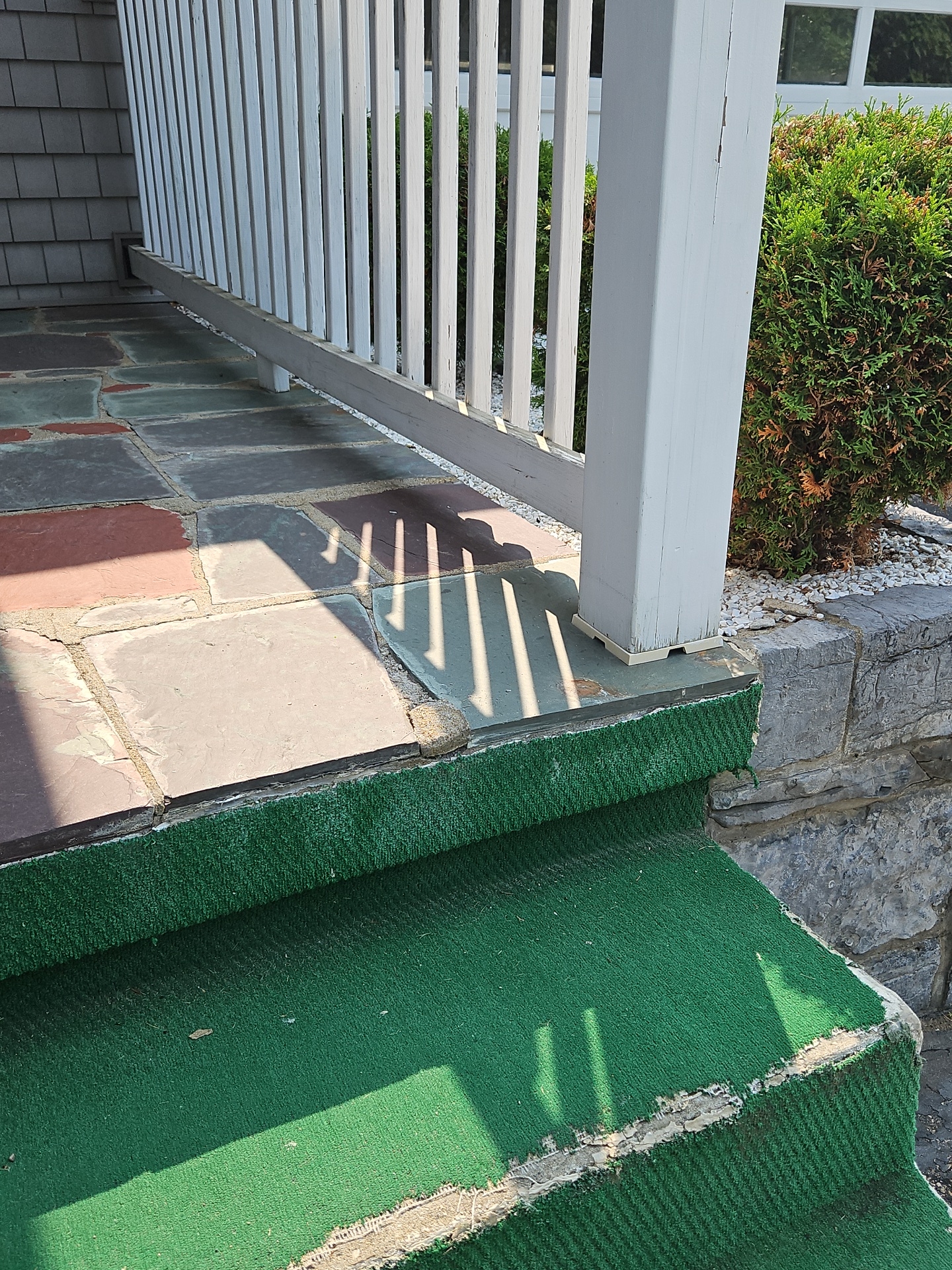 |
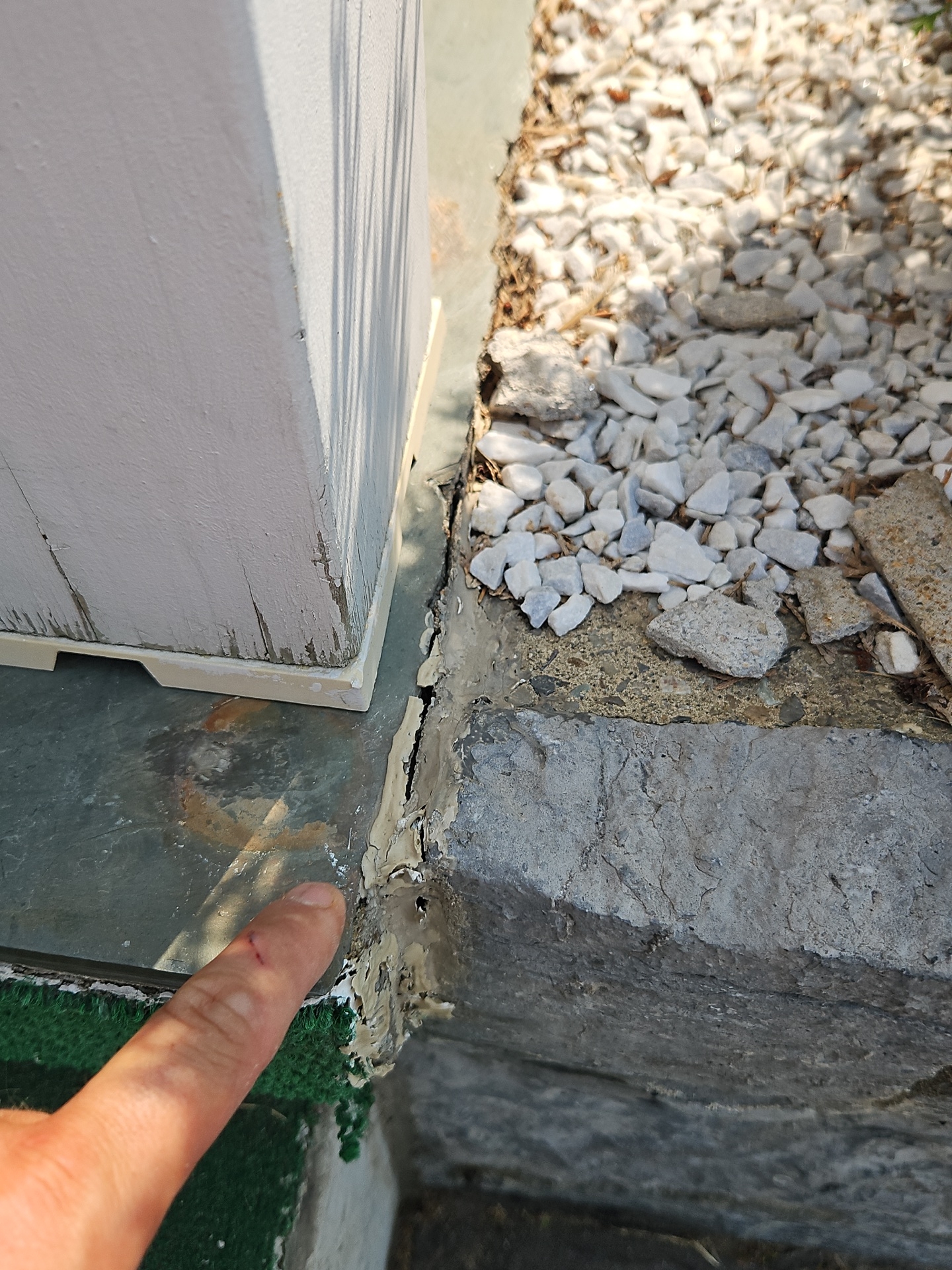
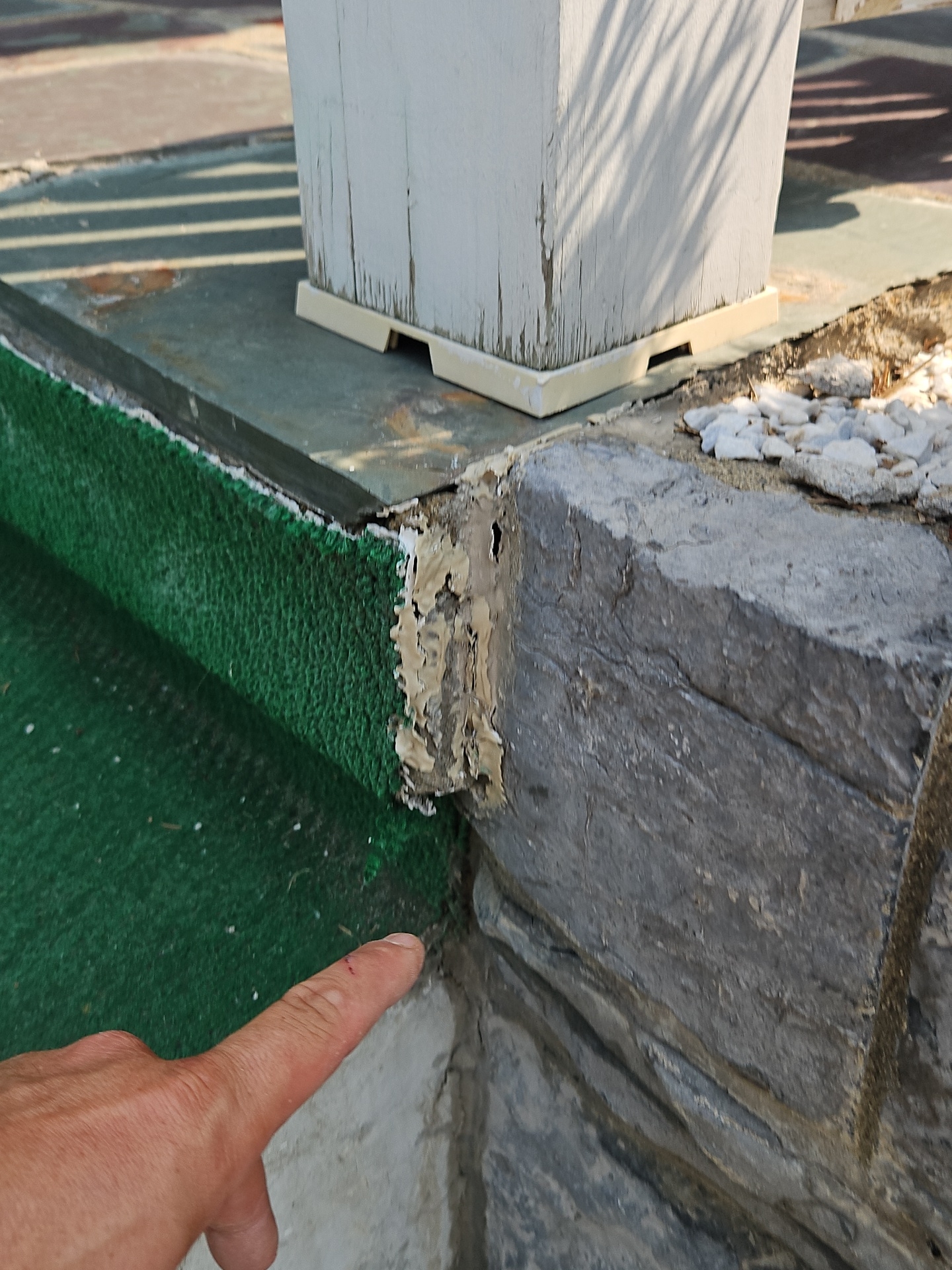
Where the exterior front stairs meet the stone wall there is a gap that should be resealed to prevent water intrusion.
 |  |
Fences
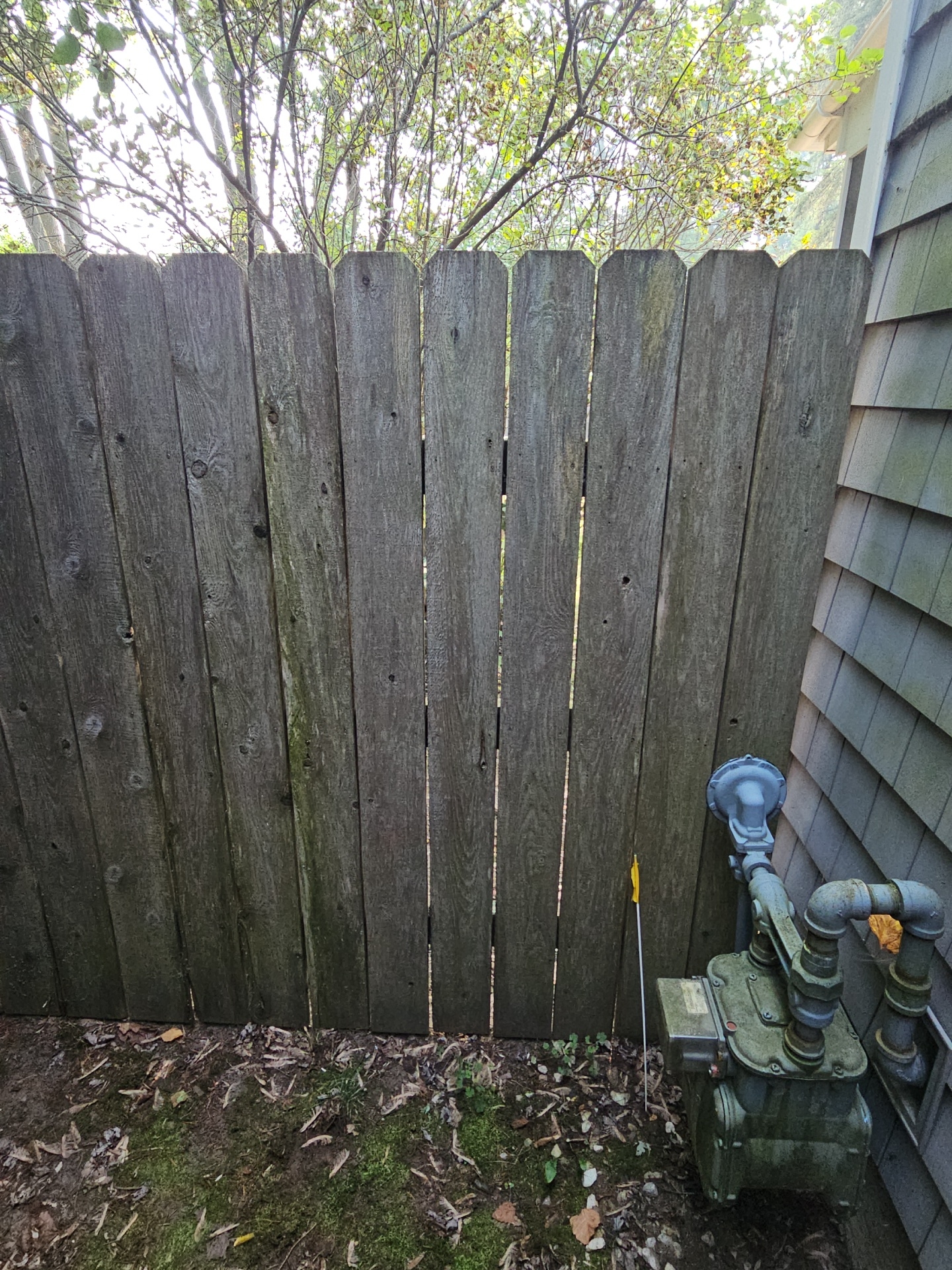
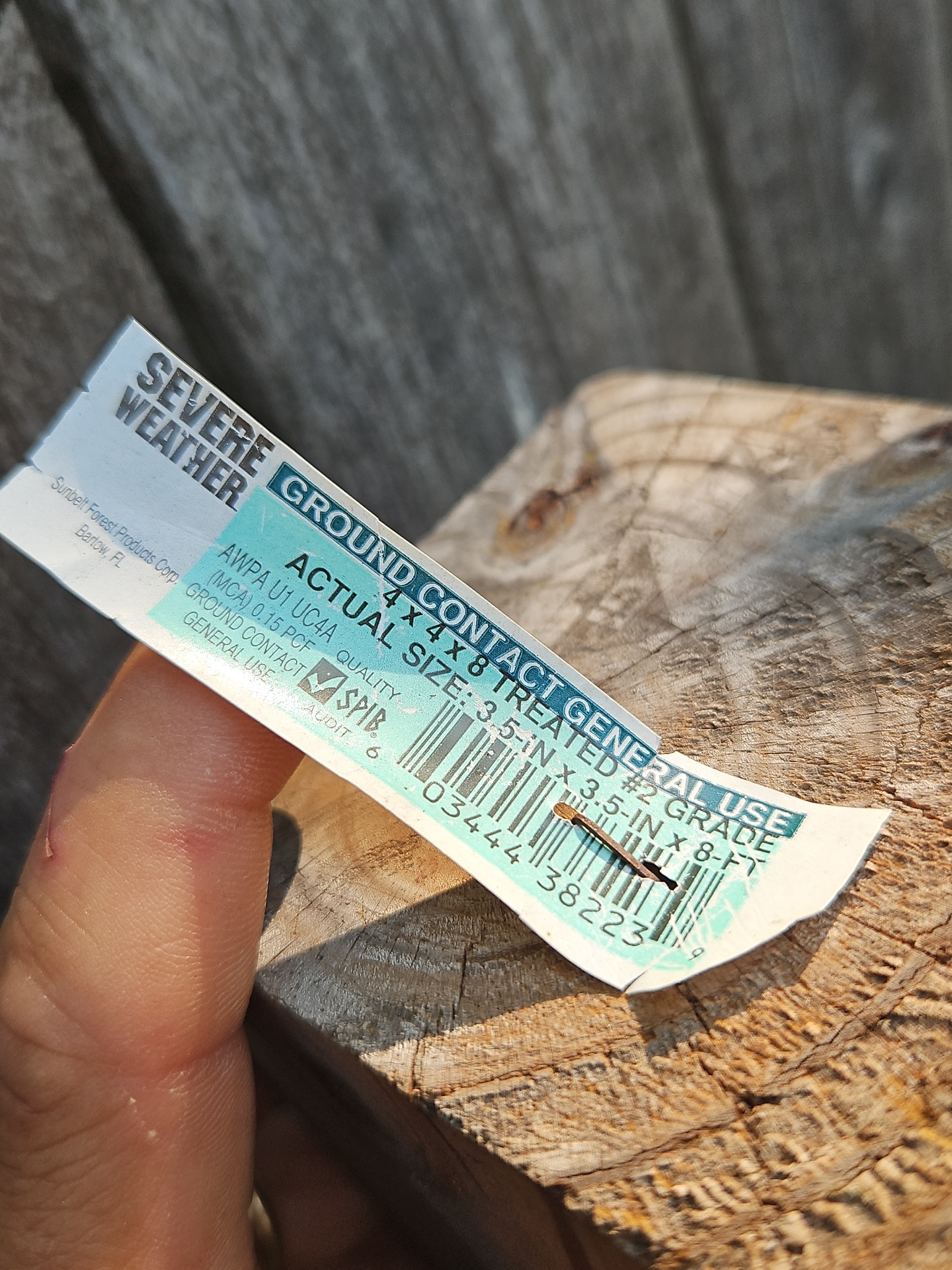
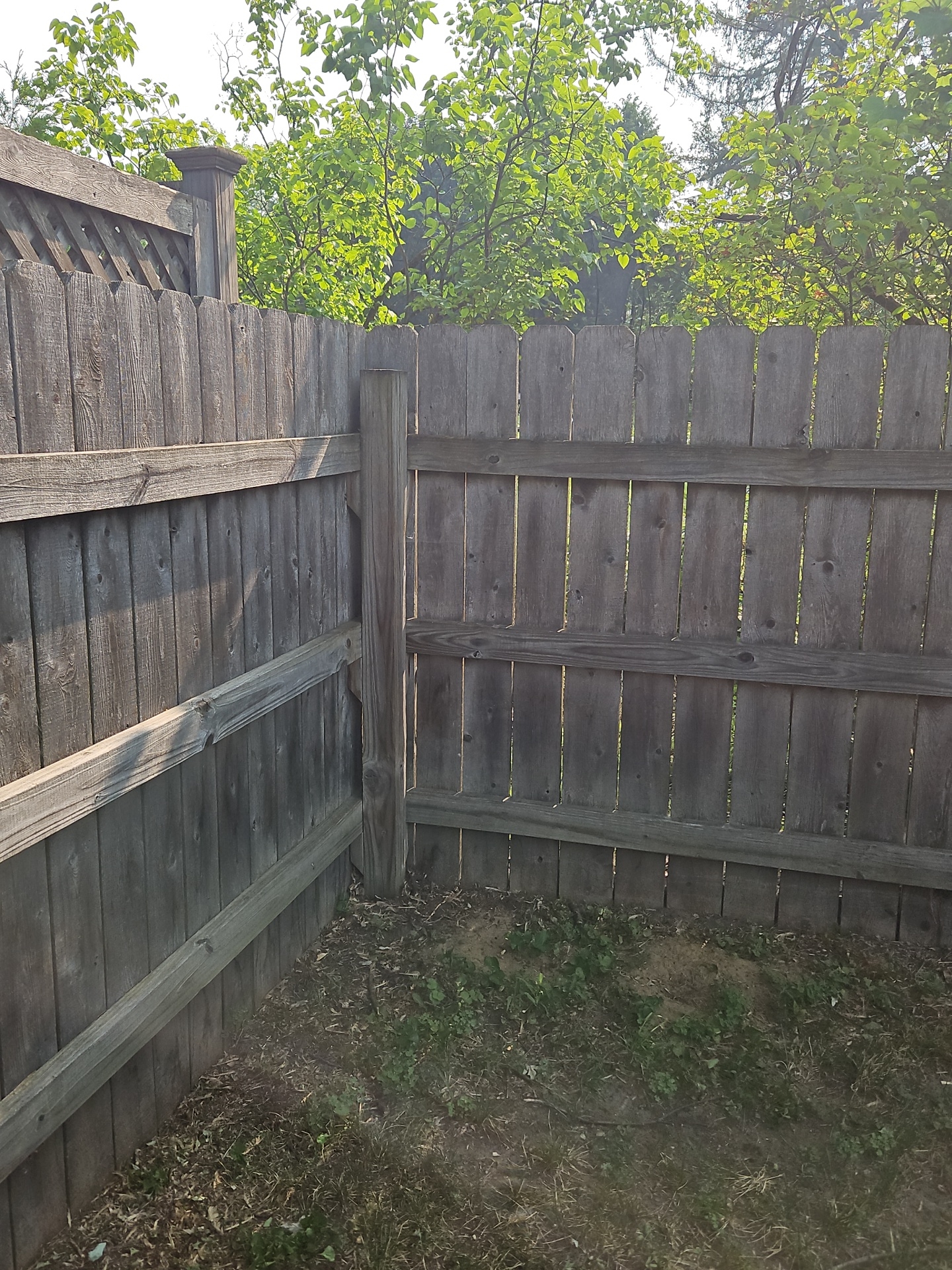
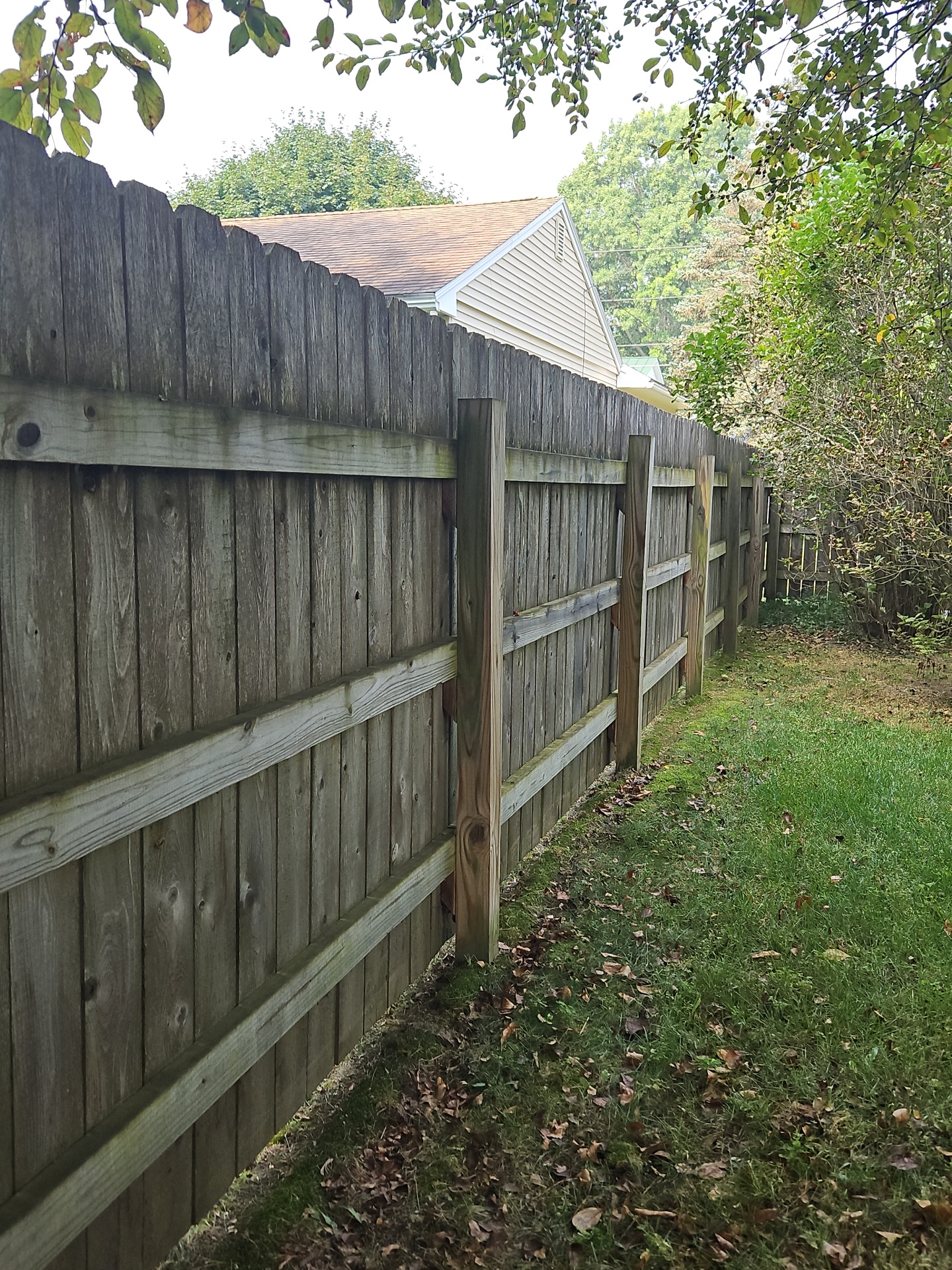
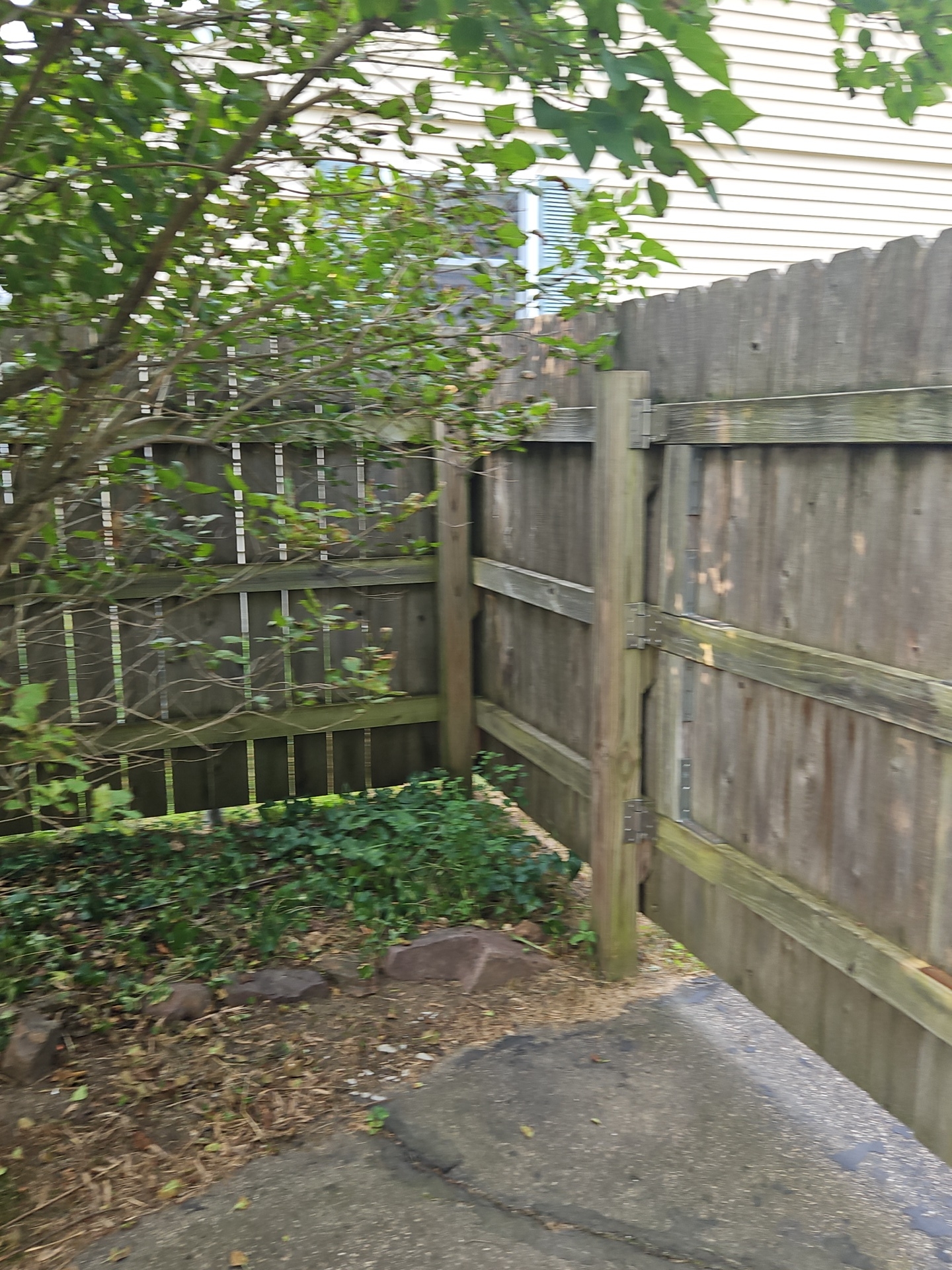
Exterior Fencing: Present, Stain The Fence - Recommended
The wood fencing material, including each gate, appears to be in fine shape. The wood fencing material can be stained as desired to better preserve the wood in the long-term.
 |  | |
 |  |  |
Exterior
Exterior foundation wall
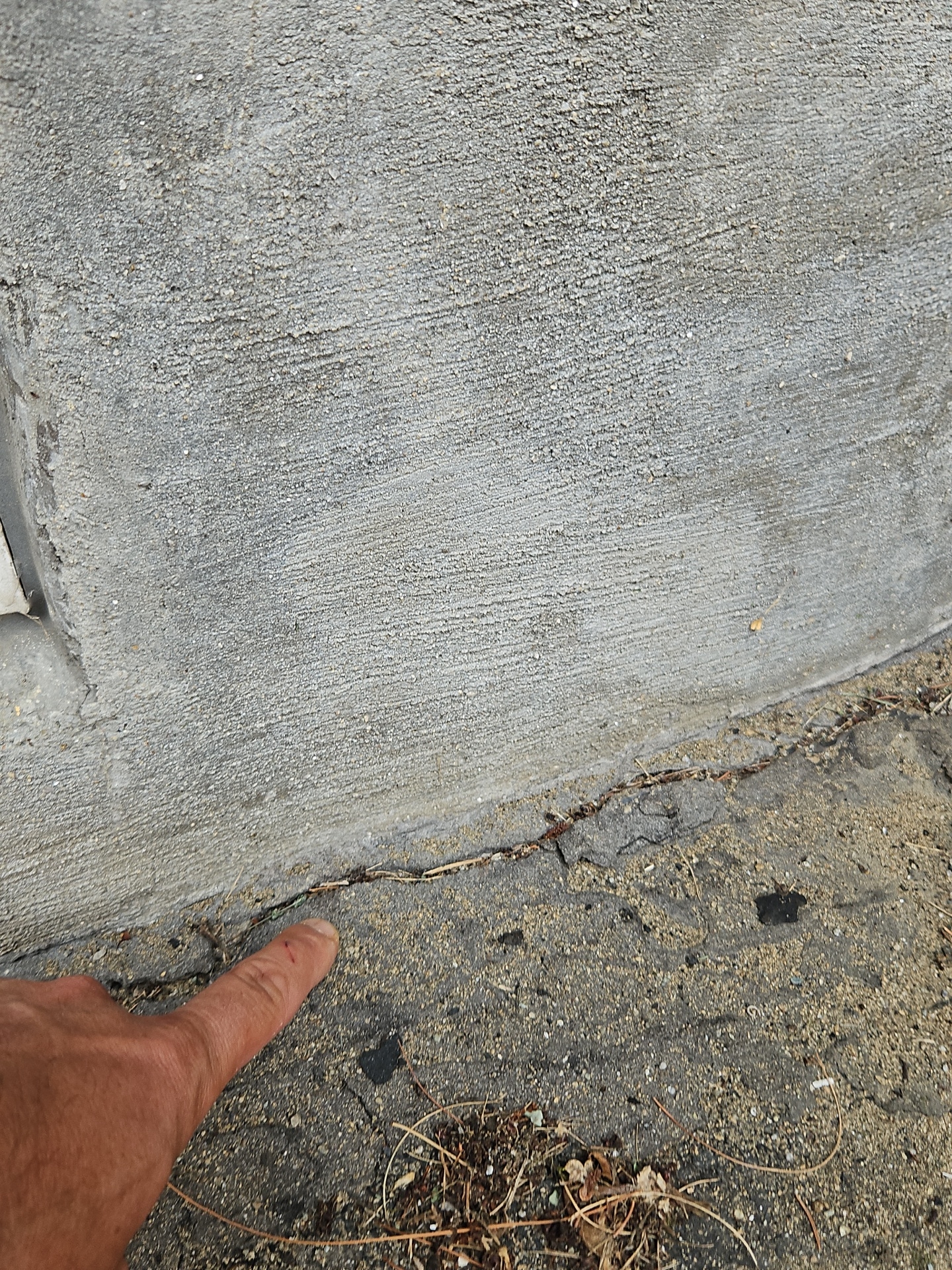
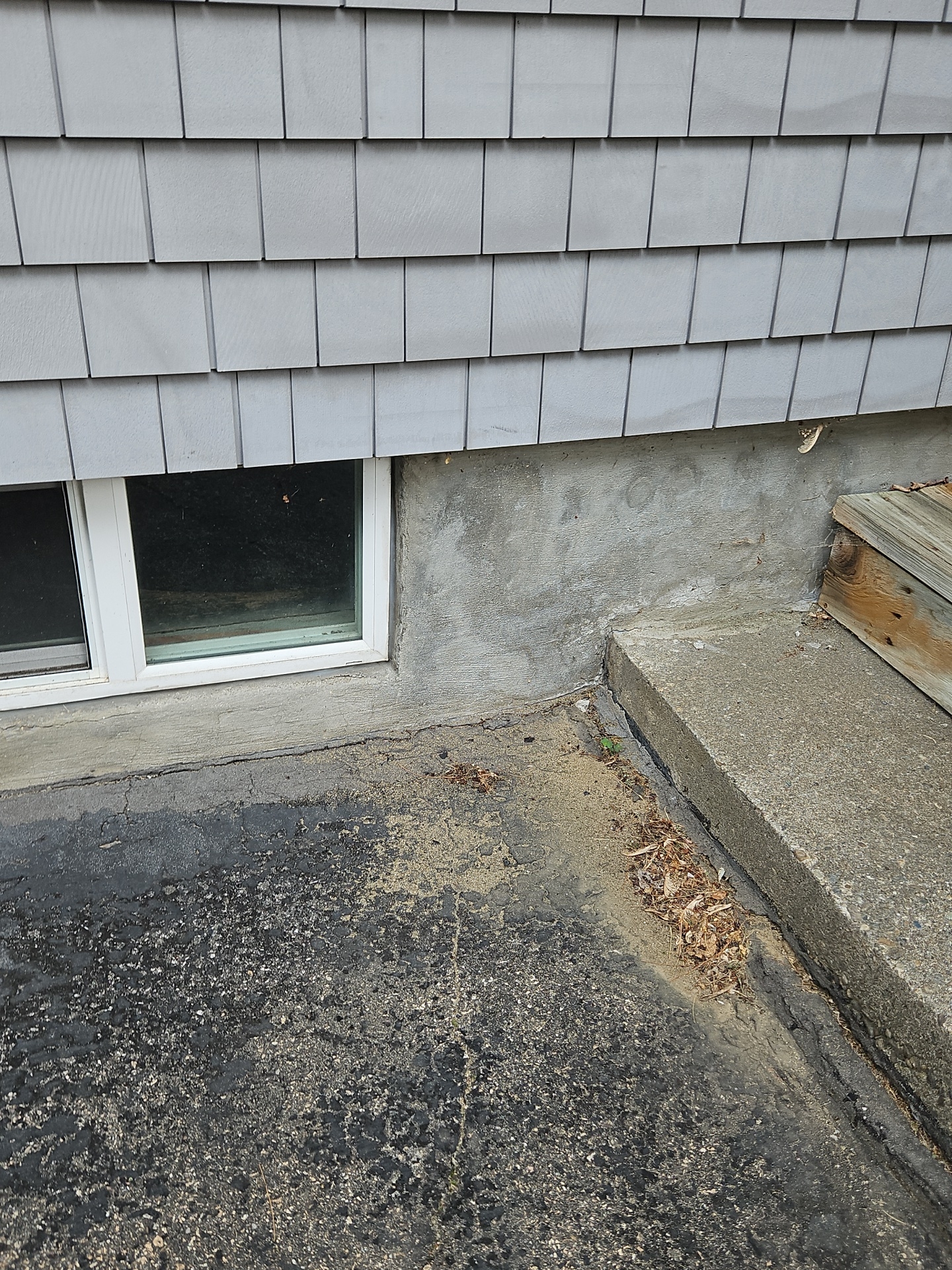
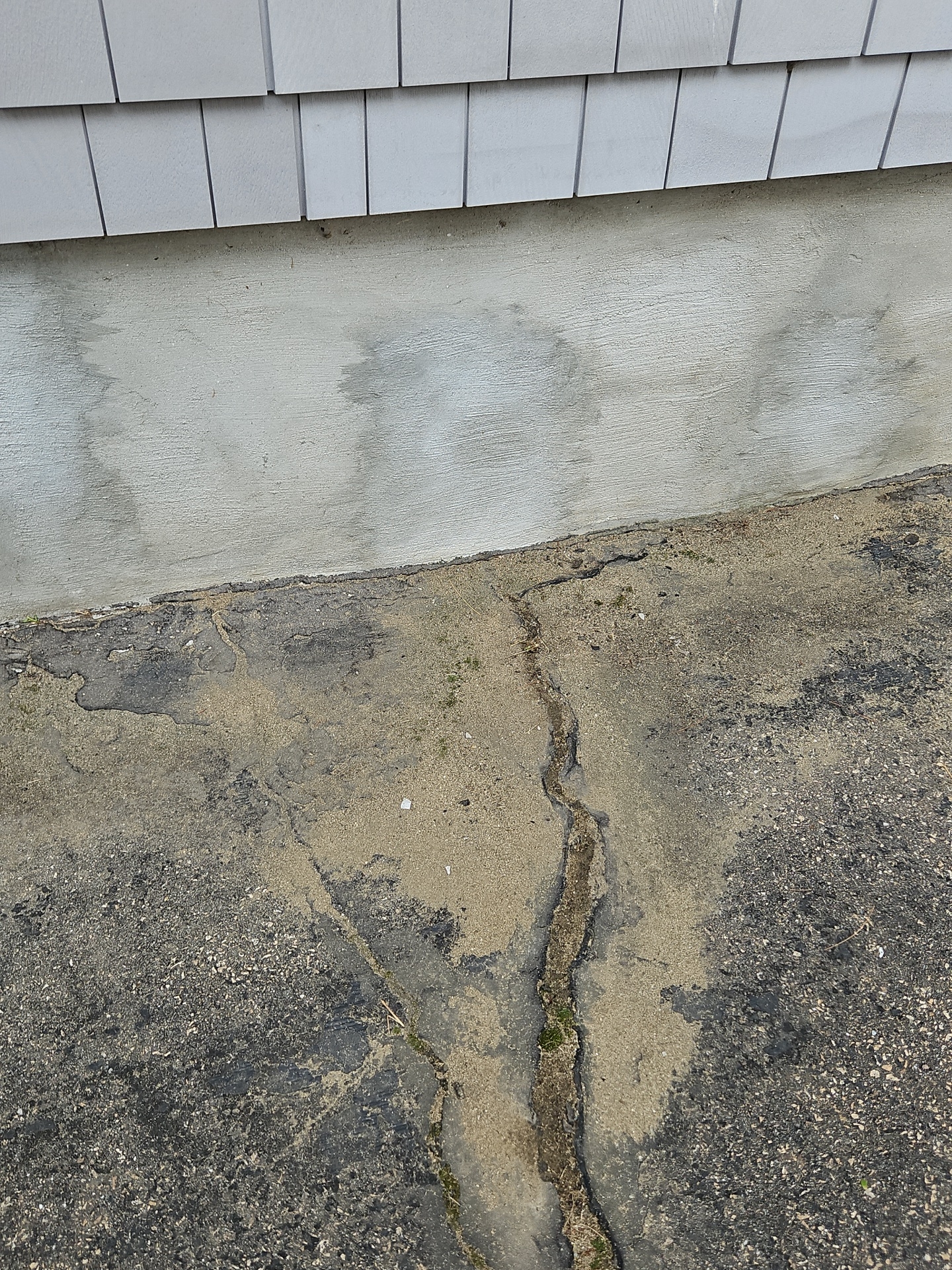
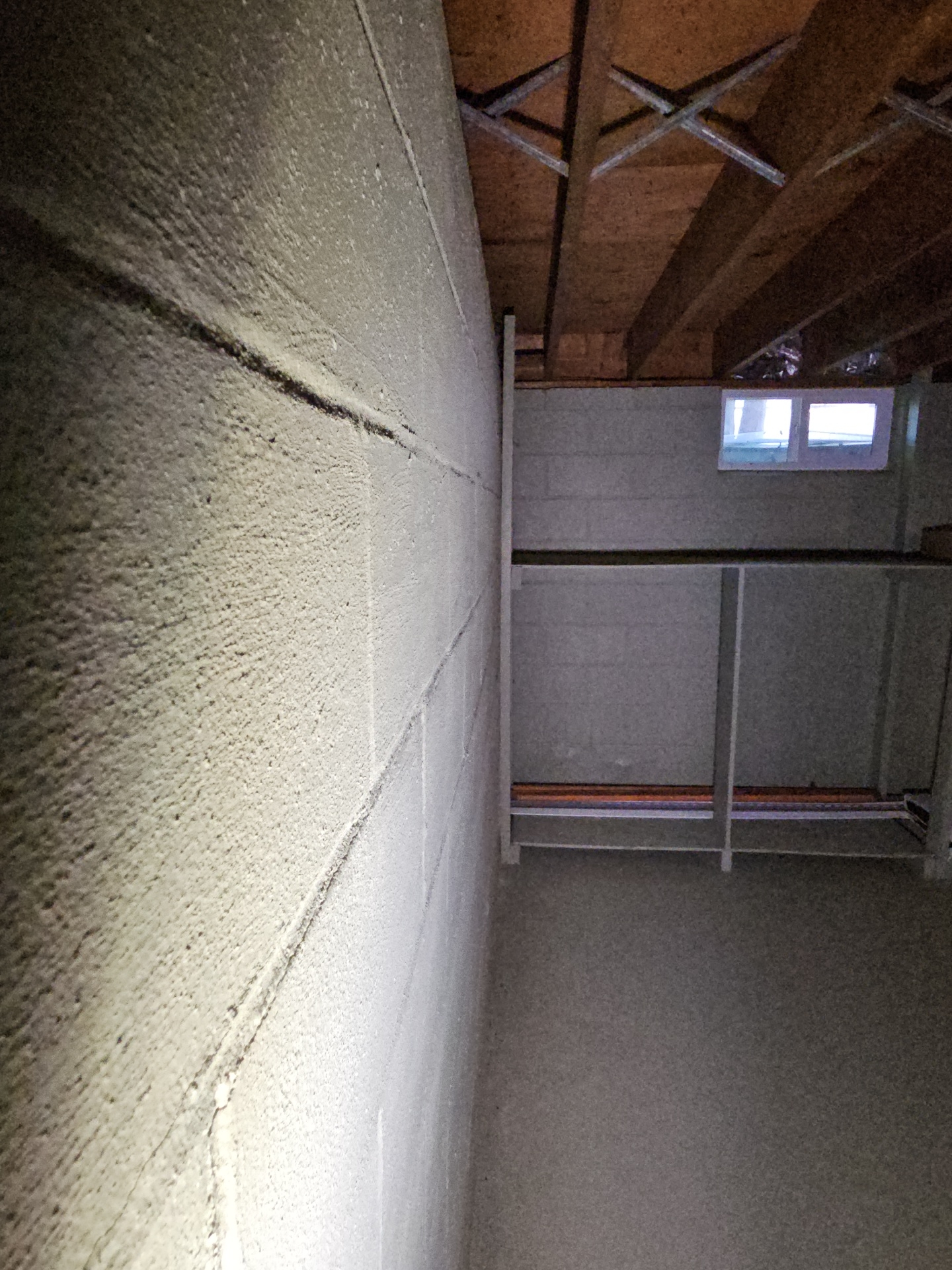
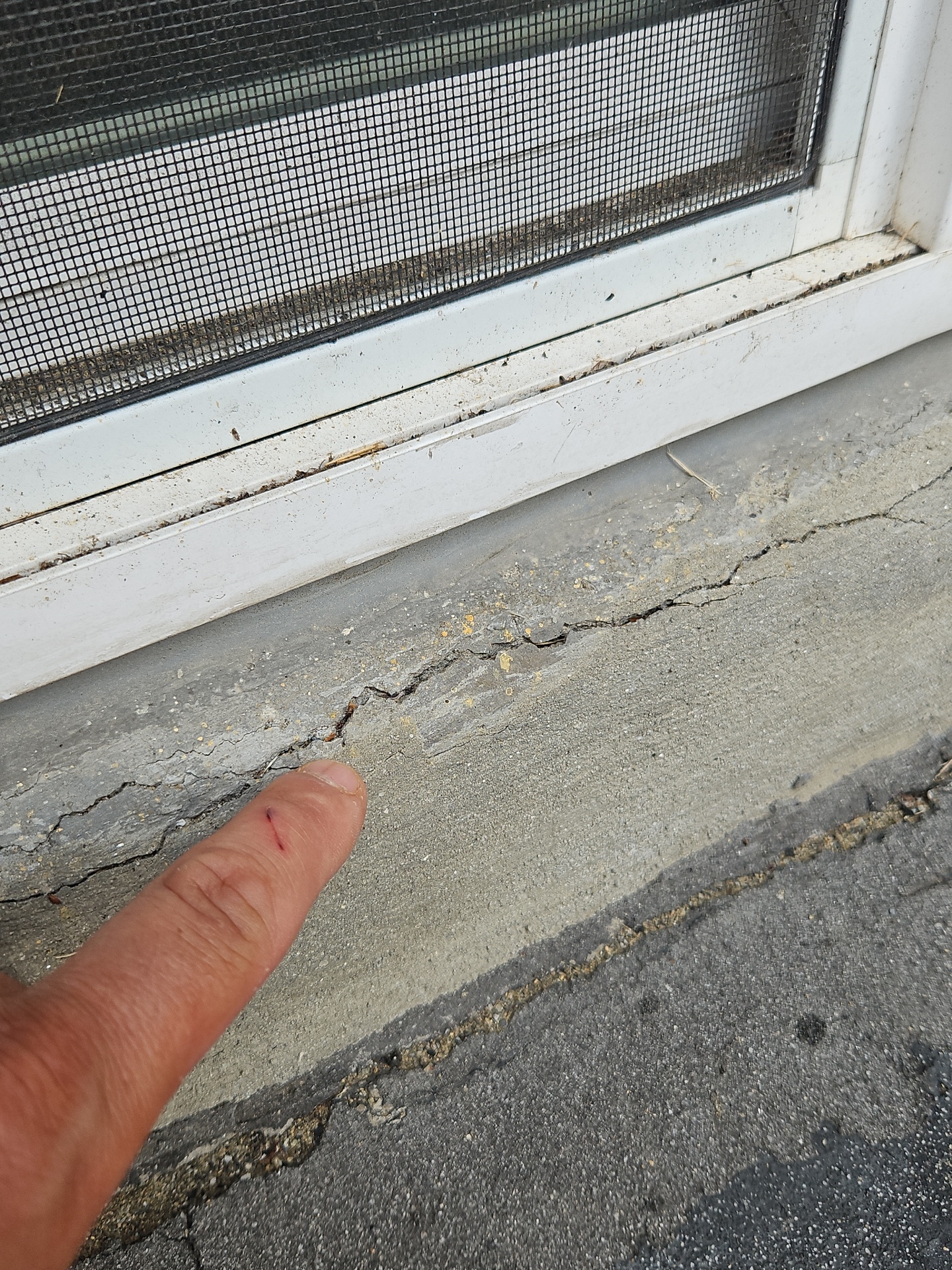
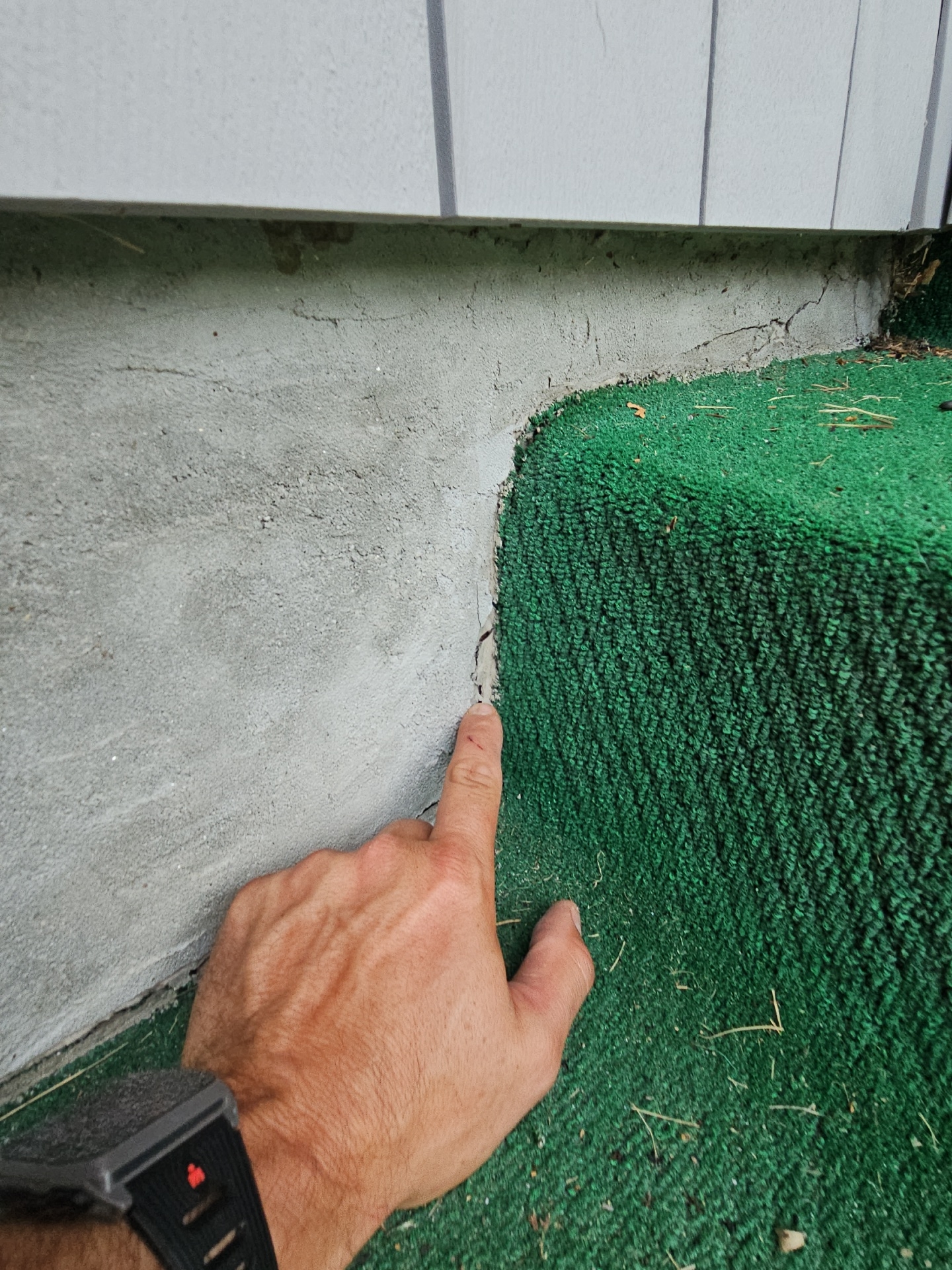
The parge coat, which is a mortar-style protective coating that protects the concrete masonry units that make up your foundation, is overall in excellent shape. There is one crack below the basement window to the left of the porch steps and cracks along the front steps. Water can enter these cracks and freeze between the parge coat and foundation wall. I recommend having a qualified contractor repair the parge coat.
 |  |
Siding and Trim
Trim Material: Vinyl, Wood
Siding Material: Vinyl, Wood
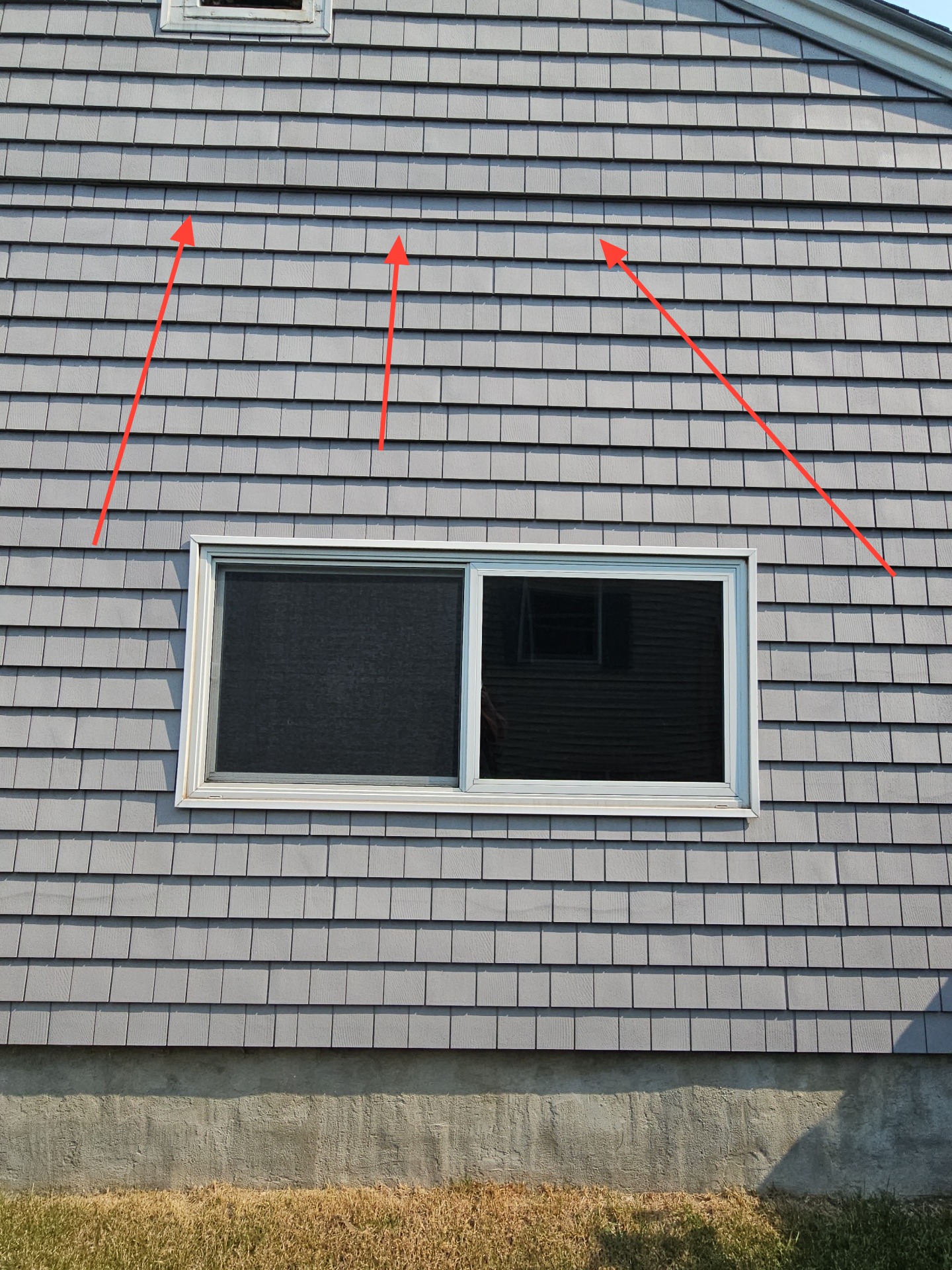
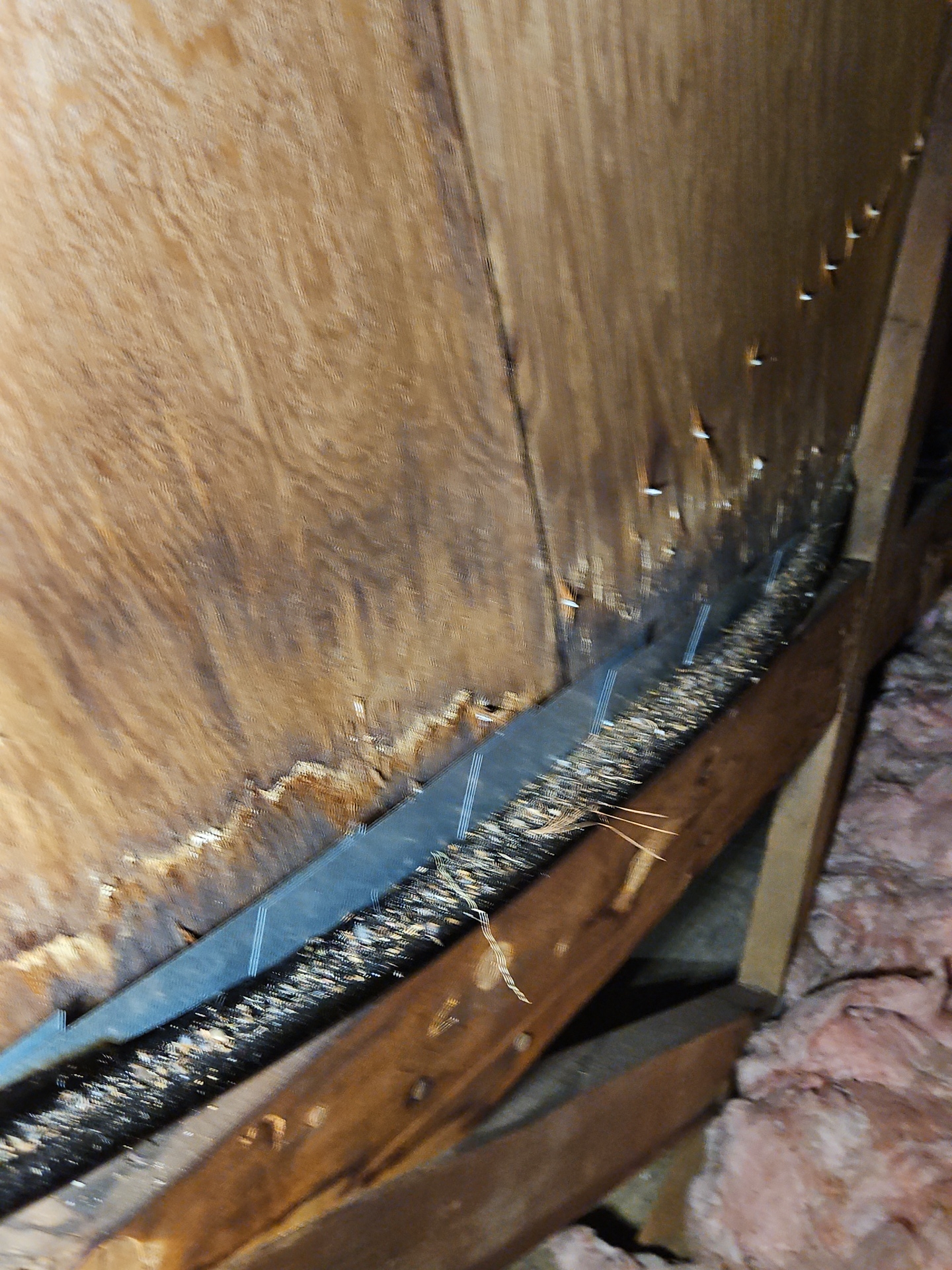
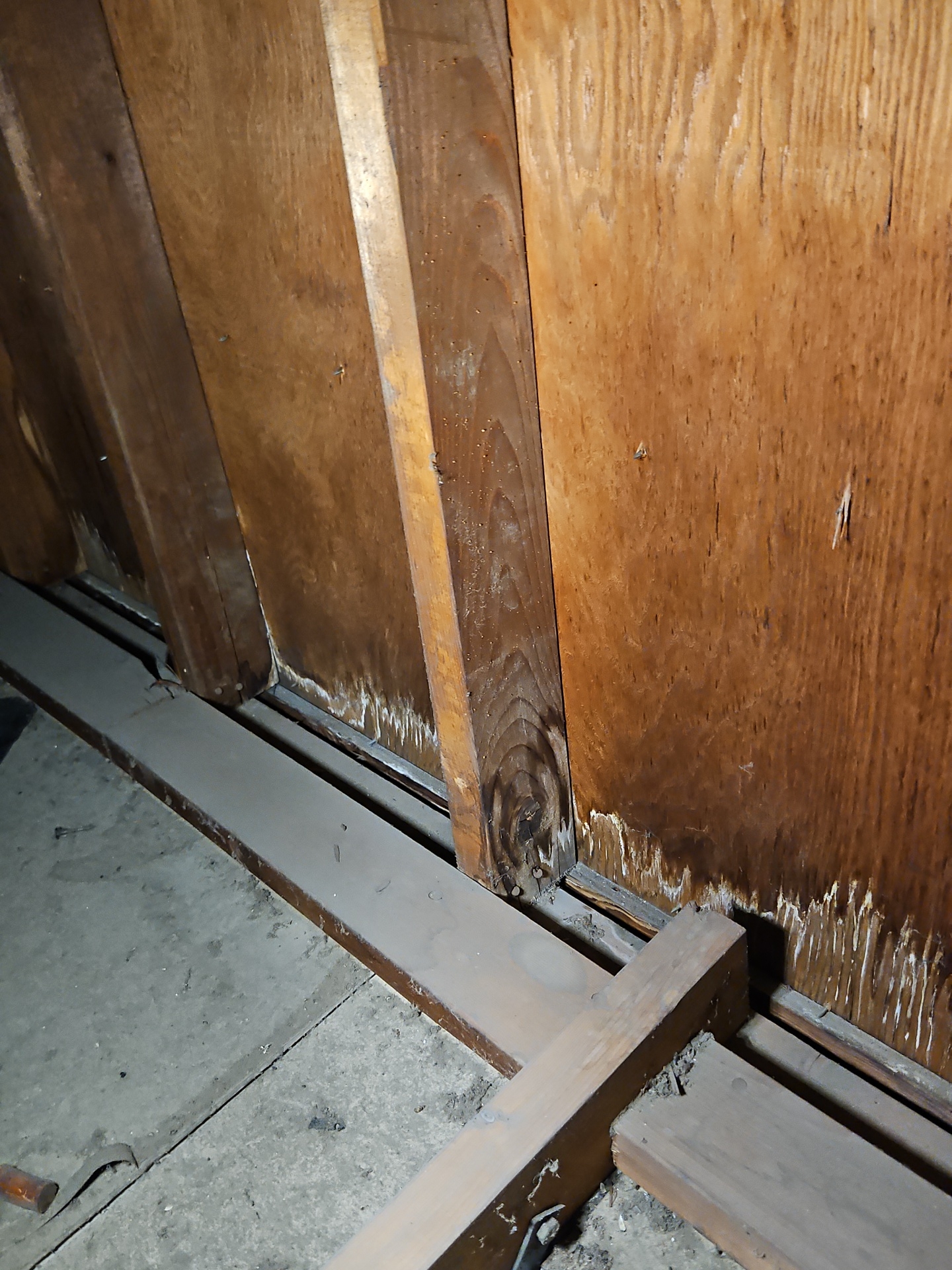
The siding at the south wall appears to have not been correctly installed and may not perform reliably. A seam in the siding is visibly clear from the outside with signs of water damage on the interior (attic) side of the exterior wall along the seam. Have the siding further evaluated and repaired as recommended by a qualified contractor.
 |  |  |
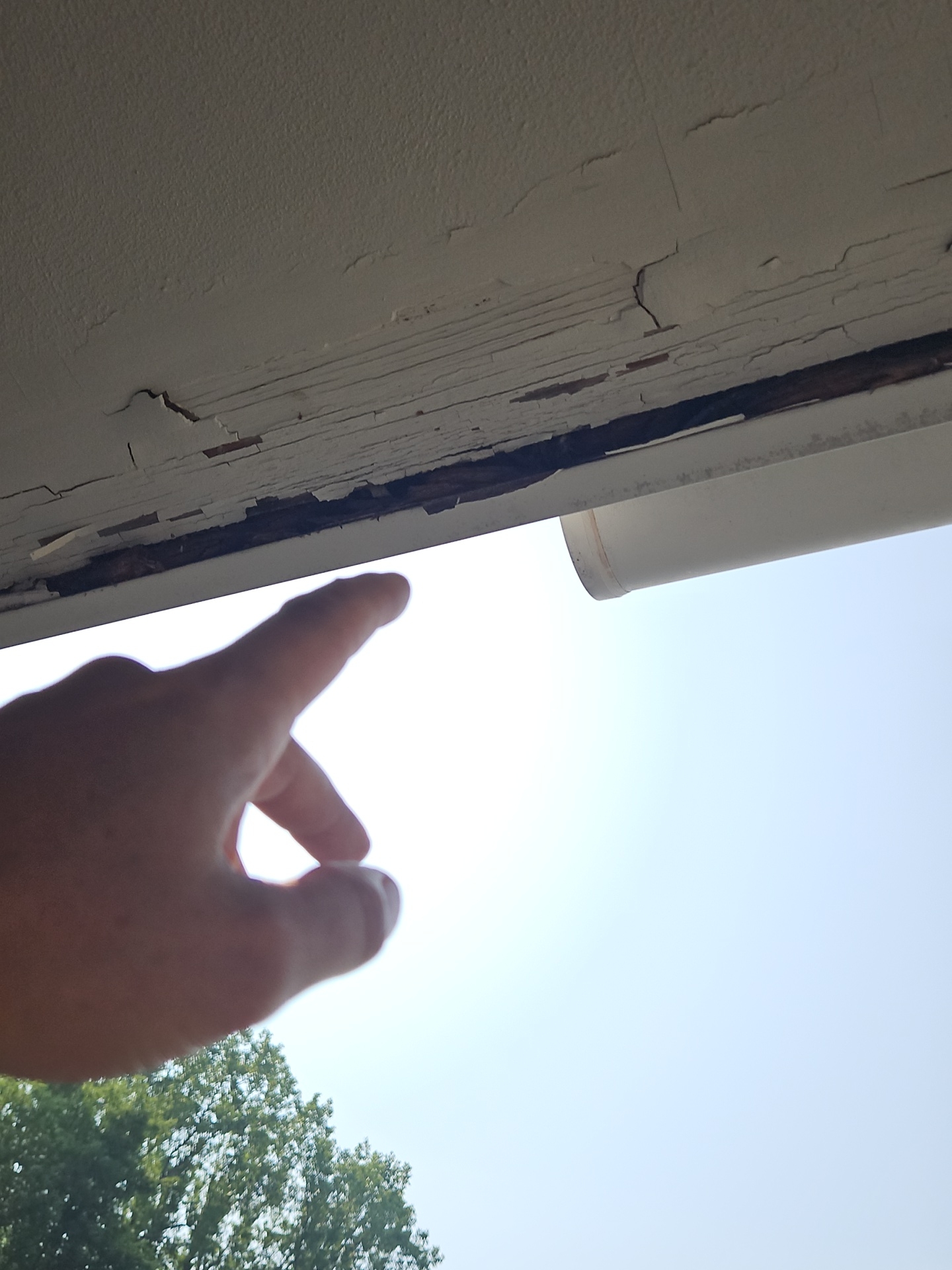
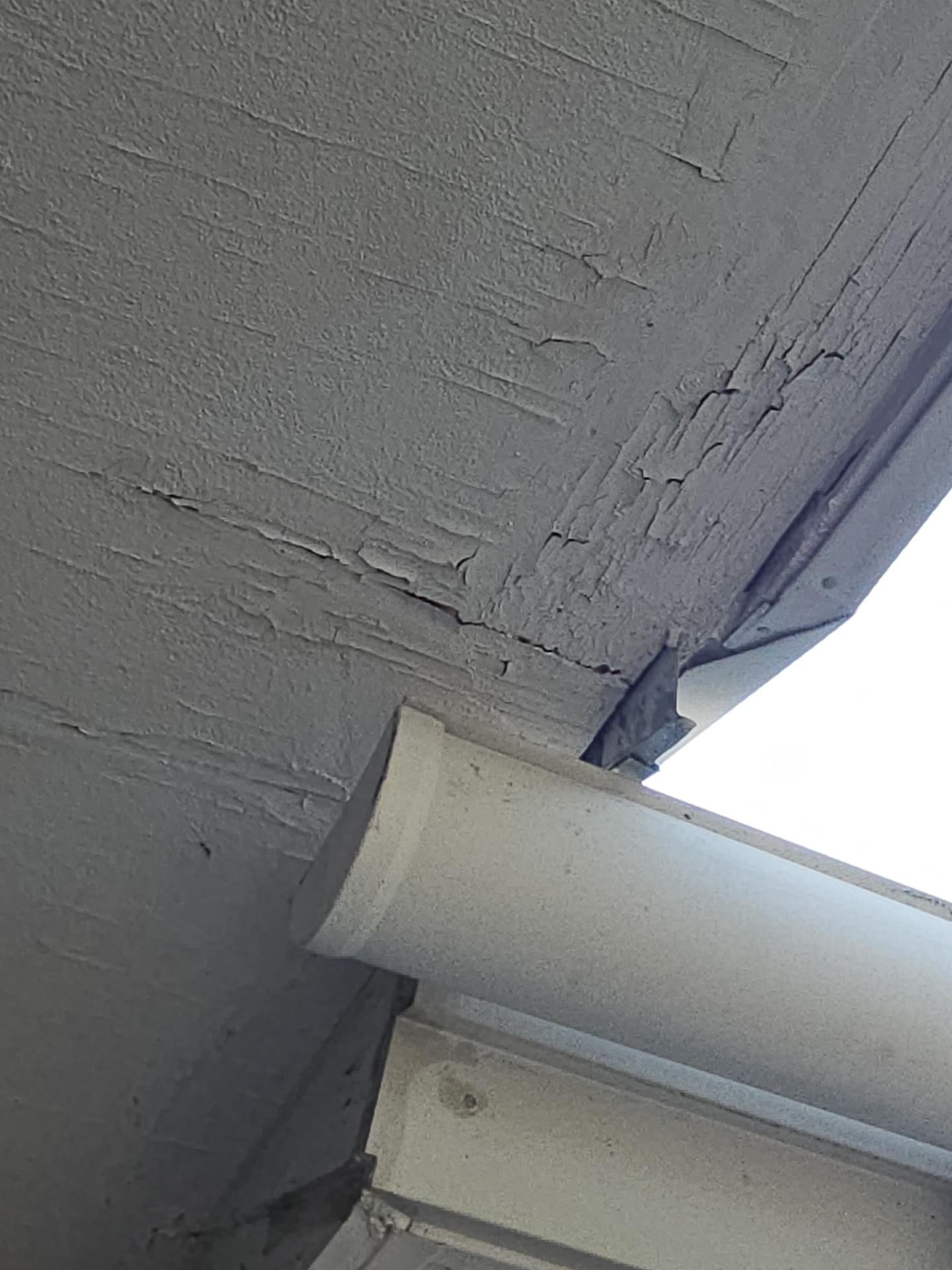
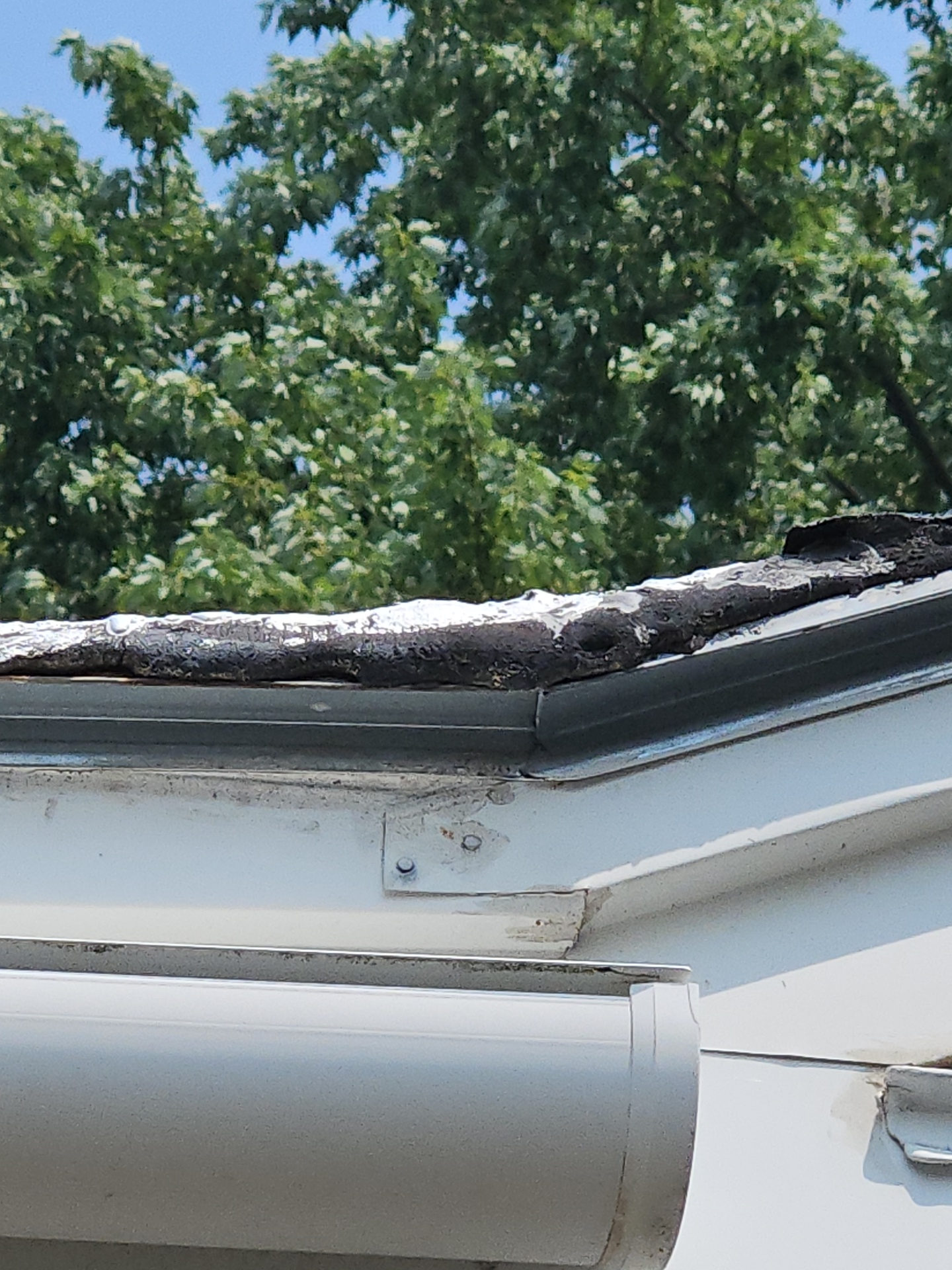
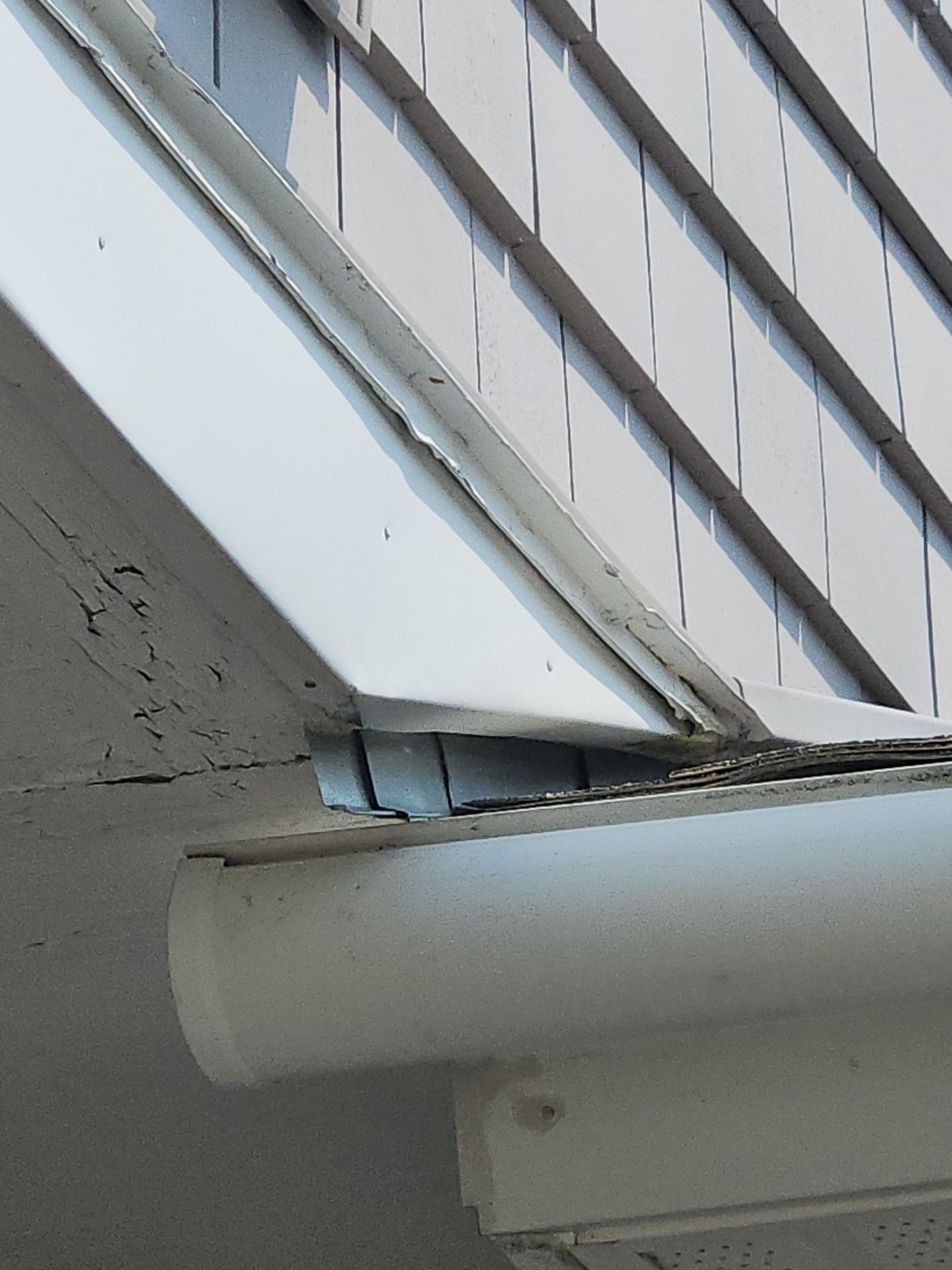
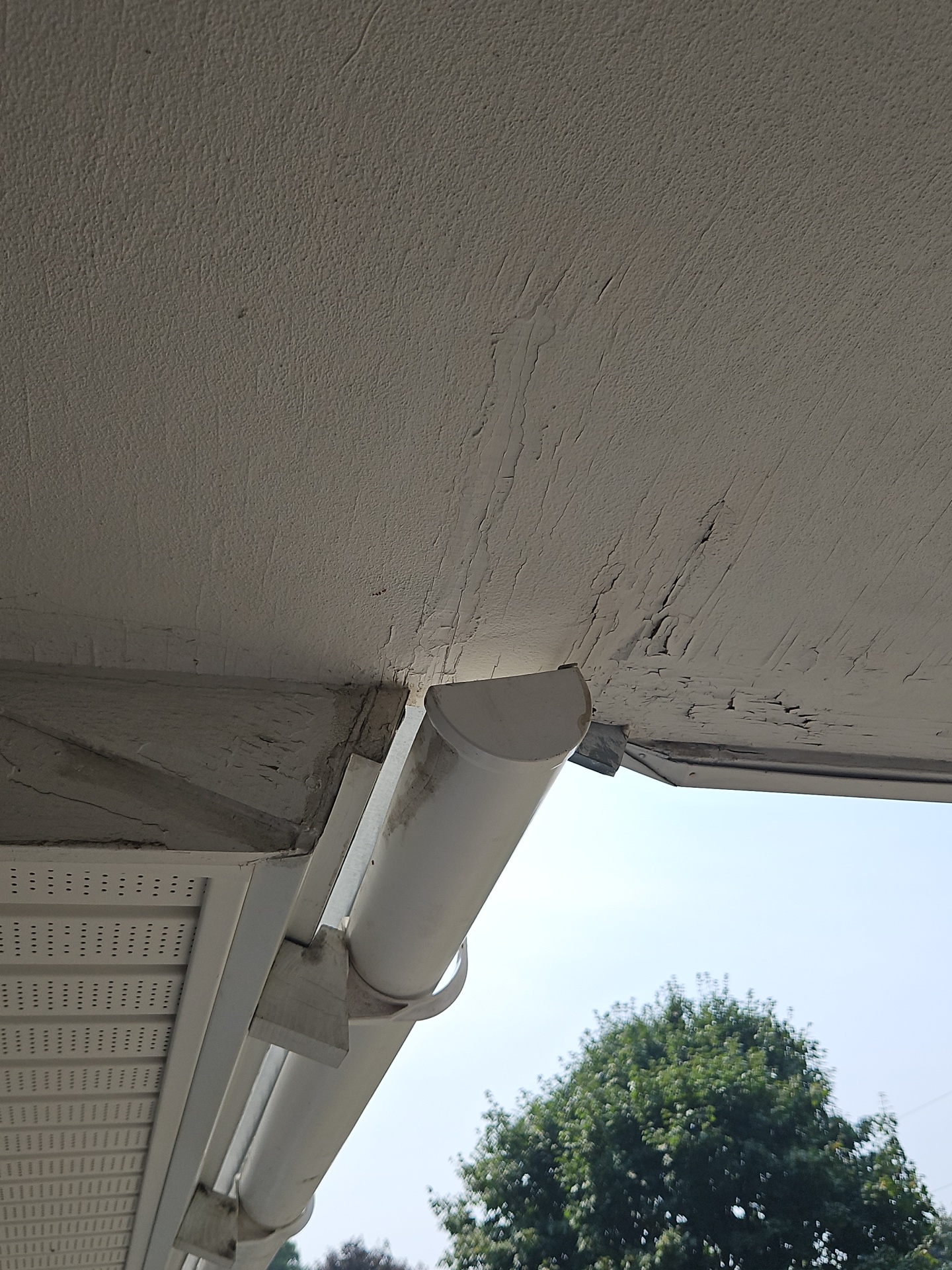
Water is getting under the roofing material and/or behind the siding/flashing at the overhang for the front door's landing. This has caused rot of the wood in this area. Have a qualified contractor remove the siding and/or flashing to discover issue and repair as necessary.
 |  |  |
 |  |
Eaves
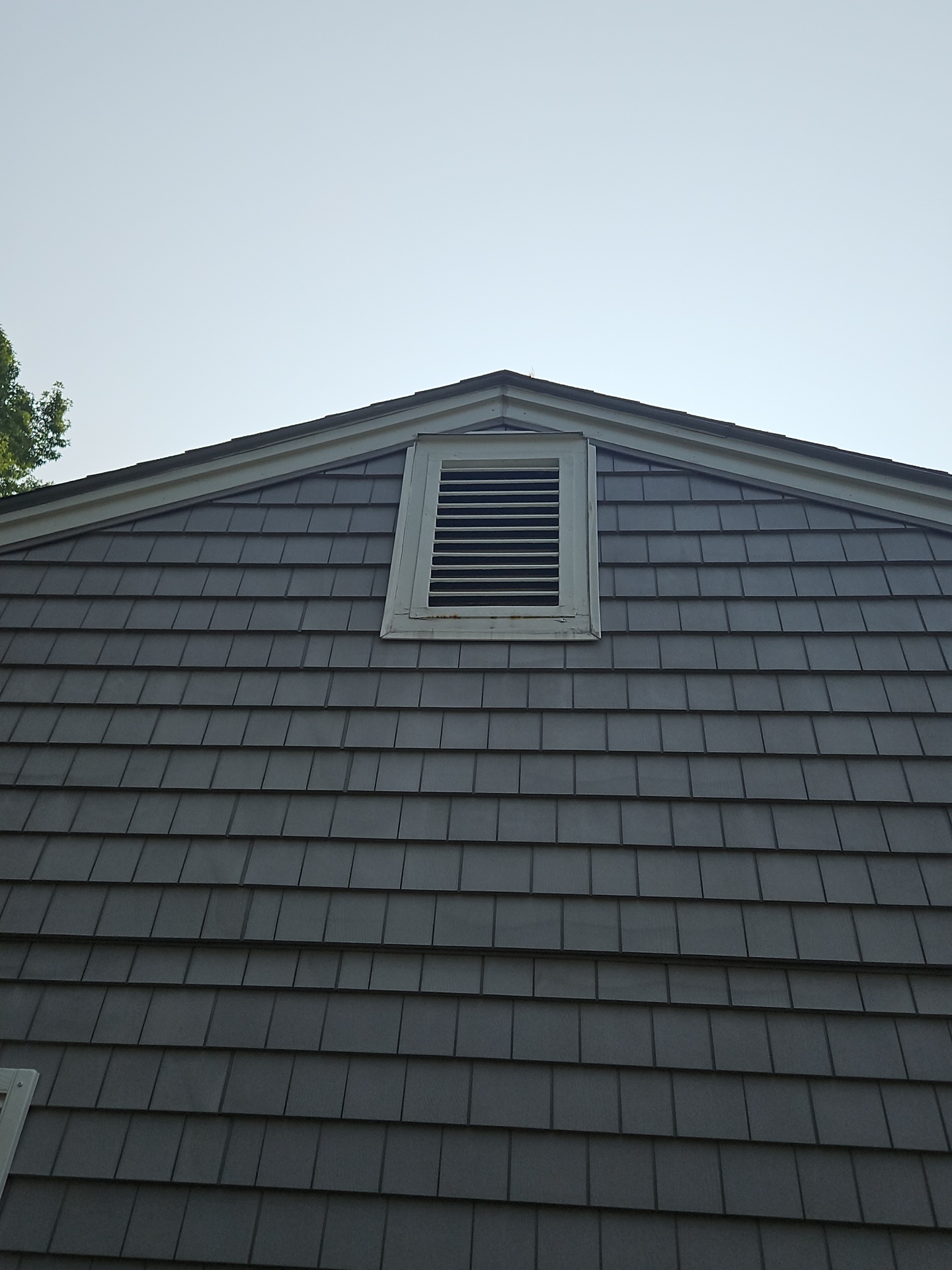
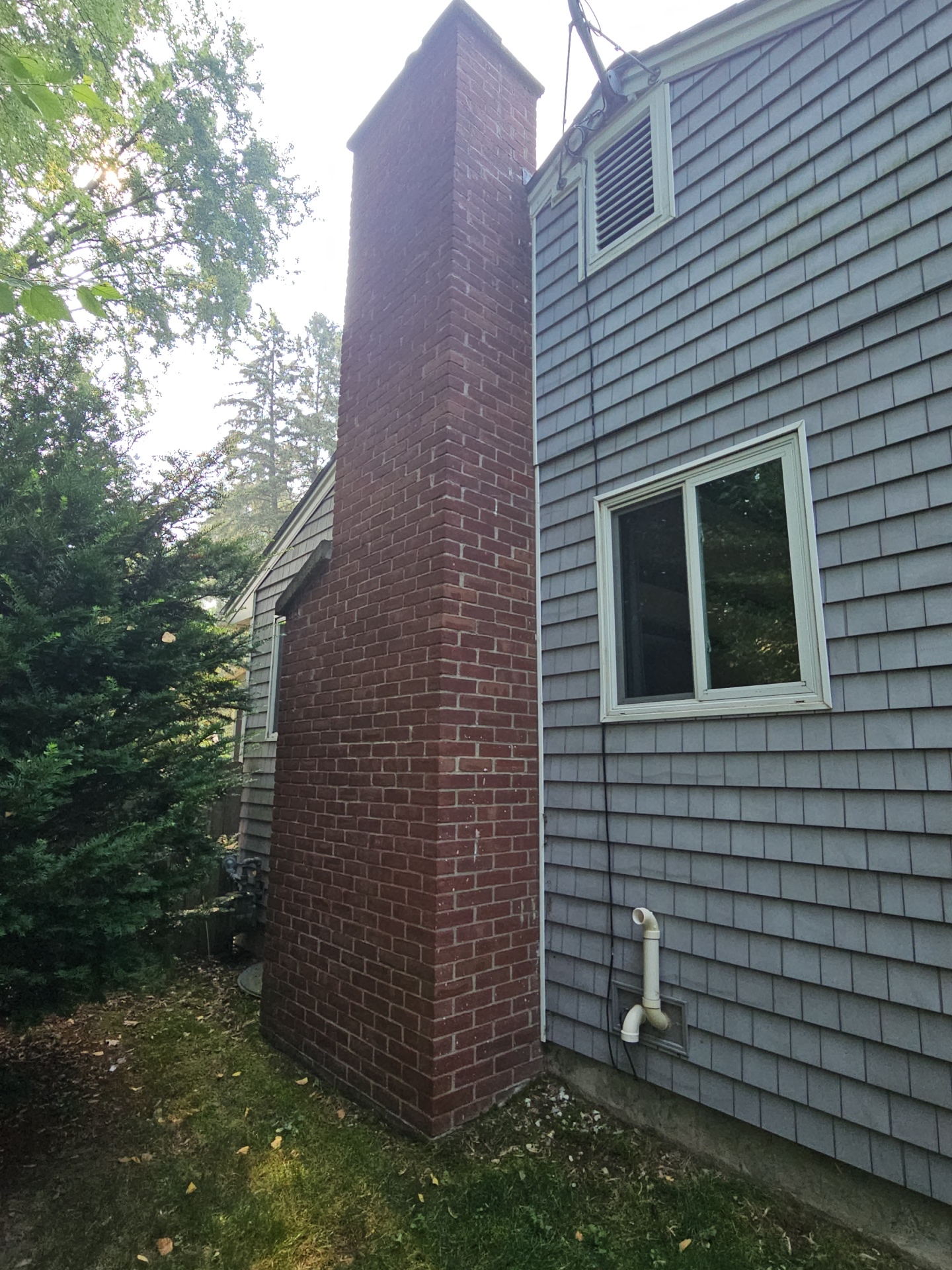
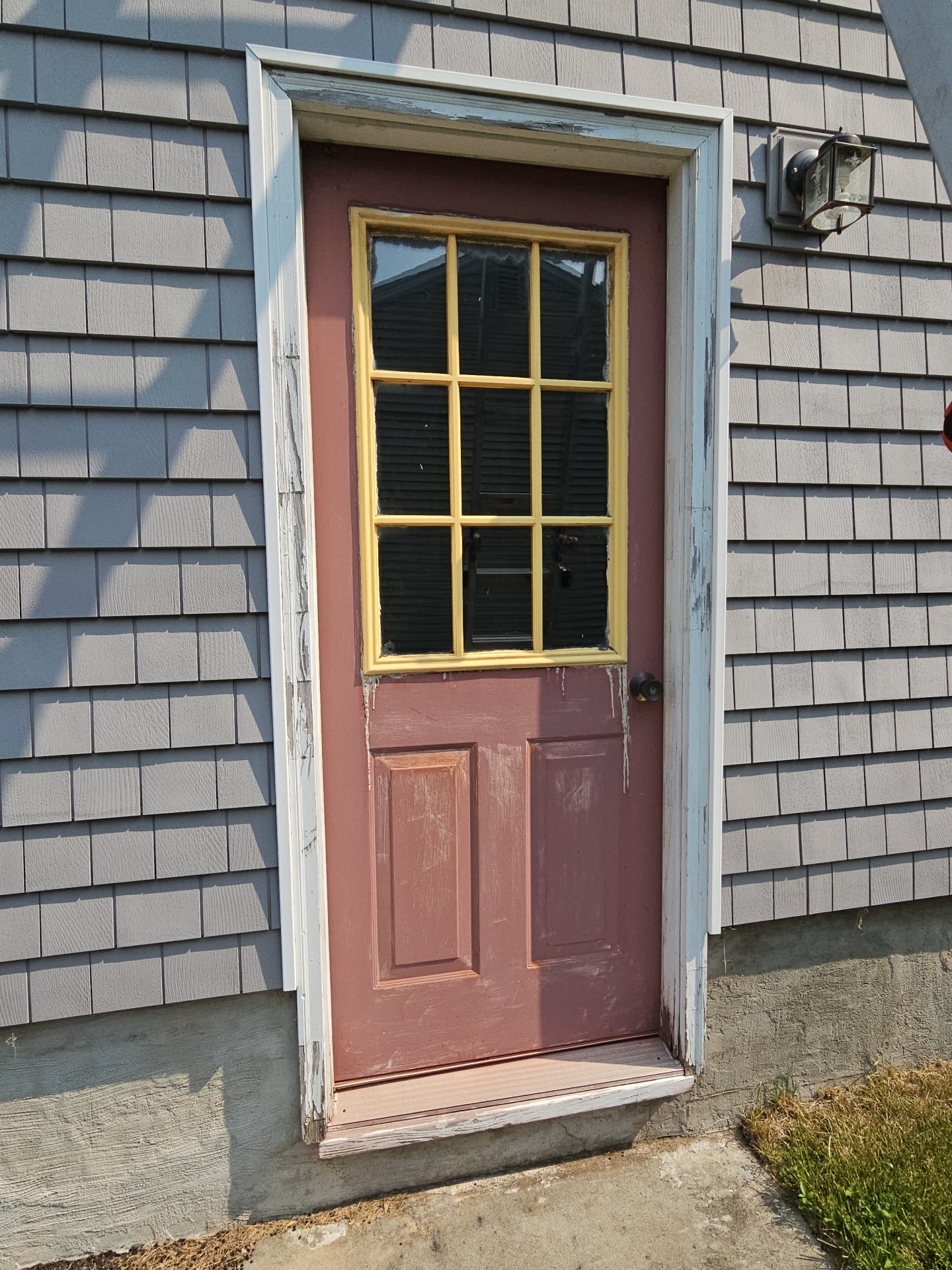
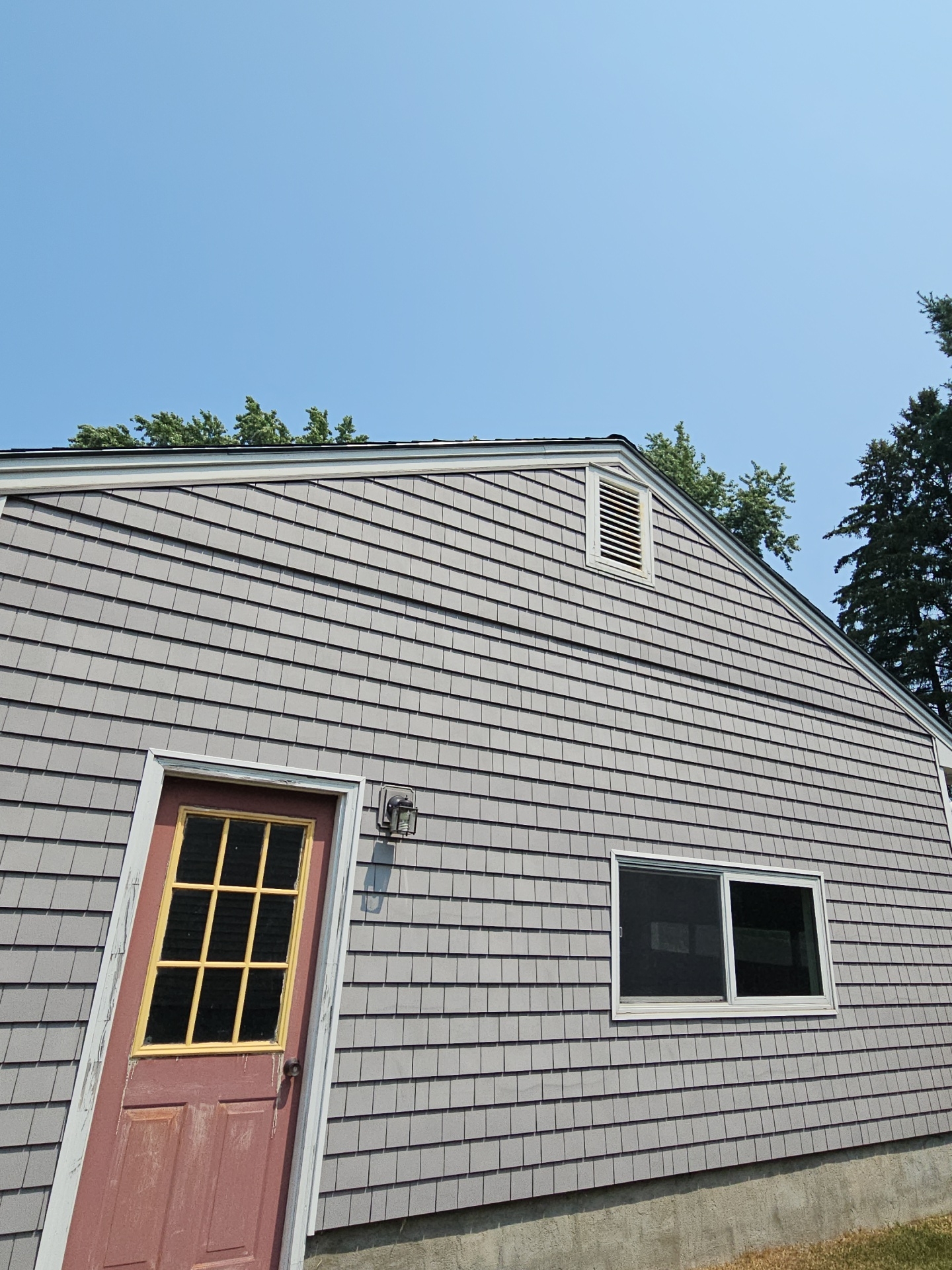
This building has no eaves at the south wall, west wall, and part of the north wall. These walls are therefore more susceptible to weather. Expect the need for more vigilant maintenance for these more exposed sections of the building. This maintenance includes caulking of windows, painting of gable vents, and painting door trim and monitoring door seals .
 |  |  |
 |
Exterior Doors
Exterior Door Styles: Hollow core
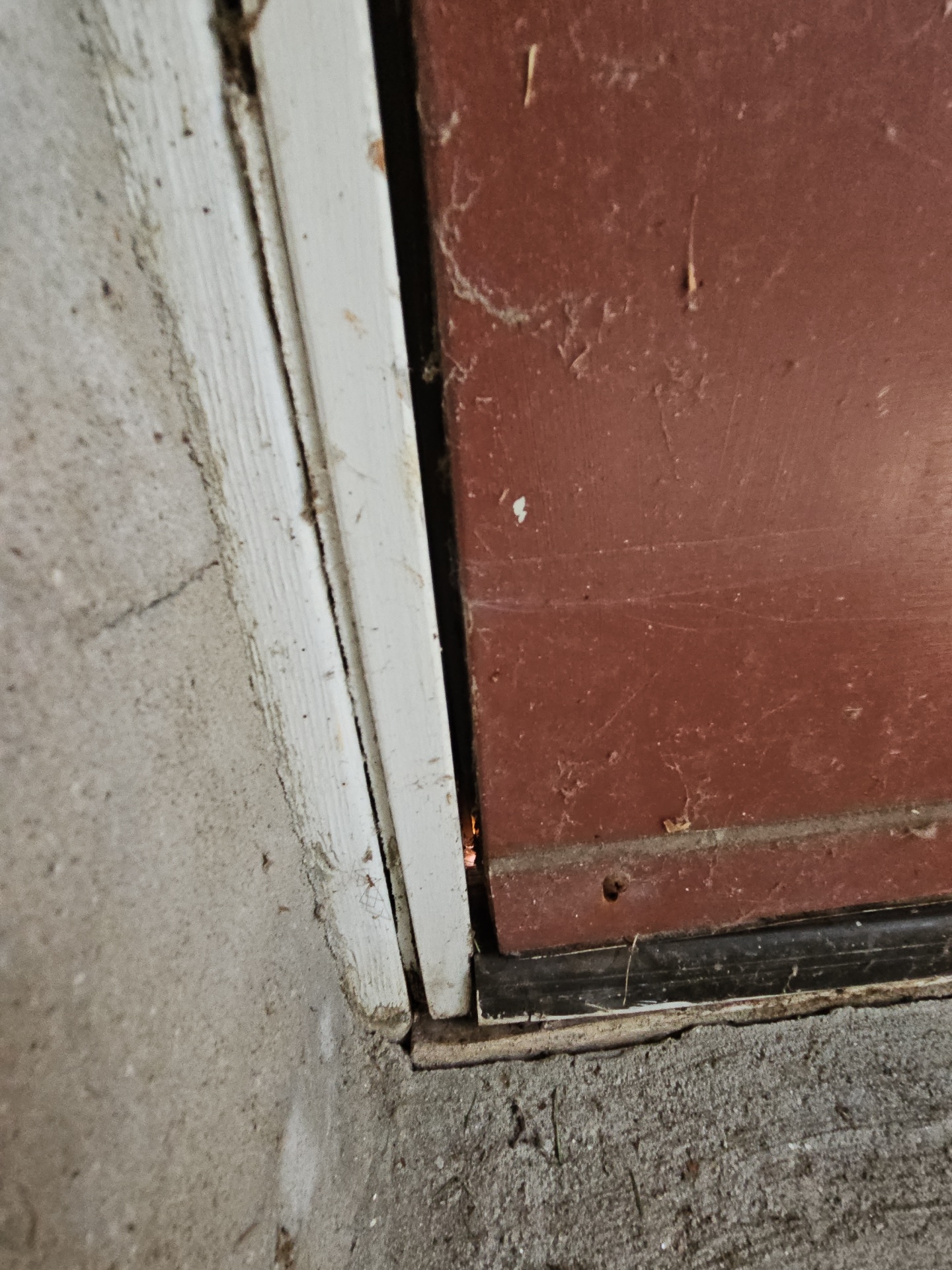
Repair the damaged or missing seal at the exterior garage door. The seal is the weather strips around the jamb and below the door that helps prevent wind-driven rain and air from leaking around and under the door.
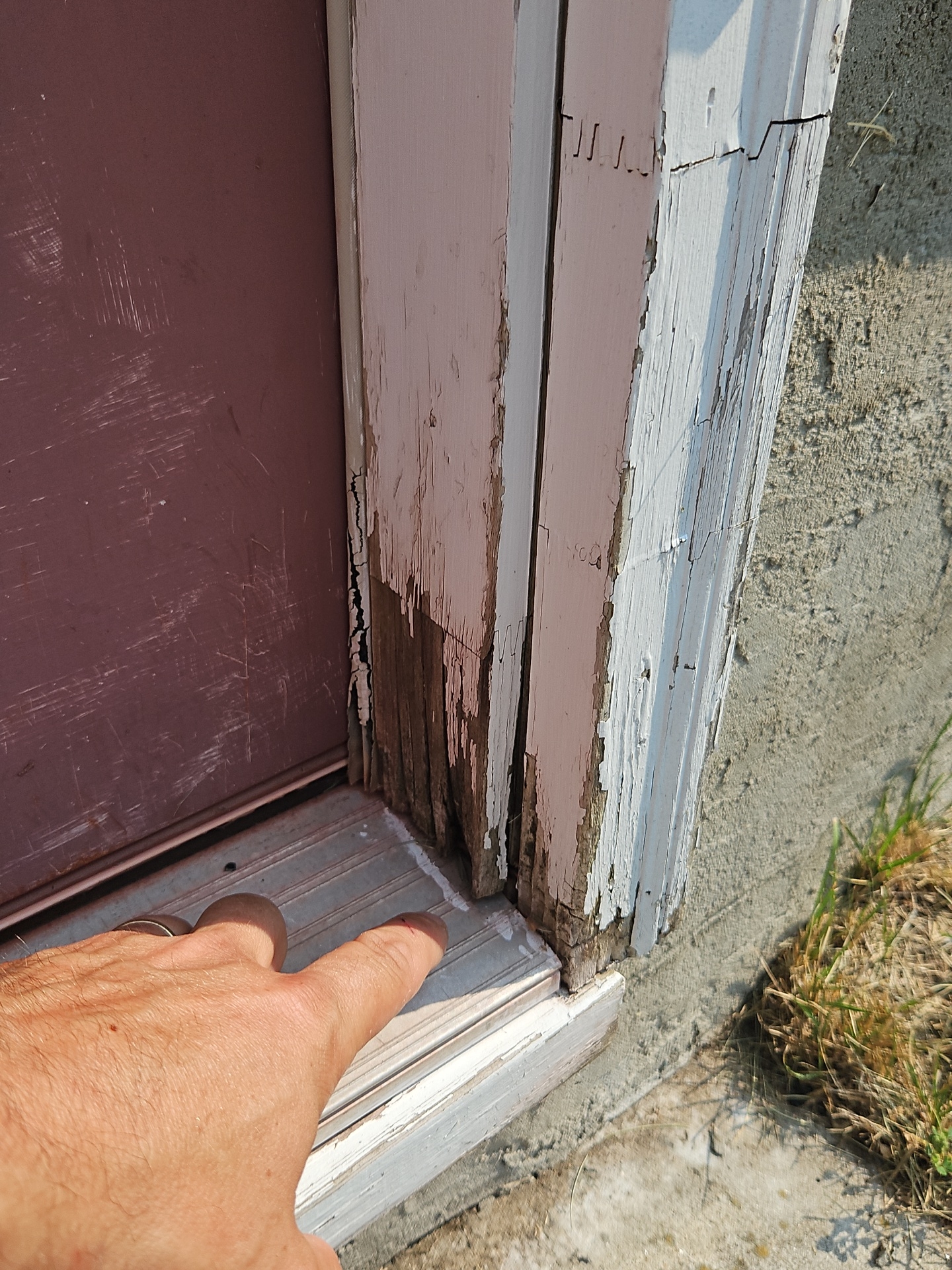
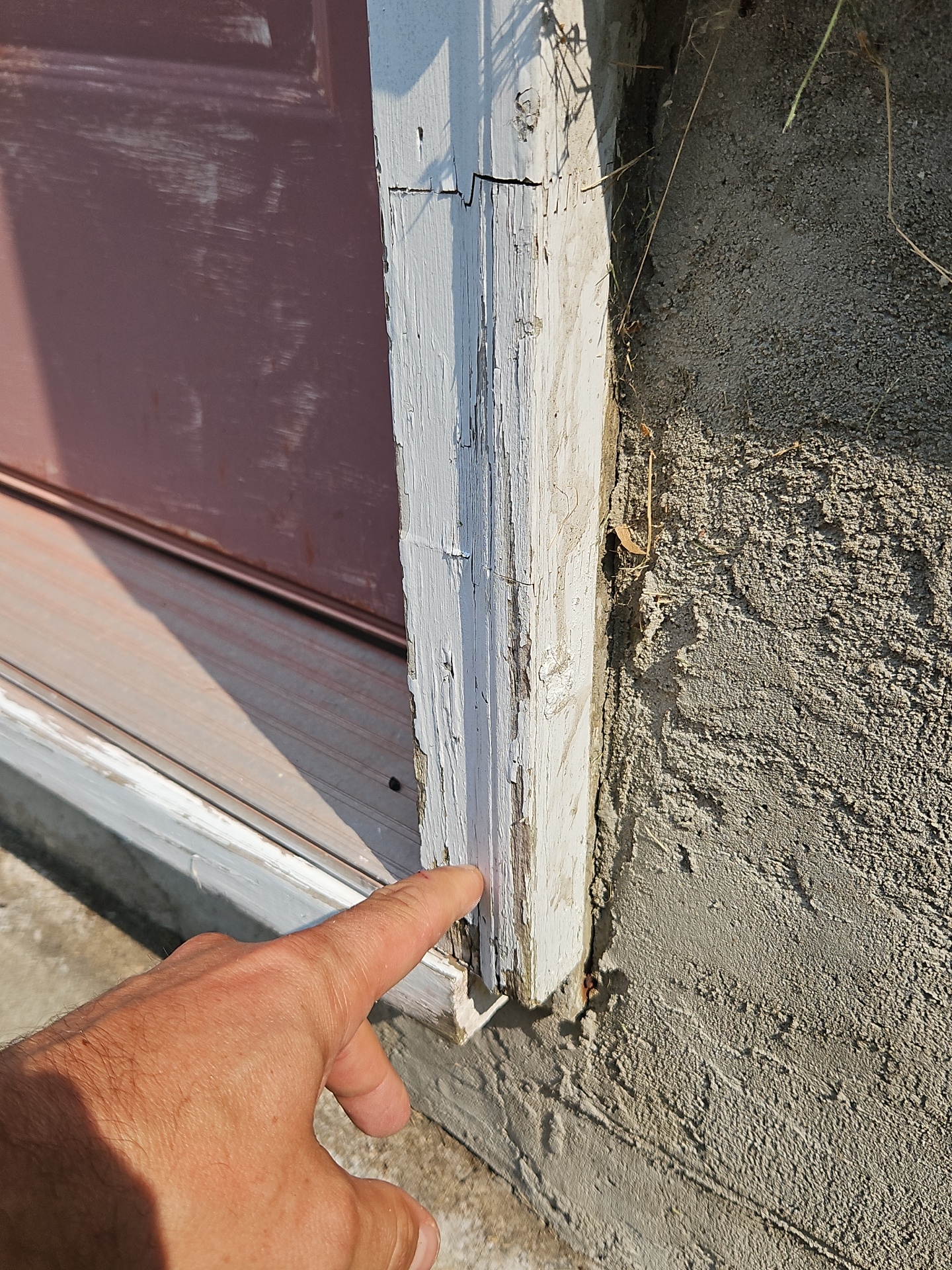
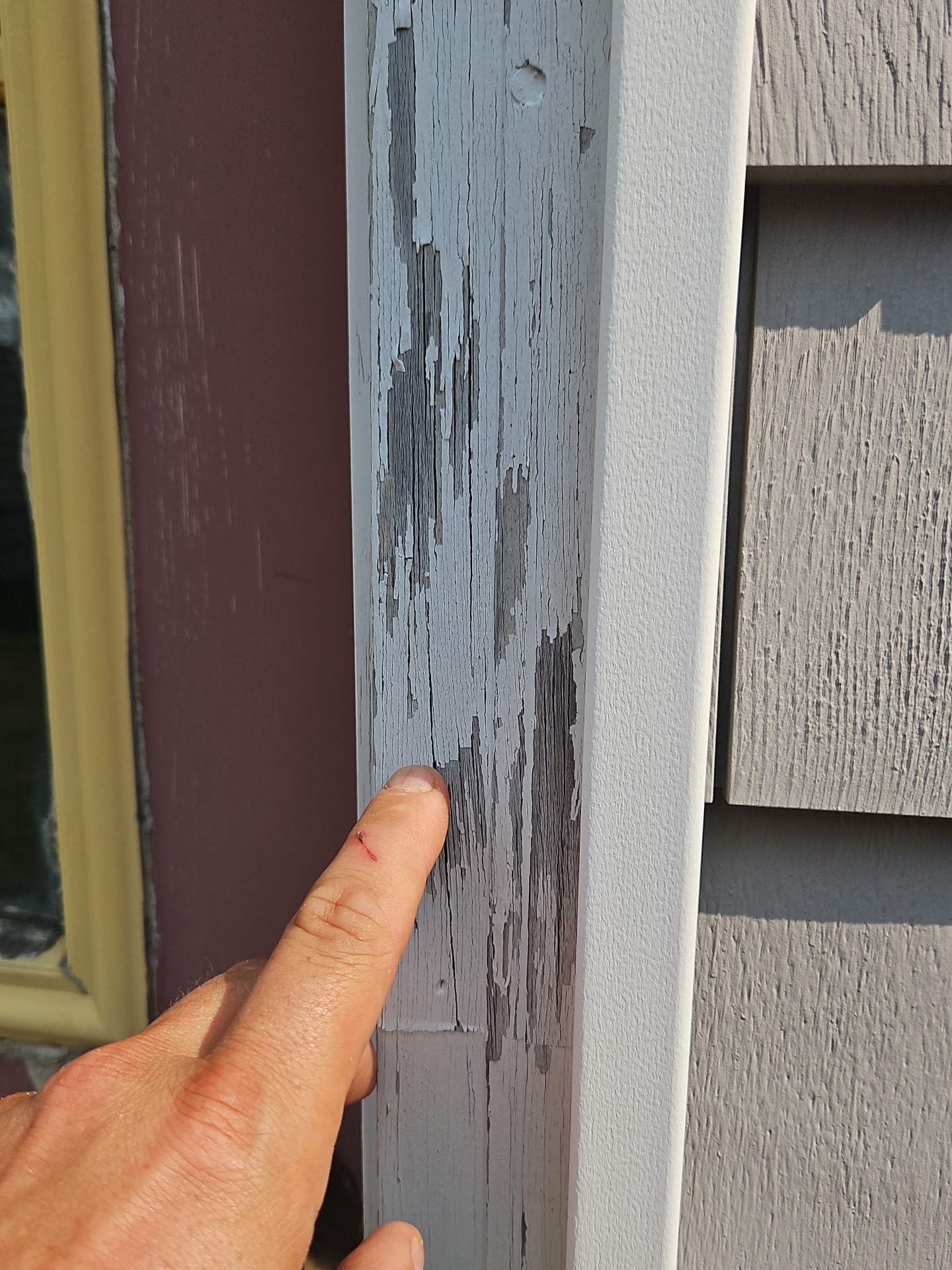
The exterior garage door has chipped or missing paint and rot at its jamb and trim. During heavy rains water may be able to enter the garage. I recommend painting and repairing the damaged wood sections as necessary.
 |  |  |
Exterior Window Frames
Window Frames: Fiberglass
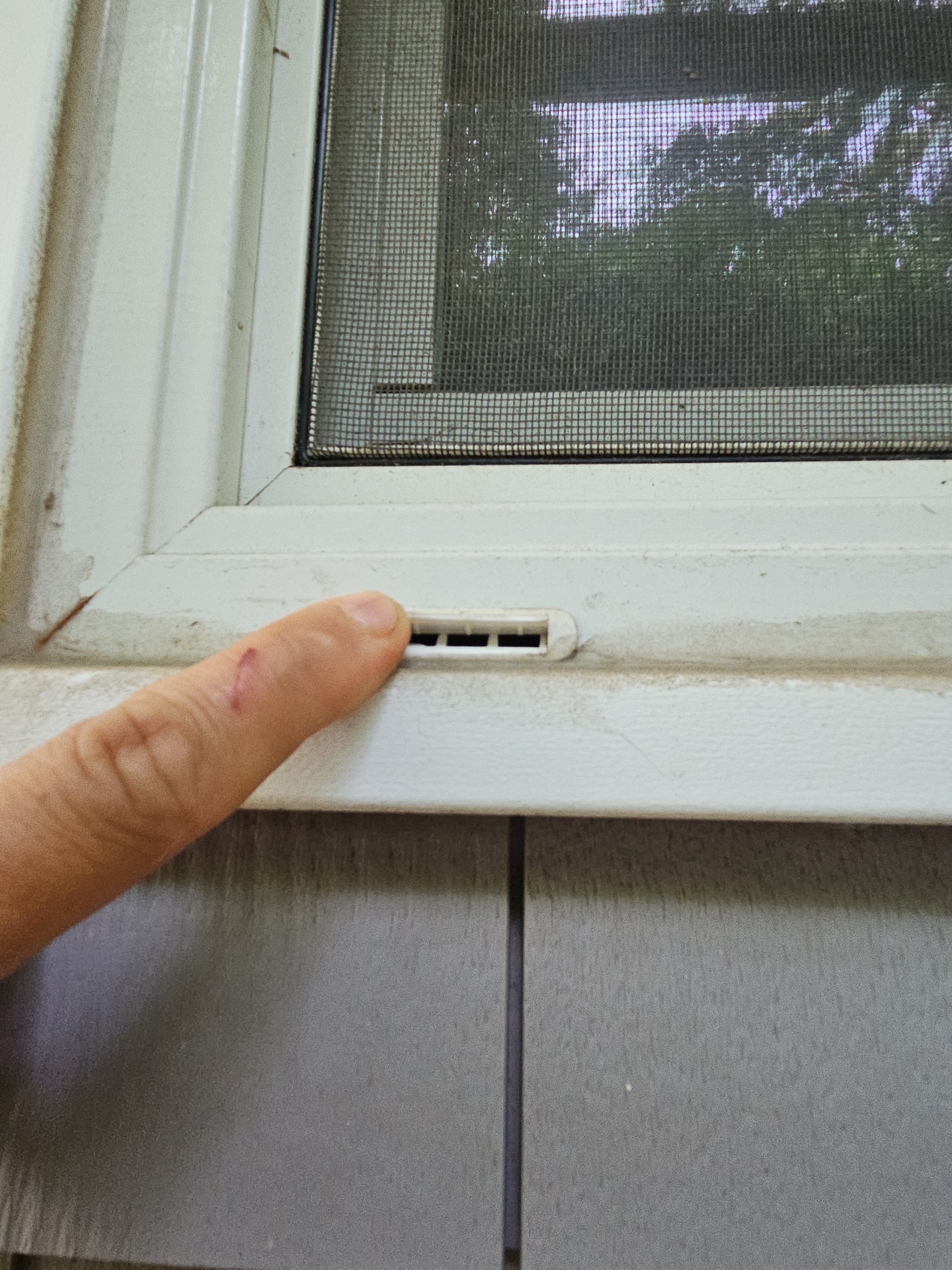
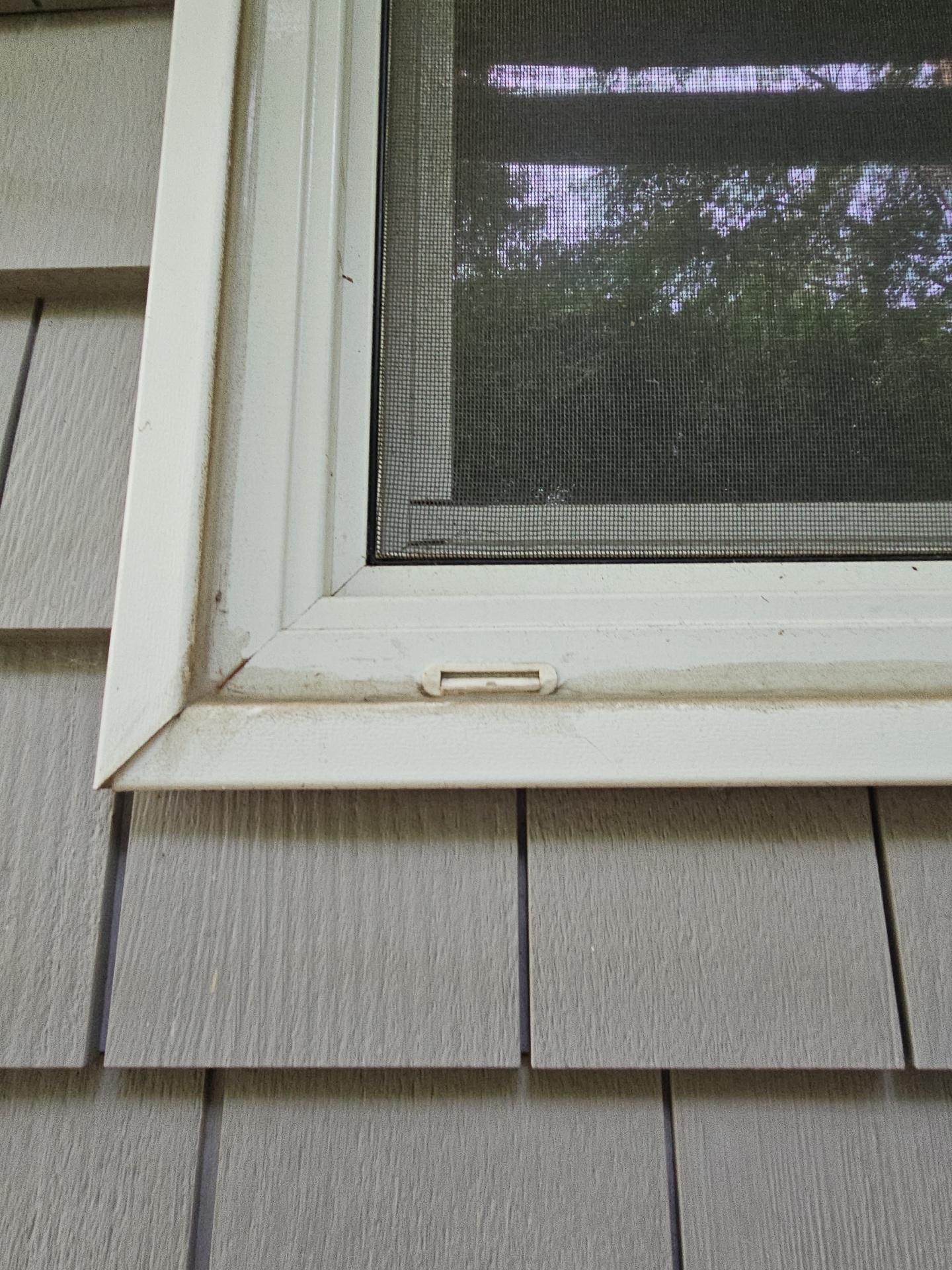
Several places were noted where caulking is obstructing the weep holes at the bottom of the window frames. Be sure the window drainage systems are cleaned and weep holes are unobstructed so the windows drain water properly.
 |  |
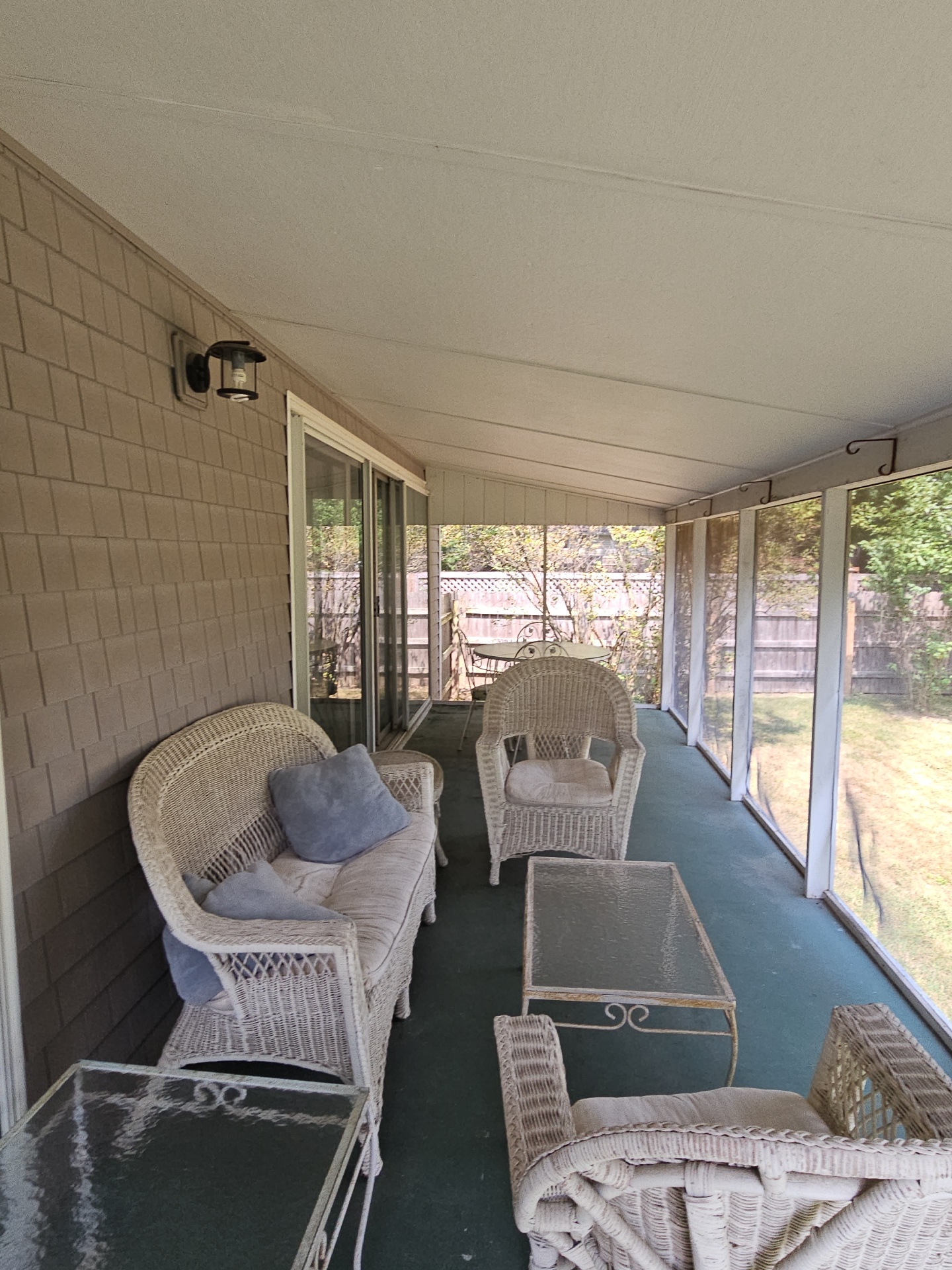
Decks, Porches and Balconies
Wood Decks Porches and Balconies
Present
Posts, Beams and Footings: Inspected and in good condition
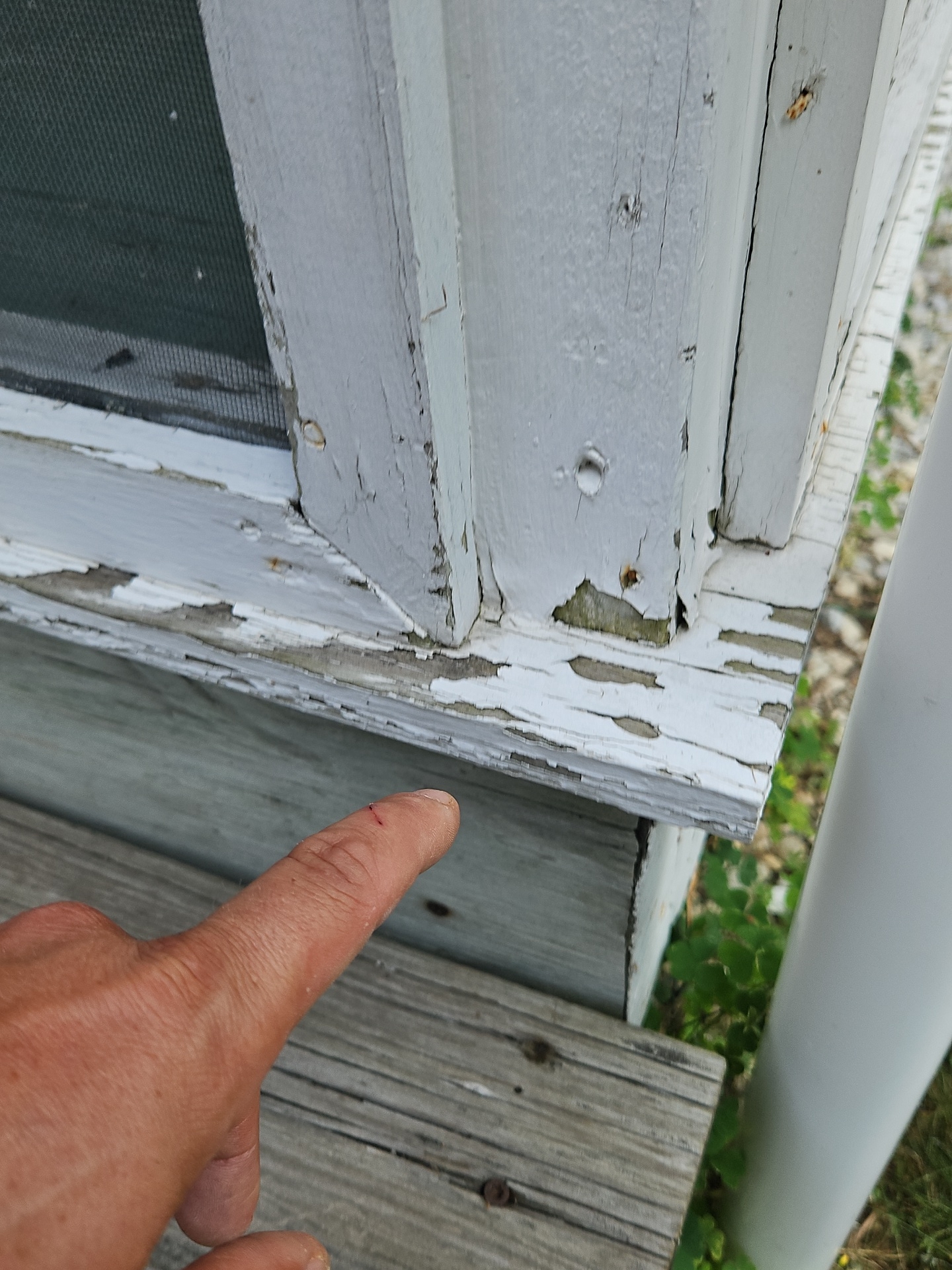
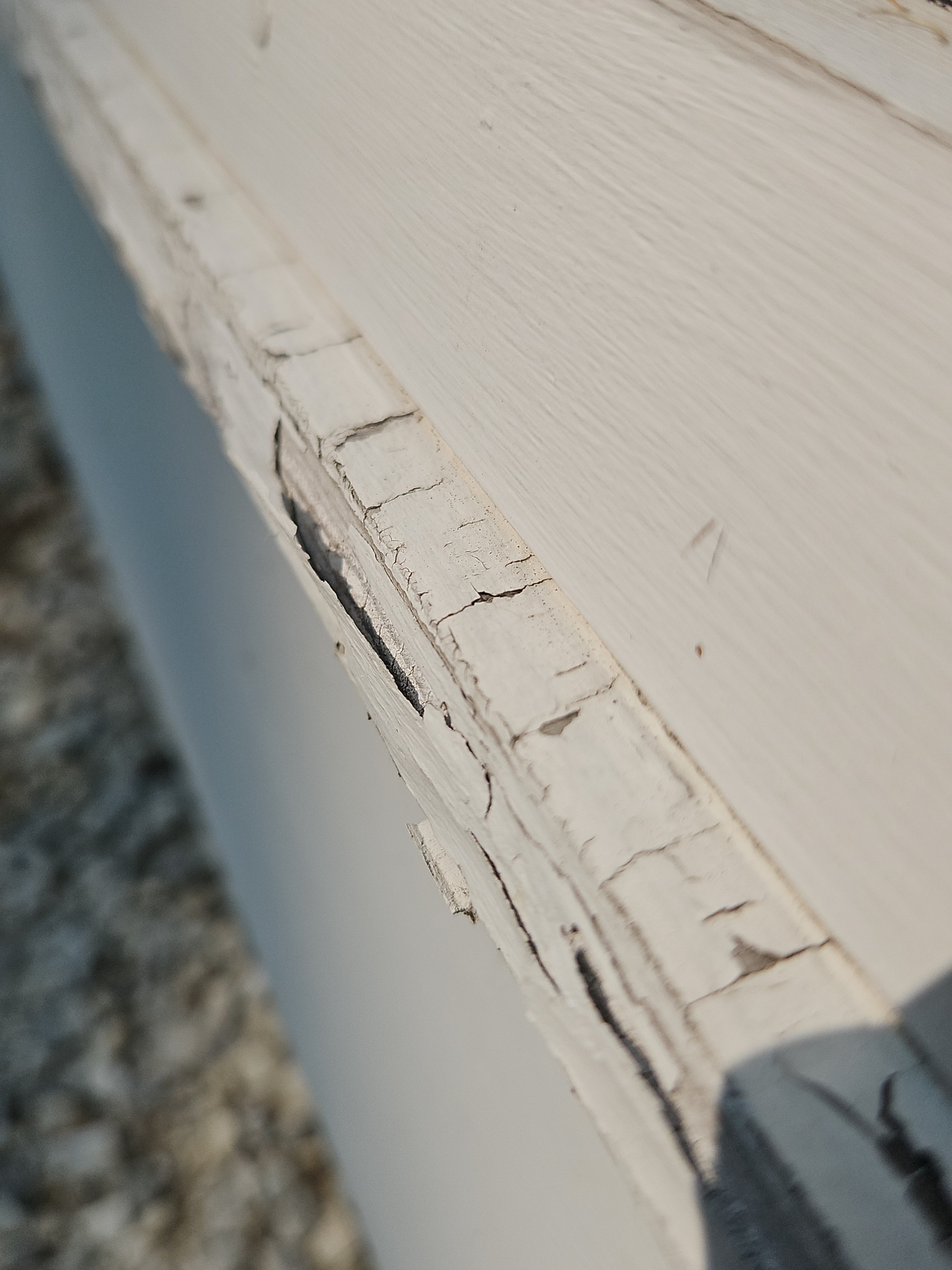
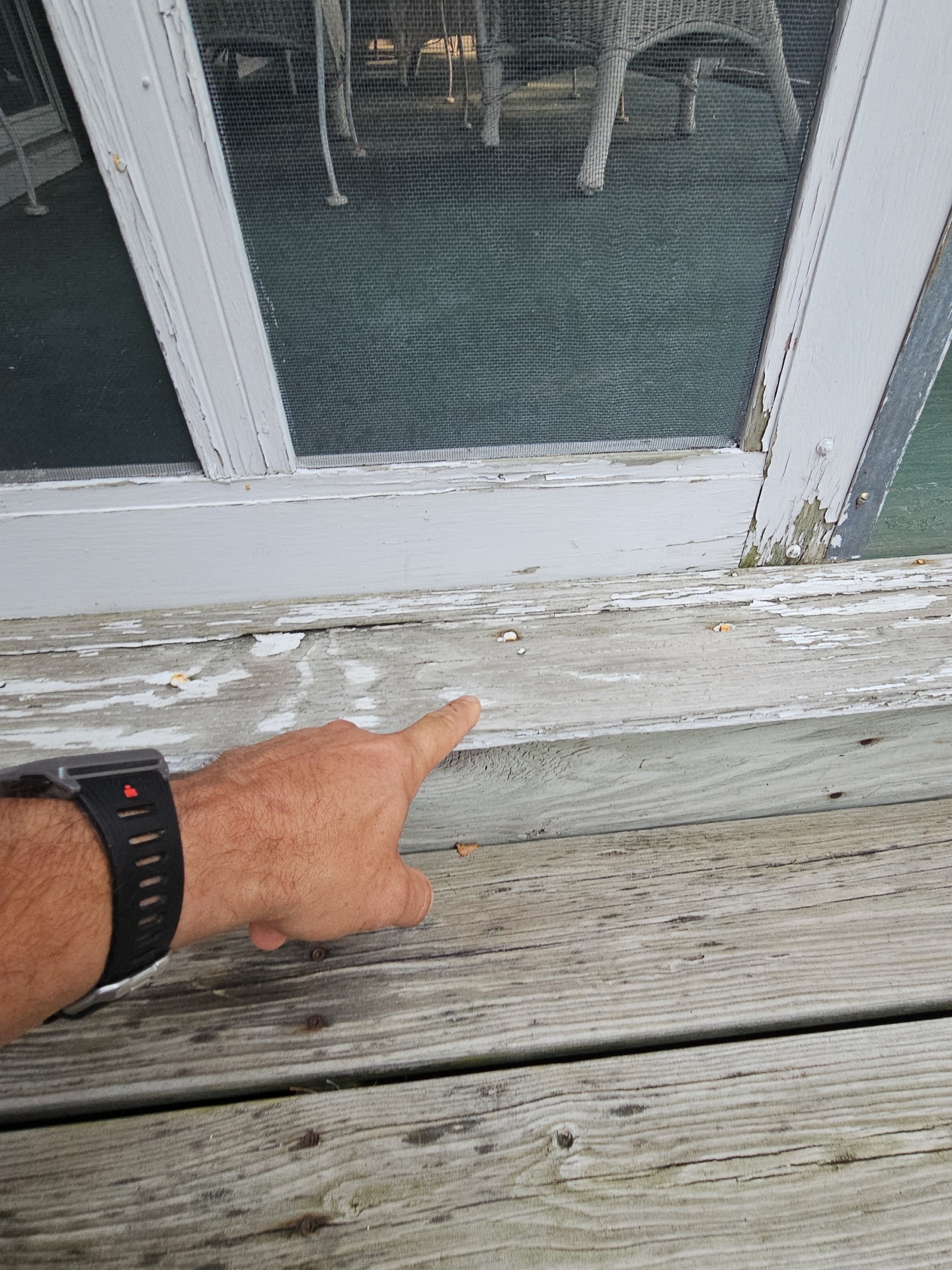
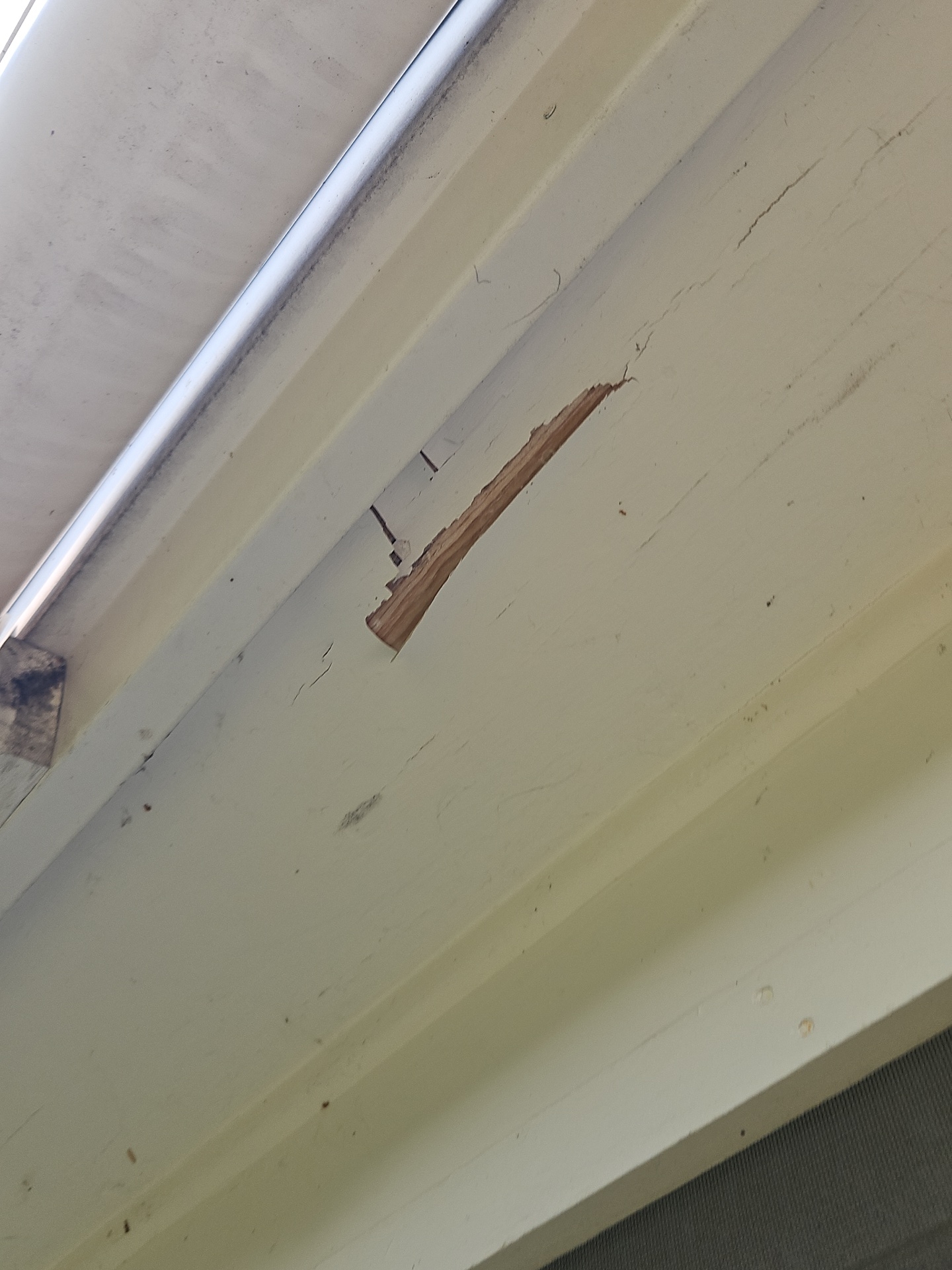
Localized painting is needed at the exterior of the porch including the door, decking, trim, and soffit. Consider implementing a schedule for painting and/or caulking maintenance as necessary.
 |  |  |
 |
Roof, Chimney and Gutters
Roof Materials
Method of Roof Inspection: Walked on roof, Viewed with a drone
Roof Style: Gable, Hip
Flashings, Valleys and Penetrations: Metal Valleys Noted
Roof Covering Materials: Architectural grade composition shingle
Approximate Age of Roof Covering: 15-20 Years
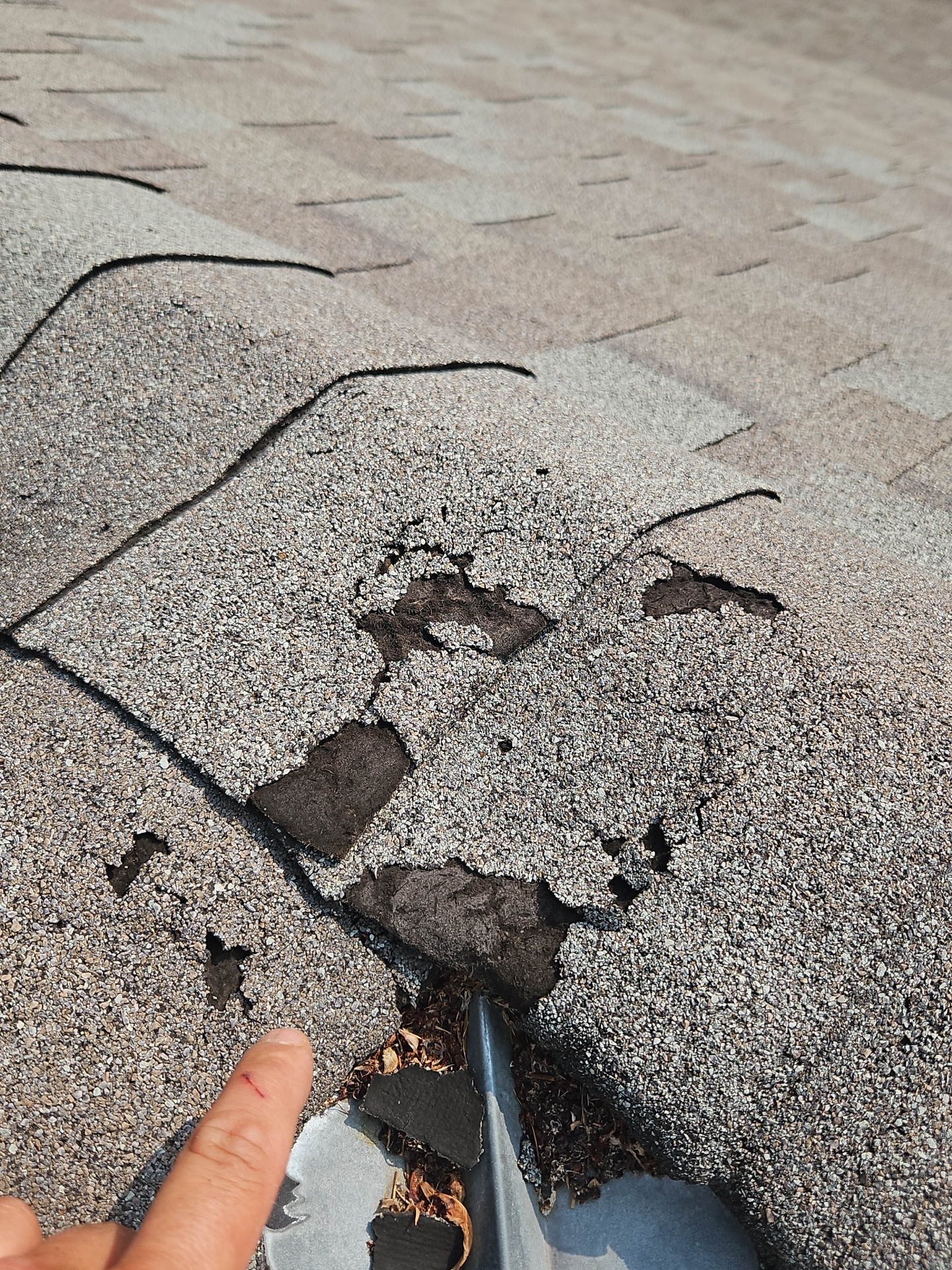
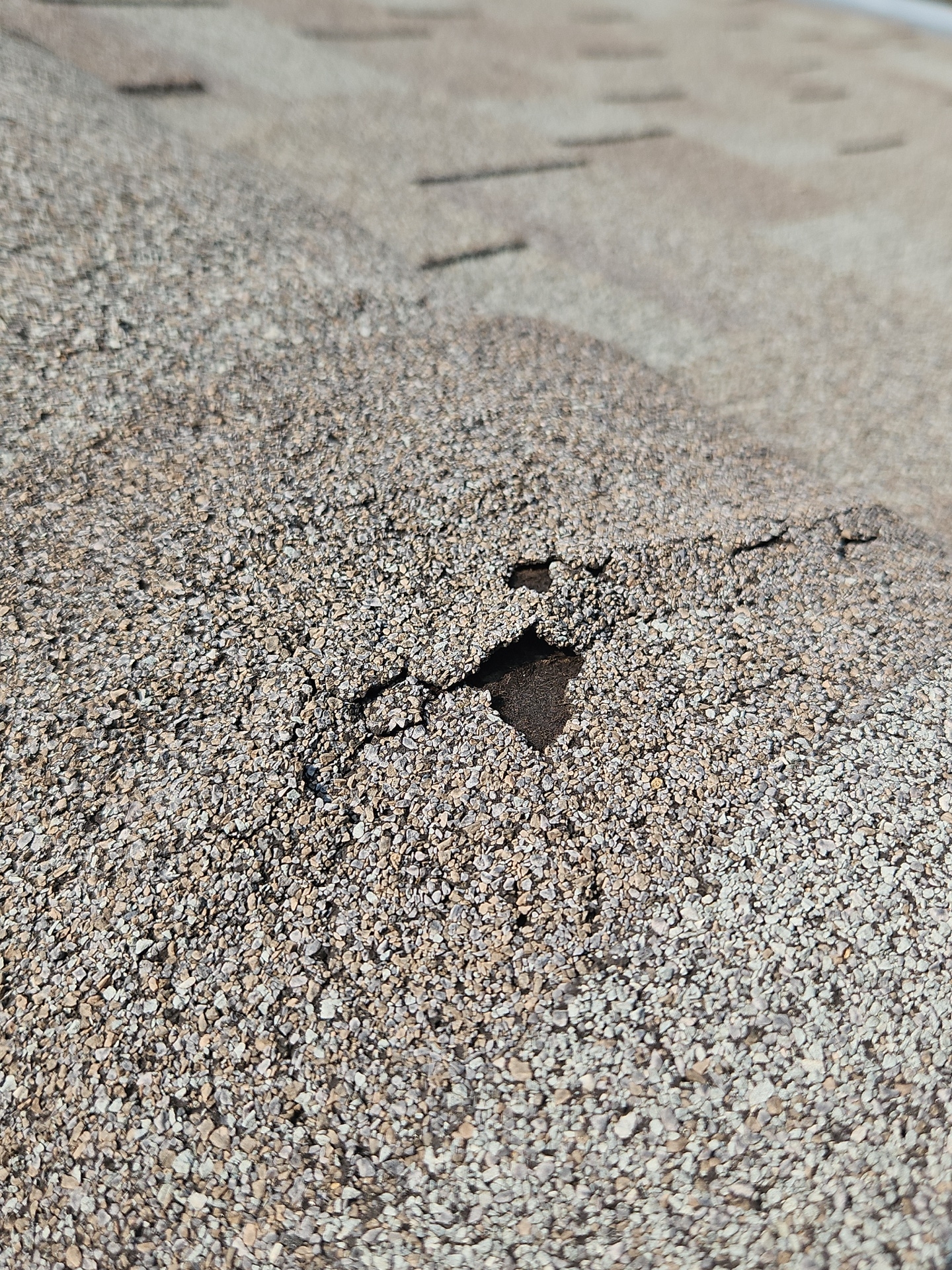
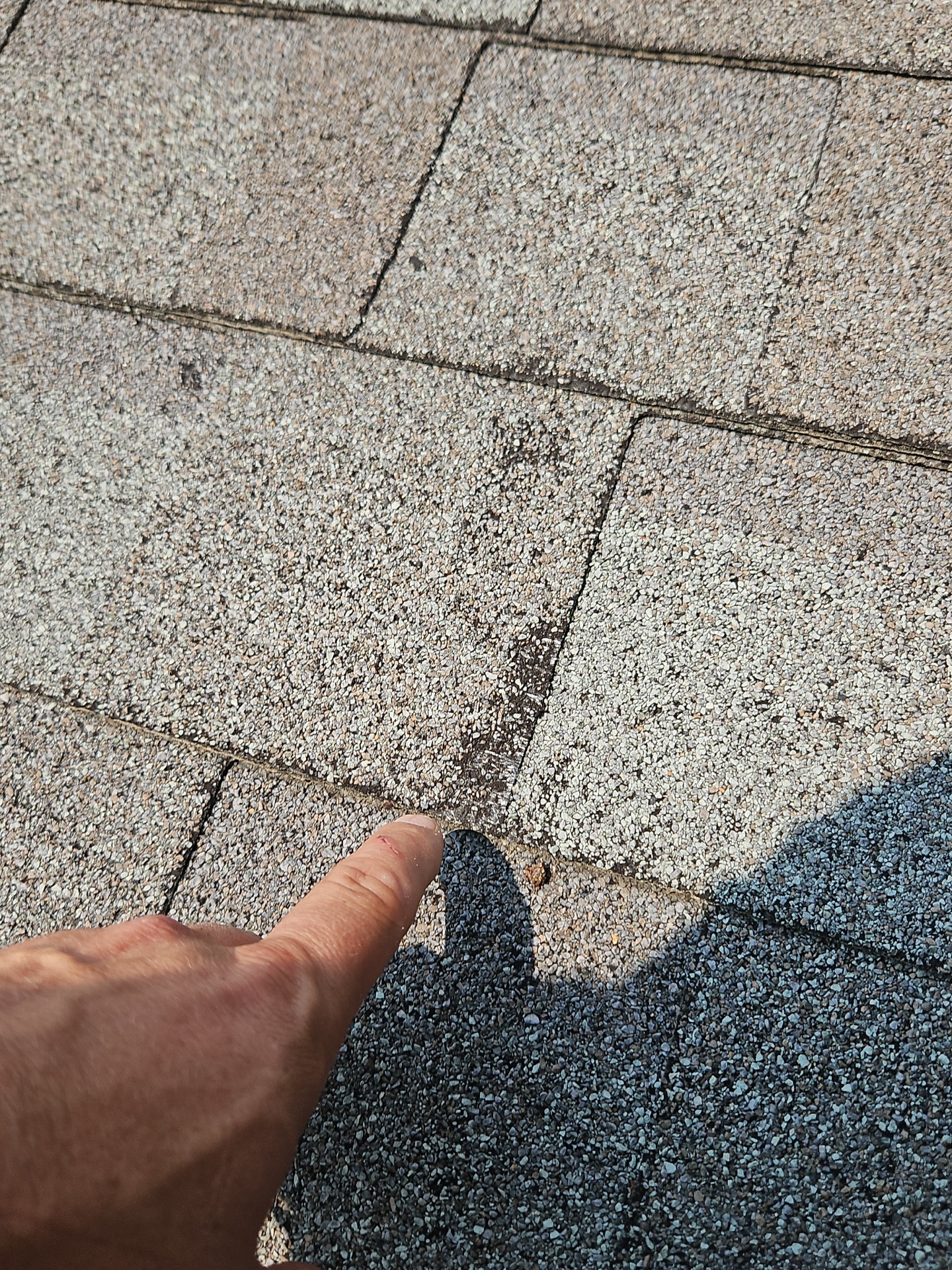
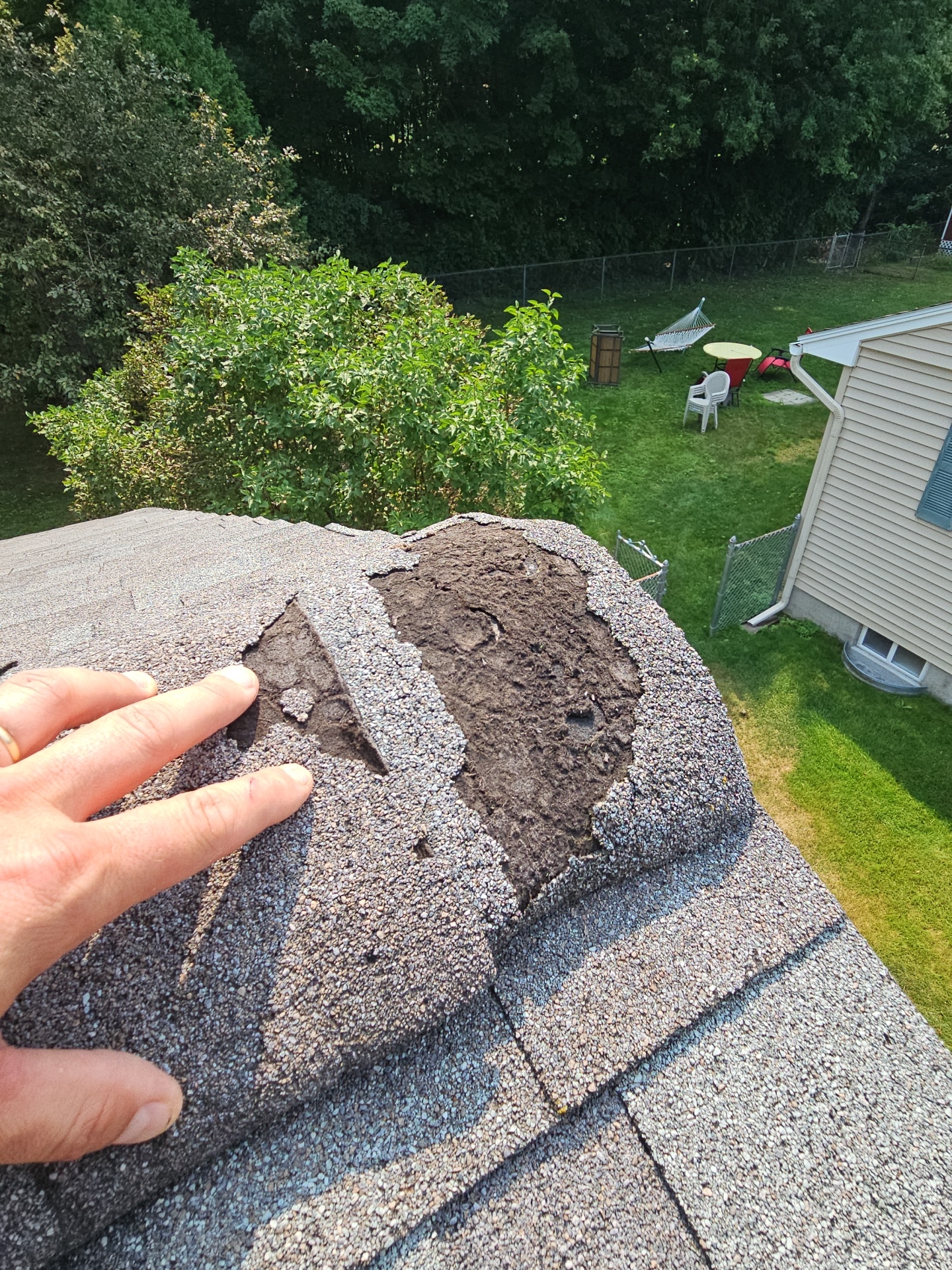
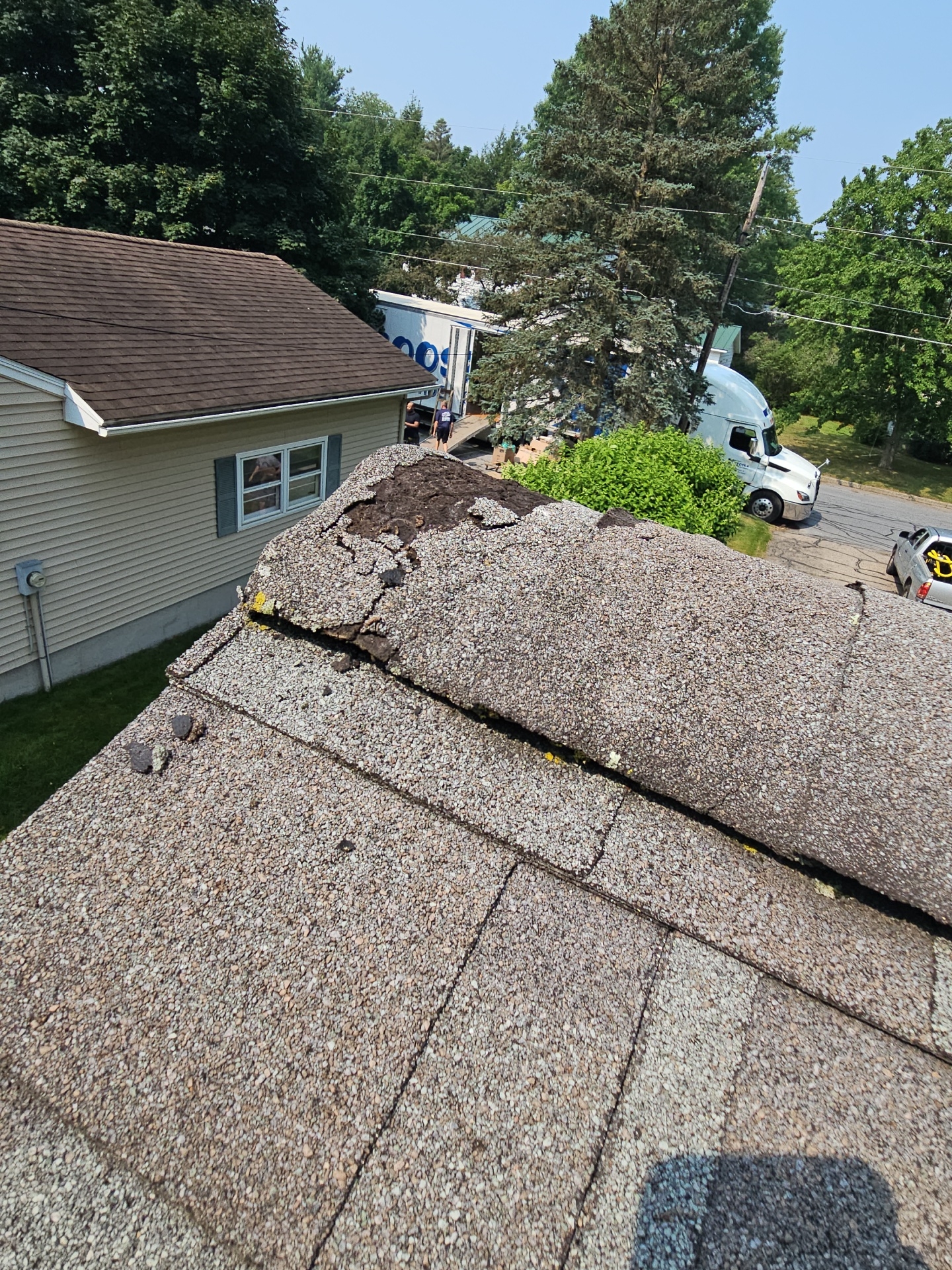
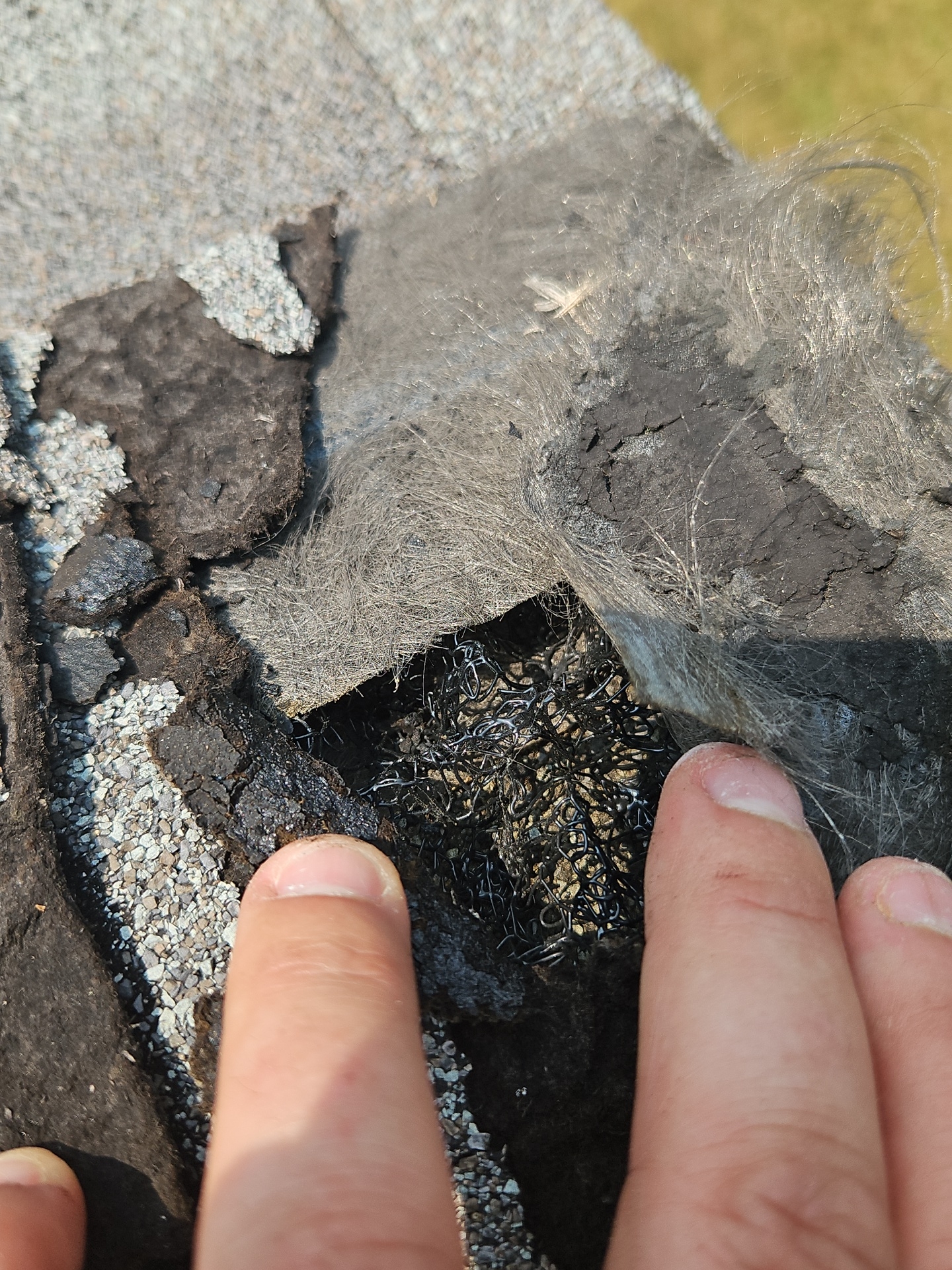
The roofing material on this building is done in an older architectural grade composition shingle. These shingles are often rated as 25-30 year shingles depending on the quality of the installation, the amount of exposure, the climate, and the pitch of the roof. I found the quality of the installation to be high. Hire a licensed roofing contractor to further evaluate and repair the ridge cap to ensure reliable performance and no leaks.
 |  |  |
 |  |  |
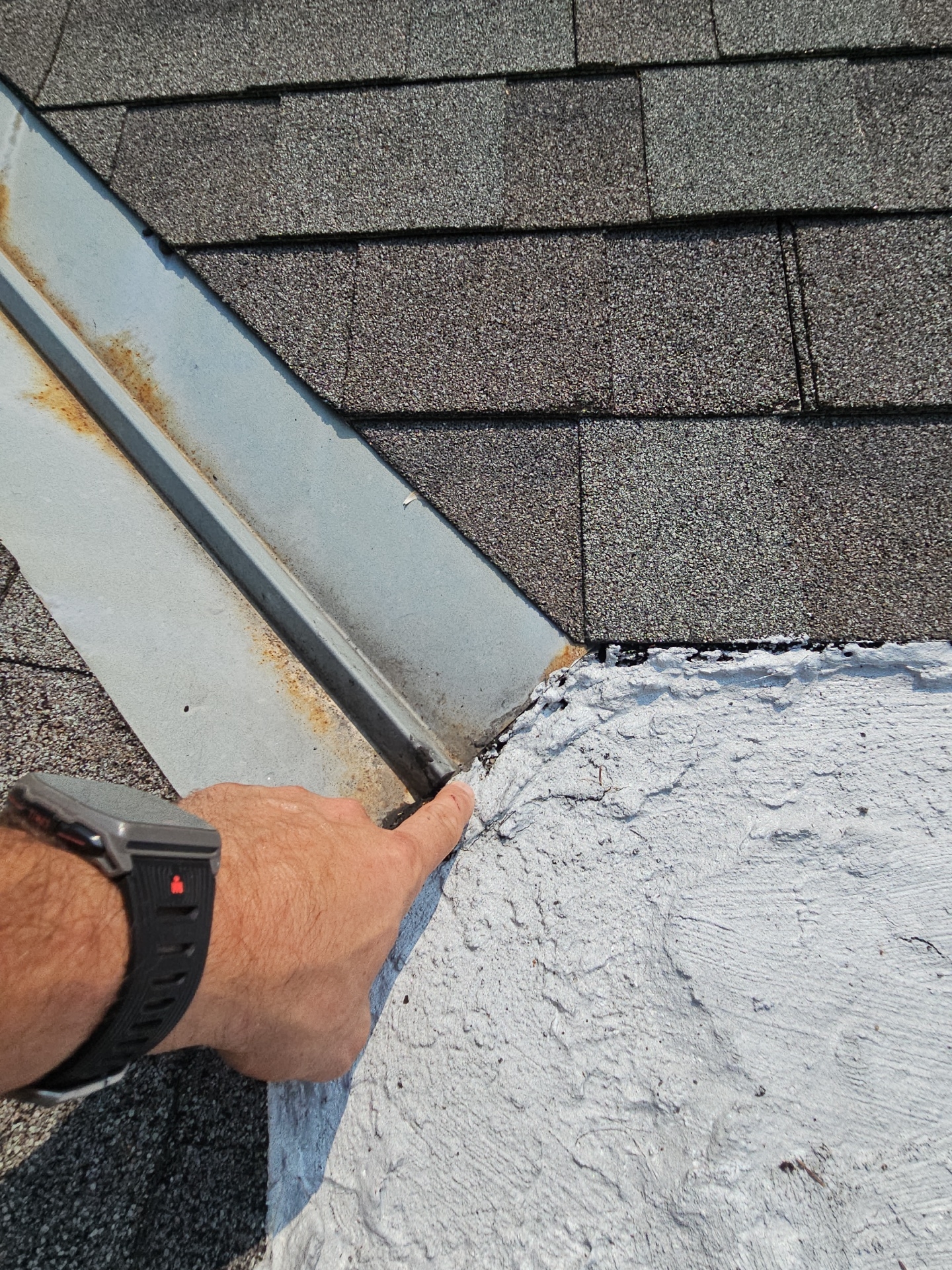
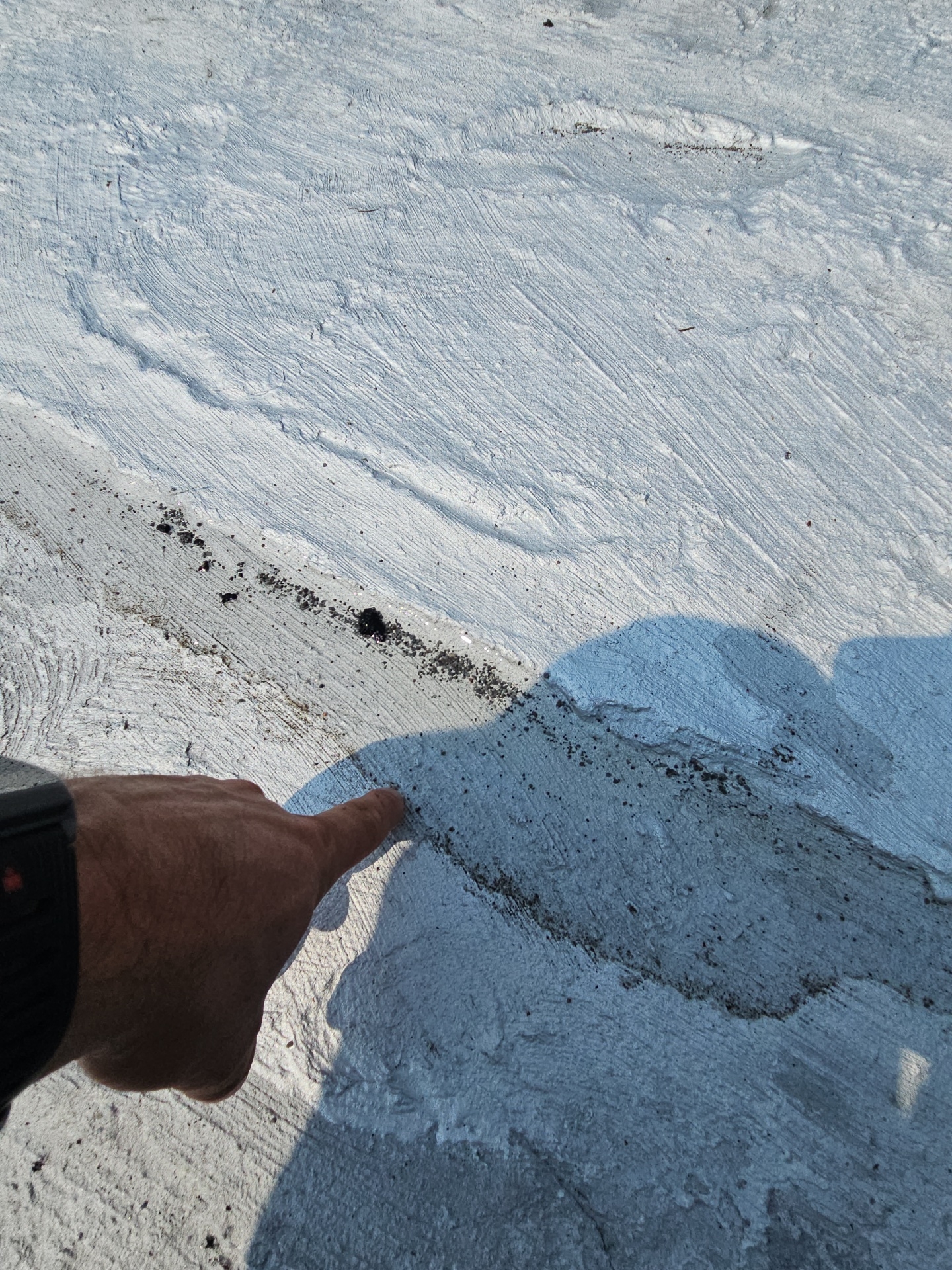
The roofing material on the overhang for the front steps/landing is not pitched properly, evidenced by standing water, and is not properly overlapped by the metal valley or architectural shingles. Hire a licensed roofing contractor to further evaluate and repair the overhang's roof to ensure reliable performance and no leaks.
 |  |
Chimneys
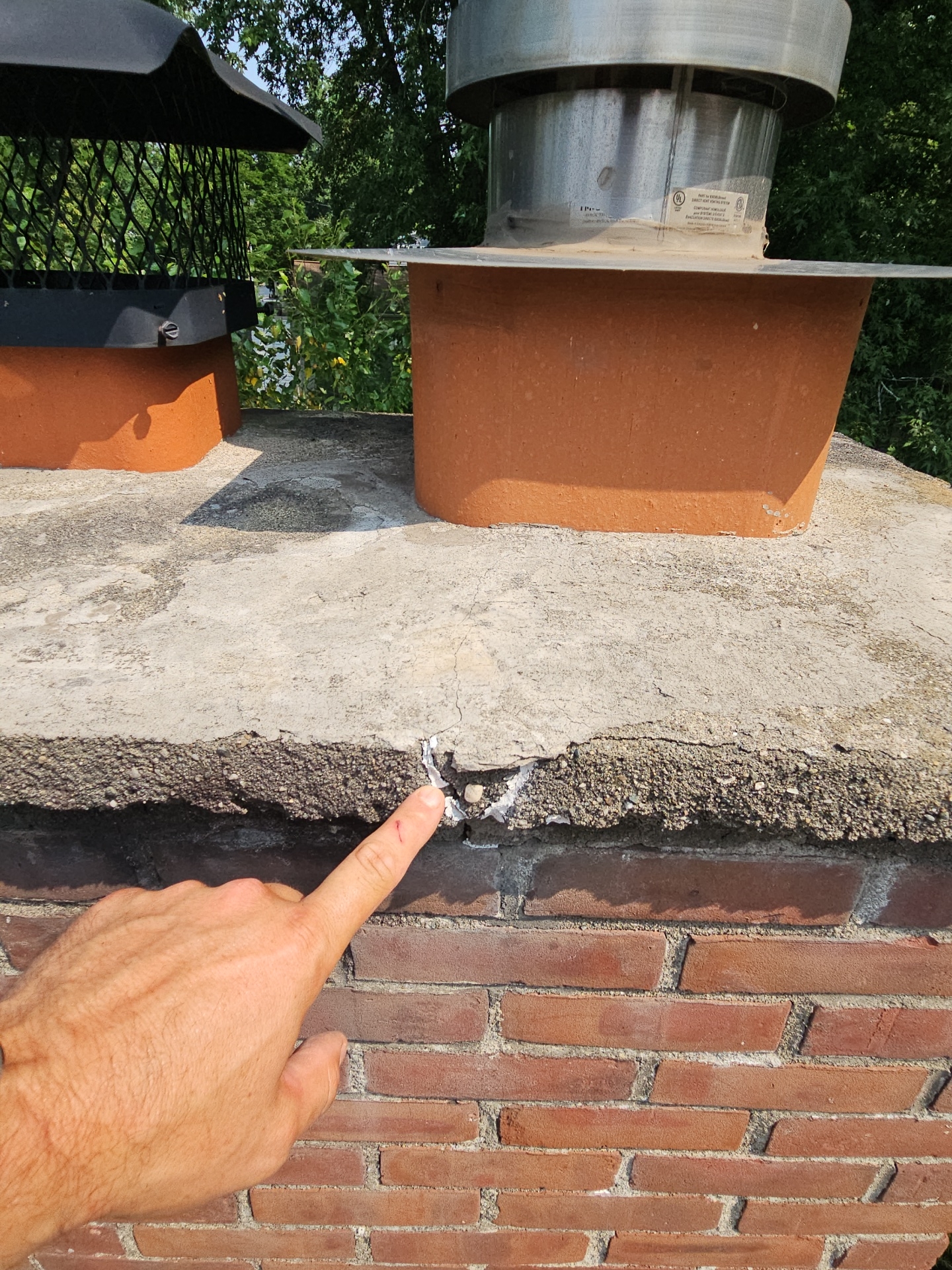
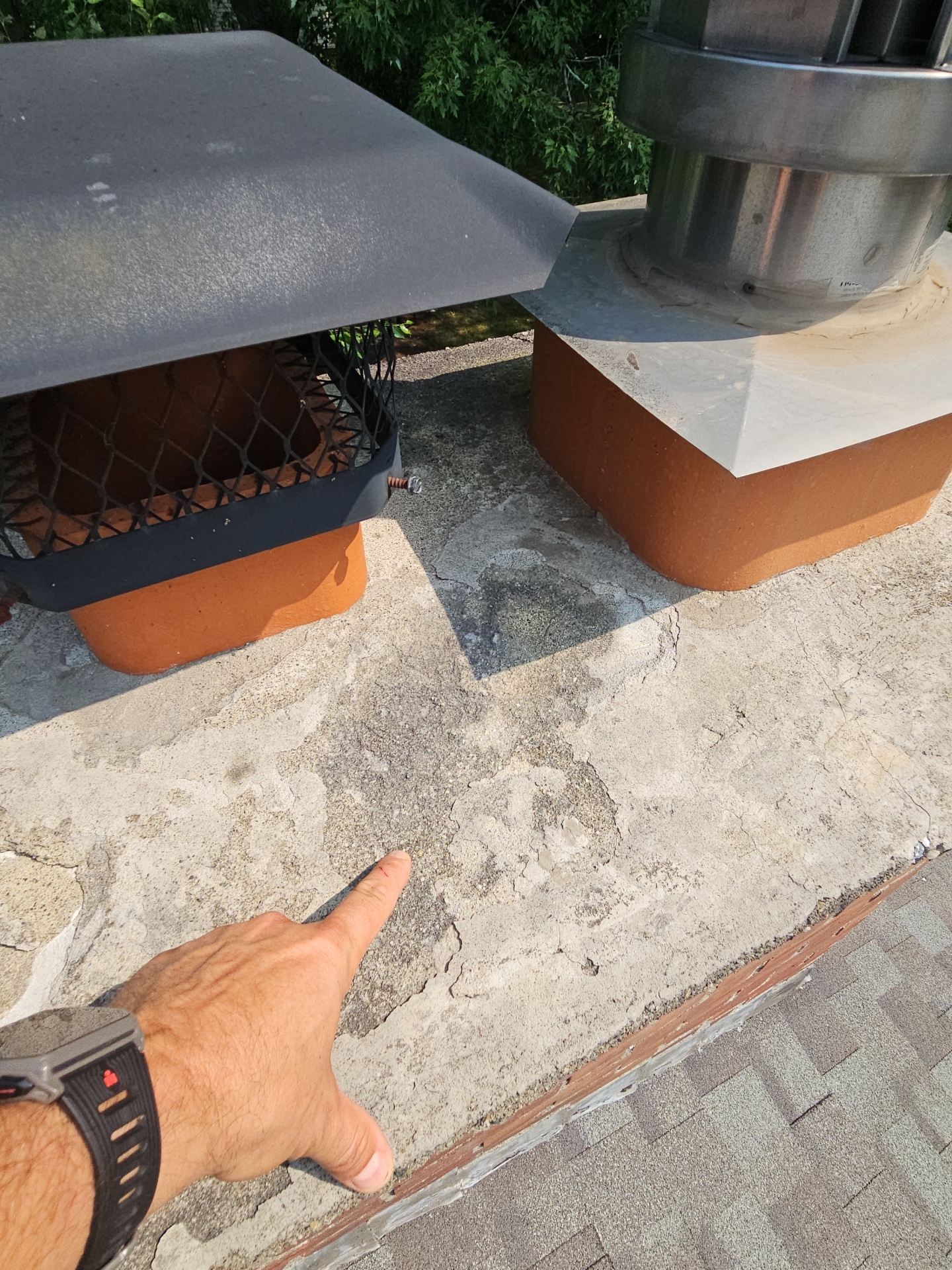
The chimney's crown shows signs of water pooling which has caused damage to the crown's surface. Have a qualified mason assess and repair as needed.
 |  |
Gutters
Gutter and Downspout Materials: Plastic
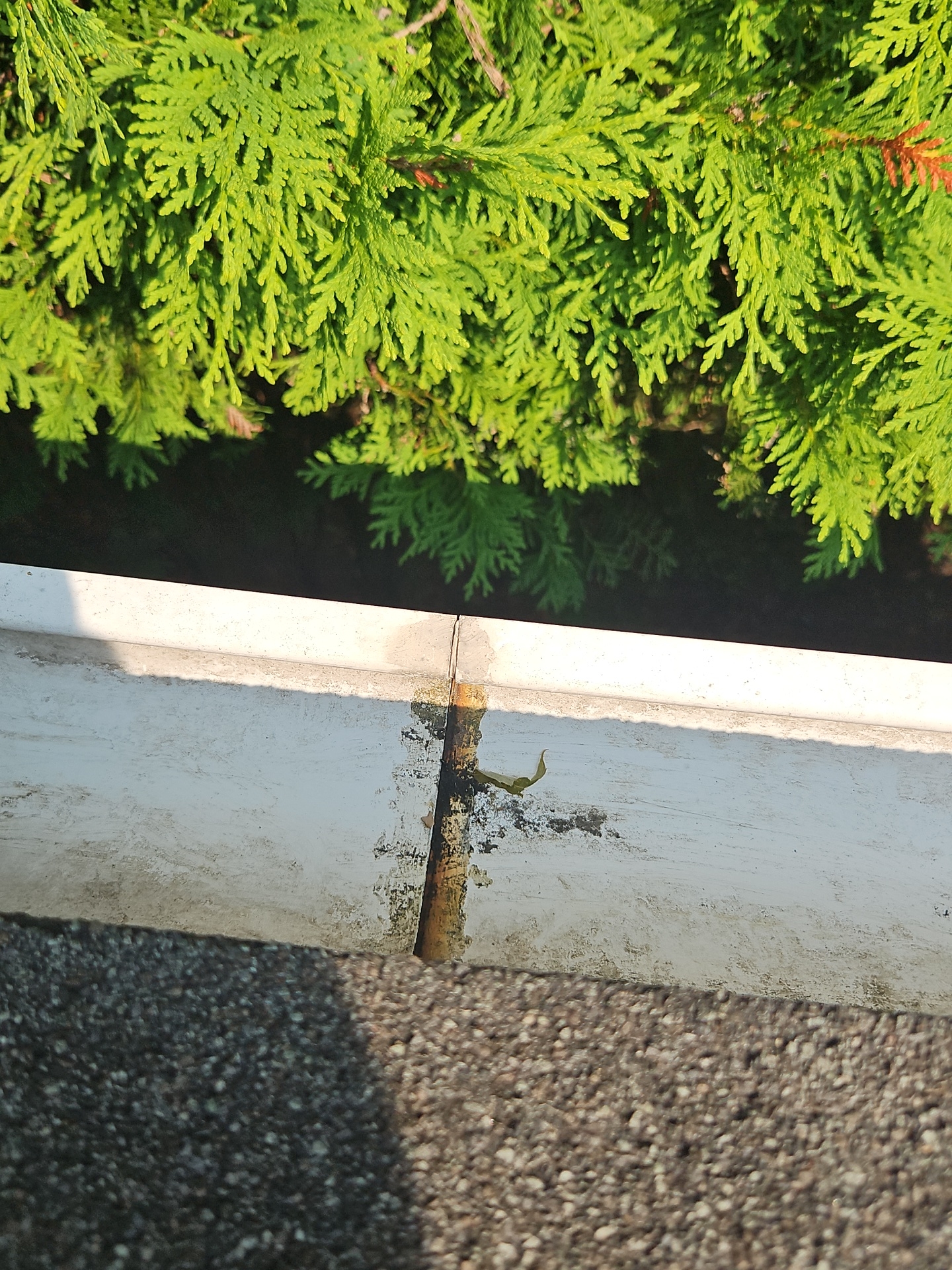
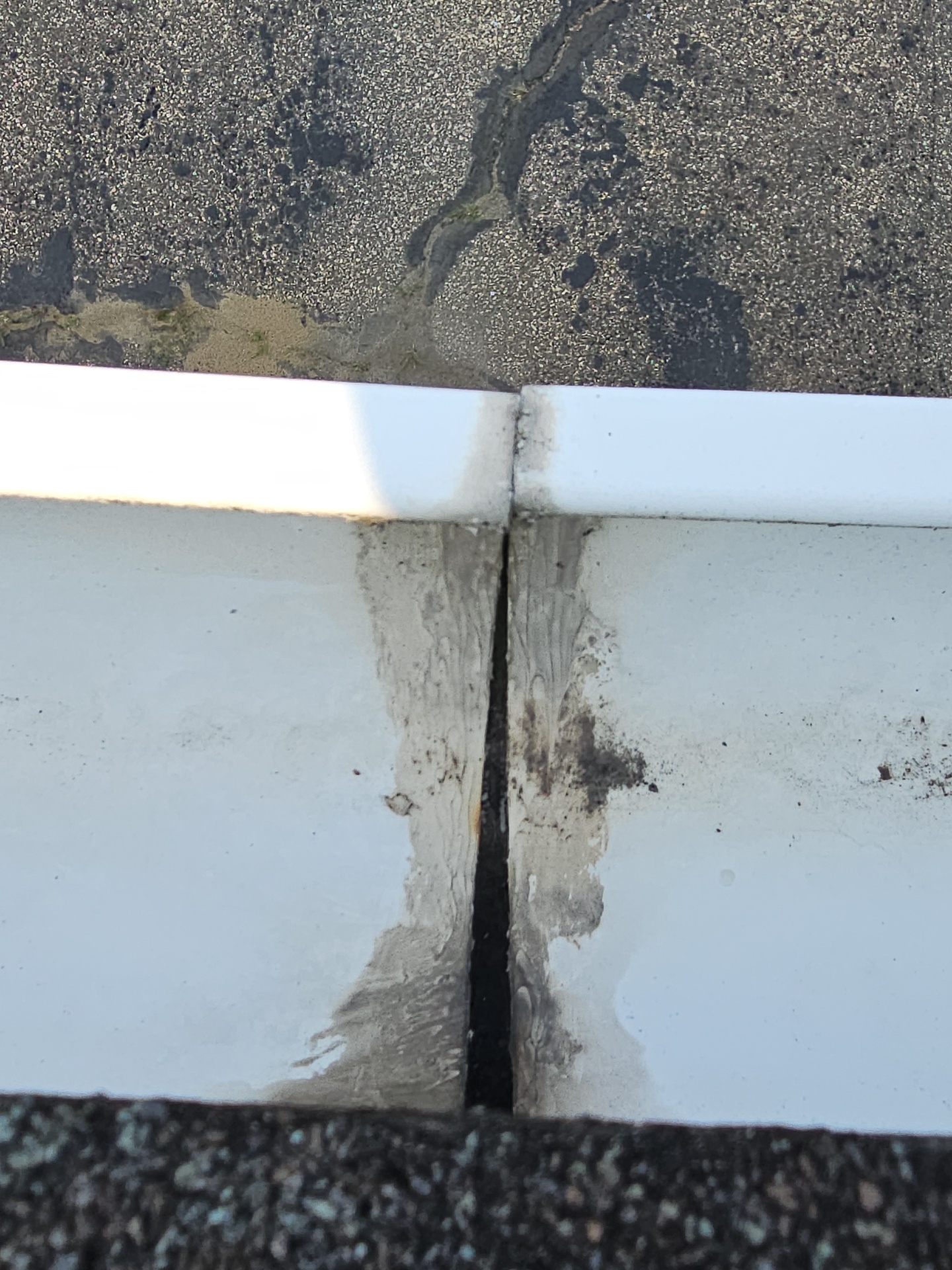
The gutters may repairs at their seams to ensure reliable performance. Several seams in the gutters were noted to have been sealed with caulk or have missing caulk. Regular gutter care is needed to keep this system working reliably, especially keeping gutters clean, well-secured, and draining away from the structure. Implement gutter repairs as needed.
 |  |
Attic
Attic Access
Walked
Evidence of Rodents in Attic
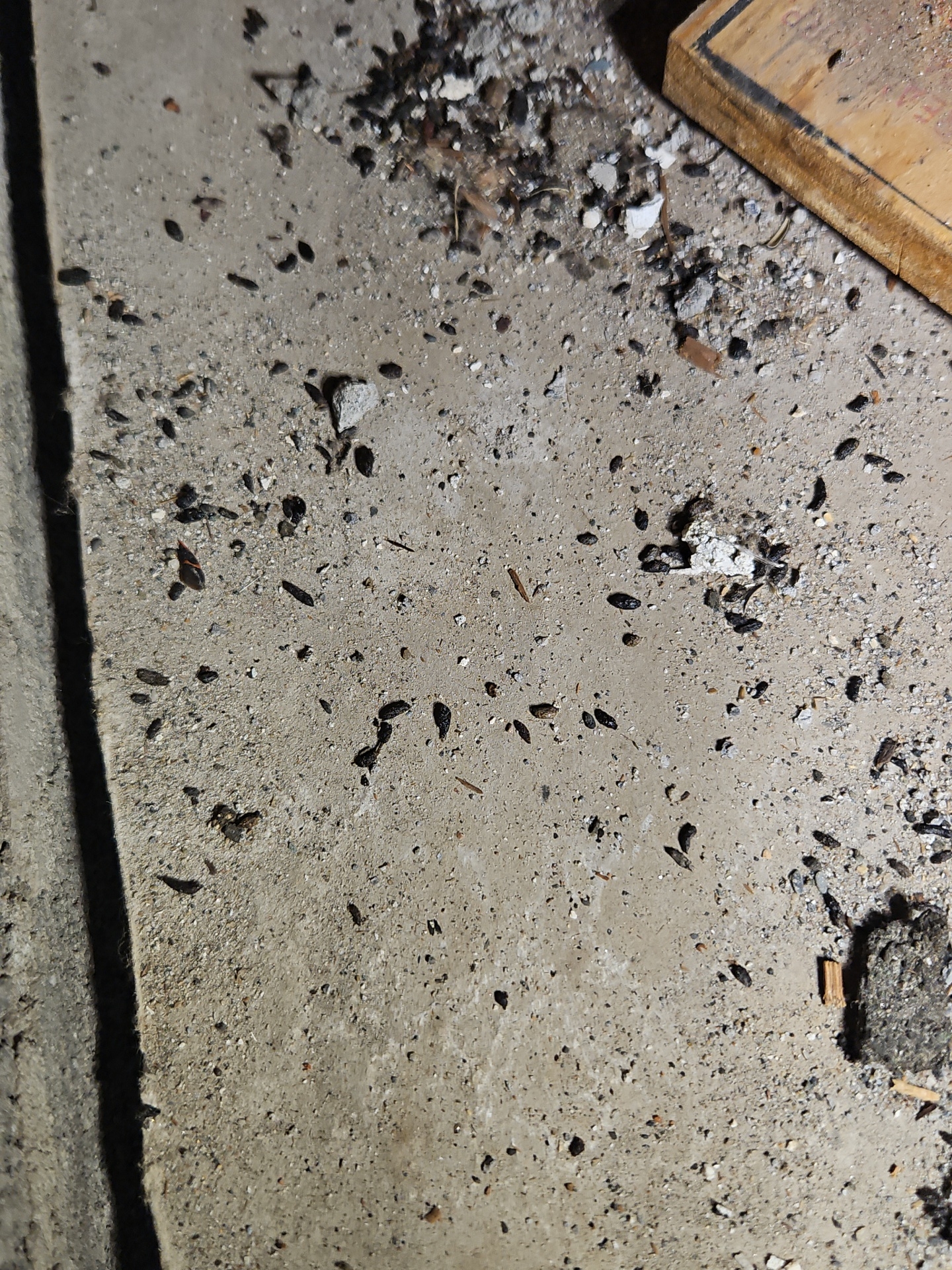
Evidence of rodent entry was noted in the attic. All openings into the attic should be sealed to prevent rodent entry. All feces and contamination should be cleaned and a trapping program implemented to monitor sealing progress.
Roof Framing and Sheathing
Rafters: Truss
Sheathing: Plywood
Fire Separation and Fire Blocking
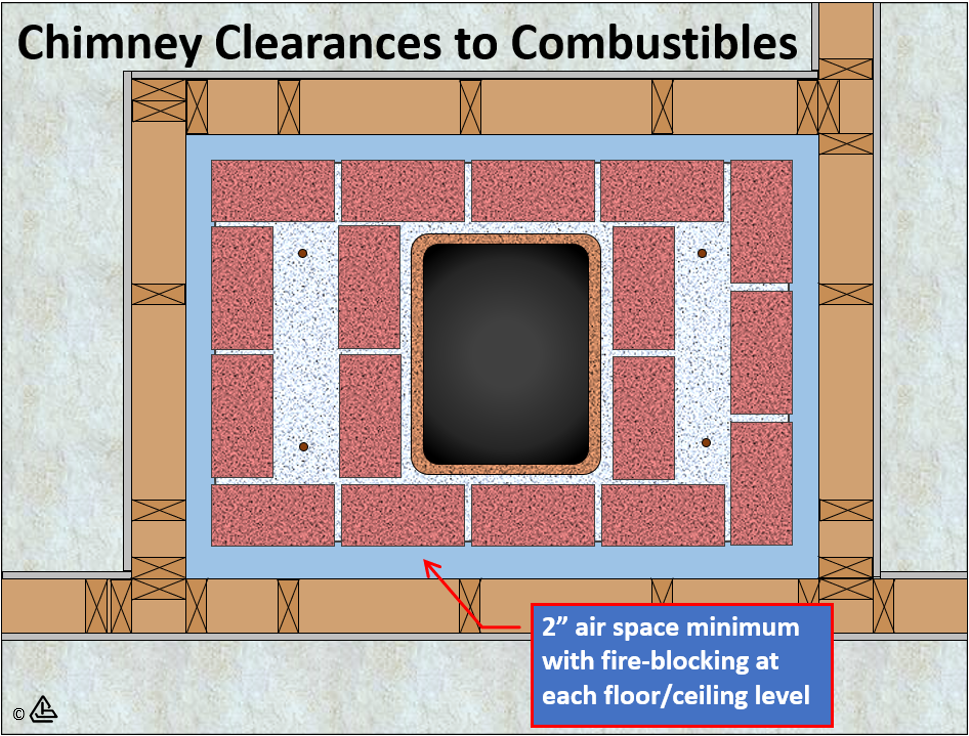
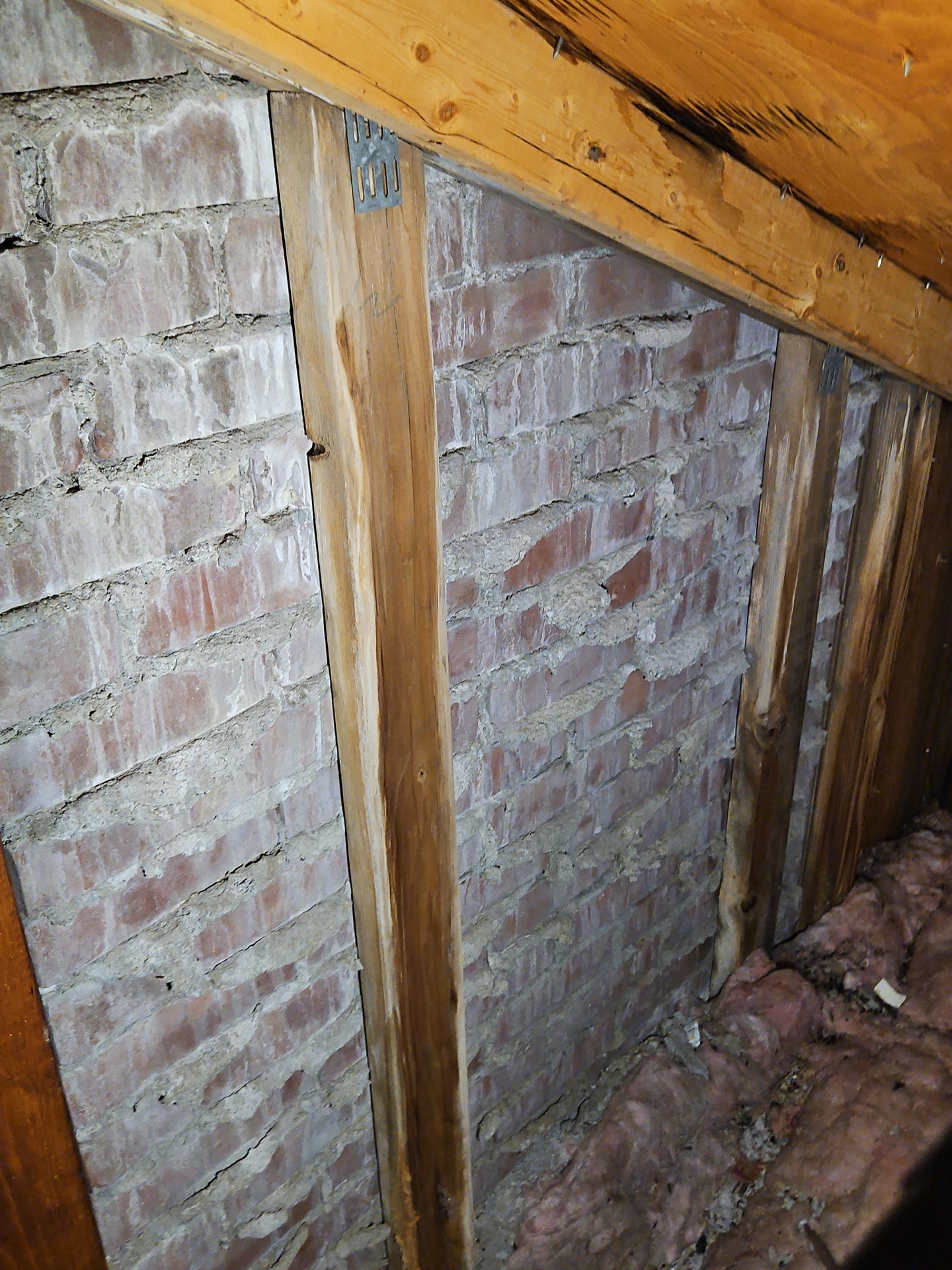
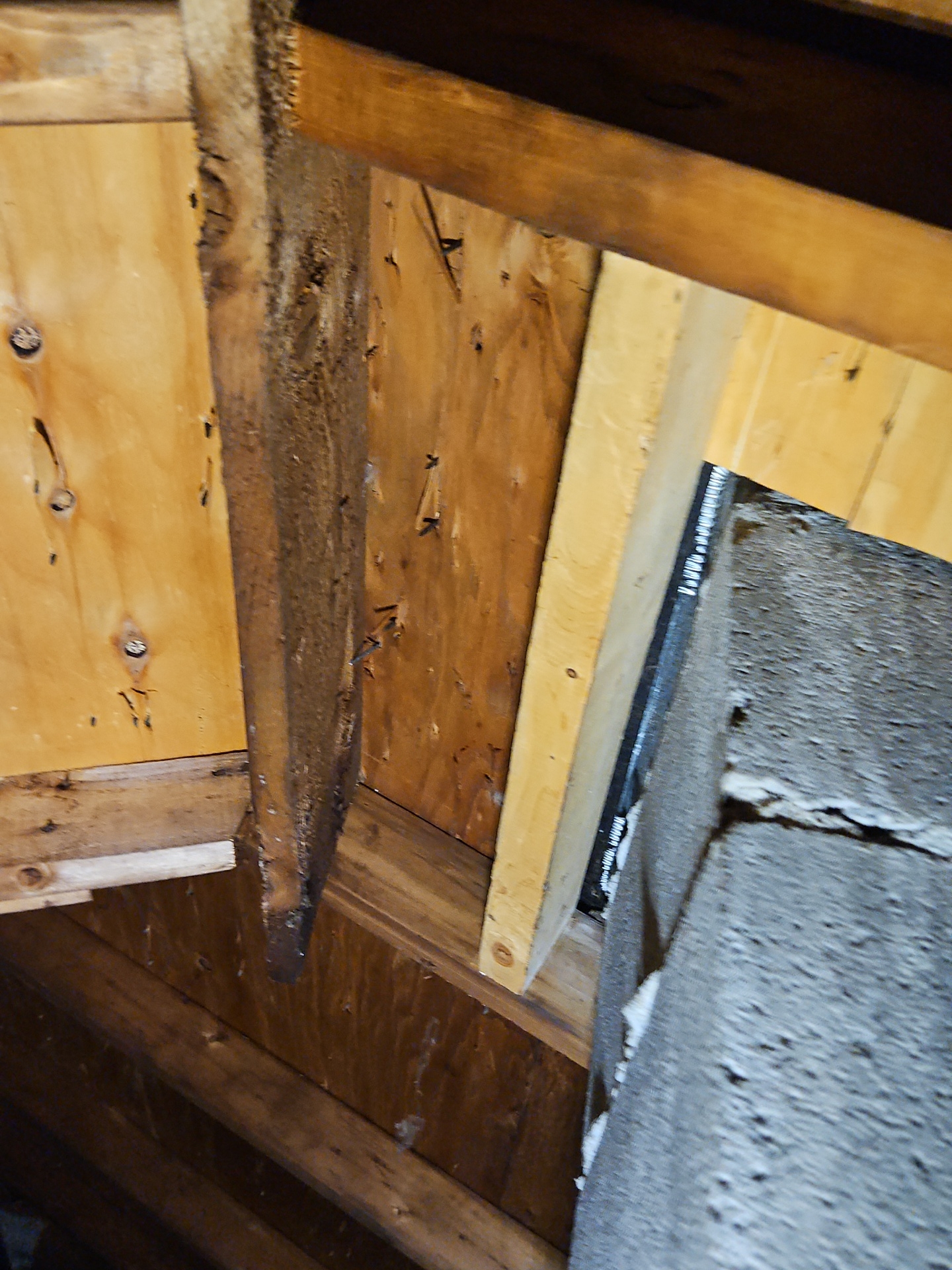
The fire blocking system is incomplete around the chimneys. There should be no contact between wood framing and the chimney. All spaces between the chimney and framing should be fire-blocked with non-combustible material or metal or metal lath. Implement repairs as needed for improved fire safety.
 |  |  |
Attic Insulation
Insulation Type: Fiberglass
Approximate Insulation R-Value on Attic Floor: 30
Approximate Insulation R-Value on Attic Ceiling: 0
Approximate Insulation R-Value on Attic Walls: 0
The attic insulation could be improved to modern standards, which recommend R-49 on the floor and R-21 on the walls. R-value is the measure of resistance to heat loss; the higher the R-value, the better the insulation. During insulation repairs, it is best practice to implement any air seal-up repairs to seal air leakage. Also, be sure you have completed any wiring or other projects needed in the attic. Then, hire an insulation contractor to improve thermal barriers.
Attic and Roof Cavity Ventilation
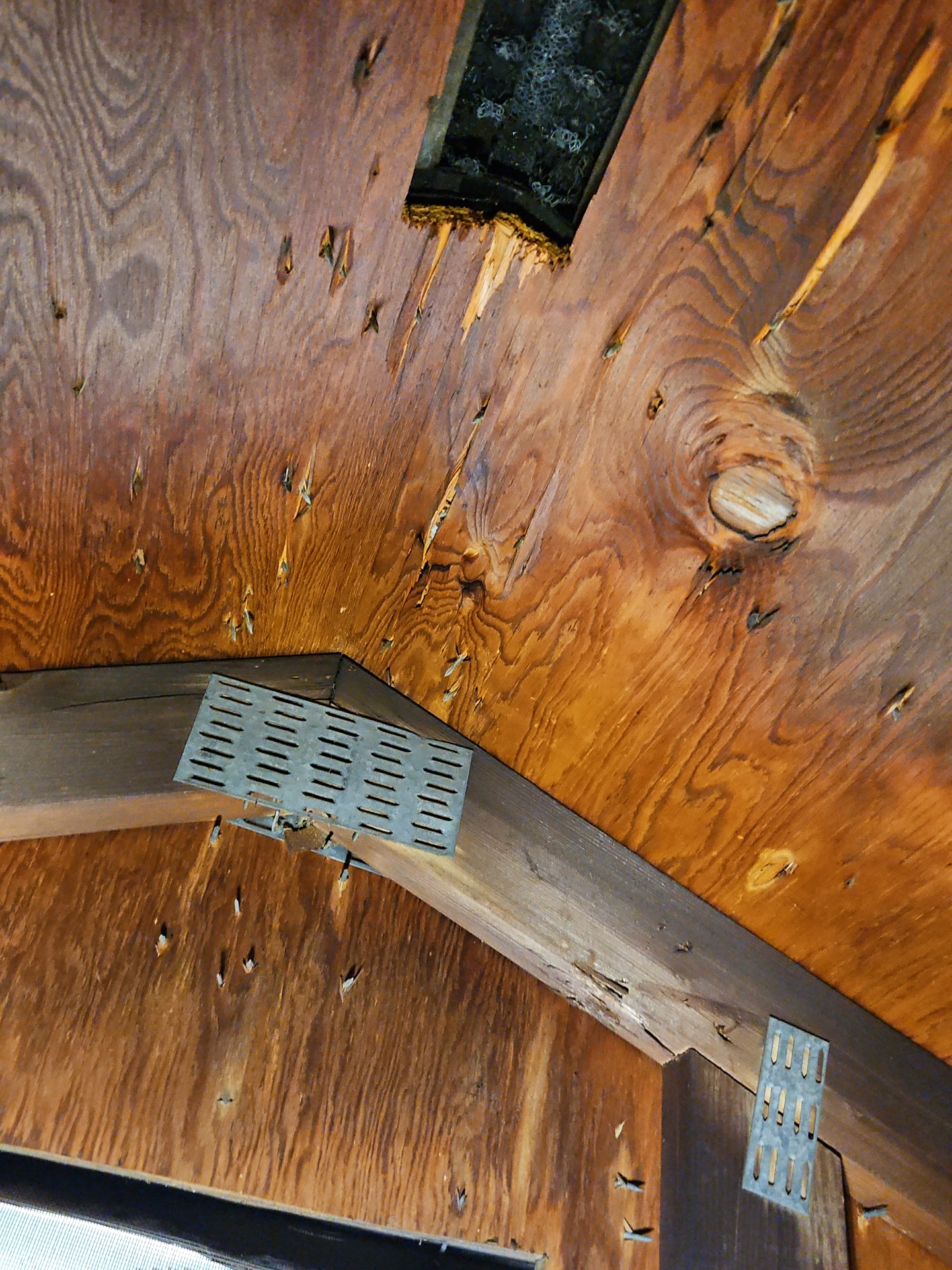
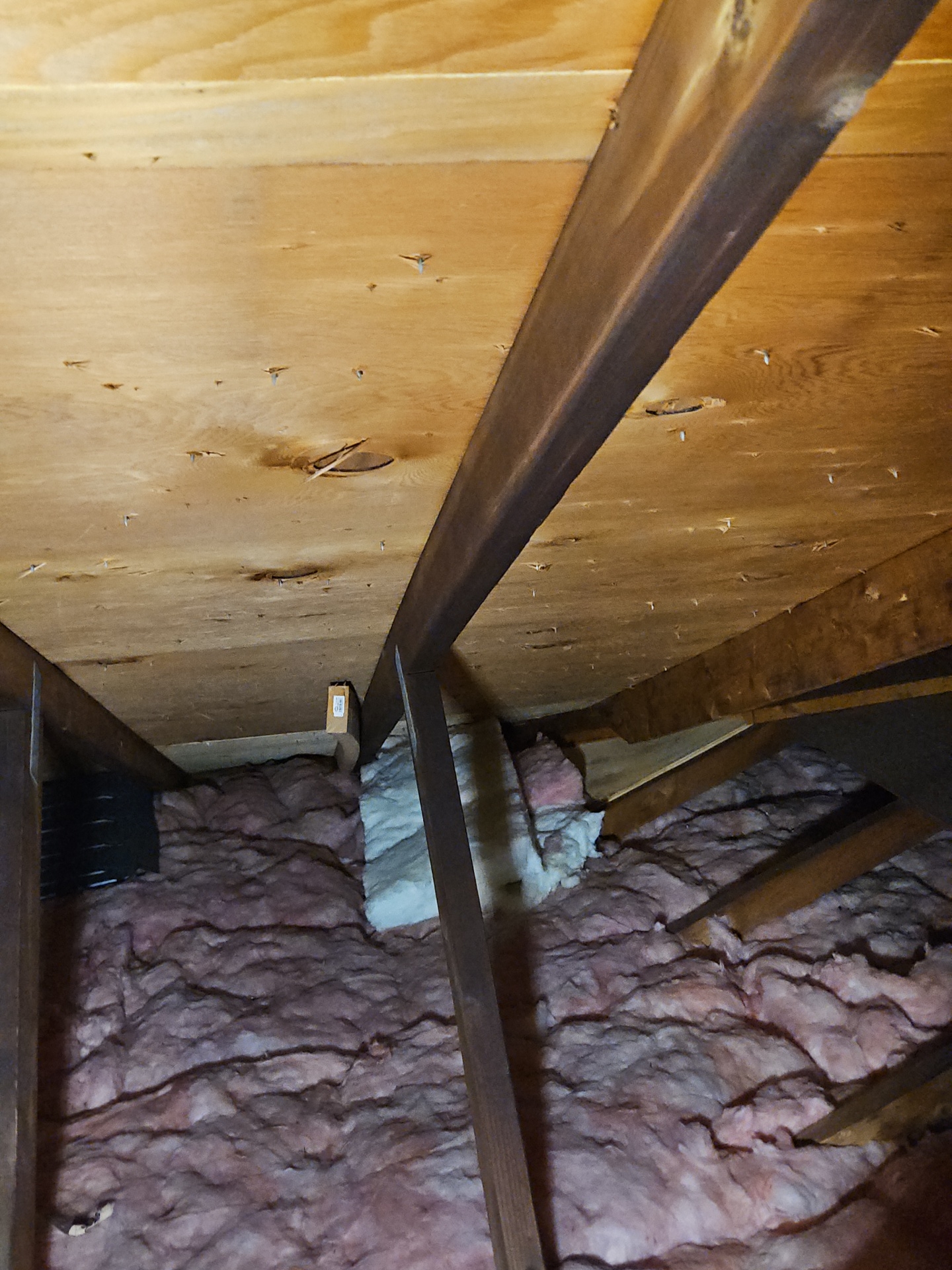
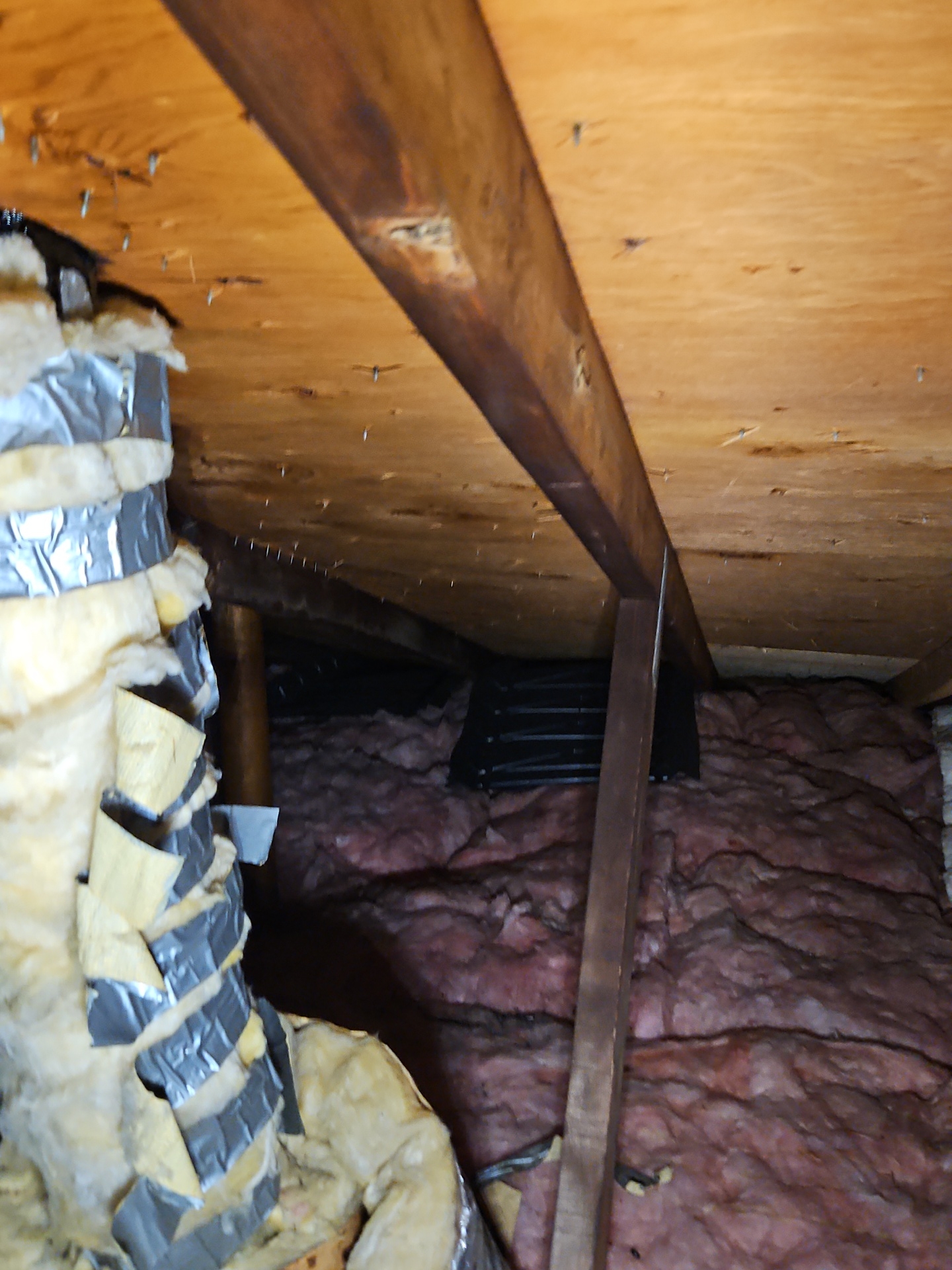
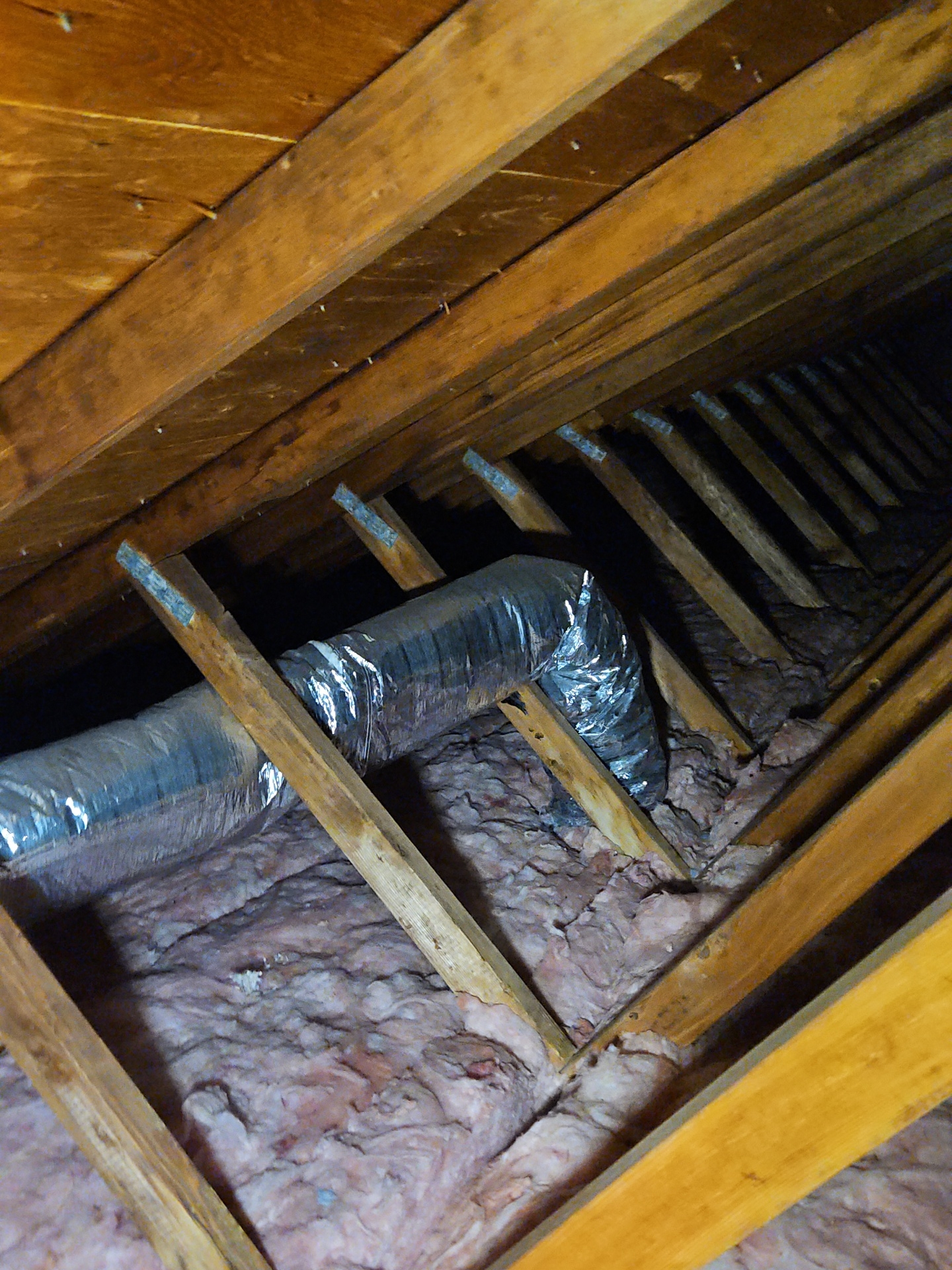
Attic Ventilation Method: Soffit vents, Ridge vents, Gable vents
No evidence of poor ventilation was found in the attic.
 |  |  |
 |
Garage
Garage General
Garage Type: Two Car Garage, Attached
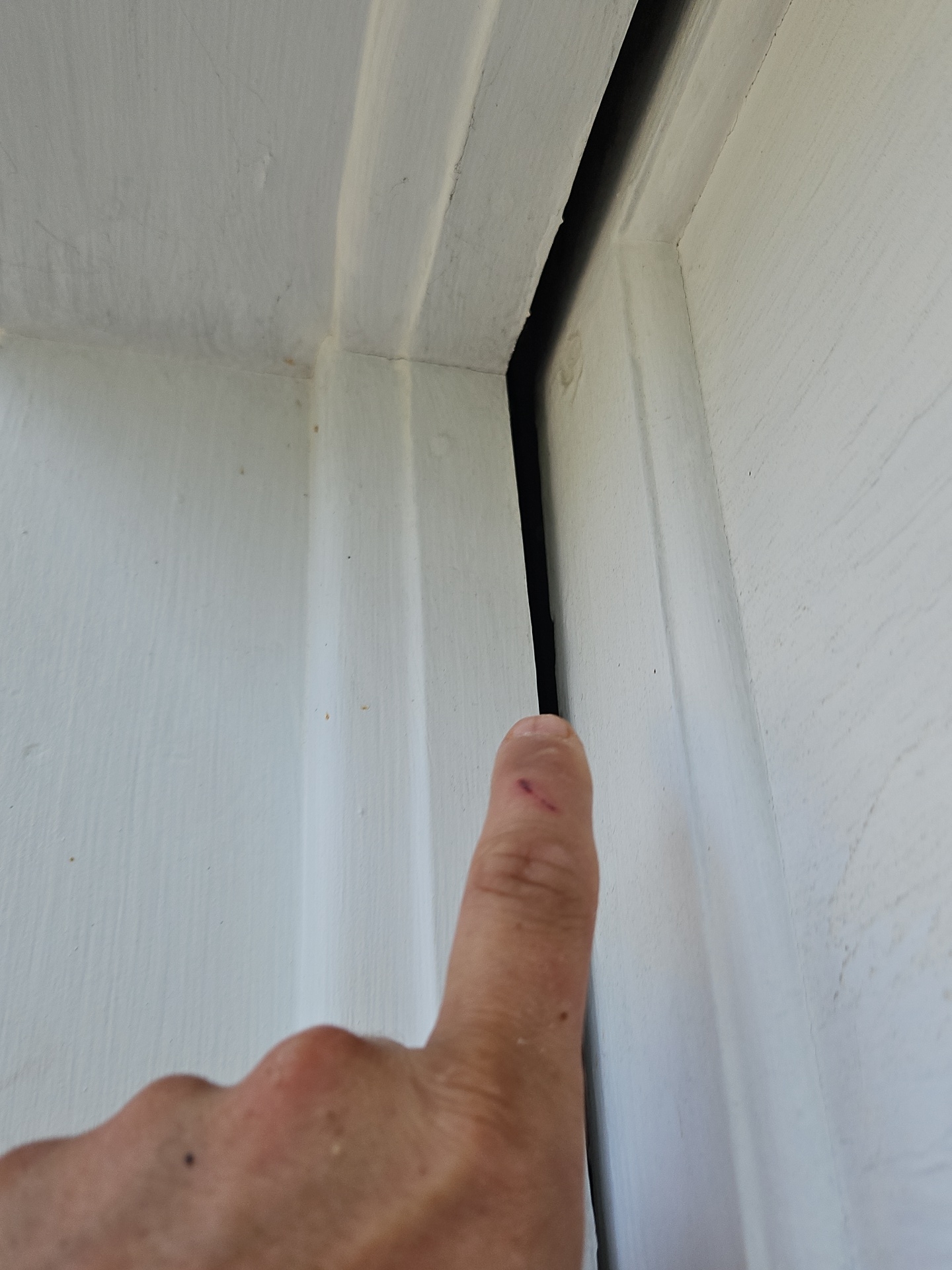
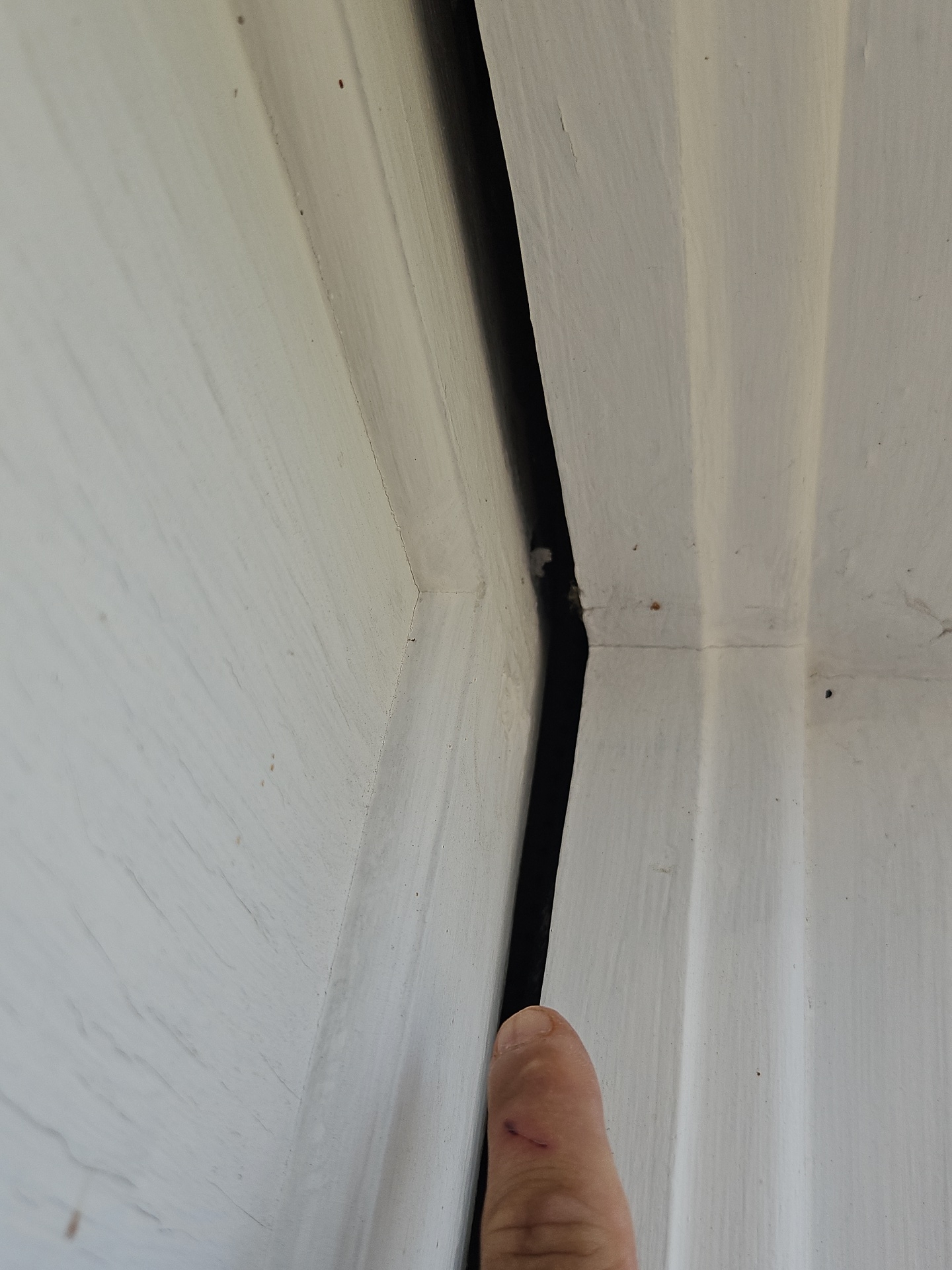
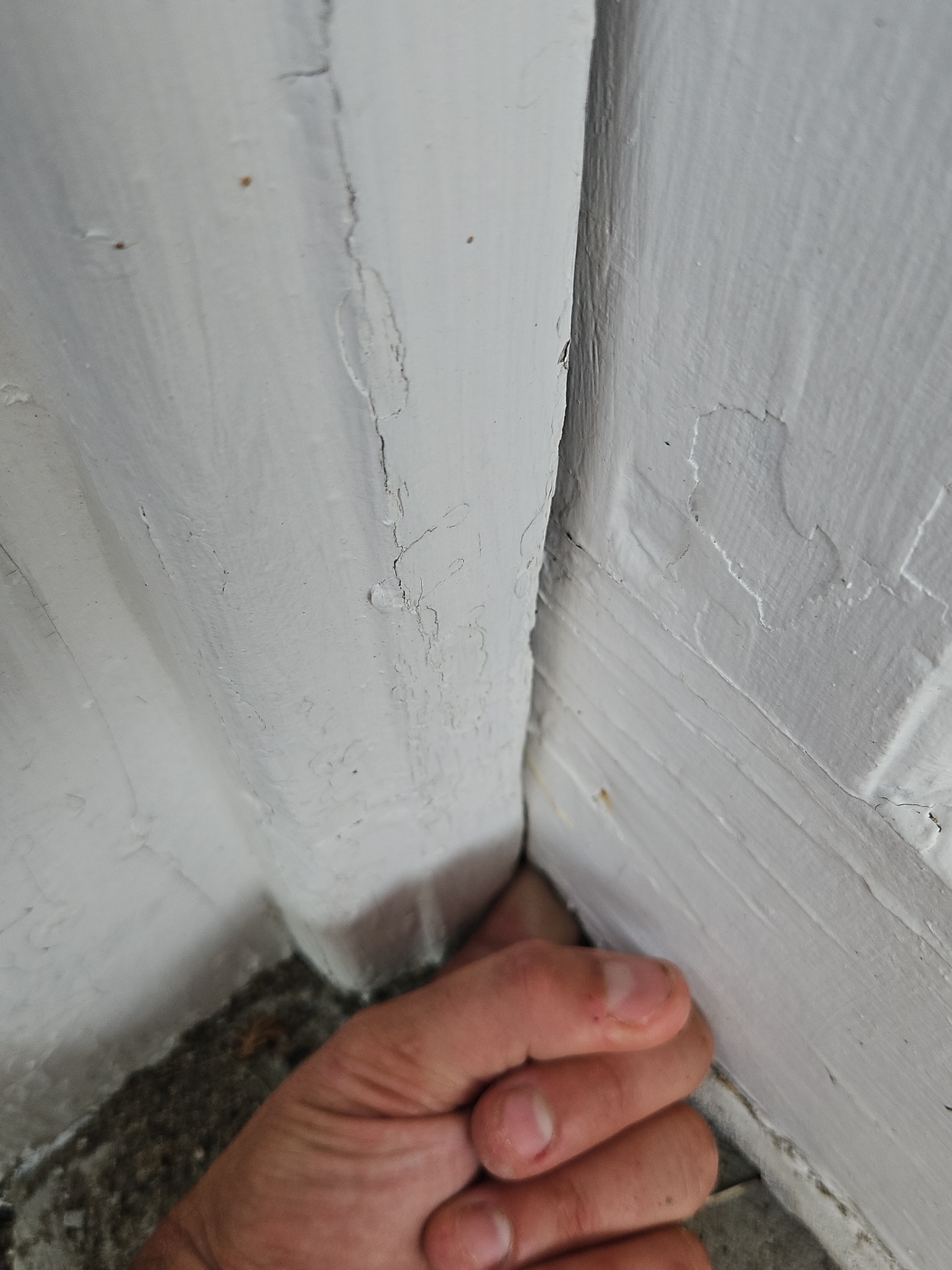
The front overhead garage door when closed leaves two open gaps in the upper left and right corners. Have a qualified garage door contractor realign the door or otherwise solve this issue.
 |  |
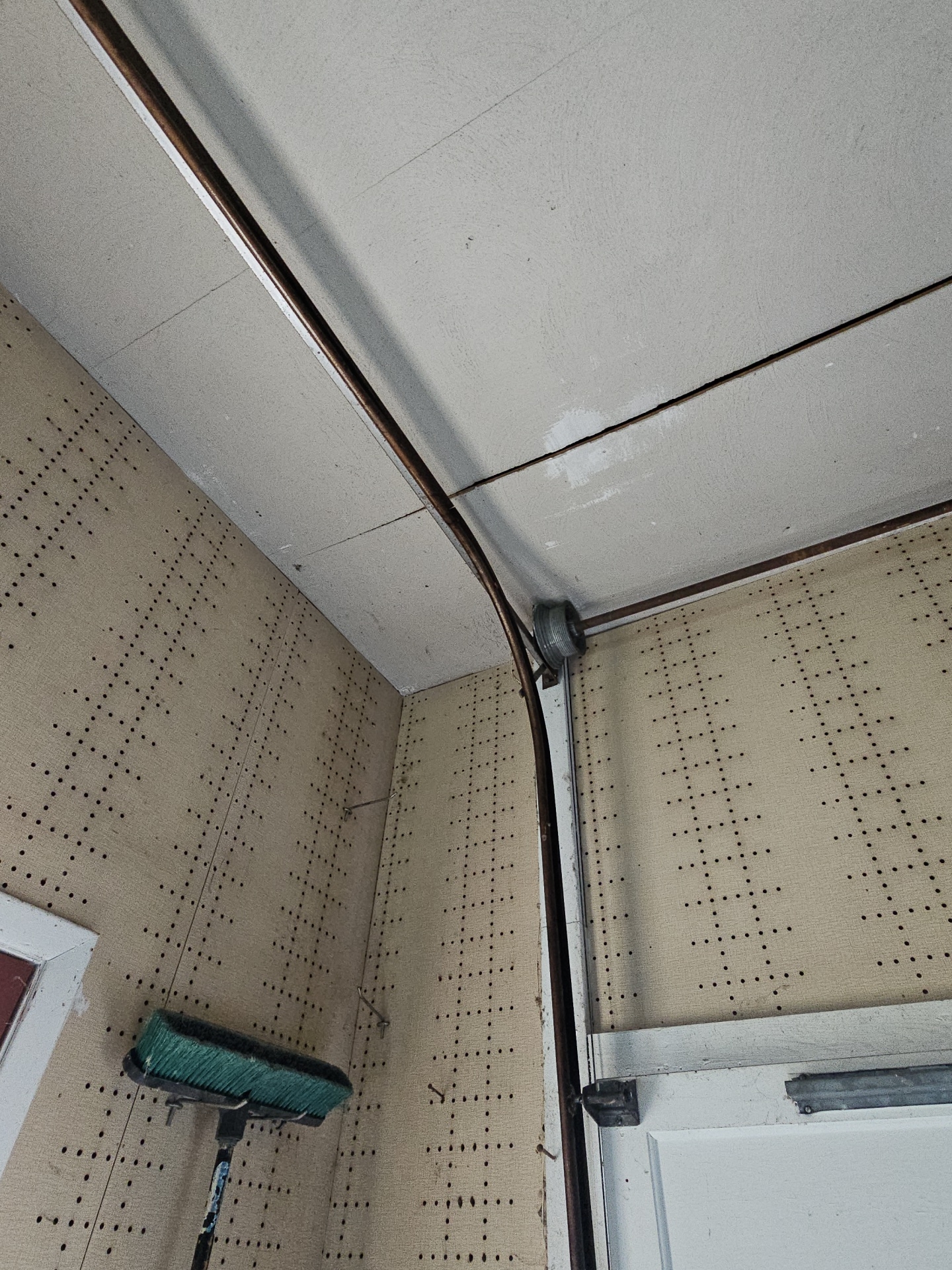
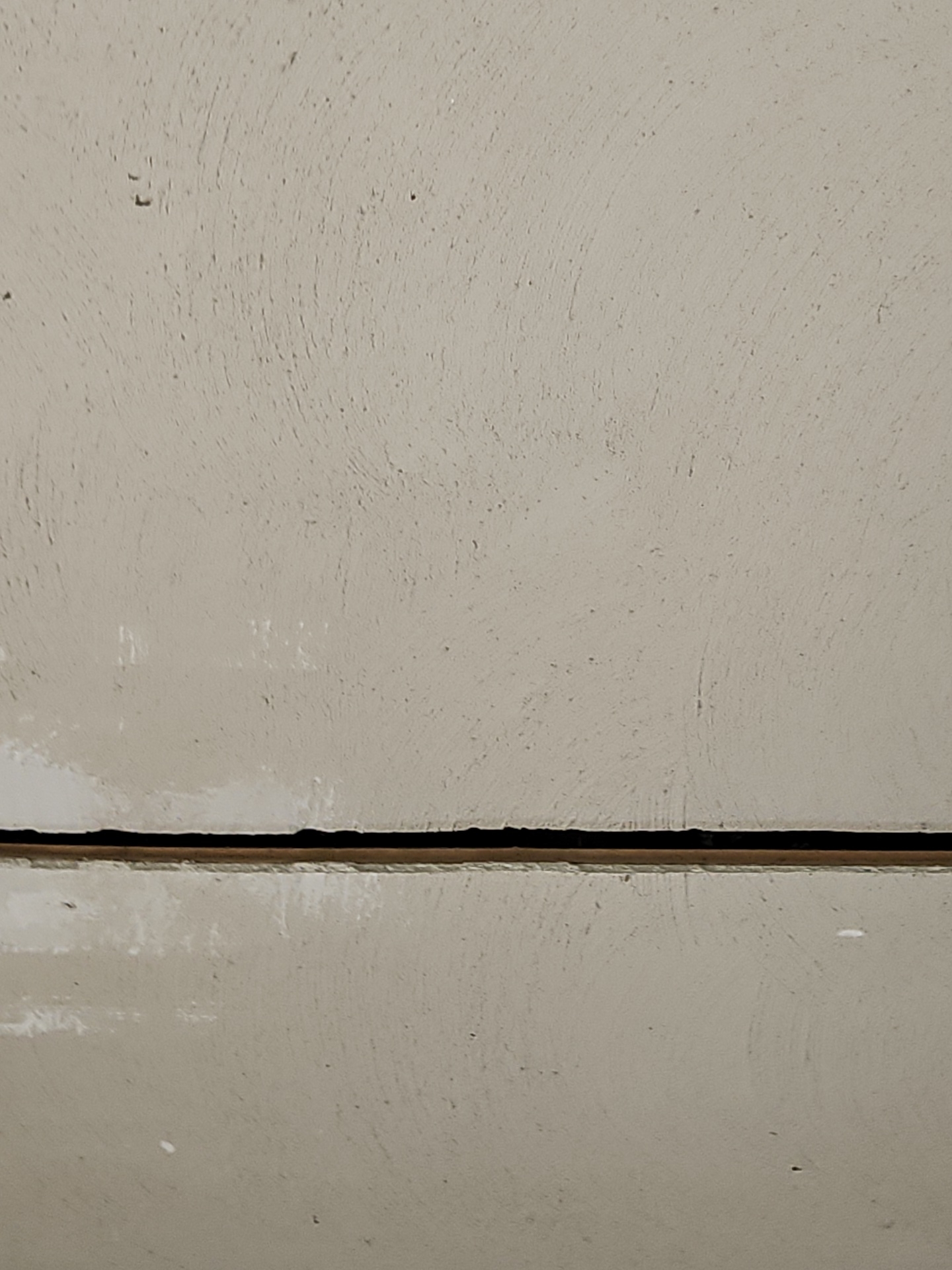
An unprotected opening was found in the garage ceiling finishes. This should be repaired to complete the fire separation between the garage and attic.
 |  |
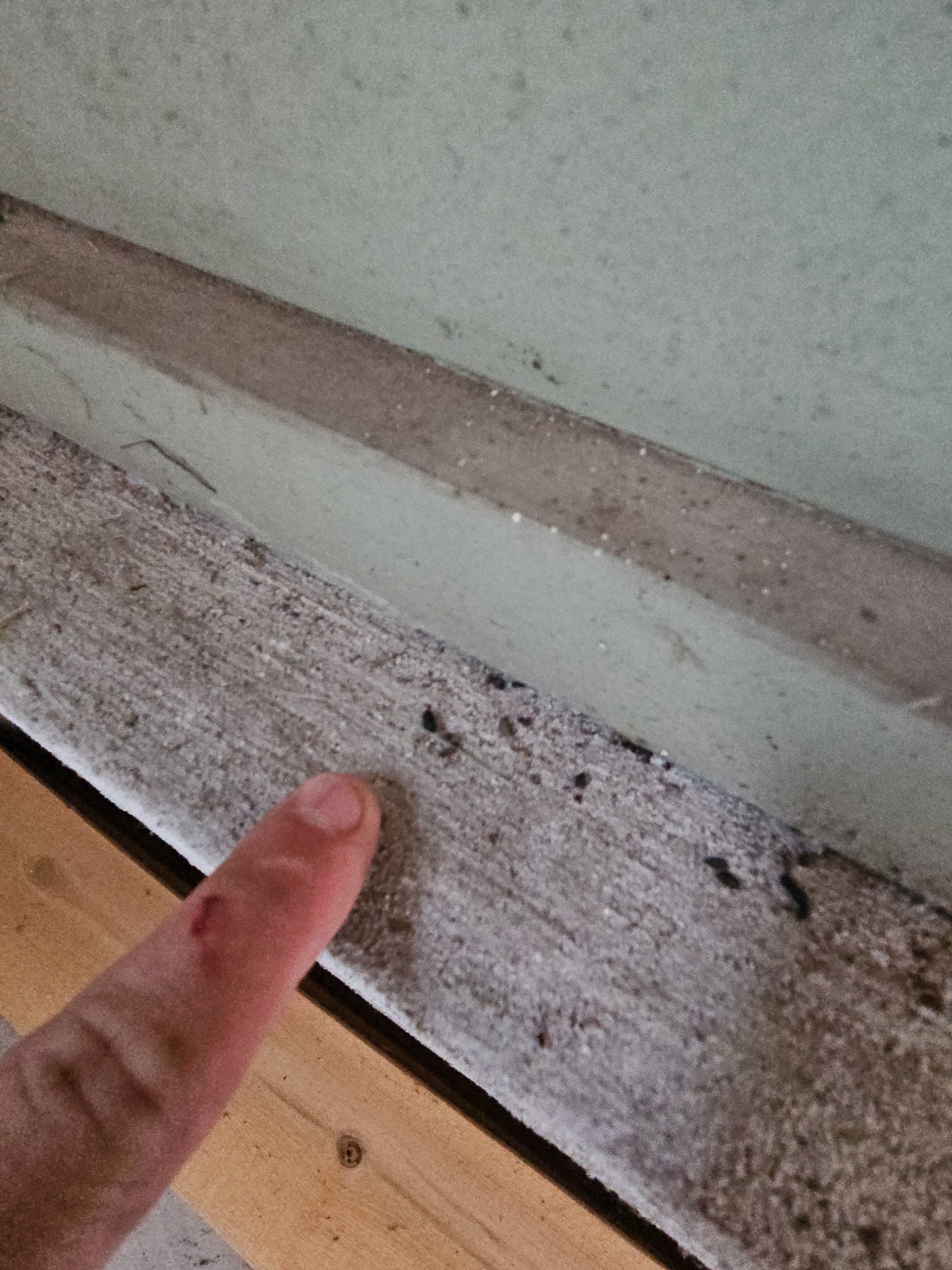
Evidence of rodent entry was noted in the garage. All openings into the garage should be sealed to prevent rodent entry. All feces and contamination should be cleaned and a trapping program implemented to monitor sealing progress.
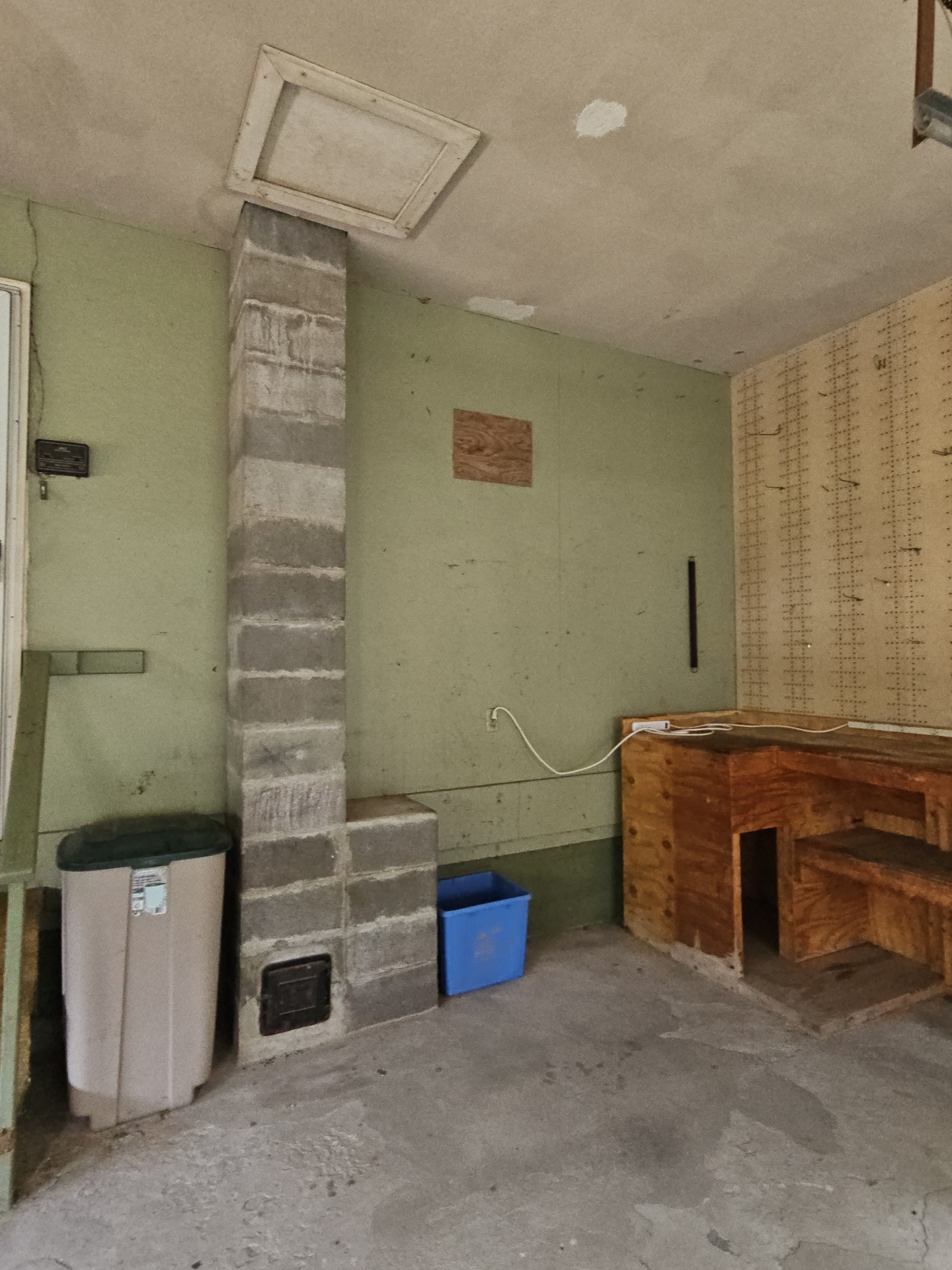
The attic access in the garage is not fire rated since it is just a wood panel. This can be tricky to repair without replacing the hatch with a fire rated one, which I recommend. You can try sheet rocking panel. You can also try making a fire rated sheetrock separation between the garage and the house inside the attic above the garage, but this too can be complicated. Hire a qualified contractor to further evaluate and repair.
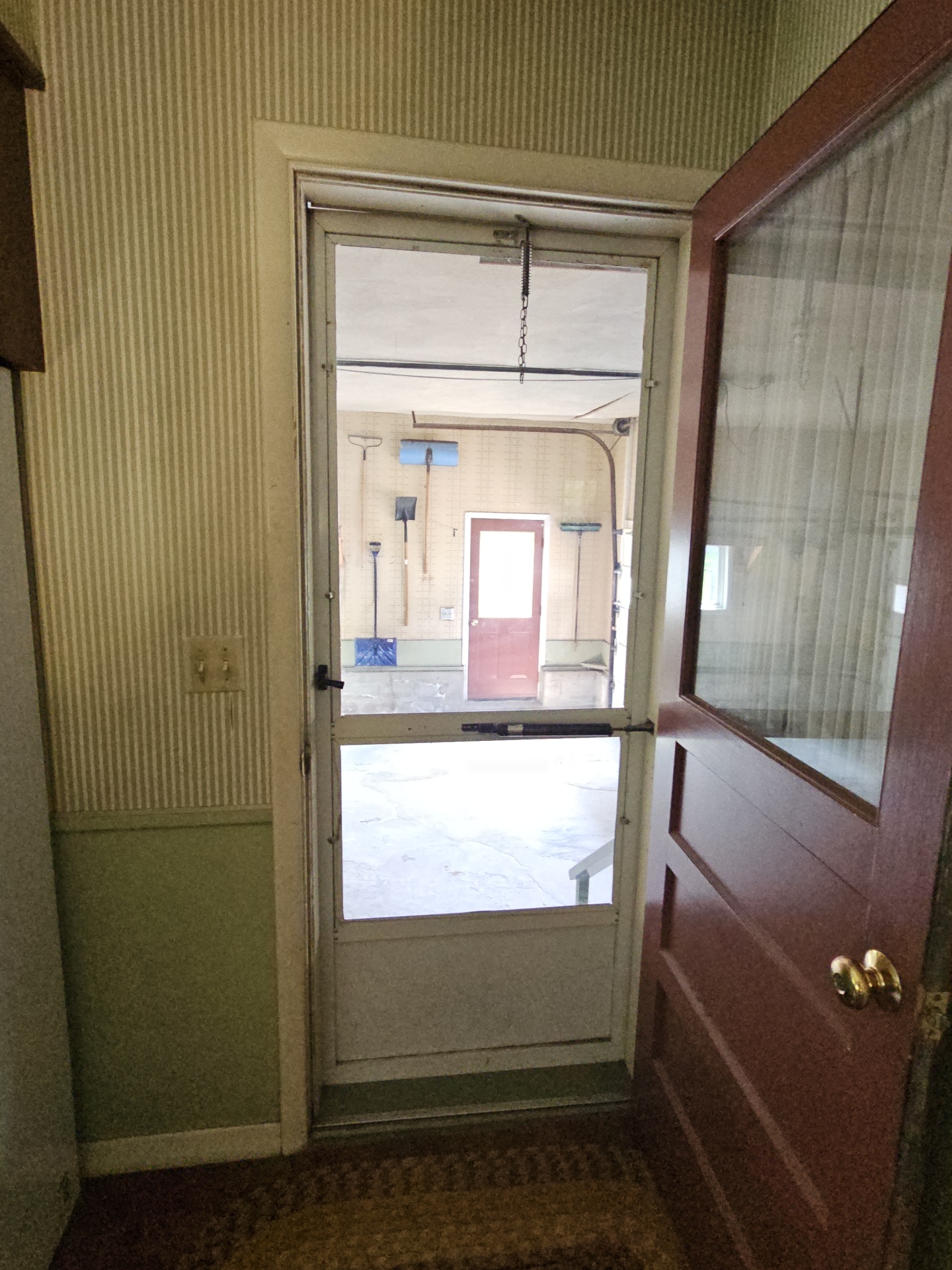
The garage-house door poses a fire risk because it's not fire-rated and not of solid-core construction. The garage-house door isn't auto-closing. Replace this door with a fire-rated door. Install hinges with springs or an automatic door closing device so the door closes automatically to prevent vehicle fumes from entering the building.
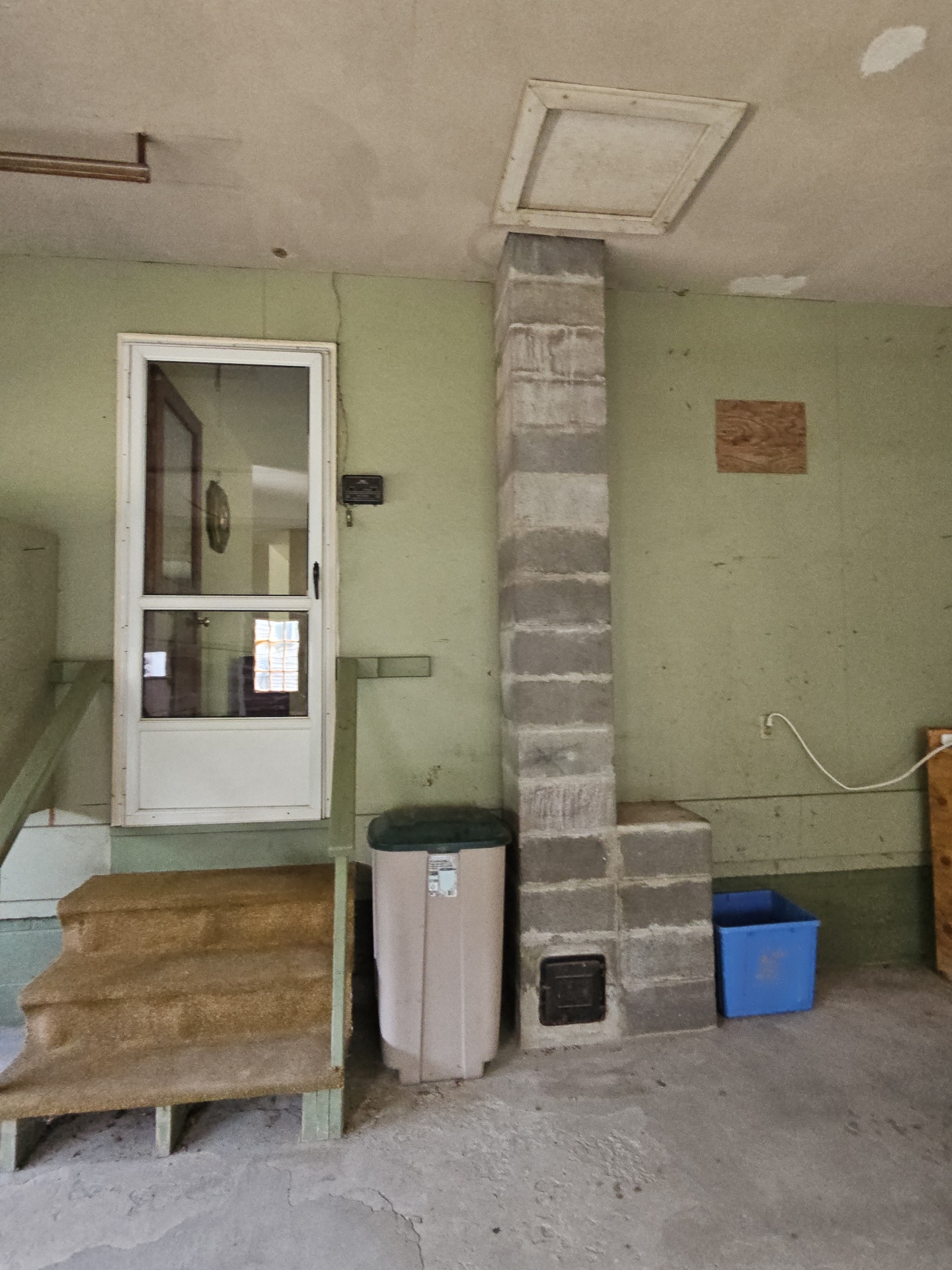
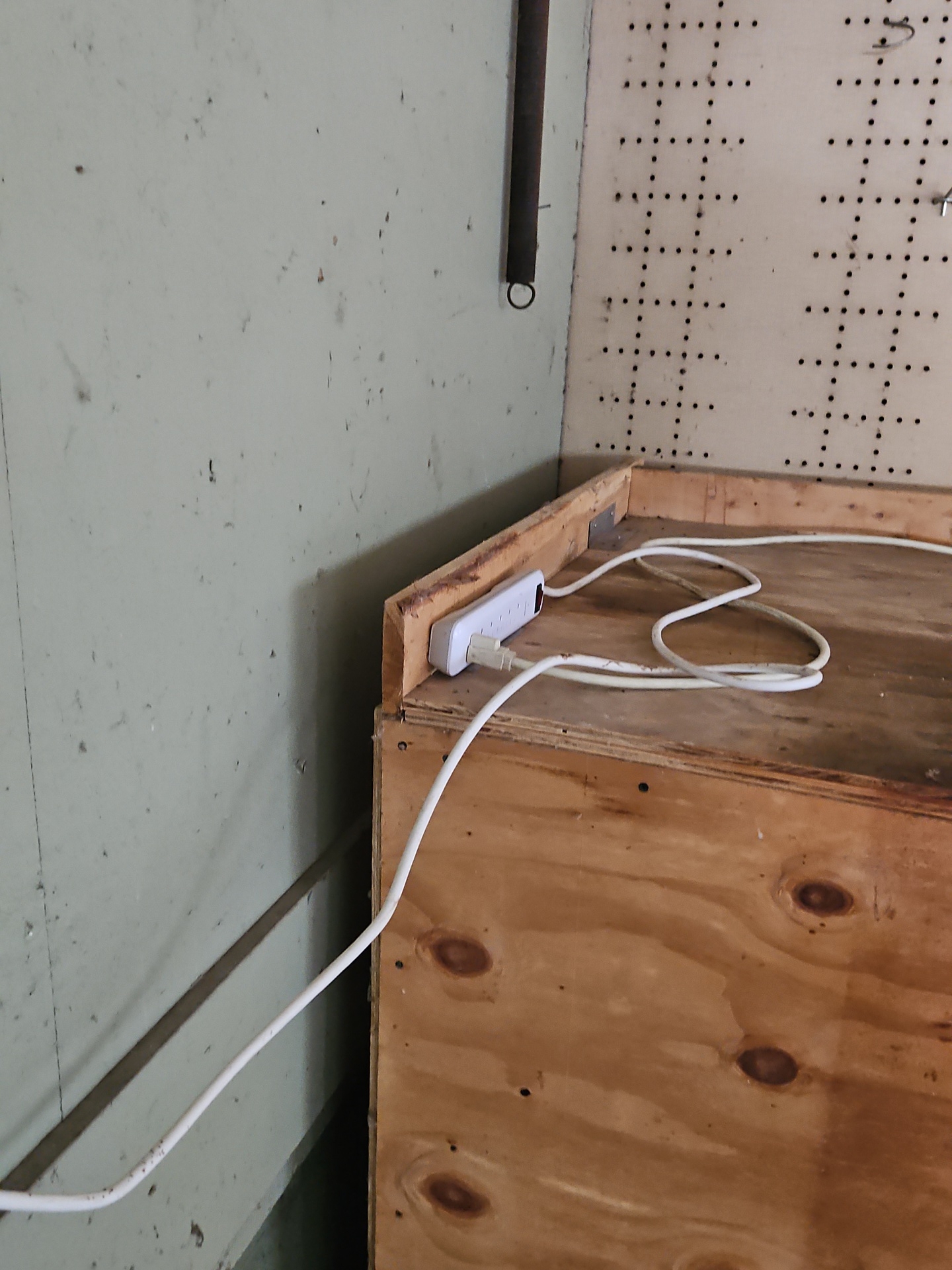
One or more garage electric receptacles have no ground fault circuit interrupter (GFCI) protection. This is a safety hazard due to the risk of shock. A qualified electrician should evaluate and make repairs so that all garage receptacles have GFCI protection. For example, install GFCI receptacles or circuit breaker(s) as needed.
 |  |
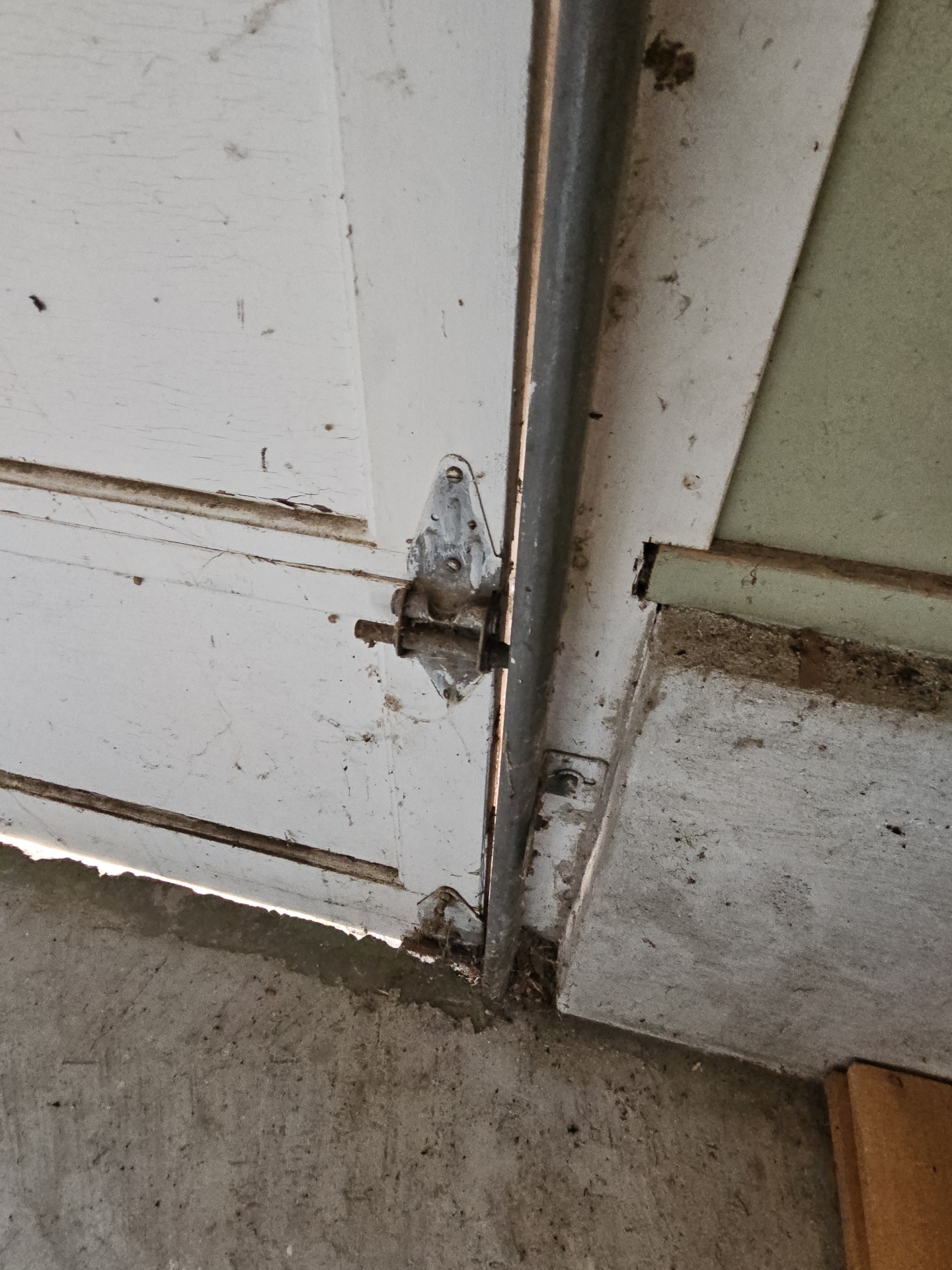
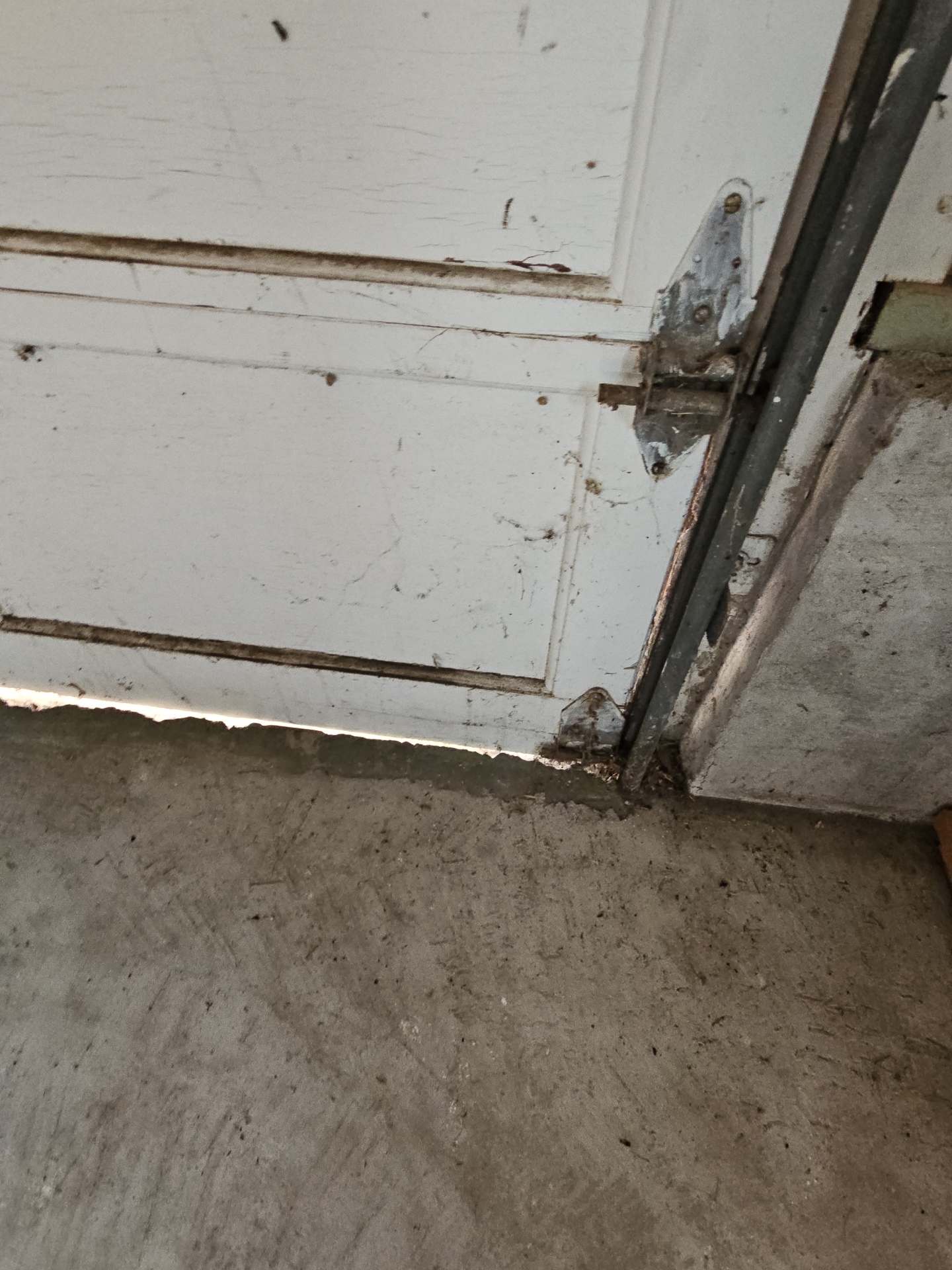
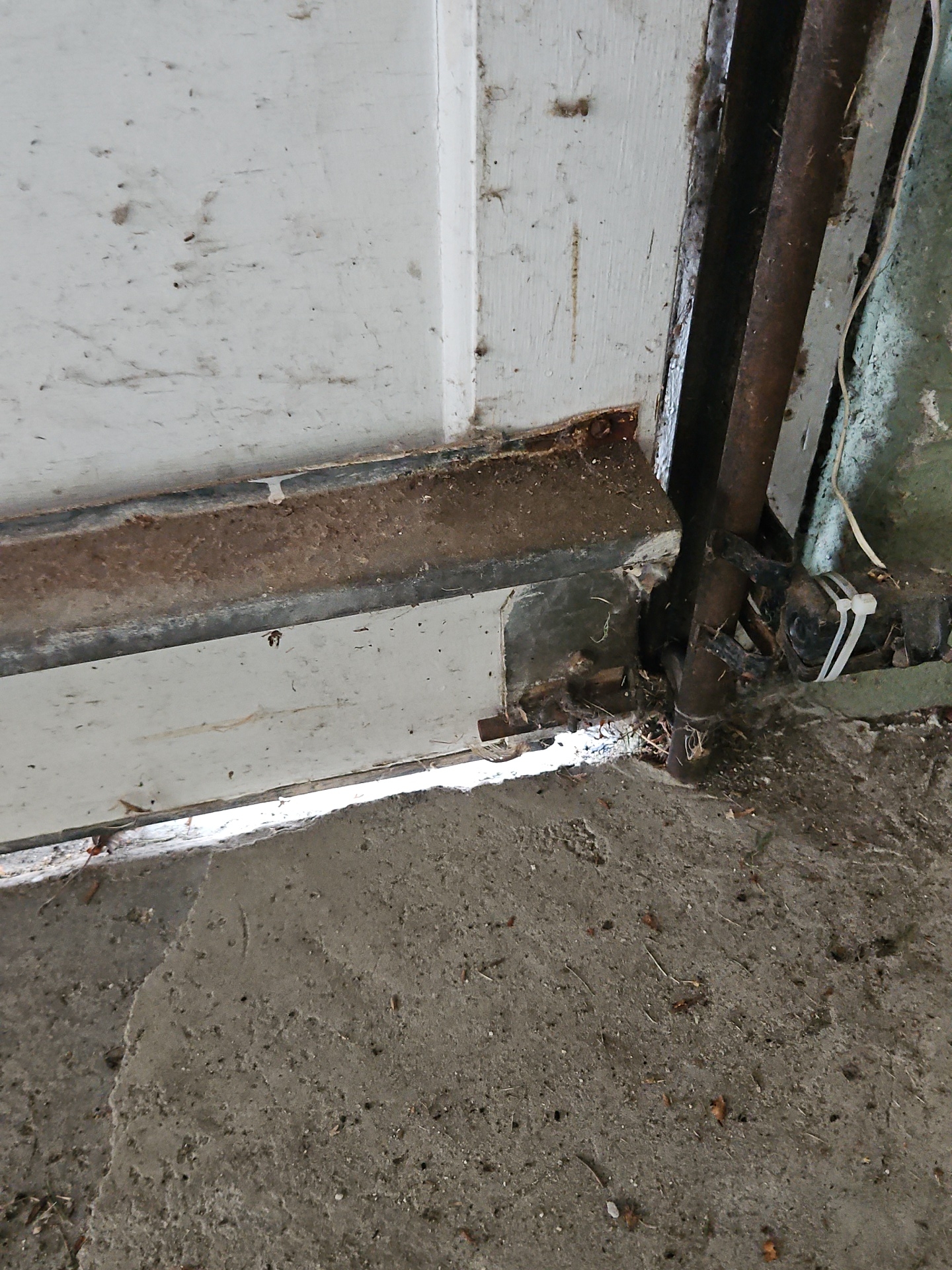
The rear overhead garage door needs a new sealing gasket at the bottom. Mice and other small animals and insects can enter. Pooling water and wind blown snow may be able to enter.
 |  | 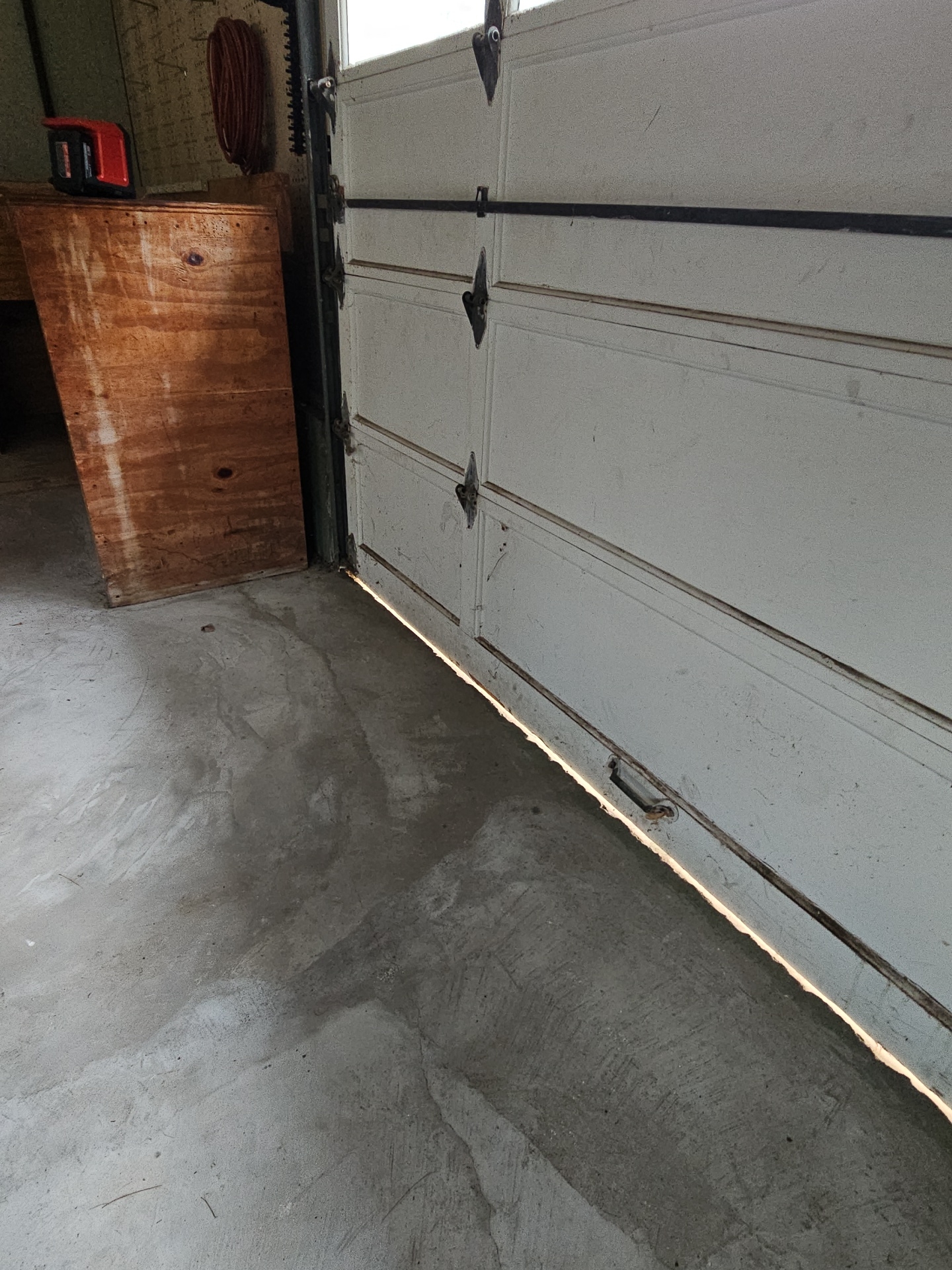 |
The front overhead garage door needs a new sealing gasket at the bottom. Mice and other small animals and insects can enter. Pooling water and wind blown snow may be able to enter.
 |  |
The front automatic overhead garage door sensor worked at 6, 4, and 2 feet with smooth operation. There is no automatic operation to the rear overhead garage door and its locking mechanism worked.
Garage Floor
Garage Slab: Concrete, Water Stains Noted
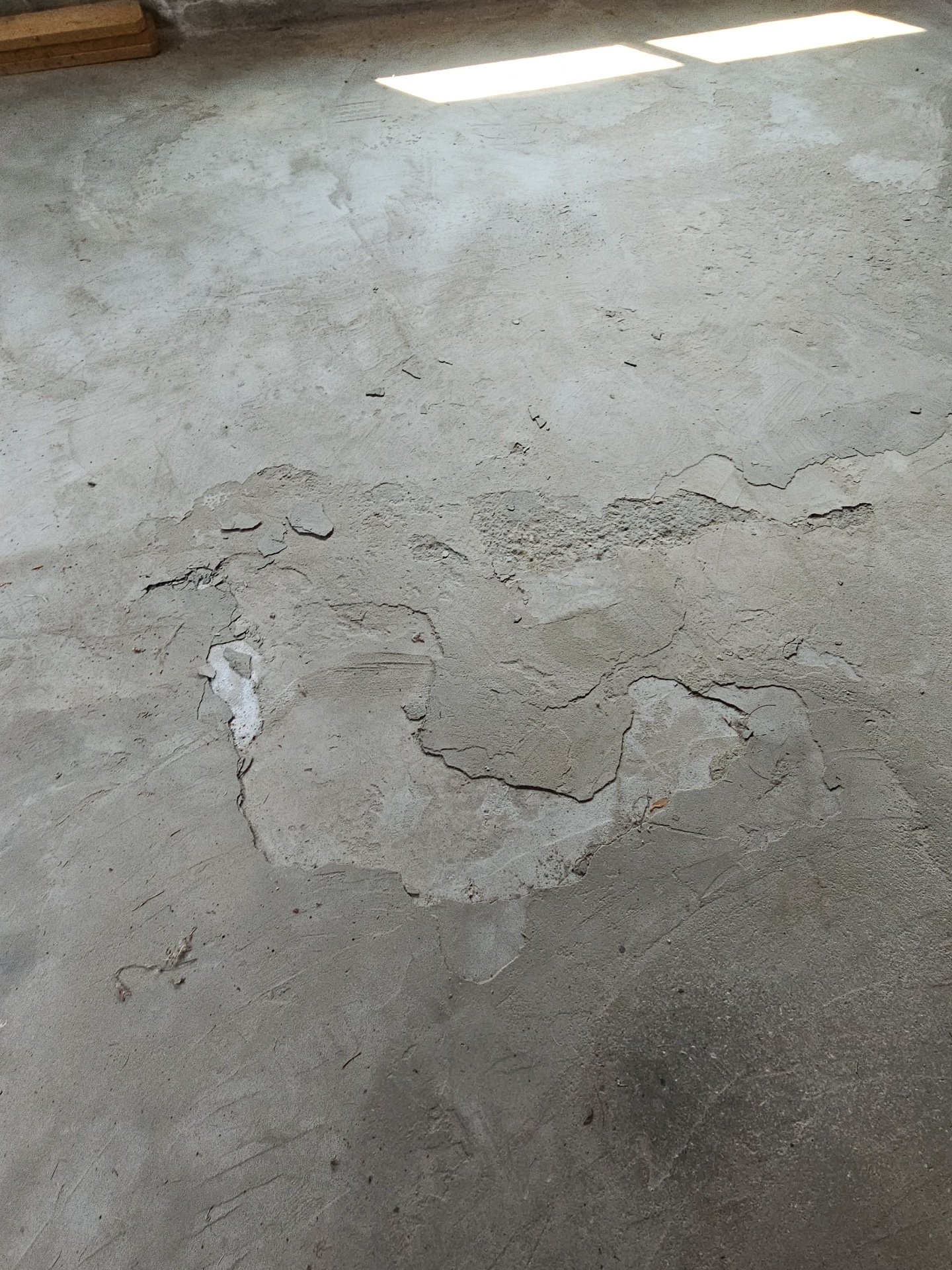
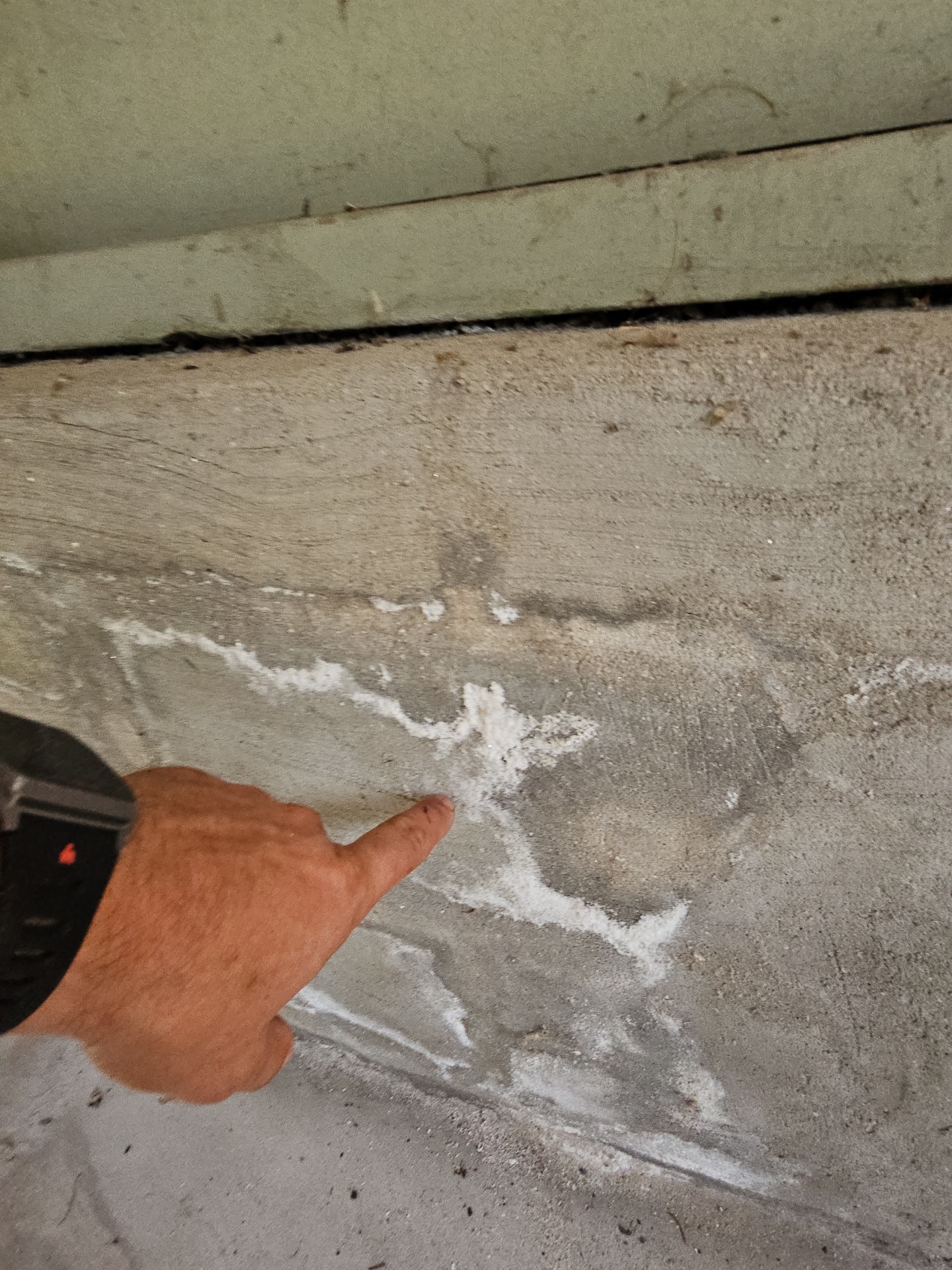
The concrete garage slab has no drain, a staining pattern, and deterioration possibly due to dripping of water from vehicles and/or seasonal moisture/dampness. The concrete masonry units along the south wall have visible efflorescence that indicates seasonal moisture/dampness. Consult with a qualified general contractor about options for water proofing the garage slab/south wall and even adding ventilation as recommended.
 |  |
Interior
General Interior
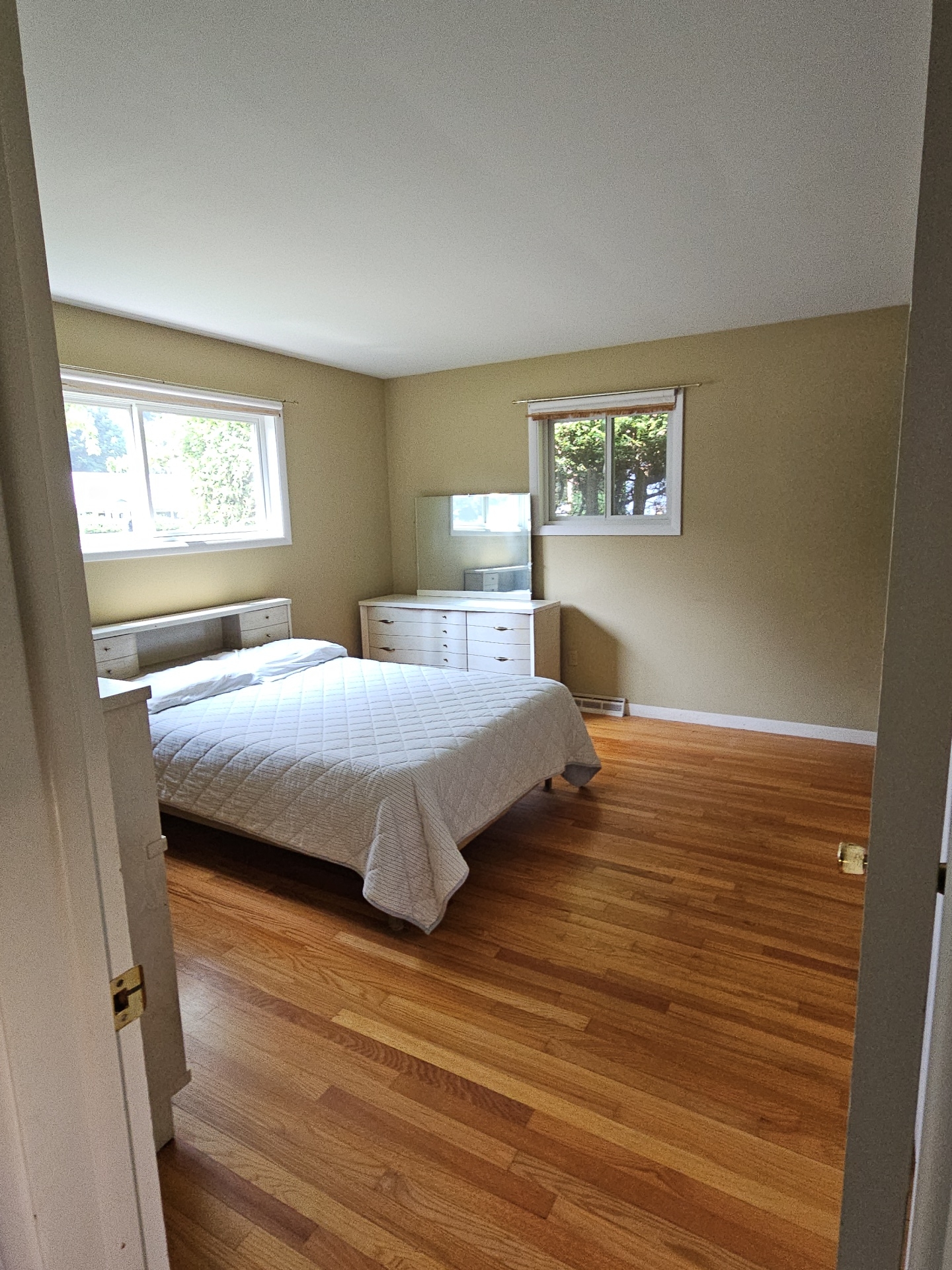
Smoke detectors and carbon monoxide detectors are missing or one or more smoke detectors or carbon monoxide testers appear inoperable or in need of repair. Install detectors as necessary so a functioning smoke detector exists in each hallway and bedroom, and so a functioning carbon monoxide detector exists on each level. For more information on smoke detectors visit https://www.cpsc.gov/Safety-Education/Safety-Education-Centers/Carbon-Monoxide-Information-Center/CO-Alarms
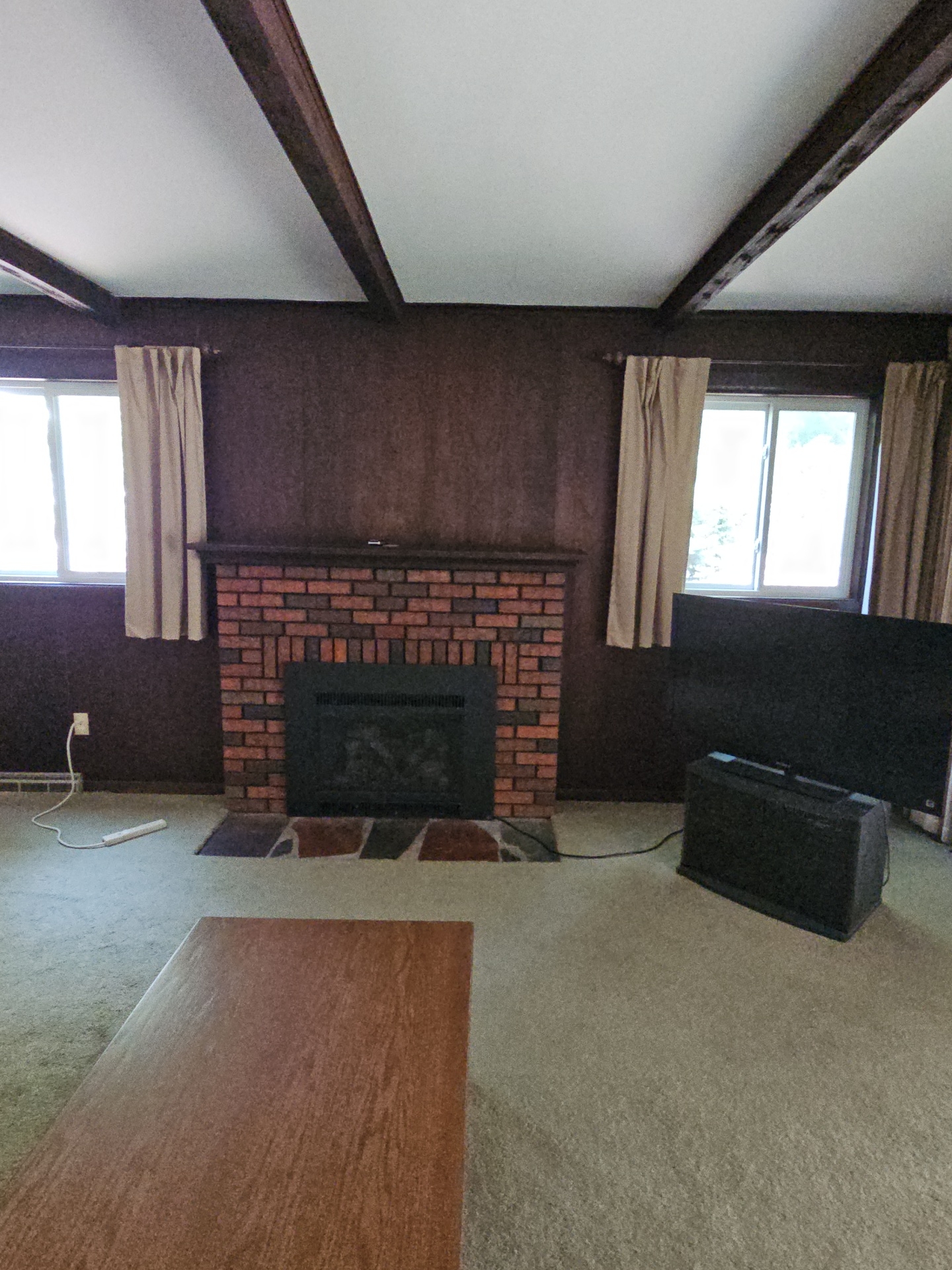
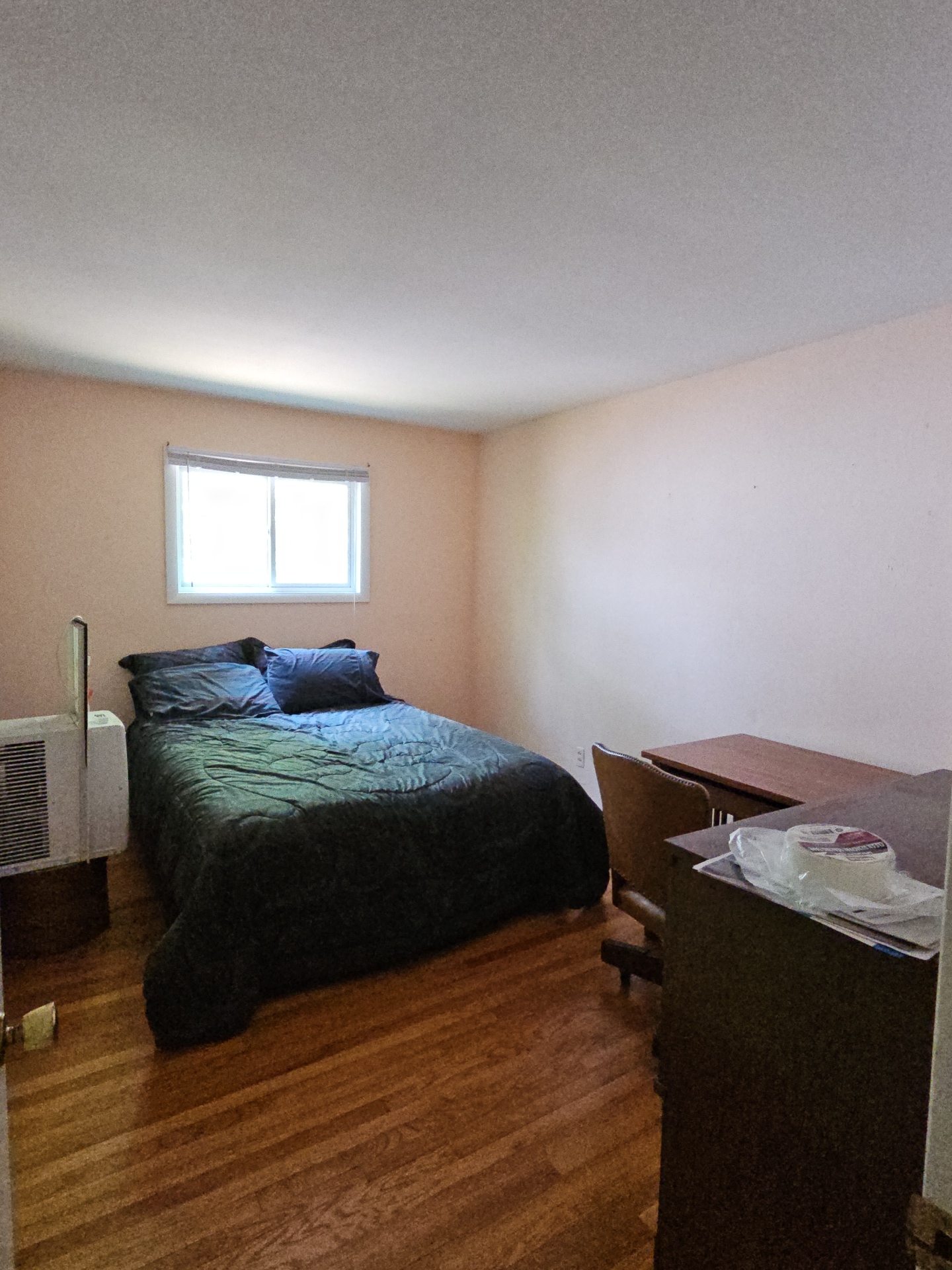
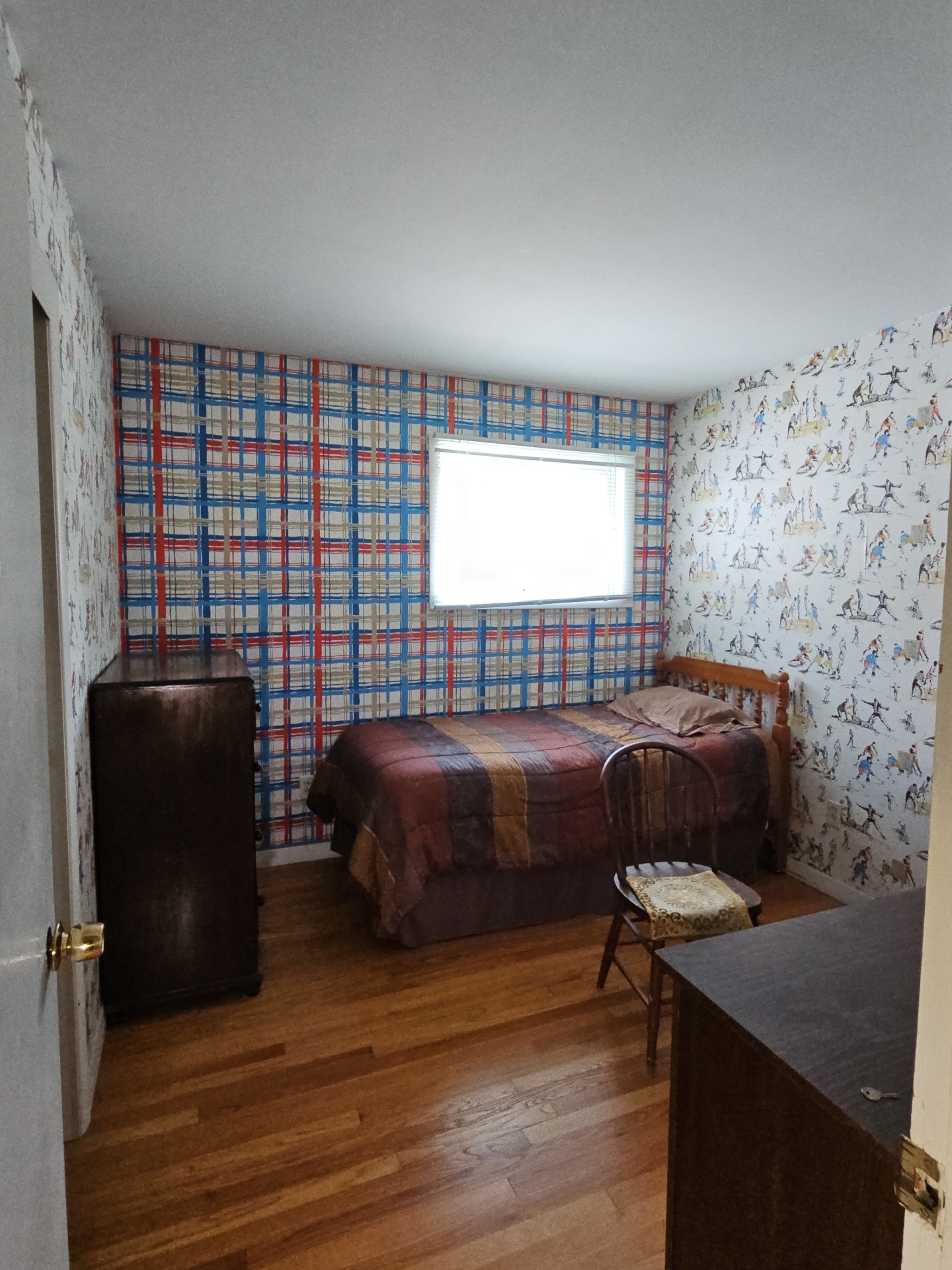
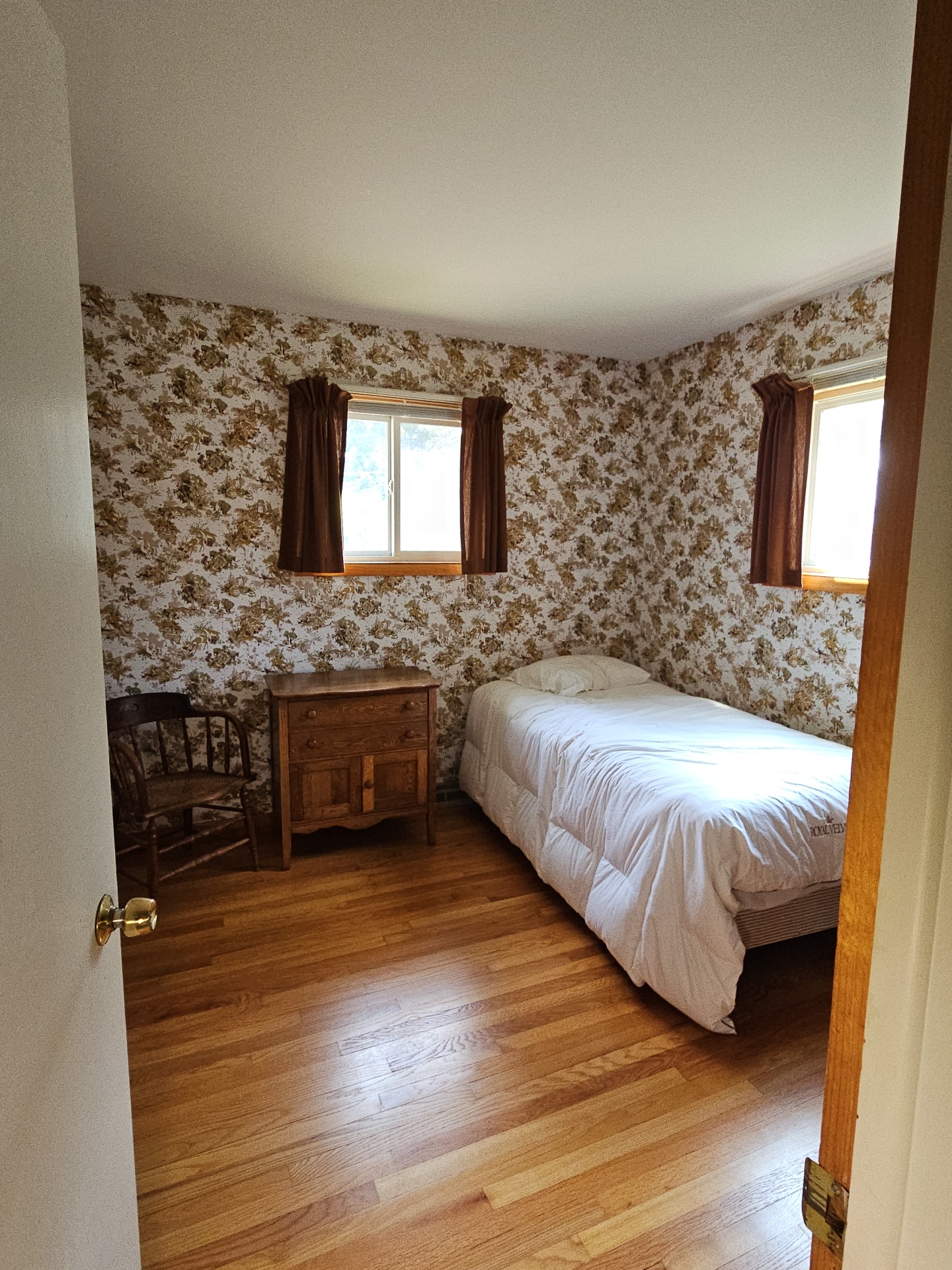
INTERIOR PHOTOS
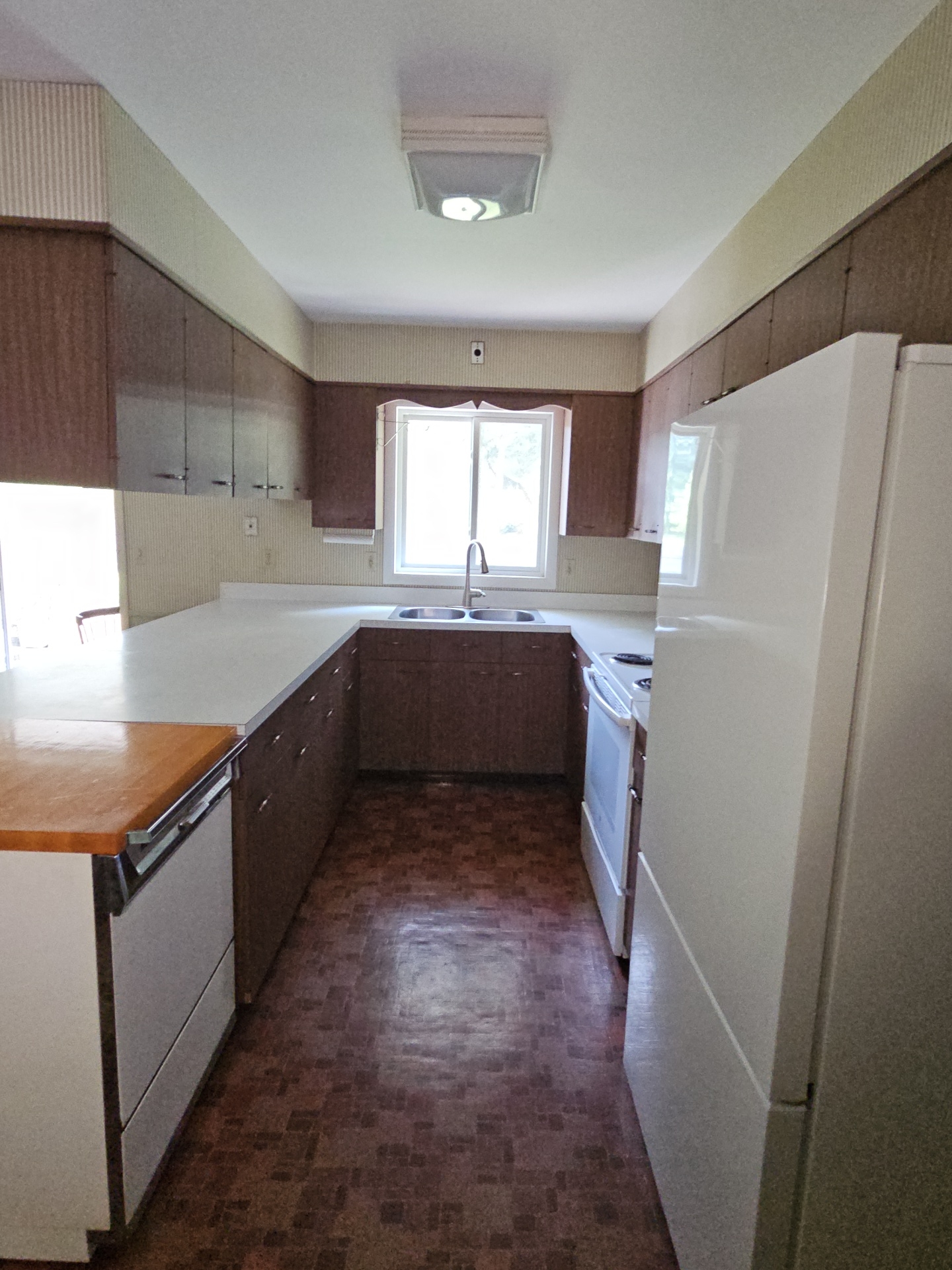 | 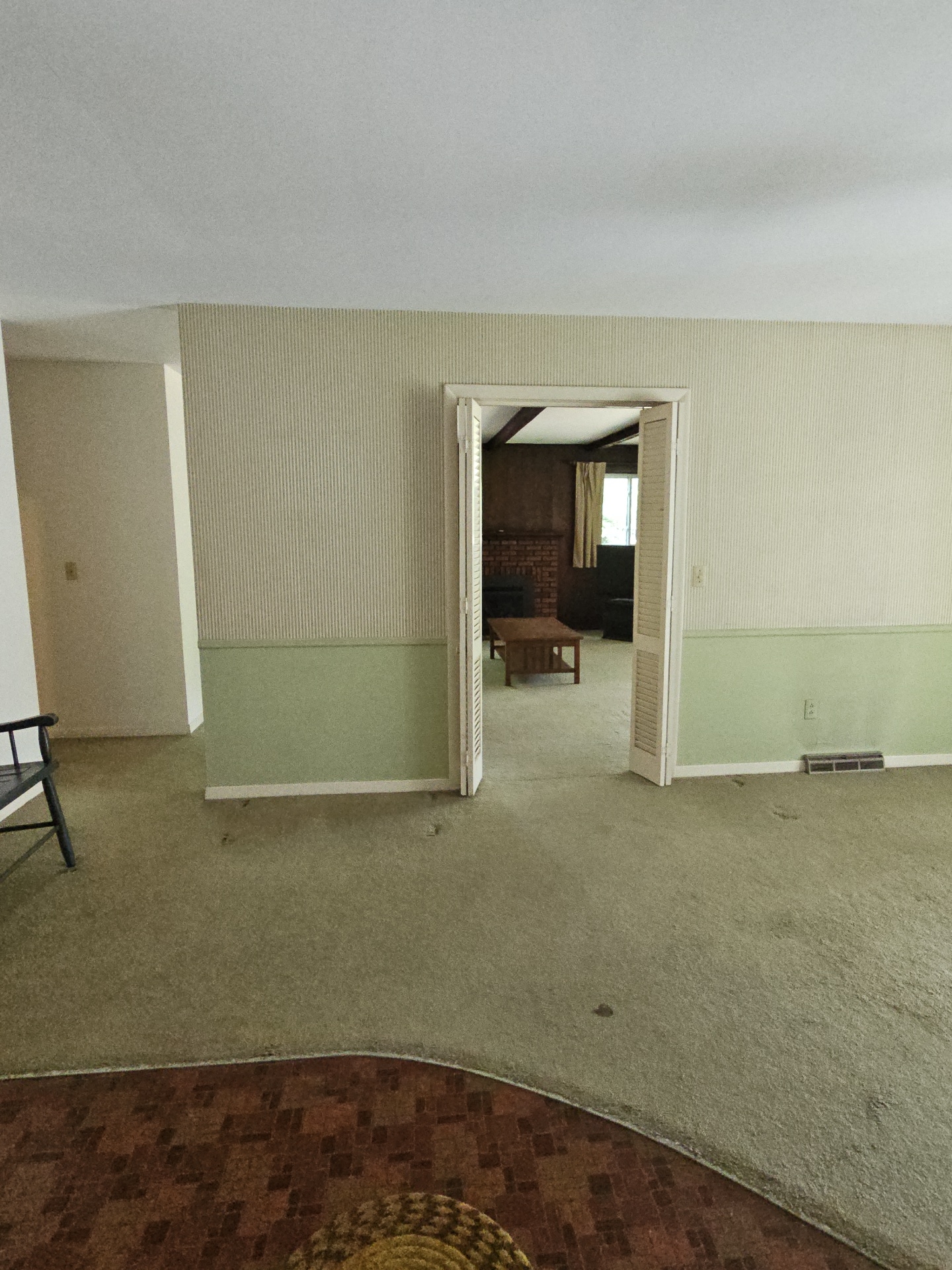 | 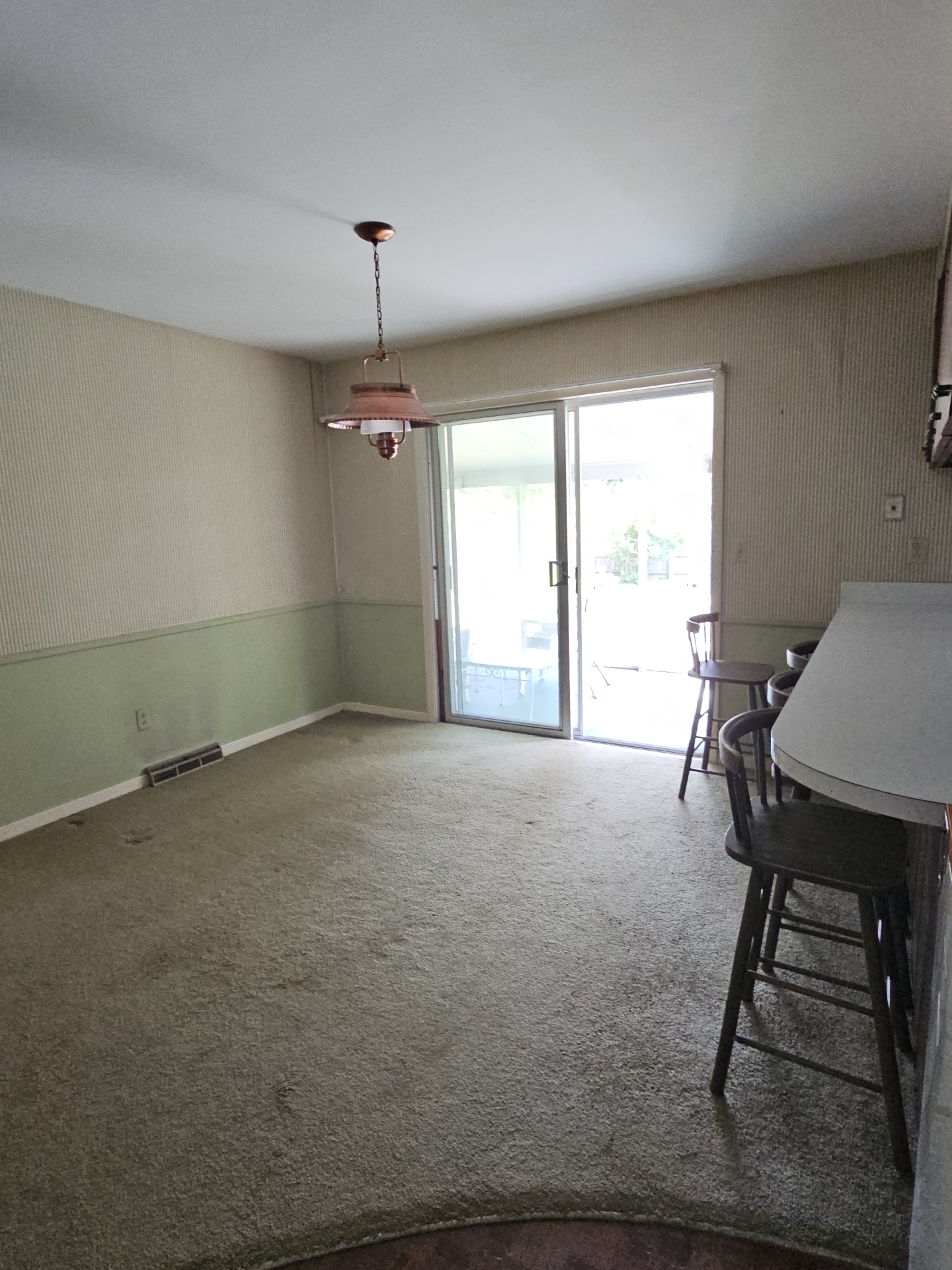 |
 |  |  |
 |  |  |
 |  |
Floors and Floor Materials
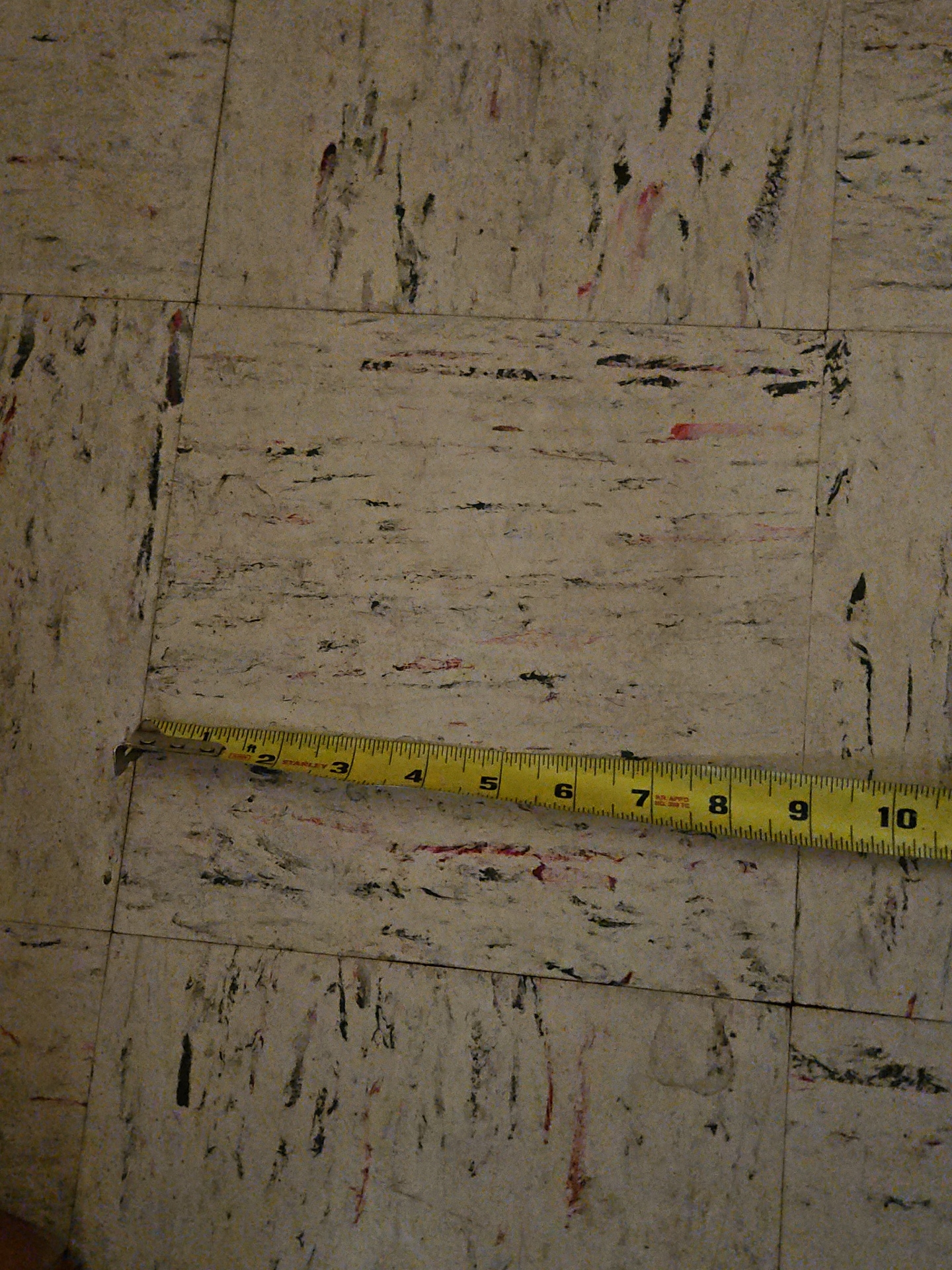
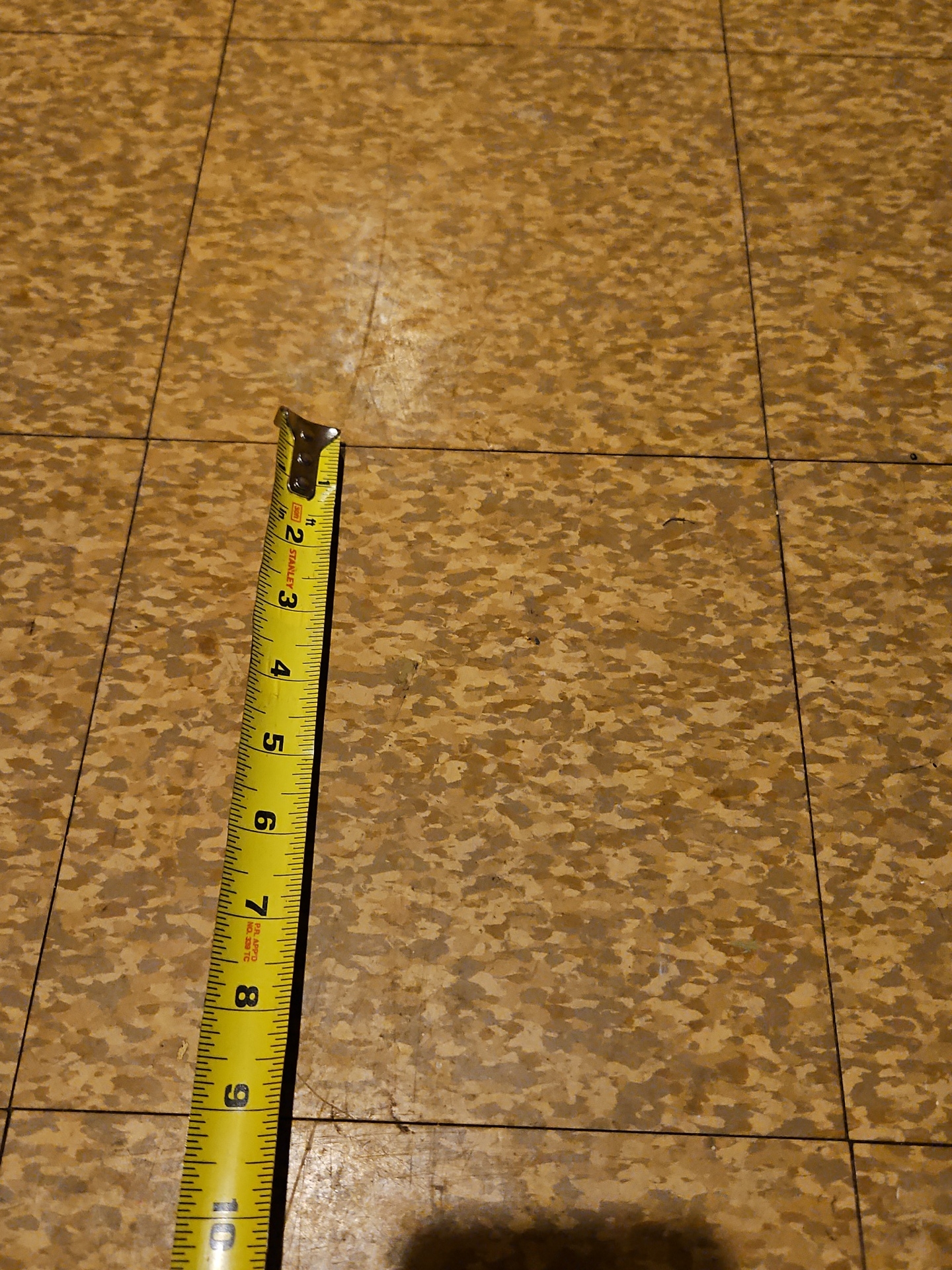
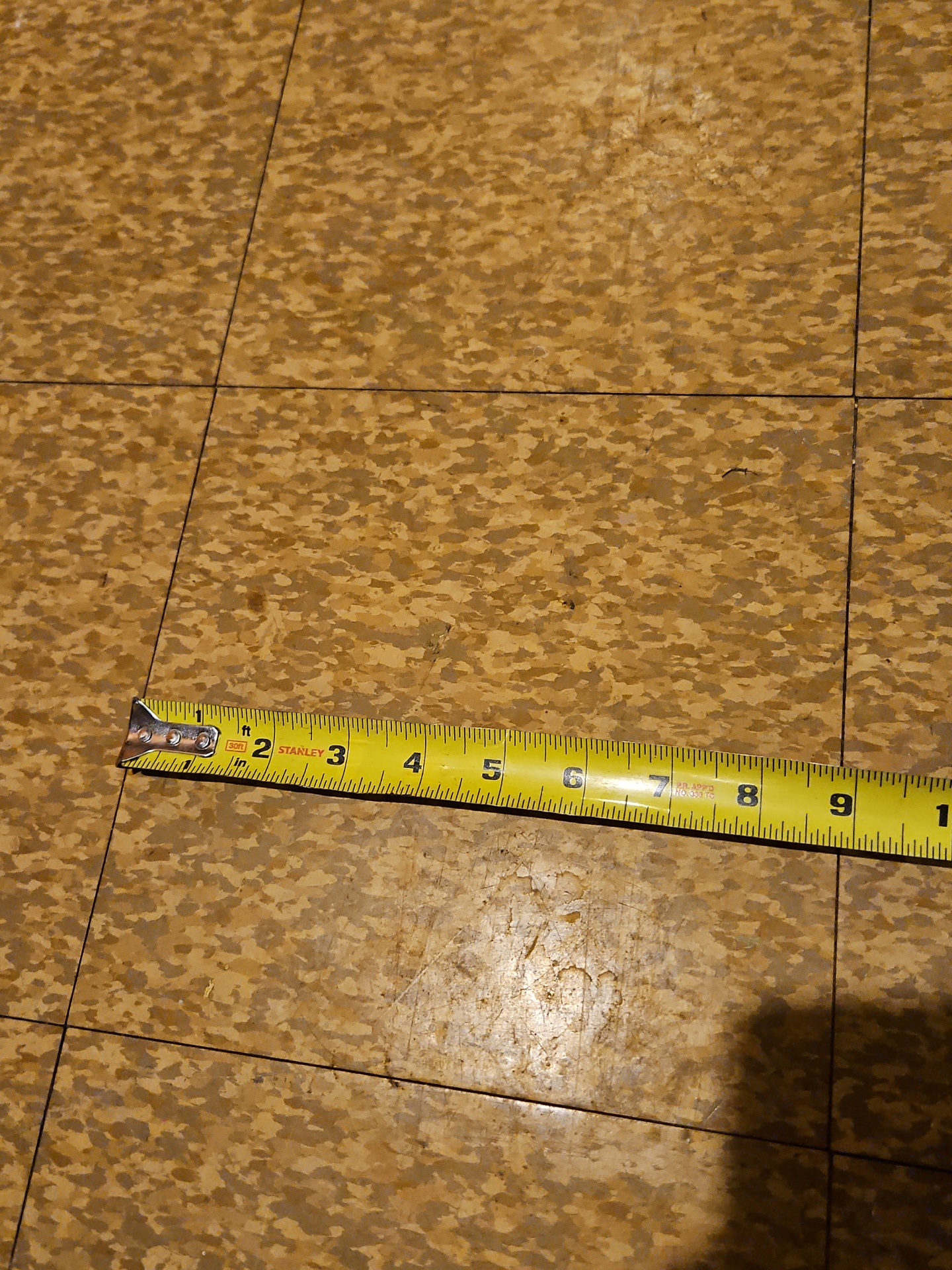
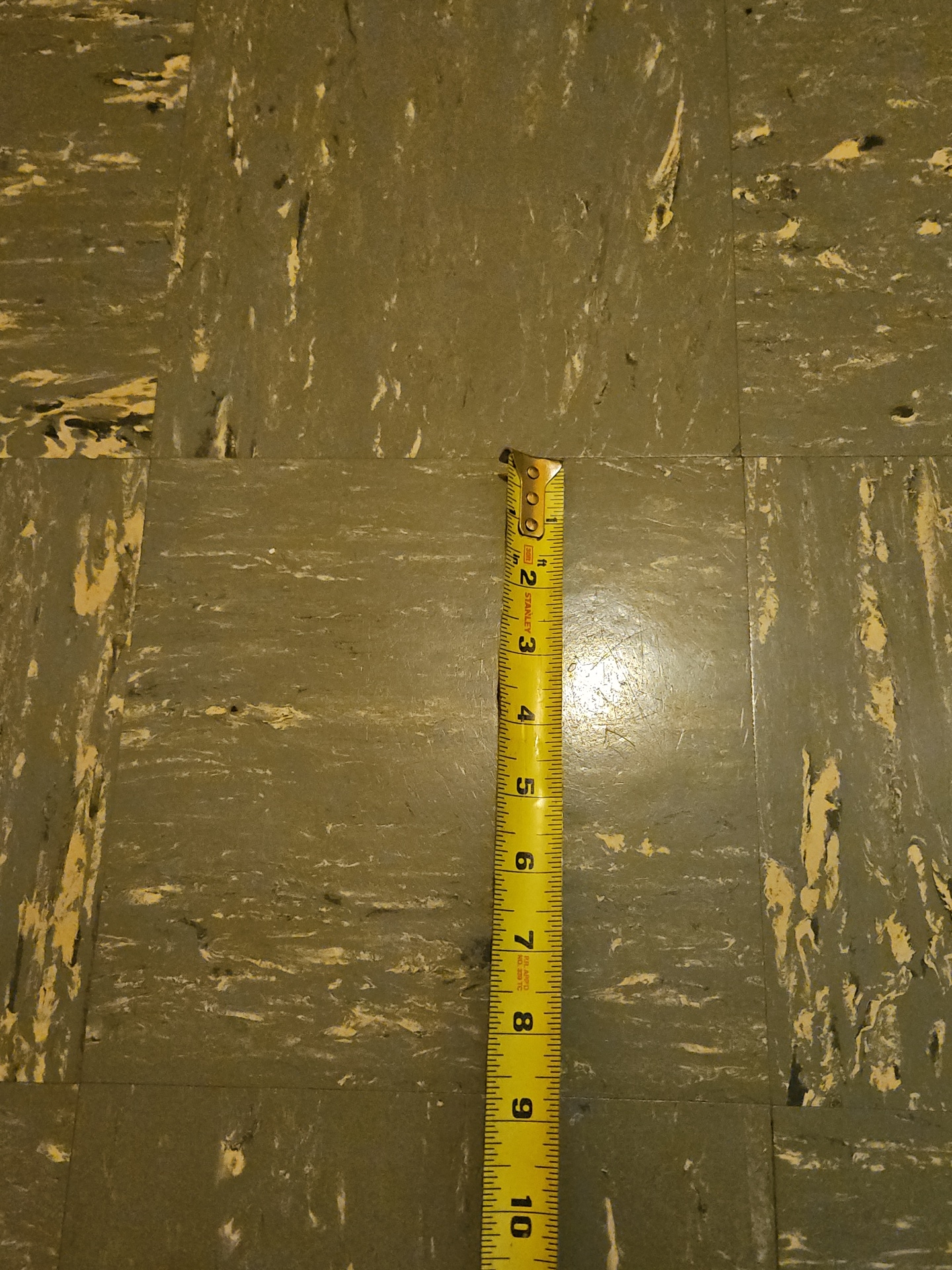
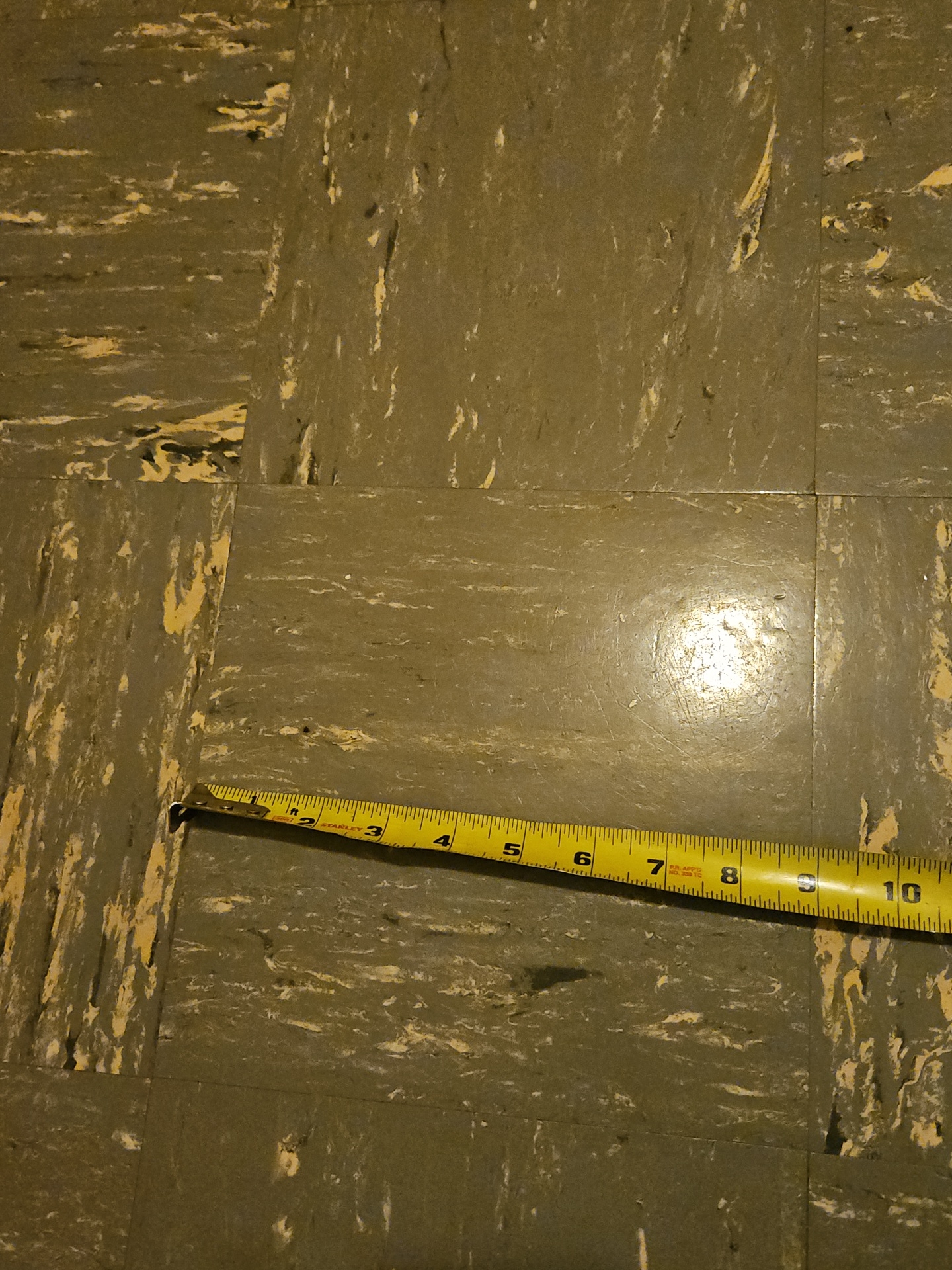
Floor Materials: Carpet, Hardwood, Plastic laminate, Vinly asbestos tiles
Floor Settlement: None noted
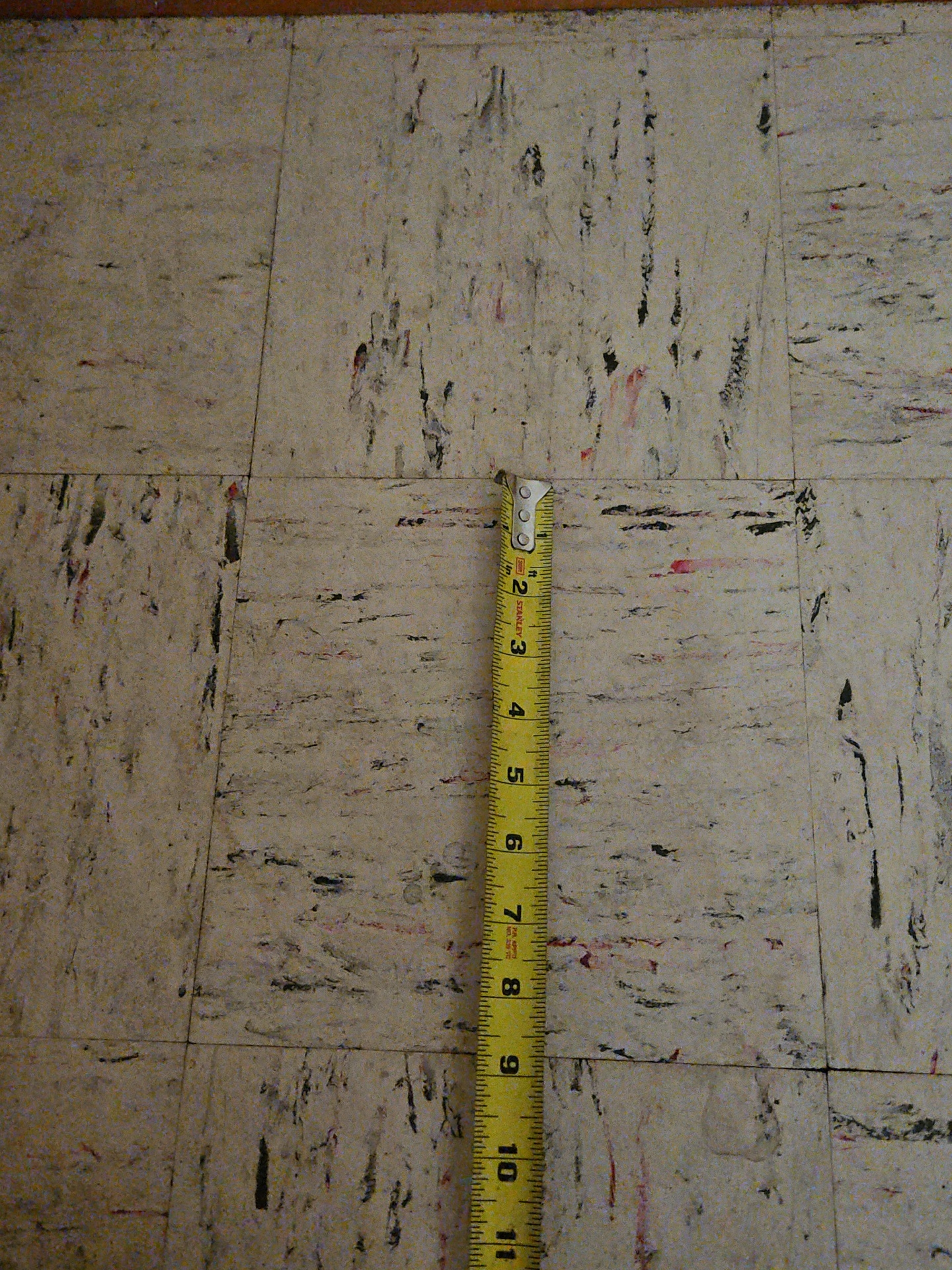
Floor tiles on the 1st floor, in the kitchen/dining area, laundry room, and in the basement, are of a size and shape that match those known to often be made of asbestos. Asbestos is a hazardous material that can release toxic dust into the air if disturbed, damaged, or mishandled. Have a qualified contractor certified in the abatement of asbestos remove the tiles.
 |  |  |
 |  |  |
Walls, Ceilings, Trim, Hallways and Closets
Wall and Ceiling Materials: Drywall, Ceiling tiles, Ceiling Tiles - Drop Ceiling
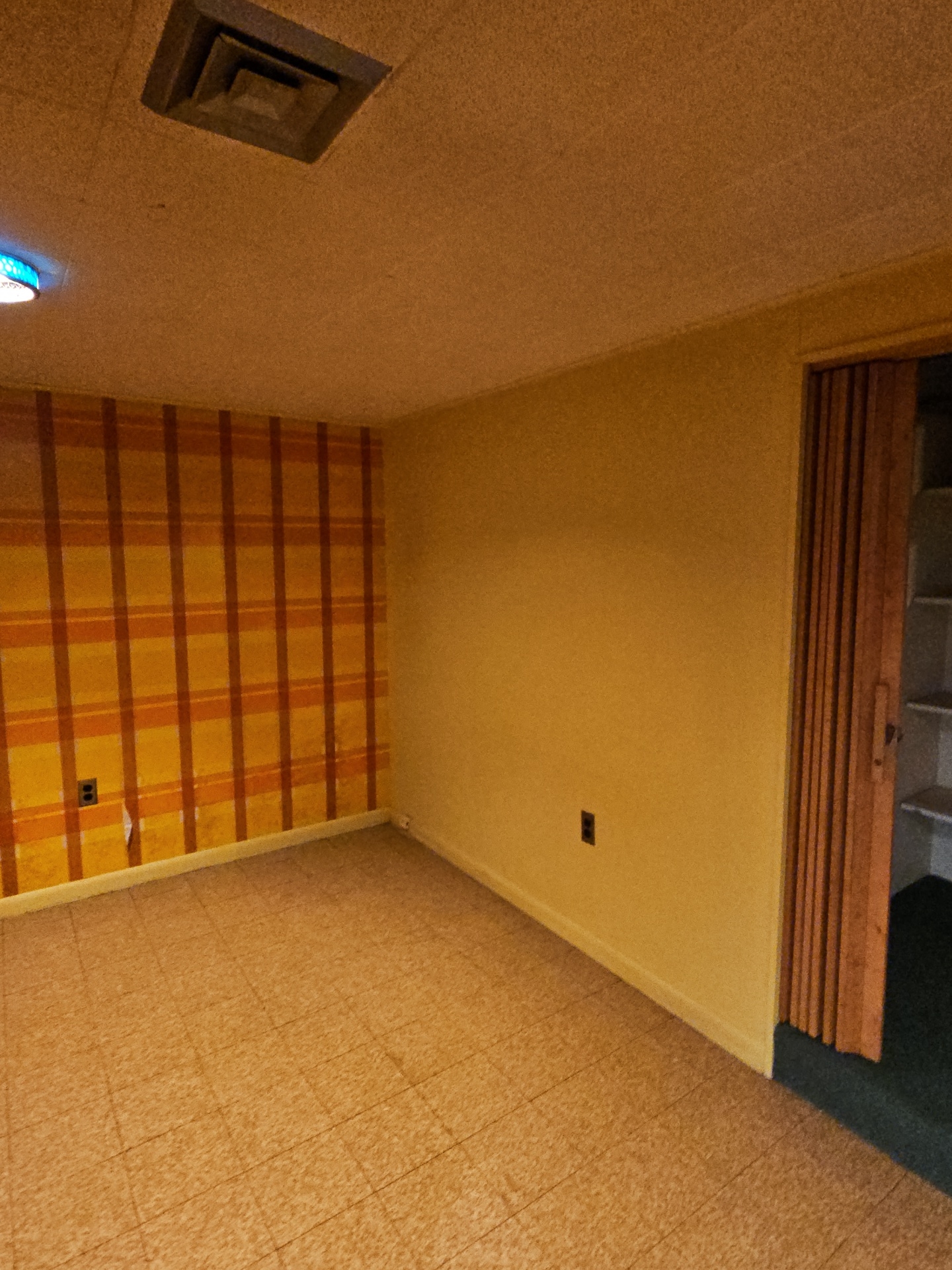
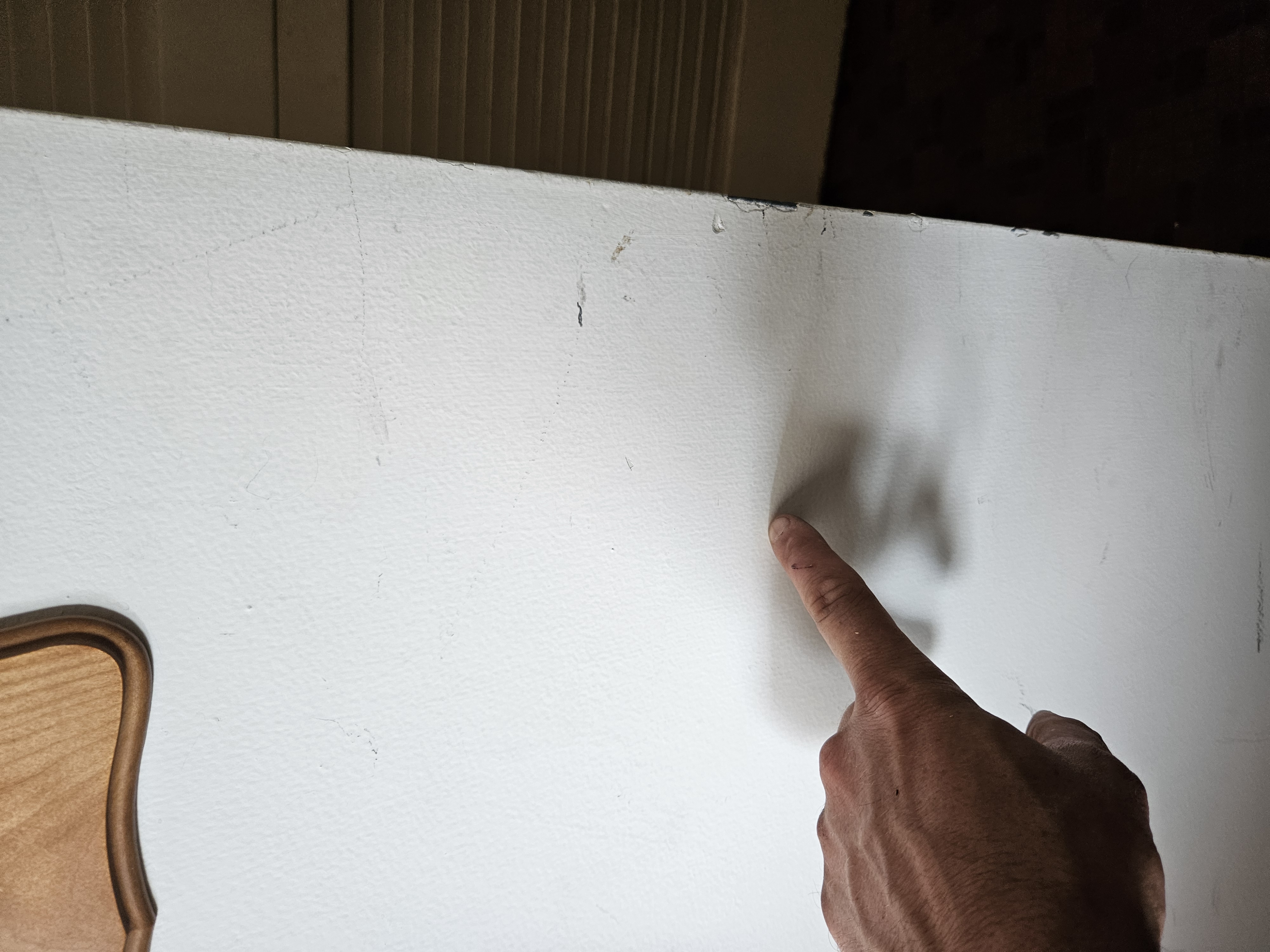
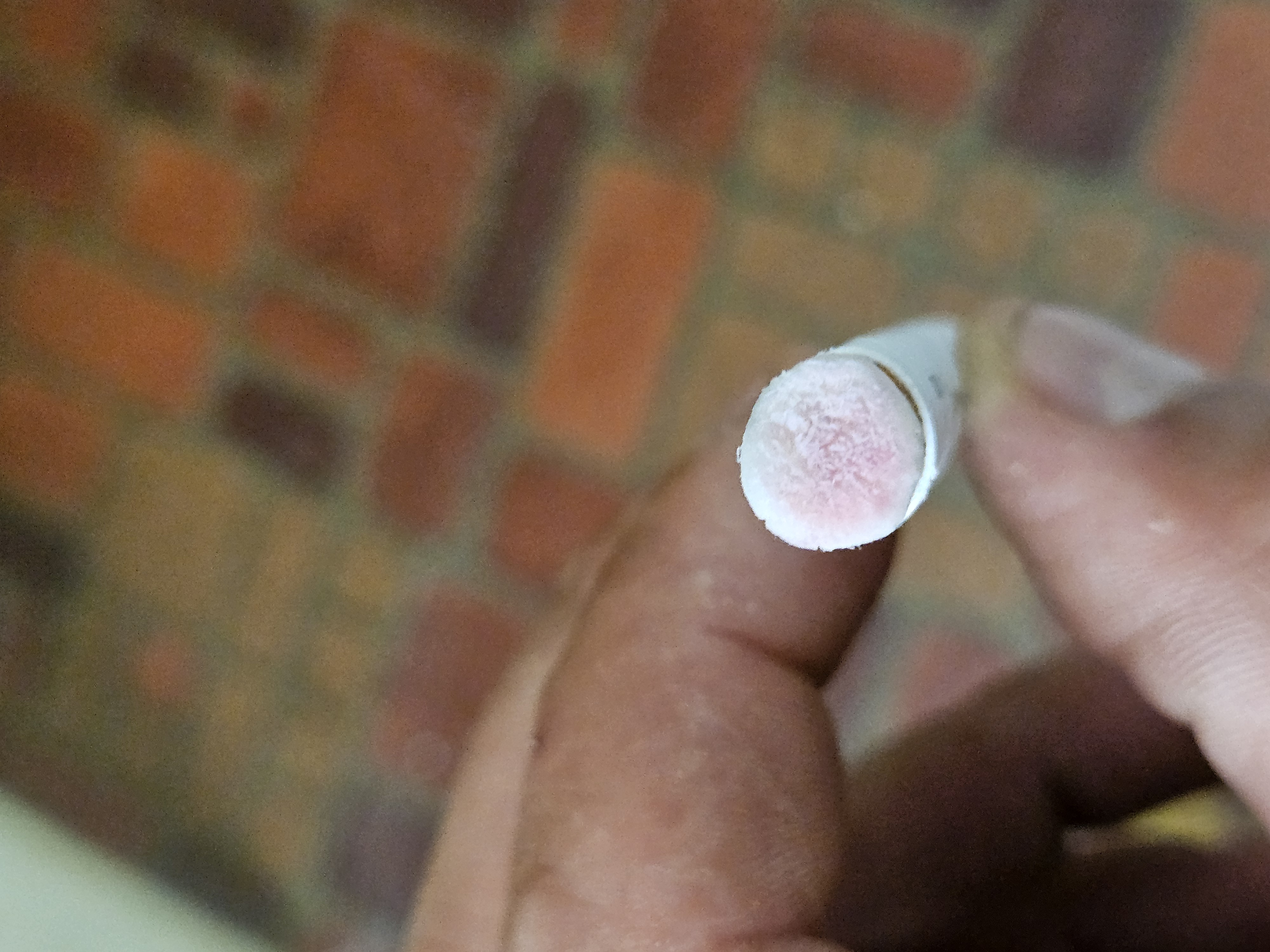
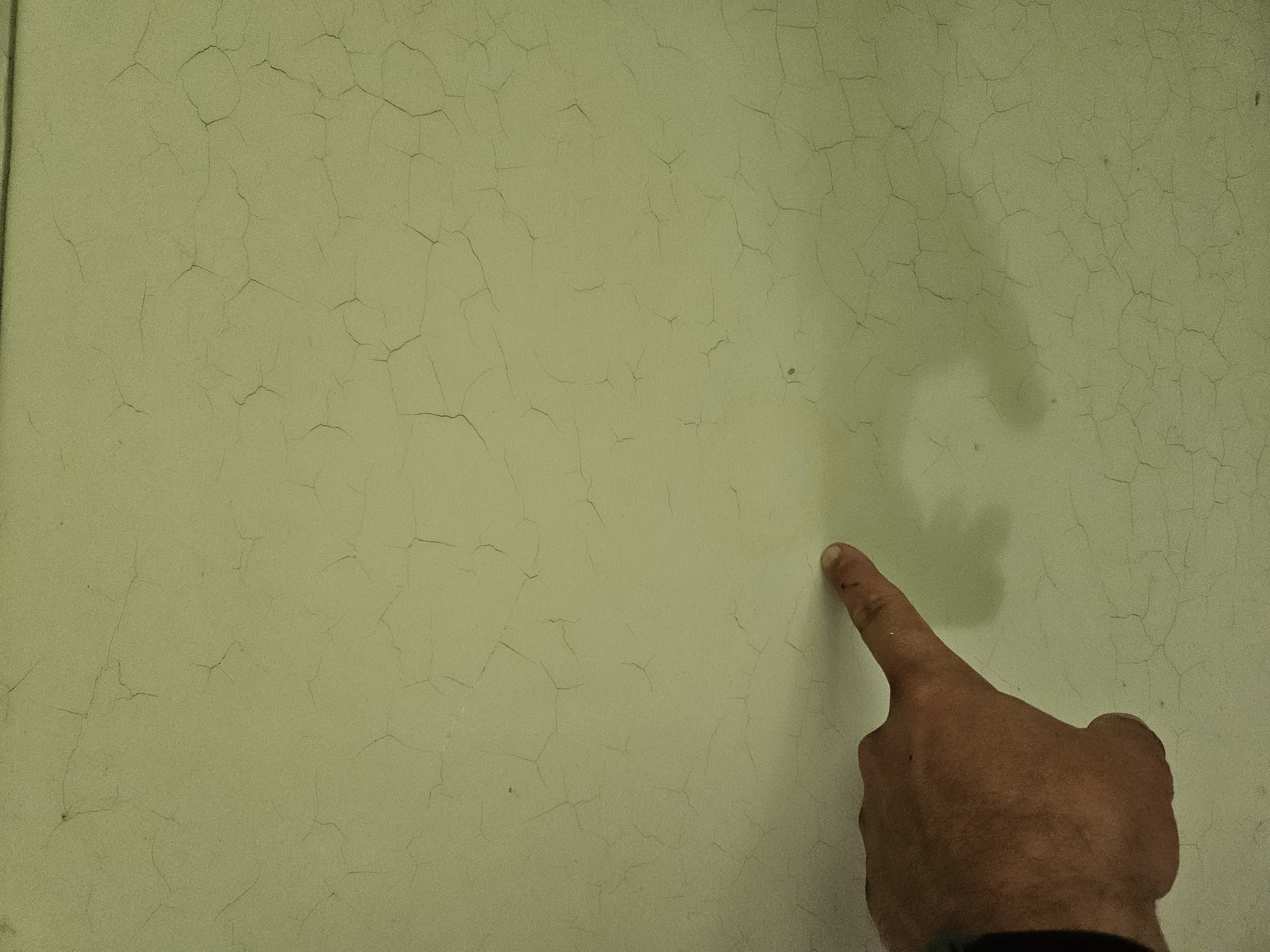
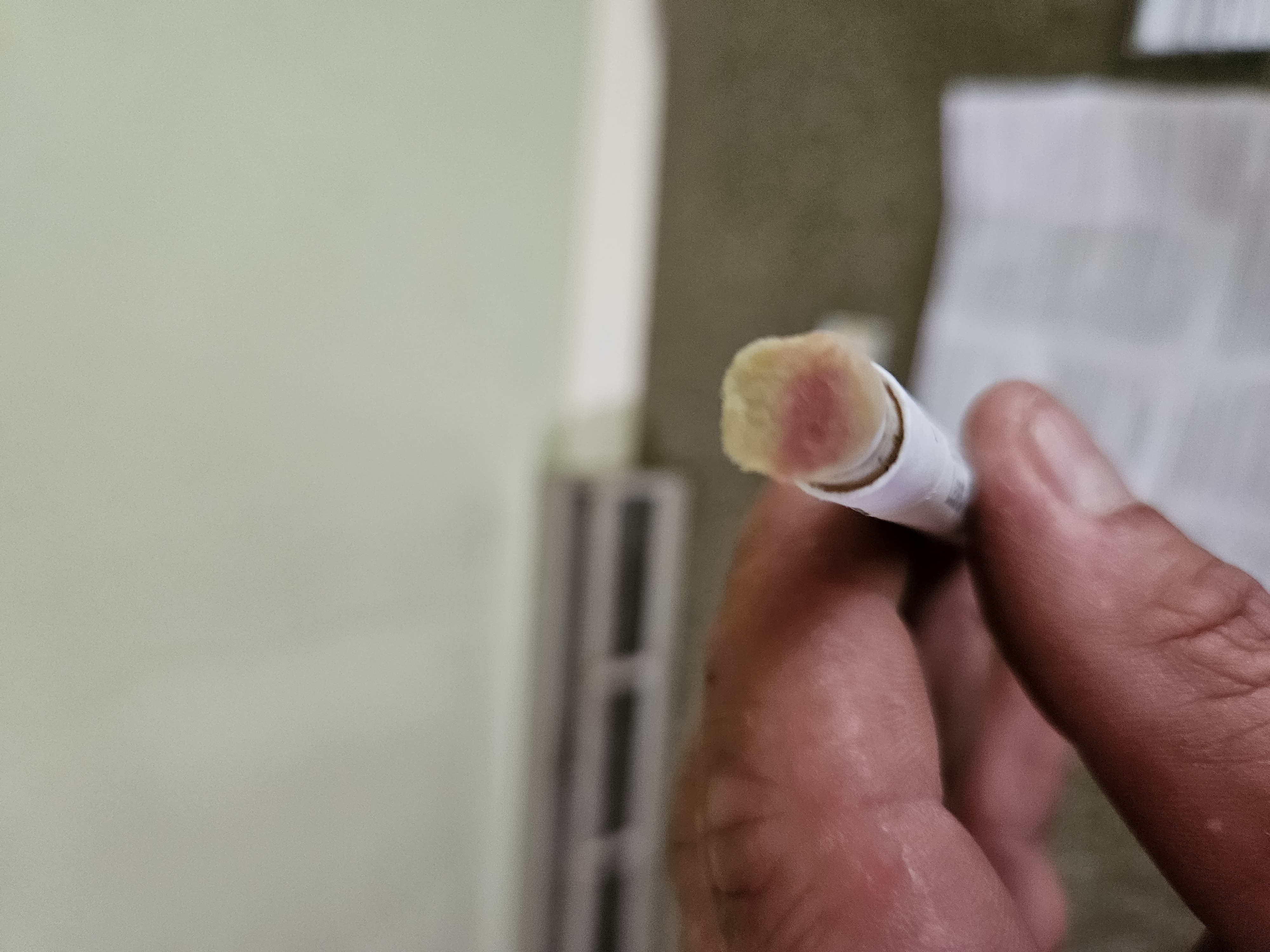
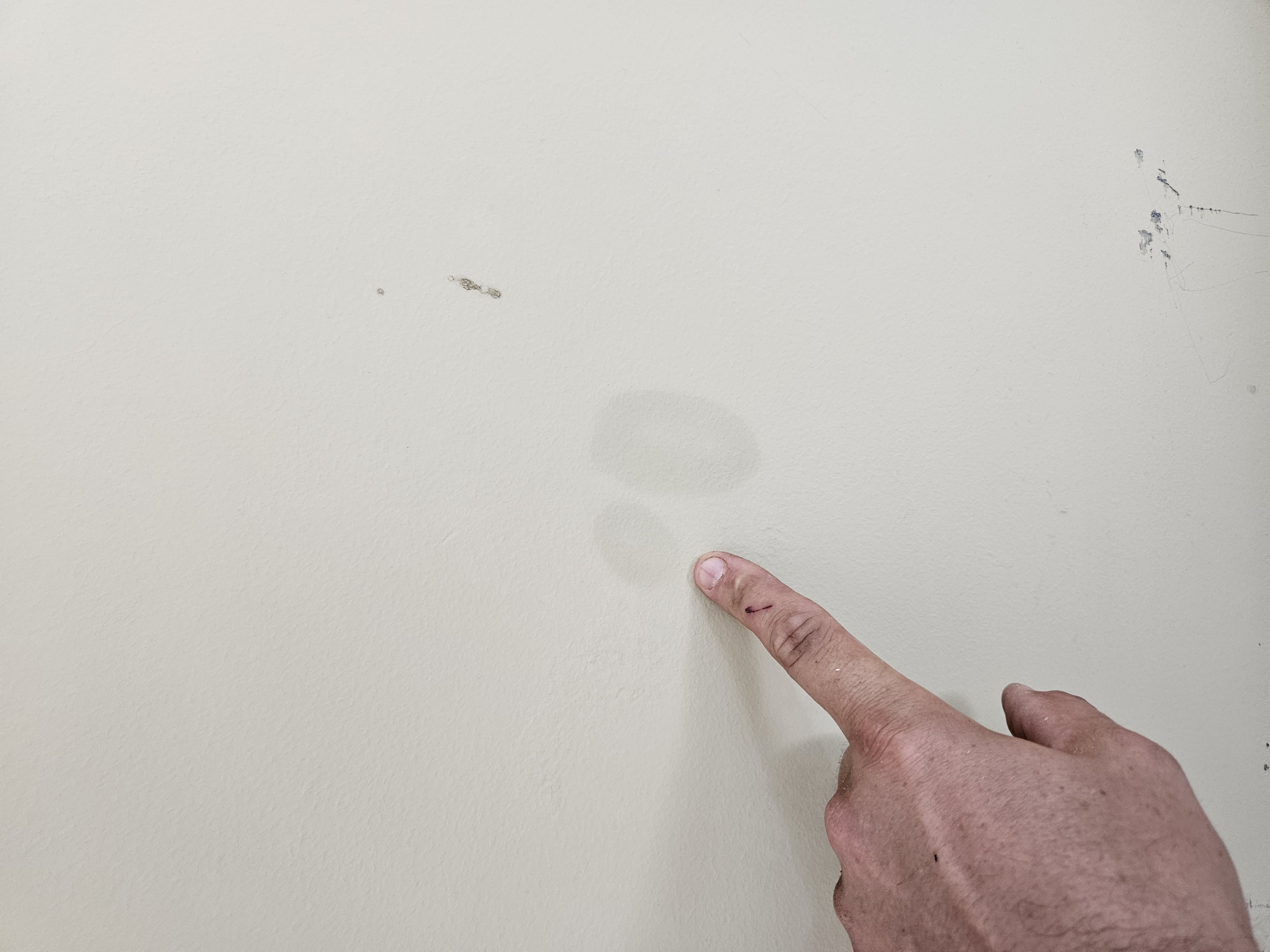
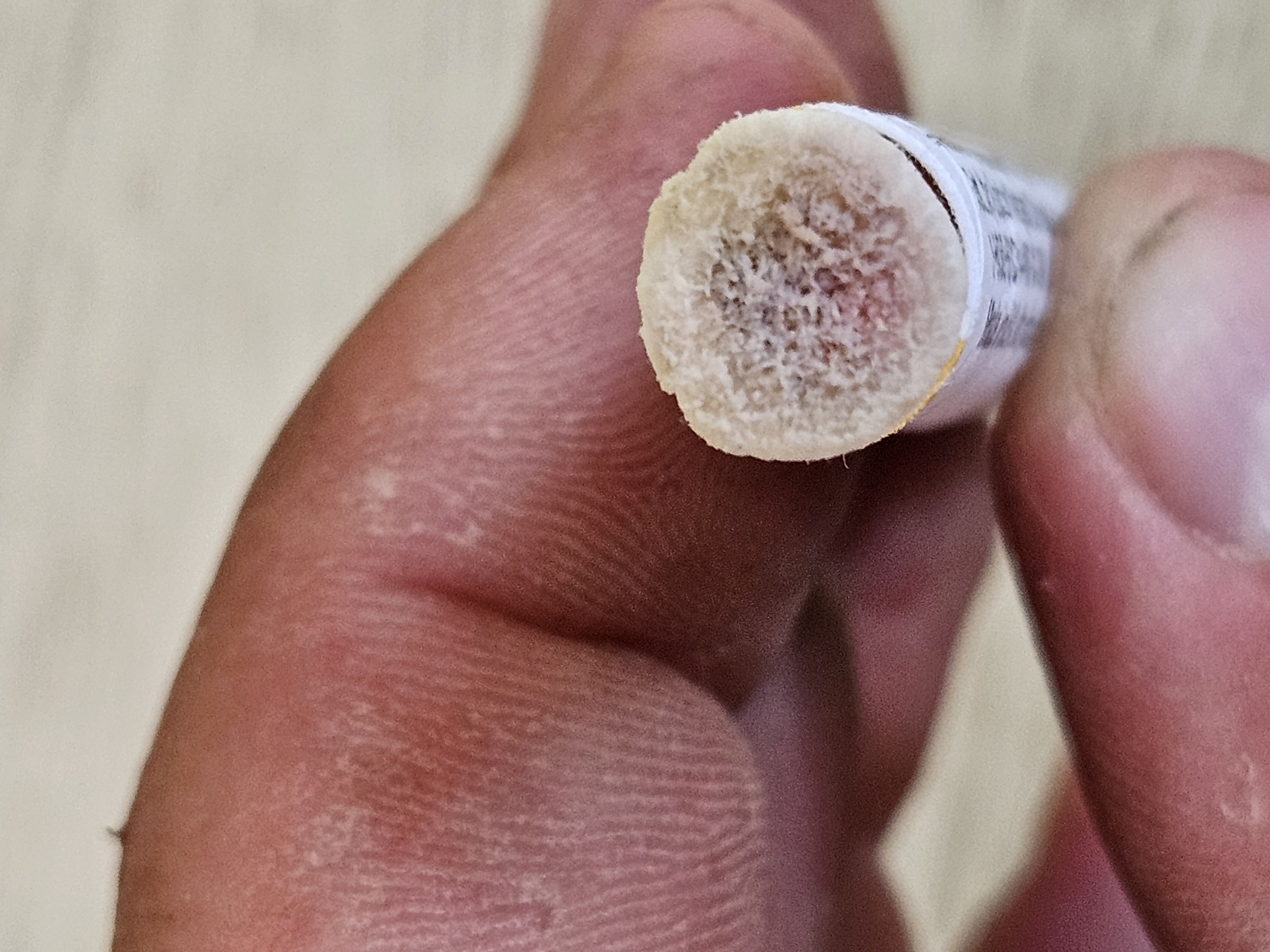
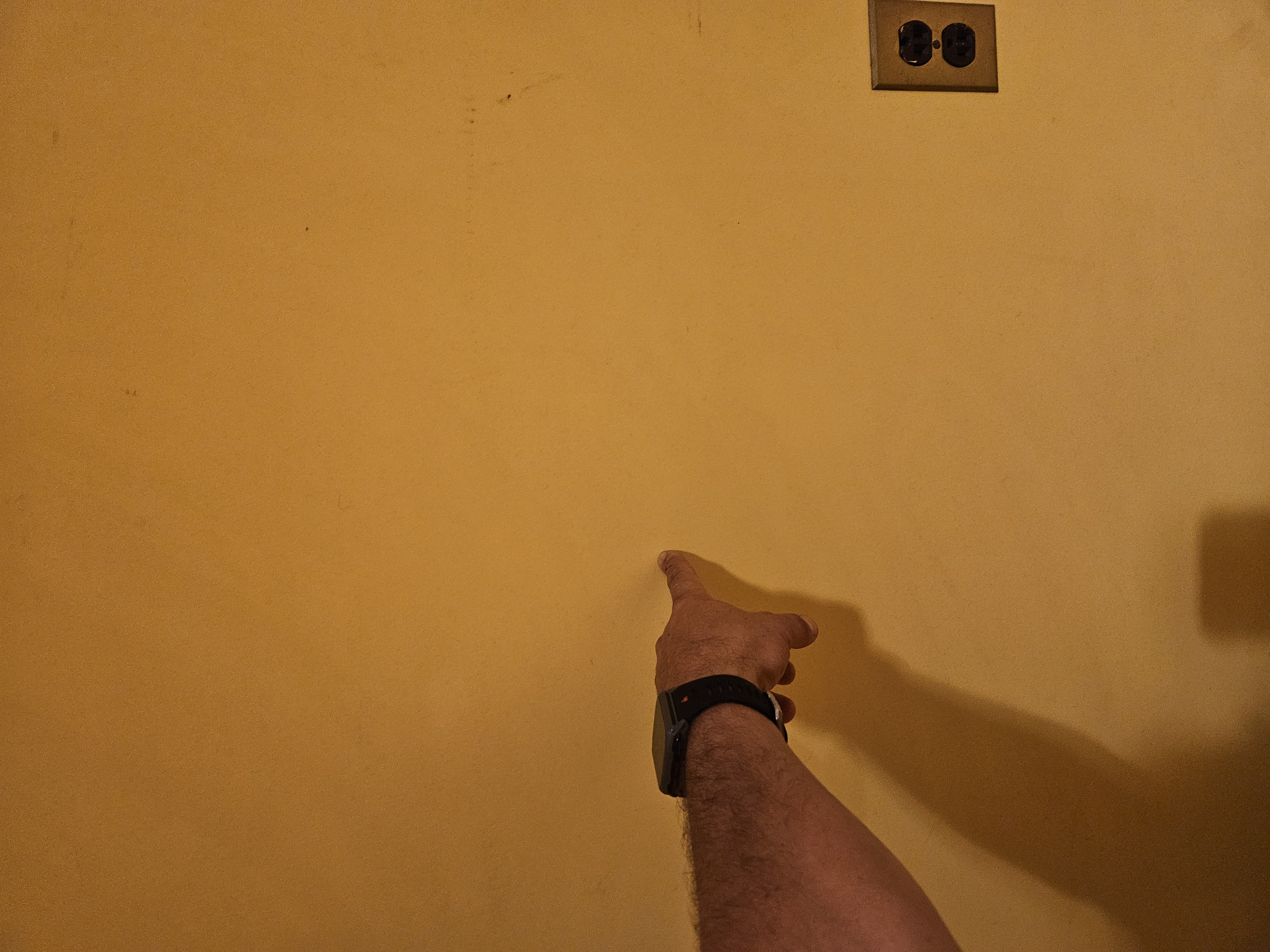
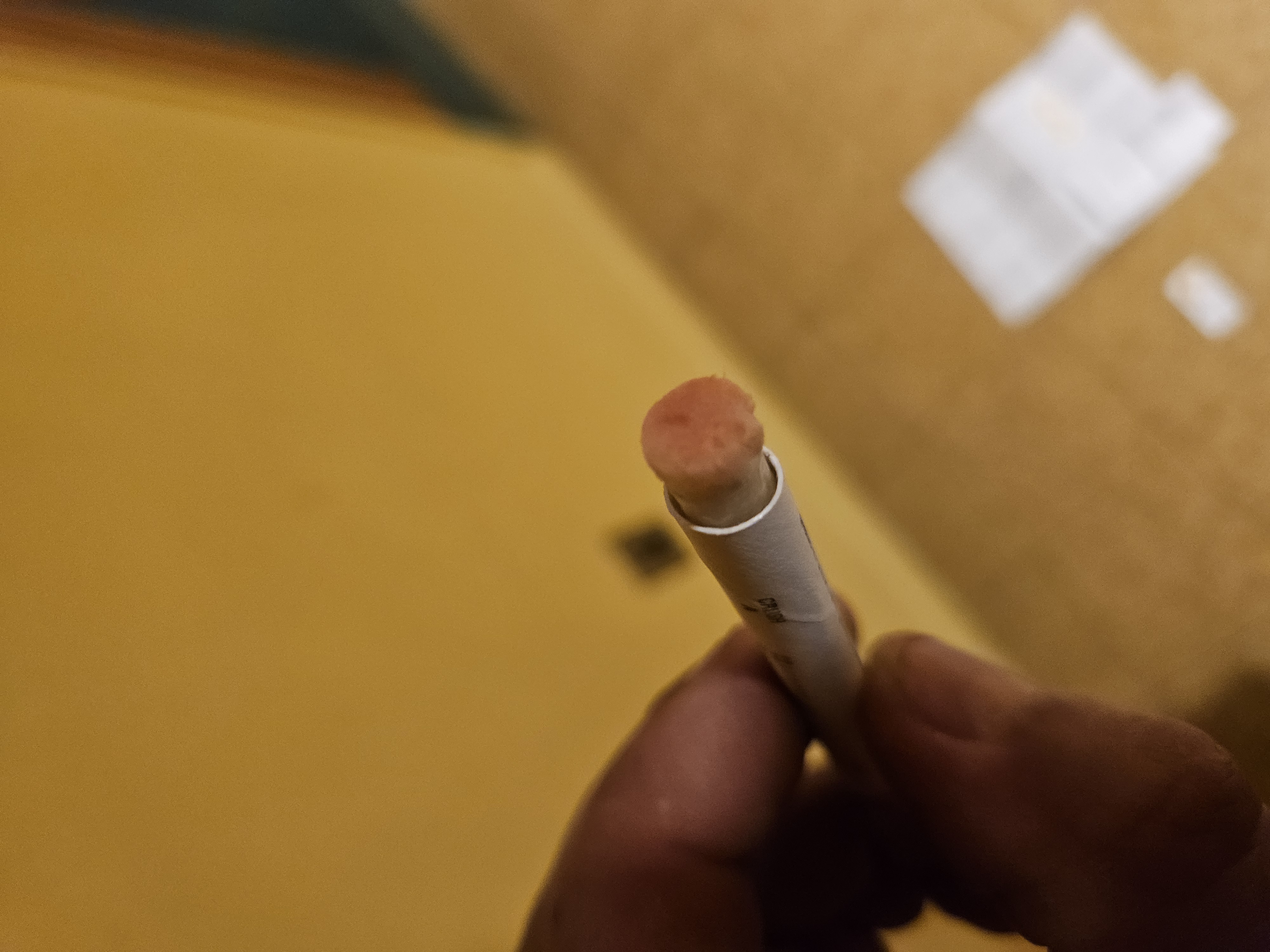
All of the painted walls inside the home appear to have been painted with lead based paint. I tested four walls as follows:
- Just inside the front door;
- Dining room;
- Primary bedroom; and
- Basement.
Each of the four walls tested came back positive for lead based paint. Contact a qualified contractor certified in lead based paint remediation who can properly remediate th elead based paint.
 |  |  |
 |  |  |
 |  |
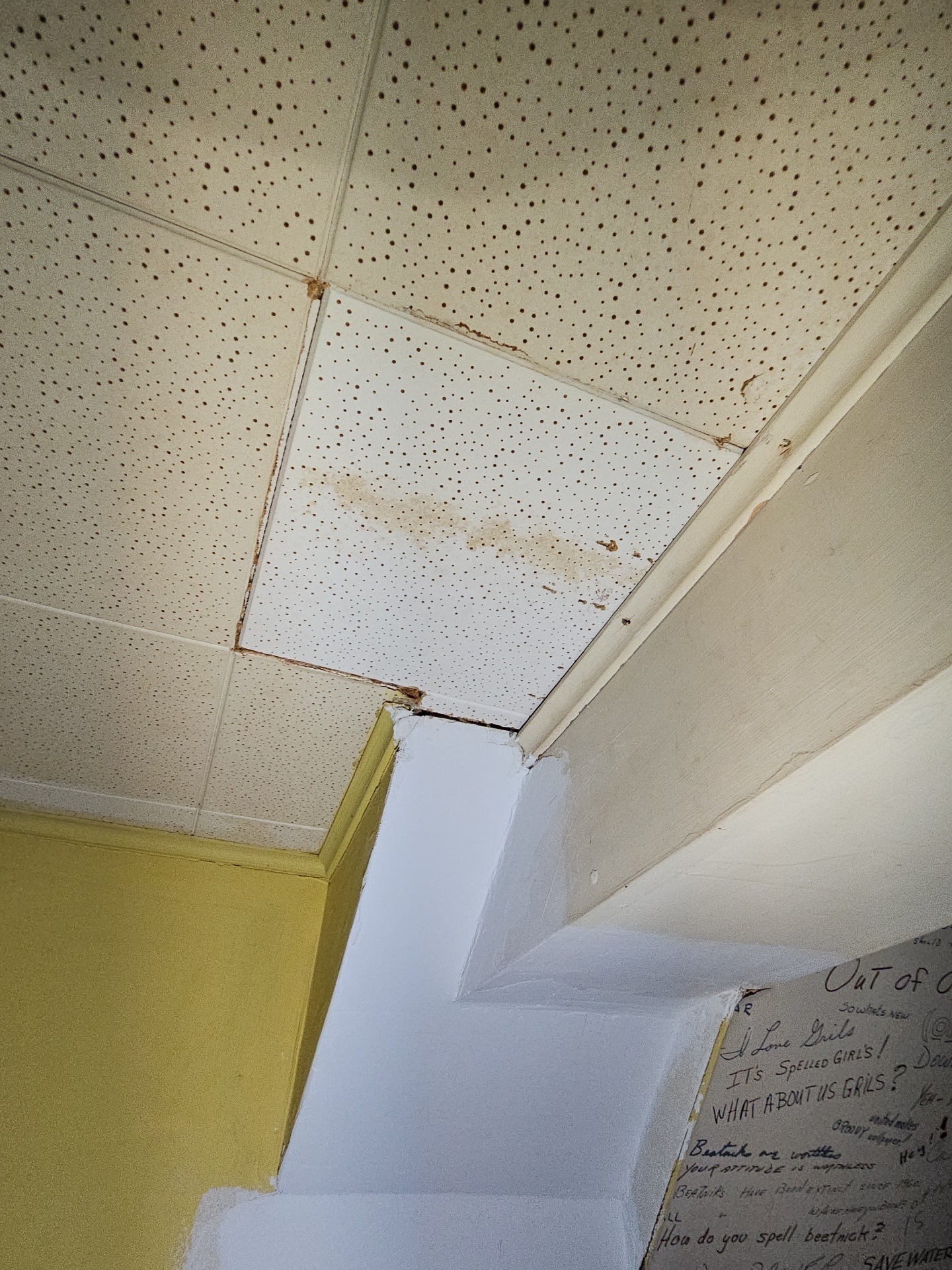
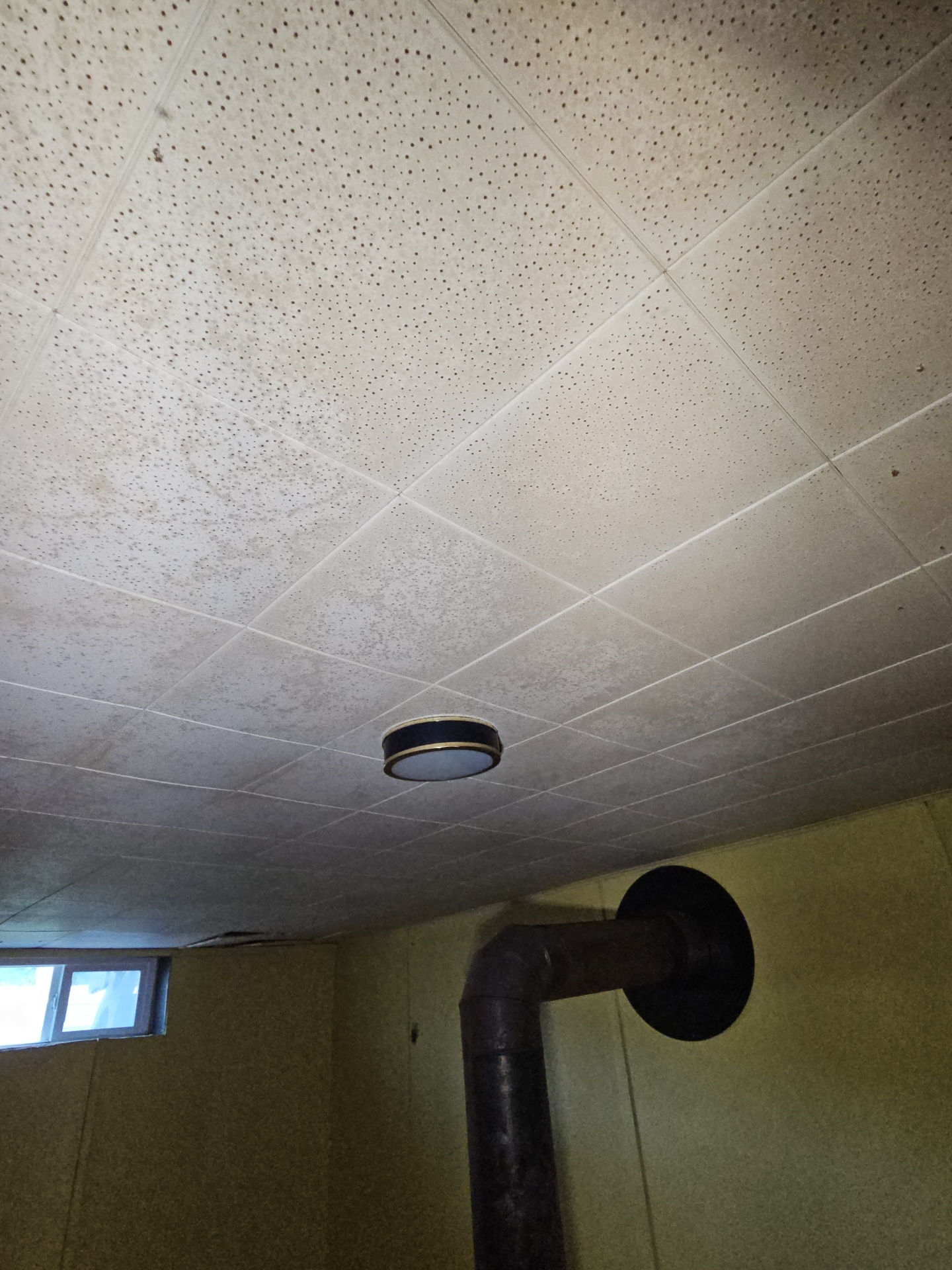
Basement ceiling tiles are of a size and shape that match those known to often be made of asbestos. Asbestos is a hazardous material that can release toxic dust into the air if it's disturbed, damaged, or mishandled. Have a qualified contractor certified in the abatement of asbestos remove the ceiling tiles.
 |  |
Wall Insulation and Air Bypass
Wall Insulation: Not Visible
Interior Stairs and Railings
Guardrail (Old and Non-Conforming)
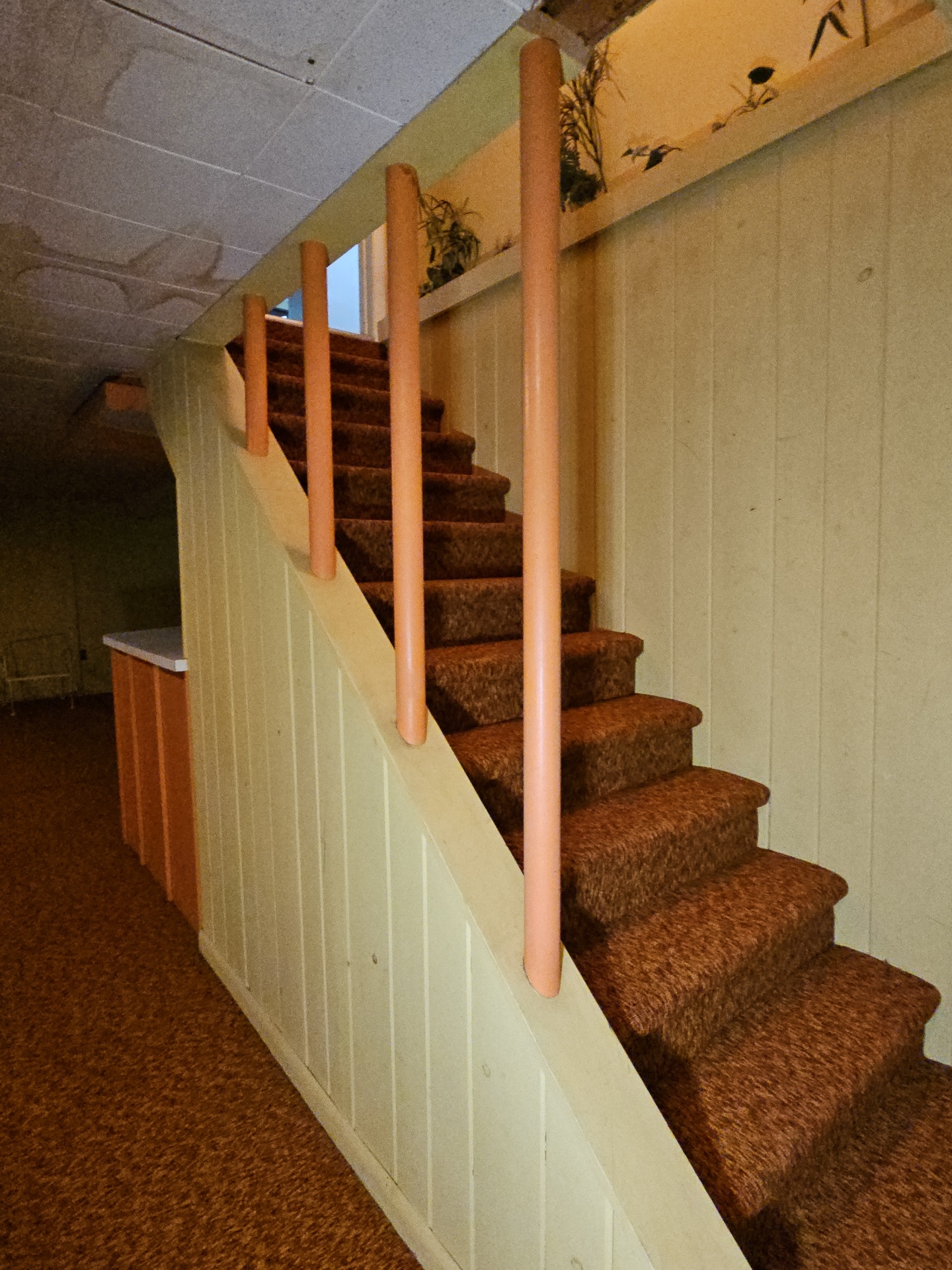
The guardrail for the interior stairs in the house has been built to an older safety standard. Modern standards suggest guardrails should have openings no larger than 4 inches, should be 36 inches tall and be adequately stiff to withstand a falling adult. Repair or improve this guardrail as desired for improved safety.
Windows
Interior Window Frame: Fiberglass
Window Styles: Single hung, Double hung
Window Brands Noted: Pella
Main Bathroom
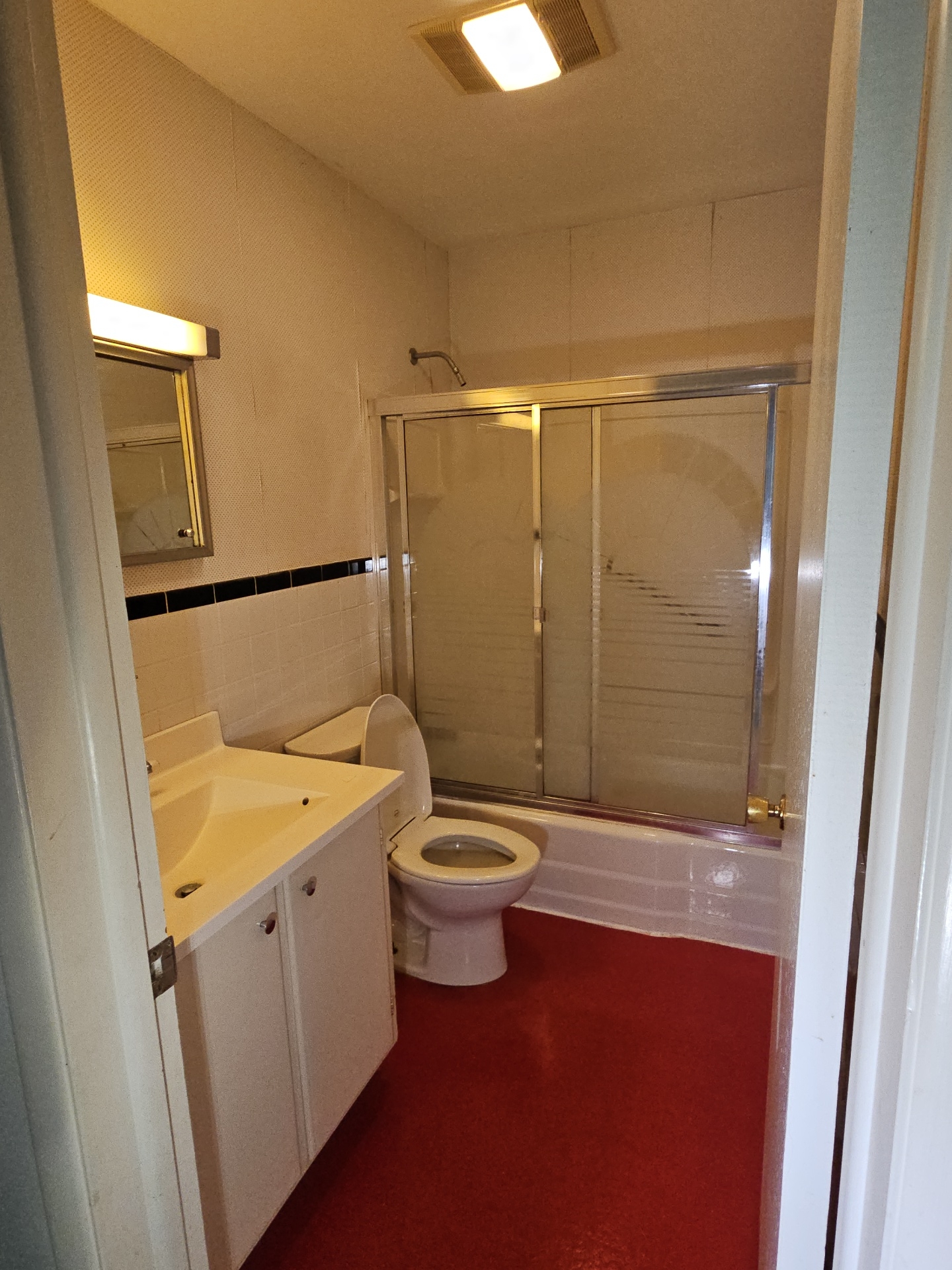
General Bathroom Photos
 |  |
Sinks and Cabinets
Tested
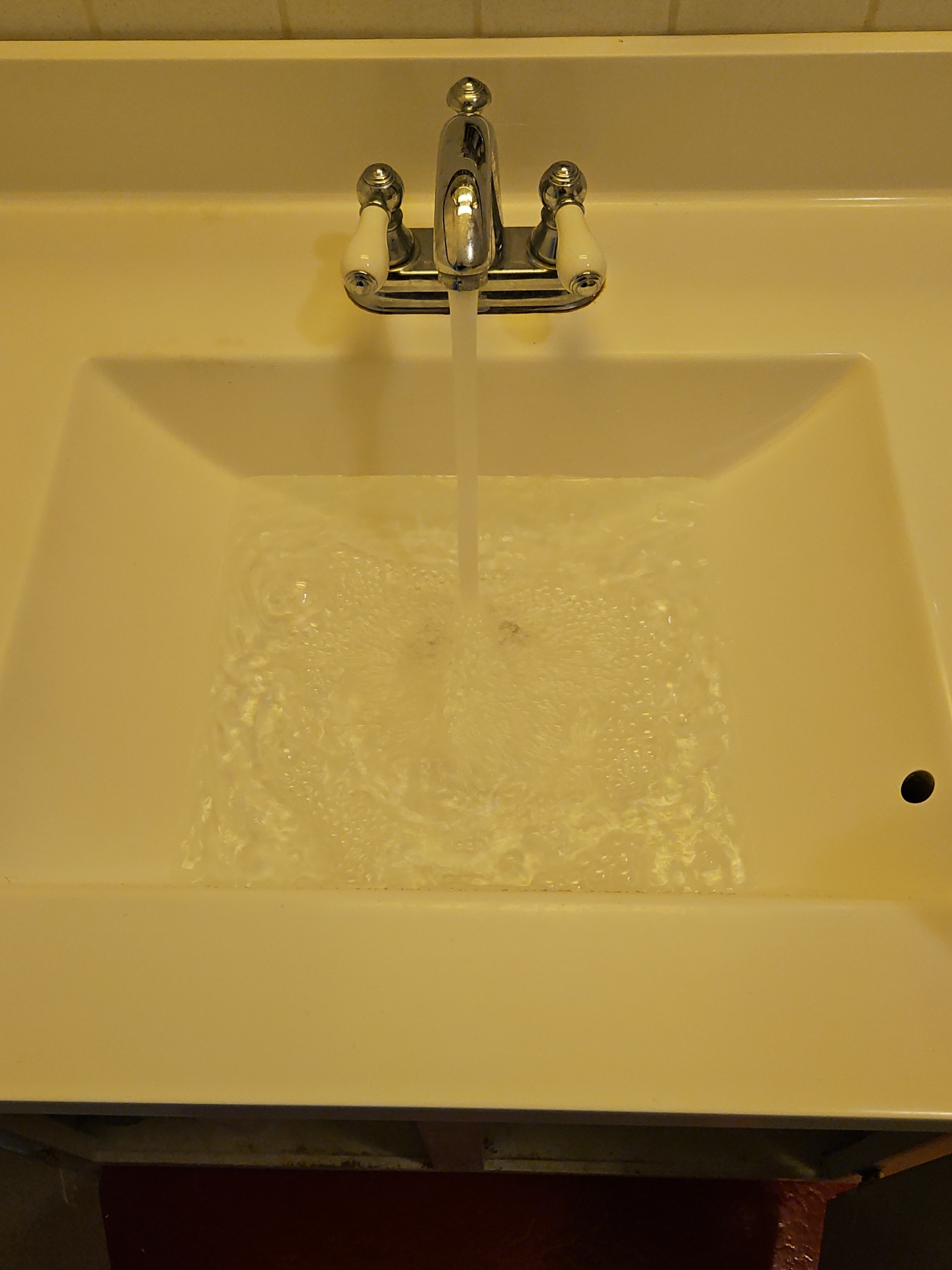
A slow drain was noted at the sink. Repair as needed so the drain keeps up with the fixture supply. This often involves just cleaning out the trap.
Toilet
Tested
Bathtub / Shower
Tested
Shower Type: Tile
Tub Type: Cast Iron
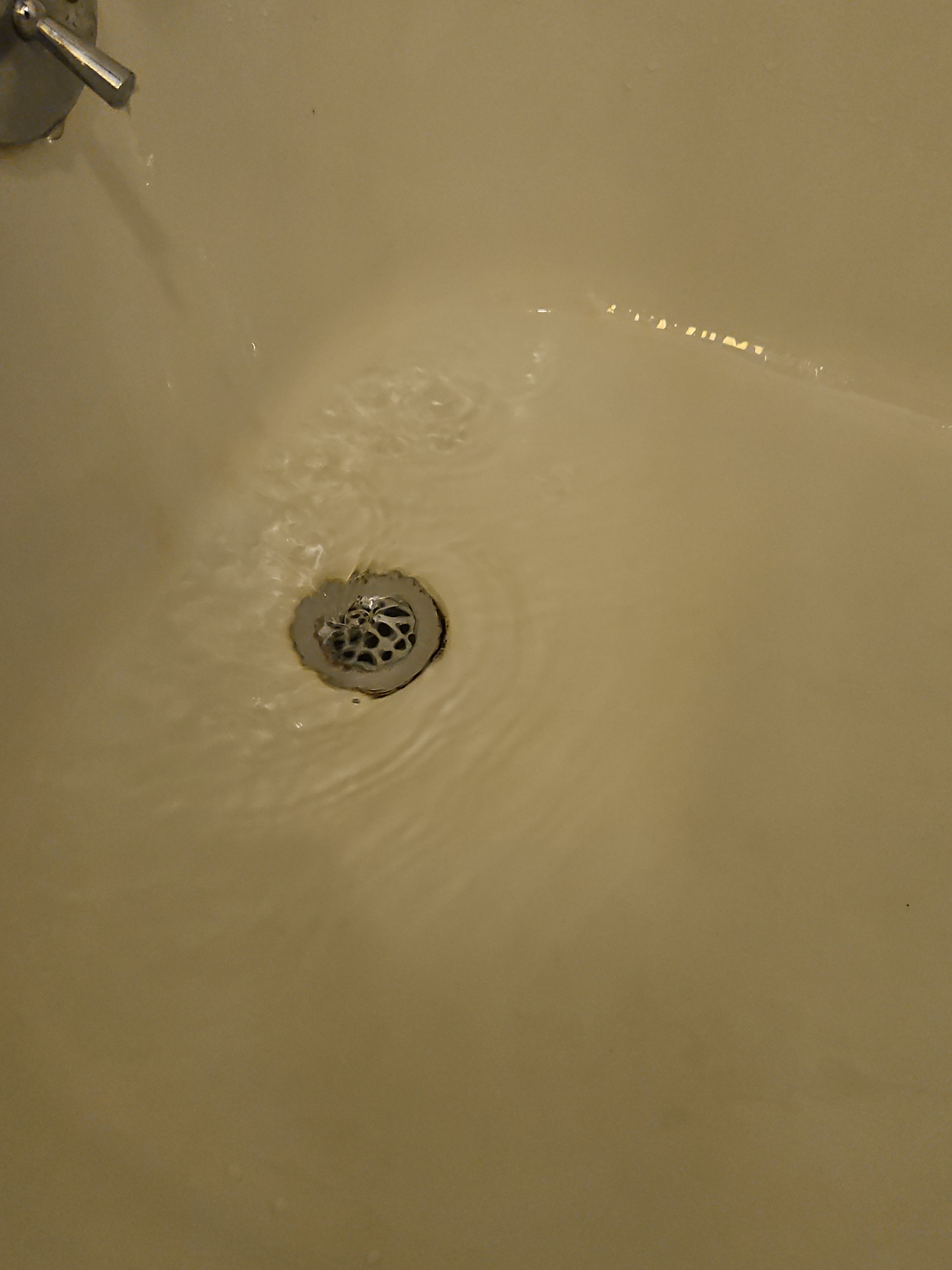
The main bath bathtub / shower drain is slow and appears to be obstructed. Repair as needed for reliable drainage.
Bathroom Ventilation
Type: Bath fan
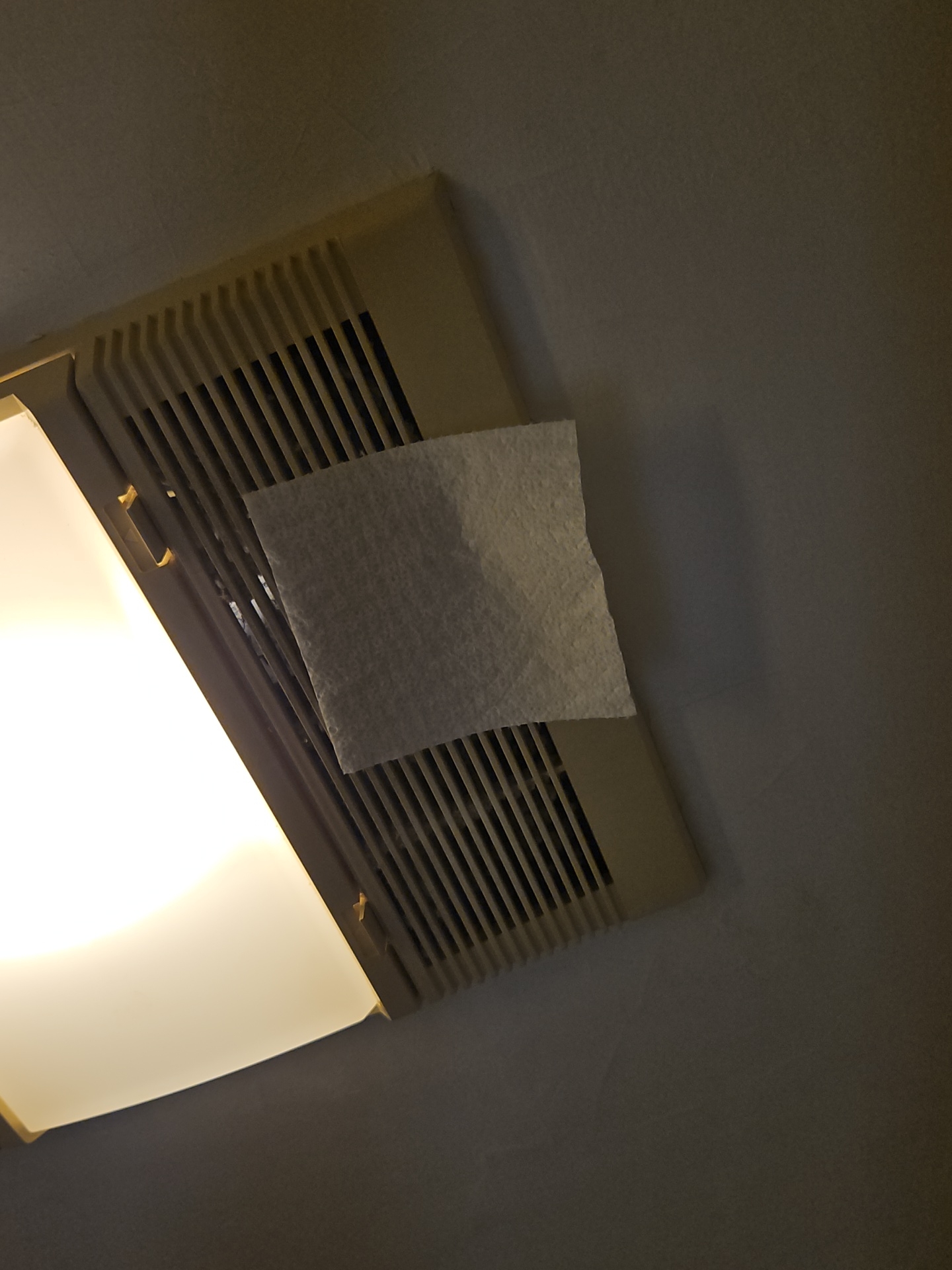
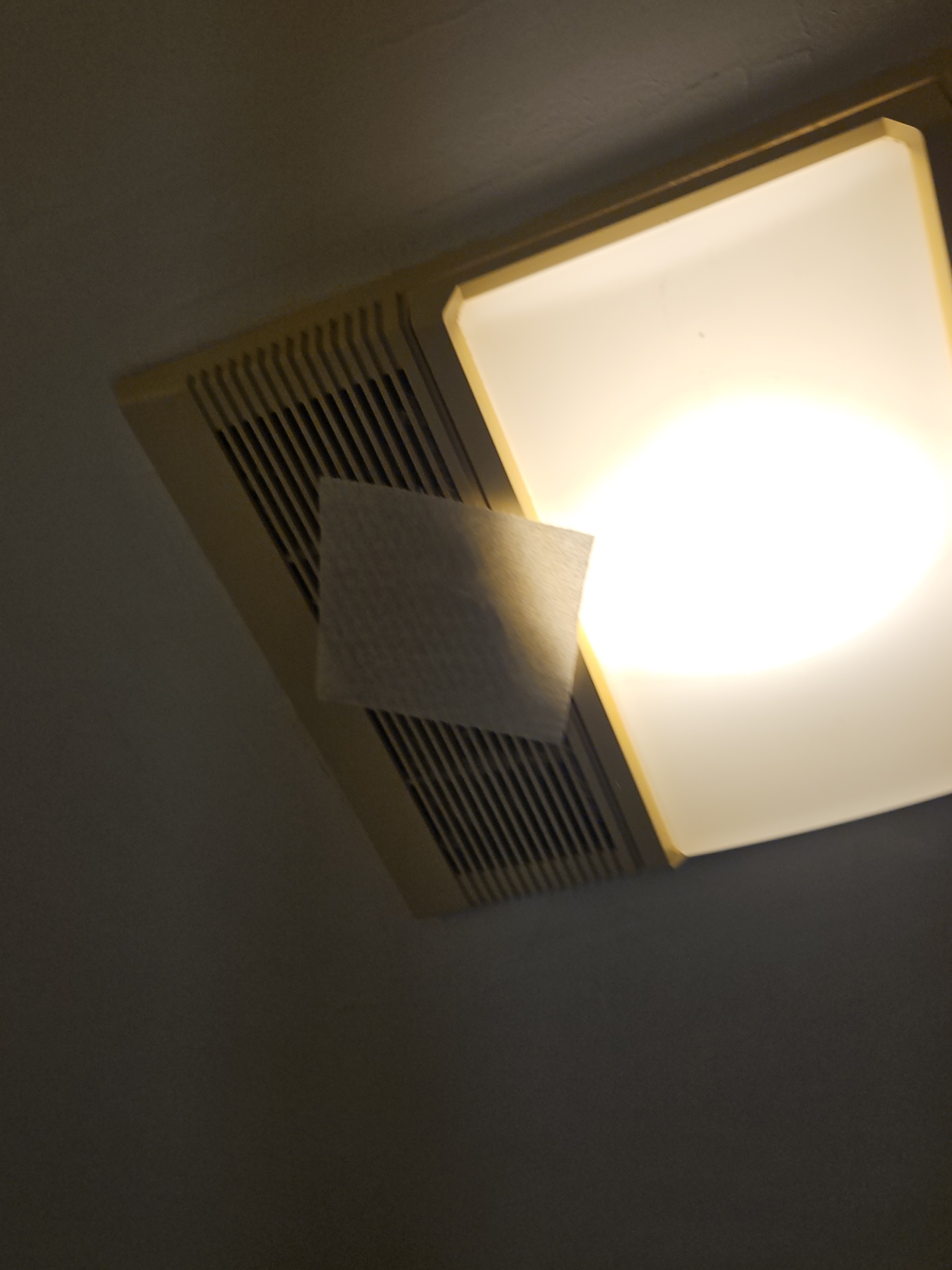
I tested the bath fan and it appeared to be working as intended.
 |  |
Primary Bathroom
General Bathroom Photos
 |  |
Sinks and Cabinets
Tested
Toilet
Tested
Basement Bathroom
Sinks and Cabinets
Tested
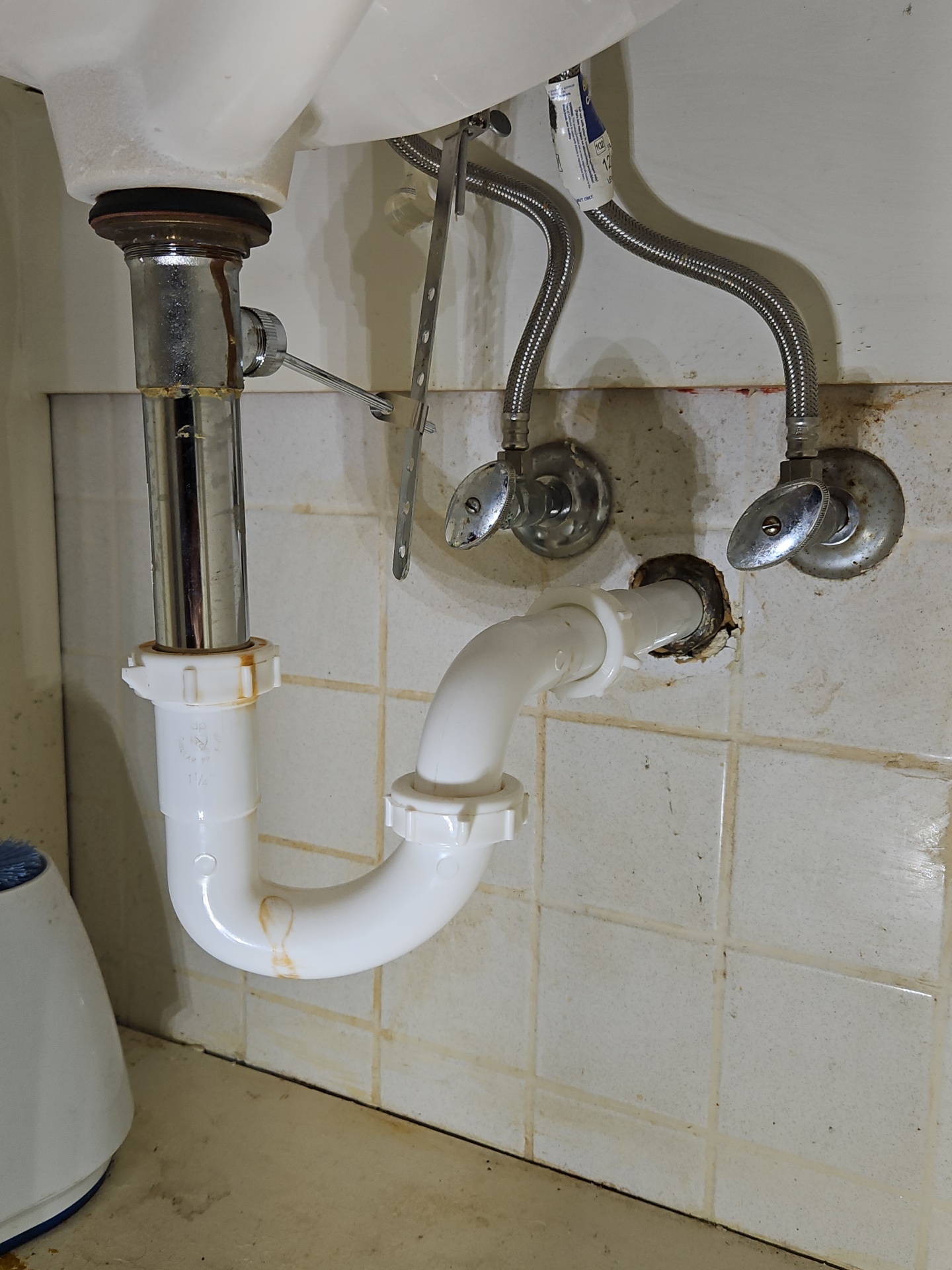
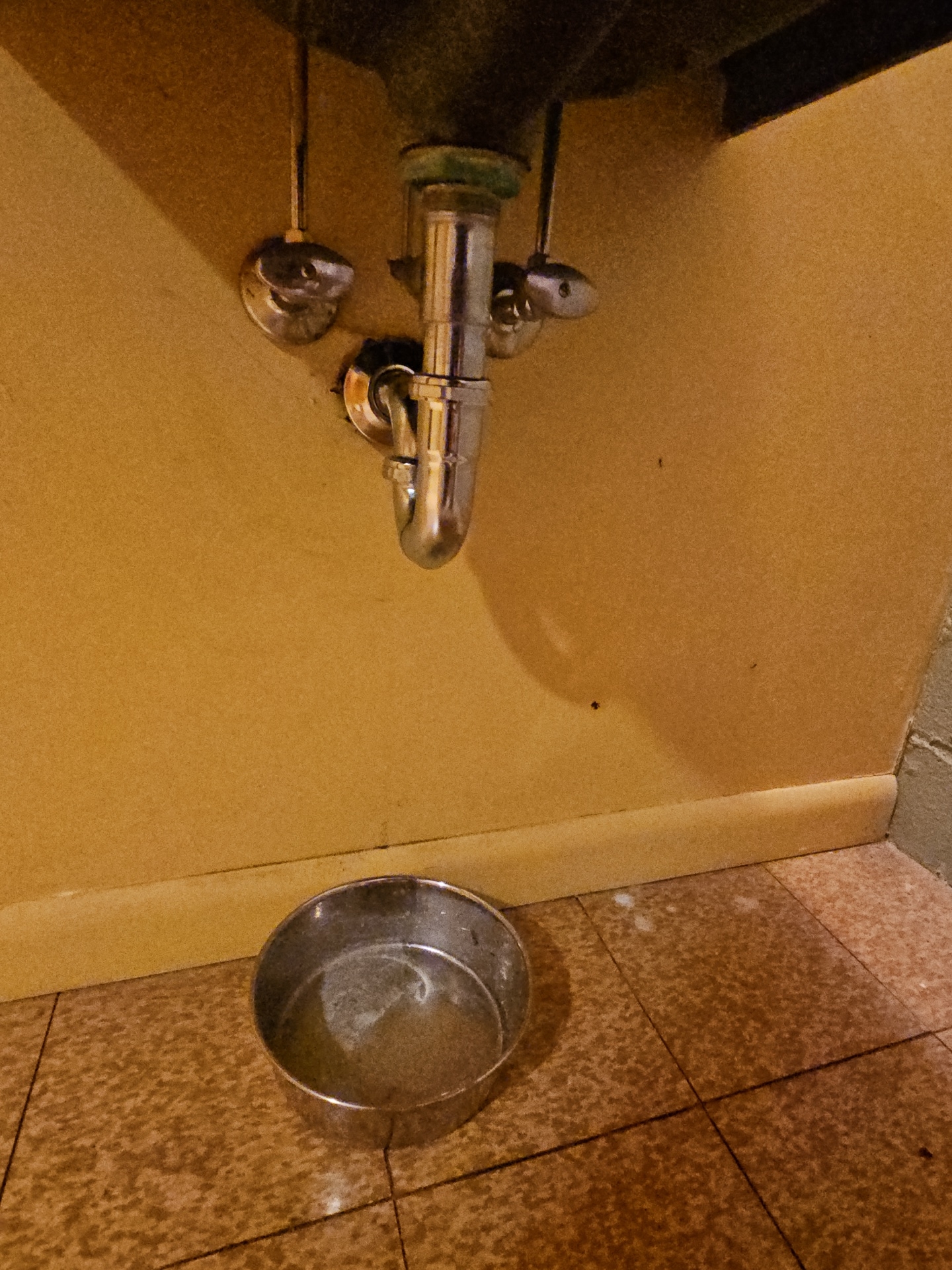
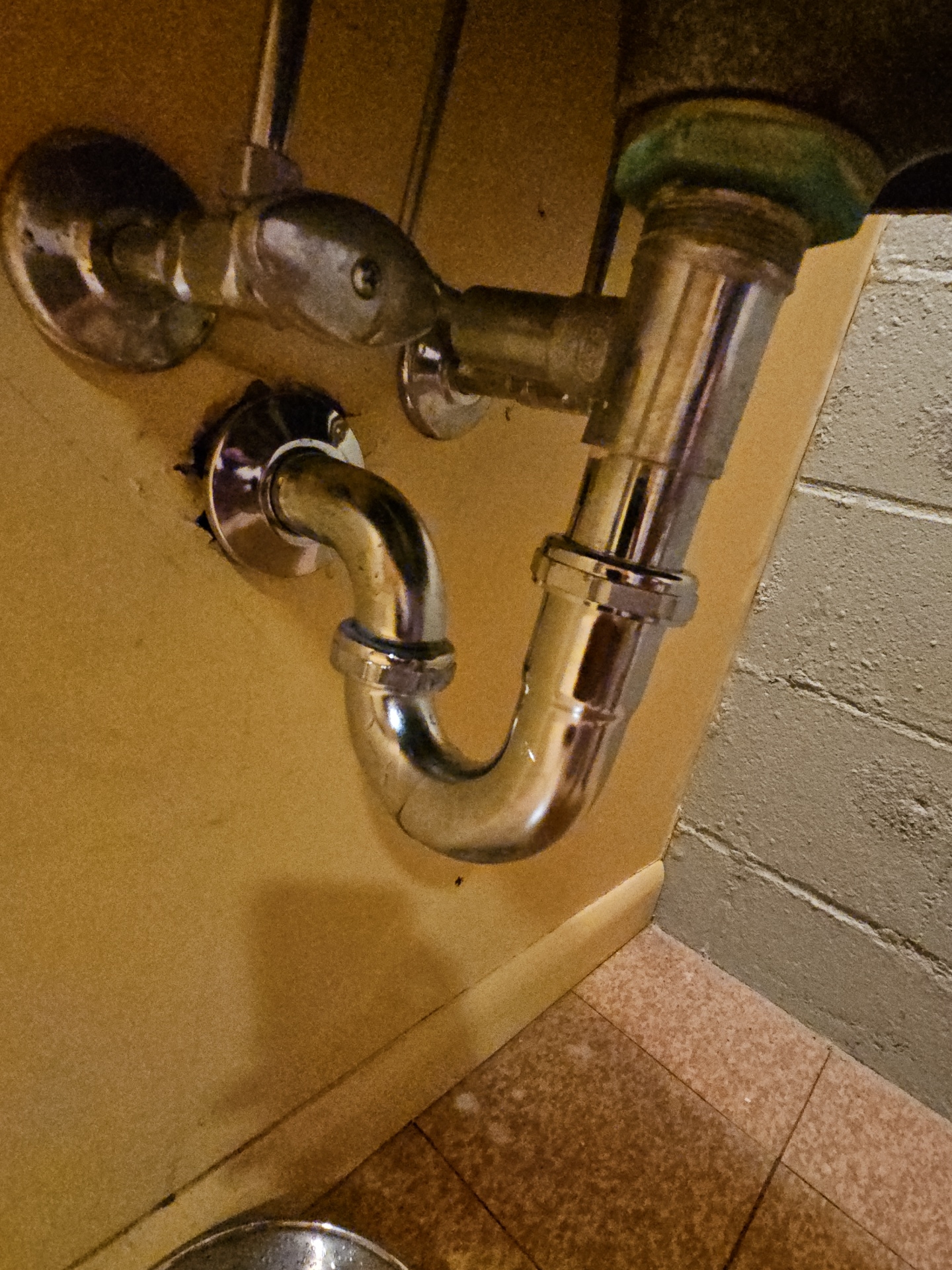
The waste plumbing below the basement bathroom sink is leaking and requires immediate repair.
 |  |
Bathroom Ventilation
Type: Bath fan that doesn't ventilate to outside
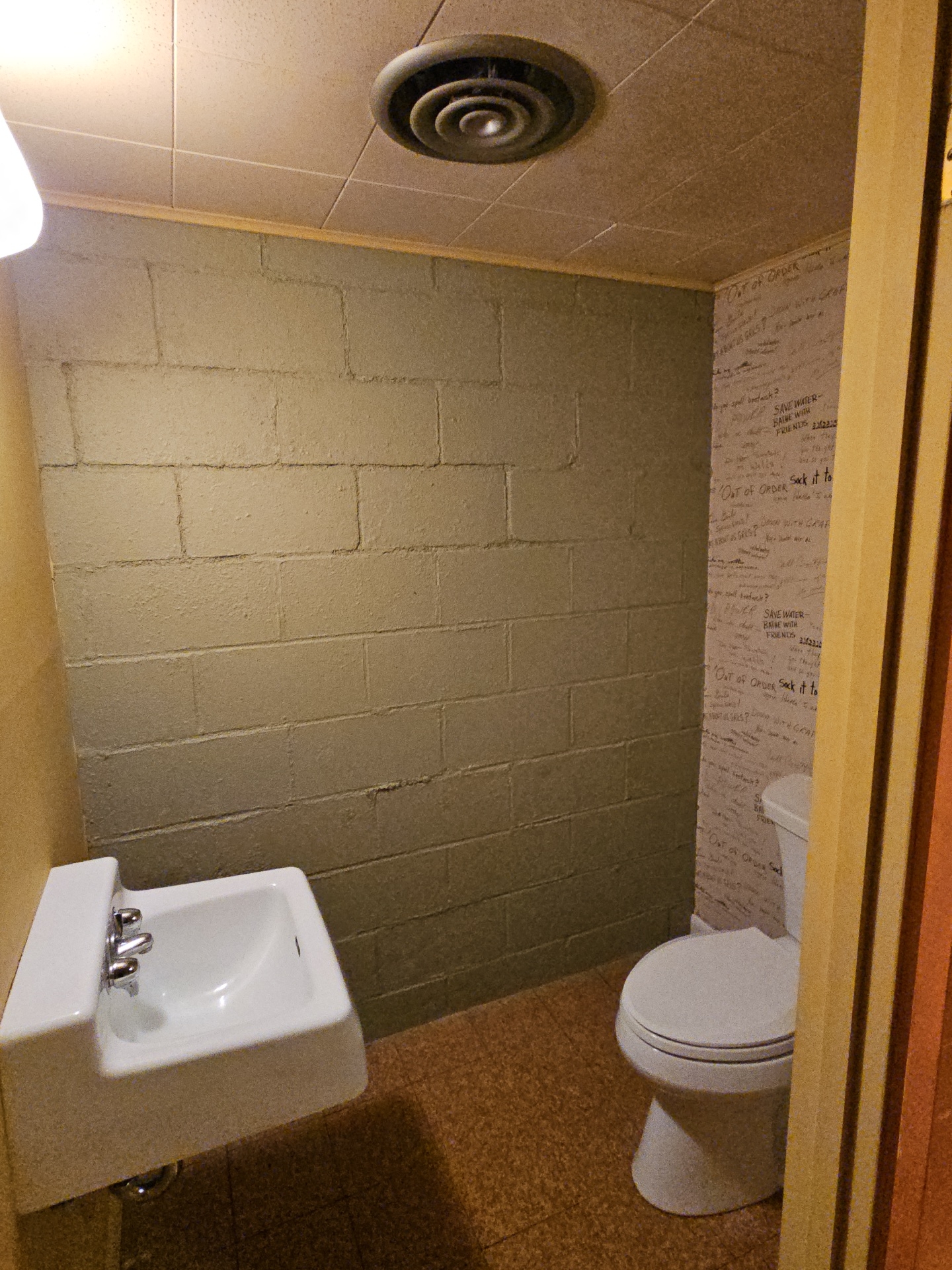
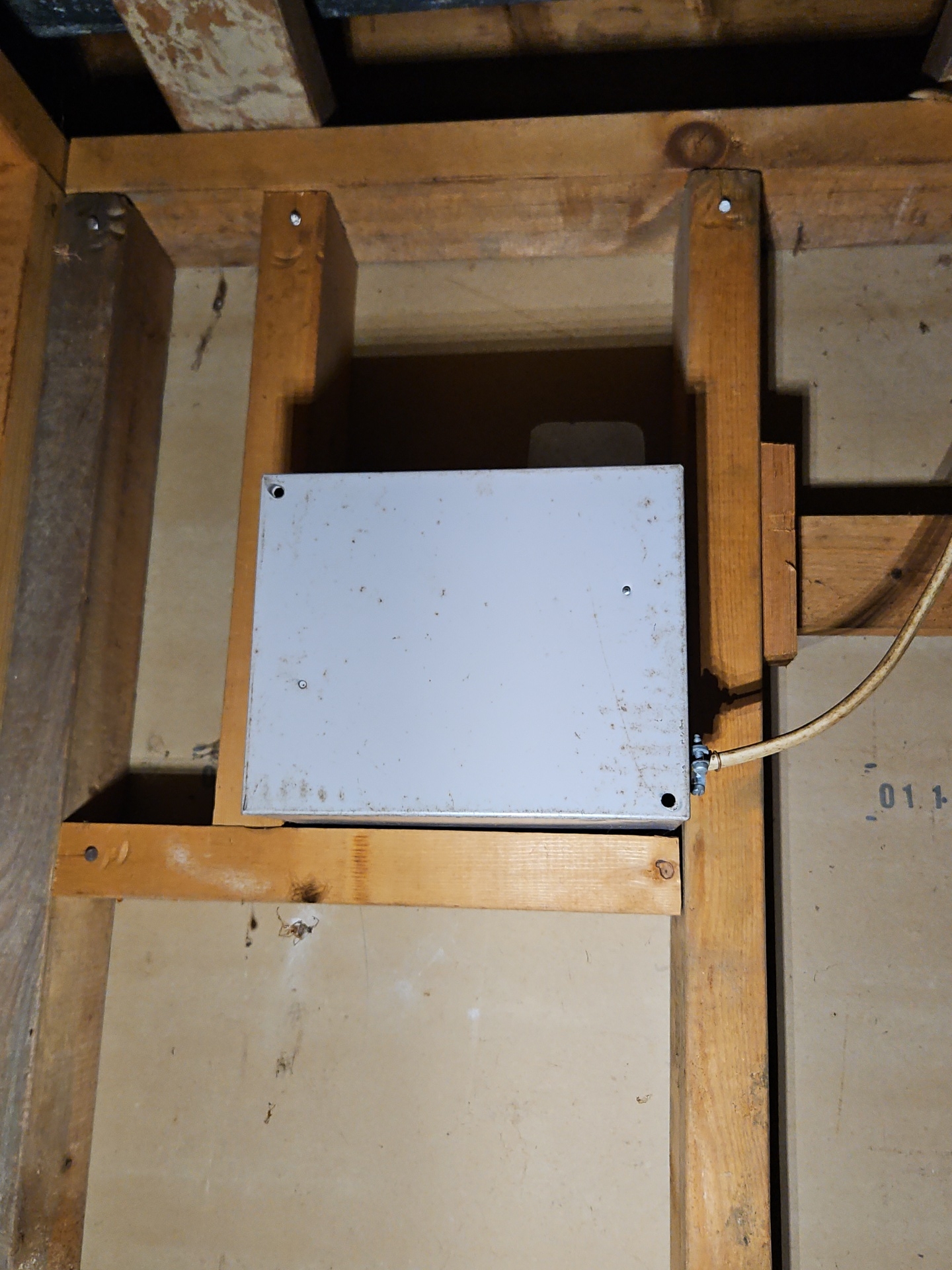
There appear to be two methods of ventilation in the basement bathroom - one in the ceiling and one in the wall behind the toilet. The fan behind the toilet does not ventilate to the outside. I was unable to determine whether the ceiling fan ventilated to the outside or not. A qualified contractor will be able to address the two methods of ventilation to ensure proper moisture control.
 |  |
Laundry Facilities
Laundry Photos
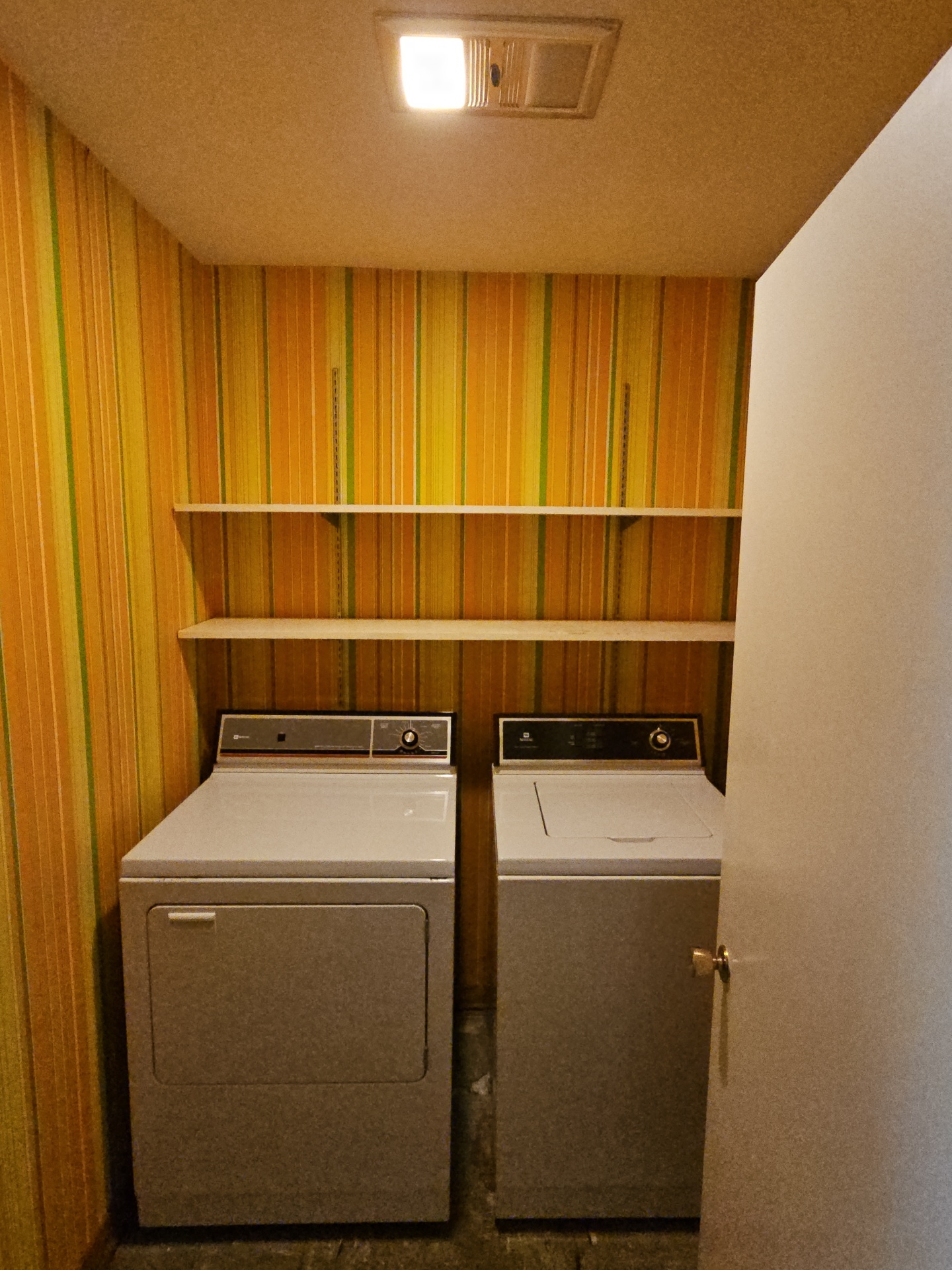
Washer
Tested
During inspection, I try and run the clothes washing machine. This is mostly so that I can push water down the drain to test the waste piping system. Running the clothes washer during an inspection is not a reliable test of the appliance. I am not actually doing a load of laundry, so please note the limitations of this test.
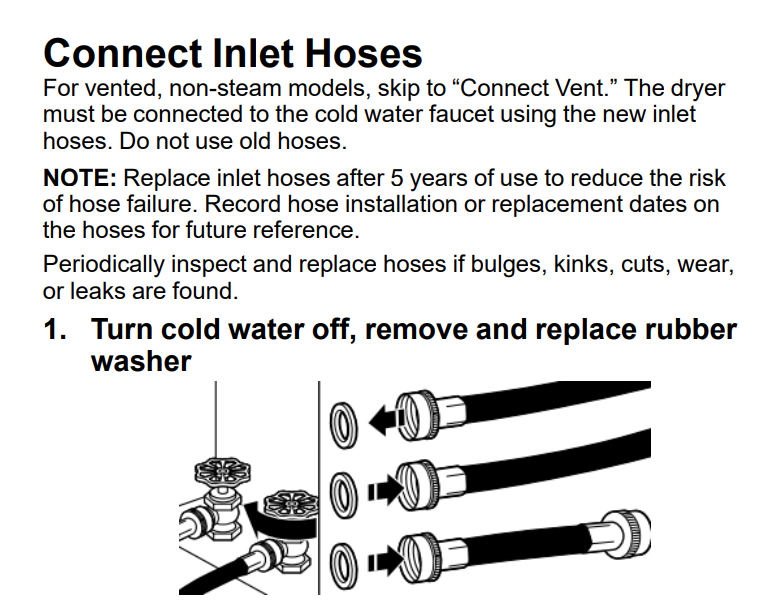
A moisture alarm with water shut-off features is recommended under the washing machine to protect against accidental leaks in the supply hoses. Pans can be effective when there is a drain, but even these will not protect against a burst supply connector. A moisture alarm with automatic shut-off will. Watts is a brand I have seen installed: Link. Please also note that appliance manufacturers recommend replacing supply hoses every 5 years to reduce the risk of failure.
 | .png) |
Dryer
Tested
Power Source: Electric
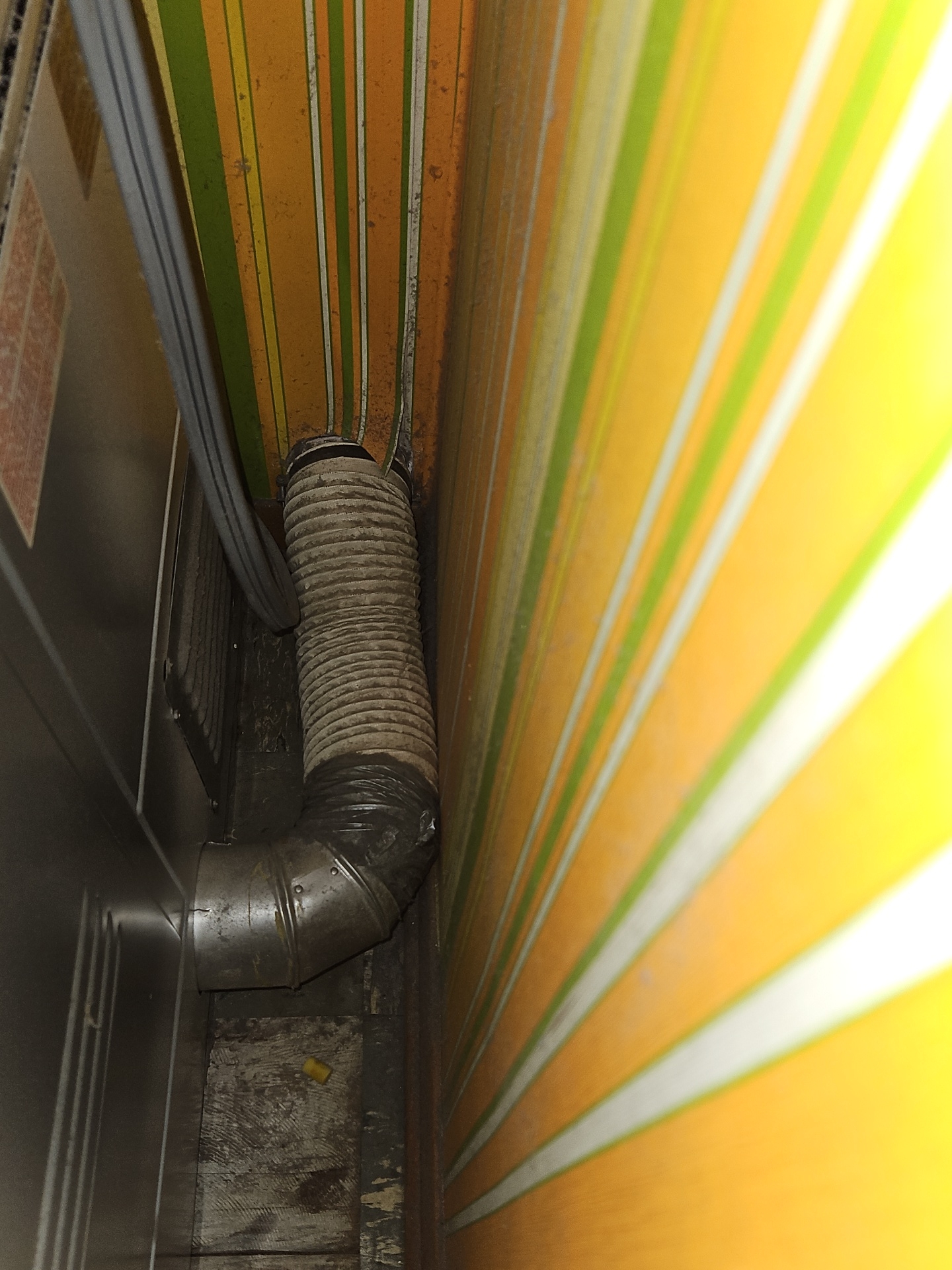
Exhaust Duct: Ducted to Exterior, Behind Dryer (Plastic Transition Duct)
Plastic dryer transition duct was noted in use to connect the dryer to the rigid vent. This product is not recommended as it has proven to be unreliable and a potential fire hazard. Improvement to a corrugated metal flex duct is recommended.
Kitchen
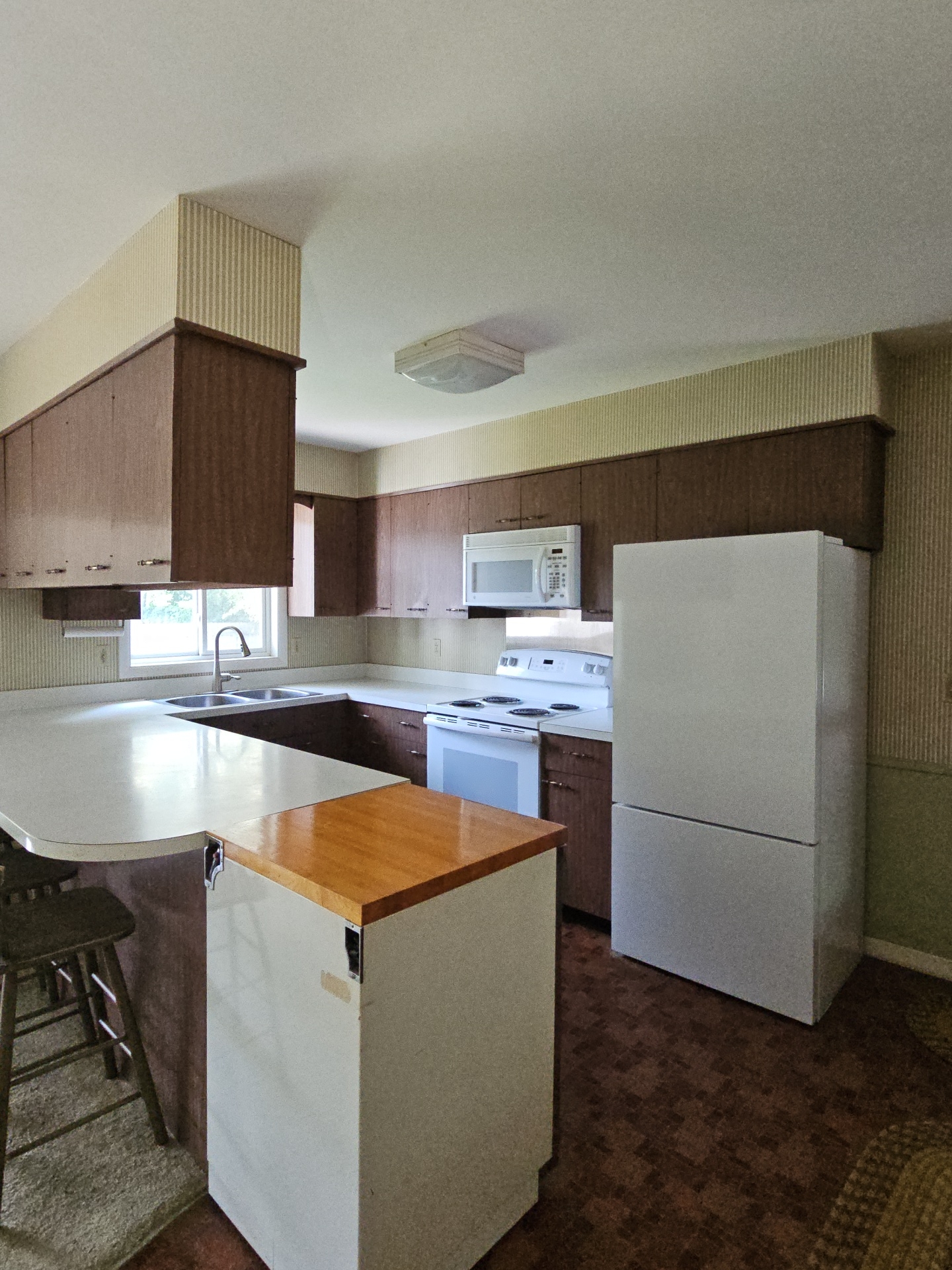
General Kitchen Photos
Sinks and Faucets
Kitchen Sinks: Tested
Cabinets and Countertops
Countertop Material: Plastic laminate
Cabinet Material: Wood
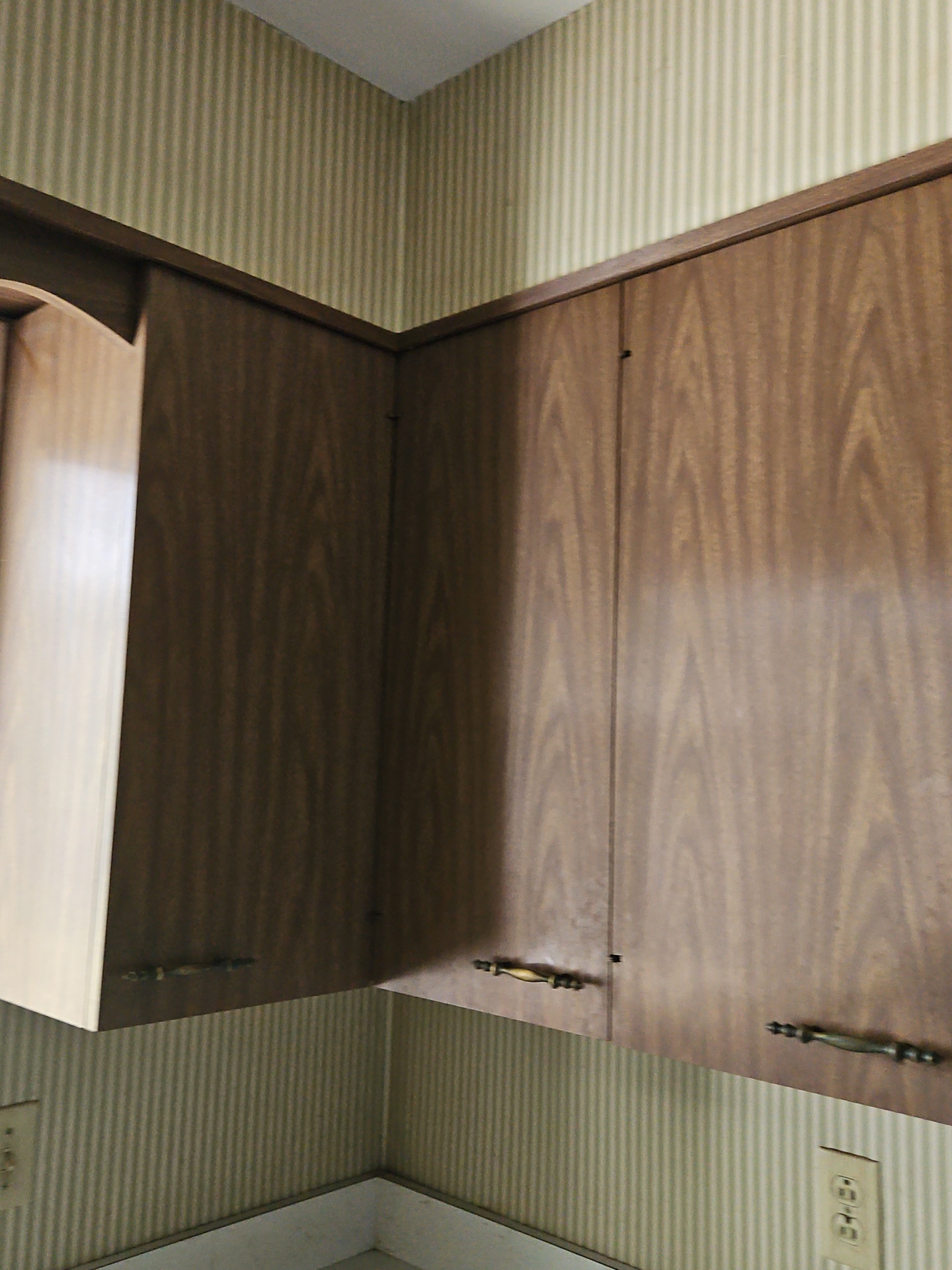
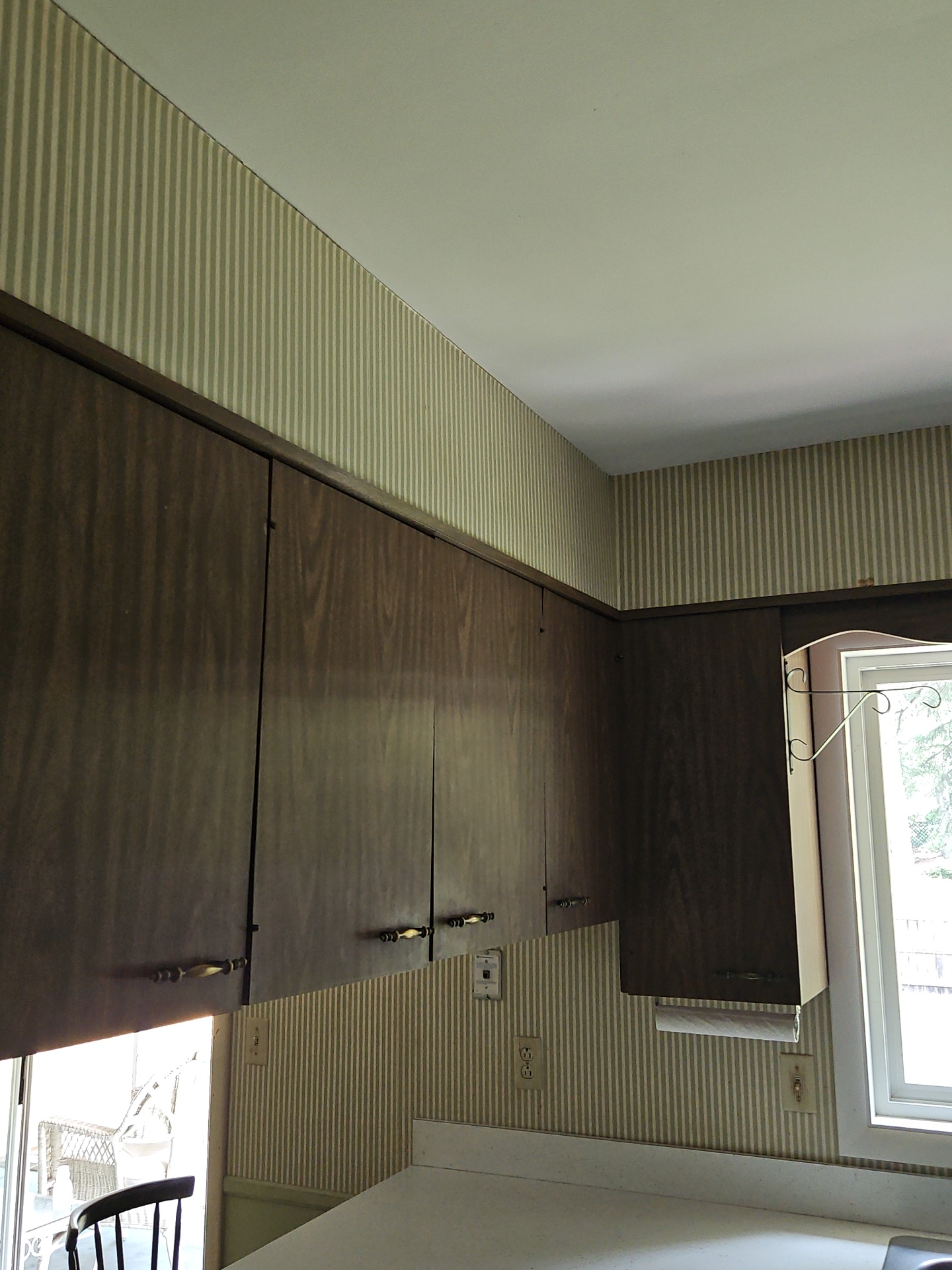
The two cabinet doors closest to the sink are difficult to open and close. Tune-up repairs are needed to the kitchen cabinets. Repair as desired.
 |  |
Disposers
Disposer: Operated
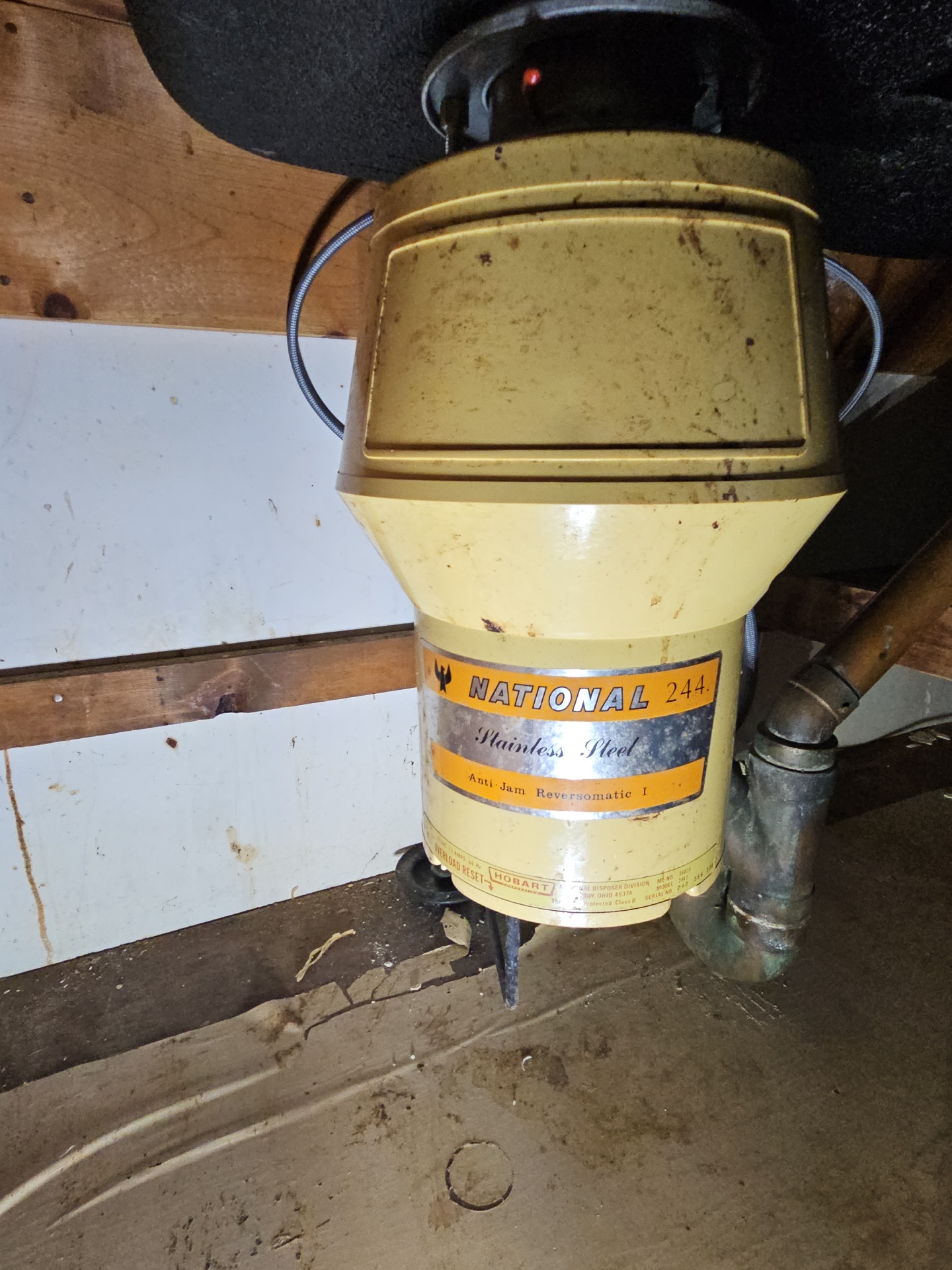
You have a National 244 model disposal. I am unable to find a user manual for this model.
Dishwasher
Dishwasher: Not Operated
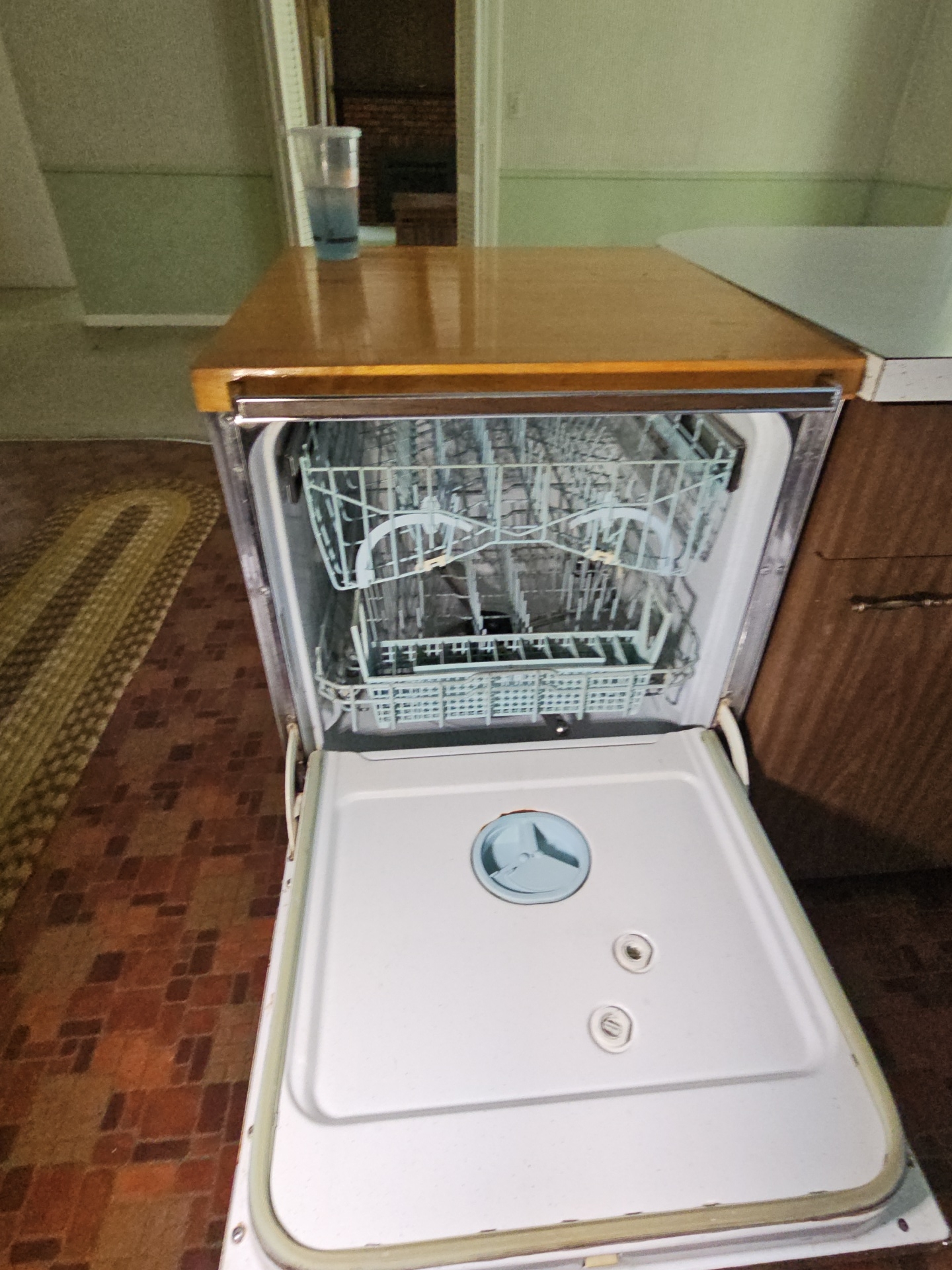
The dishwasher was not operated at the time of inspection. The dishwasher is a KitchenAid KDS-17 and appears to have a cult following.
Ventilation Method
Fan Above Cooktop
Ranges, Ovens and Cooktops
Range/ Oven /Cook-tops: Electric
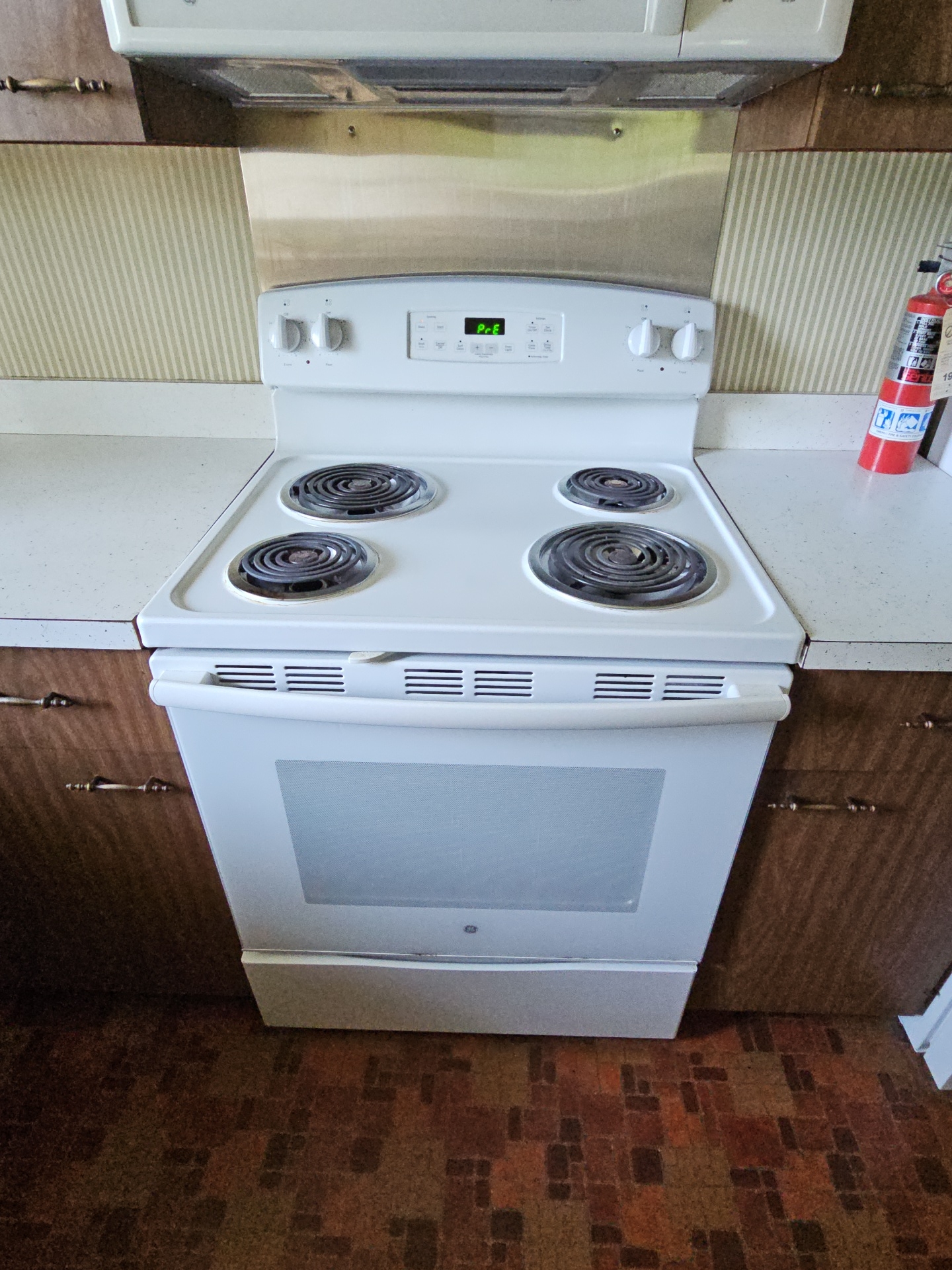
The cook top and oven operated normally. You have a GE model JB250DFWW electric oven. More information about this model can be found here: https://products.geappliances.com/appliance/gea-specs/JB250DFWW/support. The oven appears to be highly rated.
Refrigerators
Refrigerator: Operating
The refrigerator and freezer appeared to be operating normally. You have a Fisher & Paykel refrigerator. The picture I took of the model number didn't come out visible. It appears to be a series 5 and is highly rated. You can find more information by clicking here.
Structure and Basement
Foundation
% of Foundation Not Visible: 50%
Evidence of Seismic Protection: None Found - Old House
Building Configuration: Basement
Foundation Description: Masonry block
Floor, Wall and Ceiling
Wall Framing: Partly visible
Wall Sheathing: Not visible
Floor Framing: Partly visible
Sub-Floor Material: Plywood
Ceiling Framing: 2x6
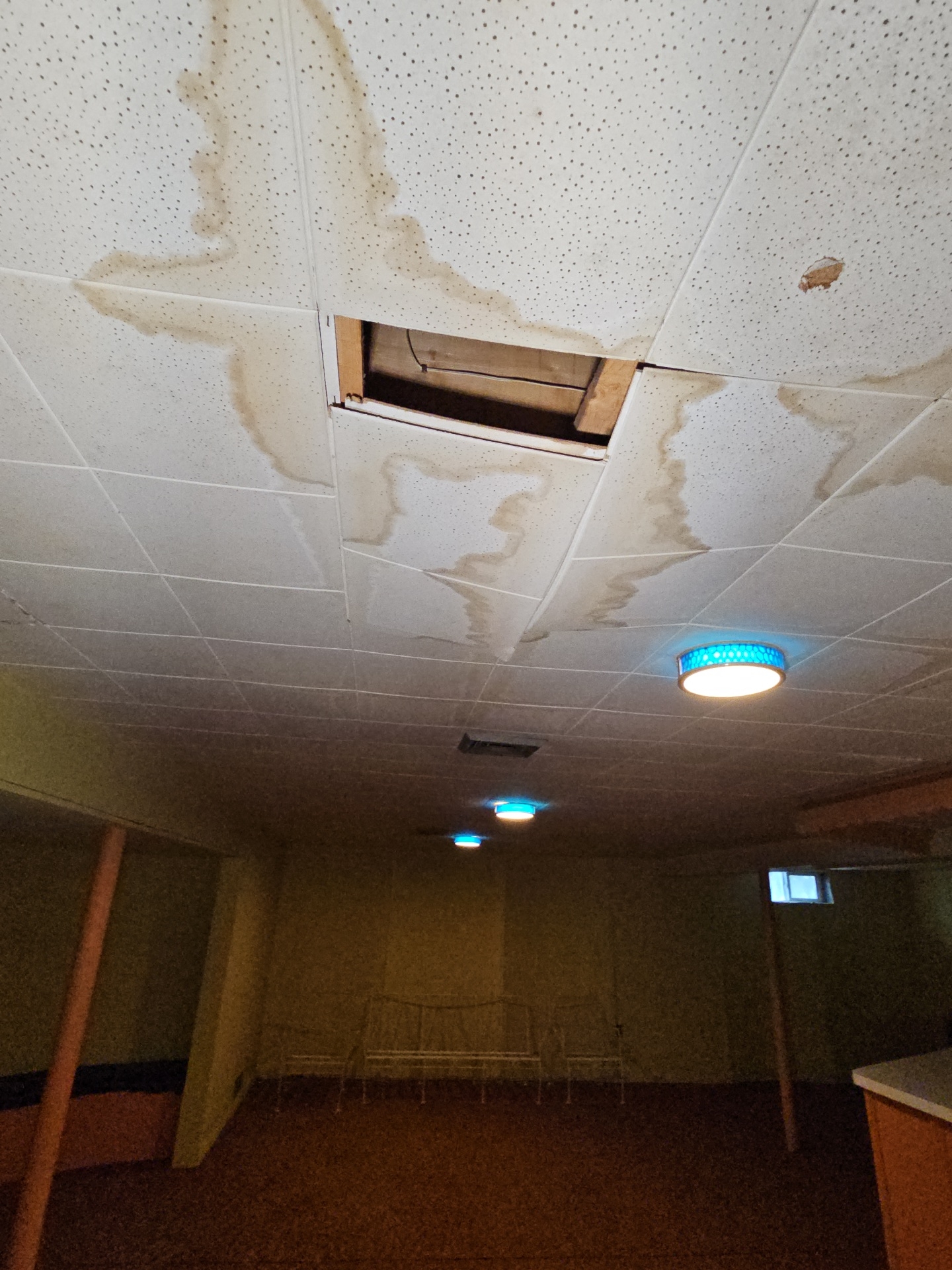
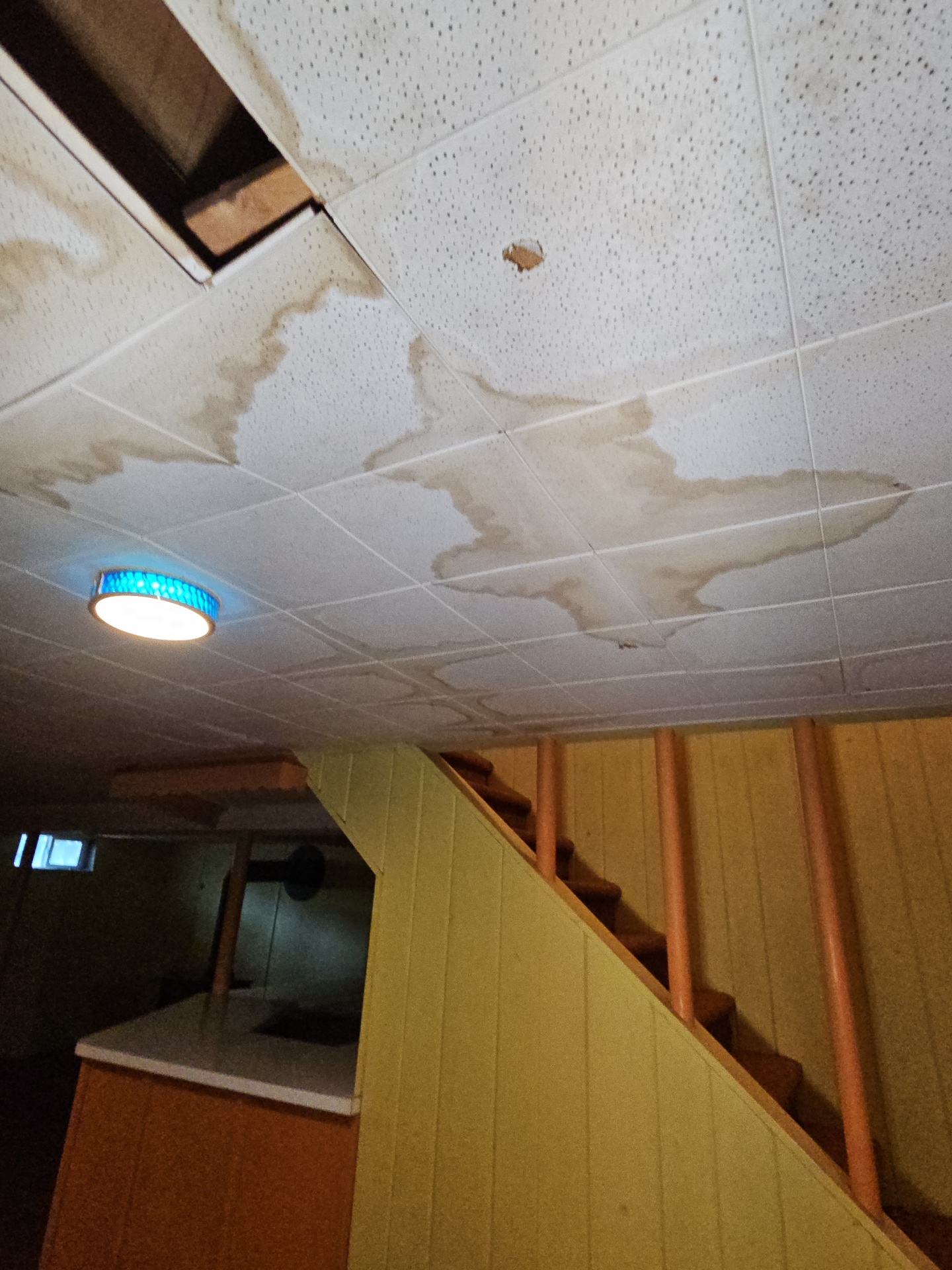
A past leak, likely from the laundry room, was visible at the basement's drop ceiling.
 |  |
Basement
Full
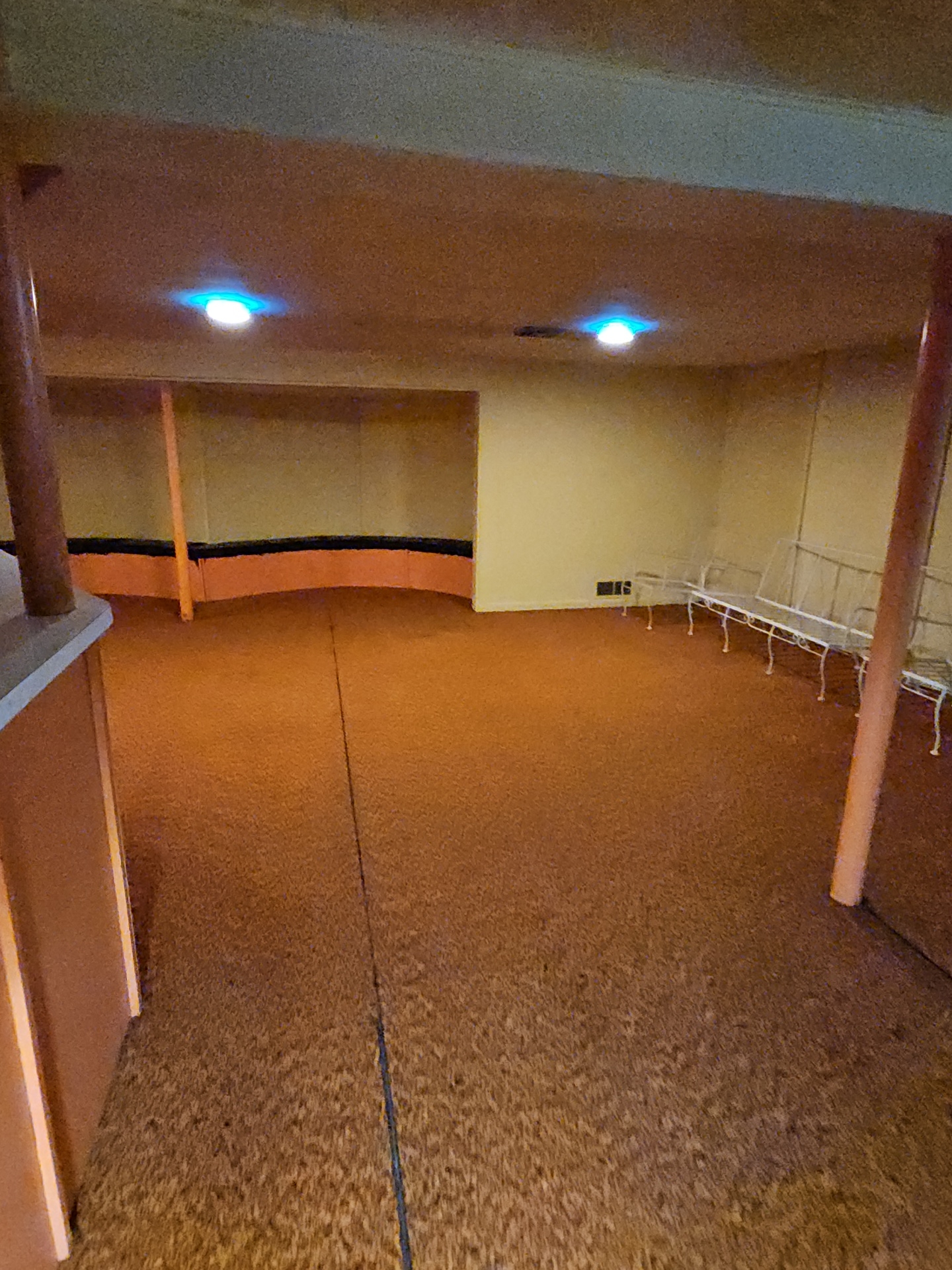
Certain finishes in the basement restricted visual inspection of the walls.
Basement Moisture
Some signs
OLD BASEMENTS AND MOISTURE
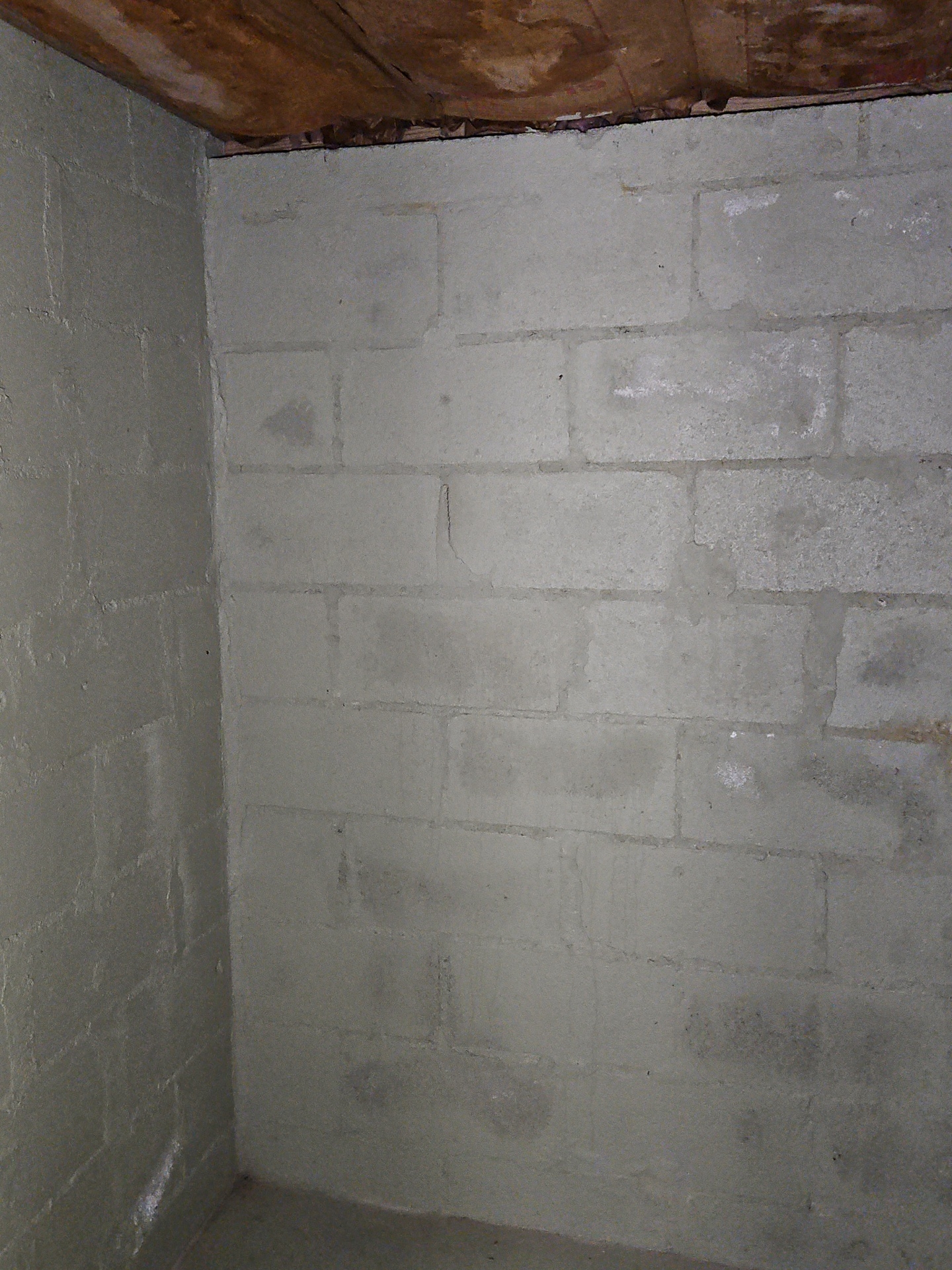
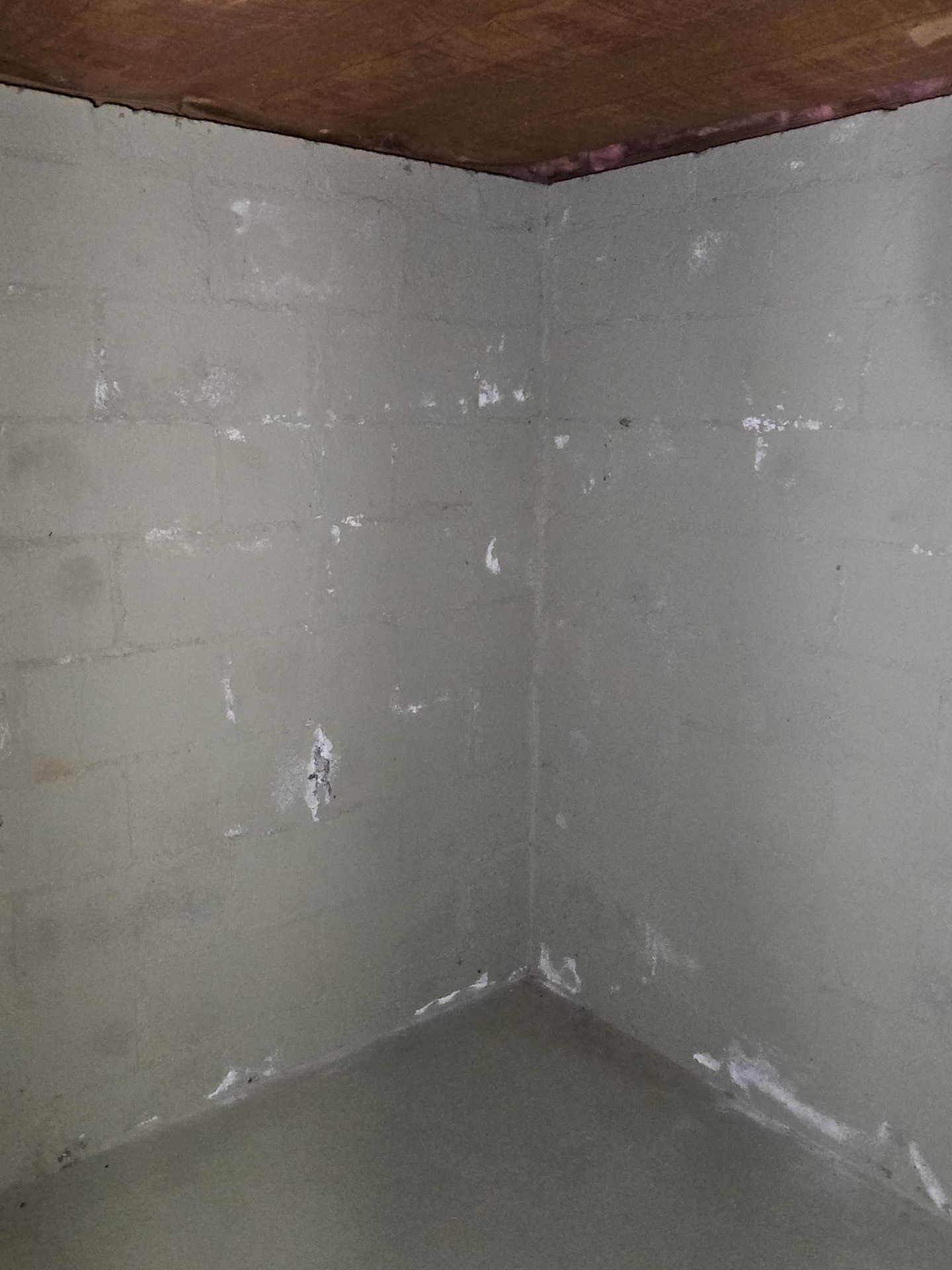
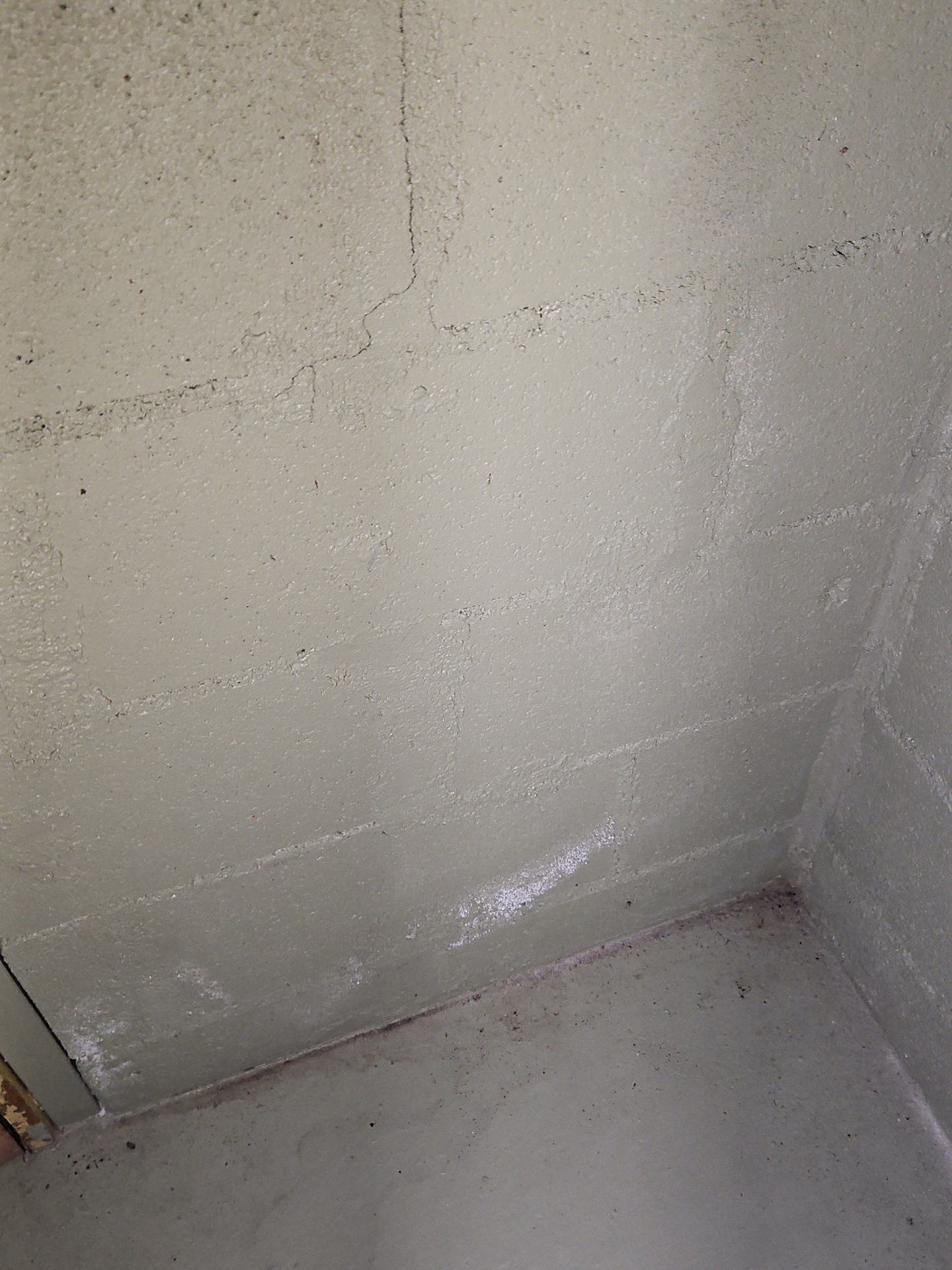
As a general rule, older basements are prone to seasonal dampness and moisture issues. This is because there were no industry standards to water proof foundations at the time this home was built. Today's basements will likely be sealed on the outside with concrete sealer over the foundation. On top of this a water-proofing fabric is applied which will divert water into a footing drain system at the base of the foundation; old basements usually have none of these water-proofing systems installed.
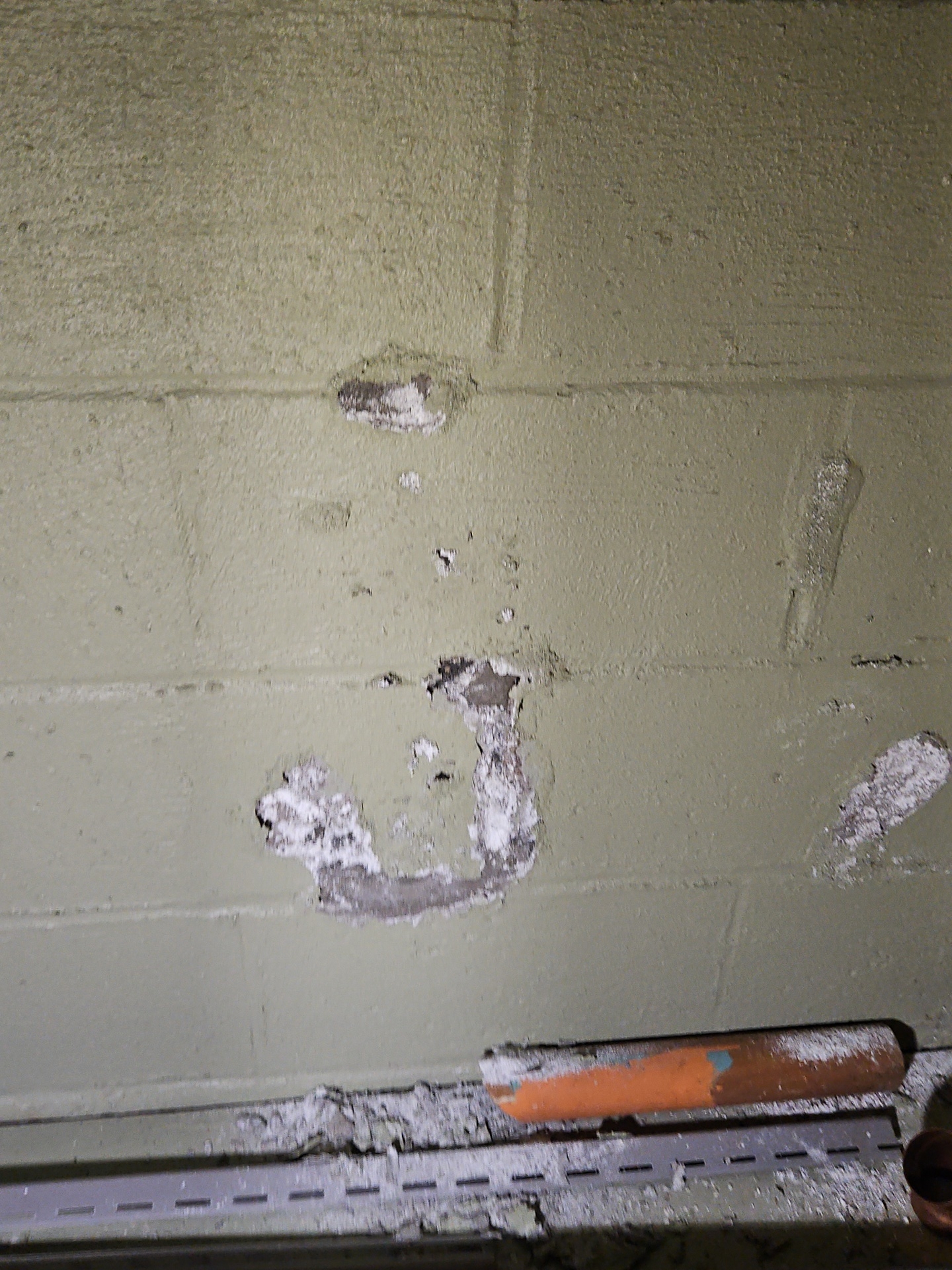
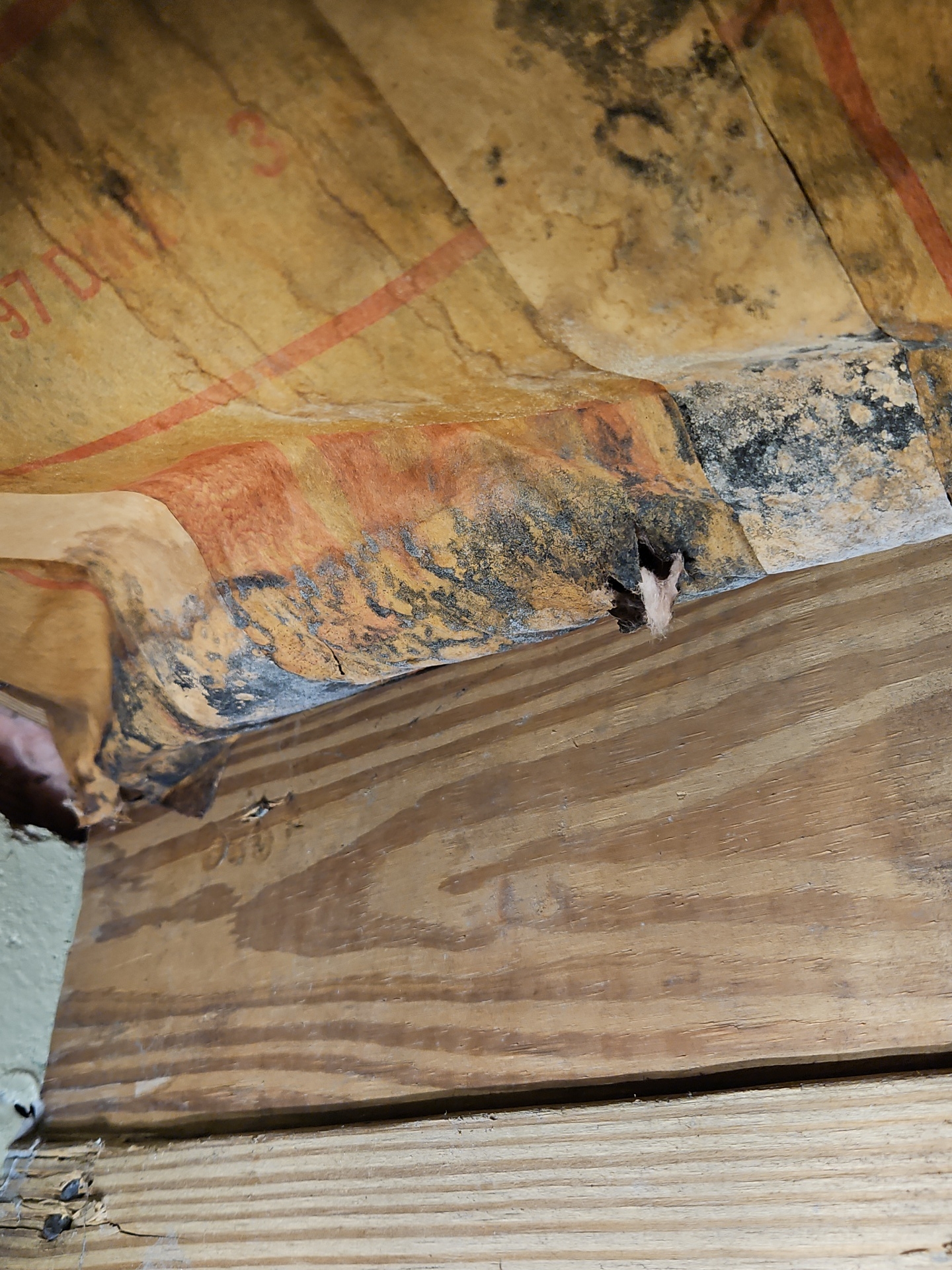
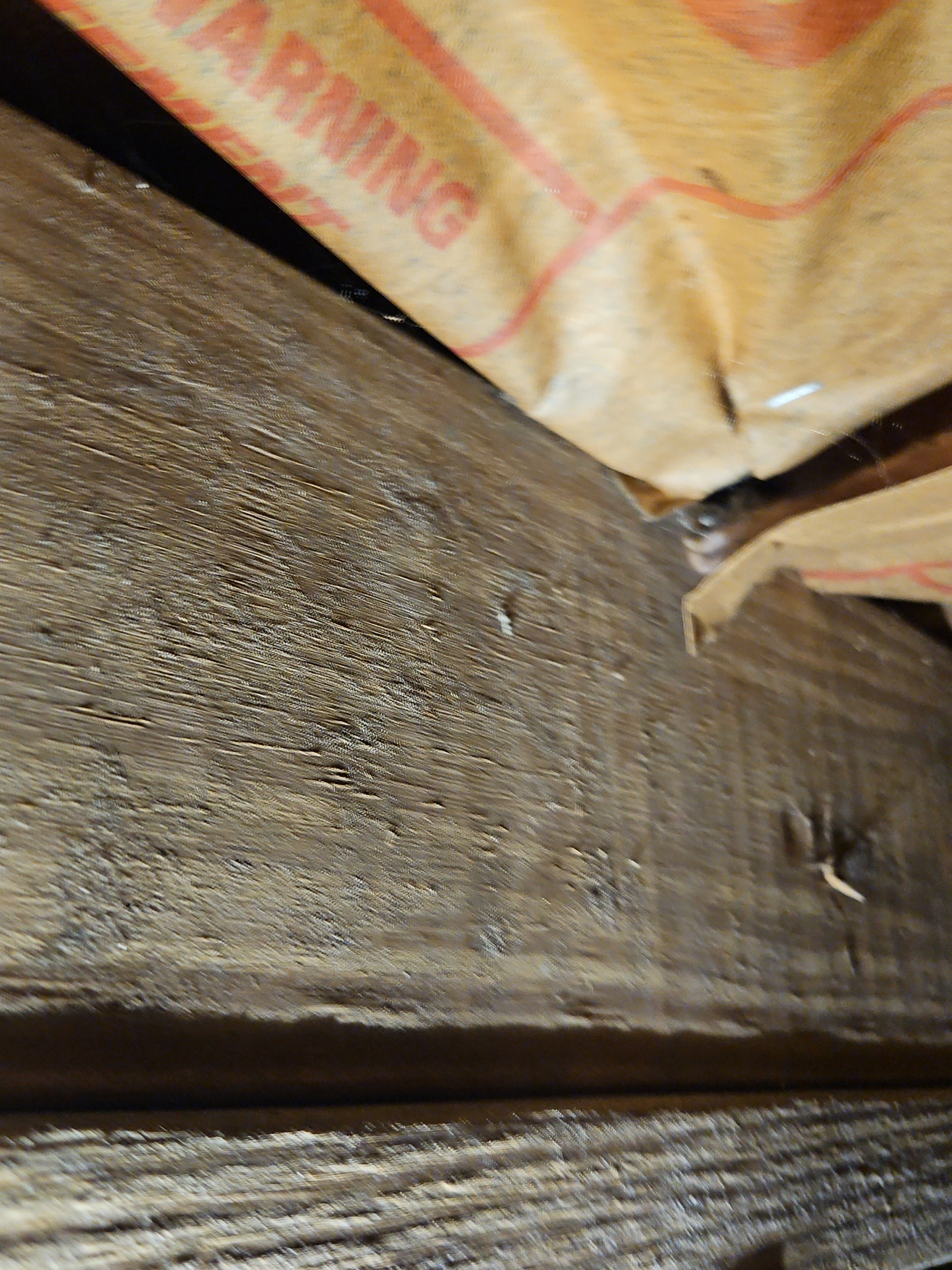
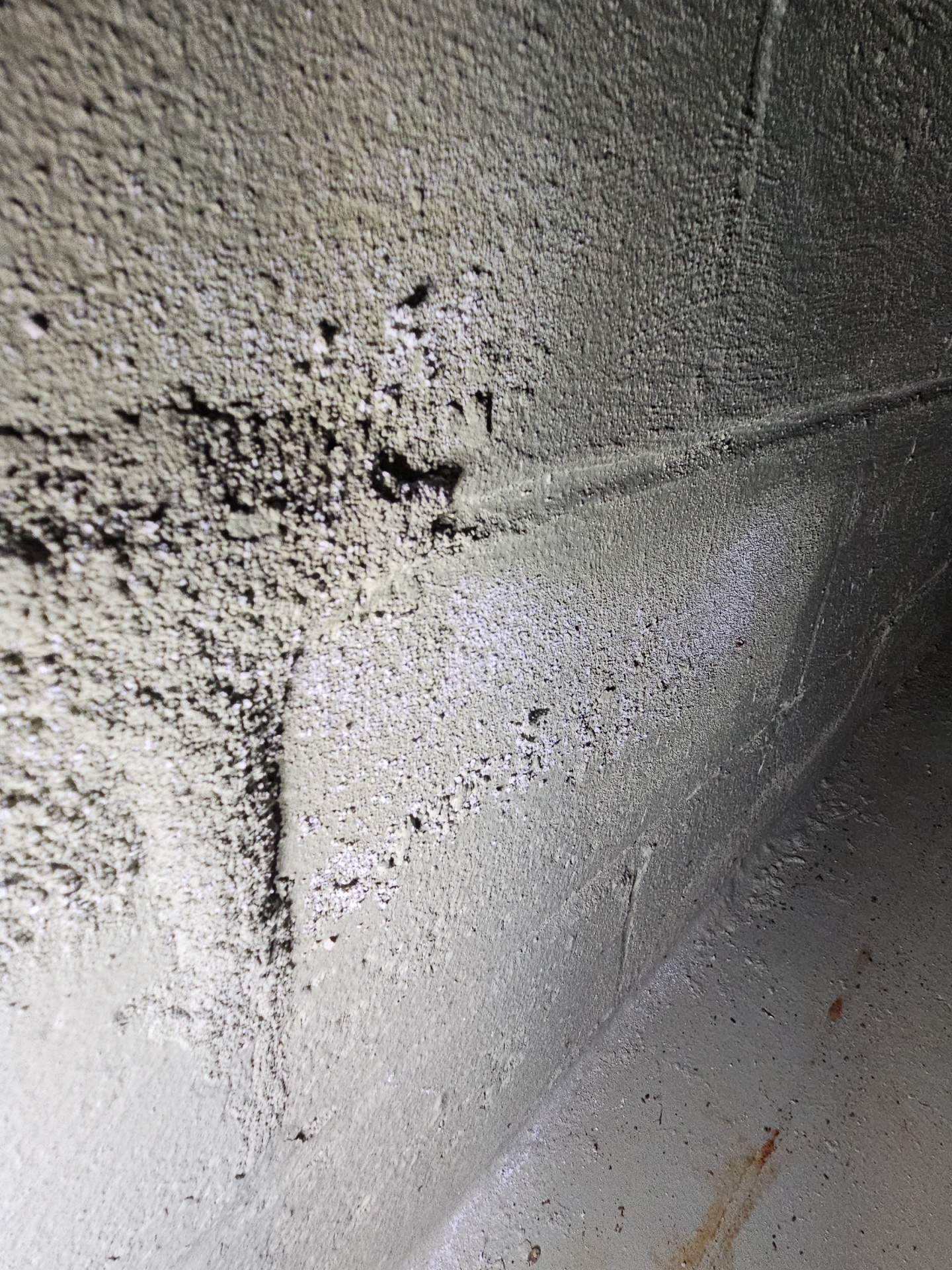
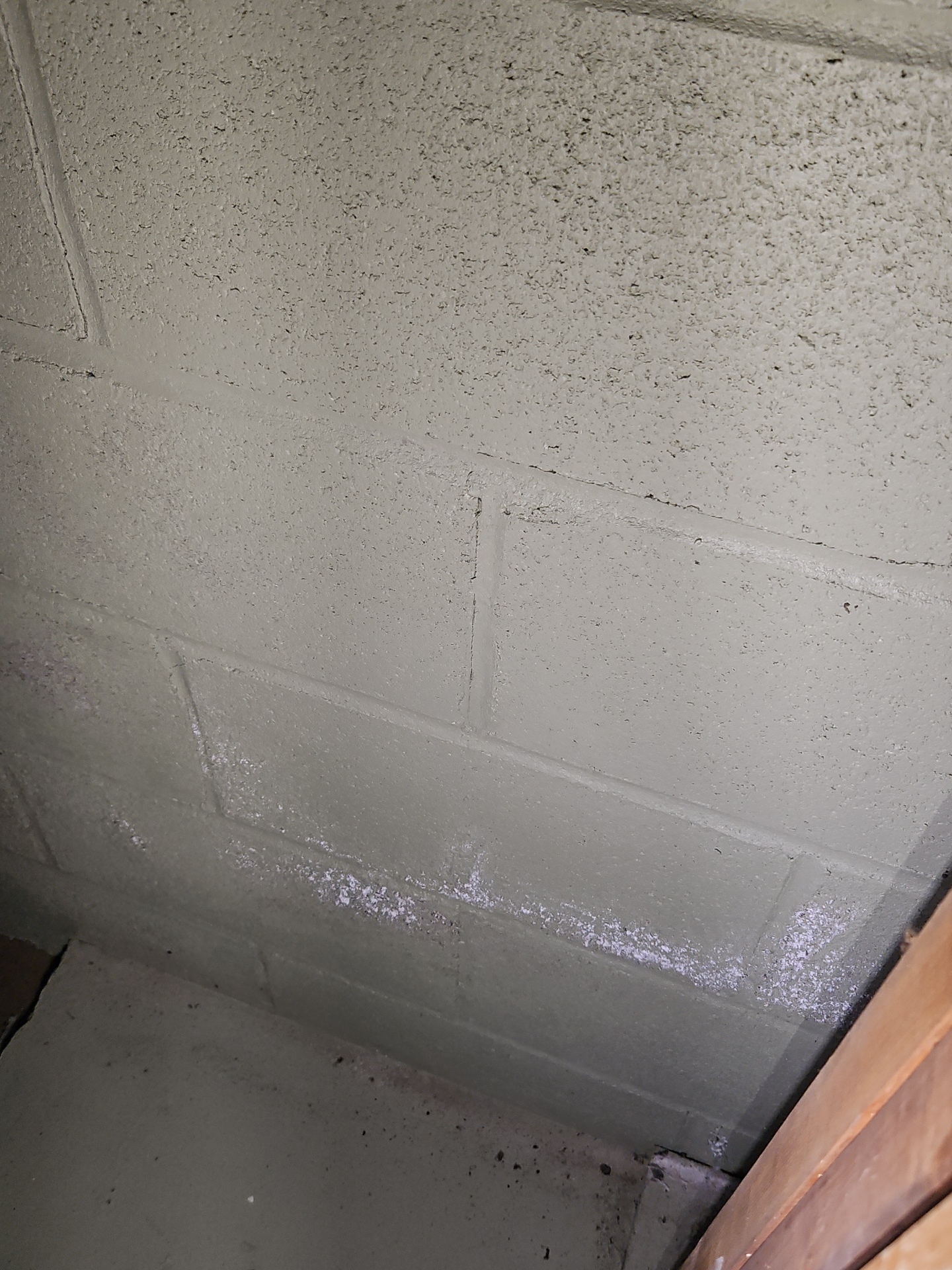
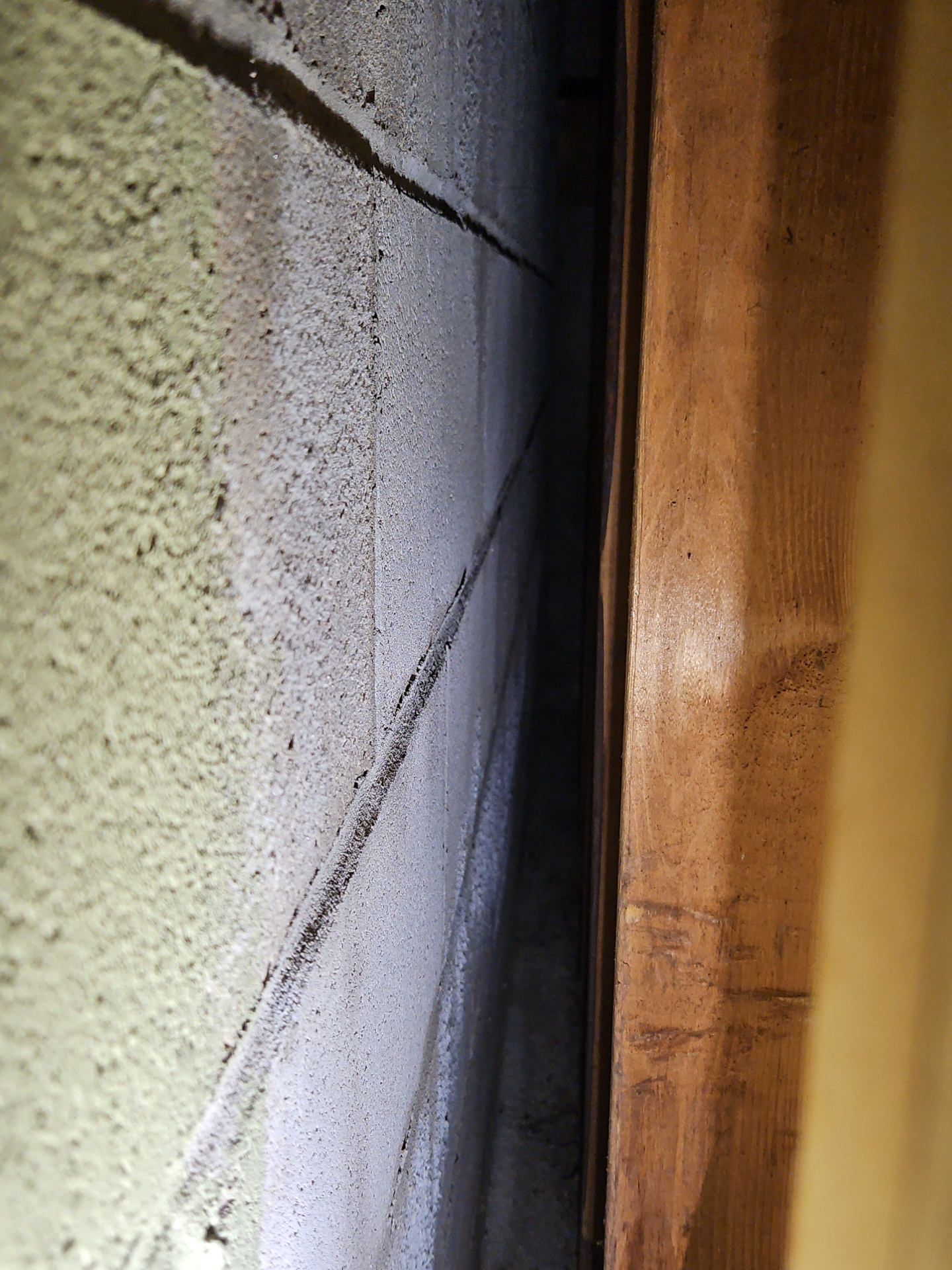
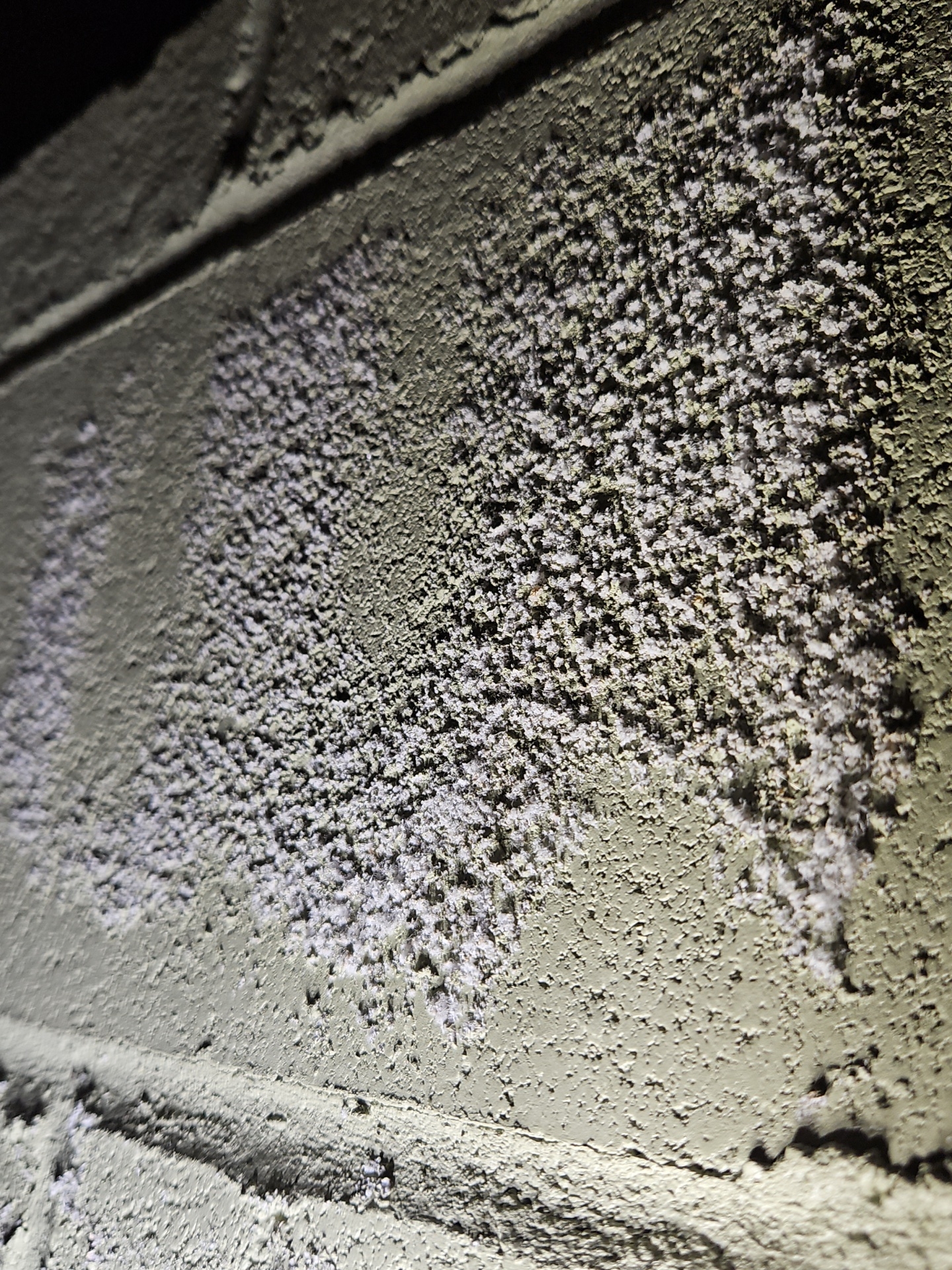
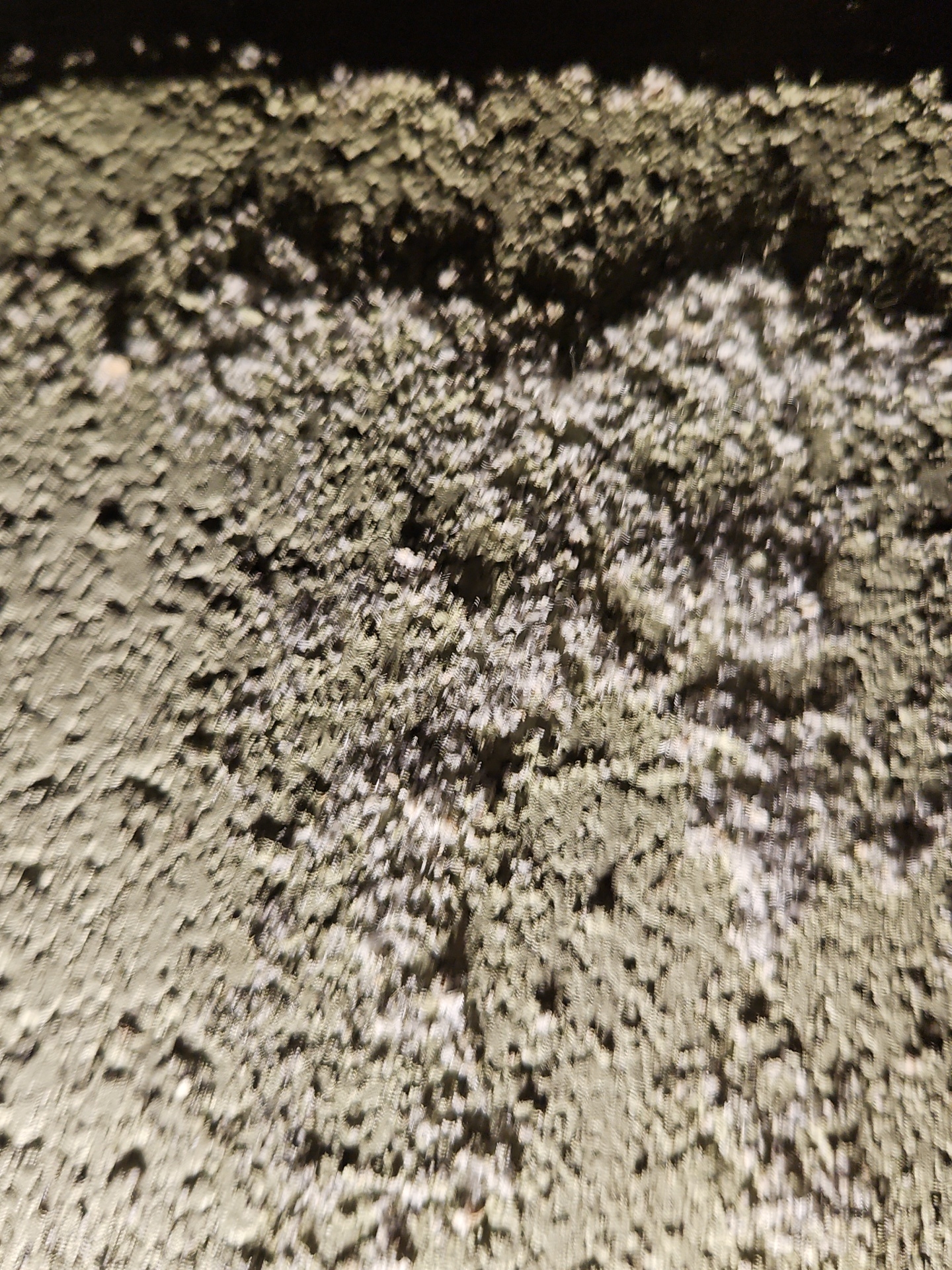
There is a mold like substance noted in the room behind the bar in the basement. Keep the door to this room open so that the dehumidifier can help keep the humidity down. Numerous areas of the foundation walls appear to have efflorescence on them. Efflorescence is a crystalline or powdery deposit, typically white, that appears on the surface of porous materials like concrete, brick, or stone. It occurs when water carries soluble salts from within the material to the surface, where the water evaporates and leaves behind the salt deposits. My opinion is that the majority of this efflorescence can be linked to water being trapped or carried to the exterior wall by vegetation and their roots. See my recommendation in the Ground section, G1-7. Have a qualified mold remediation specialist assess and treat the mold like substance, and assess the efflorescence to be sure it is in fact efflorescence.
 |  |  |
 |  |  |
 |  |  |
 |
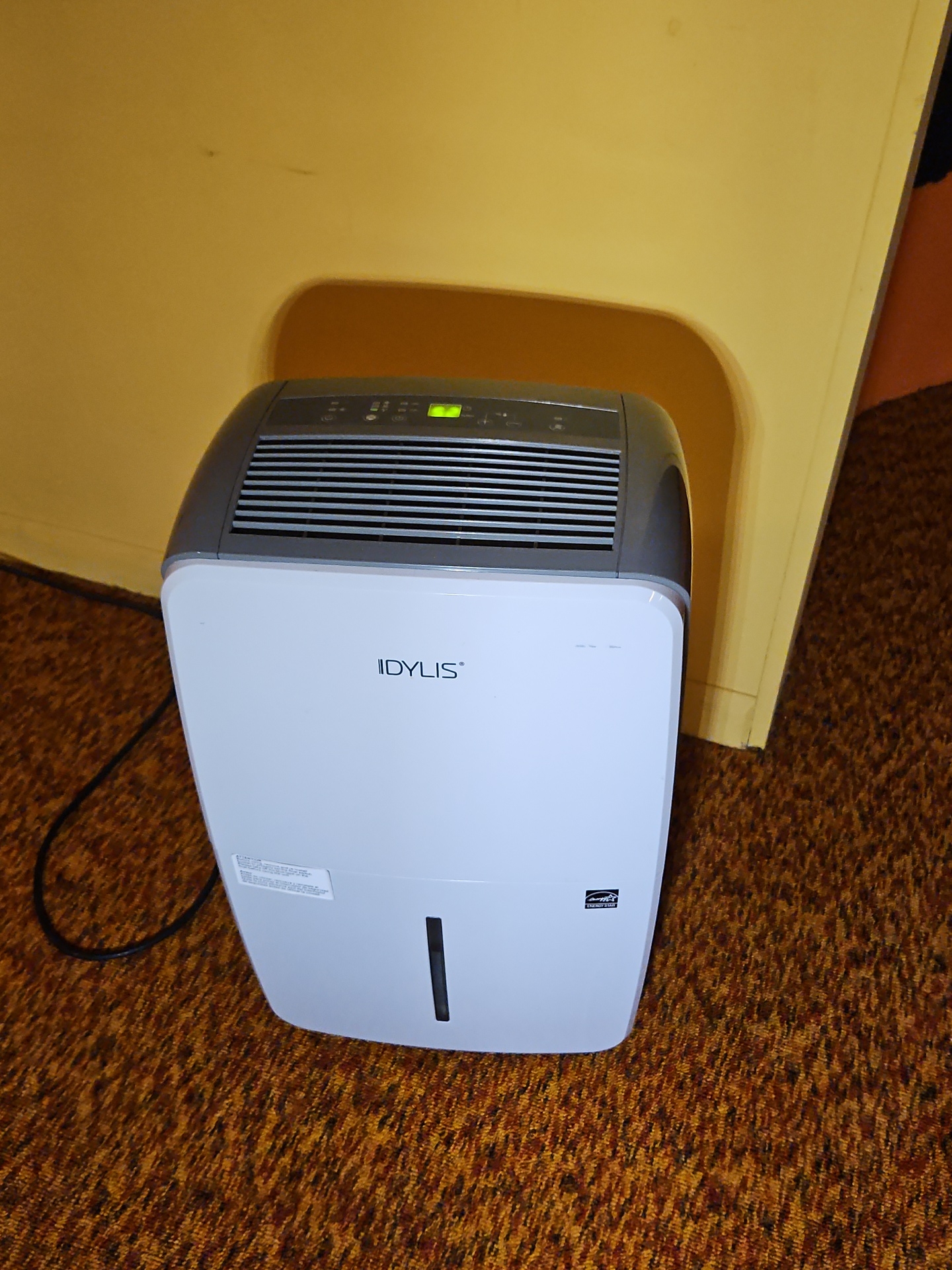
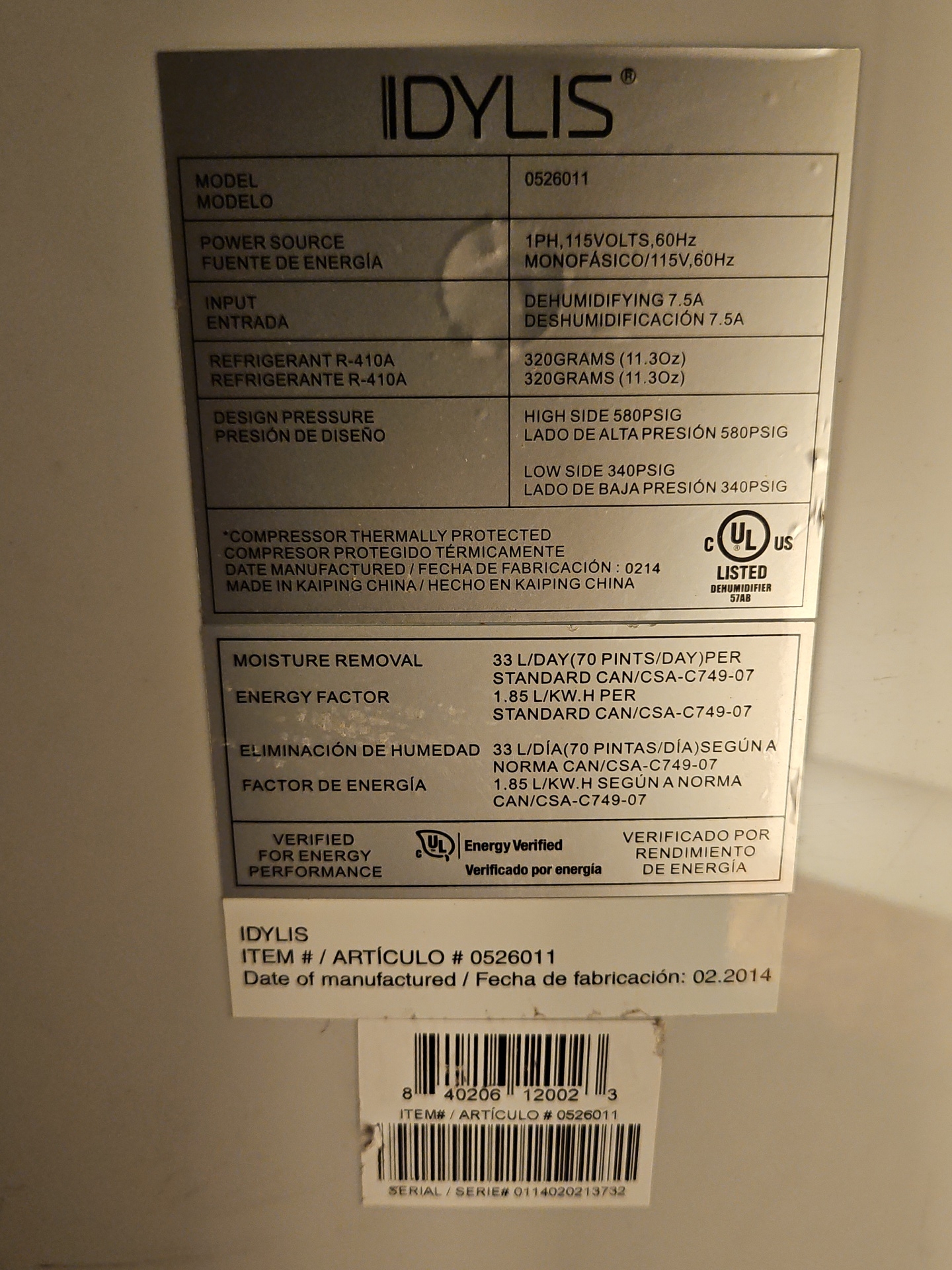
You have an Idylis 526011 dehumidifier installed in the basement. While not highly rated, it appeared to be functioning as intended during the inspection. More information, including the user manual for this dehumidifier can be found here: https://www.lowes.com/pd/Idylis-70-Pint-3-Speed-Dehumidifier/50273685. Depending on the heat/cool method for the basement, consideration should be given to installing a dehumidifier that drains automatically and is well rated, such as this Santa-Fe: https://www.santa-fe-products.com/product/compact-70-dehumidifier/. You may also consider installing an Energy Recovery Ventilator, which will dehumidify and maintain temperature, such as this April Aire: https://www.aprilaire.com/whole-house-products/ventilation/model-8100.
 |  |
Heating, Cooling, Fireplaces and Ventilation
Heating and Cooling System Overview
The blower of the gas insert doesn't operate.
Heating air vent by door to garage and bedroom vents appeared to have more limited airflow than living room vents.
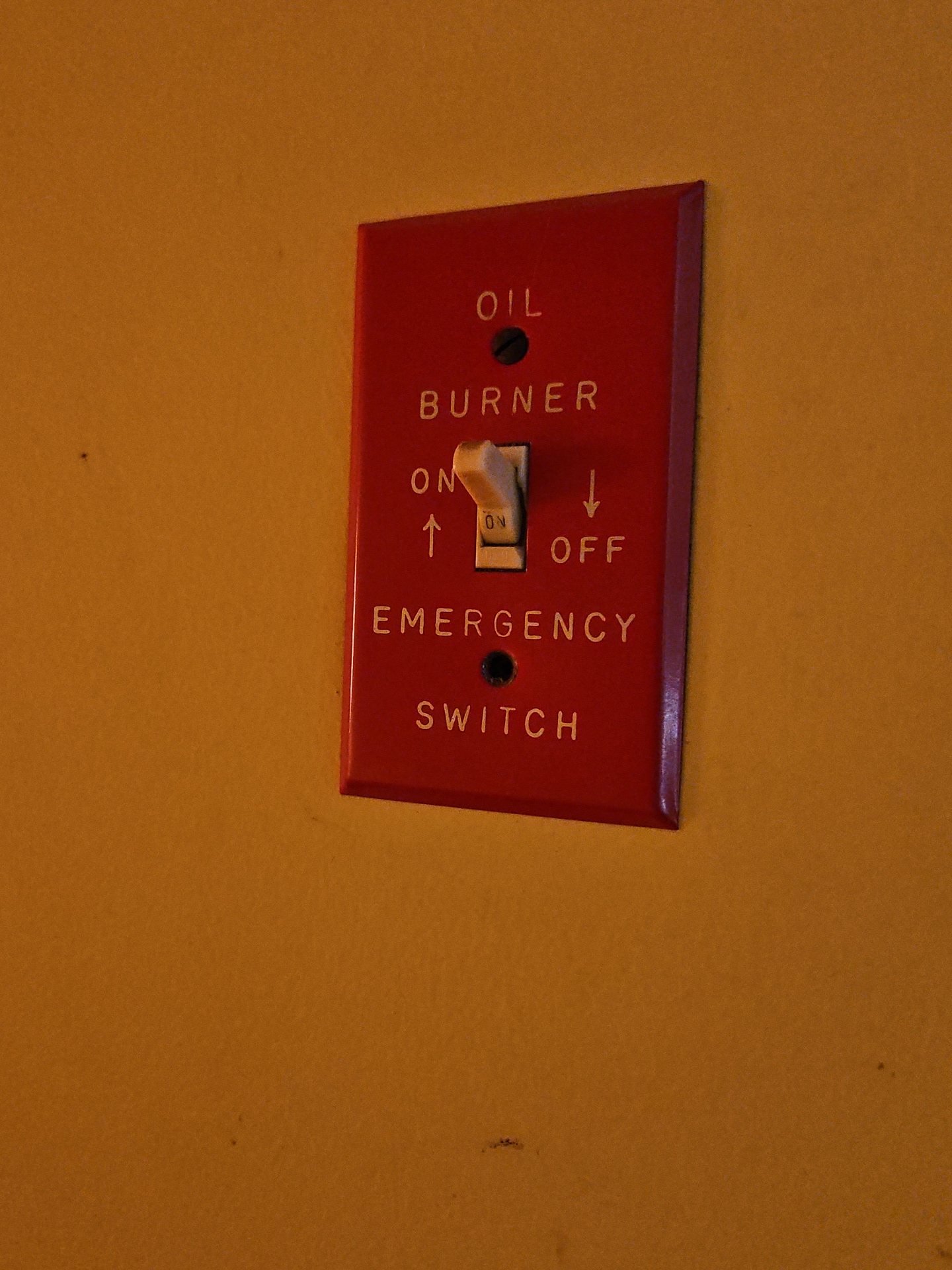
Emergency switch "oil burner" does function as a shut off for the natural gas furnace. Recommend replqcing cover to so indicate.
Heating Systems
Energy Source: Natural gas
Heating Method: Electric forced air furnace
Manufacturer: York
Age: 2004
Annual servicing of electric forced air furnaces is recommended for safe and reliable heat. I could not find recent service records on the furnace. A servicing is recommended if one has not been done in the last year. The furnace was tested during the inspection and was operational. In 20 minutes the furnace raised the thermostat temperature from 76 to 78 degrees.
Examples of observations noted during the inspection include:
The red plated switch at the top of the stairs to the basement is functional and when in the off position disconnects power to the furnace.
Recommendation
Change the red plate to indicate that the switch is for the furnace, not an oil burner.
You have a York high efficiency forced hot air furnace manufactured in December 2004. The model number is pv9c16n080up11a and you can find parts and more information here https://www.repairclinic.com/ProductDetail/1385859?srsltid=AfmBOorwQzi9allKcTOxs8noXEdAKXCV6yangYqC2sf4JgP8iNzHxuGT.
Air Filters
Filtration Systems: Disposable
The heating system has disposable air filters installed. These should be changed quarterly or more to ensure proper airflow at the furnace. Be sure to install the filters with the arrows pointing in the same direction as the airflow in the furnace. Your furnace requires a 16x25x1 air filter which you can find by clicking here.
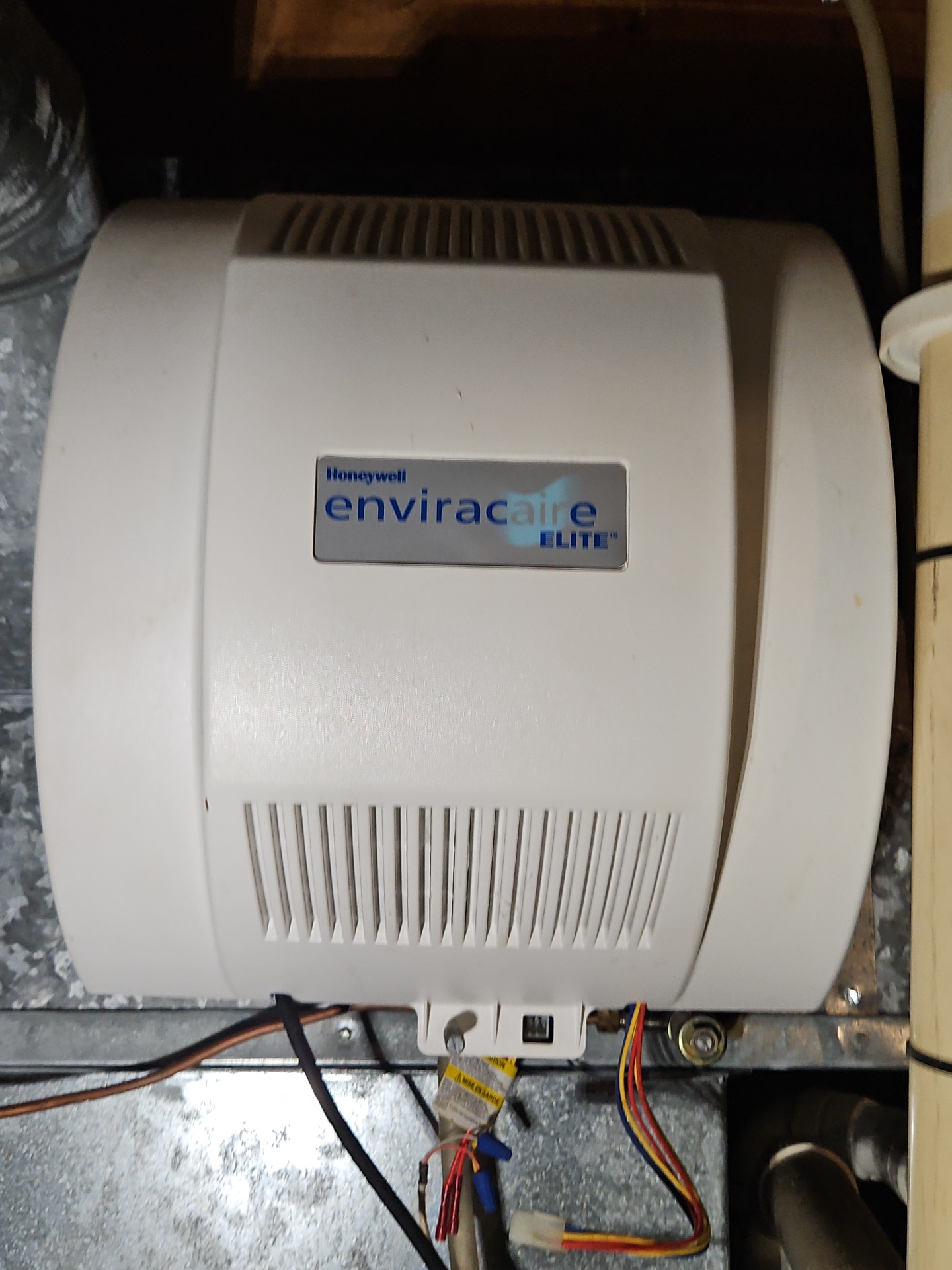
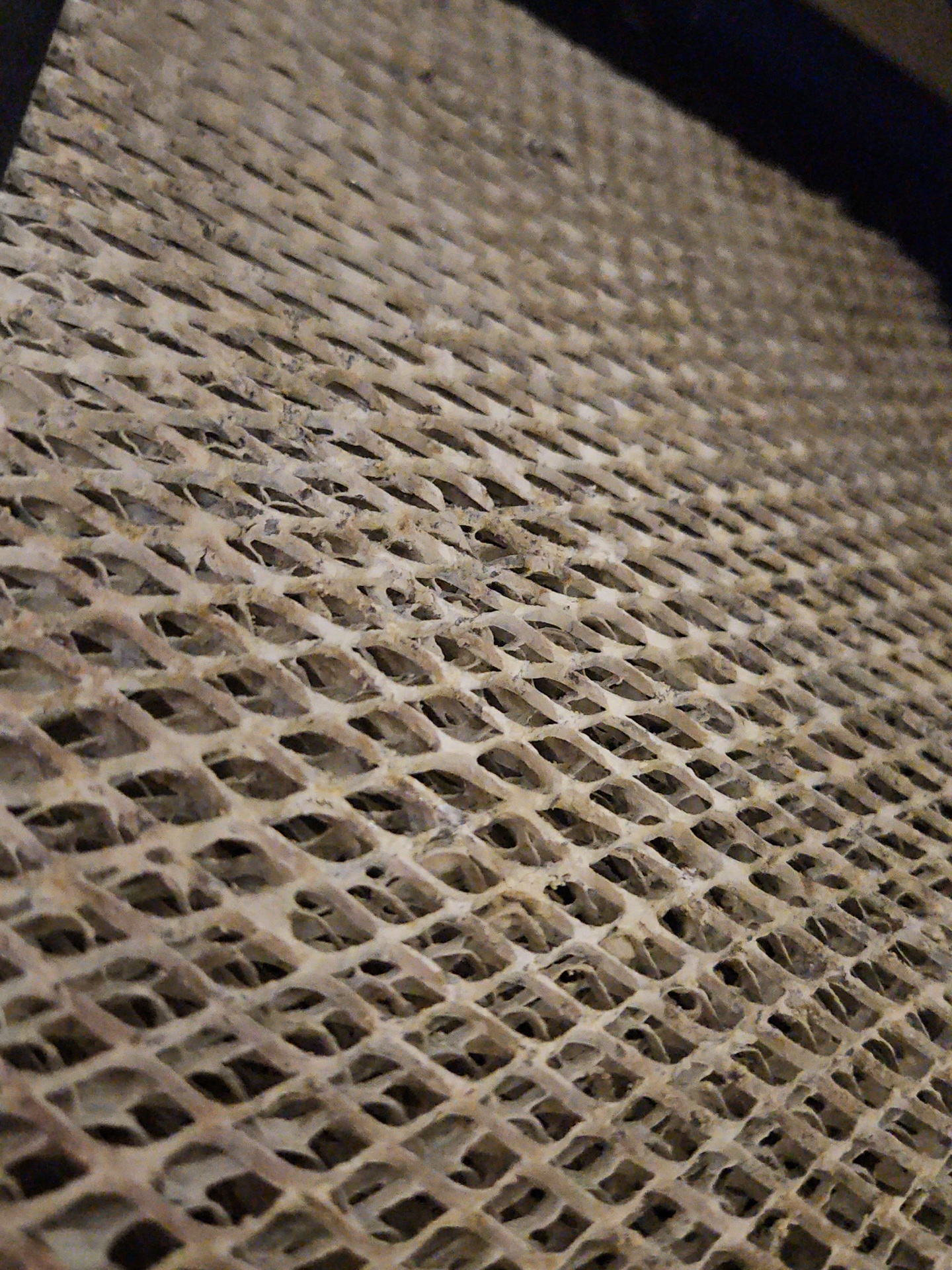
When the heat is on, you have the option of controlling the home's humidity via the humidistat next to the thermostat in the fist floor hallway. The humidistat is connected to the Honeywell "Enviracaire Elite" which is a whole-house humidifier, specifically a flow-through humidifier designed to add moisture to the air. These humidifiers work by using the warm air from a furnace to evaporate
water and distribute it throughout the house, increasing the relative
humidity. It's connected to a condensate drain/pump. I disassembled the "Enviracaire Elite" and inspected the filter, which appeared to need cleaning. Regular maintenance of this system, should you choose to keep it, is highly recommended. More infromation about your system can be found here: https://customer.resideo.com/resources/Techlit/TechLitDocuments/68-0000s/68-0243.pdf.
 |  |
Heating and Cooling Distribution Systems
Heat Source in Each Room: Present
Distribution Method: Forced Air / Ducts
Sections of the heat supply duct have marginal flow, especially in some bedrooms, indicating the ductwork is blocked or disconnected. Hire a licensed heating contractor to further evaluate and repair to ensure balanced supply from the heating and cooling distribution system.
Gas Fireplaces
Fireplace Types: Direct vent - decorative log set
Gas Shut off Noted: Yes
Screen Covering For Direct Vent: Yes
System Responded to Testing: Yes
Annual servicing of the gas fireplace is recommended to ensure safe and reliable performance. No recent service records were noted. The blower is not operational. Have this appliance cleaned and serviced by a qualified gas appliance specialist.
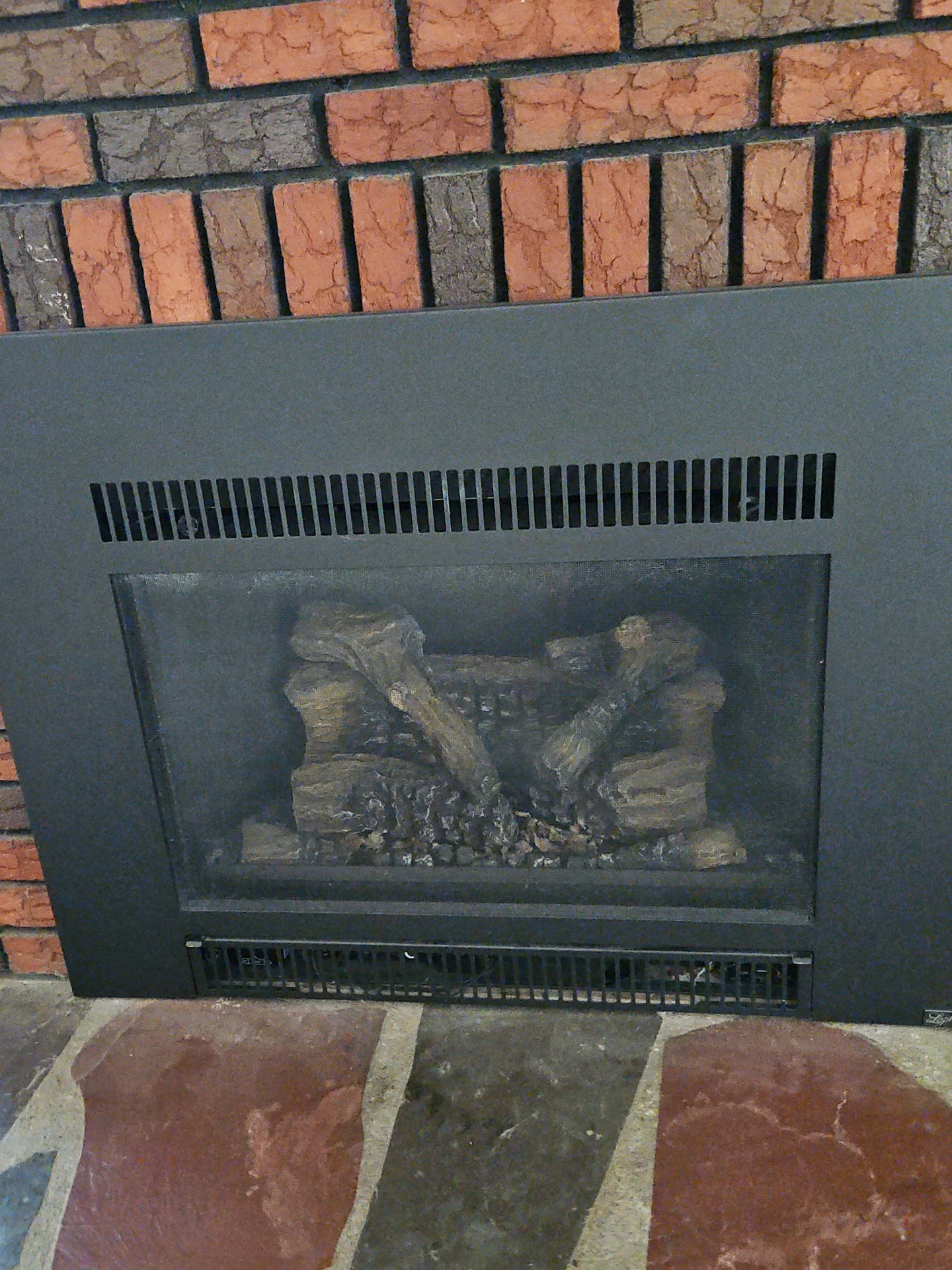
You have a Lopi Radiant Plus MV Large Insert manufactured in September 2018. You can find more information about the insert here: https://www.lopistoves.com/product/radiant-plus-large-mv/.
Solid Fuel Fireplaces
Fireplace Types: Wood stove
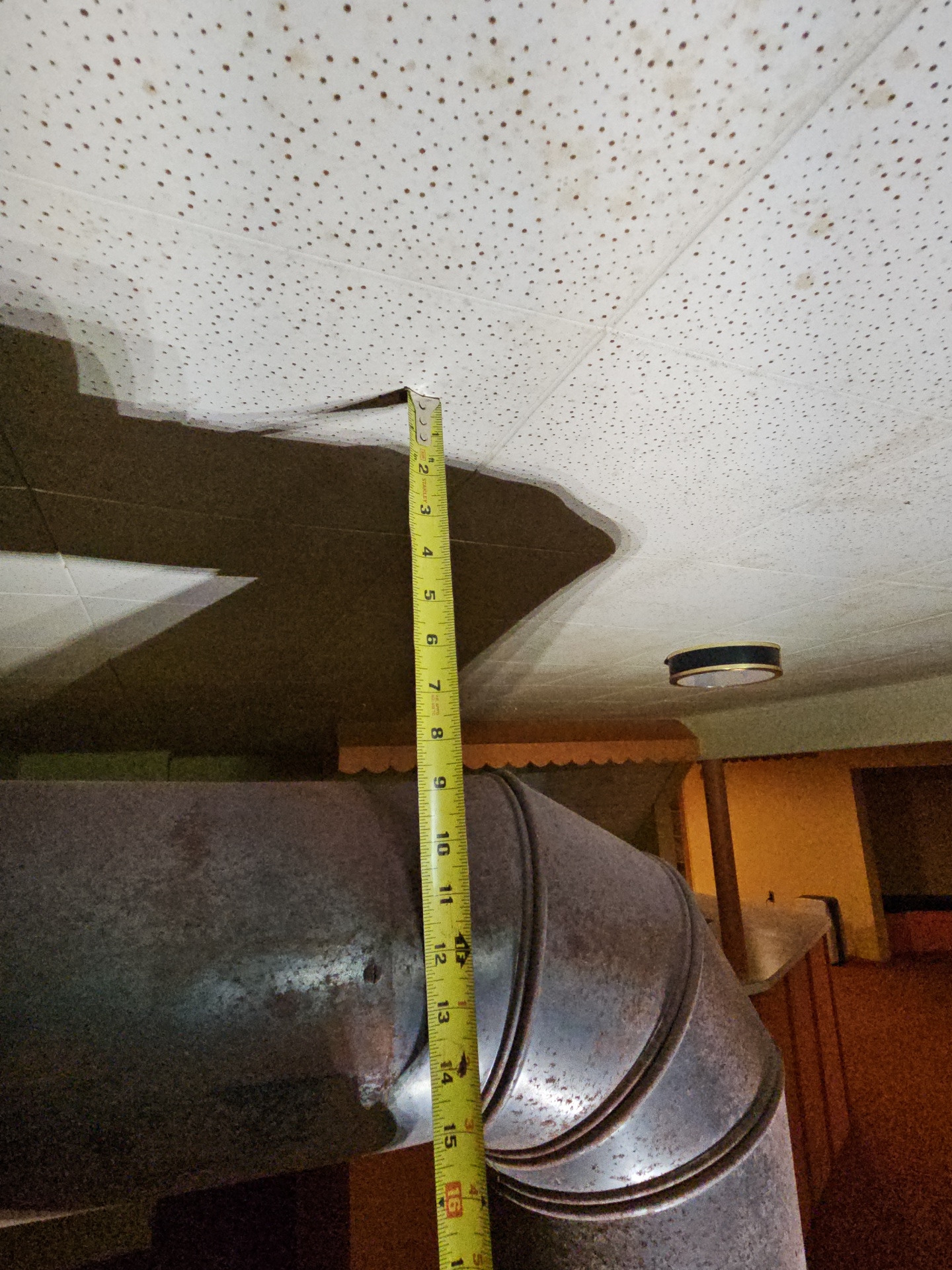
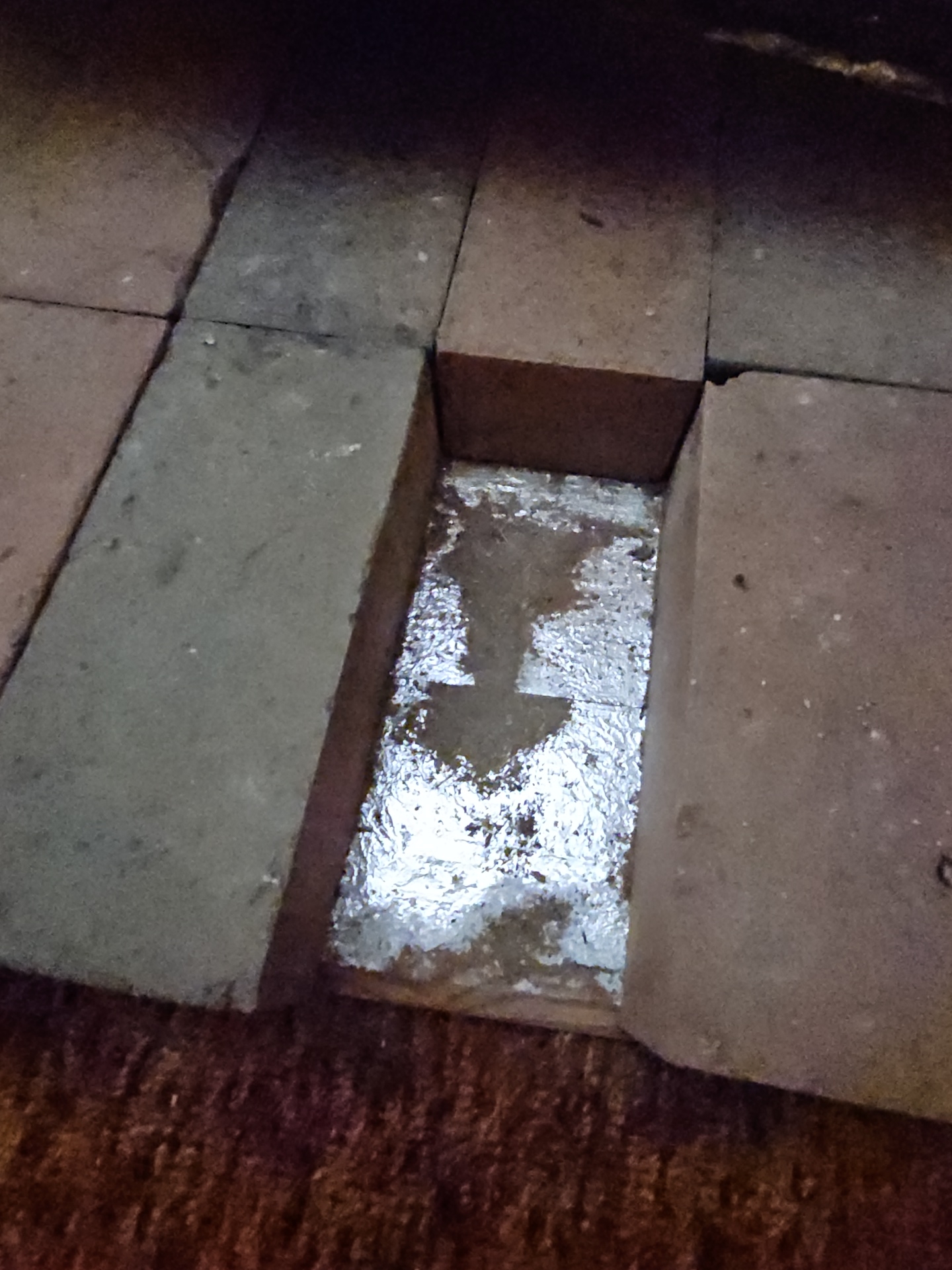
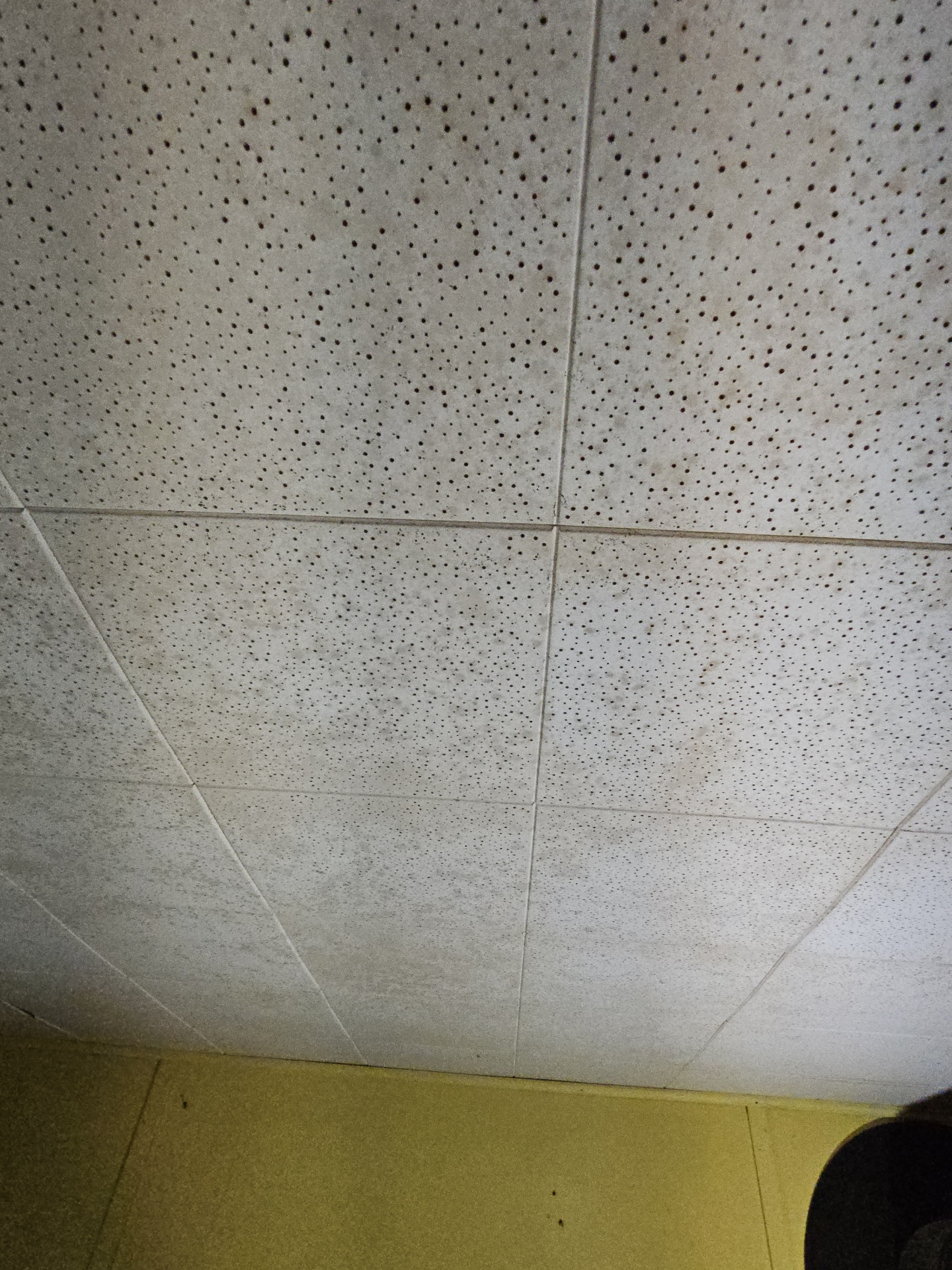
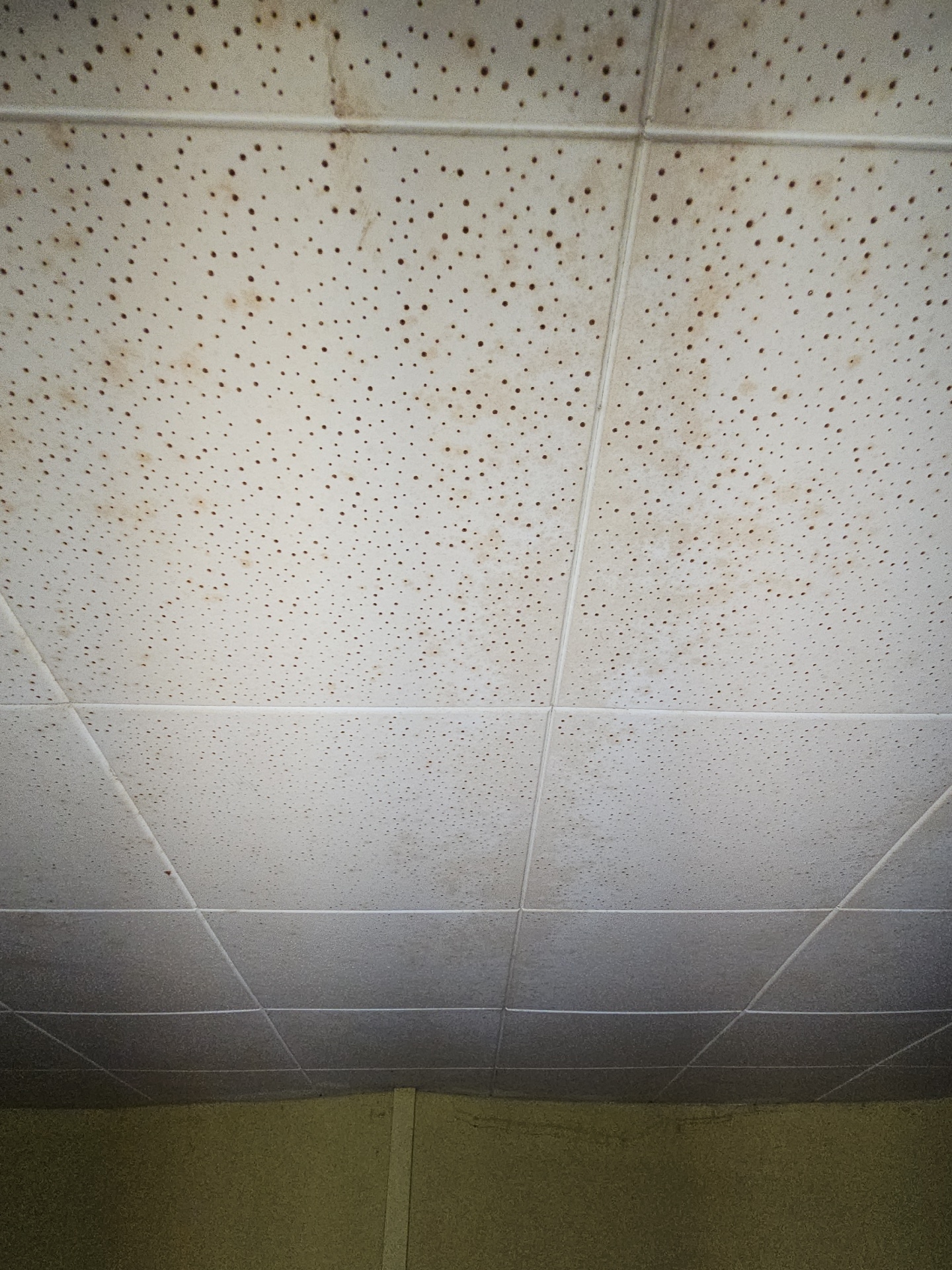
If you decide to continue using the wood stove, have it serviced by a qualified contractor such as a certified chimney sweep. Have this appliance serviced and repaired as recommended. Examples of observations noted during inspection that should be addressed immediately and before using the stove include:
- The stove pipe appears to be single walled, and if so then it's too close to combustible materials such as the drop ceiling (at least 18 inches is recommended);
- The drop ceiling has small holes/discoloration/burns throughout the area surrounding the wood stove possibly indicating high heat which makes for a dangerous situation.
- Ash and creosote build-up was noted inside the firebox; and
- The non-combustible hearth extension seems to be inadequate in front of the wood stove, the bricks are dry laid and on top of plywood.
 |  |  |
 |
Plumbing
Water Service Supply
Pipe Material: Copper
Water Supply: Public water
Pressure Reducing Valve: None noted
Main Water Shut-off Location: Basement
Distribution Pipe
Supply Pipe Materials: Copper
Functional Flow: Average
Waste Pipe and Discharge
Discharge Type: Public Sewer - Buyer
Waste and Vent Pipe Materials: Cast Iron
Location of Sewer Cleanout: Basement
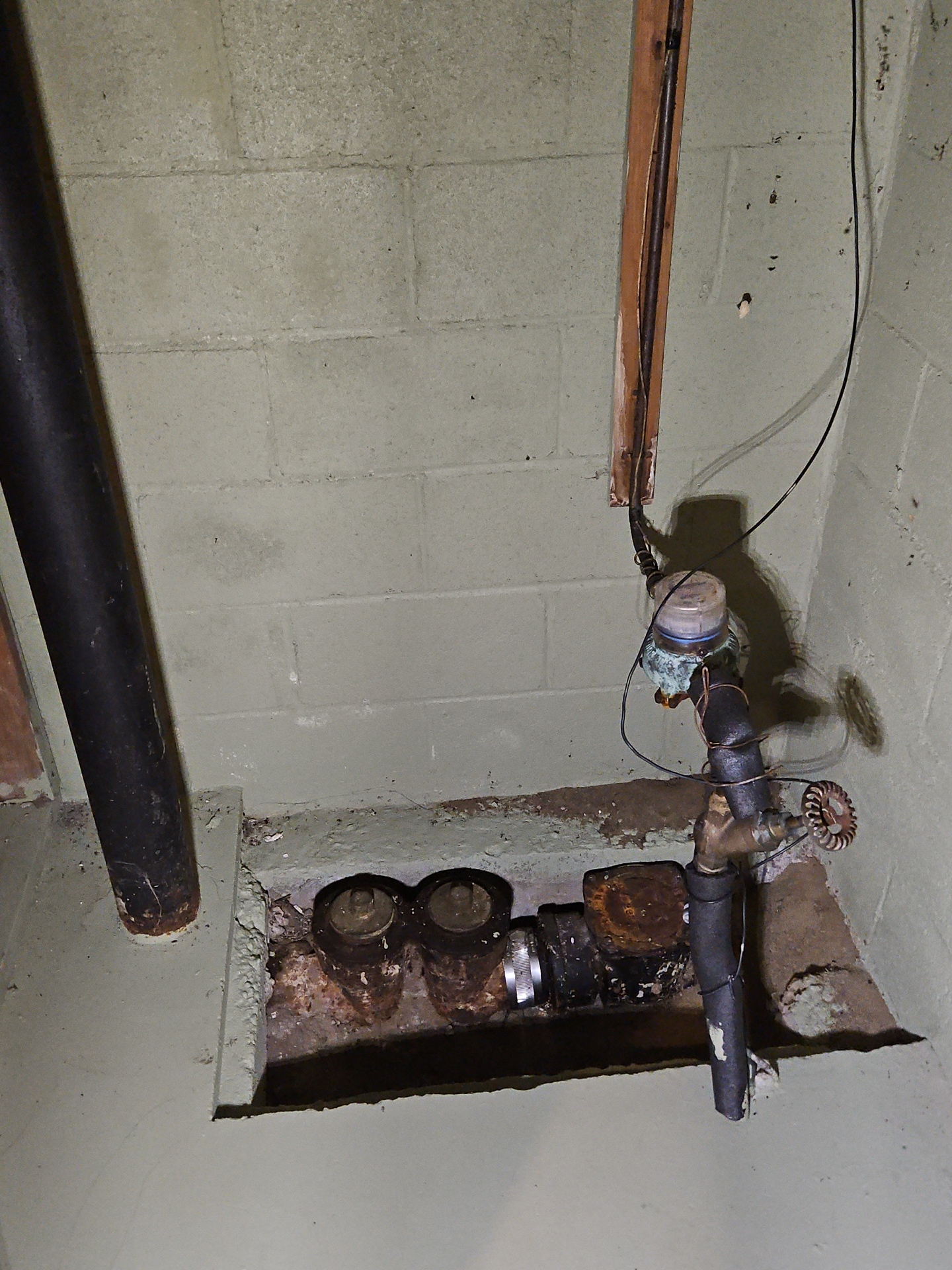
An evaluation of the sewer line below the ground is beyond the scope of this inspection. A sewer scope is recommended to further evaluate the sewer line and the below ground connections between the house and the municipal sewer line as these are not visible to inspection. Sewer scopes are done using video cameras and can show the materials, condition and reliability of the sewer line. If a video scope has not been done recently, I recommend having a sewer scope performed.
Exterior Hose Bibs
Operating
Water Heaters
Water Heater
System Type: Tank
Manufacturer: Rheem
Size: 40 gal
Age: Unknown
Energy Source: Electricity
Drain Pan: None Noted - Recommended
Height: Electric Less Than 18-Inches
No drain pan has been installed below the water heater. A drain pan is recommended under water heaters that are located in finished spaces or where a leak could damage finishes. Where a pan does not already exist, the tricky part is providing a drain to the outside. A pan without a drain is often of limited benefit/protection. For improved protection from accidental water heater leaks and where a drain is difficult to install, consider a pan with a moisture alarm and a flood-safe device.
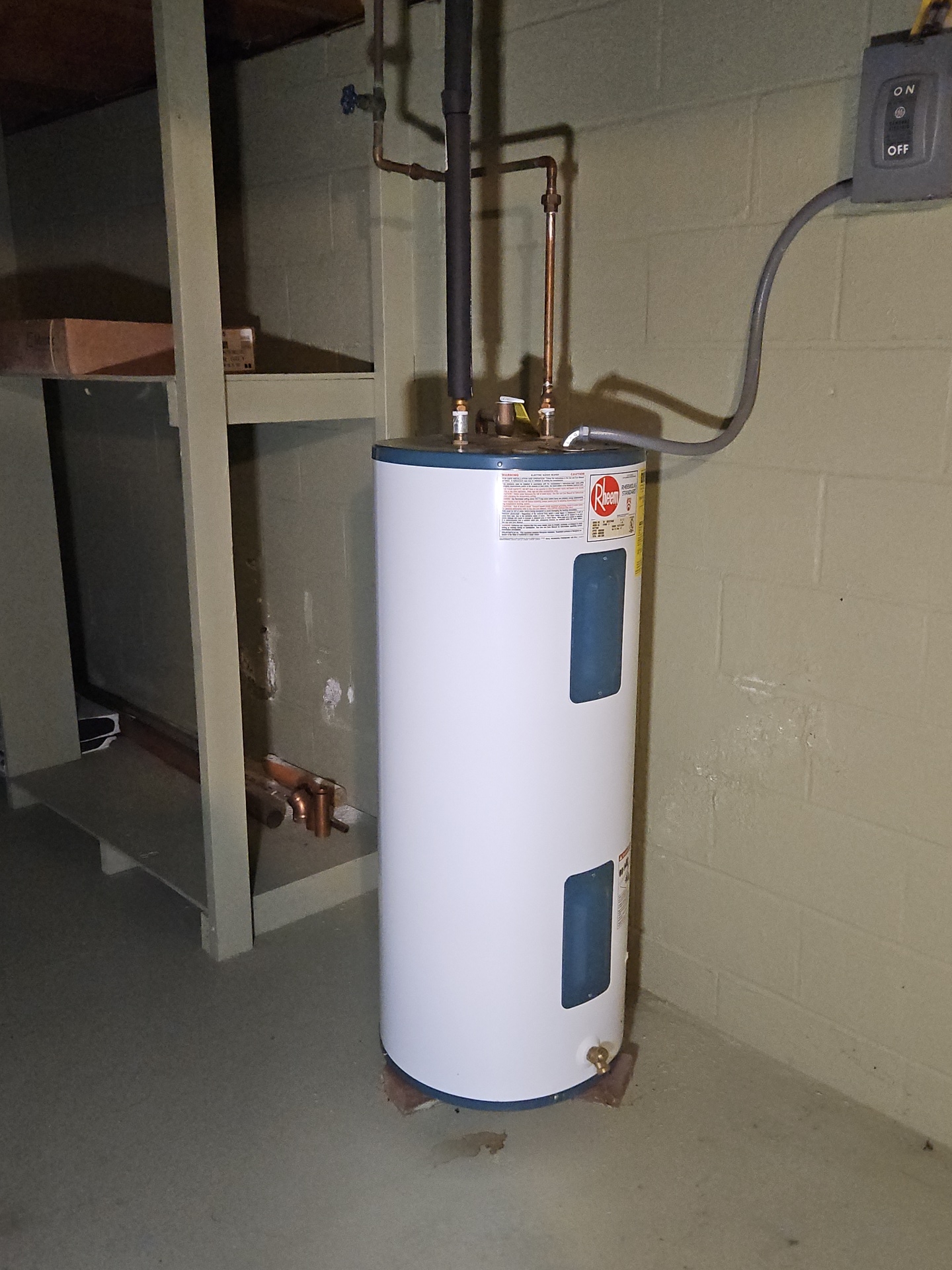
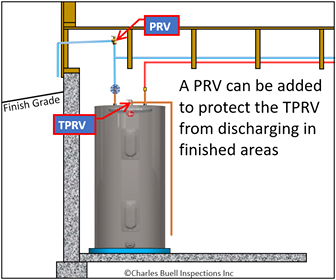
It is common to have a conundrum as to where to terminate the discharge of the temperature and pressure relief valve on the water heater. With the various regulations around termination, it can seem impossible to have a safe termination that will not also cause water damage should the valve discharge, especially with water heaters located in a basement. One option for situations like this is to install a pressure relief valve (PRV) set to 125 psi up higher in the plumber system. This would discharge prior to the primary water heater TPRV and because it is installed higher in the system, it can allow a discharge to a location that is safe, accessible, and would not cause water damage in the event of a discharge.
Water Temperature
Water Temperature Measured During Inspection: 110 Degrees F
Electric Service
Electrical System Safety Overview
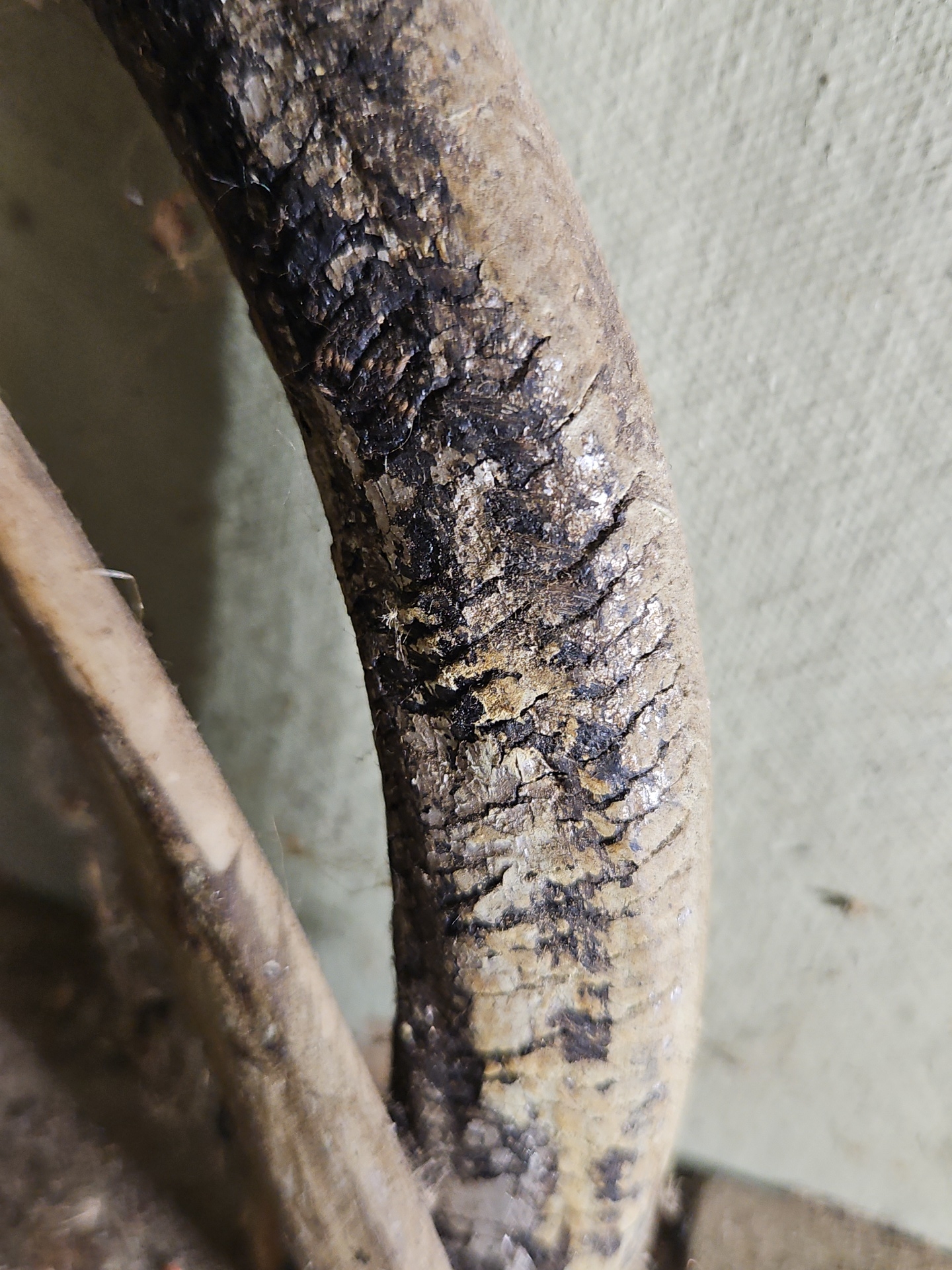
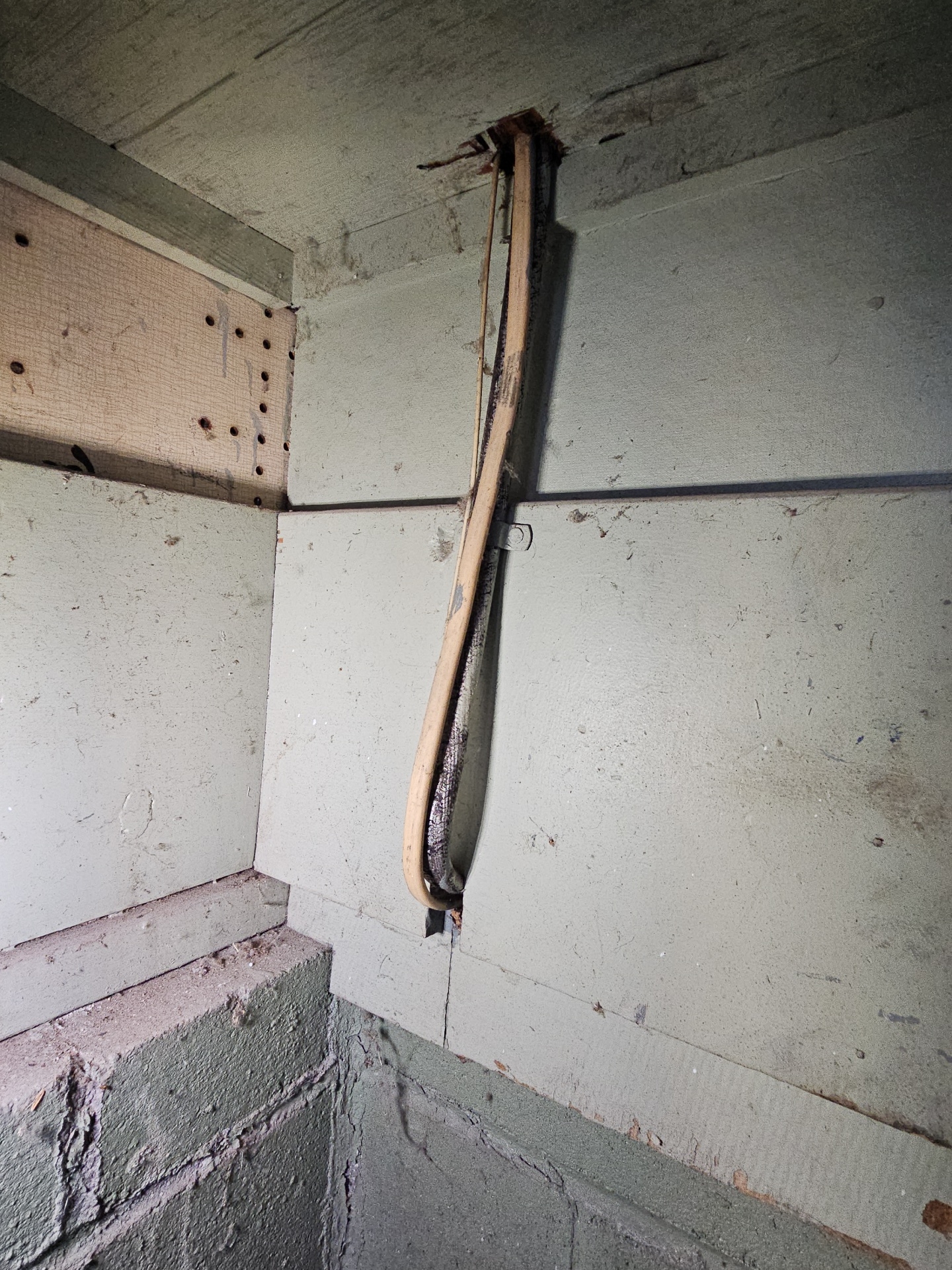
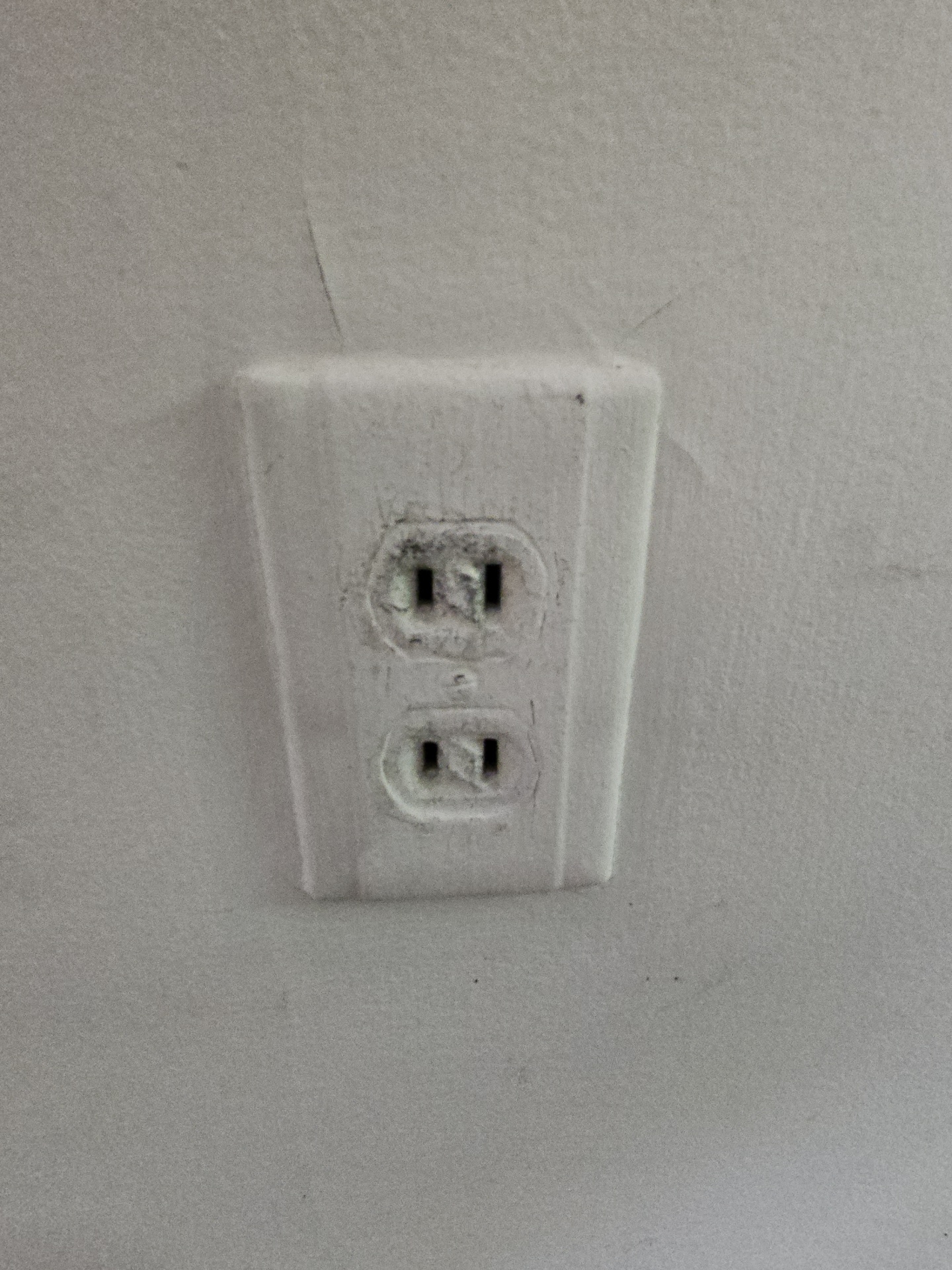
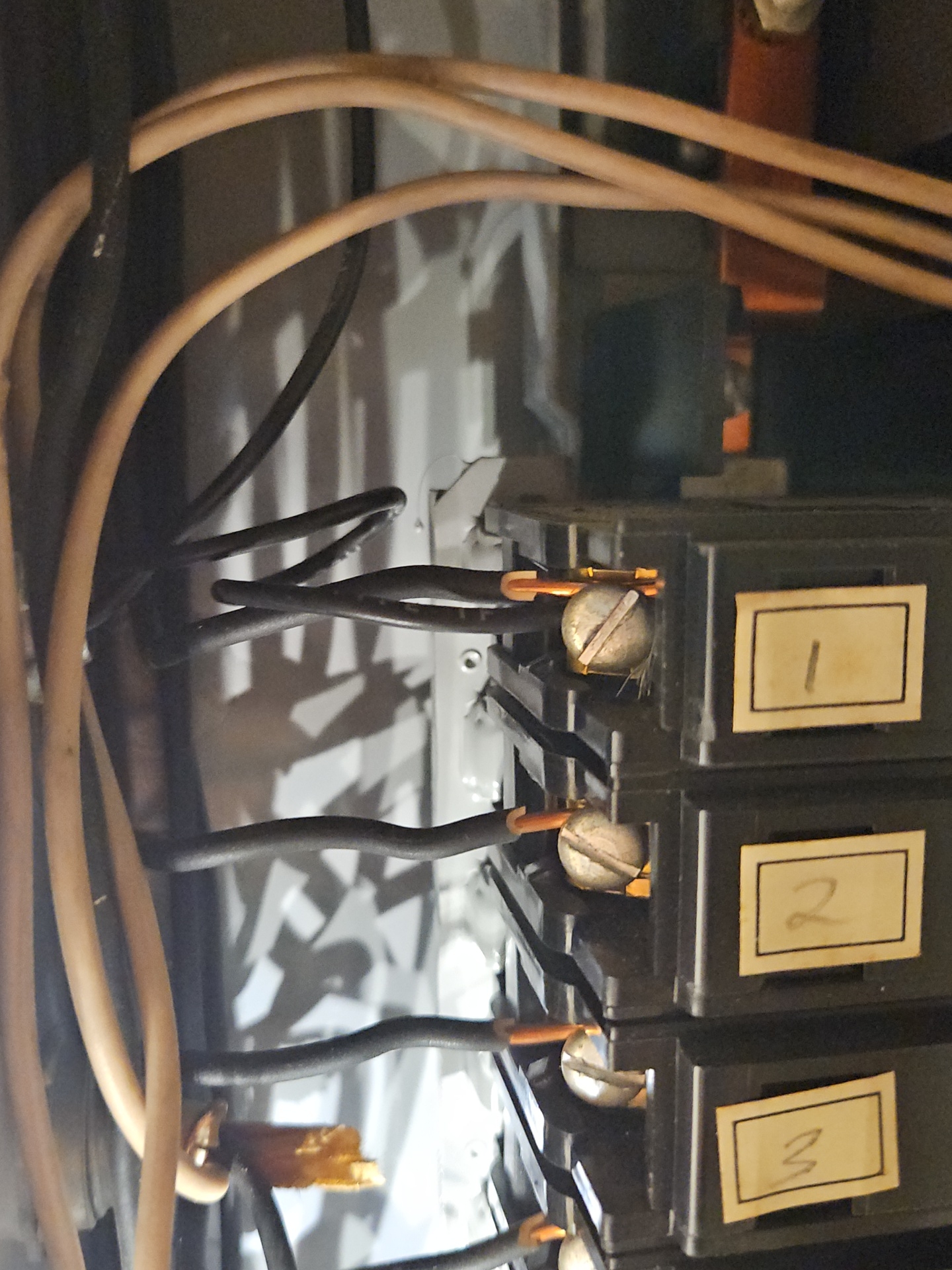
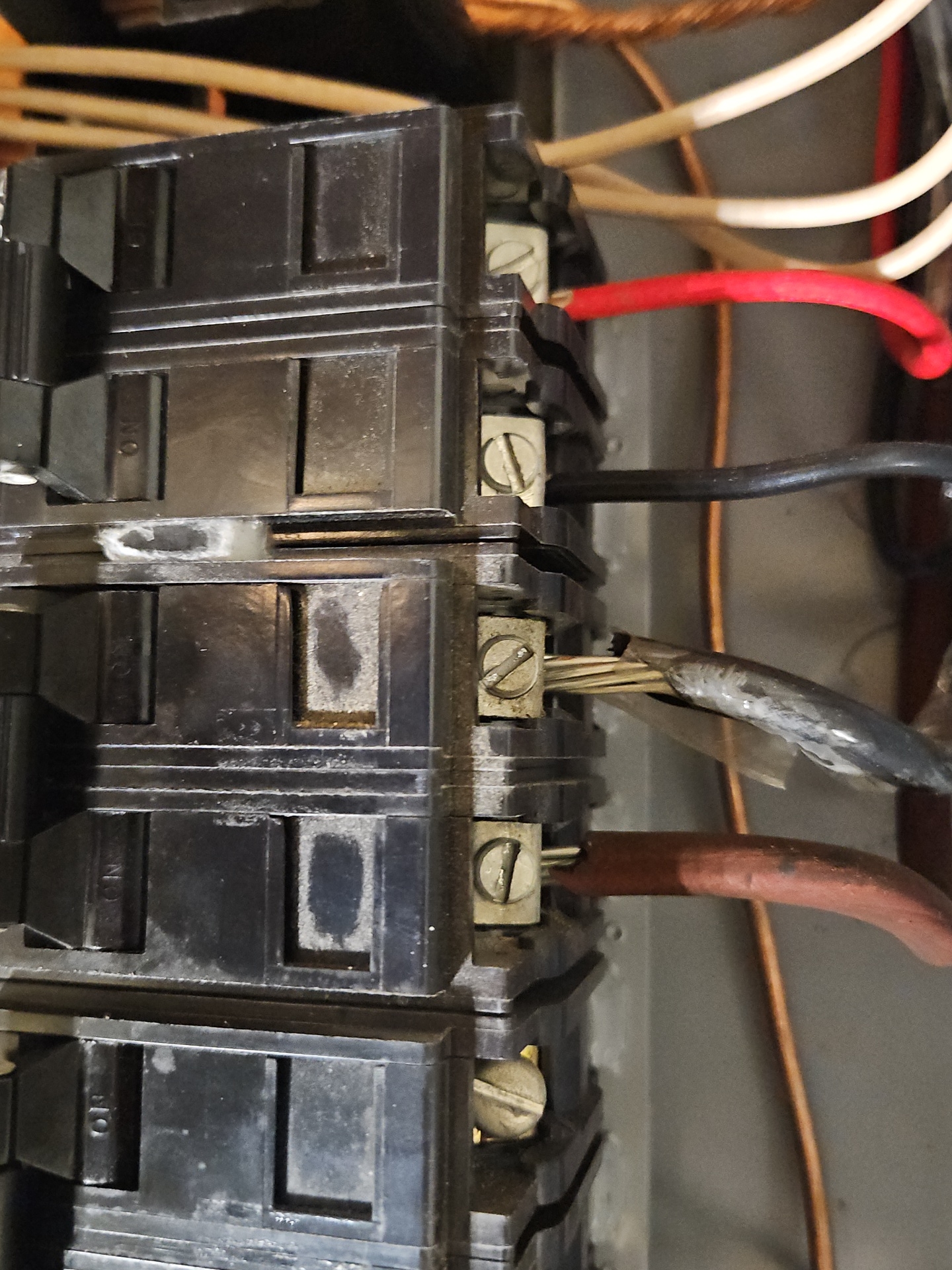
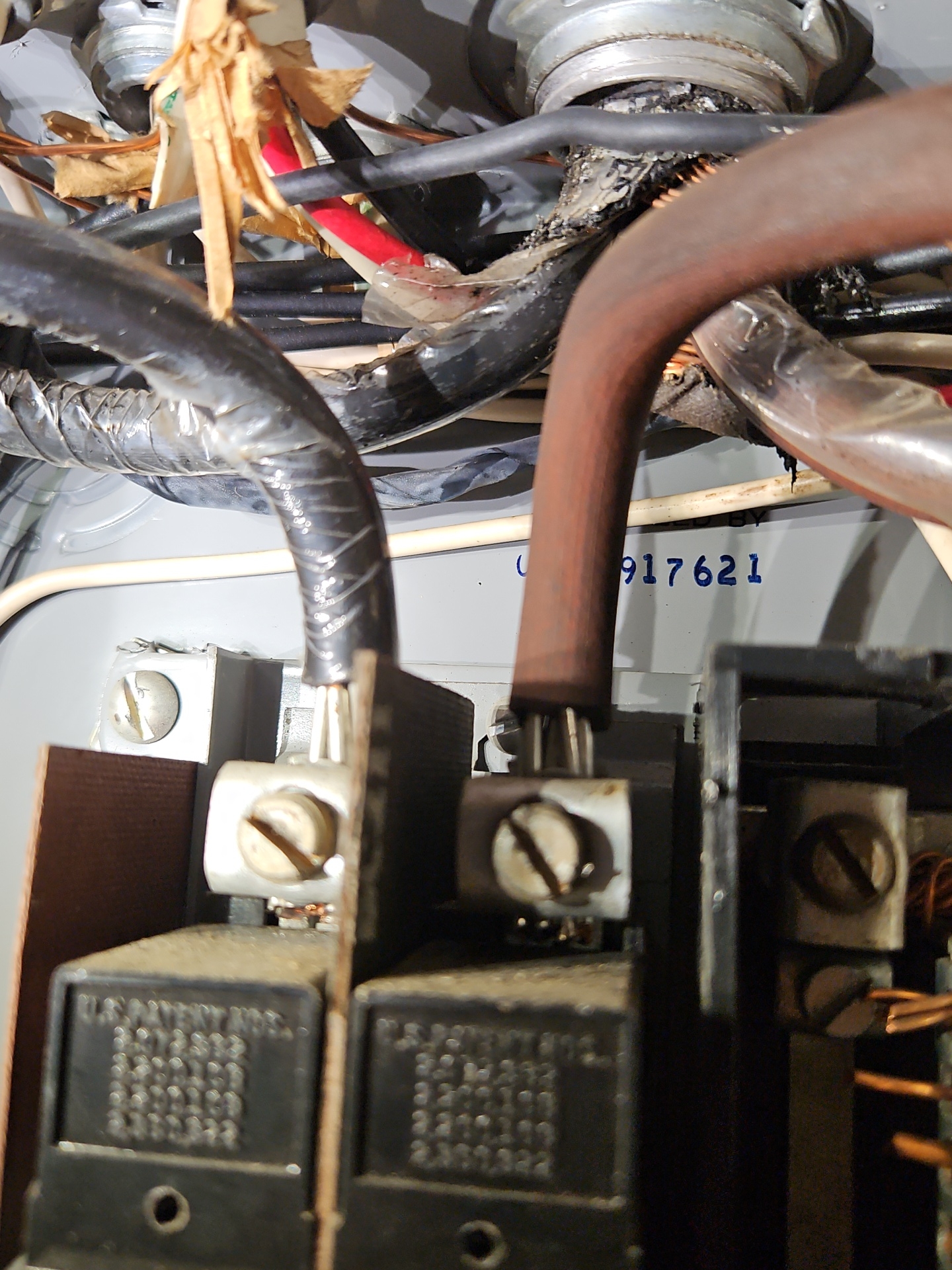
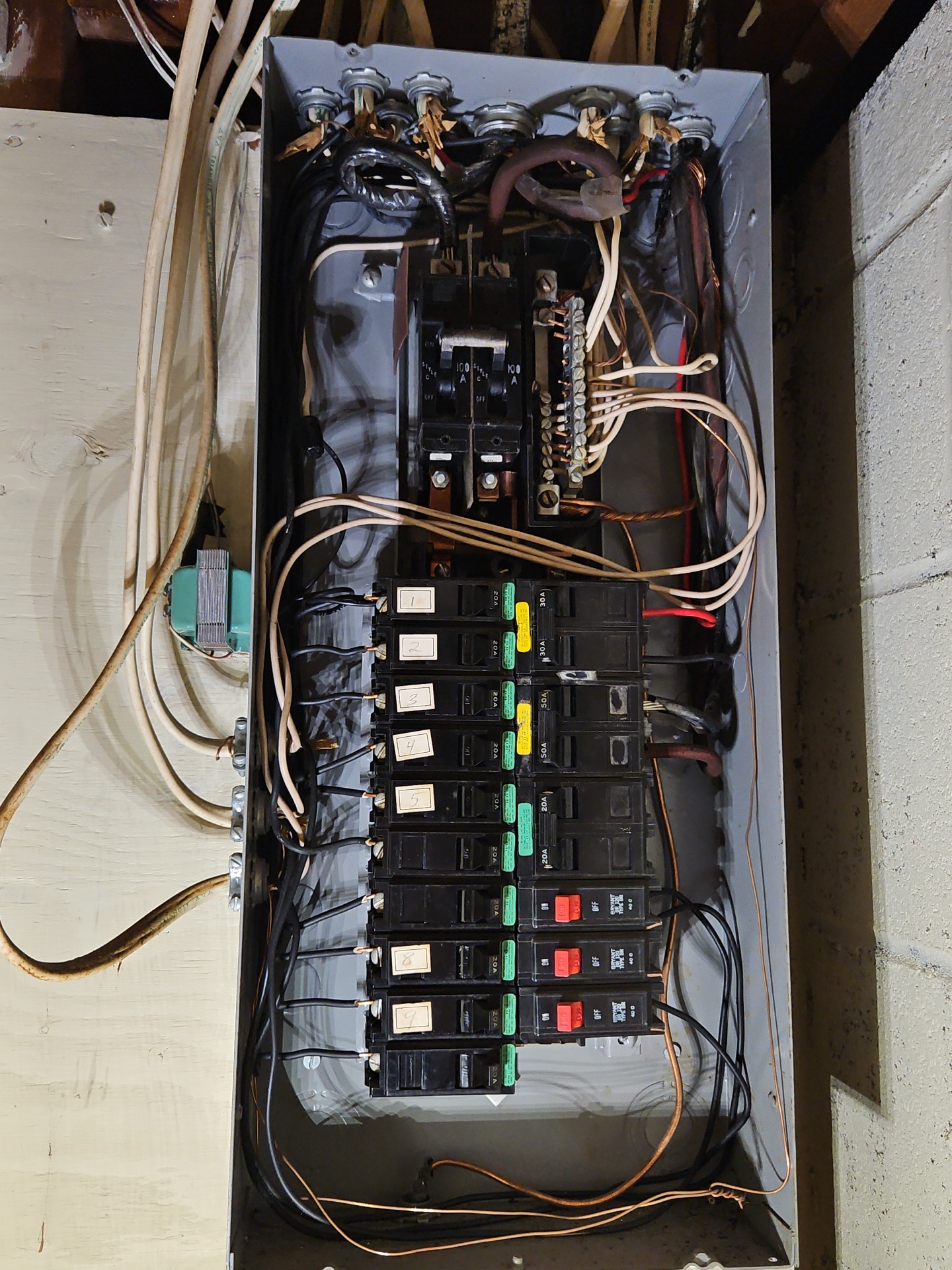
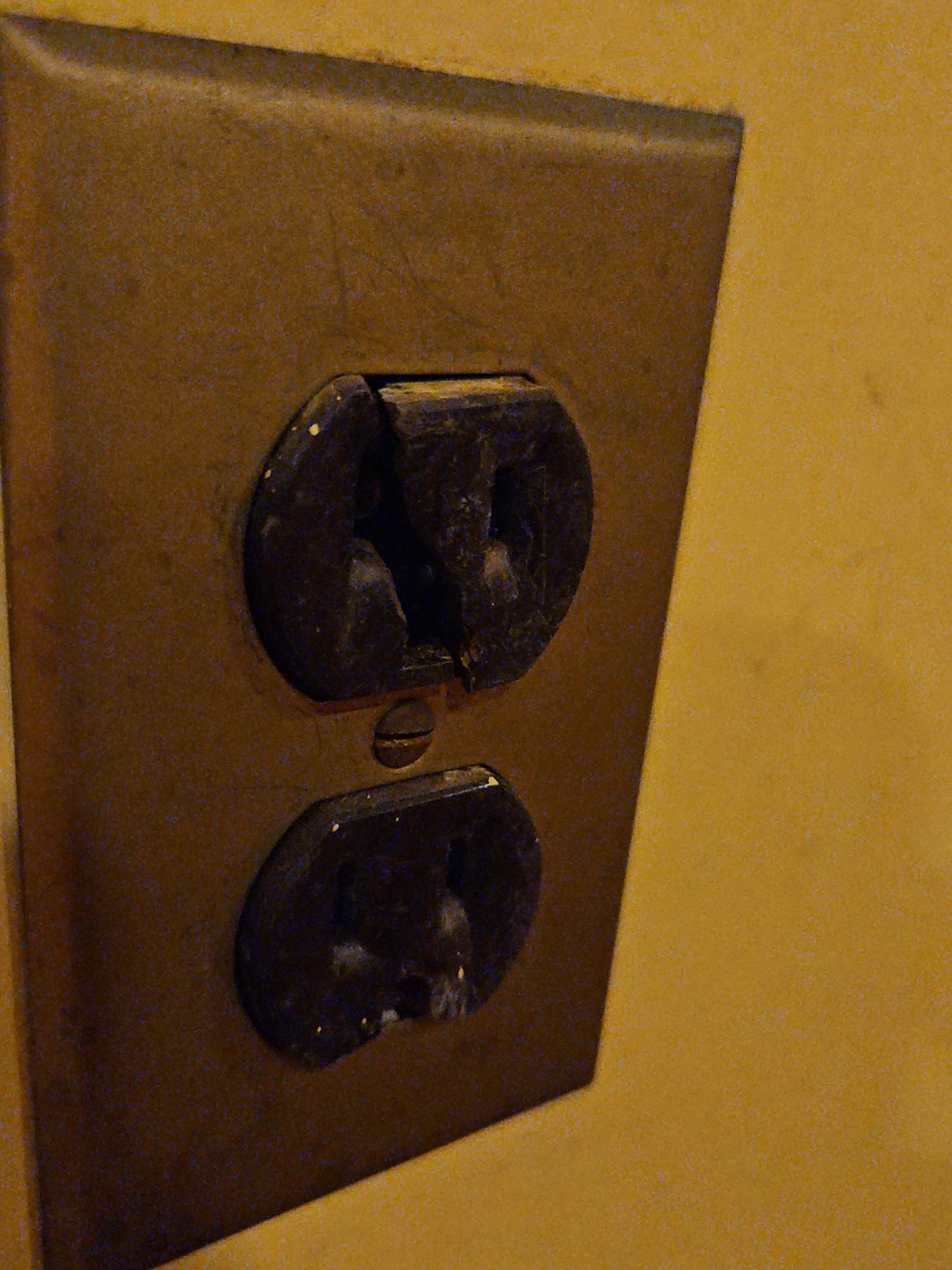
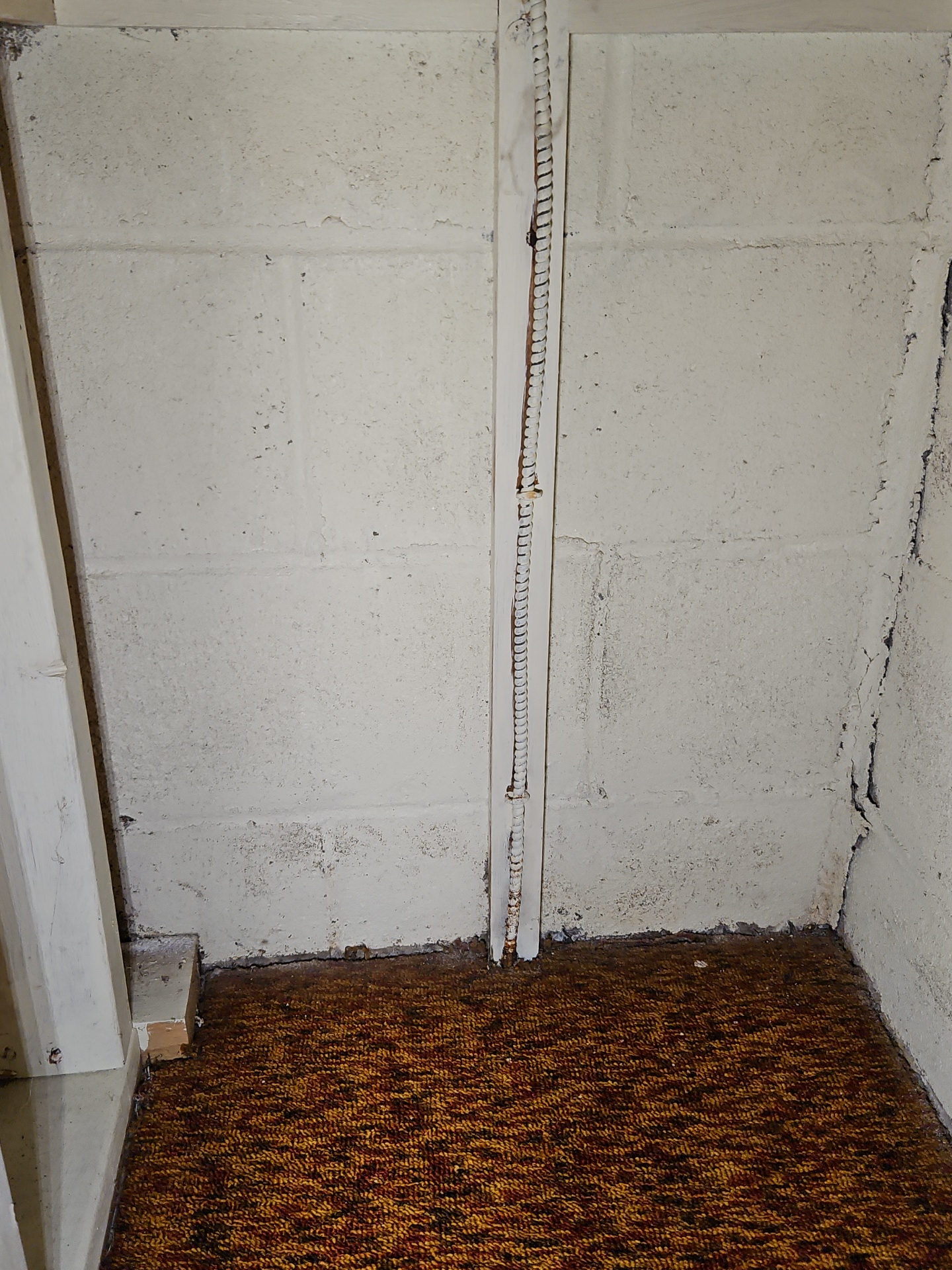
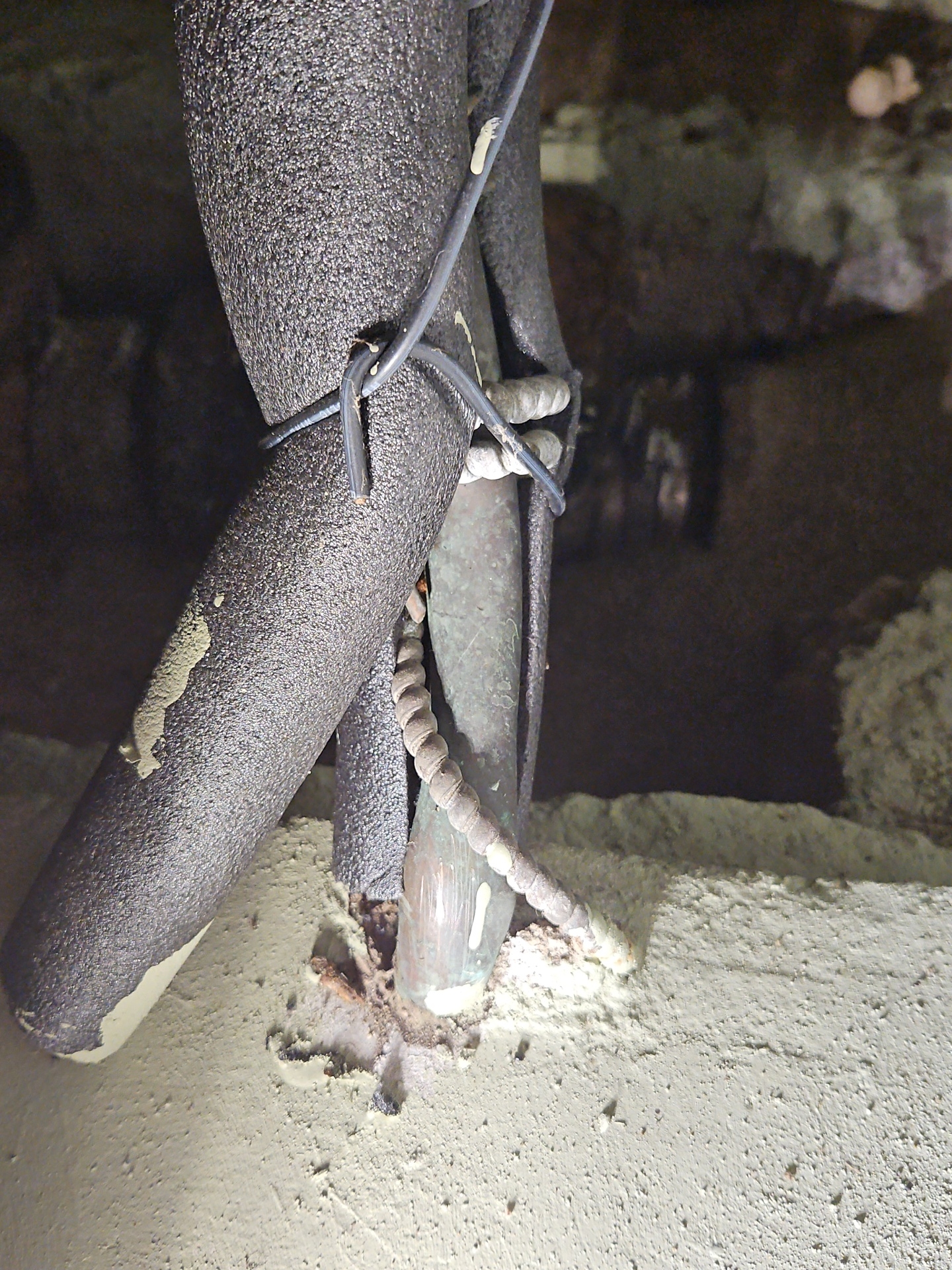
Overall, problems were noted in the wiring system including inadequate protection of wiring in the garage from the meter to the panel, double lugged circuits in the electric panel (although it may only be the door bell), an older two-prong or two-wire system with ungrounded receptacles, and old and damaged receptacles. I was also unable to fully verify the effectiveness and safety of the grounding system, which appears to be accomplished via BX armored wire to the water service, Due to these problems and because of the size of the house and your family's predicted use of electronic devices, I recommend a complete evaluation of the entire electrical system by a qualified electrical contractor. Implement repairs and updates as recommended.
 |  |  |
 |  |  |
 |  |  |
 |
Electric Service
Service Entrance: Below Ground
Meter Base Amperage: 100
Electric Service Equipment
Service Entrance (SE) conductor Size: Aluminum, #2, 100 amps
Main Panel Amperage: 100 amps
Electric Service Amperage: 100 amps
Main Electric Panel Location: Basement
Overcurrent Protection Devices: Breakers
Electrical Grounding System
Present - Could Not Confirm, UFER Ground Noted
Electric Distribution and Finish
Receptacles and Fixtures
115 amps 300 volts
Checking Out Procedure
Check Out List
Drone footage: YesNo
YesNo
Summary
Major Concerns
- I-2 Interior - General Interior:
Smoke detectors and carbon monoxide detectors are missing or one or more smoke detectors or carbon monoxide testers appear inoperable or in need of repair. Install detectors as necessary so a functioning smoke detector exists in each hallway and bedroom, and so a functioning carbon monoxide detector exists on each level. For more information on smoke detectors visit https://www.cpsc.gov/Safety-Education/Safety-Education-Centers/Carbon-Monoxide-Information-Center/CO-Alarms
- I-3 Interior - Floors and Floor Materials:
Floor tiles on the 1st floor, in the kitchen/dining area, laundry room, and in the basement, are of a size and shape that match those known to often be made of asbestos. Asbestos is a hazardous material that can release toxic dust into the air if disturbed, damaged, or mishandled. Have a qualified contractor certified in the abatement of asbestos remove the tiles.
- I-4 Interior - Walls, Ceilings, Trim, Hallways and Closets:
All of the painted walls inside the home appear to have been painted with lead based paint. I tested four walls as follows:
- Just inside the front door;
- Dining room;
- Primary bedroom; and
- Basement.
Each of the four walls tested came back positive for lead based paint. Contact a qualified contractor certified in lead based paint remediation who can properly remediate th elead based paint.
- I-5 Interior - Walls, Ceilings, Trim, Hallways and Closets:
Basement ceiling tiles are of a size and shape that match those known to often be made of asbestos. Asbestos is a hazardous material that can release toxic dust into the air if it's disturbed, damaged, or mishandled. Have a qualified contractor certified in the abatement of asbestos remove the ceiling tiles.
- SB-2 Structure and Basement - Basement Moisture:
There is a mold like substance noted in the room behind the bar in the basement. Keep the door to this room open so that the dehumidifier can help keep the humidity down. Numerous areas of the foundation walls appear to have efflorescence on them. Efflorescence is a crystalline or powdery deposit, typically white, that appears on the surface of porous materials like concrete, brick, or stone. It occurs when water carries soluble salts from within the material to the surface, where the water evaporates and leaves behind the salt deposits. My opinion is that the majority of this efflorescence can be linked to water being trapped or carried to the exterior wall by vegetation and their roots. See my recommendation in the Ground section, G1-7. Have a qualified mold remediation specialist assess and treat the mold like substance, and assess the efflorescence to be sure it is in fact efflorescence.
- ES-1 Electric Service - Electrical System Safety Overview:
Overall, problems were noted in the wiring system including inadequate protection of wiring in the garage from the meter to the panel, double lugged circuits in the electric panel (although it may only be the door bell), an older two-prong or two-wire system with ungrounded receptacles, and old and damaged receptacles. I was also unable to fully verify the effectiveness and safety of the grounding system, which appears to be accomplished via BX armored wire to the water service, Due to these problems and because of the size of the house and your family's predicted use of electronic devices, I recommend a complete evaluation of the entire electrical system by a qualified electrical contractor. Implement repairs and updates as recommended.
Repairs
- G1-2 Grounds - Address Identification:
In the case of an emergency, it is critical that emergency responders can locate your residence quickly. Improvement of displayed numbers by making them larger or moving them from the mailbox to somewhere more easily visible from the road is recommended for safety.
- G1-5 Grounds - Driveways/Walkways/Flatwork:
The asphalt driveway and walkway in the rear of the house have several significant cracks and are sloping toward the house or not sloping adequately away from the house. This will cause water to drain toward the building and could lead to moisture control problems. Repair or replace the asphalt as needed so that it is graded away from the home and has no penetrable cracks. A good rule of thumb is a minimum 1/4-inch of slope per foot away from the building.
- G1-7 Grounds - Grounds, Trees and Vegetation:
Even with proper grading of the ground around the home, the roots of vegetation close to the home can provide a pathway for water to travel through the ground and against the foundation wall. This water can then travel through the wall and into the basement or it can freeze creating hydrostatic pressure against the the wall. Consideration should be given to removing vegetation, including their root systems, which are in close proximity to the home and when roots could damage the foundation wall.
- E-2 Exterior - Siding and Trim:
The siding at the south wall appears to have not been correctly installed and may not perform reliably. A seam in the siding is visibly clear from the outside with signs of water damage on the interior (attic) side of the exterior wall along the seam. Have the siding further evaluated and repaired as recommended by a qualified contractor.
- E-3 Exterior - Siding and Trim:
Water is getting under the roofing material and/or behind the siding/flashing at the overhang for the front door's landing. This has caused rot of the wood in this area. Have a qualified contractor remove the siding and/or flashing to discover issue and repair as necessary.
- E-5 Exterior - Exterior Doors:
Repair the damaged or missing seal at the exterior garage door. The seal is the weather strips around the jamb and below the door that helps prevent wind-driven rain and air from leaking around and under the door.
- E-6 Exterior - Exterior Doors:
The exterior garage door has chipped or missing paint and rot at its jamb and trim. During heavy rains water may be able to enter the garage. I recommend painting and repairing the damaged wood sections as necessary.
- RCG-1 Roof, Chimney and Gutters - Roof Materials:
The roofing material on this building is done in an older architectural grade composition shingle. These shingles are often rated as 25-30 year shingles depending on the quality of the installation, the amount of exposure, the climate, and the pitch of the roof. I found the quality of the installation to be high. Hire a licensed roofing contractor to further evaluate and repair the ridge cap to ensure reliable performance and no leaks.
- RCG-2 Roof, Chimney and Gutters - Roof Materials:
The roofing material on the overhang for the front steps/landing is not pitched properly, evidenced by standing water, and is not properly overlapped by the metal valley or architectural shingles. Hire a licensed roofing contractor to further evaluate and repair the overhang's roof to ensure reliable performance and no leaks.
- RCG-3 Roof, Chimney and Gutters - Chimneys:
The chimney's crown shows signs of water pooling which has caused damage to the crown's surface. Have a qualified mason assess and repair as needed.
- RCG-4 Roof, Chimney and Gutters - Gutters:
The gutters may repairs at their seams to ensure reliable performance. Several seams in the gutters were noted to have been sealed with caulk or have missing caulk. Regular gutter care is needed to keep this system working reliably, especially keeping gutters clean, well-secured, and draining away from the structure. Implement gutter repairs as needed.
- A-2 Attic - Fire Separation and Fire Blocking:
The fire blocking system is incomplete around the chimneys. There should be no contact between wood framing and the chimney. All spaces between the chimney and framing should be fire-blocked with non-combustible material or metal or metal lath. Implement repairs as needed for improved fire safety.
- G-3 Garage - Garage General:
The front overhead garage door when closed leaves two open gaps in the upper left and right corners. Have a qualified garage door contractor realign the door or otherwise solve this issue.
- G-4 Garage - Garage General:
An unprotected opening was found in the garage ceiling finishes. This should be repaired to complete the fire separation between the garage and attic.
- G-5 Garage - Garage General:
Evidence of rodent entry was noted in the garage. All openings into the garage should be sealed to prevent rodent entry. All feces and contamination should be cleaned and a trapping program implemented to monitor sealing progress.
- G-6 Garage - Garage General:
The attic access in the garage is not fire rated since it is just a wood panel. This can be tricky to repair without replacing the hatch with a fire rated one, which I recommend. You can try sheet rocking panel. You can also try making a fire rated sheetrock separation between the garage and the house inside the attic above the garage, but this too can be complicated. Hire a qualified contractor to further evaluate and repair.
- G-7 Garage - Garage General:
The garage-house door poses a fire risk because it's not fire-rated and not of solid-core construction. The garage-house door isn't auto-closing. Replace this door with a fire-rated door. Install hinges with springs or an automatic door closing device so the door closes automatically to prevent vehicle fumes from entering the building.
- G-8 Garage - Garage General:
One or more garage electric receptacles have no ground fault circuit interrupter (GFCI) protection. This is a safety hazard due to the risk of shock. A qualified electrician should evaluate and make repairs so that all garage receptacles have GFCI protection. For example, install GFCI receptacles or circuit breaker(s) as needed.
- G-9 Garage - Garage Floor:
The concrete garage slab has no drain, a staining pattern, and deterioration possibly due to dripping of water from vehicles and/or seasonal moisture/dampness. The concrete masonry units along the south wall have visible efflorescence that indicates seasonal moisture/dampness. Consult with a qualified general contractor about options for water proofing the garage slab/south wall and even adding ventilation as recommended.
- MB-3 Main Bathroom - Bathtub / Shower:
The main bath bathtub / shower drain is slow and appears to be obstructed. Repair as needed for reliable drainage.
- BB-1 Basement Bathroom - Sinks and Cabinets:
The waste plumbing below the basement bathroom sink is leaking and requires immediate repair.
- LF-3 Laundry Facilities - Dryer:
Plastic dryer transition duct was noted in use to connect the dryer to the rigid vent. This product is not recommended as it has proven to be unreliable and a potential fire hazard. Improvement to a corrugated metal flex duct is recommended.
- HCFV-4 Heating, Cooling, Fireplaces and Ventilation - Heating and Cooling Distribution Systems:
Sections of the heat supply duct have marginal flow, especially in some bedrooms, indicating the ductwork is blocked or disconnected. Hire a licensed heating contractor to further evaluate and repair to ensure balanced supply from the heating and cooling distribution system.
Recommended Maintenance
- G1-3 Grounds - Drainage and Site:
Downspouts are discharging adjacent to the foundation and a porch pier. This can cause settlement or foundation moisture problems. Make sure all downspouts discharge into a proper tight-line system that diverts water at least six feet away from the foundation and porch piers.
- G1-6 Grounds - Grounds, Trees and Vegetation:
You have several trees, bushes, and shrubs that are in close proximity to the home. The leaves and branches of this vegetation can trap moisture against the exterior walls. The leaves and branches of vegetation should be trimmed to at least one foot off of the house's exterior walls to eliminate contact which could trap moisture against the building. Consideration should also be given to removing any larger vegetation which could, even if their branches are trimmed to within 12 inches of the exterior walls, damage the exterior walls or foundation.
- G1-8 Grounds - Exterior Stairs:
The exterior front slate landing has cracked or missing mortar that should be maintained.
- G1-9 Grounds - Exterior Stairs:
Where the exterior front stairs meet the stone wall there is a gap that should be resealed to prevent water intrusion.
- G1-10 Grounds - Fences:
The wood fencing material, including each gate, appears to be in fine shape. The wood fencing material can be stained as desired to better preserve the wood in the long-term.
- E-1 Exterior - Exterior foundation wall:
The parge coat, which is a mortar-style protective coating that protects the concrete masonry units that make up your foundation, is overall in excellent shape. There is one crack below the basement window to the left of the porch steps and cracks along the front steps. Water can enter these cracks and freeze between the parge coat and foundation wall. I recommend having a qualified contractor repair the parge coat.
- E-7 Exterior - Exterior Window Frames:
Several places were noted where caulking is obstructing the weep holes at the bottom of the window frames. Be sure the window drainage systems are cleaned and weep holes are unobstructed so the windows drain water properly.
- DPB-1 Decks, Porches and Balconies - Wood Decks Porches and Balconies:
Localized painting is needed at the exterior of the porch including the door, decking, trim, and soffit. Consider implementing a schedule for painting and/or caulking maintenance as necessary.
- A-1 Attic - Evidence of Rodents in Attic:
Evidence of rodent entry was noted in the attic. All openings into the attic should be sealed to prevent rodent entry. All feces and contamination should be cleaned and a trapping program implemented to monitor sealing progress.
- G-1 Garage - Garage General:
The rear overhead garage door needs a new sealing gasket at the bottom. Mice and other small animals and insects can enter. Pooling water and wind blown snow may be able to enter.
- G-2 Garage - Garage General:
The front overhead garage door needs a new sealing gasket at the bottom. Mice and other small animals and insects can enter. Pooling water and wind blown snow may be able to enter.
- MB-2 Main Bathroom - Sinks and Cabinets:
A slow drain was noted at the sink. Repair as needed so the drain keeps up with the fixture supply. This often involves just cleaning out the trap.
- K-2 Kitchen - Cabinets and Countertops:
The two cabinet doors closest to the sink are difficult to open and close. Tune-up repairs are needed to the kitchen cabinets. Repair as desired.
- HCFV-1 Heating, Cooling, Fireplaces and Ventilation - Heating Systems:
Annual servicing of electric forced air furnaces is recommended for safe and reliable heat. I could not find recent service records on the furnace. A servicing is recommended if one has not been done in the last year. The furnace was tested during the inspection and was operational. In 20 minutes the furnace raised the thermostat temperature from 76 to 78 degrees.
Examples of observations noted during the inspection include:
- HCFV-2 Heating, Cooling, Fireplaces and Ventilation - Heating Systems:
The red plated switch at the top of the stairs to the basement is functional and when in the off position disconnects power to the furnace.
Recommendation
Change the red plate to indicate that the switch is for the furnace, not an oil burner.
- HCFV-3 Heating, Cooling, Fireplaces and Ventilation - Air Filters:
When the heat is on, you have the option of controlling the home's humidity via the humidistat next to the thermostat in the fist floor hallway. The humidistat is connected to the Honeywell "Enviracaire Elite" which is a whole-house humidifier, specifically a flow-through humidifier designed to add moisture to the air. These humidifiers work by using the warm air from a furnace to evaporate
water and distribute it throughout the house, increasing the relative
humidity. It's connected to a condensate drain/pump. I disassembled the "Enviracaire Elite" and inspected the filter, which appeared to need cleaning. Regular maintenance of this system, should you choose to keep it, is highly recommended. More infromation about your system can be found here: https://customer.resideo.com/resources/Techlit/TechLitDocuments/68-0000s/68-0243.pdf.
- HCFV-5 Heating, Cooling, Fireplaces and Ventilation - Gas Fireplaces:
Annual servicing of the gas fireplace is recommended to ensure safe and reliable performance. No recent service records were noted. The blower is not operational. Have this appliance cleaned and serviced by a qualified gas appliance specialist.
- HCFV-6 Heating, Cooling, Fireplaces and Ventilation - Solid Fuel Fireplaces:
If you decide to continue using the wood stove, have it serviced by a qualified contractor such as a certified chimney sweep. Have this appliance serviced and repaired as recommended. Examples of observations noted during inspection that should be addressed immediately and before using the stove include:
- The stove pipe appears to be single walled, and if so then it's too close to combustible materials such as the drop ceiling (at least 18 inches is recommended);
- The drop ceiling has small holes/discoloration/burns throughout the area surrounding the wood stove possibly indicating high heat which makes for a dangerous situation.
- Ash and creosote build-up was noted inside the firebox; and
- The non-combustible hearth extension seems to be inadequate in front of the wood stove, the bricks are dry laid and on top of plywood.
Improve Or Upgrade Items
- I-6 Interior - Interior Stairs and Railings:
The guardrail for the interior stairs in the house has been built to an older safety standard. Modern standards suggest guardrails should have openings no larger than 4 inches, should be 36 inches tall and be adequately stiff to withstand a falling adult. Repair or improve this guardrail as desired for improved safety.
- LF-2 Laundry Facilities - Washer:
A moisture alarm with water shut-off features is recommended under the washing machine to protect against accidental leaks in the supply hoses. Pans can be effective when there is a drain, but even these will not protect against a burst supply connector. A moisture alarm with automatic shut-off will. Watts is a brand I have seen installed: Link. Please also note that appliance manufacturers recommend replacing supply hoses every 5 years to reduce the risk of failure.
- WH-1 Water Heaters - Water Heater:
No drain pan has been installed below the water heater. A drain pan is recommended under water heaters that are located in finished spaces or where a leak could damage finishes. Where a pan does not already exist, the tricky part is providing a drain to the outside. A pan without a drain is often of limited benefit/protection. For improved protection from accidental water heater leaks and where a drain is difficult to install, consider a pan with a moisture alarm and a flood-safe device.
Due Diligence Items
- P-1 Plumbing - Waste Pipe and Discharge:
An evaluation of the sewer line below the ground is beyond the scope of this inspection. A sewer scope is recommended to further evaluate the sewer line and the below ground connections between the house and the municipal sewer line as these are not visible to inspection. Sewer scopes are done using video cameras and can show the materials, condition and reliability of the sewer line. If a video scope has not been done recently, I recommend having a sewer scope performed.
Items for Monitoring
- G1-4 Grounds - Window wells:
Window wells and associated windows appeared to be in good shape with no signs of water damage. Caulking around the window wells is in good shape. Monitor the window wells periodically to ensure debris, such as leaves, isn't building up underneath the plastic covers and that caulk remains in good shape.
- E-4 Exterior - Eaves:
This building has no eaves at the south wall, west wall, and part of the north wall. These walls are therefore more susceptible to weather. Expect the need for more vigilant maintenance for these more exposed sections of the building. This maintenance includes caulking of windows, painting of gable vents, and painting door trim and monitoring door seals .
Efficiency Items
- A-3 Attic - Attic Insulation:
The attic insulation could be improved to modern standards, which recommend R-49 on the floor and R-21 on the walls. R-value is the measure of resistance to heat loss; the higher the R-value, the better the insulation. During insulation repairs, it is best practice to implement any air seal-up repairs to seal air leakage. Also, be sure you have completed any wiring or other projects needed in the attic. Then, hire an insulation contractor to improve thermal barriers.
Limitations
- SB-1 Structure and Basement - Basement:
Certain finishes in the basement restricted visual inspection of the walls.
Signed Contracts

Render, Inc
518-618-2236
State Inspector License No. 16000161714