
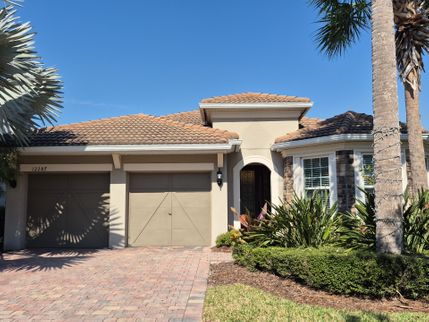

C.J. Poindexter, FL State License #HI 13245
The Scope and Purpose of a Home Inspection
This inspection was performed in accordance with the current Standards of Practice and Code of Ethics of InterNACHI (International Association of Certified Home Inspectors). The Standards contain certain and very important limitations, expectations and exclusions to the inspection. A copy is available prior to, during and after the inspection and it is part of the report.
💲Purchasing property involves risk
The purpose of a home inspection is to help reduce the risk associated with the purchase of a structure by providing a professional opinion about the overall condition of the structure. A home inspection is a limited visual inspection and it cannot eliminate this risk. Some homes present more risks than others. We cannot control this, but we try to help educate you about what we don’t know during the inspection process. This is more difficult to convey in a report and one of many reasons why we recommend that you attend the inspection.
Occasional typographical errors and other minor errors and omissions will occur in the report. I apologize in advance for these. If any of these typos make the report unclear, confusing or incomplete, please contact me immediately for clarification/correction.
A home inspection is not an insurance policy
This report does not substitute for or serve as a warranty or guarantee of any kind. Home warranties can be purchased separately from insuring firms that provide this service.
A home inspection is visual and not destructive
The descriptions and observations in this report are based on a visual inspection of the structure. We inspect the aspects of the structure that can be viewed without dismantling, damaging or disfiguring the structure and without moving furniture and interior furnishings. Areas that are concealed, hidden or inaccessible to view are not covered by this inspection. Some systems cannot be tested during this inspection as testing risks damaging the building. For example, overflow drains on bathtubs are generally not tested because if they were found to be leaking they could damage the finishes below. Our procedures involve non-invasive investigation and non-destructive testing which will limit the scope of the inspection.
☠️Environmental/Suspected bio-growth Exclusions
The reported or actual health effects of many potentially harmful, toxic or environmentally hazardous elements that may be found in building materials or in the air, soil, water in and/or around any house are varied, and, in some cases controversial. A home inspection does not include the detection, identification or analysis of any such elements or related concerns such as, but not limited to, suspected bio-growth, allergens, legal/illegal drugs and other biological contaminants, radon, , bed bugs, cockroaches, fleas, lice, formaldehyde, asbestos, lead, electromagnetic fields, carbon monoxide, insecticides, Chinese drywall, refrigerants and fuel oils. Furthermore, no evaluations are performed to determine the effectiveness or appropriateness of any method or system (e.g., water filter, radon mitigation, etc.), designed to prevent or remove any hazardous or unwanted materials or elements. An environmental health specialist should be contacted for evaluation of any potential health or environmental concerns. The noting of the presence of materials commonly considered to contain asbestos, formaldehyde, lead, suspected bio-growth, etc in the inspection report, should not be construed to mean the inspector is inspecting for these things but instead should be seen as a "heads-up" regarding these materials and further evaluation by qualified professionals may be warranted.
This is not an inspection for code compliance
This inspection and report are not intended for city / local code compliance. During the construction process structures are inspected for code compliance by municipal inspectors. Framing is open at this time and conditions can be fully viewed. Framing is not open during inspections of finished homes, and this limits the inspection. All houses fall out of code compliance shortly after they are built, as the codes continually change. National codes are augmented at least every three years for all of the varying disciplines. Municipalities can choose to adopt and phase in sections of the codes on their own timetables. There are generally no requirements to bring older homes into compliance unless substantial renovation is being done.
This is just my opinion and just for you
The contents of this report are for the sole use of the client named above and no other person or party may rely on this report for any reason or purpose whatsoever without the prior written consent of the inspector who authored the report. Any person or party who chooses to rely on this report for any reason or purpose whatsoever without my express written consent does so at their own risk and by doing so waives any claim of error or deficiency in this report.
Construction techniques and standards vary. There is no one way to build a house or install a system in a house. The observations in this report are my opinions based on my training and experience. Other inspectors and contractors are likely to have differing opinions. You are welcome to seek opinions from other professionals in the context of doing your due diligence.
The scope of this inspection
This inspection will include the following systems: exterior, roof, structure, drainage, foundation, attic, interior, plumbing, electrical and heating. The evaluation will be based on limited observations that are primarily visual and non-invasive. This inspection and report are not intended to be technically exhaustive.
All homes are likely to have some faults which may range from cosmetic defects to major safety hazards. Not all defects will be found. While some minor deficiencies may be mentioned, the emphasis of this report is to inform the buyer of the property condition by detecting deficiencies or circumstances that may affect the structural integrity of the building and its components and its safe use as a residence.
You are encouraged to obtain competitive estimates for major repair needs. Safety and health issues should be addressed promptly. It is recommended that all corrective work, other than routine maintenance activities, be performed by qualified licensed contractors.
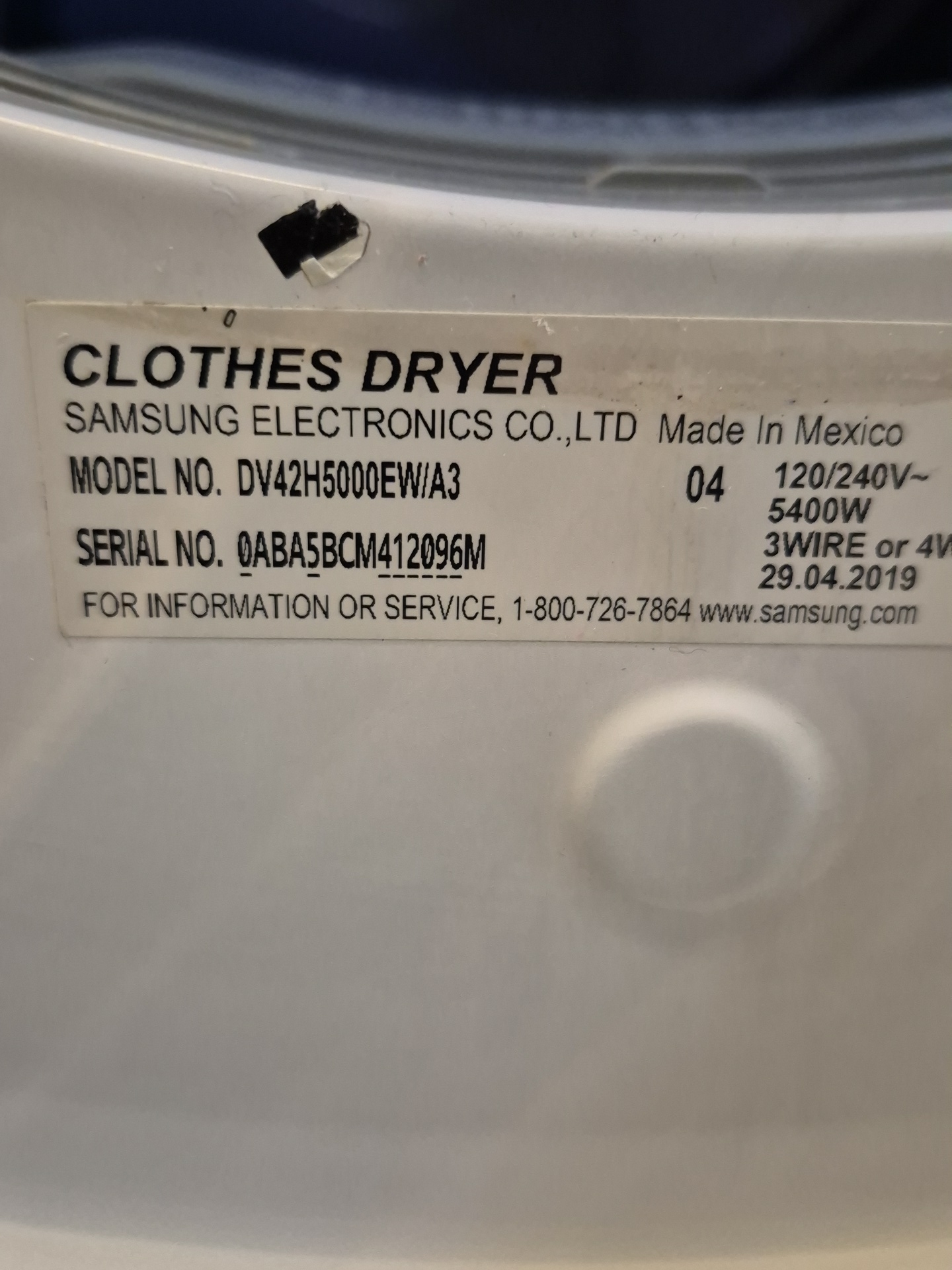
It is beyond the scope of the Standard Home Inspection to identify components within the home that may have been part of a "manufacturer's recall". Mention of specific recalls within this report must not be construed to mean that all such items have been identified, or that such identification is part of a Standard Home Inspection. When possible, appliance Model Numbers and Serial Numbers are included in the report and can be used to check for recall related issues. If you have any question about specific appliances, information can be found at the CPSC (Consumer Products Safety Commission) website or contact the manufacturer directly.
I recommend you obtain as much history as is available concerning this property. This historical information may include copies of any seller's disclosures, previous inspection or engineering reports, reports performed for or by relocation companies, municipal inspection departments, lenders, insurers and appraisers. You should attempt to determine whether repairs, renovation, remodeling, additions or other such activities have taken place at this property, and this report will attempt to identify such items when possible.
Ranges, Dish Washers, and Refrigerators, Microwaves (and the like) are typically tested for basic function (Do they turn on). No assertions are made as to how well they function. Clothes washers/dryers are typically not operated.
Throughout this report, comments will be made as to the presence or absence of components or parts of components. This must not be construed to mean that these components or parts of components exist (or don't exist) in concealed areas or behind finished surfaces. For example: if foundation bolting was seen in one area, it does not mean that the bolting exists (or doesn't exist) in areas that are concealed. Also if an item was noted as "not being visible," that should not be construed to mean that none of whatever was "not visible" does not exist on the premises---it just means none was noted at the time of inspection and should be seen as a "heads-up" that the concern or condition might be present but hidden, or that the conditions that would allow its presence to be known was not replicated at the time of inspection.
Many of the non-narrative observations/documentation detailed in the report that are related to more "cosmetic" issues should not be construed as "all inclusive" but should instead be seen in as "suggestive" or a "guideline" of conditions that may exist elsewhere in the home. It is not the focus of the report to comment extensively on cosmetic issues, but I do make note of them at times to help complete the "snap-shot" of the home at the time of inspection. For example, "nail-pops" seen in one room are likely to be seen (and should be anticipated) in other rooms even though I may not have noted them in the report.
Throughout the report I may make recommendations as to possible repairs. These recommendations are not intended to be substitutes or construed to be more appropriate than the recommendations of the professionals making the repairs. Conflicts in recommendations should be resolved prior to repairs being made.
Your expectations
The overall goal of a home inspection is to help ensure that your expectations are appropriate with the house you are proposing to buy. To this end we assist with discovery by showing and documenting observations during the home inspection. This should not be mistaken for a technically exhaustive inspection designed to uncover every defect with a building. Such inspections are available but they are generally cost-prohibitive to most home-buyers.
Who should make repairs and what should their qualifications be?
Worker qualifications: In the text of the report, in some instances, I recommend that work be done by a "qualified" persons or "qualified" parties. I consider qualified parties, in licensed trades, to be those individuals who hold the necessary licenses to legally work in their profession -- licensed electricians, licensed pest control applicators, licensed plumbers, licensed HVAC professionals, licensed engineers, licensed general contractors, etc. In instances where a task may not, typically, need to be done by a person with a professional license, my recommendation is to hire an individual to do the work who is, based on past training, experience or expertise, qualified to further evaluate the condition or problem listed in the report and to then make appropriate repairs.
For additional fees, I can perform invasive inspection of concealed areas if desired. Please contact me for more information regarding this service.
Your participation is requested
Your presence is requested during this inspection. A written report will not substitute for all the possible information that can be conveyed verbally by a shared visual observation of the conditions of the property.
How to Read This Report
Getting the Information to You
This report is designed to deliver important and technical information in a way that is easy for anyone to access and understand. If you are in a hurry, you can take a quick look at our "Summary Page” and quickly get critical information for important decision making. However, we strongly recommend that you take the time to read the full Report, which includes digital photographs, captions, diagrams, descriptions, videos and hot links to additional information.
The best way to get the layers of information that are presented in this report is to read your report online, which will allow you to expand your learning about your house. You will notice some words or series of words highlighted in blue and underlined – clicking on these will provide you with a link to additional information.
This report can also be printed on paper or to a PDF document.
Chapters and Sections
This report is divided into chapters that parcel the home into logical inspection components. Each chapter is broken into sections that relate to a specific system or component of the home. You can navigate between chapters with the click of a button on the left side margin.
Most sections will contain some descriptive information done in black font. Observation narrative, done in colored boxes, will be included if a system or component is found to be significantly deficient in some way or if we wish to provide helpful additional information about the system or the scope of our inspection. If a system or component of the home was deemed to be in satisfactory or serviceable condition, there may be no narrative observation comments in that section and it may simply say “tested,” or “inspected.”
Observation Labels
All narrative observations are colored, numbered and labeled to help you find, refer to, and understand the severity of the observation. Observation colors and labels used in this report are:
- General Photo:General Photos
- Major Concern:Repair items that may cost significant money to correct now or in the near future, or items that require immediate attention to prevent additional damage or eliminate safety hazards.
- Repair:Repair and maintenance items noted during inspection. Please note that some repair items can be expensive to correct such as re-finishing hardwood floors, but are considered simply repair items due to their cosmetic nature.
- Recommended Maintenance:These are repair items that should be considered "routine home ownership items," such as servicing the furnace, cleaning the gutters or changing the air filters in the furnace.
- Due Diligence:Observation such as a buried oil tank that may require further investigation to determine the severity and / or urgency of repair.
- Improve or Upgrade:Observations that are not necessarily defects, but which could be improved for safety, efficiency, or reliability reasons. These are often items which reflect changes in building codes or standards.
- Inspection Notes:Aside information and /or comments elaborating on descriptions of systems in the home that the cLIENT might find useful to purchase decisions or home ownership. .
Summary Page
The Summary Page is designed as a bulleted overview of all the observations noted during inspection. This helpful overview is not a substitution for reading the entire inspection report. The entire report must be read to get a complete understanding of this inspection report as the Summary Page does not include photographs or photo captions.
Summary
Major Concerns
No major concerns were noted during this visual inspection.Repairs
- RAG-1 ROOF.CHIMNEY AND GUTTERS - GUTTERS AND DOWNSPOUTS:
LOOSE DOWNSPOUTS
Repair all of the loose / damaged. Tune up all downspouts to ensure they are reliably secured. Locations noted during inspection:
- E-1 EXTERIOR - SIDING AND TRIM:
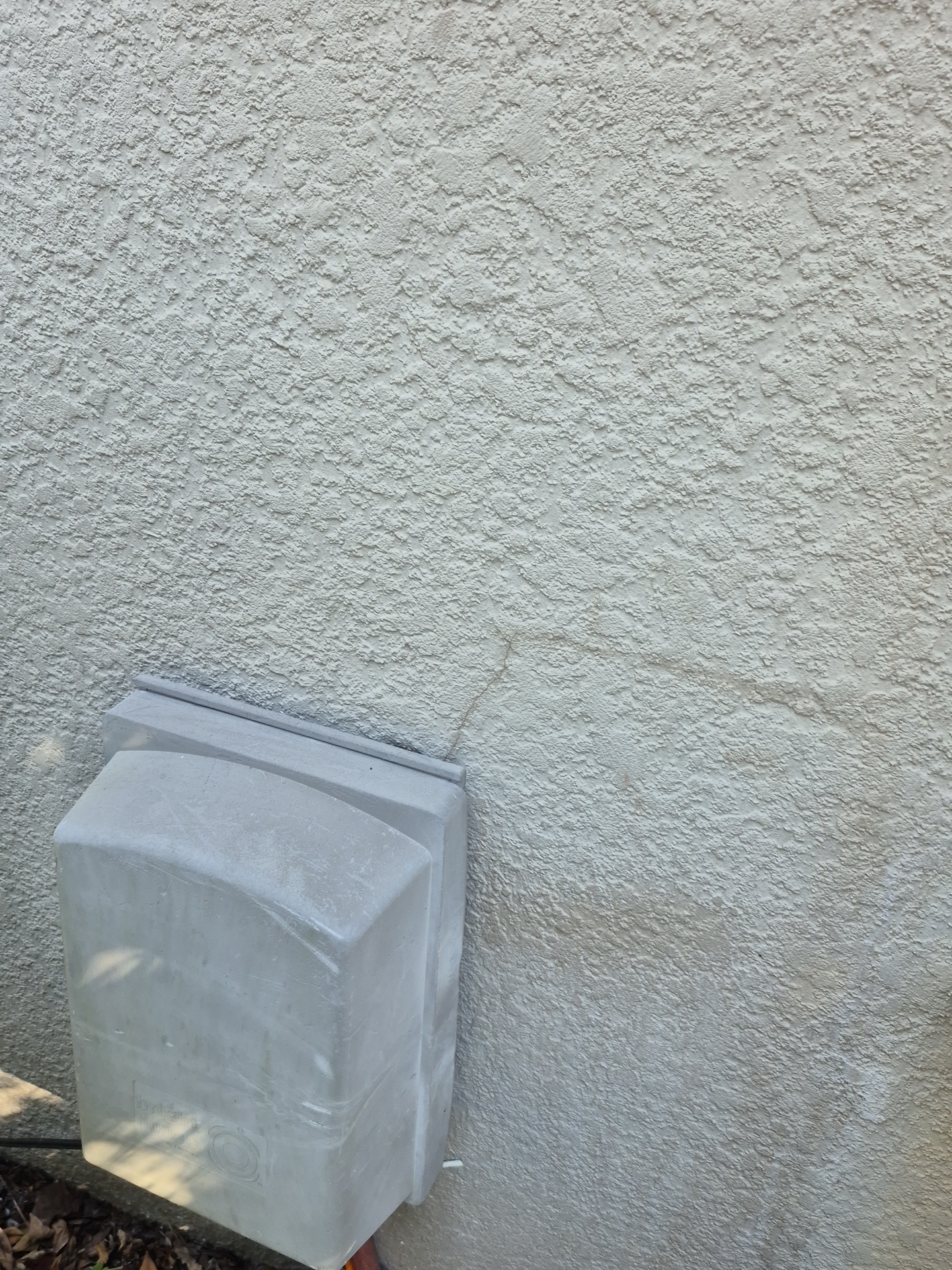
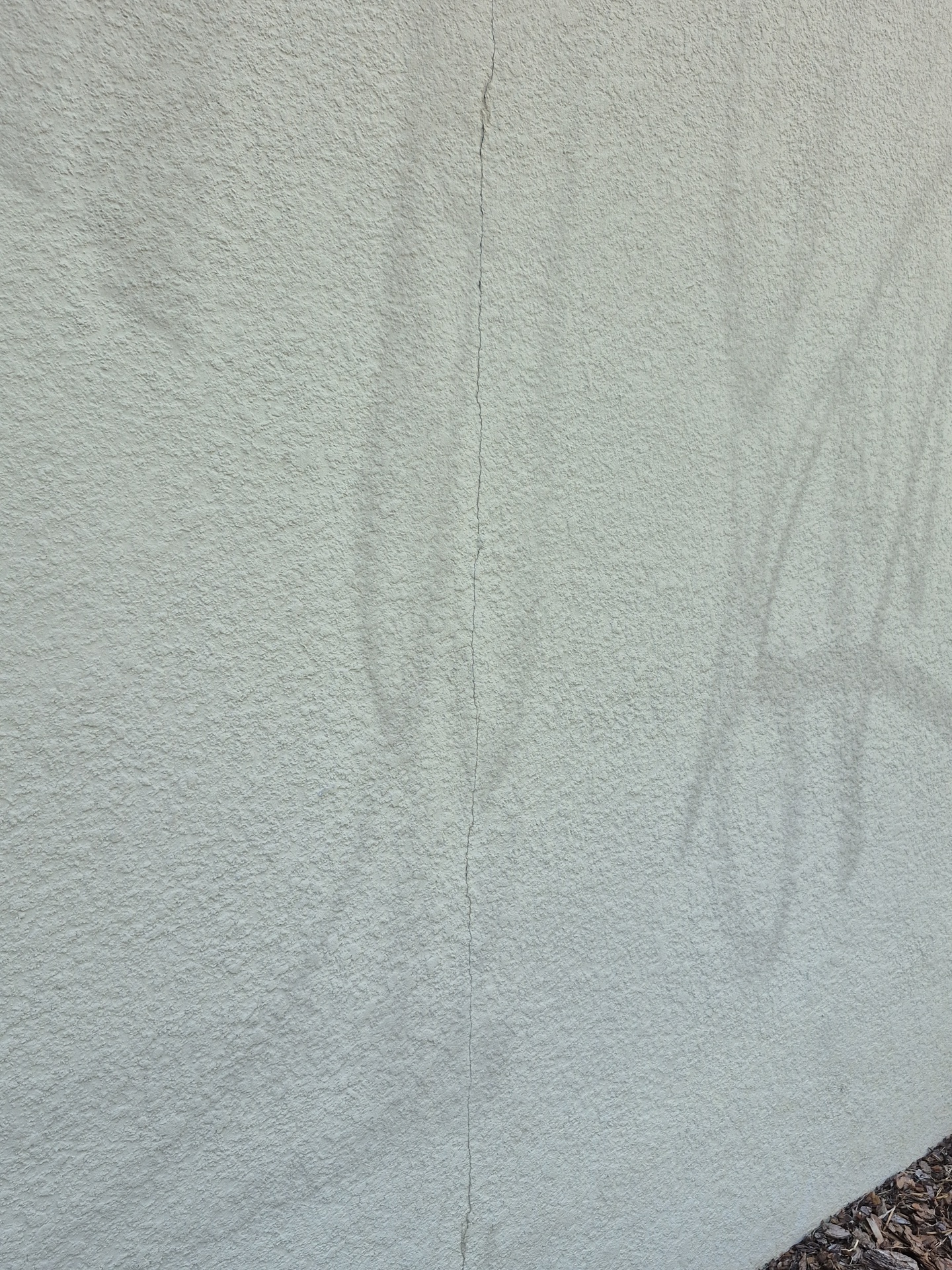
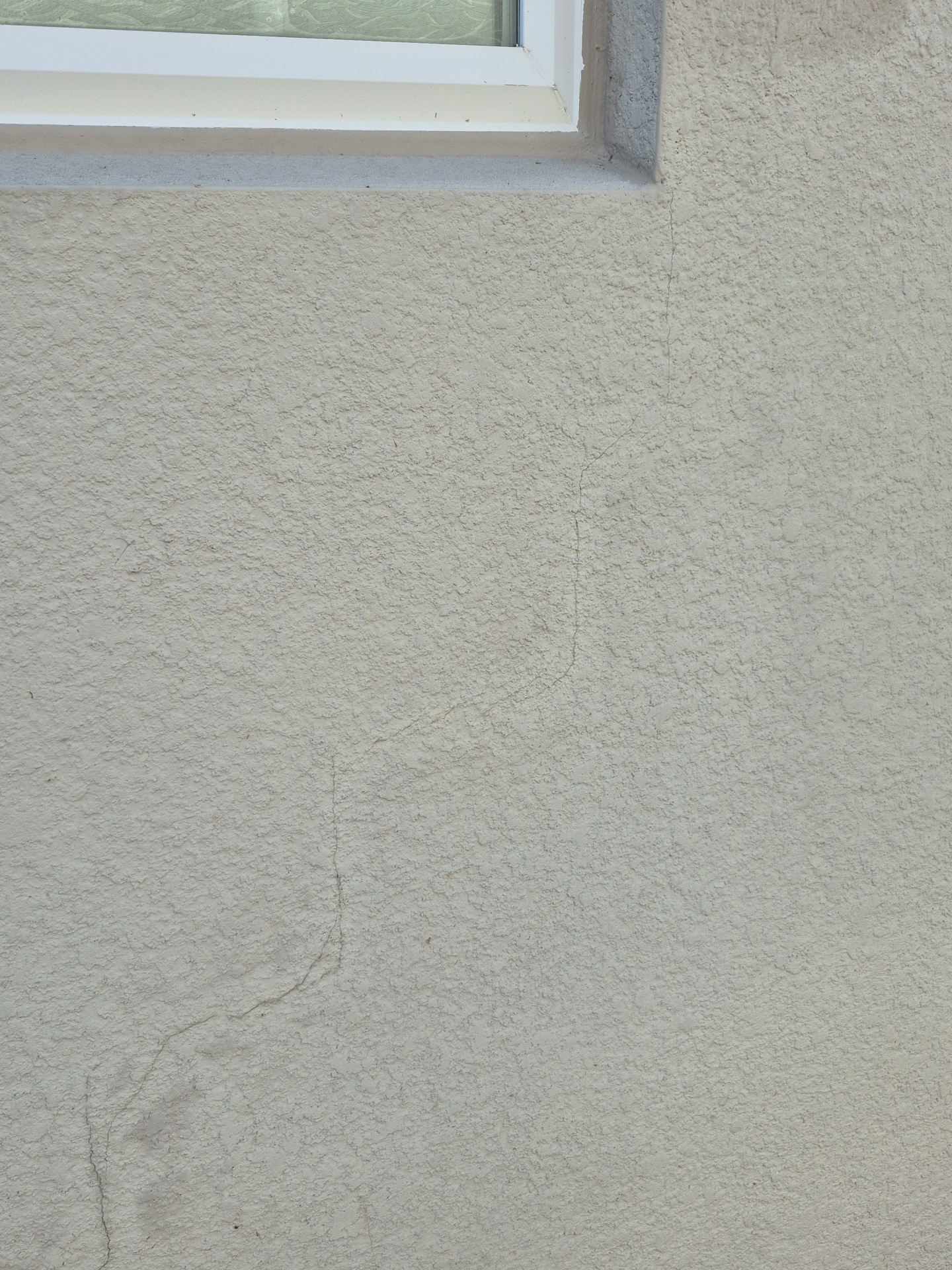
Stucco cracking noted. This is normally considered thermal cracking and is common. Recommend sealing cracks and painting.
- E-2 EXTERIOR - EXTERIOR OUTLET RECEPTACLES:
Missing Cover The weather proof cover is missing. Needs repair.
- E-3 EXTERIOR - EXTERIOR OUTLET RECEPTACLES:
No power ar cooking porch outlet.
- E-4 EXTERIOR - EXTERIOR HOSE BIBS:
Replace the missing handle to the hose bib.
- E-5 EXTERIOR - EXTERIOR DOORS:
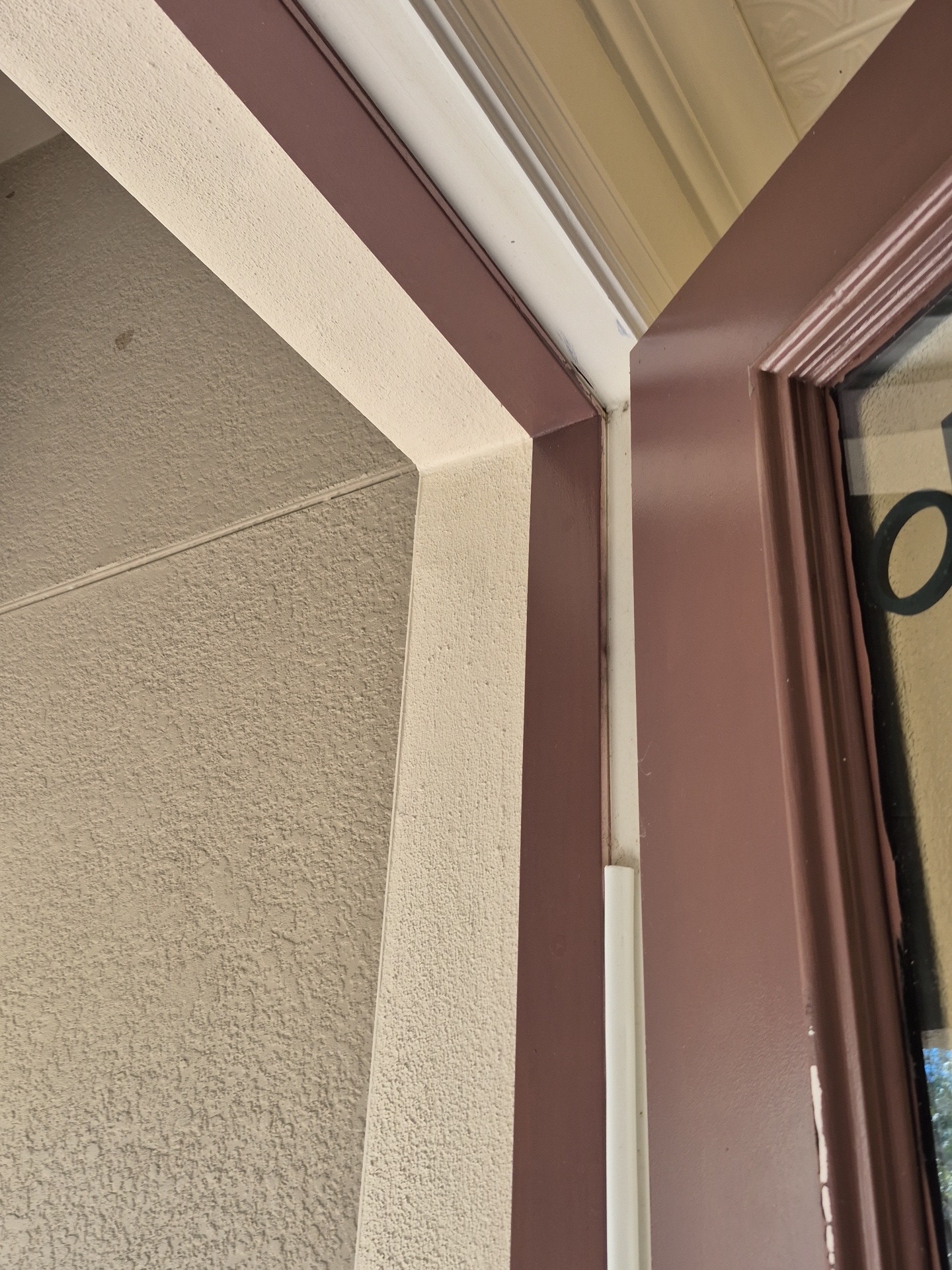
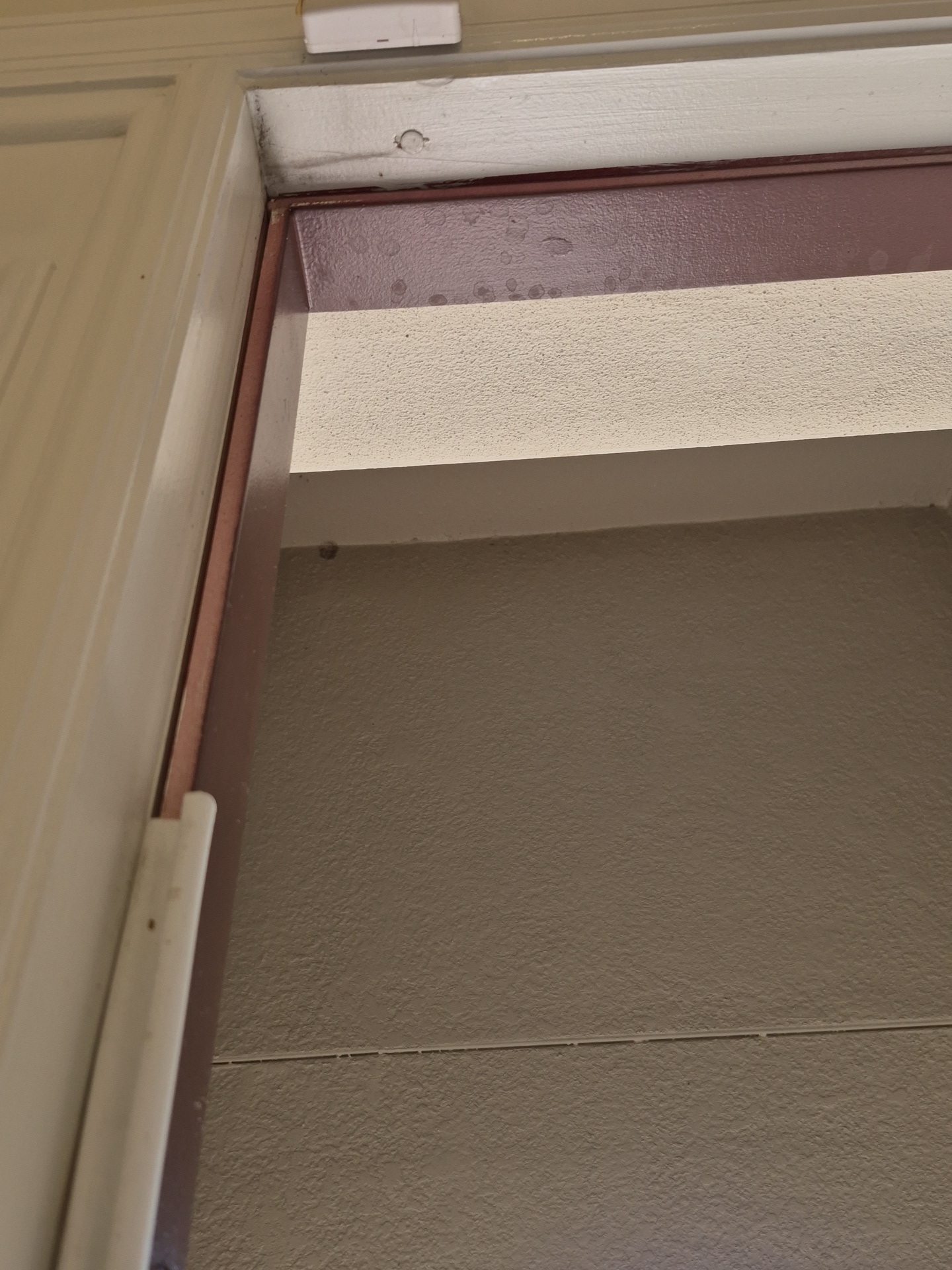
Weatherseal damaged. The weather seal on the door was damaged or missing. Recommend repair.
- E-6 EXTERIOR - DOORBELL:
Door bell was non functional. Recommend repair.
- G-1 GARAGE - RECEPTACLES AND FIXTURES:
GFCI PROTECTED DEVICE DID NOT TRIP
The GFCI protected receptacle in the garage did not respond to testing and may be defective - it did not trip when tested. Have this receptacle repaired or replaced as needed.
- G-2 GARAGE - RECEPTACLES AND FIXTURES:
MISSING ELECTRICAL COVER PLATES
The missing cover plates to electric receptacles, switches, and junction boxes should be installed to cover all access to the wiring at switches and receptacles.
- WH-1 WATER HEATERS - WATER HEATER:
RELIEF VALVE DISCHARGE
The discharge tube for the water heater temperature and pressure relief valve (TPRV) is not correctly installed - see attached link. This is a potential safety hazard. Ideally, the discharge tube for a relief valve:
- Terminates to an exterior location or above a drain, though this is not always possible
- Terminates between 6 and 24-inches off the ground (UPC)
- Slopes to drain to prevent water pooling inside the discharge tube
- Is not made from pipe with an inside diameter less than 3/4 on an inch
- Terminates to a visible location that can be monitored for leaks and discharges
- Does not have a threaded termination point which would prevent accidental capping of this important discharge
- Does not terminate into a drain pan
I recommend having this relief valve discharge tube further investigated and repaired as recommended by a licensed plumber.
- K-2 KITCHEN - REFRIGERATORS:
REFRIGERATOR SHELVING REPAIR
The shelving inside the refrigerator is damaged and requires repair.
- K-3 KITCHEN - WINDOWS:
LOST SEAL / FAILED INSULATED GLASS UNITS
Windows were presenting with a cloudy appearance. Often referred to as a, "lost seal," the cloudy appearance cannot be cleaned. Affected glass typically requires glazing repair or replacement.
Recommendation
Hire a glass replacement company to further evaluate the windows and glass here and replace/update all insulated glass units with lost seals.
- LR-1 LIVING ROOM - RECEPTACLES AND FIXTURES:
MISSING ELECTRICAL COVER PLATES
The missing cover plates to electric receptacles, switches, and junction boxes should be installed to cover all access to the wiring at switches and receptacles.
- LR-2 LIVING ROOM - FLOORS AND MATERIALS:
Repair the failing mortar / grout in the tile floor to prevent tiles from becoming loose and physically damaged. Please note that this can be an indication of poor tile preparation below the tile.
- B1-1 BEDROOMS - RECEPTALES AND FIXTURES:
MISSING ELECTRICAL COVER PLATES
The missing cover plates to electric receptacles, switches, and junction boxes should be installed to cover all access to the wiring at switches and receptacles.
- B1-2 BEDROOMS - INTERIOR DOORS:
The door stop system for the home is incomplete. I recommend systematically installing door stops to protect doors and wall finishes.
- B-1 BATHROOMS - SINKS AND CABINETS:
The cabinets in the jack and Jill bathroom have scratched finishes. Repair damaged finishes as needed.
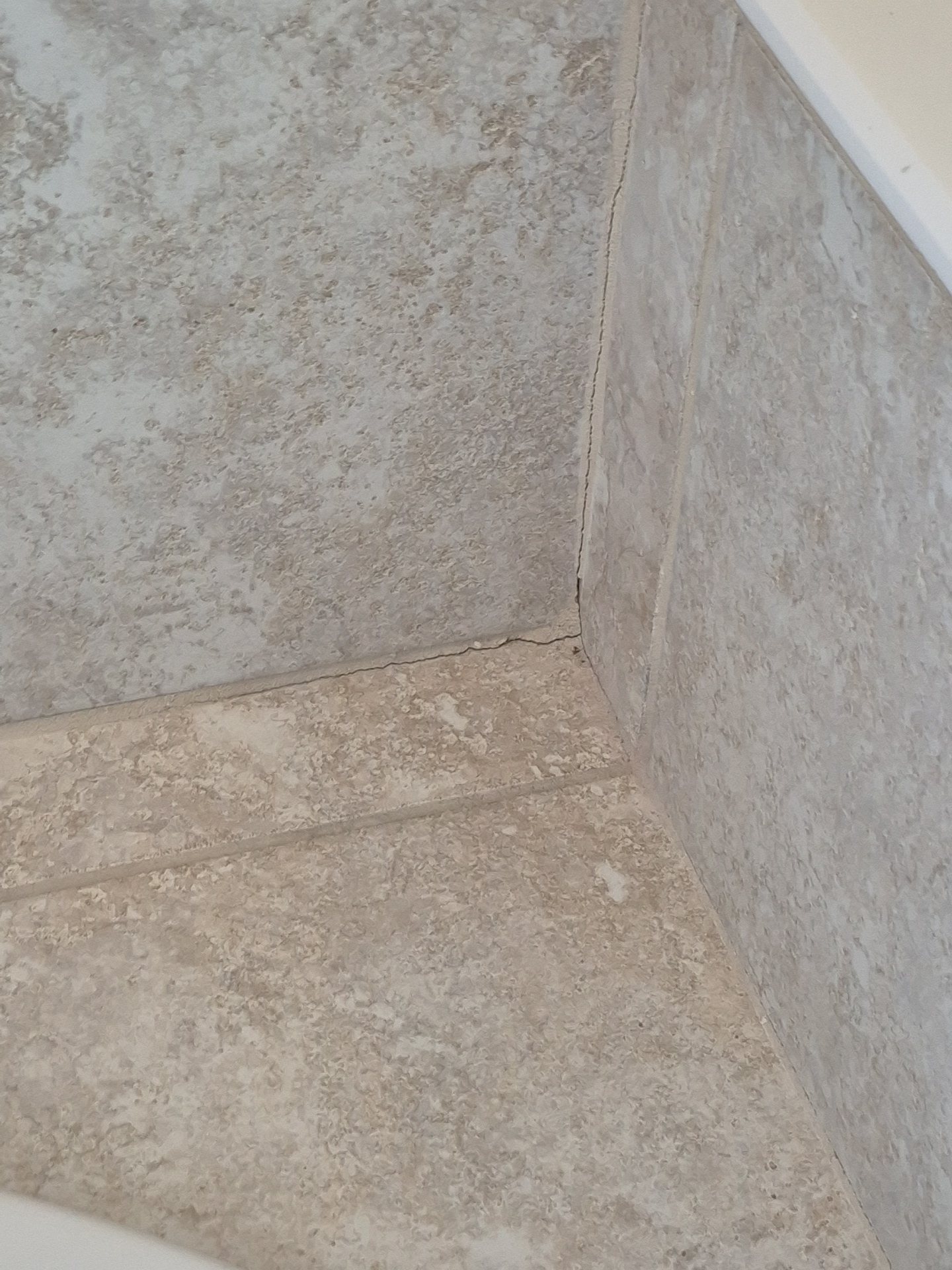
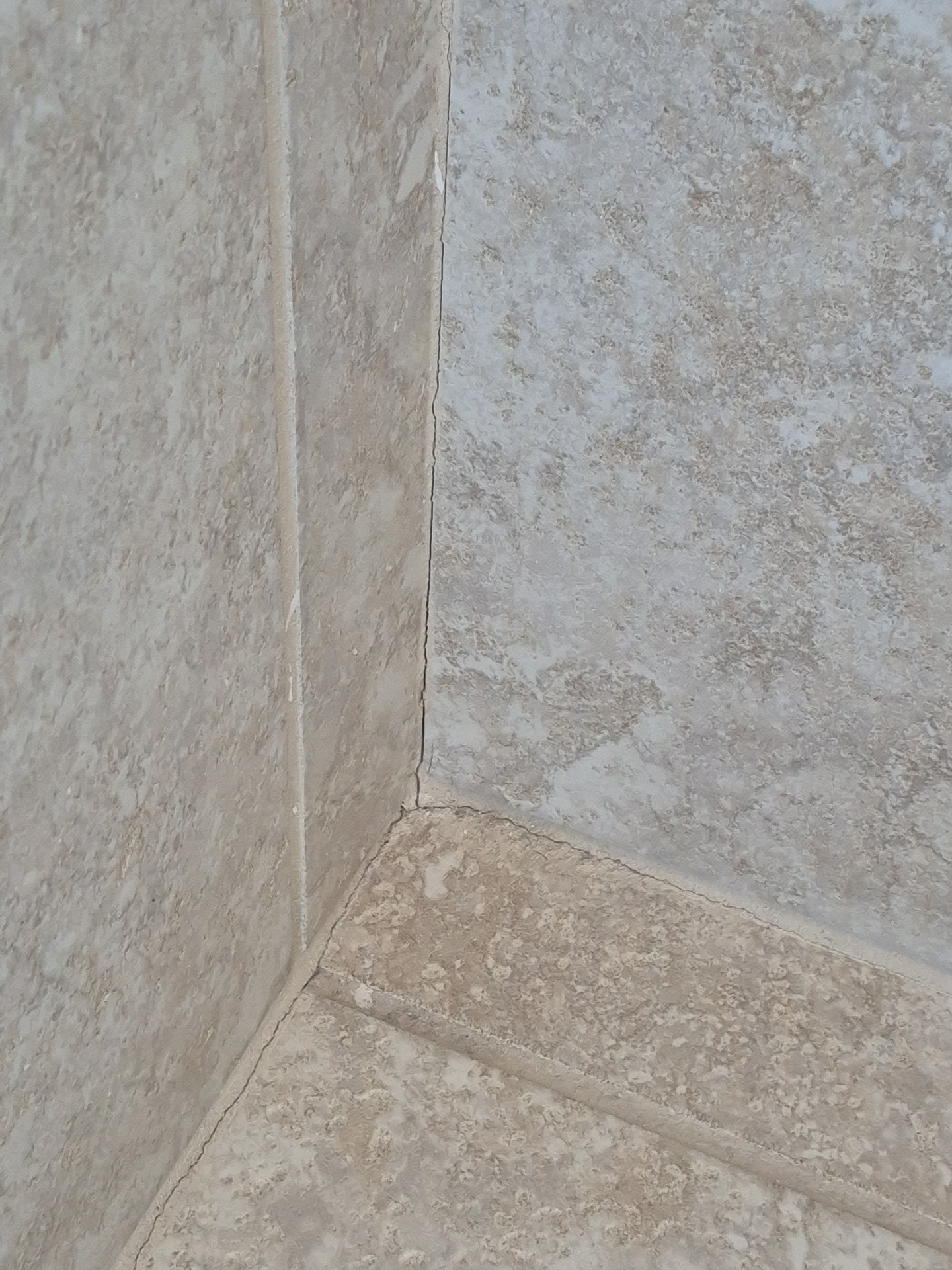
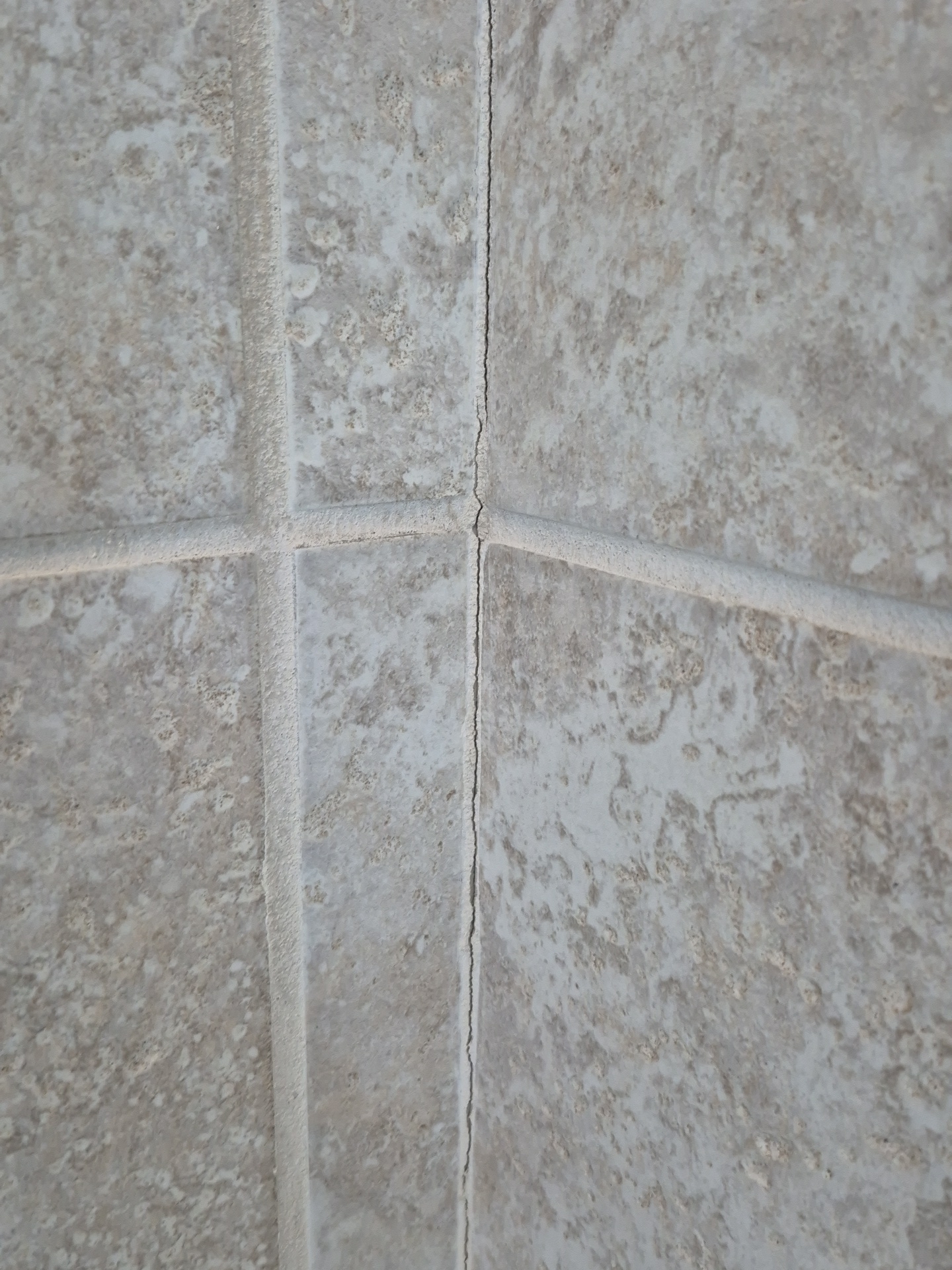
- B-2 BATHROOMS - BATHTUB/SHOWER:
TILE MAINTENNACE/REPAIRS
Repairs are recommended to the tile in this bathroom shower surround. Observations noted during inspection include:
Recommendation
Hire a qualified tile setter to repair as needed.
- PAS-2 POOLS AND SPAS - PUMPS, MOTOS, BLOWERS, GUAGES, AUTOMATIC SAFETY CONTROLS, VISIBLE PIPING, AND VALVES:
Heater was on but not functioning at the time of inspection. Recommend demonstration or repair.
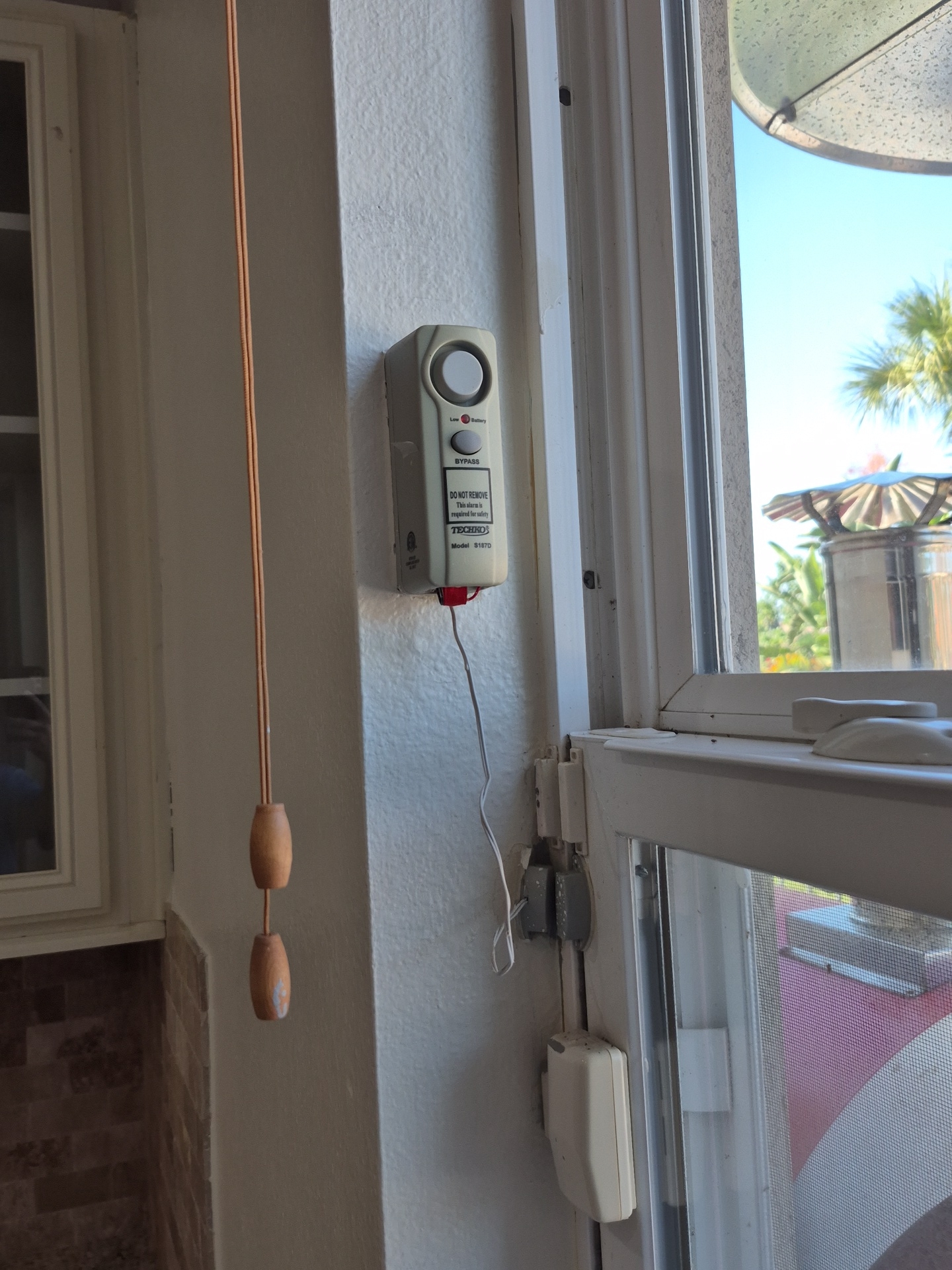
- PAS-3 POOLS AND SPAS - POOL BARRIERS (FENCING, DOORS, WINDOWS ON THE HOME, ETC.):
Sensor alarms do not work.
Recommended Maintenance
- E-7 EXTERIOR - GROUNDS, TREES, AND VEGETATION:
TREE AND VEGETATION PRUNING
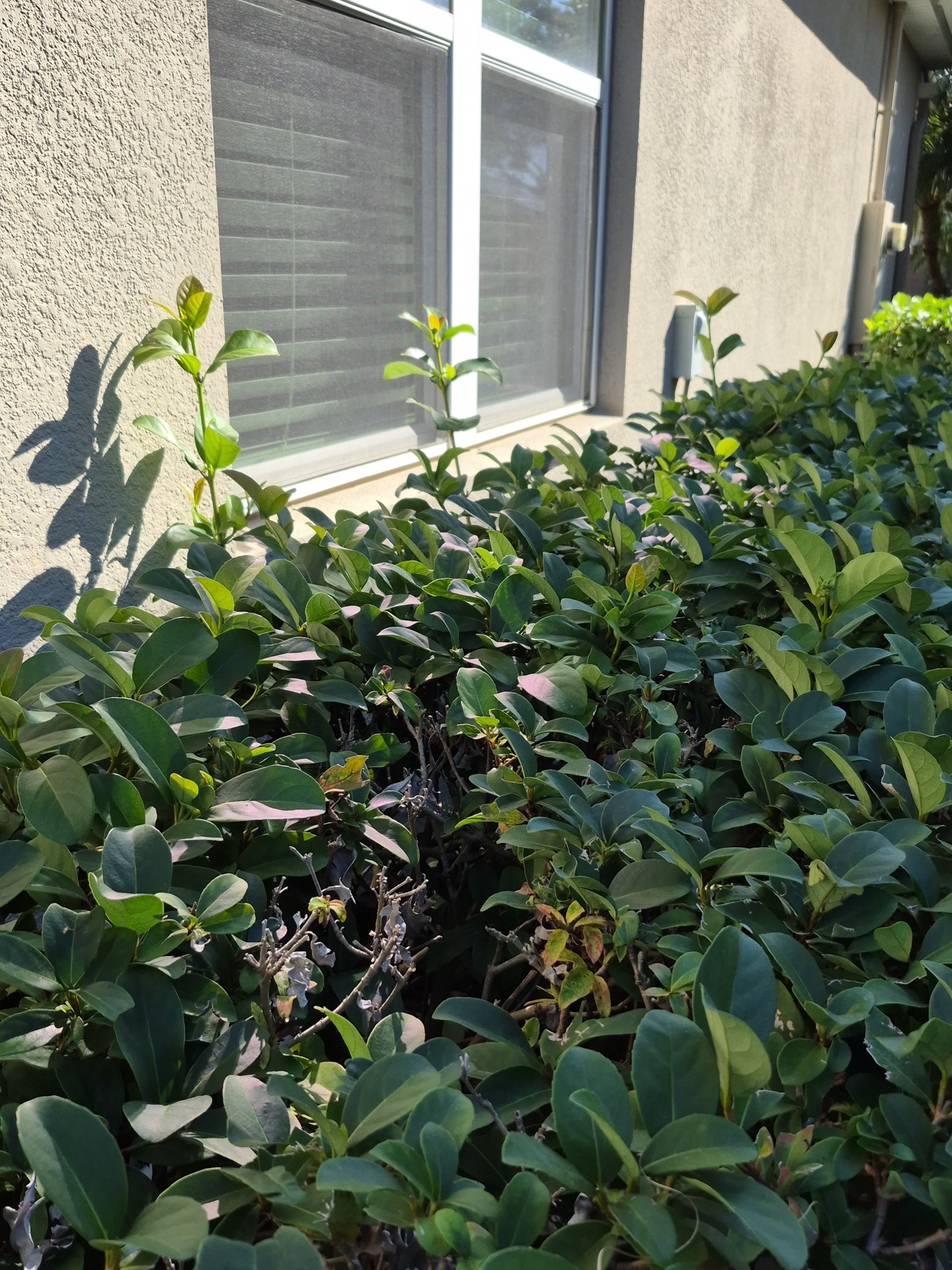
Pruning trees, branches, and vegetation away from the building is recommended. Where trees, branches, and large shrubs can provide rodent access to the roof, a minimum 6-foot clearance is recommended as many rodents can jump 6 feet. All vegetation, including smaller landscaping such as grasses, flowers, and shrubs should be kept 1 foot off the house to eliminate contact which could trap moisture against the building.
- K-1 KITCHEN - CABINETS AND COUNTERTOPS:
CABINET REPAIRS
Tune-up repairs are needed to the kitchen cabinets. Repair as desired. Examples of observations noted during inspection include normal wear and tear and loose handles.
Due Diligence Items
- GC-1 GENERAL COMMENTS - BUILDING CHARACTERISTICS, CONDITIONS AND LIMITATIONS:
NEWER BUILDING - PRESERVE CONSTRUCTION RECORDS
As this is a new construction building, the building plans, permits, drainage plans, construction records, a list of sub-contractors and warranty information is available. I recommend trying to obtain and keep this information for your records and for future re-sale.
- P-1 PLUMBING - WASTE PIPE AND DISCHARGE:
VIDEO SEWER SCOPE RECOMMENDED
An evaluation of the sewer line below the ground is beyond the scope of this inspection. A sewer scope is recommended to further evaluate the sewer line and the below ground connections between the house and the municipal sewer line as these are not visible to inspection. Sewer scopes are done using video cameras and can show the materials, condition and reliability of the sewer line. If a video scope has not been done recently, I recommend having a sewer scope performed.
Improve Or Upgrade Items
- L-1 LAUNDRY - WASHER:
MOISTURE ALARM RECOMMENDED
A moisture alarm with water shut-off features is recommended under the washing machine to protect against accidental leaks in the supply hoses. Pans can be effective when there is a drain, but even these will not protect against a burst supply connector. A moisture alarm with automatic shut-off will. Watts is a brand I have seen installed: Link. Please also note that appliance manufacturers recommend replacing supply hoses every 5 years to reduce the risk of failure.
📸 The Complete Report
EXTERIOR
GENERAL EXTERIOR PHOTOS
ADDRESS IDENTIFICATION
SIDING AND TRIM
EXTERIOR LIGHTS
DRIVEWAYS/WALKWAYS/PATIOS
EXTERIOR OUTLET RECEPTACLES
EXTERIOR HOSE BIBS
EXTERIOR DOORS
DOORBELL
EXTERIOR WINDOW FRAMES
GROUNDS, TREES, AND VEGETATION
GARAGE
GARAGE GENERAL PICTURES
GARAGE INFORMATION
GARAGE DOORS AND AUTOMATIC OPENERS
RECEPTACLES AND FIXTURES
HEATING, COOLING, FIREPLACES, AND VENTILATION
HVAC AIR HANDLER INSIDE UNIT
Outside HVAC unit
AIR FILTERS
MECHANICAL VENTILATION SYSTEMS
KITCHEN
GENERAL KITCHEN PHOTOS
SINKS AND FAUCETS
CABINETS AND COUNTERTOPS
DISHWSHER
DISPOSALS
RANGES, OVENS, COOKTOPS
RANGES, OVENS, COOKTOPS (2)
REFRIGERATORS
VENTILATION METHOD
WINDOWS
LIVING ROOM
ROOM PHOTOS
RECEPTACLES AND FIXTURES
WALLS, CEILINGS, TRIM, AND CLOSETS
FLOORS AND MATERIALS
BEDROOMS
GENERAL BEDROOM PHOTOS
RECEPTALES AND FIXTURES
INTERIOR DOORS
WINDOWS
CEILING FANS
SMOKE AND CO ALARMS
ATTIC
ATTIC PICTURES
ATTIC ACCESS
ROOF FRAMING AND SHEATHING
ATTIC INSULATION
ATTIC AND ROOF CAVITY VENTILATION
GENERAL COMMENTS
BUILDING CHARACTERISTICS, CONDITIONS AND LIMITATIONS
Type of Building : Residential Single Family (1 story)
Approximate Square Footage: 1900
The approximate square footage listed here is listed as a courtesy and is based off of public records and disclosure. An evaluation of square footage of the buildings and property lines is beyond the scope of this inspection.
Approximate Year of Original Construction: 2015
Attending the Inspection: Buyer's Agent, Listing Agent
Occupancy: Unoccupied
Animals Present: No
Weather during the inspection: Clear
Approximate temperature during the inspection: Over 65[F]
NEWER BUILDING - PRESERVE CONSTRUCTION RECORDS
As this is a new construction building, the building plans, permits, drainage plans, construction records, a list of sub-contractors and warranty information is available. I recommend trying to obtain and keep this information for your records and for future re-sale.
This house was vacant / unoccupied at the time of inspection. Vacant and unoccupied houses present unique challenges for home inspection, especially the piping and wiring systems which have not be subject to regular use prior to the inspection. While these systems can be tested during inspection, this one-time test is different than regular use and it is difficult to know how these systems will respond to regular use after the inspection. For example, septic systems may initially function and then fail under regular daily use. Plumbing traps may operate with no signs of leaks and then let go when being actively used for a few days. Shower pans may only leak when someone is standing in the shower and taking a shower. Seals for plumbing fixtures can dry up and leak when not is use. Sewer lines with roots may allow water flow, but then fail when waste and tissue are flushed; it can take a few days for that to backup. Please understand we are trying our best to look for clues of past or existing problems to paint a realistic best-guess as to the reliability of these systems during inspection.
Pest/ WDO assessment report
 WDO Sticker /or Bait Stations
WDO sticker/Bait Stations Photos
ROOF.CHIMNEY AND GUTTERS
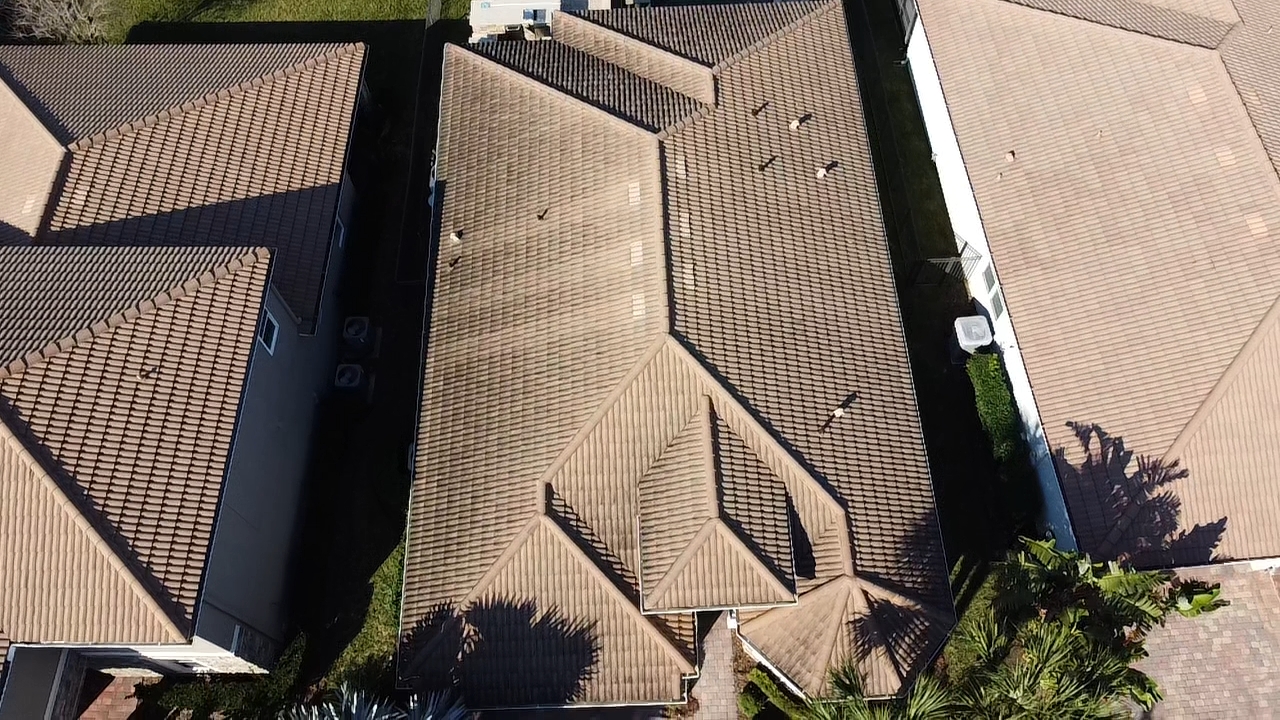
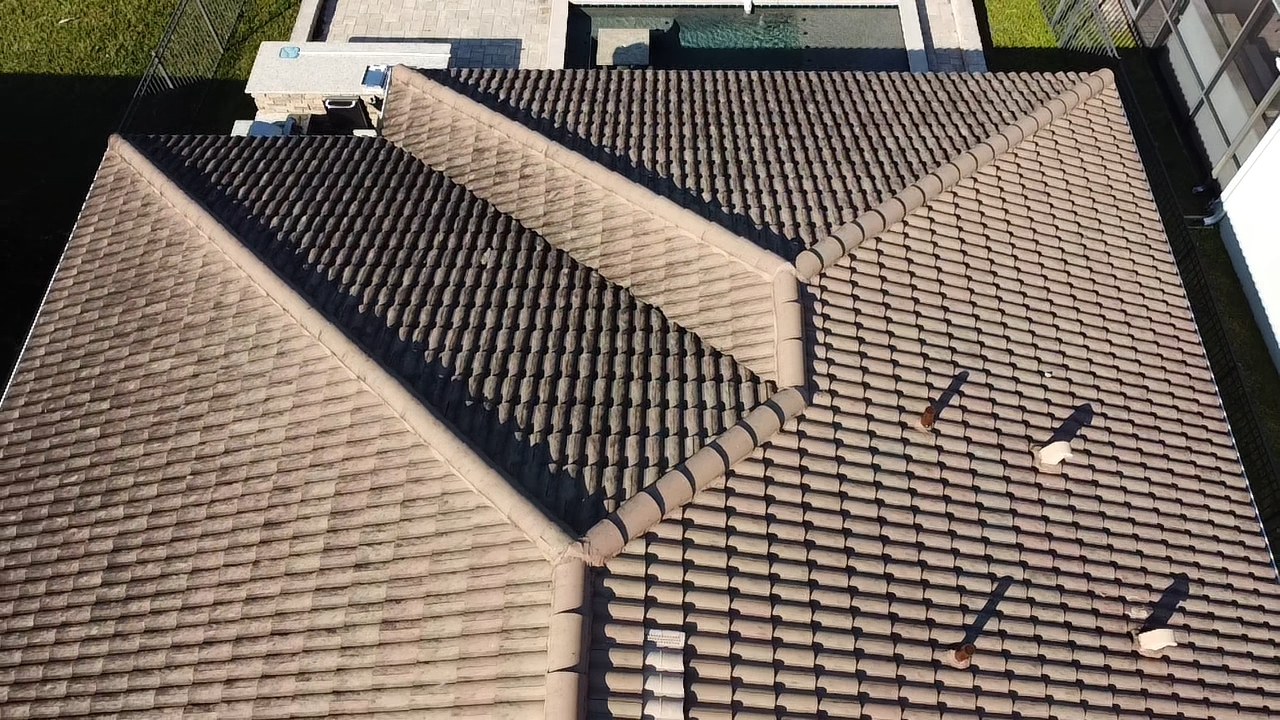
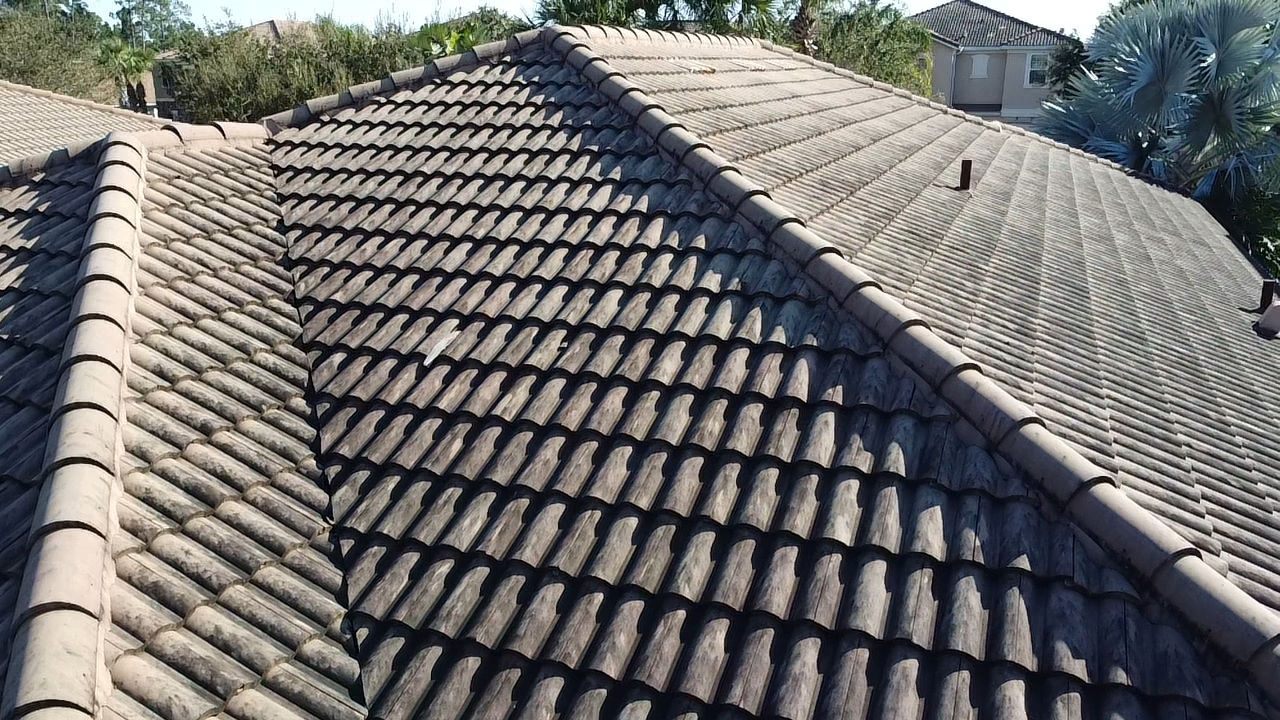
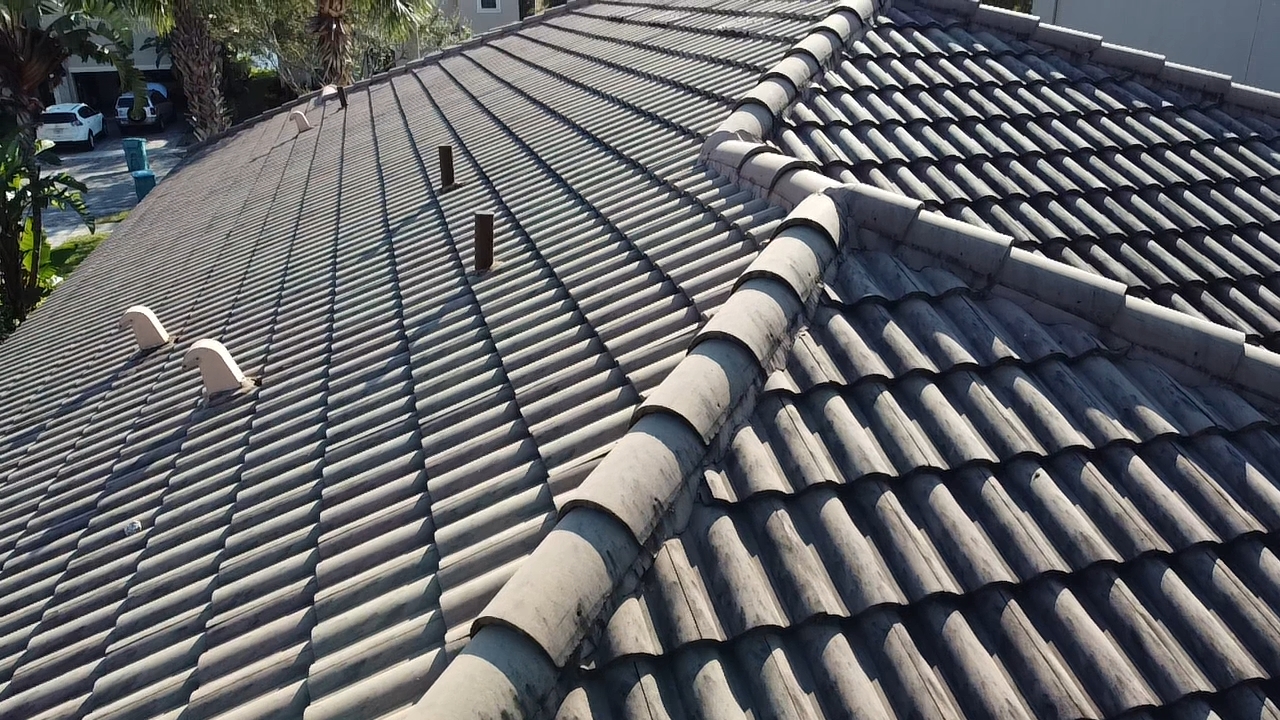
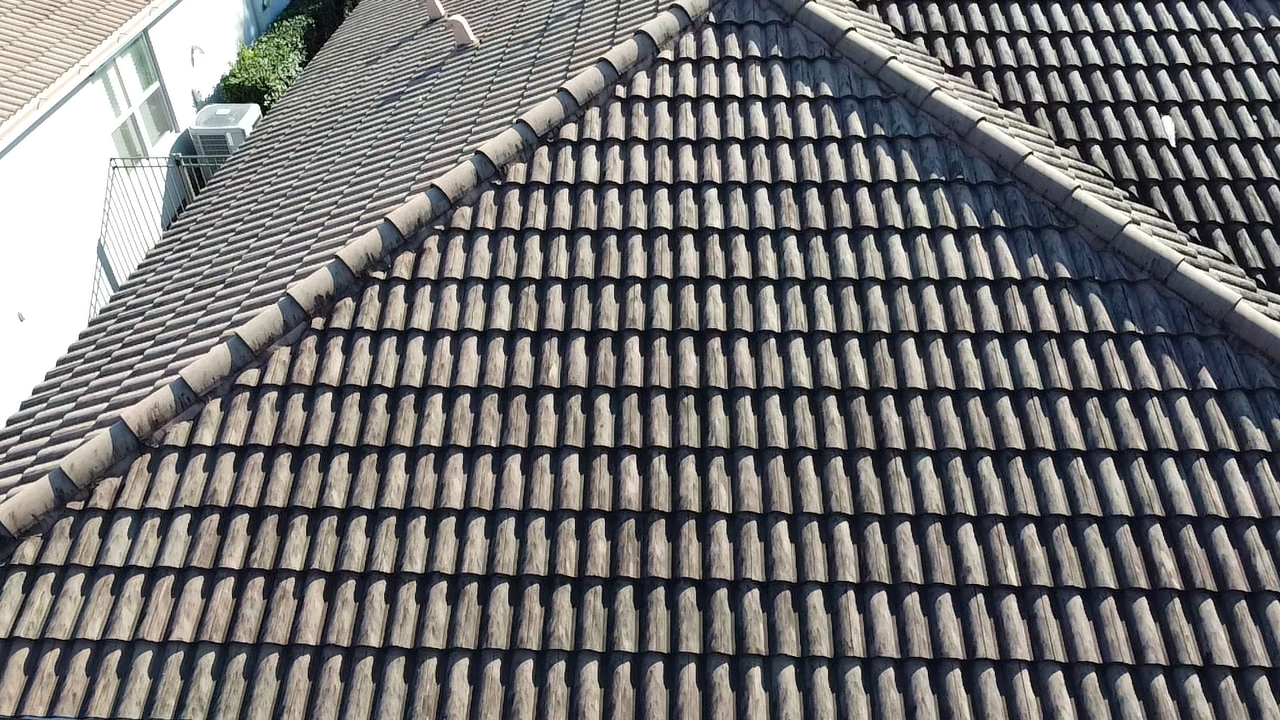
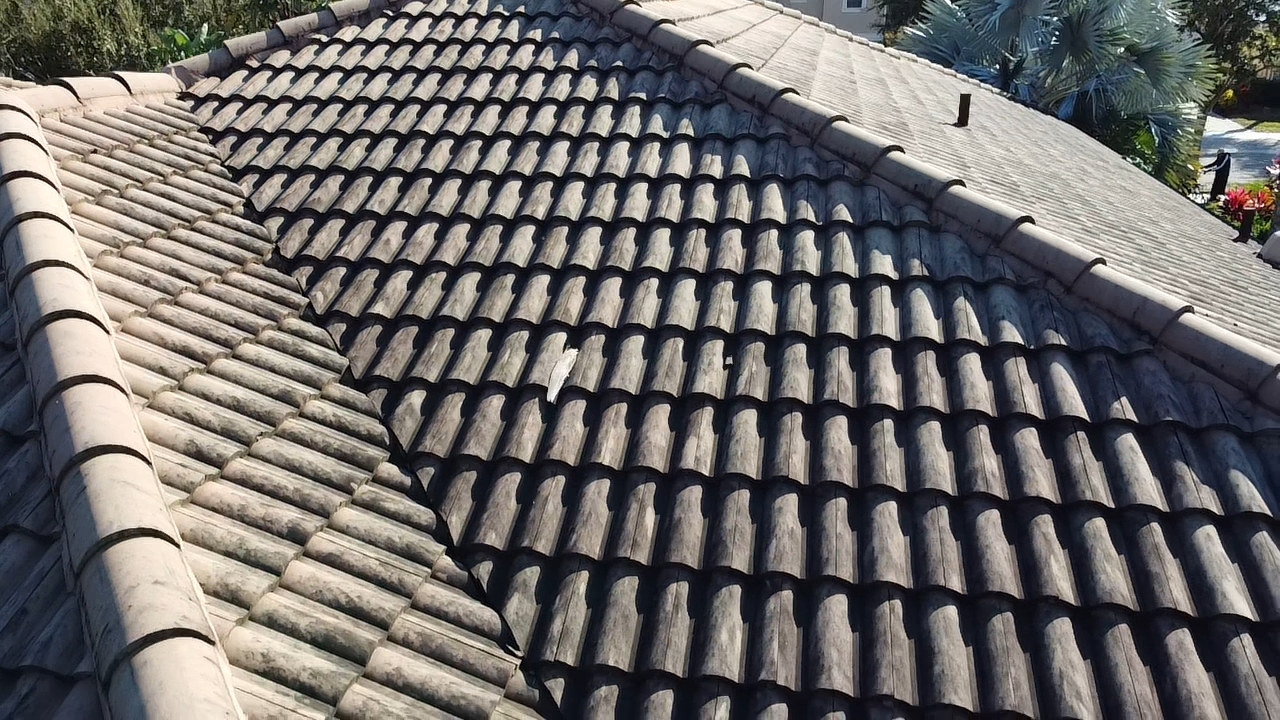
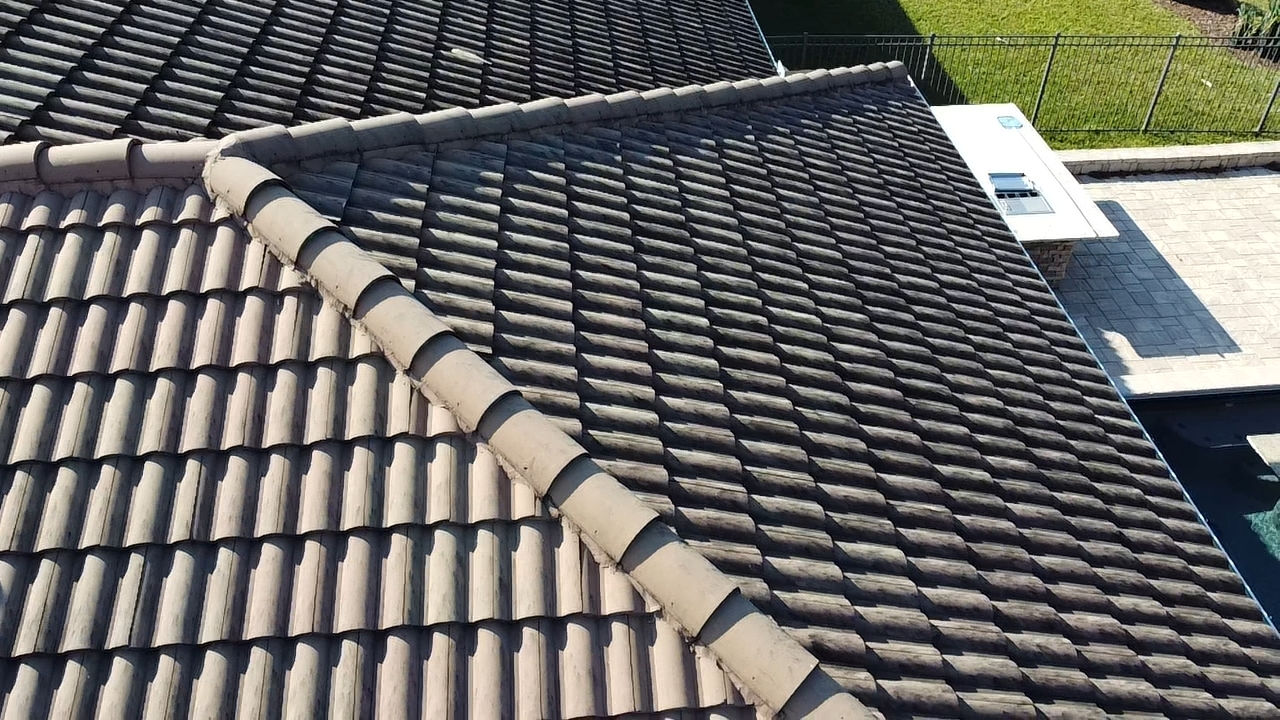
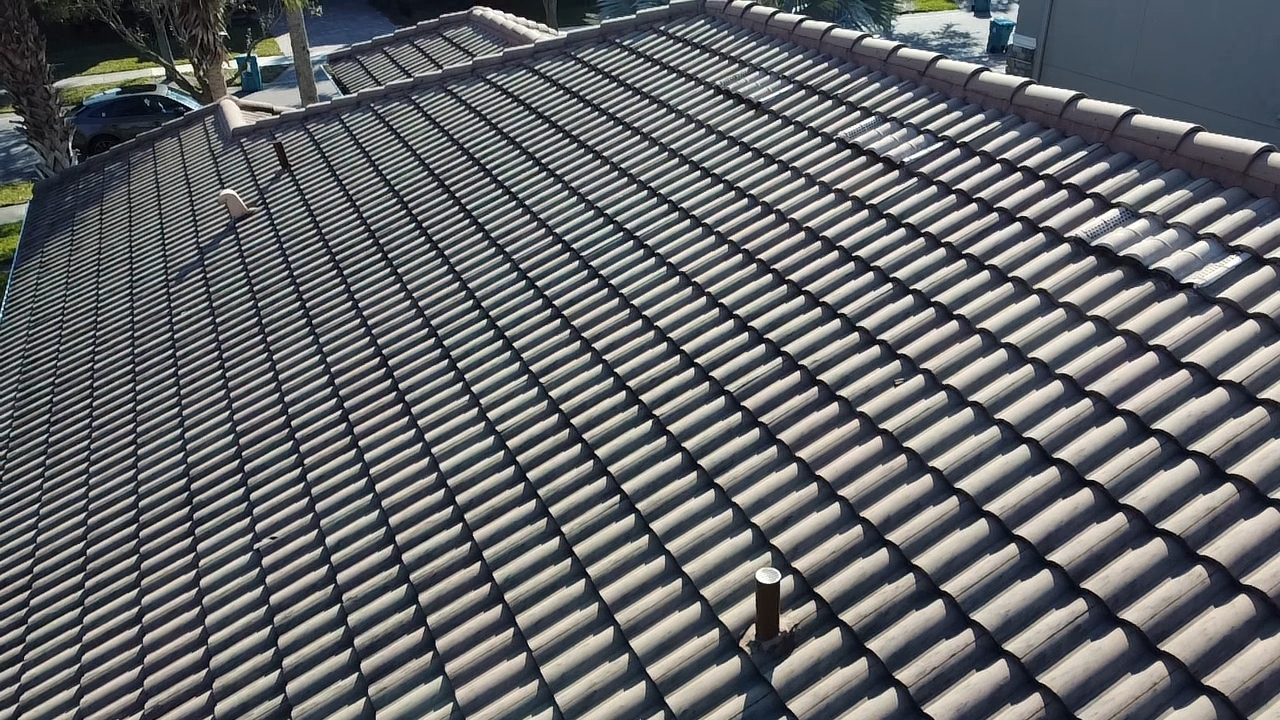
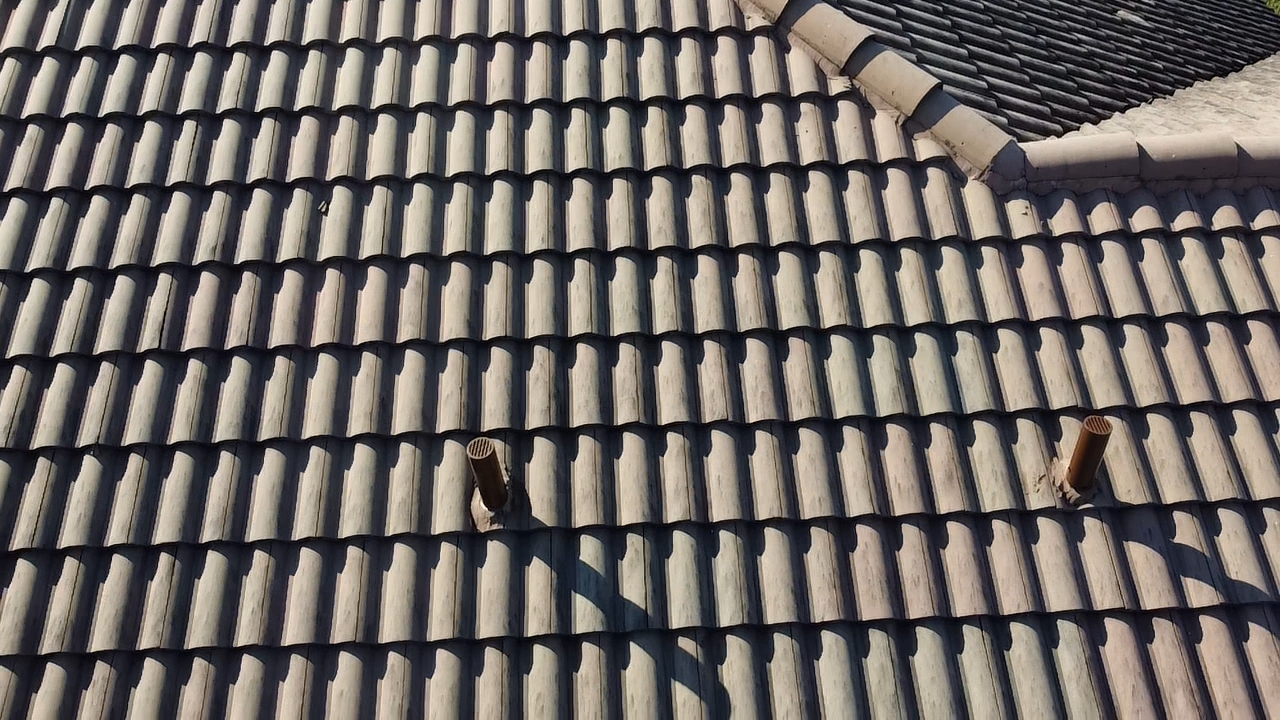
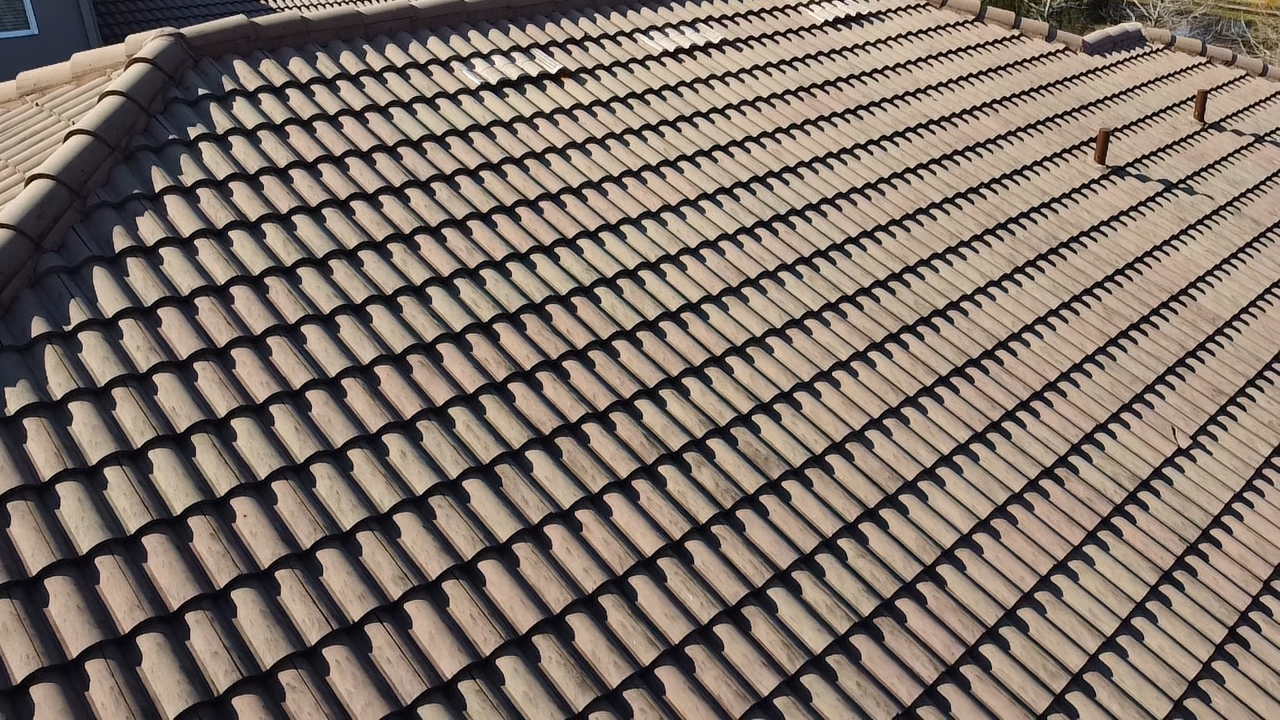
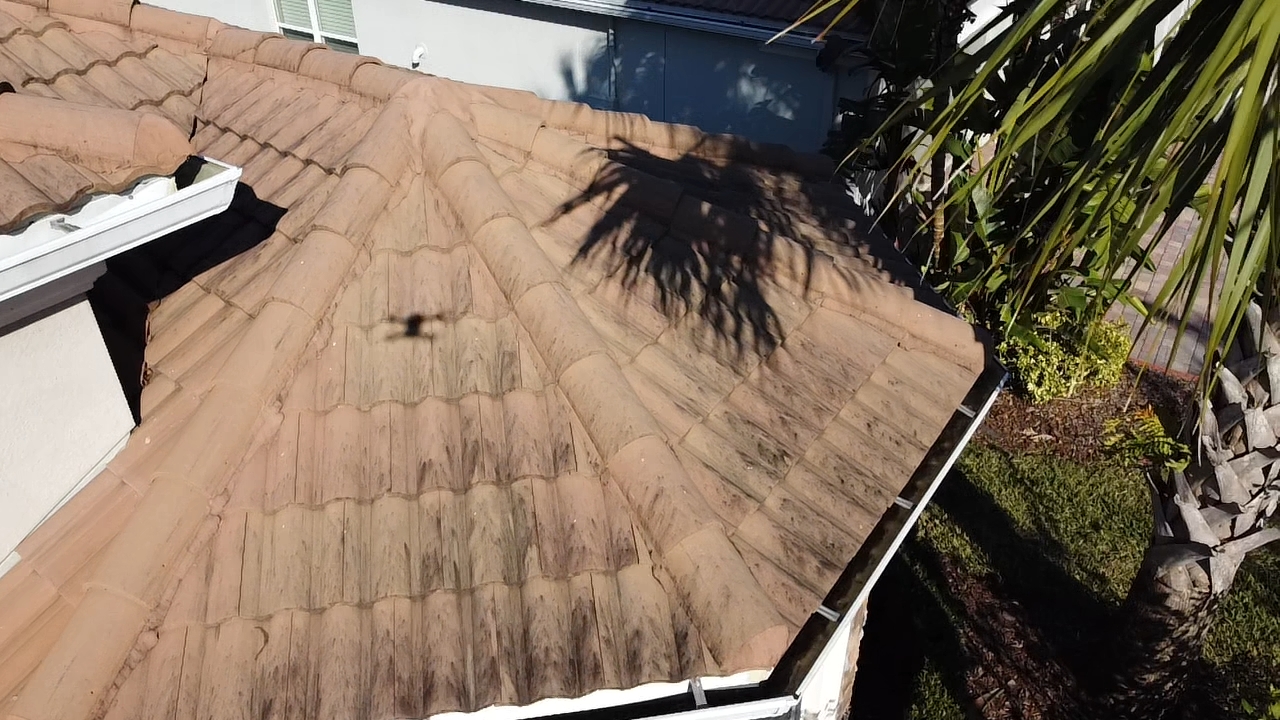
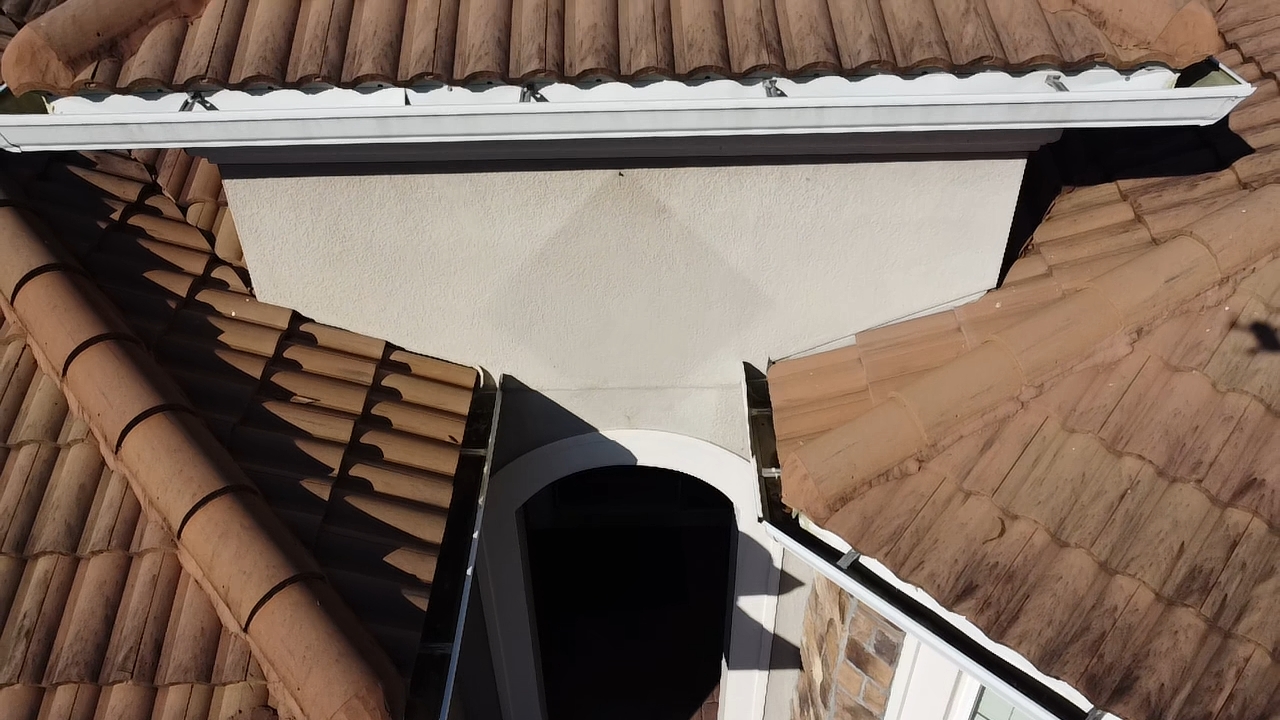
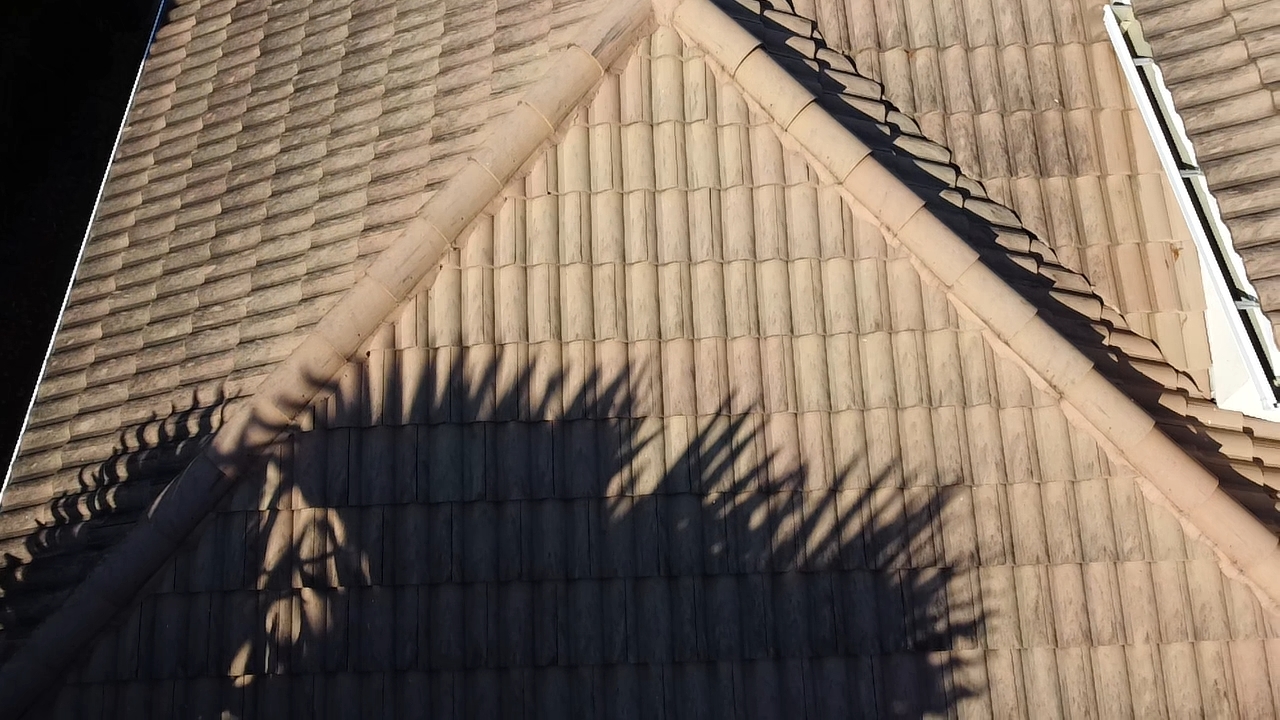
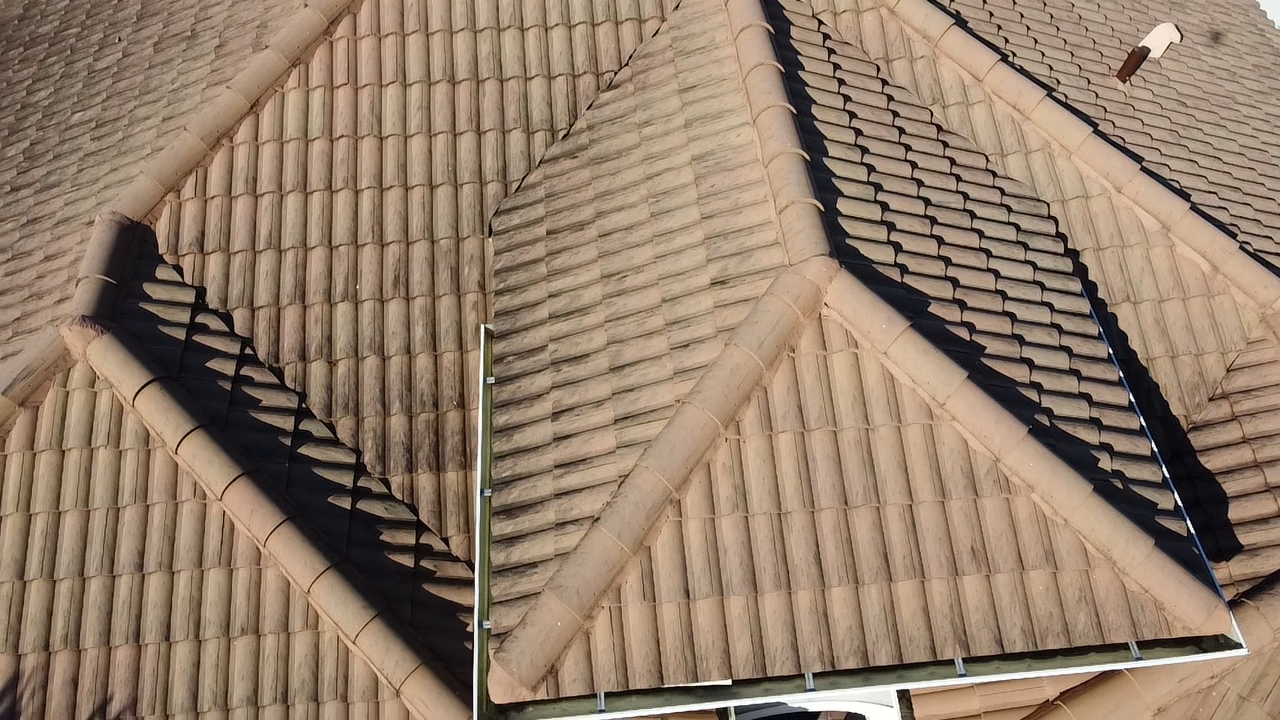
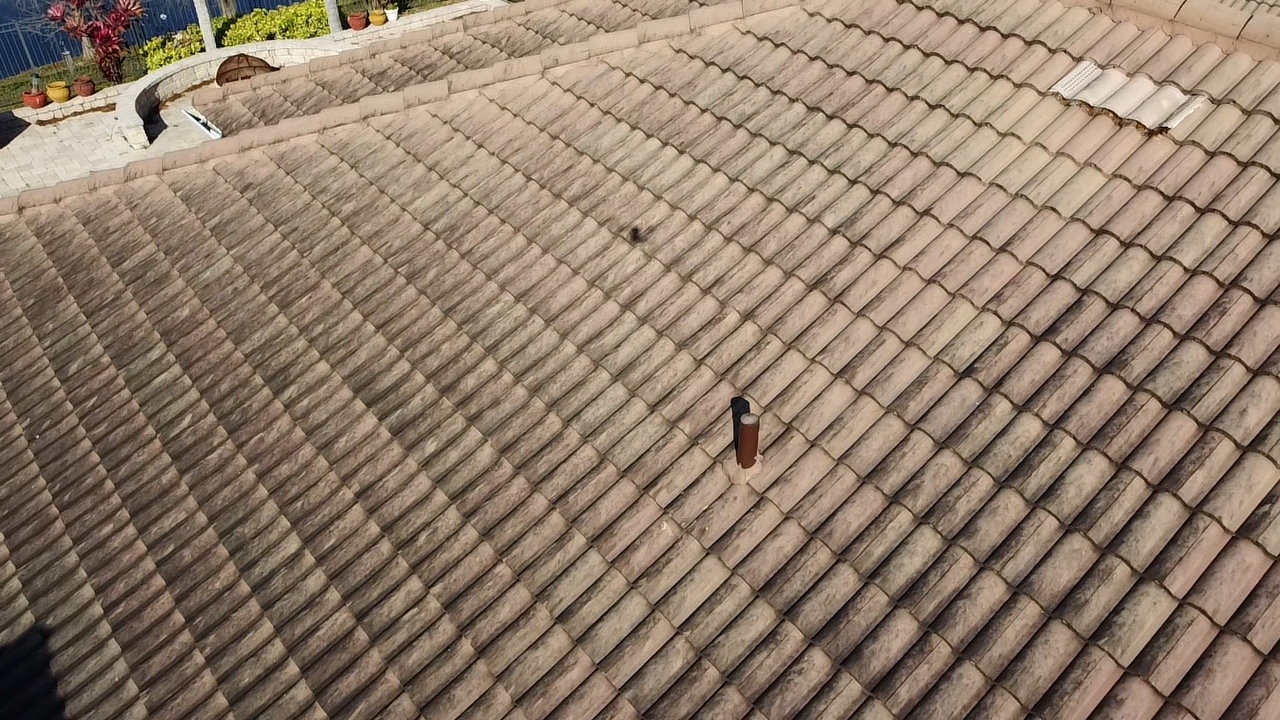
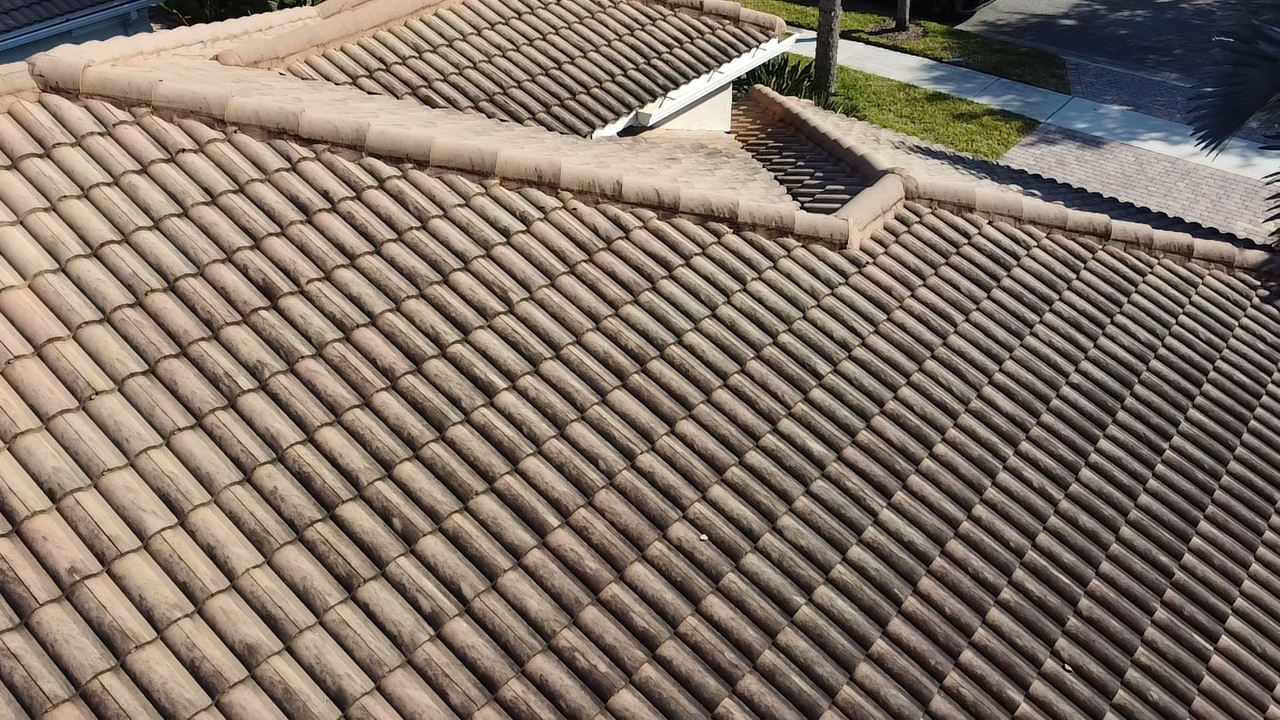
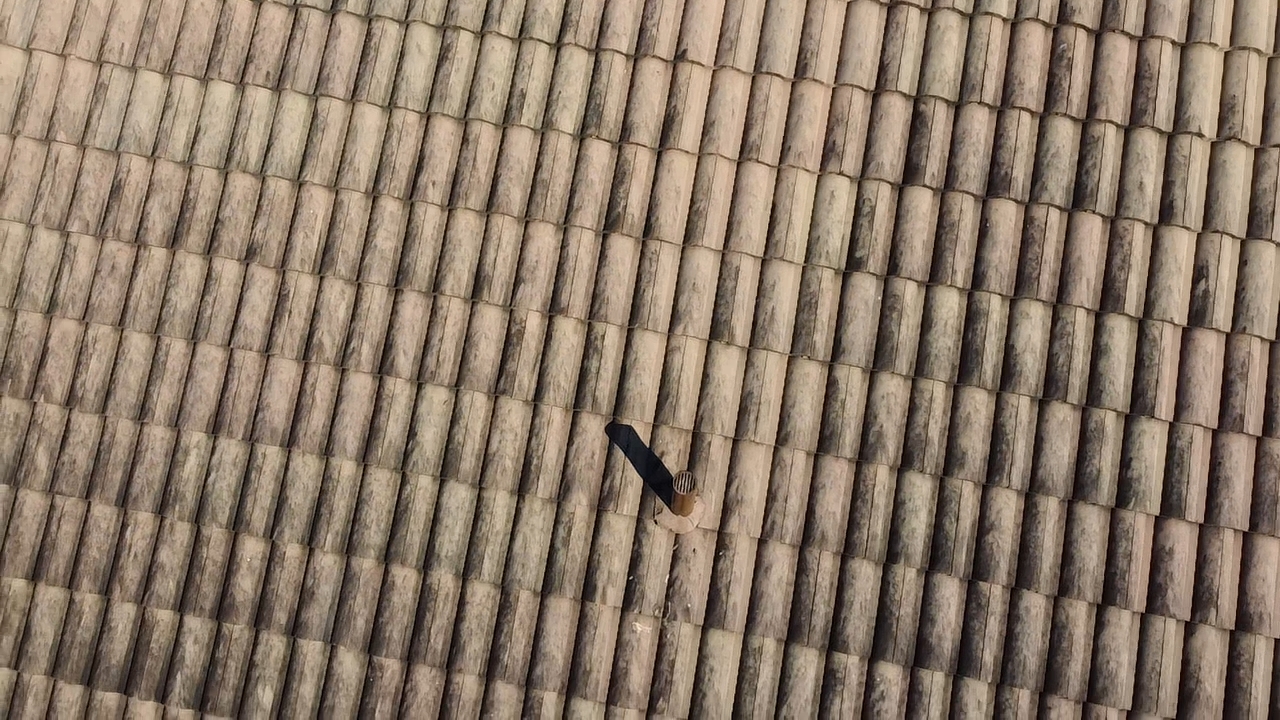
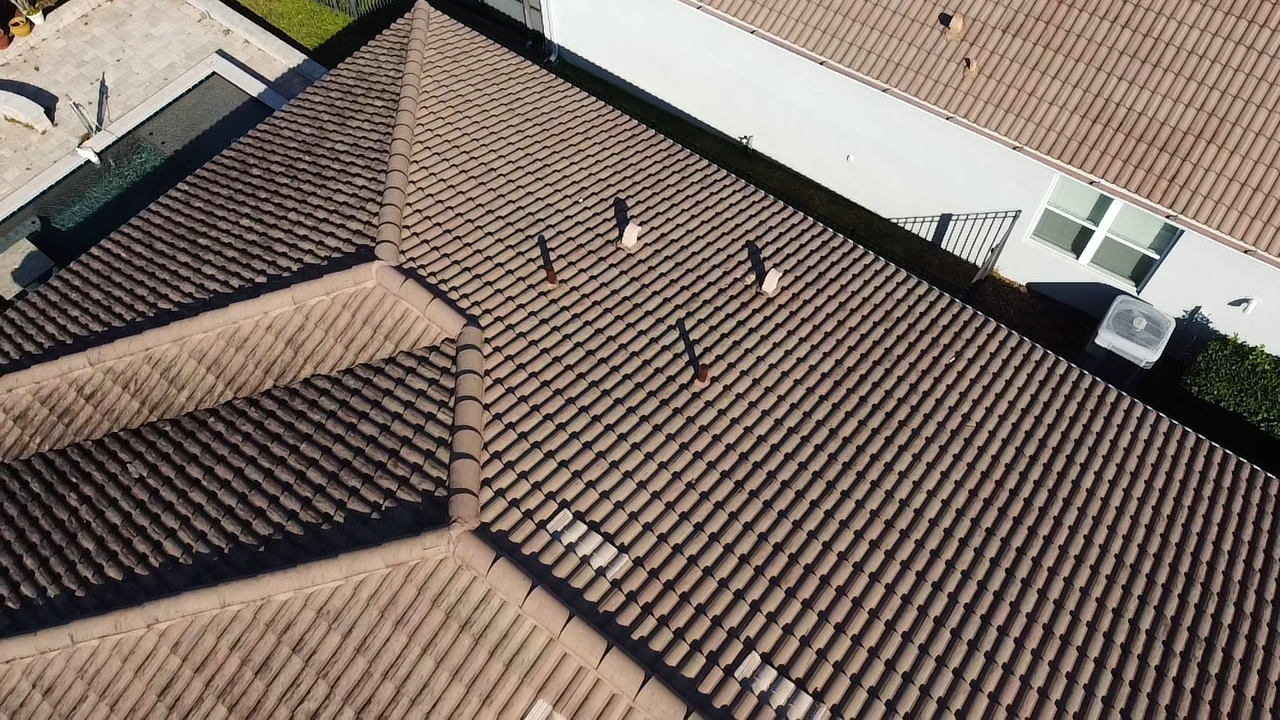
ROOF PICTURES
Photos:Photos
📸 Roof Pictures
 |  |  |
 |  |  |
 |  |  |
 |  |  |
 |  |  |
 |  |  |
 |  |  |
 |  |
ROOF MATERIALS
Roof Permit number: BLD2015-00332
Roof Permit Date: 02/16/2015
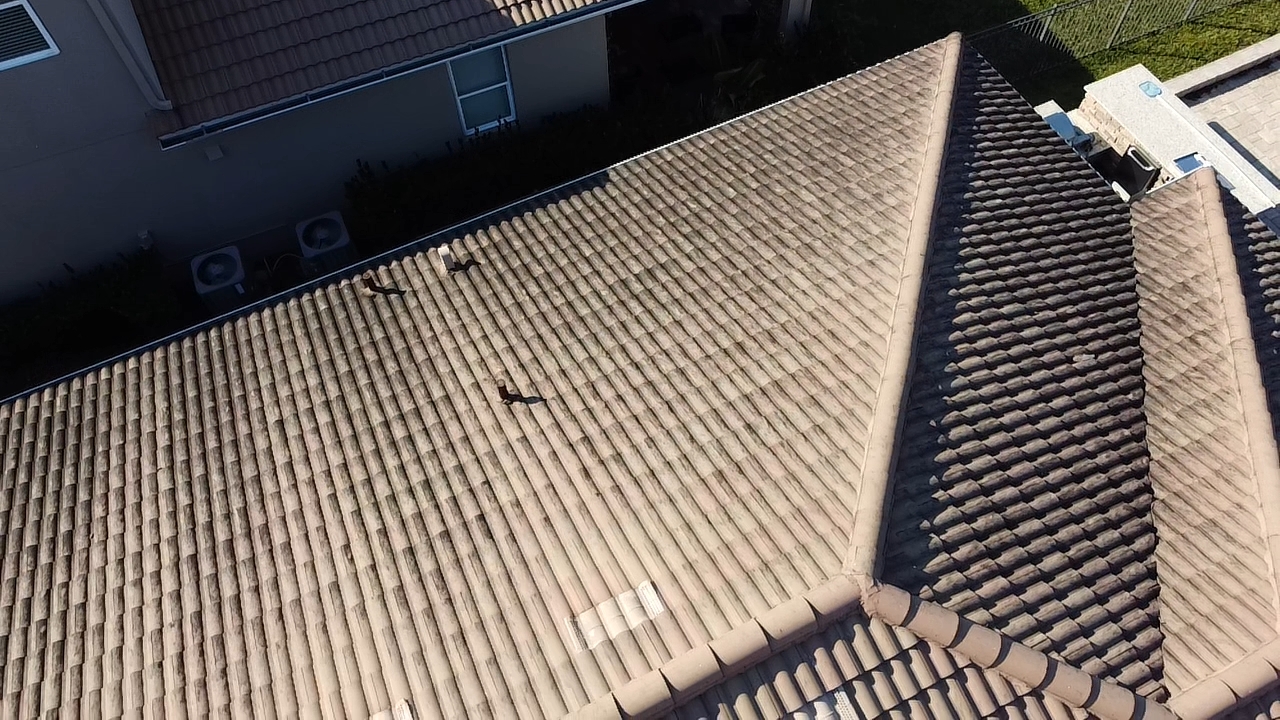
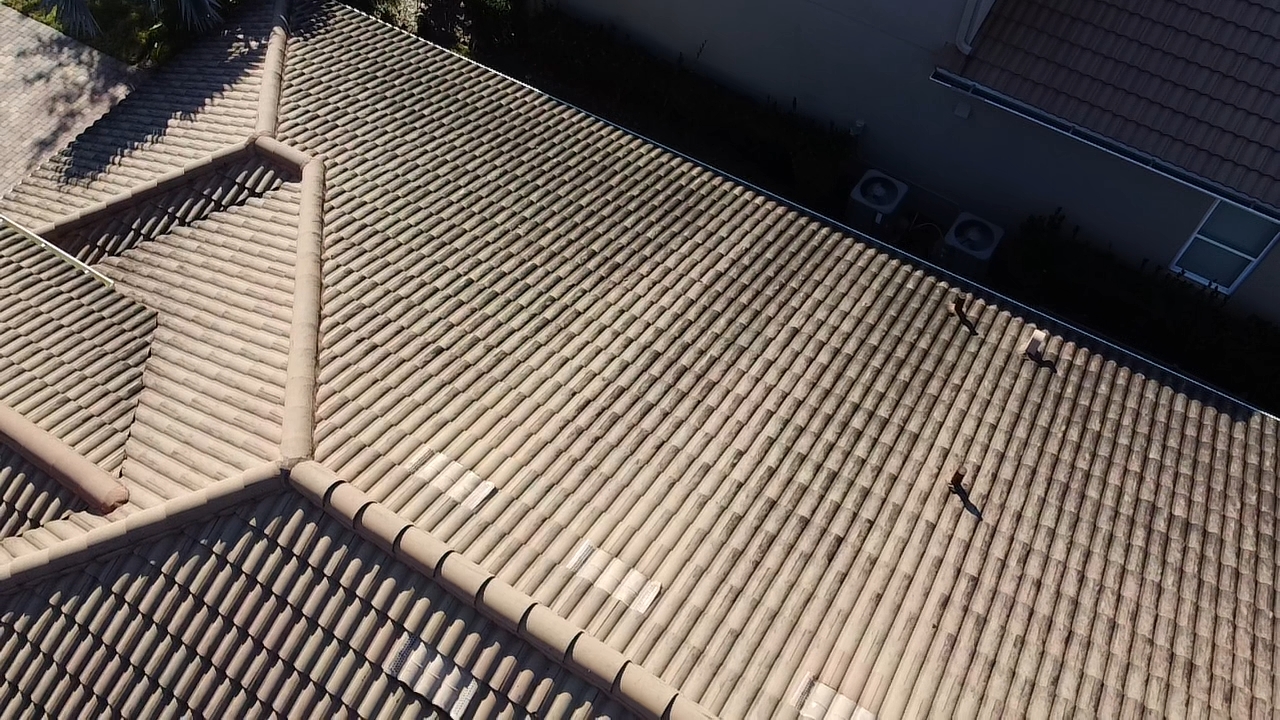
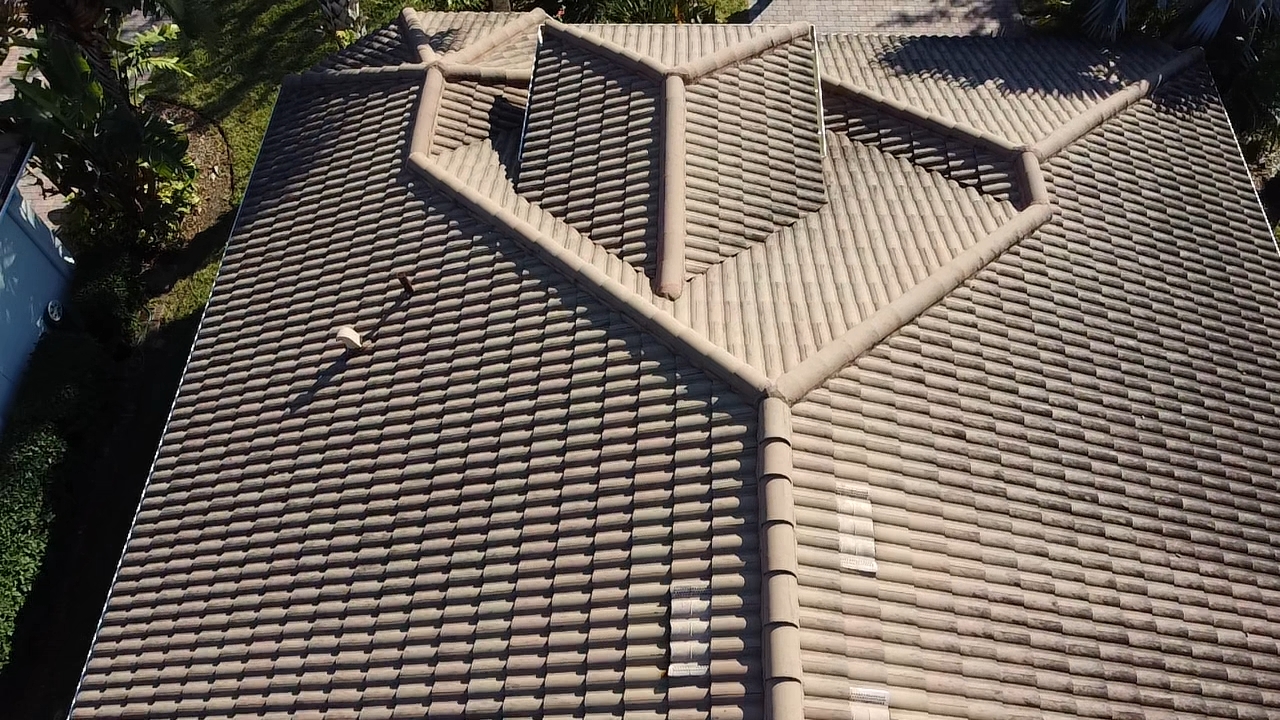
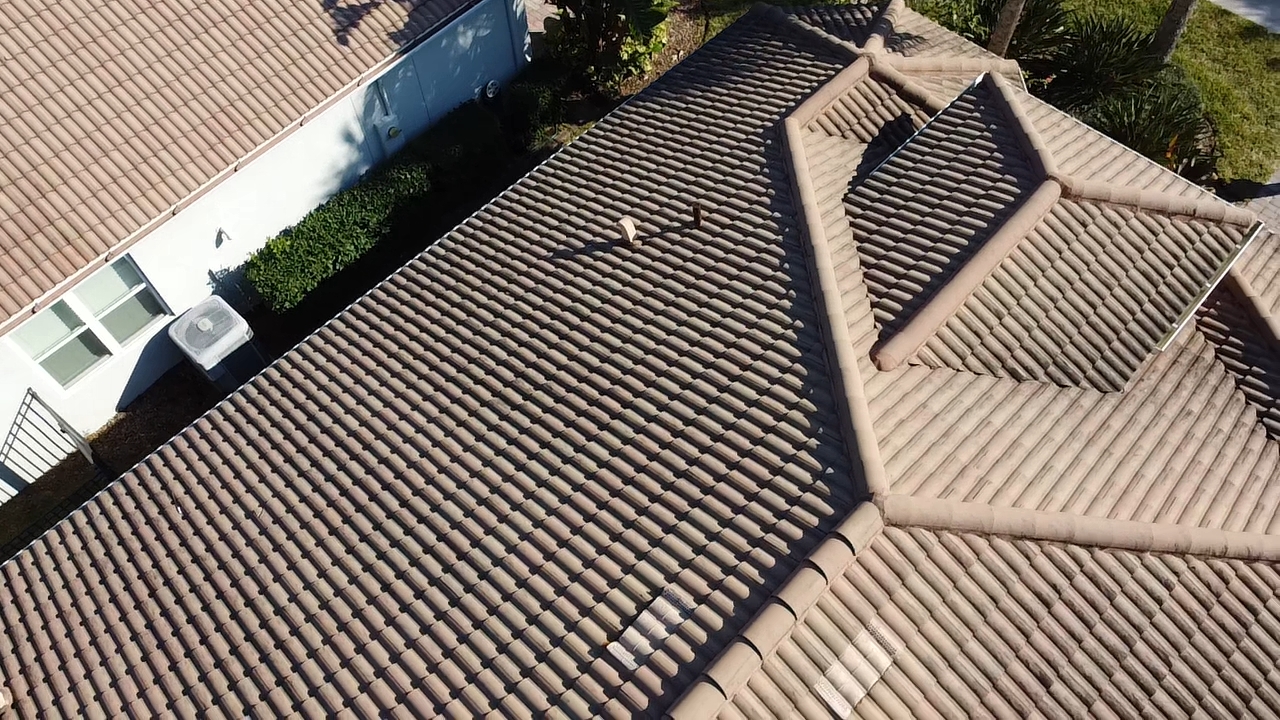
Roof Covering Materials: Clay tile
Roof Style: Hip
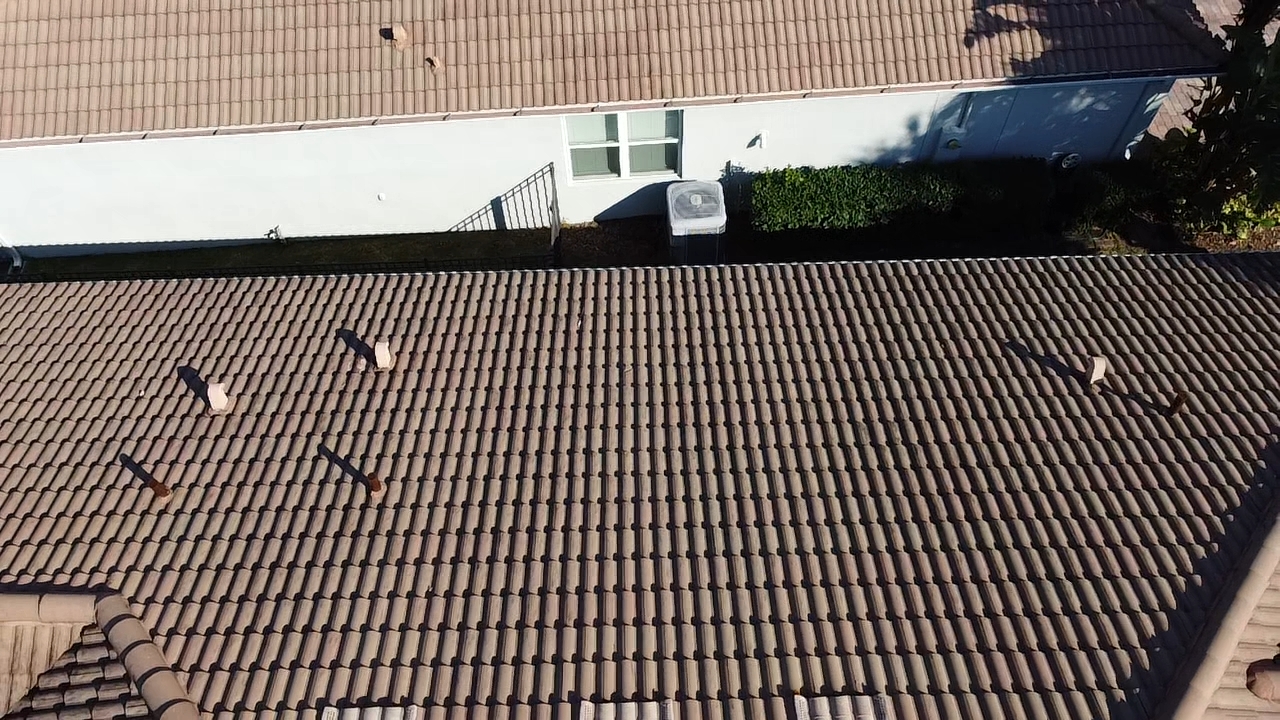
Method of Roof Inspection: Viewed with a drone
The roof was inspected by drone. Any pictures have been added.
Approximate Age of Roof Covering: 11
GUTTERS AND DOWNSPOUTS
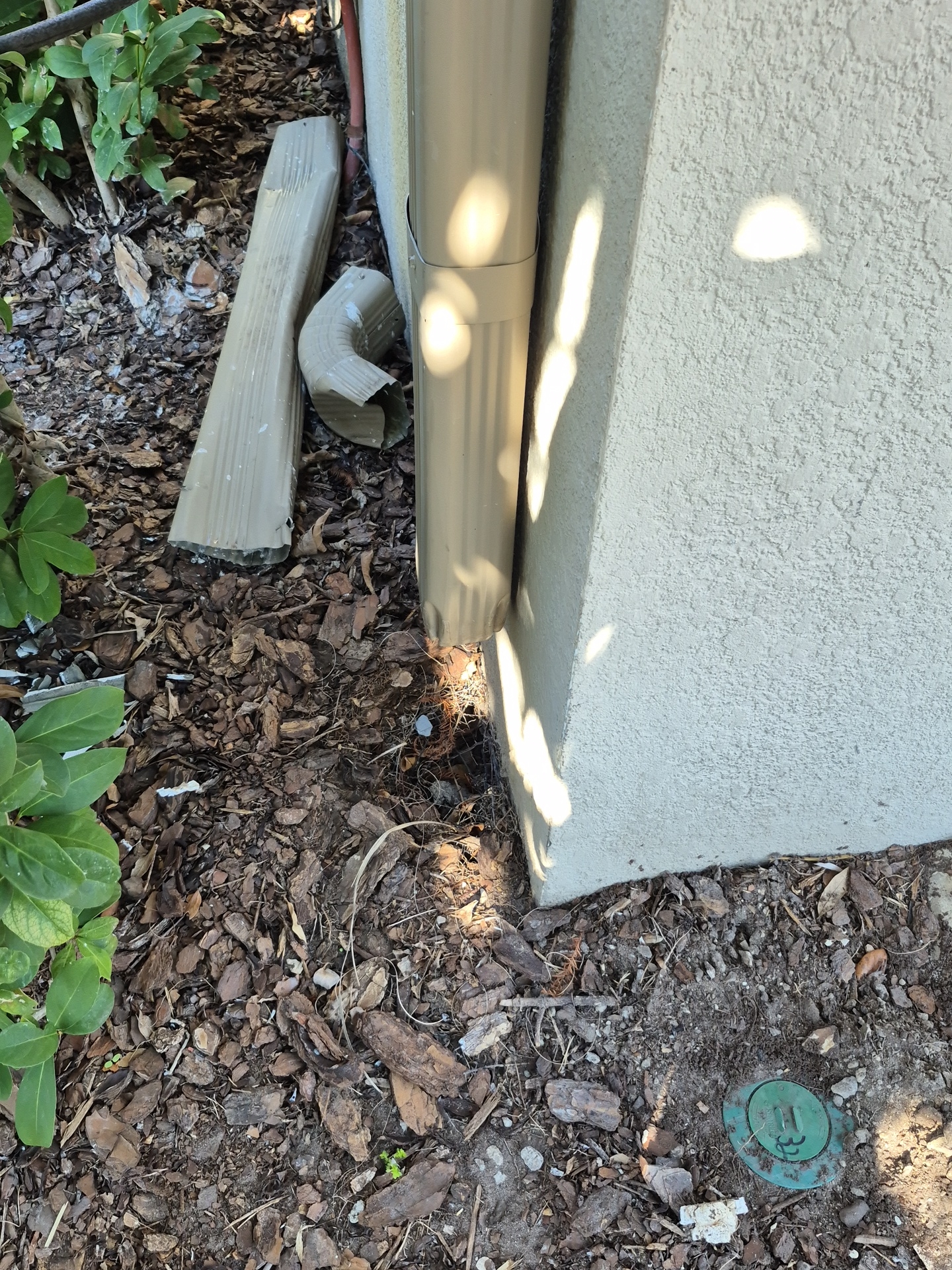
LOOSE DOWNSPOUTS
Repair all of the loose / damaged. Tune up all downspouts to ensure they are reliably secured. Locations noted during inspection:
EXTERIOR
GENERAL EXTERIOR PHOTOS
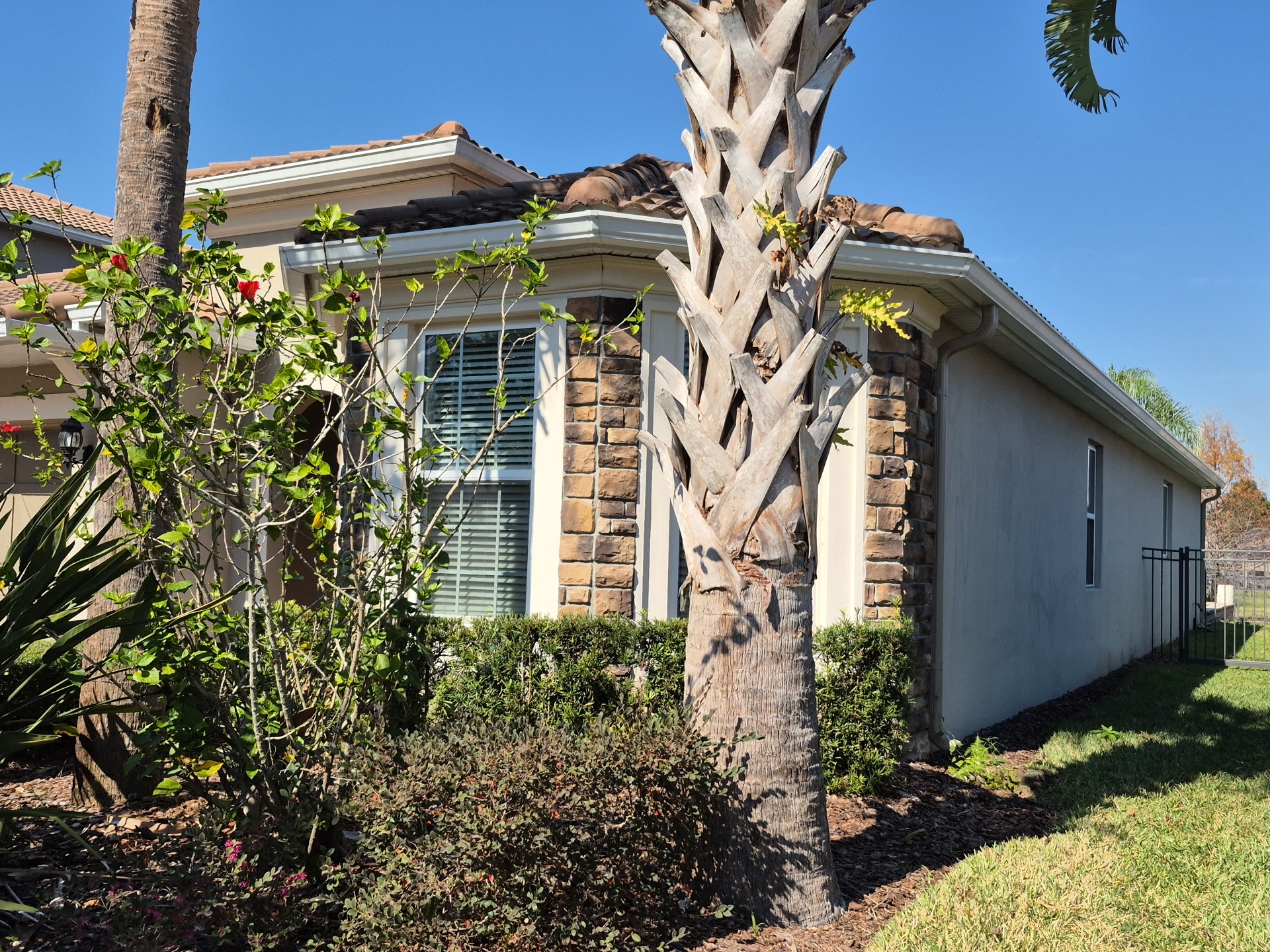
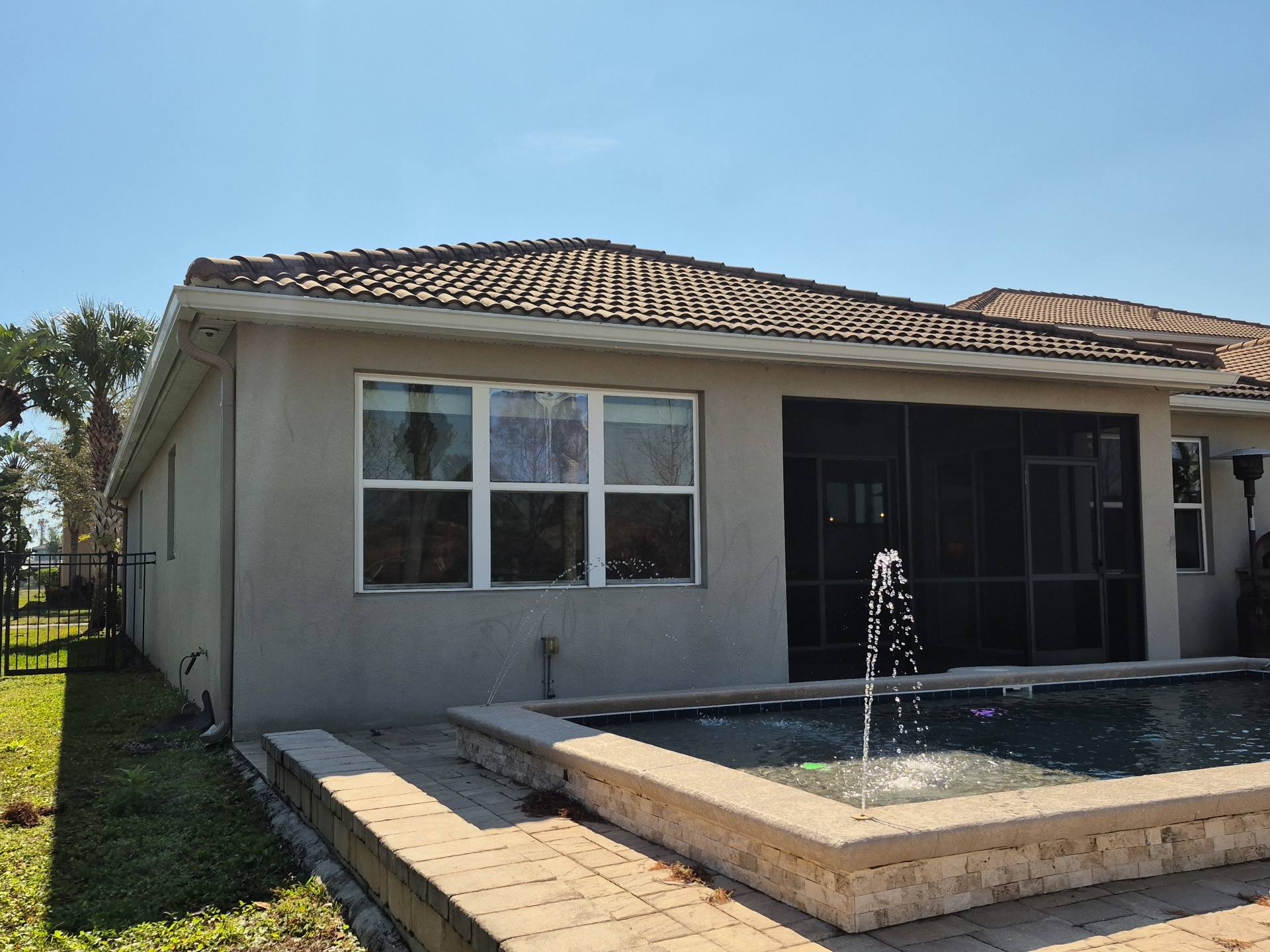
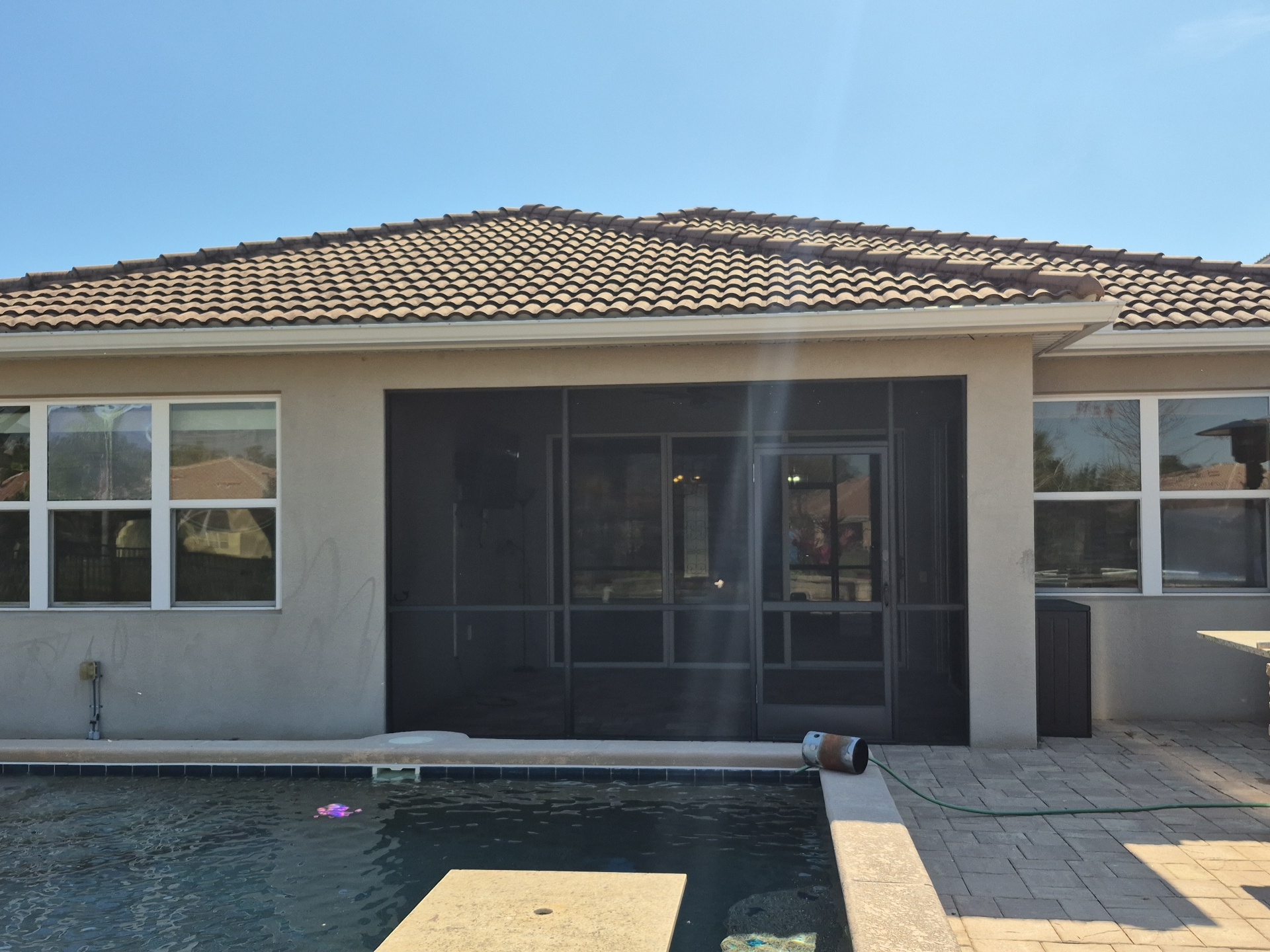
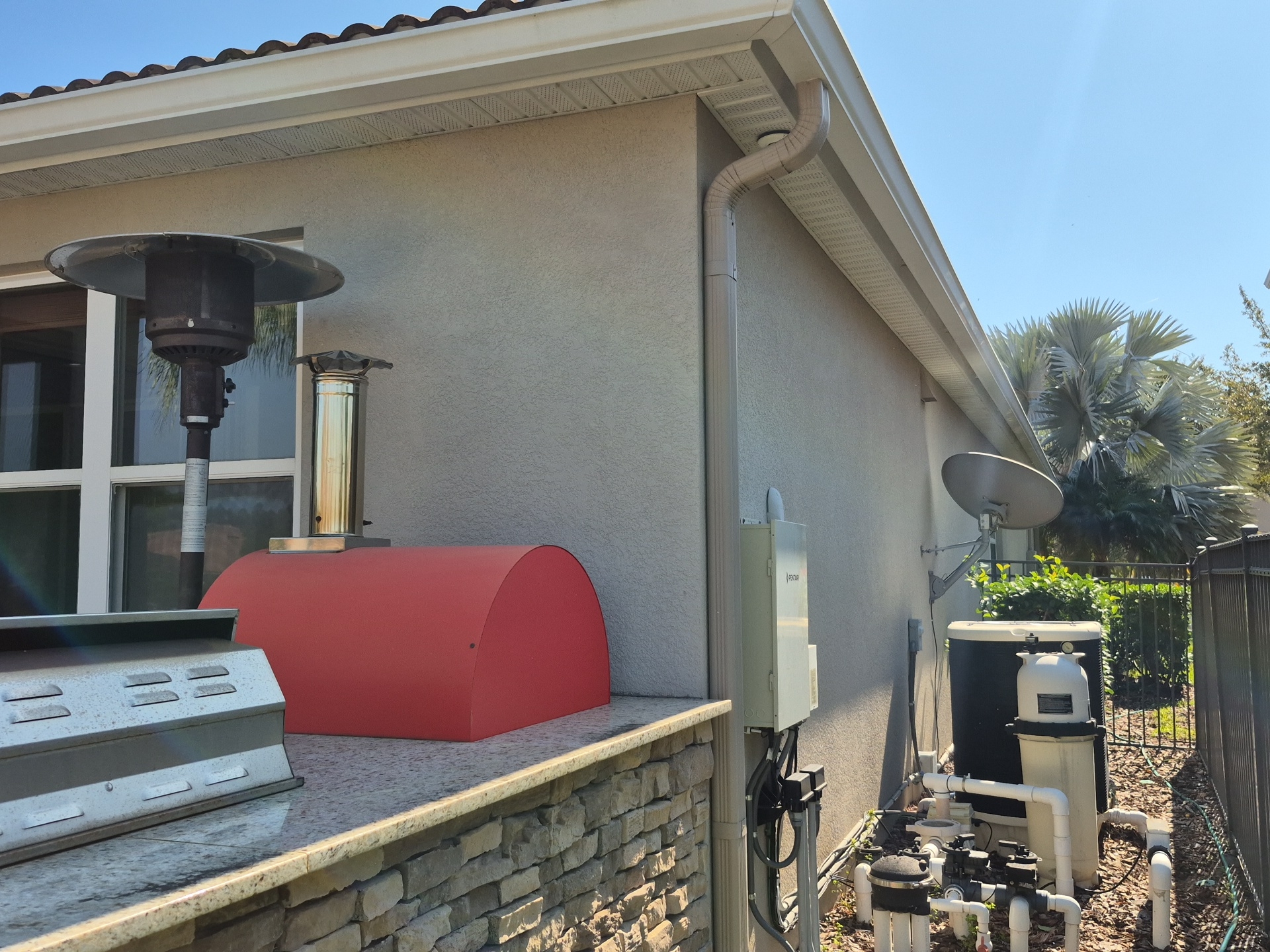
📸Photo
 |  |  |
 |  |  |
ADDRESS IDENTIFICATION
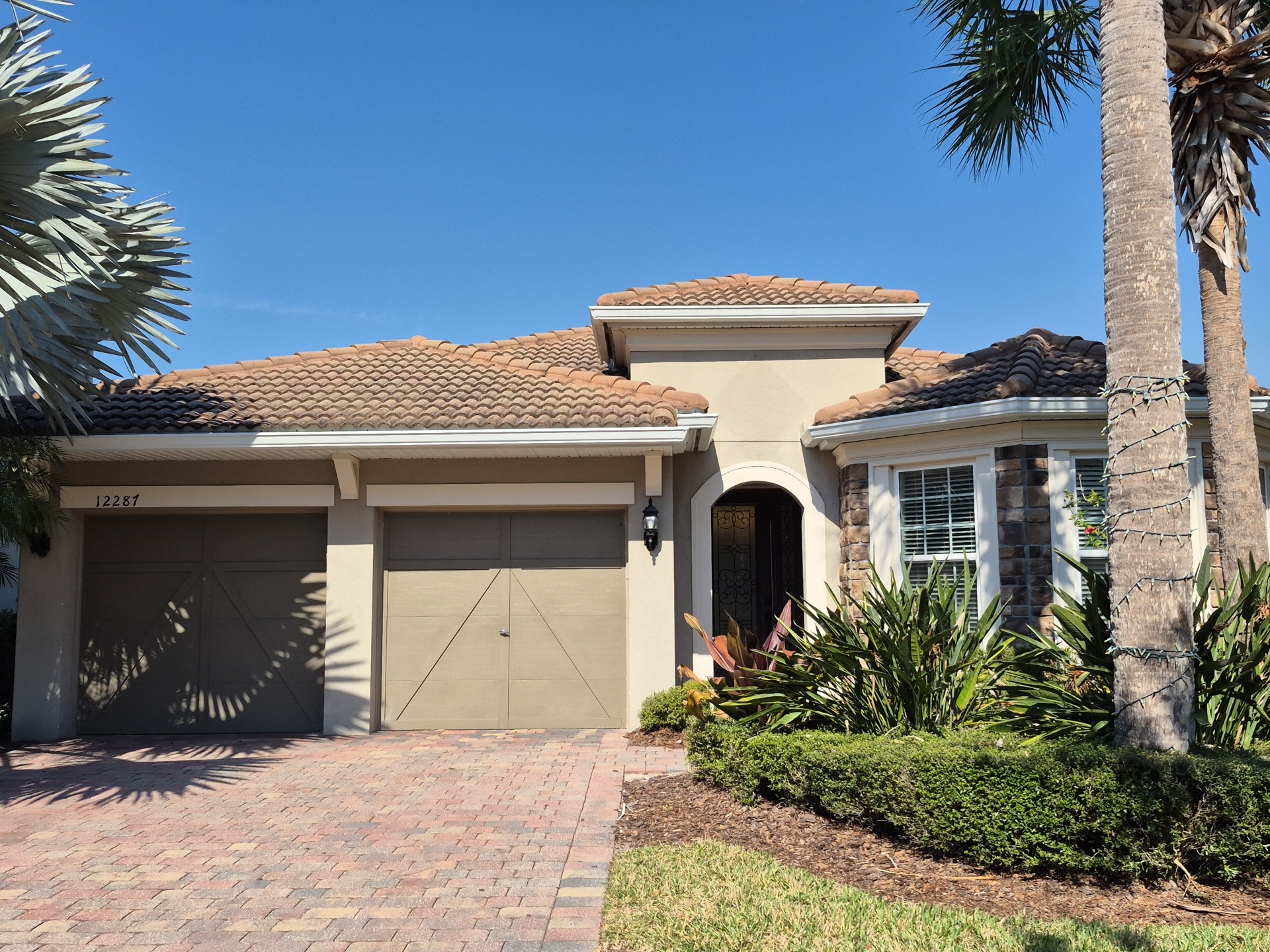
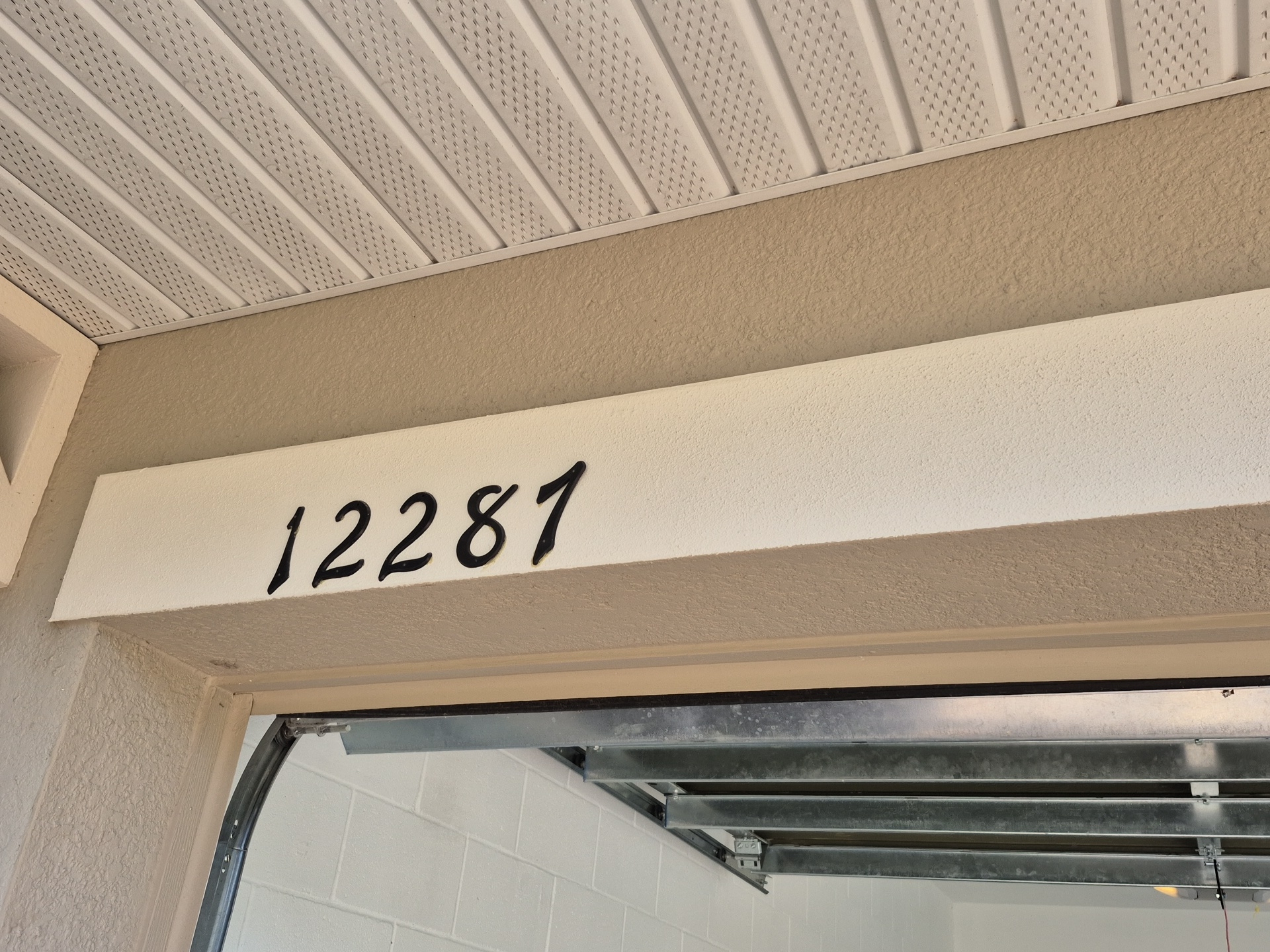
Address Identification: Address Numbers Present and Well Displayed
Address is Displayed and easy to read
SIDING AND TRIM
Siding Material: Stucco, Stone
Stucco cracking noted. This is normally considered thermal cracking and is common. Recommend sealing cracks and painting.
 |  |  |
EXTERIOR LIGHTS
Exterior Lights: Lights are functional as expected.
DRIVEWAYS/WALKWAYS/PATIOS
Walkway material: Brick
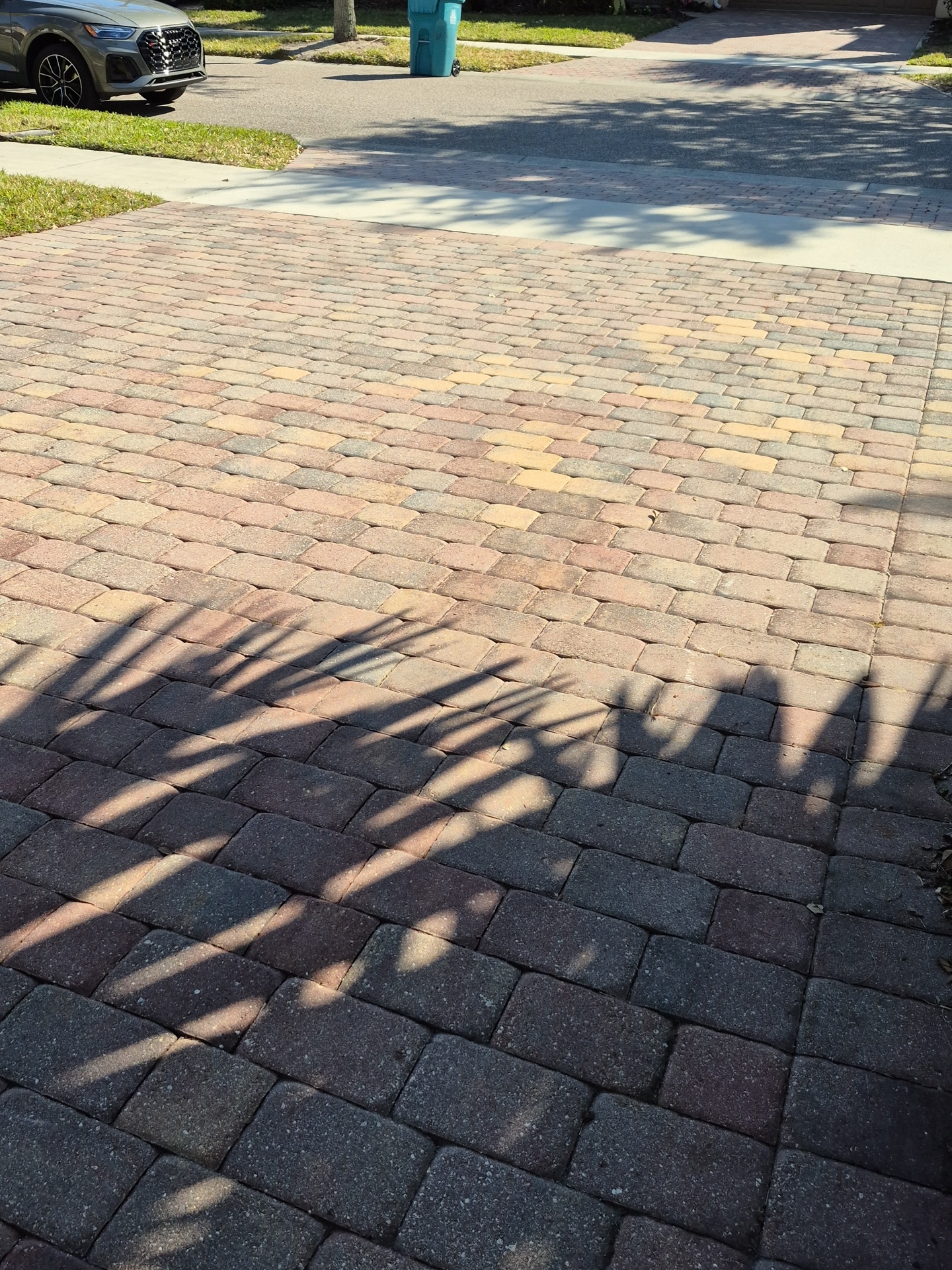
Driveway Photos
EXTERIOR OUTLET RECEPTACLES
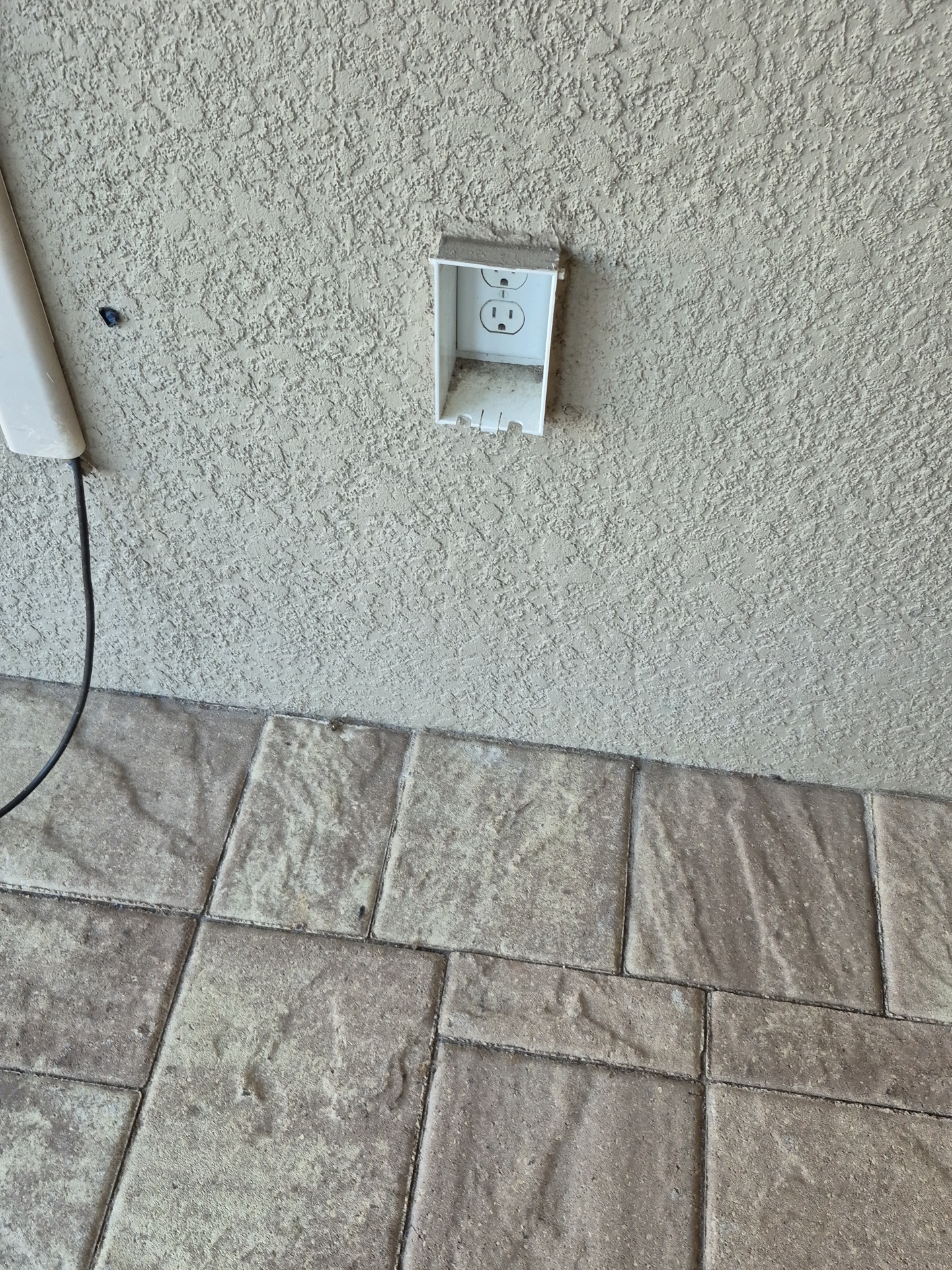
Missing Cover The weather proof cover is missing. Needs repair.
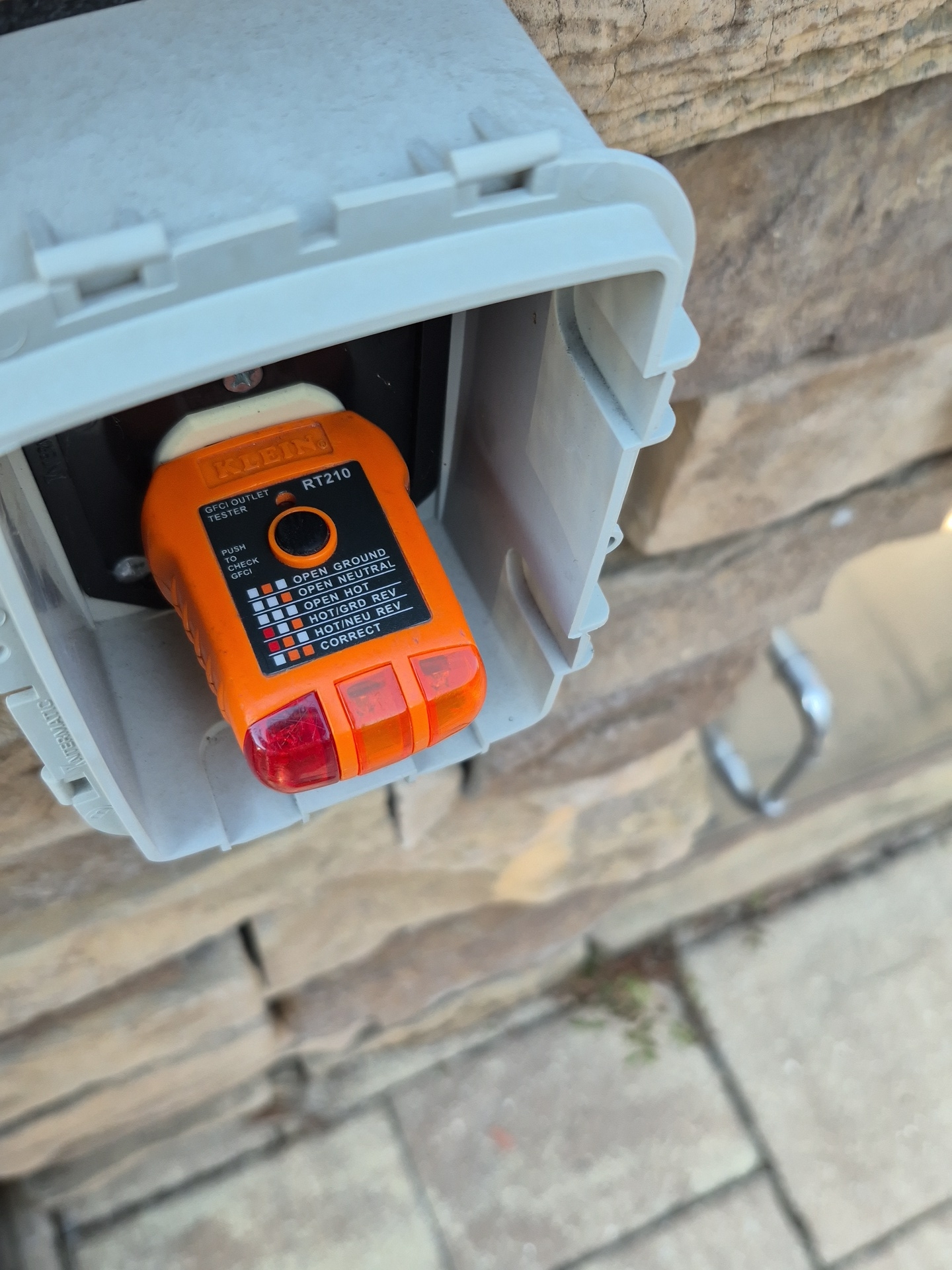
No power ar cooking porch outlet.
EXTERIOR HOSE BIBS
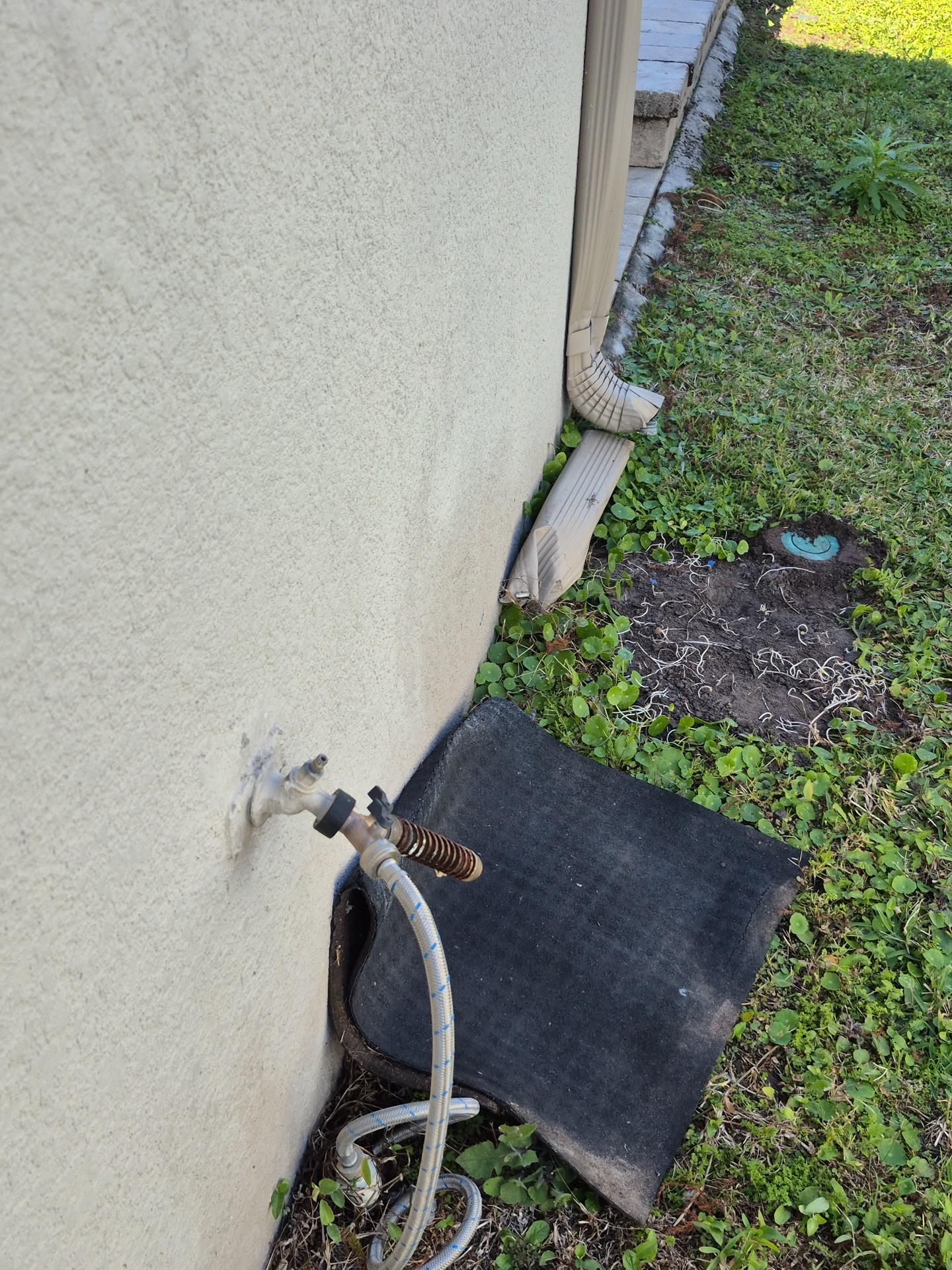
Handle (Missing)
Replace the missing handle to the hose bib.
EXTERIOR DOORS
Exterior Door Styles: Sliding glass, Solid core
Weatherseal damaged. The weather seal on the door was damaged or missing. Recommend repair.
 |  |
DOORBELL
Condition of Doorbell: NON Functional
Door bell was non functional. Recommend repair.
EXTERIOR WINDOW FRAMES
Window Frames: Vinyl
GROUNDS, TREES, AND VEGETATION
Trees/Vegetation too near building: Yes - Prune Vegetation off House
TREE AND VEGETATION PRUNING
Pruning trees, branches, and vegetation away from the building is recommended. Where trees, branches, and large shrubs can provide rodent access to the roof, a minimum 6-foot clearance is recommended as many rodents can jump 6 feet. All vegetation, including smaller landscaping such as grasses, flowers, and shrubs should be kept 1 foot off the house to eliminate contact which could trap moisture against the building.
GARAGE
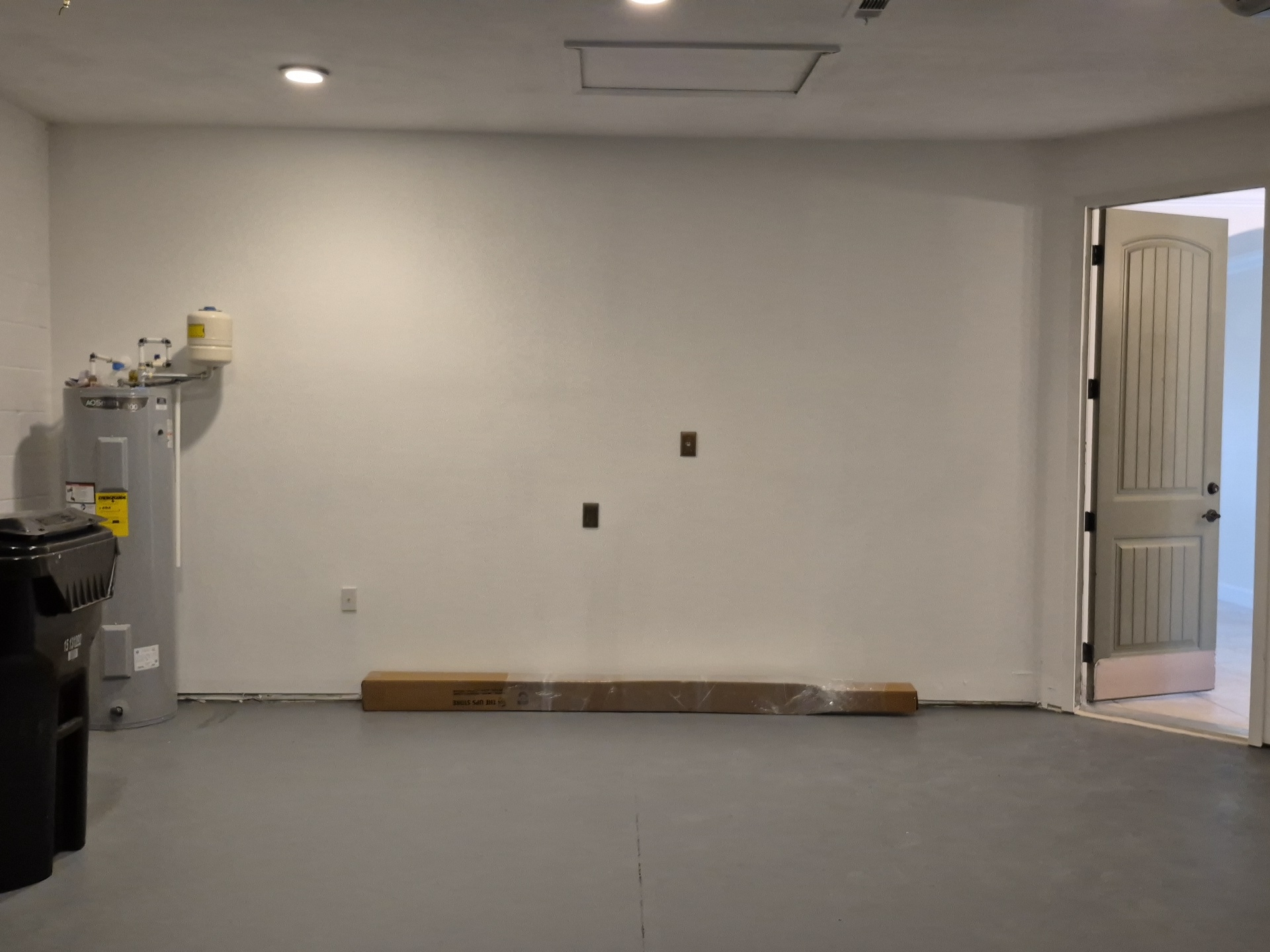
GARAGE GENERAL PICTURES
Garage General Photos
 |  |
GARAGE INFORMATION
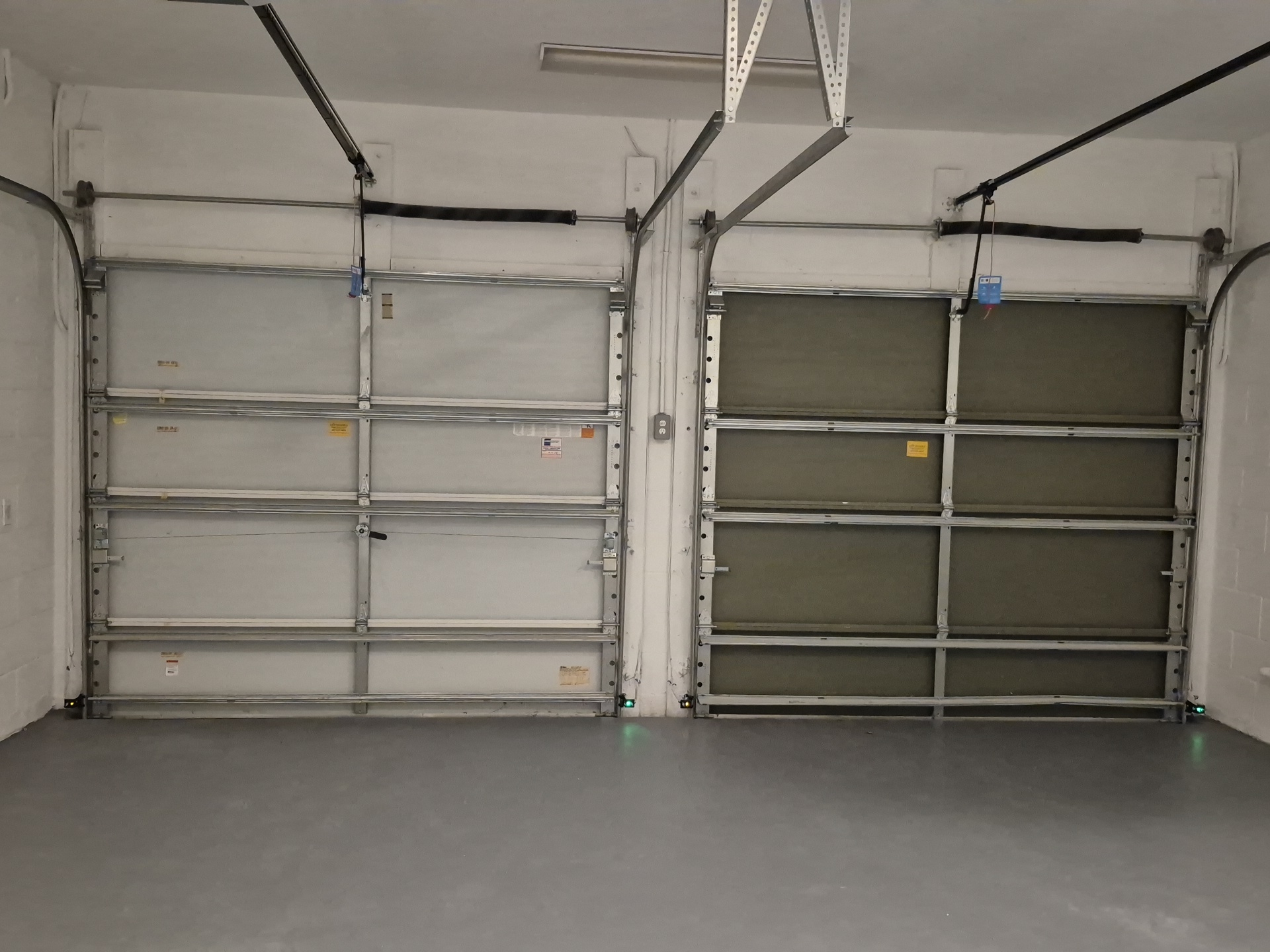
Garage Type: Two Car Garage
GARAGE DOORS AND AUTOMATIC OPENERS
📸Garage Door and Overhead Opener Photos
RECEPTACLES AND FIXTURES
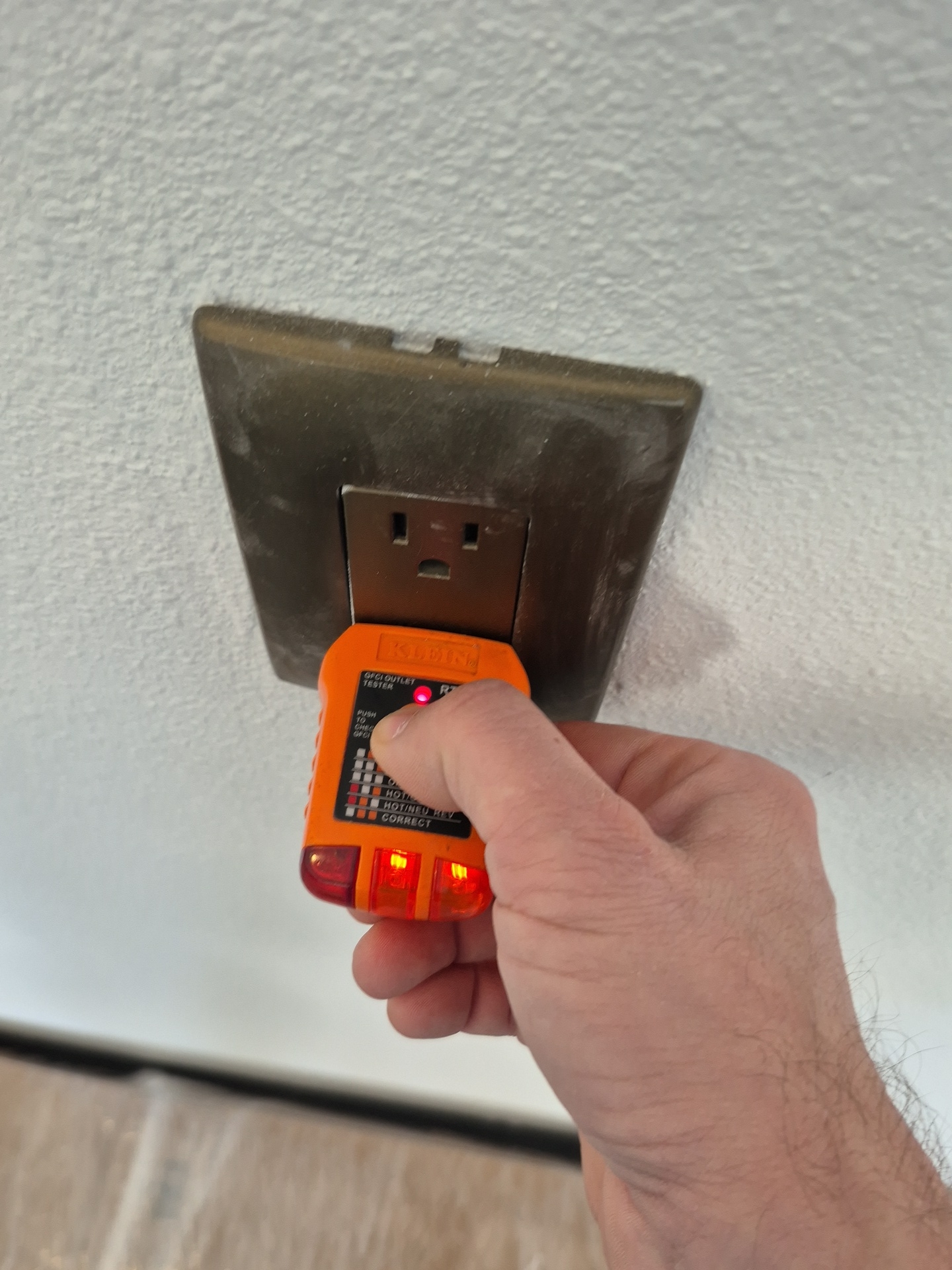
GFCI PROTECTED DEVICE DID NOT TRIP
The GFCI protected receptacle in the garage did not respond to testing and may be defective - it did not trip when tested. Have this receptacle repaired or replaced as needed.
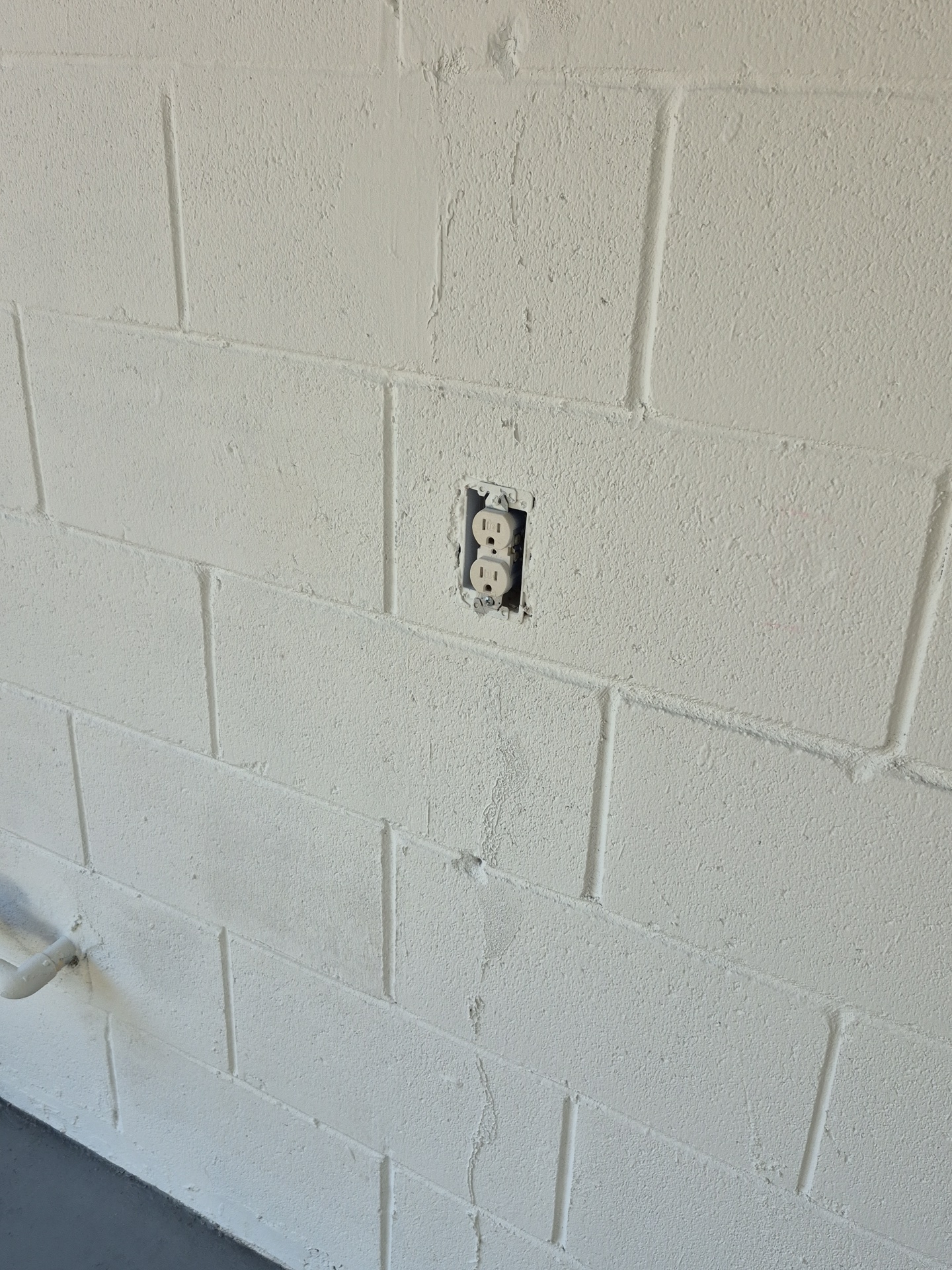
MISSING ELECTRICAL COVER PLATES
The missing cover plates to electric receptacles, switches, and junction boxes should be installed to cover all access to the wiring at switches and receptacles.
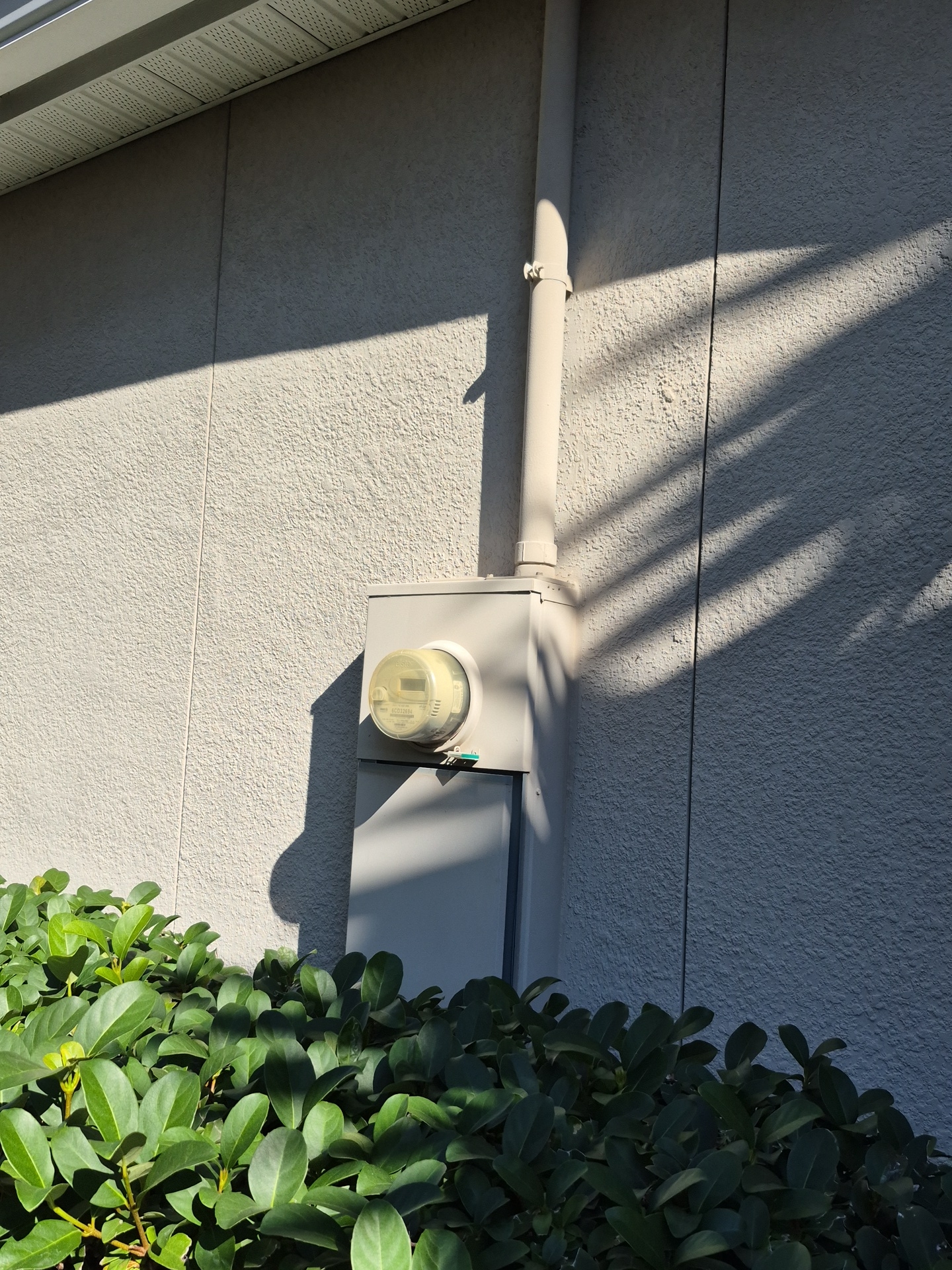
ELECTRIC PANELS
ELECTRIC PANEL PHOTOS
📸Electric Panel Pictures
 |  |  |
 |  |  |
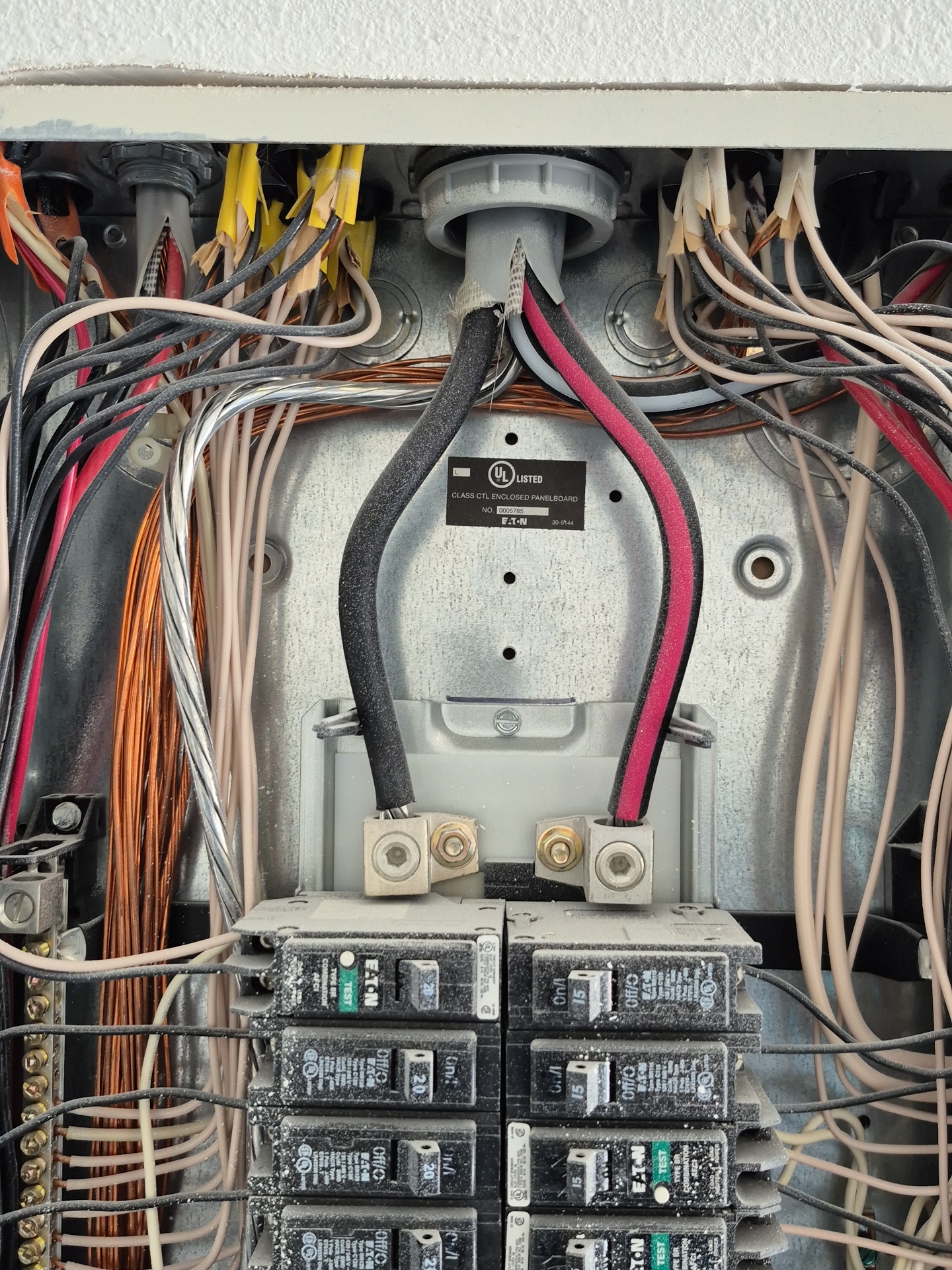 |  |  |
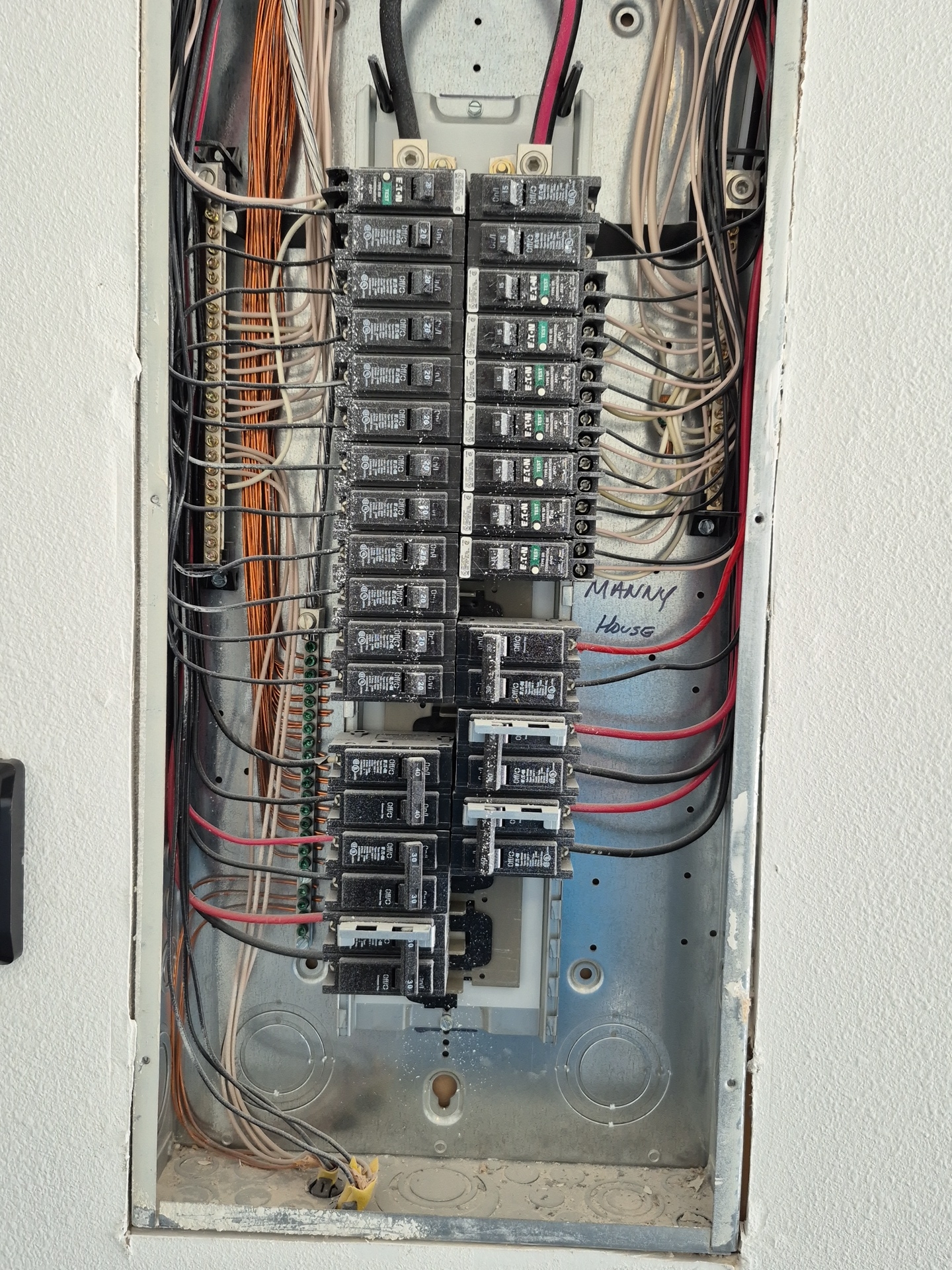
ELECTRIC PANEL MAIN
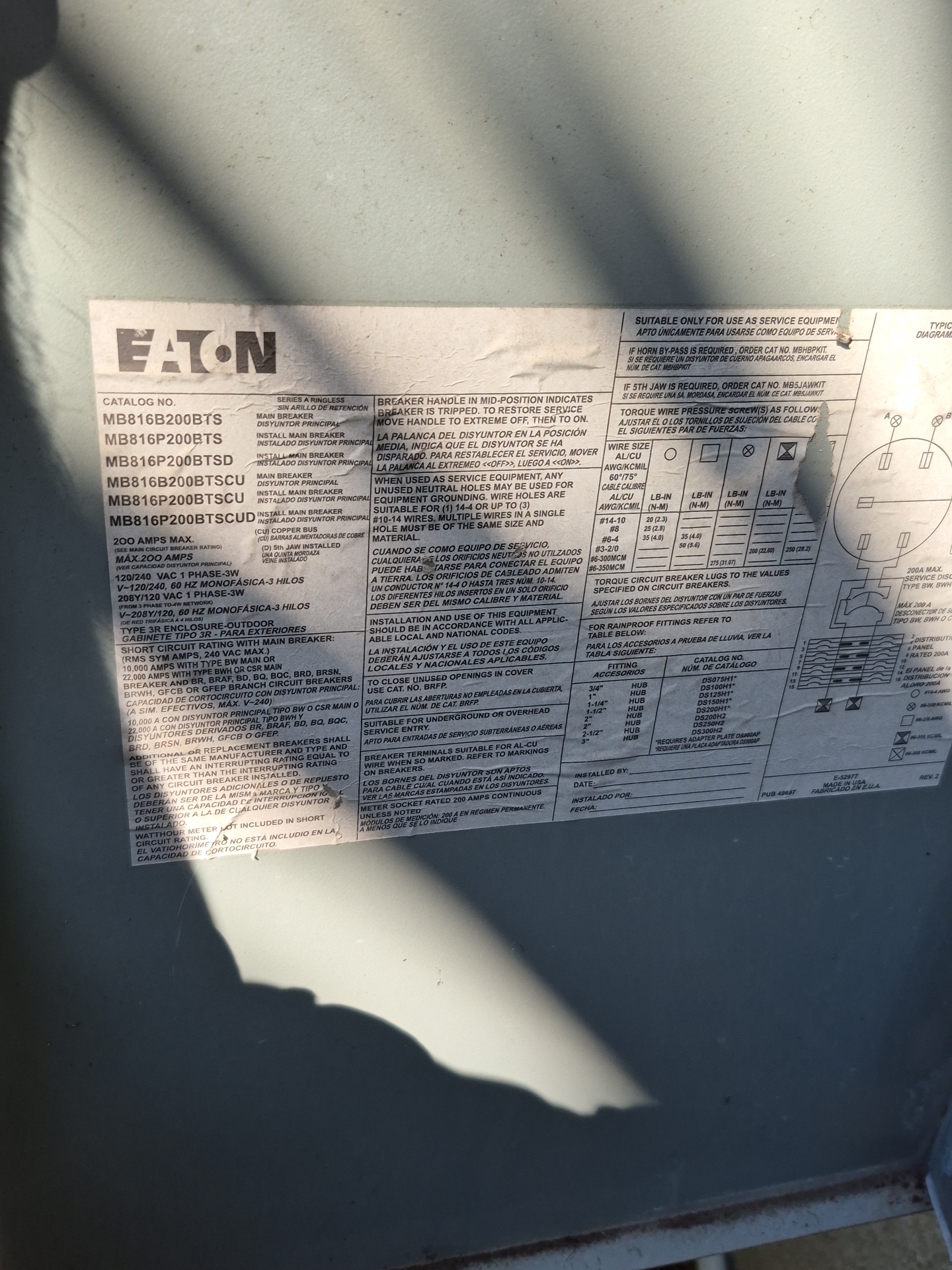
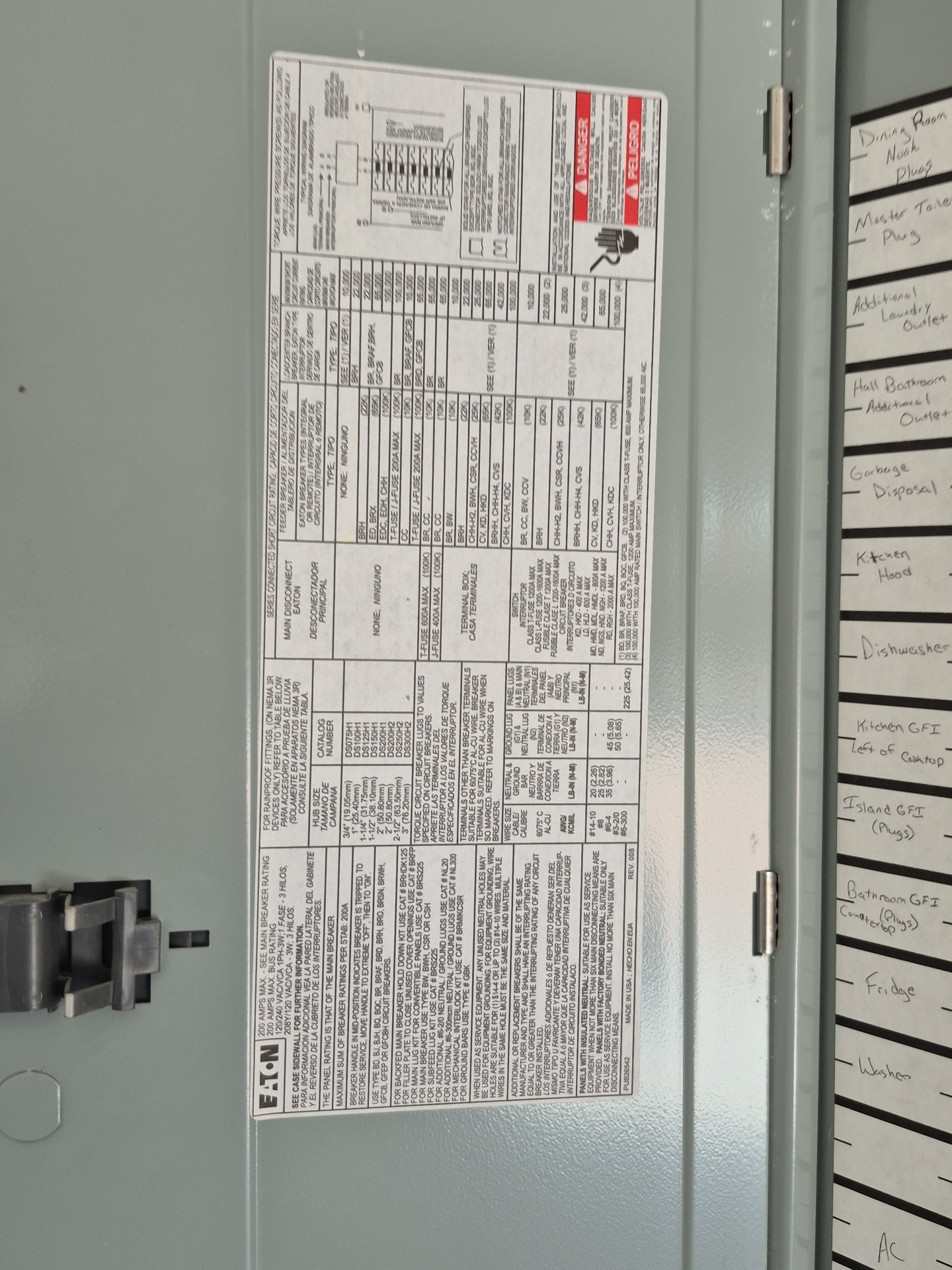
Panel Manufacturer Outside: Square D
Panel Manufacturer Inside: Square D
Service Entrance: Underground
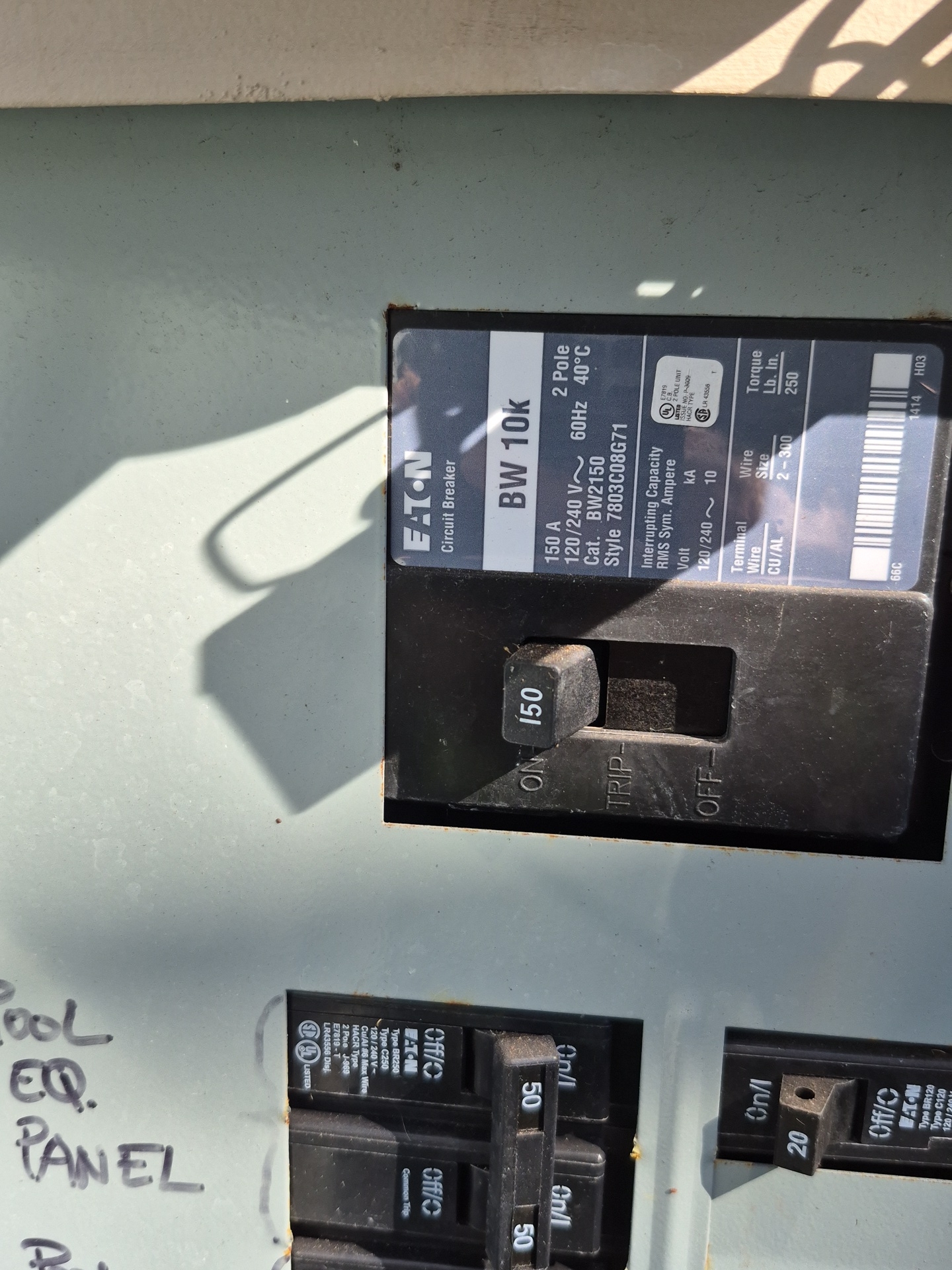
Electric Service Amperage Main: 150 amps
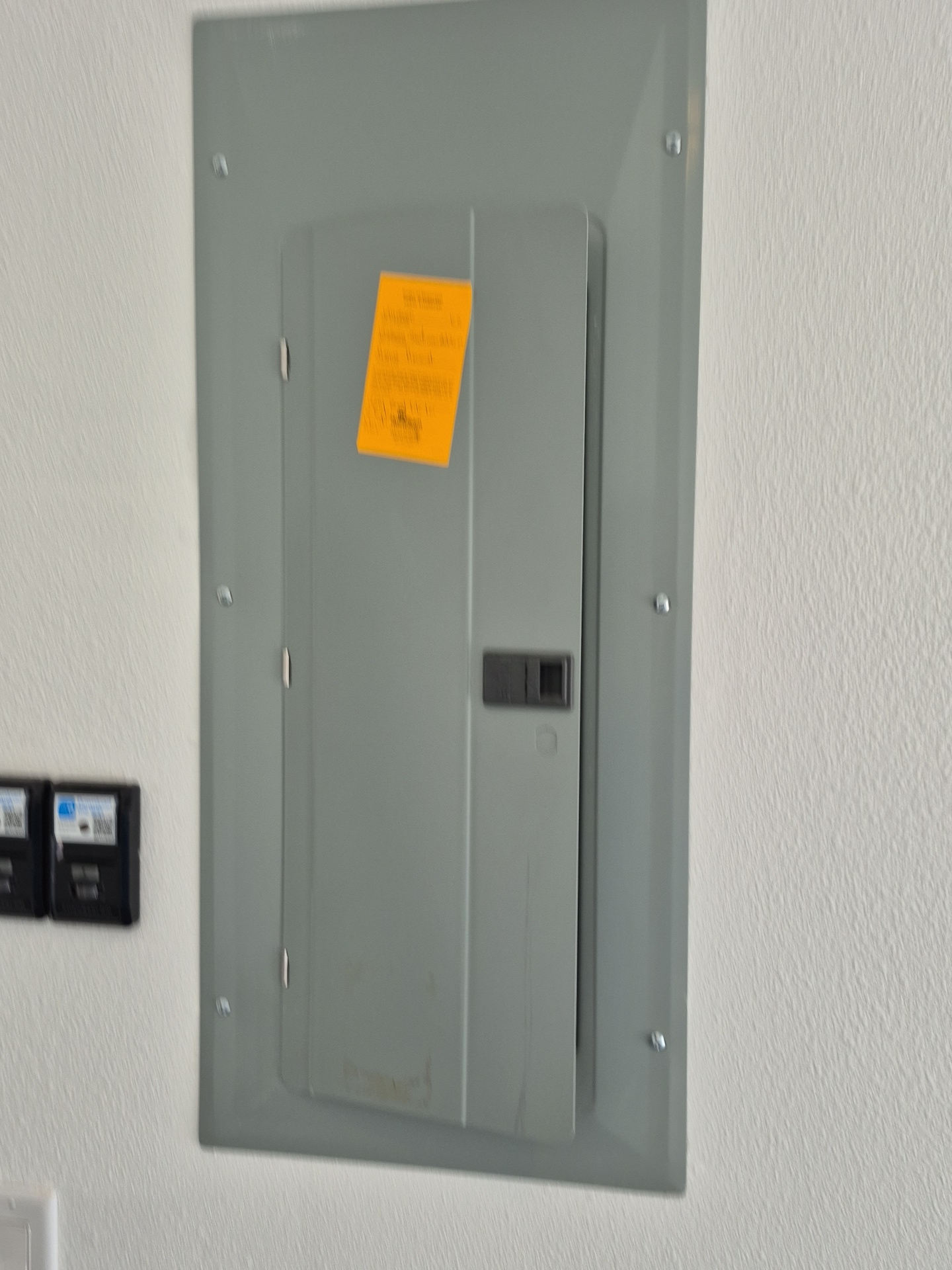
Main Electric Panel Location: Garage
BRANCH WIRING
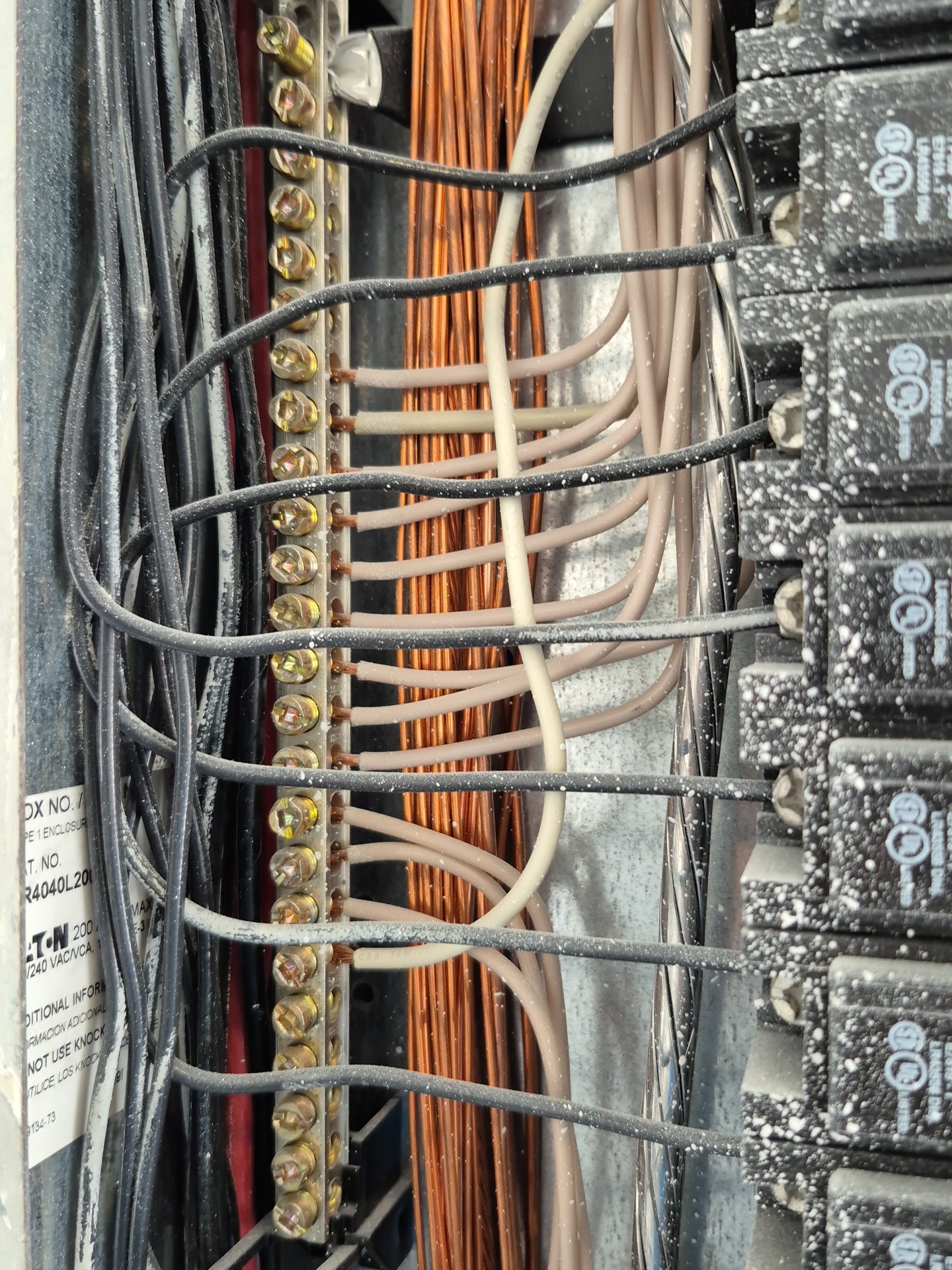
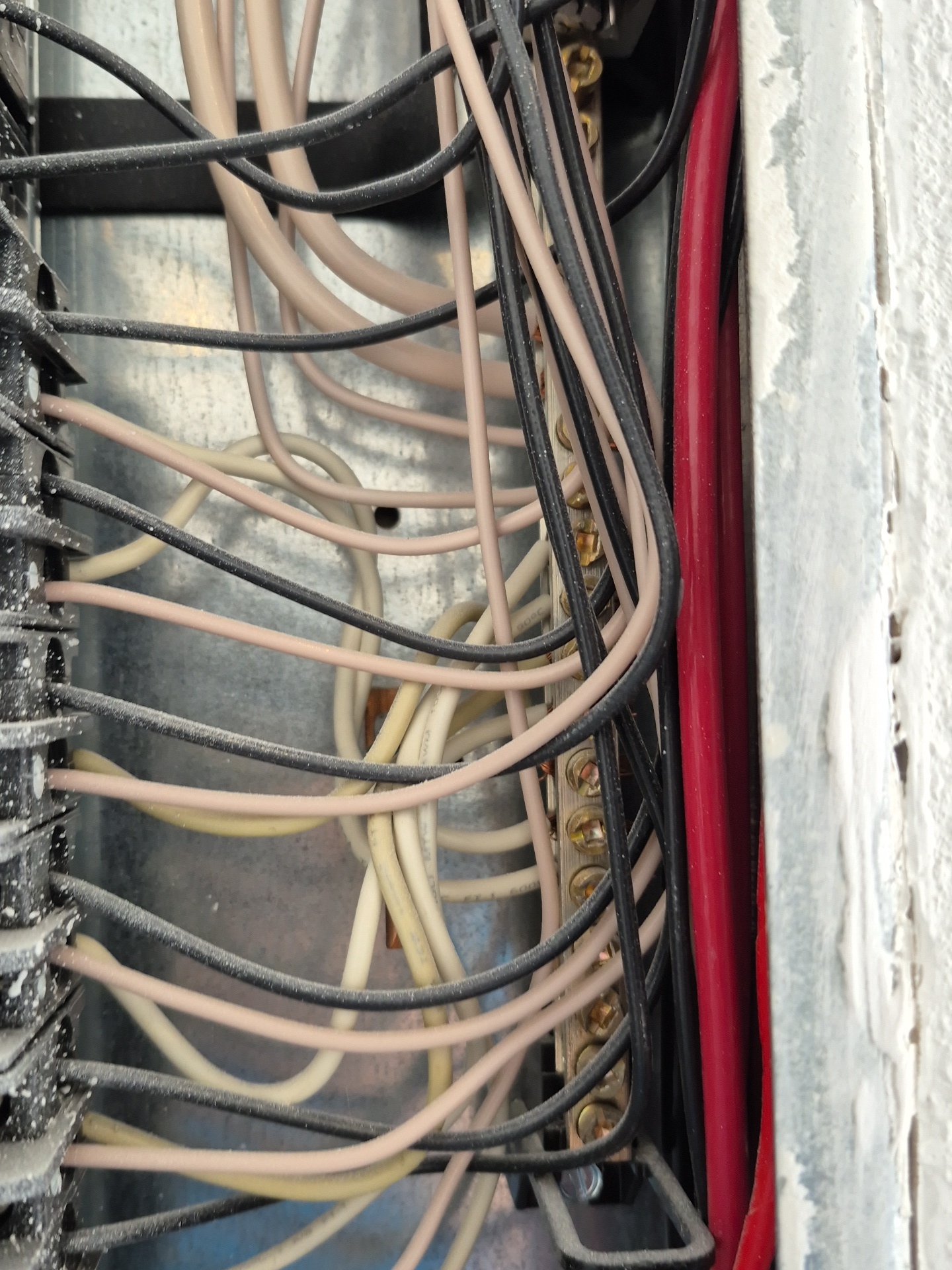
Wire Material: Copper
ELECTRIC GROUNDING SYSTEM
Present - Could Not Confirm
During a home or property inspection, every effort is made to inspect the visible components of the electrical system grounding. The grounding system is critical for safely discharging electrical surges, especially in the case of lightning strikes. There is no way in the context of a home inspection to verify the "effectiveness" of the grounding system as much of the system is not visible, and there are no practical tests one can perform in the way we can test a furnace or a plumbing fixture. However, many things can lead me to recommend further evaluation of the grounding system by a licensed electrical contractor, and they will be documented in the observations below if discovered.
HEATING, COOLING, FIREPLACES, AND VENTILATION
HVAC AIR HANDLER INSIDE UNIT
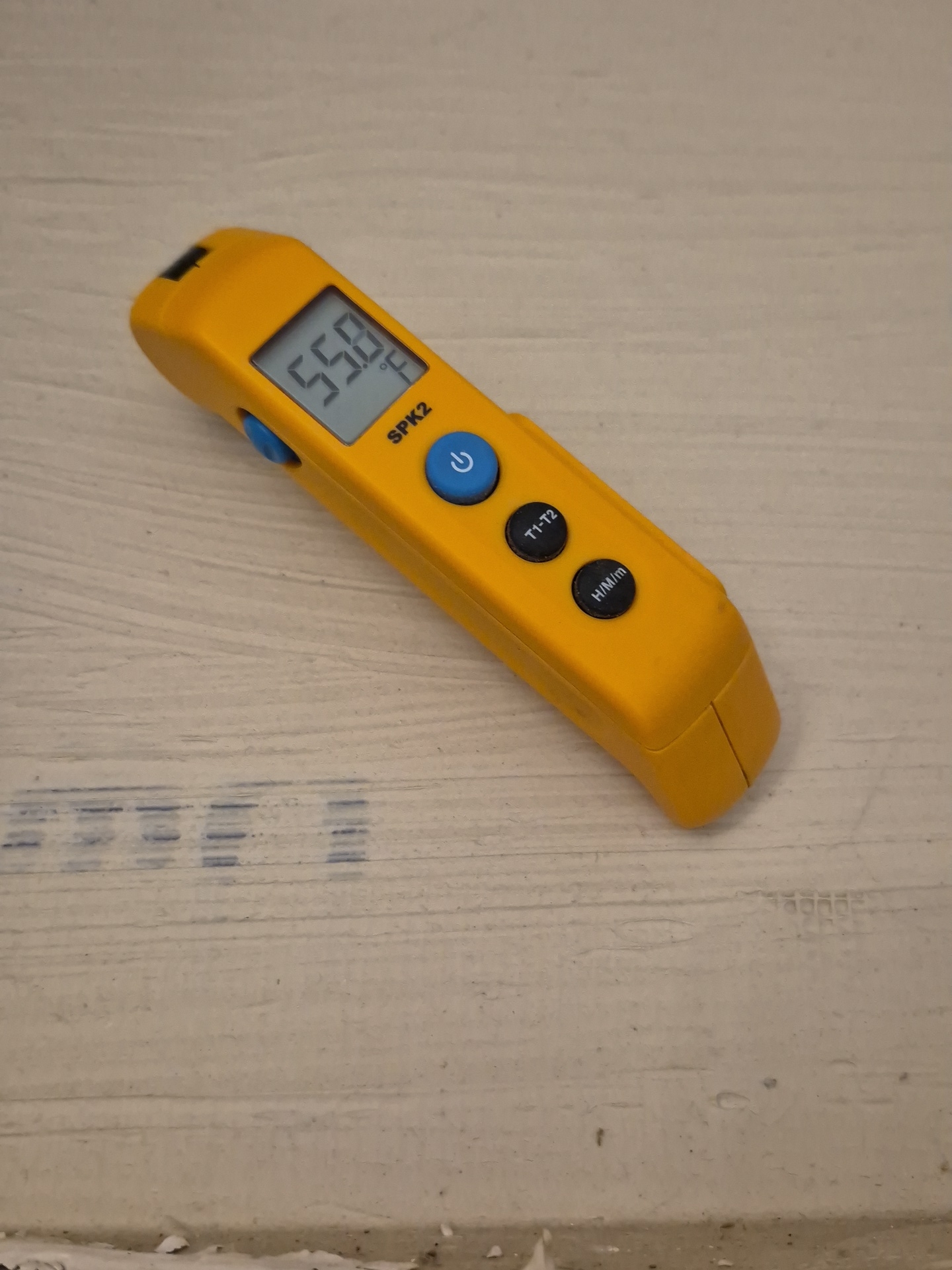
14 22 TEMPERATURE SPREAD: Within Range
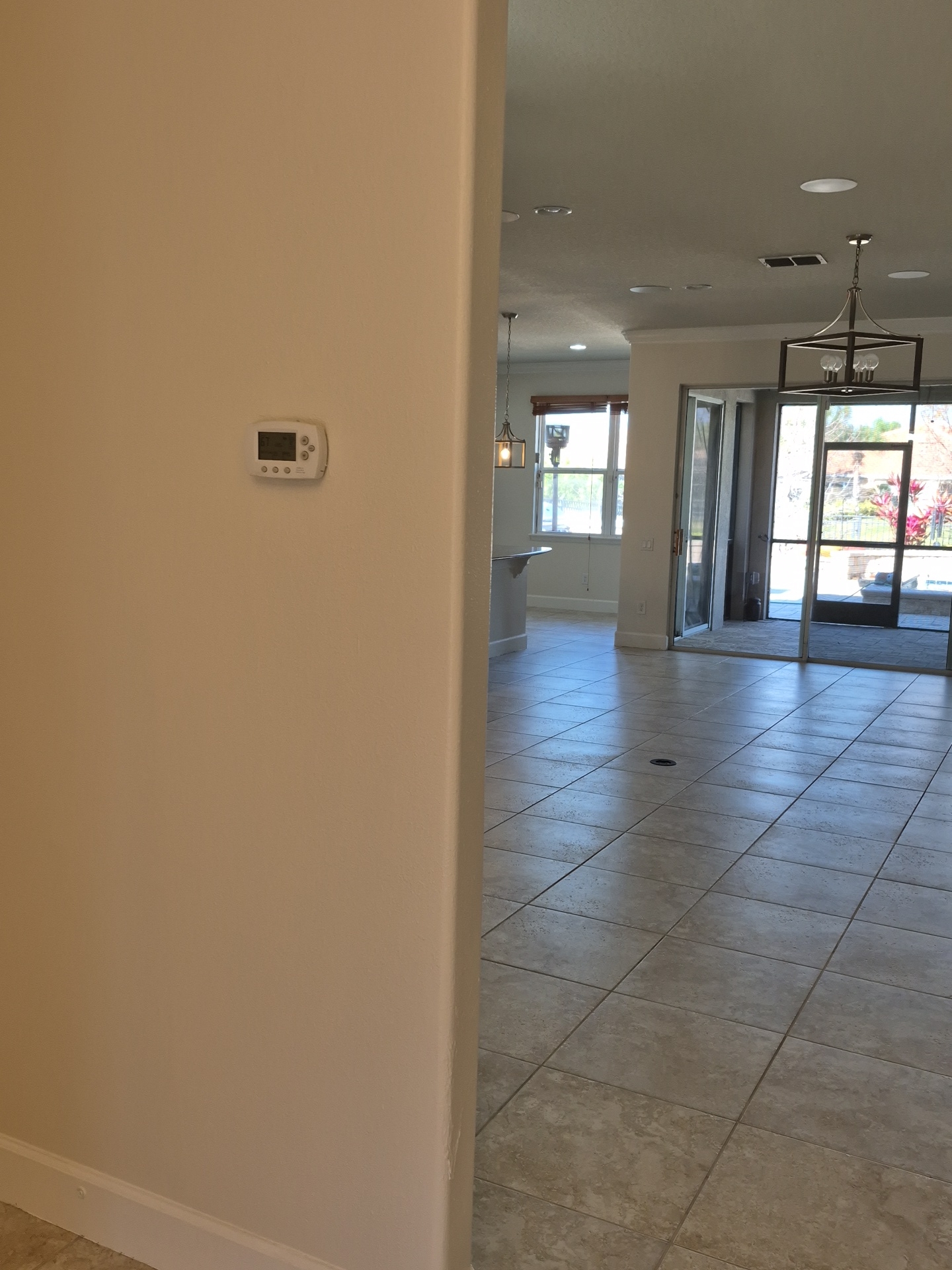
Thermostat: Picture of Thermostat
Heating Method: Heat pump
Energy Source: Electricity
Manufacturer: Lennox
Age: 2015
Thermostat Picture
📸
The temperature range off of the coils were within the 14-22 range as expected. This is operating as expected.
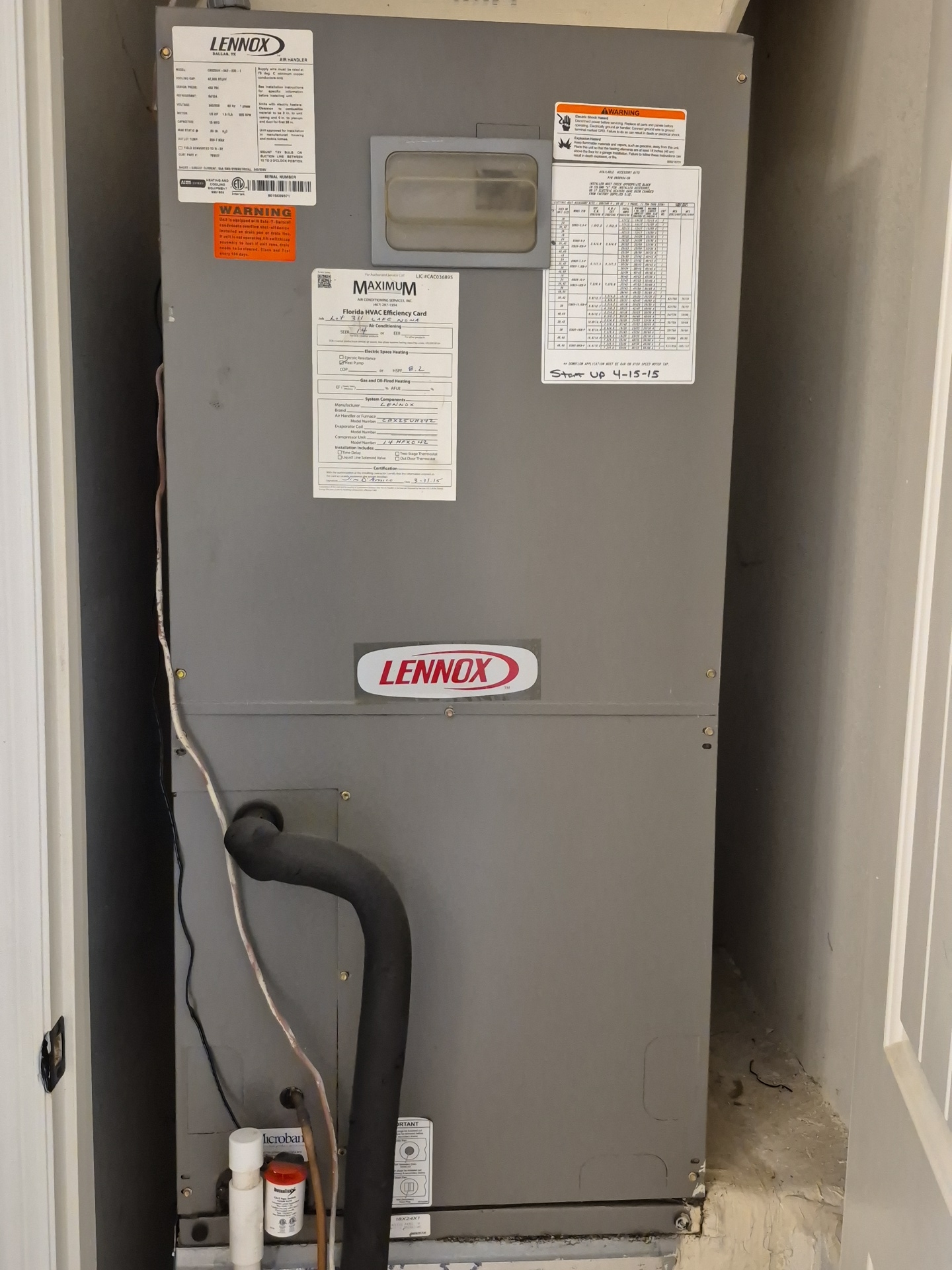
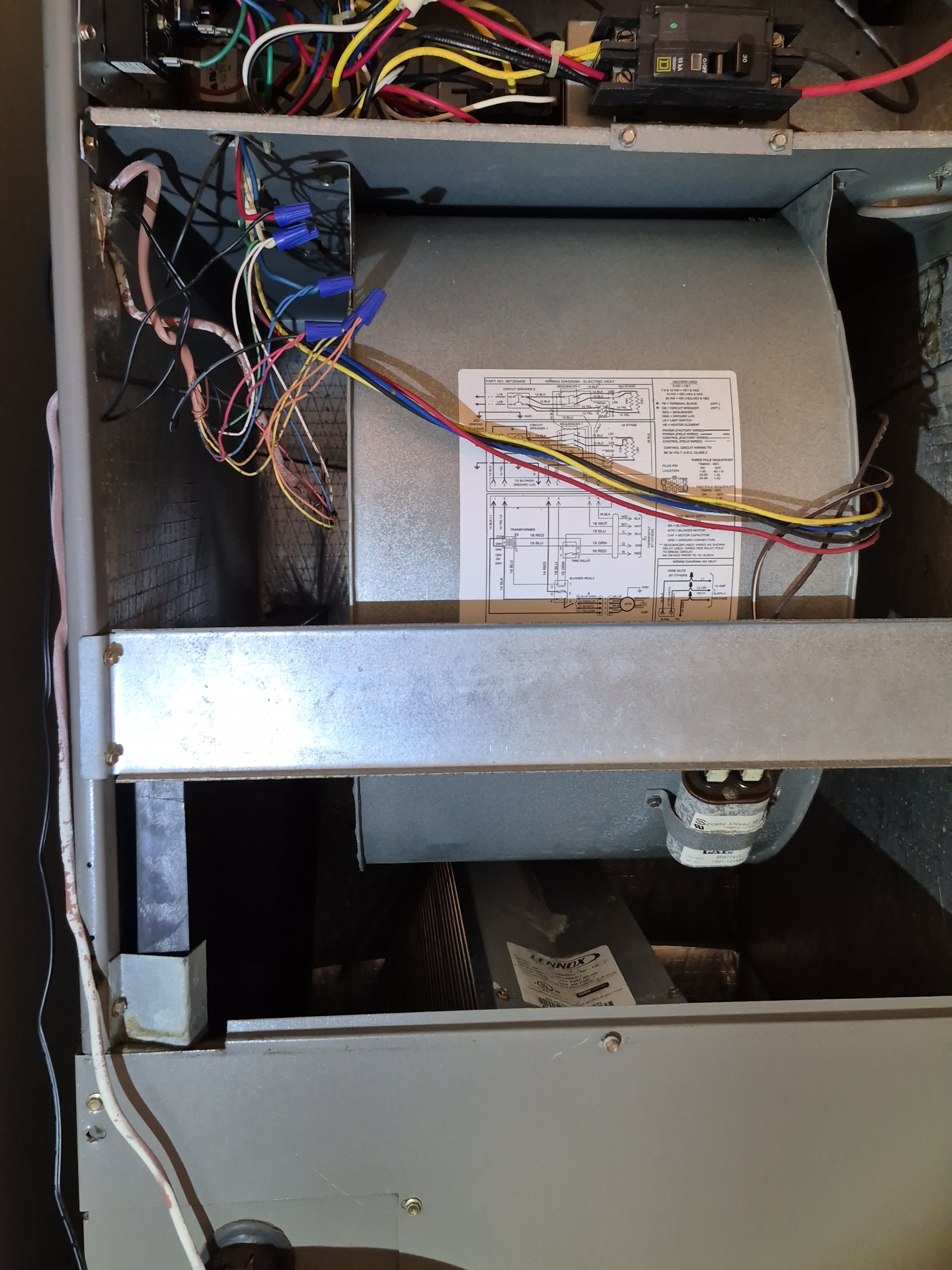
📸 HVAC Air Handler INSIDE unit photos
 |  | 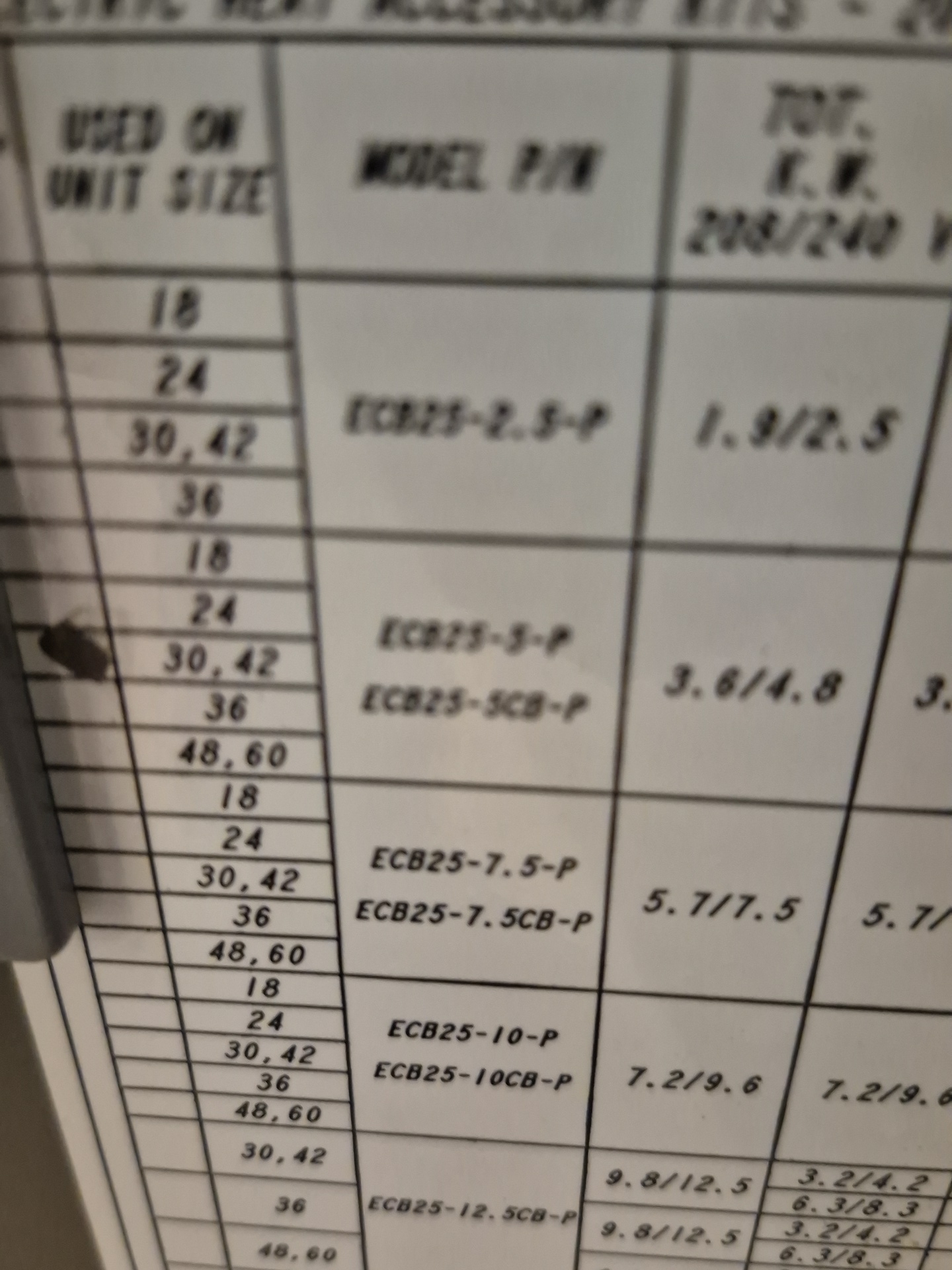 |
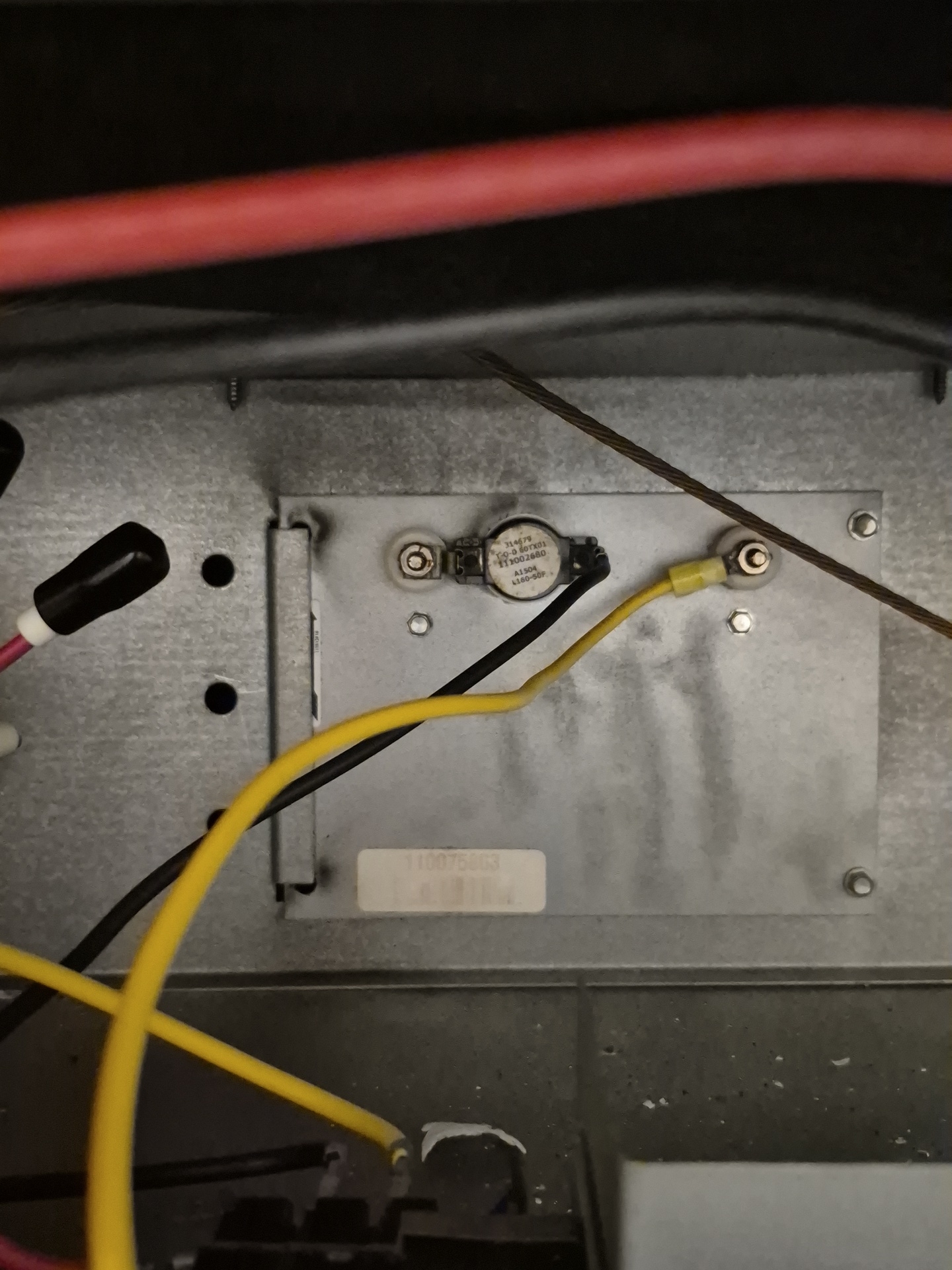 |
This shows the data plate from the air handler.
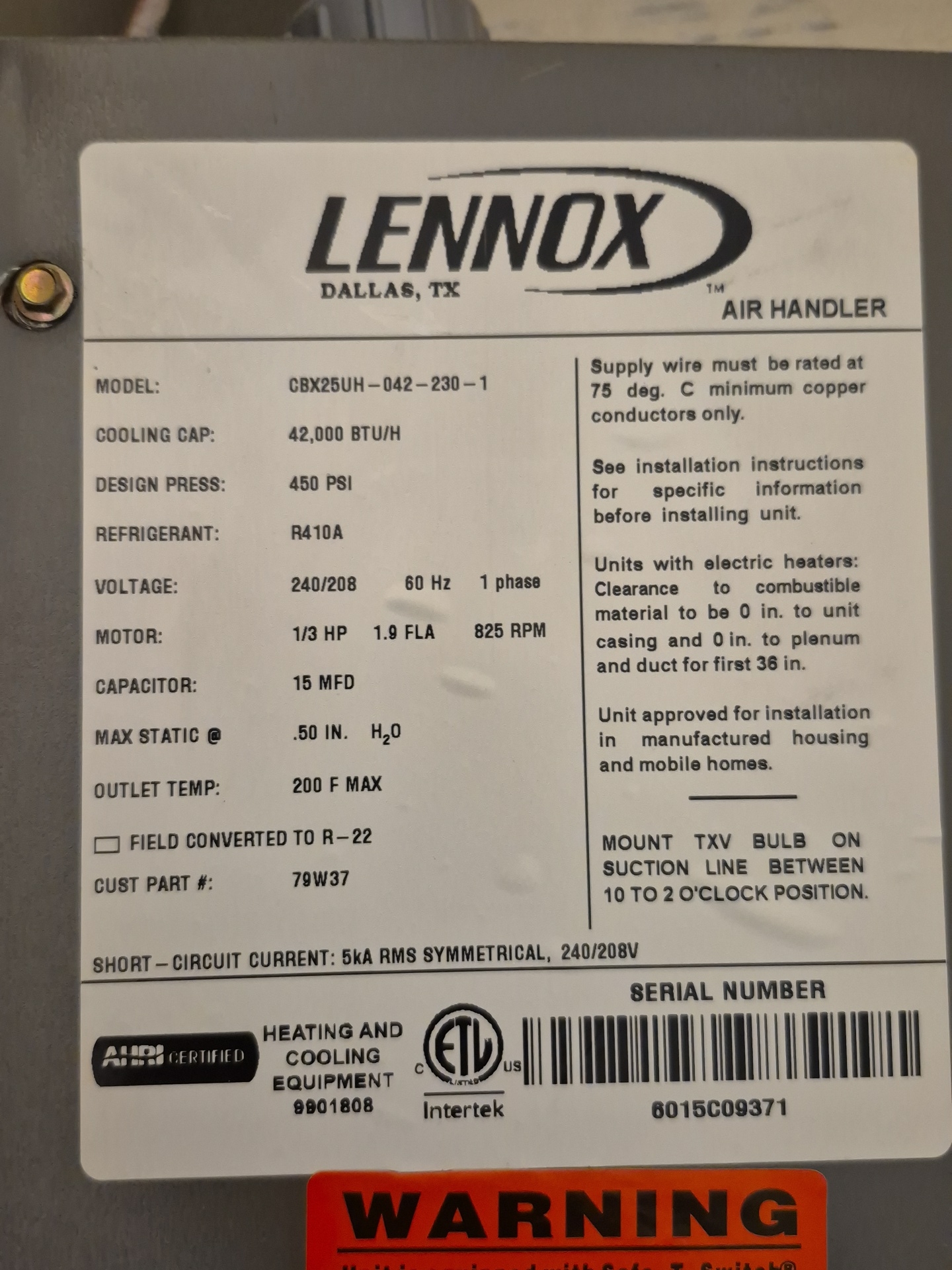 | 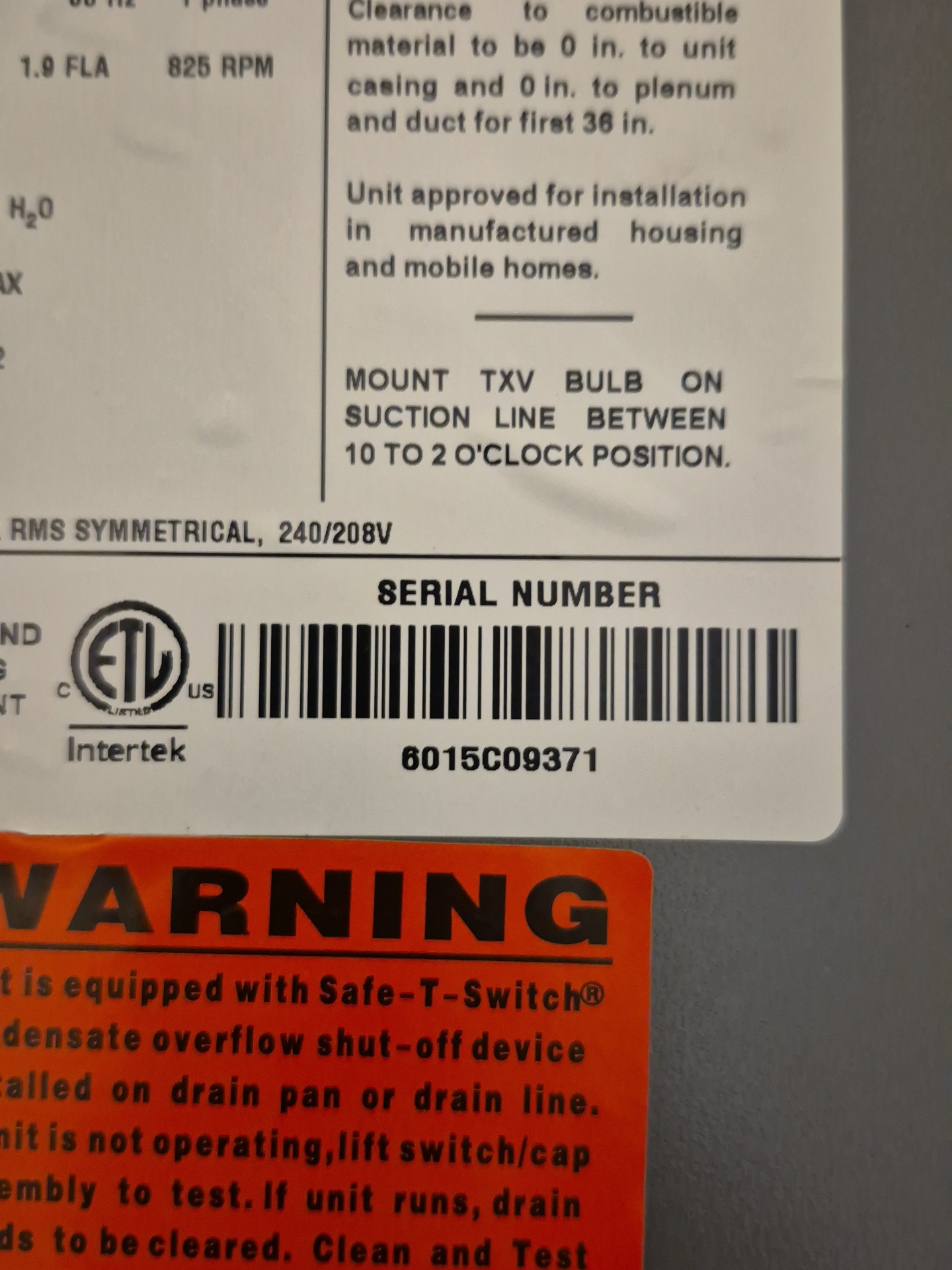 |
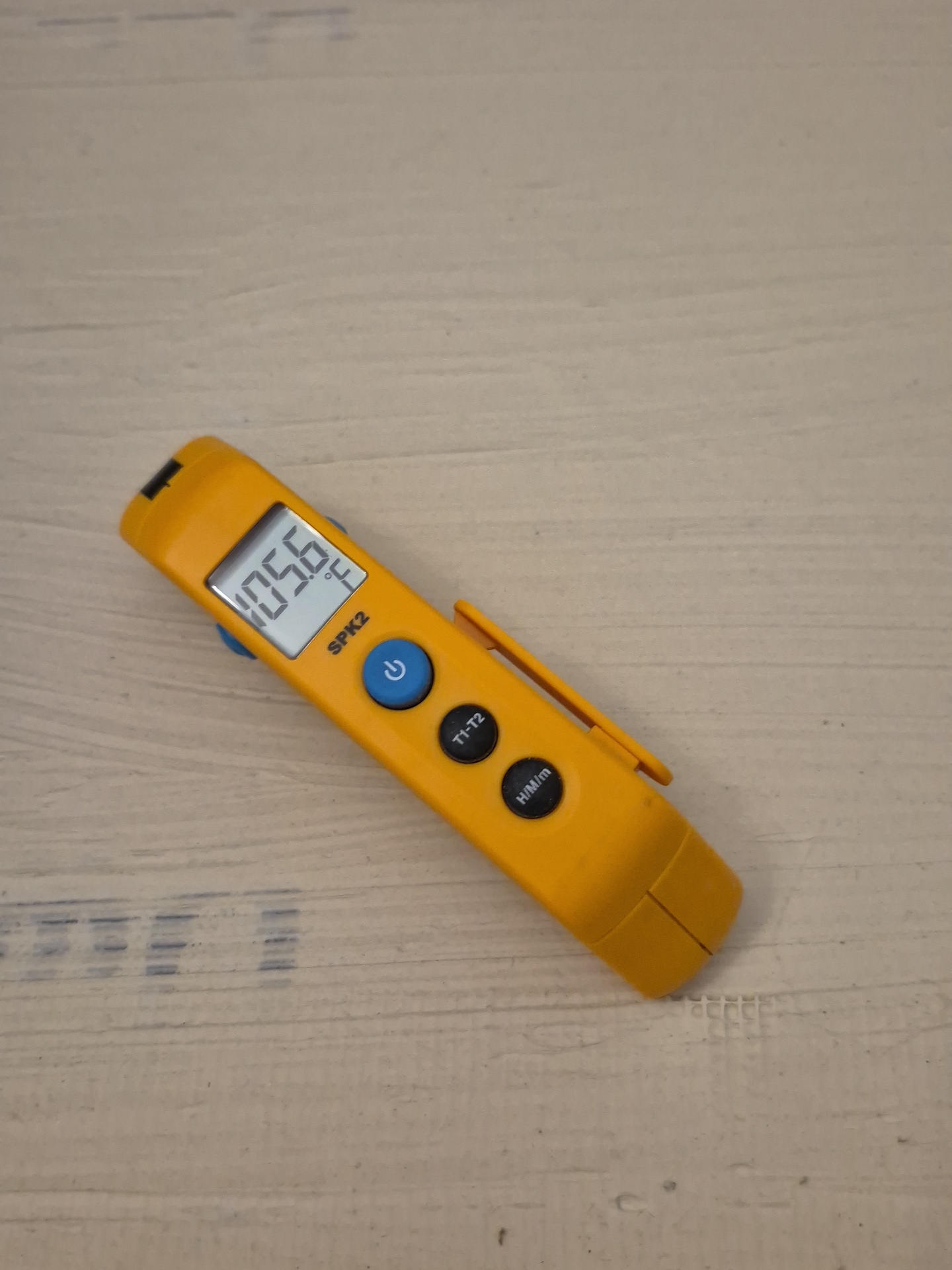
Heat temperature
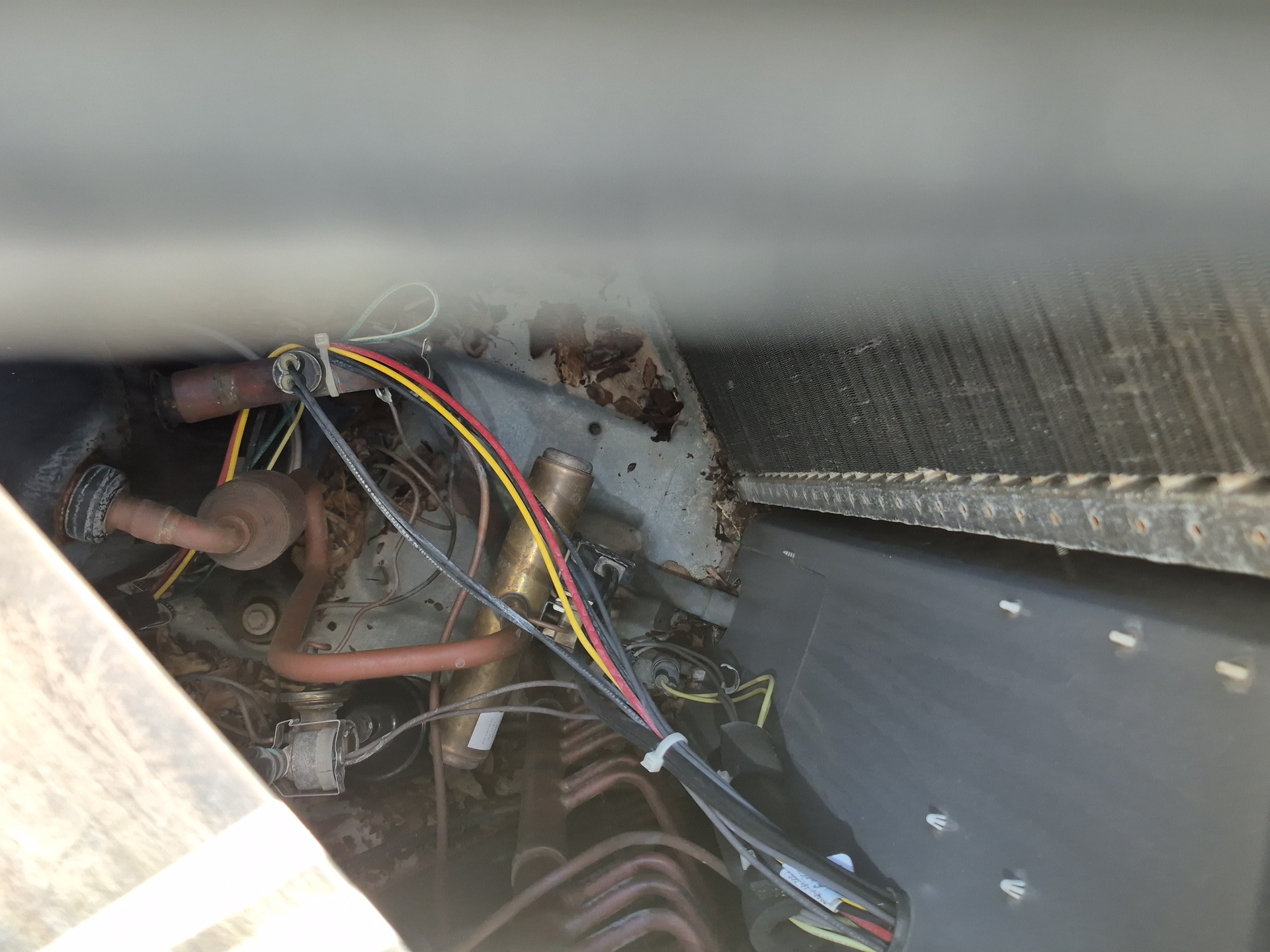
Outside HVAC unit
.Type of unit: Heat Pump Present
The following list is a minimum set of requirements to be expected of heat pump or air conditioning servicing. I provide these as a courtesy to show they types of check-ups that should be expected from a professional servicing.
- Check compressor efficiency
- Check refrigerant level
- Clean the condenser coil
- Change or clean air filters
- Inspect contactors and wiring
- Inspect drive-sheaves, pulleys and belts
- Check and adjust for proper air flow
- Clean the blower motor as needed
- Lubricate all motors and shaft bearings
- Check, calibrate and program the thermostats and be sure the thermostat has adequate batteries as needed
- Check unit smoke detector, clean filter if applicable
- Check safety disconnect, laser-temp -- check across contacts
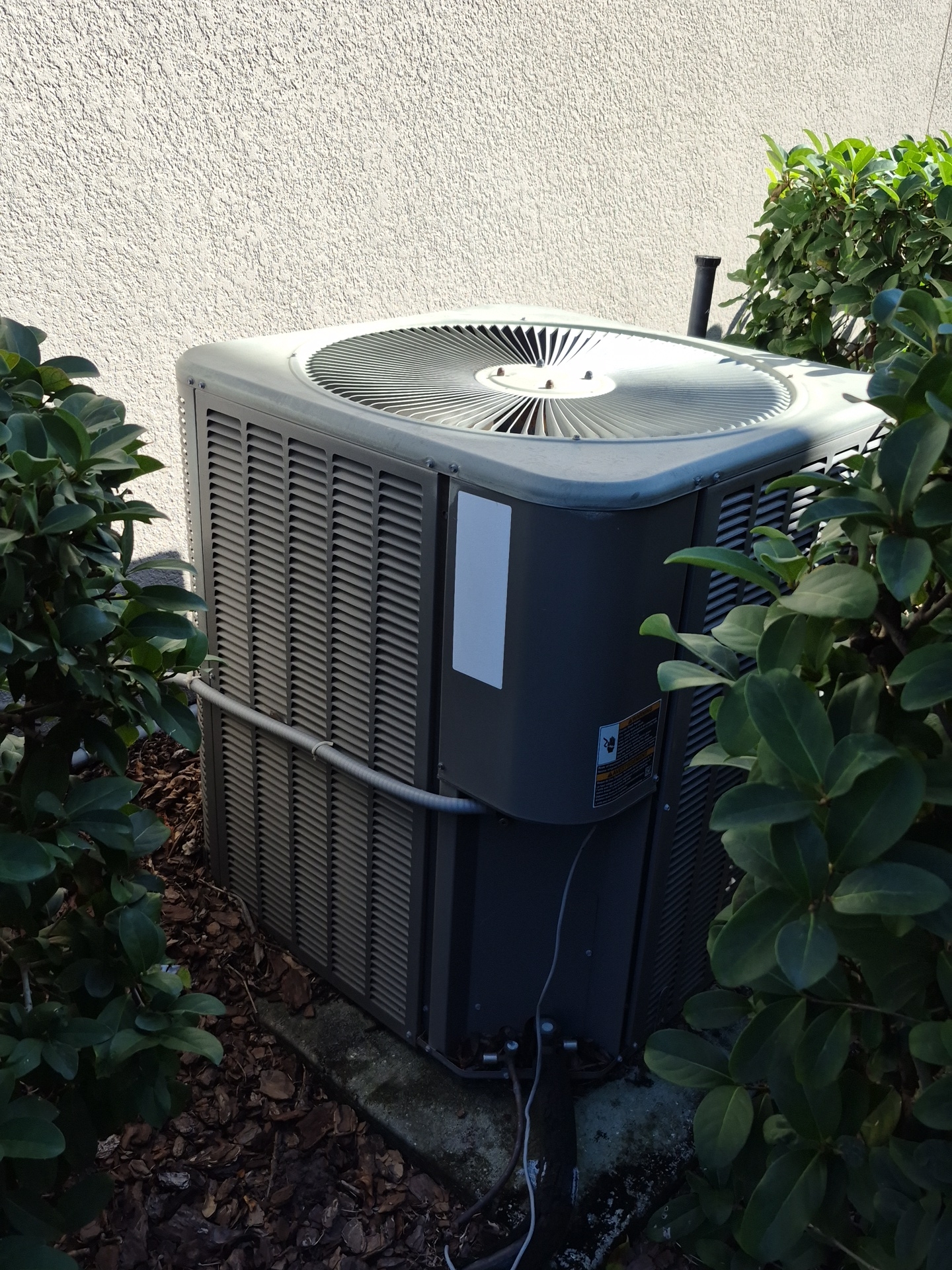
Manufacturer: Lennox
Refrigerant Type: 410A
Energy Source: Electric
Age: 2015
Warranty Recommended:Approaching End of Service Life
📸 HVAC OUTSIDE unit
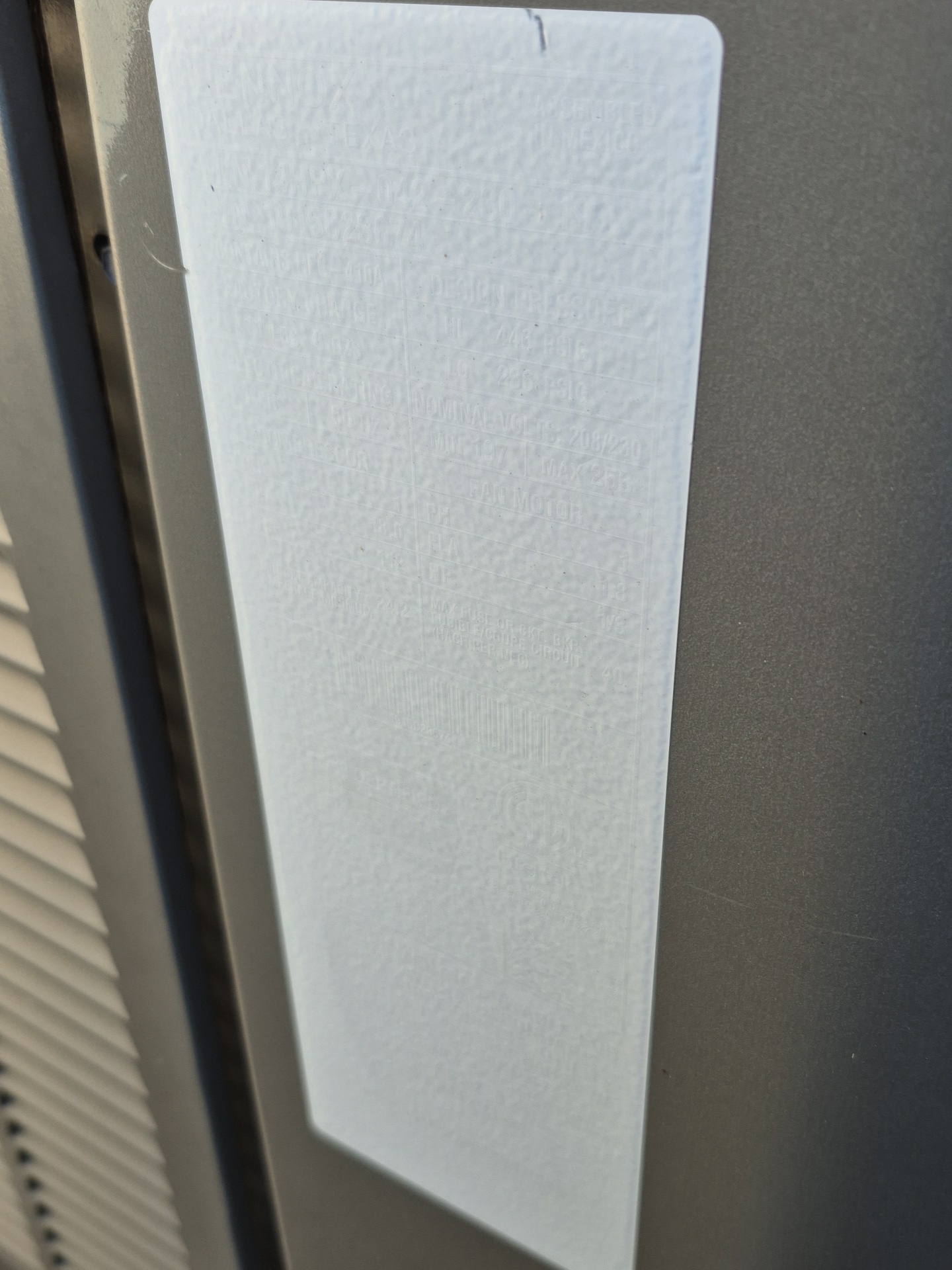
This shows the data plate for the heat pump.
AIR FILTERS
Filtration Systems: Disposable
The heating and cooling system has disposable air filters installed. These should be changed quarterly or more to ensure proper airflow at the furnace. Be sure to install the filters with the arrows pointing in the same direction as the airflow in the furnace.
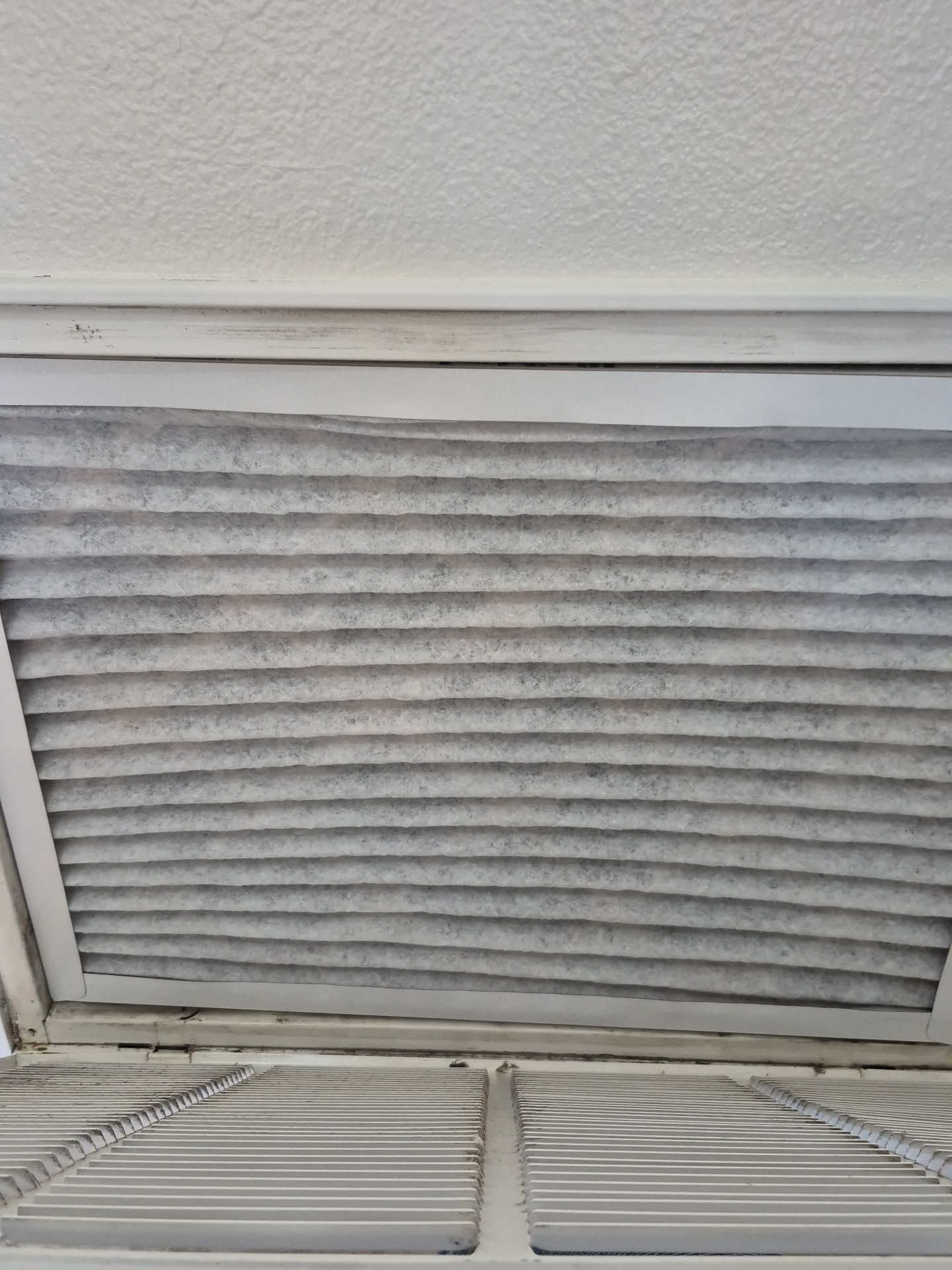 | 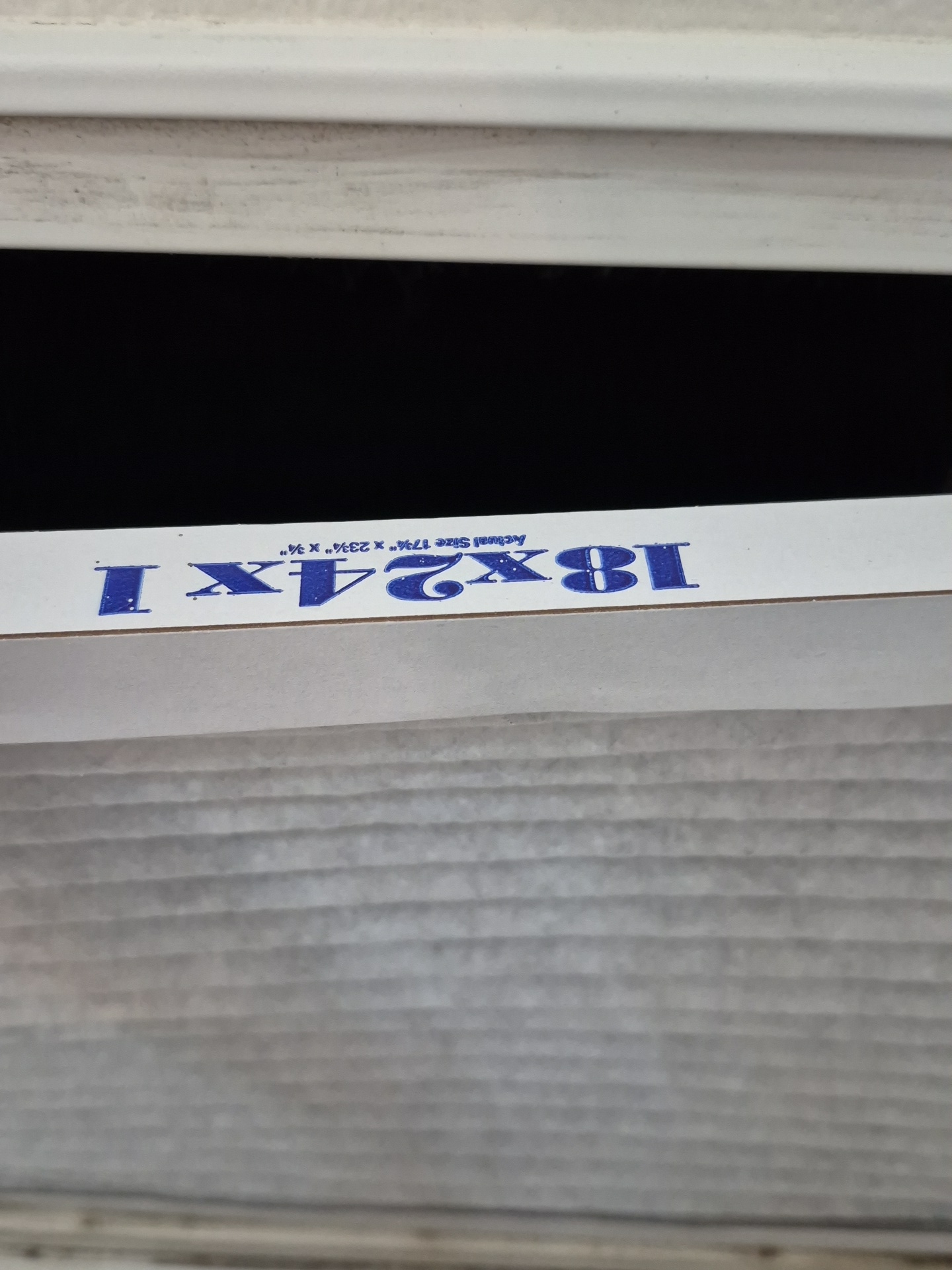 | 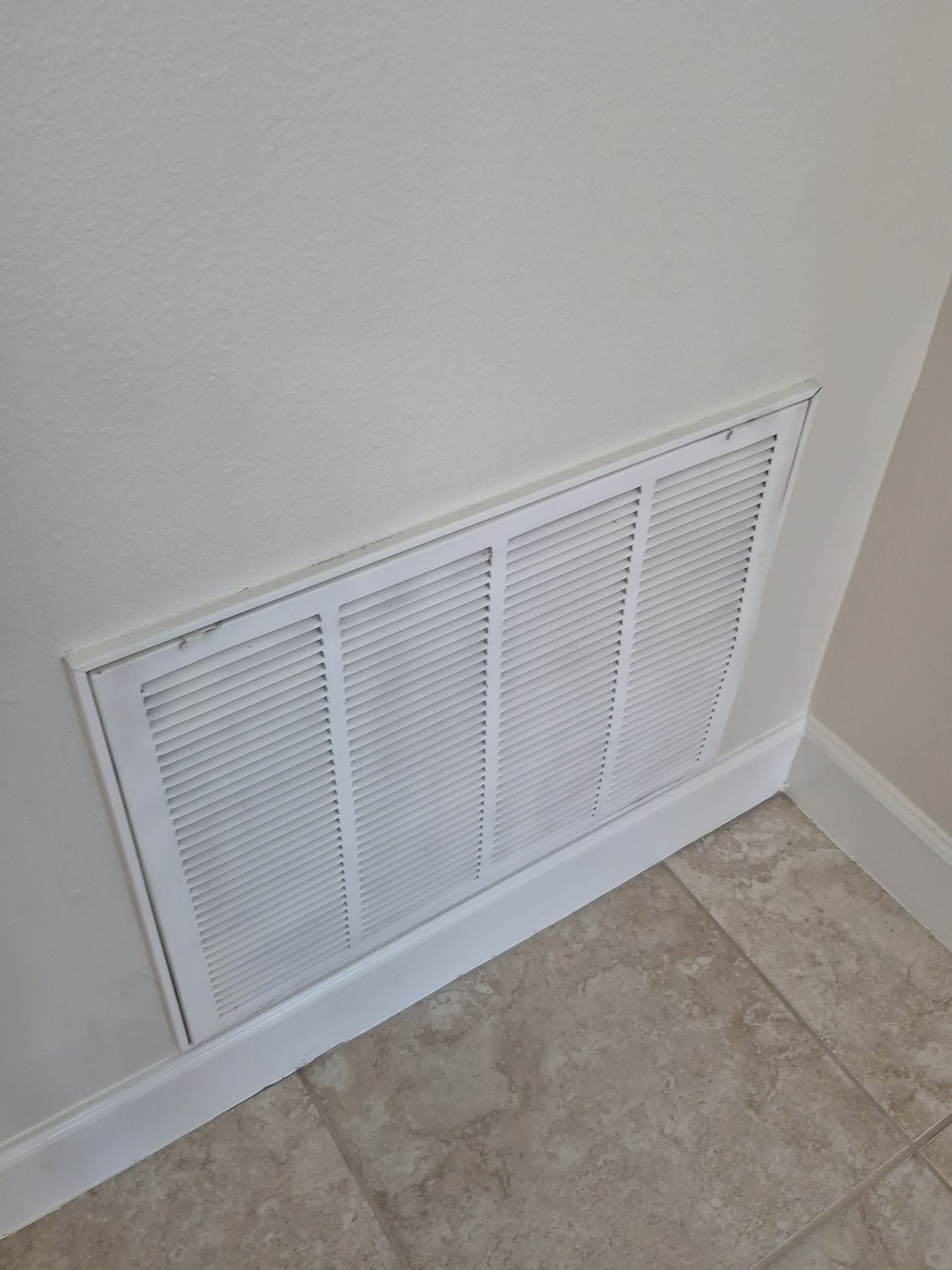 |
MECHANICAL VENTILATION SYSTEMS
Bath Fan Ducting: Ducted to exterior
Kitchen Fan Ducting: Ducted to exterior
PLUMBING
WATER SERVICE SUPPLY
Pipe Material: CPVC/PVC
Water Supply: Public water
Pressure Reducing Valve: None noted
Main Water Shut-off Location: Garage
📸Water Supply Service line photo
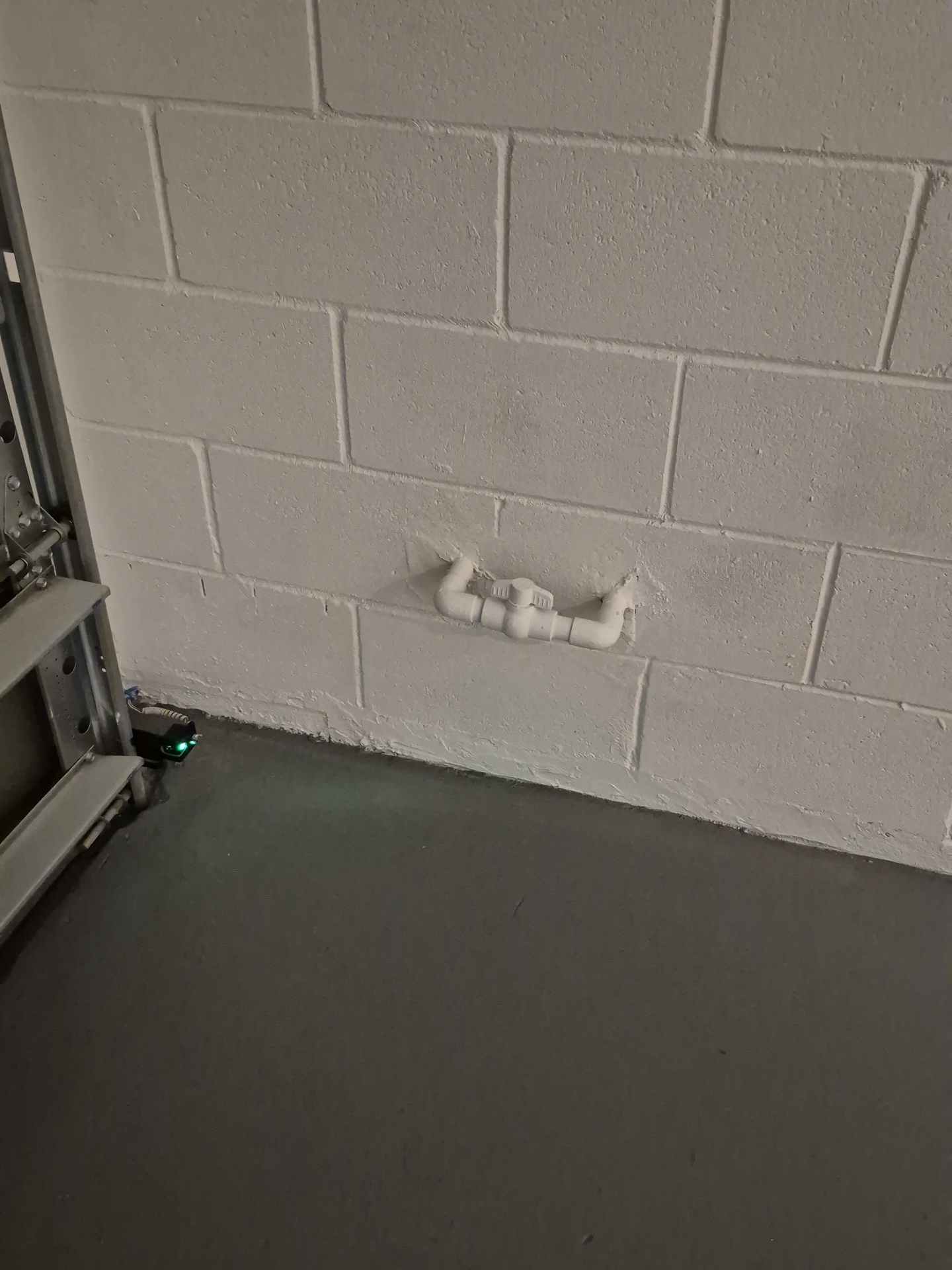
DISTRIBUTION PIPE (within house)
Supply Pipe Materials: CPVC
CPVC is a common type of piping for hot and cold supply in residential construction. When properly installed, it is reliable, long lived and acceptable piping. It has a life expectancy of 50 to 75 years. Water quality can affect the pipe but generally this is not a problem in the Pacific Northwest. Manufacturing defects can also be a factor, but would only be relevant as part of an investigation of failure of the piping and not something that could be visually determined in the context of a home inspection. Some authorities argue the pipe becomes more brittle with age and therefor more subject to mechanical damage. Monitoring of any plumbing system is necessary, and any signs of leaking should be immediately evaluated by a licensed plumber and repairs/replacement made as deemed necessary. The piping should not be exposed to freezing or sunlight, and should be properly insulated. In any home, the majority of piping will not be visible to inspection and hidden conditions are always possible. A properly manufactured, designed, installed, and maintained CPVC piping system should not fail.
📸Distribution Pipe (type within house) photo
WASTE PIPE AND DISCHARGE
Discharge Type: Public Sewer - Buyer
Waste and Vent Pipe Materials: PVC
VIDEO SEWER SCOPE RECOMMENDED
An evaluation of the sewer line below the ground is beyond the scope of this inspection. A sewer scope is recommended to further evaluate the sewer line and the below ground connections between the house and the municipal sewer line as these are not visible to inspection. Sewer scopes are done using video cameras and can show the materials, condition and reliability of the sewer line. If a video scope has not been done recently, I recommend having a sewer scope performed.
WATER HEATERS
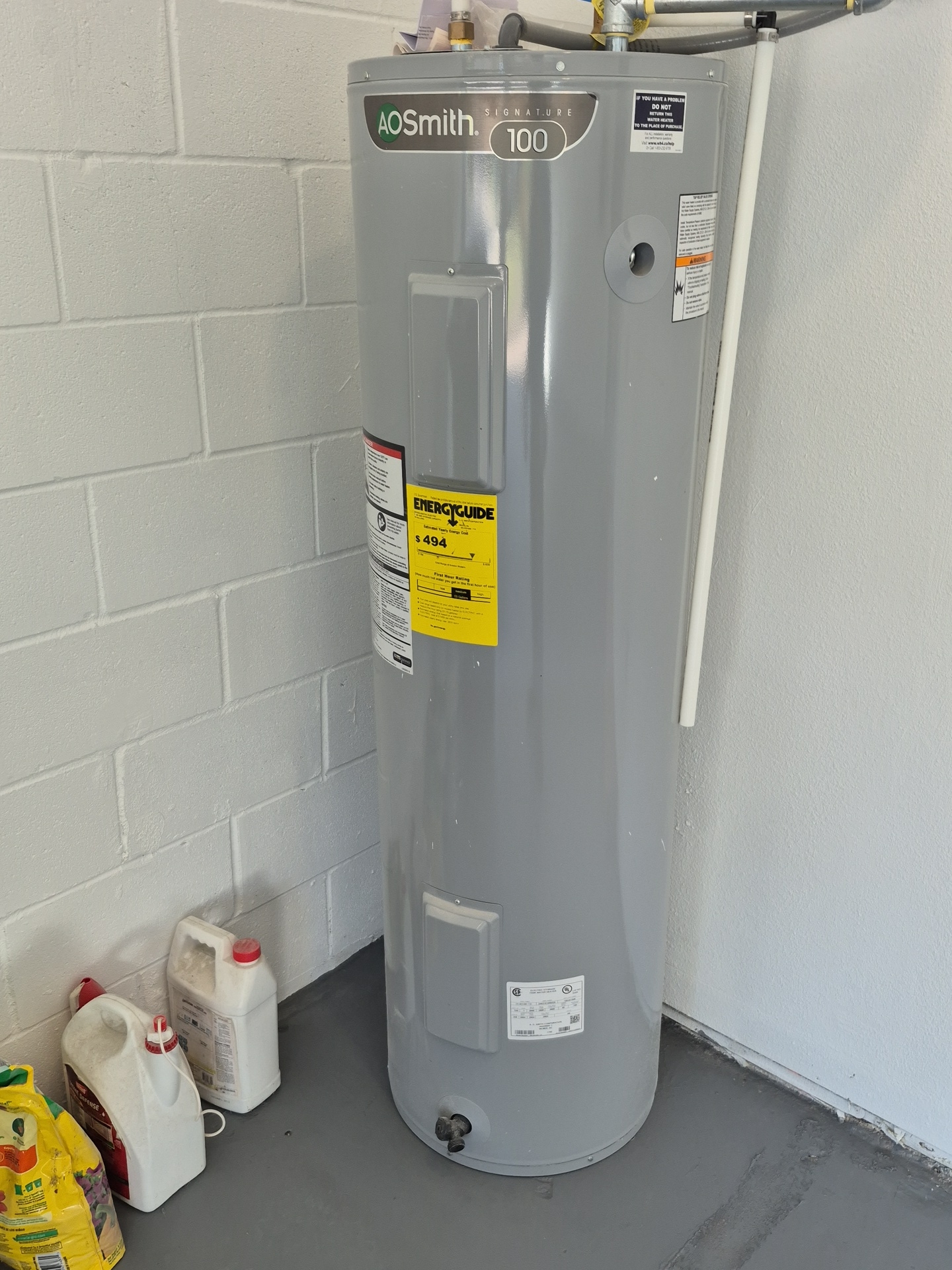
WATER HEATER
System Type: Tank
Manufacturer: A.O.Smith
Data Plate:Shown Here
This shows the data plate for this water heater.
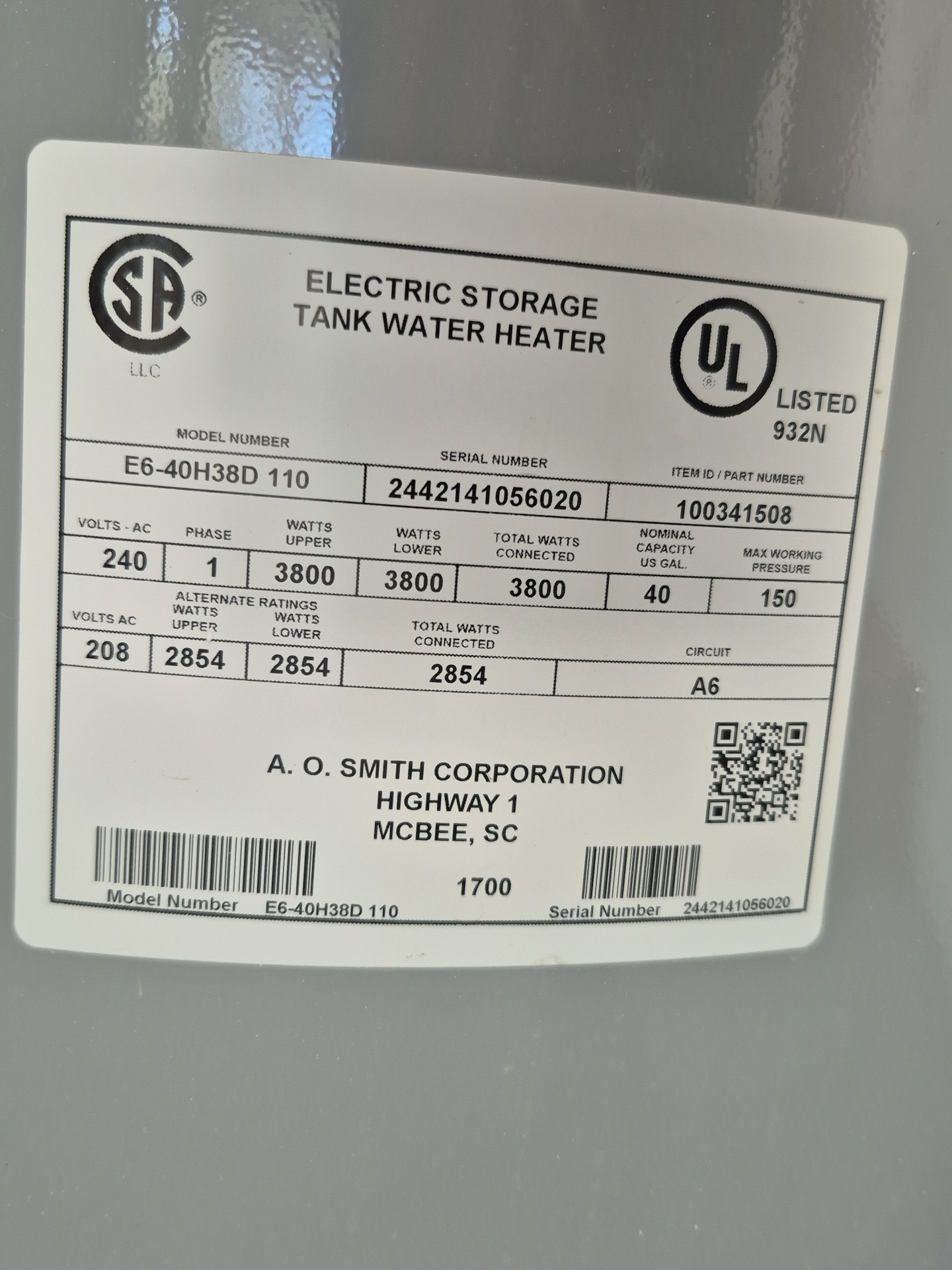
Size: 40 gal
Age: 2024
Energy Source: Electricity
Drain Pan: Not Required
Shut off valves and connectors: Shown Here
📸 Shut off valves shown here
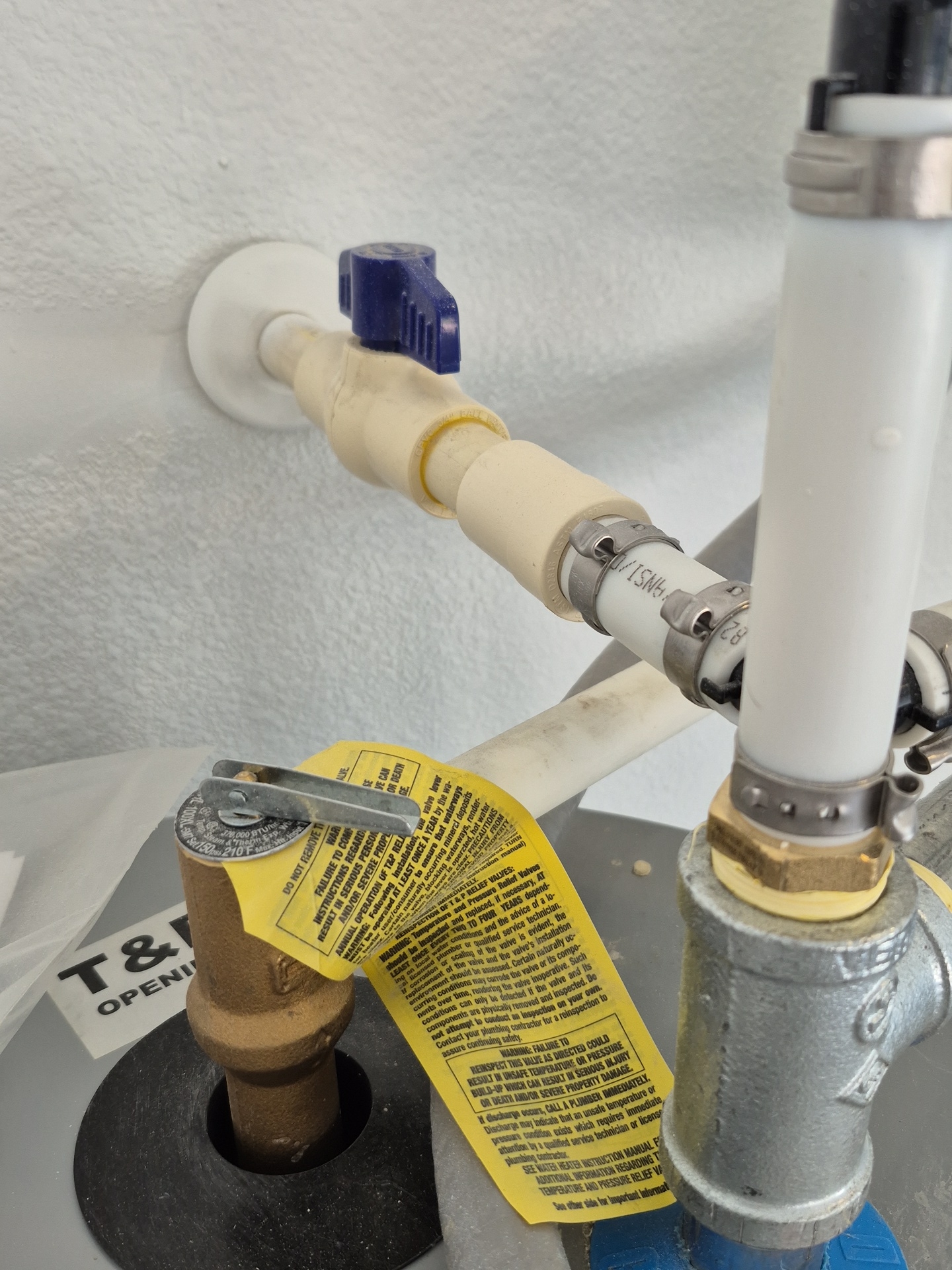
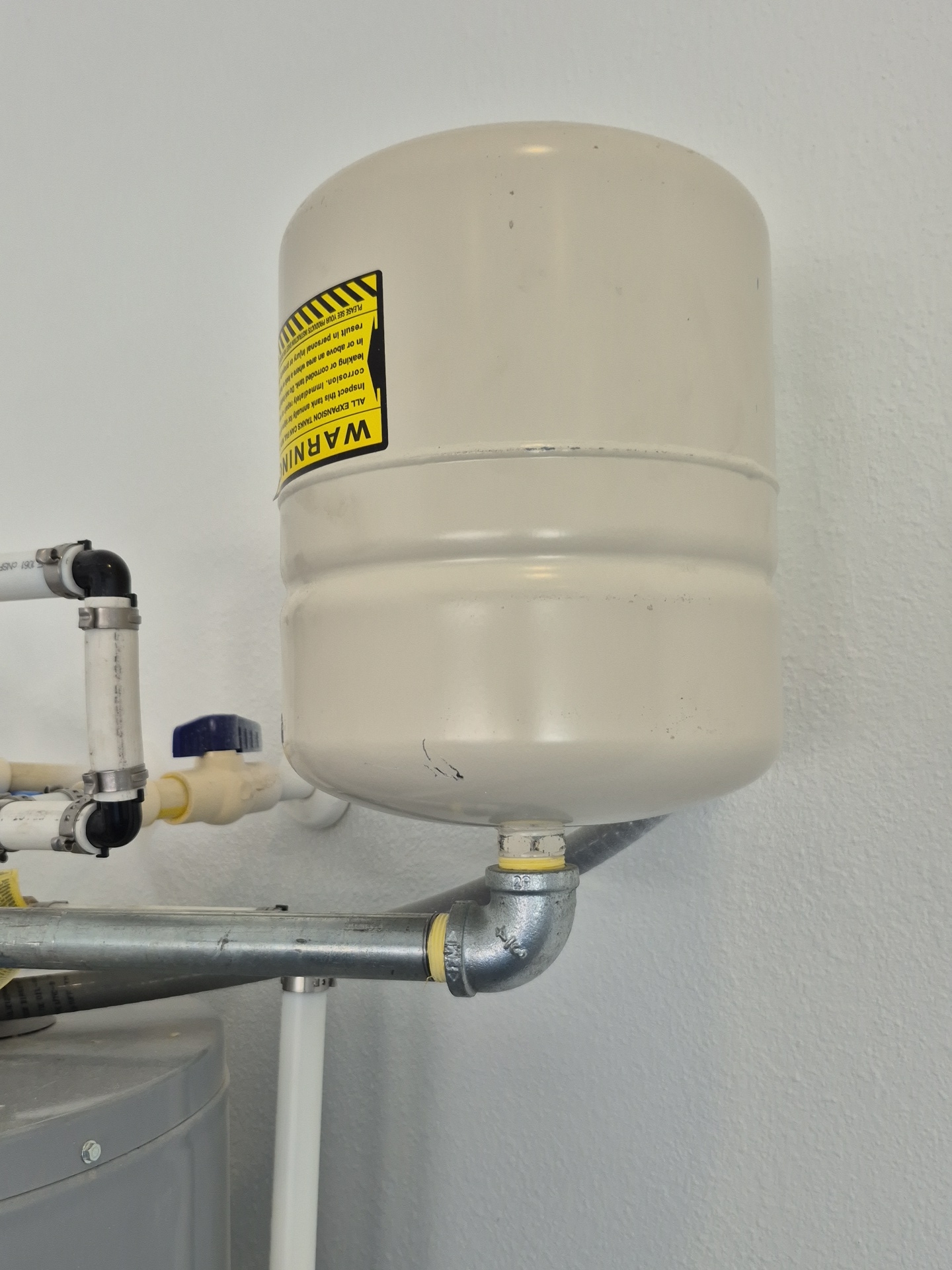
Expansion Tank: Present
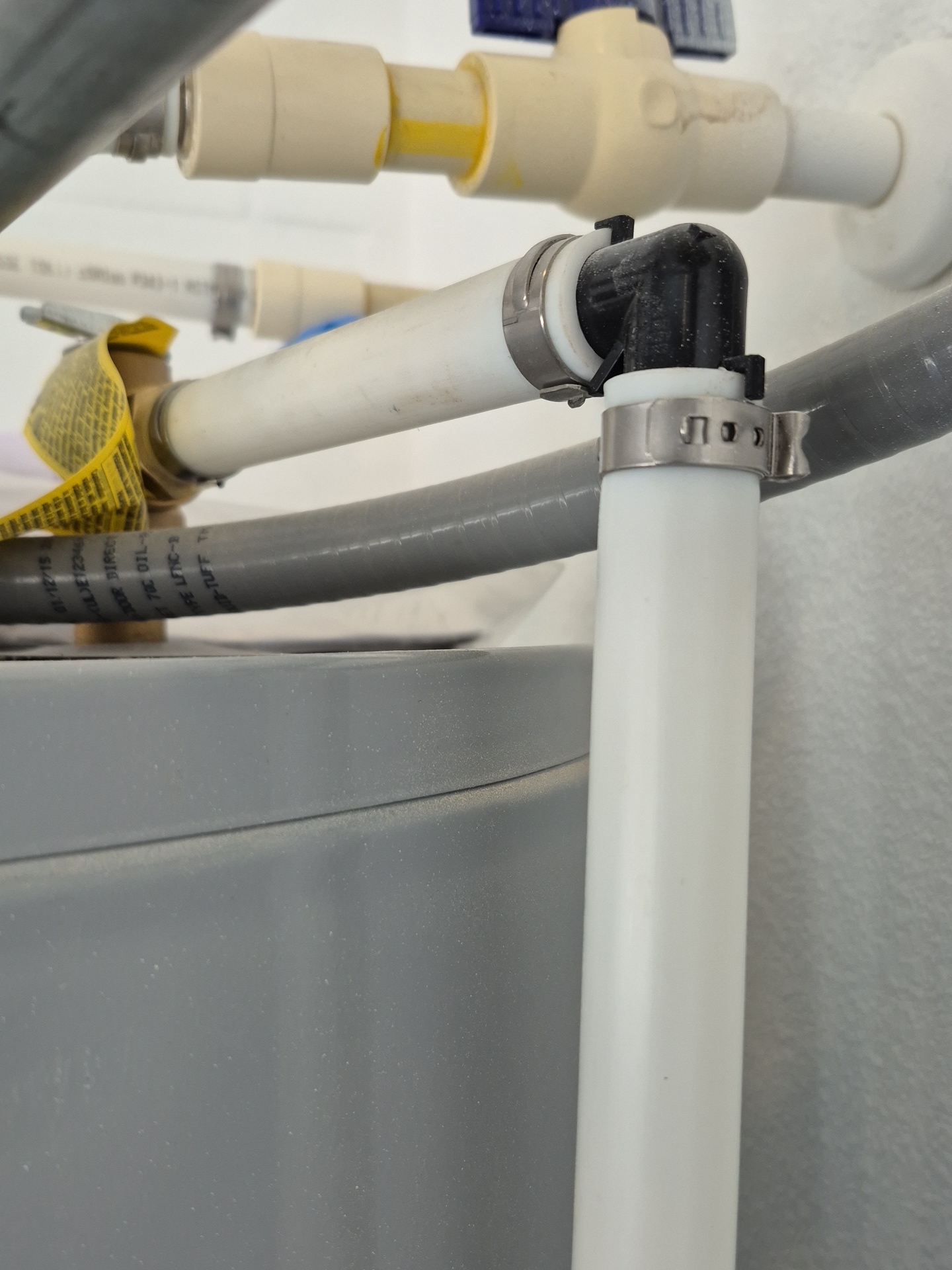
Relief Valve: Inadequate Discharge - General Note
RELIEF VALVE DISCHARGE
The discharge tube for the water heater temperature and pressure relief valve (TPRV) is not correctly installed - see attached link. This is a potential safety hazard. Ideally, the discharge tube for a relief valve:
- Terminates to an exterior location or above a drain, though this is not always possible
- Terminates between 6 and 24-inches off the ground (UPC)
- Slopes to drain to prevent water pooling inside the discharge tube
- Is not made from pipe with an inside diameter less than 3/4 on an inch
- Terminates to a visible location that can be monitored for leaks and discharges
- Does not have a threaded termination point which would prevent accidental capping of this important discharge
- Does not terminate into a drain pan
I recommend having this relief valve discharge tube further investigated and repaired as recommended by a licensed plumber.
|  |
📸 Water Heater Photos
 | |  |
|
KITCHEN
GENERAL KITCHEN PHOTOS
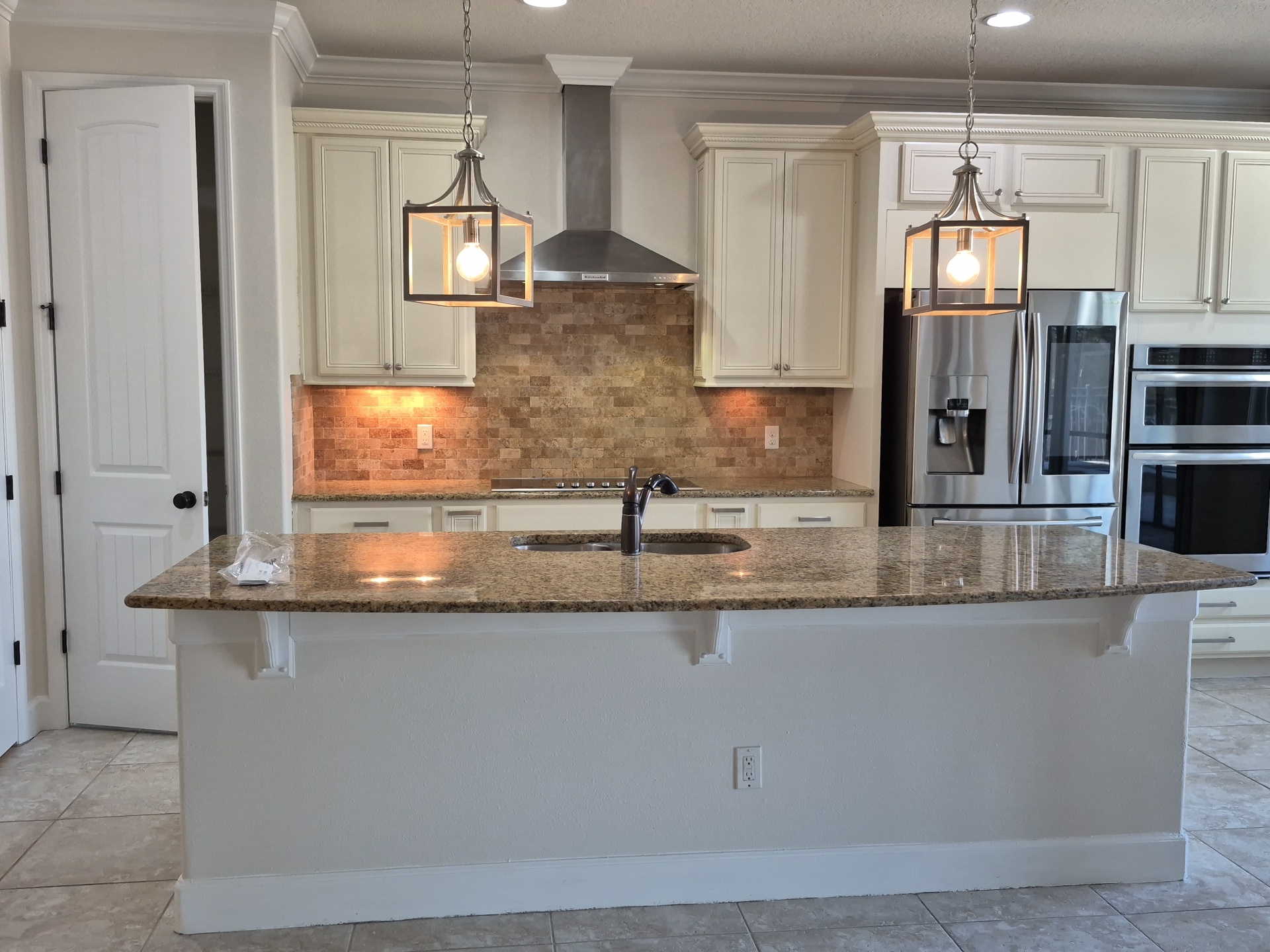
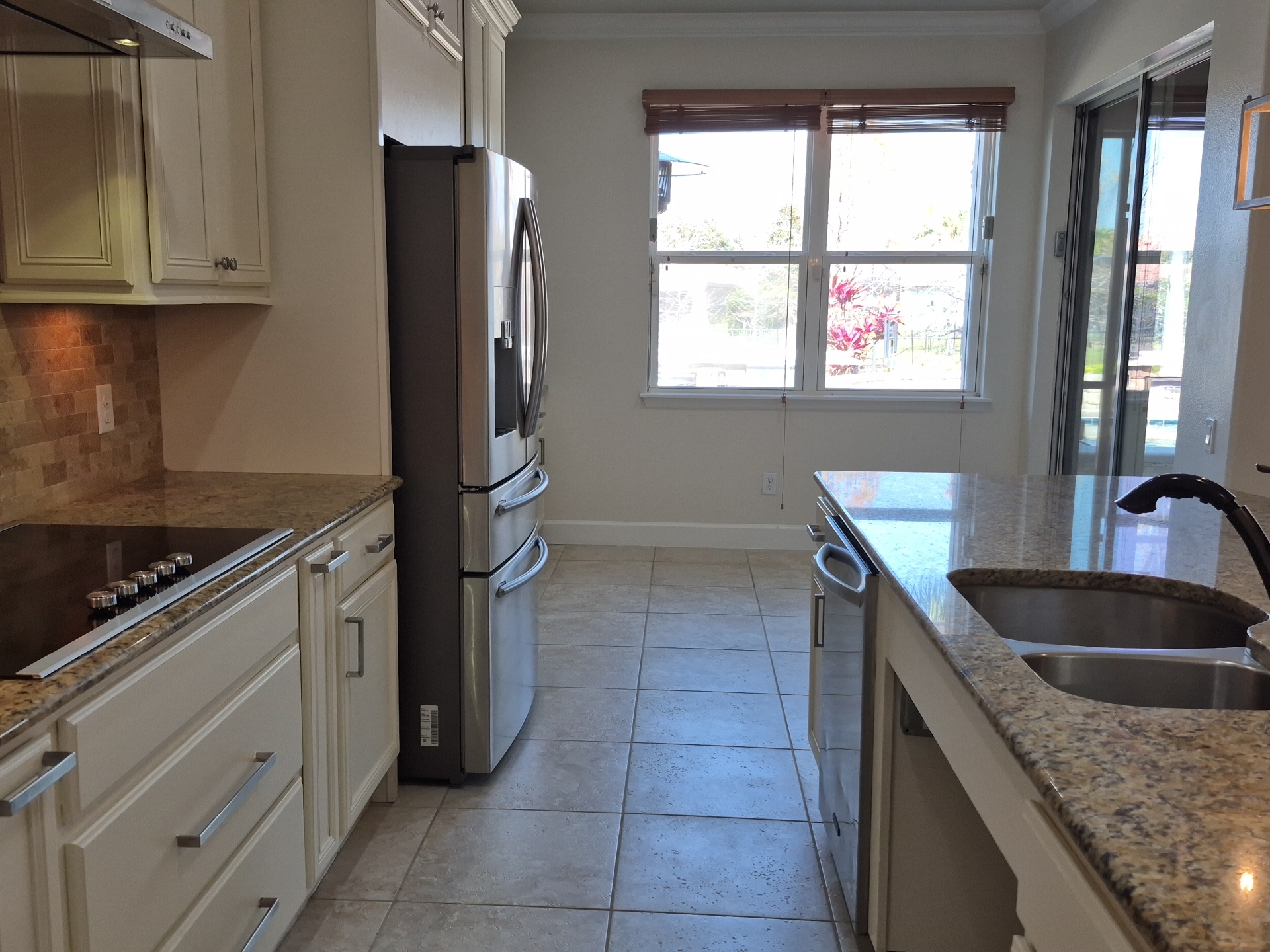
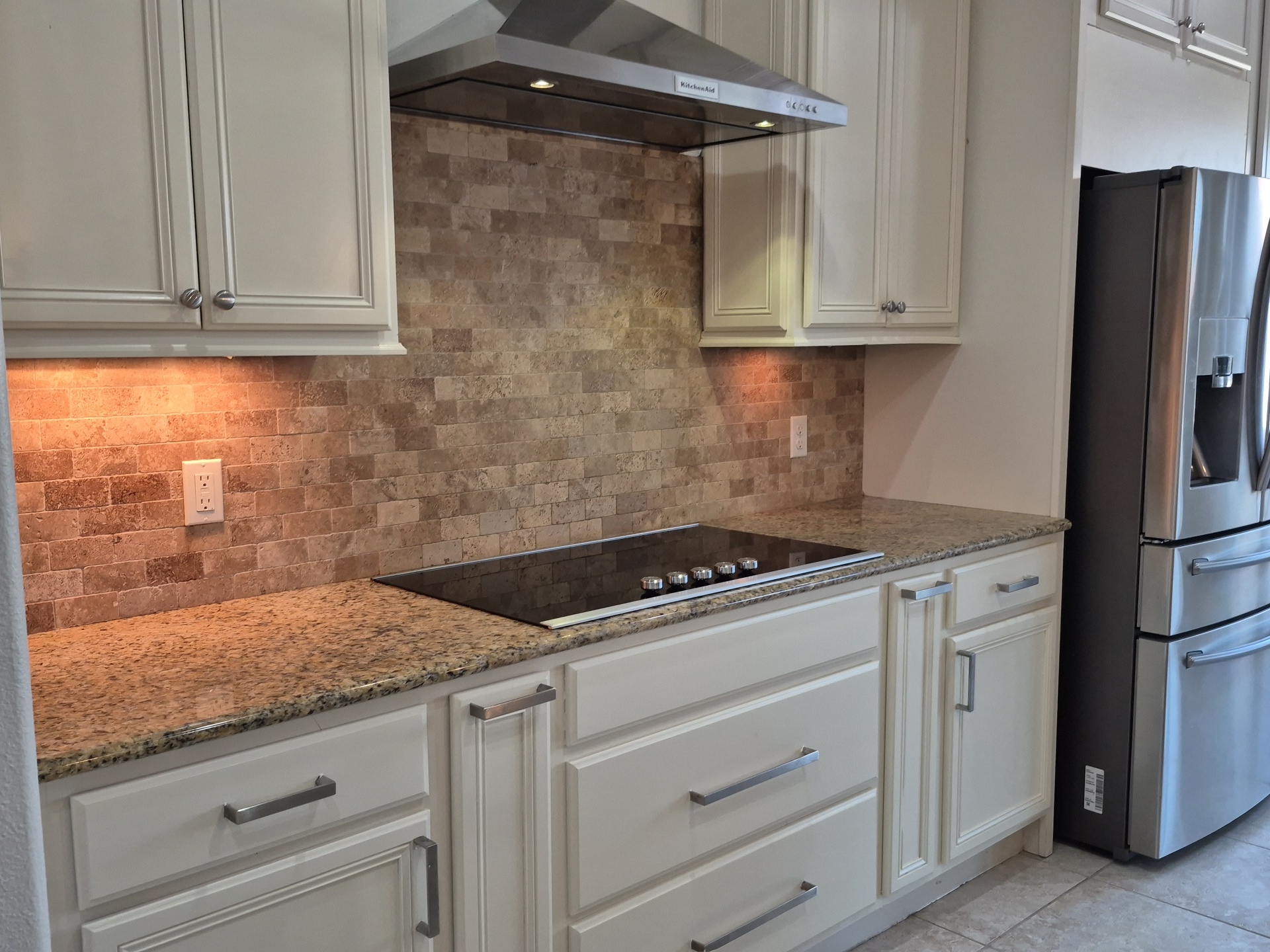
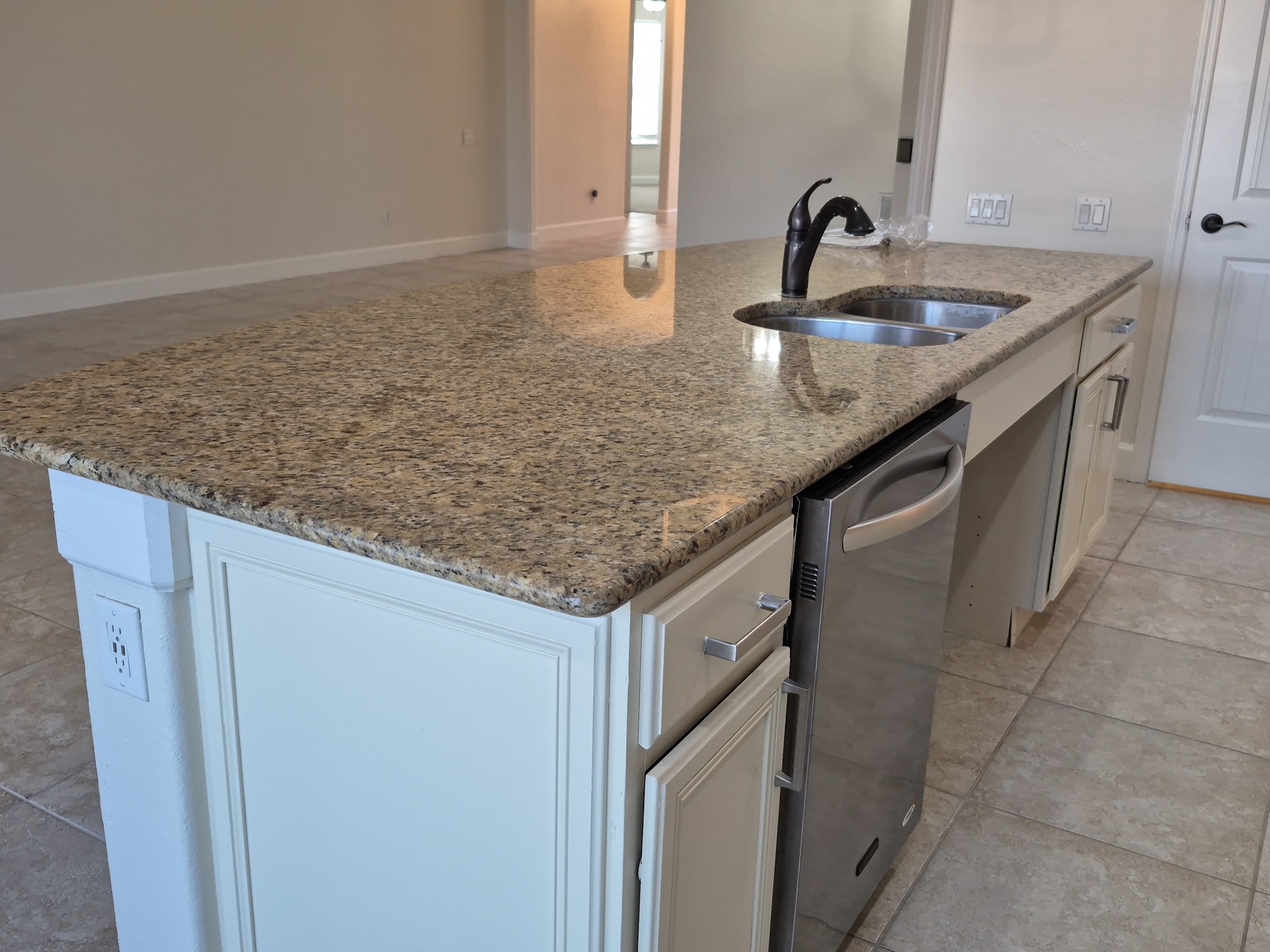
📸 Kitchen Photos
 |  |  |
 |
SINKS AND FAUCETS
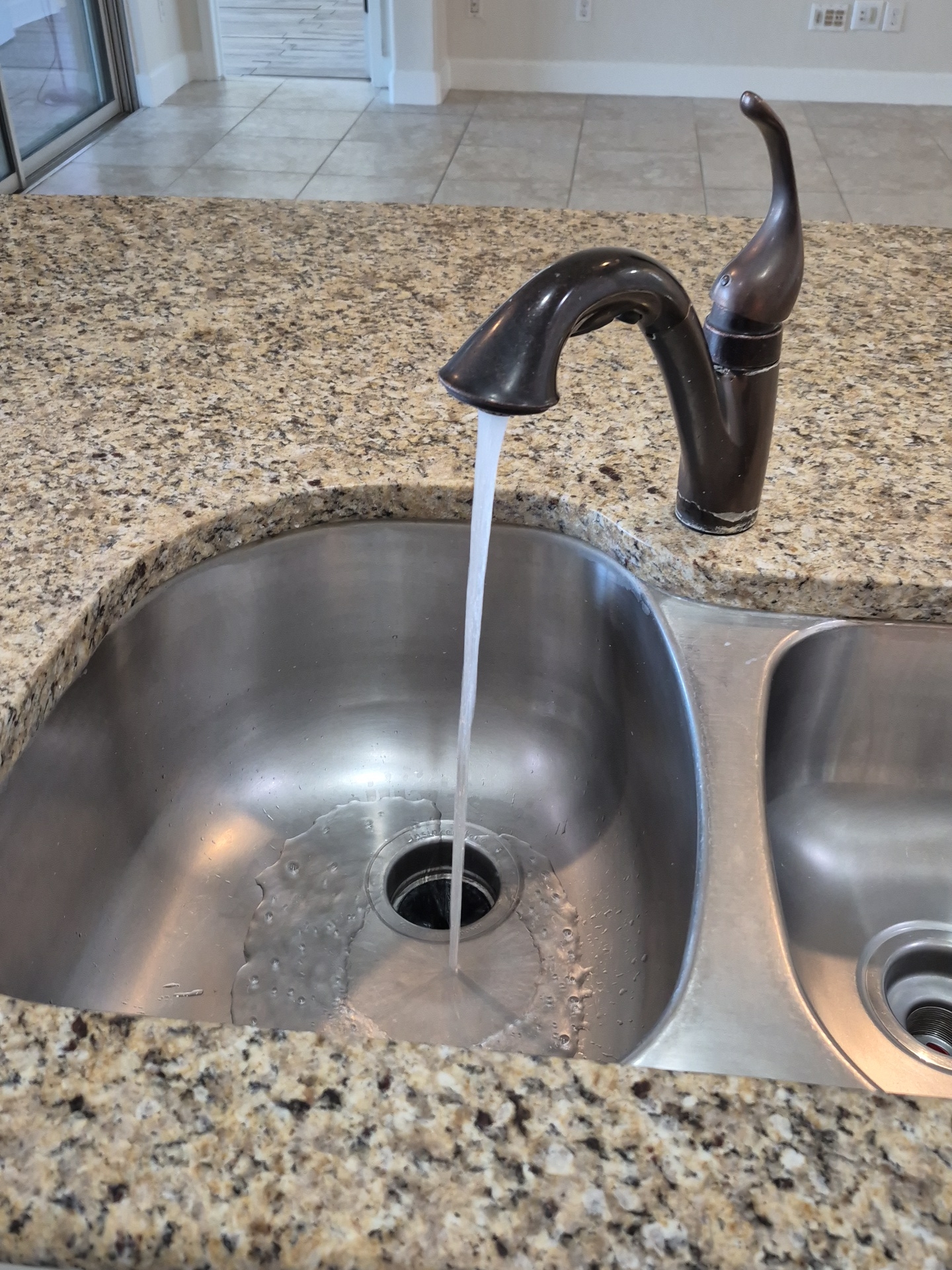
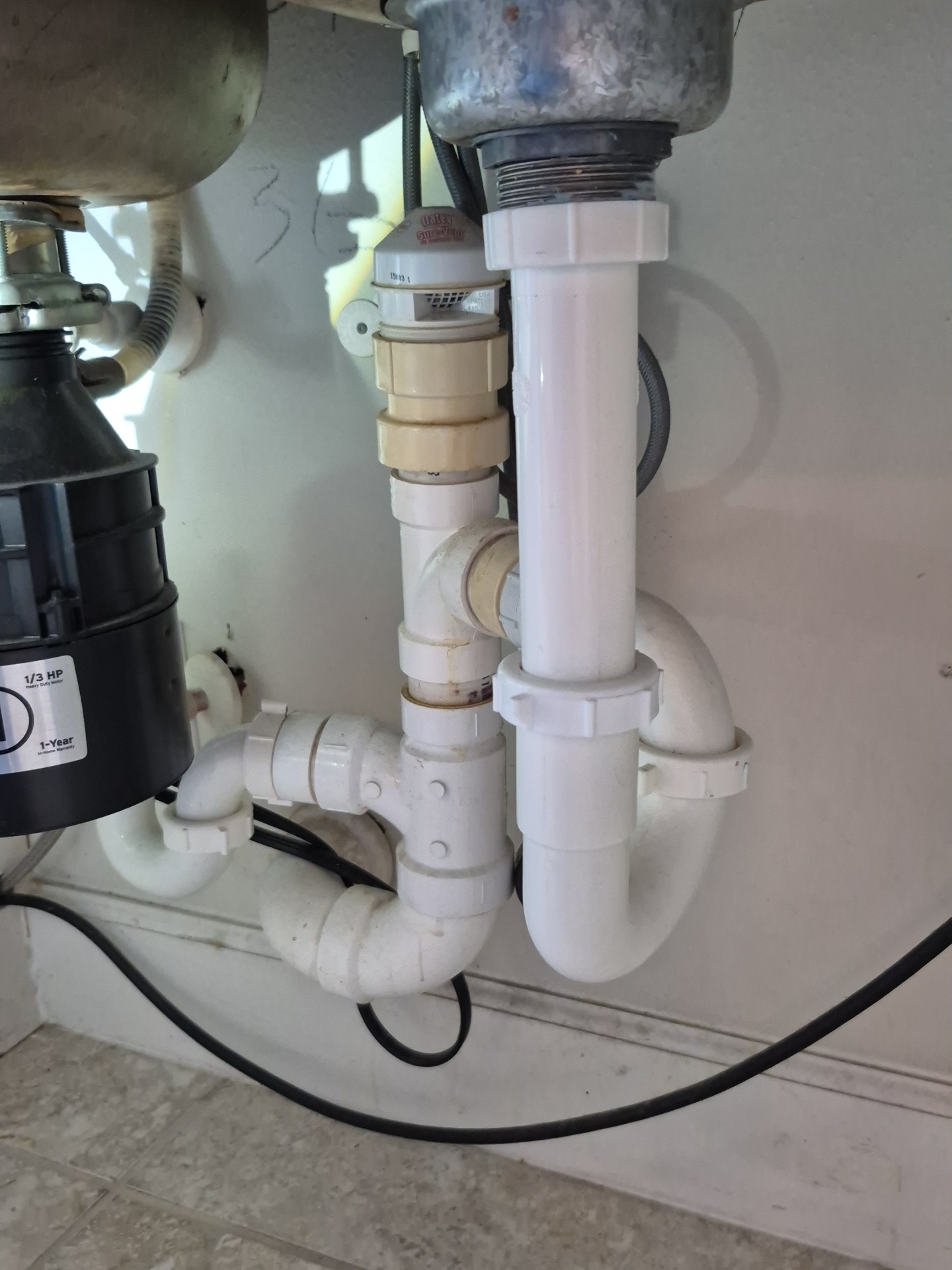
Under Sink Pictures: Pictures UNDER SINKS
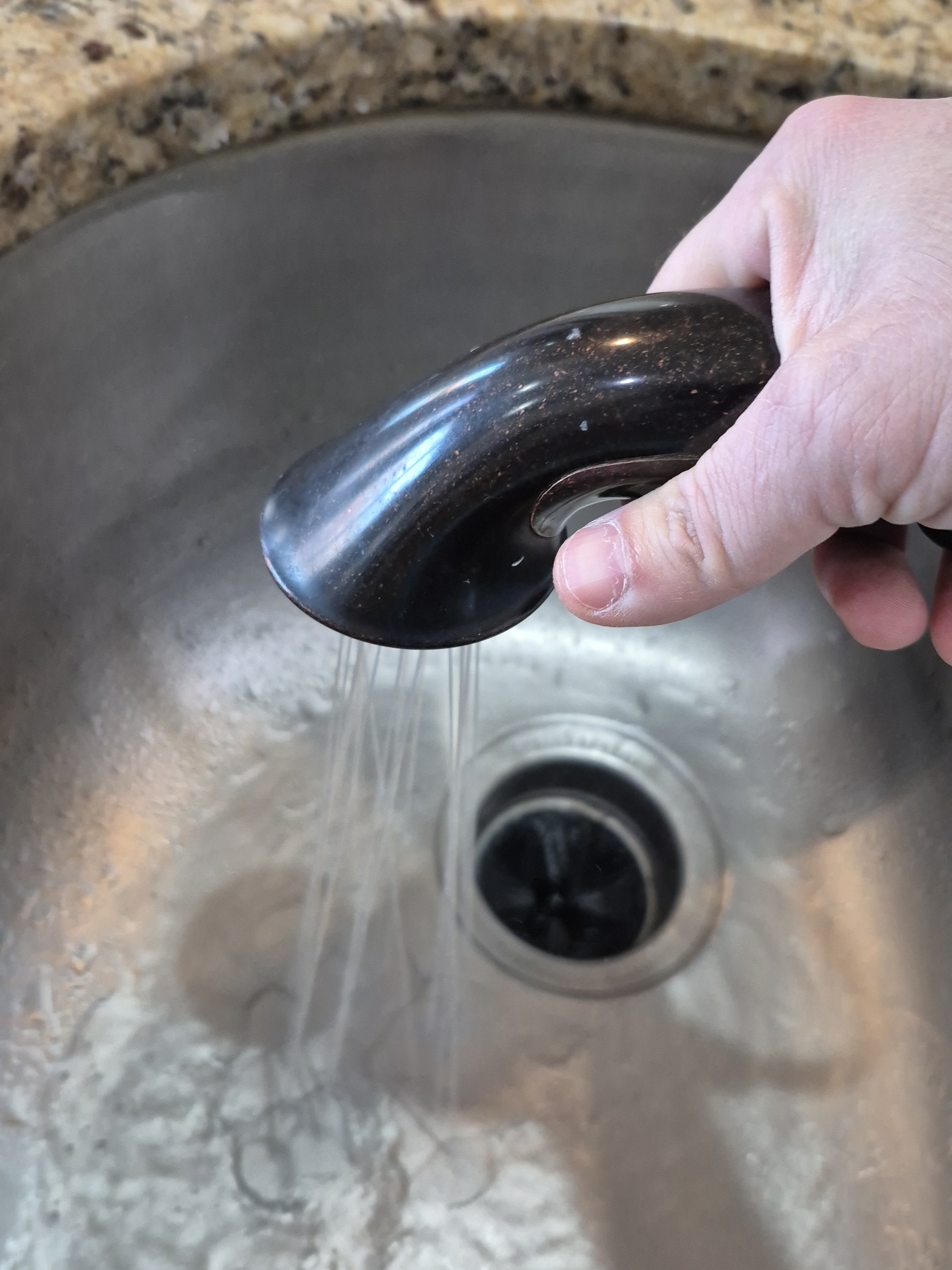
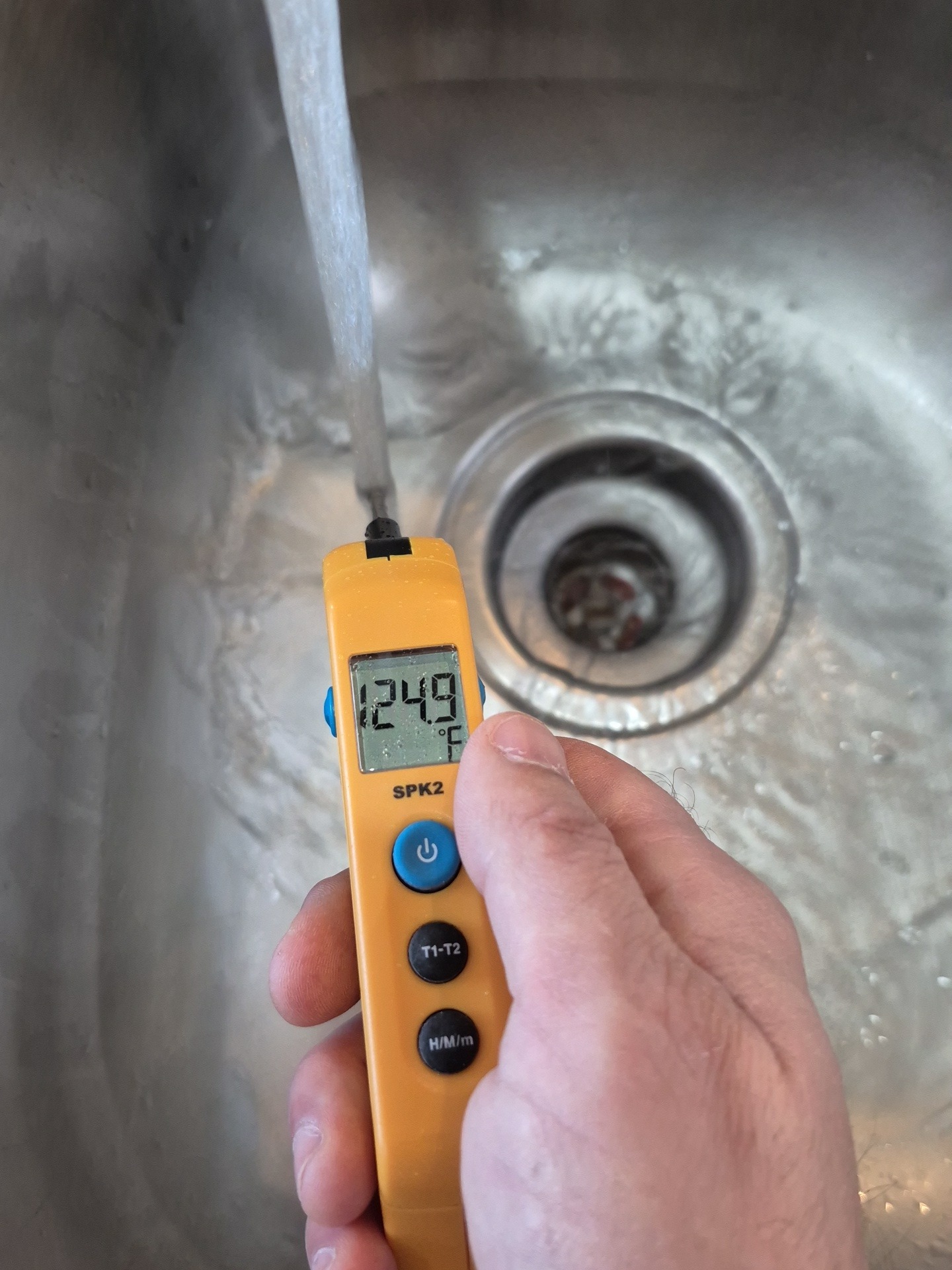
Sink Photo (running): Sink Photo with water running
Photo with sink water running
 |  |  |
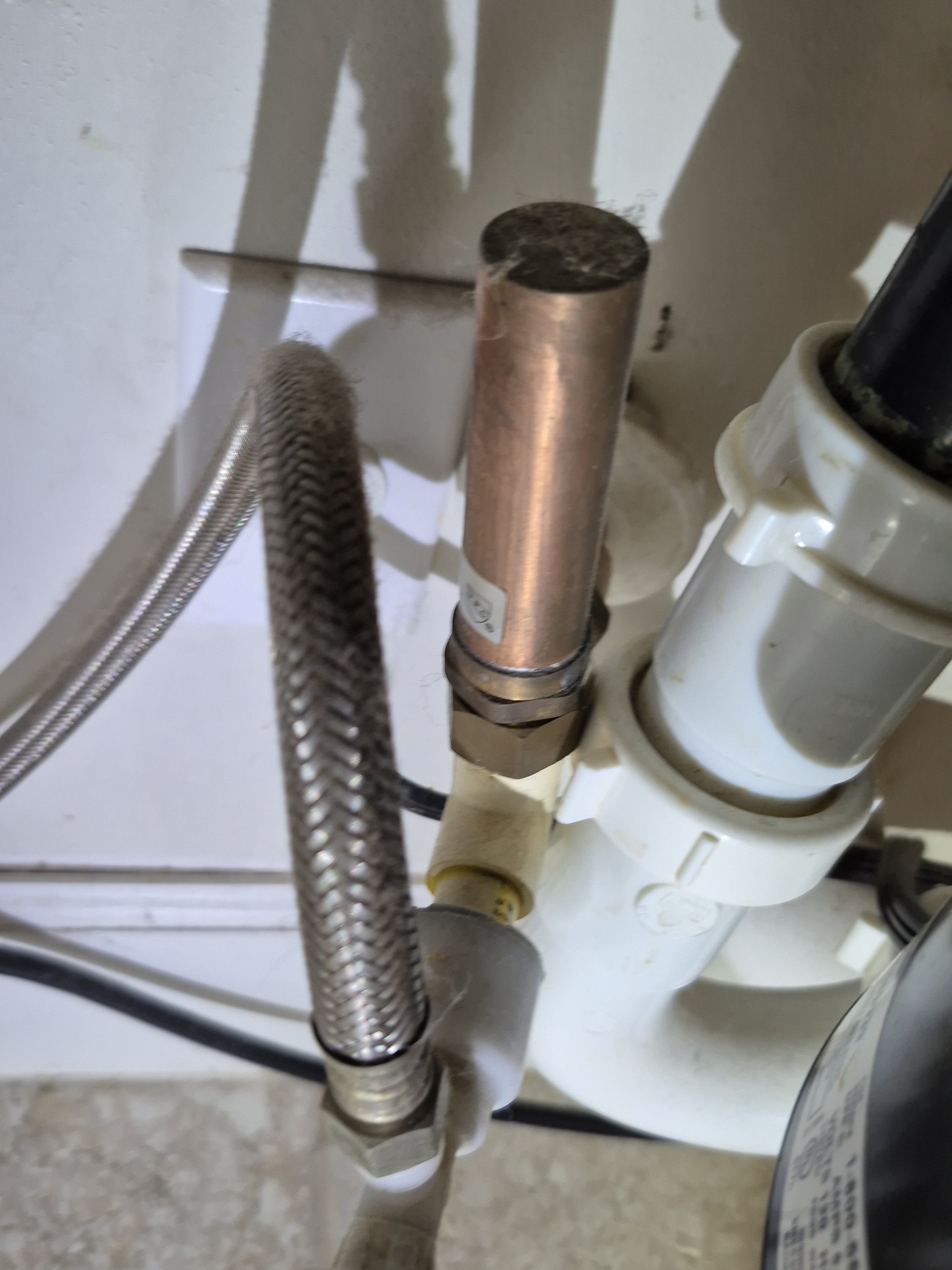
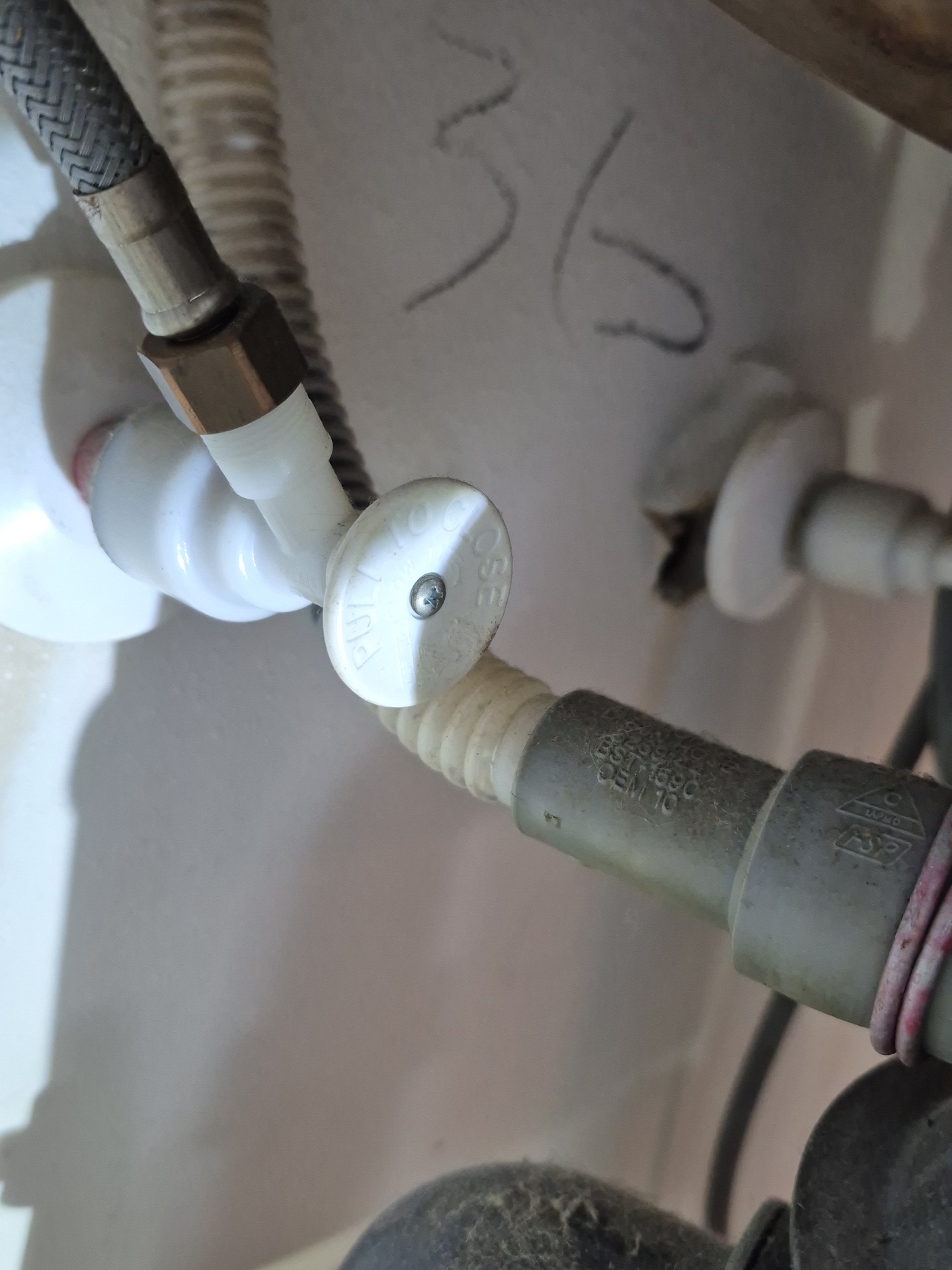
📸 Under sink
 |  |  |
CABINETS AND COUNTERTOPS
Cabinet status:Cabinets empty or visually clear
CABINET REPAIRS
Tune-up repairs are needed to the kitchen cabinets. Repair as desired. Examples of observations noted during inspection include normal wear and tear and loose handles.
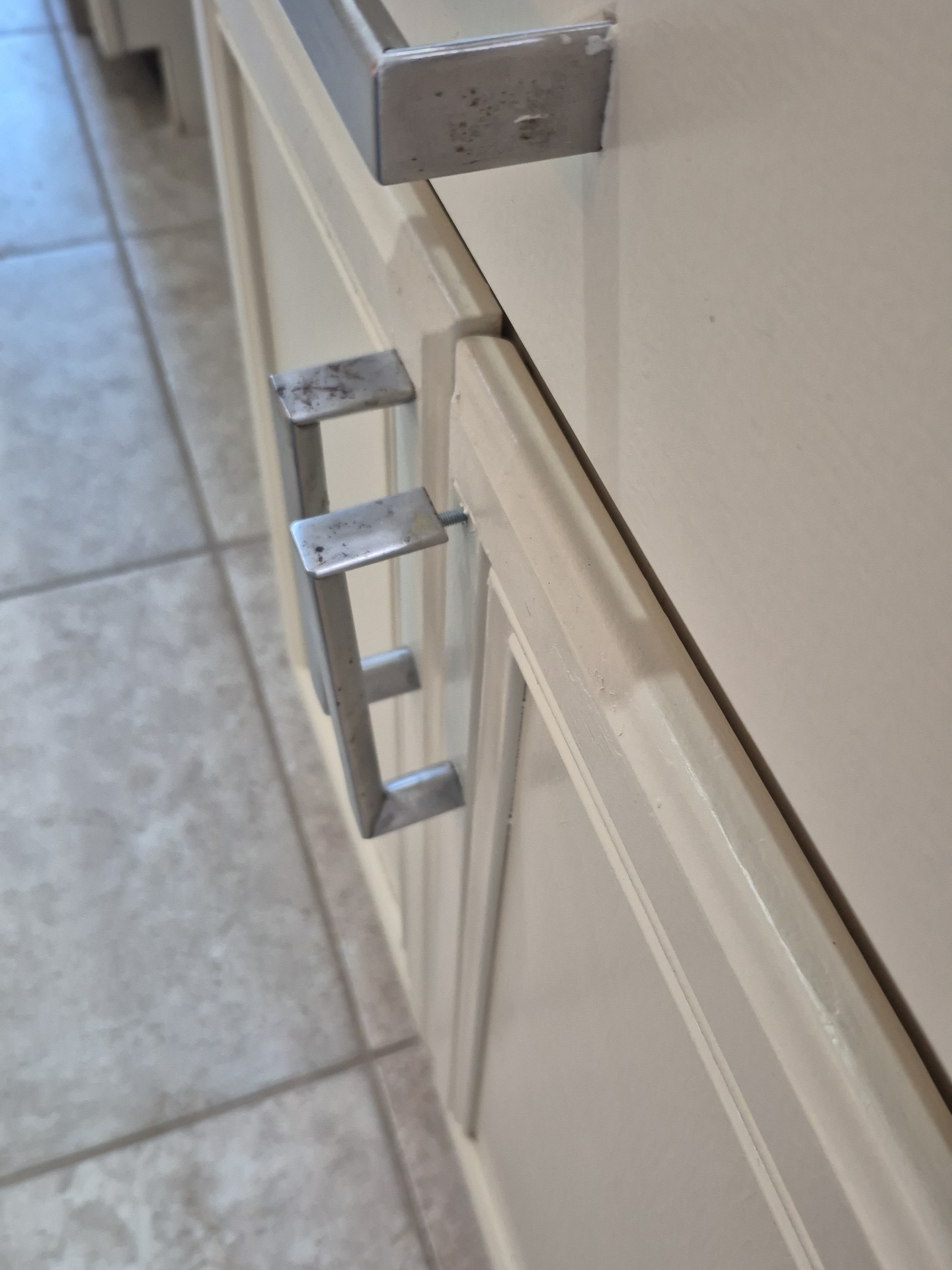
Cabinets were empty or visually clear.
DISHWSHER
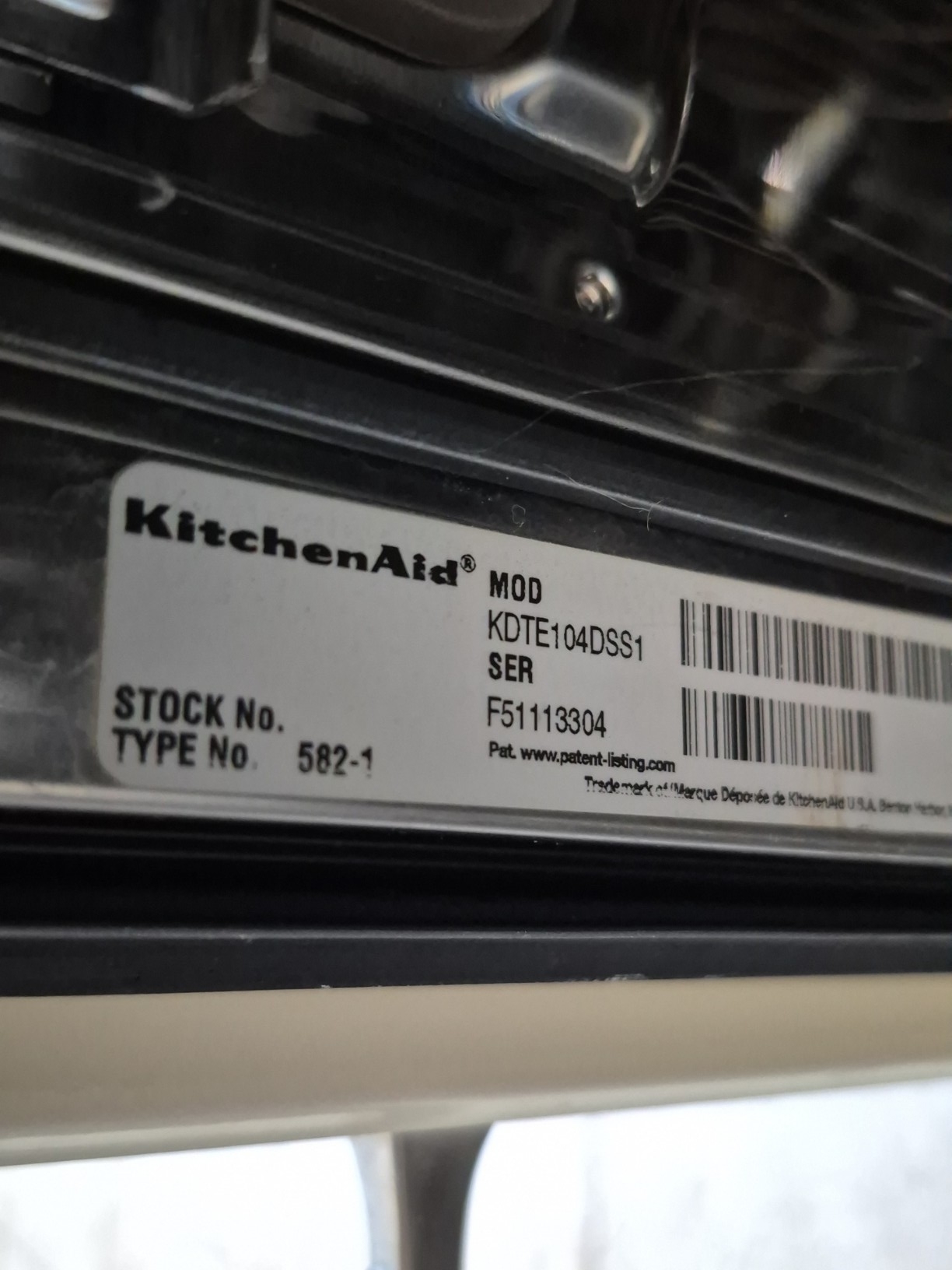
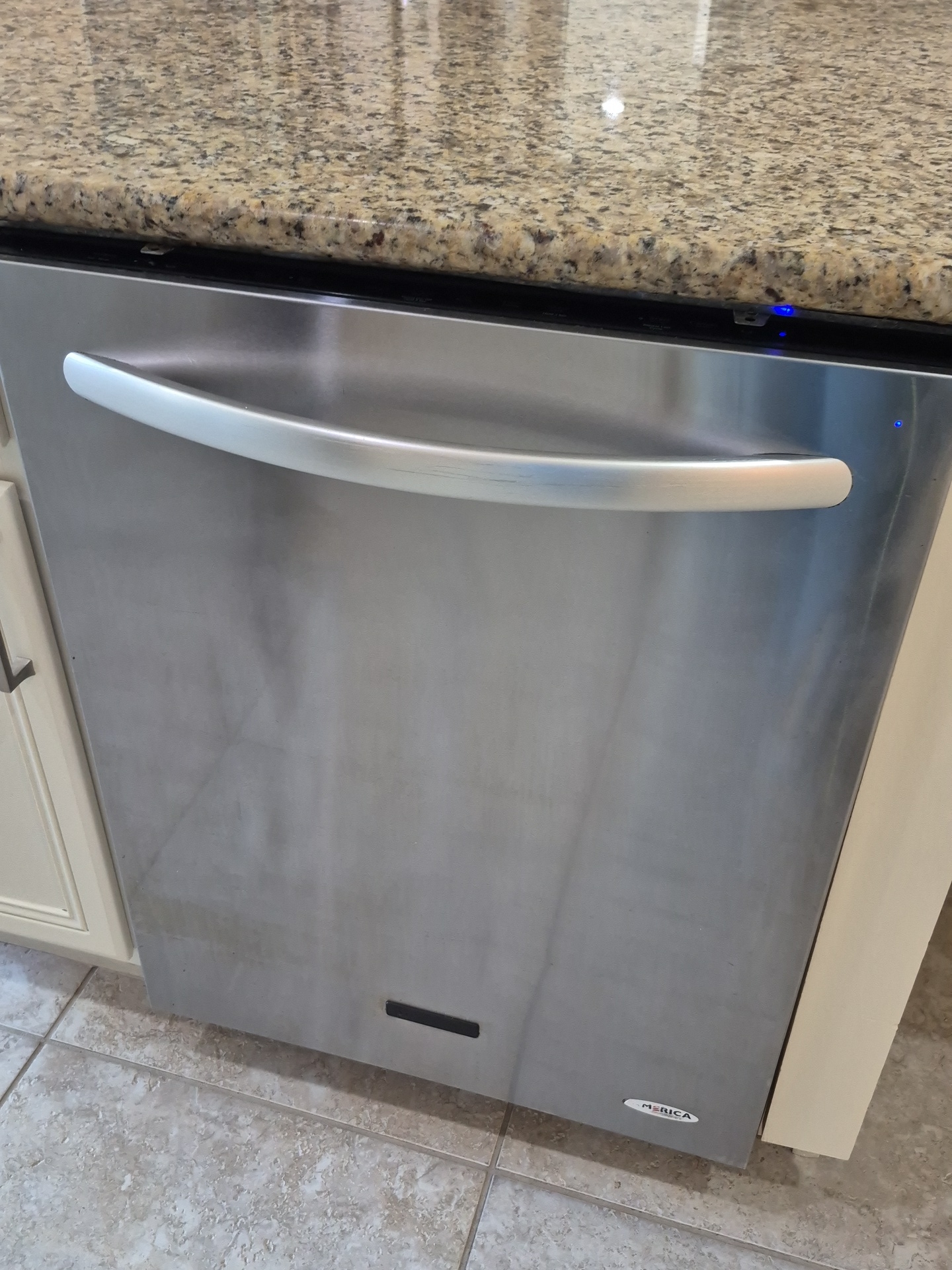
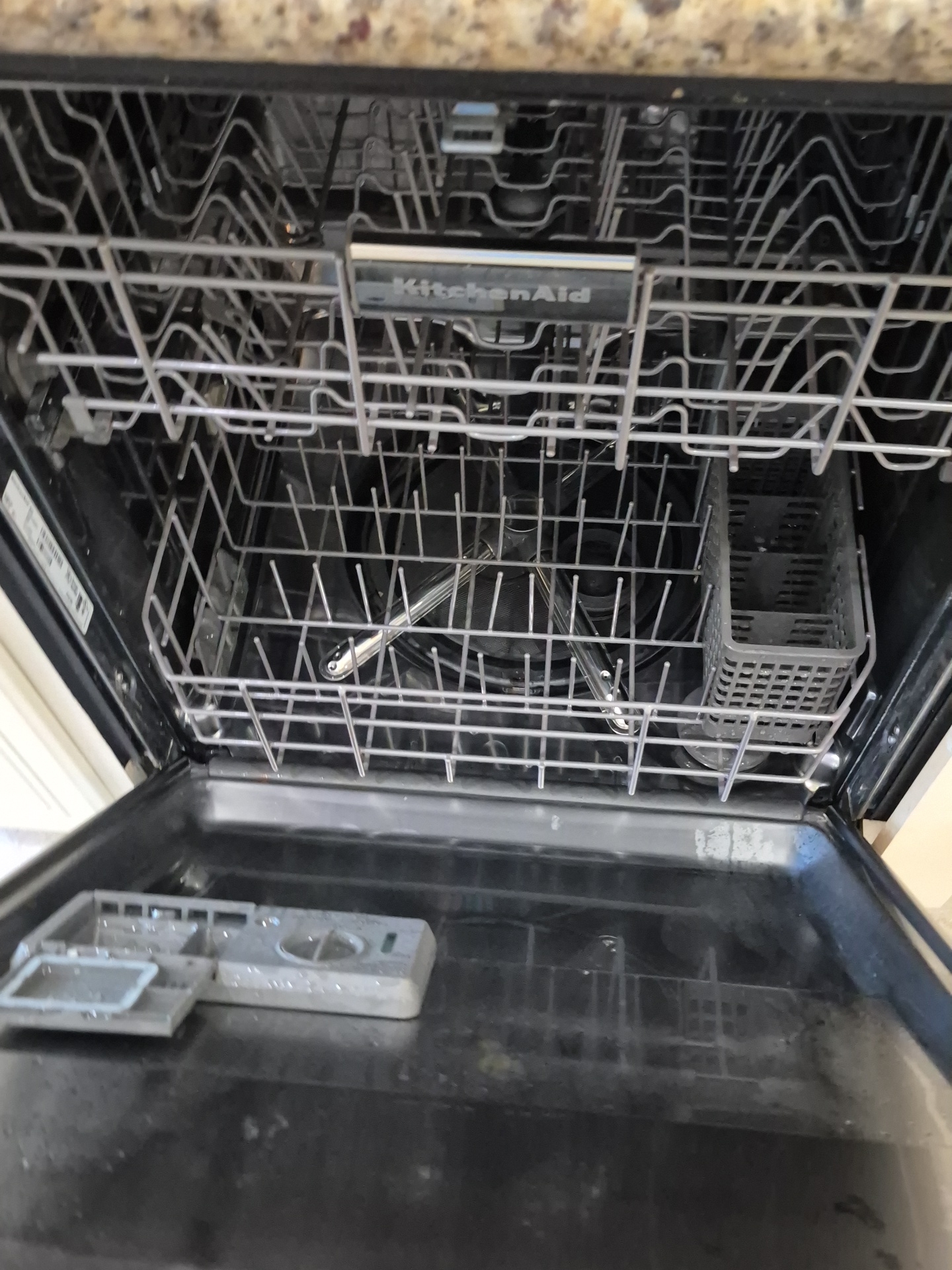
DISHWASHER BRAND:KITCHEN AIDE
📸Dishwasher Photos
 |  |  |
DISPOSALS
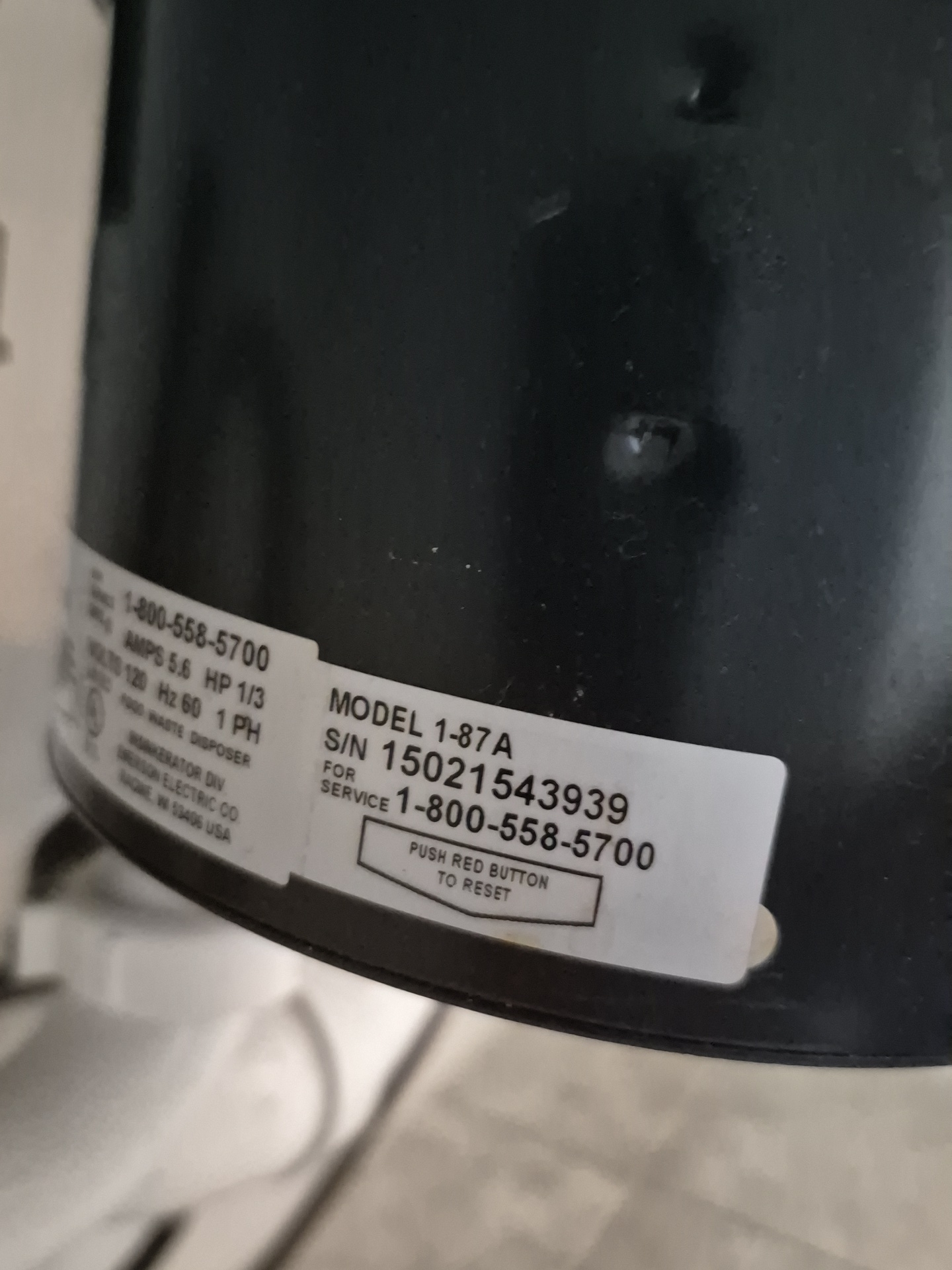
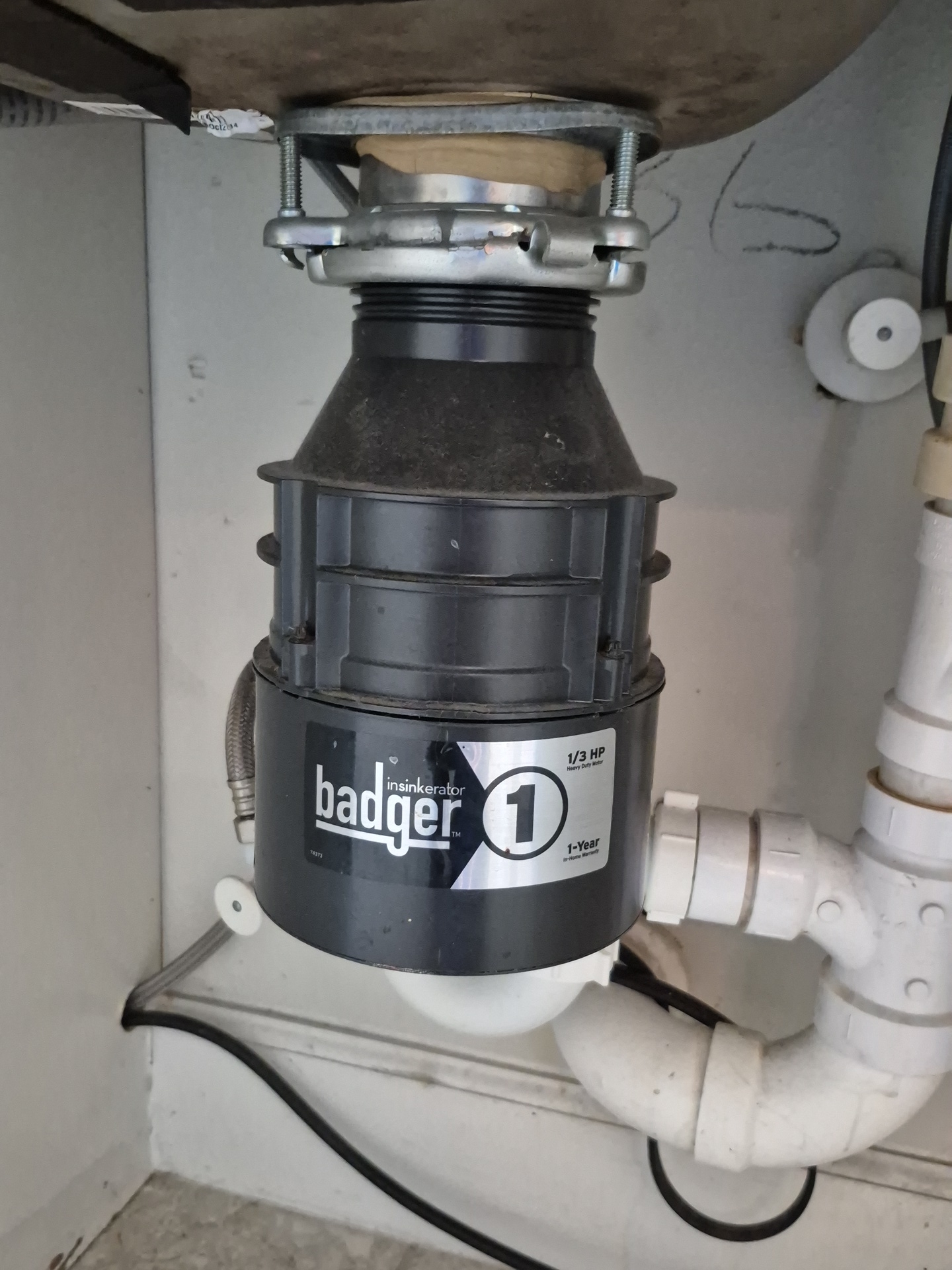
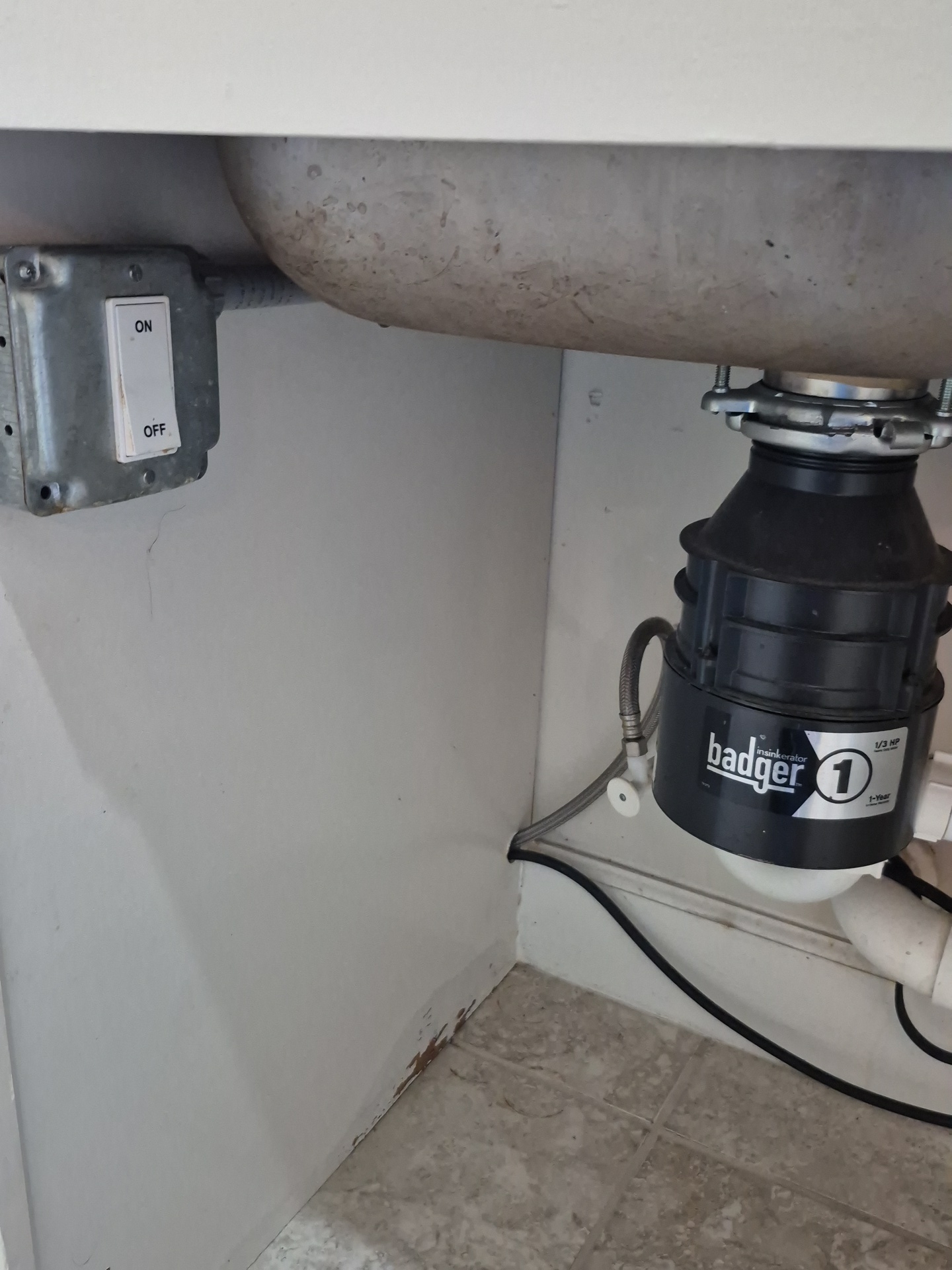
📸Disposal Picture
 |  |  |
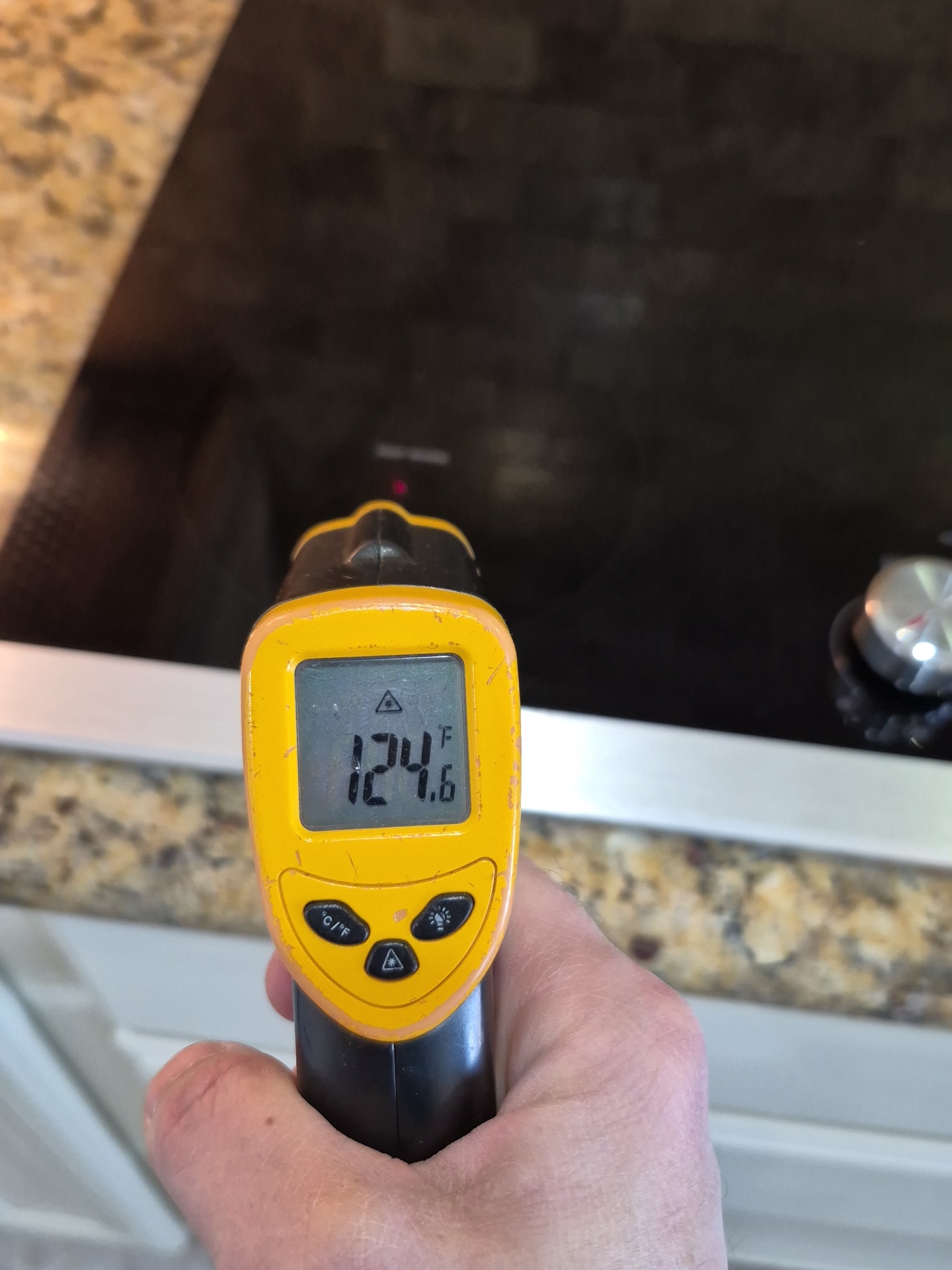
RANGES, OVENS, COOKTOPS
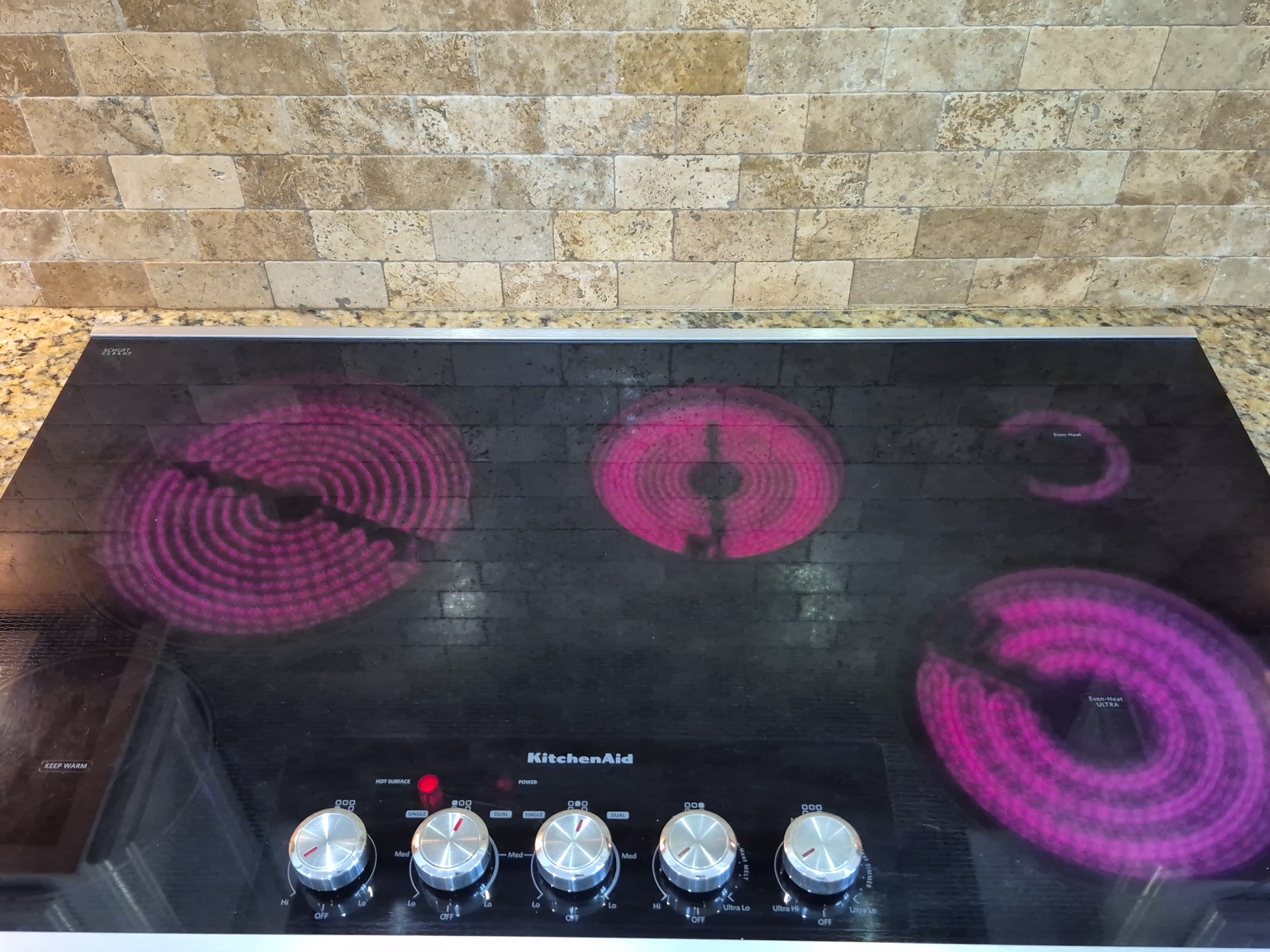
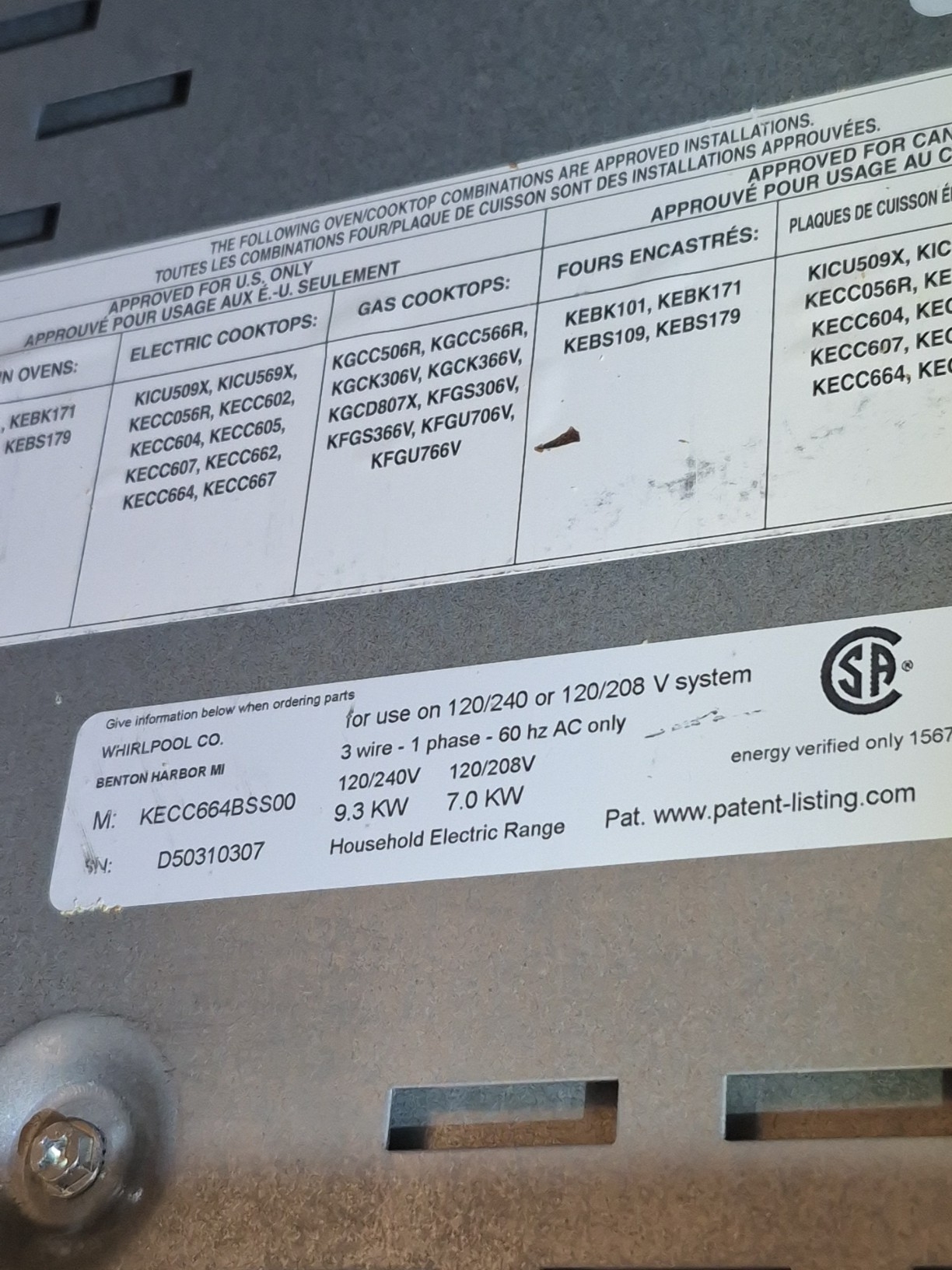
Range/ Oven /Cook-tops:Electric
📸Range , ovens, cooktops photos
 |  |  |
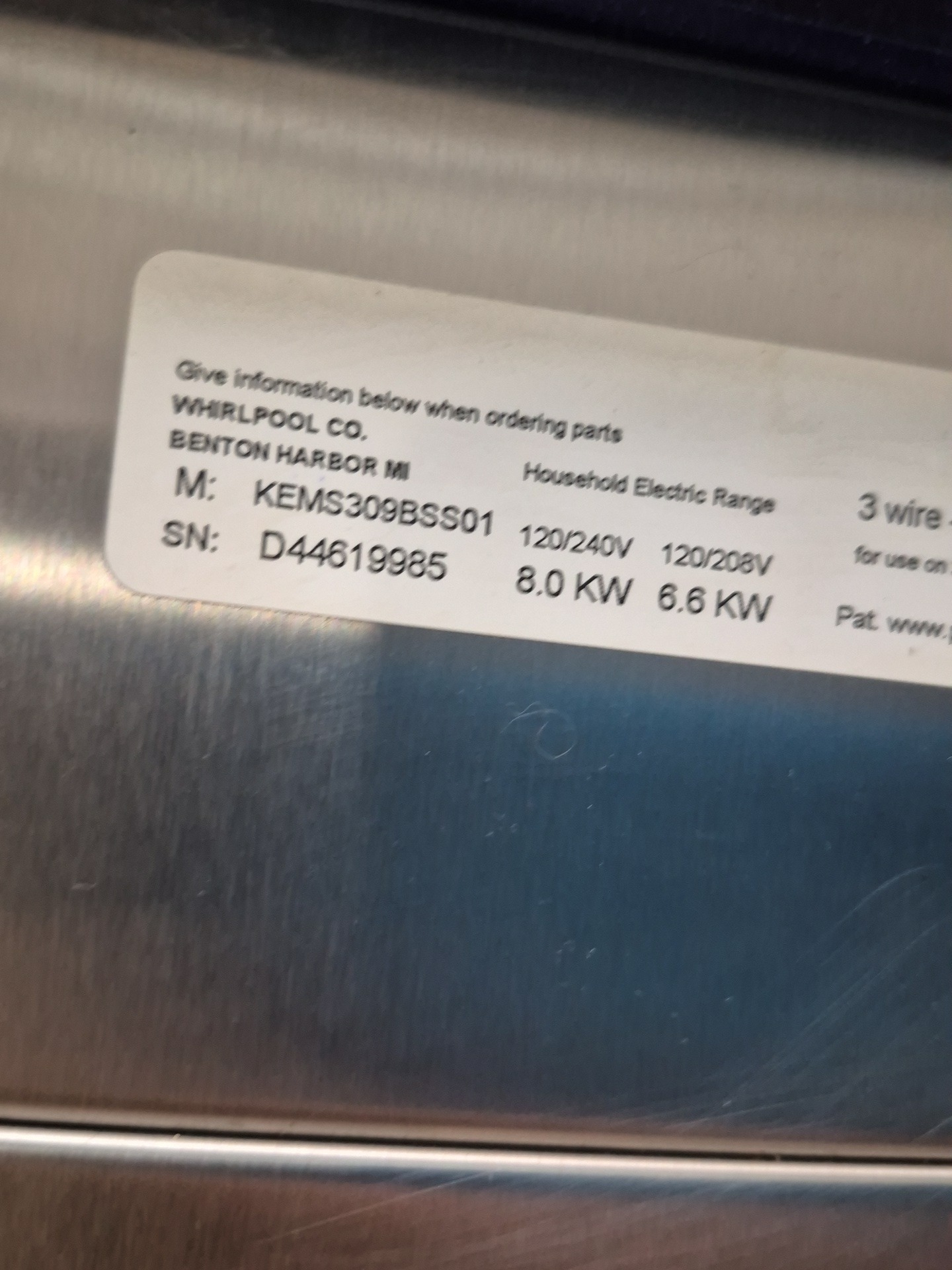
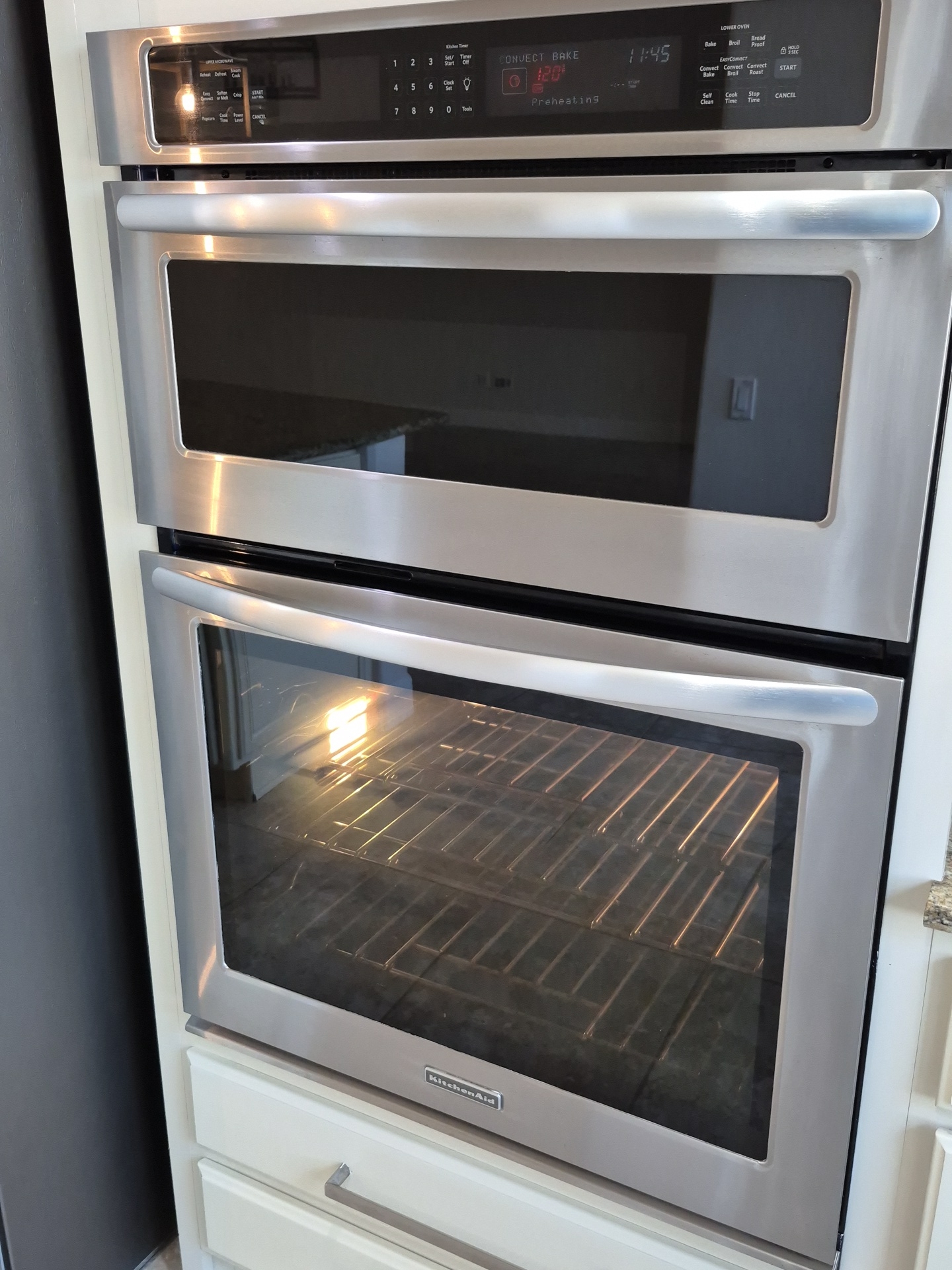
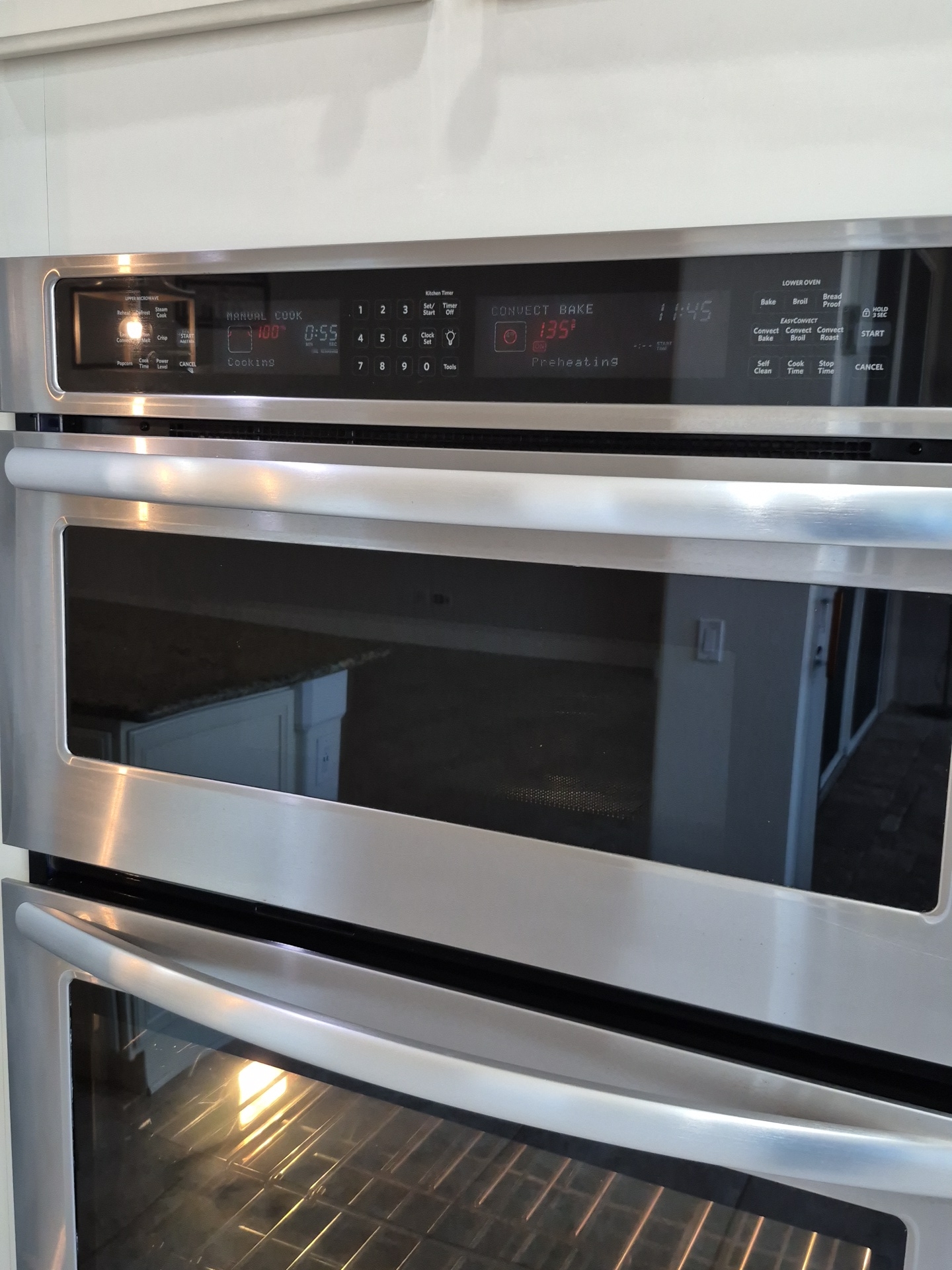
RANGES, OVENS, COOKTOPS (2)
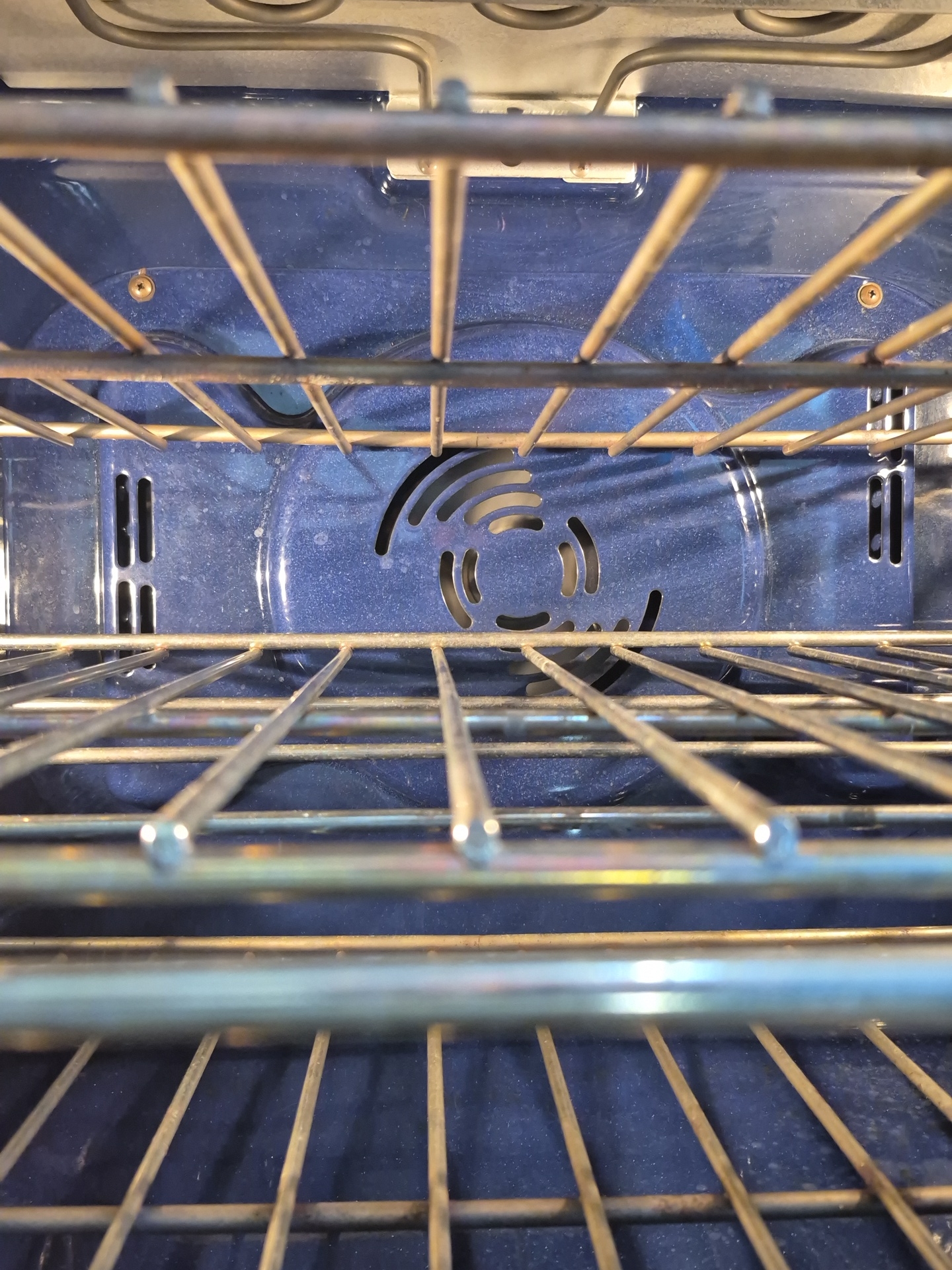
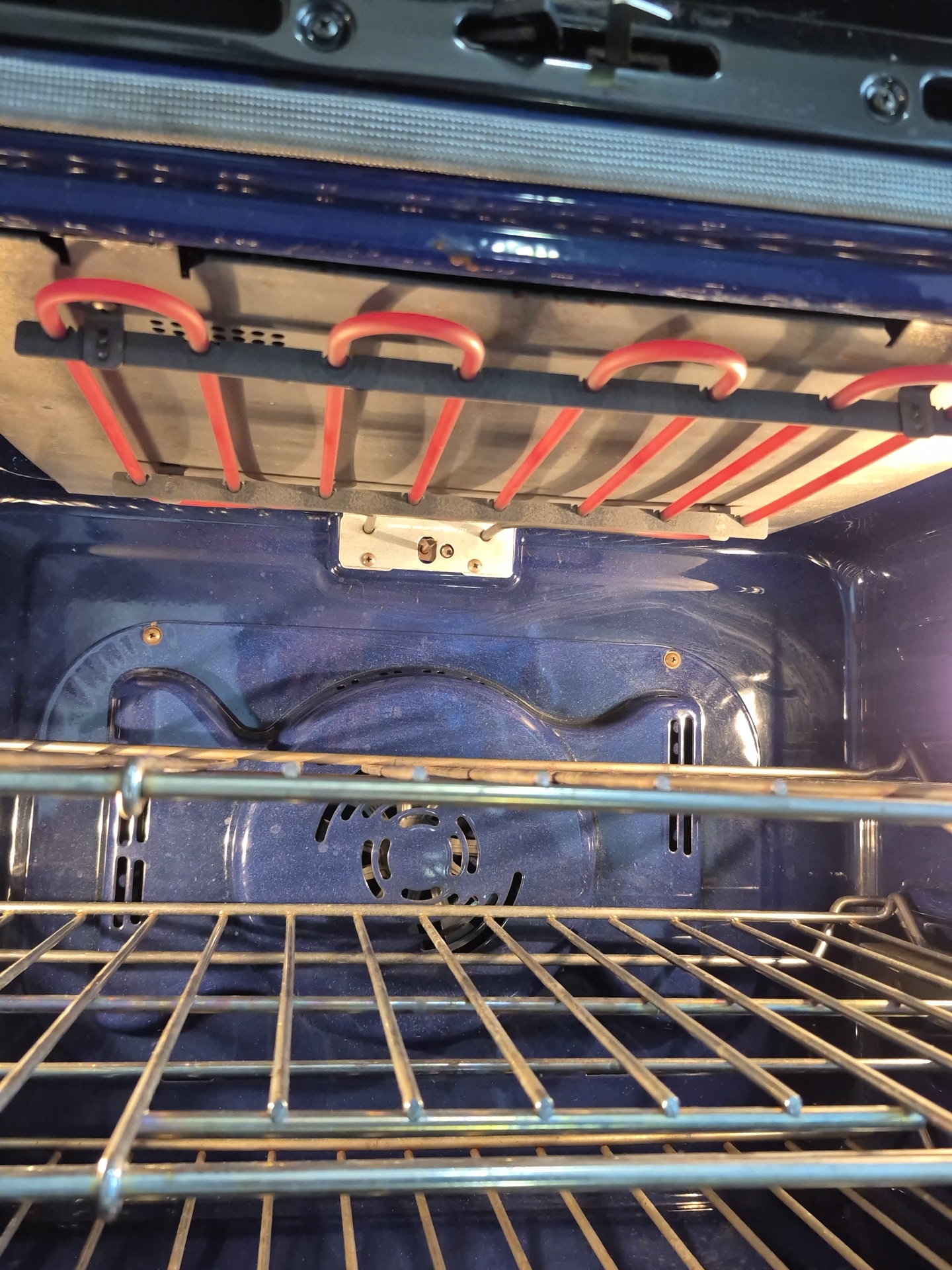
RANGE BRANDS:KITCHEN AIDE
Range/ Oven /Cook-tops:Electric
📸Range , ovens, cooktops photos
 |  |  |
 |  |
REFRIGERATORS
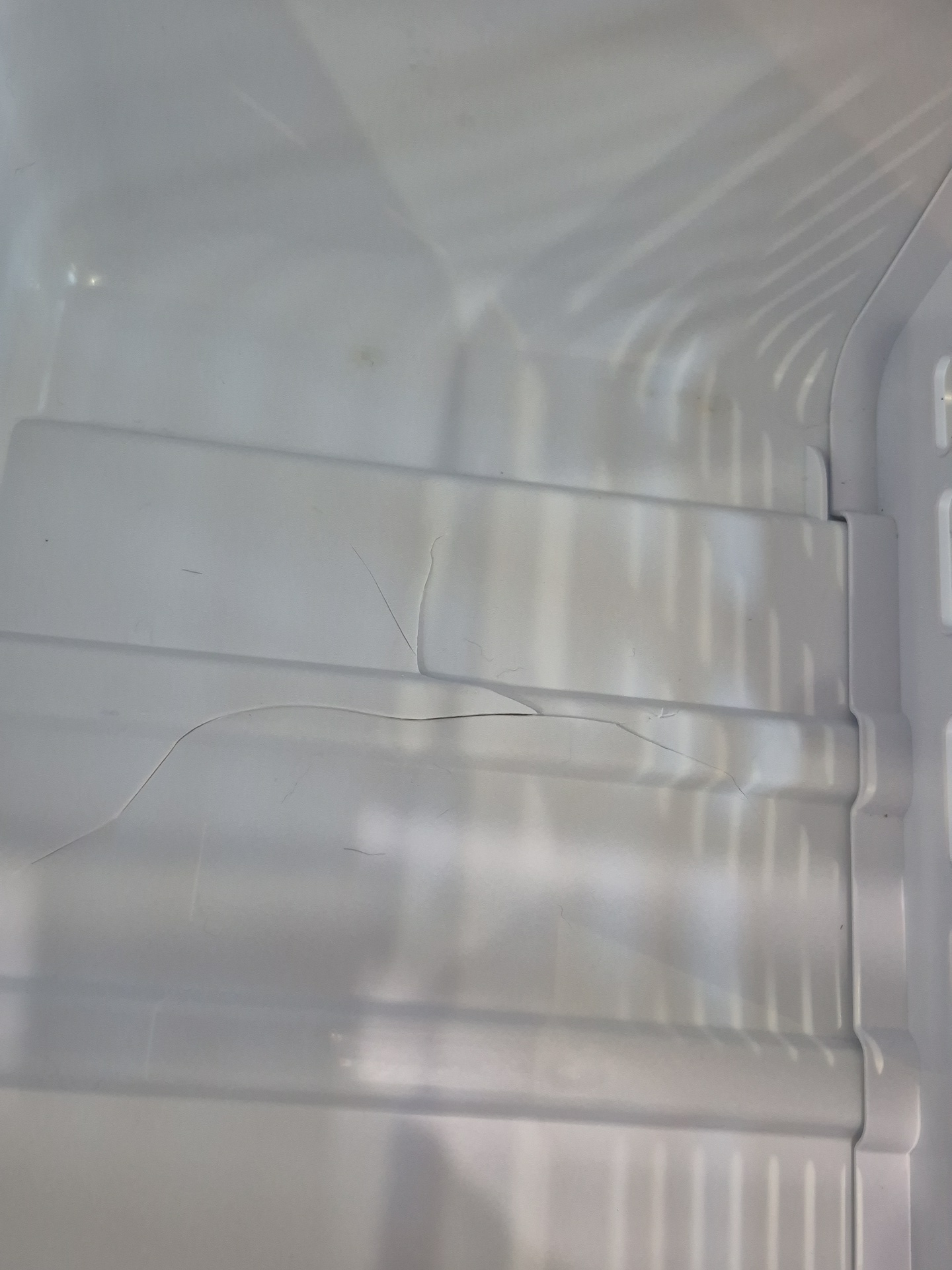
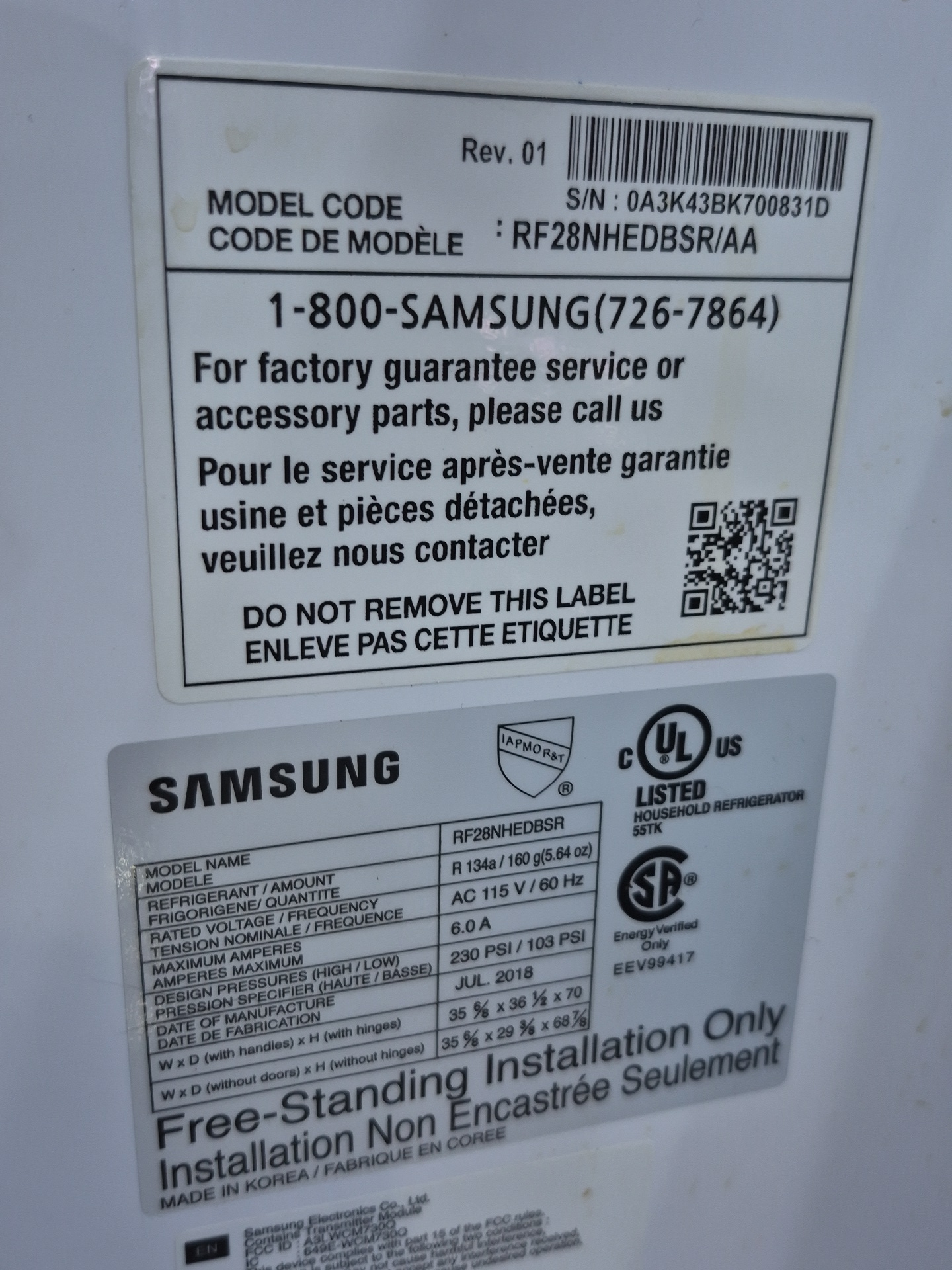
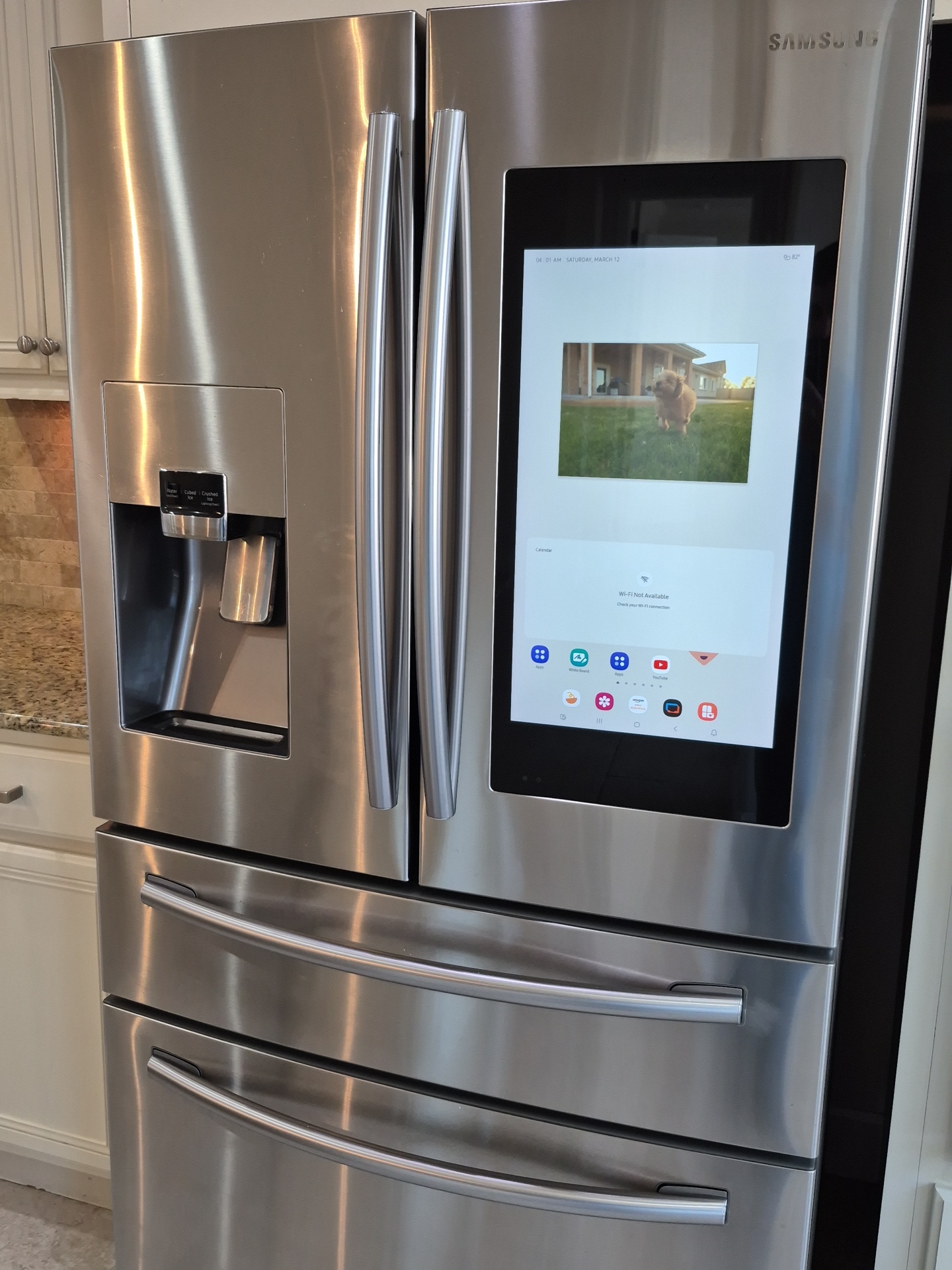
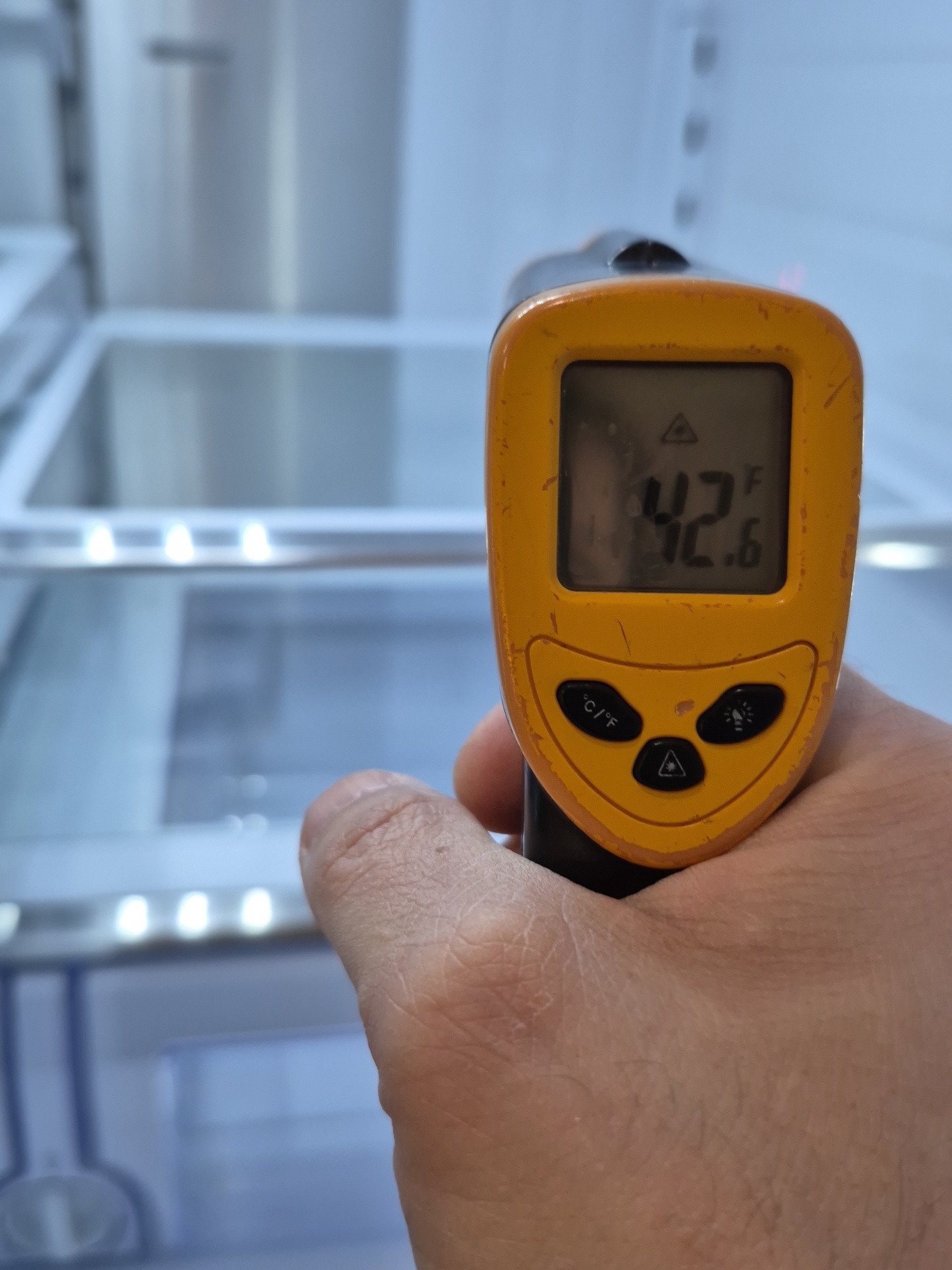
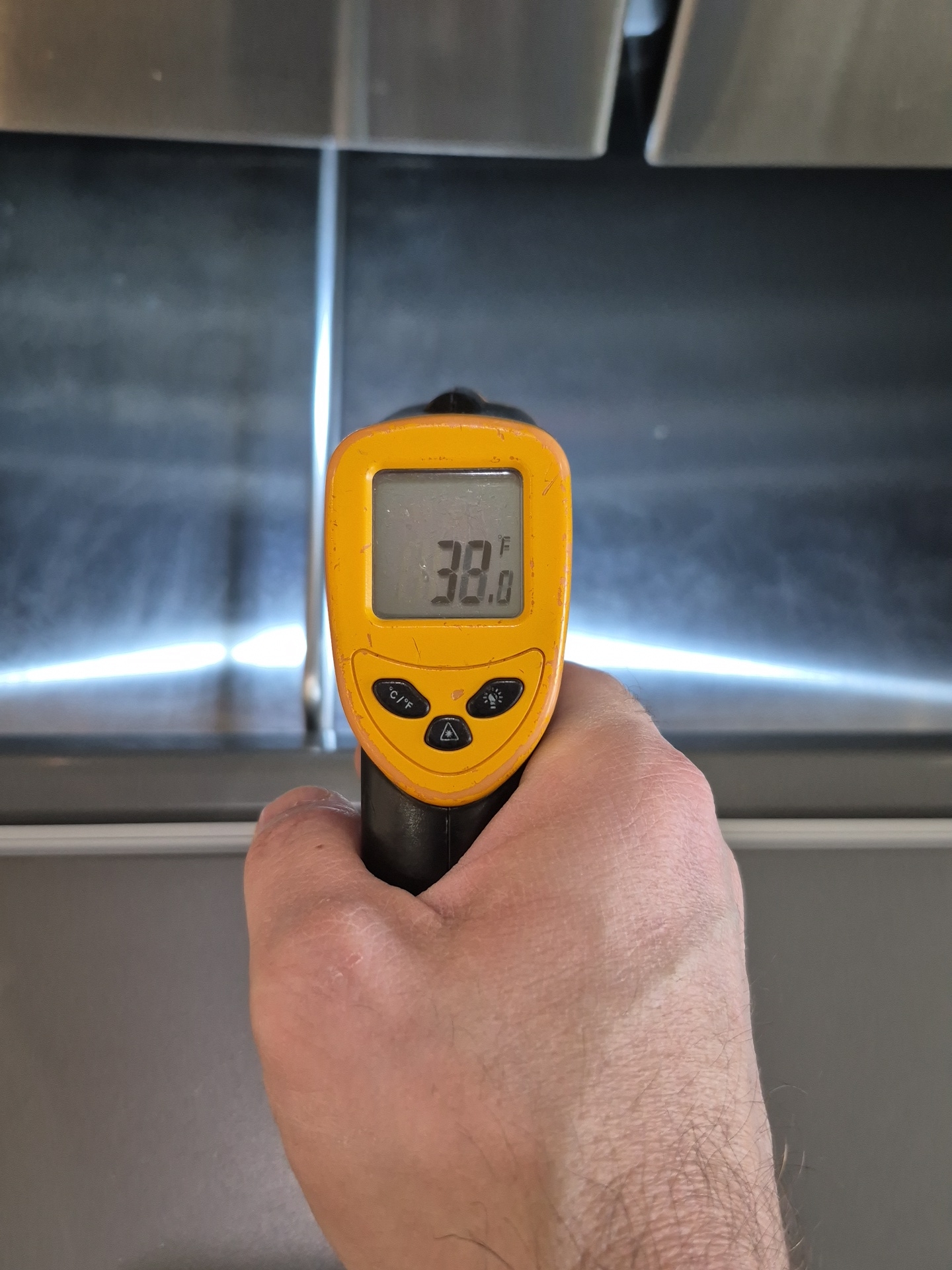
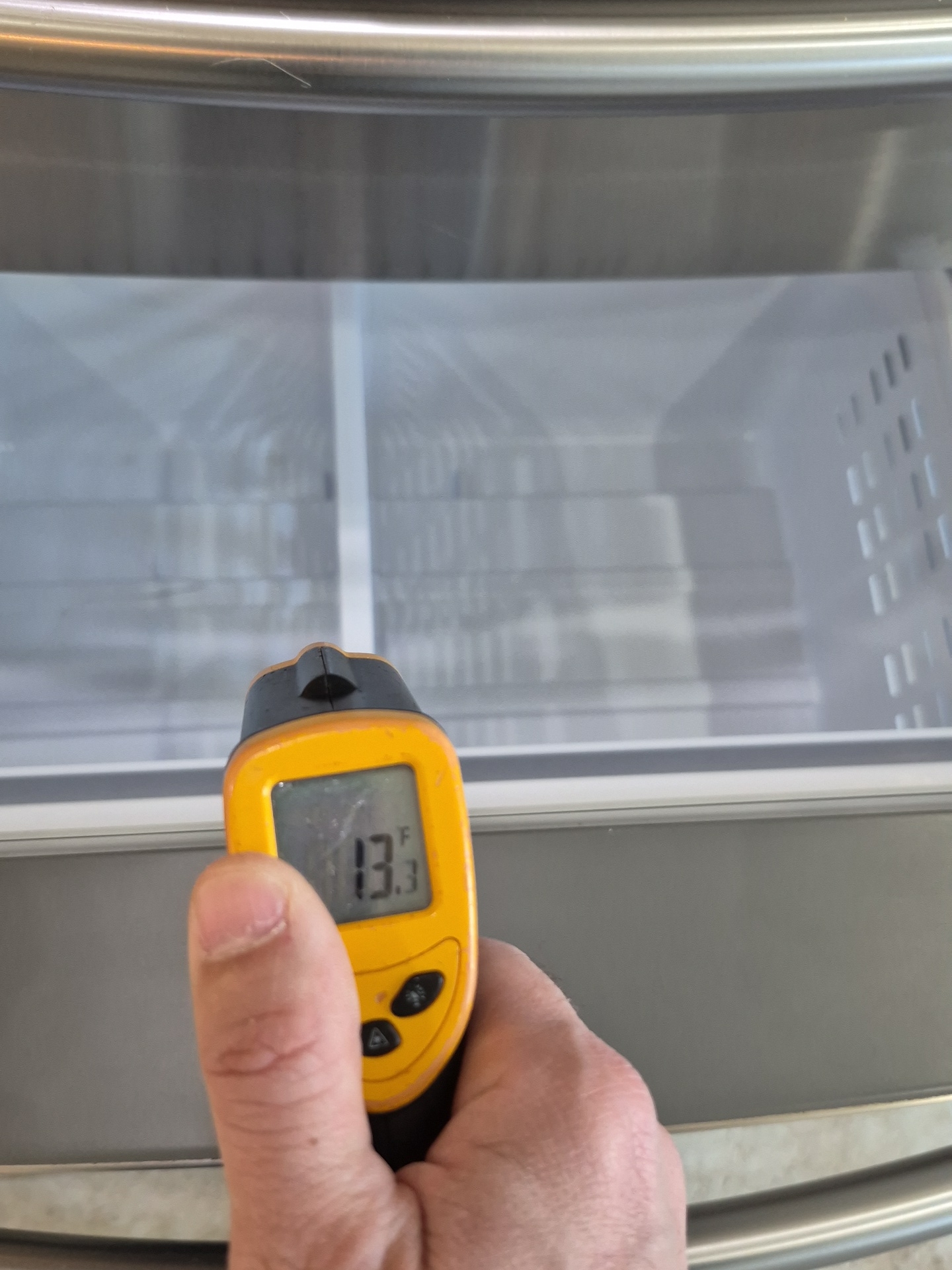
Refrigerator: Operating, Shelving (Damaged)
REFRIGERATOR SHELVING REPAIR
The shelving inside the refrigerator is damaged and requires repair.
📸Refrigerator Picture
 |  |  |
 |  | |
VENTILATION METHOD
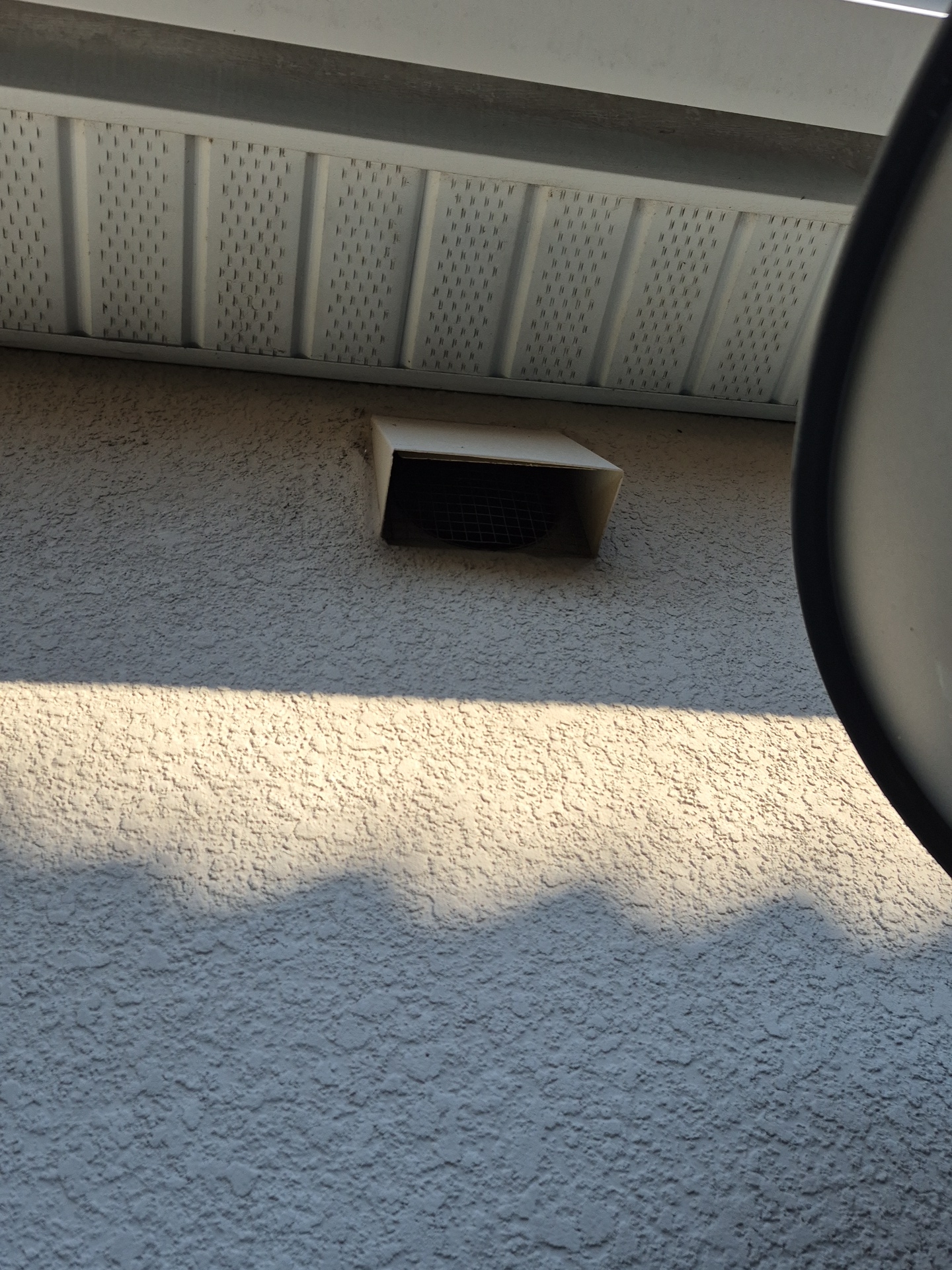
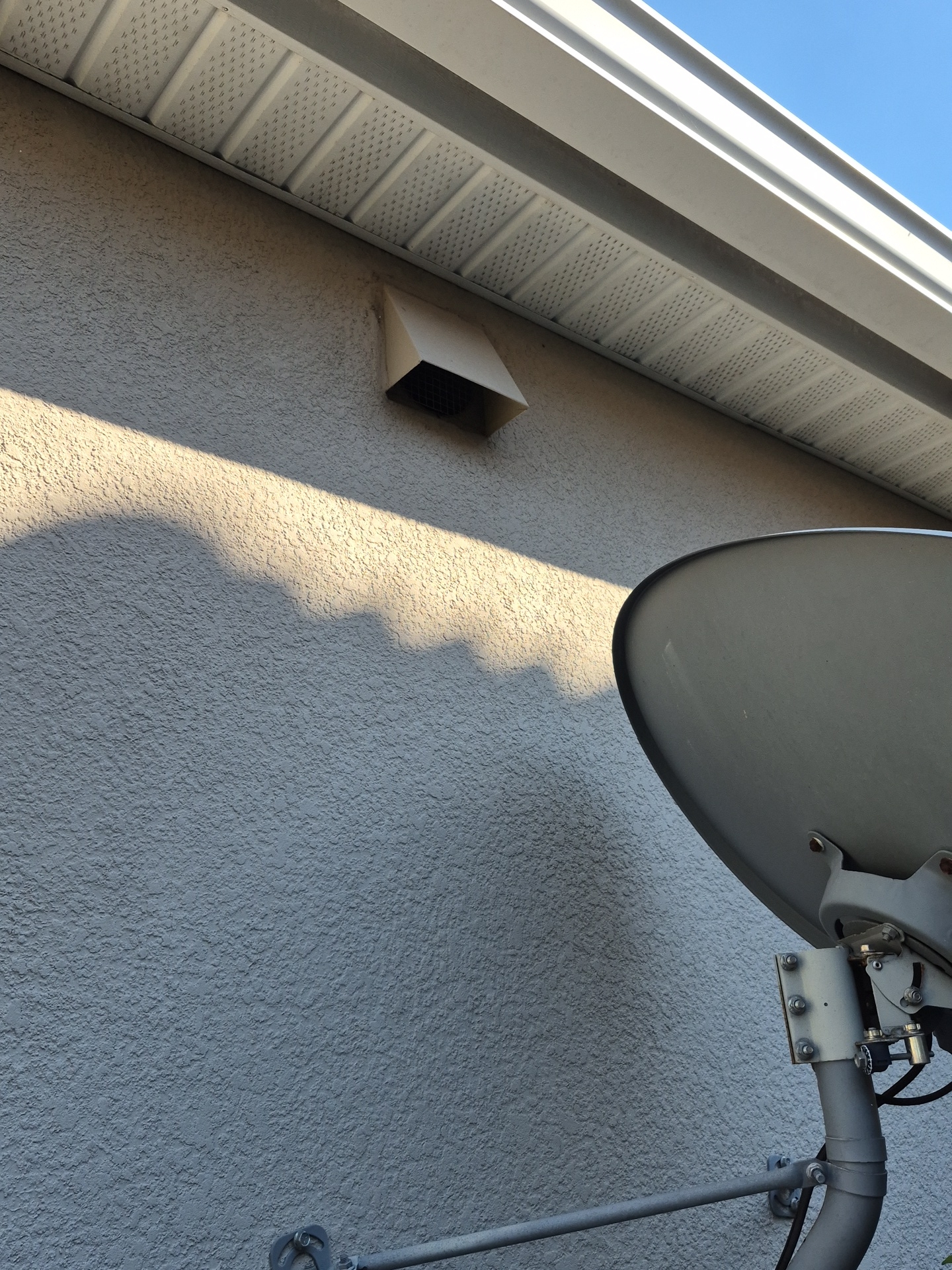
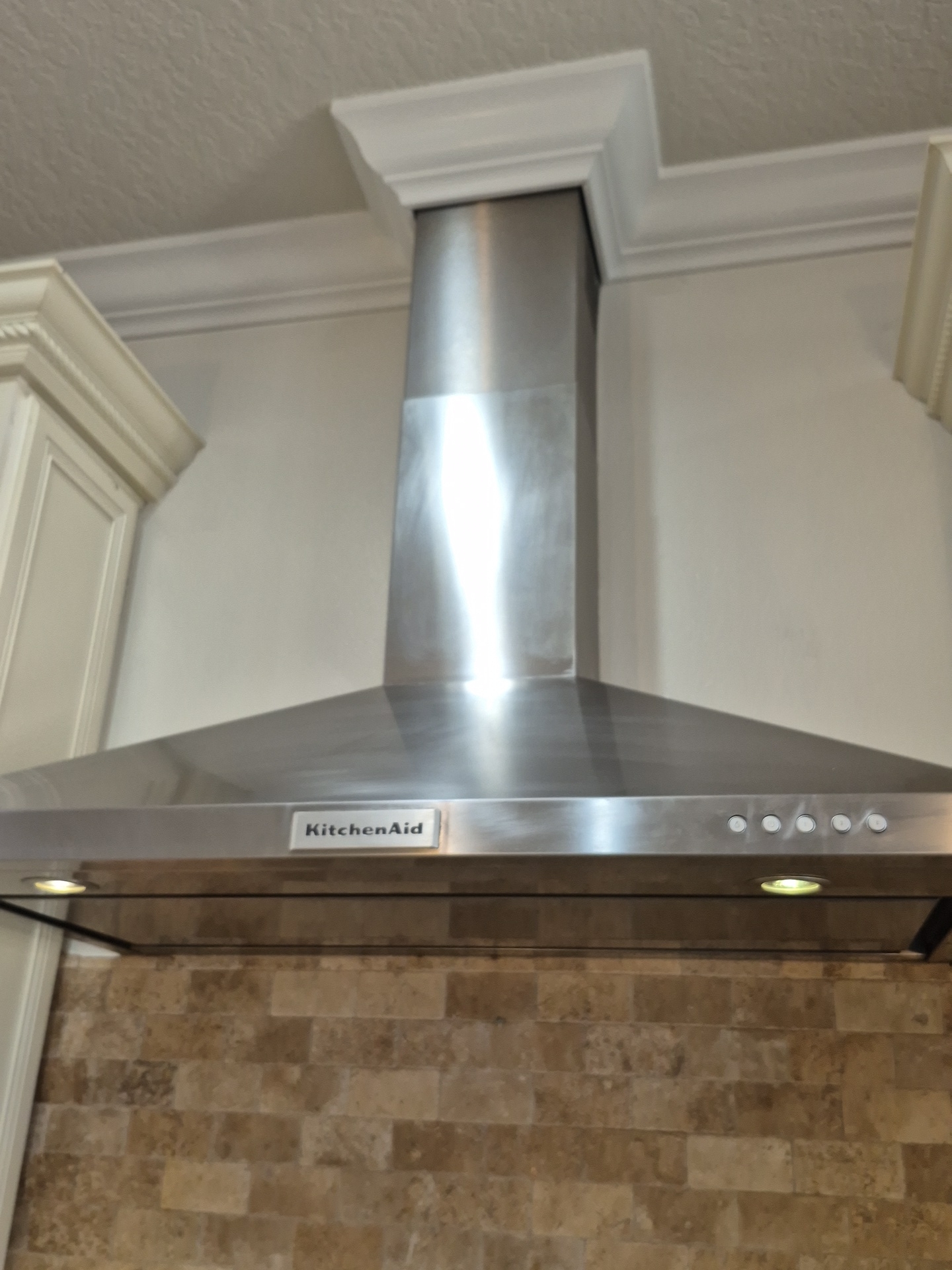
Fan Above CooktopFan Ducted to Exterior 📸
This shows the kitchen fan venting to the exterior.
 |  |
Photos
WINDOWS
Window Pictures
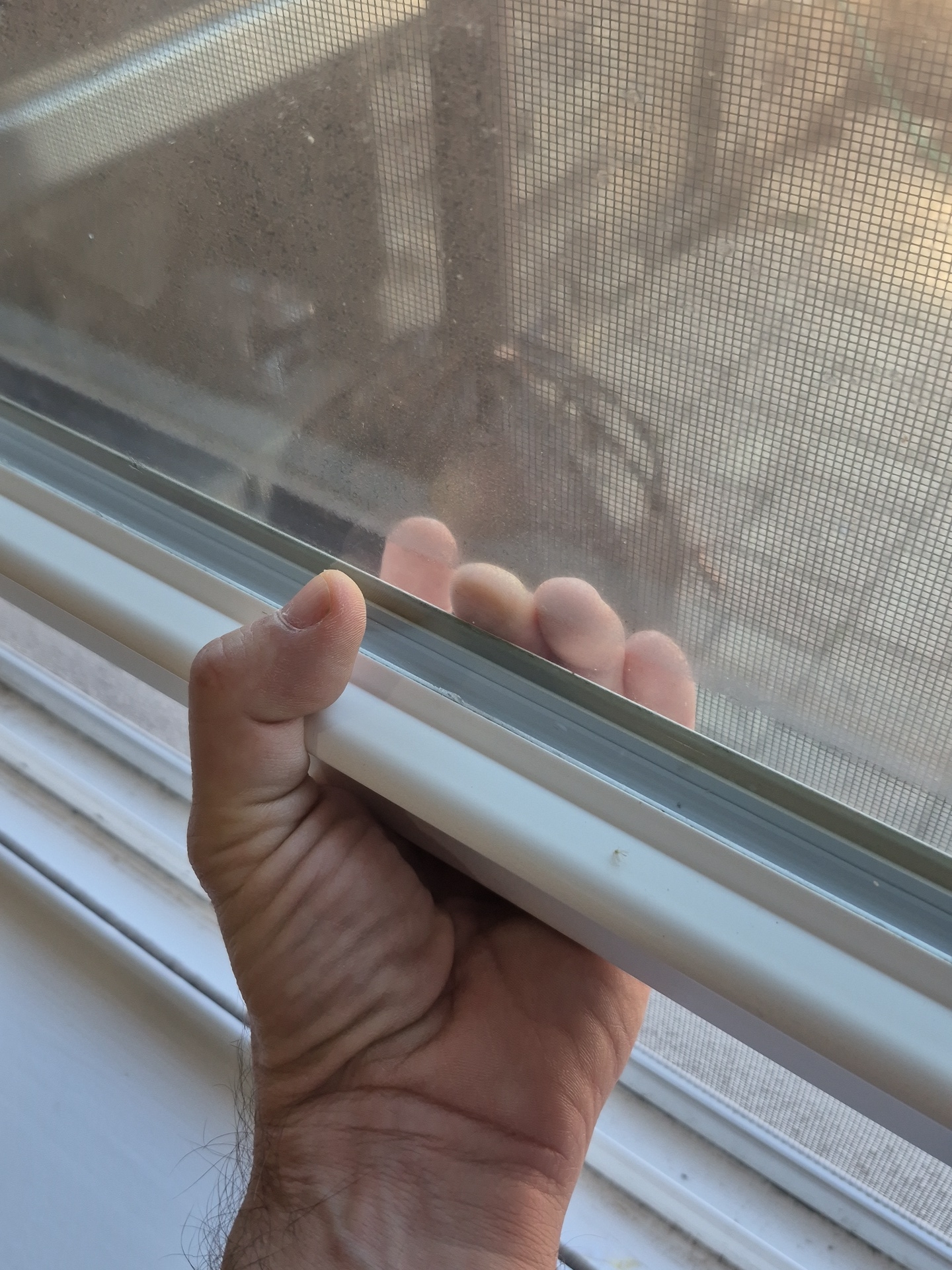
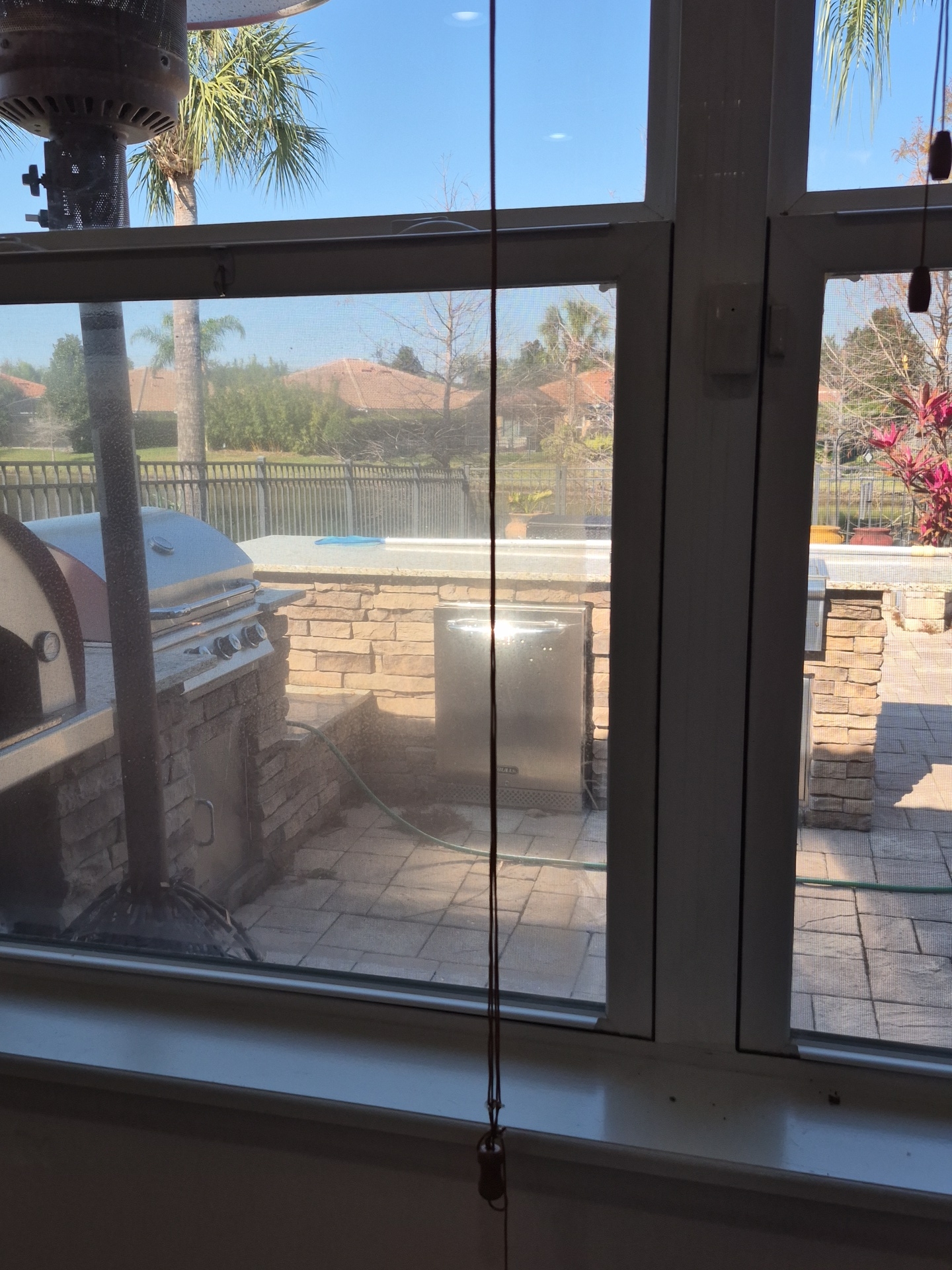
LOST SEAL / FAILED INSULATED GLASS UNITS
Windows were presenting with a cloudy appearance. Often referred to as a, "lost seal," the cloudy appearance cannot be cleaned. Affected glass typically requires glazing repair or replacement.
Recommendation
Hire a glass replacement company to further evaluate the windows and glass here and replace/update all insulated glass units with lost seals.
LIVING ROOM
ROOM PHOTOS
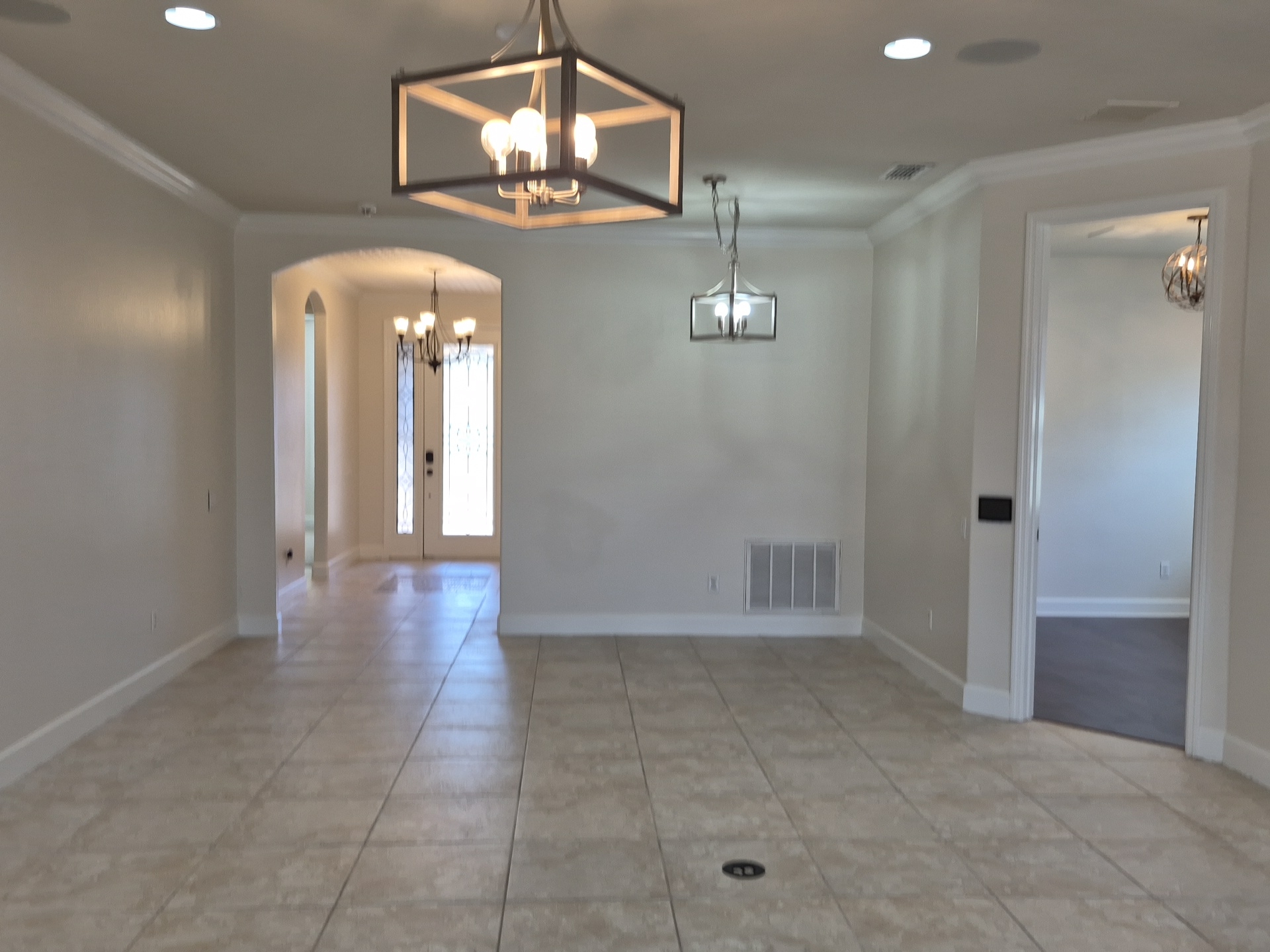
 |  |  |
 |
RECEPTACLES AND FIXTURES
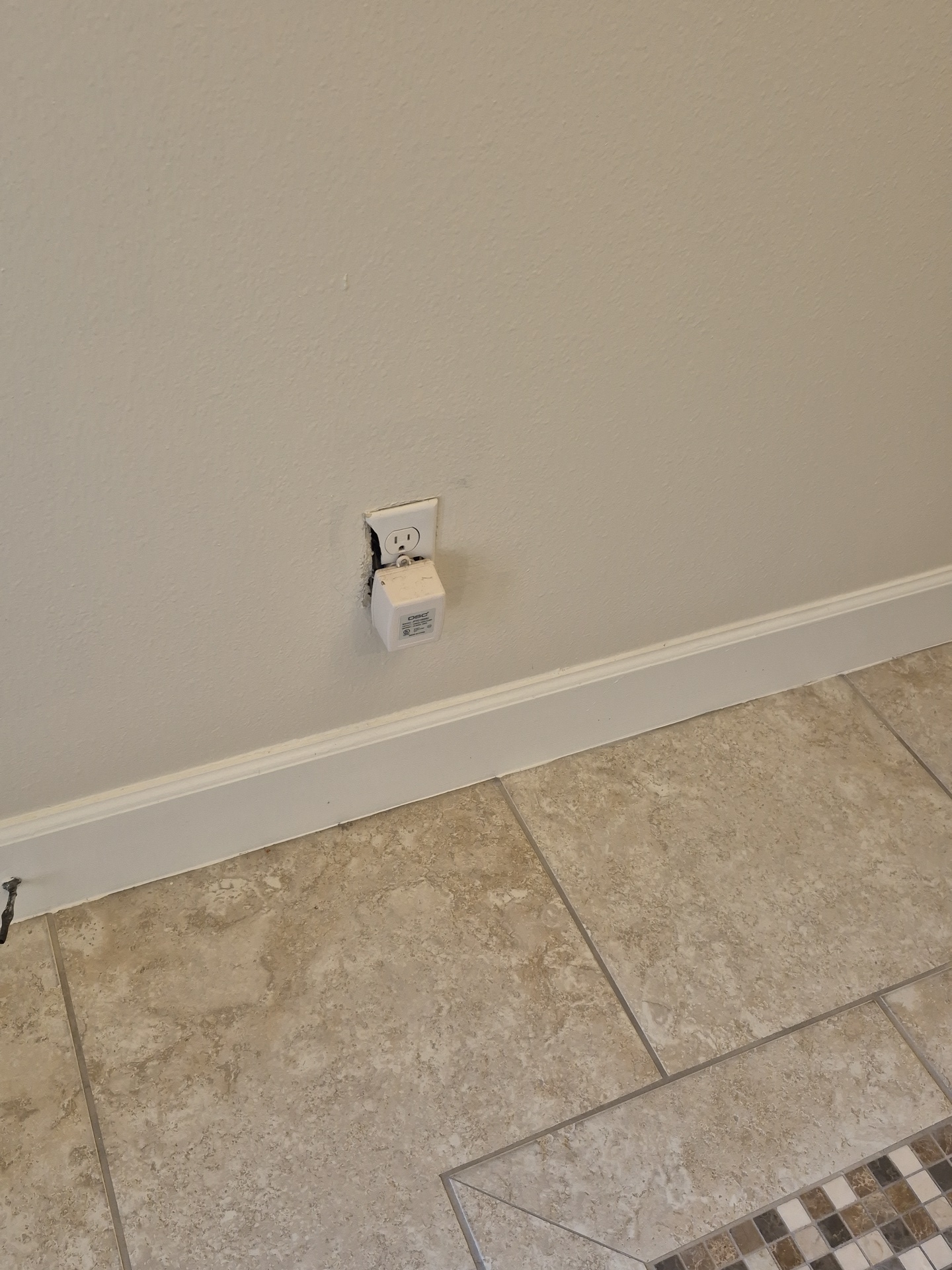
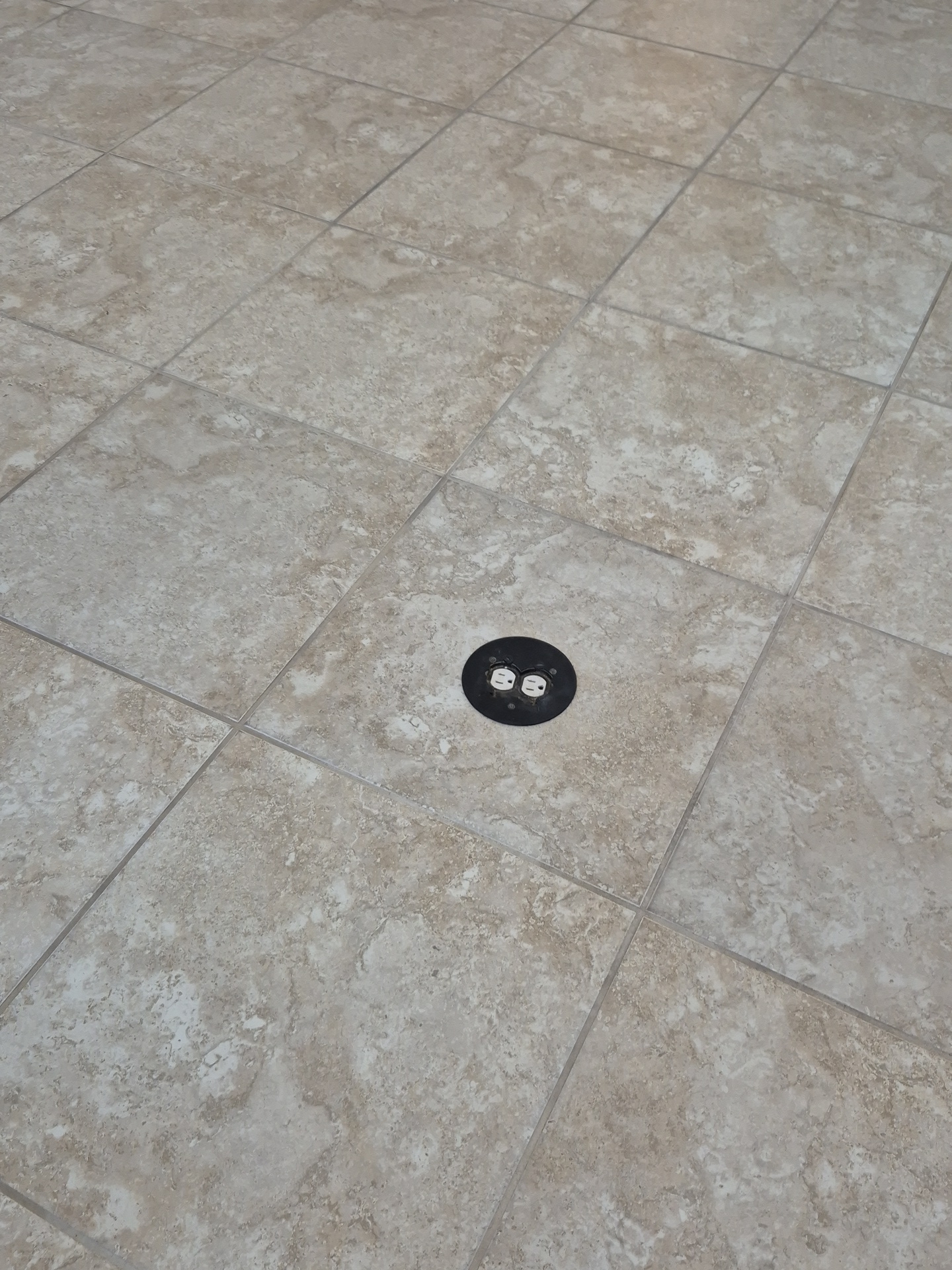
MISSING ELECTRICAL COVER PLATES
The missing cover plates to electric receptacles, switches, and junction boxes should be installed to cover all access to the wiring at switches and receptacles.
 |  |
WALLS, CEILINGS, TRIM, AND CLOSETS
Wall and Ceiling Materials:Drywall
FLOORS AND MATERIALS
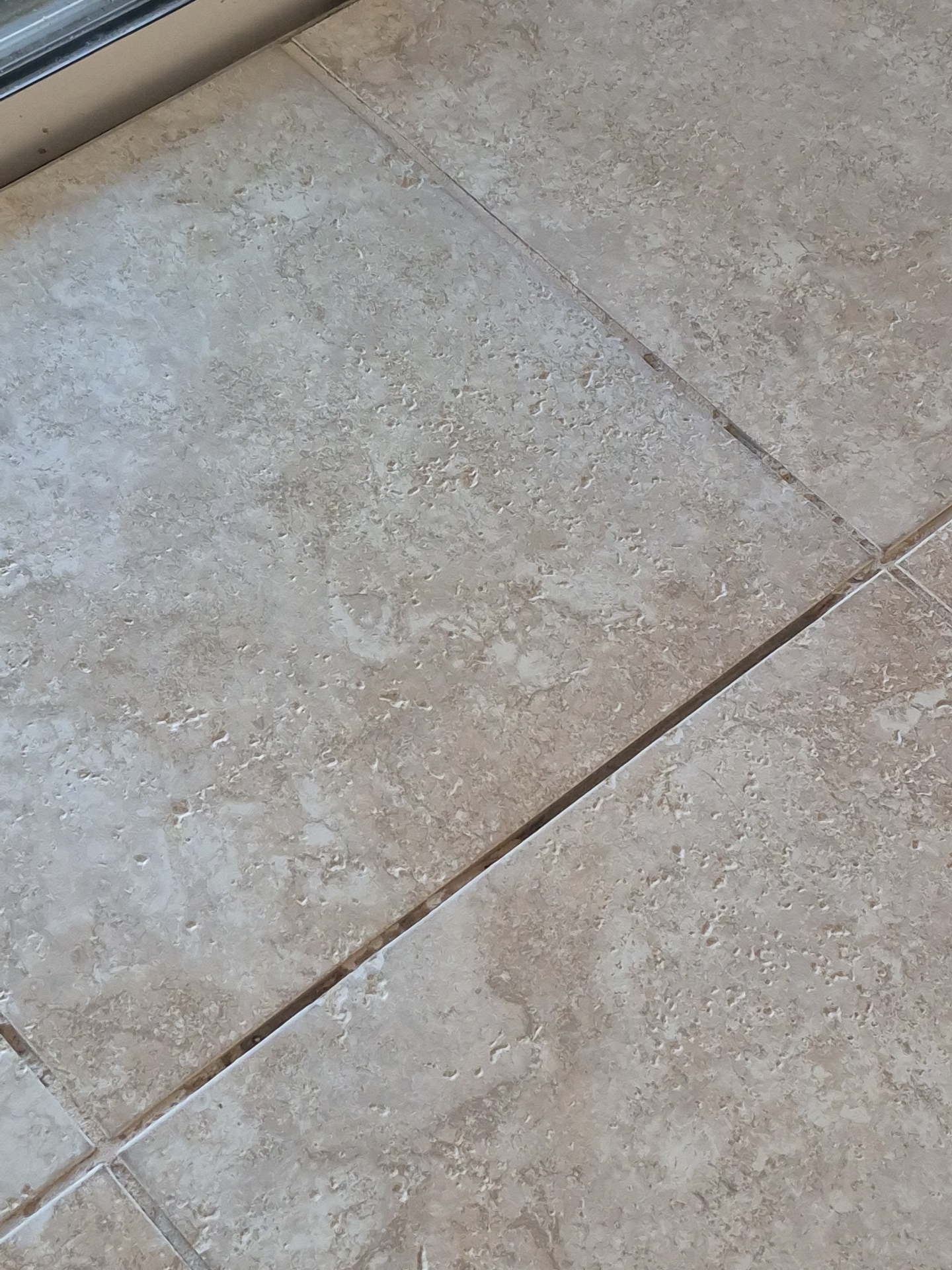
Repair the failing mortar / grout in the tile floor to prevent tiles from becoming loose and physically damaged. Please note that this can be an indication of poor tile preparation below the tile.
OFFICE
GENERAL OFFICE PHOTOS
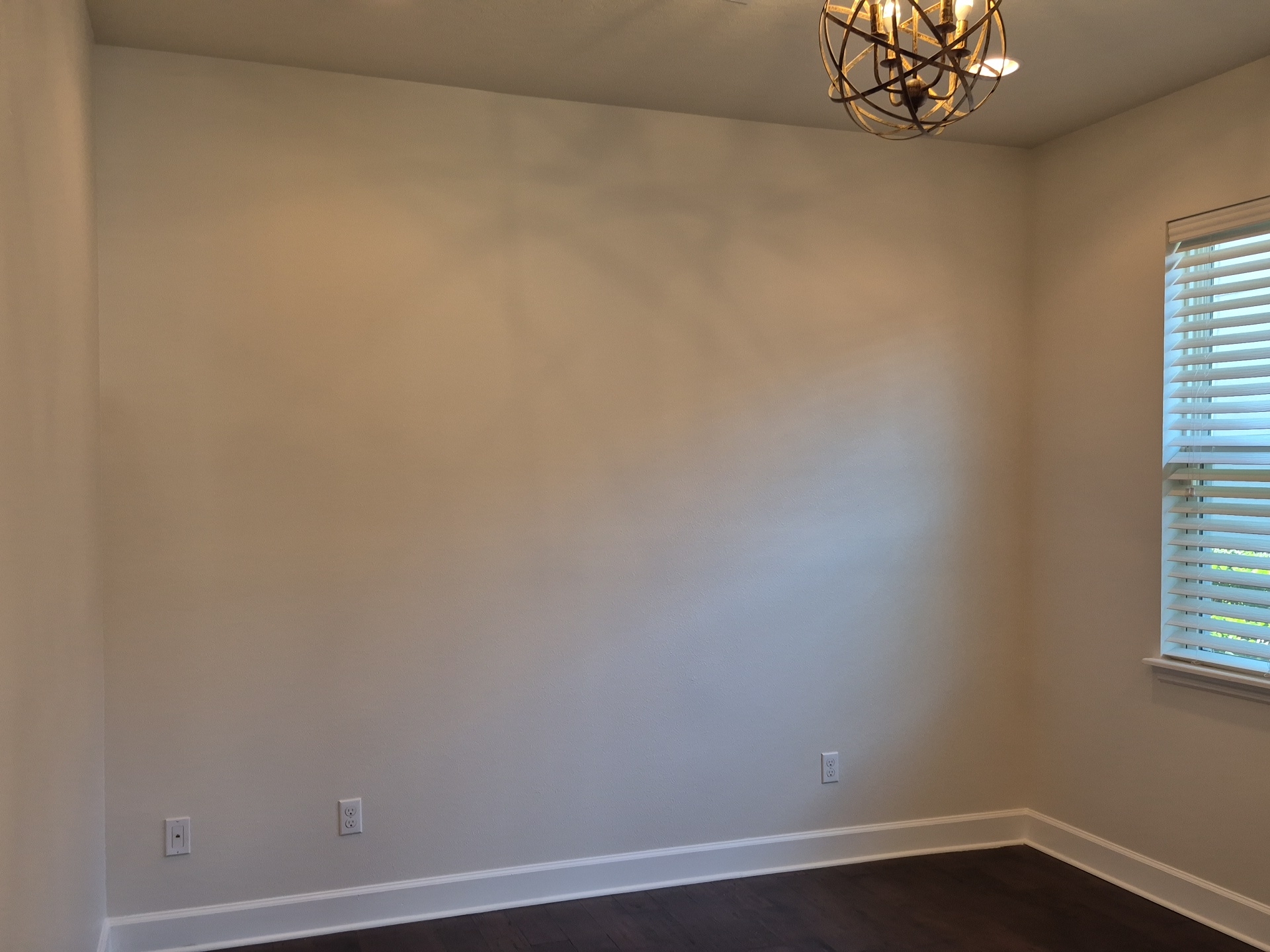
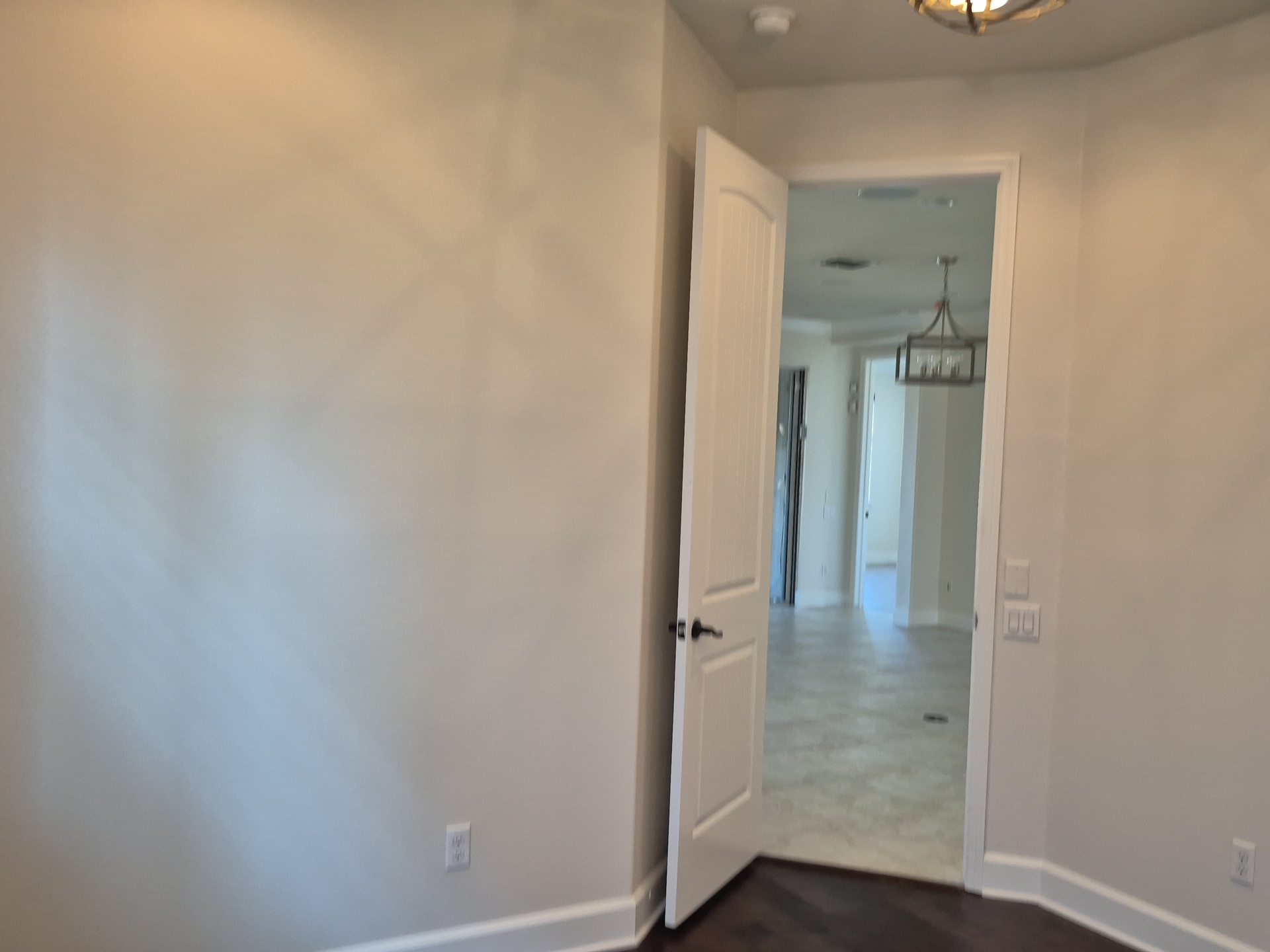
📸Dining Room Photos
 |  |
BEDROOMS
GENERAL BEDROOM PHOTOS
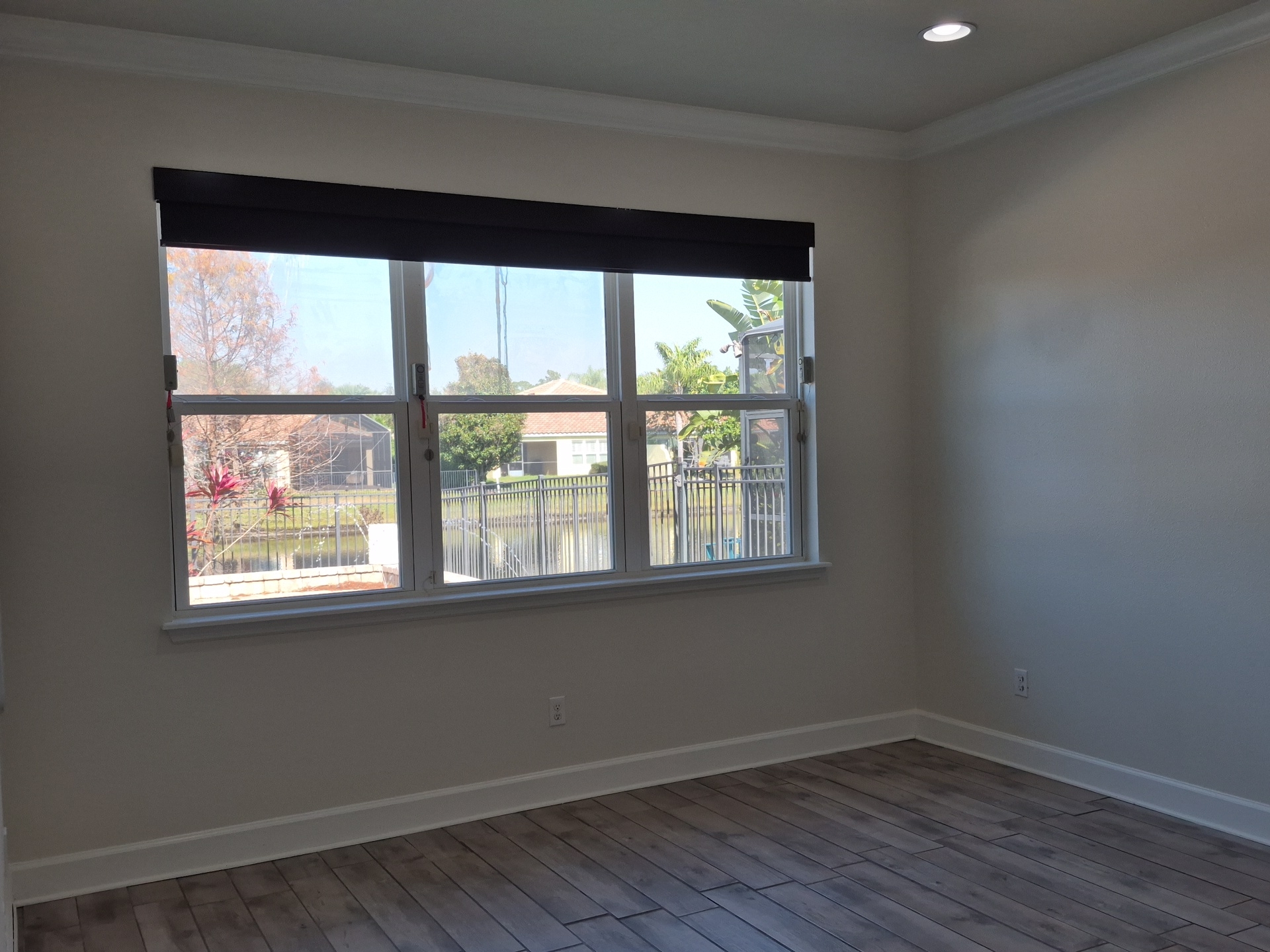
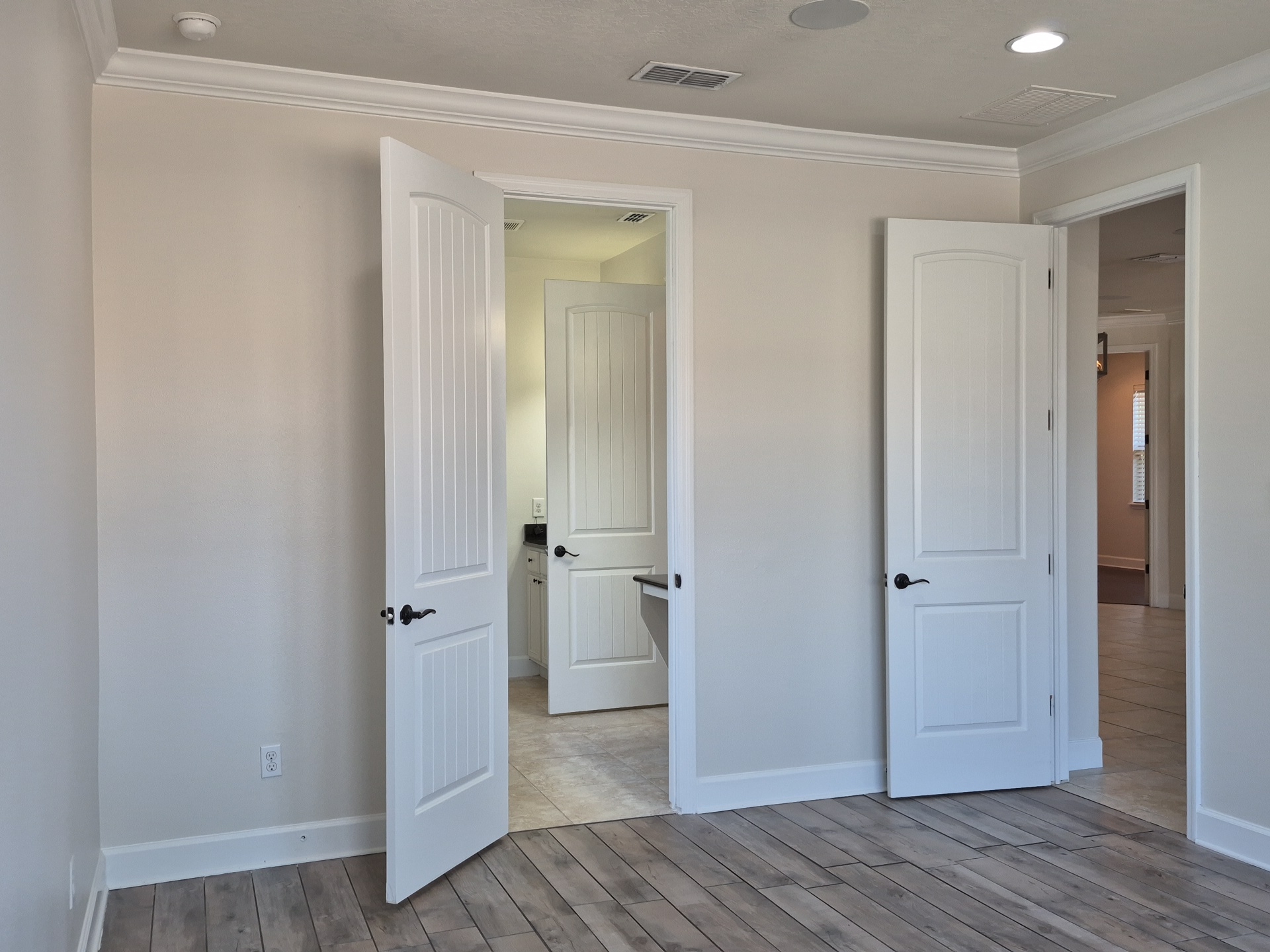
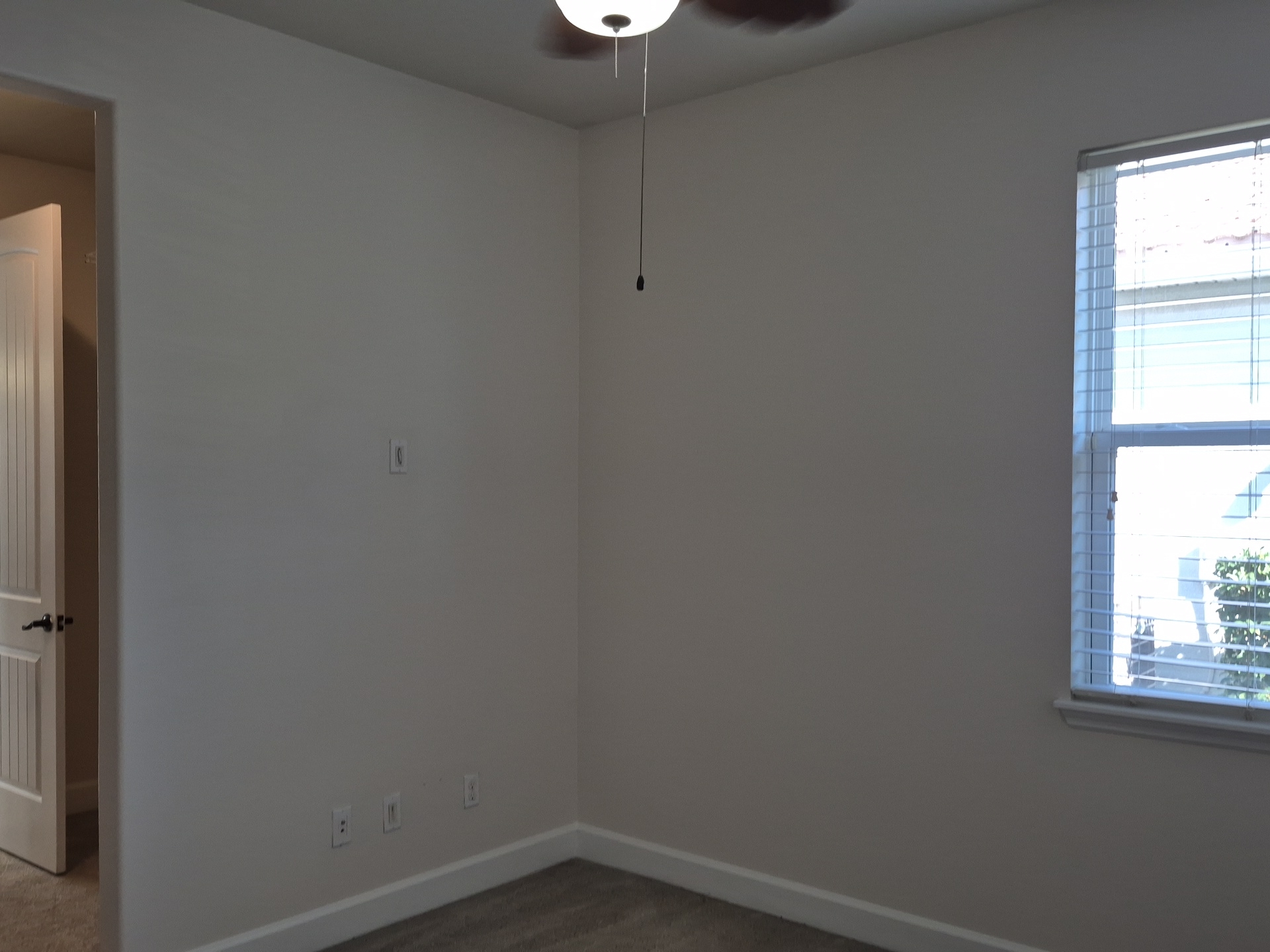
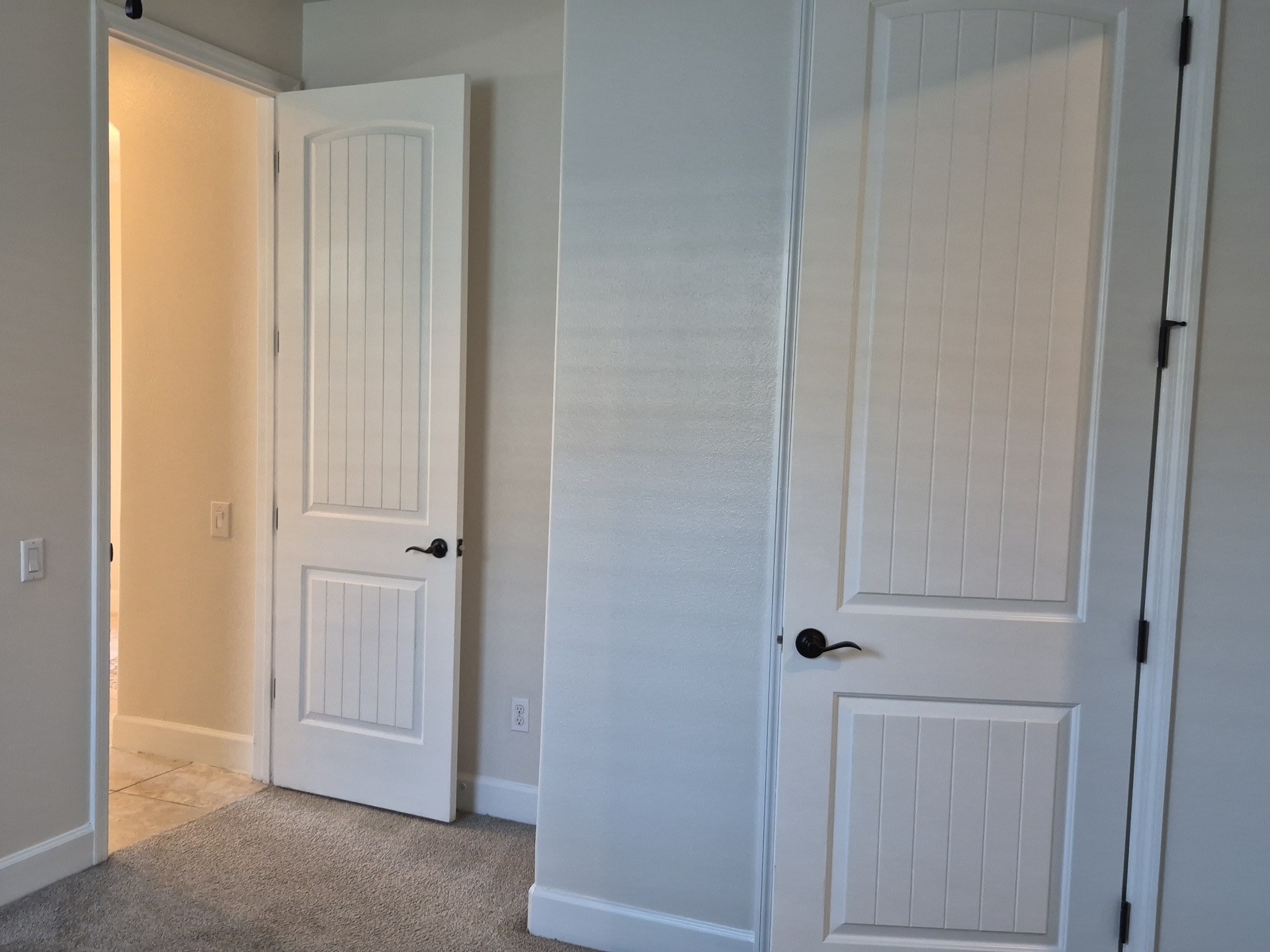
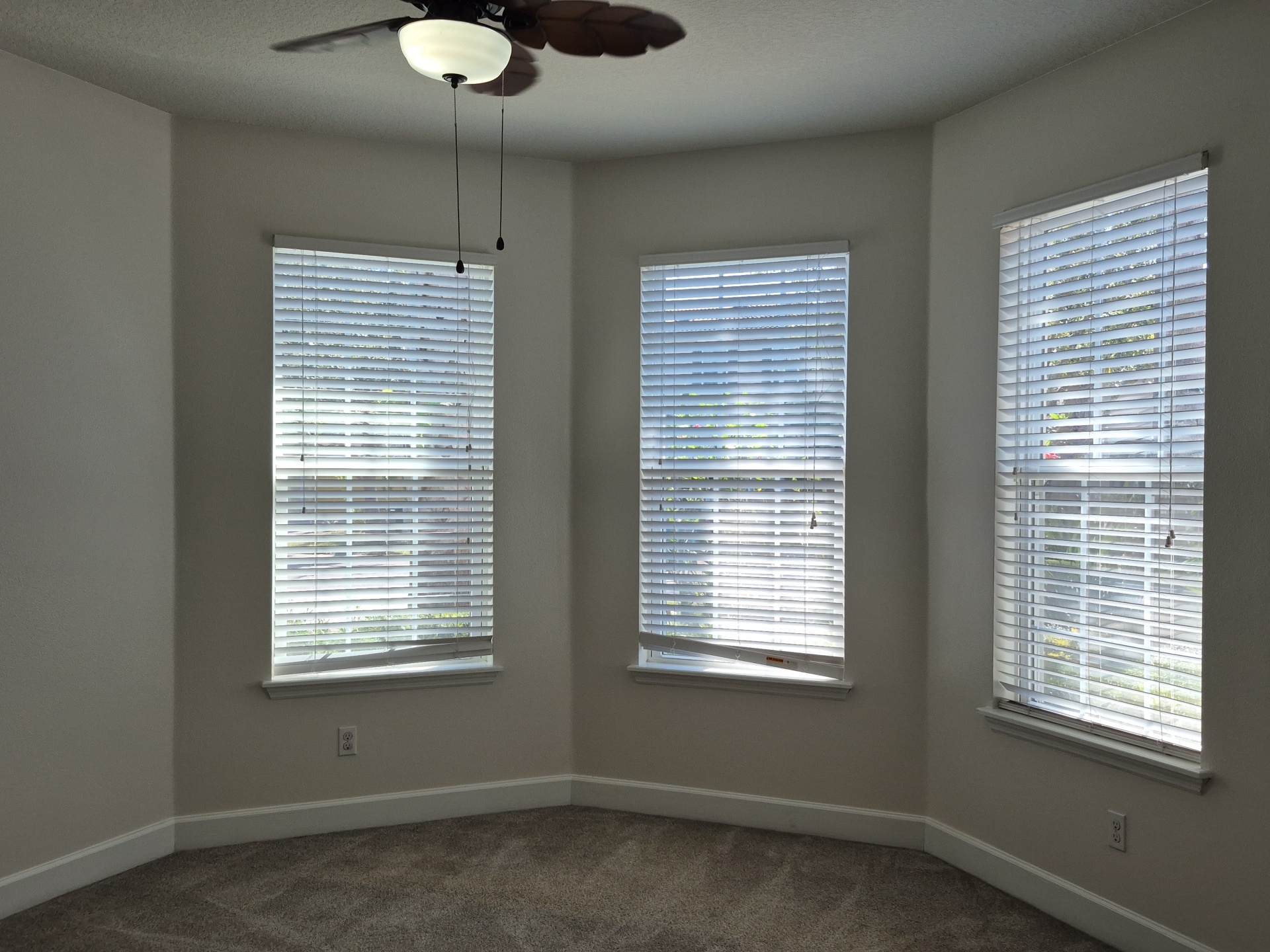
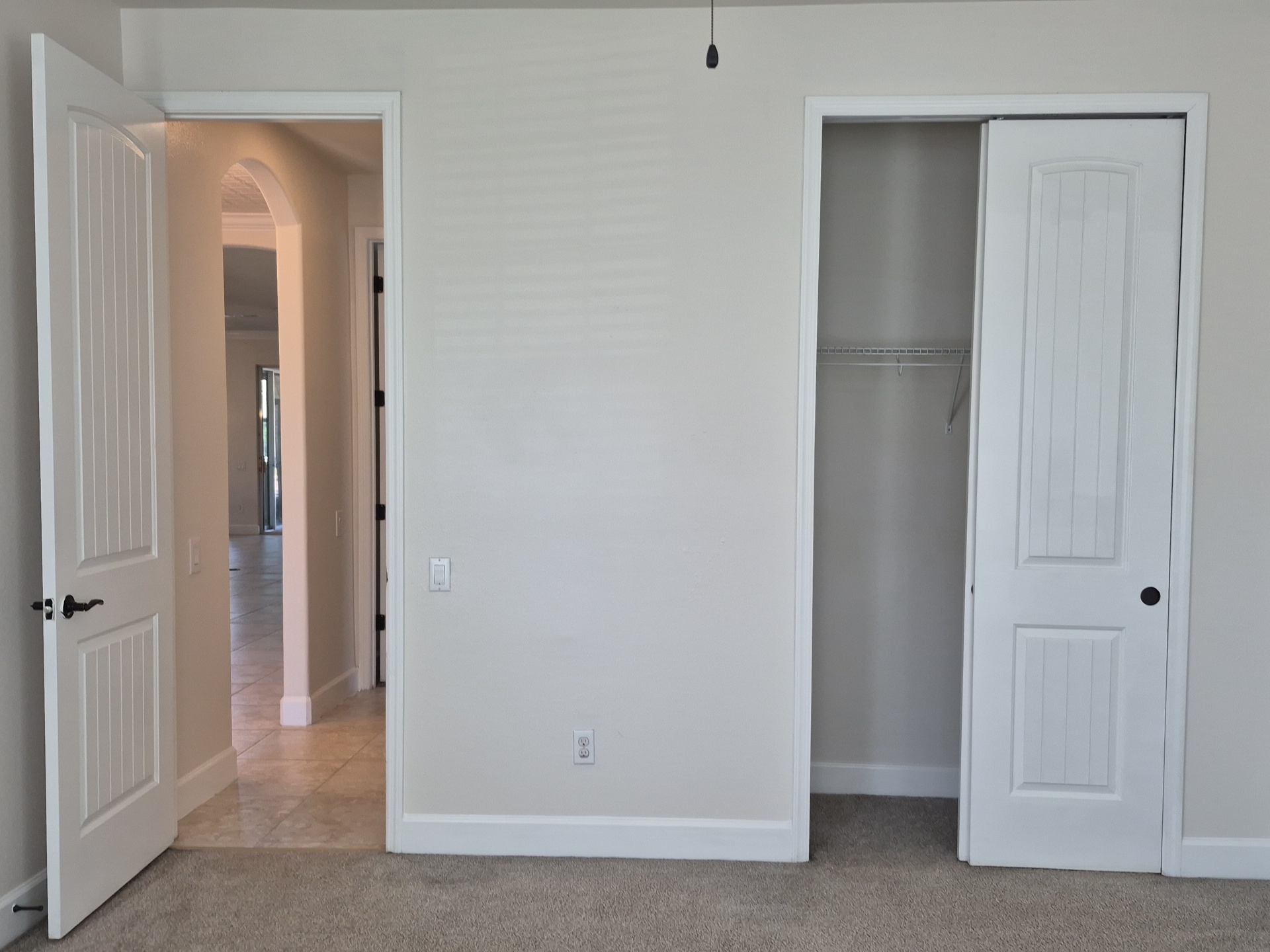
📸Bedroom Photos
 |  |  |
 |  |  |
RECEPTALES AND FIXTURES
MISSING ELECTRICAL COVER PLATES
The missing cover plates to electric receptacles, switches, and junction boxes should be installed to cover all access to the wiring at switches and receptacles.
INTERIOR DOORS
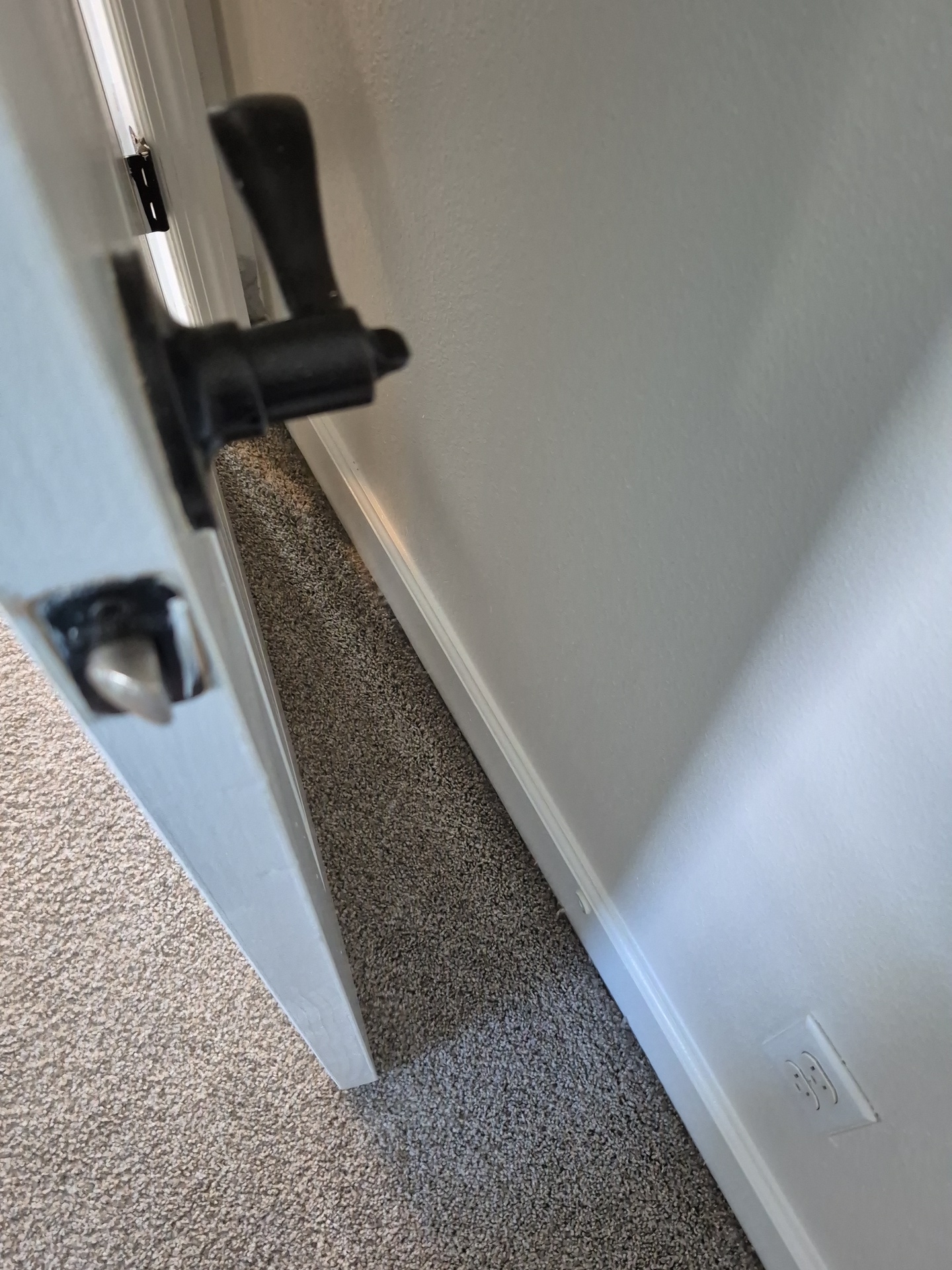
Interior Doors:StoppersMissing In General
The door stop system for the home is incomplete. I recommend systematically installing door stops to protect doors and wall finishes.
WINDOWS
Window Pictures: Window Pictures
Window Pictures
CEILING FANS
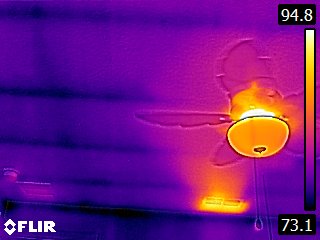
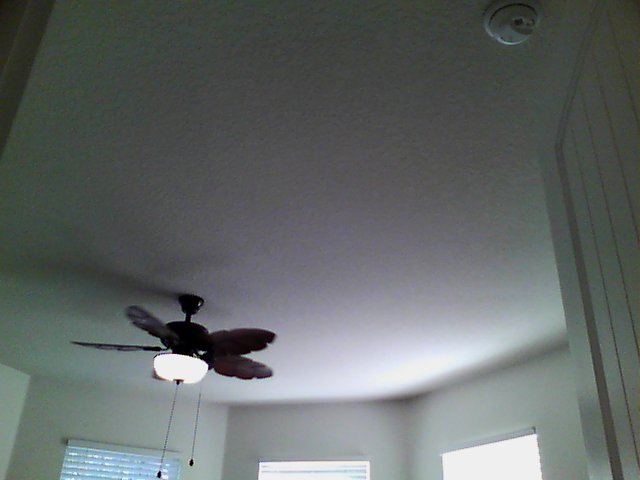
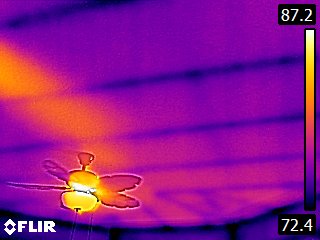
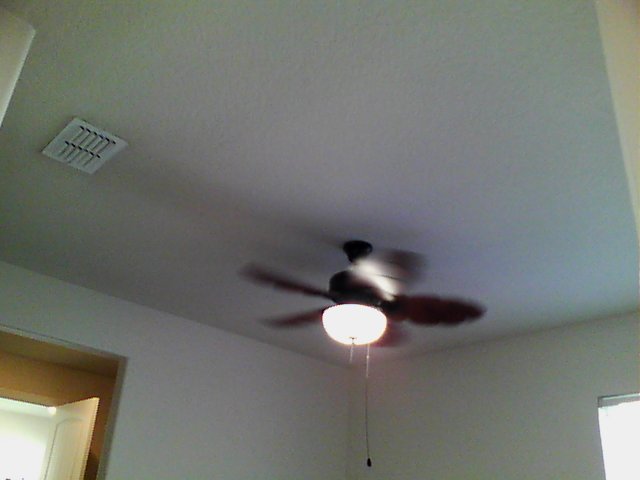
Ceiling Fans:Inoperative (1)
SMOKE AND CO ALARMS
Smoke Alarms:Present
During the home inspection, I try and test a representative sample of the smoke alarms by using the test button on the alarms. This is NOT an accurate test of the sensor, just a test to see if the unit is powered. For reliability, fire marshals recommended updating smoke alarms every ten years and changing batteries bi-annually. The latest data indicate that we should be using photoelectric technology in our smoke alarms for improved fire detection and reducing problems with false alarms, which can lead to disabling of this critical safety system. Unfortunately, the alarms must be removed to determine if they are photo-electric or ionization types. It is surprisingly complex to accurately test a smoke alarm system and determine the reliability, age, and type of sensor technology used, especially as many homes can have half a dozen or more alarms throughout the house. A complete evaluation of smoke alarms is beyond the scope of this inspection. For optimal fire safety, I recommend taking control of these critical safety devices and learning about how to service and maintain your smoke alarm system to keep the building occupants safe. For more information, please read this link. For more information, please read this link.
HALLWAYS
SMOKE AND CO ALARMS
Smoke Alarms: Present
During the home inspection, I try and test a representative sample of the smoke alarms by using the test button on the alarms. This is NOT an accurate test of the sensor, just a test to see if the unit is powered. For reliability, fire marshals recommended updating smoke alarms every ten years and changing batteries bi-annually. The latest data indicate that we should be using photoelectric technology in our smoke alarms for improved fire detection and reducing problems with false alarms, which can lead to disabling of this critical safety system. Unfortunately, the alarms must be removed to determine if they are photo-electric or ionization types. It is surprisingly complex to accurately test a smoke alarm system and determine the reliability, age, and type of sensor technology used, especially as many homes can have half a dozen or more alarms throughout the house. A complete evaluation of smoke alarms is beyond the scope of this inspection. For optimal fire safety, I recommend taking control of these critical safety devices and learning about how to service and maintain your smoke alarm system to keep the building occupants safe. For more information, please read this link. For more information, please read this link.
LAUNDRY
LAUNDRY PHOTOS
Laundry 📸
WASHER
Tested
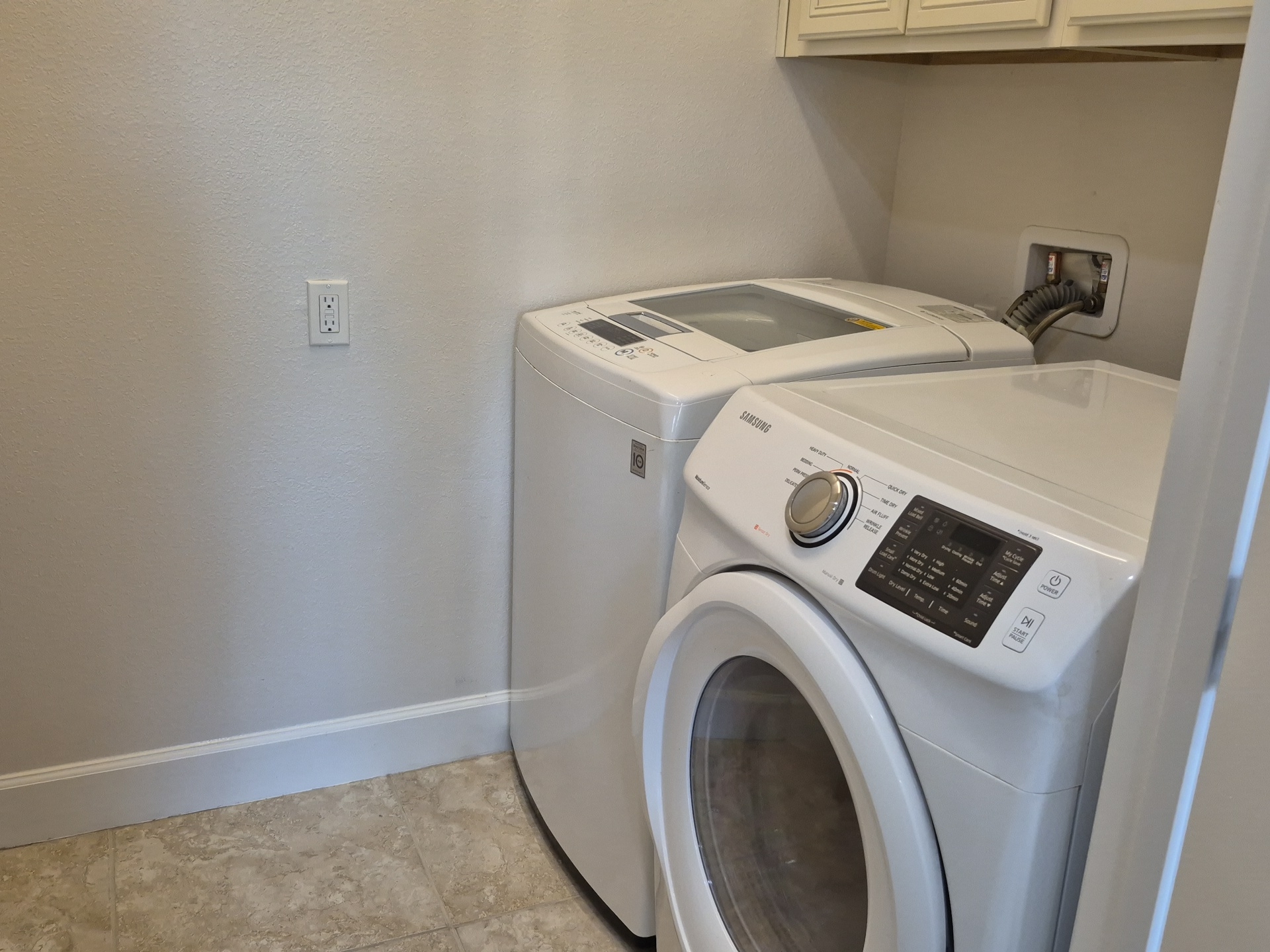
During inspection, I try and run the clothes washing machine. This is mostly so that I can push water down the drain to test the waste piping system. Running the clothes washer during an inspection is not a reliable test of the appliance. I am not actually doing a load of laundry, so please note the limitations of this test.
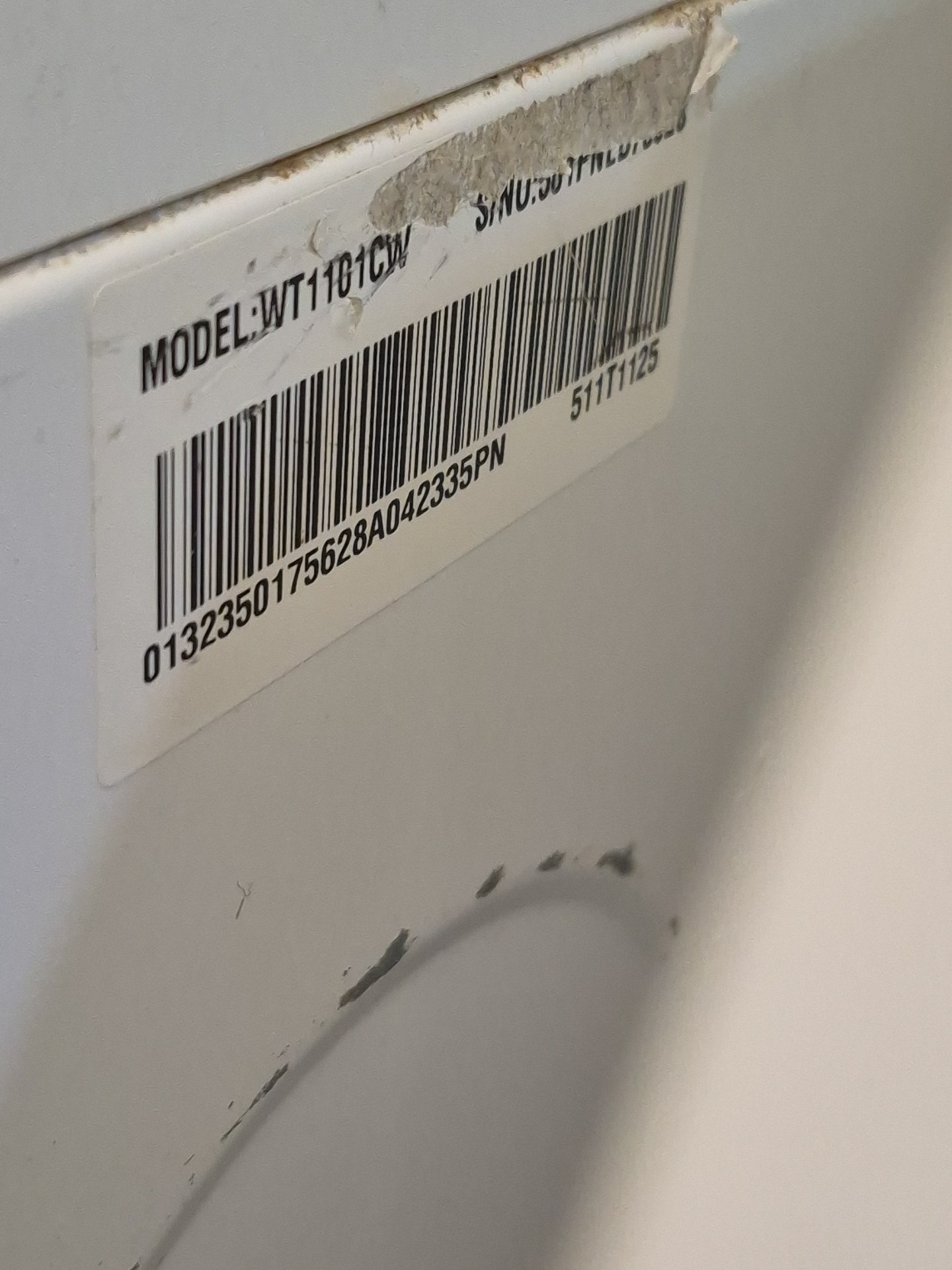
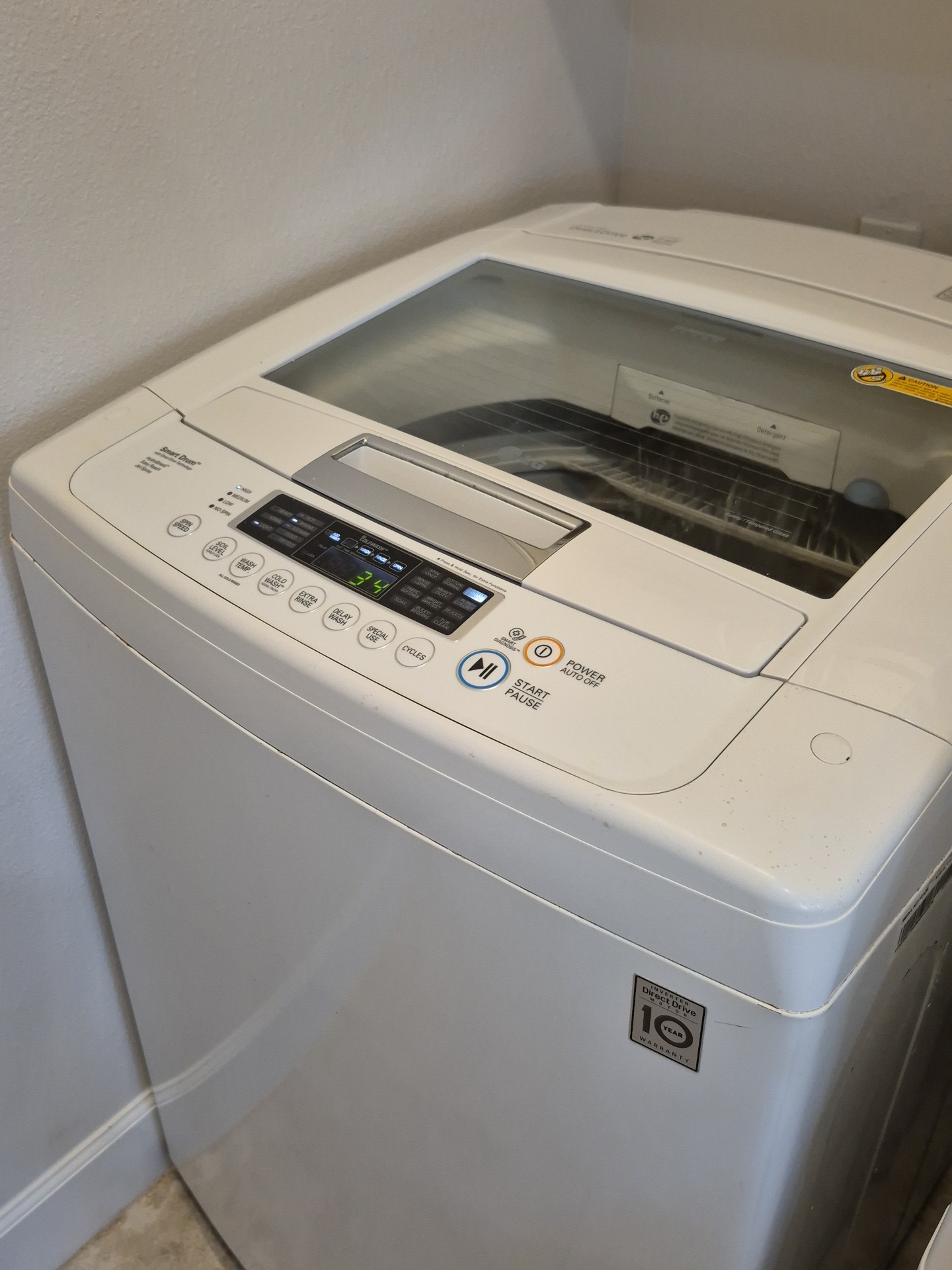
Washer Brands:LG
MOISTURE ALARM RECOMMENDED
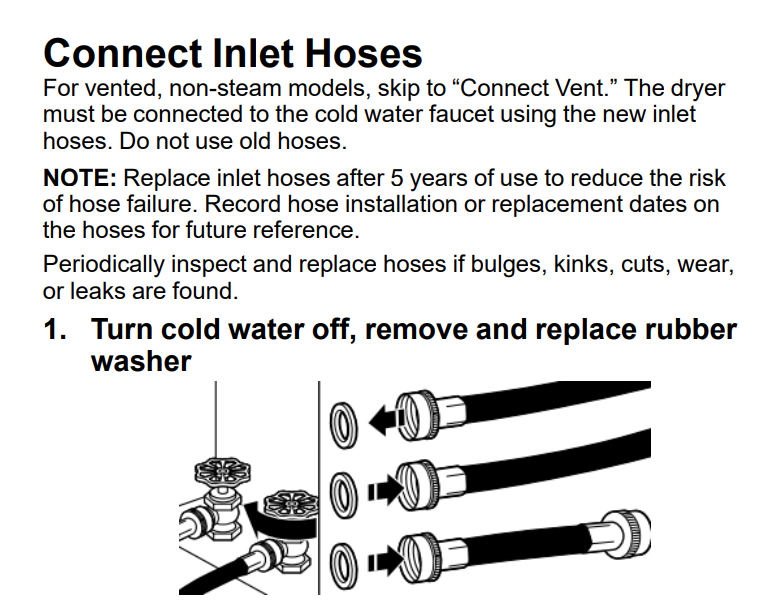
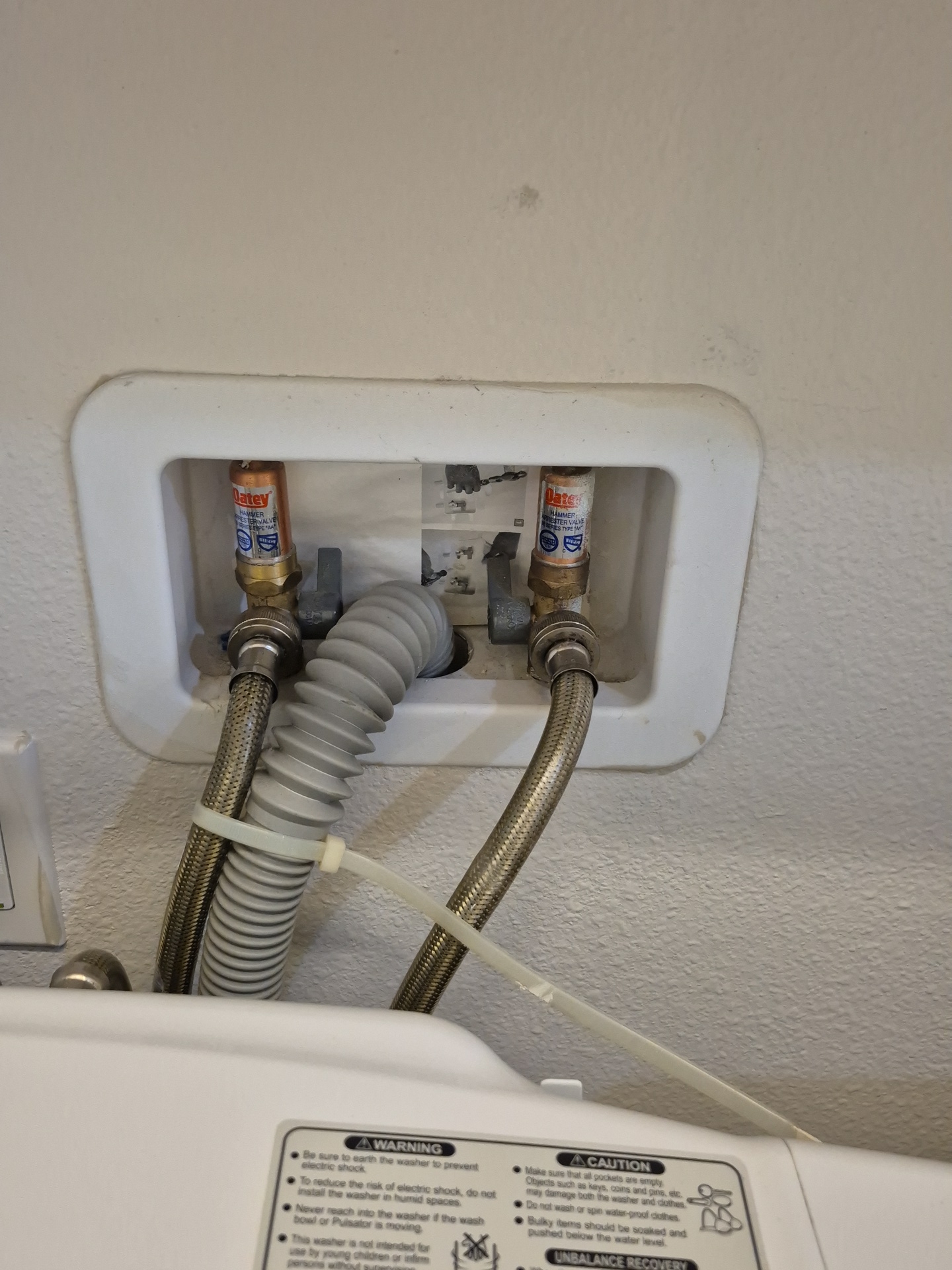
A moisture alarm with water shut-off features is recommended under the washing machine to protect against accidental leaks in the supply hoses. Pans can be effective when there is a drain, but even these will not protect against a burst supply connector. A moisture alarm with automatic shut-off will. Watts is a brand I have seen installed: Link. Please also note that appliance manufacturers recommend replacing supply hoses every 5 years to reduce the risk of failure.
 | .png) |
📸Washer Photos
 |  |
📸Washer Photos
DRYER
Tested
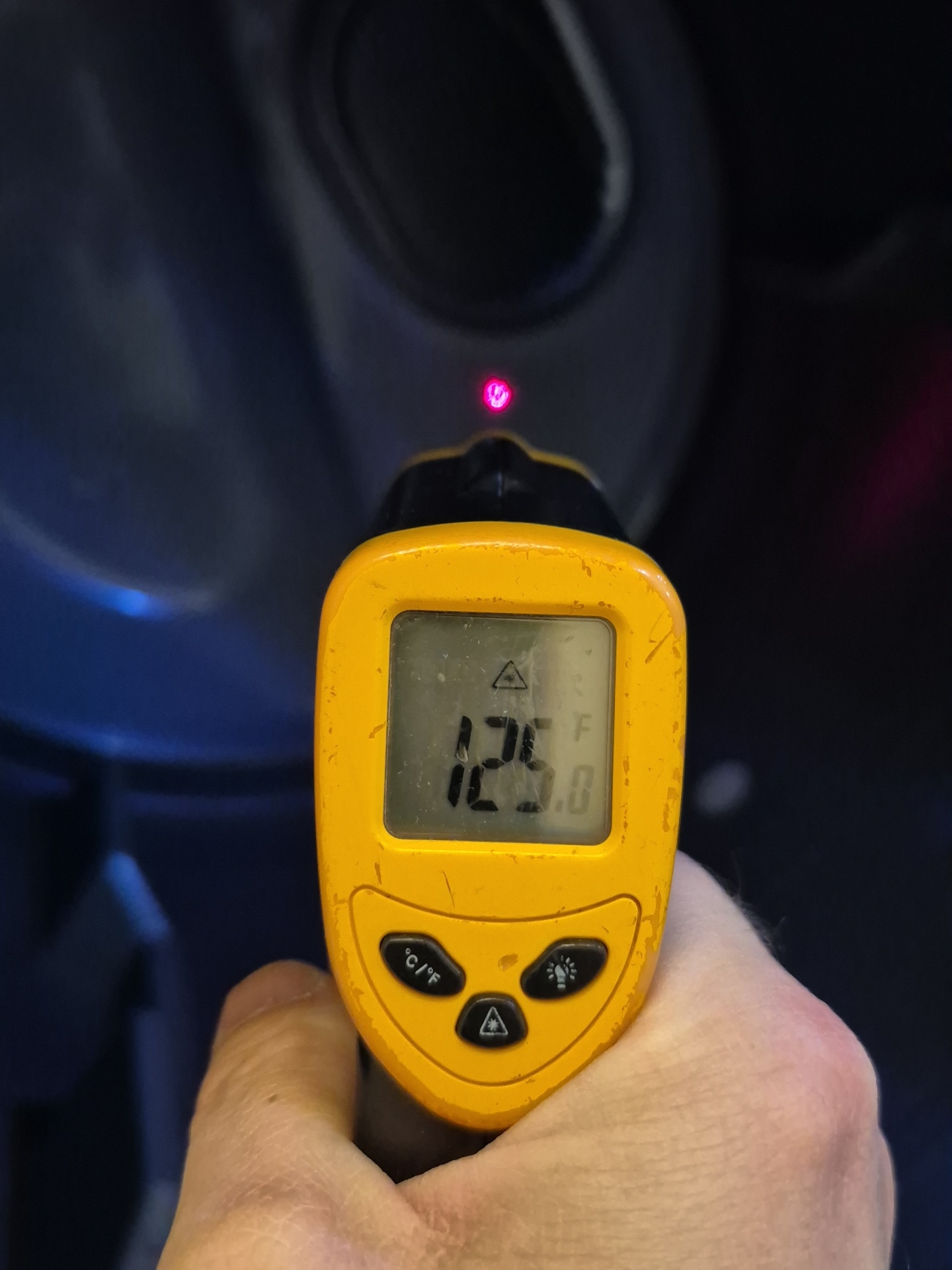
Proper dryer exhaust venting is critical for safe and reliable performance from the dryer. Here are some basic rules of thumb for dryer exhaust duct installation: Unless a vent-free appliance is being used, the dryer exhaust vent must terminate outdoors. It should be no more than 25 feet long and for every 90 degree turn subtract 5 feet and for every 45 degree bend subtract 2.5 feet. Use only smooth-wall metal vent pipe @ 4 inch pipe diameter. Do not use plastic pipe and plastic flex pipe. If a flexible connector is needed behind the dryer use a short amount of corrugated metal pipe. If the exhaust duct is getting pinched behind dryer, consider use of a dryer vent box, pictured here. Flex and corrugated pipes should never be used in concealed spaces such as through walls or in attic or crawl spaces. Insulate dryer exhaust duct where it passes through unconditioned spaces to prevent condensation that could hasten lint build-up inside the pipe. Do not use screws to connect pipe as these can trap lint. Secure duct with foil tape as needed. Be sure duct is sleeved properly so that it will not trap lint and clean the vent regularly, especially if it is a long exhaust run.
.png)
Power Source:Electric
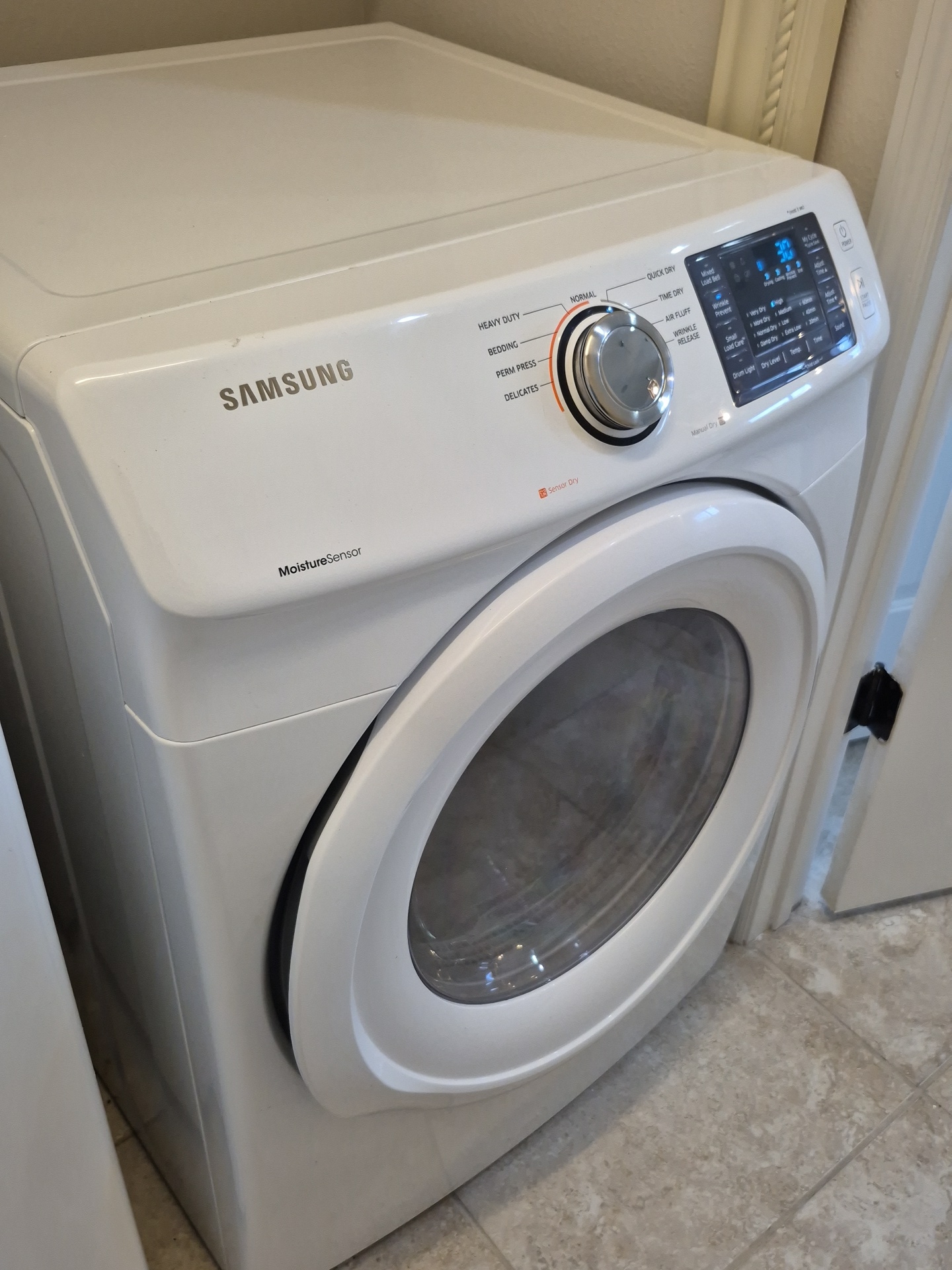
Dryer Brands:Samsung
Dryer📸
📸Dryer Photos
 |  |  |
WALLS, CEILINGS, AND TRIM
Wall and Ceiling Materials:Drywall
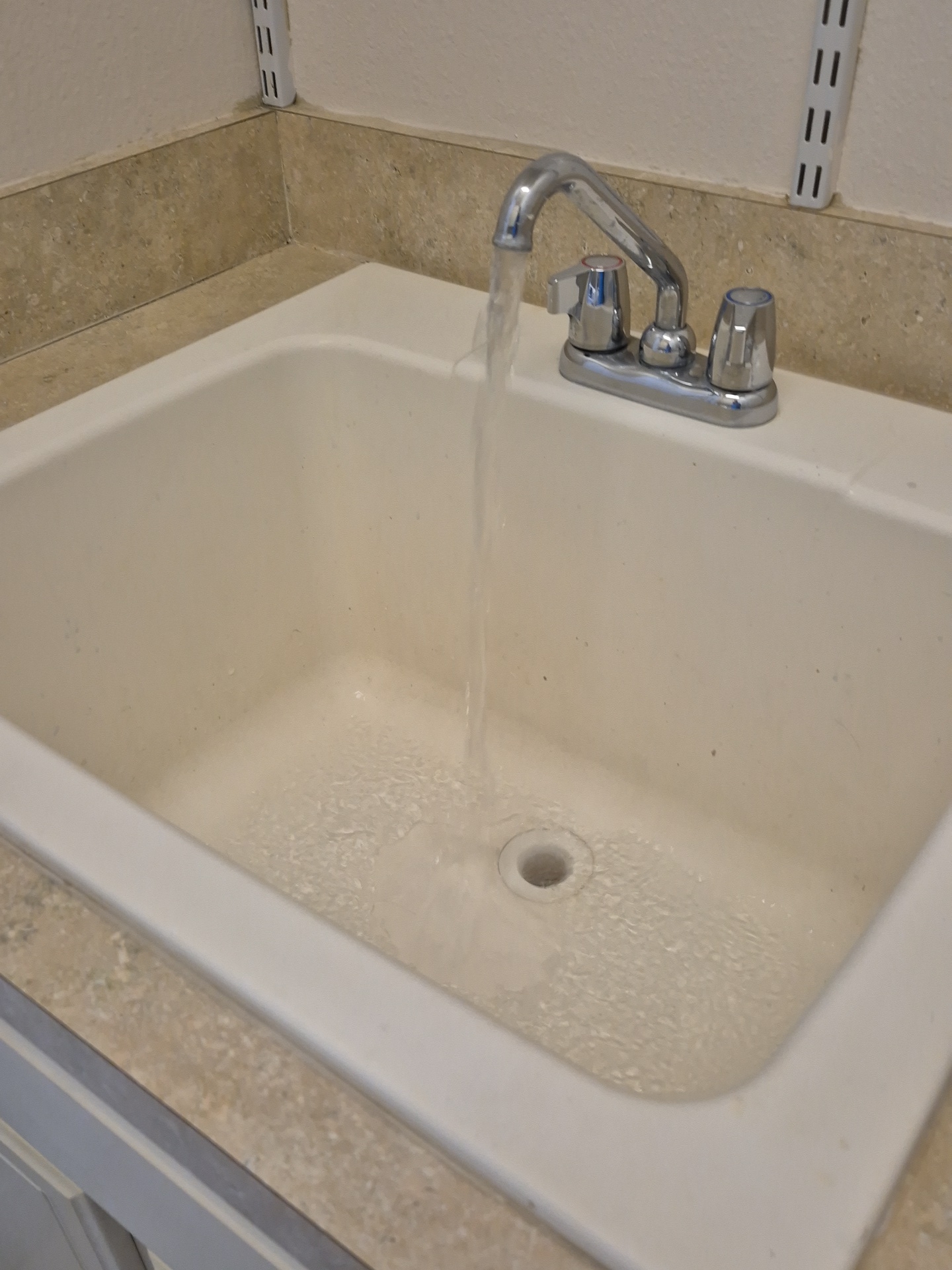
LAUNDRY SINKS
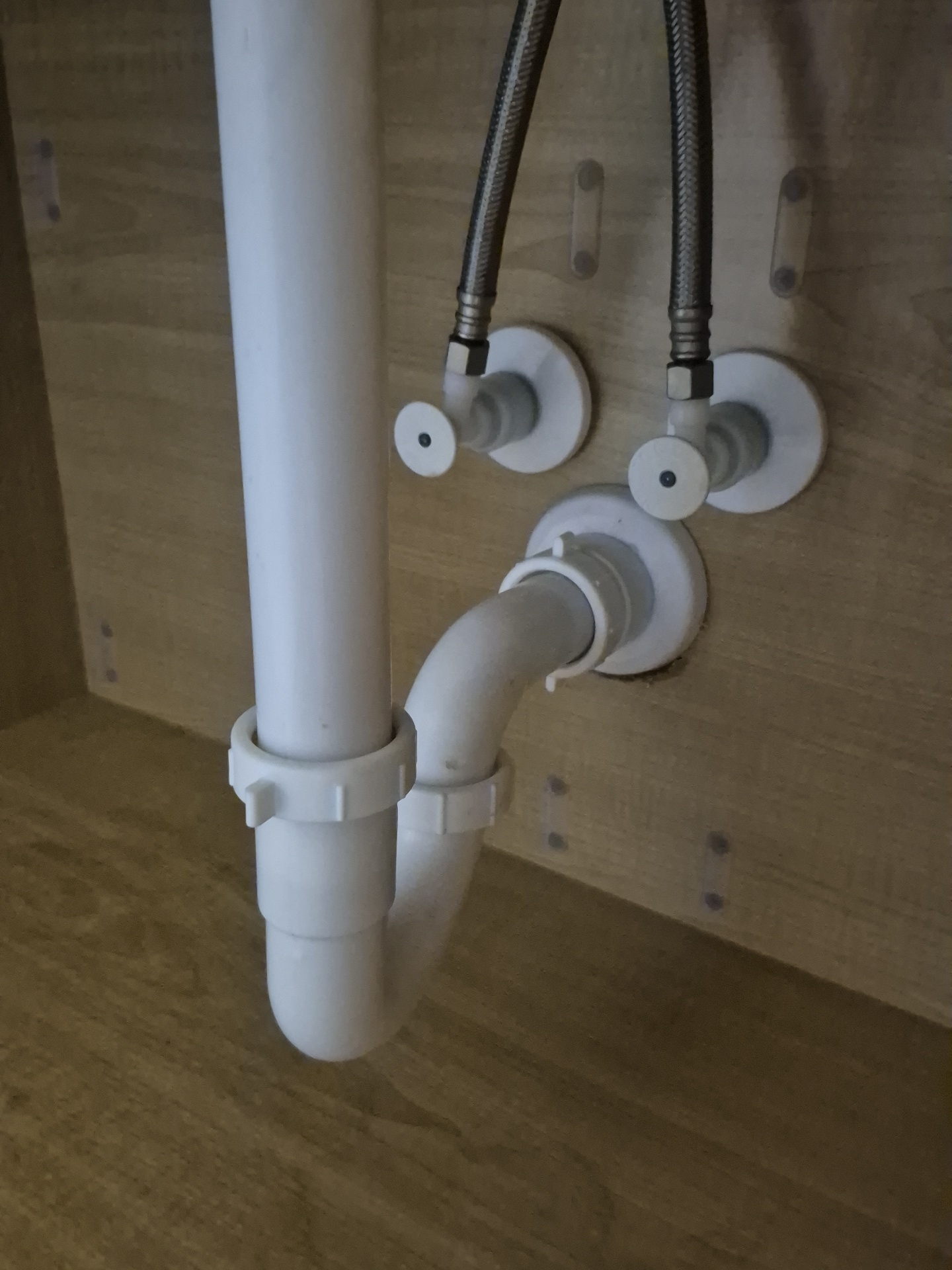
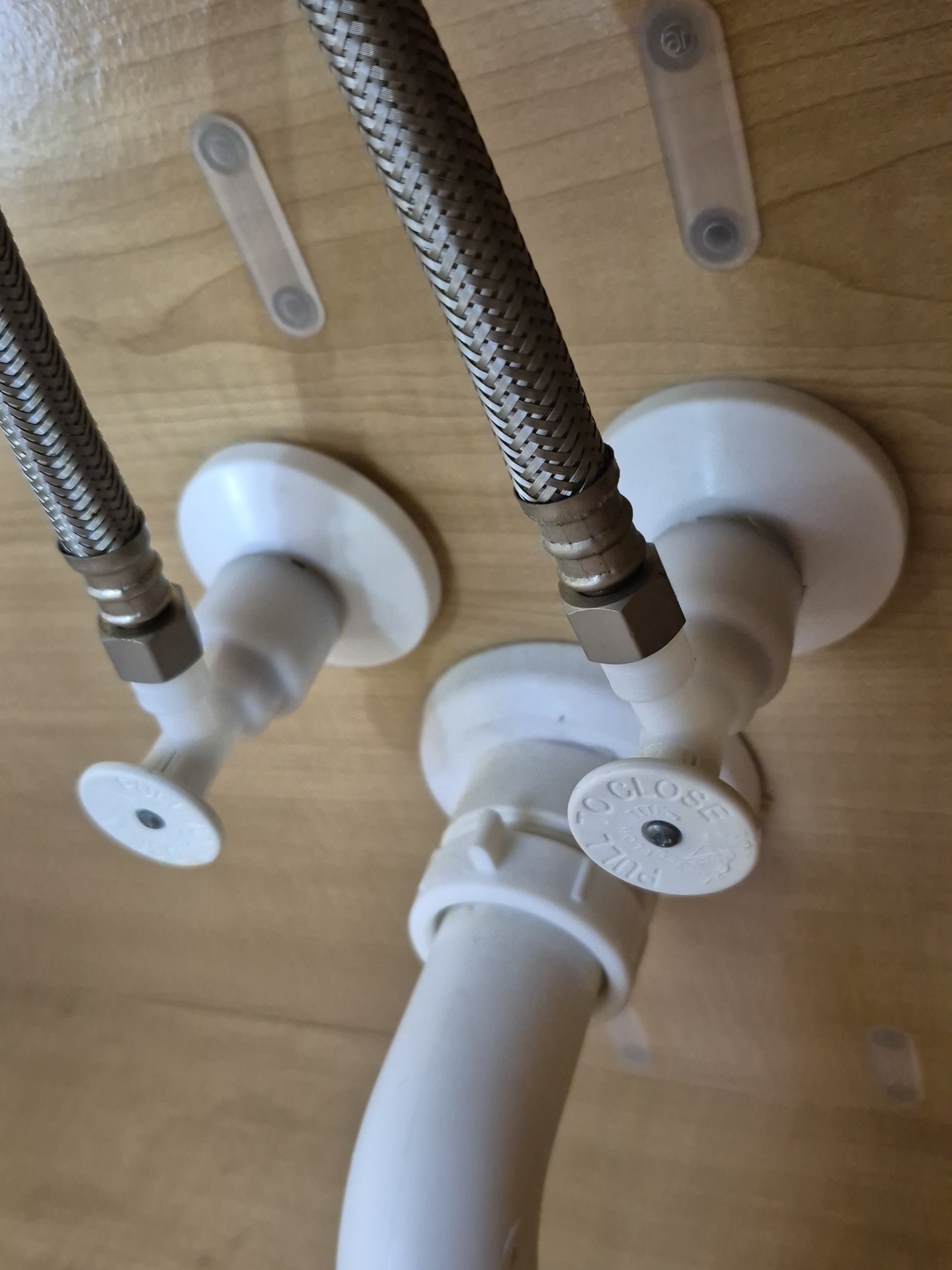
📸Laundry Sink
📸Under Sink Photos
 |  |
BATHROOMS
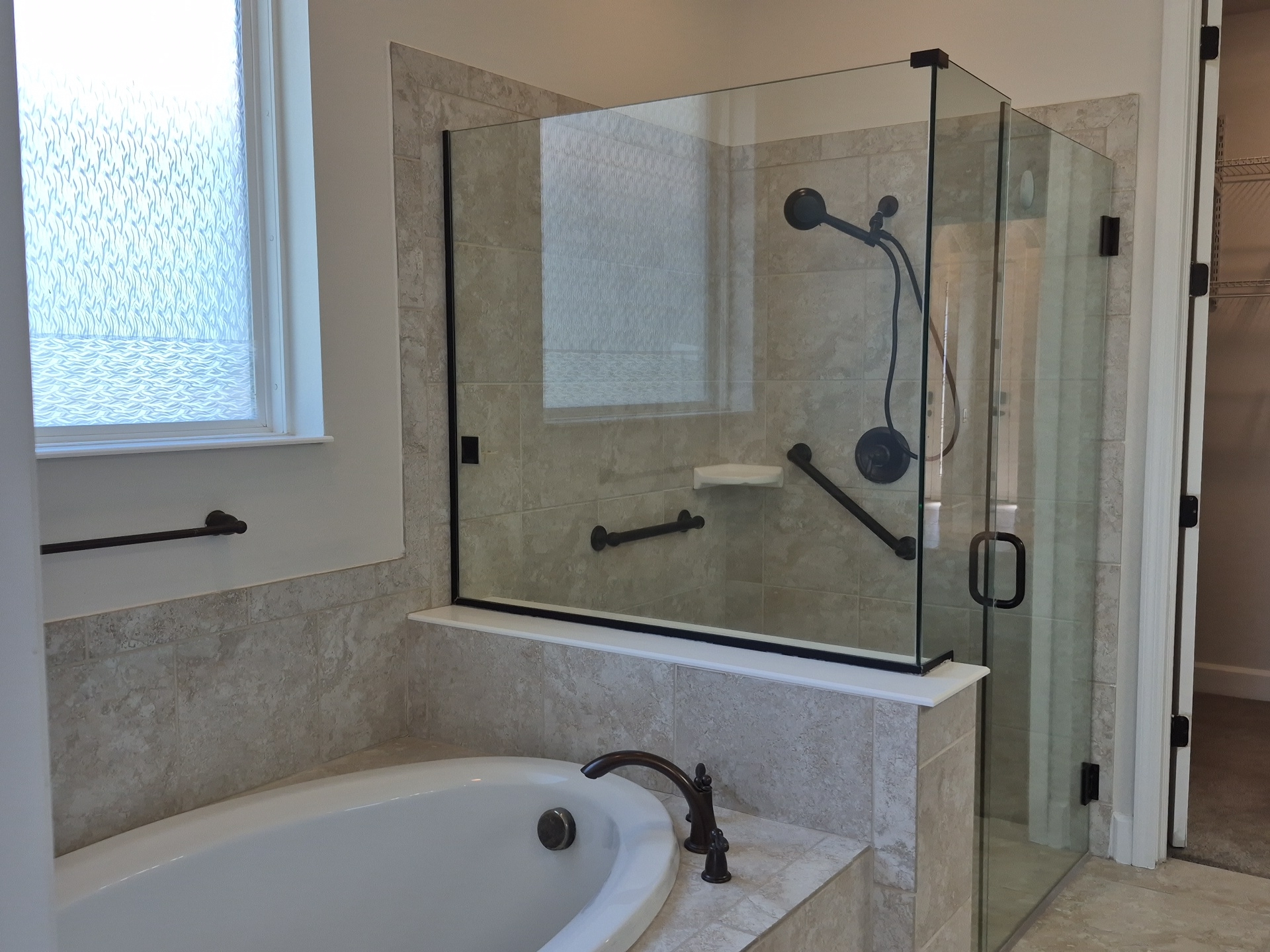
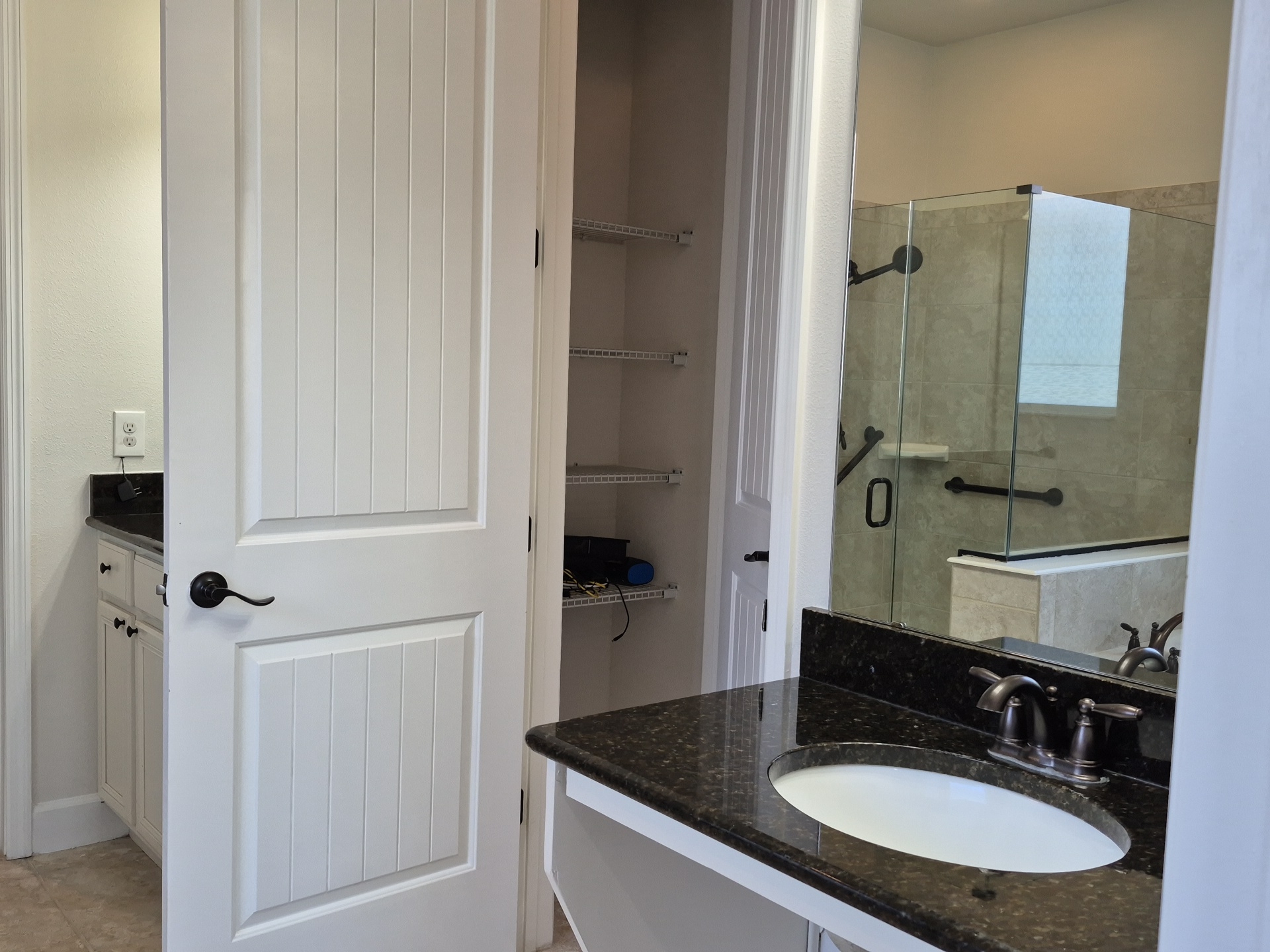
BATHROOM PHOTOS
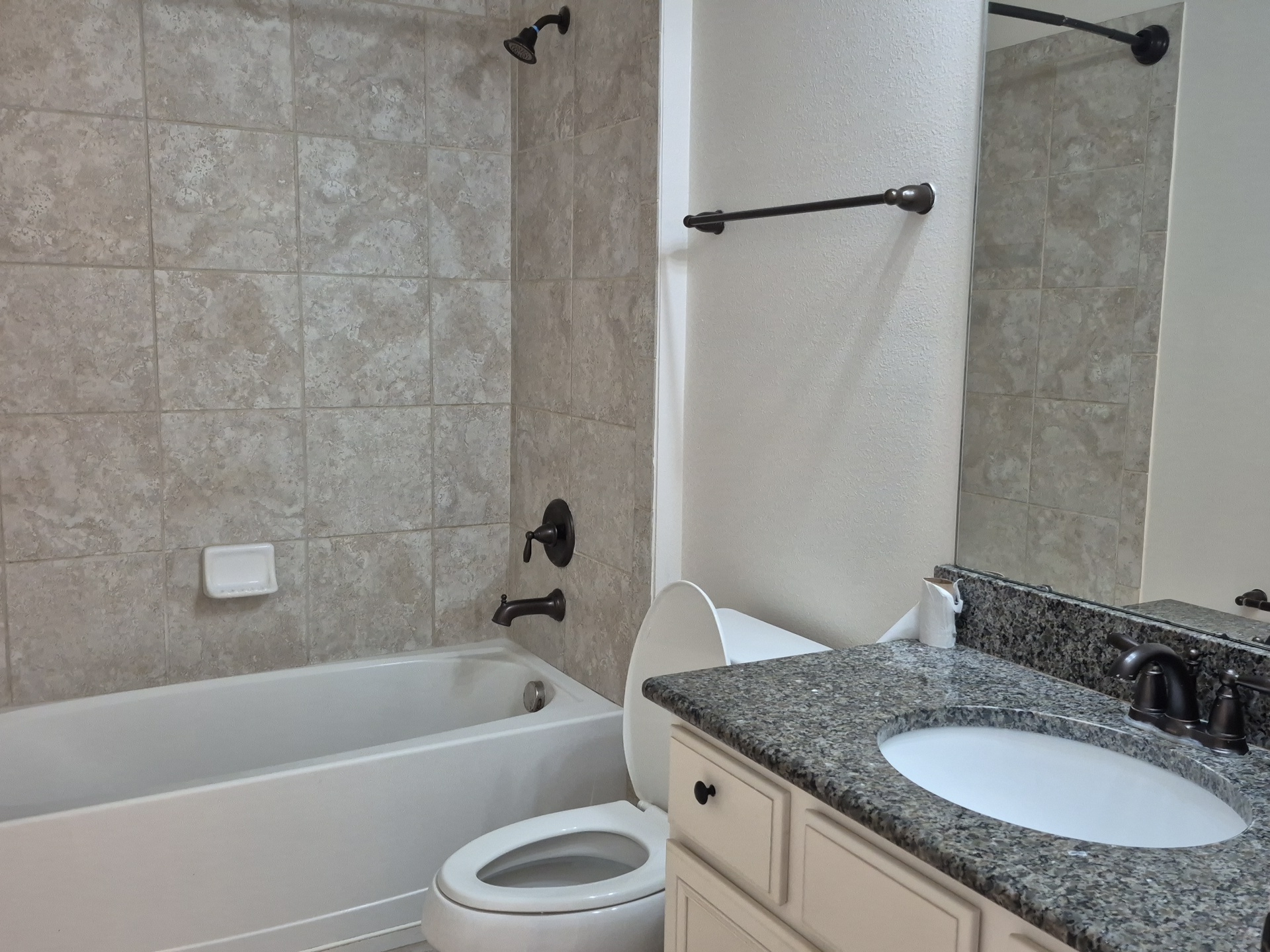
📸Bathroom General Photos
 |  |  |
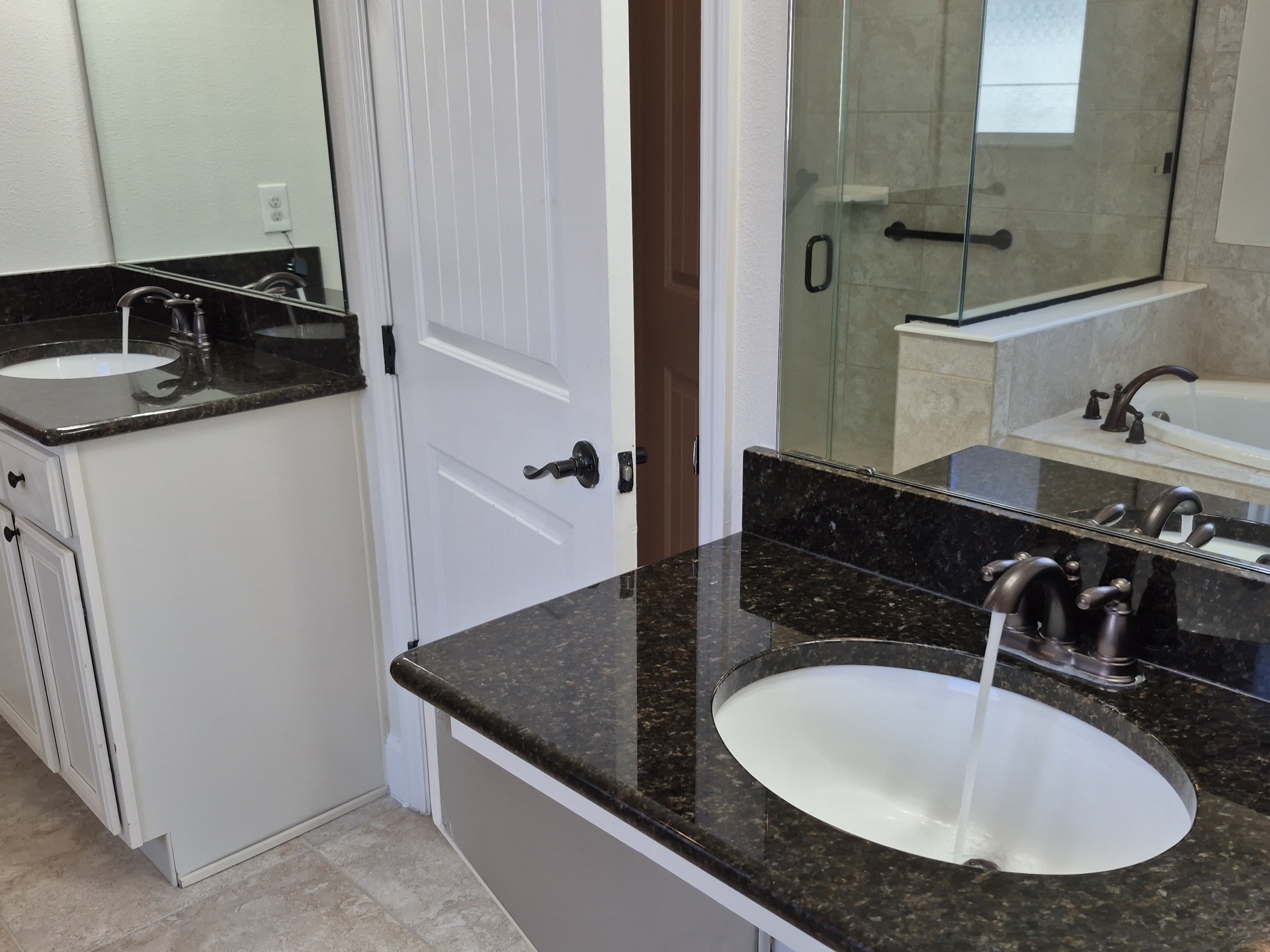
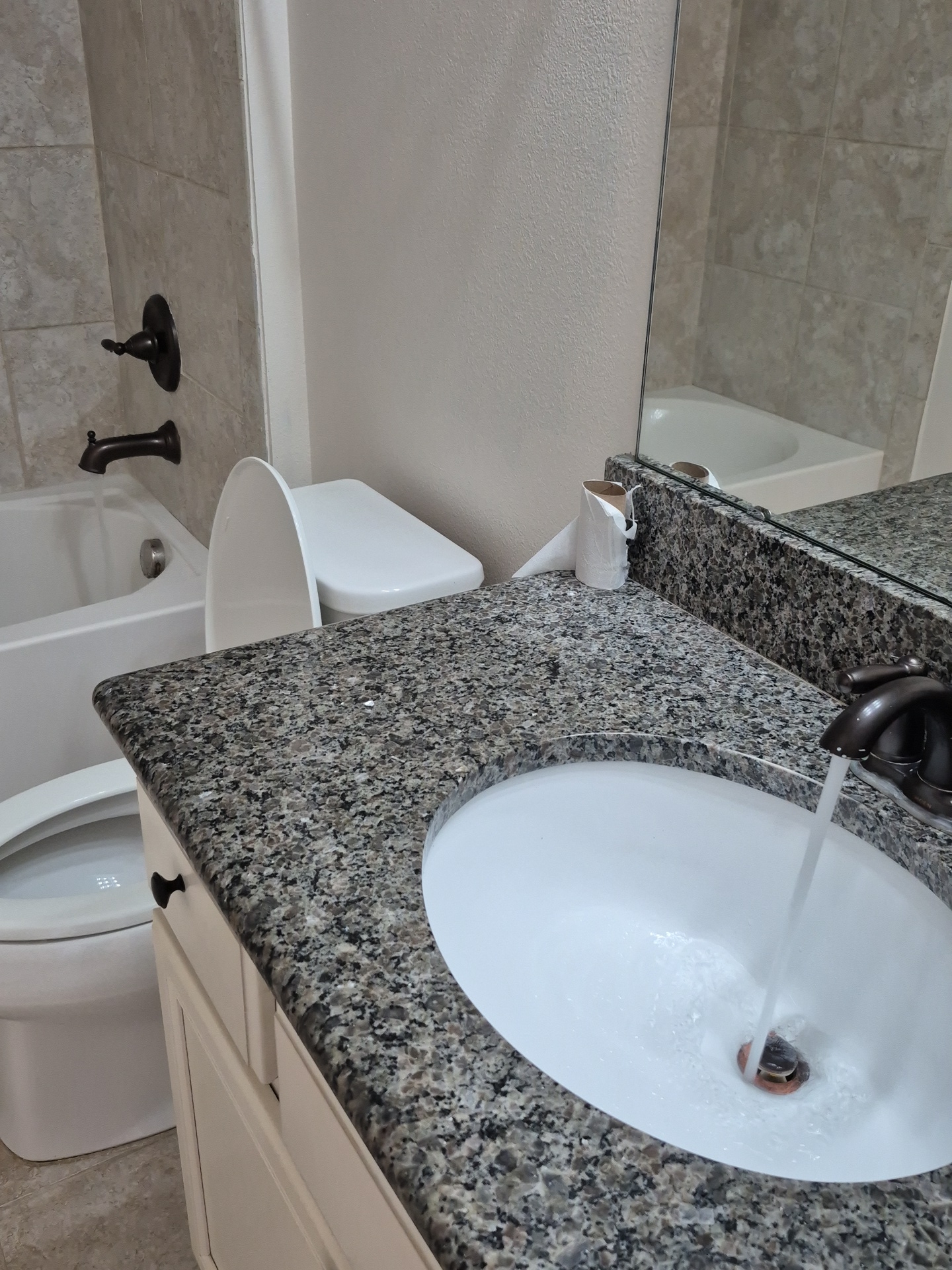
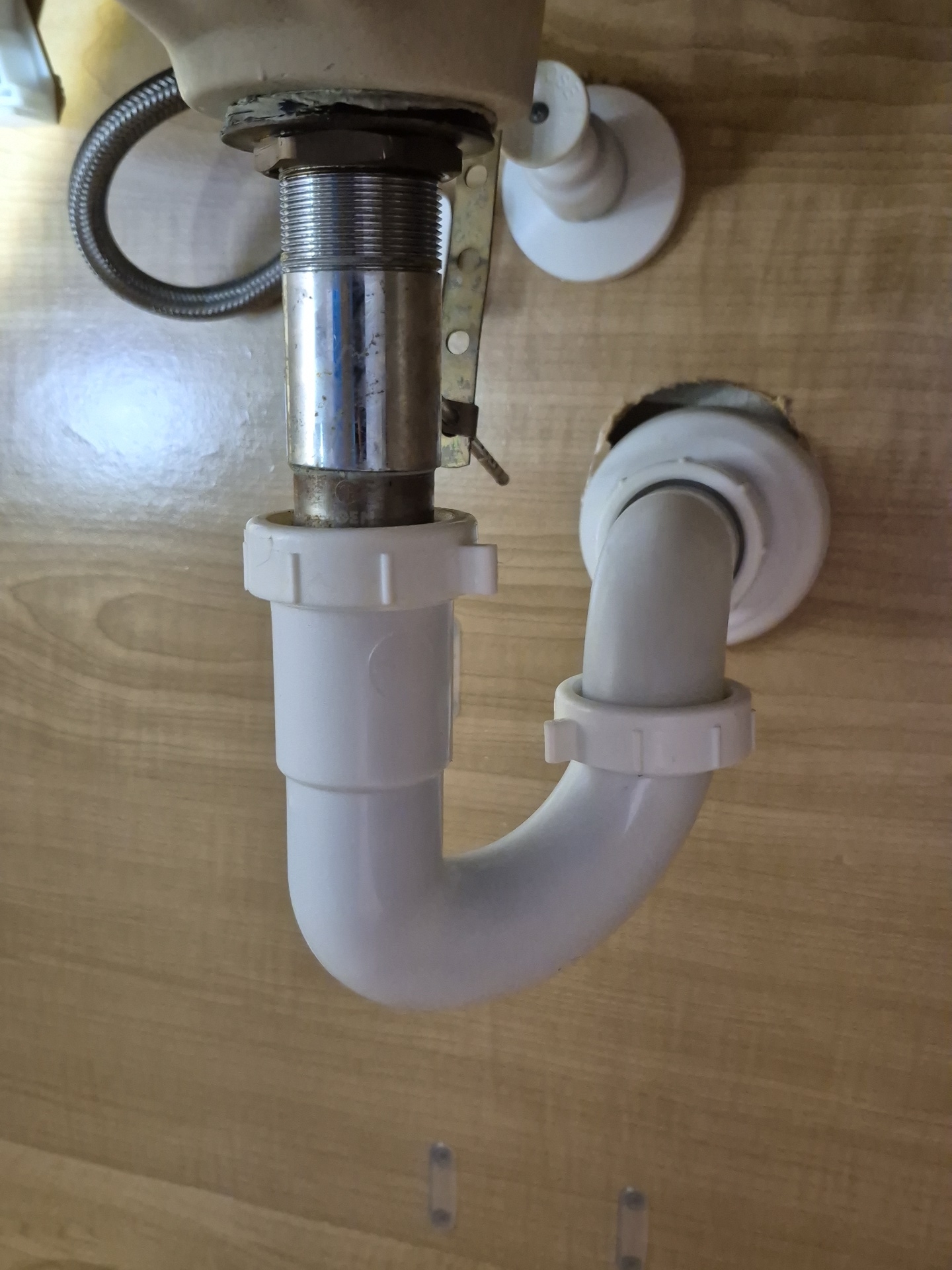
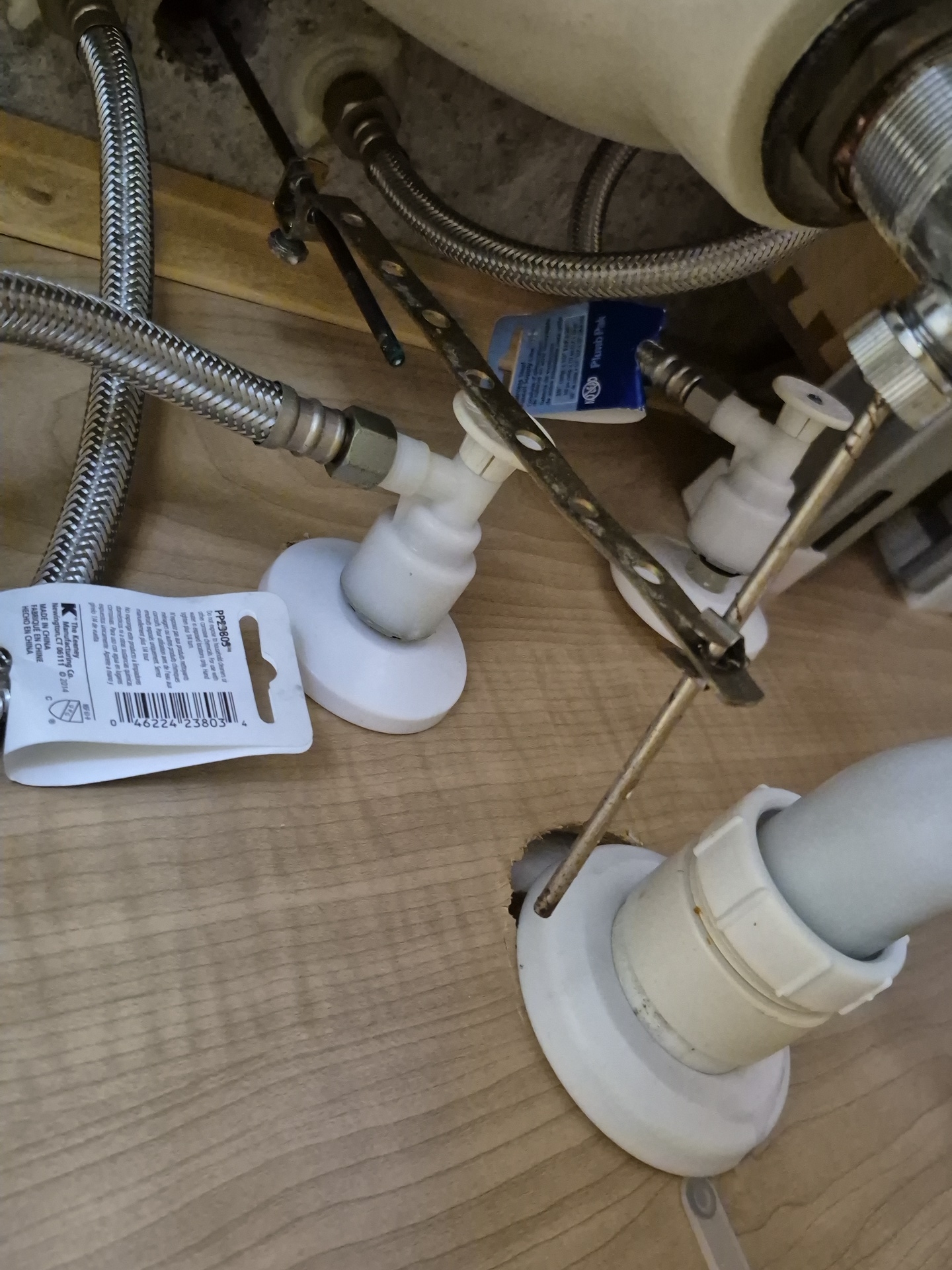
SINKS AND CABINETS
Tested
Photos
 |  |
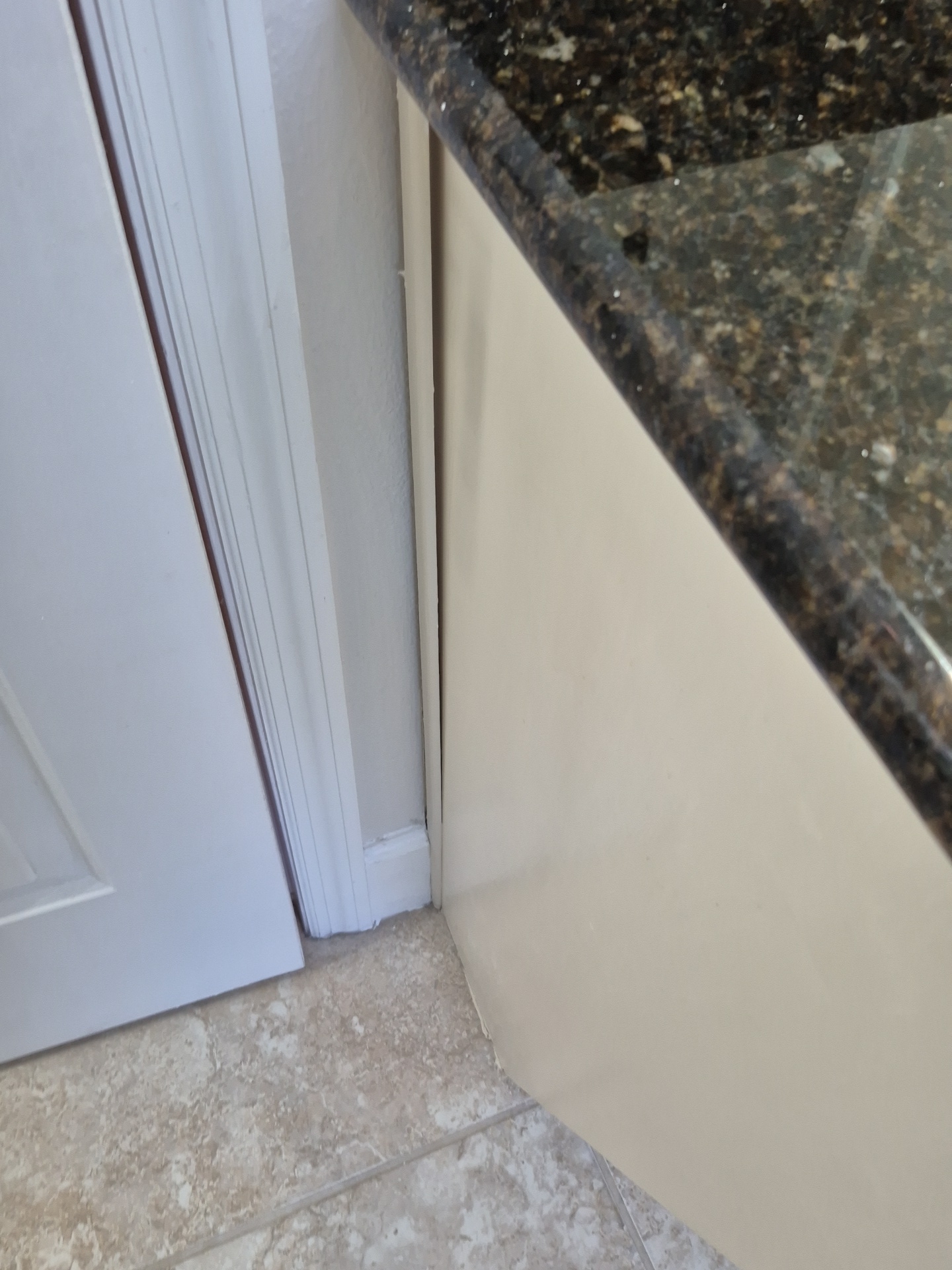
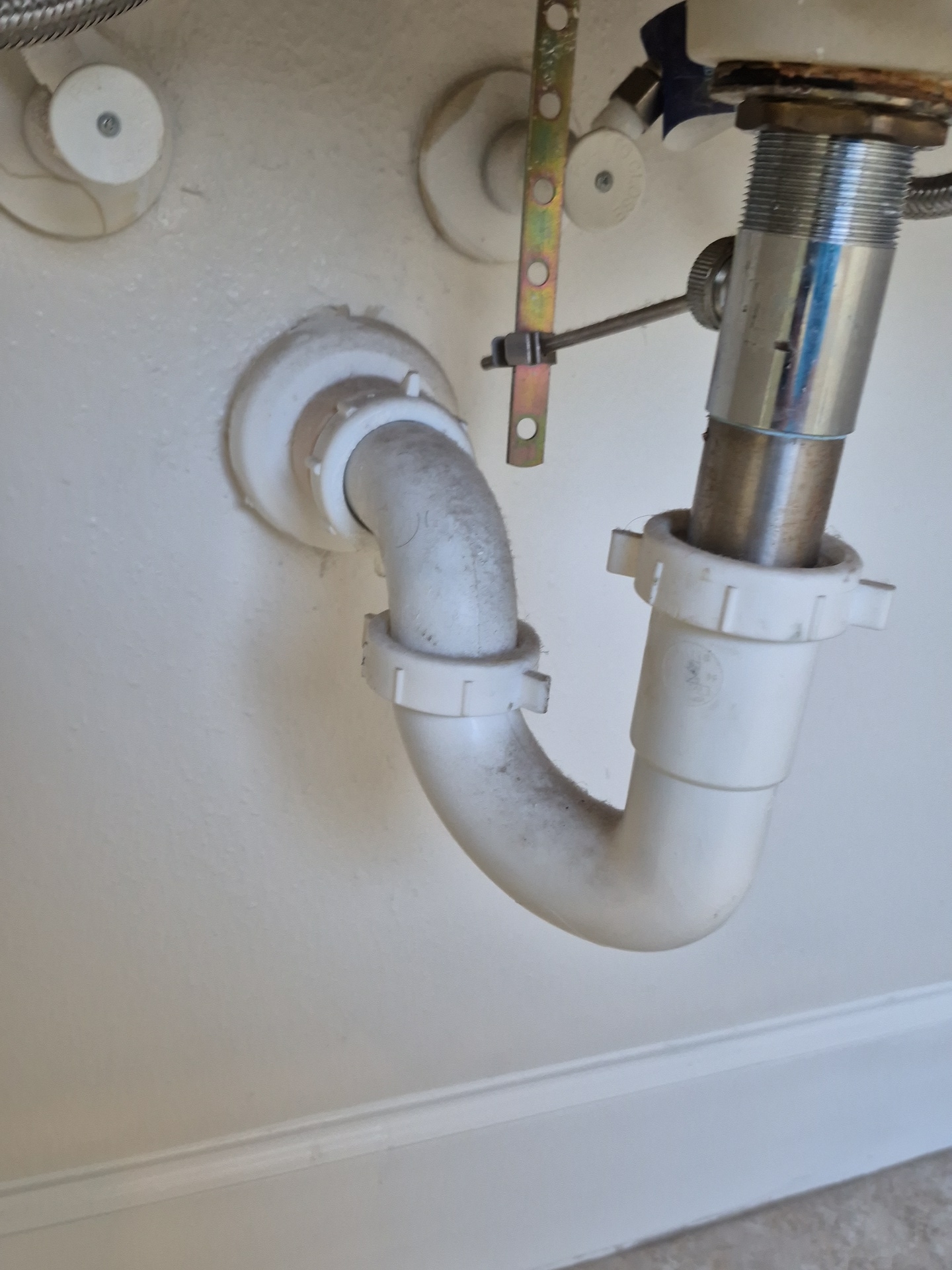
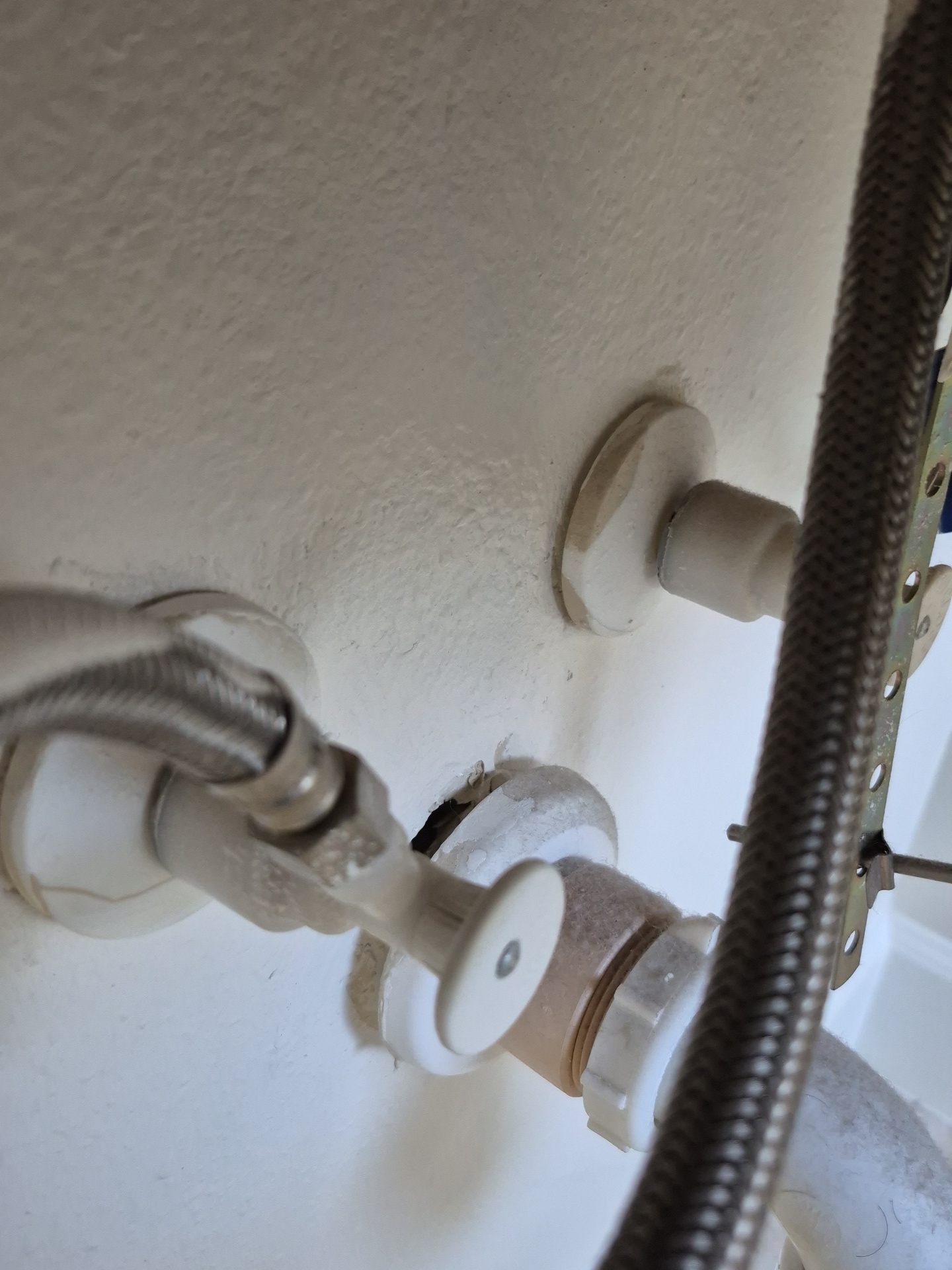
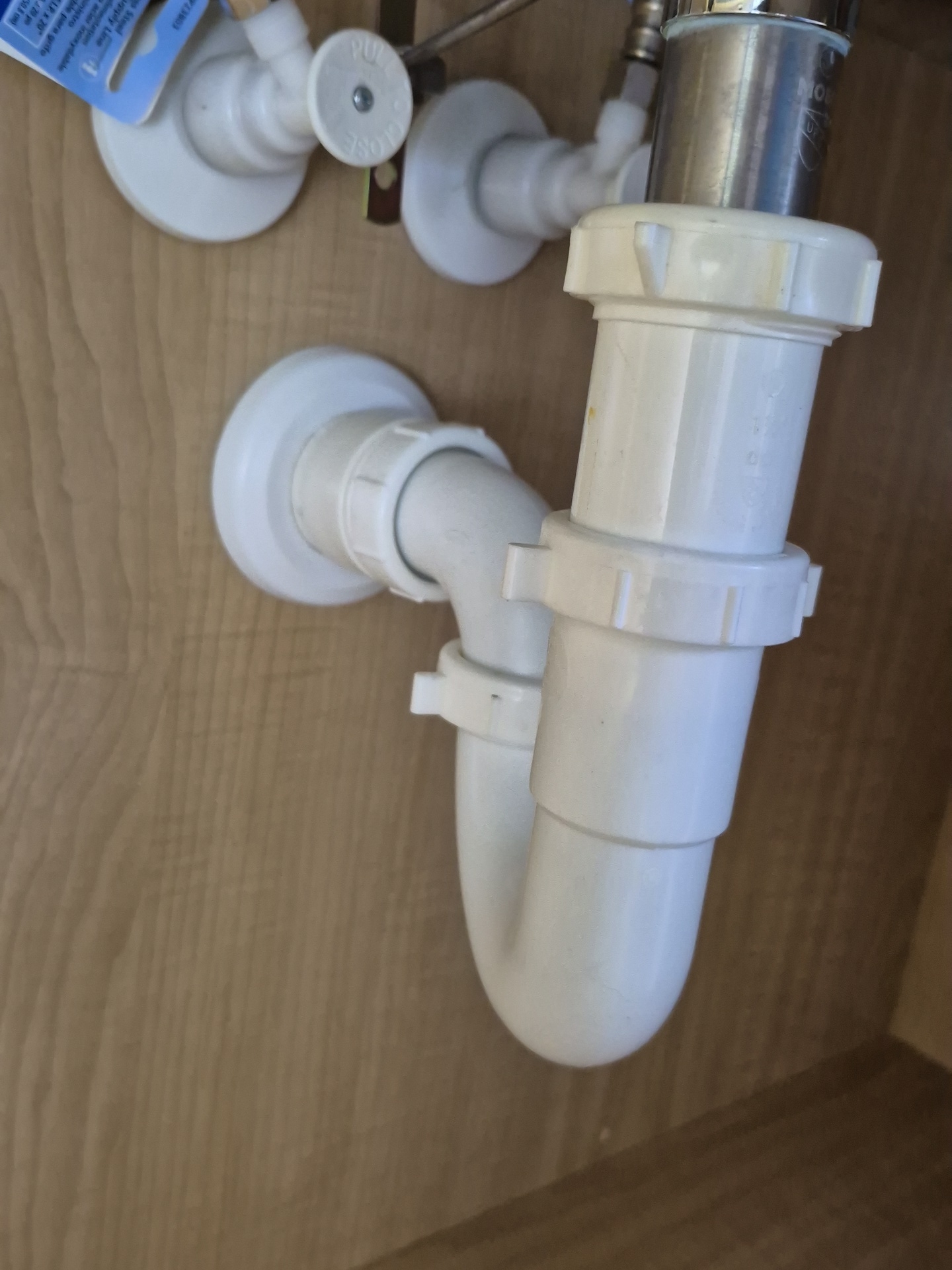
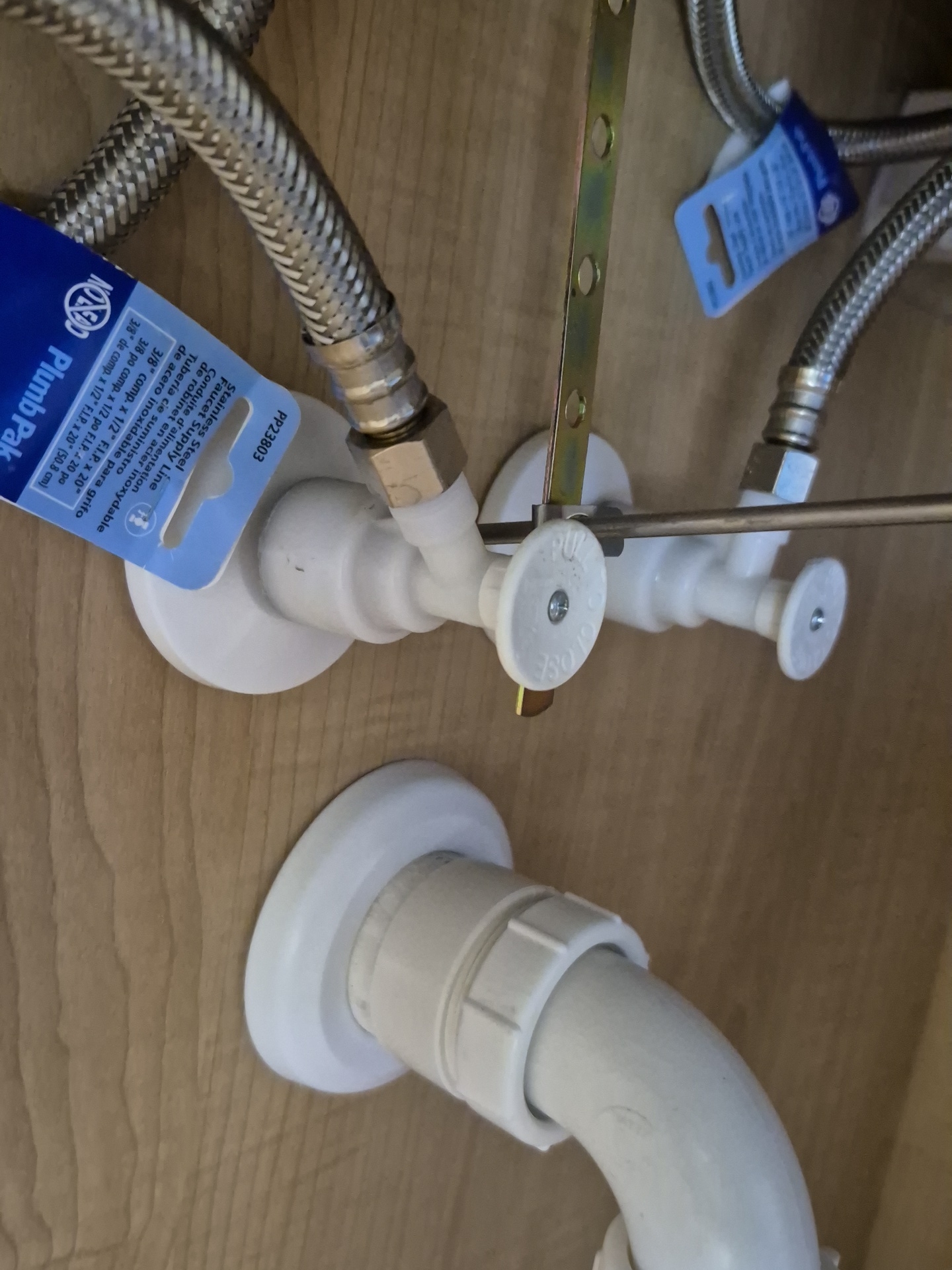
The cabinets in the jack and Jill bathroom have scratched finishes. Repair damaged finishes as needed.
📸 Sink and Cabinets Photos
 |  |  |
 |  |  |
TOILET
Toilet: Tested
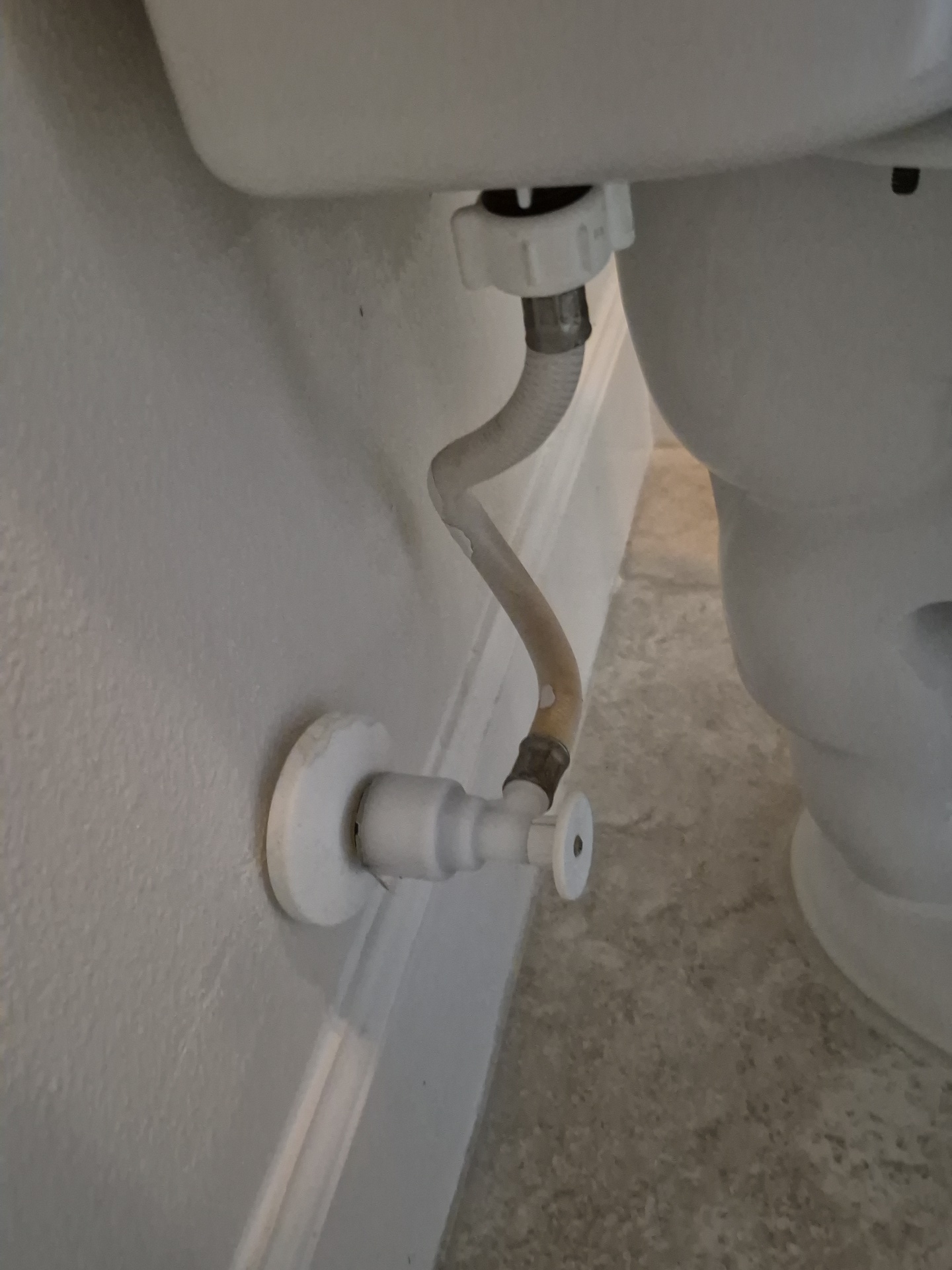
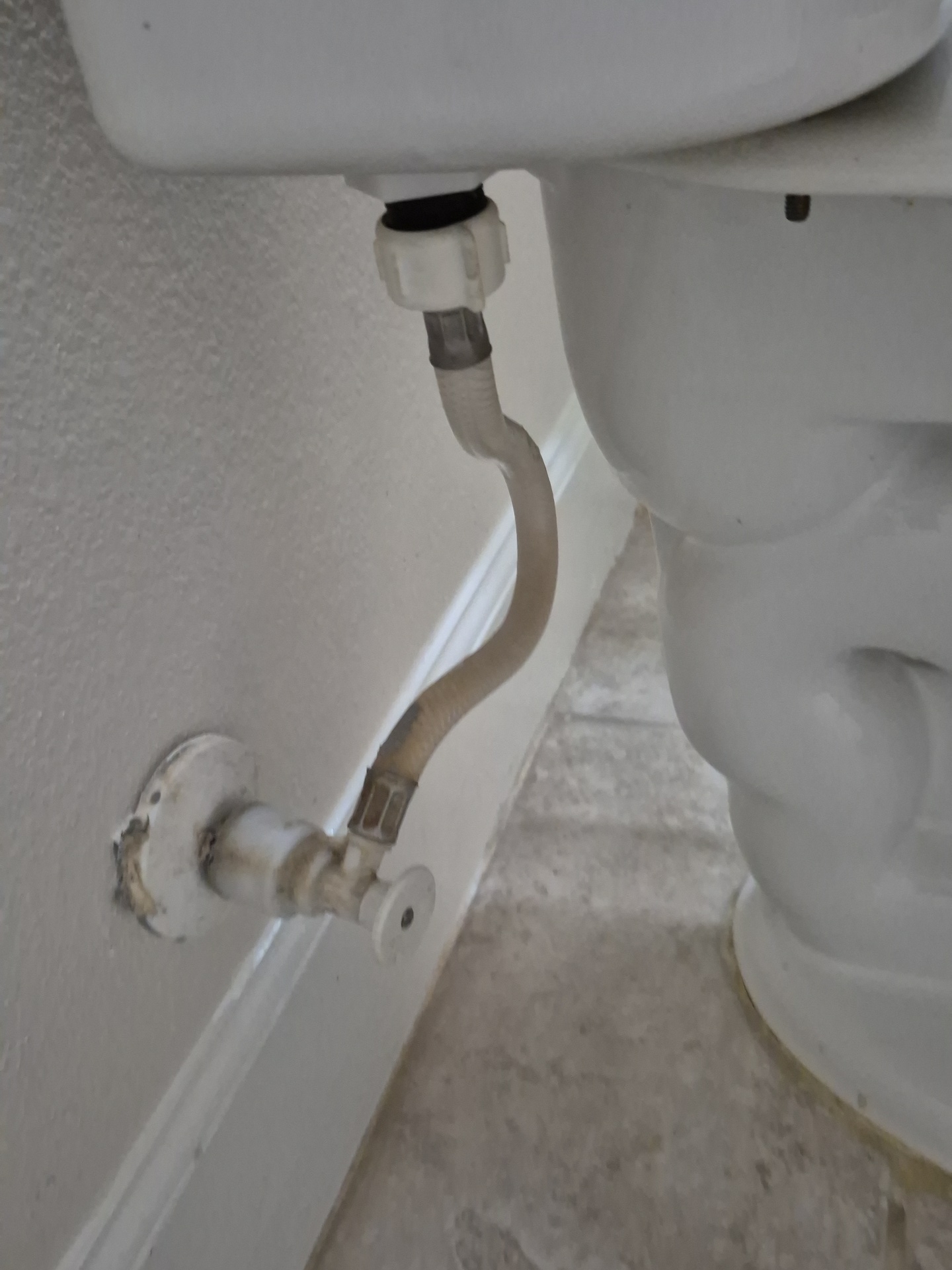
📸Toilet Supply line and valve photos
 |  |
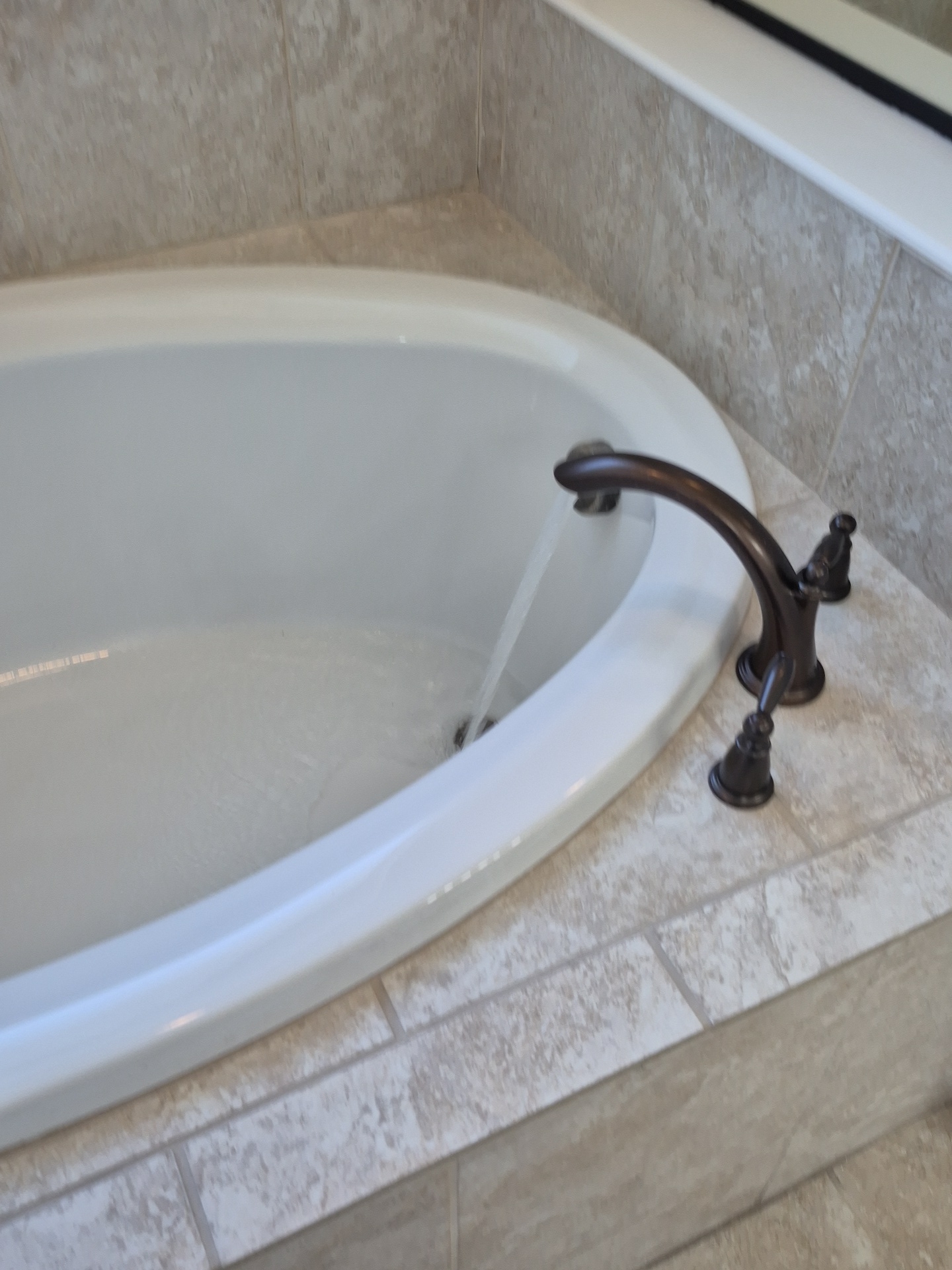
BATHTUB/SHOWER
Tested
TILE MAINTENNACE/REPAIRS
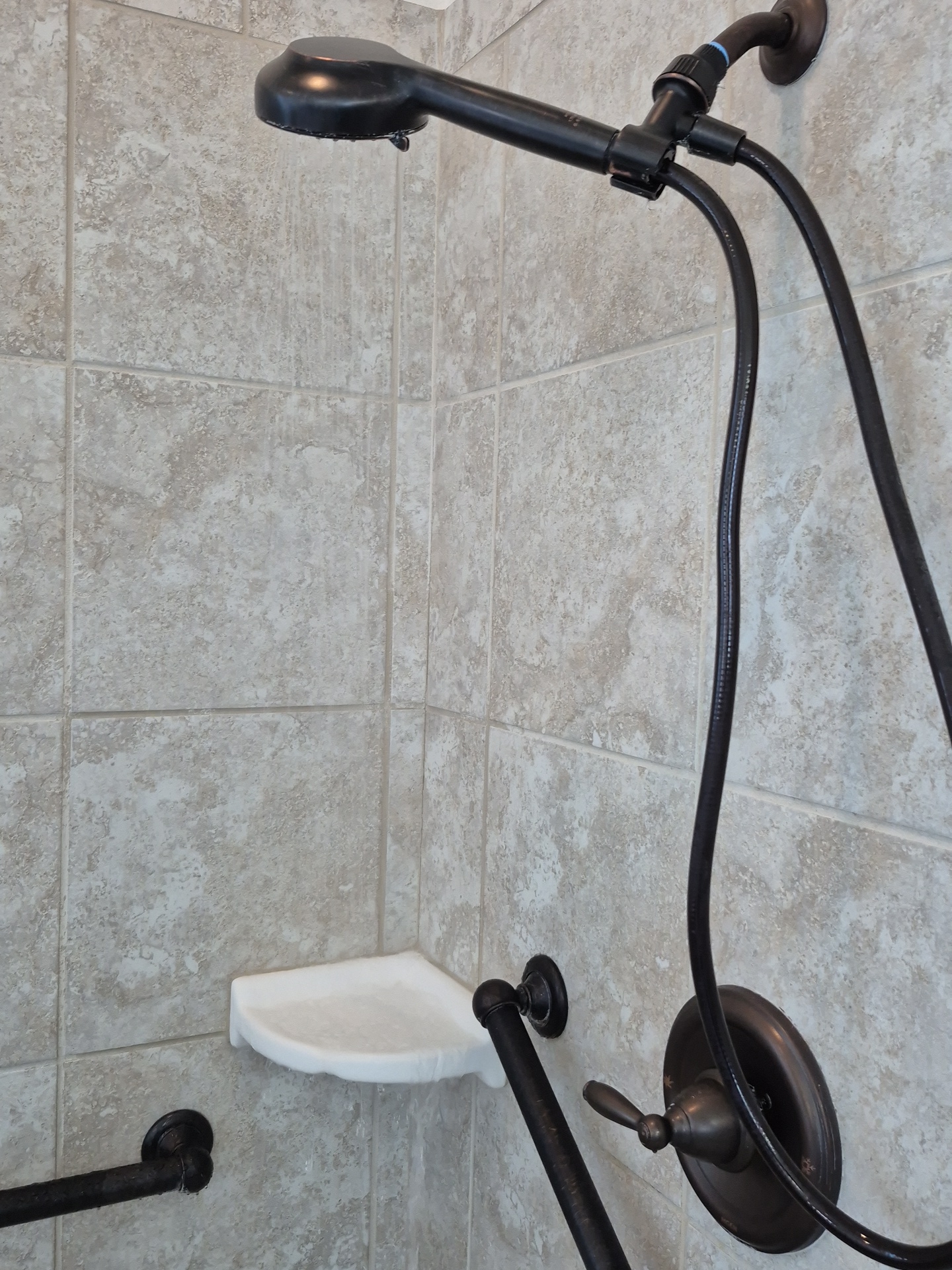
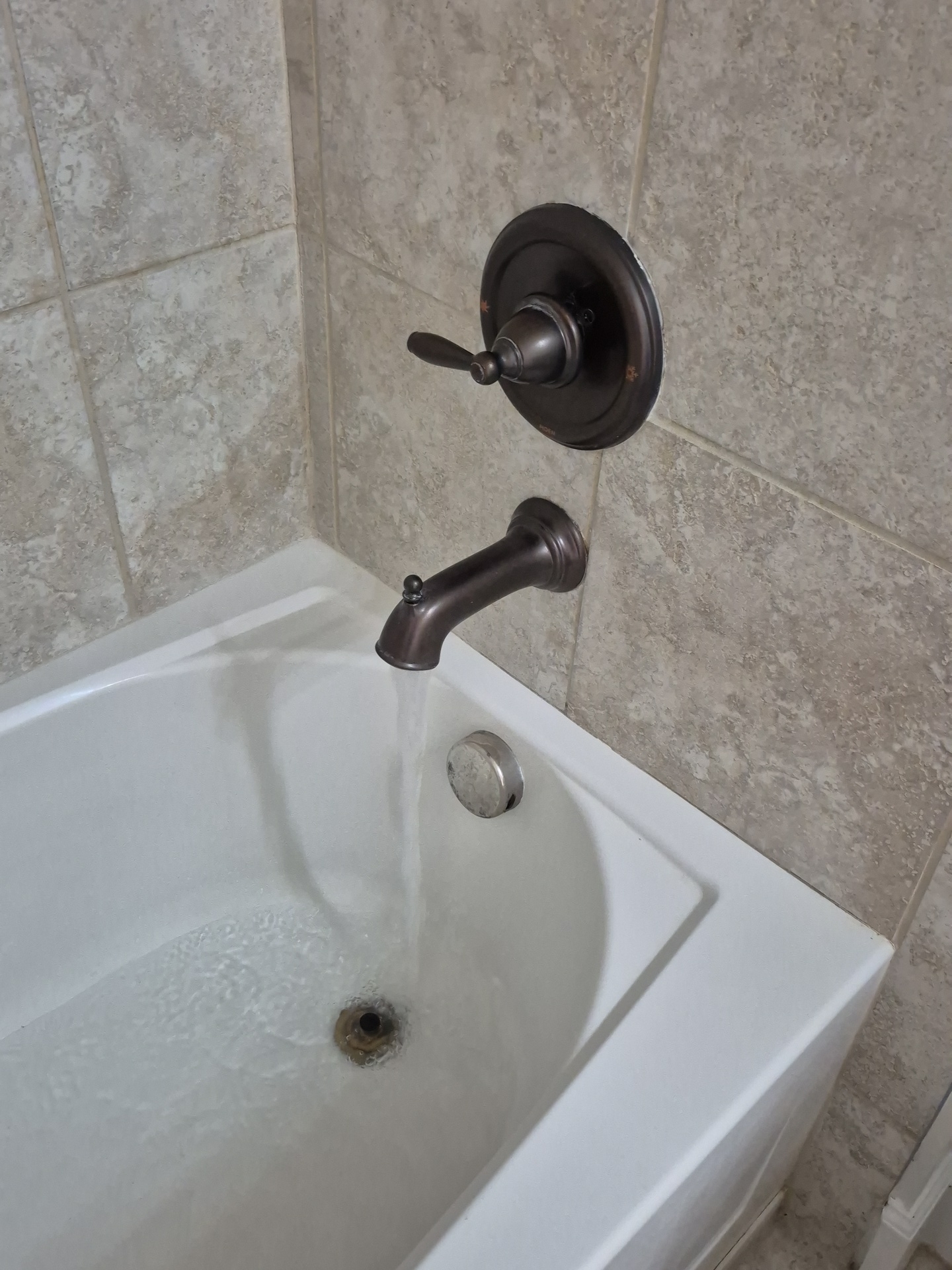
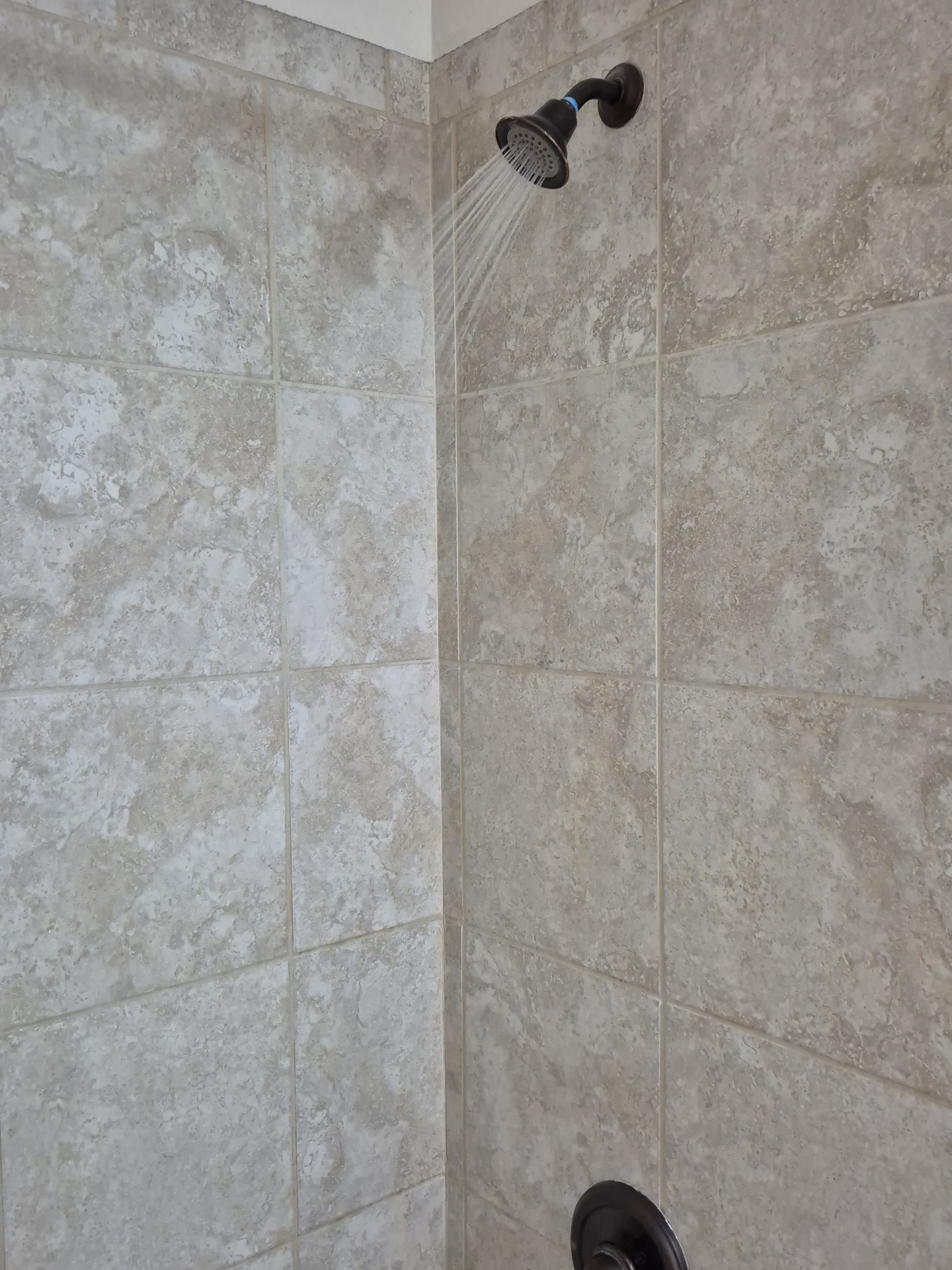
Repairs are recommended to the tile in this bathroom shower surround. Observations noted during inspection include:
Recommendation
Hire a qualified tile setter to repair as needed.
 |  |  |
Tub and Shower Photos
 |  |  |
 |
BATHROOM VENTALATION
Type:Bath fan
ATTIC
ATTIC PICTURES
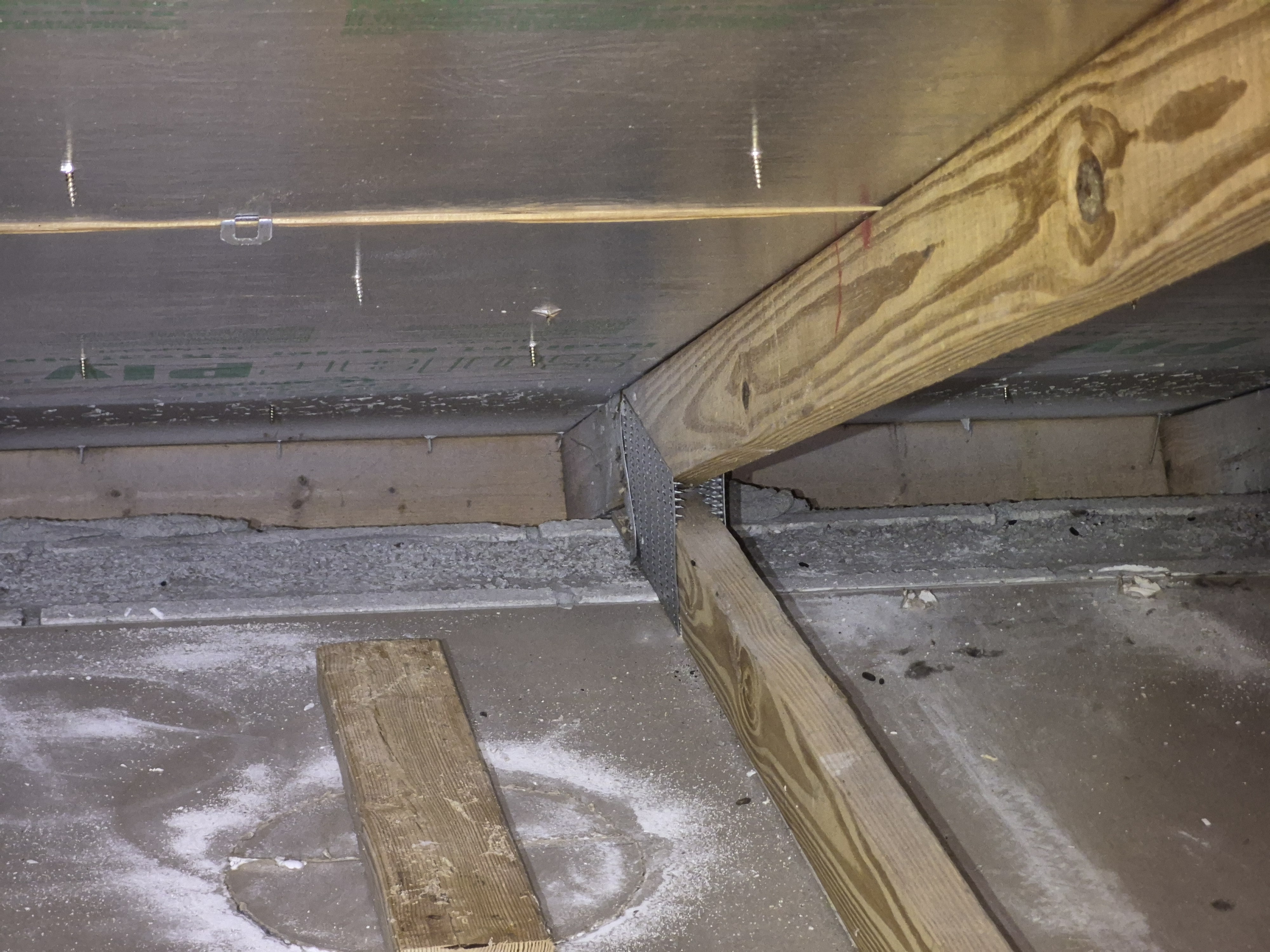
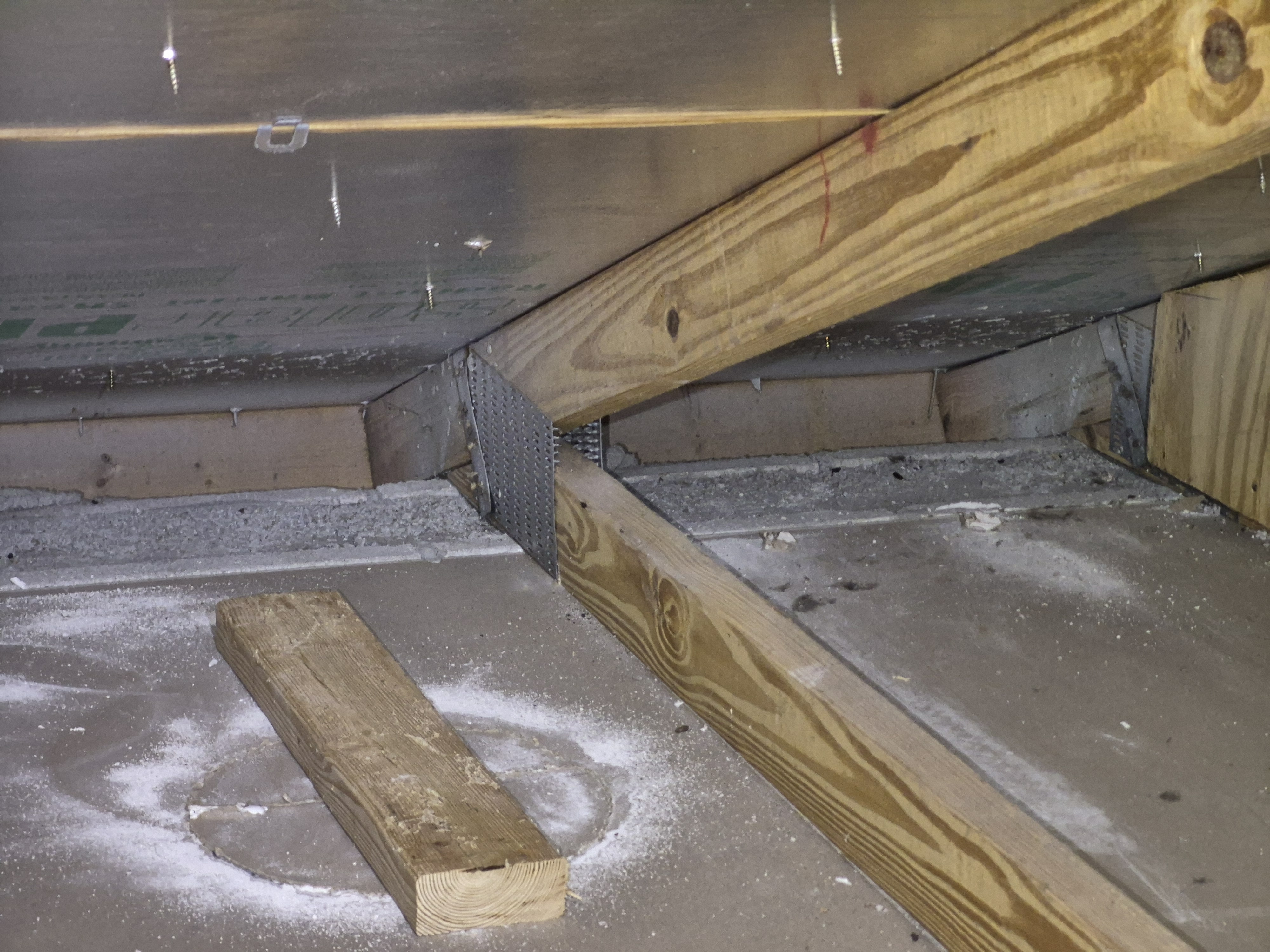
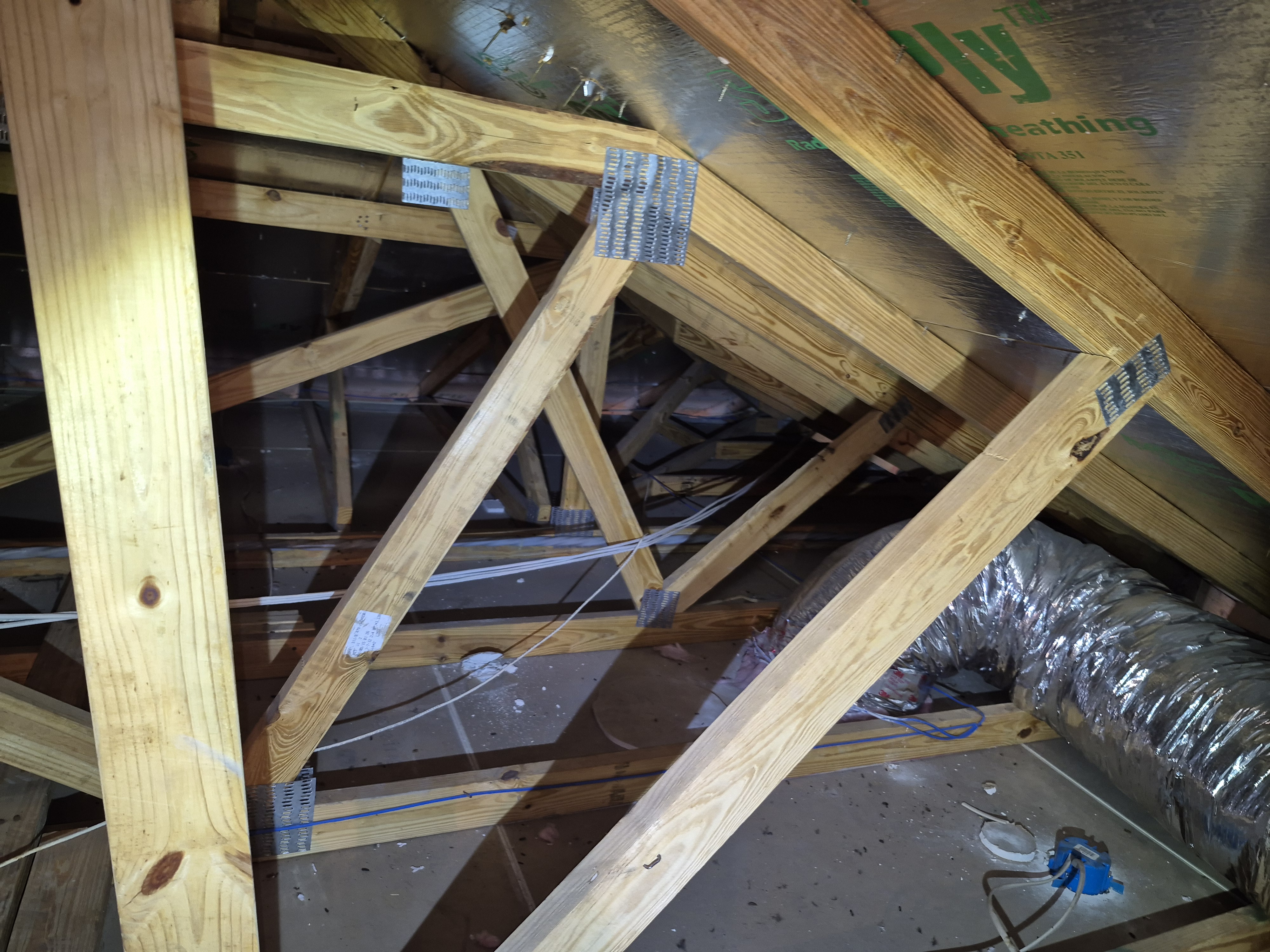
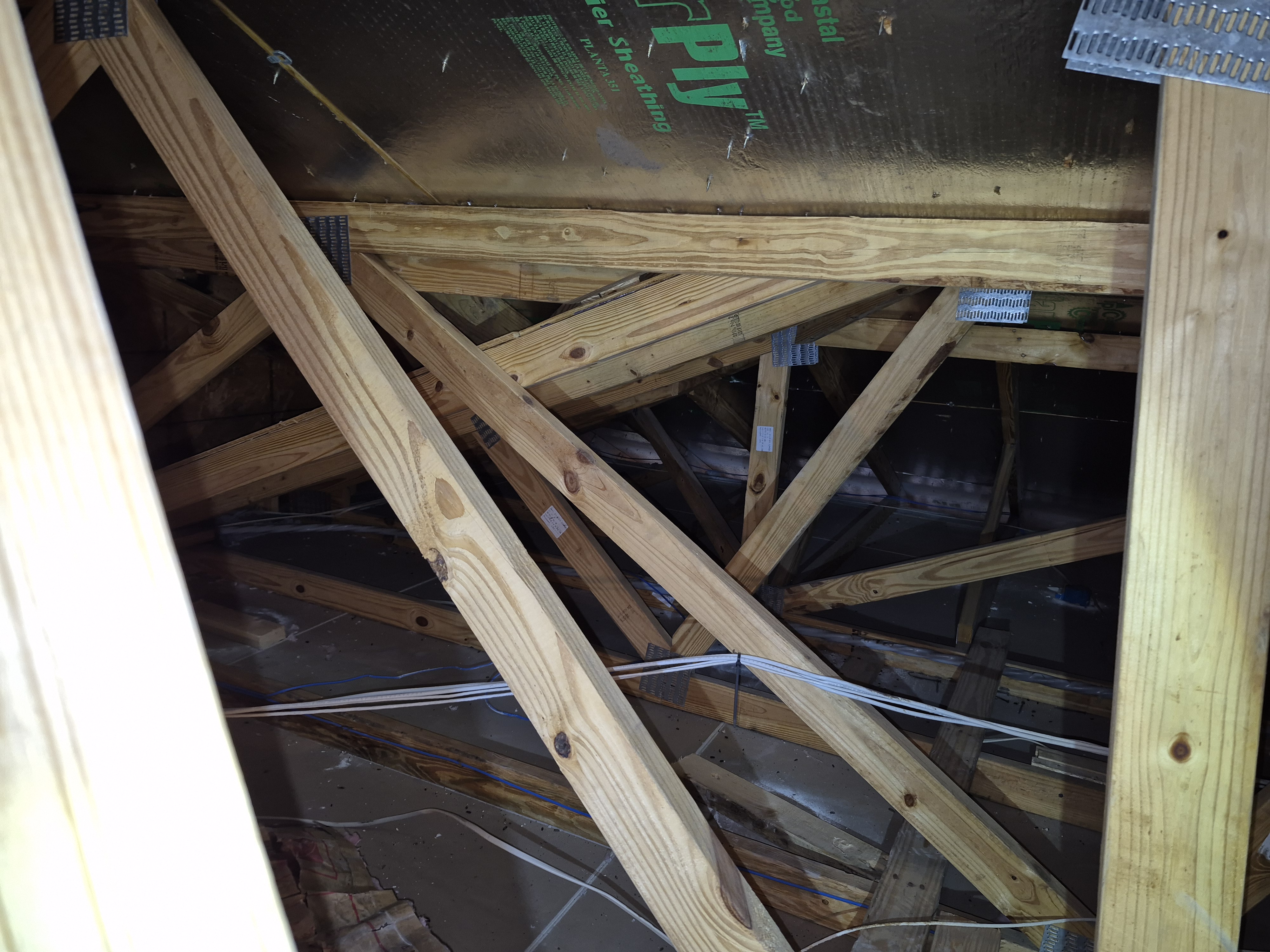
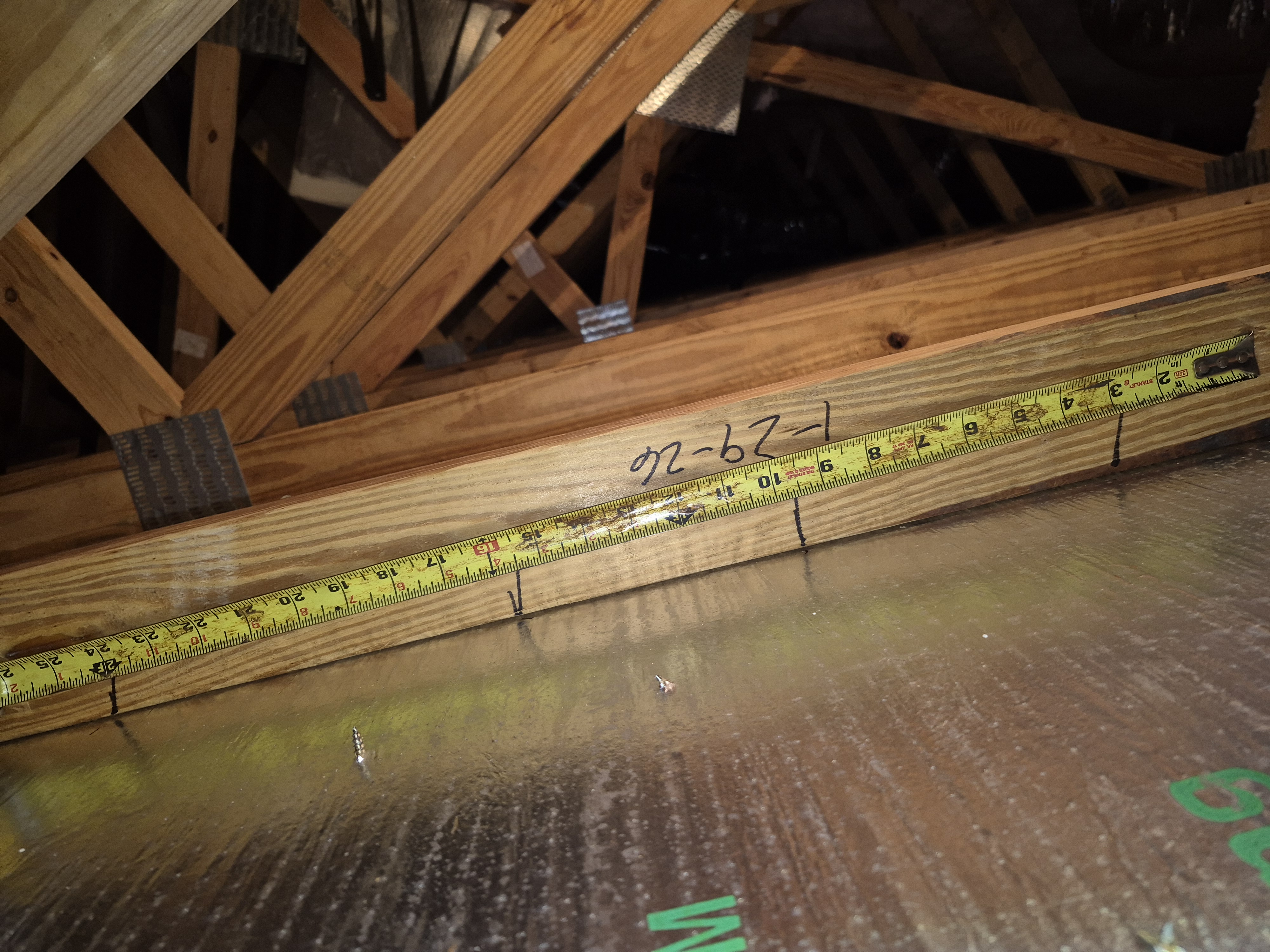
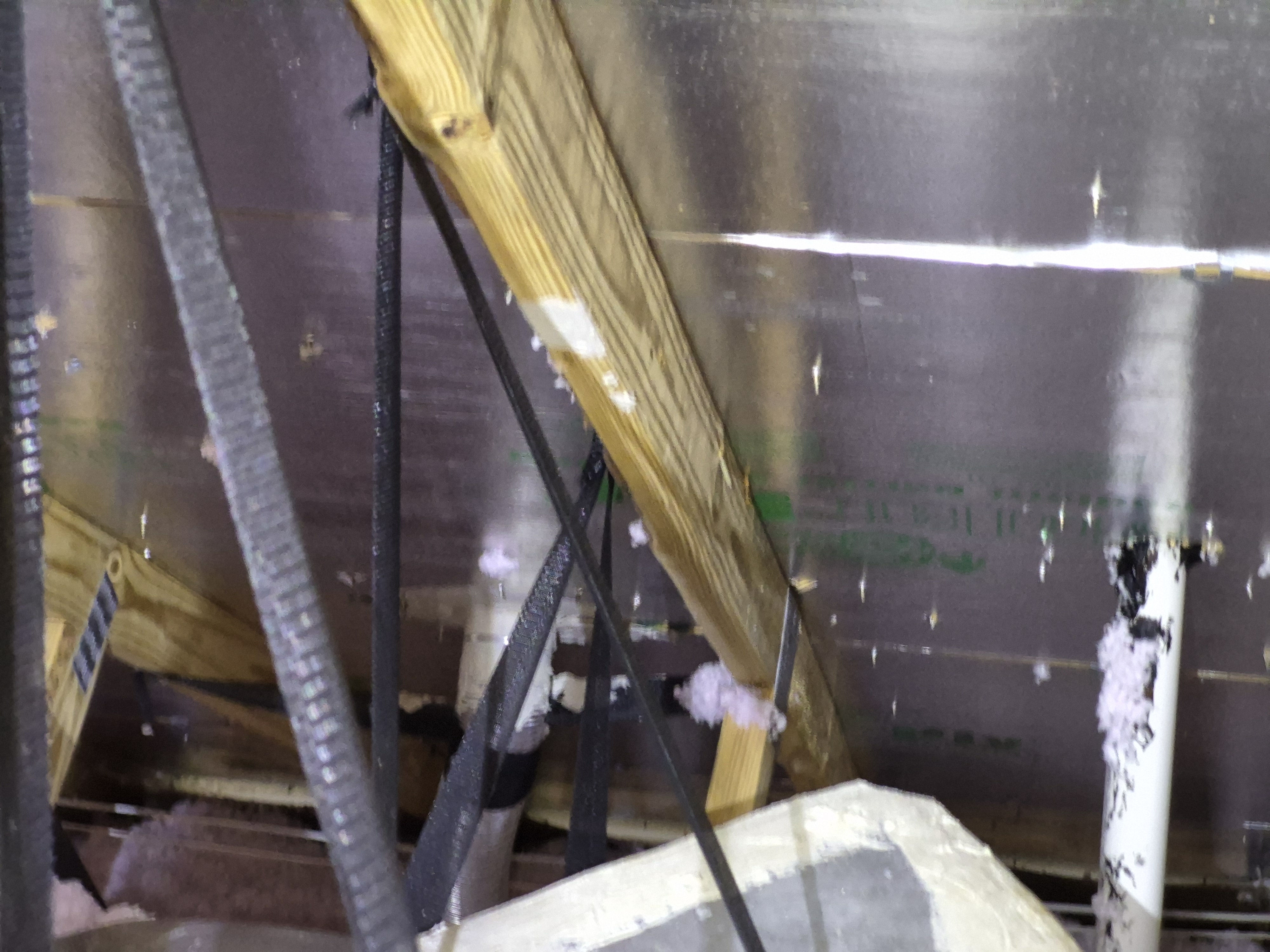
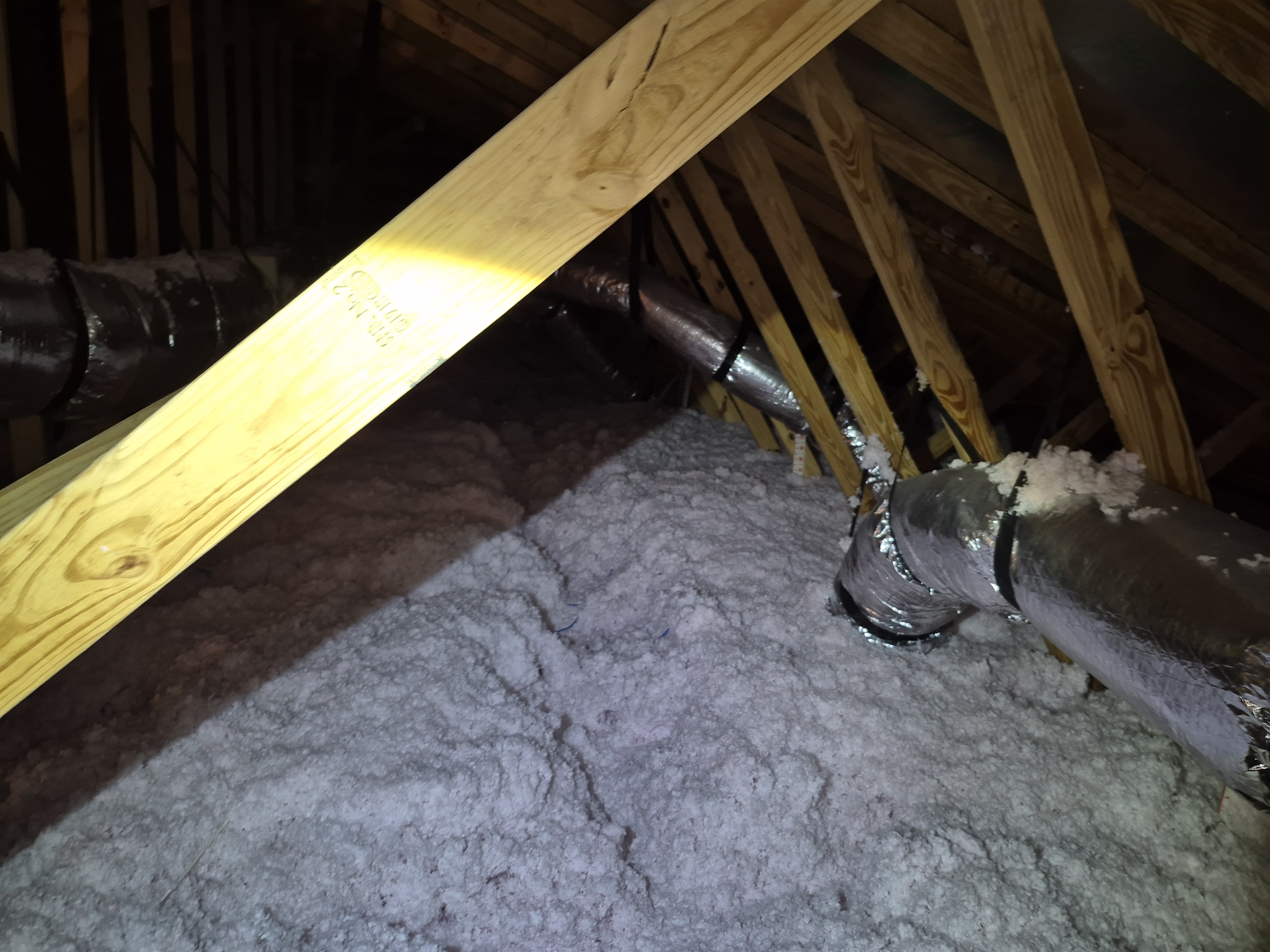
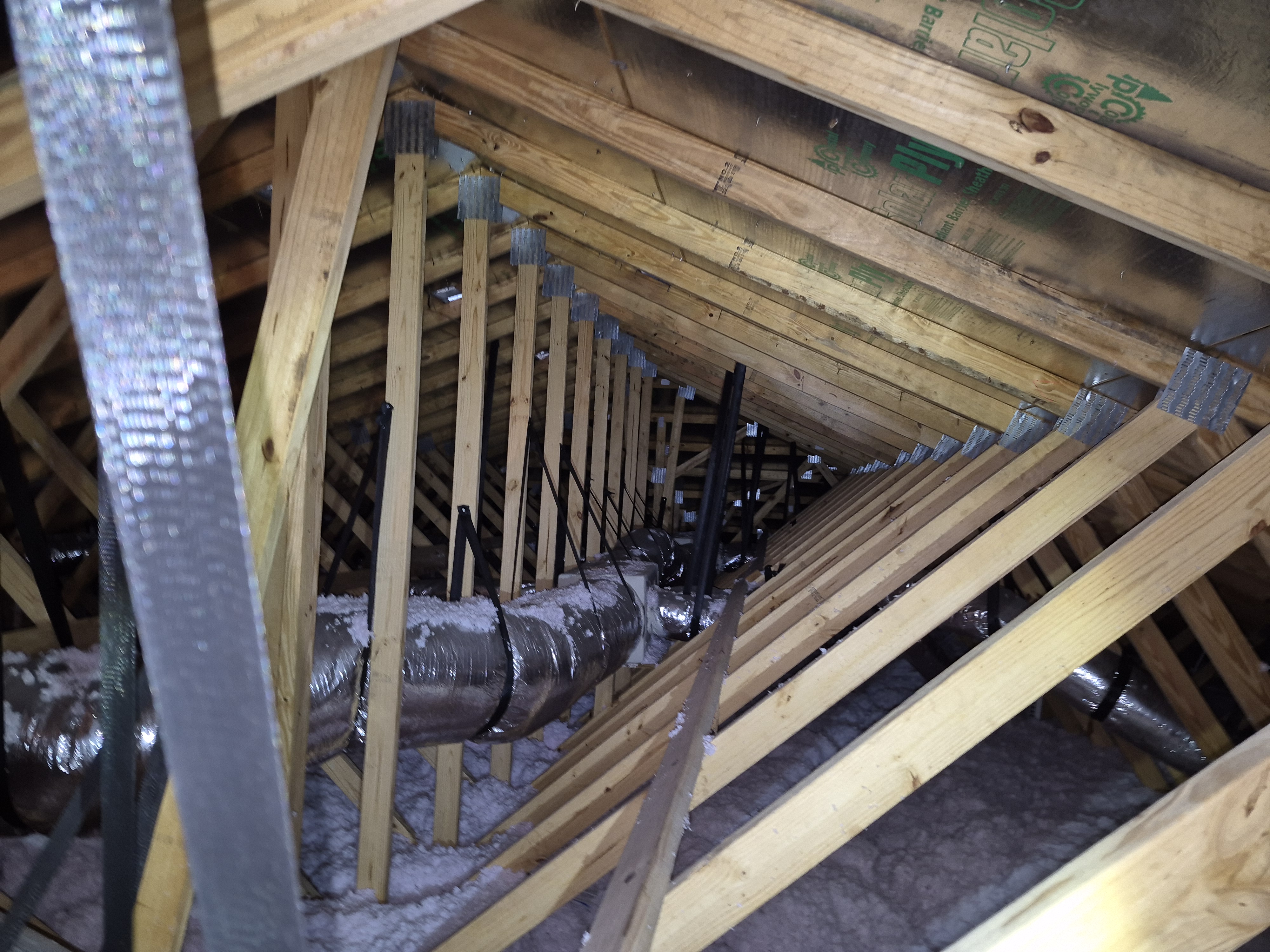
📸Attic General Photos
 |  |  |
 |  |  |
 |  |  |
 |
ATTIC ACCESS
Walked
ROOF FRAMING AND SHEATHING
Rafters:Truss
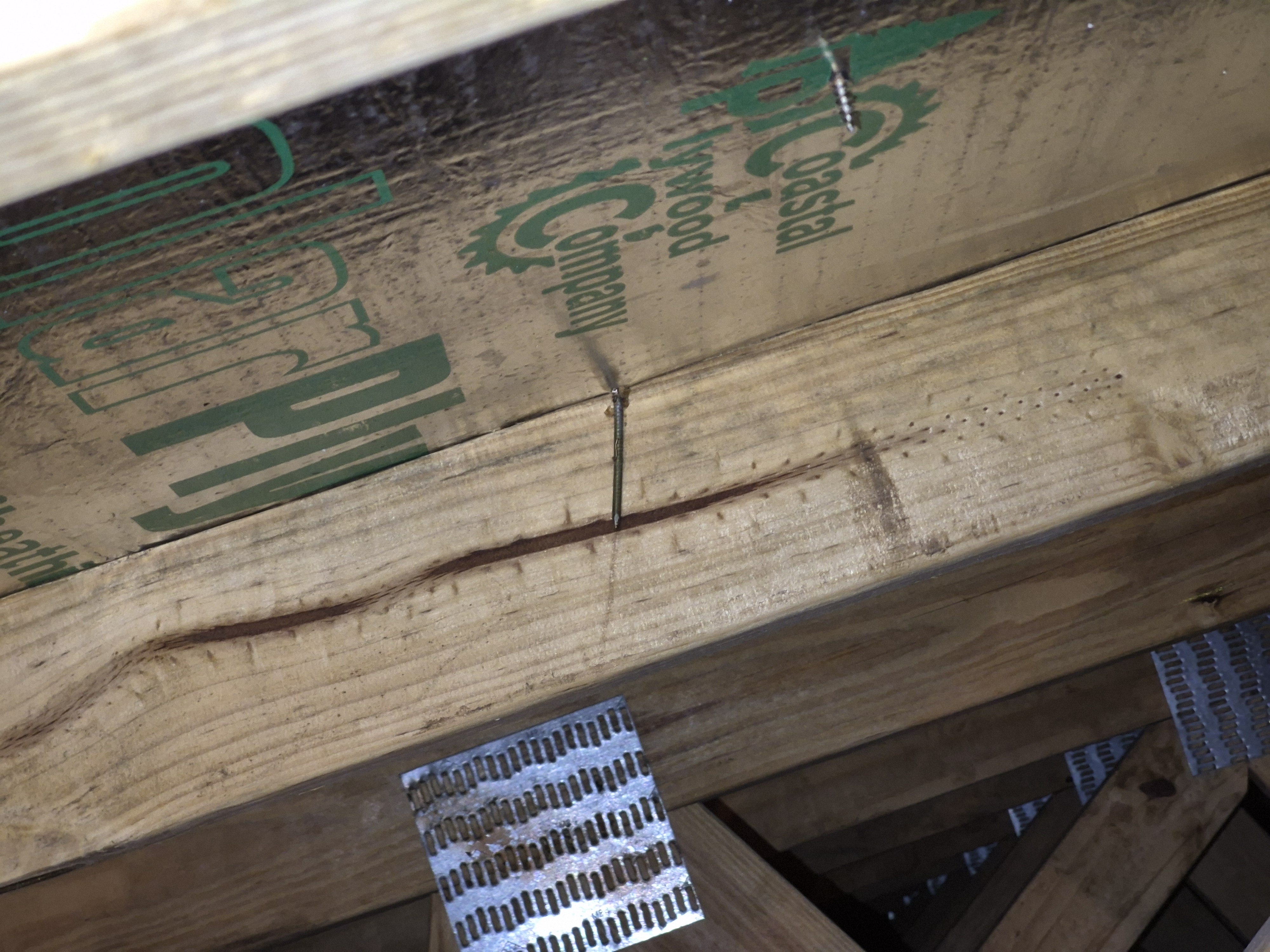
Sheathing:Radiant barrier
ATTIC INSULATION
Insulation Type:Blown
ATTIC AND ROOF CAVITY VENTILATION
Attic Ventilation Method: Off Ridge Vents
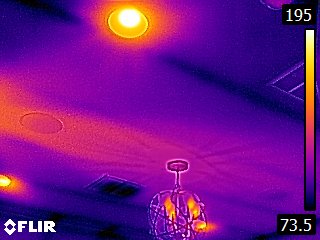
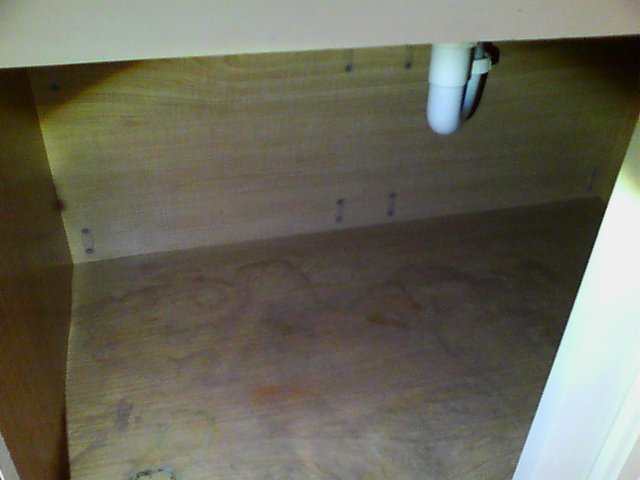
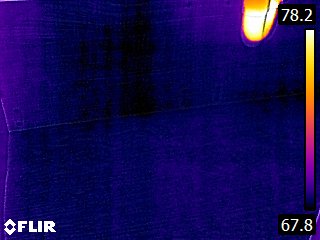
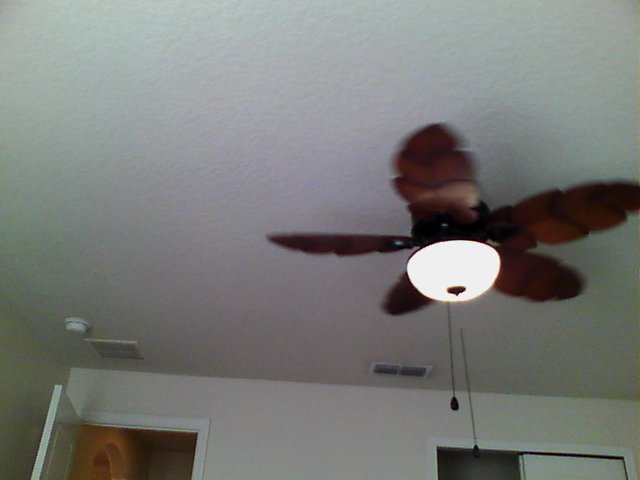
THERMAL PICTURES
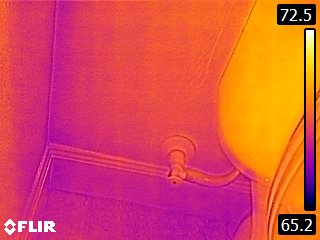
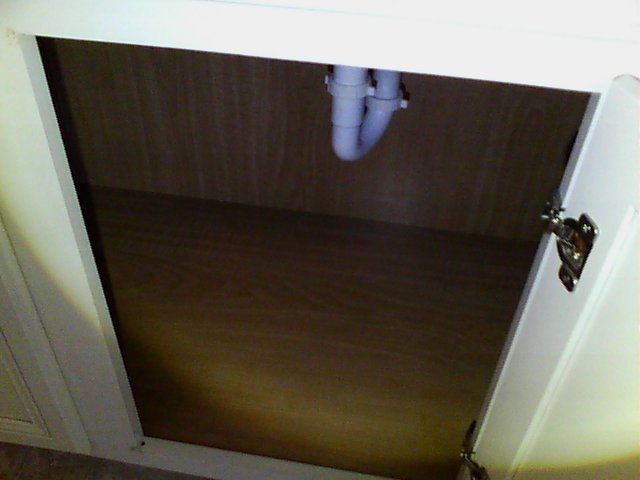
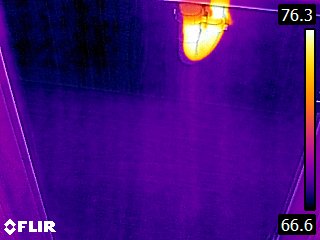
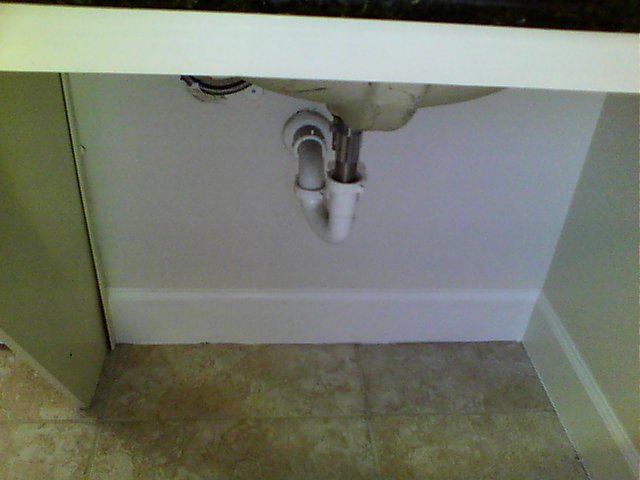
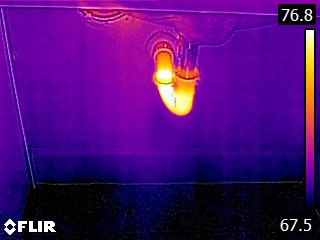
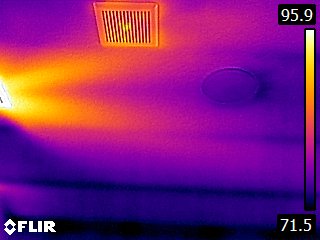
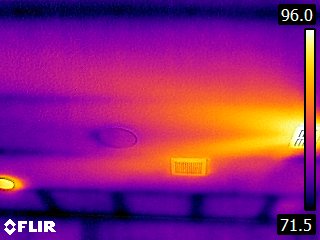
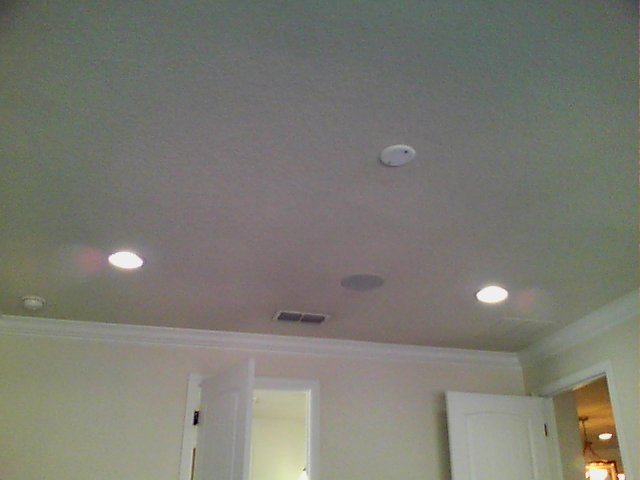
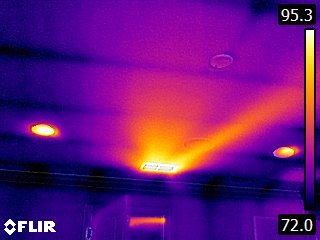
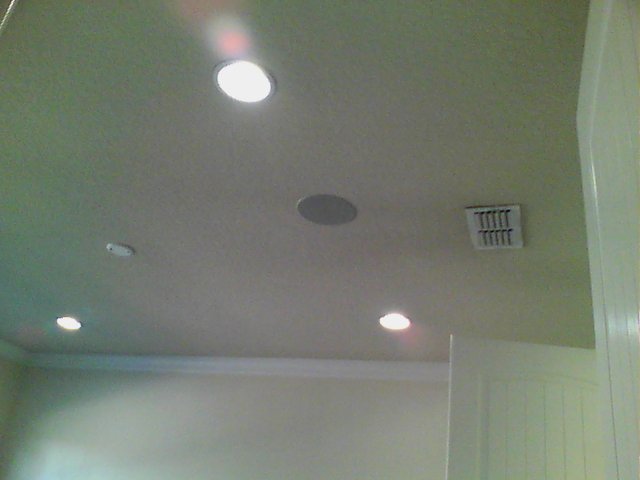
THERMAL PICTURES
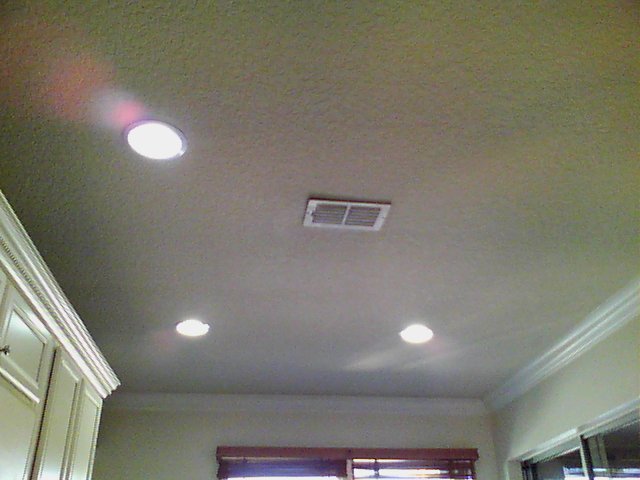
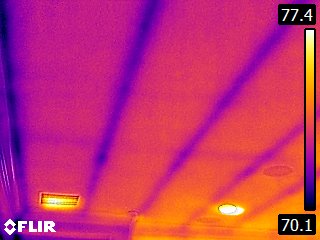
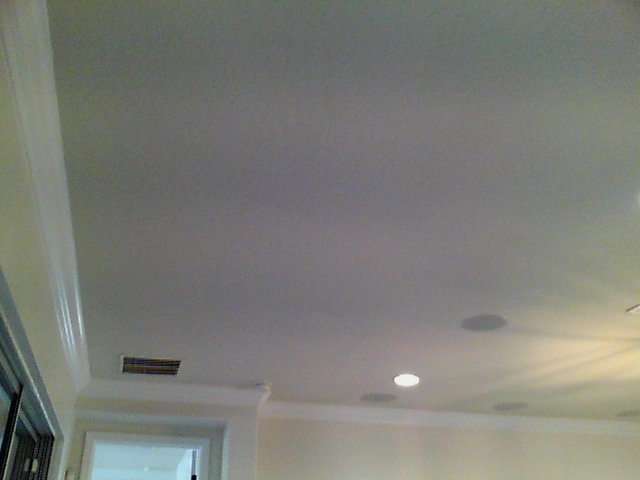
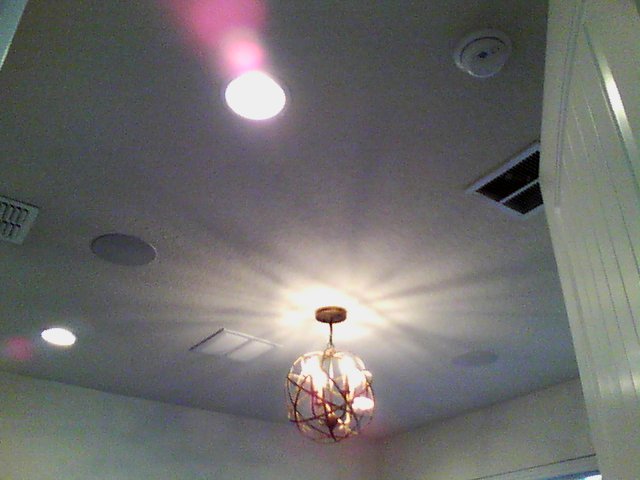
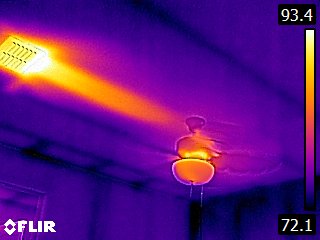
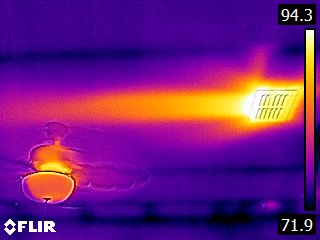
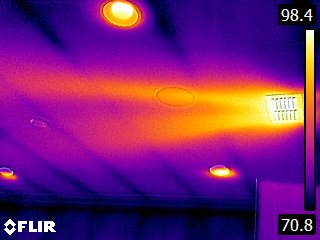
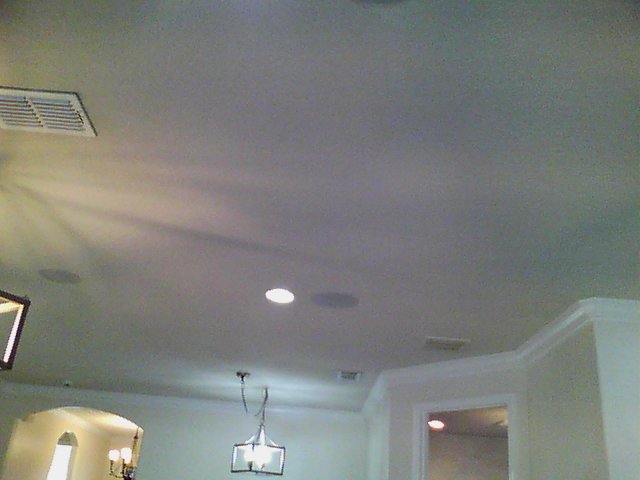
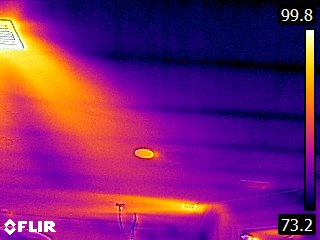
📸 General Thermal Photos
 |  |  |
 |  |  |
 |  |  |
 |  |  |
 |  |  |
 |  |  |
 |  |  |
 |  |  |
 |  |  |
 |  |  |
 |  |  |
 |
STRUCTURE AND BASEMENT
FOUNDATION
Building Configuration: Slab on grade
Foundation Description: Poured concrete
4 -POINT INSPECTION
4-Point Inspection
Four Point Form.
4-Point Photos
Dwelling: Each Side, Roof: Each slope, Plumbing: Water Heater, Main Electrical service panel with interior door label, Electrical box with panel off, All hazards or deficiencies noted in this report
DWELLING PHOTOS
| | |
| |
ROOF PHOTOS
| | |
| | |
| |
PLUMBING PHOTOS
| | |
| | |
| | |
| | |
| | |
| | |
|
ELECTRICAL SYSTEM MAIN PANEL PHOTOS
| | |
ELECTRICAL SYSTEM SECOND PANEL PHOTOS
| | |
HVAC
WIND MITIGATION INSPECTION
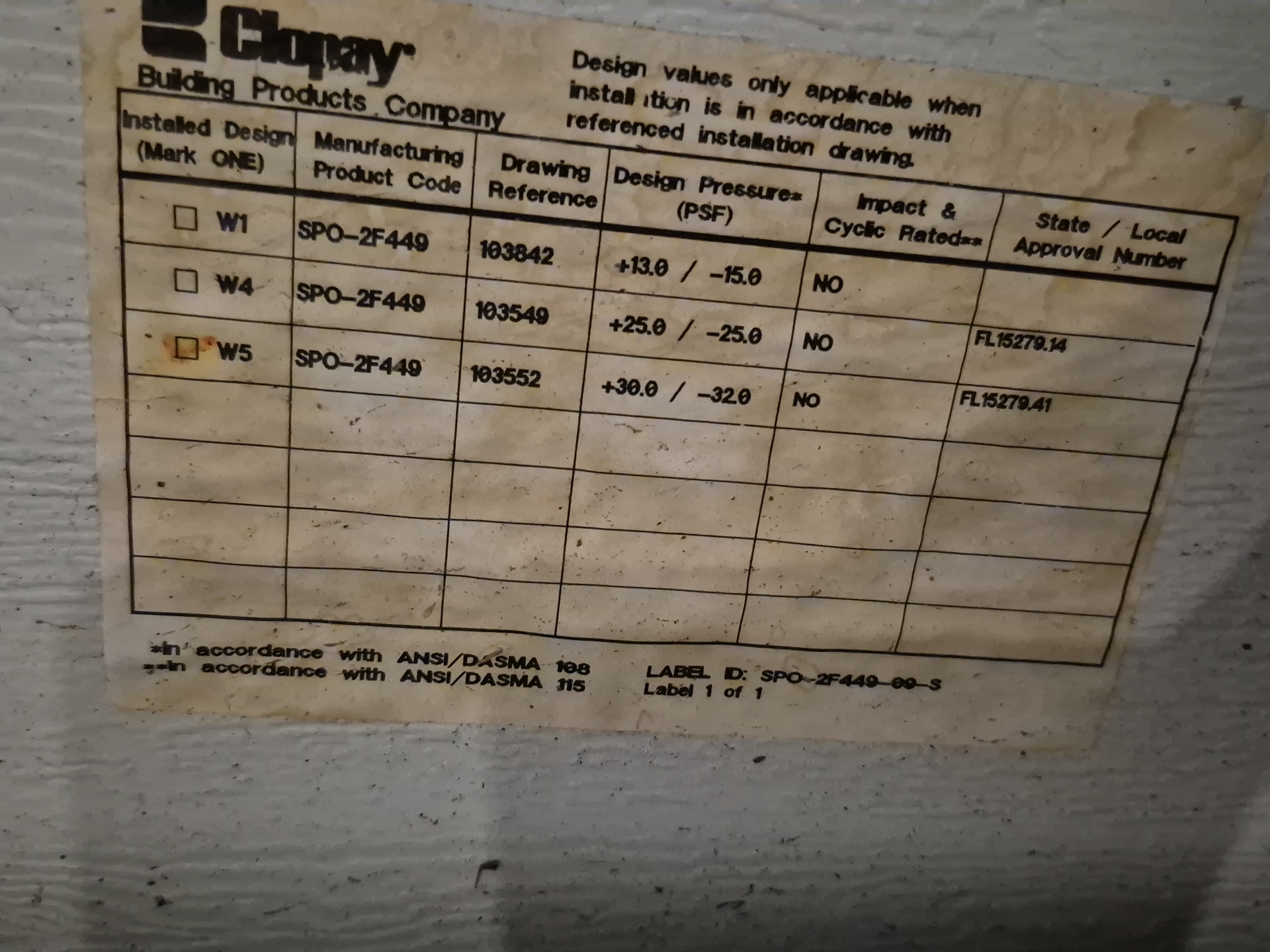
Wind Mitigation Form
Wind Mitigation Photos
WIND MITIGATION PHOTOS
| | |
| | |
 | | |
| | |
| | |
| | |
|
POOLS AND SPAS
POOL AND SPA PICTURES
Photos: Photos
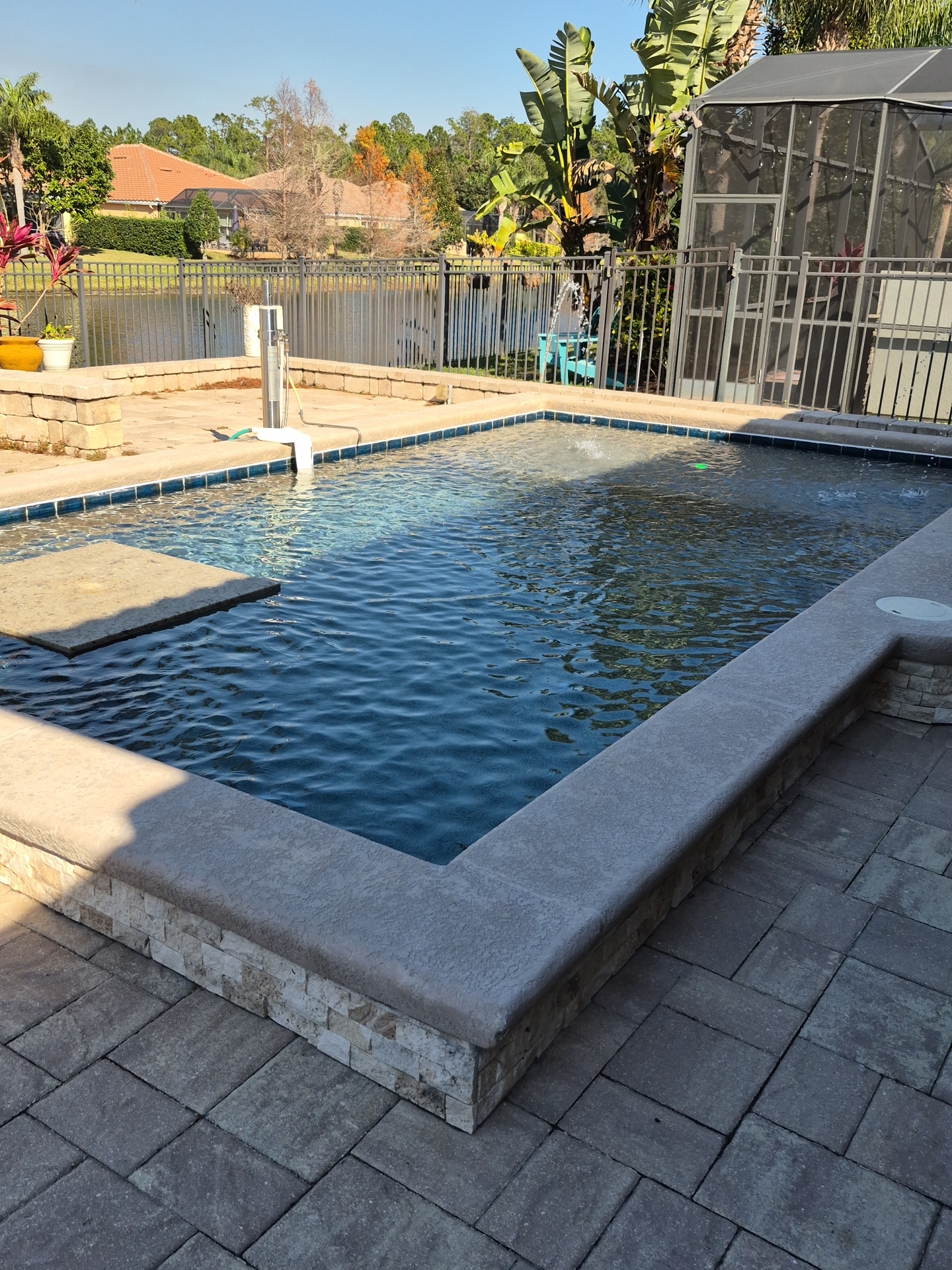
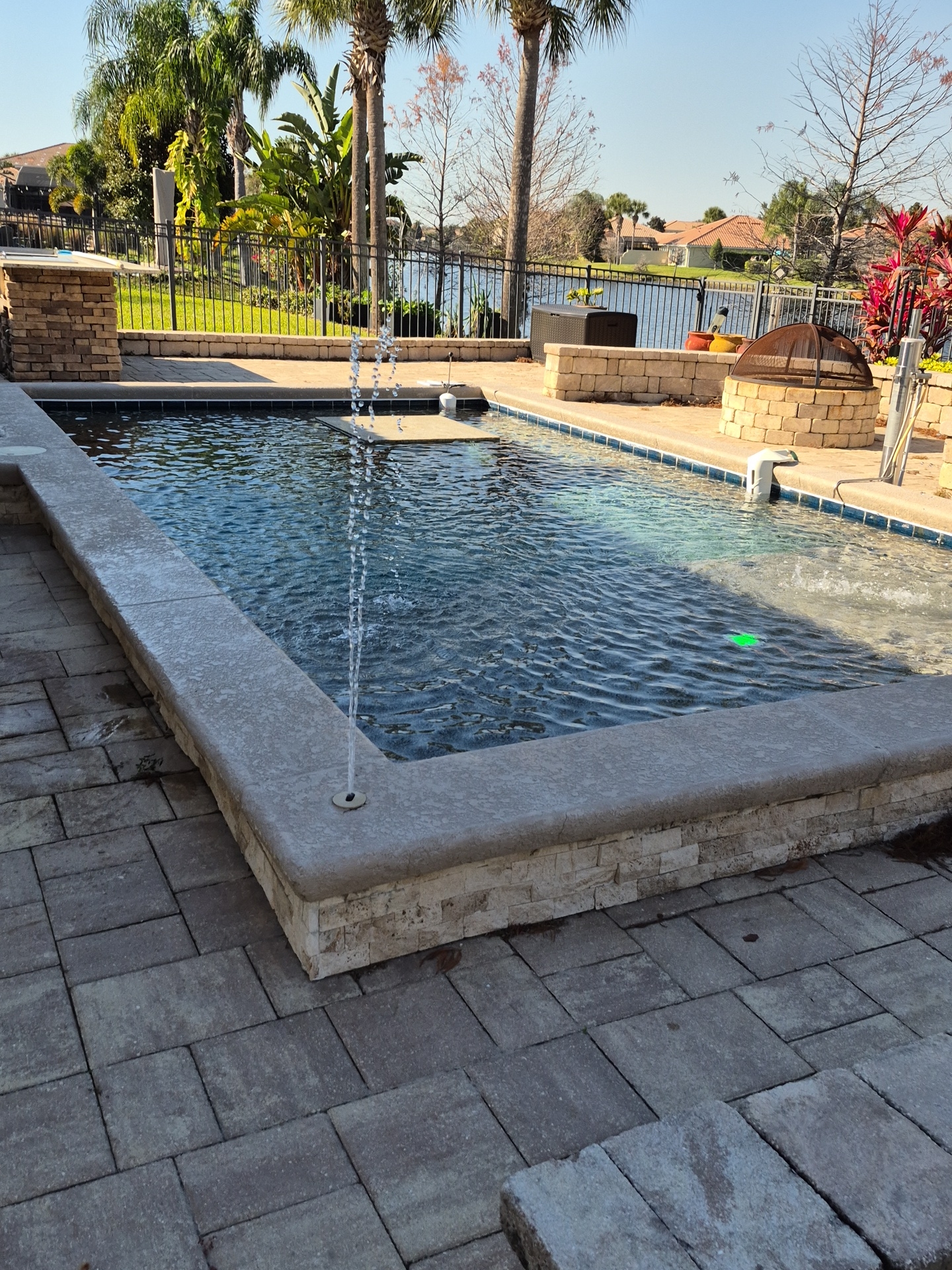
📸 Pool and Spa Photos
 |  |
POOL/SPA
Pool/Spa Type:In Ground
Shape:Rectangle
Wall Material:Pebble
Diving Board Present:No
Additional Water Features:Fountain
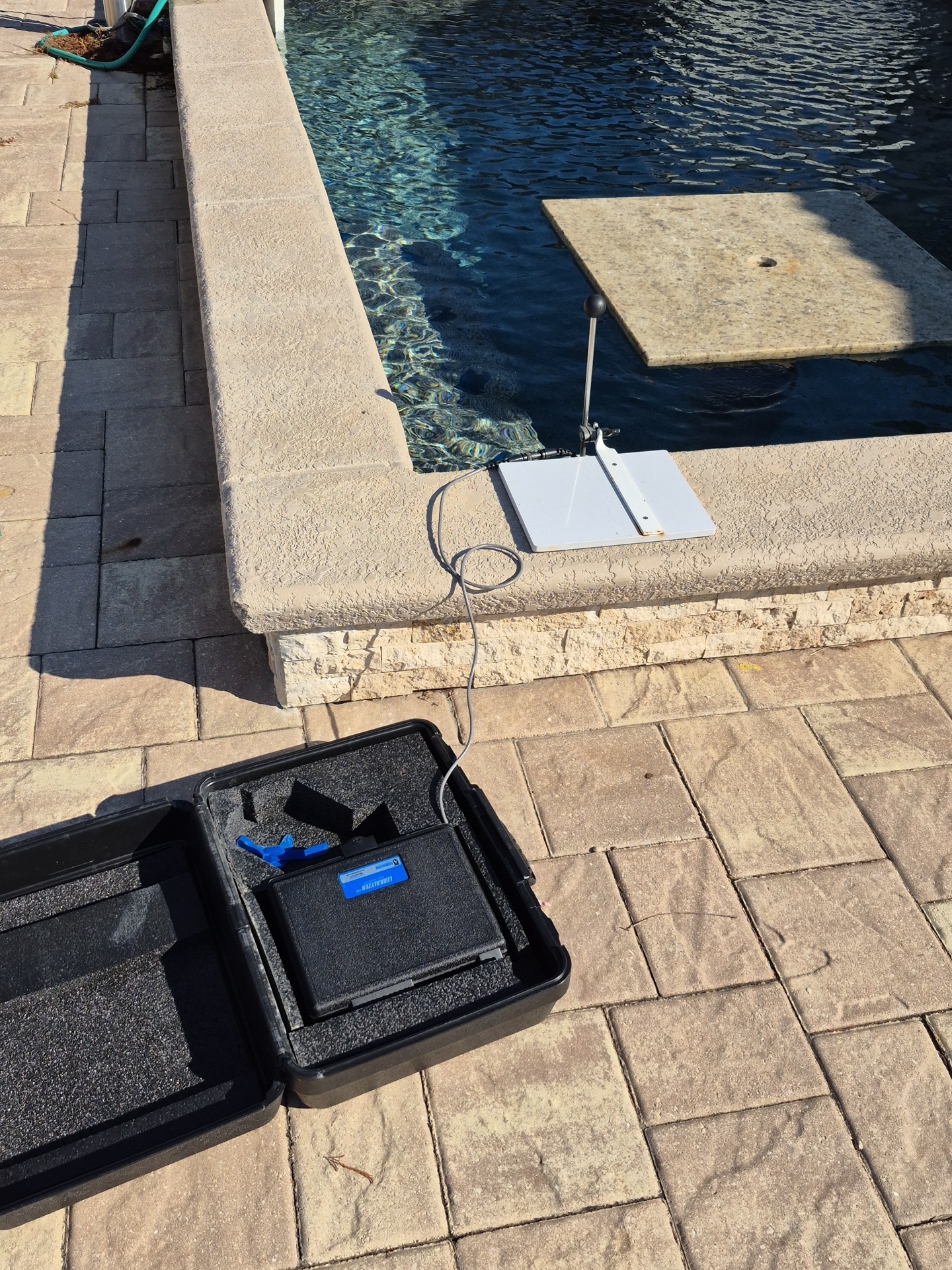
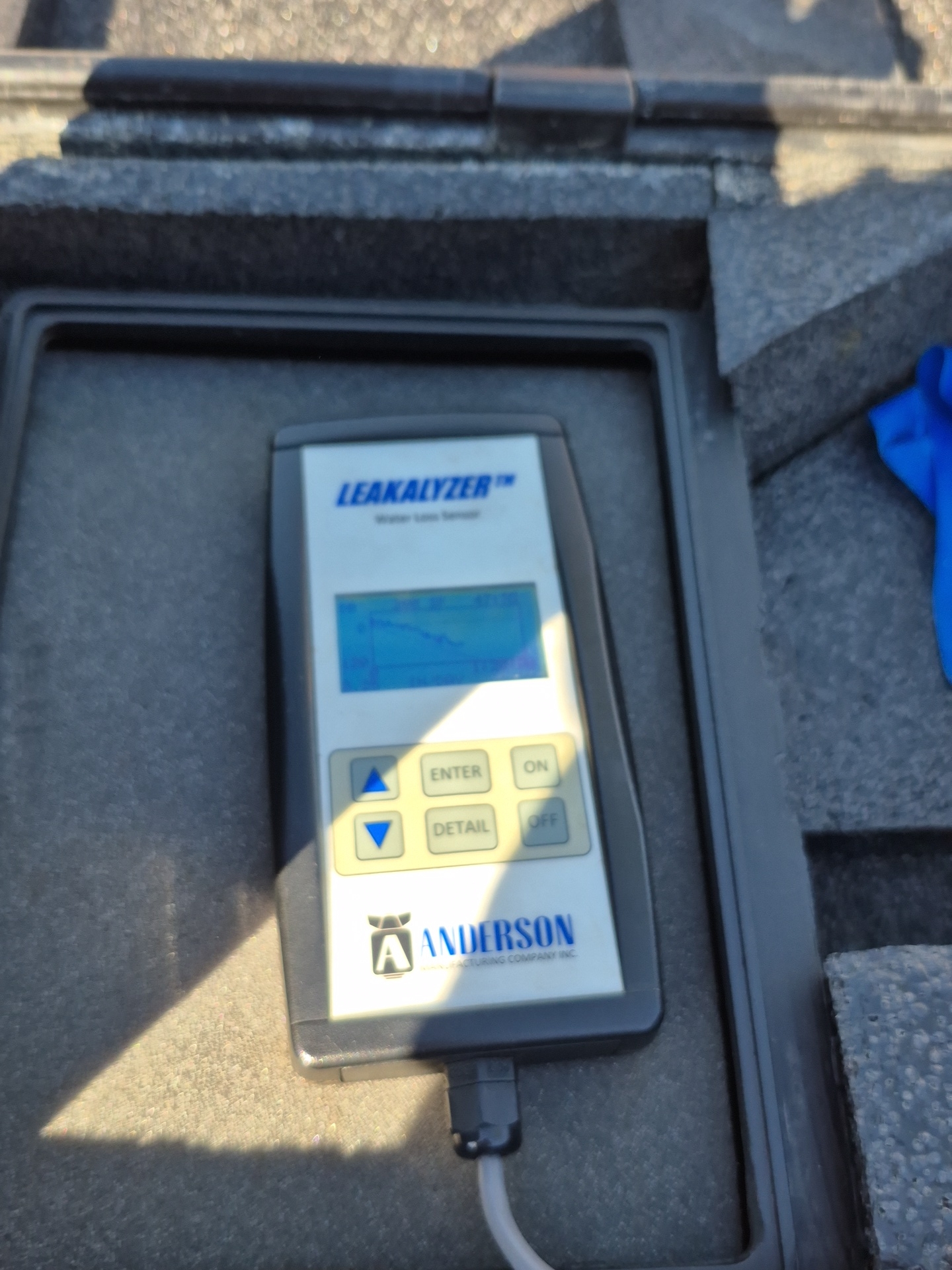
Leakalyzer was used and showed no signs of leakage.
 |  |
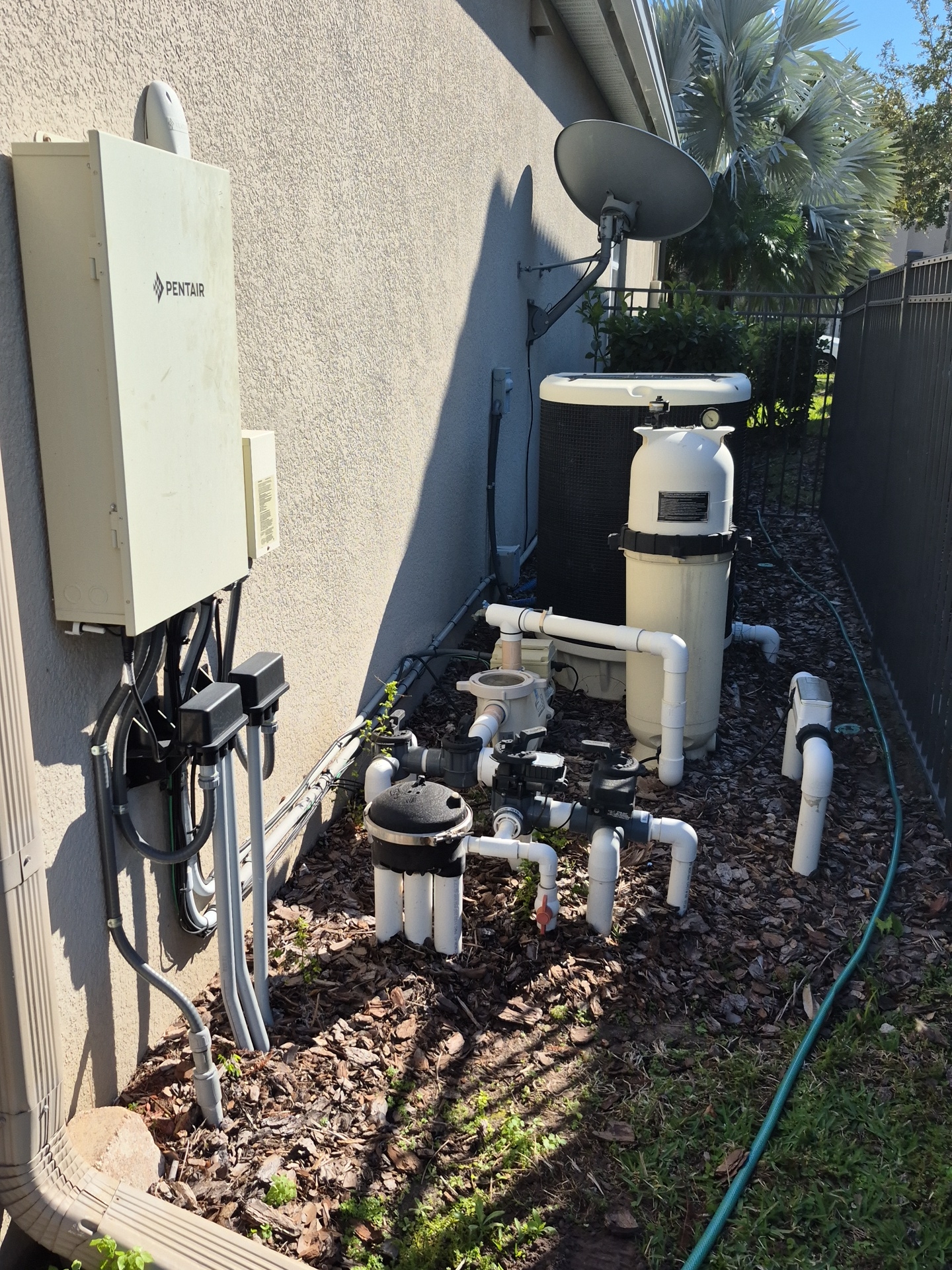
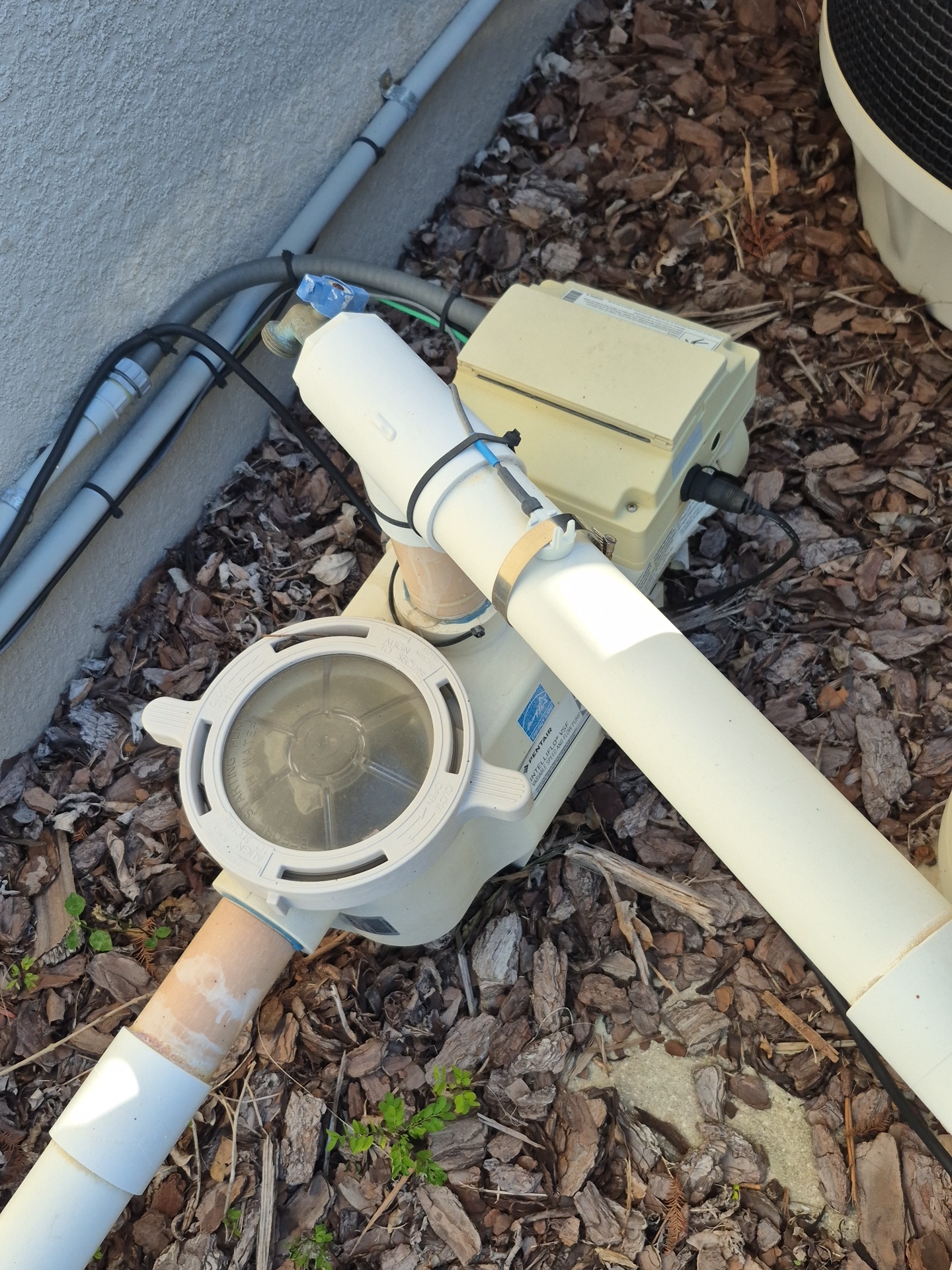
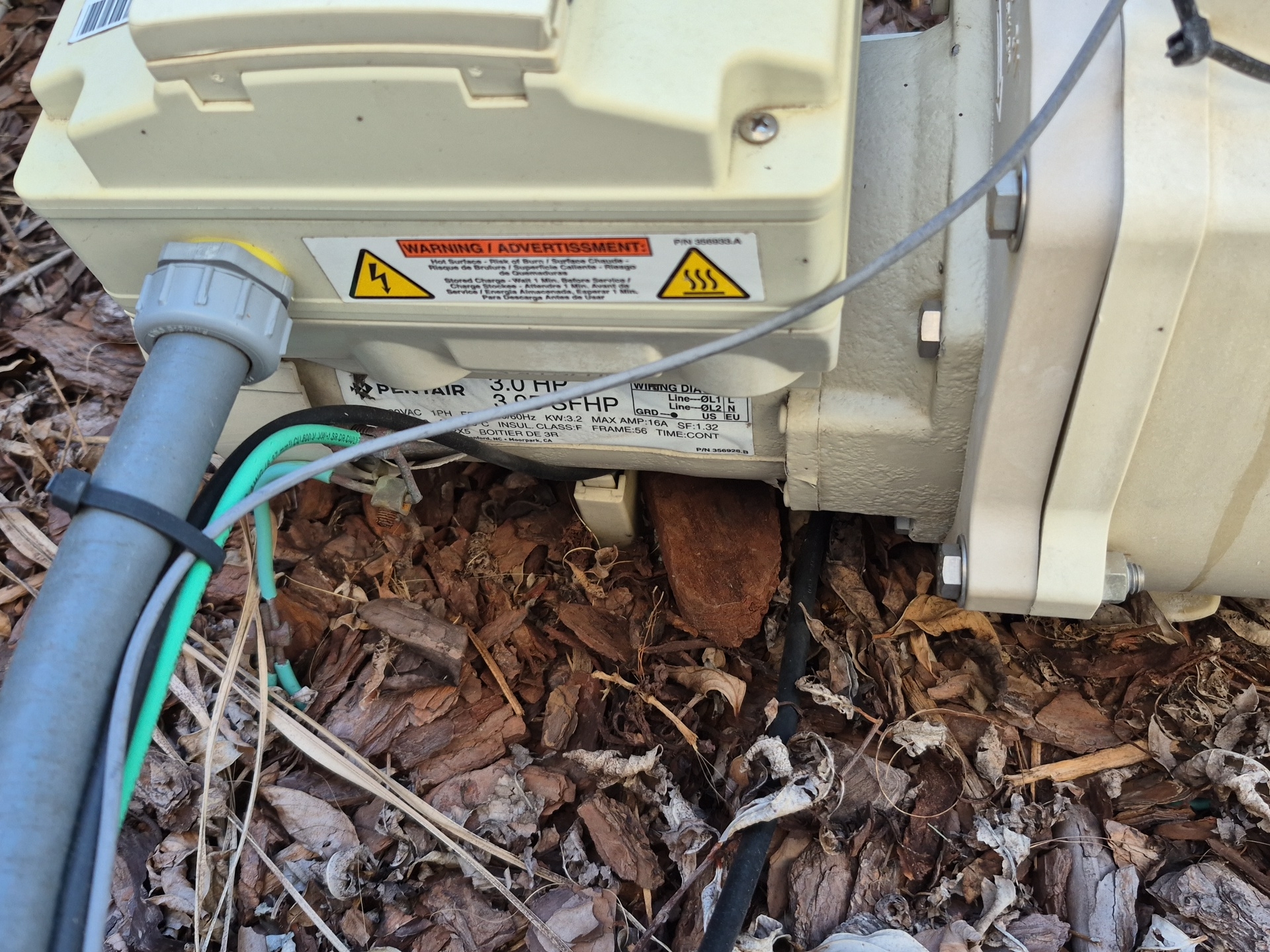
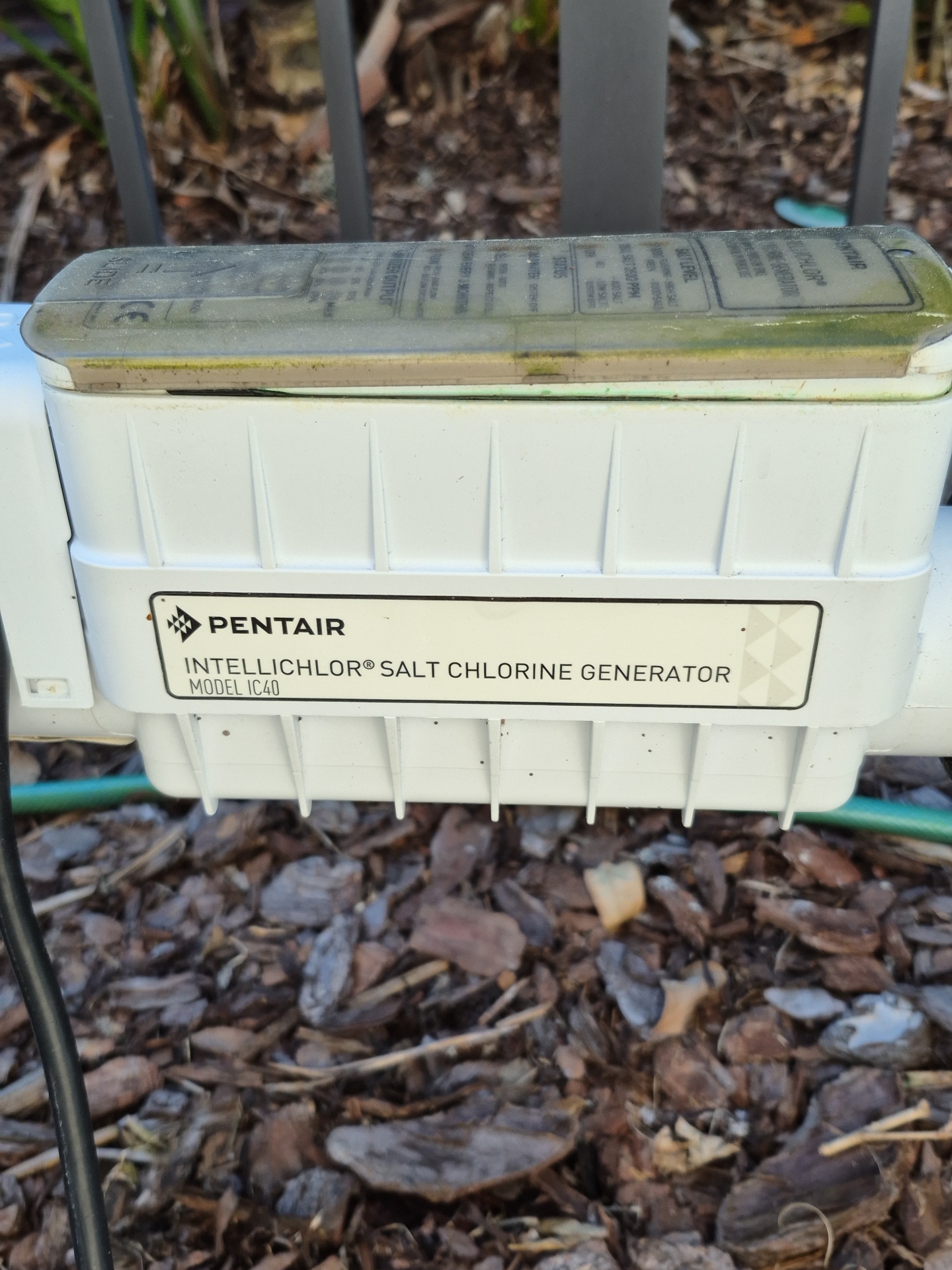
PUMPS, MOTOS, BLOWERS, GUAGES, AUTOMATIC SAFETY CONTROLS, VISIBLE PIPING, AND VALVES
Photos: Photos
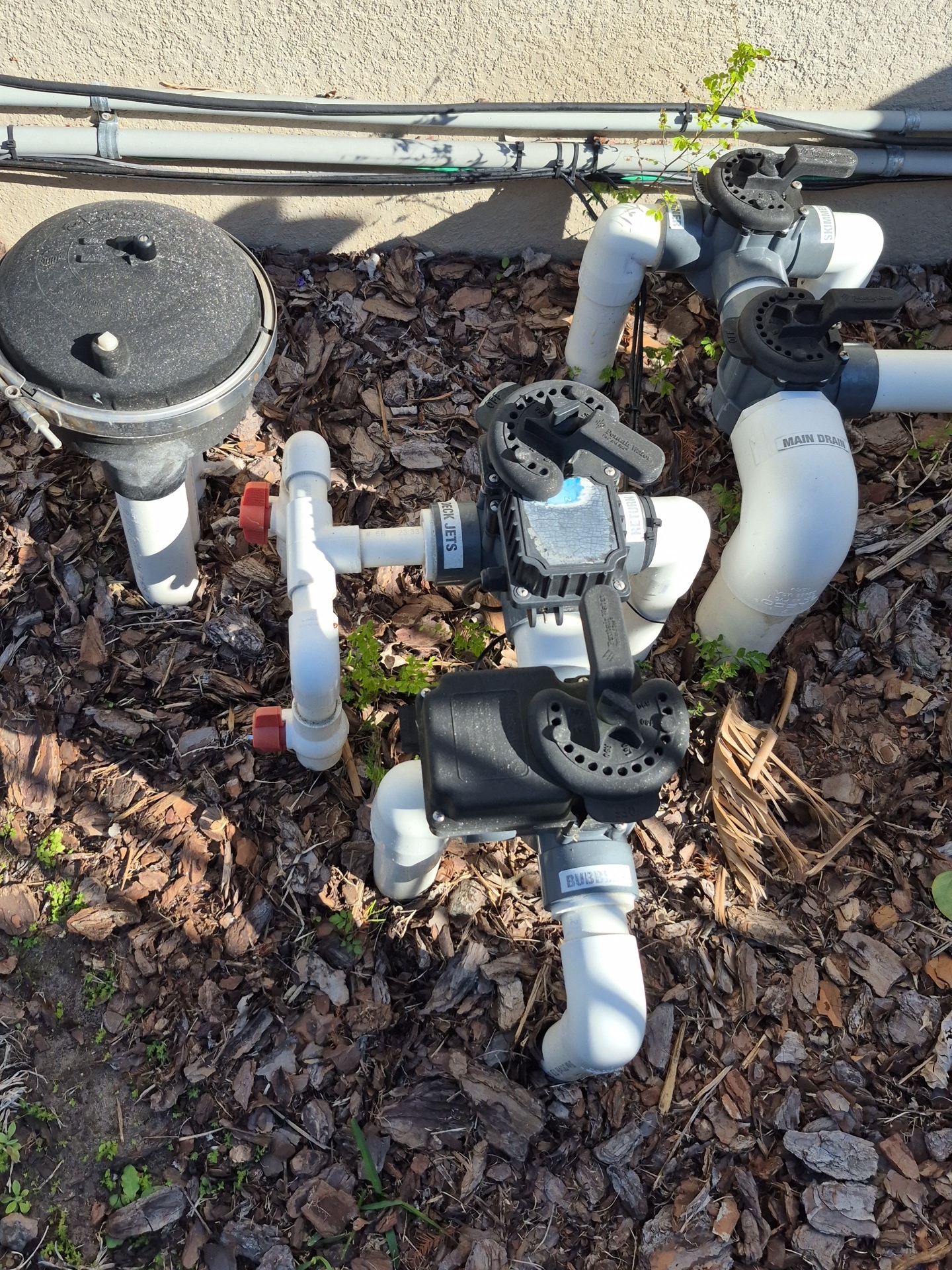
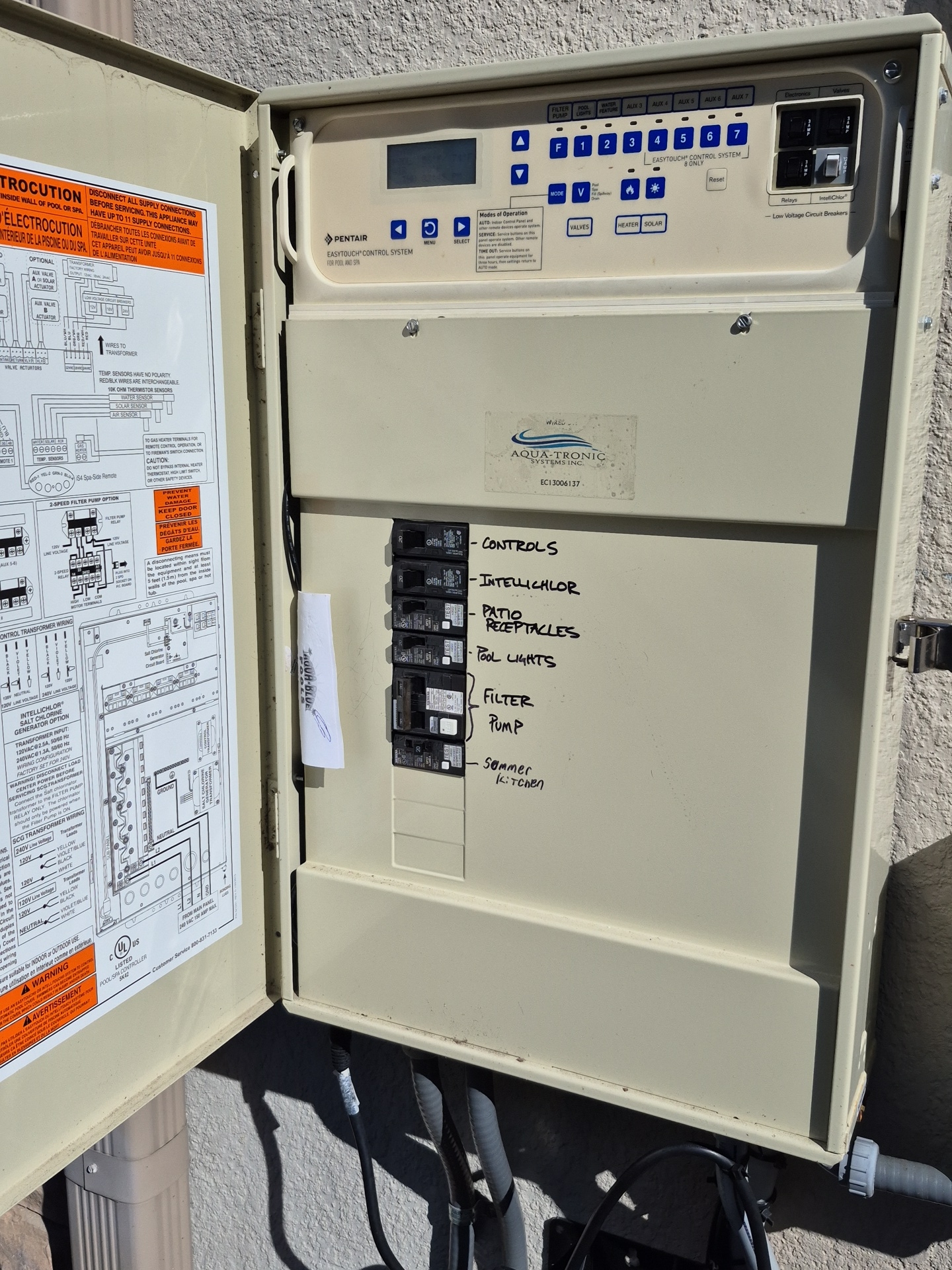
Pumps, Motors, Gauges, Safety Controls, Piping, and Valves
 |  |  |
 |  |  |
 |
Pump Purpose:Filter & Circulation Pump
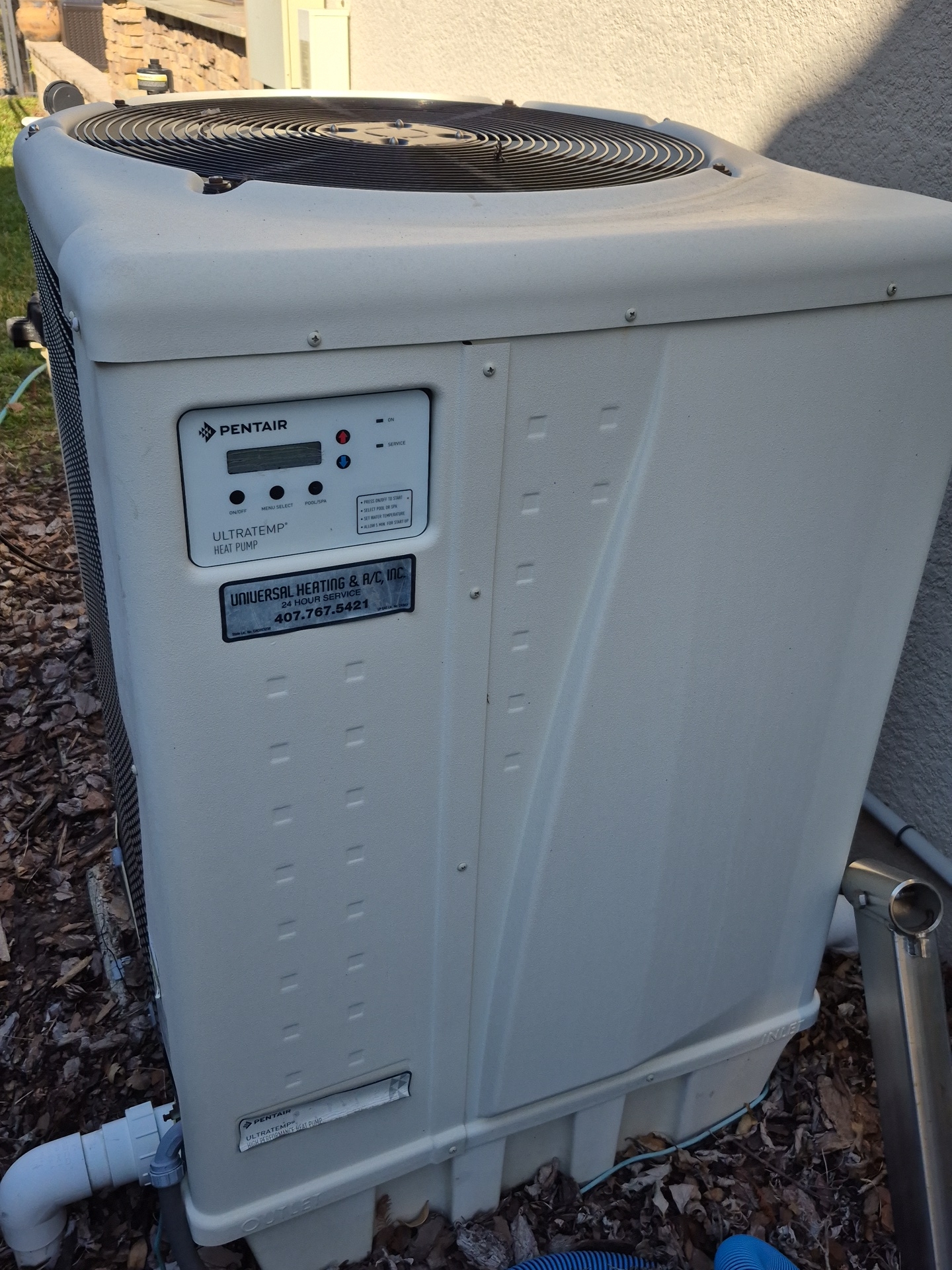
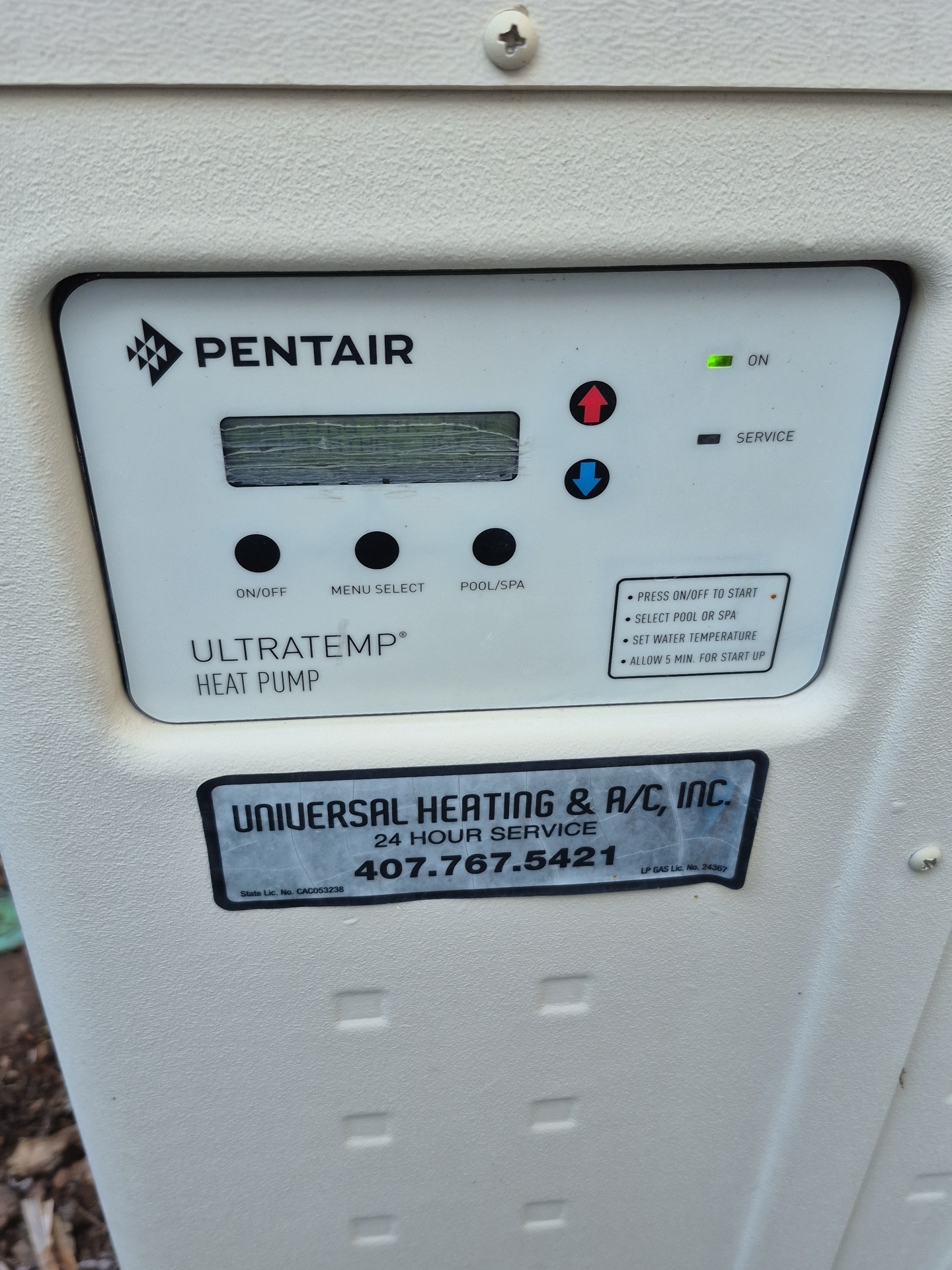
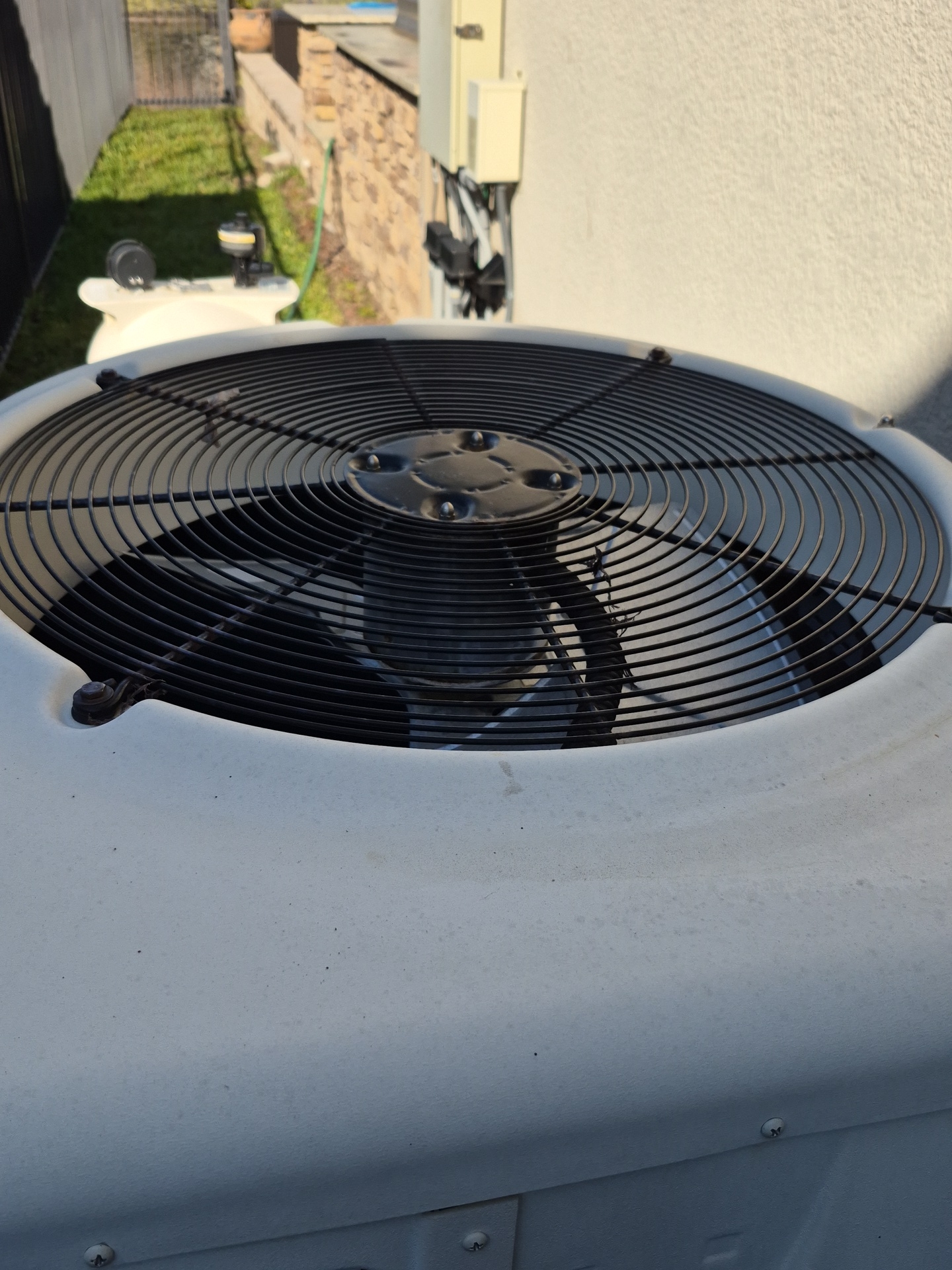
Heater Present:Yes
Heater was on but not functioning at the time of inspection. Recommend demonstration or repair.
 |  |
FILTERS, SKIMMERS, DRAINS, & CLEANING SYSTEMS
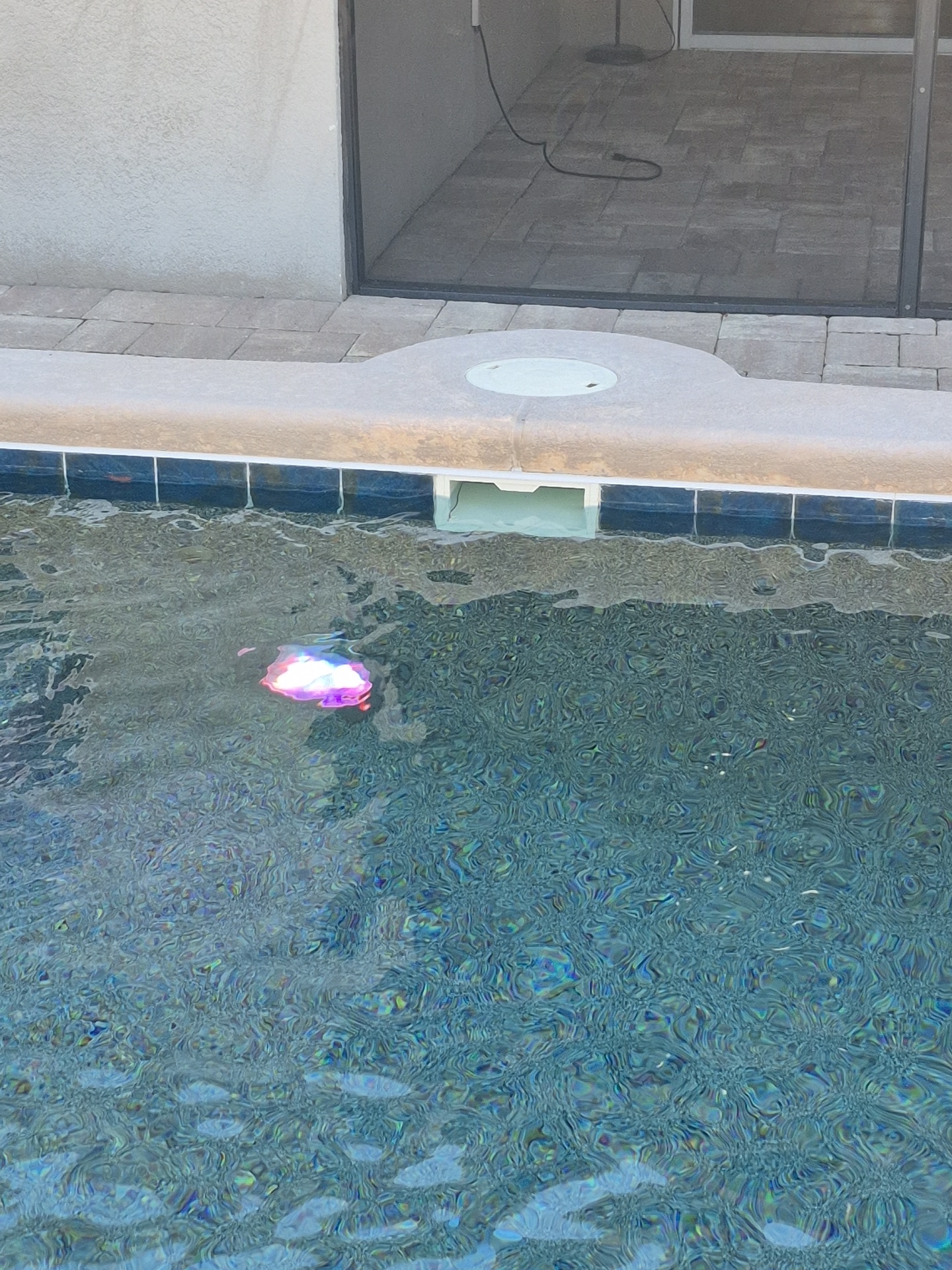
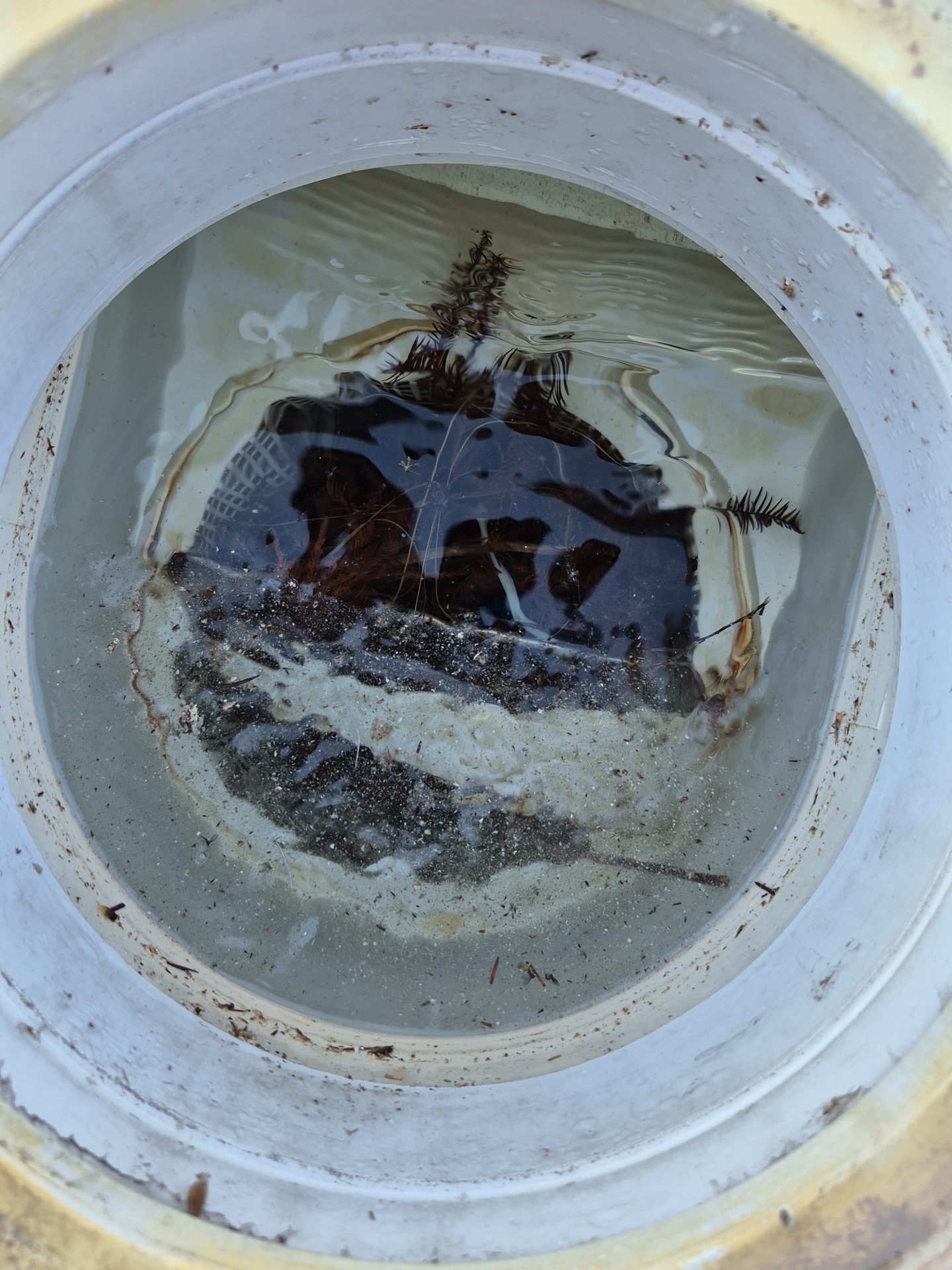
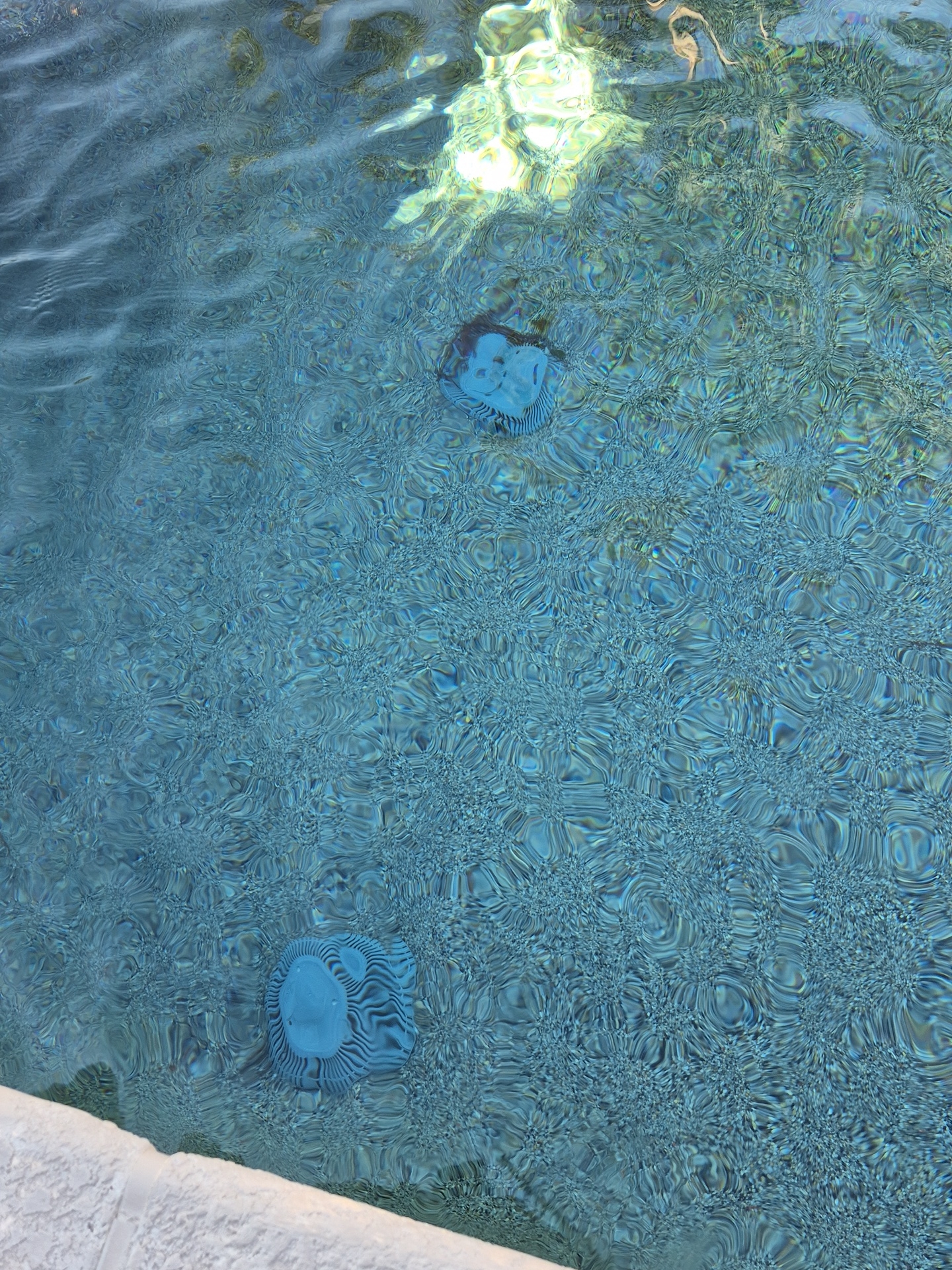
Cleaning Systems:Skimmer
This pool, like all pools, has a skimmer cleaning system. A skimmer helps to clean the pool by using suction to create a current that pulls the surface water towards to skimmer opening, capturing floating debris such as leaves, flower petals, dirt, twigs, dead insects, oil (sunblock), etc., before the waste can sink to the pool's bottom. The debris is collected in the basket in the well accessed from the deck's surface. This basket should be routinely checked and emptied to maintain optimal results.
 |  |  |
POOL BARRIERS (FENCING, DOORS, WINDOWS ON THE HOME, ETC.)
Pool Safety Barrier Present?:Yes, But there are flaws/defects.
Sensor alarms do not work.
Extra Room
WALLS, CEILINGS, TRIM, AND CLOSETS
Wall and Ceiling Materials:Drywall